In This Guide
- Can You Drive an RV in North Canada? License & Age Rules
- Road Conditions & Terrain in North Canada
- RV Size Limits, Bridges & Restricted Zones
- Fuel: Diesel vs. Petrol & Cost per 100 km
- Tolls, Vignettes & Border Rules
- Driving Tips for cheap rv rental Travelers
- Recommended RV Class for North Canada Roads
- Should I Choose a Compact Van Instead of a Large RV in North Canada?
- Can I Park Anywhere? Free & Wild Camping Rules in North Canada
- Can I Drive an RV Into the City Center? Heights, Tunnels & Local Signage
- What is the 3-3-3 rule for RV travel?
- What are the requirements for entering Canada in an RV from the US?
- Do you need a different license to drive an RV in Canada? What is the largest RV you can drive without a special license?
- Can Americans RV in Canada?
- What is the new law on RV licensing in Ontario?
Imagine yourself on a journey through untouched wilderness, where vast landscapes stretch as far as the eye can see and wildlife roams freely. A cheap RV rental in North Canada opens up a world of adventure, offering unparalleled freedom to explore the Yukon, Northwest Territories, and northern parts of provinces like British Columbia and Alberta. At Bandana RV, we're dedicated to helping you discover the magic of RV travel, ensuring a seamless and unforgettable experience from your initial planning stages to your post-trip reminiscing. For live availability and current prices, start with our RV Rental North Canada - Complete Guide 2026 guide.
Can You Drive an RV in North Canada? License & Age Rules
Yes, most standard RVs in North Canada can be driven with a regular Class 5 (or equivalent) driver's license from your home country or Canadian province, requiring the driver to be at least 21 years old for rental purposes. Foreign drivers, including those from the US, can typically use their valid home country driver's license for up to 3-6 months. However, an International Driving Permit (IDP) is strongly recommended for licenses that are not in English or French, as it provides an official translation, preventing potential delays or misunderstandings with local authorities. This recommendation helps ensure smooth travel across the 50+ countries where Bandana offers rental services.
For RVs exceeding 11,000 kg (24,250 lbs) in Gross Vehicle Weight Rating (GVWR), such as very large Class A motorhomes, a higher license class (e.g., Class 2 or 3 in some provinces) might be required, though these heavier rentals are less common for leisure travel. You’ll find that the vast majority of our rented motorhomes and campervans, from compact Class B models to spacious Class C Alcove units, fall well within the standard license limits. Bandana Caravan has been helping tens of thousands of travelers explore the world by RV since 2001, so we understand the importance of clarity on licensing. There are no young driver surcharges or vehicle class restrictions based on age when renting with us, as long as you meet the 21-year minimum.
Road Conditions & Terrain in North Canada
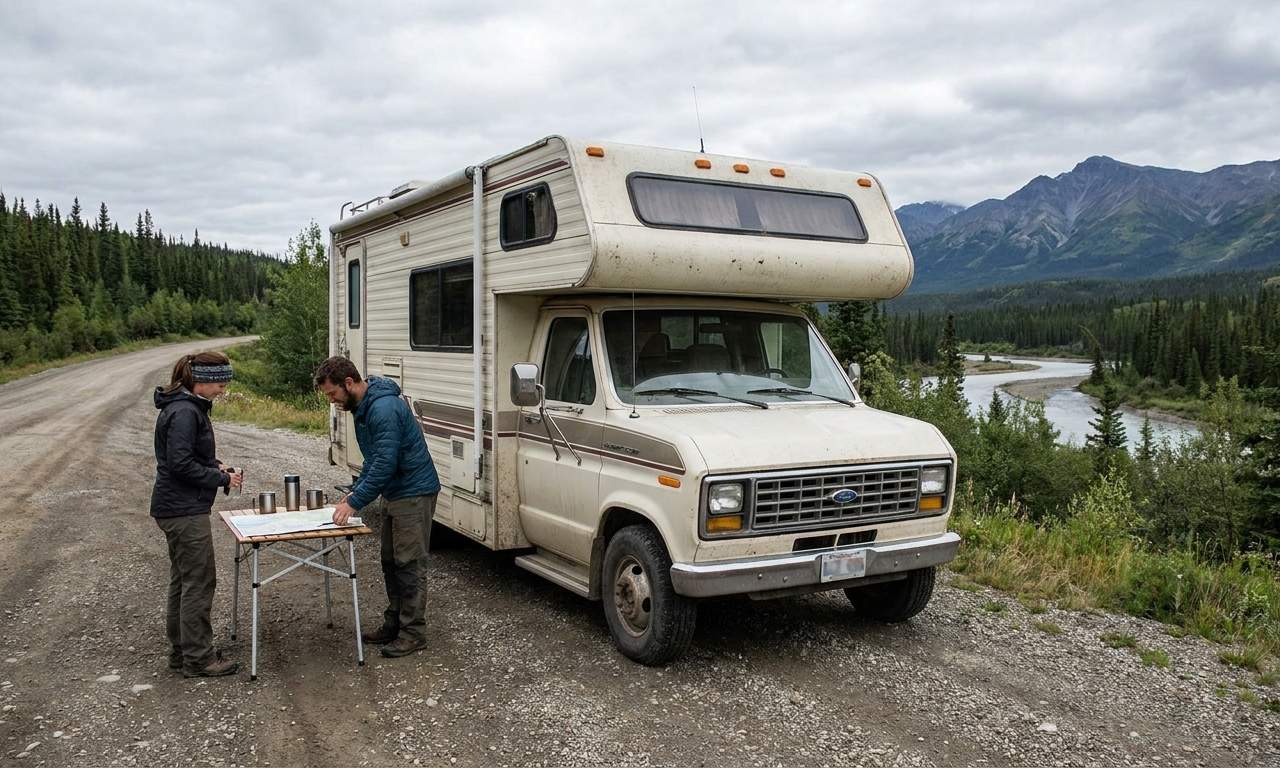
Road conditions in Northern Canada, encompassing Yukon, Northwest Territories, Nunavut, and northern provincial areas, vary significantly, ranging from well-maintained paved highways to extensive gravel roads like the famous Dempster Highway. This diverse terrain includes vast wilderness, towering mountains, and dense boreal forests, with considerable distances between services, underscoring the critical need for meticulous pre-trip planning for fuel and supplies. Main highways, such as sections of the Alaska Highway, are generally well-maintained during the summer season, but travelers should still anticipate frost heaves, potholes, and loose gravel, which can impact driving comfort and speed. We encourage you to travel slowly, averaging a maximum of 100-150 km per day, to truly feel the place and appreciate the breathtaking scenery.
Gravel roads, prevalent when accessing remote natural areas, demand an RV with appropriate ground clearance, careful tire pressure management, and a cautious driving approach to mitigate damage from loose rocks and dust. Weather in the North can change rapidly; summer temperatures can swing from warm to cool, and rain is always a possibility, influencing road conditions and visibility. Always consult local road condition reports, such as Yukon 511 or NWT Highway Conditions, before embarking on your daily drive. This region truly offers a unique challenge and reward for those who seek genuine adventure with a rented RV.
RV Size Limits, Bridges & Restricted Zones
Specific height or weight restrictions for RVs are generally uncommon on the main northern highways of North Canada, including routes in Yukon and the Northwest Territories. However, drivers of rented motorhomes should always remain attentive to posted signage, especially when navigating older bridges or tunnels found on less-traveled regional routes. The majority of Bandana's rental RVs, such as an average Class C Alcove at 7.5 meters or a Class SI Semi-integrated at 6.9 meters, are designed to comfortably pass under standard overpasses and across most bridges without issues. For a comprehensive overview, our guide RV Rental in North Canada - Prices and Best Deals 2026 provides more details on suitable vehicle types.
Environmental zones are typically not a concern for RVs in the sparsely populated areas of Northern Canada; however, adopting and strictly adhering to "Leave No Trace" principles is absolutely paramount in these pristine wilderness settings. Ferry services, which are necessary for certain routes like crossing rivers on the Dempster Highway, may have specific length or weight restrictions and often require advance booking for larger vehicles. Prior to your trip, verify all specific route information through territorial government websites or local tourism boards to ensure a smooth journey. It's all about planning ahead, and we provide 24/7 support from real people to assist you before and during your booking process.
Fuel: Diesel vs. Petrol & Cost per 100 km
Both diesel and petrol (gasoline) are available across North Canada, but access to diesel stations can become significantly more limited in extremely remote areas, necessitating careful fuel planning for extended journeys. For example, a Class C Alcove motorhome like the "cruise america rv rental example Explorer" has a 75-liter fuel tank and averages 11 Liters/100 km. Based on an estimated fuel cost of CAD $2.20/liter in northern regions, the approximate cost per 100 km for such a vehicle would be around CAD $24.20. Bandana's global fleet offers various models with different fuel efficiencies: Class SI Semi-integrated motorhomes typically consume 10-12 Liters/100 km, while Class B Camper Vans are more efficient at 8-10 Liters/100 km. It is always wise to fill your tank whenever you encounter a gas station in the North, as distances between services can easily exceed 200 kilometers, particularly on routes leading to destinations like Inuvik. Considering the total trip cost, including fuel, our RV PLANET routes allow travelers to itemize and track every expense for easy budgeting. On the routes offered through RV PLANET routes, you can itemize and track every expense along the way for easy budgeting.
Fuel costs in Northern Canada are notably higher than in southern Canadian regions or the USA due to the complex logistics of transportation. Travelers should budget for prices that often exceed CAD $2.00 per liter, especially in the most isolated communities. Carrying an approved extra fuel tank is a prudent consideration for very remote journeys to avoid running out of fuel. While some rental companies might offer fuel discount cards in more urbanized areas, this is generally less common for independent rentals operating in the far North. Planning your budget transparently helps avoid surprises, which is a core value at Bandana RV.
Tolls, Vignettes & Border Rules
Tolls and vignettes are generally not present on roads within Northern Canada, including the Yukon, Northwest Territories, and Nunavut, nor are they a common feature in neighboring northern provincial regions. This simplifies travel expenses significantly, as you won't need to factor in additional payments for road usage. The primary 'border' rules for RV travelers typically involve crossing the US-Canada border. This requires all occupants to possess valid passports, the vehicle to have current registration, and the driver to carry proof of insurance that is valid in Canada. When renting a motorhome, this proof often comes in the form of a Canadian Non-Resident Inter-Provincial Motor Vehicle Liability Insurance Card, usually provided by your rental company or obtainable from your personal insurer.
Upon entering Canada from the US, be prepared for a customs inspection by Canadian Border Services Agency (CBSA) officers. It is essential to declare all goods, particularly food items, which are subject to specific restrictions (e.g., certain fresh produce, meats, or firearms that are often prohibited). For your rented RV, always ensure you have the official rental agreement and a letter of authorization from the rental company confirming your permission to operate the vehicle in Canada and cross international borders. Bandana partners with over 50 leading RV suppliers worldwide, including trusted names like El Monte and Cruise America, ensuring you receive all necessary documentation for border crossings. For detailed information on specific requirements, refer to the CBSA website before your trip. Knowing these details upfront aligns with our commitment to full transparency, with no hidden fees or surprises.
Driving Tips for cheap rv rental Travelers
Successfully navigating North Canada by RV requires thoughtful preparation and an awareness of its unique challenges. First, always plan for remoteness by carrying extra water, non-perishable food, and essential emergency supplies such as a first-aid kit and a satellite communication device, as cell signal is rare outside major towns and services are extremely limited. Second, maintain acute wildlife awareness: drive defensively, especially at dawn and dusk, due to the prevalence of large animals like bears, moose, and caribou. Understand what actions to take if you encounter wildlife on the road. Third, implement a strict fuel strategy: consistently fill your tank whenever you see a gas station, as distances between available services can extend hundreds of kilometers, particularly on iconic routes like the Dempster Highway. This proactive approach helps save money and prevents stress, contributing to a truly cheap RV rental adventure.
Fourth, adjust your driving for varied road conditions; reduce speed significantly on gravel sections, vigilantly watch for frost heaves and potholes, and be prepared for potential flat tires by ensuring you have a spare and a basic tire repair kit. Fifth, consider seasonal factors: plan your extended trip for the short summer season (June-August) to maximize daylight and experience the captivating Midnight Sun, or aim for late summer/early fall for potential glimpses of the Aurora Borealis. Finally, embrace cultural sensitivity by showing respect for Indigenous communities and traditions, and consider engaging in local Indigenous tourism experiences to deepen your understanding of the North's rich heritage. We are true RV specialists, ready to support you with expert advice before and after your booking, ensuring you’re well-prepared for these incredible journeys.
Recommended RV Class for North Canada Roads
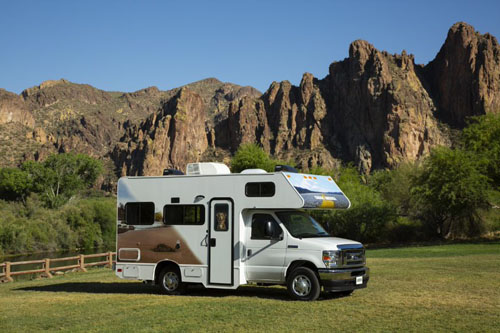
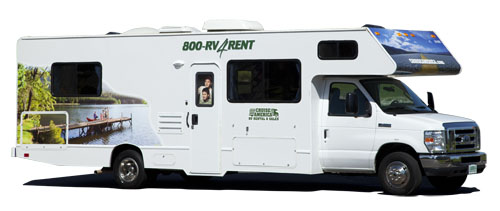
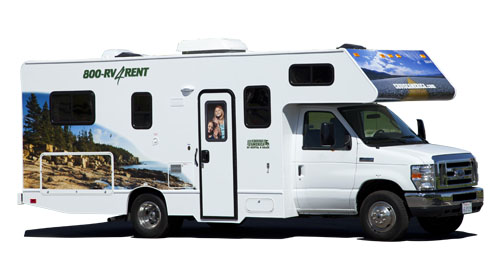
For navigating the diverse roads of North Canada, a Class C - Alcove or a Class SI - Semi-integrated RV is highly recommended due to their optimal balance of comfort, interior space, and relative maneuverability. A Class C Alcove motorhome, such as the "24' Class C Motorhome", offers generous space for families or groups, typically providing 5-6 sleeping places and averaging around 7.5 meters in length. These units are built with robust construction, making them well-suited for varied road conditions found in the North. For couples or smaller groups, the "2 Berth Rover", a Class SI Semi-integrated model, averaging 6.9 meters in length, provides a slightly more compact footprint while still offering comfortable living space and often better fuel efficiency than larger Class C models. Both classes generally possess sufficient ground clearance for most northern highways, including maintained gravel sections, ensuring a smooth journey. It's important to remember that extreme off-roading is typically not advised or permitted for rental units.
For those seeking even more rugged capabilities, Truck Campers (Class TC), such as the "Truck Camper", averaging 5.5 meters, are excellent choices for their higher ground clearance and often available 4x4 options, though they typically offer less indoor living space. The choice depends on your group size, comfort priorities, and how deep into the wilderness you plan to venture. For Family RV Rental in North Canada - Pricing Guide 2026 and more options, Bandana works with over 50 leading RV suppliers worldwide to offer a wide range of suitable vehicles.
Should I Choose a Compact Van Instead of a Large RV in North Canada?
Generally, there is no major issue driving larger RVs in North Canada; in this region of vast open spaces and limited urban density, comfort and indoor space often prove more valuable than extreme maneuverability. A compact campervan (Class B - Camper Van), such as the "Active Classic", averaging 5.8 meters in length, certainly offers advantages like better fuel efficiency (typically 8-10 Liters/100 km) and easier handling for navigating smaller towns or parking. However, for extended week-long or longer trips into the remote Northern Canadian wilderness, a larger motorhome provides significantly more storage for essential supplies, greater fresh water and wastewater capacity, and enhanced living comfort during unpredictable weather. Consider what meals you’ll be cooking in your rented campervan – a larger kitchen space, like found in a Class C, makes preparing meals from our RV-friendly recipes playlist much easier.
While a compact campervan might be slightly more agile for tight turns (though rarely encountered in the North), the trade-off in interior space and amenities can be substantial for an authentic and comfortable Northern adventure. If your primary priorities are maximum fuel economy and agility for a solo traveler or a couple with minimal gear, a compact van is a good choice. However, for family comfort, ample storage for extended self-sufficiency, and better preparedness for remote conditions, opting for a larger Class C or SI motorhome is often the wiser decision. Remember, you can always upgrade to a top-level deductible reimbursement option for extra peace of mind, no matter your chosen vehicle size.
Can I Park Anywhere? Free & Wild Camping Rules in North Canada
Free camping, often referred to as boondocking or wild camping, is generally more permissible and abundant in the vast wilderness of Northern Canada compared to more densely populated southern regions. Rules vary by land designation, but Crown land (public land) in the Yukon and Northwest Territories frequently allows for dispersed camping, provided you are not on private property, Indigenous land, or within designated parks or protected areas. It is crucial to always respect private property, Indigenous traditional territories, and any clearly posted 'no trespassing' signs; if you are unsure about land ownership, always seek permission from local authorities or landowners. This level of transparency in respecting local rules is something we advocate strongly.
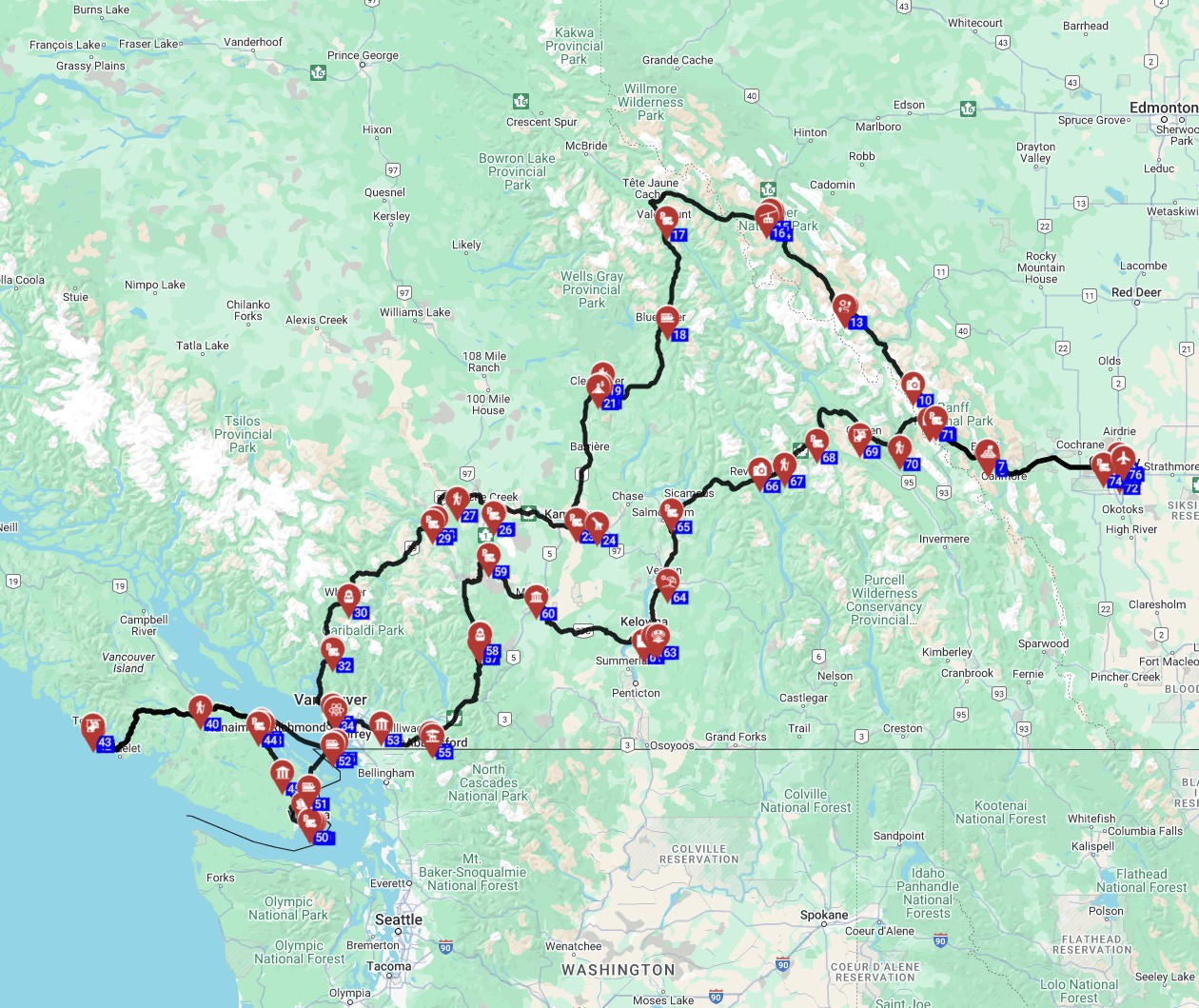
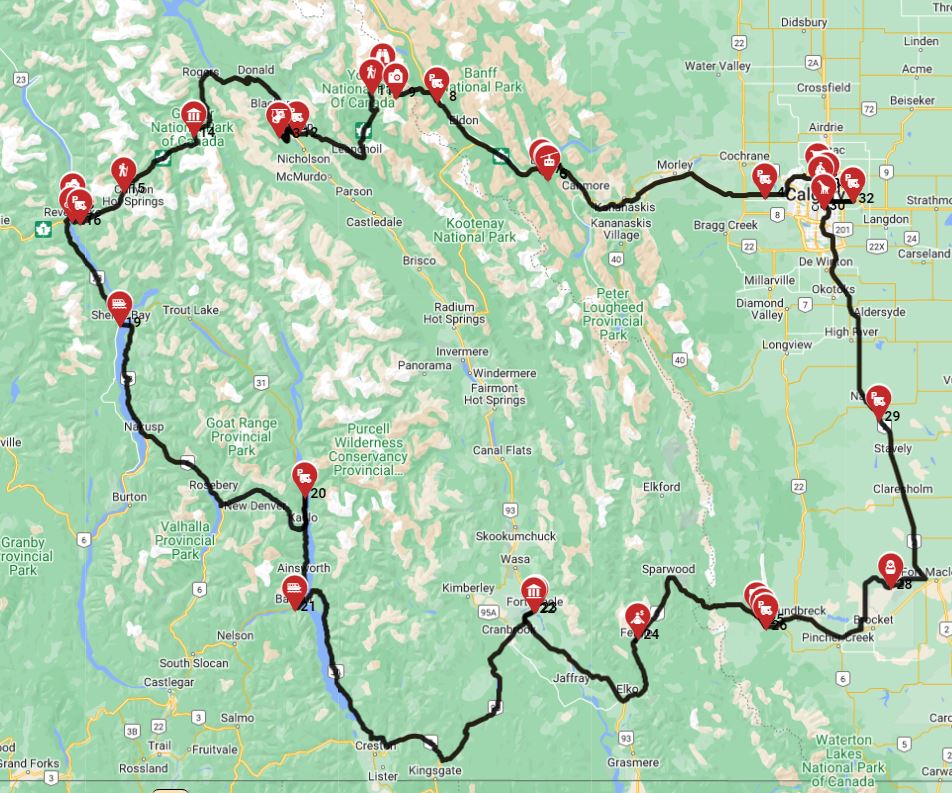
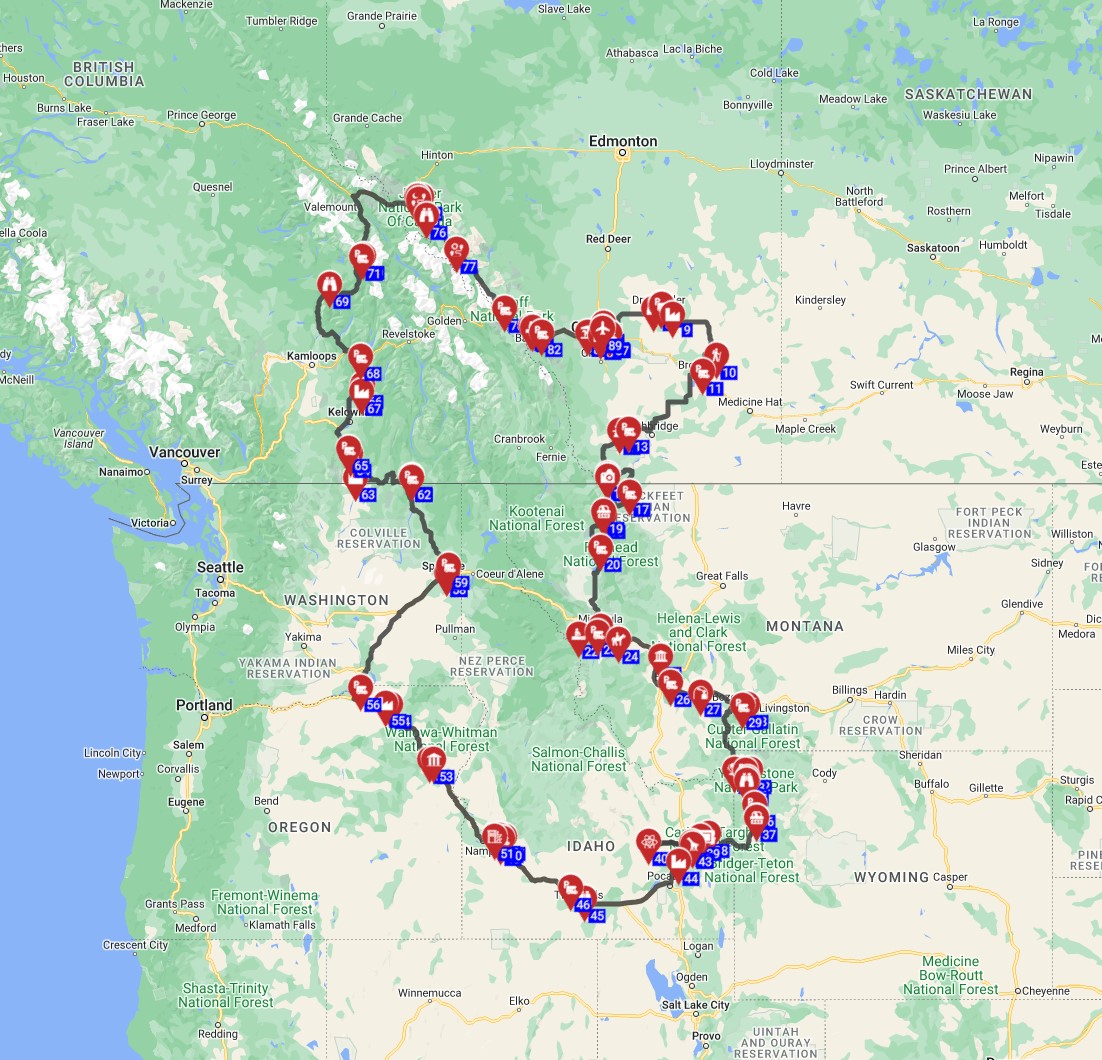
Within National Parks and Territorial Parks, camping is strictly limited to designated campgrounds. These facilities can range from rustic, basic sites to fully serviced campgrounds, and they typically require fees and sometimes advance reservations, especially during peak season. Adherence to 'Leave No Trace' principles is strictly enforced: travelers must pack out everything they pack in, properly dispose of human waste, respect all wildlife, and minimize their environmental impact. Local regulations can vary slightly by territory or specific region, so it is always prudent to check official government websites or local visitor centers for the most current information before parking overnight. For finding campsites and campgrounds during your trip, we recommend using RV PLANET (rvplan.net) - a great resource for locating available spots along your route.
Can I Drive an RV Into the City Center? Heights, Tunnels & Local Signage
Yes, you can drive almost any rented RV into city centers in Northern Canada without issues. Major cities and towns like Whitehorse, Yellowknife, and Inuvik are generally RV-friendly, experiencing far less congestion and possessing more forgiving infrastructure compared to southern metropolises. While navigating these areas, drivers should remain vigilant and pay close attention to local signage concerning height limits, particularly when approaching older structures, covered parking garages, or low bridges, though these are quite rare on the main routes in the North. Tunnels are not a significant concern for RVs in Northern Canada, as most major infrastructure is above ground, simplifying your travel considerably.
Most northern communities are designed with wider streets and ample parking, even accommodating larger motorhomes, which makes navigation relatively straightforward. Unlike some larger urban centers, environmental zones or residents-only street restrictions are generally not a concern in the North. However, always be mindful of local parking regulations and pedestrian areas to ensure a smooth and respectful visit. Consulting local visitor information centers upon arrival in any new town can provide specific advice on parking and navigation, especially if you plan to explore a particularly compact downtown area. Drive slowly and carefully, and you can drive almost anywhere without issues. No need to stress - just use common sense and pay attention.
What is the 3-3-3 rule for RV travel?
The 3-3-3 rule for RV travel is a widely recommended guideline designed to promote safe and enjoyable road trips: drive no more than 300 miles (approximately 480 km) per day, arrive at your destination by 3 PM, and stay for a minimum of 3 nights. Applying the 3-3-3 rule in North Canada is particularly beneficial because it accounts for slower driving speeds often necessitated by varied road conditions, the potential for frequent wildlife encounters, and the need for regular stops to fully appreciate the stunning scenery. For instance, traveling from Whitehorse to Dawson City covers about 530 km, suggesting a comfortable two-day journey following this rule.
Arriving at your campground or boondocking spot by 3 PM allows ample time to comfortably set up camp, explore your immediate surroundings, and find an alternative spot if your initial plan doesn't work out, which is crucial in areas with limited services and early sunsets in shoulder seasons. Staying for a minimum of 3 nights in a location significantly reduces the stress of constant packing and unpacking, enabling a more relaxed pace to immerse yourself in the natural beauty and unique cultural experiences of the North. For very remote northern routes or predominantly gravel roads, even the 300-mile daily limit might be too ambitious, and travelers should adjust their plans based on specific road conditions and their personal comfort level. At Bandana, we always recommend slow travel, a maximum of 100-150 km per day on average, to truly connect to the culture, food, and scenery.
What are the requirements for entering Canada in an RV from the US?
To enter Canada in an RV from the US, all occupants are required to present a valid passport or an equivalent approved travel document, and the driver must hold a valid driver's license from their home state or country. You will also need to provide your RV's registration documents if it is owned; if you are using a rented RV, you must have the rental agreement along with a letter of authorization from the rental company, explicitly granting you permission to operate the vehicle in Canada and cross international borders. Proof of vehicle insurance that is valid in Canada is mandatory; many US insurance policies include Canadian coverage, but it's prudent to carry a Canadian Non-Resident Inter-Provincial Motor Vehicle Liability Insurance Card, often provided by rental companies or obtainable through your insurer. Our partners, like El Monte and Cruise America, ensure you receive all the necessary documentation.
Be prepared for a thorough customs inspection and be ready to declare all items to Canadian Border Services Agency (CBSA) officers. This includes all food items, which may be subject to specific restrictions (e.g., fresh produce, meats, or firearms that are typically prohibited for import). It is highly recommended that travelers review the CBSA website for the most current entry requirements and a comprehensive list of prohibited items well in advance of their trip to avoid any delays or penalties at the border. Understanding these requirements is part of our commitment to full transparency, ensuring no surprises when you book with us.
Do you need a different license to drive an RV in Canada? What is the largest RV you can drive without a special license?
No, you generally do not need a different license to drive most rented RVs in Canada, including those in North Canada; a standard Class 5 (or equivalent) driver's license from any Canadian province or US state is typically sufficient. This means that a special commercial driver's license (CDL) or additional permits are not required for the vast majority of recreational motorhomes available for rental. The largest RV you can drive without needing a special license typically encompasses vehicles with a Gross Vehicle Weight Rating (GVWR) up to 11,000 kg (24,250 lbs). This weight limit covers nearly all Class B campervans, Class C motorhomes, and even many Class A motorhomes, making RV travel accessible to most licensed drivers.
Exceptions that would require a higher class license generally apply to very large commercial vehicles, RVs whose GVWR exceeds the 11,000 kg threshold, or those towing exceptionally heavy trailers (e.g., trailers with a weight exceeding 4,600 kg or 10,000 lbs, when combined with the tow vehicle). For Bandana's global fleet, Class SI Semi-integrated, Class C Alcove, and Class B Camper Van RVs typically fall well within these standard license limits. It is always a good practice to confirm the specific GVWR of your chosen rental RV and to review the licensing requirements of the Canadian province or territory where you plan to travel, as regulations can have minor variations. The minimum rental age for all our motorhome classes is 21 years old, with no young driver surcharges or vehicle class restrictions based on age.
Can Americans RV in Canada?
Yes, Americans can absolutely RV in Canada, and it is an incredibly popular way for US travelers to explore the country's diverse landscapes, including its remote northern regions. Eligibility for American citizens primarily requires possession of a valid US passport for all individuals traveling in the group, along with proper documentation for the rented RV. The driver must have a valid driver's license from their home state, and it is essential to carry proof of vehicle insurance that extends coverage into Canada. Many US personal auto insurance policies automatically cover travel in Canada, but confirming this with your provider and carrying a Canadian Non-Resident Inter-Provincial Motor Vehicle Liability Insurance Card (often supplied by rental companies) is advisable.
During your trip, it is crucial to respect Canadian laws and local customs, particularly regarding wildlife protection, environmental conservation, and cultural sensitivities, especially when visiting Indigenous lands. While Americans are generally welcomed, be aware of specific import regulations for certain items, such as firearms or particular food products, to ensure a smooth border crossing. Exploring North Canada by a rented RV offers a unique opportunity to immerse yourself in vast wilderness, experience vibrant Indigenous cultures, and witness natural phenomena like the extended daylight of the Midnight Sun or the captivating Aurora Borealis. For more detailed information on planning your cross-border adventure, consider checking our "RV Rental USA - Complete Guide 2026" as a starting point.
What is the new law on RV licensing in Ontario?
As of 2026, there have been no significant 'new laws' on RV licensing in Ontario that drastically alter the requirements for standard recreational vehicles, particularly those with a Gross Vehicle Weight Rating (GVWR) under 11,000 kg. Generally, a Class G license in Ontario (equivalent to a standard car driver's license) is sufficient to operate most RVs, including motorhomes and campervans, as long as their GVWR does not exceed this 11,000 kg threshold. This means that for the vast majority of rental motorhomes, travelers will not need any special endorsements or commercial licenses to drive in Ontario, which is often a gateway to Eastern North Canada.
However, if the combined weight of an RV and any towed trailer exceeds 11,000 kg, or if the towed trailer alone weighs more than 4,600 kg, an upgraded license, such as a Class A or D, may be required. It is always crucial for drivers to verify the specific weight ratings of their chosen RV rental against Ontario's Ministry of Transportation (MTO) regulations to ensure full compliance. While this information pertains specifically to Ontario, the general principle of standard licenses covering most RVs up to a certain weight threshold is largely consistent across other Canadian provinces and territories, including those that border or lead into North Canada. This consistency helps simplify planning your comprehensive journey into the region.
🎬 Video coming soon
What You Shouldn't Miss
- Drive the Dempster Highway: This iconic 737 km (458 mile) gravel road takes you from the Yukon to the Arctic Ocean at Tuktoyaktuk, NWT, crossing the Arctic Circle. It's a true wilderness adventure requiring careful preparation and an appropriate rented RV.
- Explore Kluane National Park and Reserve: Home to Canada's highest peak, Mount Logan (5,959 meters or 19,551 feet), and vast icefields, this UNESCO World Heritage Site in Yukon offers incredible hiking, wildlife viewing, and majestic scenery.
- Experience the Midnight Sun in Dawson City: During summer, this historic gold rush town in Yukon experiences nearly 24 hours of daylight. Imagine late-night drives and camping under an endless sunset.
- Witness the Northern Lights in Yellowknife: The capital of the Northwest Territories is considered one of the best places on Earth to see the Aurora Borealis, especially from late August to April.
- Visit Tombstone Territorial Park: Often called the "Patagonia of the North," this Yukon park on the Dempster Highway boasts dramatic peaks, pristine rivers, and diverse wildlife, offering 36 scenic campsites.
- Discover Indigenous Culture: Engage with local First Nations communities, learn about their rich history, art, and traditions, and support local businesses. This offers a profound connection to the land and its people.
Looking for expert insights from Avi Bandana? Top 5 Adventures - recommendations from Avi Bandana
Final Thoughts
Exploring North Canada by a rented RV is an adventure unlike any other, offering a profound connection to nature and a sense of freedom that few other travel styles can match. From the awe-inspiring scenery of the Yukon to the unique cultural experiences of the Northwest Territories, this vast land promises unforgettable memories for families, couples, and groups of friends alike. By understanding the unique driving conditions, preparing for remoteness, and choosing the right vehicle, you're set for an incredible journey.
Remember to travel slowly, embrace the unexpected, and let the magic of the North unfold at its own pace. With Bandana RV, you have a partner committed to full transparency, dedicated support, and expert guidance every step of the way. We're here to help you navigate the details, so you can focus on the spectacular views and the open road.
Ready to chart your course to the Canadian North? Start planning your epic motorhome adventure today!