In This Guide
- What rv rental RV Rental Costs in Japan (2026)
- Seasonal Pricing - Peak vs. Shoulder vs. Off-Season in Japan
- What's Included vs. What's an Add-On
- Hidden Costs to Budget For in Japan
- How to Save on rv rental RV Rental in Japan
- Navigating Japan's Unique Infrastructure with an RV
- Best RV Types in Japan for Different Travel Styles
- RV Travel for Cultural Immersion and Themed Routes in Japan
- Essential Utilities and Services for RVers in Japan
- Safety and Emergency Preparedness for RV Travel in Japan
- RV Travel Considerations for Specific Traveler Demographics in Japan
- Top Cities for RV Rental in Japan
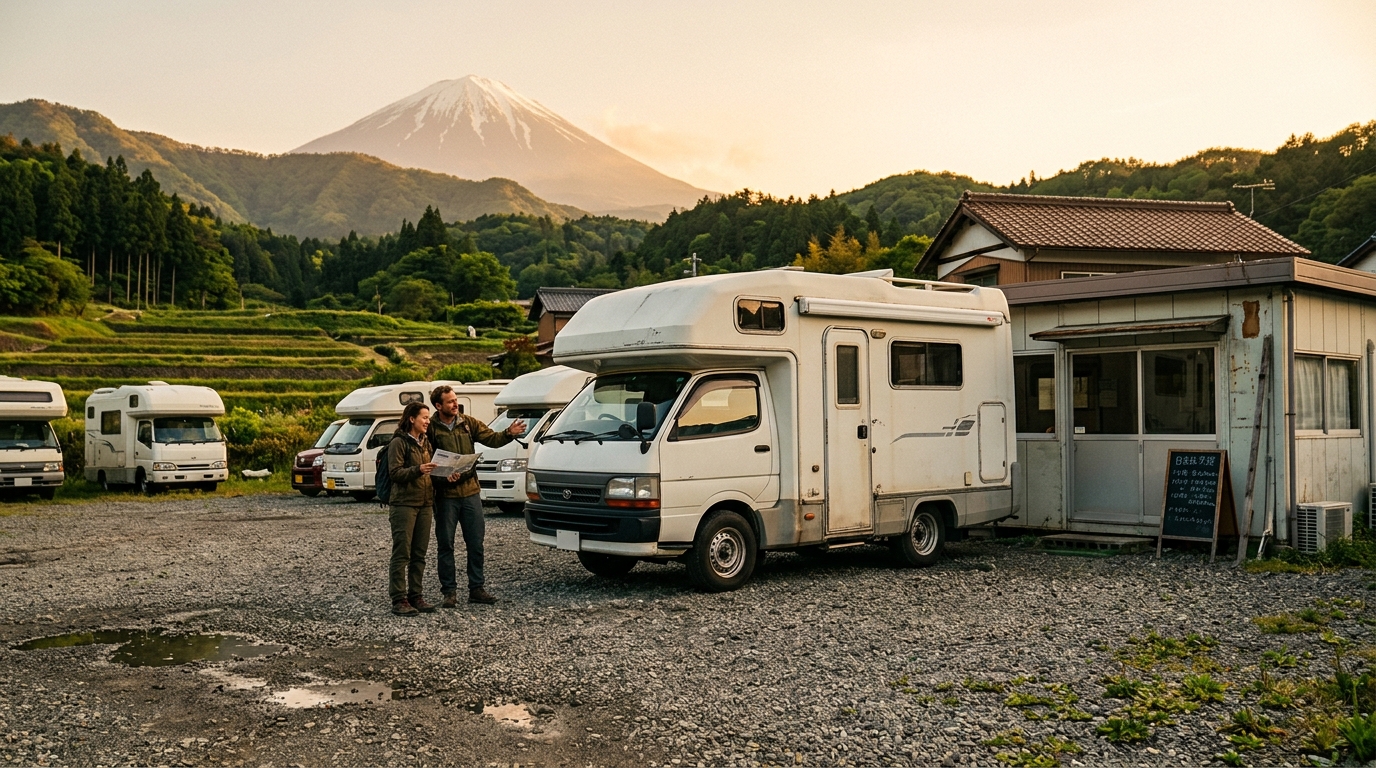
Welcome to the enchanting world of RV rental in Japan! Imagine yourself waking up to the gentle rustle of bamboo forests, the distant chime of temple bells, or the breathtaking sight of Mount Fuji shrouded in morning mist. With a rented motorhome, this dream becomes your reality, offering unparalleled freedom to explore Japan's rich culture, stunning natural landscapes, and delicious cuisine at your own pace. Whether you're a seasoned RVer or embarking on your first campervan adventure, Japan offers a unique and unforgettable road trip experience.
Here at Bandana RV, we are true RV specialists, dedicated to helping you plan the easiest, safest, and most affordable way to rent an RV. We compare final prices across 50+ suppliers so you don't have to, ensuring full transparency with no hidden fees or surprises. For live availability and current prices, start with our RV Rental Japan - Complete Guide 2026 guide. If you're considering a broader adventure, our RV Rental Asia - Complete Guide 2026 offers a fantastic overview of opportunities across the continent.
What rv rental RV Rental Costs in Japan (2026)
April is typically the cheapest month for RV rental in Japan, offering more budget-friendly options compared to peak seasons. The actual cost of renting an RV in Japan depends significantly on several dynamic factors, such as the chosen vehicle class (e.g., a compact campervan like the "Active Pop Top" vs. a larger Class C motorhome like the "Family Sleeper (FS)"), the duration of your trip, and the time of year. Prices are dynamic, much like flight tickets, changing daily based on availability, seasonality, and supplier marketing decisions. The final price is always set at the actual booking time, ensuring full transparency with no hidden fees.
For a general idea of rental costs for a week-long trip, a two-week adventure, or an extended road trip of a month, you can expect different price ranges. For example, a compact 2-berth campervan might start from $80-$150 USD per day during the shoulder season, while a 4-6 berth Class C motorhome could range from $150-$300 USD per day. Our platform provides live, flex-rate estimates, making it easy for you to compare motorhome prices for Japan across various dates and vehicle types.
Live April Price Comparison — RV Class × Trip Length
| Trip length | Class A | Class B | Class C | Class SI | Class TC |
|---|---|---|---|---|---|
| 1 week 15/04 → 22/04 | 1,339.20 € EUR | 721.80 € EUR | 1,103.80 € EUR | 960.00 € EUR | Check prices |
| 2 weeks 15/04 → 29/04 | 2,498.40 € EUR | 1,333.60 € EUR | 2,037.60 € EUR | 1,765.00 € EUR | Check prices |
| 1 month 01/04 → 30/04 | 4,872.00 € EUR | 2,630.80 € EUR | 3,955.80 € EUR | 3,448.60 € EUR | Check prices |
Estimates only — flex-rate prices change daily based on availability and season.
Please note that these prices are flex-rate estimates and may change daily. For the most current and accurate pricing for your specific dates, we recommend checking live prices via the search box at the top of the page.
Seasonal Pricing - Peak vs. Shoulder vs. Off-Season in Japan
RV rental prices in Japan fluctuate significantly throughout the year, with peak seasons seeing substantially higher rates than off-peak months such as April.
Peak Season: Japan's peak travel periods, including July-August, Golden Week (late April to early May), and periods coinciding with cherry blossom (late March to early April) or autumn foliage (October to November), experience the highest RV rental demand and prices. During these times, availability can be limited, and booking well in advance is crucial. Expect prices for a 4-berth camper to be at their highest, potentially reaching $250-$400+ per day. In peak season, prices can change significantly day-to-day - always check specific dates.
Shoulder Season: The shoulder months, typically May-June and September-October (excluding major holidays), offer a favorable balance. You'll find pleasant weather conditions for exploring and more moderate rental prices compared to the peak. This period is often ideal for travelers looking for a good deal without sacrificing comfort, with average daily rates for a standard motorhome often falling between $150-$250 USD.
Off-Season: The off-season, generally from November to March (excluding New Year's), presents the most budget-friendly opportunities. April, specifically, often serves as a low-season anchor, offering some of the best deals before the summer rush, with prices potentially dropping to $100-$180 USD per day for a similar vehicle. While some regions may experience colder weather or snow, this period is perfect for those seeking quiet routes and significant savings.
What's Included vs. What's an Add-On
Most RV rentals in Japan typically include basic insurance, but many essential items like kitchen kits, bedding, and comprehensive insurance tiers are often available as optional add-ons. What exactly comes with your rented motorhome can vary significantly depending on the specific vehicle model and the rental station, so it's always important to verify the details of your booking.
Generally, the rental price includes the RV itself and a basic level of liability insurance. However, items such as more comprehensive insurance tiers (which are highly recommended for peace of mind, and you can upgrade to a top-level deductible for extra peace of mind), mileage allowances beyond a basic limit (e.g., 200 km/day), the use of a generator, a complete kitchen kit (pots, pans, cutlery), and bedding packages are frequently offered as additional extras. Our insider tip: Basic insurance is always included. To see prices including the most comprehensive coverage, select that option during search - then all relevant insurance options will be shown.
When using Bandana RV, you can easily compare motorhomes and their offerings. Look for toggles that allow you to see which vehicles include kitchen utensils, tableware, and bedding, helping you make an informed decision. For example, a model like the "Active Pop Top" might come with basic cooking gear, while a "Luxury Small" Class A motorhome could offer a more extensive kitchen setup. Remember, we pride ourselves on full transparency - no hidden fees, no surprises. Want to check exactly what's included? Click here to start your search and review the specific details for each RV.
How to Save on rv rental RV Rental in Japan
To save on RV rental in Japan, consider booking during the shoulder season, utilizing pre-paid toll options, and choosing a smaller RV class if suitable for your group size. Smart planning can lead to substantial savings on your adventure.
Book in Shoulder or Off-Season: As detailed in our seasonal pricing section, traveling during non-peak times like April, May, early June, September, or October can drastically reduce your daily rental costs by up to 20-30%. Avoid national holidays and major festivals if budget is a primary concern. Pre-planners who like everything organized can secure better rates by booking 3-6 months in advance, while spontaneous travelers might find last-minute deals if their dates are flexible.
Pre-Pay Tolls and Use Discount Cards: Inquire about pre-paid ETC cards for Japan's toll roads. Some rental companies may offer plans that provide a fixed rate for unlimited toll usage or discounted rates, potentially saving 10-15% on toll costs. Additionally, ask about campground discount cards or fuel discount programs that could be included with your rented motorhome. For more information on navigating toll roads, see "Driving an RV in Japan - Complete Guide 2026".
Choose the Right RV Size: Japanese RVs come in various sizes, from compact Kei-vans (ideal for 1-2 people, fuel efficiency 15-20 km/L) to larger Class C vehicles (for 4-6 people). If your group size permits, opting for a smaller RV can not only reduce the rental cost but also improve fuel efficiency and make navigating narrower roads and parking in urban areas easier. For instance, a "Compact Campervan" often has better fuel economy than a "Comfort Family 6" Class C motorhome.
Opt for Longer Rental Durations: Many rental companies offer better daily rates for longer rental periods. For example, a two-week adventure might cost 10-15% less per day than a week-long trip. If you have the flexibility, an extended road trip of 2 weeks or more might cost less per day than several shorter rentals. Consider our "Week-Long RV Driving Tour in Japan 2026" itinerary for inspiration.
Monitor Flex-Rate Drops: RV rental prices are dynamic. If your travel dates are somewhat flexible, keep an eye on prices. Occasionally, rates may drop due to changing demand or promotions. Booking early in the shoulder season often secures good rates before they begin to climb. Our platform is designed to show you these variations, ensuring full transparency.
Plan Your Route with RV PLANET: Utilize RVPLAN.NET for comprehensive route planning. You can get a 25% planning discount when you use rvplan.net to craft your itinerary, helping you find the most efficient and scenic routes while budgeting for costs effectively.
Best RV Types in Japan for Different Travel Styles
Japan offers specific RV types like Kei-vans, compact campervans, and larger RVs, each suitable for different travel styles or group sizes. Understanding these distinctions is key to selecting the perfect home on wheels for your Japanese adventure.
Kei-Vans (Micro-Campers): These ultra-compact campervans, based on Japan's 'Kei' car regulations, are perfect for solo travelers or couples. With dimensions often around 3.4m long and 1.5m wide, their small size makes them incredibly fuel-efficient (often 15-20 km/L), easy to maneuver on narrow rural roads, and surprisingly simple to park in urban areas. While amenities are basic, they often include a sleeping area and basic cooking facilities, ideal for minimalist travelers focused on exploration. Think of a "rv rental denver example Category Van" for this type of nimble, efficient vehicle.
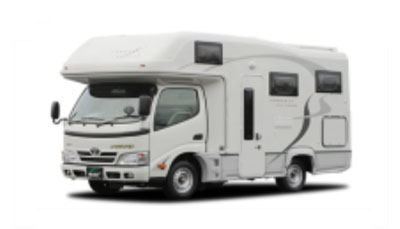
Compact Campervans: Offering a step up in space from Kei-vans, compact campervans (often built on commercial van chassis like a Toyota Hiace or a "2 Berth Hi Top") provide a good balance of comfort and agility. They are well-suited for small families (2-3 people) or couples desiring more amenities like a small kitchenette, dining area, and potentially a toilet. These vehicles typically measure around 5-6 meters in length, remaining relatively easy to drive and park compared to larger models. A "hire campervan example Paradise S/T" is a good example of this class.
Larger Class C/B RVs: For larger families or groups (4-7 people), or those prioritizing maximum comfort and amenities, larger Class C or B RVs are available. These vehicles, similar to a "rv rentals example Comfort Class" or "Jayco Conquest Royale 6", offer more spacious living areas, private bathrooms (shower and toilet), and comprehensive kitchen facilities. While they provide a luxurious camping experience, their size (often 7-9 meters in length) requires more careful navigation on smaller roads and advanced planning for parking, especially in cities. Their suitability often depends on your comfort level driving a larger vehicle in a foreign country and your itinerary's focus on rural versus urban exploration. Drive slowly and carefully, and you can drive almost anywhere without issues. No need to stress - just use common sense and pay attention.
RV Travel for Cultural Immersion and Themed Routes in Japan
RV travel in Japan uniquely enhances cultural immersion opportunities, allowing participation in local festivals, discovery of regional culinary specialties, and interaction with communities in off-the-beaten-path locations. Unlike traditional hotel-based travel, a rented motorhome offers the freedom to delve deeper into Japan's diverse regions.
Cultural Immersion: With a rented RV, you're not confined to major cities or tourist hubs. This flexibility allows you to explore charming rural villages, stumble upon local festivals with vibrant traditions, and discover hidden eateries serving regional culinary specialties. Staying at 'michi-no-eki' (roadside stations) often places you at the heart of local communities, providing opportunities to interact with residents, sample local produce, and experience everyday Japanese life firsthand. Imagine cooking up some fresh seafood bought from a local market right inside your campervan, using equipment from our RV-friendly recipes playlist.
Themed Itineraries: RV travel is perfect for crafting detailed, themed route plans that showcase Japan's unique attractions. RV PLANET (rvplan.net) offers 1,300+ pre-planned routes across 5 continents, including specific itineraries for Japan, professionally designed to maximize your cultural experience. Here are a few ideas, often featured in our Top 5 Adventures - recommendations from Avi Bandana:
- Onsen Hopping by RV: Japan is famous for its hot springs, boasting over 3,000 active onsen resorts. A rented RV allows you to visit a series of remote, traditional onsens across different regions, from volcanic resorts in Kyushu to scenic coastal baths in Tohoku, without the hassle of booking separate accommodations each night. Many onsens, particularly in rural areas, have dedicated parking for RVs.
- Cherry Blossom Chase: The cherry blossom season is magical and ever-moving. With a motorhome, you can follow the 'sakura zensen' (cherry blossom front) as it moves across the archipelago from south to north, enjoying different stages of the bloom and avoiding crowded city spots for more serene viewing experiences in places like Nagano or Kai Yamanashi.
- Historic Route Exploration: Traverse ancient pathways like the Nakasendo trail or explore feudal samurai districts. A rented campervan provides the convenience to stop at historical sites, museums, and traditional towns like Kyoto or Takamatsu-Kagawa at your leisure, fully immersing yourself in Japan's rich past.
- Culinary Journey: Design a route plan focused on Japan's diverse regional foods. From Sapporo's ramen to Osaka's takoyaki and Hiroshima's okonomiyaki, an RV gives you the flexibility to chase culinary delights and even prepare some meals on board with fresh local ingredients.
Essential Utilities and Services for RVers in Japan
Practical advice on essential utilities and services for RVers in Japan includes understanding water refill stations, grey/black water disposal, and reliable internet/mobile connectivity solutions. Being prepared for these practicalities ensures a smooth and enjoyable RV journey.
Water Refill Stations: Potable water is generally accessible throughout Japan. Many 'michi-no-eki' (roadside stations) offer free water spigots, clearly marked for drinking water. Larger campsites and RV parks will also provide water hookups or refill points. It's always a good idea to top up your water tank (e.g., a "Class A - Thor ACE 30" might have a 189-liter fresh water tank) whenever the opportunity arises, especially before heading into more remote areas. Remember to travel slowly, max 100-150 km per day, so you have ample time for these stops.
Grey/Black Water Disposal: Designated dump stations for grey and black water are primarily found at official campsites and RV parks. While 'michi-no-eki' are great for overnight parking, they typically do not have dedicated black water disposal facilities, though some may have grey water drains. Planning your route to periodically visit a full-service campsite for disposal is essential. Never dispose of grey or black water indiscriminately. You'll find approximately 400 official RV parks and campsites across Japan that offer these services.
Internet/Mobile Connectivity: Reliable internet and mobile connectivity are crucial for navigation, researching local attractions, and staying connected. Portable Wi-Fi devices (pocket Wi-Fi) are a popular and convenient solution, offering excellent 4G/5G coverage throughout most of Japan. Alternatively, purchasing a local data-only SIM card for your unlocked smartphone is another viable option. Ensure your rental RV's GPS has up-to-date maps and potentially English language support. Our team is always ready to assist with pre-booking queries, offering real people behind you for support.
Electricity Hookups: Many Japanese campsites offer electricity hookups, but it's important to verify the availability and plug type (typically Type A or B with 100V). Carrying appropriate adapters for your devices is always a good practice. Many motorhomes are also equipped with inverter systems to power smaller electronics off the leisure battery, ensuring comfort even when not connected to shore power.
Safety and Emergency Preparedness for RV Travel in Japan
Safety and emergency preparedness specific to Japan for RV travel covers topics like earthquake procedures, typhoon season advice, medical emergencies, and breakdown assistance for RVs. Being informed about potential natural events and emergency protocols is crucial for a secure journey.
Earthquake Procedures: Japan is an active seismic zone. While major earthquakes are rare, minor tremors are common (over 1,500 detectable quakes annually). Familiarize yourself with basic earthquake procedures: if indoors, 'drop, cover, and hold on' under sturdy furniture; if driving a rented RV, pull over safely to the left side of the road and stay in your vehicle until the shaking stops. Your RV rental might have an emergency kit, and it's wise to have your own basic first-aid and survival supplies, including a battery-powered radio.
Typhoon Season Advice: Typhoon season typically runs from late summer through early autumn (August to October). Monitor local weather forecasts closely during these months. If a typhoon is approaching, seek shelter in a sturdy building or a well-equipped RV park, avoid driving, and follow local government advisories. Many RVs are robust, but it's safer to be stationary. Consider flexible itineraries to adapt to weather changes.
Medical Emergencies: In case of a medical emergency, dial 119 for an ambulance. While not all operators may speak English, they can usually connect you to someone who does. Carry your travel insurance information (highly recommended for all international travelers to Japan) and a small first-aid kit. Knowing the addresses of local hospitals along your route can also be beneficial, especially in rural areas. Japanese hospitals are generally high-quality.
Breakdown Assistance: Before setting off, clearly understand your RV rental company's policy for mechanical breakdowns. Have their emergency contact number readily available. Most reputable companies offer 24/7 roadside assistance, with service often reaching remote areas within 1-2 hours. Explain your situation clearly, giving your location and a description of the problem. If you have an International Driving Permit (IDP), keep it with your passport, as it is recommended for visitors from non-English-speaking countries (though not mandatory in all cases).
RV Travel Considerations for Specific Traveler Demographics in Japan
Considerations for specific traveler demographics, such as RV travel with children/families, pet travel regulations, or accessibility for travelers with disabilities, require tailored planning to ensure an enjoyable and comfortable trip in Japan.
RV Travel with Children/Families: RV travel offers unparalleled flexibility for families, allowing for spontaneous stops, flexible meal times, and easy access to naps or play areas. When traveling with children, choose a rented motorhome with sufficient sleeping capacity (e.g., a "Category Family 5" can sleep 6 people), preferably with an onboard toilet to avoid frantic searches. Many 'michi-no-eki' have playgrounds and family-friendly facilities, and the novelty of sleeping in a 'house on wheels' can be a highlight for kids. Plan routes that incorporate child-friendly attractions like theme parks or nature trails and plenty of outdoor space. We recommend booking a Class C motorhome like the "MH-C" for families, which offers ample space and amenities.
Pet Travel Regulations: Japan has very strict regulations for bringing pets into the country, requiring extensive documentation, vaccinations, and often a quarantine period of up to 180 days. Furthermore, many RV rental companies do not permit pets in their vehicles due to allergy concerns and cleaning requirements. If traveling with a service animal, confirm policies well in advance. For those insistent on pet travel, research pet-friendly rental options and 'michi-no-eki' or campsites that accommodate animals, though these are less common. Always confirm directly with your supplier.
Accessibility for Travelers with Disabilities: While Japan is making strides in accessibility, particularly in major cities, rented RVs specifically modified for travelers with disabilities are not as common for rental. Inquire directly with rental companies about any accessible features, such as ramps, wider doors (e.g., 80-90cm wide), or modified interiors. Planning your route to include 'michi-no-eki' or campsites with accessible restrooms and facilities is also important. Public transportation infrastructure is generally quite accessible in major cities like Tokyo, but rural areas may pose more challenges for mobility. Our team is happy to help you find suitable options for your needs.
Top Cities for RV Rental in Japan
Japan offers numerous convenient pickup locations across its main islands, making it easy to start your RV adventure from various key cities. Each location provides unique access to different regions and attractions, catering to diverse travel plans.
- Tokyo: As the bustling capital, Tokyo provides excellent access to central Honshu, including Mount Fuji, Hakone, and the scenic Izu Peninsula. Starting your campervan trip from Tokyo allows you to quickly escape the urban sprawl and explore surrounding national parks and coastal areas. You can also explore One-Way RV Driving in Japan - Route Planner 2026 options from Tokyo.
- Kyoto: Immerse yourself in Japan's ancient traditions by picking up your motorhome in Kyoto. From here, you can easily reach the historic sites of Nara, the beautiful nature of Kansai, and the pristine beaches of Wakayama Prefecture.
- Osaka: Located in the Kansai region, Osaka is a vibrant starting point for exploring Western Japan. Its convenient location allows for easy access to Hiroshima, Shikoku, and the cultural treasures of the Chugoku region. Many major suppliers offer rentals from Osaka.
- Nagoya: Situated in central Japan, Nagoya is ideal for exploring the Japanese Alps, the historic Kiso Valley, and the coastal areas along the Sea of Japan. It provides a strategic base for mountain adventures and cultural discoveries.
- Nagano: Known for its stunning mountain landscapes and winter sports, Nagano is a great choice for those looking to explore the Alps and hot springs. From Nagano, you can head to destinations like Matsumoto Castle, the Jigokudani Monkey Park, and numerous hiking trails.
- Hiratsuka, Kanagawa: Located in Kanagawa Prefecture, Hiratsuka offers a more relaxed starting point near the coast, with easy access to the Shonan Beach area and the scenic Fuji-Hakone-Izu National Park. It's a great spot to begin a coastal or mountain-focused RV journey.
Choosing the right starting city depends on your itinerary and what you hope to experience. Remember to book your rented RV in advance, especially during peak seasons, to secure your preferred vehicle type and pickup location.
What You Shouldn't Miss
- Drive the Hokkaido Loop: Explore Japan's northernmost island, Hokkaido, with its vast national parks, lavender fields in Furano (July), and incredible seafood. This 2,500 km loop offers ample space for RVs and unique wildlife viewing opportunities.
- Experience the Alpine Route: While RVs cannot drive the entire Tateyama Kurobe Alpine Route, you can park your motorhome nearby and take public transport through its impressive tunnels and snow walls (April-June).
- Visit the 'Art Island' of Naoshima: Park your RV on Shikoku and take a ferry to Naoshima, an island renowned for its contemporary art museums and outdoor installations, offering a unique blend of nature and culture.
- Explore Kyushu's Volcanic Landscapes: Drive through Kyushu, visiting active volcanoes like Mount Aso, relaxing in various onsen towns, and enjoying the island's distinct culinary scene, all from the comfort of your rented campervan.
- Discover Historic Villages: Wander through UNESCO World Heritage sites like Shirakawa-go and Gokayama, traditional Gassho-zukuri farmhouses nestled in dramatic mountain settings, easily accessible by RV with dedicated parking areas.
Looking for expert insights from Avi Bandana? Top 5 Adventures - recommendations from Avi Bandana offers personal tips for an unforgettable trip.
Final Thoughts
Embarking on a rented RV adventure in Japan promises a truly unique blend of cultural discovery and scenic exploration. From the bustling streets of Tokyo to the tranquil temples of Kyoto and the majestic peaks of the Japanese Alps, your motorhome becomes your flexible base for unforgettable experiences. Remember to plan your route leisurely, embracing the philosophy of slow travel, averaging max 100-150 km per day, to truly connect with the culture, food, and scenery.
With Bandana Caravan, you’re supported every step of the way. We’re here to help you find the perfect campervan for your family, offer transparent pricing, and connect you with the resources to make your trip smooth and enjoyable. We genuinely know RV travel and love helping people discover it, taking care of the small details that make a big difference.
So, why wait? Start dreaming of your Japanese road trip today. Discover the stunning landscapes, savor the local cuisine, and create memories that will last a lifetime. Find your ideal RV rental in Japan and prepare for an adventure like no other!