In This Guide
- Can You Drive an RV in Japan? License & Age Rules
- Road Conditions & Terrain in Japan
- RV Size Limits, Bridges & Restricted Zones
- Fuel: Diesel vs. Petrol & Cost per 100 km
- Tolls, Vignettes & Border Rules
- Driving Tips for weekly rv rental Travelers
- Recommended RV Class for Japan Roads
- Should I Choose a Compact Van Instead of a Large RV in Japan?
- Can I Park Anywhere? Free & Wild Camping Rules in Japan
- Can I Drive an RV Into the City Center? Heights, Tunnels & Local Signage
- How much does a weekly RV rental cost in Japan?
- What are popular weekly RV itineraries in Japan?
- What cultural etiquette is important for RV travelers in Japan?
- What are common challenges and solutions for RVing in Japan?
- What is the best time of year to rent an RV in Japan?
- Can I combine RV travel with public transport in Japan?
- Top Cities for RV Rental in Japan
- What You Shouldn't Miss
- Why Book with Bandana Caravan
- Final Thoughts
- Frequently Asked Questions
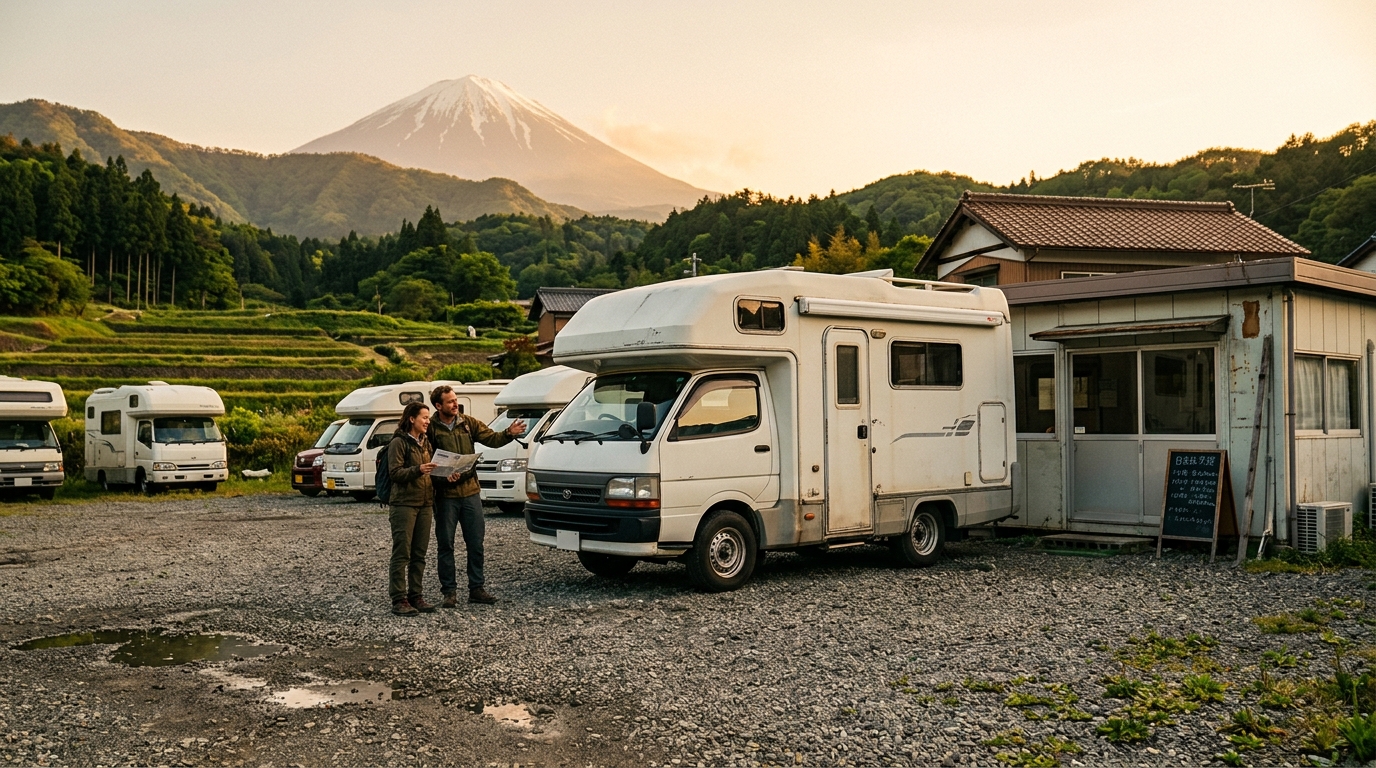
Embarking on a week-long RV driving tour in Japan offers an unparalleled blend of ancient culture, stunning natural beauty, and modern convenience, all at your own pace. Imagine waking up to views of Mount Fuji, exploring historic temples, and savoring local delicacies, all from the comfort of your rented motorhome or campervan. For live availability and current prices, start with our RV Rental Japan - Complete Guide 2026 guide. We’re here to ensure your weekly RV adventure in Japan is seamless and memorable, providing full transparency with no hidden fees and dedicated support.
Can You Drive an RV in Japan? License & Age Rules
Foreigners can drive a rented RV in Japan with a valid International Driving Permit (IDP) alongside their original driver's license, provided they meet minimum age requirements. Drivers must typically be at least 21 years old for most rental companies, though some might have specific policies for certain vehicle classes. It's important to remember that the IDP must be issued based on the 1949 Geneva Convention and presented with your passport and home country's license. No special license or Commercial Driver's License (CDL) is required for any of our rental motorhomes, as they fall under a standard car license category, similar to global norms for recreational vehicles. Always confirm the specific vehicle weight and requirements with your chosen supplier.
Road Conditions & Terrain in Japan
Japan boasts excellent road infrastructure, including well-maintained national highways and expressways, making weekly RV travel generally smooth and enjoyable. The terrain varies significantly across the archipelago, from wide, multi-lane expressways that connect major cities to winding, narrow mountain roads, particularly in rural and scenic areas like the Japanese Alps or the expansive island of Hokkaido. Urban areas feature dense road networks, which can be easily navigated by driving slowly and carefully, paying attention to local signage. Rural routes, in contrast, encourage a slower, more scenic pace, allowing you to truly connect with the culture, the food, and the scenery. Remember that left-hand traffic is standard in Japan, a crucial adaptation for drivers accustomed to right-hand traffic.
RV Size Limits, Bridges & Restricted Zones
While most rental motorhomes are suitable for Japan's roads, drivers should be aware of potential height and width restrictions on some older tunnels, urban bridges, and multi-story parking garages. Typical height limits on main roads are around 3.8 meters, but specific local roads or underground structures in compact cities can be significantly lower. Ferry services connecting Japan's islands also have length and weight categories, which may affect booking and cost for larger RVs. Environmental zones are not widely implemented for RVs in Japan, but drivers should always look for local signage indicating restrictions in certain historical or residential areas to ensure a smooth journey. We handle the details, you live the journey, but a little preparation goes a long way!
Fuel: Diesel vs. Petrol & Cost per 100 km
Japan predominantly uses gasoline (petrol), identifiable by red pump nozzles, though diesel (often green nozzles) is also widely available for many motorhome models. Bandana's global fleet averages indicate common fuel consumption for Class SI Semi-integrated RVs is 10-11 liters per 100 km, Class C Alcove models at 10-12 liters per 100 km, and Class B Camper Vans at 8-10 liters per 100 km. To estimate your weekly trip cost, a Class SI RV covering 700 km in a week would consume approximately 70-77 liters of fuel; current fuel prices should be checked locally as they fluctuate. Beyond fuel, remember that our RV PLANET routes allow travelers to itemize and track every expense along the way for easy budgeting, ensuring full transparency in your weekly rv rental in Japan. On the routes offered through RV PLANET routes, you can itemize and track every expense along the way for easy budgeting.
Tolls, Vignettes & Border Rules
Japan's expressways are almost exclusively toll roads, and while no vignettes are required, an ETC (Electronic Toll Collection) card is highly recommended for convenience. An ETC card, often available for rent with your RV, allows for seamless passage through toll gates without needing to stop for cash payments and can sometimes offer discounts, making your weekly RV driving tour in Japan much smoother. There are no 'border rules' between Japan's main islands when traveling by RV, as they are connected by extensive bridge networks, tunnels, or domestic ferry services, allowing for continuous exploration. Pre-purchasing toll passes or utilizing a rental ETC card helps avoid potential fines and simplifies budgeting for road costs.
Driving Tips for weekly rv rental Travelers
When embarking on a weekly RV rental in Japan, familiarize yourself with left-hand traffic rules and Japanese road signs, which are generally intuitive but may require some getting used to. Utilize a reliable GPS navigation system (often integrated into quality rental RVs) for precise directions, especially for navigating narrow urban streets or mountainous terrain. Plan your route to incorporate regular stops at 'Michi-no-Eki' (roadside stations) for rest, meals, and local produce, making your journey enjoyable. These spots often offer a fantastic opportunity to try local dishes, and if you're keen on cooking your own meals in your campervan, check out our RV-friendly recipes playlist for inspiration. Be mindful of speed limits, which are often lower than in many Western countries, and always drive courteously and patiently, as is the Japanese custom. Consider a rented RV with an automatic transmission for a more relaxed driving experience, particularly for longer weekly journeys.
Recommended RV Class for Japan Roads
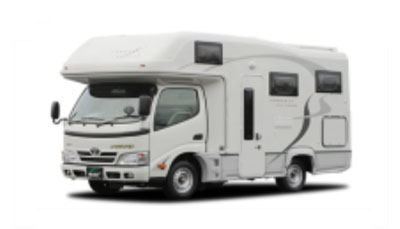
Compact to mid-sized motorhomes, such as Class B Camper Vans or Class SI Semi-integrated models, are generally recommended for navigating Japan's varied road network, offering an optimal balance of maneuverability and comfort for a week-long trip. Bandana's Class B Camper Vans (average length 5.8m, 3.2 sleeping places) are excellent for easier parking and navigating narrower roads, ideal for couples or small families. Class SI Semi-integrated RVs (average length 6.9m, 3.8 sleeping places) provide more living space and amenities for a weekly trip without being excessively large, suitable for small families or groups. For instance, an "rv rentals example Comfort Class" could offer "Ideal for family of 2+2" and "RV size - Large" but would require careful planning. Even Class C Alcove RVs (average length 7.5m, 5.8 sleeping places) are manageable on main roads but necessitate more careful planning for parking and tight spots. Ultimately, we recommend you travel slowly, aiming for a maximum of 100-150 km per day on average, to truly experience the beauty of Japan.
Should I Choose a Compact Van Instead of a Large RV in Japan?
For weekly RV rentals in Japan, the choice between a compact campervan and a larger motorhome primarily hinges on your comfort preferences and specific itinerary, as most standard RVs are surprisingly manageable on Japanese roads. Larger RVs, such as Class SI or Class C, offer significantly more indoor living space, dedicated sleeping areas, and kitchen/bathroom facilities, enhancing comfort for a week-long journey. For example, a "camper for rent example Alcove Sport Plus" offers ample space for "Ideal for 2 couples" or "Ideal for family of 2+2." Compact vans (Class B) excel in maneuverability for navigating very tight historic centers or extremely narrow mountain passes and offer easier parking in dense urban environments. The trade-off often lies between the convenience of a smaller footprint for parking and the enhanced living amenities and comfort provided by a larger RV, which often outweighs minor maneuverability challenges on Japan's well-maintained roads.
Can I Park Anywhere? Free & Wild Camping Rules in Japan
Wild camping, or 'boondocking,' is generally not permitted or culturally accepted in Japan, with designated parking and camping facilities being the norm for overnight stays for your rented RV. Overnight parking is widely accepted at 'Michi-no-Eki' (roadside stations), which offer free parking, clean restrooms, and often local shops or restaurants, making them popular RV stops for a weekly rental in Japan. Some large supermarket parking lots may allow discreet overnight parking, but it's crucial to be respectful, avoid creating disturbances, and never leave trash behind. Rules vary by region, so always check local regulations and follow local law before parking overnight, prioritizing designated campsites for full amenities and security. For finding campsites and campgrounds during your trip, we recommend using RV PLANET (rvplan.net) - a great resource for locating available spots along your route.
Can I Drive an RV Into the City Center? Heights, Tunnels & Local Signage
Yes, you can typically drive a rented RV into Japanese city centers, though drivers must pay careful attention to local signage regarding height limits, narrow tunnels, and specific parking restrictions. The primary challenge in urban areas is often finding suitable parking, as multi-story garages will have height restrictions, and street parking can be limited. Drivers should watch for signs indicating height restrictions for underpasses, low bridges, and tunnel entrances, which are generally clearly marked. No need to stress - just use common sense and pay attention, and you can drive almost anywhere without issues. Environmental zones are not common for RVs in Japanese cities, but drivers should always respect residents-only streets and designated loading zones, especially in older districts. Our direct partnerships with over 50 leading RV suppliers worldwide mean we understand the nuances of various destinations.
How much does a weekly RV rental cost in Japan?
A weekly RV rental in Japan typically ranges from ¥90,000 to ¥250,000 or more, influenced by the RV class, season (peak travel times like cherry blossom season or autumn foliage are more expensive), and specific rental company. For instance, a compact campervan might start around ¥12,000 per day, while a larger, 6-berth motorhome could exceed ¥35,000 per day. Beyond the base rental fee, travelers must budget for compulsory insurance, fuel (e.g., ¥15,000-¥25,000 for 700 km depending on consumption and prices), and expressway tolls (which can accumulate significantly on longer routes, potentially over $100 USD for a Tokyo-Kyoto trip). Additional costs include campsite fees (¥2,000-¥5,000 per night for amenities), groceries and dining out, and entrance fees for attractions, which together can add ¥50,000-¥100,000+ to a weekly trip. A comprehensive budget should account for these variable expenses to create a realistic financial picture for your weekly RV adventure in Japan. Keep in mind that prices are dynamic like flight tickets-they change daily based on availability, seasonality, and supplier marketing decisions, with the final price set at actual booking time. For more pricing details, check out RV Rental in Japan - Prices and Best Deals 2026.
Weekly RV Rental Cost for Couples vs. Families with Kids in Japan
The weekly RV rental cost in Japan for couples versus families with kids largely depends on the size and amenities of the vehicle chosen. Couples often opt for more compact campervans, like a Class B, which typically cost less due to their smaller size and lower fuel consumption, potentially staying closer to the ¥90,000-¥150,000 range for a week. These smaller vehicles offer enough sleeping space for two, such as the "rv rental denver example Category Van" with "Ideal for a couple". Families with 4-6 people, however, usually require larger motorhomes, such as a Class C Alcove, offering more sleeping places (e.g., a "29′ Class C Motorhome" with multiple double beds and a 167-liter fresh water tank) and dedicated living space. These larger RVs naturally come at a higher weekly rental price, often in the ¥180,000-¥250,000+ range, along with potentially higher fuel costs due to their size. The choice impacts not just the rental rate but also campsite fees, as some charge based on vehicle size or number of occupants.
Can I Find Last-Minute Weekly RV Rental Deals in Japan?
Yes, last-minute weekly RV rental deals in Japan can be found, but they depend heavily on seasonality and availability. While prices are dynamic and generally increase closer to the travel date, occasional last-minute cancellations or fleet repositioning might create unexpected deals. For the best chances, being flexible with your pickup and drop-off dates by a few days can significantly open up options. However, for popular periods like spring cherry blossom season or autumn foliage, booking 3-6 months in advance is generally recommended to secure your preferred motorhome and potentially save up to 15-20%. Spontaneous travelers who book day-to-day can find availability, but it may require more flexibility on vehicle type and location. Our platform, Bandana RV, specializes in providing full transparency on available options, so you know exactly what you’re getting.
I'm Flexible - How Do I Find the Cheapest Weekly RV Rental in Japan?
If you're flexible with your travel dates and locations, you can significantly increase your chances of finding the cheapest weekly RV rental in Japan. Consider traveling during the shoulder seasons (early spring or late autumn) or off-peak months to benefit from lower daily rates, which can drop by 20-30% compared to peak times. Being open to picking up your campervan from less central locations, such as Izumisano (near Osaka) or Nagoyaminami, might also reveal better deals. Using a comparison platform like Bandana RV allows you to quickly compare prices across multiple suppliers like El Monte and Apollo, showcasing all available options and included features. Additionally, if your itinerary is fluid, opt for a smaller, more fuel-efficient Class B Camper Van, like an "Active Compact Select" with automatic transmission, which offers better mileage (8-10 liters per 100 km) and easier maneuverability, reducing both rental and operational costs. Check out our guide Cheap RV Rental in Japan - Budget Guide 2026 for more tips.
What are popular weekly RV itineraries in Japan?
Popular weekly RV itineraries in Japan often concentrate on regional exploration, allowing you to immerse yourself deeply in a specific area's charm. For instance, a fantastic week-long adventure could be exploring the northern island of Hokkaido for its stunning nature and culinary experiences during summer or autumn. Imagine driving your rented campervan through vast lavender fields or along coastal roads, stopping at local farms for fresh produce. Another classic route plan involves a 'Golden Route' variation: starting from Tokyo, venture to the serene Fuji Five Lakes area, then continue to the historic town of Hakone, and potentially extending to the Japanese Alps for breathtaking scenery and relaxing onsen towns. Alternatively, an itinerary focusing on Kyushu offers a week of exploring its volcanic landscapes, abundant hot springs (onsen), and unique local cuisine, like tonkotsu ramen. Season-specific route plans include chasing cherry blossoms across Honshu in spring or immersing in vibrant fall foliage in Tohoku or the alpine regions during autumn, offering specialized experiences for niche interests. For more detailed, pre-planned routes designed by professionals, explore the options available on RV PLANET (rvplan.net), which offers over 1,300 routes across 5 continents.
What cultural etiquette is important for RV travelers in Japan?
RV travelers in Japan should prioritize maintaining impeccable cleanliness and proper waste disposal, as littering is highly frowned upon and local waste separation rules are strict. When parking overnight at Michi-no-Eki or other public areas, always ensure quiet conduct, especially during nighttime hours, and avoid extending awnings or setting up outdoor furniture to respect local norms and space. Familiarize yourself with public bathhouse (onsen) etiquette, which typically involves thorough washing before entering the baths, no swimwear in the bathing area, and maintaining a respectful silence. Be mindful of noise levels, especially in residential areas or shared parking spaces, and always 'leave no trace' by taking all your trash with you if public bins are unavailable, demonstrating appreciation for Japanese hospitality. Embracing these local customs will greatly enhance your weekly RV driving tour in Japan.
What are common challenges and solutions for RVing in Japan?
Navigating Japan's narrow roads, particularly in older towns and mountainous regions, can be a challenge; solutions include driving slowly, using up-to-date GPS, and considering a compact RV class like a Class B Camper Van or Class SI Semi-integrated for your weekly RV rental. Finding appropriate overnight parking can be simplified by utilizing the extensive network of 'Michi-no-Eki' (roadside stations) and planning stays at designated campsites in advance, especially during peak seasons when popular spots fill quickly. Maintaining internet connectivity is crucial for navigation and communication; renting a portable Wi-Fi device or purchasing a local data SIM card offers reliable solutions for your entire trip. Waste management requires planning due to strict local sorting rules; travelers should utilize campsite facilities for disposal or carefully separate and store trash until suitable public disposal points are found, often at Michi-no-Eki. These manageable challenges shouldn't deter you from an incredible weekly RV experience in Japan.
What is the best time of year to rent an RV in Japan?
The best time of year to rent a motorhome in Japan largely depends on your desired activities and weather preferences, with spring (March-May) and autumn (September-November) generally offering the most pleasant conditions for a weekly RV adventure. Spring is ideal for cherry blossom viewing and mild temperatures, perfect for exploring vibrant cities and serene landscapes, while autumn boasts stunning fall foliage and comfortable driving weather across most regions. Summer (June-August) can be hot and humid, especially in southern Honshu, with the risk of typhoon season, but it's excellent for Hokkaido's cooler climate and outdoor activities. Winter (December-February) is suitable for snow sports and hot springs, particularly in northern Honshu and Hokkaido, but requires experience with winter driving conditions and proper RV preparation. With careful planning, any season can offer a rewarding week-long RV driving tour in Japan.
Can I combine RV travel with public transport in Japan?
Yes, combining RV travel with Japan's highly efficient public transport system is an excellent strategy for exploring cities while maintaining the flexibility of an RV for rural areas. Many travelers effectively park their rented RVs at large 'Michi-no-Eki' or designated parking lots outside major city centers and then utilize local trains, buses, or the Shinkansen (bullet train) for urban exploration. This approach allows you to experience the hustle and bustle of cities like Tokyo, Kyoto, or Osaka without the stress of navigating a larger RV through dense traffic or finding expensive city parking. It's particularly effective for day trips to popular city attractions, providing a convenient way to access areas where RV parking is challenging or prohibited, then returning to your RV for a comfortable overnight stay. This hybrid approach offers the best of both worlds for your weekly RV driving tour in Japan.
Top Cities for RV Rental in Japan
Japan offers several key cities where you can pick up your weekly RV rental and begin an unforgettable adventure. These locations are strategically placed to give you access to diverse regions, whether you're dreaming of mountain escapes or coastal drives. Remember, Bandana Caravan partners with leading RV suppliers worldwide, ensuring you have a wide selection of motorhomes and campervans across these hubs.
- Tokyo: As the bustling capital, Tokyo provides a vibrant starting point for an RV trip, offering convenient access to central Honshu's diverse landscapes, from the serene Fuji Five Lakes region to the historical sites of Nagano. Our "RV Rental Deals in Japan - Latest Offers 2026" can help you find great prices here.
- Osaka: Ideal for exploring western Japan, Osaka is a gateway to the cultural riches of Kyoto, the beautiful coastal areas of Shikoku, and the volcanic wonders of Kyushu. Consider a compact campervan like an "Acer" or "Active Standard Auto" for easier navigation in this region.
- Nagoya: Centrally located, Nagoya offers excellent access to the Japanese Alps, traditional villages like Shirakawa-go, and the scenic Kii Peninsula. A Class SI Semi-integrated model, such as a "Cruz," would be perfect for families exploring this area.
- Sapporo (Hokkaido): For those seeking expansive natural beauty, Sapporo on Hokkaido island is the ultimate starting point, especially for summer and autumn adventures through national parks and flower fields. Check for "Weekly RV Rental in Japan - Pricing 2026" for this popular region.
- Kyoto: While a major tourist destination itself, picking up an RV here allows immediate access to the ancient city's surroundings and can be a fantastic base for exploring the Kansai region. For luxury options, explore "Luxury RV Rental in Japan - Premium Prices 2026".
- Fukuoka (Kyushu): Located on the southern island of Kyushu, Fukuoka is perfect for a week-long RV tour exploring the island's hot springs, active volcanoes, and unique culinary scene.
Whether you choose to rent a motorhome in Hiratuska Kanagawa, Izumisano, Kai Yamanashi, Nagano, or Takamatsu-Kagawa, Bandana RV helps you compare options to find the perfect vehicle for your weekly RV rental in Japan.
What You Shouldn't Miss
- Mount Fuji & Fuji Five Lakes: No trip to Japan is complete without witnessing the iconic Mount Fuji. Drive your rented campervan to the Fuji Five Lakes region, offering breathtaking views and serene lakeside camping. It's the perfect backdrop for memorable photos and tranquil mornings.
- Kyoto's Temples & Gardens: Immerse yourself in Japan's ancient capital. While city driving can be busy, parking your RV outside the central area and using public transport allows you to comfortably explore stunning temples like Kinkaku-ji (Golden Pavilion) and Fushimi Inari-taisha, or stroll through bamboo forests.
- Hokkaido's Nature & Food: Dedicate a week to Hokkaido, especially during summer or autumn. Explore the vast national parks, discover fields of lavender, and indulge in fresh seafood and dairy products from local farms. It’s an ideal region for slow travel with a rented RV, averaging 100-150 km per day.
- Michi-no-Eki Roadside Stations: Plan your route to include regular stops at Michi-no-Eki. These unique rest stops offer local products, delicious regional foods, clean facilities, and often serve as safe, convenient overnight parking spots. They're a window into local life and an essential part of the Japanese RV experience.
- Onsen Hot Springs: Seek out a traditional onsen experience. Many RV-friendly areas, particularly in mountainous regions or volcanic Kyushu, have public bathhouses. Embrace the etiquette and enjoy a deeply relaxing soak, a perfect way to unwind after a day of driving your motorhome.
Final Thoughts
A week-long RV driving tour in Japan promises an adventure unlike any other, blending the excitement of discovery with the comforts of home. With its exceptional roads, unique cultural experiences, and stunning natural landscapes, Japan is truly a gem for motorhome travelers. Don't let the details overwhelm you; with a little planning and the right resources, your journey will be smooth and incredibly rewarding.
Whether you're exploring the vibrant street food scene, unwinding in a tranquil onsen, or simply enjoying the ever-changing scenery from your campervan window, Japan by RV offers an intimate and flexible way to connect with this incredible country. We're with you every step of the way, before, during, and after your booking, ensuring your weekly rv rental in Japan is nothing short of fantastic.
🎬 Video coming soon