In This Guide
- Can You Drive an RV in Japan? License & Age Rules
- Road Conditions & Terrain in Japan
- RV Size Limits, Bridges & Restricted Zones
- Fuel: Diesel vs. Petrol & Cost per 100 km
- Tolls, Vignettes & Border Rules
- Driving Tips for one way rv rental Travelers
- Recommended RV Class for Japan Roads
- Should I Choose a Compact Van Instead of a Large RV in Japan?
- Can I Park Anywhere? Free & Wild Camping Rules in Japan
- Can I Drive an RV Into the City Center? Heights, Tunnels & Local Signage
- What is the average cost of a one-way RV rental in Japan?
- What are the best routes for a one-way RV trip in Japan?
- Are there any special considerations for renting an RV as a foreigner in Japan?
- What is the best time of year to rent an RV in Japan?
- Is it cheaper to rent an RV or stay in hotels in Japan?
Embarking on a one-way RV adventure through Japan offers an unparalleled way to experience its unique blend of ancient traditions and cutting-edge modernity. Imagine the freedom of waking up to serene mountain vistas one day and exploring bustling cityscapes the next, all from the comfort of your own mobile home. Japan's captivating culture, exquisite cuisine, and diverse landscapes, from the snowy peaks of Hokkaido to the subtropical islands of Okinawa, are ripe for discovery at your own pace. With Bandana Caravan, we're here to make your journey effortless and memorable, ensuring you have all the information and support you need before, during, and after your booking. For live availability and current prices, start with our RV Rental Japan - Complete Guide 2026 guide.
Can You Drive an RV in Japan? License & Age Rules
Yes, foreigners can confidently drive a rented RV in Japan, provided they hold a valid International Driving Permit (IDP) issued under the 1949 Geneva Convention, along with their national driver's license. The minimum age for RV rental in Japan is typically 21 years old, though it can vary slightly by rental company and the specific vehicle class you choose. For instance, a standard Class B or equivalent driver's license from your home country is generally sufficient to operate most campervans and smaller semi-integrated motorhomes available for rent, usually up to 3.5 tons (approximately 7,700 lbs). There are no young driver surcharges or vehicle class restrictions based on age, making RV travel accessible to a wide range of adventurers. Always carry both your IDP and your original national license during your trip to ensure full compliance with Japanese law.
Road Conditions & Terrain in Japan
Japan boasts an exceptionally high standard of road infrastructure, featuring well-maintained expressways and scenic routes across diverse terrains, making it a fantastic destination for a rented motorhome journey. You'll find smooth asphalt surfaces on most major routes, ensuring a comfortable ride for your RV. However, when venturing into rural and mountainous regions, such as the breathtaking Japanese Alps or parts of the expansive Hokkaido, you should anticipate narrower roads with sharper turns. These less-traveled paths often encourage slower, more scenic driving, which is exactly what we recommend at Bandana Caravan: travel slowly, typically a maximum of 100-150 km per day on average, to truly immerse yourself in the culture, savor the local food, and absorb the stunning scenery without feeling rushed.
RV Size Limits, Bridges & Restricted Zones
While most of Japan's primary road network accommodates rented RVs, drivers must be highly vigilant for specific height, weight, and width restrictions on certain infrastructure, particularly in older or more compact areas. It's crucial to pay close attention to signage for low bridges, which can have clearances as low as 3.5m-4.0m in older or rural areas, and narrow tunnel entrances. Similarly, many historic towns feature charming but very narrow streets, making navigation with larger RVs, like Class C Alcove models (averaging 7.5m in length), more challenging. Environmental zones are not widely applied to RVs in Japan, but it's always wise to check local regulations, especially when planning to visit sensitive natural areas or specific urban districts to avoid any unexpected surprises. Drive slowly and carefully, and you can drive almost anywhere without issues. No need to stress - just use common sense and pay attention.
Fuel: Diesel vs. Petrol & Cost per 100 km
Most rented RVs in Bandana's global fleet operate on either petrol (gasoline) or diesel, both of which are widely available at service stations throughout Japan. Fuel consumption varies by vehicle class: Class B Camper Vans typically average 8-10 Liters/100 km, while Class SI Semi-integrated models average 10-11 Liters/100 km. Larger Class C Alcove models usually consume around 10-12 Liters/100 km. Fuel prices in Japan are generally higher than in many other countries, making it a significant component of your overall travel budget. To help manage your total trip cost, remember that on RV PLANET routes, you can itemize and track every expense along the way for easy budgeting. Some rental companies may offer access to fuel discount cards, which, while not massive, can provide minor savings over a week-long trip or an extended road trip. On the routes offered through RV PLANET routes, you can itemize and track every expense along the way for easy budgeting.
Tolls, Vignettes & Border Rules
Japan's extensive and efficient expressway network operates on a comprehensive toll system, with no general vignettes for overall road usage, and as an island nation, specific border rules are not applicable for domestic RV travel. Toll costs on Japanese expressways can be substantial, often representing a significant portion of an RV travel budget, with typical daily allocations for extensive driving ranging from ¥5,000 to ¥10,000+ ($35-$70+ USD). Utilizing an Electronic Toll Collection (ETC) card, which many rental companies offer for pre-purchase or rental, is highly recommended to streamline payments and potentially qualify for small discounts. These cards eliminate the need to stop at every toll booth, making your journey smoother and more efficient. Always factor these costs into your overall trip planning.
Driving Tips for one way rv rental Travelers
One-way RV travelers in Japan should confidently adapt to driving on the left, master the toll payment systems, and utilize roadside stations for rest and amenities to ensure a smooth journey. Remember to drive on the left-hand side of the road; if this is new to you, practice in less congested areas like the outskirts of Hiratuska Kanagawa or Izumisano before tackling larger cities. Investing in an Electronic Toll Collection (ETC) card is a smart move, allowing you to seamlessly navigate Japan's extensive toll road network and save precious time at booths. Embrace the uniquely Japanese "Michi-no-Eki" (roadside stations) for clean restrooms, delicious local food, and often designated overnight parking options in destinations such as Nagano or Takamatsu-Kagawa. Always be aware of your rented RV's dimensions, especially in older towns with narrow streets like Kyoto, or when searching for parking in bustling urban centers like Tokyo or Osaka. Lastly, due to Japan's geological activity, familiarize yourself with local emergency procedures and monitor weather alerts, particularly for earthquakes or typhoons, ensuring you're prepared for any natural occurrences.
🎬 Video coming soon
Recommended RV Class for Japan Roads
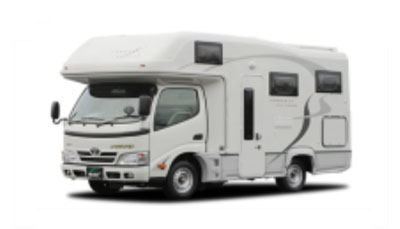
For navigating Japan's blend of modern expressways and sometimes narrower local roads, a compact or mid-sized RV, such as a Class B Camper Van or Class SI Semi-integrated model, is highly recommended for one-way travelers. Class B Camper Vans, like an "Active Compact Select" or "VW California Ocean", with an average global fleet length of 5.8m, offer exceptional maneuverability for urban centers like Nagoya and winding rural roads, while providing comfortable sleeping for 3.2 people and decent fuel efficiency (typically 8-10 Liters/100 km). Class SI Semi-integrated vehicles, for example, a "2 Berth Tamar" or "Active Standard Select", averaging 6.9m in length, provide a comfortable balance between living space and manageable driving, accommodating 3.8 sleepers with fuel consumption around 10-11 Liters/100 km. While larger Class C Alcove and Class A Integrated RVs (both averaging 7.5m in length in Bandana's global fleet), such as a "24' Class C Motorhome" or a "Class A - Thor ACE 30", offer more space and amenities for larger groups, their size demands greater caution in tighter areas and during parking, especially when exploring cities like Kyoto or smaller towns in Kai Yamanashi.
Should I Choose a Compact Van Instead of a Large RV in Japan?
While compact vans offer superior maneuverability in Japan's very tight urban and remote rural settings, larger RVs often provide a significantly enhanced comfort and living experience that frequently outweighs minor driving challenges on the country's generally excellent road network. Compact vans, such as the "Active Small" Class B Camper Van (averaging 5.8m in length), excel in navigating narrow streets, fitting into smaller parking spots, and offering better fuel economy, making them ideal for solo travelers or couples prioritizing agility and flexibility. Larger RVs, like the "Glamys 265" Class C Alcove or a "Benimar Sport 323", provide more interior space, better amenities, including a full kitchen for preparing RV-friendly recipes playlist and a dedicated bathroom, offering increased comfort for families or longer trips. The choice ultimately depends on your travel priorities: if extreme urban agility is paramount, a compact campervan is superb. However, if you desire greater onboard comfort, ample living space, and the convenience of a full mobile home experience, a mid-sized motorhome is largely feasible and highly enjoyable on Japan's main routes, and you can always park on the outskirts of cities and use public transport.
Can I Park Anywhere? Free & Wild Camping Rules in Japan
Wild camping or unauthorized overnight parking is generally not permitted and is culturally frowned upon in Japan, making designated campsites and Michi-no-Eki (roadside stations) the primary and most respectful options for overnight RV stays. Japan does not operate under a "right to roam" policy, so overnight stays outside of designated facilities are typically restricted by local regulations. Michi-no-Eki often permit overnight parking in their designated lots, providing a safe and convenient place to rest, although active "camping" activities like setting out chairs or awnings are usually not allowed. Formal campgrounds across Japan offer a range of amenities, from basic pitches to full-service sites with hookups for your rented campervan, typically costing ¥2,000-¥5,000 ($13-$35 USD) per night. Rules and availability can vary by region, so it's always recommended to call ahead before driving to a potential overnight spot. For finding campsites and campgrounds during your trip, we recommend using RV PLANET (rvplan.net) - a great resource for locating available spots along your route.
Can I Drive an RV Into the City Center? Heights, Tunnels & Local Signage
Yes, driving a rented RV into most Japanese city centers is generally possible on main arterial roads, but drivers must exercise vigilance for local signage, especially concerning height and width restrictions in older districts, tunnels, and specific parking facilities. Major roads leading into and through cities like Tokyo, Kyoto, or Osaka are typically well-suited for motorhomes, often multi-lane and well-maintained. However, side streets and historical areas, particularly in places like Kanazawa or Nara, can be exceptionally narrow and challenging to navigate with larger vehicles. Always be aware of height limits indicated on overhead structures, such as bridge underpasses and at the entrances to tunnels or multi-story parking garages, as many are not designed for the clearances of even mid-sized RVs. We recommend looking for local 'no entry' or 'residents only' signs and being prepared to find alternative parking outside the immediate city core if necessary, utilizing Japan's excellent public transportation to explore the dense city centers. Drive slowly and carefully, and you can drive almost anywhere without issues. No need to stress - just use common sense and pay attention.
What is the average cost of a one-way RV rental in Japan?
The average cost for a one-way RV rental in Japan typically ranges from ¥15,000 to ¥40,000 per day (approximately $100-$270 USD), with the total expense heavily influenced by RV class, rental duration, season, and significant additional fees. The base rental fee varies considerably: a compact Class B Camper Van might be on the lower end, while a larger Class C Alcove or Class A Integrated model, suitable for families of 2+2 or bigger groups, will naturally cost more. Peak seasons like the spring cherry blossom (March-May) and autumn foliage (September-November) drive prices up due to high demand, so booking in advance is advised. A distinct one-way fee, for picking up your motorhome in a city like Tokyo and dropping it off in Kyoto, can range from ¥20,000 to over ¥80,000 ($135-$540 USD) depending on the distance between locations and the specific rental company's logistics. Fuel costs are also a major factor, given Japan's higher fuel prices and RV fuel consumption (e.g., 8-17 Liters/100 km for Bandana's global fleet). Expect to allocate ¥5,000-¥10,000+ daily for expressway tolls if you plan extensive driving. City parking can be expensive, and designated campsites typically cost ¥2,000-¥5,000 ($13-$35 USD) per night. Mandatory insurance and optional extras like bedding, kitchen kits, or additional drivers will further contribute to your overall trip budget. Remember, prices are dynamic like flight tickets and change daily based on availability, seasonality, and supplier marketing decisions, with the final price set at actual booking time.
What are the best routes for a one-way RV trip in Japan?
The best one-way RV routes in Japan are often themed itineraries designed to showcase specific seasonal beauty, cultural experiences, or regional specialties, allowing travelers to explore diverse landscapes from a single starting point to a different destination. For an iconic spring journey, consider the "Cherry Blossom Chasers" route, following the blossom front from warmer southern regions like Kyushu northwards to Honshu and Hokkaido, connecting famous viewing spots in Kyoto, Nara, and Hirosaki. An "Autumn Leaves & Onsen Hopping" itinerary through the Japanese Alps, from Tokyo to the Hokuriku region (e.g., Kanazawa), offers vibrant fall foliage and traditional hot spring towns. If you dream of summer wilderness, a "Hokkaido's Wilderness & Coast" journey from Sapporo to Hakodate encompasses stunning national parks, fragrant lavender fields, and scenic coastal drives. For a deeper dive into history, a "Historical Trails & Rural Charm" trip could take you from Tokyo to Hiroshima, with detours through the charming Kiso Valley and ancient samurai districts. Food enthusiasts might enjoy a "Foodie Adventures" one-way trip along the coastlines of Tohoku or Shikoku, sampling regional seafood and local delicacies. Our sister company, RV PLANET (rvplan.net), offers over 1,300 pre-planned routes across 5 continents, including meticulously crafted itineraries for Japan; using their Rent&Plan service for these professional route plans will also earn you a 25% planning discount, providing an excellent foundation for your unique Japanese RV adventure.
Are there any special considerations for renting an RV as a foreigner in Japan?
Foreigners renting an RV in Japan must specifically ensure they possess the correct International Driving Permit (IDP), understand vital cultural etiquette, and be prepared for potential language barriers and local emergency protocols. An International Driving Permit (IDP) issued under the 1949 Geneva Convention is absolutely essential for driving a rented motorhome in Japan; ensure yours is valid and correctly formatted before you travel. Strict adherence to local cultural etiquette is crucial, including meticulous trash sorting and disposal (which varies significantly by municipality), observing quiet hours at Michi-no-Eki or campgrounds, and showing respect in public spaces and traditional sites like onsen. While major rental companies like those Bandana partners with (e.g., Apollo, Britz) may offer English support, having a translation app or basic Japanese phrases can significantly help in daily interactions at gas stations, shops, and local campgrounds. Japan is prone to natural disasters such as earthquakes and typhoons, so it's important to familiarize yourself with local emergency numbers (119 for fire/ambulance, 110 for police) and understand evacuation procedures or alert systems. Finally, especially for one-way rentals and during peak seasons, booking your RV and campsites well in advance is crucial due to high demand and limited availability.
What is the best time of year to rent an RV in Japan?
The best time of year to rent an RV in Japan is highly dependent on your desired experiences and weather preferences, with spring and autumn generally offering the most pleasant conditions and iconic natural beauty. Spring (March to May) is ideal for cherry blossom viewing and enjoys mild, comfortable temperatures across much of the country. This is a peak season, requiring early bookings for both RVs and popular campsites. Autumn (September to November) offers stunning fall foliage, comfortable temperatures, and generally stable weather, making it another highly popular period for RV travel. Summer (June to August) can be hot and humid, especially in southern Japan, with the possibility of typhoon season bringing heavy rains, but it's perfect for exploring the cooler northern regions like Hokkaido. Winter (December to February) is suitable for those interested in ski trips or onsen tours, particularly in snowy regions like the Japanese Alps; however, winter RV travel requires specific equipment (like snow tires) and drivers must be comfortable with snow driving. Regardless of the season, Bandana Caravan recommends travelers book their desired campervan or motorhome rental in Japan well in advance to secure the best rates and availability.
Is it cheaper to rent an RV or stay in hotels in Japan?
Determining whether a rented RV is cheaper than staying in hotels in Japan is highly nuanced, contingent on group size, trip duration, travel style, and specific itinerary, with RVs often offering a unique experiential value rather than guaranteed cost savings for smaller groups. RV costs can quickly add up, factoring in significant rental fees (including one-way charges), expensive tolls, fuel costs, and nightly campground fees (typically ¥2,000-¥5,000 per night). Hotel costs in Japan, while varied, can range from budget-friendly business hotels and hostels to luxurious ryokans. For solo travelers or couples on a budget, a combination of economical hotels and efficient public transport might prove more economical. However, for larger families or groups (e.g., 4+ people), a motorhome rental can become more cost-effective per person than booking multiple hotel rooms and purchasing individual train tickets, especially for a week-long trip or longer. The ability to prepare meals in your RV's kitchen can significantly reduce daily food expenses compared to eating out for every meal, a major advantage in Japan where dining can be costly. Ultimately, RV travel offers unparalleled freedom to explore off-the-beaten-path locations, spontaneous itinerary changes, and a unique way to experience Japan, providing value that often extends beyond just monetary savings.
What You Shouldn't Miss
- Mount Fuji and the Five Lakes: Circle the iconic Mount Fuji, camping near Lake Kawaguchiko for breathtaking reflections and easy access to hiking trails and onsen.
- Kyoto's Temples and Traditions: While driving into the city center is manageable with care, park your rented campervan on the outskirts and explore Kyoto's historic temples, serene gardens, and vibrant geisha districts by public transport for a truly immersive cultural experience.
- Hokkaido's Scenic Drives: Embark on an extended road trip across Hokkaido, Japan's northern island, to witness vast lavender fields (summer), dramatic volcanic landscapes, and pristine national parks.
- Michi-no-Eki Experiences: Make frequent stops at Japan's unique roadside stations (Michi-no-Eki). Many offer local produce, craft shops, and even foot baths or onsen, providing a genuine taste of regional Japan.
- Onsen Town Immersion: Seek out a traditional onsen town, like Hakone or Beppu, where you can park your rented motorhome at a nearby facility and enjoy the therapeutic experience of Japan's famous hot springs.
- Looking for expert insights from Avi Bandana? Top 5 Adventures - recommendations from Avi Bandana
Final Thoughts
A one-way RV rental in Japan is more than just a trip; it's an immersive cultural journey that puts you in control of your adventure. From the moment you pick up your campervan in Tokyo and set off towards Kyoto, or perhaps from Osaka to the tranquil shores of Hokkaido, you'll discover a country that seamlessly blends breathtaking natural beauty with rich traditions and modern conveniences. With Bandana Caravan, you're choosing a partner committed to full transparency and genuine support, ensuring your planning and booking experience is as smooth as Japan's legendary expressways.
Embrace the freedom to explore at your own pace, to truly feel the place, connect to the culture, the food, and the scenery that only a motorhome rental can provide. Whether you're seeking the vibrant hues of cherry blossoms or the fiery spectacle of autumn leaves, Japan by RV promises an unforgettable experience. So, are you ready to chart your unique course?
Compare one way rv Rental Prices for Japan now and start planning your extraordinary Japanese road trip!
In This Guide
- Can You Drive an RV in Japan? License & Age Rules
- Road Conditions & Terrain in Japan
- RV Size Limits, Bridges & Restricted Zones
- Fuel: Diesel vs. Petrol & Cost per 100 km
- Tolls, Vignettes & Border Rules
- Driving Tips for one way rv rental Travelers
- Recommended RV Class for Japan Roads
- Should I Choose a Compact Van Instead of a Large RV in Japan?
- Can I Park Anywhere? Free & Wild Camping Rules in Japan
- Can I Drive an RV Into the City Center? Heights, Tunnels & Local Signage
- What is the average cost of a one-way RV rental in Japan?
- What are the best routes for a one-way RV trip in Japan?
- Are there any special considerations for renting an RV as a foreigner in Japan?
- What is the best time of year to rent an RV in Japan?
- Is it cheaper to rent an RV or stay in hotels in Japan?
Embarking on a one-way RV adventure through Japan offers an unparalleled way to experience its unique blend of ancient traditions and cutting-edge modernity. Imagine the freedom of waking up to serene mountain vistas one day and exploring bustling cityscapes the next, all from the comfort of your own mobile home. Japan's captivating culture, exquisite cuisine, and diverse landscapes, from the snowy peaks of Hokkaido to the subtropical islands of Okinawa, are ripe for discovery at your own pace. With Bandana Caravan, we're here to make your journey effortless and memorable, ensuring you have all the information and support you need before, during, and after your booking. For live availability and current prices, start with our RV Rental Japan - Complete Guide 2026 guide.
Can You Drive an RV in Japan? License & Age Rules
Yes, foreigners can confidently drive a rented RV in Japan, provided they hold a valid International Driving Permit (IDP) issued under the 1949 Geneva Convention, along with their national driver's license. The minimum age for RV rental in Japan is typically 21 years old, though it can vary slightly by rental company and the specific vehicle class you choose. For instance, a standard Class B or equivalent driver's license from your home country is generally sufficient to operate most campervans and smaller semi-integrated motorhomes available for rent, usually up to 3.5 tons (approximately 7,700 lbs). There are no young driver surcharges or vehicle class restrictions based on age, making RV travel accessible to a wide range of adventurers. Always carry both your IDP and your original national license during your trip to ensure full compliance with Japanese law.
Road Conditions & Terrain in Japan
Japan boasts an exceptionally high standard of road infrastructure, featuring well-maintained expressways and scenic routes across diverse terrains, making it a fantastic destination for a rented motorhome journey. You'll find smooth asphalt surfaces on most major routes, ensuring a comfortable ride for your RV. However, when venturing into rural and mountainous regions, such as the breathtaking Japanese Alps or parts of the expansive Hokkaido, you should anticipate narrower roads with sharper turns. These less-traveled paths often encourage slower, more scenic driving, which is exactly what we recommend at Bandana Caravan: travel slowly, typically a maximum of 100-150 km per day on average, to truly immerse yourself in the culture, savor the local food, and absorb the stunning scenery without feeling rushed.
RV Size Limits, Bridges & Restricted Zones
While most of Japan's primary road network accommodates rented RVs, drivers must be highly vigilant for specific height, weight, and width restrictions on certain infrastructure, particularly in older or more compact areas. It's crucial to pay close attention to signage for low bridges, which can have clearances as low as 3.5m-4.0m in older or rural areas, and narrow tunnel entrances. Similarly, many historic towns feature charming but very narrow streets, making navigation with larger RVs, like Class C Alcove models (averaging 7.5m in length), more challenging. Environmental zones are not widely applied to RVs in Japan, but it's always wise to check local regulations, especially when planning to visit sensitive natural areas or specific urban districts to avoid any unexpected surprises. Drive slowly and carefully, and you can drive almost anywhere without issues. No need to stress - just use common sense and pay attention.
Fuel: Diesel vs. Petrol & Cost per 100 km
Most rented RVs in Bandana's global fleet operate on either petrol (gasoline) or diesel, both of which are widely available at service stations throughout Japan. Fuel consumption varies by vehicle class: Class B Camper Vans typically average 8-10 Liters/100 km, while Class SI Semi-integrated models average 10-11 Liters/100 km. Larger Class C Alcove models usually consume around 10-12 Liters/100 km. Fuel prices in Japan are generally higher than in many other countries, making it a significant component of your overall travel budget. To help manage your total trip cost, remember that on RV PLANET routes, you can itemize and track every expense along the way for easy budgeting. Some rental companies may offer access to fuel discount cards, which, while not massive, can provide minor savings over a week-long trip or an extended road trip.
Tolls, Vignettes & Border Rules
Japan's extensive and efficient expressway network operates on a comprehensive toll system, with no general vignettes for overall road usage, and as an island nation, specific border rules are not applicable for domestic RV travel. Toll costs on Japanese expressways can be substantial, often representing a significant portion of an RV travel budget, with typical daily allocations for extensive driving ranging from ¥5,000 to ¥10,000+ (approximately $35-$70+ USD). Utilizing an Electronic Toll Collection (ETC) card, which many rental companies offer for pre-purchase or rental, is highly recommended to streamline payments and potentially qualify for small discounts. These cards eliminate the need to stop at every toll booth, making your journey smoother and more efficient. Always factor these costs into your overall trip planning.
Driving Tips for one way rv rental Travelers
One-way RV travelers in Japan should confidently adapt to driving on the left, master the toll payment systems, and utilize roadside stations for rest and amenities to ensure a smooth journey. Remember to drive on the left-hand side of the road; if this is new to you, practice in less congested areas like the outskirts of Hiratuska Kanagawa or Izumisano before tackling larger cities. Investing in an Electronic Toll Collection (ETC) card is a smart move, allowing you to seamlessly navigate Japan's extensive toll road network and save precious time at booths. Embrace the uniquely Japanese "Michi-no-Eki" (roadside stations) for clean restrooms, delicious local food, and often designated overnight parking options in destinations such as Nagano or Takamatsu-Kagawa. Always be aware of your rented RV's dimensions, especially in older towns with narrow streets like Kyoto, or when searching for parking in bustling urban centers like Tokyo or Osaka. Lastly, due to Japan's geological activity, familiarize yourself with local emergency procedures and monitor weather alerts, particularly for earthquakes or typhoons, ensuring you're prepared for any natural occurrences.
🎬 Video coming soon
Recommended RV Class for Japan Roads
For navigating Japan's blend of modern expressways and sometimes narrower local roads, a compact or mid-sized RV, such as a Class B Camper Van or Class SI Semi-integrated model, is highly recommended for one-way travelers. Class B Camper Vans, like an "Active Compact Select" or "VW California Ocean", with an average global fleet length of 5.8m, offer exceptional maneuverability for urban centers like Nagoya and winding rural roads, while providing comfortable sleeping for 3.2 people and decent fuel efficiency (typically 8-10 Liters/100 km). Class SI Semi-integrated vehicles, for example, a "2 Berth Tamar" or "Active Standard Select", averaging 6.9m in length, provide a comfortable balance between living space and manageable driving, accommodating 3.8 sleepers with fuel consumption around 10-11 Liters/100 km. While larger Class C Alcove and Class A Integrated RVs (both averaging 7.5m in length in Bandana's global fleet), such as a "24' Class C Motorhome" or a "Class A - Thor ACE 30", offer more space and amenities for larger groups, their size demands greater caution in tighter areas and during parking, especially when exploring cities like Kyoto or smaller towns in Kai Yamanashi.
Should I Choose a Compact Van Instead of a Large RV in Japan?
While compact vans offer superior maneuverability in Japan's very tight urban and remote rural settings, larger RVs often provide a significantly enhanced comfort and living experience that frequently outweighs minor driving challenges on the country's generally excellent road network. Compact vans, such as the "Active Small" Class B Camper Van (averaging 5.8m in length), excel in navigating narrow streets, fitting into smaller parking spots, and offering better fuel economy, making them ideal for solo travelers or couples prioritizing agility and flexibility. Larger RVs, like the "Glamys 265" Class C Alcove or a "Benimar Sport 323", provide more interior space, better amenities, including a full kitchen for preparing RV-friendly recipes playlist and a dedicated bathroom, offering increased comfort for families or longer trips. The choice ultimately depends on your travel priorities: if extreme urban agility is paramount, a compact campervan is superb. However, if you desire greater onboard comfort, ample living space, and the convenience of a full mobile home experience, a mid-sized motorhome is largely feasible and highly enjoyable on Japan's main routes, and you can always park on the outskirts of cities and use public transport.
Can I Park Anywhere? Free & Wild Camping Rules in Japan
Wild camping or unauthorized overnight parking is generally not permitted and is culturally frowned upon in Japan, making designated campsites and Michi-no-Eki (roadside stations) the primary and most respectful options for overnight RV stays. Japan does not operate under a "right to roam" policy, so overnight stays outside of designated facilities are typically restricted by local regulations. Michi-no-Eki often permit overnight parking in their designated lots, providing a safe and convenient place to rest, although active "camping" activities like setting out chairs or awnings are usually not allowed. Formal campgrounds across Japan offer a range of amenities, from basic pitches to full-service sites with hookups for your rented campervan, typically costing ¥2,000-¥5,000 (approximately $13-$35 USD) per night. Rules and availability can vary by region, so it's always recommended to call ahead before driving to a potential overnight spot. For finding campsites and campgrounds during your trip, we recommend using RV PLANET (rvplan.net) - a great resource for locating available spots along your route.
Can I Drive an RV Into the City Center? Heights, Tunnels & Local Signage
Yes, driving a rented RV into most Japanese city centers is generally possible on main arterial roads, but drivers must exercise vigilance for local signage, especially concerning height and width restrictions in older districts, tunnels, and specific parking facilities. Major roads leading into and through cities like Tokyo, Kyoto, or Osaka are typically well-suited for motorhomes, often multi-lane and well-maintained. However, side streets and historical areas, particularly in places like Kanazawa or Nara, can be exceptionally narrow and challenging to navigate with larger vehicles. Always be aware of height limits indicated on overhead structures, such as bridge underpasses and at the entrances to tunnels or multi-story parking garages, as many are not designed for the clearances of even mid-sized RVs. We recommend looking for local 'no entry' or 'residents only' signs and being prepared to find alternative parking outside the immediate city core if necessary, utilizing Japan's excellent public transportation to explore the dense city centers. Drive slowly and carefully, and you can drive almost anywhere without issues. No need to stress - just use common sense and pay attention.
What is the average cost of a one-way RV rental in Japan?
The average cost for a one-way RV rental in Japan typically ranges from ¥15,000 to ¥40,000 per day (approximately $100-$270 USD), with the total expense heavily influenced by RV class, rental duration, season, and significant additional fees. The base rental fee varies considerably: a compact Class B Camper Van might be on the lower end, while a larger Class C Alcove or Class A Integrated model, suitable for families of 2+2 or bigger groups, will naturally cost more. Peak seasons like the spring cherry blossom (March-May) and autumn foliage (September-November) drive prices up due to high demand, so booking in advance is advised. A distinct one-way fee, for picking up your motorhome in a city like Tokyo and dropping it off in Kyoto, can range from ¥20,000 to over ¥80,000 (approximately $135-$540 USD) depending on the distance between locations and the specific rental company's logistics. Fuel costs are also a major factor, given Japan's higher fuel prices and RV fuel consumption (e.g., 8-17 Liters/100 km for Bandana's global fleet). Expect to allocate ¥5,000-¥10,000+ daily for expressway tolls if you plan extensive driving. City parking can be expensive, and designated campsites typically cost ¥2,000-¥5,000 (approximately $13-$35 USD) per night. Mandatory insurance and optional extras like bedding, kitchen kits, or additional drivers will further contribute to your overall trip budget. Remember, prices are dynamic like flight tickets and change daily based on availability, seasonality, and supplier marketing decisions, with the final price set at actual booking time.
What are the best routes for a one-way RV trip in Japan?
The best one-way RV routes in Japan are often themed itineraries designed to showcase specific seasonal beauty, cultural experiences, or regional specialties, allowing travelers to explore diverse landscapes from a single starting point to a different destination. For an iconic spring journey, consider the "Cherry Blossom Chasers" route, following the blossom front from warmer southern regions like Kyushu northwards to Honshu and Hokkaido, connecting famous viewing spots in Kyoto, Nara, and Hirosaki. An "Autumn Leaves & Onsen Hopping" itinerary through the Japanese Alps, from Tokyo to the Hokuriku region (e.g., Kanazawa), offers vibrant fall foliage and traditional hot spring towns. If you dream of summer wilderness, a "Hokkaido's Wilderness & Coast" journey from Sapporo to Hakodate encompasses stunning national parks, fragrant lavender fields, and scenic coastal drives. For a deeper dive into history, a "Historical Trails & Rural Charm" trip could take you from Tokyo to Hiroshima, with detours through the charming Kiso Valley and ancient samurai districts. Food enthusiasts might enjoy a "Foodie Adventures" one-way trip along the coastlines of Tohoku or Shikoku, sampling regional seafood and local delicacies. Our sister company, RV PLANET (rvplan.net), offers over 1,300 pre-planned routes across 5 continents, including meticulously crafted itineraries for Japan; using their Rent&Plan service for these professional route plans will also earn you a 25% planning discount, providing an excellent foundation for your unique Japanese RV adventure.
Are there any special considerations for renting an RV as a foreigner in Japan?
Foreigners renting an RV in Japan must specifically ensure they possess the correct International Driving Permit (IDP), understand vital cultural etiquette, and be prepared for potential language barriers and local emergency protocols. An International Driving Permit (IDP) issued under the 1949 Geneva Convention is absolutely essential for driving a rented motorhome in Japan; ensure yours is valid and correctly formatted before you travel. Strict adherence to local cultural etiquette is crucial, including meticulous trash sorting and disposal (which varies significantly by municipality), observing quiet hours at Michi-no-Eki or campgrounds, and showing respect in public spaces and traditional sites like onsen. While major rental companies like those Bandana partners with (e.g., Apollo, Britz) may offer English support, having a translation app or basic Japanese phrases can significantly help in daily interactions at gas stations, shops, and local campgrounds. Japan is prone to natural disasters such as earthquakes and typhoons, so it's important to familiarize yourself with local emergency numbers (119 for fire/ambulance, 110 for police) and understand evacuation procedures or alert systems. Finally, especially for one-way rentals and during peak seasons, booking your RV and campsites well in advance is crucial due to high demand and limited availability.
What is the best time of year to rent an RV in Japan?
The best time of year to rent an RV in Japan is highly dependent on your desired experiences and weather preferences, with spring and autumn generally offering the most pleasant conditions and iconic natural beauty. Spring (March to May) is ideal for cherry blossom viewing and enjoys mild, comfortable temperatures across much of the country. This is a peak season, requiring early bookings for both RVs and popular campsites. Autumn (September to November) offers stunning fall foliage, comfortable temperatures, and generally stable weather, making it another highly popular period for RV travel. Summer (June to August) can be hot and humid, especially in southern Japan, with the possibility of typhoon season bringing heavy rains, but it's perfect for exploring the cooler northern regions like Hokkaido. Winter (December to February) is suitable for those interested in ski trips or onsen tours, particularly in snowy regions like the Japanese Alps; however, winter RV travel requires specific equipment (like snow tires) and drivers must be comfortable with snow driving. Regardless of the season, Bandana Caravan recommends travelers book their desired campervan or motorhome rental in Japan well in advance to secure the best rates and availability.
Is it cheaper to rent an RV or stay in hotels in Japan?
Determining whether a rented RV is cheaper than staying in hotels in Japan is highly nuanced, contingent on group size, trip duration, travel style, and specific itinerary, with RVs often offering a unique experiential value rather than guaranteed cost savings for smaller groups. RV costs can quickly add up, factoring in significant rental fees (including one-way charges), expensive tolls, fuel costs, and nightly campground fees (typically ¥2,000-¥5,000 per night). Hotel costs in Japan, while varied, can range from budget-friendly business hotels and hostels to luxurious ryokans. For solo travelers or couples on a budget, a combination of economical hotels and efficient public transport might prove more economical. However, for larger families or groups (e.g., 4+ people), a motorhome rental can become more cost-effective per person than booking multiple hotel rooms and purchasing individual train tickets, especially for a week-long trip or longer. The ability to prepare meals in your RV's kitchen can significantly reduce daily food expenses compared to eating out for every meal, a major advantage in Japan where dining can be costly. Ultimately, RV travel offers unparalleled freedom to explore off-the-beaten-path locations, spontaneous itinerary changes, and a unique way to experience Japan, providing value that often extends beyond just monetary savings.
What You Shouldn't Miss
- Mount Fuji and the Five Lakes: Circle the iconic Mount Fuji, camping near Lake Kawaguchiko for breathtaking reflections and easy access to hiking trails and onsen.
- Kyoto's Temples and Traditions: While driving into the city center is manageable with care, park your rented campervan on the outskirts and explore Kyoto's historic temples, serene gardens, and vibrant geisha districts by public transport for a truly immersive cultural experience.
- Hokkaido's Scenic Drives: Embark on an extended road trip across Hokkaido, Japan's northern island, to witness vast lavender fields (summer), dramatic volcanic landscapes, and pristine national parks.
- Michi-no-Eki Experiences: Make frequent stops at Japan's unique roadside stations (Michi-no-Eki). Many offer local produce, craft shops, and even foot baths or onsen, providing a genuine taste of regional Japan.
- Onsen Town Immersion: Seek out a traditional onsen town, like Hakone or Beppu, where you can park your rented motorhome at a nearby facility and enjoy the therapeutic experience of Japan's famous hot springs.
- Looking for expert insights from Avi Bandana? Top 5 Adventures - recommendations from Avi Bandana
Final Thoughts
A one-way RV rental in Japan is more than just a trip; it's an immersive cultural journey that puts you in control of your adventure. From the moment you pick up your campervan in Tokyo and set off towards Kyoto, or perhaps from Osaka to the tranquil shores of Hokkaido, you'll discover a country that seamlessly blends breathtaking natural beauty with rich traditions and modern conveniences. With Bandana Caravan, you're choosing a partner committed to full transparency and genuine support, ensuring your planning and booking experience is as smooth as Japan's legendary expressways.
Embrace the freedom to explore at your own pace, to truly feel the place, connect to the culture, the food, and the scenery that only a motorhome rental can provide. Whether you're seeking the vibrant hues of cherry blossoms or the fiery spectacle of autumn leaves, Japan by RV promises an unforgettable experience. So, are you ready to chart your unique course?
Compare one way rv Rental Prices for Japan now and start planning your extraordinary Japanese road trip!