In This Guide
- Can You Drive an RV in Japan? License & Age Rules
- Road Conditions & Terrain in Japan
- RV Size Limits, Bridges & Restricted Zones
- Fuel: Diesel vs. Petrol & Cost per 100 km
- Tolls, Vignettes & Border Rules
- Driving Tips for RV Rental Travelers
- Recommended RV Class for Japan Roads
- Should I Choose a Compact Van Instead of a Large RV in Japan?
- Can I Park Anywhere? Free & Wild Camping Rules in Japan
- Can I Drive an RV Into the City Center? Heights, Tunnels & Local Signage
- How to Navigate Language Barriers and Road Signs in Japan?
- How to Handle Waste Disposal and Recycling for RVs in Japan?
- What are the Best Internet Connectivity Options for RV Travel in Japan?
- How to Prepare for Emergencies and Natural Disasters in an RV in Japan?
- Tips for Grocery Shopping and Cooking in an RV Kitchen in Japan
- What Cultural Etiquette is Important for RV Travelers in Japan?
- What are the Specific Considerations for RV Travel During Different Seasons in Japan?
- Can I Travel with Children or Pets in an RV in Japan?
- Top Cities for RV Rental in Japan
Embarking on an RV adventure in Japan offers a truly unique way to experience its breathtaking landscapes, vibrant cities, and rich culture at your own pace. With a rented motorhome, you gain unparalleled flexibility, allowing you to explore everything from serene national parks to bustling urban centers. At Bandana RV, we specialize in making these dream trips a reality, providing full transparency and expert support every step of the way. For live availability and current prices, start with our RV Rental Japan - Complete Guide 2026 guide.
Can You Drive an RV in Japan? License & Age Rules
Yes, you can absolutely drive a rented RV in Japan, provided you hold the correct documentation. Foreigners need an International Driving Permit (IDP) based on the 1949 Geneva Convention to legally operate a vehicle, including a campervan or motorhome, in Japan. It's crucial to obtain this permit in your home country before arriving, as it cannot be issued in Japan. The minimum driving age in Japan is 18 years old; however, for most rental campervans and motorhomes offered by Bandana RV's partners, typically those under 3.5 tons, a standard car driver's license (like a B category license from many countries) is sufficient. The minimum rental age is generally 21, and thankfully, there are no young driver surcharges or vehicle class restrictions based on age when booking through our platform. This clarity ensures that planning your Japanese road trip is straightforward and stress-free.
Having the correct license is just the first step to unlocking your adventure. When you're ready to explore costs, our guide on RV Rental in Japan for Beginners - Pricing 2026 provides valuable insights for first-time renters. Bandana RV prides itself on being true RV specialists, not just a side department of a general travel agency. We offer robust pre-booking comparison and booking support to ensure you have all the necessary information, including licensing details, well before your journey begins.
Road Conditions & Terrain in Japan
Japan boasts exceptionally high-quality and well-maintained roads, including an extensive network of expressways and local routes, making for generally smooth RV travel. The terrain is highly varied, ranging from flat coastal plains to vast mountainous regions, featuring winding roads that necessitate cautious and slow driving, especially for larger RVs. While urban areas can have dense traffic and narrower streets, rural regions often offer picturesque, scenic drives perfect for a leisurely campervan or motorhome adventure. Traveling slowly, aiming for a maximum of 100-150 km per day on average, allows you to truly feel the place and connect with Japan's unique culture, incredible food, and stunning scenery.
Navigating these diverse conditions requires common sense and attention, not stress. Drive slowly and carefully, and you can drive almost anywhere without issues, regardless of your rented RV's size. Whether you're cruising along the coast or ascending a mountain pass, the quality of Japan's infrastructure consistently provides a pleasant driving experience for your motorhome rental.
RV Size Limits, Bridges & Restricted Zones
While there are no overarching specific RV size limits that significantly restrict typical rental motorhomes in Japan, drivers must be highly attentive to local signage. Be vigilant for marked height restrictions (usually in meters) at tunnels, underpasses, and multi-story parking garages, which are common in urban areas and residential districts. These signs are generally clear and in both Japanese and English, making them manageable. Environmental zones specifically restricting RVs are rare in Japan compared to some other countries, but always check for local regulations, particularly when approaching national parks or sensitive historic sites, as these might have unique access rules.
Planning your route with an awareness of your rented RV's dimensions is always a good idea, particularly if you opt for a larger Class C motorhome. However, the excellent road infrastructure and clear signage minimize potential difficulties. Our direct partnerships with over 50 leading RV suppliers worldwide, including trusted names, ensure that we can match you with a vehicle that comfortably fits your travel style and Japan's road characteristics, providing you peace of mind.
Fuel: Diesel vs. Petrol & Cost per 100 km
Most rental RVs in Japan primarily utilize petrol (gasoline), with diesel options also available, and petrol stations are widespread throughout the country. Based on Bandana RV's global fleet averages, a Class SI - Semi-integrated RV typically consumes 10-11 Liters/100 km, while a Class B - Camper Van averages 8-10 Liters/100 km, and a Class C - Alcove averages 10-12 Liters/100 km. Using these common fuel consumption rates, travelers can estimate their fuel cost per 100 km; for example, at average 2026 fuel prices, this translates to approximately 1700-2000 JPY per 100 km, varying by vehicle and current market rates. Being aware of your rented motorhome's fuel type (gasoline/petrol is usually colored red, diesel is green) is important when filling up. On the routes offered through RV PLANET routes, you can itemize and track every expense along the way for easy budgeting.
Fuel costs, like all prices, are dynamic and can change daily. It's smart to factor this into your overall trip budget. For a 1-week RV trip in Japan covering around 1000 km, expect to spend approximately 17,000-20,000 JPY on fuel. Planning your route with RV PLANET routes allows you to itemize and track every expense, including fuel, tolls, and campground fees, for easy budgeting.
Tolls, Vignettes & Border Rules
Japan operates an extensive network of expressways and major roads with tolls, but it does not use a vignette system for road access. An Electronic Toll Collection (ETC) card is highly recommended for RV travelers, enabling seamless passage through toll gates, often at a discounted rate, and avoiding manual payments. Most rental campervans or motorhomes can be equipped with an ETC card reader, and you pay the cumulative toll fees upon return of the vehicle. As an island nation, Japan has no land borders, meaning cross-border RV travel is not a factor; all RV journeys occur entirely within Japan.
The toll system is efficient, but costs can add up on longer journeys. Consider routes through RV PLANET routes to find itineraries that balance scenic drives with toll efficiency, especially if you're on a budget. This full transparency on potential ancillary costs is part of our commitment to providing no hidden fees and no surprises.
Driving Tips for RV Rental Travelers
Successfully navigating Japan in a rented RV begins with understanding fundamental road rules and cultural practices. Always drive on the left side of the road, and remember that vehicles in Japan are right-hand drive. Utilizing a reliable GPS navigation system with English language options is essential, paying careful attention to speed limits and warnings for narrow roads or low clearances, especially when operating a larger RV. Drive slowly and carefully, and you can drive almost anywhere without issues. No need to stress - just use common sense and pay attention.
Plan for frequent stops every 2-3 hours, particularly when traveling with family, to visit Michi-no-Eki (roadside stations) which offer amenities, local products, and rest areas. For budget-conscious travelers, consider pre-purchasing an ETC card for toll discounts, or explore alternative non-toll routes if time permits. While driving into city centers is generally fine, avoid major metropolitan areas during peak rush hours to minimize congestion and stress. For more detailed advice, consider our guide on RV Rental in Japan for Beginners - Pricing 2026, which includes many practical pointers.
Recommended RV Class for Japan Roads
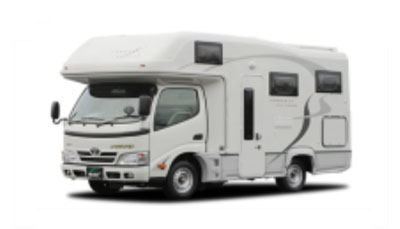
For optimal comfort and maneuverability on Japan's diverse road network, Class B - Camper Vans and Class SI - Semi-integrated RVs are highly suitable choices. Class B Camper Vans, with an average length of 5.8 meters across Bandana RV's fleet (such as a 'campervan hire example Active Classic' which is an ideal choice for a couple), offer excellent agility for navigating narrow rural roads and finding urban parking. Class SI Semi-integrated RVs, averaging 6.9 meters in length, provide a comfortable balance of spacious living quarters and manageable dimensions, making them well-suited for both highways and most local roads in Japan. For example, a '2 Berth Rover' or '2 Berth Tamar' could be a good choice for two people, offering a balance of space and navigability.
Even larger Class C - Alcove motorhomes (like a '24' Class C Motorhome' or a '4 Berth Deluxe') are manageable, as long as you drive carefully and pay attention to signs. The key is to select a rental motorhome that matches your group size and comfort needs without overthinking the size too much, as Japanese roads are generally accommodating. You can compare different Class B, Class SI, and Class C motorhome options for your Japan adventure directly through Bandana RV, ensuring full price transparency and no hidden fees.
Should I Choose a Compact Van Instead of a Large RV in Japan?
The choice between a compact van and a larger RV in Japan depends on travel priorities, but the assumption that larger RVs are universally problematic is often unfounded, as comfort and indoor space can be more important for longer trips. While compact vans (like an 'Active Pop Top' or '2 Berth Hi Top' campervan with lengths around 5-6 meters) excel in maneuverability for extremely tight urban alleys or very narrow mountain passes and offer easier parking, they significantly compromise on interior space, amenities, and dedicated living zones. For most travelers prioritizing onboard comfort, a private bathroom, a proper kitchen, and more living space, a Class SI or Class C motorhome offers a superior travel experience, as most major roads and designated RV facilities in Japan are accommodating of these sizes. For instance, a Class C 'MHC24' with a length of 7.3m provides more comfort without being excessively large.
Consider the duration of your trip and the number of travelers. For an extended road trip with family (e.g., 4-6 people), the extra space of a Class C motorhome is a game-changer. For a couple seeking a week-long adventure, a Class B campervan offers a perfect balance. Our platform helps you compare options to ensure you find the perfect rental motorhome for your Japan journey.
Can I Park Anywhere? Free & Wild Camping Rules in Japan
Wild camping and arbitrary overnight parking are generally discouraged and frequently illegal in Japan, reflecting the country's strong cultural emphasis on public order and respect for private property. Michi-no-Eki (roadside stations) serve as excellent rest stops with amenities, but are typically not designated for overnight camping, though some may implicitly tolerate a single night's stay for weary travelers in a rented campervan. For guaranteed and compliant overnight stays, it is essential to utilize dedicated RV parks (e.g., registered with RVPark Japan) and private campgrounds, which provide necessary facilities for waste disposal and hookups.
Always adhere to local regulations and respect signage before parking overnight, as rules can vary by region, and prioritize designated facilities to avoid potential issues. This aligns with Bandana RV’s commitment to responsible travel. For finding campsites and campgrounds during your trip, we recommend using RV PLANET (rvplan.net) - a great resource for locating available spots along your route.
Can I Drive an RV Into the City Center? Heights, Tunnels & Local Signage
Yes, you can generally drive a rented RV into most city centers in Japan, but navigating narrow streets and finding suitable parking requires careful attention. Drivers must be vigilant for local signage, particularly regarding height limits for tunnels, underpasses, and multi-story parking garages, which can be restrictive for RVs in urban environments. Pay close attention to street widths and any 'residents only' or vehicle type restriction signs to avoid challenging situations or areas impassable for larger vehicles. Drive slowly and carefully, and you can drive almost anywhere without issues. No need to stress - just use common sense and pay attention.
While finding parking for a larger motorhome in central Tokyo might be challenging, cities like Kyoto or Osaka offer more accessible options. Often, larger parking lots associated with major attractions, shopping centers, or Michi-no-Eki on the outskirts of cities can serve as excellent bases from which to explore using public transport. Remember, Bandana RV provides pre-booking support to help you choose the ideal vehicle for your urban and rural exploration in Japan.
How to Navigate Language Barriers and Road Signs in Japan?
Navigating language barriers in Japan as an RV traveler is manageable with preparation, as major road signs often include English translations for key destinations. Learning essential Japanese phrases for common interactions (e.g., at gas stations, shops, or in emergencies) significantly enhances the travel experience and shows respect for local culture. Utilize translation apps with offline capabilities and camera functions, such as Google Translate, for real-time translation of signs, menus, and conversations, making reliable internet connectivity crucial. Many rental RVs are equipped with GPS navigation systems that offer English language options, providing crucial assistance for route planning and identifying points of interest.
In our experience helping tens of thousands of travelers since 2001, we've found that Japanese people are incredibly helpful and welcoming. Even if they don't speak English, they will often go out of their way to assist. Don't be afraid to ask for help; a simple "Sumimasen" (excuse me) and a smile can go a long way. This supportive environment makes RV travel in Japan very accessible.
How to Handle Waste Disposal and Recycling for RVs in Japan?
Japan enforces strict rules for waste management and recycling, requiring RV travelers to use designated facilities for proper disposal. Greywater and blackwater from your rented campervan or motorhome must only be disposed of at official RV parks or campgrounds equipped with specific dump stations, often clearly marked as 'dump sites' or 'drainage points.' General waste requires sorting according to local municipal guidelines (e.g., burnable, non-burnable, plastics, bottles, cans) and should be deposited only at designated collection points or appropriate campground facilities. It is imperative never to dispose of any waste, including greywater, indiscriminately in public areas or natural environments, upholding Japan's cleanliness standards and cultural respect.
Before beginning your week-long or extended road trip, familiarize yourself with the waste disposal instructions provided by your rental supplier. RV PLANET (rvplan.net) can also assist in finding campgrounds with these essential facilities, ensuring you can travel responsibly and maintain the pristine beauty of Japan. This meticulous attention to detail is part of the respectful approach to travel we encourage.
What are the Best Internet Connectivity Options for RV Travel in Japan?
Reliable internet connectivity is crucial for navigation, translation, and communication while RVing in Japan, with several robust options available for your motorhome rental. Renting a portable pocket Wi-Fi device offers dedicated internet access for multiple devices and is widely available at airports, through online booking services, or directly from RV rental companies. Purchasing an eSIM for your smartphone provides convenient data access without needing a physical SIM card, suitable for modern phones, or consider a physical prepaid data SIM card. Public Wi-Fi is accessible at many Michi-no-Eki (roadside stations), major train stations, and convenience stores, though its speed and reliability can vary.
For seamless navigation and staying connected, a pocket Wi-Fi is often the most convenient option for an RV group. This ensures everyone in your rented RV has access. Many of our partner suppliers can arrange these devices as an add-on, giving you confidence and comfort throughout your journey. For planning your entire trip, including digital needs, our Rent&Plan service offers pre-planned routes by professionals, and you get a 25% planning discount when using rvplan.net.
🎬 Video coming soon
How to Prepare for Emergencies and Natural Disasters in an RV in Japan?
Emergency preparedness for RVers in Japan includes familiarizing oneself with protocols for vehicle breakdowns, accidents, and natural disasters like earthquakes or typhoons. Always carry a comprehensive emergency kit in your rented camper, including a first-aid kit, flares, a warning triangle, and a fully charged mobile phone with essential contact numbers (110 for police, 119 for fire/ambulance). Familiarize yourself with local emergency numbers and monitor weather alerts and disaster warnings via apps like NHK World Japan or the Japan Meteorological Agency. In the event of an earthquake, safely pull over, activate hazard lights, and remain inside the RV until the shaking subsides; follow local instructions for tsunamis or typhoons.
Bandana RV is with you before and after your booking, providing crucial pre-trip advice and coordinating with local suppliers for any issues. While we don't provide 24/7 in-trip support, our selection of top-tier suppliers ensures reliable vehicles. Additionally, upgrading to a top-level deductible reimbursement option provides extra peace of mind for unexpected incidents, which is always a wise consideration for an extended road trip in Japan or any new country.
Tips for Grocery Shopping and Cooking in an RV Kitchen in Japan
Grocery shopping in Japan is an enjoyable experience, with supermarkets and convenience stores (konbini) offering a wide array of fresh and unique local ingredients for your RV kitchen. Major supermarket chains like Aeon, Ito-Yokado, or local co-ops are excellent for sourcing produce, meats, seafood, and pantry staples suitable for RV cooking. Optimize your compact RV kitchen by choosing versatile ingredients, planning simple meals, and leveraging the convenience of pre-cut vegetables and ready-to-eat items available at konbini. Always remember to bring reusable shopping bags, as single-use plastic bags typically incur a small fee in Japan.
Cooking meals in your rented motorhome is a fantastic way to save on ancillary trip costs and immerse yourself in local flavors. Imagine preparing fresh sushi or a simple ramen dish right outside your scenic campsite. For inspiration, check out our RV-friendly recipes playlist to get ideas for delicious meals on the go.
What Cultural Etiquette is Important for RV Travelers in Japan?
Observing Japanese cultural etiquette, especially regarding noise levels, privacy, and public spaces, significantly enhances the RV travel experience in Japan. Maintain low noise levels at campgrounds and Michi-no-Eki, particularly during designated quiet hours, to show respect for fellow travelers and local communities. When utilizing public facilities such as onsen (hot springs), meticulously follow specific etiquette, including showering thoroughly before entering the baths and understanding any tattoo policies. Always dispose of trash correctly by sorting it according to local rules, park exclusively in designated spots, and leave every area cleaner than you found it, embodying the Japanese value of cleanliness and consideration.
These courtesies are part of the joy of immersing yourself in a new culture. Being a thoughtful RV traveler in Japan means embracing these customs, ensuring a positive experience for everyone. Our mission since 2001 has been helping tens of thousands of travelers explore the world by RV with respect and joy, and Japan is a prime example where this approach truly shines.
What are the Specific Considerations for RV Travel During Different Seasons in Japan?
RV travel in Japan is significantly shaped by its distinct seasons, each presenting unique considerations for travelers. Winter travel (December-February), especially in snowy regions like Hokkaido or the Japanese Alps, necessitates the use of appropriate tires (e.g., studless winter tires) and vigilance for road closures due to heavy snowfall. Summer (June-August) brings high humidity and temperatures, making robust air conditioning essential for comfort in your rented mobile home and requiring careful planning to avoid overheating. Spring (March-May) and autumn (September-November) offer pleasant weather and stunning natural beauty (cherry blossoms, autumn leaves), but these popular periods can lead to crowded roads and fully booked campgrounds.
If you're considering a Winter RV Rental in Japan - Pricing Guide 2026, remember that some suppliers offer specific winter-ready models. While planning, be aware that many national and state parks reserve only 25-30% of spots; the rest are first-come, first-serve. So, you'll find a spot. If not at the first campground, then the next one. Just call ahead before driving. This flexibility is part of the RV adventure, no matter the season!
Can I Travel with Children or Pets in an RV in Japan?
Traveling with children and pets in a rented RV in Japan is achievable with careful planning, but requires adherence to specific regulations and policies. Child car seat regulations in Japan mandate that children under six years old use an appropriate child restraint system; confirm availability with your rental provider or consider bringing your own. Pet policies vary widely among campgrounds and attractions, with many having strict rules or not permitting pets, so always inquire and confirm pet acceptance in advance. Seek out pet-friendly Michi-no-Eki, parks, and accommodations, and ensure your pet possesses up-to-date vaccinations and any necessary documentation for entry into Japan. Our Pet-Friendly RV Rental in Japan - Pricing 2026 guide offers more detailed information.
With a spacious Class C motorhome like a '6 Berth Deluxe' or 'Family Sleeper (FS)', families of 2+2 or even larger groups can enjoy comfortable travel. Many modern RVs feature amenities like multiple sleeping areas and a compact kitchen that make family travel a breeze. Bandana RV can help you find a rental motorhome that is perfect for your family's needs, ensuring everyone has an unforgettable Japanese adventure.
Top Cities for RV Rental in Japan
Japan offers numerous excellent starting points for your RV adventure, with rental hubs strategically located near major transportation centers and scenic regions. These cities provide convenient access to a wide variety of rented motorhomes and campervans, from compact models ideal for couples to larger Class C options for families. Whether you're seeking bustling cityscapes or serene natural escapes, these locations offer the perfect gateway to your Japanese road trip.
- Tokyo: As the bustling capital, Tokyo serves as a primary hub for RV rentals, offering access to various vehicle types. From here, you can easily venture towards Mount Fuji, the Izu Peninsula, or the northern Tohoku region.
- Osaka: Located in the Kansai region, Osaka is a fantastic starting point for exploring ancient capitals like Kyoto and Nara, as well as the scenic coastal areas of Wakayama.
- Nagoya: Positioned in central Japan, Nagoya provides convenient access to the Japanese Alps, historic towns like Takayama, and the beautiful Ise-Shima National Park. Our guide to RV Rental in Nagoya helps you explore this area.
- Sapporo (Hokkaido): For those seeking expansive landscapes and winter adventures, Sapporo in Hokkaido offers a unique RV experience, particularly with its vast national parks and ski resorts.
- Fukuoka: Located on the southern island of Kyushu, Fukuoka is ideal for exploring the island's hot springs (onsen), active volcanoes, and coastal drives.
- Kyoto: While a historic city, Kyoto also serves as a rental pickup point, offering a blend of cultural immersion and access to nearby natural beauty, as detailed in RV Rental in Kyoto.
- Izumisano: Conveniently located near Kansai International Airport, Izumisano is a practical choice for international arrivals looking to start their RV journey in the Osaka region immediately.
- Takamatsu-Kagawa: This city on Shikoku island is a great base for exploring the serene Seto Inland Sea region and Shikoku's unique cultural attractions.
Each of these cities provides a unique flavor of Japan, making your decision on where to begin your journey as exciting as the trip itself. Remember, Bandana RV allows you to compare motorhome prices for Japan across various locations and suppliers for full flexibility.
What You Shouldn't Miss
- Drive the Alpine Route: Experience Japan's stunning mountain scenery along the Tateyama Kurobe Alpine Route (parts accessible by RV, then scenic transport).
- Relax in an Onsen Town: Park your rented RV near Hakone or Beppu and indulge in a traditional Japanese hot spring bath, a perfect way to unwind after driving.
- Explore Historical Kyoto: Immerse yourself in ancient temples, vibrant geisha districts, and beautiful gardens. While central driving might be tight, strategically parking your motorhome and using public transport makes it easy.
- Visit a Michi-no-Eki: Stop at several roadside stations to discover local delicacies, unique crafts, and often, stunning views. Each one is a mini-cultural experience.
- Coastal Drives of Hokkaido: For an extended road trip, explore the wild and beautiful coasts of Hokkaido with your campervan, enjoying fresh seafood and expansive natural parks.
- Sakura Season Road Trip: If timing allows, plan your trip during spring to chase the cherry blossoms (sakura) across the country, transforming every view into a magical spectacle.
Looking for expert insights from Avi Bandana? Top 5 Adventures - recommendations from Avi Bandana
Final Thoughts
An RV rental in Japan is more than just a vacation; it's an opportunity to discover this extraordinary country with unparalleled freedom and comfort. From the vibrant energy of its cities to the tranquil beauty of its countryside, a motorhome provides your personal mobile sanctuary. Remember to embrace slow travel, allowing yourself the time to truly absorb each experience, whether it's savoring local cuisine or hiking through ancient forests.
We're here to support you every step of the way, from comparing prices and booking your ideal vehicle to providing essential planning resources. With our commitment to full transparency and personalized support, your Japanese RV adventure promises to be nothing short of incredible.
Ready to begin your unforgettable journey? Compare Motorhome Prices for Japan and start planning your perfect road trip today!