In This Guide
- What RV Rental Costs in France (2026)
- Seasonal Pricing - Peak vs. Shoulder vs. Off-Season in France
- How to Save on RV Rental in France
- What's Included vs. What's an Add-On
- Hidden Costs to Budget For in France
- What are Aires de Service and How Much Do They Cost
- Is Wild Camping and Boondocking Legal in France
- How to Access and Park an RV in French Cities Like Paris
- What Specific Gear and Technology are Recommended for RVing in France
- What are the Cultural Nuances and Etiquette for RVers in France
- What to Do in an RV Emergency in France
- What are the Seasonal Considerations for RV Travel in France Beyond Pricing
- How to Practice Sustainable and Eco-friendly RVing in France
- Top Cities for RV Rental in France
- What You Shouldn't Miss
Imagine cruising along scenic routes, from the lavender fields of Provence to the dramatic Atlantic coastline, with your very own home on wheels. Renting a motorhome in France offers an unparalleled sense of freedom and adventure, allowing you to immerse yourself in the country's rich culture, exquisite cuisine, and breathtaking landscapes at your own pace. With a rented campervan, you can truly discover France, lingering in charming villages and exploring hidden gems that larger tours might miss.
For live availability and current prices, start with our RV Rental France - Complete Guide 2026 guide. We at Bandana RV are true RV specialists, not just a travel agency side department. We love helping people discover the joy of RV travel, providing full transparency and unwavering support before, during, and after your booking. This comprehensive guide will cover everything you need to know about RV rental in France, from understanding costs to navigating local customs.
What RV Rental Costs in France (2026)
RV rental costs in France for 2026 are dynamic, much like flight tickets, changing daily based on availability, seasonality, and supplier marketing decisions. A 1-week rental for a compact campervan can start from approximately $80 USD per day in the low season, while a large, 6-berth Class C motorhome might average $150-$250 USD per day. For a two-week adventure, a family of four could expect to pay between $120-$180 USD per day for a comfortable Class C model, like the "rv rentals example Comfort Class" which features 3 double beds, offering ideal space for a family of 2+2. An extended road trip of a month or more often yields lower daily rates, rewarding slow travel with better value.
When comparing RV rental costs for couples versus families with kids in France, the primary difference lies in the size and type of vehicle. Couples might opt for a compact campervan like the "luxury rv rentals example Carthago Malibu 600" or a Class B van, typically ranging from $80-$120 USD per day in shoulder season due to their smaller size and fuel efficiency. These vehicles are easy to maneuver and perfect for two, often featuring a double bed (e.g., 158/195cm) and a gas stove with 2 burners. Larger families, perhaps 4-6 people, will typically require a Class C motorhome (such as a "MH-A" or "MHC24" model) or a Class A vehicle, which can cost $150-$250+ USD per day. These larger motorhomes usually offer multiple sleeping areas, including a bed over the cub (e.g., 147/190cm) and a rear double bed (e.g., 132/188cm), along with more spacious living areas and larger fresh water tanks (e.g., 150 liters). The final price is always set at the actual booking time, so early comparison is key.
Seasonal Pricing - Peak vs. Shoulder vs. Off-Season in France
Peak season for RV rental in France, which generally runs from July to August, sees the highest prices due to significant demand, with daily rates potentially doubling compared to off-peak periods. During these months, popular routes like the French Riviera or destinations such as Ajaccio - Corsica will be at their most expensive. Shoulder seasons, encompassing May-June and September-October, offer a wonderful balance of pleasant weather, fewer crowds, and moderate prices, making them ideal for an extended road trip. You can enjoy the blooming landscapes in spring or the vibrant fall foliage without the peak summer rush.
Off-season travel in France, from November to March (excluding major holidays like Christmas and New Year's), is generally the cheapest period for RV rental. While some campsites and attractions might have reduced hours or be closed, it's perfect for exploring cities or enjoying quieter natural beauty. Prices can change significantly day-to-day, especially when booking last-minute during peak season, so monitoring flex-rate drops by checking prices regularly on comparison platforms can help you secure better deals. Flexibility with your travel dates, even by a few days, can lead to substantial savings.
How to Save on RV Rental in France
Saving on RV rental in France often involves strategic planning and flexibility. Booking your motorhome during the shoulder or off-season, such as April or November, can significantly reduce your daily rates, sometimes by 20-30%. Opting for a smaller Class B campervan, like the "hire campervan example Paradise S/T" (ideal for a couple with automatic transmission) if it comfortably fits your group size, is another effective way to lower costs compared to a larger Class C or A motorhome. Additionally, choosing longer rental durations, such as a two-week adventure rather than a short trip, often results in better daily rates.
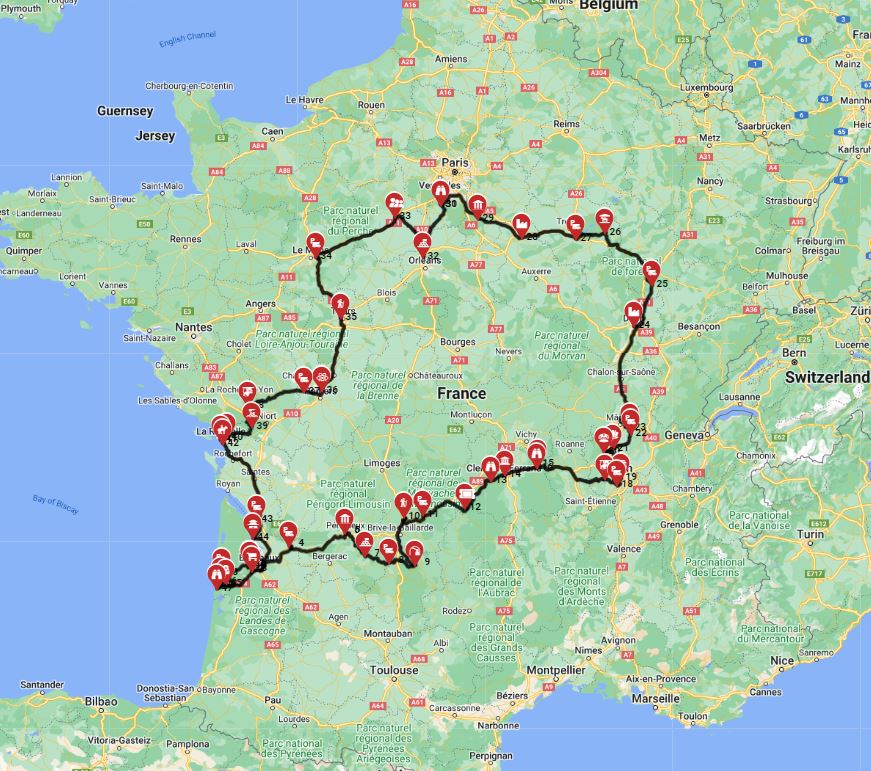
To further economize on your French RV journey, consider purchasing discount cards for campsites, such as the ACSI card, or exploring fuel discount programs. Pre-purchasing toll road usage or investing in a Télépéage badge for automatic toll payment can save both time and potential surcharges. If you're flexible with your itinerary, keep an eye out for last-minute RV rental deals in France; while prices are dynamic, unexpected availability can sometimes lead to attractive offers. We encourage slow travel, averaging max 100-150 km per day, which not only saves on fuel but also allows you to truly connect with the local culture, food, and scenery. For comprehensive pre-planned routes and budgeting tools, explore RV PLANET (rvplan.net) and take advantage of our 25% planning discount when you use it. On the routes offered through RV PLANET routes, you can itemize and track every expense along the way for easy budgeting.
What's Included vs. What's an Add-On
When renting a motorhome in France, basic insurance coverage is always included as a standard feature, providing essential protection for your journey. However, the exact inclusions can vary significantly by RV model and rental supplier, so it's critical to review your specific booking details carefully. For instance, a "cruise america rv rental example Explorer" with sleeping places for 4 and seat belts for 4 typically includes a gas stove with 4 burners, a 90-liter refrigerator, and an enclosed chemical toilet.
Common add-ons, which allow you to tailor your trip, often include comprehensive insurance tiers for reduced deductibles (you can upgrade to a top-level deductible for extra peace of mind), additional mileage packages, and convenience kits. These kits might cover essential items like kitchen utensils, tableware, and bedding. Bandana's comparison platform allows you to toggle and compare these specific inclusions and add-ons during your search, ensuring full transparency with no hidden fees or surprises at pickup. Remember, we want you to compare final prices across suppliers - what you see is what you pay.
🎬 Video coming soon
What are Aires de Service and How Much Do They Cost
Aires de Service are dedicated RV stops unique to France, serving as invaluable resources for motorhome travelers across the country. These purpose-built areas provide essential services, typically including fresh water refill points, grey water disposal, and black water emptying facilities, and often some offer electricity hook-ups and designated overnight parking. Costs for Aires de Service vary widely; many municipal Aires are free for basic services and a stay of 24-48 hours, while more elaborate private Aires or those on motorways might charge a few euros (e.g., €5-€15) for expanded amenities or longer stays.
There are several types of Aires, including simple rest stops, municipal sites managed by local towns, and private facilities, each offering different levels of comfort and access. It is crucial to respect the etiquette of these spaces, such as leaving no trace, adhering to specified duration limits (typically 24 to 48 hours), and being mindful of other travelers. Apps like Park4Night and Campercontact are highly recommended for easily finding Aires de Service, checking their real-time availability, and understanding their specific costs and services across France. These stops are a cornerstone of RV travel in France, facilitating convenient and often budget-friendly experiences.
Is Wild Camping and Boondocking Legal in France
Wild camping and boondocking (also known as dry camping) are generally restricted in France, particularly in protected natural areas, along coastal zones, and near popular tourist sites. While not explicitly forbidden everywhere, overnight stays on private land usually require explicit permission from the landowner to be legal. The general rule of thumb is that if it's not a designated campground or an approved Aire de Service, it's likely not permitted for overnight RV parking.
Common gray areas do exist, especially in very rural, less-trafficked areas where enforcement might be less strict. However, exercising caution is always advised to avoid potential fines or being asked to move. Designated municipal campsites and the widespread Aires de Service network serve as legal, safe, and practical alternatives for overnight stays for your rented campervan. Responsible practices, such as leaving no trace, correctly disposing of all waste, and respecting local regulations, are paramount for maintaining a positive image for RVers and ensuring continued access to beautiful areas in France.
How to Access and Park an RV in French Cities Like Paris
Accessing and parking a rented RV directly within major French cities, especially densely populated areas like Paris or Angers, can be challenging due to narrow streets, strict height restrictions, and extremely limited parking. Instead of attempting to navigate city centers with your motorhome, it is generally advisable to utilize efficient park-and-ride systems available on the outskirts. Many cities, including Ajaccio - Corsica, have designated RV-friendly parking areas located near public transport links such as trains, trams, or buses, allowing you to easily reach city attractions.
Specific parking lots for RVs (often listed as 'parcs de stationnement pour camping-cars') are available on the peripheries of major cities. Researching these in advance is crucial. For Paris, consider parking your "Category Van" or larger motorhome in one of the many well-equipped campsites or RV parks located outside the Périphérique ring road and then using the excellent metro or RER train network to explore the city. Remember to drive slowly and carefully; you can drive almost anywhere without issues. No need to stress - just use common sense and pay attention to signage, especially for height and width restrictions.
What Specific Gear and Technology are Recommended for RVing in France
For an optimal RV adventure in France, several specific pieces of gear and technology are highly recommended. An RV-specific GPS app or device is invaluable for navigation, as it can account for your rented vehicle's dimensions (height, width, weight) to avoid unsuitable roads or low bridges, especially when Driving an RV in France - Complete Guide 2026. A local SIM card or eSIM for data connectivity is also essential for online navigation, accessing campsite booking platforms via rvplan.net, and communicating in emergencies.
European electrical adapters and sufficient length of power cables (at least 20-25 meters) are necessary for campsite hook-ups, as European plugs differ from North American ones. A detailed physical road atlas, such as a Michelin map book, can be incredibly useful as a backup for navigating rural areas where mobile signal might be spotty. Mandatory safety equipment, which rental suppliers typically provide but you should confirm, includes a reflective vest and a warning triangle for roadside emergencies. While no longer strictly enforced, carrying a breathalyzer kit remains a common recommendation for drivers in France.
What are the Cultural Nuances and Etiquette for RVers in France
Understanding and respecting French cultural nuances and etiquette can significantly enhance your RV experience in France. A basic grasp of French phrases for greetings (Bonjour, Bonsoir), polite requests (S'il vous plaît), and showing appreciation (Merci) will greatly improve interactions with locals, whether you're at a market in Alencon or a boulangerie in Annecy. When visiting local markets, it's considered polite to greet vendors and avoid touching produce before purchasing, allowing them to select items for you.
The 'camping-car' culture in France is well-established and respected, with a strong emphasis on maintaining community spaces and showing consideration for fellow RVers. Always dispose of waste responsibly in designated areas at Aires de Service or campgrounds, and adhere to quiet hours, typically observed between 10 PM and 8 AM. Supporting local businesses, from bakeries to small restaurants, is a wonderful way to connect with the authentic French lifestyle and show appreciation. For a truly immersive experience, plan to travel slowly, averaging no more than 100-150 km per day, allowing ample time to feel the place, connect to the culture, the food, and the scenery.
What to Do in an RV Emergency in France
In the event of an RV emergency in France, knowing the correct steps can provide significant peace of mind. For any medical emergency, fire, or serious accident, immediately call 112, which is the pan-European emergency number covering ambulance, police, and fire services. This number works from any phone, including mobile, and connects you to operators who can dispatch appropriate assistance. Ensure you have your reflective vest and warning triangle ready to deploy if you experience a breakdown on the roadside.
For a motorhome breakdown or mechanical issue, contact your specific rental provider's roadside assistance immediately. Their dedicated emergency number should be clearly provided to you at the time of pickup, and it's wise to save it in your phone. Always have your comprehensive insurance coverage details readily accessible, including contact numbers for your insurer, as Bandana offers top-level deductible reimbursement as an optional upgrade for extra peace of mind. In the case of a minor incident without immediate danger, exchange details with any other parties involved and then inform your rental company promptly. A basic first-aid kit, a reflective vest, and a warning triangle are mandatory pieces of equipment to have accessible in your rented RV for immediate safety measures.
What are the Seasonal Considerations for RV Travel in France Beyond Pricing
Seasonal considerations for RV travel in France extend beyond just pricing, impacting the overall experience and accessibility of various regions. Spring (April-May) offers pleasant, mild weather, ideal for exploring blooming landscapes, hiking in national parks, and cycling along quiet country roads, with fewer crowds than summer. Many campsites, particularly those in popular areas like Angoulême or Agen, open fully by early May, making it a great time for a "Week-Long RV Driving Tour in France 2026".
Summer (June-August) provides warm, often hot, temperatures perfect for enjoying coastal regions like the French Riviera or Corsica (Ajaccio - Corsica, Ajaccio - Corsica Airport). However, attractions will be crowded, and campsites, especially in popular spots, often require advance booking, as many national/state parks reserve only 25-30% of their spots, leaving the rest for first-come-first-serve. Autumn (September-October) brings stunning fall foliage in regions like the Loire Valley, harvest festivals, and comfortable temperatures, perfect for exploring vineyards or taking "Romantic RV Driving in France - Couples Routes 2026". Winter (November-March) can be cold and rainy, with some campsites and tourist attractions closed, but it's an excellent period for skiing in the Alps or quiet city breaks. Regional weather patterns vary significantly, from Mediterranean warmth in the south to cooler, wetter conditions in the north and mountainous areas, so always check local forecasts for your specific route.
How to Practice Sustainable and Eco-friendly RVing in France
Practicing sustainable and eco-friendly RVing in France helps preserve its natural beauty and supports local communities. A core principle is to minimize your environmental footprint by diligently adhering to designated waste disposal sites for greywater, blackwater, and recycling, found abundantly at Aires de Service and campgrounds. Conserving water and electricity within your rented RV is also crucial; be mindful of your usage, particularly if you are dry camping or utilizing basic facilities.
Supporting local communities is a key aspect of responsible tourism. Purchase fresh produce from local farmers' markets, dine at independent restaurants, and choose locally owned shops. This not only injects money directly into the local economy but also allows you to enjoy authentic French cuisine and unique products. When driving your camper or motorhome, maintain moderate speeds to reduce fuel consumption and carbon emissions, and always respect local wildlife and natural habitats. Avoid littering at all costs, ensuring all waste is properly contained and disposed of, leaving natural sites and villages like Auteuil pristine for others to enjoy.
Our RV-friendly recipes playlist offers great ideas for cooking delicious meals with local produce right in your RV kitchen, further reducing waste and enhancing your culinary adventure in France.Top Cities for RV Rental in France
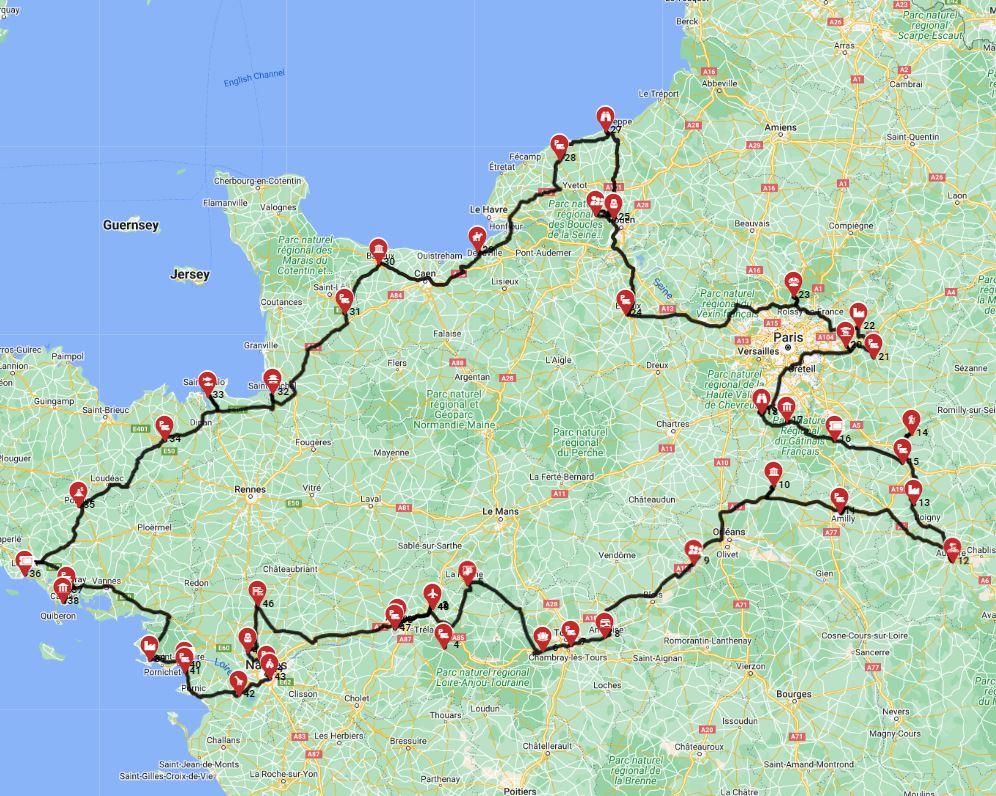
France offers numerous excellent starting points for your motorhome adventure, each providing convenient access to diverse regions. Paris, while challenging to drive an RV within, serves as a major international gateway with rental depots typically located just outside the city, perfect for beginning your exploration of northern France or connecting to "RV Rental Europe - Complete Guide 2026". From Paris, you can easily head towards the châteaux of the Loire Valley or the Normandy coast.
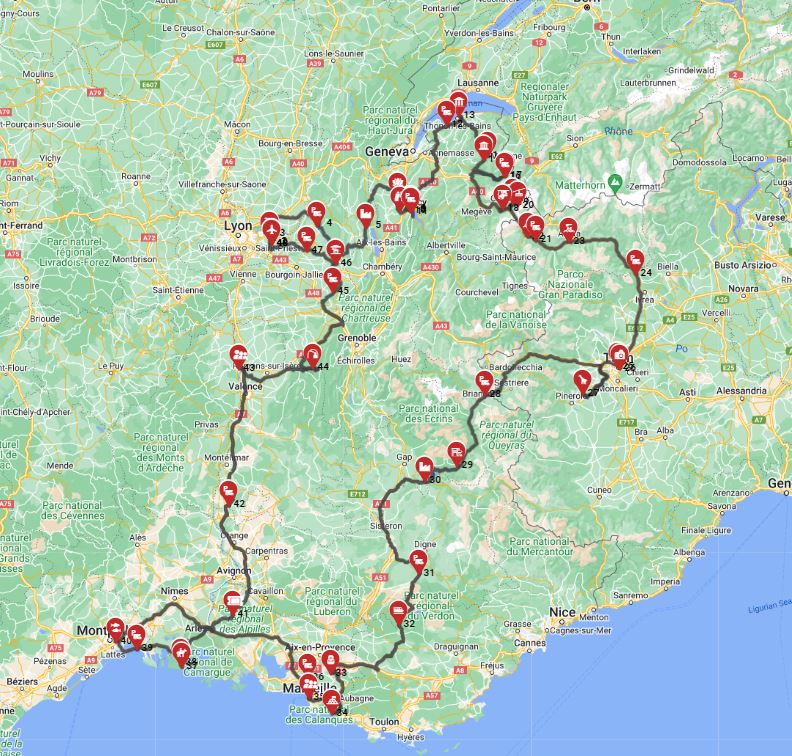
- Marseille: As France's oldest city and a major port, Marseille is an ideal starting point for exploring the sun-drenched Provence region and the French Riviera.
- Lyon: Situated in the heart of France, Lyon offers direct access to the scenic Alps, the Beaujolais vineyards, and the gastronomic delights of the Auvergne-Rhône-Alpes region.
- Bordeaux: Renowned for its wines, Bordeaux is perfectly positioned for vineyard tours, trips to the Atlantic coast, and venturing into the Dordogne, offering fantastic opportunities for "Budget RV Driving in France - Save on Fuel 2026" in a compact campervan like the "rv rental denver example Category Van".
- Nice: Located on the Côte d'Azur, Nice is a gateway to glamorous coastal towns, the Maritime Alps, and easy crossings into Italy.
- Toulouse: This vibrant pink city in the southwest provides access to the Pyrénées mountains, the historic Cathar country, and onward journeys into Spain.
- Nantes: On the Loire River, Nantes is a great base for exploring Brittany and the Atlantic coastline further north, offering a blend of history and maritime charm.
- Strasbourg: In eastern France, Strasbourg is perfect for discovering Alsace's picturesque villages, the Vosges mountains, and borders with Germany.
- Ajaccio - Corsica: For a unique island RV experience, picking up a motorhome here allows you to explore Corsica's rugged mountains and pristine beaches.
No matter where you choose to begin your journey, remember that a standard car driver's license is sufficient for all motorhome classes (Class A, Class B, and Class C) in France, making it accessible for most international travelers.
What You Shouldn't Miss
- Drive the Alsace Wine Route: Wind through charming villages like Riquewihr and Colmar, tasting world-class wines in your rented motorhome. This 170-km route is perfect for slow travel.
- Explore the Gorges du Verdon: Witness Europe's grand canyon, a spectacular turquoise river carving through limestone cliffs. Find campsites nearby for stunning views and water activities.
- Visit Mont Saint-Michel: Experience the iconic tidal island abbey in Normandy. Arrive early or late to avoid crowds and stay at a nearby RV park for a truly magical experience.
- Indulge in French Markets: Stop at local markets in towns like Uzès or Alès to stock your RV kitchen with fresh regional produce, cheeses, and charcuterie for delightful meals. You can find many ingredients for our RV-friendly recipes playlist.
- Relax on the Beaches of the Côte d'Azur: Park your campervan near Nice or Cannes and enjoy the sparkling Mediterranean Sea. Many campsites offer direct beach access.
- Cycle the Loire Valley: Rent bicycles and explore the magnificent châteaux of the Loire, parking your mobile home at a "Weekly RV Camping in France - Long-Stay Sites 2026" near Chenonceau or Villandry.
- Avi Bandana's Top 5 Adventures: Looking for expert insights from Avi Bandana? Top 5 Adventures - recommendations from Avi Bandana for France highlight unique, off-the-beaten-path experiences.
Final Thoughts
Renting a motorhome in France is more than just a vacation; it's an invitation to explore a country renowned for its beauty, history, and culinary delights on your own terms. Imagine waking up to a fresh croissant from a local bakery, then setting off for a day of discovery, knowing your comfortable accommodation travels with you. Whether you're a meticulous planner who loves pre-booked campgrounds or a spontaneous traveler ready to embrace the first-come-first-serve spots, France welcomes you with open roads and endless possibilities.
At Bandana RV, we're with you every step of the way, from comparing the perfect campervan for your family (like a "Category Family 5" with bunk beds, ideal for 6 sleepers) to ensuring full price transparency and offering optional top-level deductible reimbursement for ultimate peace of mind. We pride ourselves on being true RV specialists, dedicated to making your French adventure seamless and unforgettable. So, pack your bags, prepare your palate, and get ready to create memories that will last a lifetime.
Ready to plan your unforgettable French motorhome journey? Find RV Rentals in France now and discover the perfect vehicle for your adventure!