In This Guide
- Where to Camp in France - Top Options
- Campground Types in France (National, Private, Wild)
- Featured RV Park or Campground in France
- Hookups & Amenities - What to Expect
- Booking Windows & Reservations in France
- Nearby Supermarkets & Resupply Points
- Best RV Class for Camping in France
- How to Save on Campgrounds in France
- How Much Does a Weekly RV Rental in France Cost
- Is it Easy to RV in France
- What are the Rules for Driving an RV in France
- Is Wild Camping Allowed in France with an RV
- What is the Best Way to Travel by RV in France
- Top Cities for RV Rental in France
- What You Shouldn't Miss
France, with its picturesque landscapes, rich history, and world-renowned cuisine, offers an unparalleled setting for a weekly RV rental adventure. Imagine waking up to the scent of lavender in Provence, sipping coffee by the Atlantic coast, or parking your motorhome with a view of an ancient château in the Loire Valley. For live availability and current prices, start with our RV Rental France - Complete Guide 2026 guide. Bandana RV has been helping tens of thousands of travelers explore the world by RV since 2001, providing direct partnerships with 50+ leading RV suppliers worldwide, including trusted names like El Monte, Cruise America, Apollo, and Britz. We’re true RV specialists, not just a side department of a generic travel agency. We are passionate about helping you discover the joy of the open road and the freedom that a rented RV brings.
Where to Camp in France - Top Options
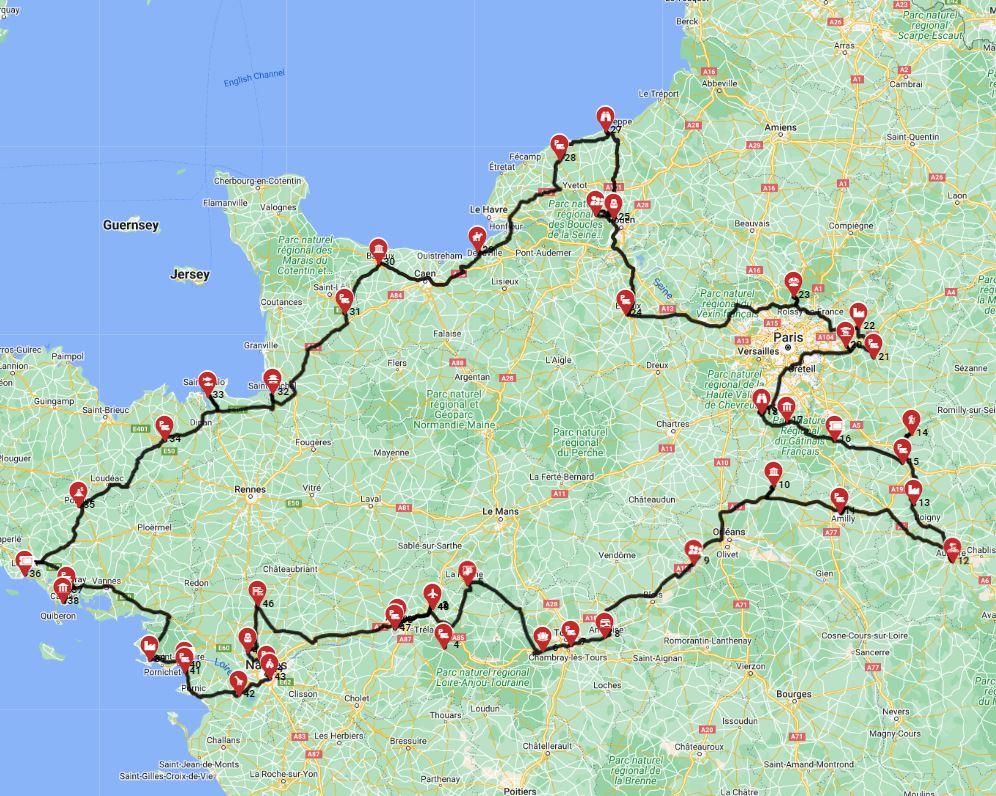
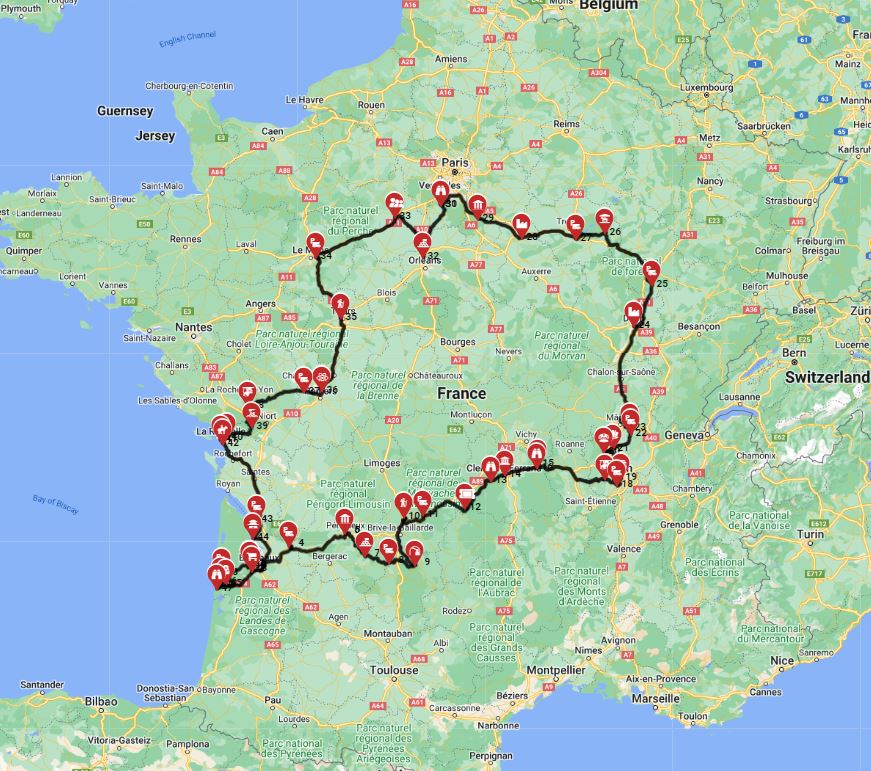
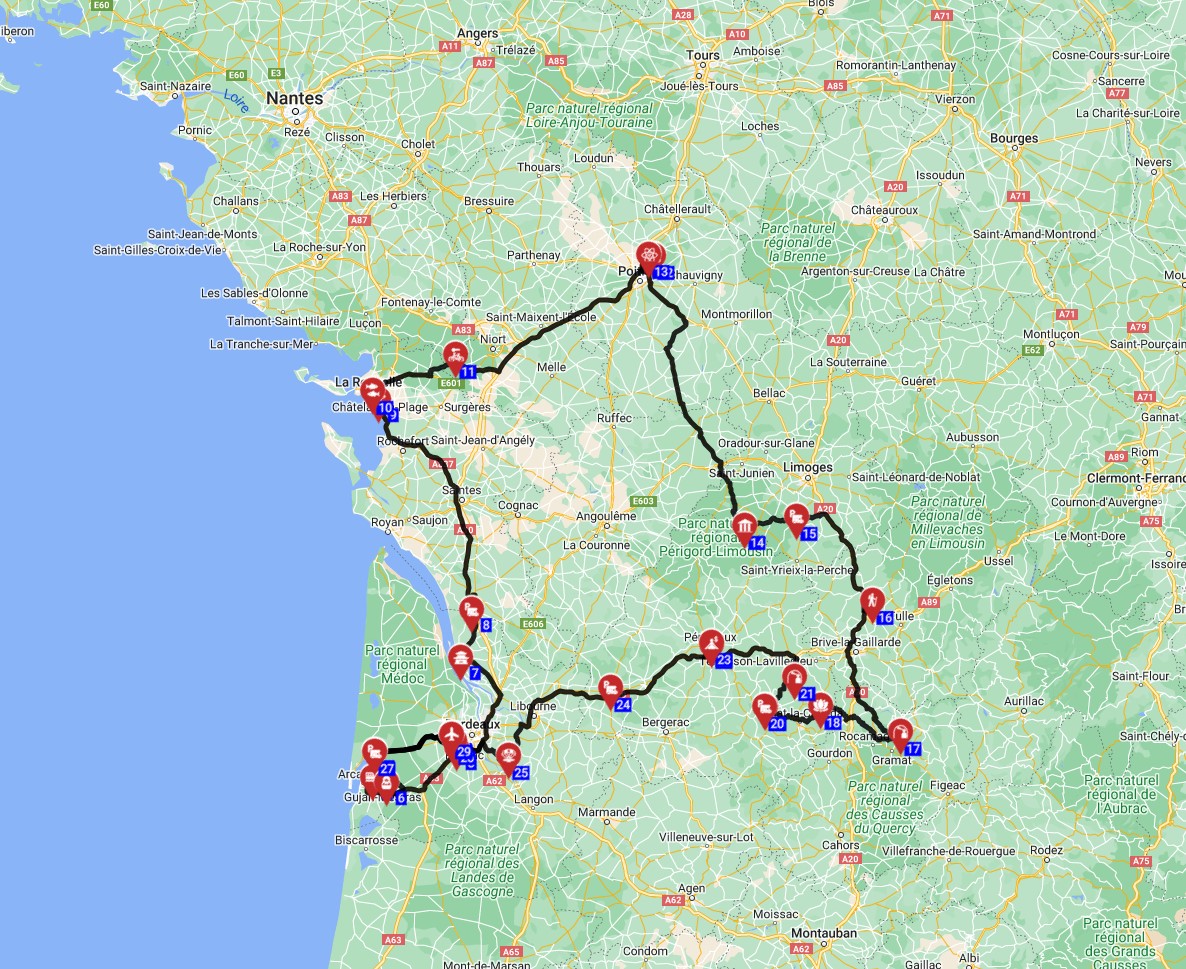
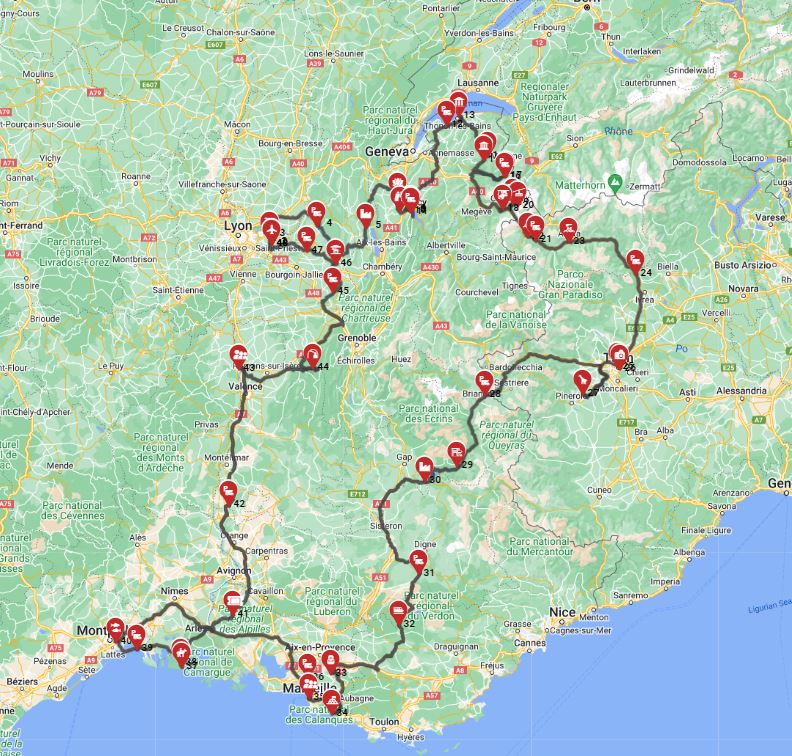
France offers diverse camping experiences across its varied geography, from the sunny Mediterranean coast to the rugged Alps, ensuring every RV traveler finds their ideal spot. Popular regions for exploration with a rented motorhome include the Loire Valley, famous for its magnificent châteaux like Chambord and Chenonceau, with numerous campgrounds situated along the tranquil Loire River. For those seeking vibrant colors and flavors, Provence beckons with its aromatic lavender fields and charming hilltop villages, offering scenic coastal camping along the French Riviera, or rustic charm in areas like the Dordogne for historical exploration. Brittany, with its dramatic coastline, ancient megaliths, and seafood, provides a unique cultural experience for a week-long trip. The majestic Pyrenees and Alps mountain ranges offer stunning backdrops and abundant opportunities for outdoor activities like hiking, cycling, and even skiing during colder seasons, often featuring well-maintained campsites with incredible views. Consider a campervan for a spontaneous tour of these regions, allowing you to easily navigate between different attractions and enjoy the flexibility of your mobile home.
Campground Types in France (National, Private, Wild)
France provides a spectrum of camping options for RVers, from well-equipped private campgrounds to state-run sites and permissible 'aires de services' for overnight stops, with strict regulations governing wild camping. National park campgrounds, like those in the Cévennes or Mercantour, often offer basic amenities within pristine natural settings, focusing on immersion in nature and typically requiring pre-booking during peak times. Private campgrounds, such as those under the Camping Qualité label, typically provide extensive facilities like swimming pools, restaurants, children's entertainment programs, and full hookups, often located within proximity to cultural sites or natural wonders. Wild camping, or 'camping sauvage,' is generally prohibited in publicly owned areas, national parks, and along the coast, but specific local rules, private landowner permission, or programs like France Passion offer alternatives for more independent travelers. 'Aires de services' are dedicated motorhome stops, often managed by municipalities, providing essential services such as fresh water, waste disposal (grey and black water), and sometimes electricity, frequently for a small fee or even free, making them ideal for quick overnight parking or service refills. For a comprehensive list of services and campsites, we recommend using RV PLANET (rvplan.net) - a great resource for locating available spots along your route.
Featured RV Park or Campground in France
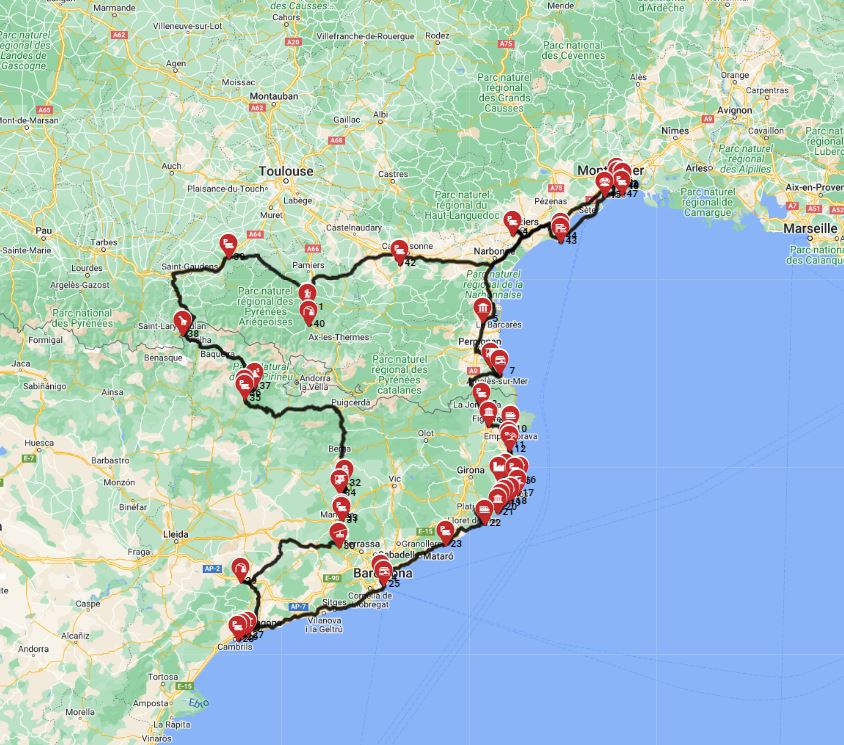
When selecting an RV park in France, look for establishments that clearly list amenities such as electrical hookups, fresh water, waste disposal (grey and black water), and accessibility to local attractions. Many highly-rated campgrounds, especially those displaying the 'Camping Qualité' label, offer excellent facilities including swimming pools, restaurants, and children's activities, often within proximity to cultural sites or natural wonders like Mont Saint-Michel or the Gorges du Verdon. Consider factors such as pitch size; for larger motorhomes, ensure the pitch is spacious enough for comfortable parking and outdoor living. Shade availability is also key, particularly during the warm summer months in regions like Provence or the French Riviera. Additionally, check for proximity to public transport or cycle paths, which can be invaluable for exploring the surrounding area without moving your rented RV every day. Camping Le Bois de Valmarie in Argeles-sur-Mer, for instance, offers stunning sea views, a large pool complex, and easy access to Mediterranean beaches, making it a popular choice for families with a Class C motorhome.
🎬 Video coming soon
Hookups & Amenities - What to Expect
Most French campgrounds offer comprehensive hookups and amenities, typically including 220-240V electricity, requiring a CEE 7/7 Schuko plug adapter or a standard European two-pin adapter, which is essential for powering your rented motorhome's appliances. Fresh water hookups and waste disposal points ('vidange') for both grey and black water tanks are standard, ensuring a comfortable and hygienic trip. Beyond these essentials, you can expect additional facilities such as hot showers, flush toilets, and laundry services (often coin-operated). Wi-Fi access is commonly available, though its quality can vary significantly between sites, from robust connections at larger private parks to spotty coverage in more rural locations. The unique 'aires de services' network specifically caters to RVs, providing basic water and dump facilities, sometimes with electricity, for a small fee or often free, making them ideal for quick overnight stops or service refills. With a Class SI semi-integrated motorhome, featuring an average length of 6.9 meters, you'll find it easy to use these facilities across France.
Booking Windows & Reservations in France
For a weekly RV rental in France, planning ahead for reservations is recommended, especially during peak summer months (July-August) or for popular coastal and national park destinations, as these spots fill up quickly. However, spontaneous travelers shouldn't despair, as many spots can still be found last-minute. Municipal campgrounds or 'aires de services' often operate on a first-come, first-served basis, providing flexibility for those who prefer to travel without a rigid itinerary. It's always a wise strategy to call ahead to confirm availability before driving to a specific location. Many national and regional parks, for example, reserve only 25-30% of their spots for advance bookings, leaving the majority available for first-come, first-served arrivals. This means you will almost certainly find a spot; if not at the first campground, then at the next one. This flexibility makes a rented campervan trip in France truly liberating. Whether you're a meticulous pre-planner who likes everything organized or a spontaneous adventurer who books day-to-day, France accommodates both styles of weekly RV rental in France.
Nearby Supermarkets & Resupply Points
Resupplying your RV in France is straightforward due to the widespread availability of major supermarket chains like Carrefour, Leclerc, Auchan, and Intermarché. These large stores offer an extensive range of fresh produce, local delicacies, and all the RV essentials you might need for your week-long trip, including specific French items for cooking on board your motorhome. For those who enjoy preparing meals in their rented RV, exploring local markets ('marchés') is highly recommended for fresh, regional products like cheeses, cured meats, and seasonal fruits and vegetables, offering a truly French shopping experience. Many large supermarkets are conveniently located on the outskirts of towns and cities, often with ample parking suitable for even larger RVs like a Class C alcove. In smaller villages, 'Supérette' or 'Proxi' stores cater to daily needs. Remember, a well-stocked kitchen allows for budget-friendly meals and a taste of local flavors right in your mobile home. Check out our RV-friendly recipes playlist for inspiration!
Best RV Class for Camping in France
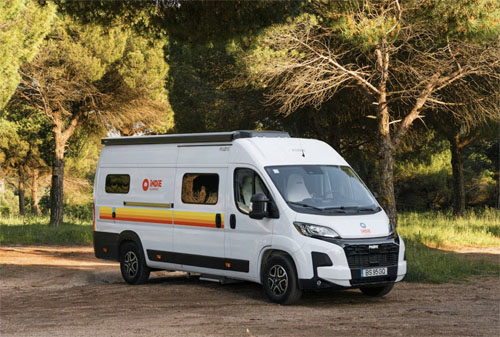
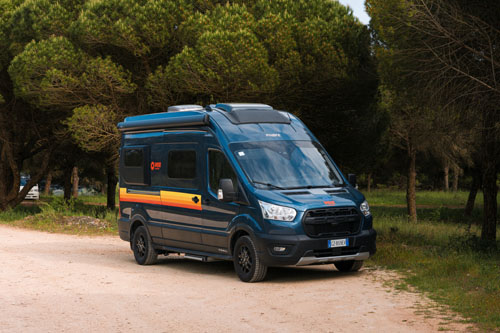
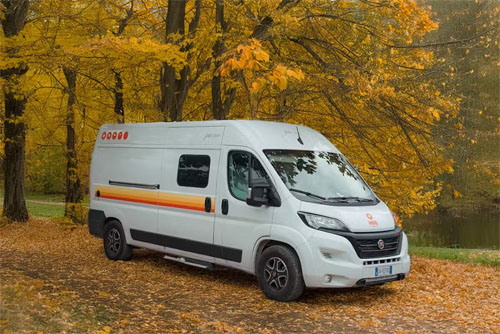
The best RV class for camping in France depends on your group size, comfort preferences, and desired travel style, with smaller, more nimble vehicles often favored for navigating charming villages and rural roads. For couples or small families (averaging 2.7 adults and 3.2 sleeping places), a Class B campervan, at an average length of 5.8 meters, offers excellent maneuverability on narrow French roads and easy parking, typically consuming around 8-10 liters/100 km. These compact units, like an "rv rental denver example Category Van" featuring front air conditioning and a shower/toilet, are perfect for exploring historic towns like Agen or Annecy. A Class SI semi-integrated motorhome is a popular choice for small groups (averaging 3.4 adults and 3.8 sleeping places), balancing comfort and agility with an average length of 6.9 meters and fuel consumption typically between 10-11 liters/100 km. Models such as the "Koru Star 4 Freedom" offer ample living space and are suitable for both structured campgrounds and 'aires de services'. For families or larger groups (averaging 4.4 adults and 5.8 sleeping places) needing more space, a Class C alcove RV, averaging 7.5 meters in length, consumes 10-12 liters/100 km, though its height might limit access in some low-clearance areas. For the most spacious and luxurious experience, Class A integrated motorhomes for groups averaging 4 adults and 4.4 sleeping places, average 7.5 meters in length with fuel consumption around 8-12 liters/100 km, best suited for established campsites with generous pitches. For a comprehensive comparison of Weekly RV Rental in France - Pricing 2026 and vehicle classes, check our detailed guides.
How to Save on Campgrounds in France
To save on campground costs during your weekly RV rental in France, savvy travelers employ several strategies. Firstly, consider leveraging specific discount cards, like those associated with various camping clubs or even some offered by Bandana's partners, which can provide significant savings on various campsites across the country. Secondly, opting for municipal or regional campgrounds over larger, private resorts can result in substantially lower nightly rates while still offering essential facilities like water and electricity. Thirdly, planning your trip during the shoulder season (e.g., April-June or September-October) typically leads to lower nightly rates and significantly fewer crowds compared to the bustling peak summer months. Many campgrounds also offer discounted weekly rates, making it more cost-effective to stay 3 or more nights at one location rather than frequent single-night stops. For those with a more adventurous spirit, exploring the France Passion network allows RVers to stay overnight for free on private properties like farms or vineyards, often in exchange for sampling local products, offering a unique and budget-friendly cultural immersion.
How Much Does a Weekly RV Rental in France Cost
A weekly RV rental in France typically ranges from €700 to €1500, varying based on the RV class, season, and how far in advance you book, with additional costs for fuel, tolls, campground fees, and groceries. For rental costs, expect to pay between €700-€1500 per week for a standard Class B campervan or Class SI semi-integrated model. More luxurious Class A motorhomes can exceed €2000 per week, especially during the high season of July and August. Fuel is another major expense: diesel (Gazole) is the most common fuel for RVs in France, with consumption typically between 10-12 liters per 100 km for many of Bandana's global fleet vehicles, and prices generally range from €1.80-€2.00 per liter. France's extensive toll roads ('autoroutes') classify most RVs as Class 2, incurring higher fees than cars (Class 1), with significant cross-country journeys potentially adding €50-€100+ in toll expenses. Campground fees vary, with 'aires de services' being free or costing €5-€15 per night for basic services, while private campgrounds range from €20-€50 per night for a pitch with hookups. Groceries purchased from large supermarkets are significantly cheaper than dining out, allowing for budget-friendly meal preparation within your rented RV. Remember to factor in potential insurance deductibles (you can upgrade to a top-level deductible for extra peace of mind), cleaning fees (if the RV isn't returned spotless), and security deposits which can range from €1000 to €2500. All prices are dynamic and set at actual booking time. For managing and tracking all these expenses, RV PLANET routes allow travelers to itemize every expense along the way for easy budgeting. On the routes offered through RV PLANET routes, you can itemize and track every expense along the way for easy budgeting.
Is it Easy to RV in France
RVing in France is generally easy and highly rewarding, supported by a comprehensive network of services and infrastructure designed for motorhomes, though navigating smaller villages and understanding local customs require some preparation. Main roads ('autoroutes') are excellent and well-maintained, but rural roads and charming village streets can be narrow. For larger RVs, like a Class C with an average length of 7.5 meters, using a GPS system with RV-specific routing (which avoids low bridges or excessively narrow passages) is highly recommended. Drive slowly and carefully, and you can drive almost anywhere without issues. No need to stress - just use common sense and pay attention. While many in tourist areas speak English, basic French phrases like 'Bonjour' (Hello), 'Merci' (Thank you), 'S'il vous plaît' (Please), and 'Parlez-vous anglais?' (Do you speak English?) are highly appreciated and can enhance your interactions with locals; translation apps are also invaluable. The extensive 'aires de services' network provides convenient and widespread access to fresh water, waste disposal (grey and black water), and often electricity, making daily RV maintenance straightforward. French road signage follows standard European conventions, but understanding specific signs for 'sens interdit' (no entry), 'cédez le passage' (give way), and 'priorité à droite' (priority to the right) is crucial for safe navigation. Our global expertise means we understand these nuances and are here to support your booking every step of the way, just like our "RV Rental Europe - Complete Guide 2026" covers.
What are the Rules for Driving an RV in France
Driving an RV in France requires adherence to specific regulations, including carrying mandatory safety equipment and ensuring your driver's license is valid for the vehicle's weight. A standard European driving license (Category B) is sufficient for RVs up to 3,500 kg, which includes most Class B campervans, Class SI semi-integrated motorhomes, and many Class C and A models. For heavier vehicles over 3,500 kg, a C1 or C license is required. An International Driving Permit (IDP) is highly recommended for non-EU license holders, and it must always accompany your national license. Mandatory safety equipment includes at least one reflective safety vest (one for each occupant is advisable) and a warning triangle, both easily accessible within the vehicle. While no longer strictly enforced with a fine, carrying a breathalyser and a kit of spare bulbs is also highly recommended. Depending on your rented RV's origin, you may need headlight beam deflectors to prevent dazzling oncoming traffic on the right-hand side of the road. Speed limits vary for RVs over 3,500 kg, typically 90 km/h on non-urban dual carriageways and 110 km/h on motorways, compared to 130 km/h for lighter vehicles. Additionally, many French cities have 'Crit'Air' clean air zones; ensure your RV has the correct Crit'Air sticker, which can be ordered online in advance, if you plan to enter these areas. This information is vital for a smooth weekly RV rental in France.
Is Wild Camping Allowed in France with an RV
While strict prohibitions exist, wild camping with an RV in France is generally not permitted in publicly owned areas, national parks, or along the coast, but specific allowances and tolerated practices exist, particularly through initiatives like France Passion or with private landowner consent. 'Camping sauvage' (wild camping) is officially forbidden in many areas, including protected sites, near historical monuments, on public beaches, and often within municipal boundaries where specific bans are in place. These restrictions are in place to preserve natural beauty and ensure public safety. However, 'aires de services' are designated motorhome stops legally sanctioned for overnight parking and offer essential services, acting as the primary legal alternative to traditional wild camping for RVers. This network provides a reliable and convenient option for a weekly RV rental in France. France Passion is a highly recommended program that allows RVers to stay overnight for free on private property, such as farms, vineyards, or artisan producers, with the explicit permission of the owner, offering a unique cultural immersion experience. When considering any form of tolerated or permitted overnight stop, always seek permission from landowners, leave absolutely no trace behind, respect local communities, and maintain discretion to preserve the privilege for future travelers, embodying sustainable and responsible RVing practices.
What is the Best Way to Travel by RV in France
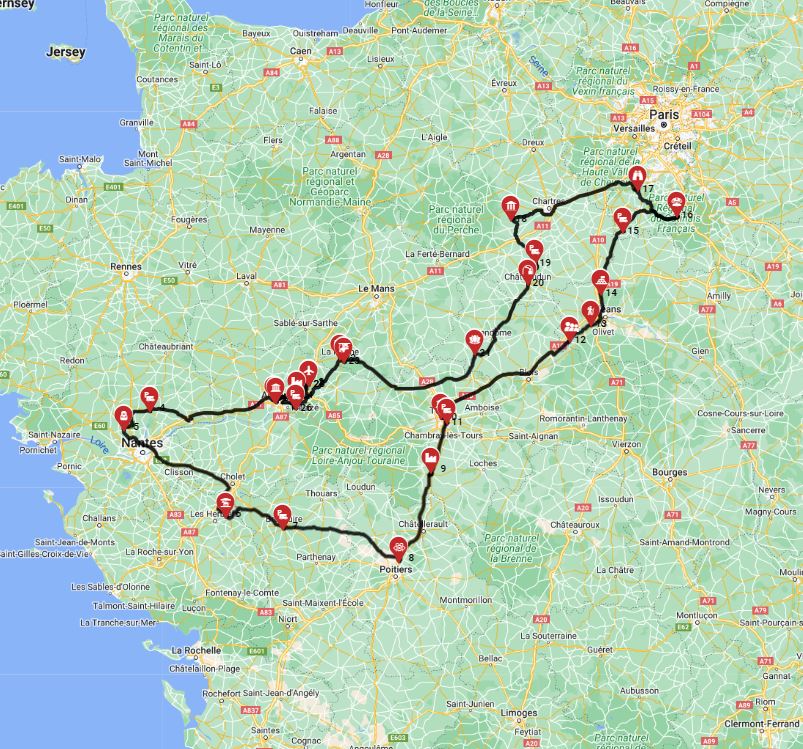
The best way to travel by RV in France combines flexibility with deep cultural immersion, leveraging the country's diverse landscapes, rich gastronomy, and local events while practicing responsible tourism. Utilize your rented motorhome to explore local markets ('marchés') for fresh produce and regional specialties, attend regional festivals (like village fêtes or wine harvests), and actively engage with local communities. Programs like France Passion offer direct interaction with local producers, enhancing authentic experiences and providing unique opportunities for sampling local food and wine. RV travel in France allows you to follow culinary trails, from tasting wines in Bordeaux vineyards to sampling cheeses in Normandy, purchasing directly from local farms and markets rather than solely relying on restaurants. Prioritize environmentally friendly practices by disposing of grey and black water only at designated 'aires de services' or campgrounds. Minimize waste through conscious consumption, recycle conscientiously where facilities exist, and actively support local economies by patronizing small businesses and artisans. Adhere strictly to guidelines when visiting sensitive natural areas like national parks, respect wildlife habitats, and avoid disturbing fragile ecosystems. Park only in designated areas to protect natural landscapes. While a general itinerary is helpful, the true charm of RV travel in France lies in its flexibility; allow for spontaneous detours to discover hidden gems, picturesque villages, and unexpected local events, using your RV's mobility to your advantage. Travel slowly, max 100-150 km per day on average, to truly feel the place, connect to the culture, the food, and the scenery.
Top Cities for RV Rental in France
France offers numerous excellent starting points for your weekly RV rental adventure, with several cities providing convenient pick-up locations and access to diverse regions. Paris, while a bustling metropolis, serves as a major hub, allowing you to quickly escape the city limits in your rented motorhome and explore the nearby Champagne region or the Loire Valley. Bordeaux, located in the southwest, is ideal for wine lovers keen to tour the famous vineyards with a comfortable campervan. Marseille, on the Mediterranean coast, offers a gateway to Provence and the stunning French Riviera, perfect for a sunny extended road trip. Lyon, the gastronomic capital, provides excellent access to the Alps and the picturesque Rhône-Alpes region. For those exploring the northwest, Nantes is a fantastic base for discovering Brittany's dramatic coastlines and historical sites. Cities like Agen, Ajaccio - Corsica, Ajaccio - Corsica Airport, Alencon, Alès, Andeville, Angers, Angoulême, and Auteuil also offer convenient RV rental options, allowing you to tailor your journey to specific regional interests. Each of these locations provides a unique starting point for discovering the rich tapestry of France by RV.
What You Shouldn't Miss
- **Drive the Route des Vins d'Alsace:** Explore charming villages like Colmar and Riquewihr with your rented campervan, sampling world-class wines along a picturesque 170 km route.
- **Visit the Dune du Pilat:** Park your motorhome near Arcachon and climb Europe's tallest sand dune (100-110 meters high) for breathtaking panoramic views of the Atlantic Ocean and pine forests.
- **Explore the Gorges du Verdon:** Navigate the "Grand Canyon of France" with your RV, stopping at viewpoints, and perhaps kayaking on the turquoise waters of Lac de Sainte-Croix.
- **Wander through the Lavender Fields of Provence:** During June and July, drive your mobile home through the Valensole plateau to witness the stunning purple landscapes and visit local distilleries.
- **Discover Mont Saint-Michel:** Park your RV in a designated area and explore this iconic tidal island abbey, a UNESCO World Heritage site, offering a truly unique experience.
Final Thoughts
A weekly RV rental in France offers an incredible opportunity to truly immerse yourself in the country's diverse landscapes, rich culture, and exquisite cuisine. From the sun-drenched beaches of the Riviera to the majestic peaks of the Alps and the historic charm of the Loire Valley, a rented motorhome provides the freedom and flexibility to explore at your own pace. With Bandana RV, you're choosing a partner committed to full transparency, dedicated support, and expert guidance, ensuring your adventure is as smooth and enjoyable as possible.
We've laid out the practicalities, from understanding campground options and driving rules to budgeting for your trip. Now it's your turn to dream big and plan your perfect French road trip. Whether you opt for a compact campervan for intimate journeys or a spacious Class C for family fun, the roads of France are waiting. Get inspired for your next trip! Discover top destinations and planning tips, all in one place with Bandana Caravan.
Ready to experience the magic of France with the comfort of your own mobile home? Compare Motorhome Prices for France and embark on an unforgettable journey today!