For live availability and current prices, start with our RV Rental France - Complete Guide 2026 guide.
In This Guide
- What weekly rv rental RV Rental Costs in France (2024)
- Seasonal Pricing - Peak vs. Shoulder vs. Off-Season in France
- What's Included vs. What's an Add-On
- Hidden Costs to Budget For in France
- How to Save on weekly rv rental RV Rental in France
- What are the Different Types of RV Campsites in France?
- How Can I Experience Authentic French Culture While RVing?
- Where Can I Find Off-the-Beaten-Path RV Experiences in France?
- What Apps and Tech are Essential for RV Travel in France?
- How to Practice Sustainable and Responsible RV Travel in France?
France, with its endless vineyards, historic châteaux, sun-drenched coastlines, and majestic mountains, offers an unparalleled adventure for anyone hitting the open road in a rented RV. Imagine waking up to the aroma of freshly baked croissants, stepping out of your private motorhome, and instantly being immersed in a breathtaking landscape – that's the magic of weekly RV rental in France. Here at Bandana Caravan, we've been helping tens of thousands of travelers explore the world by RV since 2001, and France remains a perennial favorite. For live availability and current prices, start with our RV Rental France - Complete Guide 2024 guide, which is packed with essential information.
🎬 Video coming soon
What weekly rv rental RV Rental Costs in France (2024)
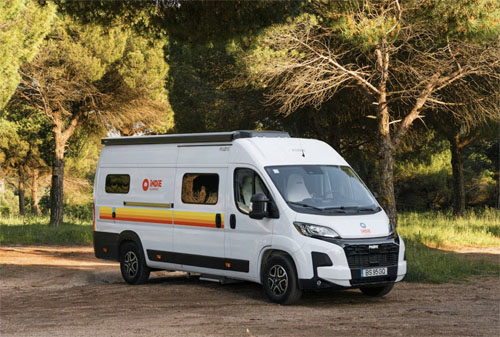
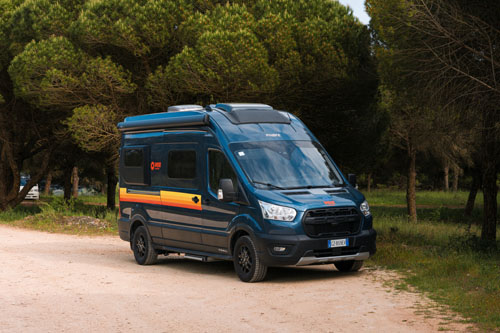
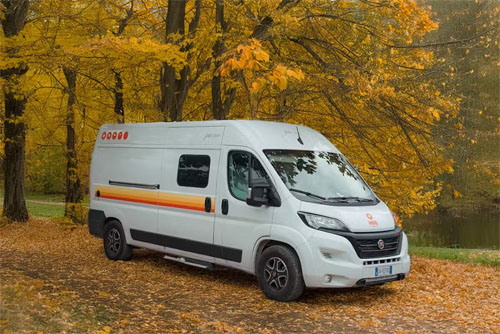
Weekly RV rental costs in France typically range from €700 for a compact campervan to over €2500 for a large, luxury motorhome during peak season in 2024. These prices are dynamic, much like flight tickets, and change daily based on factors such as vehicle availability, seasonality, and specific supplier marketing decisions. For a standard Class C motorhome accommodating a family of 2+2, like the "Group E" model with sleeping places for 6 and a 100-liter fresh water tank, you might expect to pay between €100-€250 per day, totaling €700-€1750 for a week, excluding add-ons. Our platform ensures full transparency, so you'll never encounter hidden fees or surprises.
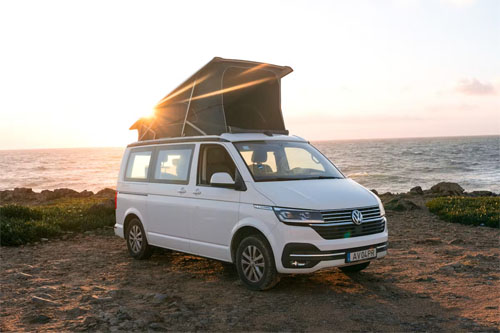
When considering the cost by group type, couples often opt for smaller, more budget-friendly campervans like the "Active Classic" with just two sleeping places, which can be found from €70-€150 per day in the shoulder season. Families or larger groups, however, benefit from the space and amenities of Class C motorhomes, such as the "Family Plus" model that sleeps 6 and has a 122-liter fresh water tank, which typically costs €150-€350 per day. For detailed comparisons, our platform allows you to effortlessly compare final prices across suppliers, ensuring what you see is truly what you pay.
Seasonal Pricing - Peak vs. Shoulder vs. Off-Season in France
Seasonal pricing for RV rentals in France is heavily influenced by demand, with peak season (July-August) seeing rates increase by 50-100% compared to off-season. During these summer months, a family-sized "Euro Deluxe" motorhome, which can sleep up to 6, might rent for €250-€350 per day, with popular coastal areas like the French Riviera and mountainous regions like the Alps experiencing significant crowding and higher prices for both rentals and campsites. Booking well in advance can help mitigate these costs.
Shoulder seasons (May-June and September-October) offer a sweet spot, balancing pleasant weather with more moderate rental prices, typically around €150-€250 per day for a Class C motorhome. These periods are ideal for exploring regions like the Loire Valley or Provence without the intense crowds, and you might save up to 20-30% on your weekly rental compared to peak summer. Off-season (November-April, excluding ski resorts) provides the lowest rates, often starting from €100 per day for a compact campervan, perfect for budget travelers or those looking for specific experiences like winter sports in the Alps or quiet exploration of historic cities.
What's Included vs. What's an Add-On
Basic liability insurance is always included with every RV rental in France, covering third-party damages, though comprehensive coverage with a top-level deductible reimbursement is an optional upgrade for extra peace of mind. Standard rentals typically include essential features such as a kitchen with a gas stove (like the 3-burner in the "cruise america example Explorer" model), a refrigerator (often 80-150 liters), and basic cooking utensils, allowing you to prepare your favorite meals on the road. For even more cooking inspiration, check out our RV-friendly recipes playlist!
Common add-ons, which vary by supplier, often include additional mileage packages, generator usage fees (if applicable, for larger Class A or C motorhomes like the "C-MEDIUM PLUS" model with a 35 kg gas bottle capacity), bedding and linen kits, outdoor furniture, and child seats. Some suppliers might offer a comprehensive convenience kit that bundles many of these items. Our comparison platform, Bandana Caravan, allows you to compare these options and see their costs directly in the search results, ensuring full transparency before you book your chosen weekly rv rental in France.
Hidden Costs to Budget For in France
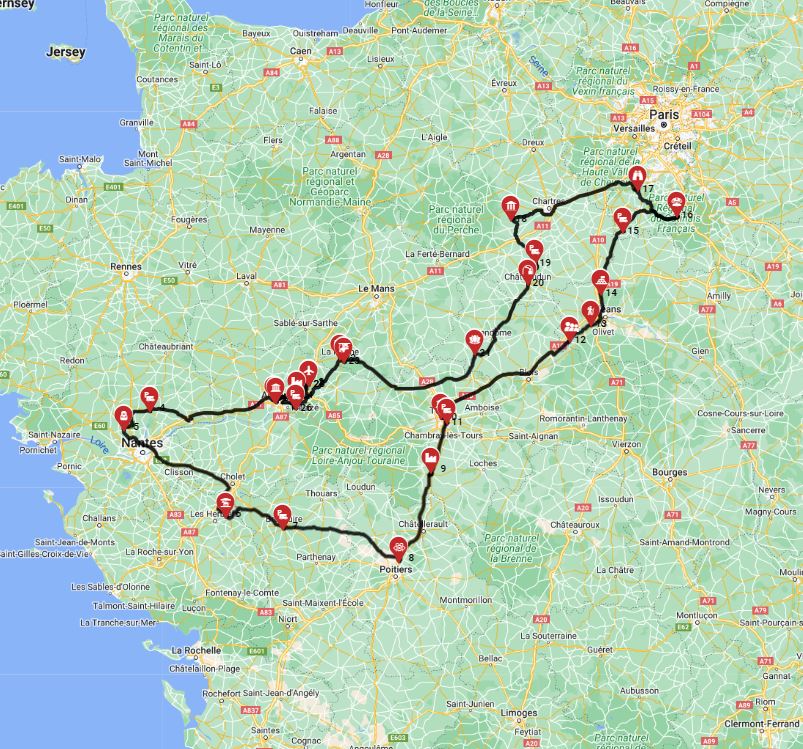
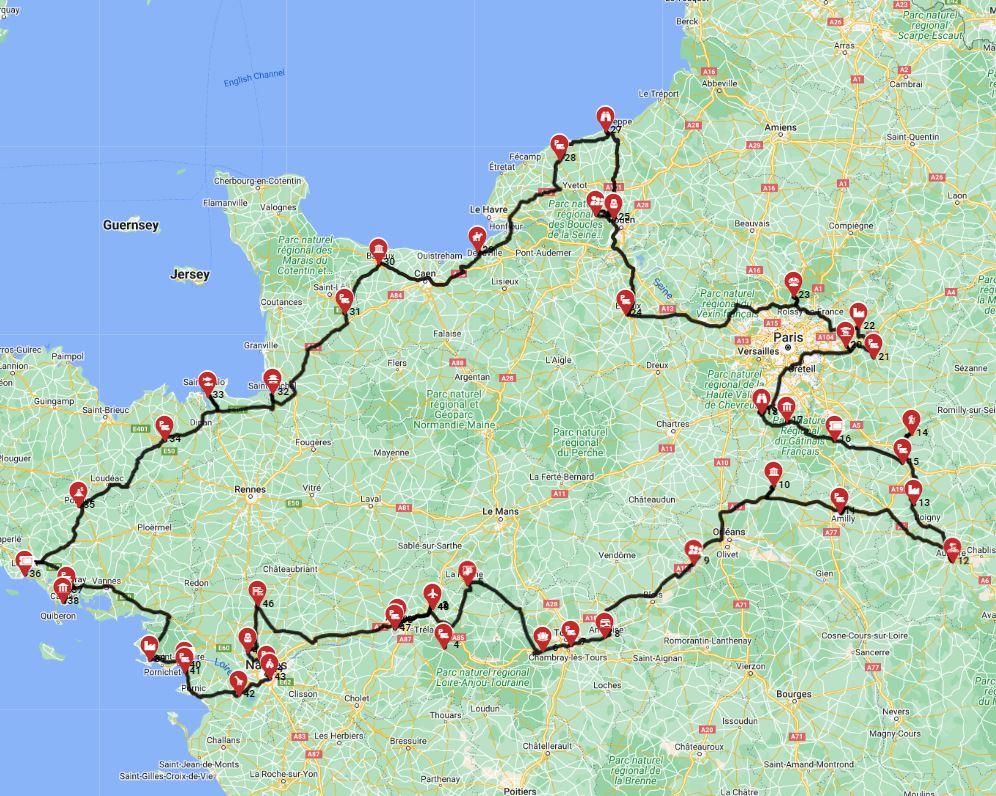
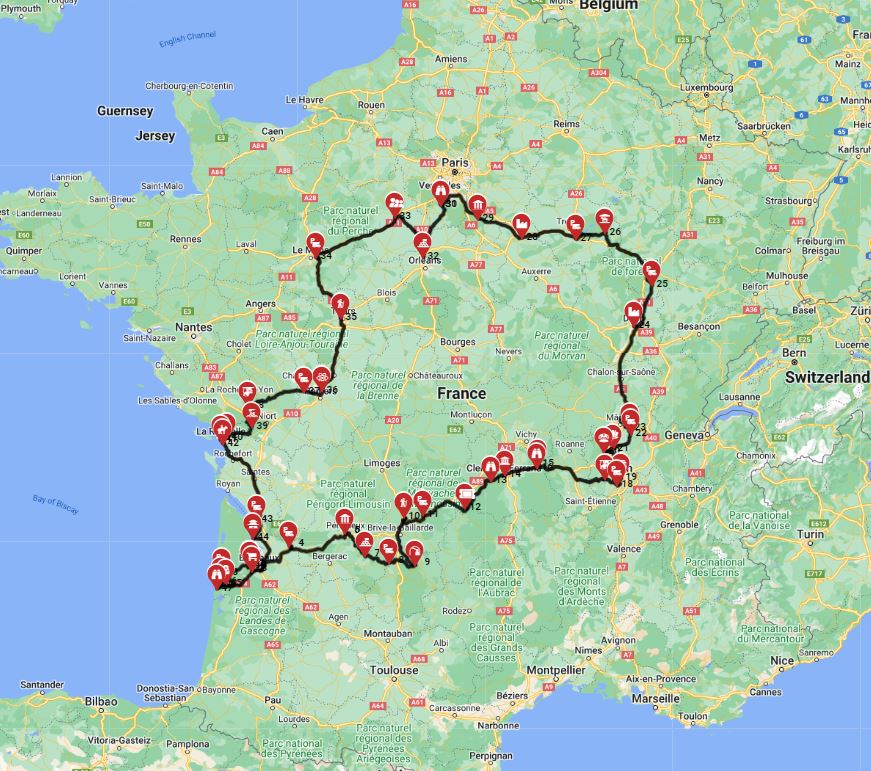
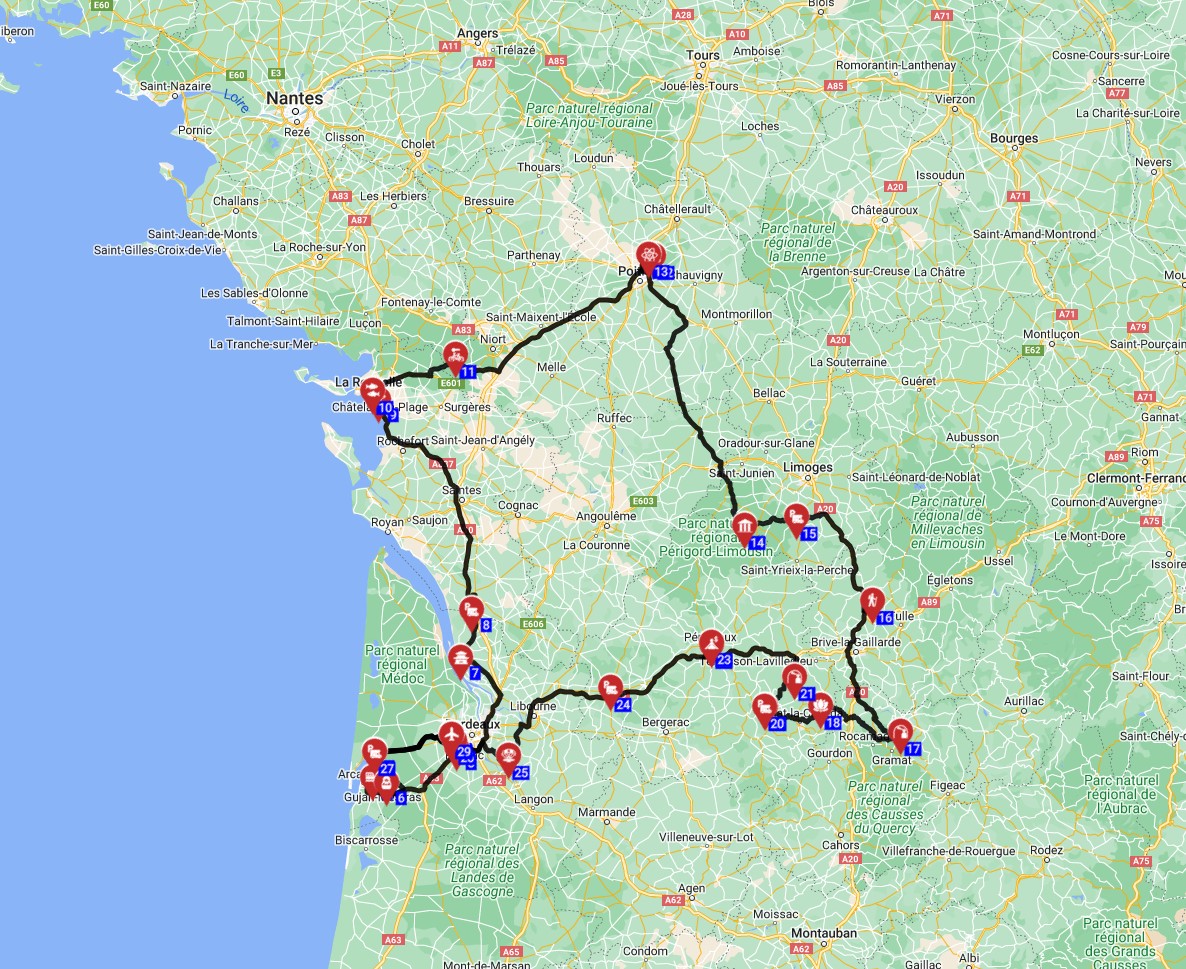
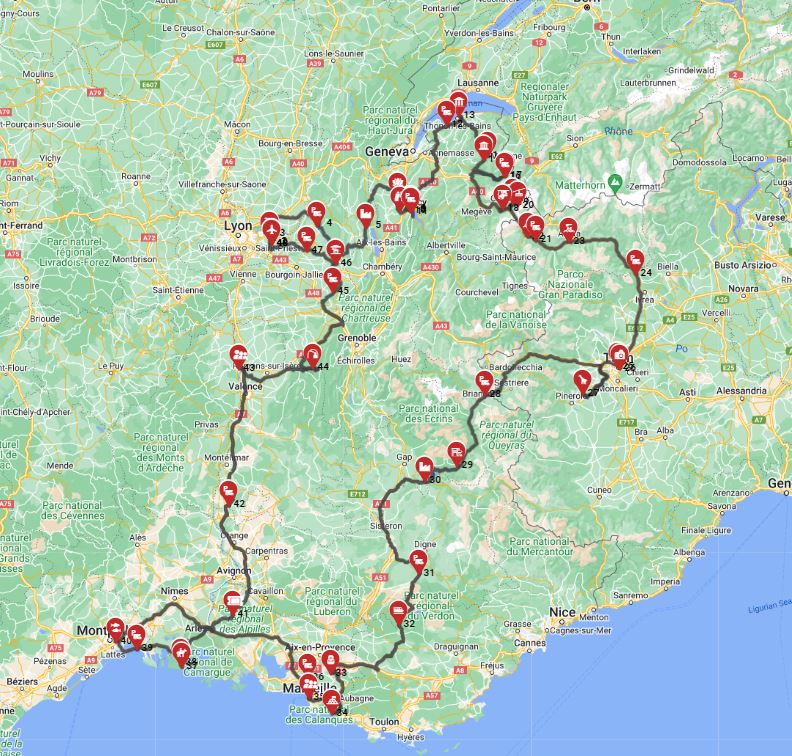
Beyond the weekly RV rental cost, travelers must budget for several ancillary expenses in France, which can add €500-€1000 to a week-long trip. Fuel is often the largest variable cost; diesel prices in France typically hover around €1.80 per liter, while petrol is about €1.90 per liter. A Class C motorhome, like the "MH-A" model with a 208-liter fuel tank, might consume 10-14 liters per 100 km, meaning a 1000 km journey could cost €180-€266 in fuel alone. Many French highways are toll roads, especially the *autoroutes*, with charges varying by vehicle size (Category 2 for most motorhomes), potentially adding €50-€150 to a longer route plan like the "One-Way RV Driving in France - Route Planner 2024". On the routes offered through RV PLANET routes, you can itemize and track every expense along the way for easy budgeting.
Campsite fees constitute another significant expense, ranging from free *aires de services* (motorhome stopovers) to €30-€60 per night for full-service campgrounds during peak season. You might also encounter propane refill costs (a 11 kg gas bottle, common in Europe, can cost €20-€30 to refill), dump station charges (€2-€5 if not included with a campsite stay), and daily grocery expenses, which can be around €50-€80 for a family. For detailed budgeting and to itemize every expense along your route, consider using RV PLANET routes, our sister company offering 1,300+ pre-planned routes across 5 continents.
How to Save on weekly rv rental RV Rental in France
Saving money on a weekly RV rental in France often starts with timing, as booking during the shoulder or off-season can reduce rental costs by 20-40%. Traveling in May, June, September, or October offers pleasant weather without the peak summer prices, where a Class C motorhome rental might cost €150 per day instead of €250. Another effective strategy is opting for a smaller Class B campervan, such as the "Active Classic" or "Juliette 2-3," if it suits your group size, potentially saving €50-€100 per day on both rental fees and significantly lower fuel consumption (e.g., 8-10 L/100 km compared to 14-20 L/100 km for larger Class C models).
Furthermore, booking for longer durations frequently results in better daily rates; a two-week adventure often yields a lower average daily cost than two separate week-long trips. To find the cheapest weekly RV rental, be flexible with your travel dates and use comparison tools like Bandana Caravan to explore options across 50+ leading RV suppliers worldwide, including trusted partners like Apollo and Britz. Don't be afraid of last-minute booking, either; while prices are dynamic, unexpected availability can sometimes lead to favorable deals, especially for shorter trips or less popular models outside of peak times. Remember, many national parks reserve a portion of their campsites for first-come-first-serve, so you'll always find a spot, even if it's not the first campground you check.
What are the Different Types of RV Campsites in France?
France offers a diverse range of RV campsites, with over 5,000 *aires de services* forming a unique and highly convenient network for motorhome travelers. These *aires* are dedicated stopovers, often municipal, providing essential services like water, waste disposal, and sometimes electricity, frequently available for free or a low fee (e.g., €5-€15 per night). Beyond these, the *France Passion* scheme is a fantastic option, allowing RVers with a membership to stay overnight for free at over 2,000 working farms, vineyards, and artisanal producers, where you can often purchase delicious local products directly, truly immersing yourself in regional culture.
Traditional campgrounds, known as *campings*, range from basic municipal sites costing around €15-€25 per night to luxurious private resorts with swimming pools, restaurants, and entertainment, priced upwards of €40-€60 per night in high season. Many campsites, especially national and regional parks, reserve about 25-30% of their spots for spontaneous travelers, so even if you haven't pre-booked, calling ahead before driving a long distance can secure your spot. Whether you prefer the rustic charm of a farm stay or the full amenities of a resort, France has an RV camping option for every style of traveler.
How Can I Experience Authentic French Culture While RVing?
Experiencing authentic French culture while RVing involves actively seeking out local interactions and regional specificities beyond typical tourist routes, maximizing your slow travel pace of 100-150 km per day. Prioritize visiting vibrant local farmers' markets, known as *marchés*, which are abundant in every town and village, offering fresh produce, cheeses, and regional specialties – a perfect opportunity to stock your RV's 140-liter refrigerator. Engaging with vendors, even with basic French phrases, can lead to delightful culinary discoveries and genuine connections.
Immerse yourself further by attending regional festivals, from small village fetes celebrating local harvests to larger music or art events, which provide a window into local traditions. Exploring specific regions, such as the culinary delights of Burgundy, the lavender fields of Provence, or the cider routes of Normandy, deepens cultural immersion. Instead of just seeing sights, take the time to savor local wines at a vineyard, learn about traditional crafts in a workshop, or enjoy a leisurely meal at a family-run bistro, allowing the true essence of France to unfold around your rented motorhome.
Where Can I Find Off-the-Beaten-Path RV Experiences in France?
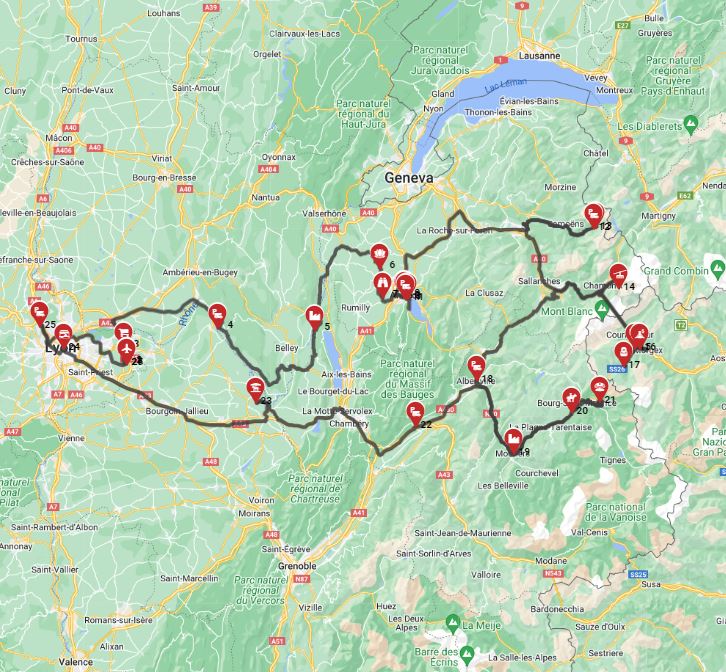
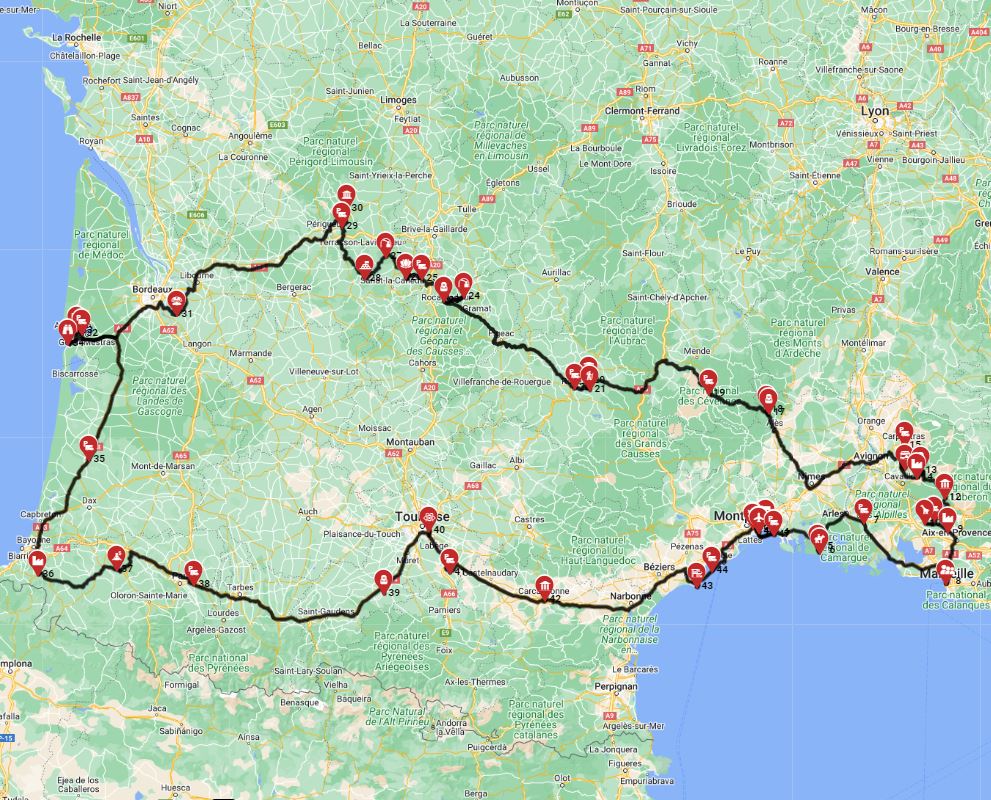
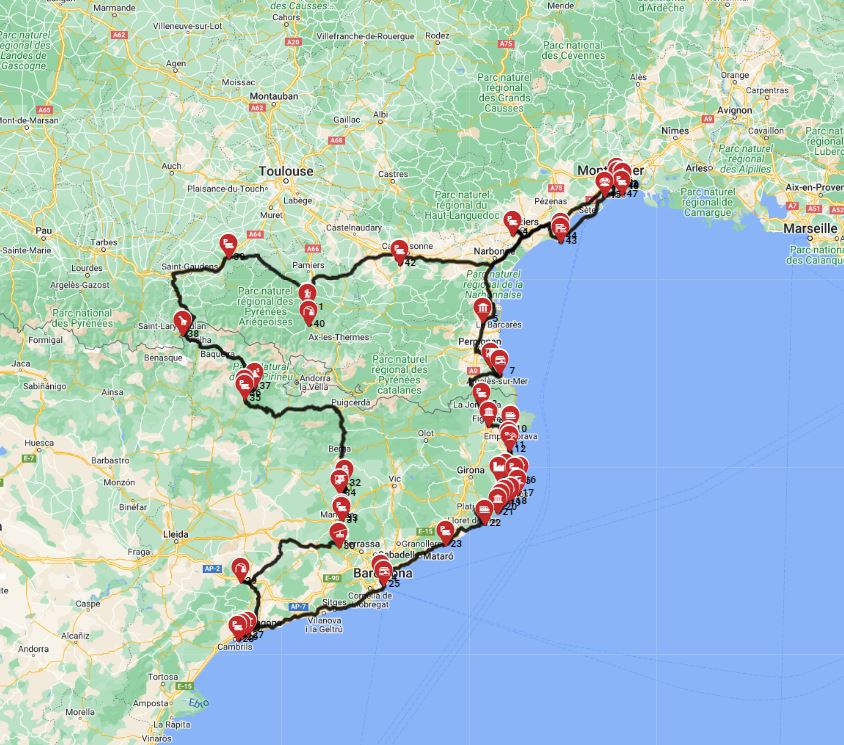
To discover truly off-the-beaten-path RV experiences in France, venture beyond the popular coastal and mountainous regions into lesser-known areas like the Jura, Limousin, or Tarn. These regions offer unique, unspoiled landscapes and a slower pace, perfect for a peaceful weekly RV rental adventure. Consider exploring the "Luxury RV Driving in France - Scenic Routes 2024" itineraries from RV PLANET, which often highlight hidden gems and local secrets.
Seek out unique adventure activities that are not widely advertised, such as truffle hunting tours in Périgord, exploring ancient cave systems in the Dordogne, or kayaking on smaller, tranquil rivers like the Ardèche. Utilize apps like Park4Night to locate remote *aires de services* or small, independent campgrounds near charming, hidden villages. Driving a compact campervan like the "V2L" (with a length of 5.99 meters) allows easier access to these narrower, more secluded roads and smaller parking areas, letting you uncover the authentic, quiet corners of France.
What Apps and Tech are Essential for RV Travel in France?
Essential apps and technology for RV travel in France enhance navigation, locate services, and facilitate communication, ensuring a smoother journey. Specialized *aires* finders like Park4Night or Campercontact are indispensable for locating the vast network of over 5,000 motorhome stopovers, providing real-time information on availability and services. For navigation, reliable real-time traffic apps such as Waze or Google Maps are crucial for avoiding unexpected delays on French roads, allowing you to drive slowly and carefully without issues.
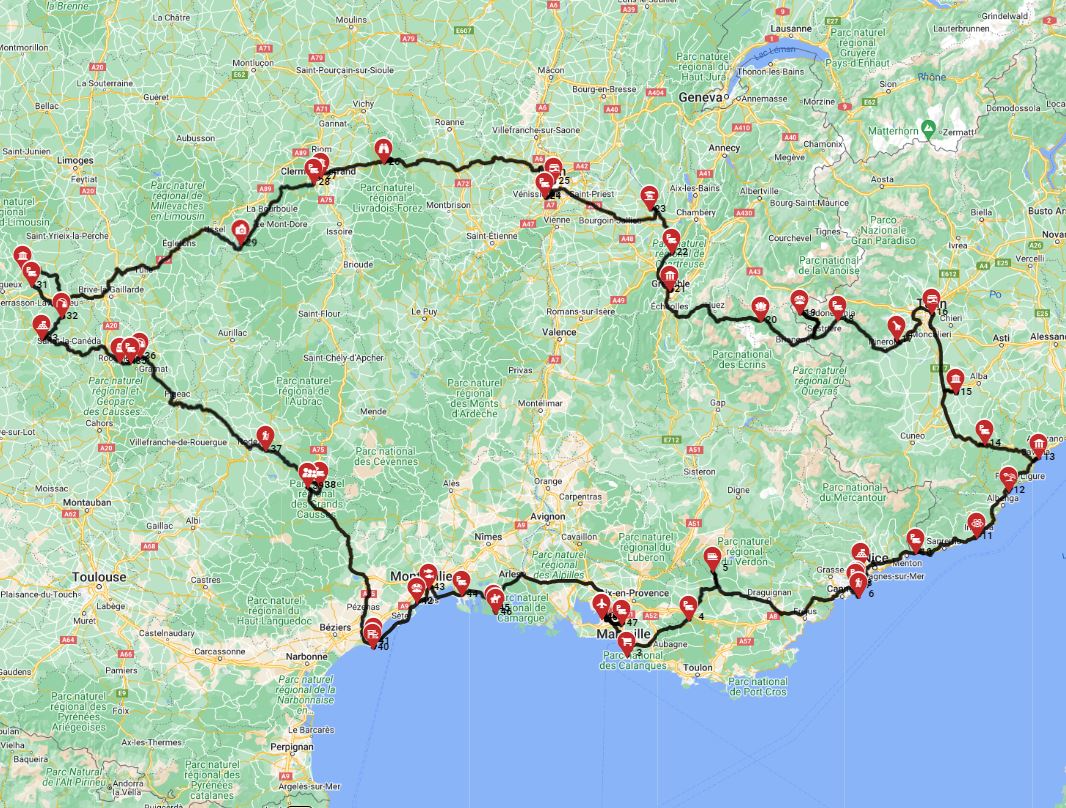
Language translation apps, like Google Translate, are invaluable for interacting with locals, especially in rural areas where English may be less common, enhancing your cultural immersion. Reliable mobile connectivity is also key; consider purchasing a local SIM card from providers like Orange, SFR, or Bouygues Telecom for ample data, typically costing €15-€30 for a monthly plan with 20-50 GB of data. Additionally, digital maps that function offline can be a lifesaver in areas with spotty reception, ensuring you're always on track, even on less-traveled routes like those found in the "RV Driving Deals in France - Routes and Savings 2024" plans.
How to Practice Sustainable and Responsible RV Travel in France?
Practicing sustainable and responsible RV travel in France is crucial for preserving its natural beauty and respecting local communities, starting with mindful waste management. Always use designated disposal sites for greywater (from sinks and showers) and blackwater (from the toilet cassette), readily available at *aires de services* and most campgrounds, to prevent environmental contamination. Many motorhomes, like the "cruise america example Explorer," come equipped with 82-liter fresh and waste water tanks, making responsible disposal straightforward.
Minimize your environmental footprint by conserving resources like water and electricity in your rented motorhome. Support local businesses, including small shops, markets, and restaurants, to contribute directly to the regional economy and reduce carbon emissions associated with large supply chains. Furthermore, respect local environments and communities by minimizing noise, especially late at night or early morning, staying on designated paths when hiking, and adhering strictly to local camping regulations, particularly concerning wild camping which is often prohibited or heavily restricted in many areas of France. Traveling slowly, aiming for a maximum of 100-150 km per day, also helps reduce fuel consumption and allows for a deeper connection to the local scenery and culture.
What You Shouldn't Miss
- **Explore the Dordogne Valley:** Discover prehistoric caves, stunning châteaux, and picturesque villages like Sarlat-la-Canéda, perfect for slow travel in a campervan.
- **Wine Route in Alsace:** Drive through charming villages, stopping at vineyards for tastings, with many offering *France Passion* stays.
- **Lavender Fields of Provence:** Witness the breathtaking purple landscapes in June and July, finding numerous scenic spots for your motorhome.
- **The Dramatic Cliffs of Étretat, Normandy:** Park your RV near these iconic chalk cliffs and enjoy coastal walks and fresh seafood.
- **Market Day in a Small Town:** Choose any small French town and immerse yourself in its weekly market, sampling local produce and crafts.
- **Looking for expert insights from Avi Bandana? Top 5 Adventures - recommendations from Avi Bandana**
Final Thoughts
A weekly RV rental in France is more than just a vacation; it's an invitation to freedom, discovery, and unforgettable memories. Whether you're a couple dreaming of the scenic Route des Grandes Alpes or a family eager to explore the historic castles of the Loire Valley, a rented motorhome provides the flexibility and comfort to truly connect with the heart of Europe. Remember to travel slowly, averaging 100-150 km per day, to savor every moment, every landscape, and every delicious local meal.
With Bandana Caravan, you have a trusted partner every step of the way. We’re here to help you navigate the costs, understand your options, and equip you with the knowledge to make your French RV adventure a resounding success. So, pack your bags, prepare your palate, and get ready for the open road. Your incredible journey through France awaits!
Discover top destinations, planning tips, all in one place! Find weekly rv Rentals in France now.