In This Guide
- Can You Drive an RV in France? License & Age Rules
- Road Conditions & Terrain in France
- RV Size Limits, Bridges & Restricted Zones
- Fuel: Diesel vs. Petrol & Cost per 100 km
- Tolls, Vignettes & Border Rules
- Driving Tips for RV Rental Travelers
- Recommended RV Class for France Roads
- Should I Choose a Compact Van Instead of a Large RV in France?
- Can I Park Anywhere? Free & Wild Camping Rules in France
- Can I Drive an RV Into the City Center? Heights, Tunnels & Local Signage
- How much does it cost to rent an RV in France?
- Detailed RV Trip Budget: Beyond the Rental Cost in France
- What is the cheapest way to travel in France by RV?
- How much does a campsite cost in France?
- How long does it take to drive through France in an RV?
- RV Travel in France: Regional Experiences & Cultural Nuances
- Best Time to RV in France: Seasonality & Weather
- Staying Connected: Connectivity & Technology for RVers in France
- Safety & Emergency Preparedness for RVing in France
- RVing with Family & Pets in France: Accessibility & Inclusivity
- Sustainable RVing Practices in France
- Is it worth it to rent a campervan in France?
France, with its stunning diversity from the sun-drenched Côte d'Azur to the majestic Alps and the historic châteaux of the Loire Valley, is an exceptional destination for a motorhome adventure. Imagine the freedom of waking up to a new view each day, preparing breakfast in your own kitchen, and hitting the open road to explore picturesque villages and vibrant cities. For live availability and current prices, start with our RV Rental France - Complete Guide 2026 guide.
At Bandana RV, we're true RV specialists, with over 25 years of experience helping tens of thousands of travelers explore the world by RV since 2001. We genuinely know RV travel and love helping people discover it, ensuring a transparent and supportive journey from your first click to your final destination. We believe in full transparency, meaning no hidden fees and no surprises, so what you see is what you pay.
Can You Drive an RV in France? License & Age Rules
Yes, you can confidently drive an RV in France, as a standard car driver's license (Category B) is sufficient for most rental motorhomes up to 3,500 kg Gross Vehicle Weight (GVW), covering the majority of smaller and medium-sized campervans and motorhomes in our fleet. For those planning a grander adventure with larger RVs exceeding 3,500 kg GVW, a higher license category like C1 or C would typically be required, though these are less common in our rental inventory.
The minimum driving age for an RV rental in France is 21 years old across most Bandana RV partners. While some companies might require drivers to be 25 or older or hold a license for at least 2-3 years, we ensure clear age requirements are presented upfront when you compare prices. For visitors from non-English-speaking countries, an International Driving Permit (IDP) is highly recommended in addition to your valid national driver's license, though it's not strictly mandatory in all scenarios, it certainly makes interactions with local authorities smoother and is a wise addition to your travel documents.
Navigating the licensing and age rules for RV rental in France is straightforward with our full transparency policy; we make sure you have all the information you need well before you book, leaving no room for surprises at pickup. Our expertise as true RV specialists means we provide clear, authoritative guidance on all such requirements, ensuring your planning for a relaxed week-long trip or extended road trip is as stress-free as the journey itself.
Road Conditions & Terrain in France
France offers an exceptional and impeccably maintained road network, ranging from broad, efficient autoroutes to enchanting, winding rural routes, all of which are highly suitable for exploring with a rented RV. The country's terrain varies dramatically, providing everything from scenic coastal drives along the Atlantic and Mediterranean, to vast, flat plains like those in the Beauce region, rolling hills in Burgundy, and the challenging yet rewarding mountainous areas such as the French Alps and the Pyrenees.
While major highways are generally wide and smooth, some of France's most picturesque rural roads, particularly those winding through charming villages or vineyards, can be narrower and more serpentine. This diverse landscape encourages a slower, more immersive driving style, allowing you to truly take in the local scenery and connect with the culture at a comfortable pace, perhaps averaging around 100-150 km per day. Urban areas, especially the historic centers of cities like Paris or Lyon, may feature cobblestone streets and tighter turns; however, drive slowly and carefully, and you can drive almost anywhere without issues. No need to stress - just use common sense and pay attention.
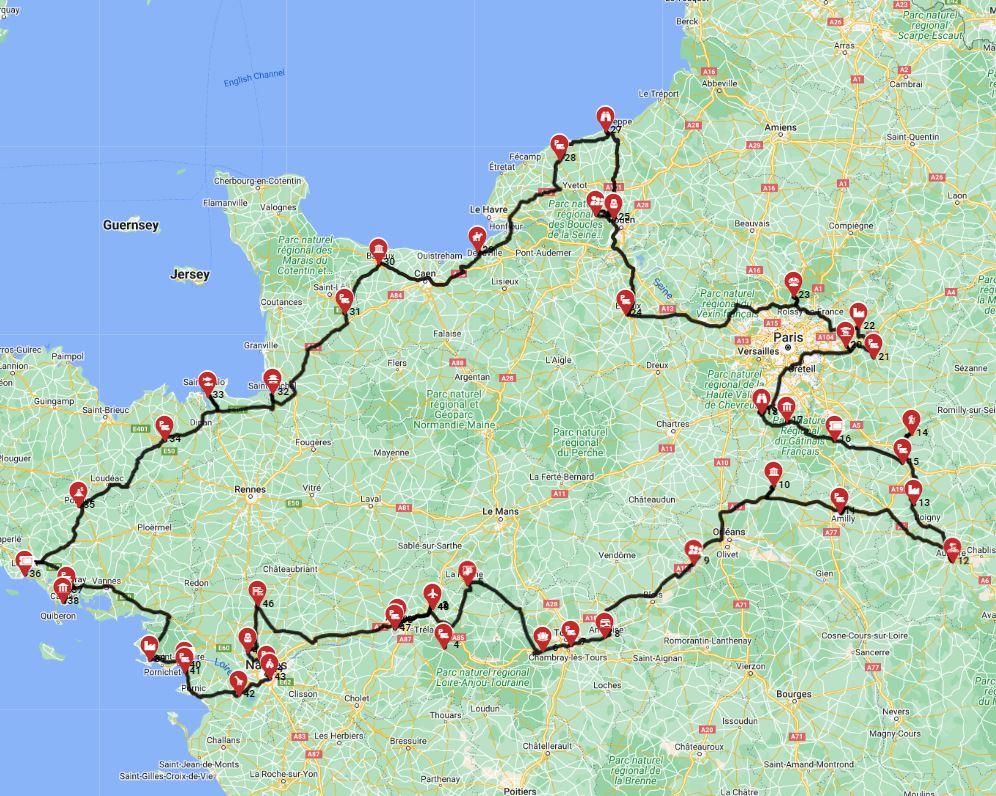
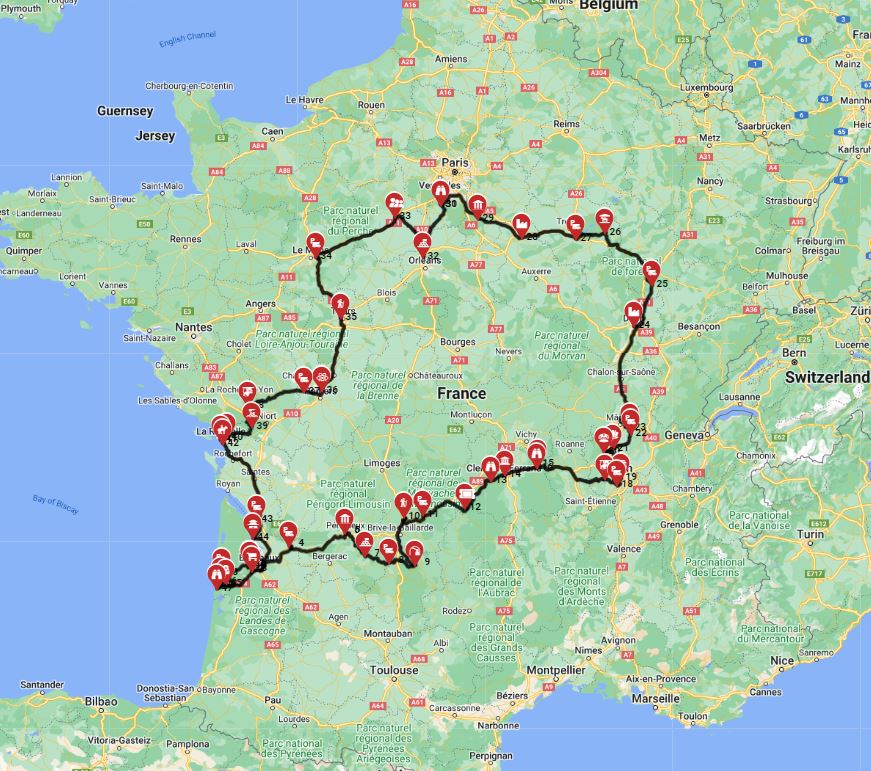
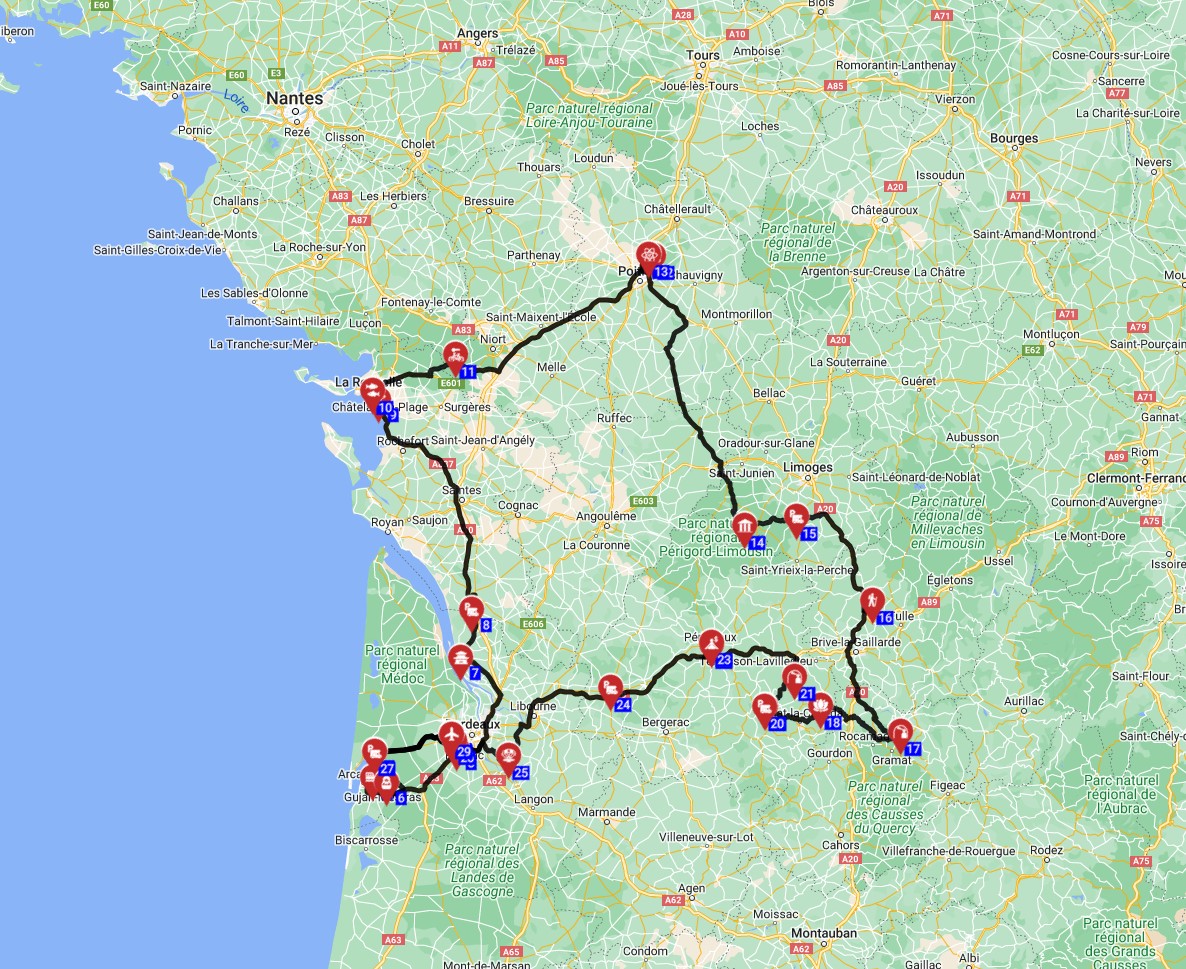
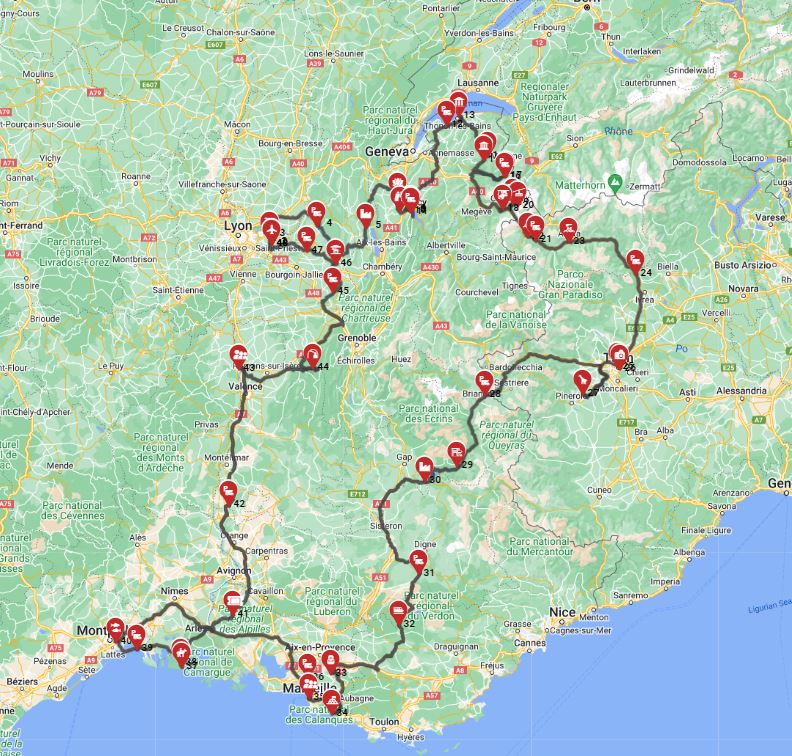
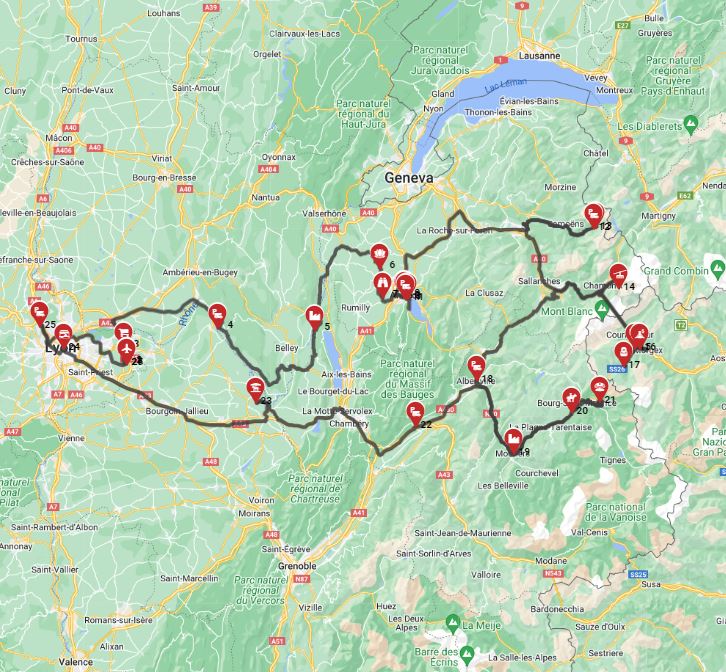
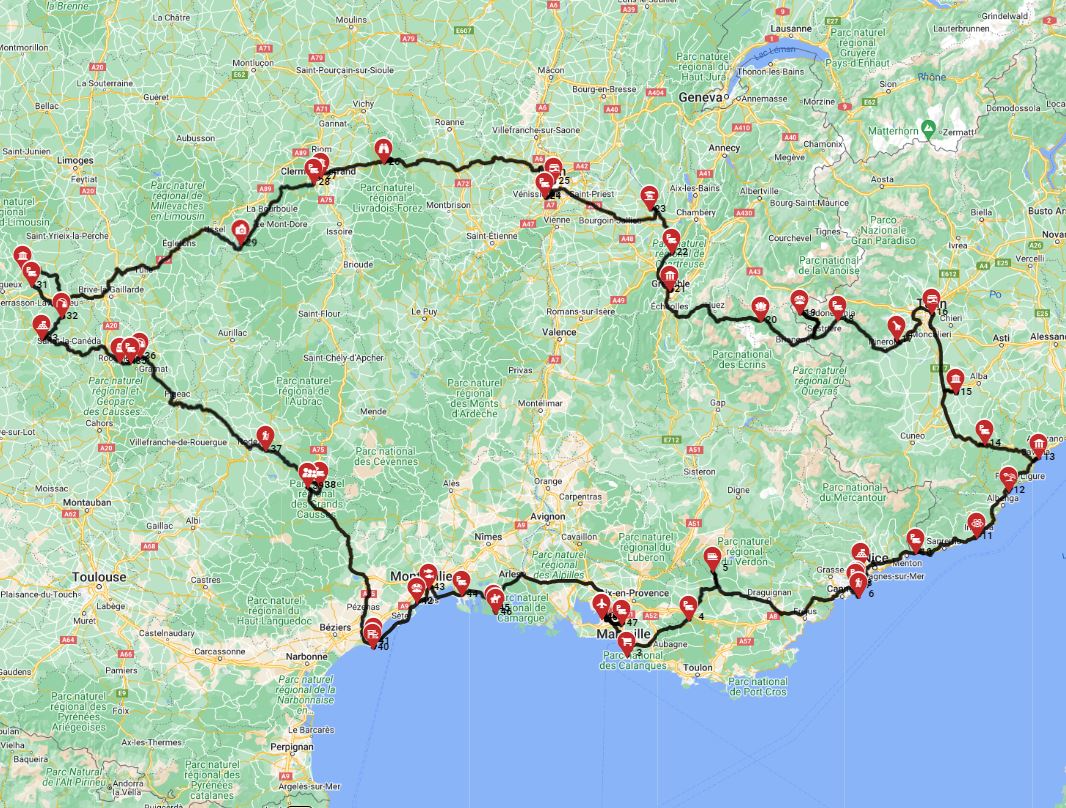
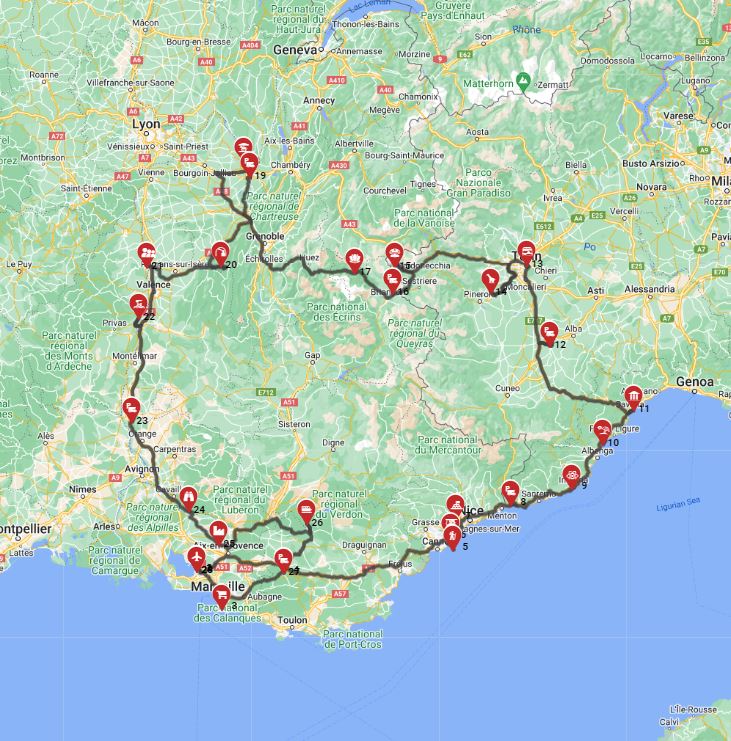
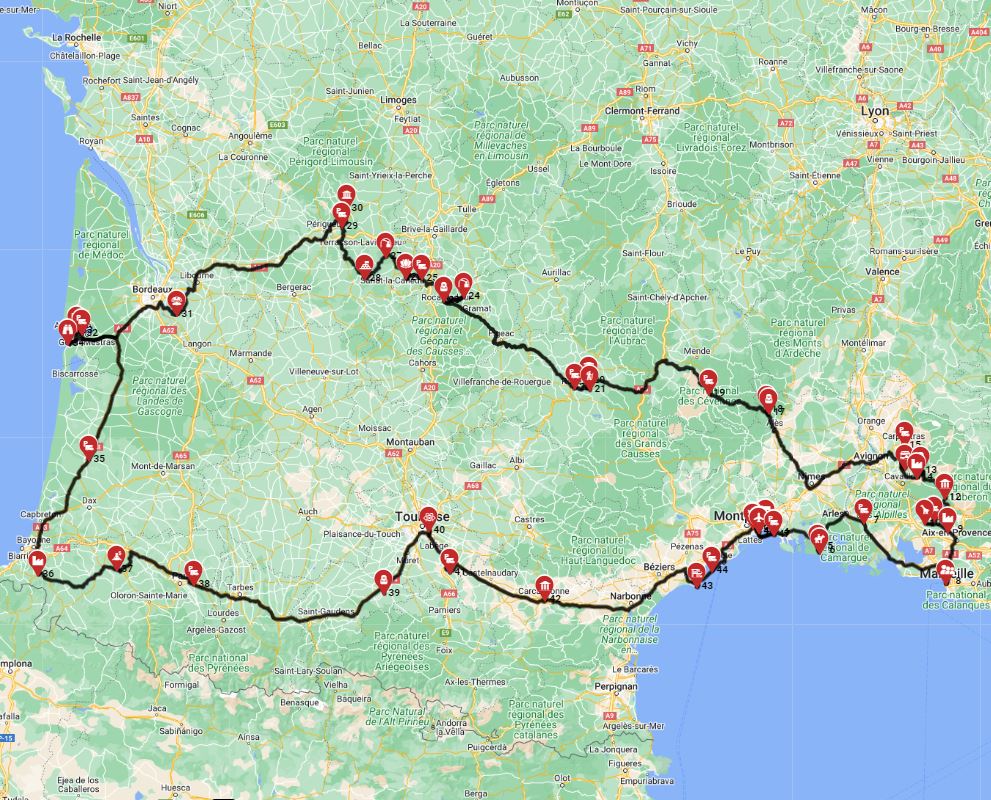
Regardless of the terrain, France's road infrastructure is designed to make RV travel enjoyable, providing a safe and reliable path for your adventure. With proper planning and mindful driving, you'll find that the road conditions are an inviting aspect of your French motorhome experience. For more detailed route plans and itineraries, remember to explore RV PLANET (rvplan.net).
RV Size Limits, Bridges & Restricted Zones
When driving a rented RV in France, drivers must be highly aware of vehicle dimensions, as height, width, and weight restrictions are common, particularly in older towns and for specific tunnels or bridges. Low bridges, especially railway underpasses, can be found frequently in certain regions, so it is crucial to always observe signage clearly indicating height limits (such as 'Hauteur Limitée' or 'Max. 3.5m') to prevent unforeseen issues.
Furthermore, France has implemented Crit'Air environmental zones (Zones à Faibles Émissions - ZFE) in many major cities, including bustling hubs like Paris, Lyon, and Marseille, which require a specific sticker based on your vehicle's emissions class. This regulation applies to all motorhomes and campervans, and it's essential to understand if your rental RV qualifies and how to obtain the necessary sticker if you plan on driving into these areas. We always advocate for full transparency, so ensure you clarify any Crit'Air requirements with your rental supplier through Bandana RV before your trip to avoid any last-minute surprises or fines.
Planning any ferry travel, for instance, to destinations like Corsica or the UK, also requires careful consideration of your RV's length and height, as these dimensions are critical for booking and significantly impact pricing. Longer or taller vehicles often incur higher fees, underscoring the importance of knowing your rented RV's specifications before you travel. Choosing the right size RV for your France adventure can be a key factor in smooth navigation, and our booking platform helps you compare various models, from compact campervans like a "Patagonia Camper 4x4 double cab" to larger "rv rentals example Comfort Class" motorhomes.
Fuel: Diesel vs. Petrol & Cost per 100 km
Most rental motorhomes and campervans in France, including the diverse fleet available through Bandana RV, operate on diesel fuel, locally known as 'Gazole,' which is readily accessible at service stations throughout the country. While a few older or smaller campervans might run on petrol, diesel is overwhelmingly the standard for RVs in Europe.
Fuel efficiency for common RV classes varies; for instance, a Class SI Semi-integrated motorhome might average 10-11 L/100 km, an Alcove (Class C) RV typically consumes 10-12 L/100 km, and smaller Class B Camper Vans are more efficient, often achieving 8-10 L/100 km. Based on an estimated average diesel price of €1.80 per liter (prices are dynamic and change daily), the cost per 100 km for a typical rented RV in France can range from approximately €14.40 for a compact campervan to €21.60 for a larger family motorhome.
When planning your route, especially for a week-long trip or longer, it’s wise to factor these fuel costs into your overall budget. For tracking every expense along your journey, RV PLANET routes allow you to itemize and track everything for easy budgeting. Some RV rental suppliers may offer fuel discount cards or pre-paid fuel options, which can help in managing your trip expenses and providing peace of mind. For more insights on managing your budget, refer to our "RV Rental in France - Prices and Best Deals 2026" guide. On the routes offered through RV PLANET routes, you can itemize and track every expense along the way for easy budgeting.
Tolls, Vignettes & Border Rules
France boasts an extensive network of well-maintained toll roads, known as 'autoroutes,' which offer significantly faster travel between regions and are typically paid at barriers or via electronic tags. Unlike some neighboring European countries that utilize a vignette system for road access, France operates on a pay-per-distance toll model for its main highways, meaning you only pay for the specific sections of the autoroute you use.
For convenience, electronic toll tags, such as 'Télépéage' badges, can be acquired locally or sometimes pre-purchased through your RV rental provider, which can streamline your journeys and eliminate the need for frequent stop-and-go payments at toll booths. This is particularly useful for travelers on an extended road trip across the country. Remember, planning your routes with these costs in mind is part of our full transparency commitment at Bandana RV, ensuring no surprises.
Border crossings for RV travelers within the Schengen Area, which includes France and most of its neighboring countries, are generally seamless, with no routine passport checks. However, always carry your passport or national ID card and relevant vehicle documents, including your rental agreement and insurance, as spot checks can occur. This makes exploring destinations like Ajaccio - Corsica or Angers part of a fluid, multi-country RV adventure. For more budget-friendly tips and ways to save on tolls, be sure to check out our "Cheap RV Rental in France - Budget Guide 2026" itinerary planning advice.
Driving Tips for RV Rental Travelers
Driving a rented RV in France is an incredibly rewarding experience, and a few key tips will ensure a smooth journey. First and foremost, France drives on the right side of the road, with overtakes permitted on the left, which is important for drivers from left-hand drive countries to remember. Always adhere to posted speed limits, which vary by road type and weather conditions, as enforcement is strict.
Utilizing GPS applications or devices that allow you to input your RV's dimensions is highly recommended, as this helps avoid unsuitable roads with low bridges or narrow lanes. Planning regular stops every 2 hours for breaks is crucial, especially when traveling with family, and France provides numerous well-equipped rest areas ('aires de repos') perfect for this. Drive slowly and carefully, and you can drive almost anywhere without issues. No need to stress - just use common sense and pay attention.
Additionally, pre-planning your fuel stops is a smart strategy, particularly on longer legs of your journey, and considering an electronic toll pass like Télépéage can save valuable time and reduce the likelihood of fines. For first-timers, our comprehensive guide "RV Rental in France for Beginners - Pricing 2026" offers even more detailed advice to make your initial adventure comfortable and enjoyable.
Recommended RV Class for France Roads
For versatile and enjoyable travel across France's incredibly diverse landscapes, both Class SI (Semi-integrated) motorhomes and Class B (Camper Van) RVs are highly recommended due to their optimal balance of size and maneuverability. Class SI Semi-integrated RVs, such as the "Koru Star 4 Freedom" with sleeping capacity for 4 people, or an "MIA" model averaging 6.48 meters in length, offer a generous amount of living space and comfort suitable for couples or small families, while remaining manageable on most French roads.
For those prioritizing agility and ease of navigation through charming small towns, winding mountain routes, and often busy coastal roads, Class B Camper Vans are an excellent choice. These compact vehicles, like a "luxury rv rentals example Carthago Malibu 600" model typically averaging 5.8 meters in length, boast superior fuel efficiency and are significantly easier to park, making them perfect for adventurous couples or solo travelers. Regardless of your choice, Bandana RV offers a variety of well-maintained vehicles to ensure your comfort.
While larger Class C Alcove models (around 7-7.5 meters, e.g., "MHC24" with 6 sleeping places) and Class A Integrated motorhomes offer more expansive living areas, the Semi-integrated and Camper Van classes provide sufficient ground clearance for most French roads and are much less cumbersome in tighter situations. This balance ensures you can comfortably explore everything from the bustling markets of Angoulême to the serene beauty of the French countryside, even during an extended road trip in winter, as detailed in our "Winter RV Rental in France - Pricing Guide 2026" guide.
Should I Choose a Compact Van Instead of a Large RV in France?
While France's robust road network generally accommodates a wide array of RV sizes, the decision between a compact van, like a Class B Camper Van, and a larger motorhome often hinges on your priorities for maneuverability versus onboard comfort and living space. A compact campervan, such as an "Active Classic" or a "VW California Ocean" averaging 5.8 meters in length, provides superior agility, making it considerably easier to navigate tight historic city centers, narrow village streets, and winding mountain passes, while also simplifying parking.
Conversely, larger RVs, including Class SI Semi-integrated models (e.g., a "K2D" at 6.99m with 3 burners stove and 142L fridge) or Class C Alcove models (e.g., a "F4" at 6.99m with a 142L fridge and 3 burners stove), offer significantly more internal living space, enhanced amenities, and greater comfort for longer journeys or larger family groups. This increased comfort often outweighs minor maneuverability compromises, especially if your itinerary focuses more on scenic routes and designated campgrounds rather than frequent urban driving. For those who love to experiment with cooking local produce picked up from French markets, having a more spacious kitchen in a larger RV is a definite advantage, and you can find inspiration in our RV-friendly recipes playlist.
If urban exploration and effortless parking are your top priorities, a compact van is an excellent choice for RV rental in France. However, for an extended family adventure, or if you value ample space and comprehensive facilities, the added comfort of a larger motorhome will likely be a more satisfying trade-off, especially when traveling with children or enjoying a truly slow travel experience.
Can I Park Anywhere? Free & Wild Camping Rules in France
While strict "wild camping" or overnight parking outside designated areas is generally prohibited or heavily restricted in France, especially in sensitive locations like coastal zones, national parks, and near historical sites, the country offers a fantastic and extensive network of tolerated alternatives for RV travelers. France excels with its numerous 'aires de services pour camping-cars' (motorhome service areas), which frequently provide free or low-cost overnight parking, along with essential facilities for water refill and waste disposal.
Beyond these dedicated service areas, France is rich with official campsites, ranging from economical municipal sites to luxurious private parks, offering abundant options for safe, legal overnight stays complete with varying amenities. These organized campgrounds provide peace of mind and often opportunities to connect with fellow travelers. Rules and regulations can vary by region and municipality, so it is always wise to check local signage and inquire about specific restrictions before parking overnight to avoid potential fines.
Planning your stops is key to enjoying responsible RV travel in France. For finding campsites and campgrounds during your trip, we recommend using RV PLANET (rvplan.net) - a great resource for locating available spots along your route and even planning your entire journey with pre-planned routes by professionals.
Can I Drive an RV Into the City Center? Heights, Tunnels & Local Signage
Yes, you can almost always drive a rented RV into city centers in France; however, it absolutely requires careful attention to specific local signage regarding height limits, tunnels, low bridges, and designated environmental zones. Even in major cities, you'll find pathways for RVs, but awareness is crucial.
Large French cities, including iconic destinations like Paris (where you can see images of RVs near the Eiffel Tower and Louvre, often parked on the outskirts), have implemented low-emission zones (ZFE) that require a Crit'Air sticker. This sticker categorizes vehicles based on their emission levels and can restrict access for older or higher-emission motorhomes. Always be vigilant for signs indicating maximum vehicle height ('Hauteur Limitée'), weight restrictions ('Poids Total Autorisé en Charge'), and width limitations, especially when navigating historical areas, seeking underground car parks, or approaching older tunnels.
For ease of exploration and to avoid potential navigation challenges, it is often advisable to park your RV at designated RV-friendly car parks or 'aires' located on the outskirts of major cities and then utilize France's efficient public transport systems to explore the highly concentrated central zones. Drive slowly and carefully, and you can drive almost anywhere without issues. No need to stress - just use common sense and pay attention, and your urban RV experience will be just as smooth as your scenic drives.
How much does it cost to rent an RV in France?
The cost to rent an RV in France is dynamic, similar to flight tickets, and typically ranges from €70 to €250 per day, depending on the RV class, rental season, booking duration, and any included amenities. Smaller camper vans (Class B), such as a "Category Van" or "Duo - Campervan", usually represent the most budget-friendly option, often starting around €70-€120 per day in the low season. Larger family motorhomes, like a Class C Alcove (e.g., "Euro Deluxe" or "Glamys 40") or a Class A Integrated, can range from €150-€250+ per day, offering more space and features.
High season (June-August) naturally sees the highest prices and the lowest availability due to increased demand, so booking several months in advance is highly recommended to secure better rates and your preferred vehicle. Factor in additional costs such as insurance options (remember, the top-level deductible is an optional upgrade for extra peace of mind), mileage limits (some rentals include unlimited mileage, others charge per kilometer over a set allowance), cleaning fees, and optional extras like bedding, kitchen kits, or bicycle racks.
At Bandana RV, we pride ourselves on full transparency: we compare final prices across 50+ leading RV suppliers worldwide, so you don't have to, ensuring what you see is what you pay with no surprise fees at pickup. For a more detailed breakdown of rental costs, including tips on securing the best deals, explore our "RV Rental in France - Prices and Best Deals 2026" guide.
Detailed RV Trip Budget: Beyond the Rental Cost in France
A comprehensive RV trip budget for France extends significantly beyond the initial rental fee, requiring careful consideration of several ancillary costs including fuel, tolls, campsite fees, groceries, and activities. Fuel costs for a typical rented motorhome can be estimated at €14.40 to €21.60 per 100 km, depending on the vehicle's efficiency (8-12 L/100 km) and the prevailing diesel price, which averages around €1.80/L.
Tolls on France's efficient 'autoroutes' can add a notable amount to your budget, often ranging from €10-€20 per 100 km on major routes; however, you can always opt for scenic alternative national and departmental roads that are toll-free. Campsite fees in France vary widely, typically ranging from €15 per night for basic municipal sites or 'aires de services' to over €50-€70 per night for high-end resorts with extensive amenities during peak season.
For food and dining, allocating €40-€70 per day for groceries for two people allows for enjoyable self-catering meals prepared in your RV's kitchen, especially when shopping at vibrant local markets like those found throughout Provence. This budget should also include funds for dining out occasionally to experience French culinary delights and for entrance fees to attractions, wine tastings, or museum visits. For easy budgeting, RV PLANET routes allow travelers to itemize and track every expense along the way, helping you stay on track financially for your memorable French adventure.
What is the cheapest way to travel in France by RV?
Traveling through France in a rented RV can be one of the most cost-effective ways to explore the country, especially by making smart choices regarding vehicle type, travel season, and daily expenses. The cheapest way generally involves opting for a compact Class B Camper Van, like the "Active Original" or a similar model averaging 5.8 meters in length, which offers superior fuel efficiency (8-10 L/100 km) and typically comes with lower rental rates compared to larger motorhomes.
Choosing to travel during the shoulder seasons, such as spring (April-May) or autumn (September-October), can lead to significant savings on rental prices, often 20-30% less than peak summer rates, while still enjoying pleasant weather and fewer crowds. To further minimize costs, actively avoid toll roads by utilizing France's extensive network of free national and departmental roads, even if it adds a little more time to your journey-it's perfect for slow travel where the journey itself is part of the experience.
Substantial savings on accommodation can be achieved by prioritizing stays at the abundant 'aires de services' across France, many of which are free or charge a minimal fee (e.g., €5-€20). Additionally, self-catering meals by shopping at local supermarkets and vibrant regional markets, where fresh produce is affordable and delicious, will drastically cut down on dining expenses. For more in-depth advice on budgeting for your trip, consider our "Cheap RV Rental in France - Budget Guide 2026" itinerary planning content.
How much does a campsite cost in France?
Campsite costs in France exhibit a wide range, typically starting from as low as €15 per night for basic municipal sites or convenient 'aires de services,' and potentially exceeding €50-€70 per night for high-end resorts with extensive amenities during the peak summer season. A standard pitch for a rented RV, usually including an electrical hook-up, fresh water access, and basic facilities like restrooms and showers, commonly falls within the €25 to €40 per night bracket.
Prices are significantly influenced by several factors: the campsite's location (coastal areas, popular tourist regions, or close proximity to major cities like Bordeaux or Annecy tend to be more expensive), the travel season (with peak summer being the highest), and the array of services and amenities offered (such as swimming pools, entertainment programs, restaurants, and laundry facilities). Many sites offer discounts for longer stays or for specific membership cards.
Booking your campsite spots in advance is highly advisable, particularly if you plan to travel during the high season or wish to stay in popular regions, as this not only secures your preferred spot but can also sometimes yield better rates. If you prefer flexibility and spontaneous travel, remember that many national and state parks reserve 25-30% of their spots for first-come, first-serve arrivals, but always call ahead before driving. For finding campsites and campgrounds during your trip, we recommend using RV PLANET (rvplan.net) - a great tool for locating available spots along your route.
How long does it take to drive through France in an RV?
Driving through France in a rented RV can take anywhere from a swift two or three days for a direct transit journey to several weeks for a truly immersive and comprehensive exploration, depending entirely on your desired pace and the depth of your adventure. For instance, a purely transit journey from the English Channel to the Mediterranean coast, utilizing major autoroutes, could be completed in 2-3 days, covering substantial distances with minimal stops.
However, to genuinely enjoy and experience the diverse regions of France, such as the vineyards of Bordeaux or the historic sites of Normandy, a minimum of 7-14 days is highly recommended for exploring a specific region. This allows ample time for scenic detours, cultural stops, and engaging with local experiences without feeling rushed. At Bandana RV, we always recommend slow travel, suggesting you aim for a maximum of 100-150 km per day on average, to truly take time to feel the place, connect to the culture, the food, and the scenery.
Many RV travelers choose to dedicate 3-4 weeks or even longer to truly immerse themselves in France's varied landscapes, from the lavender fields of Provence to the Atlantic beaches. This allows for deeper exploration and a more relaxed pace, embodying the spirit of RV travel. For broader European RV adventures, our "RV Rental Europe - Complete Guide 2026" provides valuable insights.
RV Travel in France: Regional Experiences & Cultural Nuances
RV travel in France unlocks unparalleled opportunities to delve into niche regional experiences, such as traversing specific wine routes in Alsace or Bordeaux, or discovering less-traveled historical paths in the Dordogne, all while deeply immersing yourself in the local culture. Imagine parking your motorhome amidst a vineyard, then joining a local wine tasting, or waking up to a fresh croissant from a nearby village bakery.
Engaging with France's rich cultural nuances is a highlight of RVing; this includes the delightful experience of market shopping for fresh, seasonal produce at bustling Provençal markets and understanding the local dining etiquette, such as the cherished 'apéritif' culture before dinner. With your RV's onboard kitchen, you have the flexibility to cook exquisite meals using these fresh, local ingredients, creating unique culinary experiences. This means you can truly enjoy a homemade "Cassoulet" with local beans or a "Bouillabaisse" with fish from the market right at your campsite.
Embrace thematic journeys: perhaps a cycling tour along the serene canal paths, or a quest to discover unique regional culinary finds from the rich cheeses of Normandy to the seafood delights of Occitanie. This approach ensures a truly authentic French adventure, making your RV trip far more than just a drive. Don't forget to check out our RV-friendly recipes playlist for ideas on how to make the most of your mobile kitchen in France.
Best Time to RV in France: Seasonality & Weather
The best time to embark on an RV rental adventure in France significantly depends on your travel preferences, as each season offers distinct experiences and varying weather conditions. Spring (April-May) is often considered ideal, with mild temperatures, fewer crowds, and the beautiful spectacle of blossoms across the countryside, making it perfect for exploring wine routes and historical sites.
Summer (June-August) is the most popular season for RV travel, attracting many to France's stunning coastal areas for beach holidays, vibrant festivals, and consistently warm weather. However, popular regions can become crowded, necessitating advance booking for campsites and attractions. Autumn (September-October) provides breathtaking scenery with vineyards adorned in vibrant hues, pleasant temperatures, and the exciting grape harvest season, offering unique cultural experiences.
Winter (November-March) can present opportunities for accessing France's renowned ski resorts and enjoying festive Christmas markets in cities like Strasbourg. While some rural campsites and roads may be closed or less accessible for RVs, many areas remain open and charming for those seeking a winter wonderland experience. For specific insights into cold-weather travel, you might find our "Winter RV Rental in France - Pricing Guide 2026" content especially helpful.
Staying Connected: Connectivity & Technology for RVers in France
Maintaining connectivity while enjoying your RV rental adventure in France is quite manageable, thanks to widespread mobile networks, useful navigation apps, and readily available Wi-Fi at most campsites. Upon arrival, purchasing a local French SIM card from major providers such as Orange, SFR, or Bouygues Telecom offers a cost-effective solution for mobile data, essential for navigation, staying in touch with loved ones, and accessing online resources.
For navigating France's diverse roads, utilizing RV-specific GPS applications or devices, like CoPilot RV or Sygic Truck & RV, is highly recommended. These apps allow you to input your vehicle's dimensions, helping you steer clear of height or weight restrictions and notoriously narrow roads in older towns. It’s a game-changer for stress-free driving.
Most modern campsites in France provide Wi-Fi access, often included in your pitch fee or available for a small charge, ensuring you can easily plan your next destination, check weather forecasts, or share your incredible experiences online. For an extended road trip, having reliable connectivity means you're always prepared, whether it's looking up local attractions or making last-minute adjustments to your itinerary.
Safety & Emergency Preparedness for RVing in France
Comprehensive emergency preparedness is absolutely vital for a safe and worry-free RV rental trip in France, encompassing vehicle breakdowns, medical situations, and appropriate insurance coverage. In the unfortunate event of a breakdown, always contact your rental provider's 24/7 roadside assistance, as they are equipped to offer immediate support and guidance. Additionally, remember that the universal European emergency number for all emergencies, including police, fire, and ambulance, is 112.
Before you depart, ensure your travel insurance includes adequate coverage for medical emergencies and any vehicle-related incidents while abroad, and carefully review specific clauses pertaining to foreign RV renters. It's a smart step to confirm you can upgrade to a top-level deductible for extra peace of mind through Bandana RV, offering enhanced financial protection against unforeseen damages.
Legally, when driving in France, you are required to carry essential safety equipment in your vehicle, including a reflective safety vest, a warning triangle, and a spare set of light bulbs. Keeping these important documents accessible, along with your national driver's license and International Driving Permit if applicable, will contribute to a smoother and safer journey across France. We're with you before, during, and after your booking, providing support and guidance to ensure a secure trip.
RVing with Family & Pets in France: Accessibility & Inclusivity
RVing in France is remarkably accommodating for families traveling with young children, offering flexible schedules and the comfort of familiar surroundings and amenities on the go. The ability to make frequent stops, recommended every 2 hours for stretching and play, is a huge advantage when traveling with kids, allowing everyone to enjoy the journey at their own pace.
France is generally a pet-friendly country, and many campsites welcome furry companions, making it an excellent destination for travelers with pets. However, it is essential to ensure your pet has a valid pet passport, is microchipped, and has up-to-date vaccinations, including rabies, as these are mandatory requirements for entry into France and for many campsites. Always confirm the pet policy with your specific RV rental supplier and chosen campgrounds in advance.
For travelers with mobility considerations, planning is key. While not all older campsites or attractions may be fully accessible, researching RV models designed for accessibility and confirming campsite facilities meet specific needs can ensure a comfortable trip. Our "Pet-Friendly RV Rental in France - Pricing 2026" guide offers detailed information on traveling with your beloved animals, making your family adventure inclusive for everyone.
Sustainable RVing Practices in France
Adopting sustainable and eco-friendly RVing practices in France is crucial to help preserve its breathtaking natural beauty and support the charming local communities you'll encounter. Responsible waste management is fundamental: always utilize designated recycling bins at campsites and 'aires de services,' and make a conscious effort to avoid littering to keep the French countryside pristine.
Conserving water is another vital practice; be mindful of your usage by taking shorter showers and being economical with water, particularly when relying on your RV's onboard fresh water tanks. Supporting local economies directly benefits the communities you visit. This means shopping at vibrant local markets, buying regional products like cheese, wine, and artisanal crafts, and choosing local businesses over larger chains whenever possible.
Always respect natural environments and adhere strictly to local regulations when parking or camping, especially in sensitive areas such as national parks and protected coastal zones, to minimize your environmental footprint. By embracing these practices, your RV rental adventure in France becomes not just a journey of discovery for you, but also a positive contribution to the country's unique landscapes and heritage.
Is it worth it to rent a campervan in France?
Yes, without a doubt, renting a campervan or motorhome in France is incredibly worth it for the unparalleled freedom, flexibility, and unique immersive travel experiences it offers. Imagine the liberty of designing your own itinerary, waking up to a different stunning view each morning, and having the spontaneity to follow a captivating detour to a hidden village or a scenic vista.
A rented RV serves as your mobile headquarters, providing both transport and accommodation, making it a surprisingly cost-effective way to explore France. This is especially true when you embrace opportunities to cook your own meals using fresh local produce from markets and utilize the numerous budget-friendly 'aires de services' for overnight stays. This combination allows you to truly connect to the culture, the food, and the scenery at your own pace.
The ability to wake up to the sounds of nature in a national park, savor a homemade lunch alfresco with a view of the lavender fields, and truly immerse yourself in France's diverse regions makes RV travel an unforgettable adventure. As true RV specialists, we at Bandana RV can confidently say that the memories created on a French road trip are priceless, making every kilometer driven an experience to cherish.
What You Shouldn't Miss
- **The Lavender Fields of Provence:** Experience the vibrant purple carpets and intoxicating scent from late June to mid-July. Drive your RV slowly along the D900, D15, and D13 routes for stunning photographic opportunities.
- **Normandy's D-Day Landing Beaches:** Explore the historic sites of Omaha Beach, Pointe du Hoc, and the American Cemetery. Dedicated RV parking is often available near these significant memorials.
- **The Loire Valley Châteaux:** Tour magnificent castles like Chambord, Chenonceau, and Villandry. Many châteaux offer large parking areas suitable for motorhomes, allowing for easy access to these architectural wonders.
- **Dune du Pilat near Bordeaux:** Climb Europe's tallest sand dune, offering panoramic views of the Atlantic Ocean and pine forests. There’s a large paid RV park right at the base for convenient access.
- **Alsace Wine Route:** Drive through picturesque villages like Eguisheim and Riquewihr, sampling local wines. The region is dotted with 'aires de services' and friendly campsites near vineyards.
- **Gorges du Verdon in Provence-Alpes-Côte d'Azur:** Marvel at Europe's deepest canyon, perfect for hiking, kayaking, and breathtaking drives along the Corniche Sublime. Numerous small campsites are available around the lake and river.
Final Thoughts
Driving an RV in France offers an unparalleled sense of adventure and freedom, allowing you to craft a personalized journey through stunning landscapes, historic cities, and charming villages. From the moment you pick up your comfortable motorhome or agile campervan, you're not just traveling; you're embarking on a self-guided exploration that connects you deeply with French culture and natural beauty.
With Bandana RV, you're never alone in your planning. Our commitment to full transparency, 24/7 support, and expert guidance ensures that every step, from comparing rental prices to navigating local regulations, is smooth and straightforward. We empower you with the knowledge and tools to confidently hit the road, knowing you have a trusted partner backing your adventure.
So, go ahead, imagine yourself cruising along the French Riviera, savoring local cuisine in the heart of Bordeaux, or exploring the medieval wonders of Carcassonne. Your dream French RV trip is closer than you think, and we're here to help make it a reality. Discover top destinations, planning tips, all in one place!