In This Guide
- What pet friendly rv rental RV Rental Costs in France (2026)
- Seasonal Pricing - Peak vs. Shoulder vs. Off-Season in France
- What's Included vs. What's an Add-On
- Hidden Costs to Budget For in France
- How to Save on pet friendly rv rental RV Rental in France
- Is France pet friendly
- What documents do I need to take my dog to France
- What is the best way to travel with a dog in France
- Can dogs go in restaurants in France
- How much does it cost to take a pet to France
- Can dogs go on trains in France
- What is a typical daily budget for RV travel in France
- What are the rules for wild camping in France
- Can you park an RV anywhere in France
- How much does a campsite cost per night in France
- Top Cities for RV Rental in France
- Country-Wide Practical Information for RV Travel in France
- What You Shouldn't Miss
- Why Book with Bandana Caravan
- Final Thoughts
- Frequently Asked Questions
What pet friendly rv rental RV Rental Costs in France (2026)
The cost of a pet-friendly RV rental in France is dynamic, varying significantly based on several factors, including the season, vehicle class, duration of your trip, and specific supplier offers. April is typically the cheapest month for RV rental in France, with prices potentially starting around €70-€90 per day for a compact campervan like the "Active Original," which is often pet-friendly. For a spacious 6-berth Class C motorhome like the "Euro Deluxe" suitable for families and pets, peak season daily rates can range from €200 to €300 or more. Prices are flex-rate, meaning they change daily based on supply and demand, much like airline tickets. To get accurate, real-time pricing for your specific dates and preferred vehicle type, use the search box at the top of this page. We believe in full transparency, so what you see in our comparison platform is the price you get, with no hidden fees or surprises.Seasonal Pricing - Peak vs. Shoulder vs. Off-Season in France
Peak season in France (July-August) experiences the highest RV rental prices due to strong demand, with many pet-friendly motorhomes booked well in advance. During this period, a 4-berth Class C like the "24' Class C Motorhome" (Pet Friendly) can see daily rates increase by 40-60% compared to other times of the year. Shoulder seasons, typically April-June and September-October, offer a fantastic balance of moderate prices, pleasant weather, and fewer crowds. For instance, a "Category Small AT" campervan, also marked as Pet Friendly, might be 20-30% cheaper in May than in August. Off-season (November-March) generally provides the lowest rental rates, often 30-50% less than peak, but keep in mind that some campsites and attractions may have limited hours or be closed, and the weather will be cooler. While many RVs are winter-ready with good heating systems, always check the local conditions and attraction availability if traveling in winter.What's Included vs. What's an Add-On
When you rent a motorhome in France, basic insurance coverage and a set amount of mileage are usually included in the daily rate. For example, a standard rental might include liability insurance with a deductible and 100-200 kilometers per day. Many suppliers, through Bandana, offer the flexibility to customize your rental with various add-ons. Common extras include upgrading to a top-level deductible for extra peace of mind, unlimited mileage packages for extensive touring, portable generators for off-grid power, kitchen kits with cooking utensils and crockery, and bedding/linen kits. For pet-friendly rentals, a specific pet cleaning fee or deposit is also a common add-on, typically ranging from €50 to €150. Always review the detailed inclusions and optional extras for your chosen RV and rental station before booking to avoid any surprises. Our platform allows you to easily compare these features, ensuring full transparency in your booking.How to Save on pet friendly rv rental RV Rental in France
Saving on your pet-friendly RV rental in France involves strategic planning and flexibility. First, booking during shoulder season (April-June or September-October) typically offers lower daily rates, sometimes 10-30% less than peak summer prices. Second, opting for a smaller Class B campervan like an "Active Classic" rather than a larger Class C motorhome like a "Comfort Family 6" can significantly reduce both rental costs and fuel consumption, while still offering a comfortable space for you and your pet. Third, consider a longer rental duration, as many suppliers offer better daily rates for week-long trips or extended road trips. Finally, being flexible with your travel dates and even your RV model can lead to last-minute deals if availability permits. Utilize our comparison platform to monitor flex-rate drops, and remember that planning your route in advance with RV PLANET can secure a 25% planning discount on pre-planned routes, helping you stretch your budget further. We handle the details, you live the journey, and that includes finding you the best value.Is France pet friendly
France is generally a welcoming country for pets, particularly dogs, making it an excellent destination for pet-friendly RV travel. You'll find that many outdoor spaces, parks, and even cafes with terraces readily welcome well-behaved dogs. In rural areas and smaller towns, acceptance is even higher. However, regulations can vary, so it's always wise to confirm pet policies with specific campgrounds, attractions, or establishments before your visit. Public gardens and museums often have strict "no pet" rules, but charming local markets and many beaches are more accommodating. The flexibility of a rented motorhome or campervan, such as an "Acer" or "Active Bunk Auto" which are pet-friendly, means you always have a comfortable base for your pet even if an attraction is inaccessible.What documents do I need to take my dog to France
To take your dog to France, several essential documents and health requirements must be met. An EU Pet Passport is crucial for pets traveling from other EU countries, while those from non-EU countries, like the UK or USA, will need an Animal Health Certificate (AHC) issued by an authorized veterinarian within 10 days of travel. Your dog must also be microchipped with an ISO-compliant microchip for identification. An up-to-date rabies vaccination, administered after microchipping, is mandatory. For dogs traveling from certain countries, notably the UK and Ireland, a tapeworm treatment is required and must be administered by a vet 1-5 days before entering France. Always consult the latest official government guidelines from your country and France for the most current and specific requirements to ensure a smooth journey.What is the best way to travel with a dog in France
Traveling with a dog in France is best achieved via a rented RV or campervan, offering maximum flexibility and comfort for both you and your pet. This method allows you to control your schedule, stop for walks and potty breaks whenever needed, and keep your pet in a familiar environment. When driving, ensure your dog is safely secured within the vehicle, whether in a sturdy crate, with a seatbelt harness, or behind a pet barrier, for their safety and to comply with local regulations. Always carry sufficient water, food, waste bags, and all necessary pet documentation. While public transport has specific rules regarding pet size (small dogs in carriers may be free, larger dogs often require a "Dog Ticket" and muzzle), having your own rented motorhome like a "Nexus Triumph 24TS" or a "Caravan 6 berth - Manual" eliminates most of these concerns, providing a truly seamless travel experience.Can dogs go in restaurants in France
The acceptance of dogs in restaurants across France can vary, so it's always best to inquire politely or look for clear signage before entering. Many cafes, bistros, and restaurants with outdoor terraces are generally welcoming to dogs, particularly smaller, well-behaved ones. In some traditional establishments, small dogs might be allowed inside, especially if they remain quietly under the table. However, dogs are typically not permitted in areas where food is prepared or openly served, such as at buffets or inside bakeries. Look for signs that say "chiens acceptés" (dogs accepted) or simply ask the staff, "Mon chien est-il le bienvenu?" (Is my dog welcome?). The French are often appreciative of polite inquiries.How much does it cost to take a pet to France
The cost of taking a pet to France primarily involves veterinary fees for health certifications and vaccinations, which can range from €100 to €300. This includes costs for microchipping (if not already done), a rabies vaccination, and obtaining an EU Pet Passport or an Animal Health Certificate (AHC). Additional costs may arise for mandatory tapeworm treatments from certain countries or for any unexpected vet visits during your trip. If you are flying, airline pet carriage fees can be substantial, often ranging from €150 to €500 or more, depending on the airline, pet size, and travel distance, making an RV adventure across Europe a more cost-effective alternative for bringing your pet. Factor in potential pet fees charged by campsites (€5-€15 per night) and the cost of extra pet supplies like food, toys, and waste bags, which could add €50-€100 to a week-long trip.Can dogs go on trains in France
Yes, dogs can travel on trains in France, but specific rules apply depending on their size. Small dogs or pets weighing less than 6 kg, when placed in a carrier measuring no more than 45 cm x 30 cm x 25 cm, typically travel for free on most SNCF (French national railway company) services. Larger dogs, however, must be kept on a leash and wear a muzzle throughout the journey. They require a special "Dog Ticket" (Billet Chien), which costs a flat rate of €7 for most services, including high-speed TGV trains. It's always advisable to check the specific pet policies for regional (TER) or intercity trains, as rules can sometimes vary slightly. Booking your RV rental like a "Duo - Campervan" offers the flexibility of bringing your pet directly to many destinations without navigating complex public transport rules.What is a typical daily budget for RV travel in France
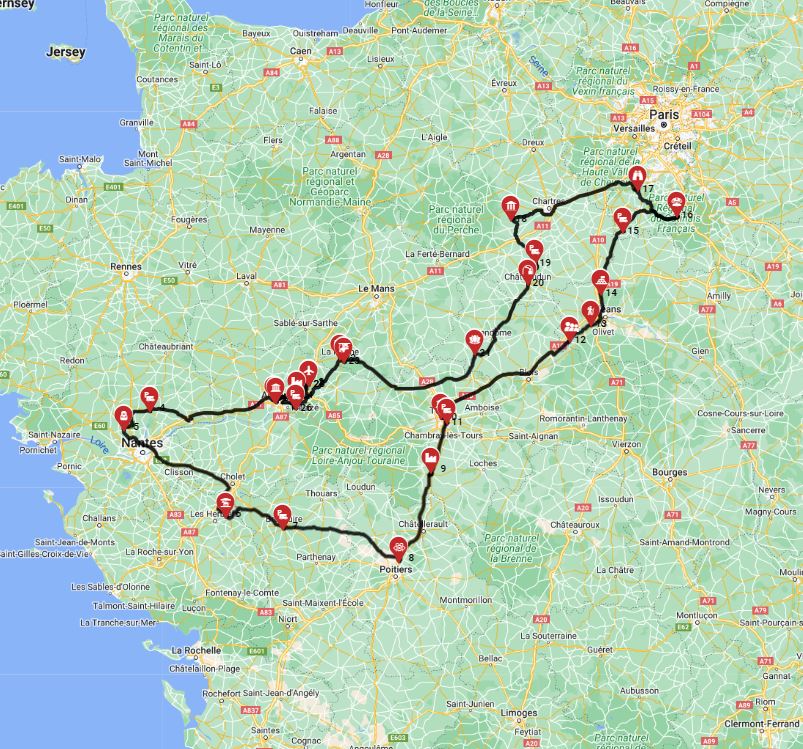
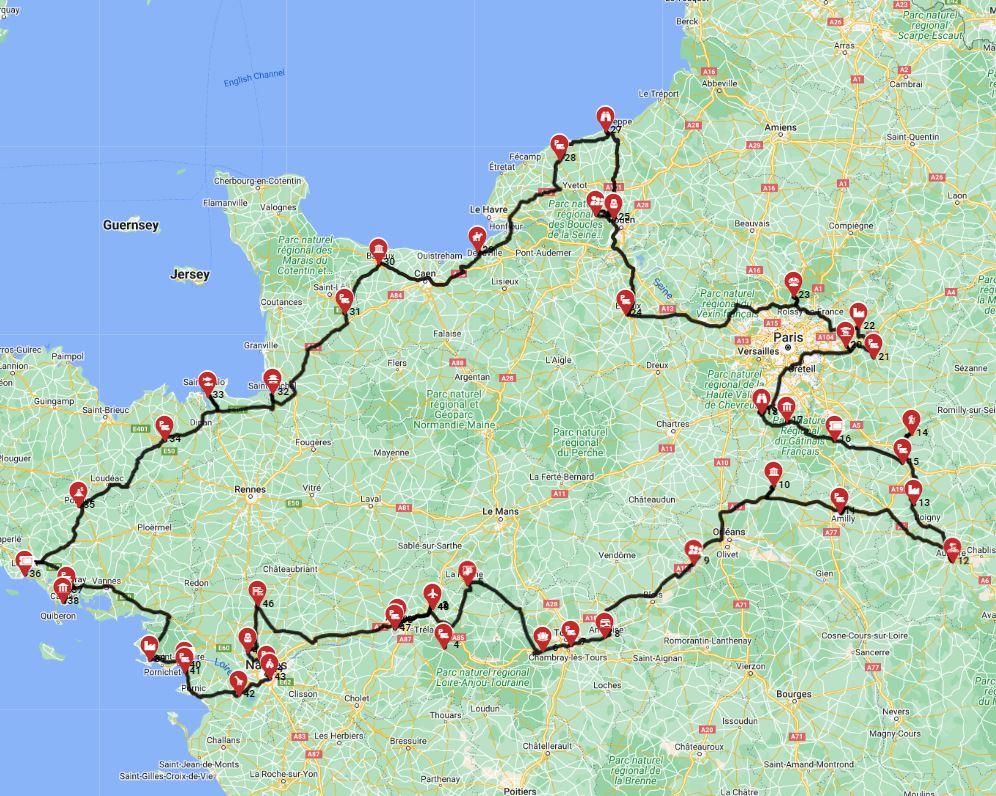
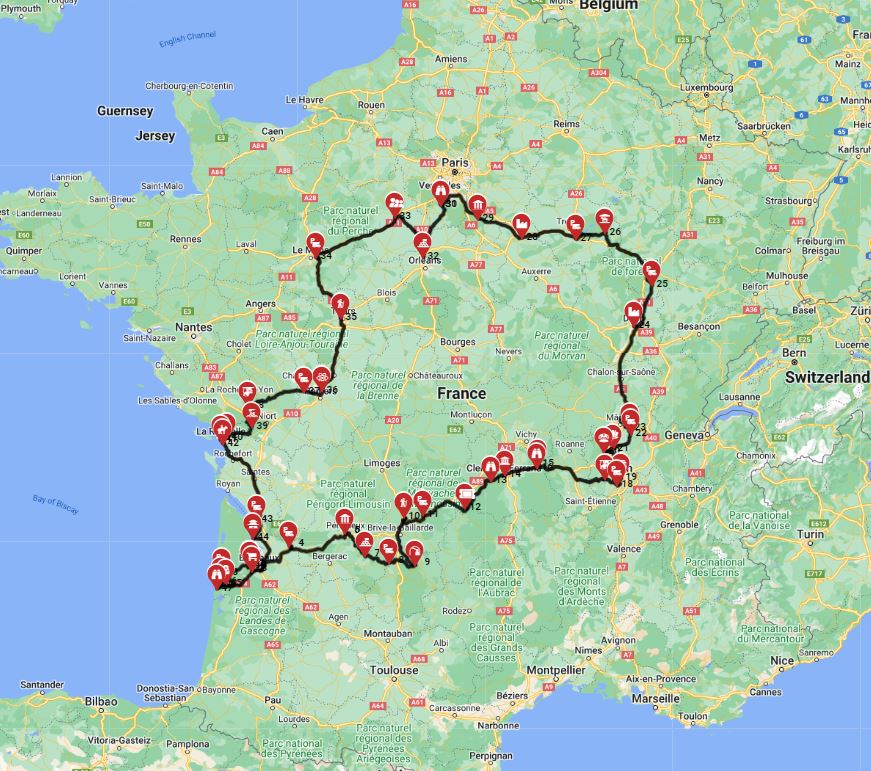
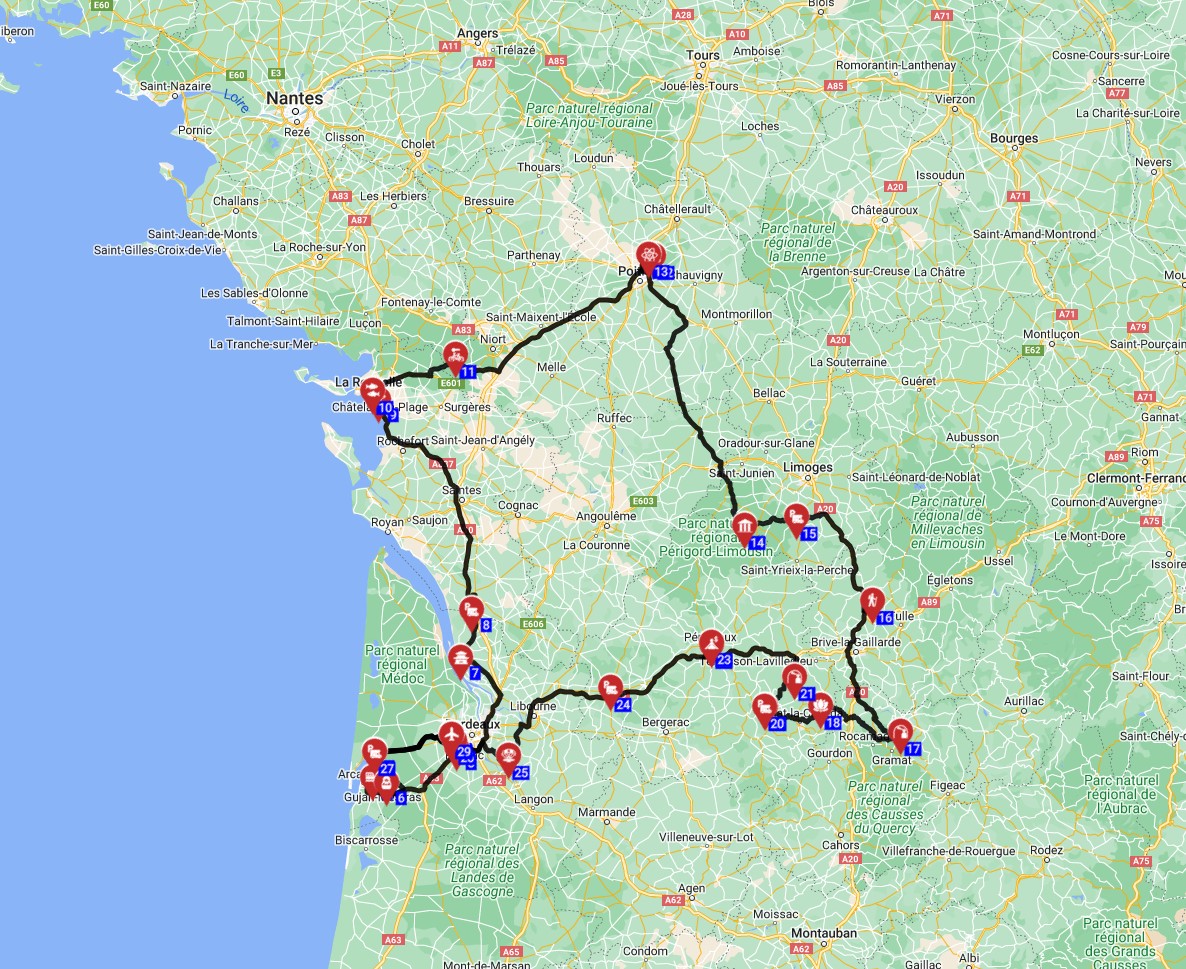
A typical daily budget for RV travel in France, excluding the rental cost, can range from €50 to €150, depending on your travel style and preferences. Fuel costs account for a significant portion, averaging €30-€70 per day for moderate driving (e.g., 150 km/day), considering current diesel and petrol prices. Campsite fees will typically add €15-€40 per night for a standard pitch, although budget-friendly 'Aires de Service' can sometimes be free or cost up to €15. Your food budget can range from €20-€40 daily if you primarily cook meals in your rented RV's kitchen, easily saving money compared to dining out, but allow €50-€100 if you plan to eat at restaurants regularly. Additionally, factor in allowances for tolls (€5-€15 per day depending on routes), activities, and sightseeing, which can add another €10-€30. For a truly detailed cost breakdown and to itemize every expense, exploring RV PLANET routes offers excellent tools for budgeting your trip.What are the rules for wild camping in France
Wild camping, or "camping sauvage," is generally prohibited by national law in France, particularly in protected natural areas, coastal regions, and near famous landmarks. While often tolerated in very remote, less populated rural areas, it is never guaranteed, and local municipalities can impose their own restrictions. To avoid issues, always seek explicit permission from landowners if considering parking overnight on private property. The most reliable and legal alternative for motorhome travelers is to utilize France's extensive network of 'Aires de Service' (motorhome service points) or designated campsites. These aires offer facilities for emptying chemical toilets and gray water tanks, and refilling fresh water, with many providing overnight parking for a small fee or sometimes for free. Remember to always practice 'leave no trace' principles and respect local signage to ensure a positive experience. Our team of true RV specialists is here to provide support before and during your booking process to help you understand these nuances.Can you park an RV anywhere in France
No, you cannot simply park a rented RV anywhere in France and set up camp; there is a distinct legal difference between parking and camping. You are generally allowed to park your motorhome where other vehicles can legally park, provided you respect local traffic laws, parking restrictions, and vehicle size limits. However, "camping" - which includes deploying an awning, setting out chairs or tables, or extending pop-out sections of your RV like in the "Denali Searcher 30 - Gold" - is restricted. Overnight camping is only permitted in designated campgrounds, on private land with the owner's explicit permission, or at official 'Aires de Service'. Always be on the lookout for "No Camping-Car" signs, which specifically prohibit motorhome parking or overnight stays, to avoid potential fines. Drive slowly and carefully, and you can drive almost anywhere without issues. No need to stress - just use common sense and pay attention to local signs.How much does a campsite cost per night in France
Campsite costs in France typically range from €15 to €40 per night for a standard pitch, offering a wide array of options for your pet-friendly RV adventure. Prices are largely influenced by the season, the campsite's location (coastal areas like the French Riviera are generally more expensive than rural inland regions), and the amenities offered. During peak season (July-August), premium campsites with swimming pools, entertainment, and beach access can easily exceed €40 per night. Conversely, simpler municipal sites or basic 'Aires de Service' can be much cheaper, sometimes free, or up to €15 for a pitch with services. For finding campsites and campgrounds during your trip, we recommend using RV PLANET (rvplan.net) - a great resource for locating available spots along your route and often includes pricing information. For example, a pet-friendly pitch at a campsite in the Dordogne might cost €25 in June, while a similar pitch on the Côte d'Azur could be €45.Can I buy an RV in France and bring it to the US
Buying an RV in France and importing it to the US is technically possible but is an extremely complex, costly, and generally impractical endeavor. European RVs rarely meet the stringent US Department of Transportation (DOT) and Environmental Protection Agency (EPA) standards, necessitating extensive and expensive modifications to comply. These modifications, coupled with significant shipping costs, import duties, and complex bureaucratic processes, make it far more economical to rent a motorhome for your French vacation and then purchase a US-spec RV domestically if you're looking to own one. Bandana focuses exclusively on RV rental for travelers, making it easy to enjoy the RV experience without the headaches of ownership or international import regulations.Top Cities for RV Rental in France
France offers numerous fantastic cities for picking up your pet friendly RV rental, each serving as a gateway to distinct regions and experiences. Our direct partnerships with over 50 leading RV suppliers worldwide, including trusted names, ensure a wide selection of Class B campervans, Class C motorhomes, and even larger Class A RVs across these locations.- **Paris:** The capital city provides excellent access to Northern France, the Loire Valley, and connections for your RV Rental Europe - Complete Guide 2026 journey. It offers a broad selection of motorhome rentals, including pet-friendly options perfect for starting a family adventure.
- **Nice:** On the stunning French Riviera, Nice is ideal for exploring the Côte d'Azur, Provence, and the Southern Alps. Imagine cruising with your dog in a "Comfort Standard" campervan along the coast.
- **Lyon:** Known for its gastronomy, Lyon is centrally located, making it a great starting point for exploring the Auvergne-Rhône-Alpes region, Burgundy, or even heading south towards the Massif Central.
- **Bordeaux:** The heart of wine country, Bordeaux offers pet-friendly RV rentals to explore vineyards, the Atlantic coast, and the Dordogne region. Consider a "Euro Camper" for a Week-Long RV Driving Tour in France 2026 through the countryside.
- **Marseille:** As France's oldest city and a major port, Marseille is your entry to the vibrant Mediterranean coastline, the Calanques National Park (check pet rules), and the diverse landscapes of Provence.
- **Toulouse:** The "Pink City" in the southwest is perfect for exploring the Pyrenees, the Canal du Midi, and the captivating Occitanie region with your furry friend in tow.
- **Nantes:** Located in western France, Nantes provides access to the Atlantic coast, Brittany, and the Pays de la Loire region, offering a mix of history, nature, and pet-friendly beaches.
- **Strasbourg:** Close to the German border, Strasbourg is a picturesque city in Alsace, perfect for exploring the Black Forest, the Vosges mountains, and charming Alsatian villages with your pet in a comfortable motorhome.
Country-Wide Practical Information for RV Travel in France
Navigating France in a rented RV with your pet requires some practical knowledge to ensure a smooth trip.Driving Rules and Road Conditions
France drives on the right side of the road, with steering wheels on the left. Speed limits are generally 130 km/h on motorways (110 km/h in rain), 80 km/h on rural roads, and 50 km/h in urban areas. Drive slowly and carefully, and you can drive almost anywhere without issues. No need to stress - just use common sense and pay attention. Many motorways are toll roads, which can be paid with a credit card at automated booths or with cash. An International Driving Permit (IDP) is recommended for visitors from non-English-speaking countries, although often not legally mandatory in most cases, it can be very helpful for identification. A standard car driver's license is sufficient for all motorhome classes (Class A, Class B, and Class C). For more detailed driving advice, our "Driving an RV in France - Complete Guide 2026" offers comprehensive insights.Fuel Types and Availability
Fuel stations are widely available, with most offering both Diesel (Gazole/Gas-oil) and Unleaded (Sans Plomb 95/98) petrol. Diesel is generally cheaper and more common for motorhomes. Some stations, particularly in rural areas, might be automated and require a credit card with a chip and PIN, which can sometimes be finicky with international cards. Planning your fuel stops, especially on Sundays or in remote areas, is a good idea.Emergency Numbers and Assistance
In case of an emergency in France, the universal European emergency number is 112 for all services (police, fire, ambulance). For roadside assistance with your rented motorhome, contact the number provided by your rental supplier. We offer 24/7 support for pre-booking inquiries, booking assistance, and post-booking coordination, ensuring you have help every step of the way.SIM Cards and Connectivity
Staying connected is easy in France. You can purchase local SIM cards from major providers like Orange, SFR, Bouygues Telecom, or Free Mobile at airports, train stations, or supermarkets. Prepaid data plans are affordable, typically offering several gigabytes for €10-€20, which is perfect for navigation, checking rvplan.net for campsites, and staying in touch. Many campgrounds also offer Wi-Fi, sometimes for a fee.What You Shouldn't Miss
Looking for expert insights from Avi Bandana? Top 5 Adventures - recommendations from Avi Bandana- **Wander the Loire Valley Châteaux:** Embark on a regal route with your pet, visiting iconic castles like Chambord and Chenonceau. Many château grounds welcome leashed dogs, offering picturesque walks and stunning photo opportunities.
- **Explore the Lavender Fields of Provence:** During June and July, immerse yourself in the fragrant, purple landscapes. Find a scenic spot to park your campervan, like a "Category Urban Van AT", and let your dog enjoy the wide-open spaces while you soak in the beauty.
- **Hike the French Alps:** Take your pet on an unforgettable adventure through the breathtaking mountain trails. Numerous trails are dog-friendly, and a robust motorhome like a "City Adventure 4x4" makes accessing remote trailheads a breeze.
- **Cycle the Canal du Midi:** Rent bicycles (some come with dog trailers!) and pedal alongside this historic canal, a UNESCO World Heritage site, linking the Atlantic to the Mediterranean. Enjoy leisurely rides with your pet, stopping at charming villages along the way.
- **Savor Normandy's Coastal Charms:** Drive your rented RV along the dramatic cliffs of Etretat and visit the historic D-Day beaches. Many coastal towns offer pet-friendly lodging options and ample opportunities for seaside strolls.
Final Thoughts
Embarking on a pet-friendly RV adventure in France is an incredible way to create lasting memories with your entire family, including your furry companions. From the sun-drenched vineyards to the majestic Alps, France offers a diverse tapestry of experiences waiting to be discovered at your own pace. Remember to travel slowly, averaging a maximum of 100-150 km per day, to truly feel the place, connect to the culture, the exquisite food, and the stunning scenery. With Bandana Caravan, you’re choosing a partner committed to full transparency, honest pricing, and dedicated support every step of the way, from comparing options to confirming your booking. We are true RV specialists who understand the nuances of the open road and the joy of traveling with pets. So, take the leap, imagine yourself exploring charming French villages with your dog trotting happily beside you, and start planning your unforgettable journey today. Discover top destinations, planning tips, all in one place!On the routes offered through RV PLANET routes, you can itemize and track every expense along the way for easy budgeting.