For live availability and current prices, start with our RV Rental France - Complete Guide 2026 guide.
In This Guide
- Can You Drive an RV in France? License & Age Rules
- Road Conditions & Terrain in France
- RV Size Limits, Bridges & Restricted Zones
- Fuel: Diesel vs. Petrol & Cost per 100 km
- Tolls, Vignettes & Border Rules
- Driving Tips for Weekly RV Rental Travelers
- Recommended RV Class for France Roads
- Should I Choose a Compact Van Instead of a Large RV in France?
- Can I Park Anywhere? Free & Wild Camping Rules in France
- Can I Drive an RV Into the City Center? Heights, Tunnels & Local Signage
- How Much Does a Weekly RV Rental in France Truly Cost?
- When is the Best Time to Rent an RV in France for a Week?
- What are the Best Routes and Destinations for a Weekly RV Rental in France?
- Top Cities for RV Rental in France
- What Should I Pack and Prepare for a Weekly RV Trip in France?
- How Can I Practice Sustainable RV Travel in France?
- What You Shouldn't Miss
- Why Book with Bandana Caravan
- Final Thoughts
- Frequently Asked Questions
Imagine yourself traversing picturesque landscapes, from the sun-drenched lavender fields of Provence to the historic battlefields of Normandy, all from the comfort and flexibility of your very own rented motorhome. A week-long RV driving tour in France offers an unparalleled sense of freedom and immersion, allowing you to discover charming villages, savor local cuisine, and connect with the country's rich culture at your own pace. With Bandana RV, we specialize in helping you find the perfect weekly RV rental in France, ensuring a journey filled with unforgettable memories.
For live availability and current prices, start with our RV Rental France - Complete Guide 2024 guide. Planning your trip with a rented campervan means you're not just booking a vacation, you're unlocking an adventure where every turn brings a new discovery.
Can You Drive an RV in France? License & Age Rules
Yes, most international visitors can drive an RV in France with their home country's standard driver's license, provided it is valid for vehicles up to 3.5 tonnes (approximately 7,700 lbs). An International Driving Permit (IDP) is highly recommended for visitors from non-English-speaking countries to ensure smooth communication with authorities, though it is not strictly mandatory in all cases for all nationalities. For rented motorhomes exceeding 3.5 tonnes, a higher license category (e.g., C1 or C depending on weight) is generally required, aligning with European driving standards.
The minimum age to rent an RV in France is typically 21 years old across most suppliers, and unlike some destinations, there are generally no young driver surcharges or vehicle class restrictions based on age with Bandana's partners. This means travelers aged 21 and above can often access a wide range of motorhome and campervan options, from compact Class B models to larger Class C vehicles, without additional fees. Always ensure your license is valid and carry both your physical license and the recommended IDP when driving in France to avoid any issues.
We work with suppliers like El Monte, Cruise America, Apollo, and Britz to provide full transparency on all rental requirements, ensuring you have all the necessary information before you book.
Road Conditions & Terrain in France
France boasts an excellent network of well-maintained roads, including extensive motorways (autoroutes), national routes (routes nationales), and charming departmental roads (routes départementales) perfect for weekly RV rentals. These roads offer a mix of fast, efficient travel between major cities and slower, scenic routes through rural areas, allowing for diverse travel experiences.
Terrain varies significantly across France, from the flat plains of the Loire Valley and the rolling hills of Normandy to the challenging mountain passes of the Alps and Pyrenees, requiring careful driving. Expect smooth driving on major routes, but be prepared for narrower, winding roads in rural areas, historic villages, and mountainous regions, where slower, scenic driving is encouraged to appreciate the landscape. Urban areas can have dense traffic and narrower streets, especially in city centers, making planning ahead for parking and routes essential for larger RVs. Drive slowly and carefully, and you can drive almost anywhere without issues. No need to stress - just use common sense and pay attention to signage.
🎬 Video coming soon
RV Size Limits, Bridges & Restricted Zones
Drivers of weekly RV rentals in France must be aware of various size restrictions, including height limits, particularly under bridges, in tunnels, and entering parking garages, which are commonly marked in meters. While most main roads and autoroutes accommodate larger RVs, low bridges and narrow passages are prevalent in older towns and rural areas, making it crucial to always check for signage indicating maximum height, width, and weight (PTAC - Poids Total Autorisé en Charge).
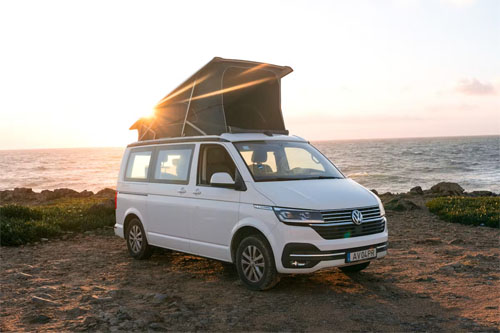
France has implemented Crit'Air environmental zones (Zones à Faibles Émissions or ZFEs) in several major cities like Paris, Lyon, and Marseille, requiring vehicles to display a corresponding sticker to enter during certain hours or days. When planning to use ferries, especially to Corsica or across the English Channel, RV dimensions directly impact booking availability and cost, as length and height determine the vehicle category and deck space required. Always check ferry operator requirements well in advance. Bandana RV offers a wide range of rented motorhomes and campervans, including Class B Camper Vans (averaging 5.8 meters in length) like the 'Active Pop Top Select' or 'Combi Van', which are ideal for navigating tighter spaces and historical city peripheries.
Fuel: Diesel vs. Petrol & Cost per 100 km
Diesel (Gazole) is the predominant fuel type for RVs in France, widely available at most service stations, while Petrol (Essence) is also readily accessible for smaller campervans. France has a comprehensive network of fuel stations, particularly along major routes and in larger towns.
Bandana's global fleet averages indicate that a Class SI - Semi-integrated RV typically consumes 10-11 Liters/100 km, a Class C - Alcove consumes 10-12 Liters/100 km, and a Class B - Camper Van uses 8-10 Liters/100 km. As of 2024, the average cost per 100 km for an RV in France can vary significantly based on dynamic fuel prices, but for a diesel RV consuming 10L/100km, budgeting around €17-€20 per 100 km is a reasonable estimate (assuming €1.70-€2.00/liter). Planning your route to factor in fuel stops, especially in more remote regions, is always a good idea. On the routes offered through RV PLANET routes, you can itemize and track every expense along the way for easy budgeting.
Tolls, Vignettes & Border Rules
France primarily uses a distance-based toll (péage) system on its autoroutes, collected at toll booths, rather than a vignette system like some neighboring countries such as Switzerland or Austria. Tolls can be paid with credit/debit cards or cash, but electronic toll badges (like a Liber-t tag) can make travel smoother by allowing passage through dedicated lanes without stopping, and some rented motorhomes allow pre-purchasing these passes to avoid fines and save time.
When planning a weekly RV rental in France that might cross borders into other European countries, be aware that neighboring nations often have their own specific road tax or toll systems. For example, Switzerland and Austria require vignettes for motorway use, and Italy also has a distance-based toll system. Always check the specific toll requirements for your planned route and vehicle class, as RVs are often categorized differently than standard cars, typically falling into 'Classe 2' or 'Classe 3' depending on height and axle count. This highlights Bandana's commitment to full transparency, ensuring you're aware of all potential costs upfront.
Driving Tips for Weekly RV Rental Travelers
Patience is key when driving a rented RV in France: embrace a relaxed pace, especially on smaller rural roads and when navigating historic towns, allowing plenty of time for stops to enjoy local sights and food. French drivers are generally courteous, but expect a faster pace on autoroutes.
Effective route planning is crucial; utilize GPS specifically designed for RVs to account for vehicle dimensions, helping avoid low bridges or narrow streets, which is vital for a smooth weekly rental experience. Travel slowly, max 100-150 km per day on average. Take time to feel the place, connect to the culture, the food, and the scenery. If traveling with family, plan stops every 2-3 hours at Aires de Repos (rest areas) or scenic viewpoints to stretch legs and prevent fatigue, making the journey enjoyable for everyone.
For budget-conscious driving, pre-paying for tolls or using electronic tags (if offered by your rental supplier) can save time and potential surcharges, while driving conservatively reduces fuel consumption. Be mindful of local etiquette: adhere to speed limits (which are lower for RVs than cars on certain roads), give way to traffic from the right at some rural intersections (priorité à droite), and greet locals with 'Bonjour' for positive interactions. Comparing suppliers through Bandana RV, specialists in RV travel since 2001, ensures you get the best advice and a reliable vehicle for your adventure.
Recommended RV Class for France Roads
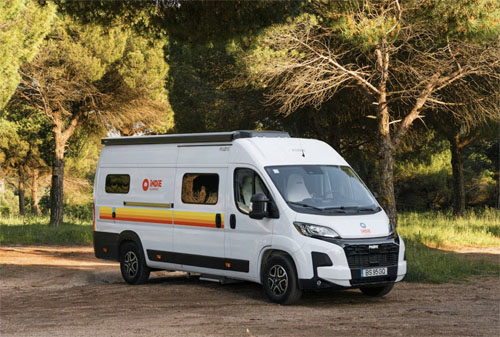
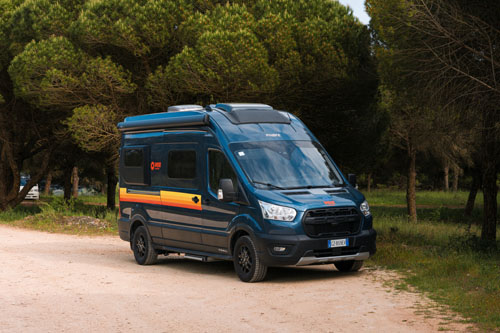
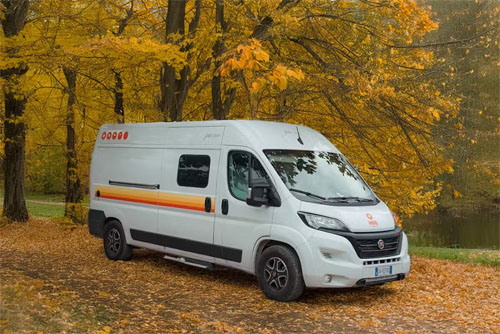
For a weekly RV rental in France, the Class SI - Semi-integrated motorhome offers an excellent balance of comfort and maneuverability, making it highly recommended for diverse French road conditions. Bandana's global fleet averages for Class SI - Semi-integrated RVs show an average length of 6.9 meters, which is manageable for most national and departmental roads, providing sufficient space for 3-4 adults.
Alternatively, the Class B - Camper Van, often averaging 5.8 meters in length, is ideal for those prioritizing agility and ease of parking, especially when exploring charming, smaller villages or navigating urban peripheries. These compact models are significantly easier to handle on narrower roads and more fuel-efficient, with common consumption around 8-10 Liters/100 km. While larger Class C - Alcove and Class A - Integrated motorhomes (averaging 7.5 meters) offer more living space, their increased length can be more challenging in historic centers or very winding mountain passes, though they are still perfectly viable for main routes. Choosing the right size ensures a comfortable and stress-free discovery of France.
Should I Choose a Compact Van Instead of a Large RV in France?
While a compact van, like a Class B - Camper Van, offers superior maneuverability and easier parking, choosing a larger RV for a weekly rental in France often provides enhanced comfort and indoor space, which generally outweighs minor driving challenges on most French roads. A compact van genuinely helps when planning to frequently visit tight historic city centers, navigate extremely narrow mountain passes, or squeeze into smaller, more remote campsites, due to its average length of 5.8 meters (Bandana's Class B).
However, for a typical week-long RV rental covering various regions, the additional living space, separate sleeping areas, and larger amenities of a Class SI - Semi-integrated (avg. 6.9m) or even a Class C - Alcove (avg. 7.5m) often provide a more comfortable and relaxed travel experience for families or groups. The trade-off is minimal for most itineraries, as main French roads are generally well-suited for motorhomes up to 7.5 meters, and proper route planning can mitigate issues in more constrained areas. Remember, driving slowly and carefully, and using common sense and paying attention, means you can drive almost anywhere without issues, regardless of RV size.
Can I Park Anywhere? Free & Wild Camping Rules in France
While strict 'wild camping' (bivouacking) is generally prohibited in France outside of designated areas, overnight parking in a rented RV is often permitted in many non-private locations, especially in rural areas, provided local regulations are respected. France has an extensive network of over 3,000 'Aires de Service pour Camping-Cars' - dedicated motorhome service areas, often free or low-cost, offering parking, water, and waste disposal, making them ideal for weekly RV travelers.
It is crucial to avoid parking overnight in protected natural sites (national parks, nature reserves), on private property without permission, or where 'No Camping' or 'No Overnight Parking' signs are clearly displayed. Always aim for responsible travel: leave no trace, manage waste properly, support local businesses, and be courteous to residents to ensure continued acceptance of RV travel. Rules vary by region, so always check local regulations and follow local law before parking overnight. For finding campsites and campgrounds during your trip, we recommend using RV PLANET (rvplan.net) - a great resource for locating available spots along your route.
Can I Drive an RV Into the City Center? Heights, Tunnels & Local Signage
Yes, you can generally drive a rented RV into most French city centers, but careful attention to local signage regarding height limits, tunnels, low bridges, and environmental zones (Crit'Air) is absolutely essential. Major cities like Paris and Lyon have specific environmental zones that require a Crit'Air sticker, and older, historic centers often feature narrow, winding streets not ideally suited for very large RVs.
Always be on the lookout for blue signs indicating maximum height (gabarit) or width, as well as 'residents only' or 'pedestrian zone' restrictions, which may prohibit RV access during certain times. While driving through city centers is possible, parking can be extremely challenging and expensive for RVs, making it more practical to park on the outskirts or at dedicated RV parks and use public transport to explore the core. Drive slowly and carefully, and you can drive almost anywhere without issues. No need to stress - just use common sense and pay attention.
How Much Does a Weekly RV Rental in France Truly Cost?
A weekly RV rental in France can range from €700 to €1500+ depending on the RV class, season, and amenities, but the total trip cost involves much more than just the rental fee, necessitating detailed budgeting. Prices are dynamic, similar to flight tickets, changing daily based on availability, seasonality, and supplier marketing decisions. The final price is set at the actual booking time. Beyond the base rental, budget for significant costs like fuel (an average Class SI - Semi-integrated consumes 10-11 Liters/100 km, adding around €17-€22 per 100 km), tolls (France uses a distance-based system on autoroutes), and insurance deductibles or optional coverage.
Additional expenses include campsite fees (from €15-€40 per night for a powered pitch), food and groceries, dining out experiences (especially for exploring local French cuisine), and entrance fees for attractions and activities. Factor in potential ancillary costs such as cleaning charges, mileage limits (though many rentals offer unlimited mileage), additional driver fees, or equipment rentals (e.g., bedding, kitchen kits). Money-saving tips include booking rentals and campsites well in advance (booking 90+ days ahead can save an average of 25% for a weekly RV rental in France), cooking most meals in your RV kitchen RV-friendly recipes playlist, utilizing free Aires de Service, and traveling during the shoulder seasons (May-June, September-October) to avoid peak prices. For comprehensive budgeting, RV PLANET routes allow travelers to itemize and track every expense along the way.
Cost by Group Type: Weekly RV Rental for Couples vs. Families with Kids in France
The weekly RV rental cost in France for couples versus families with kids primarily differs based on vehicle size and associated amenities. Couples often opt for a smaller, more fuel-efficient Class B Camper Van, such as the 'Active Classic' or 'Duo - Campervan', which might cost €700-€1000 per week. These vehicles are nimble, easy to park, and typically sleep 2-3 people comfortably.
Families with 4-6 people, on the other hand, usually require a larger Class C - Alcove or Class SI - Semi-integrated motorhome like the 'Comfort Family 5' or 'Euro Deluxe', ranging from €1000-€1500+ per week. These larger models offer more sleeping berths (e.g., a 'Cat C - Sky 500' can sleep up to 6 with three double beds), a larger kitchen, and often more storage space, providing enhanced comfort for longer trips. Regardless of group size, Bandana RV provides full transparency on all costs, with no hidden fees or surprises at pickup, helping you find the ideal vehicle for your budget.
Can I Find Last-Minute Weekly RV Rental Deals in France?
Yes, finding last-minute weekly RV rental deals in France is certainly possible, though availability and prices can be dynamic, changing daily based on demand and supplier decisions. While pre-planning can secure specific models and better rates (e.g., booking 3-6 months ahead can save 15-20%), spontaneous travelers often find opportunities for shorter, week-long trips. Suppliers may offer discounts to fill last-minute gaps in their fleet, especially during the shoulder seasons or outside major holidays.
For spontaneous adventurers, it's worth noting that many national and state parks reserve only 25-30% of their spots for advance booking, leaving the rest available on a first-come-first-serve basis. This means even if you book your RV last minute, you'll likely find a spot – if not at the first campground, then at the next one nearby. Always call ahead before driving a long distance to confirm availability. Bandana RV compares final prices across 50+ suppliers, including El Monte and Apollo, making it easier to spot those last-minute opportunities.
I'm Flexible - How Do I Find the Cheapest Weekly RV Rental in France?
If you are flexible, you can find the cheapest weekly RV rental in France by leveraging off-peak travel dates, considering various pickup locations, and being open to different vehicle models. Prices are dynamic and fluctuate significantly with seasonality; traveling in the shoulder seasons (April-May or September-October) rather than peak summer (July-August) can lead to substantial savings, potentially reducing costs by 10-30%.
Using a comparison platform like Bandana RV allows you to easily compare final prices across numerous suppliers, ensuring you see exactly what you'll pay without hidden fees. Experiment with flexible dates (e.g., adjusting your trip by a few days) and pickup locations within France, as rates can vary between major cities like Paris, Lyon, Bordeaux, and Marseille. Sometimes, picking up a day earlier or later can yield a better deal. Consider slightly older models or smaller Class B Camper Vans, which are often more budget-friendly than brand-new, larger Class A or C motorhomes.
When is the Best Time to Rent an RV in France for a Week?
The best time to rent an RV in France for a week depends heavily on your desired weather, crowd levels, and regional events, with shoulder seasons (May-June and September-October) often offering an ideal balance. Spring (April-May) provides pleasant temperatures (averaging 15-20°C/59-68°F), blooming landscapes, and fewer crowds, making it excellent for exploring central and western France. You'll find many campsites opening up and local markets bustling without the intense summer heat.
Summer (June-August) is peak season, offering warm weather (averaging 25-30°C/77-86°F) perfect for coastal regions and festivals, but expect higher prices, crowded campsites, and popular tourist spots like Paris to be bustling. Autumn (September-October) brings mild weather (averaging 15-20°C/59-68°F), vibrant fall foliage, especially in wine regions like Bordeaux, and significantly fewer tourists, making it an excellent time for a more tranquil experience. Winter (November-March) is generally off-season, with colder temperatures and many campsites closed, suitable only for those seeking winter sports in the Alps or a quiet, bundled-up tour, though coastal areas like the French Riviera remain milder with average temperatures around 10-15°C/50-59°F. Remember to book earlier for peak season travel, ideally 3-6 months in advance, to secure your preferred rented motorhome or campervan.
What are the Best Routes and Destinations for a Weekly RV Rental in France?
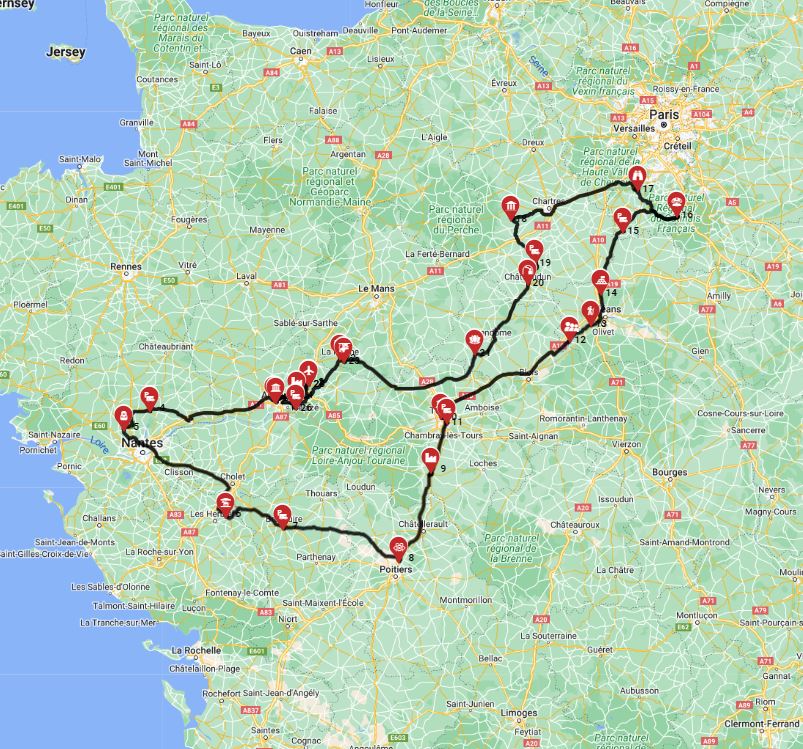
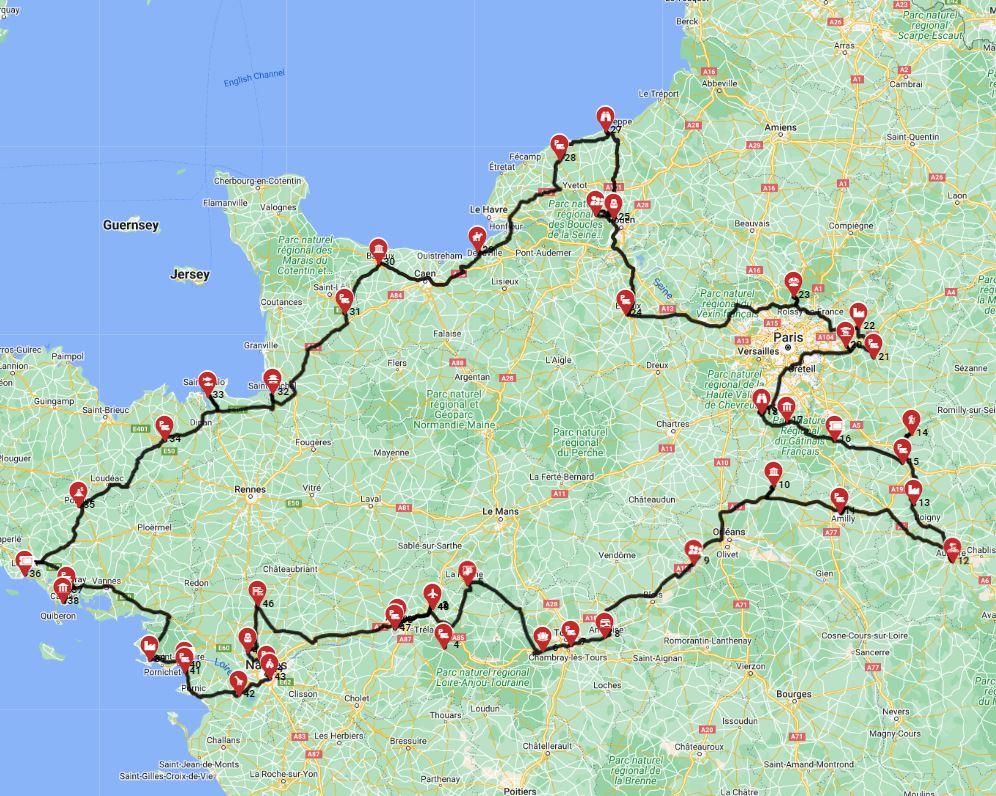
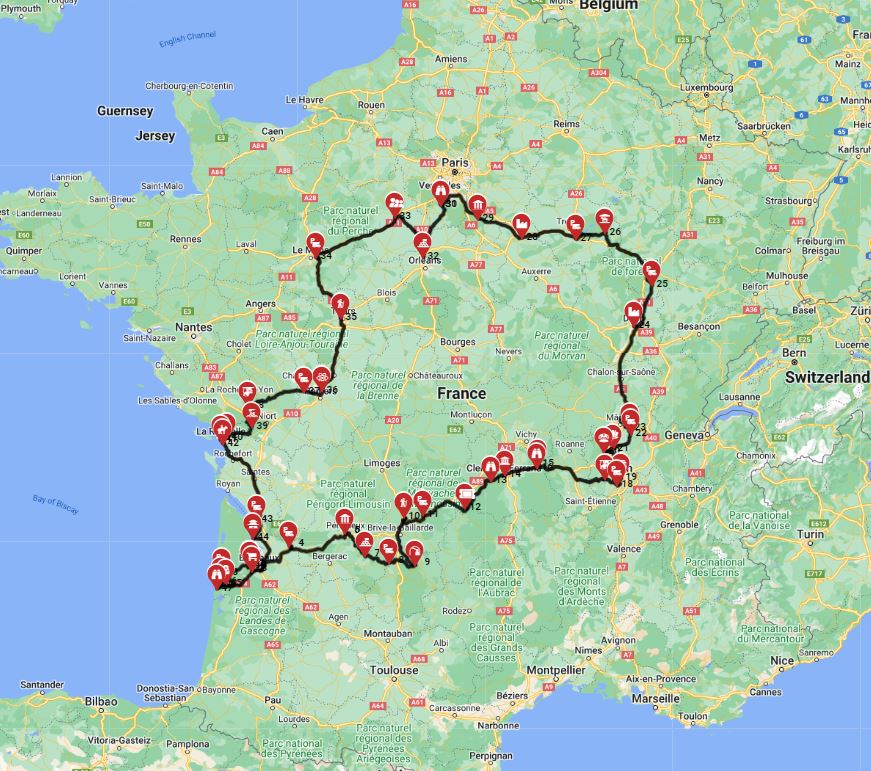
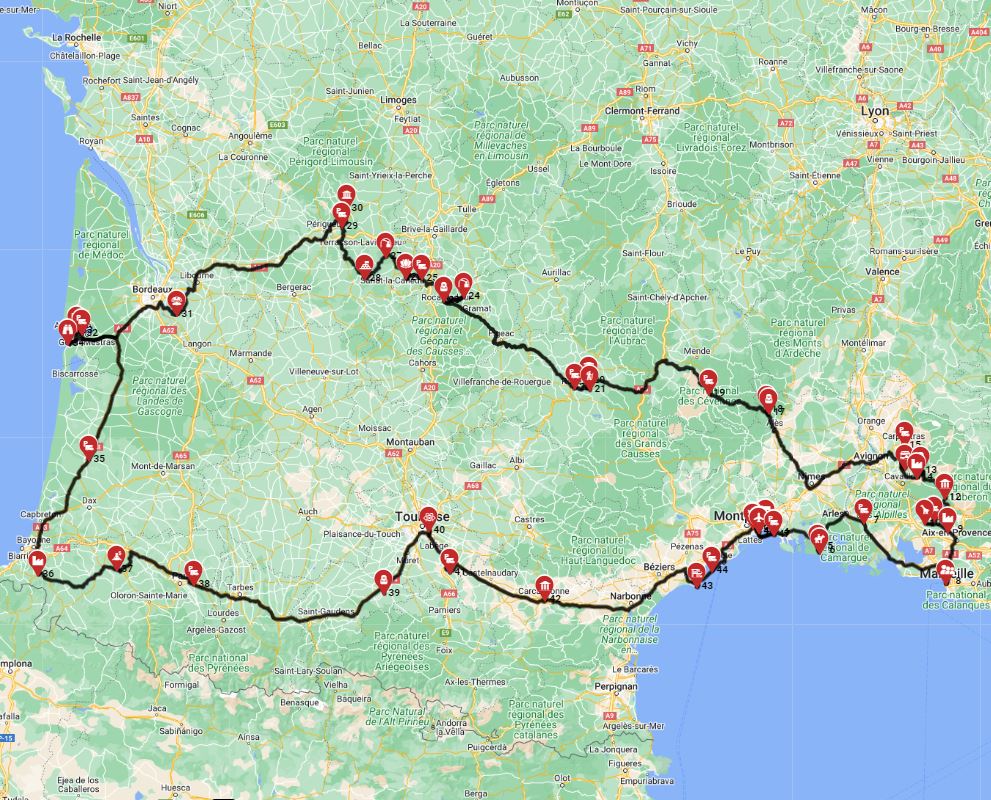
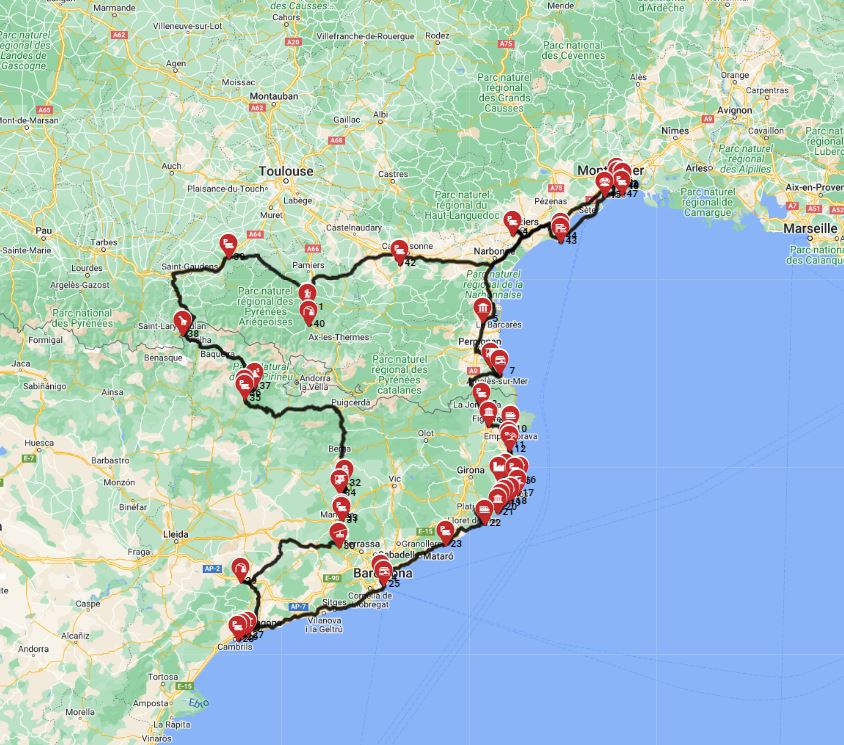
For a weekly RV rental in France, popular and rewarding routes include exploring the châteaux of the Loire Valley, touring the lavender fields of Provence, or discovering the historic charm of Normandy and Brittany. Travel slowly, max 100-150 km per day on average, to truly immerse yourself in each region's unique offerings.
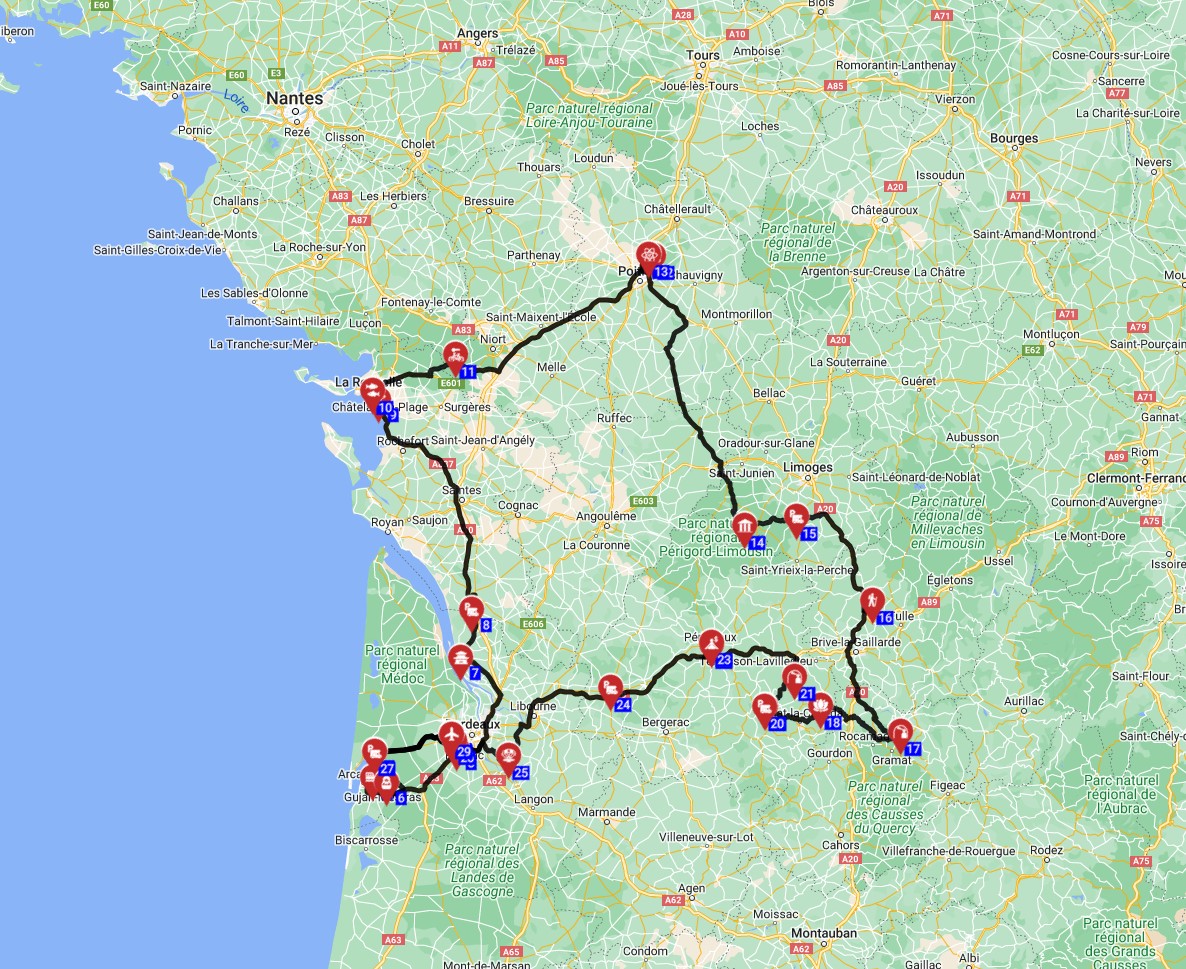
Central and Western France: Consider routes through regions like the Dordogne for prehistoric caves and medieval villages, or the Atlantic coast for stunning beaches and seafood, offering off-the-beaten-path experiences. A week is perfect for meandering along the Route des Vins d'Alsace or exploring the diverse landscapes of Occitanie.
Northern France and Normandy: A week-long trip can encompass the D-Day landing beaches, the iconic Mont Saint-Michel, and charming port towns like Honfleur, with relatively easy access for your rented motorhome. Mentioning this destination naturally connects to your RV Rental Europe - Complete Guide 2024.
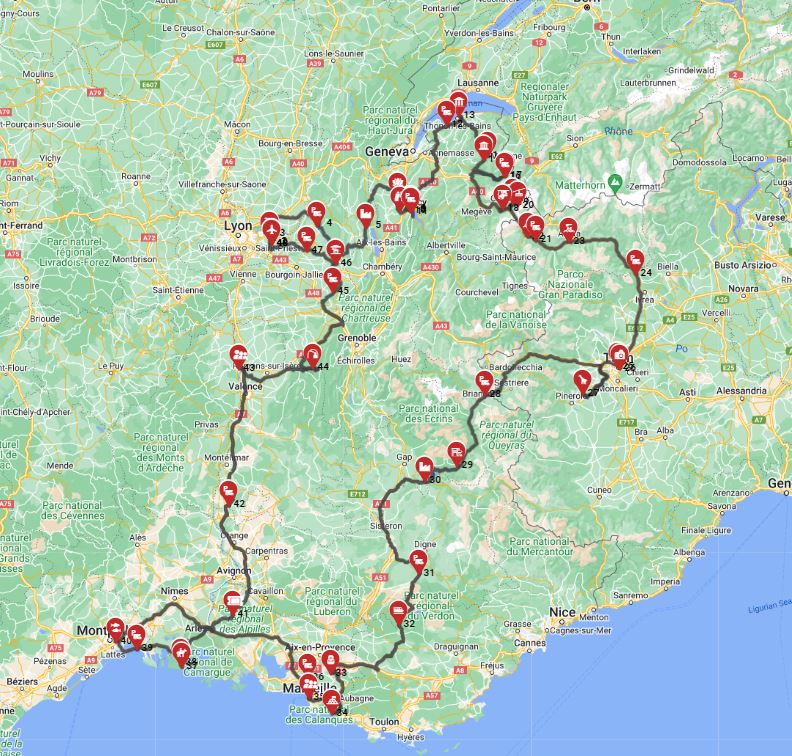
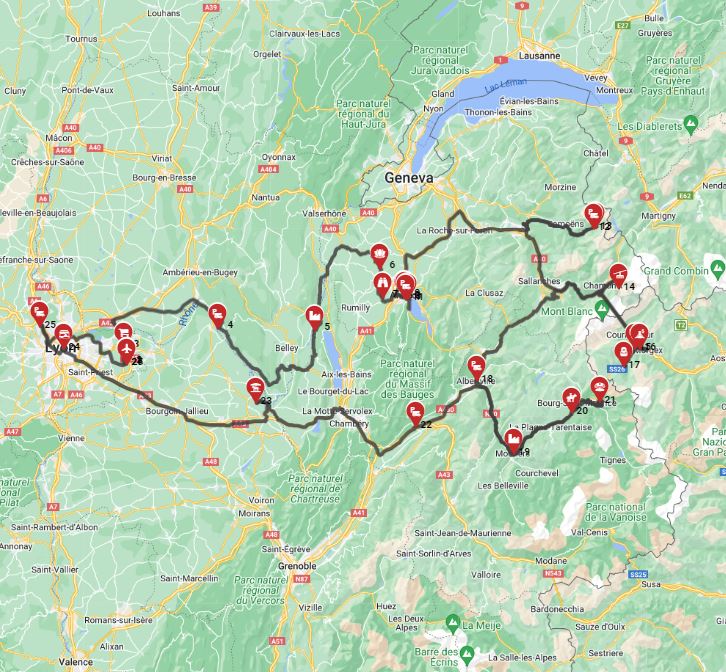
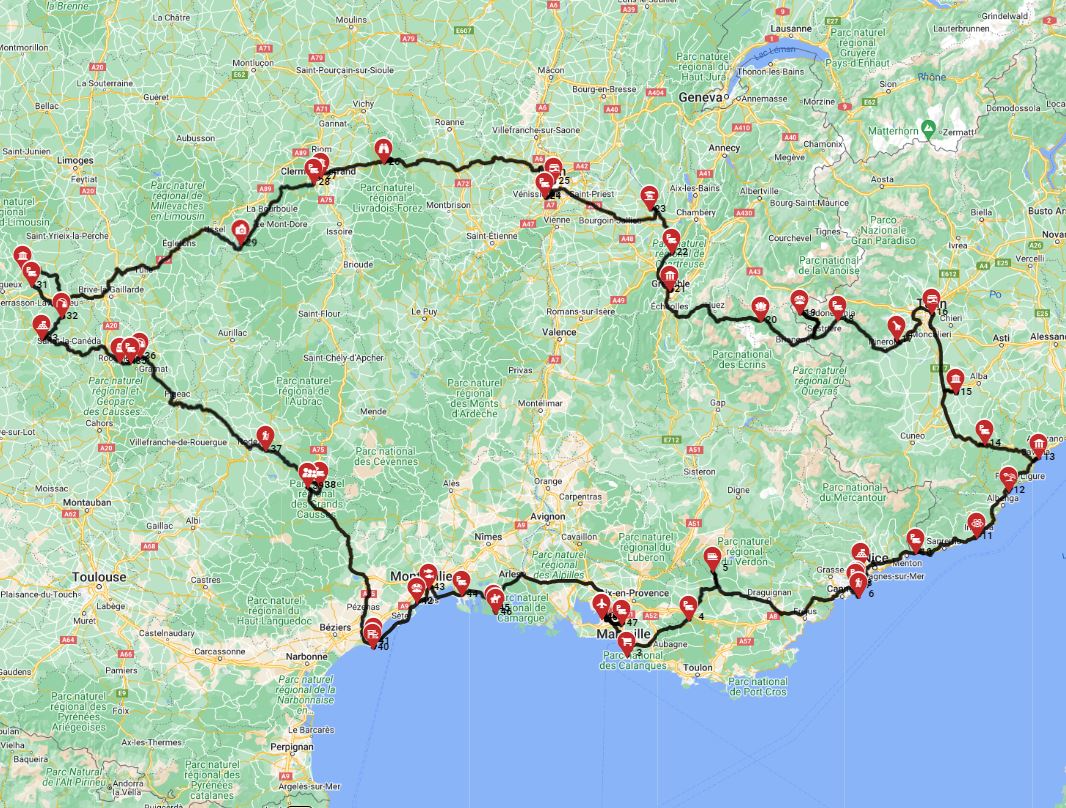
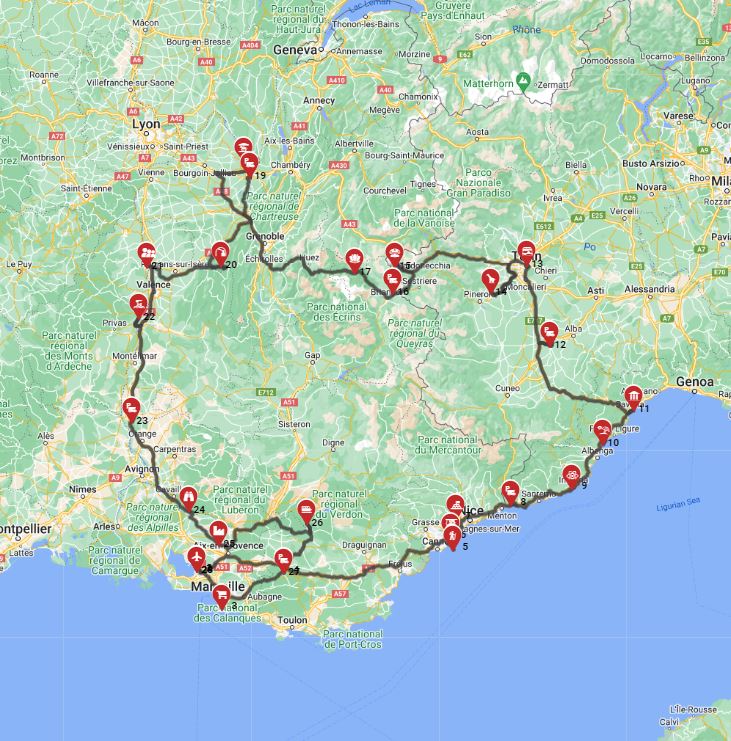
Southern France: For a more active week, the Gorges du Verdon (Europe's Grand Canyon) or the Pyrenees offer incredible natural beauty and outdoor activities, away from the typical tourist crowds. For truly unique local activities, seek out regional markets (marchés) for fresh produce and artisan goods, local festivals (fêtes) celebrating food, wine, or music, or small, family-run vineyards that offer tastings, enhancing your authentic French cultural immersion. Many such pre-planned routes and itineraries are available through Bandana's sister company, RV PLANET (rvplan.net), which offers over 1,300 professionally designed routes across 5 continents, including France, often with a 25% planning discount when you use the service.
Top Cities for RV Rental in France
France offers numerous excellent starting points for your weekly RV adventure, each providing unique access to different regions and attractions. Here are some of the top cities for picking up a rented motorhome or campervan:
- Paris: As the capital, Paris provides excellent international flight connections and a wide range of rental options. While driving an RV in Paris city center can be busy, parking on the outskirts and using public transport is efficient. From Paris, you can easily head to the Loire Valley or Normandy.
- Nice (French Riviera): A popular choice for coastal adventures, Nice offers access to the stunning Côte d'Azur, Provence, and even Italy. Imagine cruising the scenic coastal roads in your rented campervan!
- Bordeaux: Nestled in the heart of a renowned wine region, Bordeaux is perfect for wine enthusiasts wanting to explore vineyards and charming towns. This city is also a great gateway to the Atlantic coast.
- Lyon: France's gastronomic capital, Lyon, is ideally located for trips to the French Alps, Burgundy, or Provence. It's a fantastic cultural hub to begin a culinary-focused RV tour.
- Marseille: As France's oldest city and a major port, Marseille offers a vibrant Mediterranean atmosphere and is a superb starting point for exploring Provence, the Calanques, or even taking a ferry to Corsica.
- Toulouse: Known as the "Pink City," Toulouse in the Occitanie region is a great base for exploring the Pyrenees, the Canal du Midi, or the Cathar castles, offering a different flavor of French culture.
- Nantes: Located in the Loire-Atlantique region, Nantes provides access to the Atlantic coast, the historic Brittany region, and the western Loire Valley, blending city life with natural beauty.
- Strasbourg: Situated in Alsace near the German border, Strasbourg is perfect for exploring the charming Alsatian wine route, picturesque villages, and the Vosges mountains.
No matter which city you choose, Bandana RV provides unparalleled options and transparent pricing across 50+ leading suppliers, making it easy to compare and book your perfect weekly RV rental for France.
What Should I Pack and Prepare for a Weekly RV Trip in France?
For a weekly RV trip in France, essential packing includes comfortable clothing suitable for varying weather (layers are key), reliable navigation tools (a GPS with RV-specific features is recommended, along with physical maps as a backup), and crucial documents like your passport, valid driver's license, and an International Driving Permit (IDP). Many rented motorhomes come equipped with basic kitchen supplies (pots, pans, utensils) and bedding, but always check with your supplier in advance to confirm what's included to avoid surprises. You can upgrade to a top-level deductible for extra peace of mind, an optional upgrade not included by default in your rental.
Prepare for self-sufficiency by packing a first-aid kit, a European power adapter (Type E or F), and any specific items for outdoor activities like hiking, cycling, or beach visits. Given France's mobile network, consider a local SIM card or an international roaming plan for reliable internet access and emergency calls, enhancing preparedness in case of breakdowns or unforeseen events. Don't forget personal toiletries, towels, sturdy walking shoes, and a refillable water bottle to minimize plastic waste, aligning with sustainable travel practices. For added convenience, items like a small cooler for day trips, folding chairs, and an outdoor mat can greatly enhance your comfort at campsites and Aires de Service.
How Can I Practice Sustainable RV Travel in France?
Practicing sustainable RV travel in France involves minimizing your environmental footprint, managing waste responsibly, and actively supporting local economies and cultural etiquette. By choosing a rented RV, you already embrace a more flexible and often less impactful way to explore, but there's more you can do.
Minimize Environmental Impact: Drive efficiently by maintaining steady speeds and avoiding excessive idling to reduce fuel consumption, which for a Class SI - Semi-integrated RV is typically 10-11 Liters/100 km. Plan your routes to minimize unnecessary travel, focusing on slow travel, averaging max 100-150 km per day, allowing more time to connect with the scenery. Waste Management: Utilize designated recycling bins at campsites and Aires de Service, avoid single-use plastics by carrying reusable bottles and bags, and properly dispose of grey and black water only at authorized facilities. Never dump waste illegally.
Support Local Economies: Choose local markets (marchés) for groceries and fresh produce, dine at family-run restaurants, and purchase souvenirs from artisan shops rather than large chains. This not only enriches your experience but also directly benefits the communities you visit. Cultural Etiquette: Respect local customs, adhere to dress codes in religious sites, and observe noise regulations, especially in residential areas or quiet campsites, fostering positive interactions within the community. Consider choosing campsites with eco-labels or those committed to sustainable practices, and always leave your parking spot cleaner than you found it, embodying the 'leave no trace' principle. By following these tips, your weekly RV rental in France can be both memorable and responsible.
What You Shouldn't Miss
- Driving the Alsace Wine Route: Discover charming villages like Colmar and Riquewihr while sampling world-class wines, all easily accessible with your rented campervan.
- Exploring the Loire Valley Châteaux: Visit iconic castles such as Château de Chambord and Chenonceau, driving through picturesque countryside perfect for a Class C motorhome.
- A Week in Provence: Immerse yourself in the scent of lavender fields (seasonal, typically June-July), explore Roman ruins in Arles, and visit hilltop villages like Gordes, moving at a leisurely pace with your RV.
- Normandy's D-Day Beaches and Mont Saint-Michel: Experience profound history at Omaha Beach and witness the breathtaking tidal island of Mont Saint-Michel, ideal for a reflective RV journey.
- The Gorges du Verdon: Navigate Europe's Grand Canyon, offering stunning views and opportunities for hiking and kayaking, a perfect adventure for those who love natural wonders.
Looking for expert insights from Avi Bandana? Top 5 Adventures - recommendations from Avi Bandana
Final Thoughts
A week-long RV driving tour in France offers a truly enriching and flexible way to experience this magnificent country. From navigating charming villages to cruising scenic routes, your rented motorhome or campervan becomes your personal gateway to France's diverse landscapes and vibrant culture. We've covered everything from licensing and road conditions to budgeting and sustainable travel, aiming to equip you with the knowledge and confidence for an incredible journey.
Remember, Bandana RV is with you every step of the way, providing transparent pricing and expert guidance from true RV specialists. We're dedicated to ensuring your booking process is as smooth and enjoyable as your trip itself, helping you compare final prices and choose the perfect vehicle. So, pack your bags, plan your route slowly, and get ready to create lasting memories on the open roads of France!
Discover top destinations, planning tips, all in one place! Plan a trip itinerary in advance with minimal effort and maximum enjoyment. Get inspired for your next trip! Compare weekly RV Rental Prices for France now!