In This Guide
- What RV Rental Costs in France (2026)
- Seasonal Pricing - Peak vs. Shoulder vs. Off-Season in France
- What's Included vs. What's an Add-On
- Hidden Costs to Budget For in France
- How to Save on RV Rental in France
- What are the RV camping options in France beyond private sites?
- How much do tolls, fuel, and 'Aires de Service' cost for RVs in France?
- What RV size and type is best for navigating French roads?
- What are the visa and legal requirements for long-term RV trips in France?
- What cultural etiquette should RVers know when camping in France?
- Where are the best off-the-beaten-path RV destinations in France?
- What are the best tech and connectivity solutions for RV travel in France?
- What specific challenges might RV beginners face in France and how to overcome them?
- What You Shouldn't Miss
- Why Book with Bandana Caravan
- Final Thoughts
- Frequently Asked Questions
Embarking on an RV adventure in France as a beginner is an exciting and rewarding way to explore its stunning landscapes, rich history, and vibrant culture. Imagine waking up to the aroma of fresh croissants in a charming Provençal village or sipping local wine overlooking a vineyard in Bordeaux from the comfort of your rented motorhome. Our goal at Bandana RV is to make this dream a reality for you, offering full transparency and unwavering support every step of the way. For live availability and current prices, start with our RV Rental France - Complete Guide 2026 guide.
What RV Rental Costs in France (2026)
RV rental prices in France are dynamic, changing daily based on demand, season, and vehicle availability, similar to flight tickets. April is typically the cheapest month for RV rental in France, with compact campervans and Class B motorhomes starting from €70-€100 per day for a week-long trip. For a standard Class C motorhome, you might expect daily rates of €80-€150 during the shoulder season (May, June, September, October), while larger Class A motorhomes can range from €150-€300+ per day. The base rental rate usually includes basic insurance coverage and a set mileage allowance, which you should always confirm. To get the most accurate and up-to-date pricing for your specific travel dates and preferences, it is best to input them into our comparison platform.
RV Rental Cost by Duration in France
A 1-week RV rental trip in France, focusing on a compact campervan like a "Category Van" or "Active Standard" model with basic amenities, typically costs between €700-€1200 in the shoulder season for the rental itself. For a 2-week adventure in a comfortable 4-berth Class C motorhome (e.g., a "Comfort Standard" with a shower and toilet), expect to budget €1800-€3000 for the rental. A longer 1-month RV rental trip in France, perhaps in a larger 6-berth motorhome suitable for families, could range from €4000-€7000+ depending on the season and specific model chosen. These figures are for the rental vehicle only and do not include ancillary costs like fuel, campsites, or activities, which we'll discuss later. Flexible dates and early booking can significantly influence these prices. On the routes offered through RV PLANET routes, you can itemize and track every expense along the way for easy budgeting.
RV Rental Cost for Couples vs. Families with Kids in France
The cost of an RV rental in France varies considerably between couples and families due to differences in required vehicle size and amenities. A couple exploring France might opt for a compact campervan (Class B) or a small Class C motorhome, such as a "MiniVan" or "Active Classic," often finding options for €70-€150 per day in shoulder season. These smaller vehicles, typically 5-6 meters in length, are easier to maneuver on narrower roads and offer better fuel efficiency. Families with 2 kids (4 people) will likely prefer a Class C motorhome, like a "Category Family 5" or a "Comfort Family," which offers multiple sleeping areas (e.g., an over-cab bed and a convertible dinette) and a separate shower/toilet, priced from €120-€250+ per day. Larger families or groups of friends (6-7 people) requiring a 6-berth motorhome, such as an "Elnagh Baron 37" or a "Family Sleeper (FS)" with bunk beds and larger fresh/waste water tanks, would look at daily rates of €180-€350+ to ensure comfortable space and sufficient storage. Consider your group's size and comfort priorities when selecting a rental motorhome, keeping in mind that larger vehicles may incur slightly higher fuel and campsite fees.
Can I Find Last-Minute RV Rental Deals in France?
Yes, finding last-minute RV rental deals in France is possible, as prices are dynamic and change daily based on availability. While it is generally recommended to book in advance, especially for popular seasons, some suppliers may offer reduced rates on vehicles that are still available closer to the pickup date. Flexibility with your travel dates and pickup locations can increase your chances of finding a good deal. However, waiting until the last minute might also mean fewer vehicle options, particularly for popular models or during peak summer months. If your dates are firm, booking earlier usually guarantees a better selection and potentially lower rates. We consistently update our listings to reflect current pricing and availability, so checking back regularly can be beneficial.
I'm Flexible - How Do I Find the Cheapest RV Rental in France?
If your travel dates are flexible, you can significantly reduce the cost of your RV rental in France. Traveling during the shoulder season (May, June, September, October) or off-season (November-March) typically offers lower daily rates, with potential savings of 15-30% compared to peak summer. Consider mid-week pickups and drop-offs, as these can sometimes be cheaper than weekend rentals. Using our comparison tool allows you to easily compare prices across different suppliers and vehicle types for various dates, helping you spot the most economical options. Look for smaller campervans (Class B) for better fuel efficiency and lower rental costs, or inquire about longer rental durations, which often come with a reduced average daily rate. For instance, a 2-week rental may have a lower per-day cost than a single week. To stay updated on dynamic pricing, check our platform frequently for drops in flex-rates.
Seasonal Pricing - Peak vs. Shoulder vs. Off-Season in France
RV rental prices in France are significantly affected by the time of year, with distinct pricing tiers for peak, shoulder, and off-season travel. Peak season, running from July to August, sees the highest demand and consequently the highest daily rental prices, often reaching €200-€400+ per day for a comfortable 4-berth motorhome. During this time, competition for vehicles is intense, and prices fluctuate significantly day-to-day. The shoulder season, typically May-June and September-October, offers an excellent balance of pleasant weather and more moderate pricing, with average daily rates for a Class C motorhome falling into the €120-€250 range. This period is ideal for beginners, as campsites are less crowded, and temperatures are comfortable for outdoor activities. Off-season, from November to March (excluding holidays like Christmas or Easter), presents the lowest rental costs, often starting from €70-€150 per day, though fewer rental stations may be open, and weather can be unpredictable, especially in mountainous regions. Booking well in advance, particularly for peak and shoulder seasons (3-6 months), can help secure better rates and ensure wider vehicle availability.
What's Included vs. What's an Add-On
When you secure an RV rental in France, basic insurance, covering fundamental liabilities, is always included in the base rate. This typically provides essential protection, but many travelers opt for more comprehensive coverage for enhanced peace of mind. To see prices including the most comprehensive coverage options, simply select that feature during your search on our platform; all relevant insurance choices will then be displayed. Common add-ons that can enhance your journey include kitchen kits with pots, pans, and cutlery, bedding/linen packs for a comfortable night's sleep, and often unlimited mileage packages if you plan extensive travels across France. Other optional extras frequently include generator usage, a GPS navigation system (though many RVers use smartphone apps), and outdoor furniture like tables and chairs for al-fresco dining. Always verify the exact inclusions and available add-ons directly with your chosen RV and rental station, as offerings can vary widely between suppliers like El Monte, Apollo, and Britz. We ensure full transparency on all costs, so you'll never face hidden fees or surprises at pickup.
How to Save on RV Rental in France
Saving money on your RV rental in France involves strategic planning and flexibility. Booking your motorhome in the shoulder or off-season, such as April, May, September, or October, can significantly reduce daily rental rates by 15-30% compared to the busy summer months. Opting for a smaller RV class, like a Class B campervan or a compact Class C motorhome, if your group size permits (e.g., a "Paradise S/T" or "Active Standard" for 2-4 people), often results in lower rental costs and improved fuel efficiency, saving you money on two fronts. Renting for longer durations frequently lowers the average daily rate, making extended trips of two weeks or more more economical per day. Additionally, pre-purchasing toll usage or utilizing discount cards for fuel and campgrounds, which some suppliers offer, can help manage these variable expenses effectively. It is also wise to monitor flex-rate drops by checking prices regularly on our comparison platform, especially if your travel dates are somewhat flexible, as rates can change daily based on demand. For even more savings on your planning, remember that using rvplan.net for route creation gives you a 25% planning discount.
What are the RV camping options in France beyond private sites?
France provides an extensive array of RV camping options that extend far beyond typical private campgrounds, offering unique ways to experience the country. The most distinctive feature is the widespread network of 'Aires de Service pour Camping-Cars,' which are dedicated RV stops ranging from free parking spots in charming villages to paid sites with essential services like electricity, water, and waste disposal. These Aires are a fantastic and cost-effective way to spend a night, often integrated into local communities. Many municipalities also offer 'Camping Municipal' campgrounds, which provide basic facilities, including restrooms and sometimes hookups, at very affordable prices, often located close to local amenities and public transport. While wild camping or 'freedom camping' is generally restricted in France and requires strict adherence to local regulations, it is sometimes permitted in specific, authorized locations or on private land with explicit owner permission. Always look for signage or inquire locally before parking overnight outside designated areas. To easily locate and compare these various camping options, understand their services, and read reviews from other RVers, utilize mobile apps such as Park4night or Campercontact, which are invaluable tools for RV travelers in France and across Europe.
How much do tolls, fuel, and 'Aires de Service' cost for RVs in France?
Tolls and other operational costs for RVs in France require careful budgeting, as they can add up over a week-long or extended road trip. Tolls in France, called 'péages', are categorized by vehicle class; RVs typically fall into Class 2 (vans with dual wheels) or Class 3 (larger motorhomes over 3 meters high), meaning they incur higher costs than standard cars. For example, a journey from Paris to Nice could cost €70-€100+ in tolls for a motorhome. Using a Liber-t tag (pre-paid electronic toll device) can simplify passage. Fuel prices for diesel ('Gazole') and petrol ('Essence') fluctuate but are generally around €1.80-€2.00 per liter; it's often cheaper to fill up at supermarket petrol stations (e.g., Leclerc, Carrefour) rather than motorway service stations. For an RV with average fuel consumption of 10-15 liters per 100 km, driving 150 km per day would mean €27-€45 in fuel daily. 'Aires de Service' for RVs can range from free parking with no services to around €10-€30 per night for access to water, electricity, and waste disposal points. Therefore, for a typical touring day in France, budget approximately €50-€100+ per day for tolls, fuel, and basic Aires services, depending on your itinerary and your chosen vehicle's fuel efficiency.
What RV size and type is best for navigating French roads?
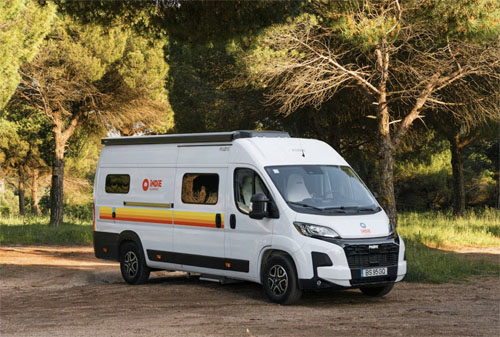
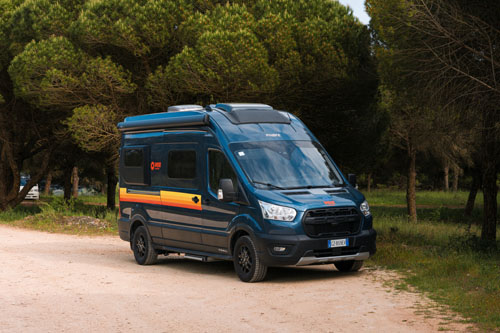
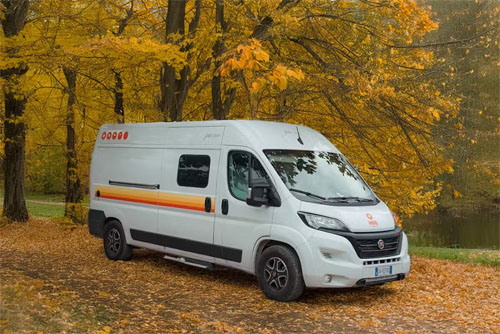
When selecting an RV for your French adventure, smaller RVs, such as Class B campervans (e.g., a "Combi Van" with a length of 5 meters) or compact Class C motorhomes (e.g., a "rent rv example A1" which is ideal for a couple), are generally recommended for navigating France's diverse road network. These smaller vehicles, typically between 5 to 7 meters in length, offer greater agility and are far more manageable when encountering narrow village streets, historic city centers, and winding mountain passes, such as those found on the Route des Grandes Alpes. While larger Class A motorhomes offer ample space and luxury (e.g., a "MH-A" with a length of 8.8 meters and a 302-liter refrigerator), they can be challenging to maneuver and park in many traditional French towns, and may even be restricted on certain quaint country roads. Prioritizing a rented RV with a rearview camera and good visibility is also highly beneficial, as backing up and making tight turns are common occurrences in French parking situations. Ultimately, choose an RV that comfortably accommodates your group while remaining practical for the intimate charm of French travel.
What are the visa and legal requirements for long-term RV trips in France?
For most non-EU tourists, RV trips in France, which is part of the Schengen Area, are limited to a stay of 90 days within any 180-day period without requiring a special visa. This 90/180-day rule applies to all Schengen member countries combined, not just France. If you envision an extended stay beyond this 90-day limit, such as a month-long or even longer adventure in your rented motorhome, you will need to obtain a specific long-stay visa from the French embassy or consulate in your home country well in advance of your departure. These visas can be complex to acquire and typically require extensive documentation, proving financial means, accommodation, and travel insurance. Bandana RV focuses on rental experiences, but we always advise checking the latest visa and immigration regulations directly with official government sources, as requirements can change without notice. Remember, an International Driving Permit (IDP) is recommended for non-EU drivers to accompany your standard national driver's license for clarity, but not strictly mandatory in all cases for short stays.
What cultural etiquette should RVers know when camping in France?
Understanding and respecting local cultural etiquette significantly enhances your RV camping experience in France. Always greet locals with a polite 'Bonjour' (good day) or 'Bonsoir' (good evening) before initiating any interaction, whether asking for directions or making a purchase; this simple gesture is considered a fundamental sign of respect. At campgrounds and Aires de Service, observe designated quiet hours, typically enforced between 10 PM and 7 AM, to ensure a peaceful environment for fellow campers. When visiting charming villages, bustling markets, or historic sites with your rented campervan, dress respectfully and be mindful of your volume. Always dispose of waste properly in designated bins, and leave your campsite as clean or cleaner than you found it. Learning a few basic French phrases, even just 'Merci' (thank you) and 'S'il vous plaît' (please), can greatly improve your interactions with locals and demonstrate your appreciation for their culture, making your journey feel more connected and authentic. Imagine cooking delicious local ingredients picked up from a market in your RV kitchen; checking our RV-friendly recipes playlist might spark some ideas for your on-board meals.
Where are the best off-the-beaten-path RV destinations in France?
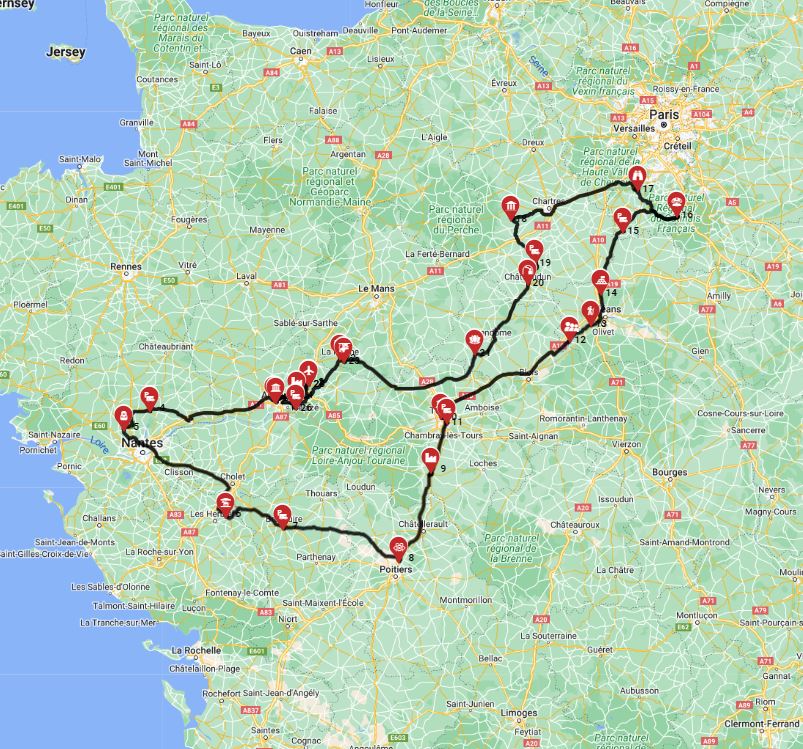
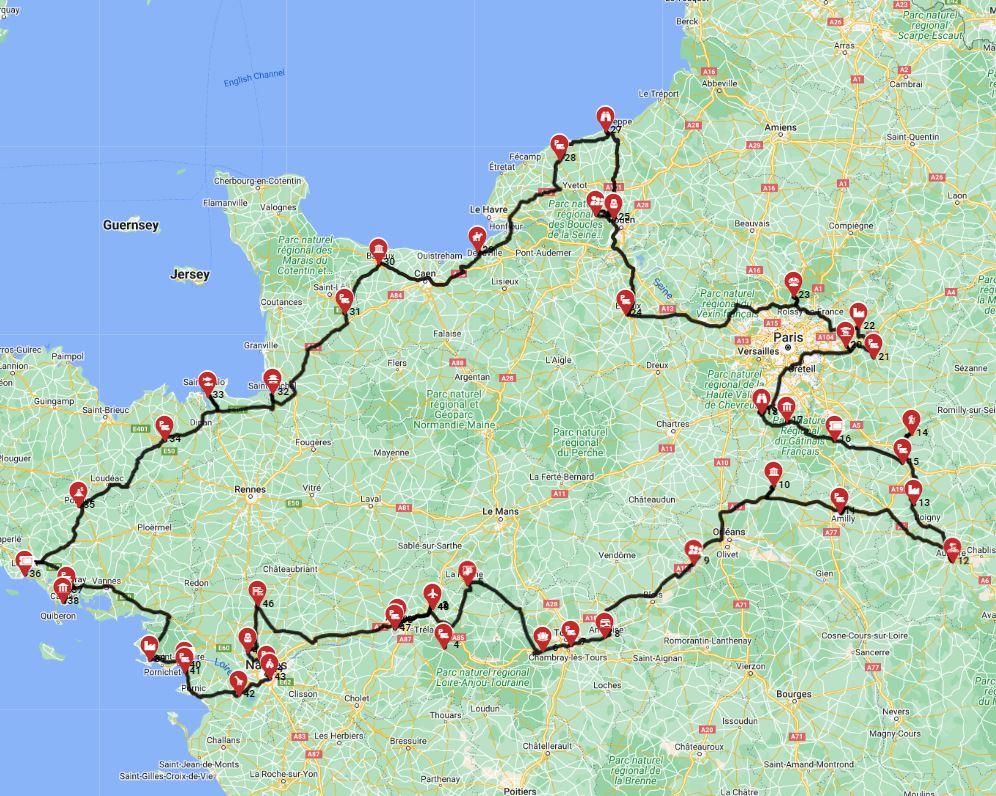
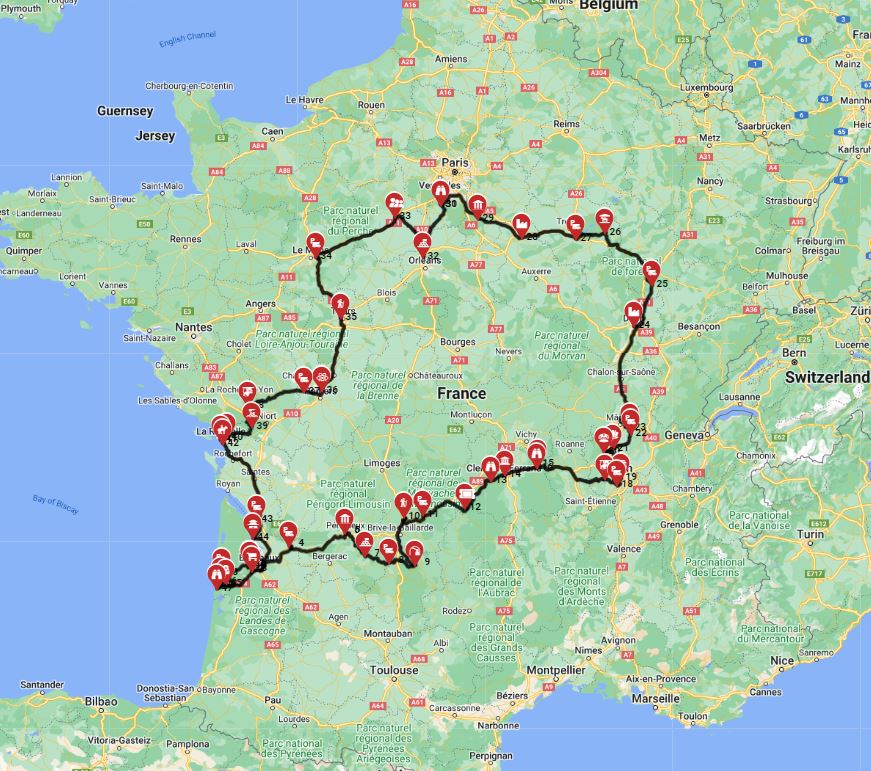
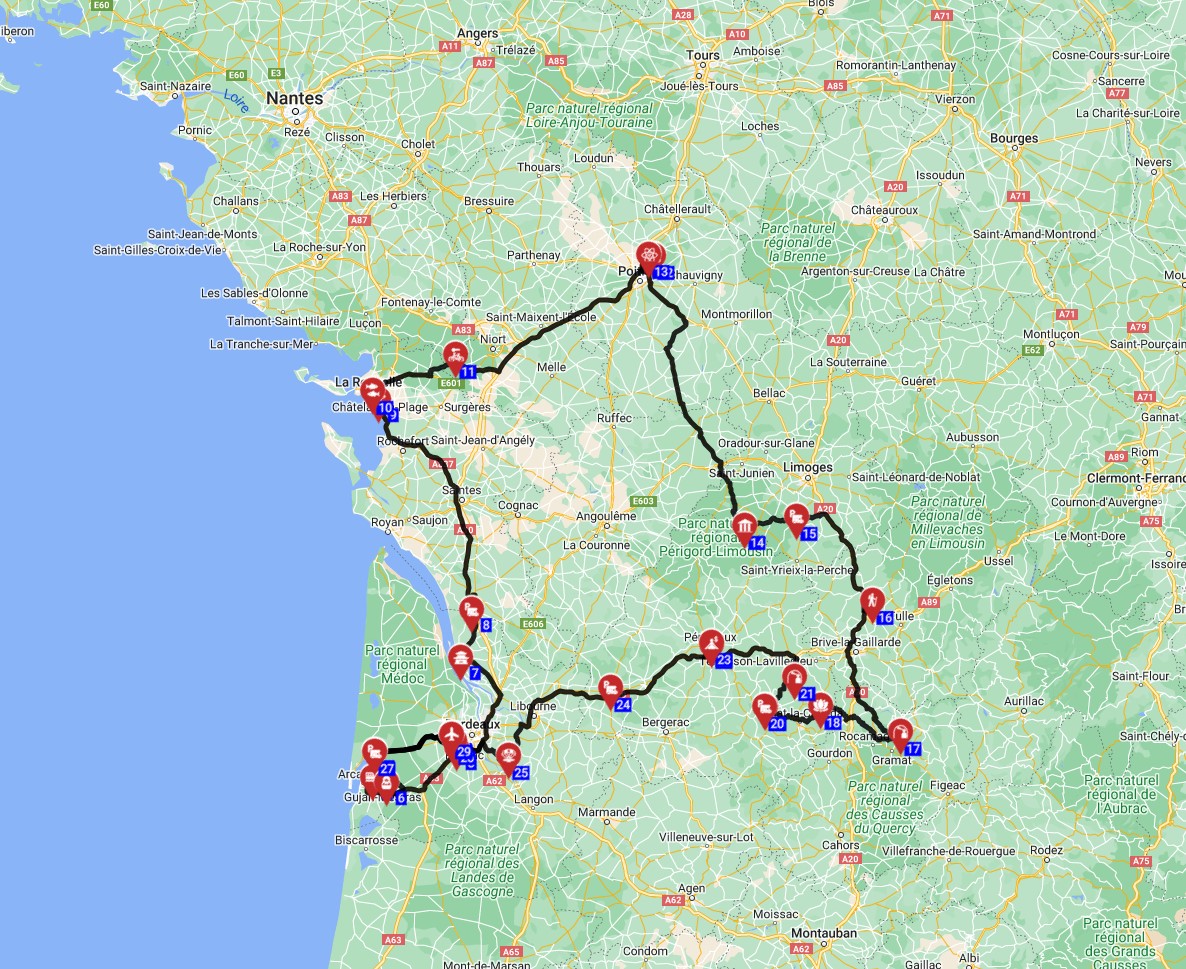
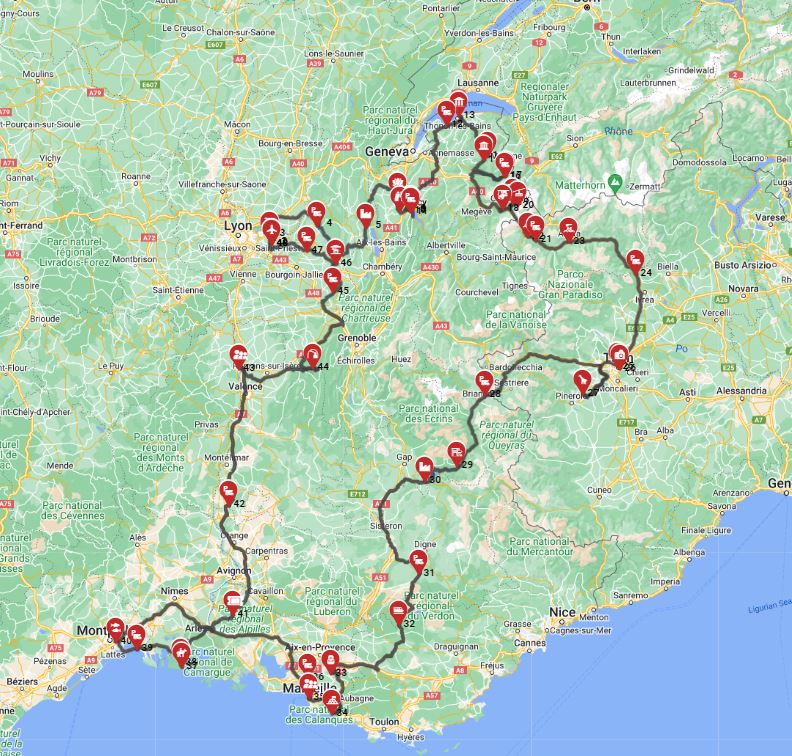
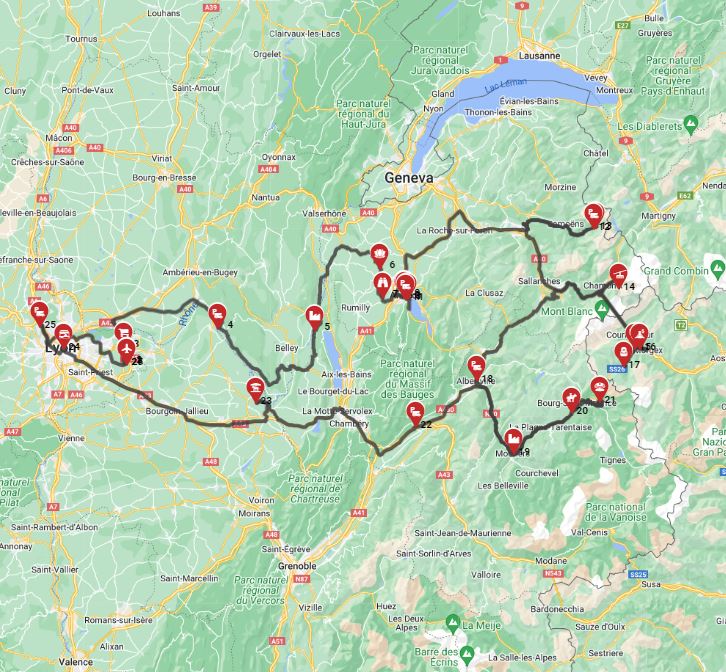
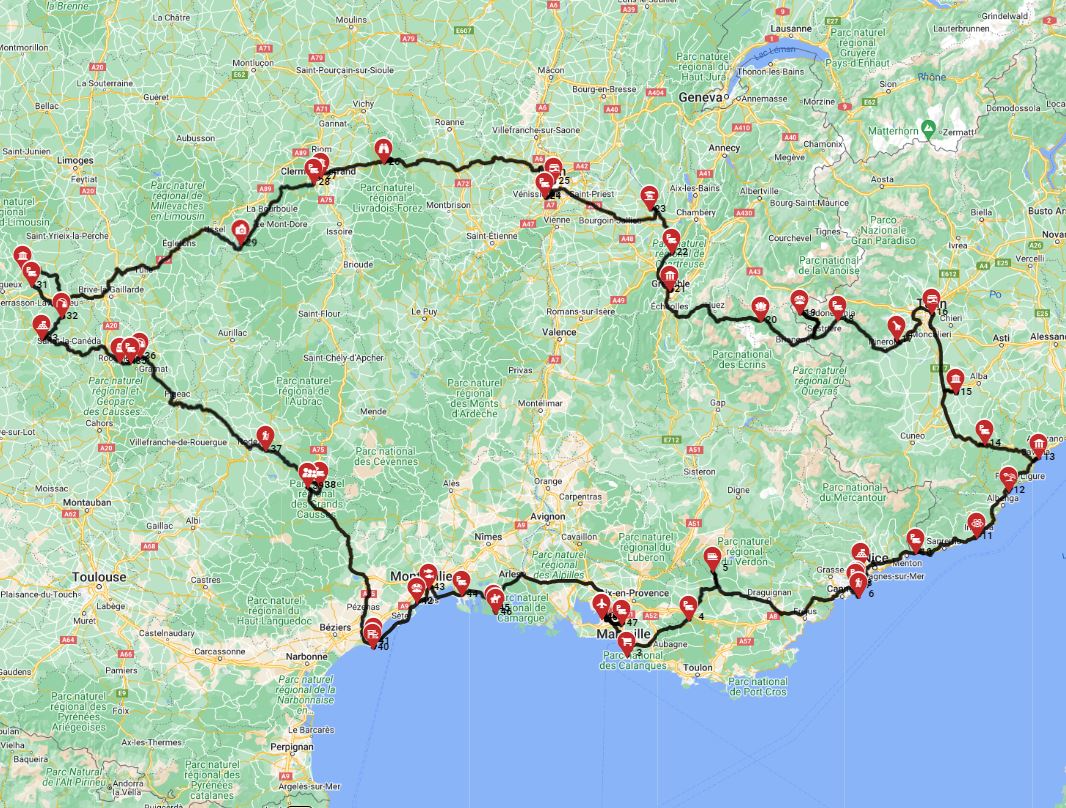
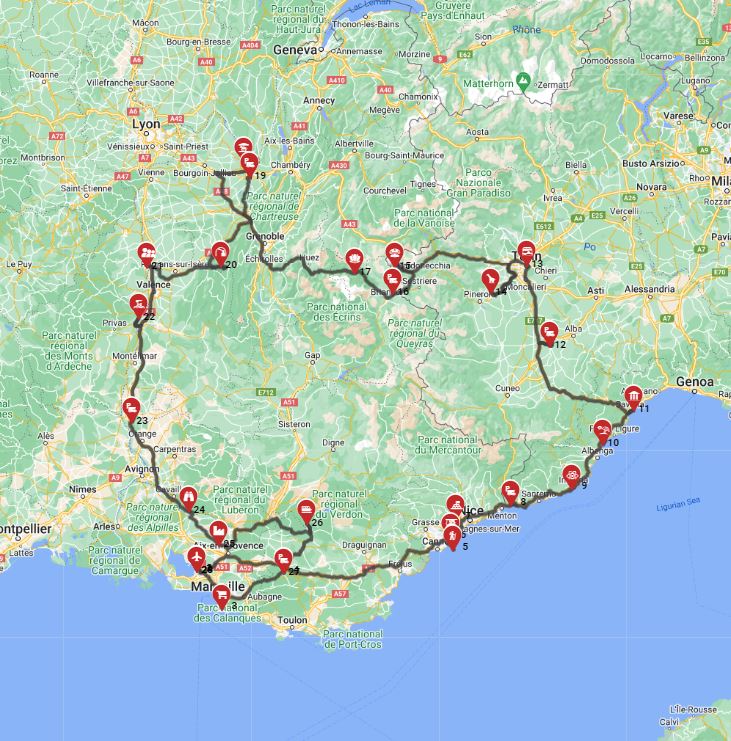
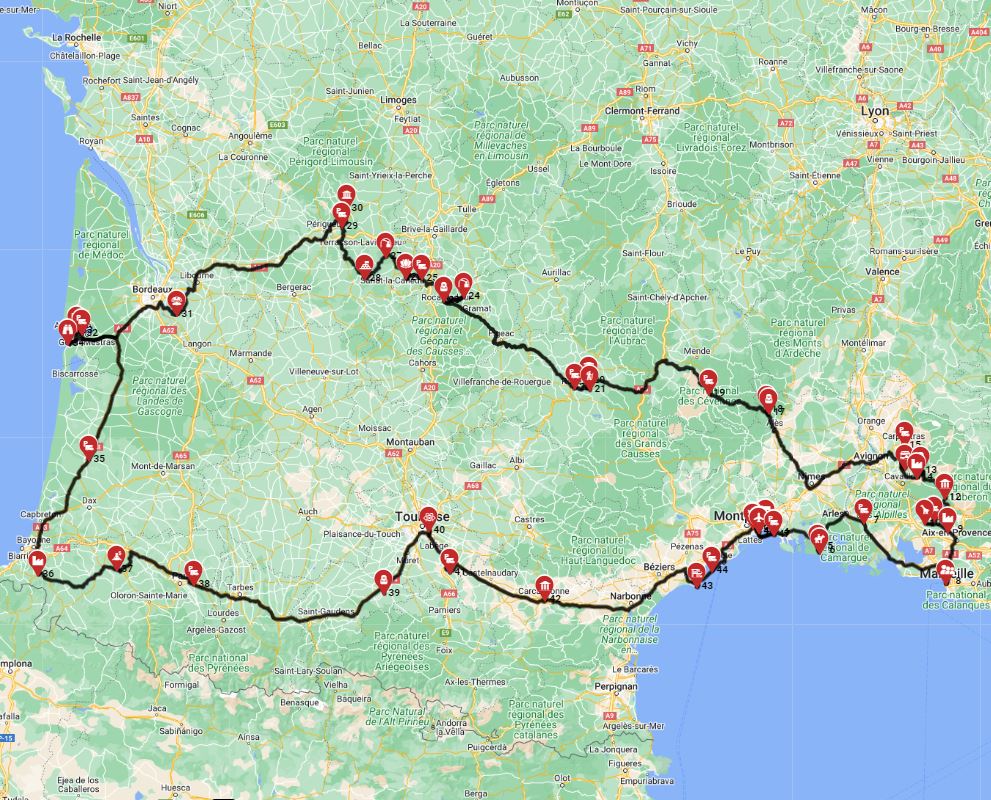
Beyond the iconic landmarks, France offers a wealth of off-the-beaten-path destinations perfect for exploration by rented RV, allowing for slow travel and deep cultural immersion. Venture into regions like the Auvergne-Rhône-Alpes to discover its volcanic landscapes, ancient thermal towns, and serene lakes, with numerous RV-friendly stops and municipal campgrounds. The Jura region, less frequented by international tourists, boasts stunning lakes, dense forests, and dramatic mountains, perfect for outdoor enthusiasts. Explore the hidden gems of Occitanie, where Cathar castles perch on dramatic hillsides, and authentic village life thrives, offering scenic routes and genuine local experiences. Consider the lesser-known wine regions beyond Bordeaux, such as Alsace with its charming half-timbered villages and Riesling vineyards, or the idyllic Loire Valley, known for its châteaux and tranquil rivers, both offering ample opportunities for scenic routes and tastings. You could also meander through the medieval villages and historical sites of the Limousin or Burgundy, where peaceful Aires de Service and small, family-run campgrounds await. For route plans and detailed itineraries that explore these unique regions, check out RV PLANET (rvplan.net).
Top Cities for RV Rental in France
France offers numerous excellent cities for beginning your RV rental adventure, each serving as a convenient gateway to diverse regions. Paris, with its major airports and extensive rental options, provides easy access to northern France, Normandy, or the Loire Valley. While driving a motorhome in Paris itself can be busy, direct access to motorways allows for quick escapes to the countryside. Lyon, often hailed as France's gastronomic capital, is ideal for exploring the Auvergne-Rhône-Alpes region and the Alps. From Lyon, you can smoothly transition to scenic routes through the Rhône Valley or towards Switzerland. Marseille, a vibrant port city, serves as a fantastic starting point for adventures in Provence, the Côte d'Azur, and the stunning Calanques National Park. Its Mediterranean climate makes it appealing for many parts of the year. Bordeaux, renowned for its wines, is perfect for exploring the vineyards of Nouvelle-Aquitaine and the Atlantic coast. You can easily pick up a Class C motorhome here and head straight into the countryside. Nice, another jewel of the French Riviera, offers access to both the coastal beauty and the mountainous hinterland, ideal for a "Luxury RV Driving in France - Scenic Routes 2026" trip. Lastly, smaller, charming towns like Annecy and Agen offer more relaxed pickup experiences, providing immediate access to breathtaking natural scenery in the Alps and southwestern France, respectively.
What are the best tech and connectivity solutions for RV travel in France?
Staying connected and navigating effectively during your RV rental trip in France can greatly enhance your experience. For reliable internet access, a local French SIM card from providers like Orange, SFR, or Bouygues is often the most cost-effective solution, offering generous data plans for your smartphone or a portable Wi-Fi hotspot. Alternatively, using an eSIM is a convenient option for global data coverage without needing a physical SIM card. Before setting off in your rented campervan, download offline maps on navigation apps like Google Maps or Waze, especially for areas with patchy signal, to ensure you can always find your way. RV-specific apps such as Park4night or Campercontact are indispensable for locating various camping options, service points, and reading reviews from fellow RVers. Additionally, ensure you pack universal travel adapters for European sockets (Type E/F) and portable power banks to keep all your devices charged on the go, making sure you're always ready to capture memories and share your incredible journey. For planning your route with all these considerations in mind, our RV PLANET routes are designed to help.
What specific challenges might RV beginners face in France and how to overcome them?
RV beginners in France might encounter a few unique challenges, but with a bit of preparation, these are easily manageable. Navigating narrow village roads and the frequent roundabouts (giratoires) can be daunting; always drive slowly and carefully, and you can drive almost anywhere without issues. No need to stress - just use common sense and pay attention. Practicing maneuvering your rented motorhome in an open area before heading into busy towns can build confidence. The language barrier is another common concern; however, translation apps like Google Translate are incredibly helpful, and learning a few basic French phrases (greetings, 'please,' 'thank you,' and essential questions for services) goes a long way in connecting with locals. Finding specialized RV services or parts locally might be challenging in smaller towns; use RV-specific apps like Park4night for local listings or consult your rental company's emergency support line, available before, during, and after your booking. Familiarizing yourself with common French road signs, especially those indicating vehicle restrictions or parking rules, before you drive can prevent unexpected issues. Remember, a standard car driver's license is sufficient for all motorhome classes in France.
What You Shouldn't Miss
- **The Lavender Fields of Provence:** Experience the breathtaking purple landscapes in July, especially around Valensole or the Luberon villages, perfectly explored at a slow pace in your campervan.
- **The Loire Valley Châteaux:** Drive a week-long RV driving tour in France to explore the majestic castles like Chenonceau and Chambord, often with dedicated RV parking at nearby municipal campgrounds.
- **The Alsace Wine Route:** Meander through charming villages like Colmar and Riquewihr, sampling local wines and savoring regional cuisine, easily accessible with a compact Class B motorhome.
- **Dordogne's Prehistoric Caves:** Discover the ancient art of Lascaux and explore the medieval towns and rivers of the Périgord region.
- **Normandy's D-Day Beaches:** Pay respects at the historic D-Day landing sites and explore picturesque coastal towns, a poignant and educational stop for any itinerary.
- **The Gorges du Verdon:** Hike or kayak in Europe's grand canyon, surrounded by turquoise waters and dramatic cliffs, an incredible adventure for those with a rented RV ready for scenic stops.
Looking for expert insights from Avi Bandana? Top 5 Adventures - recommendations from Avi Bandana.
Final Thoughts
Embarking on an RV rental journey through France offers an unparalleled sense of freedom and discovery, especially for beginners. It's a chance to immerse yourself in the local culture, savor incredible cuisine, and witness breathtaking scenery at your own pace. With a little planning and our expert guidance, you'll find that navigating French roads and choosing the right motorhome is simpler than you might imagine. Remember to travel slowly, perhaps maxing out at 100-150 km per day on average, to truly connect with each place you visit.
Whether you dream of a "Luxury RV Driving in France - Scenic Routes 2026" adventure or a "Budget RV Driving in France - Save on Fuel 2026" trip, Bandana RV is here to support you. We handle the details, so you can live the journey, ensuring a memorable and stress-free vacation from your first inquiry until your booking is confirmed. Don't let the planning process overwhelm you; we provide all the tools and transparency you need for a fantastic RV experience in France. Discover top destinations, planning tips, all in one place!
So, are you ready to unlock the magic of France on four wheels? Start planning your perfect itinerary, compare final prices across suppliers, and embark on an unforgettable journey. Your French adventure awaits!
Compare Motorhome Prices for France