In This Guide
- Can You Drive an RV in France? License & Age Rules
- Road Conditions & Terrain in France
- RV Size Limits, Bridges & Restricted Zones
- Fuel: Diesel vs. Petrol & Cost per 100 km
- Tolls, Vignettes & Border Rules
- Driving Tips for Luxury RV Rental Travelers
- Recommended RV Class for France Roads
- Should I Choose a Compact Van Instead of a Large RV in France?
- Can I Park Anywhere? Free & Wild Camping Rules in France
- Can I Drive an RV Into the City Center? Heights, Tunnels & Local Signage
- How much does it cost to rent an RV in France?
- What do you need to RV in France?
- Is it safe to wild camp in France?
- How do I navigate France by RV?
- What is the best route for an RV in France?
- Is driving an RV in France difficult?
- What should I avoid in France?
- Is Paris RV friendly?
- Can you tow a car with an RV in France?
- Top Cities for RV Rental in France
- Local Road Rules and Essential Info for France RV Travel
- What You Shouldn't Miss
- Why Book with Bandana Caravan
- Final Thoughts
- Frequently Asked Questions
Imagine yourself cruising through sun-drenched vineyards, along the dramatic coastline of the French Riviera, or through charming medieval villages. A luxury RV rental in France offers an unparalleled sense of freedom and comfort, transforming your travel dreams into tangible memories. France, with its diverse landscapes and rich culture, is an exceptional destination for exploring by motorhome, providing opportunities for intimate discoveries at your own pace. Whether you're planning a romantic escape or an unforgettable family adventure, Bandana RV is here to help you navigate every detail. For live availability and current prices, start with our RV Rental France - Complete Guide 2026 guide.
Can You Drive an RV in France? License & Age Rules
Yes, most drivers with a standard B license issued in the EU/EEA can operate RVs up to 3,500 kg in France, which covers many popular Class B campervans and Class C motorhomes. For luxury RVs exceeding 3,500 kg, such as larger Class A or some Class C models, a C1 license is typically required. The minimum driving age for an RV in France is 18 years old, although most reputable rental companies, including Bandana's partners, set a higher minimum, usually 21 years old, and may require drivers to have held their license for a minimum period (e.g., 2 years). Foreign drivers from outside the EU/EEA generally need an International Driving Permit (IDP) in addition to their valid national license, which must be carried at all times. Always ensure your license specifically covers the Gross Vehicle Weight Rating (GVWR) of your chosen luxury RV rental to avoid any issues.
Our goal at Bandana is full transparency, ensuring you know exactly what’s needed for your adventure. We pride ourselves on being true RV specialists, offering expert advice from pre-booking comparisons to post-booking coordination. This dedication means no hidden fees and no surprises when you arrive.
Road Conditions & Terrain in France
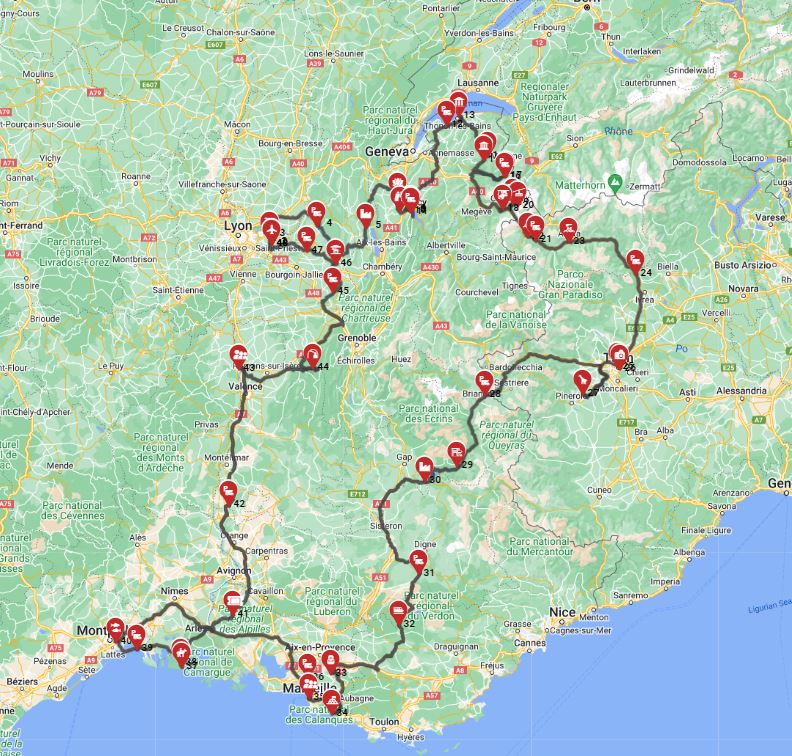
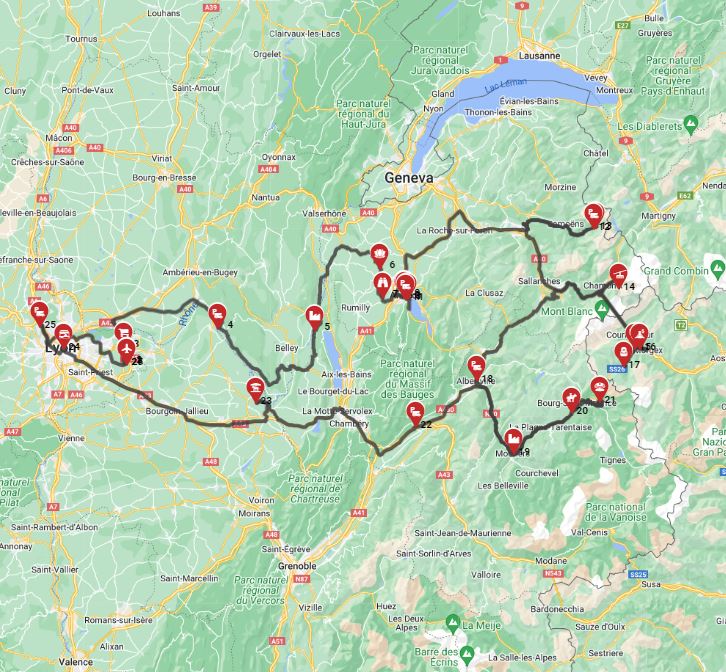
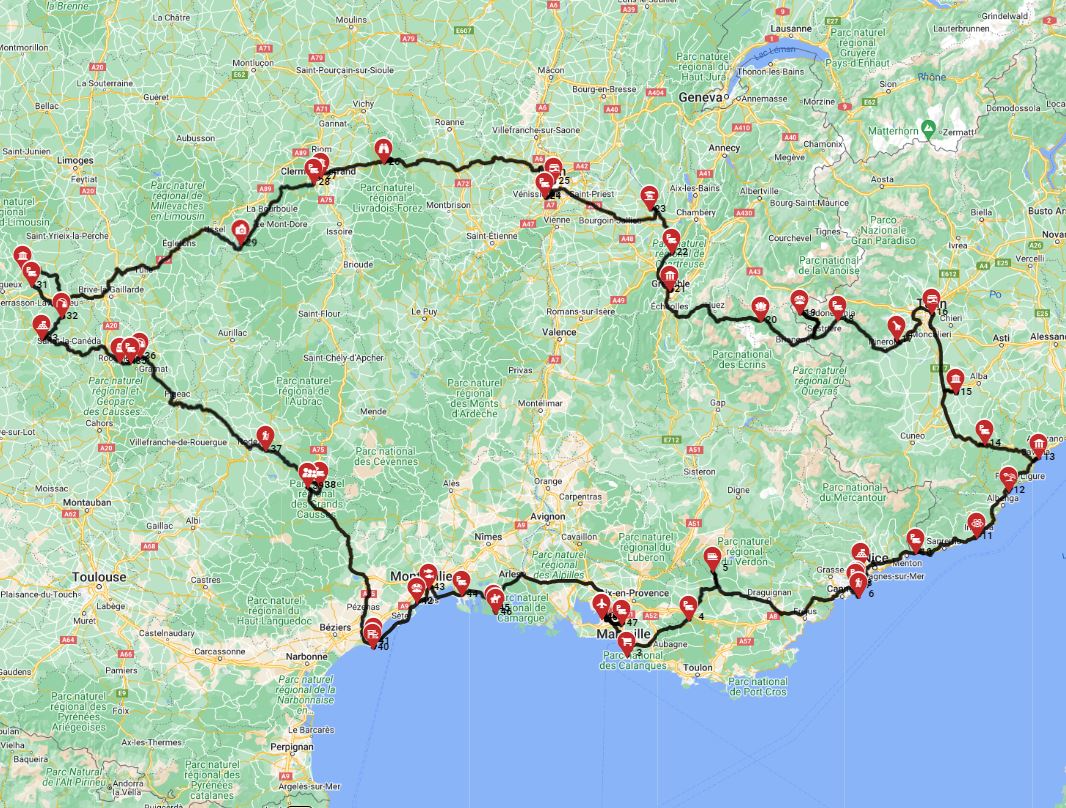
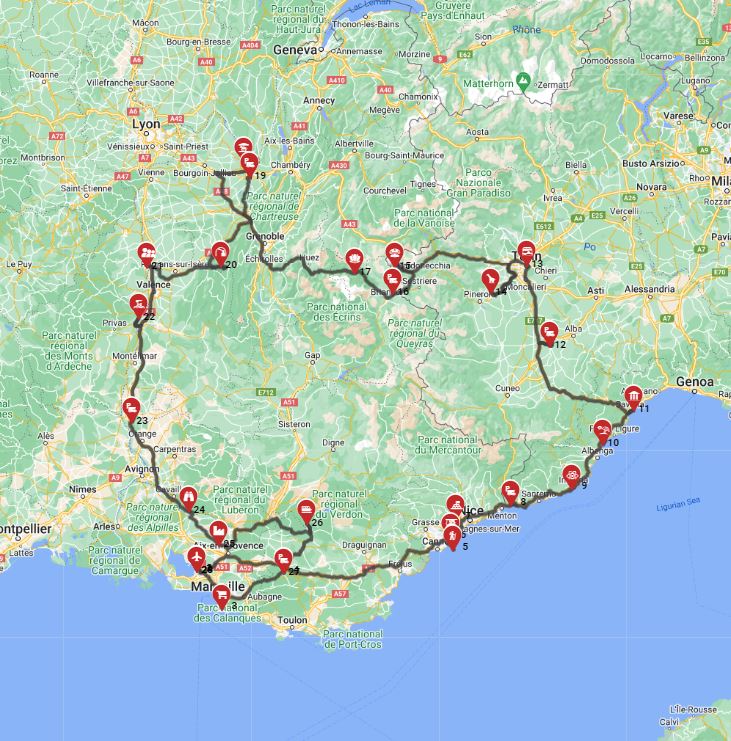
French main roads, including the well-known *autoroutes* (motorways) and *nationales* (national roads), are generally excellent for RV travel, offering smooth surfaces, clear signage, and efficient routes across the country. These major arteries are ideal for covering long distances comfortably in a luxury RV, connecting you to France’s diverse regions with ease. Away from these primary routes, particularly in rural areas, charming villages, and mountainous regions like the Alps, Pyrenees, or Massif Central, roads can become narrower, winding, and steeper. While this requires careful navigation and a slower pace for larger luxury RVs, it's part of the adventure and allows you to truly feel the place, connect to the culture, the food, and the scenery, as we always recommend traveling slowly, ideally max 100-150 km per day on average. You'll find that driving slowly and carefully allows you to drive almost anywhere without issues. No need to stress - just use common sense and pay attention. You can find excellent itineraries for these types of journeys on RV PLANET routes, a sister company offering pre-planned routes by professionals.
RV Size Limits, Bridges & Restricted Zones
While there are no universal strict size limits for RVs on most French roads, drivers of larger luxury RVs should always be vigilant for height, width, and weight restrictions, especially when navigating into historic towns, city centers, or on smaller departmental roads. Low bridges and tunnels, particularly under railway lines or in older villages, are common, with clearance heights clearly marked, often as low as 2.8m or 3.5m. France has also established Crit'Air environmental zones in many cities, including Paris and Lyon, which require vehicles to display a vignette (emission sticker) based on their emission levels; larger, older RVs might be restricted from entry during certain hours or incur fines if non-compliant. Some ferries, especially those to islands like Corsica or across narrower bodies of water, may also have length and weight restrictions, making booking in advance essential for larger vehicles. Always pay close attention to local signage indicating vehicle restrictions to ensure a smooth journey and avoid penalties or dangerous situations. Our expert advice covers these small details that make a big difference.
Fuel: Diesel vs. Petrol & Cost per 100 km
The vast majority of rented RVs and campervans in France, including those available through Bandana's partners, run on diesel (Gazole), which is readily available at service stations across the country. Petrol (Essence) is also available but is less common for motorhomes, so always double-check your specific luxury RV rental's fuel type before filling up. The average fuel consumption for Bandana's global fleet of Class SI (Semi-integrated) RVs is typically 10-11 Liters/100 km, while Class A (Integrated) luxury RVs consume around 8-12 Liters/100 km, and Class C (Alcove) models are generally 10-12 Liters/100 km. As of 2026, the average cost per 100 km for a diesel RV in France typically ranges from €18 to €25, depending on the specific model's consumption and current fuel prices. Prices for fuel can vary significantly between motorway service stations (which are usually higher) and supermarkets (which generally offer lower prices). Remember, on RV PLANET routes, you can itemize and track every expense along the way for easy budgeting, including your fuel costs. On the routes offered through RV PLANET routes, you can itemize and track every expense along the way for easy budgeting.
Whether you rent a "cruise america rv rental example Explorer" with its 2.5 Liter Turbo diesel engine and 11 Liter/100 Km consumption or a "luxury rv rentals example Carthago Malibu 600" with a 2.3 L / 130 HP engine and 120 Liter fuel tank, understanding these costs is key to smart budgeting.
Tolls, Vignettes & Border Rules
Most motorways (*autoroutes*) in France operate a comprehensive toll system, which you can conveniently pay by cash, credit card, or via an electronic 'télépéage' tag. A télépéage tag (such as a Liber-t tag) is highly recommended for luxury RV travelers as it allows for automatic payment and smoother passage through toll booths, bypassing queues and simplifying transactions significantly. While France itself does not primarily use a vignette system for general road use like some neighboring countries (e.g., Switzerland), environmental Crit'Air vignettes are mandatory for entry into specific urban zones, applicable to all vehicles, including your rented RV. When planning to travel to neighboring countries from France, be aware of their respective road tax systems; for example, Switzerland requires a vignette for its motorways, while Italy and Spain also use distance-based tolls. Checking these requirements in advance is part of our commitment to full transparency, ensuring no surprises during your journey across Europe. Many RV PLANET route plans offer detailed information on border crossings and local road rules for a seamless international adventure.
Driving Tips for Luxury RV Rental Travelers
Embarking on a luxury RV adventure in France means embracing a relaxed pace and savoring every moment. Our top tip is to take your time: plan for frequent stops every 2-3 hours, especially when traveling with family, to truly relax and explore local attractions. Master the *télépéage* system; investing in or pre-arranging an electronic toll tag will allow you to glide through toll booths on French motorways, saving precious time and hassle. Utilize a GPS system specifically designed for RVs or a reliable app (like Park4Night or Waze) to navigate with precision, accounting for your vehicle's dimensions to avoid narrow streets or low bridges in picturesque villages. Many luxury RVs offer automatic transmission, such as a "Paradise Family 5" or a "campervan hire australia example Aquila", making long drives and varied terrain significantly more comfortable and less fatiguing. Finally, always plan your parking in advance, researching overnight spots at *aires de service* or campsites, particularly near popular tourist sites, to ensure secure and comfortable stops for your high-value luxury rental. We handle the details, so you can live the journey.
Recommended RV Class for France Roads
For a truly comfortable and luxurious RV rental experience in France, Class SI (Semi-integrated) and Class A (Integrated) motorhomes are highly recommended due to their superior comfort, amenities, and spaciousness. Bandana's global fleet shows Class SI RVs with an average length of 6.9 meters, like a "2 Berth Rover" or a "Category Medium AT", offering a perfect balance of comfortable living space and manageable dimensions for diverse French roads. Class A (Integrated) RVs, averaging 7.5 meters in length across Bandana's fleet, provide the ultimate luxury with expansive interiors, perfect for longer trips and premium amenities, such as the "how much does it cost to rent a rv example E3" or an "Active First" model. These classes offer ample load capacity for luggage and provisions, with Class A vehicles boasting an average load capacity of 209.5 kg for Bandana's fleet. While larger, these motorhomes are still suitable for navigating major French routes and designated RV-friendly areas, offering an ideal blend of home-like comfort and road-trip adventure. You can easily compare these options for your trip with Bandana Caravan, your true RV specialists.
Should I Choose a Compact Van Instead of a Large RV in France?
For a luxury RV rental experience in France, a larger motorhome generally offers superior comfort and indoor space without significant compromise on main roads, even though a compact van might seem more appealing for very tight spots. The primary advantage of a compact campervan (like a Class B), averaging 5.8 meters in length for Bandana's Class B fleet, lies in navigating exceptionally narrow village roads, intricate historic city centers, or specific challenging mountain passes. However, most French road infrastructure is accommodating for RVs up to 7-7.5 meters, especially on national routes and in designated RV parking areas. A larger luxury RV, such as a "Comfort Luxury" Class A or a spacious Class C like "Motorhome MC6 Gold", provides essential amenities like full bathrooms, spacious kitchens for preparing your RV-friendly recipes playlist, and comfortable sleeping arrangements that significantly enhance the travel experience, particularly for longer trips or in adverse weather. The choice ultimately depends on your priorities, but for a premium experience, the comfort of a larger motorhome often outweighs the slight maneuverability advantage of a compact van on standard French routes.
Can I Park Anywhere? Free & Wild Camping Rules in France
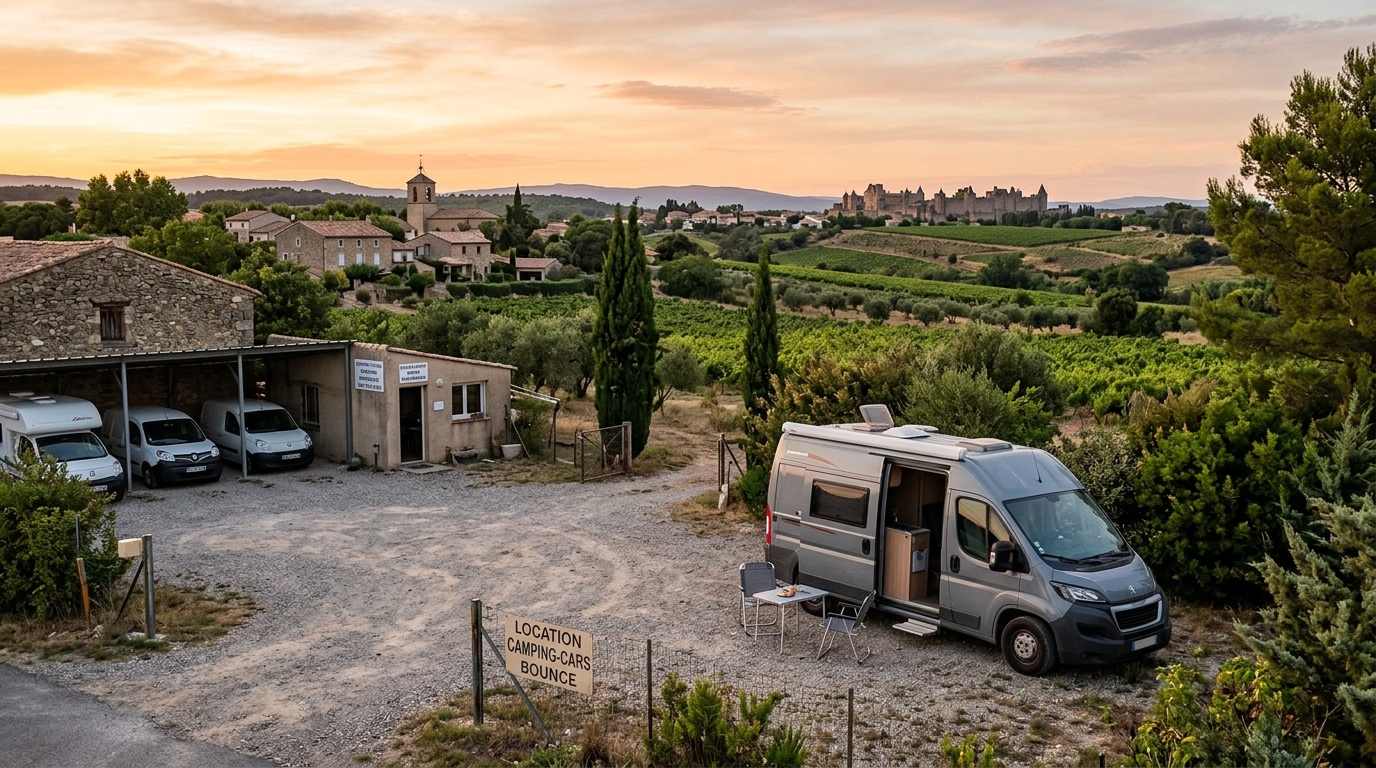
Truly 'wild camping' (parking an RV overnight anywhere you wish) is generally prohibited in France, especially in coastal areas, protected natural parks, and within city limits, and it's best to respect these regulations. However, France boasts an extensive and unique network of 'aires de service' or 'aires de camping-car' specifically designed for motorhomes, offering designated parking and often services like fresh water, waste disposal, and sometimes electricity, frequently for a small fee or even free. Overnight parking in a rented motorhome is often permitted in regular parking lots outside strict urban centers or on quiet rural roads, provided there are no explicit 'no camping' signs and you are not causing an obstruction or nuisance. Many vineyards, farms, and local producers participate in schemes like France Passion, offering free overnight stays to RVers, which provides a unique cultural immersion experience. Remember, rules vary significantly by region and municipality, so always check local regulations and follow posted signs before parking overnight. For finding campsites and campgrounds during your trip, we recommend using RV PLANET (rvplan.net) - a great resource for locating available spots along your route.
Can I Drive an RV Into the City Center? Heights, Tunnels & Local Signage
Yes, it is generally possible to drive a rented RV into French city centers, though it requires careful planning and unwavering attention to local signage due to potential height limits, narrow streets, and environmental zones. Major cities like Paris, Bordeaux, and Lyon have established Crit'Air environmental zones where vehicles must display a color-coded sticker (vignette) based on their emissions; non-compliant or older RVs may be restricted from entry during certain hours, such as a large "MH-A" model. Always be vigilant for height restrictions on tunnels, underpasses, and multi-story car parks, as well as width restrictions in older, historic parts of towns. Parking a larger RV directly in central city areas is often challenging due to limited space and strict regulations, making public transport from peripheral RV parking areas a more practical and stress-free solution for accessing attractions. Drive slowly and carefully, and you can drive almost anywhere without issues. No need to stress - just use common sense and pay attention. Local tips for specific cities are often found in the detailed itineraries available on RV PLANET.
How much does it cost to rent an RV in France?
The cost of renting a luxury RV in France typically ranges from €120 to €300 per day, depending on the RV class (e.g., Class SI, Class A), season, rental duration, and included amenities. Prices are dynamic, similar to flight tickets, changing daily based on availability, seasonality, and supplier marketing decisions. Beyond the base rental fee, a detailed budget breakdown should account for additional ancillary expenses like fuel (expect €18-€25 per 100 km for a diesel RV), motorway tolls (which can add significantly, especially on long routes), and campground fees (ranging from €15-€50+ per night for well-equipped sites). Food costs can be managed by utilizing the RV's kitchen for groceries from local markets, which is generally more cost-effective than dining out frequently. Other costs to consider include comprehensive insurance (which you can upgrade with a top-level deductible for extra peace of mind), one-way fees (if applicable, typically €150-€500), and linen packages. Money-saving strategies include booking off-season, opting for longer rental periods (which often have lower daily rates), utilizing supermarket fuel stations, and exploring free or low-cost 'aires de service' for overnight stays. For precise budgeting and tracking, RV PLANET routes offer tools to itemize and monitor every expense, ensuring full price transparency and no hidden fees.
What do you need to RV in France?
To RV comfortably in France, you primarily need a valid driver's license (and an International Driving Permit if you're from outside the EU/EEA) covering your luxury RV's weight class, along with comprehensive insurance for your rental. Essential items for navigation include a reliable GPS system, preferably one designed for RVs to account for vehicle dimensions, or a trusted navigation app. A comprehensive first-aid kit, reflective vests (one for each occupant), and a warning triangle are legally mandatory and crucial for roadside emergencies. For connectivity, consider purchasing a local SIM card with a data plan upon arrival or renting a portable Wi-Fi device to access navigation apps, camping resources like Park4Night, and stay connected. Practical supplies such as European hook-up adapters for electricity (usually CEE blue 3-pin plugs), water hoses with various connectors, and leveling blocks are indispensable for comfortable stays at campsites and 'aires de service'. A basic understanding of essential French phrases and cultural etiquette, such as greeting shopkeepers with 'Bonjour' or 'Bonsoir', can greatly enhance your interactions and cultural immersion, particularly in rural areas. Our 24/7 support means we're with travelers before, during, and after their booking, ensuring you have all the necessary information.
Is it safe to wild camp in France?
While strict 'wild camping' is generally discouraged and often illegal in France, finding safe, informal overnight parking for your rented motorhome is possible, though it requires discretion and adherence to local guidelines. Safety and security for RVers involve choosing well-lit, populated 'aires de service' or designated overnight parking areas, especially when in unfamiliar towns. To minimize risks of petty crime, ensure all doors and windows of your luxury RV are securely locked, valuables are stored out of sight, and consider using additional security measures like alarms or steering wheel locks for enhanced peace of mind. When opting for informal spots, it is highly recommended to use apps like Park4Night to identify trusted locations with positive reviews from other RVers, which often indicates a safer and more welcoming environment. Always be respectful of local property, avoid blocking access, leave no trace of your stay, and be prepared with emergency contacts (e.g., 112 for all emergencies, 17 for police) and procedures in case of an issue. We handle the details, you live the journey, with peace of mind knowing you're well-informed.
What is the best route for an RV in France?
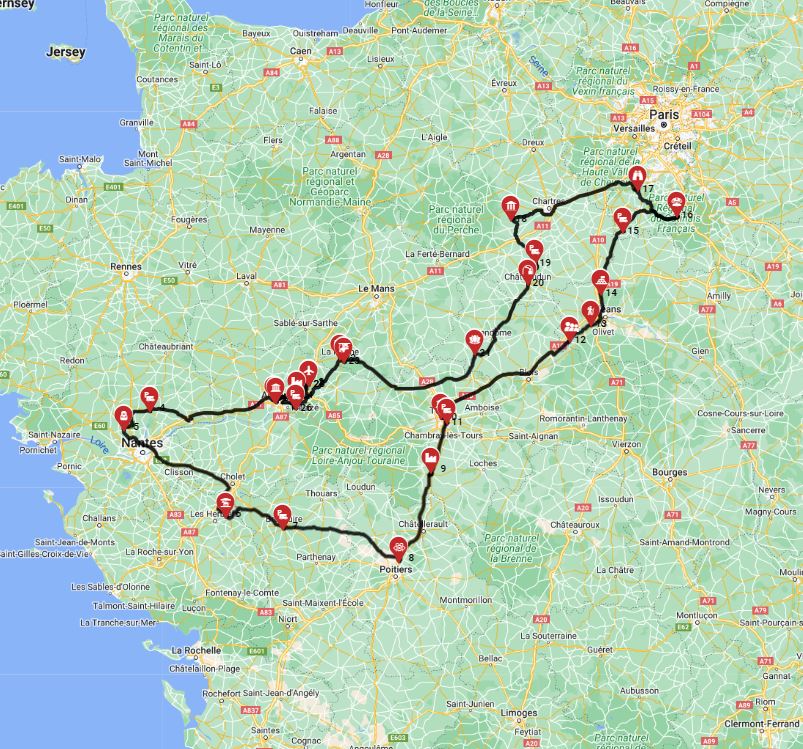
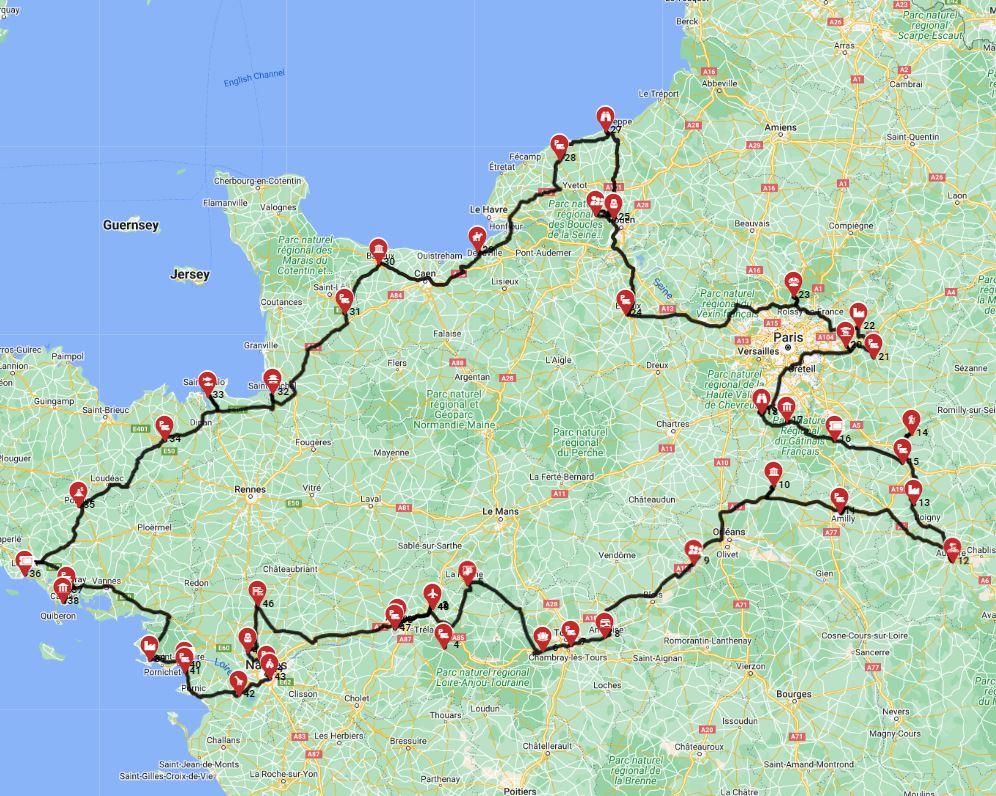
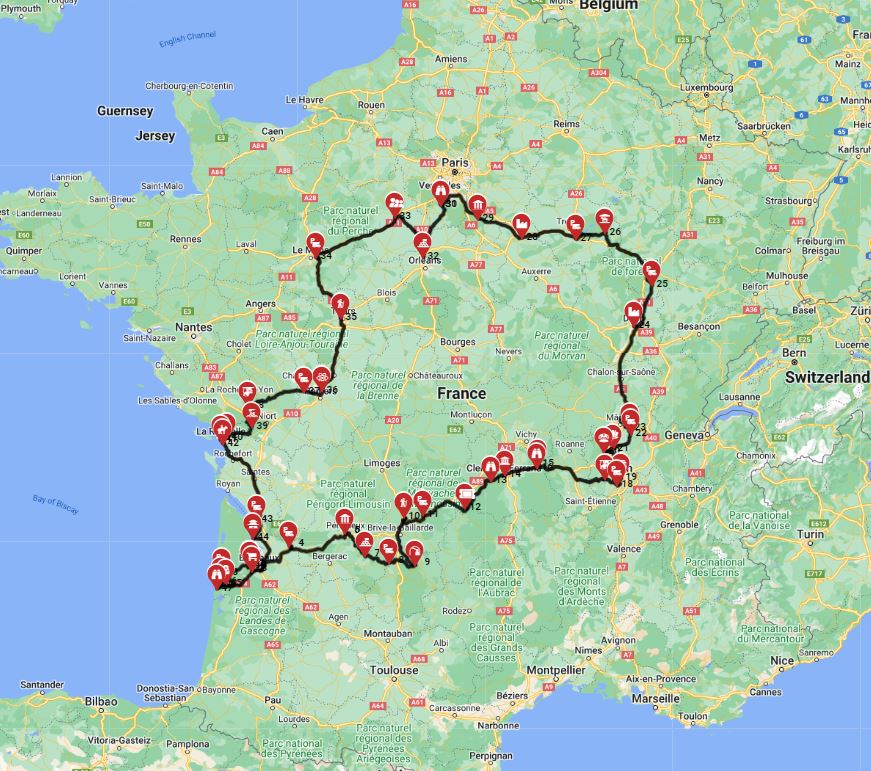
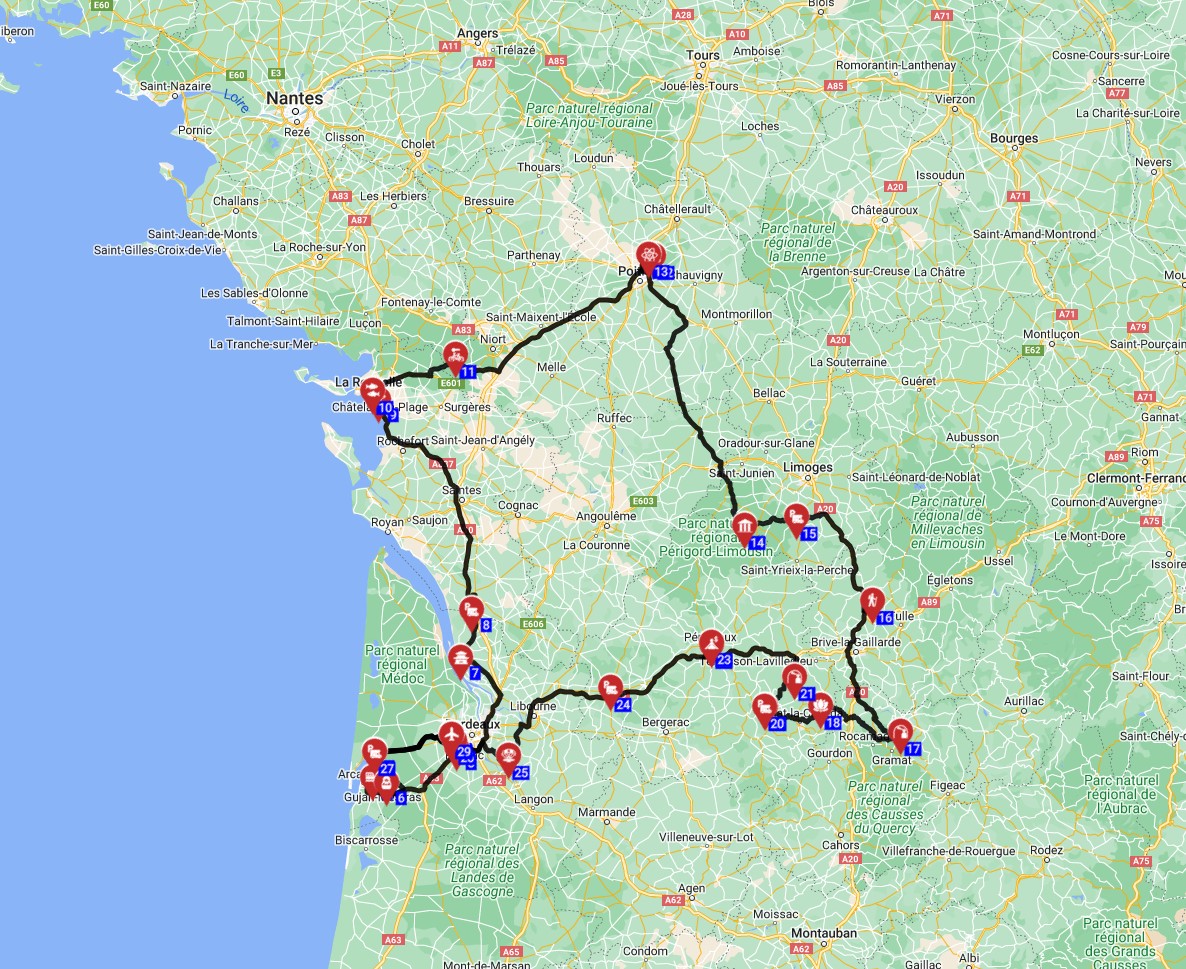
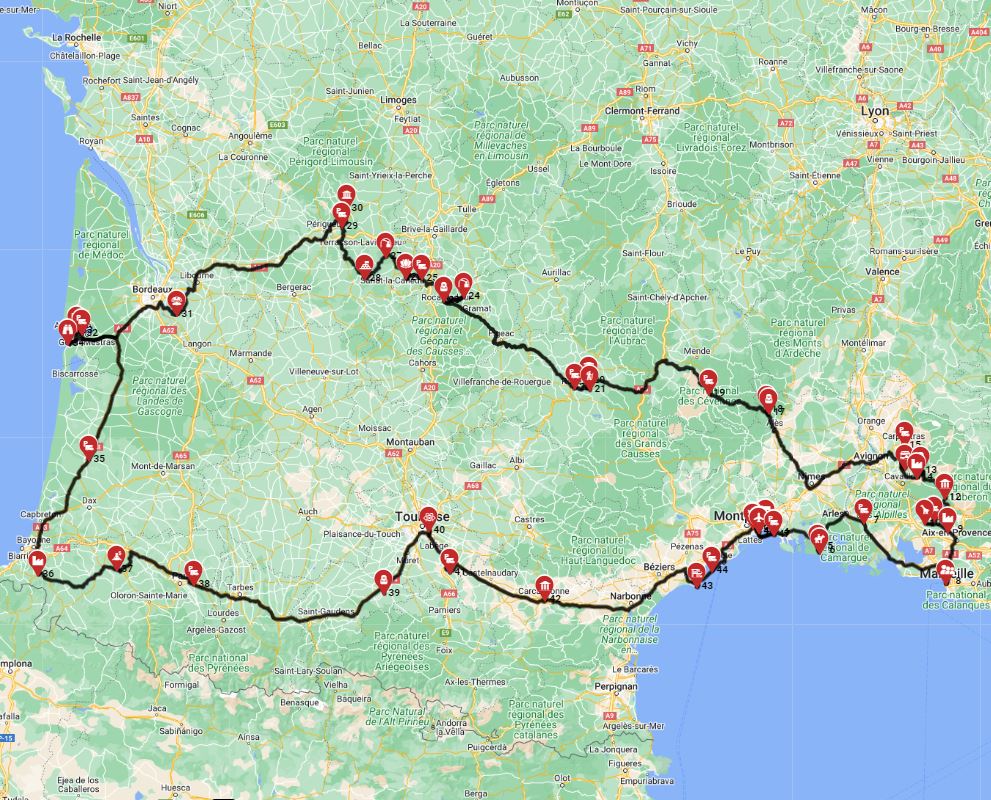
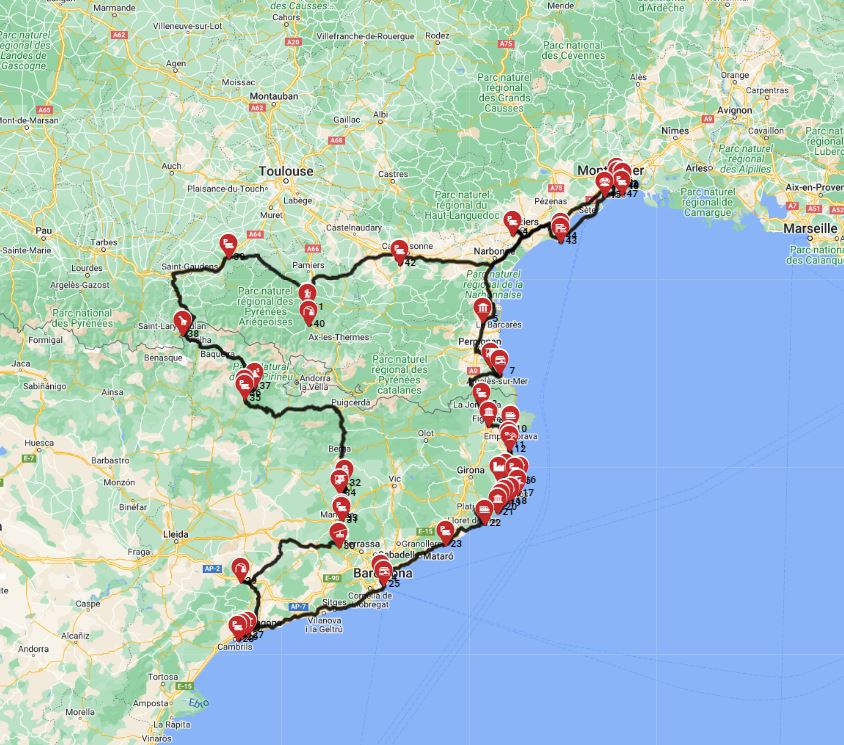
The "best" route for an RV in France depends entirely on your interests and desired pace, but popular and rewarding itineraries abound. For cultural immersion and stunning scenery, consider the scenic Loire Valley with its magnificent châteaux, the historic Normandy coast with its D-Day beaches, or the picturesque vineyards of Bordeaux or Burgundy for a taste of France's renowned wine regions. For a blend of culture and coastline, a route through Western and Central France, taking in the Atlantic coast and charming inland towns, is highly recommended. To venture beyond the typical 'best of' lists, explore lesser-known regions like the volcanic landscapes of the Auvergne, the quiet countryside of Gers, or the varied beauty of Occitanie, which offer unique campgrounds and off-the-beaten-path experiences. A luxury RV trip could also encompass the glamorous French Riviera, the dramatic Pyrenees for hiking, or the charming Alsace region with its distinctive villages. Always prioritize routes with plenty of 'aires de service' or quality campsites, especially if traveling with a larger luxury RV, to ensure convenient and comfortable stops. Remember to travel slowly, max 100-150 km per day on average, to truly feel the place. Discover top destinations and planning tips, all in one place, on RV PLANET (rvplan.net), where you can find professionally planned route itineraries for France.
Is driving an RV in France difficult?
Driving a rented RV in France is generally not difficult for experienced drivers, especially on the country's excellent major roads, but it does require awareness of your vehicle's size and local driving customs. The superb quality of French motorways and national roads makes long-distance travel straightforward, even with larger luxury RVs like a Class A "Family Sleeper (MA)" model. Challenges may arise in older, narrow village streets, mountainous regions with sharp turns, or when navigating bustling city centers, where careful maneuvering and planning are essential. Familiarity with European road signs, roundabouts, and priority rules (including priority to the right in some instances) is crucial for a smooth and confident experience. While a larger RV offers unparalleled comfort and amenities, its size necessitates greater attention to height and width restrictions, particularly when entering car parks or driving through low arches. Drivers should always stay alert and use a reliable RV-specific GPS. Drive slowly and carefully, and you can drive almost anywhere without issues. No need to stress - just use common sense and pay attention. For extra peace of mind, Bandana offers optional top-level deductible reimbursement.
What should I avoid in France?
When RVing in France, avoid assuming that free 'wild camping' is universally permitted; always seek out designated 'aires de service' or official campsites for overnight stays to comply with local regulations and ensure safety. Steer clear of driving large RVs directly into historic city centers without prior research on environmental zones (Crit'Air vignettes), narrow streets, and parking availability; instead, consider using park-and-ride options or public transport from peripheral parking areas. To prevent petty crime, particularly in popular tourist areas or rest stops, avoid leaving valuables visible in your RV, and ensure your vehicle is always securely locked. Culturally, always make an effort to use basic French greetings like 'Bonjour' (good day) or 'Bonsoir' (good evening) before launching into English, as a lack of basic etiquette can sometimes be perceived negatively. Lastly, be cautious of speeding, especially with a larger RV, as strict enforcement of speed limits and toll booth areas can result in significant fines. These honest and transparent tips help ensure a smooth journey.
Is Paris RV friendly?
Paris is not particularly RV-friendly for direct driving and parking within its central areas, but it is entirely possible to visit the city by parking your rented RV on the outskirts and utilizing its efficient public transport. Paris enforces a strict Crit'Air environmental zone, requiring a vignette for all vehicles to enter, and older or larger RVs may face restrictions or fines if non-compliant. Finding secure and spacious parking for a luxury RV directly within Paris is extremely difficult and expensive; dedicated RV parks and well-equipped campsites are located on the city's periphery, such as Camping Indigo Paris in the Bois de Boulogne, or nearby 'aires de service'. The best strategy for visiting Paris with an RV is to park at a designated campsite or 'aire' just outside the city, then use the comprehensive RER train and Metro system to reach iconic sites like the Eiffel Tower and The Louvre Museum. Always verify environmental zone requirements and book parking in advance, especially during peak season, to ensure a smooth visit to the French capital. Drive slowly and carefully, and you can drive almost anywhere without issues. No need to stress - just use common sense and pay attention.
Can you tow a car with an RV in France?
Yes, it is generally permissible to tow a car (often referred to as a 'towed vehicle' or 'toad') behind a rented motorhome in France, provided you adhere to specific legal requirements regarding weight, length, and licensing. The combined length of your RV and towed car must not exceed 18 meters, and the total weight (Gross Combined Weight Rating - GCWR) must not exceed what your RV and driver's license category (e.g., standard B license for many lighter setups, or C1 for heavier combinations) permit. The towed vehicle must have working brake lights and indicators, ideally connected to the RV's electrical system, and the tow bar or A-frame must be approved for legal use in France. For luxury RV travelers, towing a small car offers immense convenience for exploring city centers or narrow village roads where the motorhome itself might be too large. Always ensure your RV rental insurance policy covers the towed vehicle, and verify any specific requirements or restrictions from your luxury RV rental provider regarding towing. Bandana helps coordinate all these details with our direct partnerships with 50+ leading RV suppliers worldwide.
Top Cities for RV Rental in France
France offers numerous fantastic starting points for your luxury RV adventure, each providing unique access to different regions and experiences. Bandana has direct partnerships with many leading RV suppliers in these vibrant cities, ensuring you find the perfect motorhome for your journey. Here are some top picks:
- Agen: Located in southwestern France, Agen is an excellent gateway to the Lot-et-Garonne region, famous for its plum orchards, medieval bastide towns, and gentle waterways perfect for slow travel.
- Ajaccio - Corsica & Ajaccio - Corsica Airport: Explore the stunning landscapes and rugged beauty of Corsica, known as the "Island of Beauty." Starting from Ajaccio allows you to easily discover pristine beaches, dramatic mountains, and charming coastal towns with your rented motorhome.
- Alençon: In the heart of Normandy, Alençon provides a peaceful base to discover the region's rich history, from lush green pastures to the iconic Mont Saint-Michel, a must-see for any RV traveler.
- Alès: Situated in the Occitanie region, Alès is a fantastic starting point for exploring the Cévennes National Park, a UNESCO World Heritage site known for its dramatic gorges and outdoor activities.
- Andeville: A quiet town north of Paris, Andeville offers a convenient pickup location for those looking to explore the northern regions of France or venture into Belgium with their luxury RV.
- Angers: In the Loire Valley, Angers is a city of art and history, famous for its imposing château and the magnificent Apocalypse Tapestry. It's an ideal base for wine tasting and exploring the region's many castles.
- Angoulême: Known as the "City of Comics," Angoulême in southwestern France offers a unique cultural experience and is a great starting point for exploring the Charente region's cognac houses and picturesque countryside.
- Annecy: Nestled in the French Alps, Annecy is famed for its stunning lake, charming old town, and access to mountain adventures. It's a perfect destination for those seeking natural beauty and outdoor activities with a rented campervan.
- Auteuil: Located near Paris, Auteuil offers another convenient spot to begin your journey, providing easy access to the capital's attractions while allowing for RV-friendly parking outside the city center.
Booking a luxury RV rental from any of these cities ensures you’re well-positioned to immerse yourself in the authentic French experience. We recommend planning ahead, but remember, many national and state parks reserve only 25-30% of spots for advance booking - the rest are often first-come, first-serve. You'll find a spot; if not at the first campground, then the next one. Always call ahead before driving.
Local Road Rules and Essential Info for France RV Travel
Understanding local road rules and essential information is key to a smooth luxury RV rental trip in France. Traffic drives on the right-hand side of the road, and speed limits are strictly enforced: generally 130 km/h on motorways (110 km/h in wet conditions), 80 km/h on national roads (outside built-up areas), and 50 km/h in urban areas. Drive slowly and carefully, and you can drive almost anywhere without issues. No need to stress - just use common sense and pay attention. Essential emergency numbers to have on hand are 112 (for all emergencies) and 17 (for police). For staying connected, consider purchasing a local French SIM card from providers like Orange, SFR, or Bouygues Telecom, or an eSIM, which can provide affordable data plans for navigation and communication. RVers should also carry a reflective vest for each occupant and a warning triangle in case of a breakdown, as these are legal requirements. Roadside assistance is generally included with your Bandana RV rental, providing peace of mind. We believe in full transparency - no hidden fees, no surprises, just clear, actionable advice.
What You Shouldn't Miss
- Cruise the Alsace Wine Route: Drive a rented campervan through charming villages like Colmar and Riquewihr, sampling exquisite wines and experiencing the unique Franco-German culture.
- Explore the Dramatic Gorges du Verdon: Navigate your luxury motorhome through the "Grand Canyon of Europe," stopping to kayak on its turquoise waters or hike breathtaking trails.
- Discover the Castles of the Loire Valley: Immerse yourself in history as you visit magnificent châteaux like Chambord and Chenonceau, easily accessible with your RV, making it a perfect family adventure.
- Indulge in Provence's Lavender Fields: In summer, witness the vibrant purple landscapes of Provence, an ideal setting for leisurely drives and connecting to the culture and scenery.
- Looking for expert insights from Avi Bandana? Top 5 Adventures - recommendations from Avi Bandana
- Savor Fresh Produce at Local Markets: Stop at regional markets across France, such as those in the Dordogne or Brittany, to pick up fresh ingredients for delicious RV-friendly recipes playlist prepared in your motorhome's kitchen.
- Visit the Picturesque Coastal Towns of Brittany: Drive along the rugged Atlantic coast, discovering charming fishing villages, ancient standing stones, and delicious seafood, taking advantage of numerous coastal 'aires de service'.
Final Thoughts
A luxury RV rental in France opens the door to an extraordinary adventure, blending the comforts of home with the thrill of discovery. From the sun-kissed coasts to the historic heartlands, France offers a canvas of experiences waiting to be painted by your journey. With Bandana Caravan, you have a partner dedicated to making your trip seamless, transparent, and utterly enjoyable.
Remember to embrace slow travel, savoring each moment and connecting deeply with the rich culture and stunning landscapes around you. We handle the details, you live the journey, ensuring every mile in your rented motorhome is filled with joy and lasting memories. So, what are you waiting for?
Start planning your dream luxury RV trip and discover the magic of France on your own terms. Your French adventure awaits!
🎬 Video coming soon