In This Guide
- What rv rental deals RV Rental Costs in Europe (2026)
- How much does it cost to rent an RV in Europe?
- Seasonal Pricing - Peak vs. Shoulder vs. Off-Season in Europe
- What's Included vs. What's an Add-On
- Hidden Costs to Budget For in Europe
- How to Save on rv rental deals RV Rental in Europe
- Is it cheaper to rent an RV or stay in a hotel?
- Where is the cheapest place in Europe to buy a camper van?
- Is Europe RV friendly?
- Can you sleep anywhere in a campervan in Europe?
- What is the 333 rule for campervan?
- What You Shouldn't Miss
- Why Book with Bandana Caravan
- Final Thoughts
- Frequently Asked Questions
What rv rental deals RV Rental Costs in Europe (2026)
RV rental prices in Europe are dynamic, constantly fluctuating based on seasonality, vehicle class, rental duration, and specific pick-up location. April typically presents the most budget-friendly month for RV rentals in Europe, aligning with shoulder season pricing before the summer rush. As true RV specialists, we understand that finding the most accurate and up-to-date pricing is crucial, which is why prices on our platform are flex-rate and change daily with demand and availability. For live availability and current prices, start with our RV Rental Europe - Complete Guide 2026 guide. Bandana Caravan is committed to full transparency, ensuring there are no hidden fees or surprises when you explore options like a compact `rent motorhome example A1` or a larger `rent motorhome example D2`.How much does it cost to rent an RV in Europe?
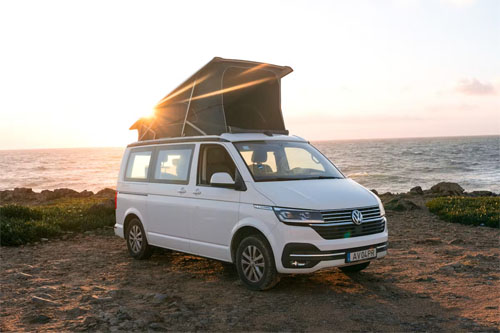
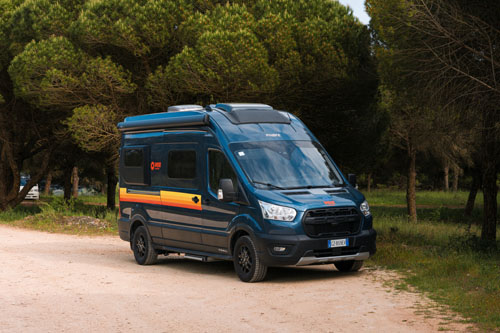
The total cost to rent an RV in Europe typically ranges from €70 to €250 per day, encompassing the rental fee, insurance, fuel, tolls, and campsite charges, with significant variations based on vehicle size, season, and travel duration. For example, a compact campervan like a `V3`, which is ideal for a couple, can start around €70-€100 per day in the off-season, offering a fuel consumption of 11-13 Liters per 100km. In contrast, larger motorhomes such as a `Category Large 6 AT`, designed for families or groups of up to six people, might command €150-€250+ during peak periods. Beyond the daily rental rate, travelers must budget for fuel, tolls and vignettes (which are country-specific), campsite fees averaging €20-€50 per night, and optional extras like upgraded insurance or kitchen kits. Our honest and transparent platform ensures you see all potential costs upfront, and for seamless budgeting and tracking every expense along the way, we recommend exploring RV PLANET routes. Longer rental durations often result in a lower daily rate, providing better overall value for your European adventure.Seasonal Pricing - Peak vs. Shoulder vs. Off-Season in Europe
Seasonal pricing significantly impacts RV rental rates in Europe, with distinct differences across peak, shoulder, and off-peak periods. **Peak Season (July-August)** experiences the highest demand and corresponding highest prices, with rates changing considerably day-to-day. This is when popular vehicles, such as a spacious `MH6 - FRIGG` 6-berth motorhome with a 150L fridge, book out quickly, so securing your rental well in advance is essential. **Shoulder Season (April-June & September-October)** offers a desirable balance of pleasant weather and moderate prices, with April serving as a particularly good value month before the full summer rush begins. Lastly, **Off-Season (November-March)** presents the lowest rental rates, although some northern European regions may have limited availability or unsuitable weather conditions for RV travel. This period is ideal for budget-conscious travelers seeking winter sun in southern Europe or cultural city breaks, and a `Comfort` 4-berth motorhome with a 90L fridge and heating can still offer a cozy experience. Whether you're a pre-planner or a spontaneous traveler, remember that many national and state parks reserve only 25-30% of their spots, leaving the rest for first-come, first-serve arrivals; you'll find a spot, and if not at the first campground, then the next one, just be sure to call ahead. For detailed driving considerations, check out our "Driving an RV in Europe - Complete Guide 2026" for invaluable advice.What's Included vs. What's an Add-On
Basic insurance is always included with every RV rental in Europe, as is a standard mileage package, though specific limits can vary between suppliers and vehicles. When booking a campervan or motorhome, you'll find that many essential items are part of the base rental, giving you a mobile home to explore. However, typical extras often include higher tiers of comprehensive insurance, additional mileage packages for longer journeys, generator usage, convenient kitchen kits, fresh bedding and linen packs, child seats, and GPS devices. These add-ons vary significantly by the specific RV model and rental station, making verification per booking crucial for a seamless experience. For example, a `Group E` 6-berth motorhome may offer bicycle racks as an optional extra, while a `MHC28` 7-seater might include a microwave but require extra for mileage. We recommend utilizing our platform's comparison toggle to easily see if kitchen utensils, tableware, and bedding are included in specific rental options, empowering you with full transparency. Remember, you can always upgrade to a top-level deductible for extra peace of mind during your adventure.Hidden Costs to Budget For in Europe
Navigating Europe in a rented RV involves a few additional costs beyond the base rental fee, making it essential to budget comprehensively. Many European countries require payment for road usage; this can be through traditional tolls at booths or through pre-purchased vignettes, like those required in Austria, Switzerland, and Slovenia for motorway access. Failing to display a valid vignette can lead to substantial fines, so always inquire at pick-up about pre-purchase options, as some RVs allow you to purchase toll-road usage in advance. Campsite fees are another primary expense, typically ranging from €20 to €50 per night depending on location and amenities, and while "wild camping" rules vary, budgeting for official campsites is generally advised. Fuel costs are also a significant consideration, as Europe's diesel or petrol prices are generally higher than in North America. Beyond this, minor dump station charges may apply at some public or private facilities, and ferry costs can be substantial if your route involves crossings, such as from Italy to Greece. Finally, fully understand your insurance deductible and the security deposit, which can often be a notable upfront amount. The "Toll, Vignette, or Free-for-All" Road System across Europe is a unique aspect that requires careful planning.How to Save on rv rental deals RV Rental in Europe
Maximizing your budget on an RV rental in Europe is entirely achievable with strategic planning and flexible choices. Booking your adventure during the shoulder season, specifically April-June or September-October, offers the sweet spot of pleasant weather and significantly lower rental rates compared to the peak summer months. Choosing a smaller, more fuel-efficient RV, such as a compact `Combi Van` (4-person, 9-12 L/100km fuel consumption), can drastically reduce both rental costs and ongoing fuel expenses, which is especially beneficial on Europe's often narrower roads. Many rental companies also offer better daily rates for longer rental periods, so planning an extended week-long trip can prove more budget-friendly. To avoid unexpected charges, consider pre-paying tolls or obtaining necessary vignettes in advance if available through your rental provider. Inquire about campground discount cards or fuel discount cards, as these can offer further savings on ancillary costs. Lastly, if your travel dates are flexible, keep a close eye on prices, as dynamic pricing can lead to spontaneous deals and lower rates during periods of off-peak demand. Exploring "Budget RV Driving in Europe - Save on Fuel 2026" can provide even more ways to trim costs.Is it cheaper to rent an RV or stay in a hotel?
Renting an RV can be significantly cheaper than staying in hotels for many European trips, especially for families or longer durations, as it combines accommodation and transportation costs while enabling substantial savings through self-catering. For a family of four, the cumulative cost of separate hotel rooms, daily restaurant meals, and a rental car often exceeds the expense of an RV rental, plus campsite fees and groceries. The key to potential savings lies in the flexibility to cook your own meals in your campervan or motorhome, which drastically cuts down on dining expenses compared to frequently eating out. Many RVs come equipped with a kitchen, including a gas stove and refrigerator, like the `Glamys 40` 6-berth motorhome with its 150L fridge. For inspiration, check out our RV-friendly recipes playlist to prepare delicious meals on the go. When comparing, always factor in fuel, tolls, and campsite fees for the RV, as these can add up, though usually less than the combined expense of separate transport and accommodation.Where is the cheapest place in Europe to buy a camper van?
While countries like Germany, the Netherlands, and Belgium are often recognized for having robust used campervan markets with competitive prices, renting an RV for a European trip is typically a more practical and cost-effective solution for short-term visitors, avoiding the complexities and expenses associated with vehicle purchase, import, registration, insurance, and long-term storage. Germany, with its strong automotive industry and strict 'TÜV' inspection standards, offers a wide selection of well-maintained used camper vans. The Netherlands and Belgium also boast active markets for second-hand recreational vehicles, often with excellent conversion options. However, for tourists planning a one-week or two-week exploration of Europe, the significant upfront cost, potential import duties, ongoing maintenance, and bureaucratic hurdles of buying a camper van usually outweigh any long-term savings when compared to the convenience and flexibility of renting. As true RV specialists, Bandana Caravan focuses on making RV rentals accessible and straightforward, allowing you to focus on the journey, not the paperwork.Is Europe RV friendly?
Europe is widely considered very RV-friendly, boasting an extensive and well-developed infrastructure that includes high-quality roads, abundant campsites, and a strong culture supporting recreational vehicle travel, though specific regulations and road conditions can vary significantly between countries. The continent offers a vast network of dedicated campsites ('campings'), 'aires de services' (service areas in France, many free or low-cost), and 'Stellplätze' (parking spots in Germany) that provide essential services like water, waste disposal, and electricity. Driving conditions are generally well-maintained, but be prepared for narrower roads in rural areas and historic city centers. For instance, a medium-sized `Luxury` motorhome, which seats and sleeps 4, would navigate winding roads comfortably. Drive slowly and carefully, and you can drive almost anywhere without issues. No need to stress - just use common sense and pay attention. Be aware of varying speed limits, parking restrictions, and country-specific equipment mandates, such as reflective vests or breathalyzers in France. Direct RV access and parking in major city centers can be challenging; consider parking on the outskirts and using public transport to explore attractions. For practical tips, our "Driving an RV in Europe - Complete Guide 2026" covers all you need to know.Can you sleep anywhere in a campervan in Europe?
No, you generally cannot legally sleep anywhere in a campervan in Europe; regulations for overnight parking or 'wild camping' vary significantly by country and even local municipality, typically requiring designated spots such as official campsites, 'aires de services', or specific approved parking areas. While some Nordic countries, such as Norway and Sweden, have 'Allemannsretten' (Everyman's Right) laws allowing greater flexibility for respectful wild camping, many Western and Southern European countries have much stricter rules, often prohibiting free overnight parking outside of designated areas. Travelers should actively seek out official campsites, 'aires de services' (especially prevalent in France), or 'Stellplätze' (common in Germany and Austria), which provide safe and legal places to park overnight, often with basic amenities like waste disposal. Utilizing dedicated apps like Park4Night and Campercontact can be invaluable for locating approved overnight parking spots, including permitted free options. Always practice 'leave no trace' principles: dispose of all waste properly, respect local communities, and avoid disturbing wildlife or private property. Ignoring local regulations can lead to hefty fines, particularly in popular tourist areas or national parks, making it essential to research country-specific rules for your chosen itinerary.What is the 333 rule for campervan?
The '3-3-3 rule' for campervan travel is a popular guideline designed to promote a slower, more enjoyable, and less stressful travel pace, suggesting you drive no more than 300 kilometers (or 3 hours) in a day, arrive at your destination by 3 PM, and stay for at least 3 nights. This rule encourages travelers to avoid long, exhausting drives, allowing more time to appreciate the journey and minimize driver fatigue. Aiming to reach your campsite or overnight spot by mid-afternoon, around 3 PM, ensures you have ample time to find a good spot, set up your rented RV, and explore your surroundings before dark. The recommendation to stay for at least 3 nights promotes 'slow travel,' encouraging deeper immersion in a particular location rather than constantly moving, fostering a more relaxed and authentic experience of European destinations. At Bandana Caravan, we always recommend slow travel, averaging a maximum of 100-150 km per day, allowing you to truly feel the place, connect to its culture, its food, and the stunning scenery. You can explore many scenic options with our "Luxury RV Driving in Europe - Scenic Routes 2026" guide.What You Shouldn't Miss
When exploring Europe by RV, a continent brimming with diverse landscapes and rich history, some experiences truly stand out. From vibrant city breaks to serene nature escapes, there's an itinerary for every traveler. Discovering the "Wild Camping Spectrum" means you can enjoy the serene beauty of Scandinavia with its 'Allemannsretten' or find charming farm stays and unique 'Stellplatz' in places like Germany, providing intimate local experiences that go beyond typical campgrounds – truly a "Hidden Gems" of European RV Parks experience. Consider an itinerary that combines historical exploration with the freedom of RV travel, allowing you to access and overnight near significant historical sites and medieval towns, immersing yourself in "RVing Through Ancient History".- **Eastern European Christmas Markets:** Imagine the festive lights and unique traditions of a Vienna Roundtrip - The epic Eastern European Christmas markets. This 15-day, 2762 km route features 10 traditional markets, 2 museums, and 2 historical sites, offering a truly immersive holiday experience.
- **Southern France Family Adventure:** Embark on a Toulouse Round trip - European Charms & Family Delights. This 15-day, 2088.7 km journey includes 1 amusement park, 2 family activities, and 4 traditional visits, perfect for creating lasting memories with loved ones in a comfortable Class C motorhome like the `Benimar Sport 323`.
- **Arctic Scenic Roads:** For those seeking grand landscapes, the Rovaniemi Roundtrip - End of Europe scenic roads is an 18-day, 3579 km route through stunning natural features. This route includes 5 museums, 3 natural features, and 4 hiking areas, showcasing the raw beauty of Europe's northern reaches.
- **Culinary Exploration:** Dive into "The 'European RV Diet'" by exploring local markets and cooking fresh, regional ingredients in your RV, making every meal an authentic experience. Many RVs, such as the `Group H` 7-berth motorhome, come equipped with a 103L refrigerator and a 3-burner gas stove for convenient on-board cooking.
Final Thoughts
Embarking on an RV adventure across Europe promises an unforgettable journey filled with freedom, discovery, and unparalleled flexibility. From the bustling Christmas markets of Vienna to the serene fjords of Norway, renting a motorhome or campervan allows you to craft a personalized itinerary at your own pace. Remember that exploring "One-Way RV Driving in Europe - Route Planner 2026" can open up new possibilities for your journey. Whether you prefer the charm of a cozy campervan or the spacious comfort of a large Class C motorhome like the `24 Class C Motorhome` with its 166 Liter fresh water tank, the continent's diverse landscapes await your exploration. At Bandana Caravan, we are dedicated to making your RV rental experience as seamless and enjoyable as possible. We pride ourselves on transparent pricing, robust support, and a genuine passion for helping you discover the magic of RV travel. So, pack your bags, prepare your favorite RV-friendly recipes, and get ready to create memories that will last a lifetime on the open roads of Europe.🎬 Video coming soon
On the routes offered through RV PLANET routes, you can itemize and track every expense along the way for easy budgeting.