In This Guide
- The 4 RV Families Compared for Germany
- Class A (Integrated) - Best For
- Price Comparison by RV Class in Germany
- Class SI (Semi-Integrated) - Best For
- Class C (Alcove) - Best For
- Class B (Campervan) - Best For
- Side-by-Side Comparison Table
- Our Recommendation for rv rental deals Travelers in Germany
- Are RVs popular in Germany?
- Is Germany good for RV travel?
- What is the best time of year to RV in Germany?
- What is the best way to travel Germany?
- Do you need an international driver's license to drive an RV in Germany?
- What are the rules for motorhomes in Germany?
- Essential Packing and Gear for RV Travel in Germany
- Is it easy to drive an RV in Germany?
- Driving Iconic Routes in Germany with an RV
- Where can you park an RV in Germany?
- Can you free camp in Germany in an RV?
- What is the average cost to rent an RV in Germany?
- What is the cheapest RV rental in Germany?
- How much is an RV campsite in Germany?
- How much fuel does an RV use per 100km?
- Beyond Rental: Comprehensive Budgeting for Your German RV Trip
- What documents do I need to rent an RV in Germany?
- Staying Connected: RV Connectivity in Germany
- Emergency Preparedness and Support on Your German RV Trip
- Discovering Authentic Germany: Beyond the Tourist Trail
For live availability and current prices, start with our RV Rental Germany - Complete Guide 2026 guide.
Embarking on a motorhome adventure in Germany offers an unparalleled sense of freedom, allowing you to craft a personalized journey through diverse landscapes, from the majestic Bavarian Alps to the serene Baltic coast. Finding the best RV rental deals in Germany means understanding the various vehicle types, typical costs, and smart booking strategies. Whether you're a seasoned RVer or a first-timer, this guide will help you navigate the options and secure a fantastic deal for your German road trip. For live availability and current prices, start with our RV Rental Germany - Complete Guide 2024 guide.
The 4 RV Families Compared for Germany
Selecting the right RV class for your German adventure significantly impacts your experience, influencing factors like maneuverability on diverse terrain, comfort in various climates, and overall trip cost. Germany's well-maintained road network and extensive camping infrastructure accommodate a range of recreational vehicles, making it essential to choose one that aligns with your travel style and group size. Understanding the distinctions between Class A, SI (Semi-Integrated), C (Alcove), and B (Campervan) motorhomes is crucial for maximizing your experience and finding the best RV rental deals. As true RV specialists, Bandana Caravan offers transparent comparisons to help you make an informed decision.
Class A (Integrated) - Best For
Class A integrated motorhomes are best suited for groups prioritizing luxury, spacious living, and extended tours across Germany's well-maintained autobahns and scenic routes. Averaging 7.5 meters in length and accommodating around 4.4 sleepers (4 adults), Bandana's fleet indicates these vehicles, such as the Exclusive First with features like a shower and toilet, offer substantial living space and a high load capacity of approximately 209.5 kg.
While offering superior comfort with amenities like full kitchens and separate sleeping areas, their larger size can present challenges for navigating narrow German village roads and finding urban parking, typically consuming 8-12 liters of fuel per 100 km. These are ideal for those who value a home-away-from-home experience and plan to spend more time relaxing at campgrounds or larger Stellplätze rather than frequently moving between compact city centers. You can find detailed comparisons, including various models like the Comfort Luxury and Exclusive First, when you compare Class A RV rental deals for Germany.
Price Comparison by RV Class in Germany
RV rental pricing in Germany is dynamically flexible, meaning costs fluctuate daily based on demand, season, booking lead time, and supplier marketing decisions, making early booking beneficial for securing the best RV rental deals. For instance, a small campervan might start from €80 per day in the low season, while a large motorhome could easily reach €250+ per day during peak summer. Prices shown below are indicative flex-rate estimates that update daily, so for the most accurate and current figures, it's always best to utilize the live search box at the top of the page.
Remember that the final price is set at the actual booking time, similar to flight tickets. Bandana ensures full transparency with no hidden fees or surprises, so what you see is what you get, simplifying your budgeting for an RV PLANET route where you can track every expense. For a deeper dive into seasonal pricing, check out our "Weekly RV Rental in Germany - Pricing 2026" guide. On the routes offered through RV PLANET routes, you can itemize and track every expense along the way for easy budgeting.
Live April Price Comparison — RV Class × Trip Length
| Trip length | Class A | Class B | Class C | Class SI | Class TC |
|---|---|---|---|---|---|
| 1 week 15/04 → 22/04 | Check prices | 658.68 € EUR | 1,966.00 € EUR | 859.28 € EUR | Check prices |
| 2 weeks 15/04 → 29/04 | Check prices | 1,021.00 € EUR | 3,435.00 € EUR | 1,335.90 € EUR | Check prices |
| 1 month 01/04 → 30/04 | Check prices | 1,662.75 € EUR | 5,407.07 € EUR | 2,198.38 € EUR | Check prices |
Estimates only — flex-rate prices change daily based on availability and season.
Please note that the prices displayed are indicative flex-rate estimates and are subject to change based on availability and demand. For real-time pricing and the best available RV rental deals, always check our live search at the top of the page.
Class SI (Semi-Integrated) - Best For
Class SI semi-integrated motorhomes are ideal for couples or small families seeking a balanced blend of comfort, maneuverability, and cost-efficiency for their German RV adventure. Bandana's fleet averages 6.9 meters in length, offering sleeping for about 3.8 people (3.4 adults), with a moderate load capacity of around 72.2 kg, making them popular for a "Family RV Driving in Germany - Safe Routes 2026" style trip. The Active Compact Select model, for example, typically includes features like a shower and toilet.
Positioned as a versatile option, they are easier to handle than Class A vehicles on smaller roads while providing more living space and amenities than Class B campervans. Semi-integrated motorhomes typically consume 10-11 liters of fuel per 100 km, offering a good compromise between space and economy for exploring diverse regions of Germany. Many travelers find these models offer the best RV rental deals for a week-long trip.
Class C (Alcove) - Best For
Class C alcove motorhomes are a top choice for families or larger groups traveling in Germany, thanks to their dedicated sleeping area over the cab and robust design. Averaging 7.5 meters in length, these RVs in Bandana's fleet comfortably sleep around 5.8 people (4.4 adults), though their load capacity is somewhat lower at approximately 42.4 kg. The Glamys 265, for instance, includes an air condition and shower.
They offer ample space and a good balance for Germany's roads, making them a cost-effective option for family RV rental deals, with typical fuel consumption of 10-12 liters per 100 km. These vehicles are perfect for families who need multiple distinct sleeping areas and appreciate the extra head height in the living space. Driving them is straightforward: drive slowly and carefully, and you can drive almost anywhere without issues. No need to stress - just use common sense and pay attention, especially in smaller towns.
Class B (Campervan) - Best For
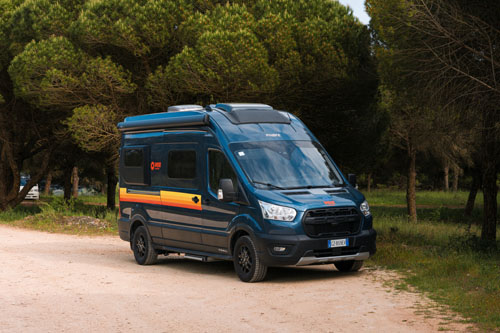
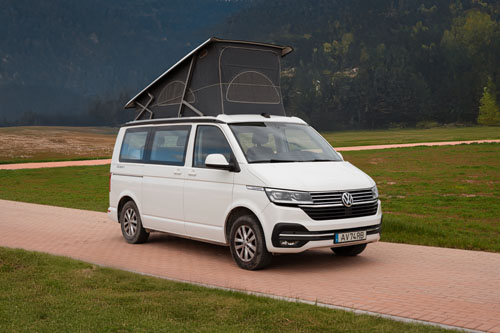
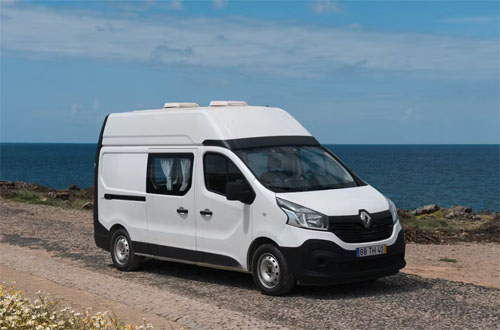
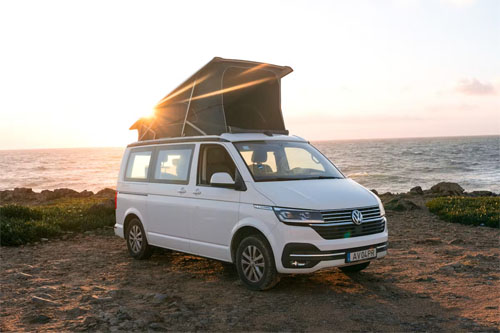
Class B campervans are perfectly suited for solo travelers, couples, or small groups who prioritize agility, fuel economy, and ease of parking in both urban and rural German settings. These compact RVs, averaging 5.8 meters in length in Bandana's fleet, typically sleep around 3.2 people (2.7 adults) and offer a load capacity of approximately 37 kg. A popular option like the Active Classic often comes with a shower and toilet.
Their smaller footprint makes them excellent for navigating narrow village streets, such as those along the Romantic Road, and finding parking in busier areas. They offer superior maneuverability and lower fuel consumption of 8-10 liters per 100 km compared to larger classes. For those looking for the cheapest RV rental in Germany, Class B campervans often present the most budget-friendly options while still providing essential comforts for an extended road trip.
Side-by-Side Comparison Table
This comparison table provides a quick overview of the key characteristics and ideal uses for each RV family available for rent in Germany, enabling you to narrow down your choices for the best RV rental deals. This helps you quickly discern which RV class aligns best with your travel style, group size, and budget for the ultimate German road trip.
A detailed understanding of these differences will help you secure the ideal mobile home for your journey. We offer bookings in 30+ currencies with full price transparency, so you can compare confidently without hidden fees or conversion commissions.
| RV Class | Average Length | Sleeps (Adults) | Load Capacity (kg) | Fuel Consumption (L/100km) | Best For |
|---|---|---|---|---|---|
| Class A (Integrated) | 7.5 meters | 4.4 | 209.5 kg | 8-12 L | Luxury, spacious living, extended tours on autobahns |
| Class SI (Semi-Integrated) | 6.9 meters | 3.4 | 72.2 kg | 10-11 L | Couples/small families, comfort & maneuverability balance |
| Class C (Alcove) | 7.5 meters | 4.4 | 42.4 kg | 10-12 L | Families/larger groups, ample sleeping space |
| Class B (Campervan) | 5.8 meters | 2.7 | 37 kg | 8-10 L | Solo/couples, agility, urban exploration, fuel economy |
Our Recommendation for rv rental deals Travelers in Germany
For most RV rental travelers in Germany, the Class SI (Semi-Integrated) motorhome is our primary recommendation due to its optimal balance of comfort, maneuverability, and cost-effectiveness. With an average length of 6.9m, it comfortably accommodates small families or couples, handles German roads well, and offers better fuel efficiency than larger models, making it a versatile choice for diverse itineraries.
The Class B (Campervan) is an excellent runner-up, particularly for budget-conscious couples or solo adventurers prioritizing agility, ease of parking in cities, and maximum fuel economy, ideal for exploring Germany's charming villages and urban centers without the bulk of a larger RV. No matter your choice, remember our motto: travel slowly, max 100-150 km per day on average. Take time to feel the place, connect to the culture, the food, and the scenery. You can often find great "Cheap RV Rental in Germany - Budget Guide 2026" options with these classes.
Are RVs popular in Germany?
Yes, RVs are extremely popular in Germany, with a deeply ingrained 'Caravaning' culture that sees hundreds of thousands of registered motorhomes and a vast network of well-equipped campsites. Germany is a leading market for RV sales and rentals in Europe, reflecting a strong preference among locals and tourists for flexible road travel. The country's excellent infrastructure, scenic routes, and diverse landscapes make it an ideal destination for RV enthusiasts, with options ranging from basic Stellplätze to luxurious full-service campgrounds.
Is Germany good for RV travel?
Germany is an excellent destination for RV travel, offering a superb combination of well-maintained roads, a comprehensive network of campsites, and diverse landscapes ranging from the Alps to the Baltic Sea. The country boasts a mature RV infrastructure, including specialized Stellplätze (motorhome parking areas) and easy access to major attractions as well as hidden gems. Travelers benefit from clear signage, generally high safety standards, and a welcoming attitude towards motorhome tourists, making it a highly rewarding RV destination. Our local expertise, built over 23 years helping tens of thousands of travelers, ensures you have the best information.
What is the best time of year to RV in Germany?
The best time of year to RV in Germany is typically from late spring (May) to early autumn (September), offering pleasant weather, longer daylight hours, and the full operation of campsites and attractions. For spring festivals and blooming landscapes, May and June are ideal, while July and August provide the warmest weather for lakes and mountains, albeit with higher crowds and prices. September offers a beautiful transition with fewer tourists, vibrant autumn colors, and still-mild temperatures, perfect for wine regions and hiking, though winter RV travel is also possible for Christmas markets and skiing, requiring proper vehicle preparation. Consider researching our "Winter RV Rental in Germany - Pricing Guide 2026" if planning a trip outside the warmer months.
What is the best way to travel Germany?
Traveling Germany by RV is arguably the best way to experience its diverse regions, offering unparalleled freedom, flexibility, and the ability to immerse yourself in local culture beyond typical tourist routes. A rented RV allows you to set your own pace, carry your accommodations with you, and spontaneously alter your itinerary based on discoveries or changing interests, providing a truly personalized journey. While trains and cars offer alternatives, a motorhome combines transportation and lodging, making it particularly cost-effective for longer trips or family travel, especially when seeking RV rental deals. Our Rent&Plan service can provide you with pre-planned routes by professionals, making your trip even smoother.
Do you need an international driver's license to drive an RV in Germany?
For non-EU citizens, it is highly recommended to carry an International Driving Permit (IDP) in addition to your valid national driver's license when driving an RV in Germany, as it serves as an official translation. While your national license may be sufficient for short visits from some countries (e.g., USA, Canada, Australia for up to 6 months), German law often requires a certified German translation if no IDP is present. Always confirm specific requirements with your rental provider, but rest assured that a standard car driver's license (B-class) is sufficient for all motorhome classes (Class A, Class B, and Class C) up to 3.5 tons, with no special license or additional permits required.
What are the rules for motorhomes in Germany?
Motorhome rules in Germany are generally straightforward but require adherence to road regulations, environmental zones, and parking laws. A key requirement for entering many German cities is the 'Umweltplakette' (environmental sticker), which must be displayed on your RV windshield to access designated low-emission zones. Additionally, standard road rules apply regarding speed limits (most RVs are limited to 80-100 km/h on the Autobahn), alcohol consumption, and seatbelt use, with specific guidelines for vehicle weight and dimensions; it's also crucial to understand German regulations on wild camping versus designated Stellplätze.
🎬 Video coming soon
Essential Packing and Gear for RV Travel in Germany
Beyond standard travel essentials, crucial packing for an RV trip in Germany includes specific power adapters (Schuko Type F plug) for campsite hook-ups and a GPS system capable of routing larger vehicles. A physical map or offline navigation app is advisable for areas with limited connectivity or small, winding village roads, supplementing your primary navigation. Consider bringing reusable shopping bags, a multi-language phrasebook, and being familiar with Germany's strict trash separation rules (e.g., different bins for paper, plastic, organic waste, and glass). When planning meals and cooking in your RV, remember to consult our RV-friendly recipes playlist for inspiration!
Is it easy to drive an RV in Germany?
Driving a rented RV in Germany is generally easy due to excellent road infrastructure and clear signage, but it requires awareness of vehicle size and specific German driving etiquette. On the Autobahn, larger RVs should keep to the right lanes, utilize appropriate passing lanes responsibly, and be mindful of faster-moving traffic. Navigating smaller towns and villages can be challenging with larger RVs due to narrow streets and limited turning radii, necessitating careful planning or choosing a more compact RV like a Class B or SI. Remember, drive slowly and carefully, and you can drive almost anywhere without issues. No need to stress - just use common sense and pay attention.
Driving Iconic Routes in Germany with an RV
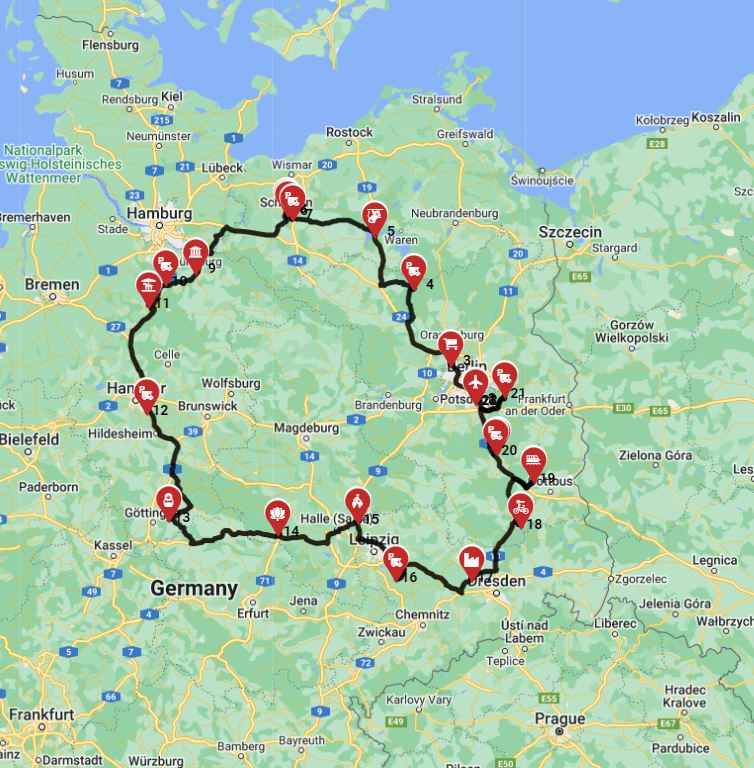
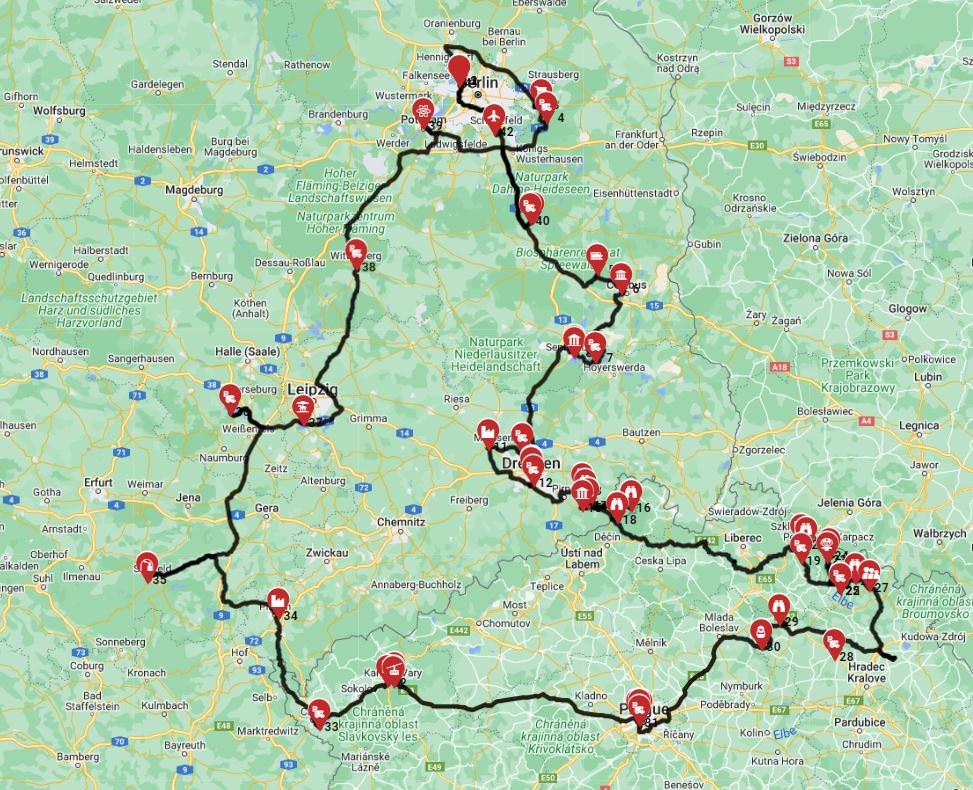
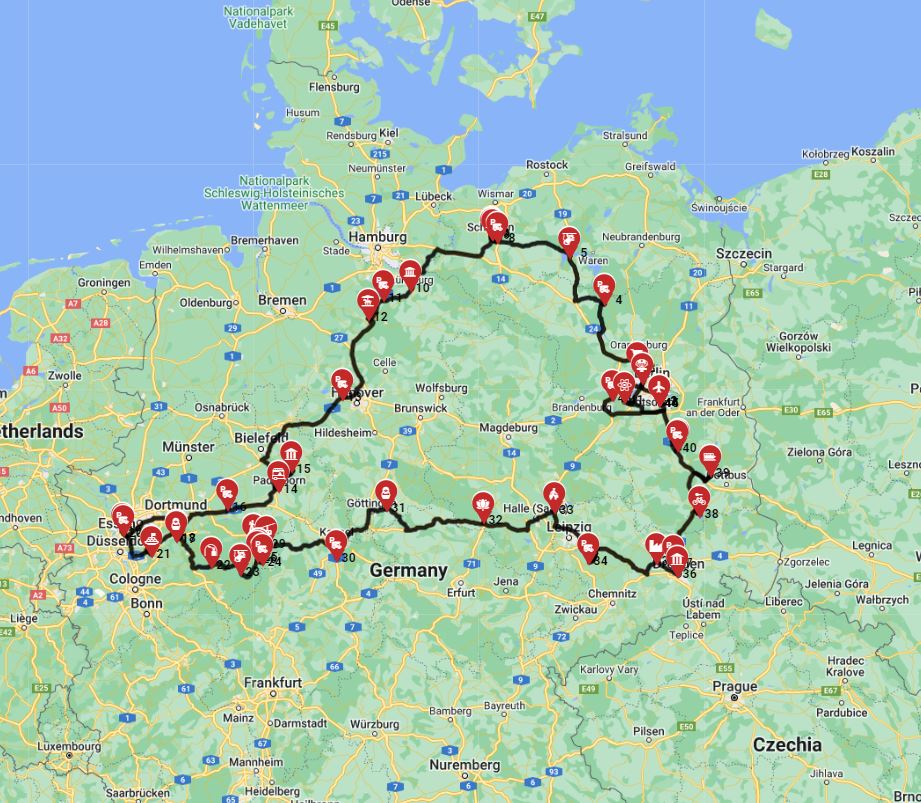
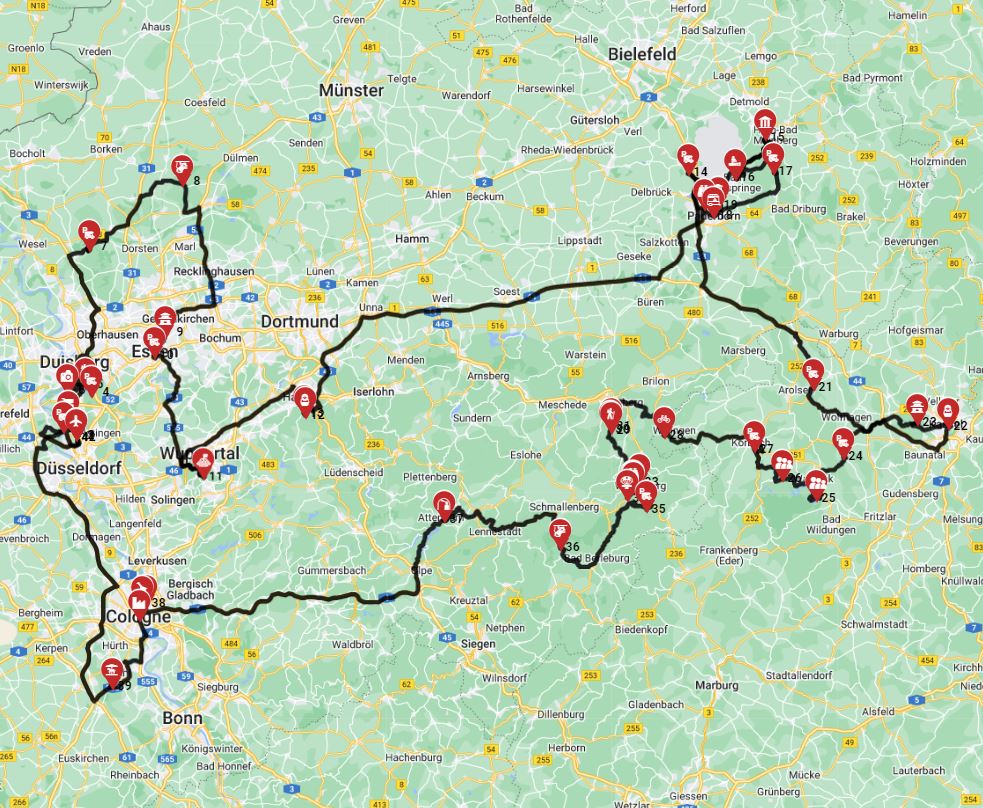
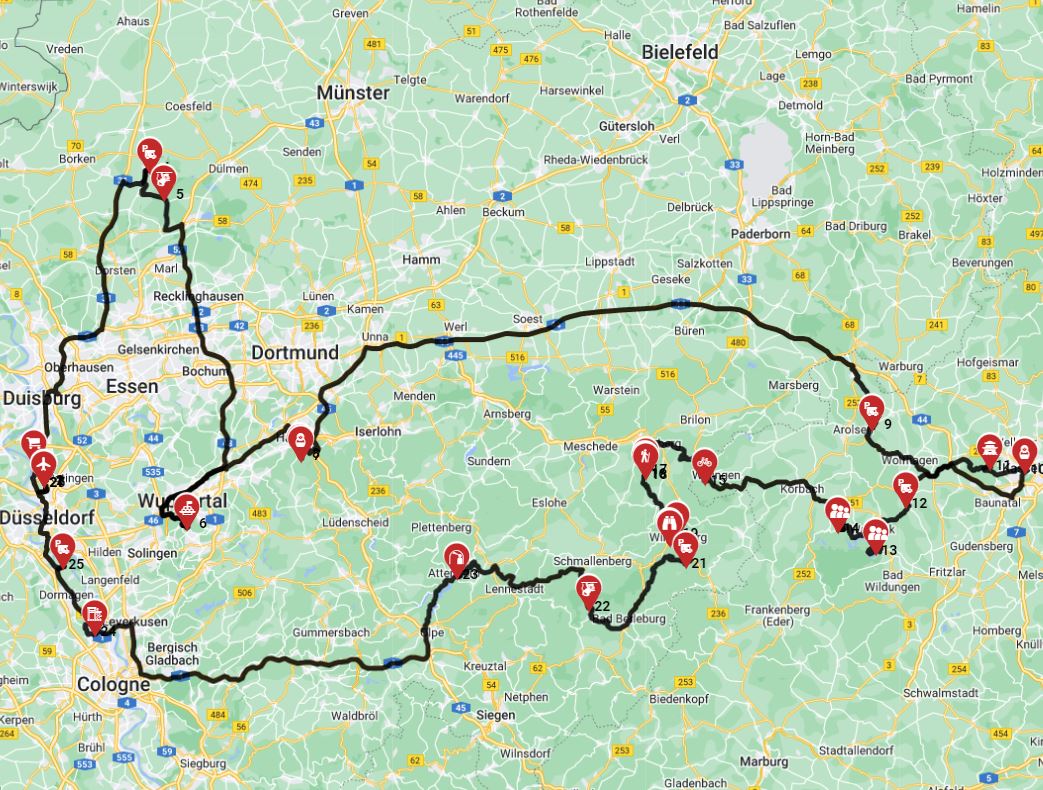
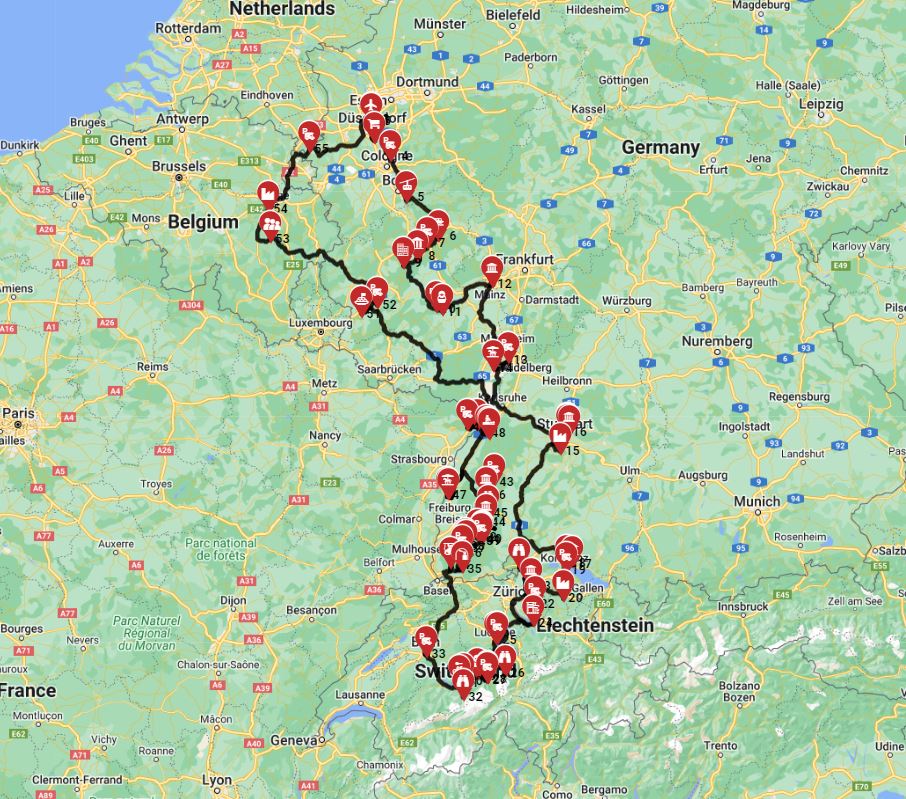
Iconic German routes like the Romantic Road are highly rewarding by RV, but require awareness of road restrictions and planning for suitable parking, especially with larger vehicles. Many picturesque villages along these routes have narrow entrances or restricted zones for large vehicles; research specific parking areas for RVs (often on the outskirts) before arrival. Consider alternative scenic detours for larger RVs to avoid challenging sections, or choose a smaller RV class like a campervan (Class B) or semi-integrated (Class SI) for maximum accessibility. Our "RV Rental Europe - Complete Guide 2026" can provide broader context for European road trips. For inspiration, check out this route:
This 8-day itinerary covers 742.3 km and includes 2 Historical Sites and 2 Local Industries, providing a great taste of the region by RV.
Where can you park an RV in Germany?
In Germany, RVs can be parked at designated Stellplätze (motorhome parking areas), traditional campgrounds, or in regular parking spaces if the vehicle fits legally and doesn't obstruct traffic. Stellplätze are common throughout the country, offering basic services (water, electricity, waste disposal) often at a lower cost than full-service campsites, ideal for overnight stops. Urban RV parking can be challenging due to size restrictions and limited available spaces; researching specific RV-friendly parking garages or peripheral park-and-ride options is recommended for city visits. For finding campsites and campgrounds during your trip, we recommend using RV PLANET (rvplan.net) - a great resource for locating available spots along your route. Additionally, our "Cheap RV Camping in Germany - Budget Sites 2026" guide offers excellent advice.
Can you free camp in Germany in an RV?
Strictly speaking, free camping (wild camping) in a rented RV is generally prohibited in Germany outside of explicitly designated areas or private land with owner permission. However, a nuance exists for 'restoring driver fitness,' meaning you can often legally park your RV for one night in a public parking lot or on the roadside to sleep, as long as no camping behavior (e.g., setting out awnings, chairs, or cooking outside) is displayed. Always prioritize official Stellplätze or campgrounds to ensure legality, access to facilities, and avoid potential fines, especially if staying for more than a quick overnight rest. If a campground is full, remember that many national/state parks reserve only 25-30% of spots; the rest are first-come-first-serve. You'll find a spot. If not at the first campground, then the next one. Call ahead before driving.
What is the average cost to rent an RV in Germany?
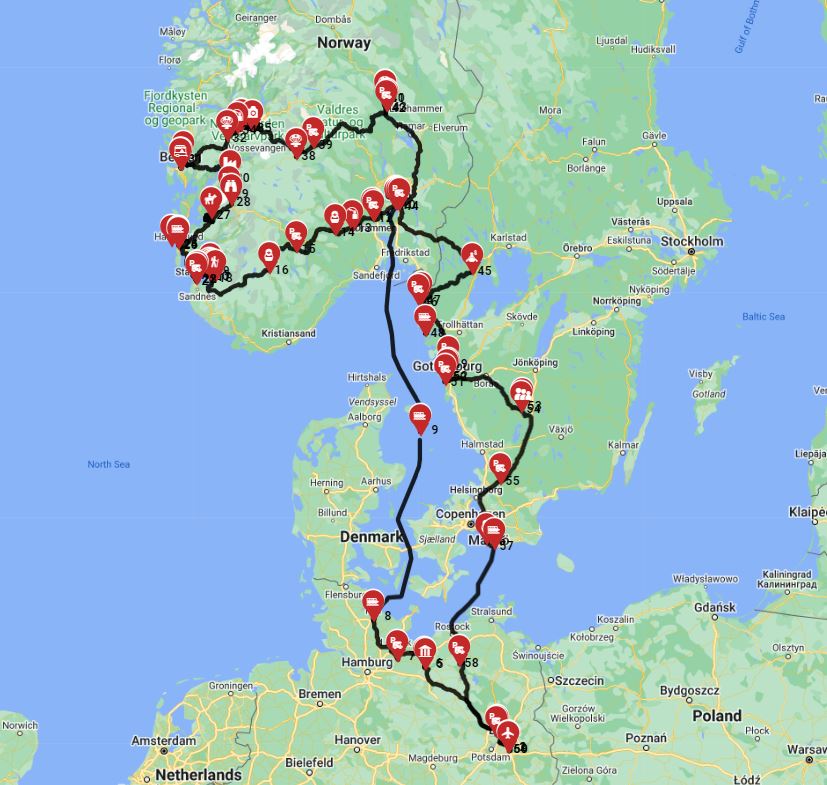
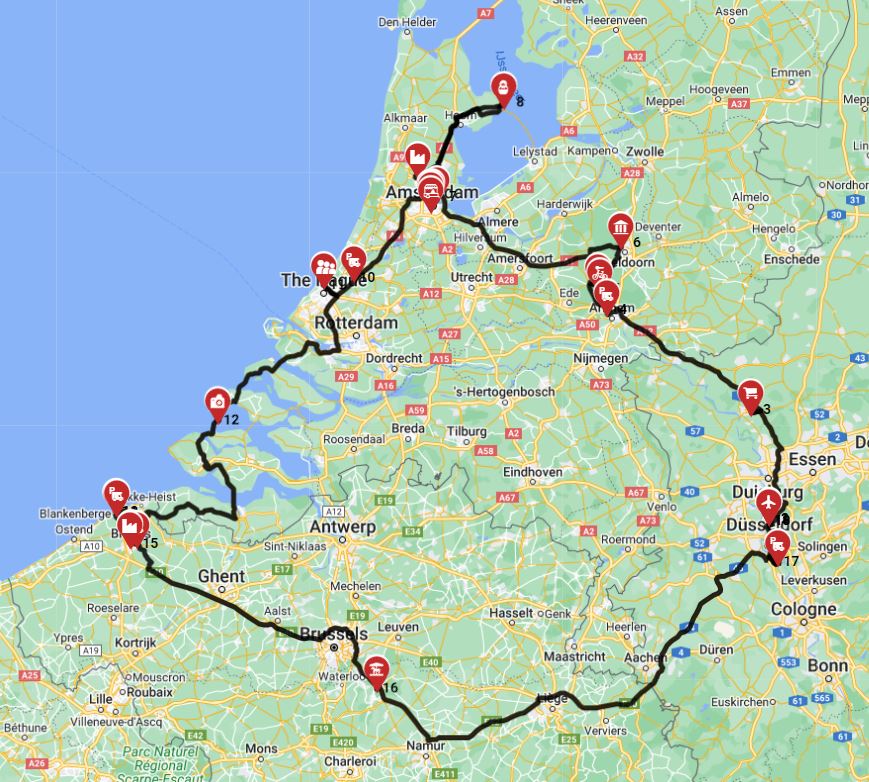
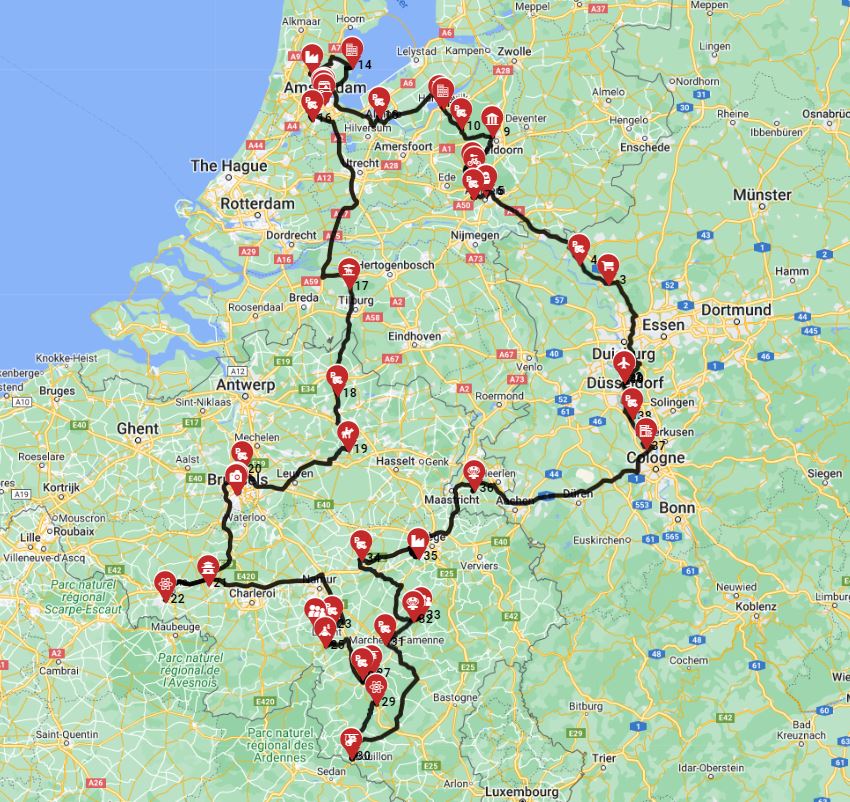
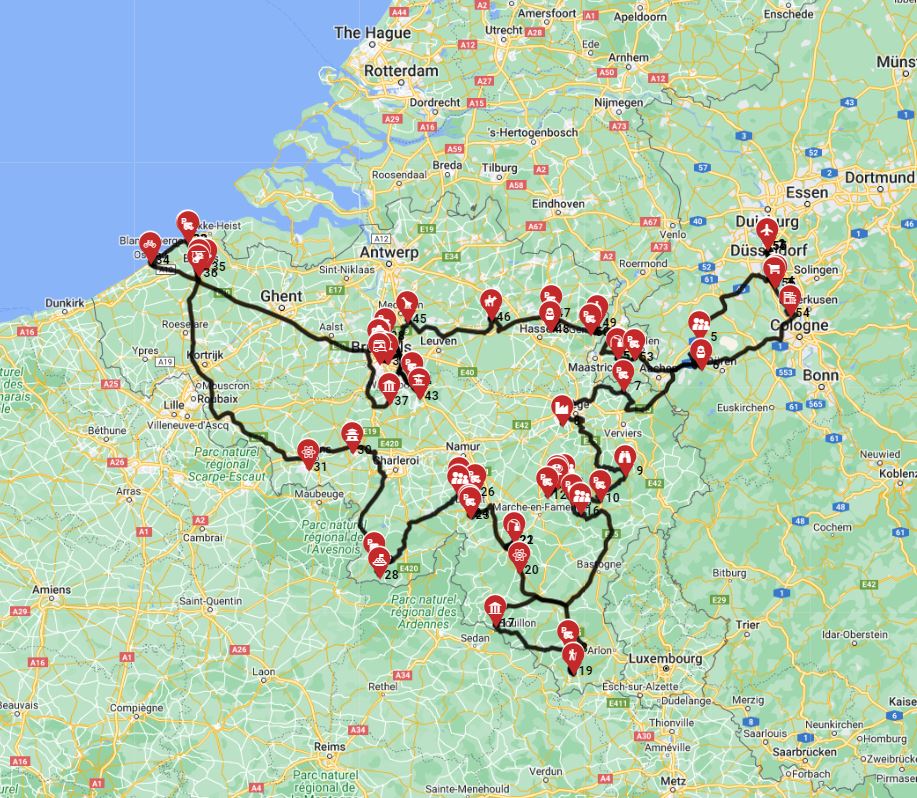
The average cost to rent an RV in Germany varies significantly by season, RV class, rental duration, and booking lead time, but generally ranges from €80 to €200 per night. During peak summer months (July-August) and holidays, prices are at their highest, while shoulder seasons (May-June, September-October) often provide better RV rental deals and more availability. Renting for longer durations, such as a month, can often result in a lower daily rate compared to a week-long rental, offering better value for extended German explorations. For a comprehensive overview, explore our "RV Rental in Germany - Prices and Best Deals 2026" guide.
This route plan covers 1076.2 km over 8 days and features 1 Amusement Park and 1 Historical Site, giving you a taste of cross-border RV travel.
What is the cheapest RV rental in Germany?
The cheapest RV rentals in Germany are typically Class B campervans or smaller semi-integrated models during the off-peak or shoulder seasons, booked well in advance. For example, a compact campervan like the Active Classic can offer significant savings. Opting for a smaller, more fuel-efficient vehicle can significantly reduce overall costs, including both rental fees and operational expenses like fuel. Look for special RV rental deals, early bird discounts, or last-minute offers on platforms like Bandana, and consider renting from less central locations for potentially lower prices. Flexibility in your travel dates can also unlock better deals; shifting your departure by a few days can sometimes save you up to 25% on your rental. You can easily compare thousands of RV rental deals in Germany right here.
How much is an RV campsite in Germany?
The cost of an RV campsite in Germany typically ranges from €10 to €35 per night, depending on the location, facilities offered, and the season. Basic Stellplätze (motorhome parking areas) usually fall on the lower end, often providing just parking and basic amenities like water and waste disposal. Full-service campgrounds, especially in popular tourist areas or with extensive amenities like pools and entertainment, will be at the higher end of this range. For detailed budgeting, our RV PLANET routes allow you to itemize and track every expense, including campsite fees, along your way.
How much fuel does an RV use per 100km?
RV fuel consumption in Germany typically ranges from 8 to 17 liters per 100 km, heavily depending on the RV class, engine size, driving style, and terrain. Smaller Class B campervans, like the Happy 1, are the most fuel-efficient, averaging 8-10 liters/100 km, making them a cost-effective choice for RV rental deals. Larger Class A integrated motorhomes and Class C alcove motorhomes generally consume more, often between 11-17 liters/100 km, a factor to consider for comprehensive budgeting. Diesel is the most common fuel type for rental motorhomes in Germany, and prices can fluctuate, so factor this into your overall trip cost.
Beyond Rental: Comprehensive Budgeting for Your German RV Trip
A comprehensive budget for your German RV trip must extend beyond just rental and campsite fees to include significant operational costs like fuel, groceries, and attraction entry fees. Crucial hidden fees to budget for include the 'Umweltplakette' for city access (around €5-€20), potential tolls (though less common for vehicles under 3.5 tons), and insurance deductibles. Remember, you can upgrade to a top-level deductible for extra peace of mind. Allocate funds for unexpected expenses, dining out (especially for regional food specialties), souvenir shopping, and connectivity solutions like SIM cards or Wi-Fi hotspots. Planning in advance with RV PLANET can help you outline and track all these potential costs with a 25% planning discount when you use rvplan.net.
What documents do I need to rent an RV in Germany?
To rent an RV in Germany, you will typically need a valid driver's license (national and potentially an IDP), a valid passport or national ID card, and a major credit card for the rental payment and security deposit. Ensure your driver's license is valid for the entire rental period and corresponds to the vehicle class you intend to rent (usually a standard B-class license for vehicles up to 3.5 tons). Rental companies generally require you to be a minimum of 21 years old and have held your license for a minimum period, often 2-3 years, although Bandana ensures no young driver surcharges and no vehicle class restrictions based on age.
Staying Connected: RV Connectivity in Germany
Ensuring connectivity on your German RV trip is crucial for navigation, research, and staying in touch, with several reliable options available. Purchasing a local SIM card from providers like Telekom or Vodafone upon arrival offers the best value for mobile data and calls throughout Germany. While Wi-Fi hotspots are available at many campsites and public areas, consider a portable Wi-Fi device for consistent connectivity, especially when exploring more remote regions. Having a reliable connection can be invaluable for finding last-minute RV rental deals in Germany or checking campground availability.
Emergency Preparedness and Support on Your German RV Trip
Being prepared for emergencies on your German RV trip is essential, including knowing breakdown procedures and how to access local support. In case of a breakdown, contact your rental provider's emergency number immediately; major German automobile clubs like ADAC also offer roadside assistance, often covered by rental insurance. For medical emergencies, dial 112 for an ambulance or police, and ensure your travel insurance includes medical coverage abroad, with knowledge of how to locate English-speaking doctors or pharmacies. Remember, Bandana RV specialists are with you before, during, and after your booking to ensure peace of mind, though direct roadside assistance during the trip is handled by the local supplier.
Discovering Authentic Germany: Beyond the Tourist Trail
To discover authentic local experiences in Germany, venture beyond major tourist hotspots and explore smaller towns, regional markets, and local festivals with your RV. Engage with locals at farmers' markets for regional food specialties, visit family-run wineries, or seek out 'Gasthöfe' (traditional inns) for genuine German cuisine. Utilize local tourism offices in smaller towns for recommendations on hidden gems, cultural events, and opportunities for deeper immersion into German life, often easily accessible by RV. Traveling slowly, as we recommend (max 100-150 km per day), allows you to truly feel the place, connect to the culture, the food, and the scenery. With Bandana, you're supported by true RV specialists, not a travel agency side department, ensuring your authentic German adventure is seamless.
What You Shouldn't Miss
- **The Romantic Road:** Drive a rented motorhome along Germany's most famous scenic route, the Romantische Straße, stretching 460 km from Würzburg to Füssen. Experience medieval towns like Rothenburg ob der Tauber and Dinkelsbühl.
- **Bavarian Alps:** Explore the stunning alpine landscapes, visiting Neuschwanstein Castle near Füssen, hiking in Berchtesgaden National Park, and enjoying traditional Bavarian hospitality.
- **Black Forest:** Navigate the winding roads of the Black Forest (Schwarzwald) in your campervan, stopping in charming villages like Triberg and enjoying the region's famous cuckoo clocks and Black Forest cake.
- **Rhine Valley Castles:** Take a leisurely river cruise or drive along the Rhine River between Mainz and Koblenz, admiring the dozens of medieval castles perched on hillsides. Many Stellplätze offer fantastic views.
- **Berlin & Hamburg (City Exploration):** Explore Germany's vibrant cities. Drive slowly and carefully, and you can drive almost anywhere without issues. No need to stress - just use common sense and pay attention when parking your RV in designated spots outside the main centers and use public transport for city exploration.
- **Avi Bandana's Top 5 Adventures in Germany:** Looking for expert insights from Avi Bandana? Check out our Top 5 Adventures - recommendations from Avi Bandana for unique, personal highlights and hidden gems across Germany.
Final Thoughts
Embarking on an RV adventure in Germany is an experience filled with discovery, freedom, and unforgettable moments. From the moment you compare RV rental deals to the last scenic drive, we're here to support you. We genuinely love helping people explore the beauty of Germany with a comfortable motorhome, ensuring you have all the information and assistance you need.
Choosing the right RV for your trip, understanding the local rules, and planning a bit in advance will make all the difference. Remember, God is in the small details, and we take care of them. That's what makes the big difference in your journey. So, get inspired for your next trip, compare prices, and get ready to discover the magic of Germany at your own pace.
Plan a trip itinerary in advance with minimal effort and maximum enjoyment. Find your perfect RV rental in Germany today and start making memories that will last a lifetime!