In This Guide
- Best Germany RV Itinerary for rv rental - Overview
- 7-Day Classic Route in Germany
- 14-Day Extended Journey in Germany
- Recommended RVPlan Trip for Germany
- Must-See Stops Along the Way (Avi Bandana Picks)
- Daily Driving Distances & Drive Times in Germany
- Best RV Class for This Itinerary - Couple & Family Picks
- How much does it cost to rent an RV in Germany
- Do you need a special license to drive an RV in Germany
- Is it easy to RV in Germany
- What is the best time to RV in Germany
- Can you wild camp in an RV in Germany
- Is it safe to RV in Germany
- Are German roads good for RVs
- How do I find Stellplatze in Germany
- Can I rent an RV in Germany and drive to other countries
- RVing with Families and Pets in Germany
- Exploring Germany's Less-Traveled Regions by RV
- Top Cities for RV Rental in Germany
Embarking on an RV rental adventure in Germany promises freedom, flexibility, and a truly immersive travel experience. From historic castles to scenic Black Forest drives and vibrant cityscapes, Germany offers an incredible backdrop for a motorhome journey. As true RV specialists, Bandana RV provides transparent booking with no hidden fees and offers 24/7 support throughout your planning process, ensuring peace of mind from start to finish. For live availability and current prices, start with our RV Rental Germany - Complete Guide 2026 guide, designed to give you all the details for a memorable trip.
Best Germany RV Itinerary for rv rental - Overview
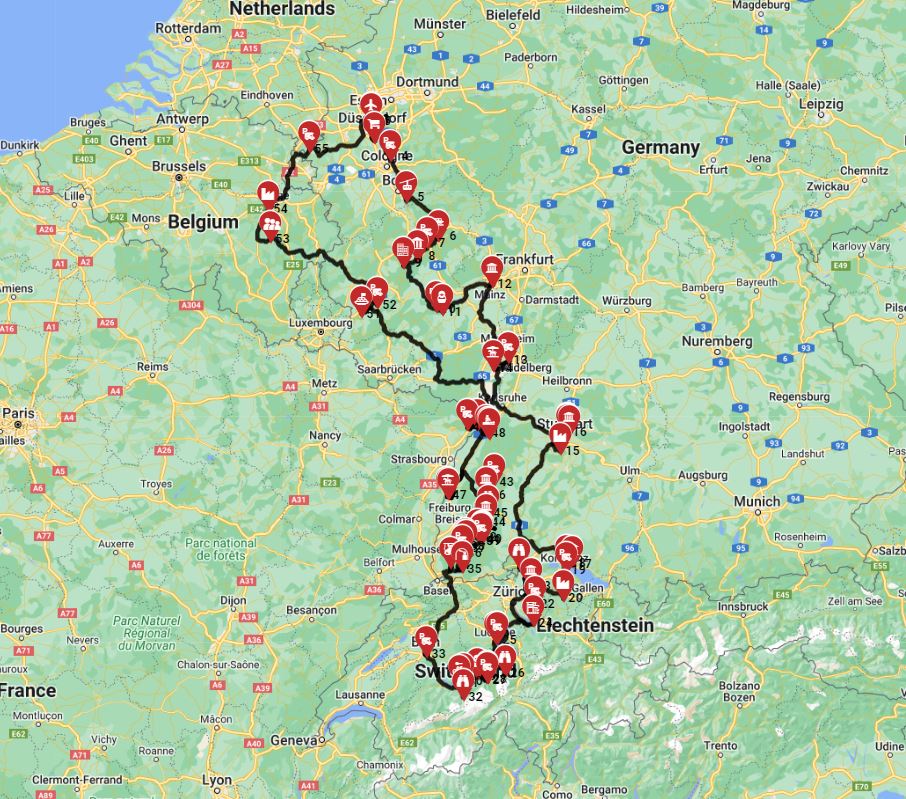
A Germany RV rental adventure typically spans a minimum of 7 to 14 days, allowing for a relaxed pace to explore diverse regions. While an extensive tour like the "Dusseldorf Roundtrip - South- Germany & Switzerland" can cover over 2,700 km in 22 days, shorter trips can focus on specific areas like Bavaria or the Rhine Valley. The ideal season for an RV trip in Germany is late spring (May-June) or early autumn (September-October) for pleasant weather, fewer crowds, and vibrant scenery. Imagine scenic drives through mountains, historic towns, and picturesque countryside, with ample opportunities for cultural immersion and enjoying local food. Remember to travel slowly, averaging a maximum of 100-150 km per day, allowing you to truly feel the place, connect to the culture, the food, and the scenery.
7-Day Classic Route in Germany
This 7-day classic route provides an excellent introduction to southern Germany's highlights, starting from Munich and concluding near Frankfurt. On Day 1, drive from Munich to Garmisch-Partenkirchen (approx. 90 km) to explore the Olympic ski jump and stunning mountain views, and consider sleeping at a campsite near Eibsee. Day 2 takes you from Garmisch-Partenkirchen to Füssen (approx. 60 km) to visit the iconic Neuschwanstein Castle and Hohenschwangau Castle, with an overnight stay at a Stellplatz in Füssen. For Day 3, travel from Füssen to Ulm (approx. 120 km) to discover Ulm Minster, the world's tallest church spire, and find a Stellplatz by the Danube River. Day 4 involves a drive from Ulm to Stuttgart (approx. 90 km) where you can explore the Mercedes-Benz or Porsche Museums, staying at a campground outside the city. On Day 5, journey from Stuttgart to Heidelberg (approx. 120 km) to walk through Heidelberg's Old Town and visit its iconic castle, parking at a campsite along the Neckar River. Finally, on Day 6, make your way from Heidelberg to Frankfurt (approx. 90 km) to return your rented motorhome to a rental depot, enjoying a final scenic drive. For a detailed planning tool to customize this and other itineraries, check out RV PLANET (rvplan.net).
14-Day Extended Journey in Germany
This 14-day extended journey allows for a deeper exploration of Germany's diverse landscapes and historical richness. Days 1-3 can be spent in the Bavarian Alps and Lakes region (Munich, Garmisch-Partenkirchen, Königssee), immersing yourself in alpine scenery, hiking trails, and enjoying pristine lakes, averaging 80-100 km daily. For Days 4-6, drive a classic route along the Romantic Road Highlights (Füssen, Rothenburg ob der Tauber), exploring fairytale castles and medieval towns, with daily drives around 100-150 km. Days 7-9 lead you to the Black Forest and Spa Towns (Freiburg, Triberg, Baden-Baden) to experience dense forests, waterfalls, and indulge in spa treatments, keeping distances to 80-120 km per day. On Days 10-12, explore the Rhine Valley and its Castle Exploration (Rüdesheim, Cochem), cruising the Rhine and tasting local wines, with short drives of 50-100 km. Finally, Days 13-14 involve visiting historic cities and preparing for departure in urban centers like Cologne or Düsseldorf before returning your rental motorhome, covering around 100-150 km on the final leg. This extended journey provides an incredible depth of experience for travelers renting an RV in Germany.
Recommended RVPlan Trip for Germany
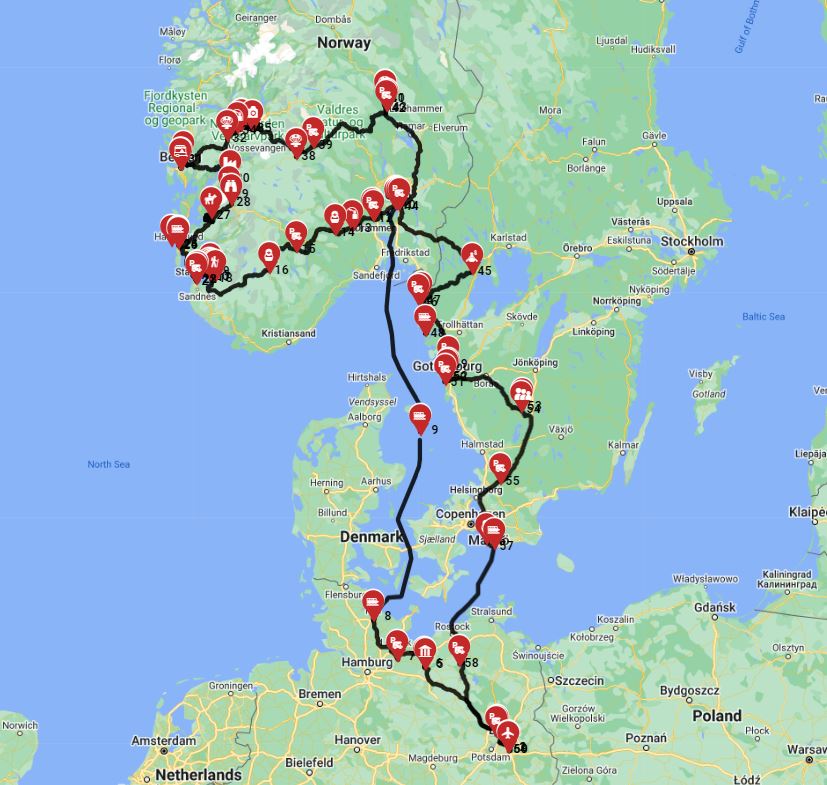
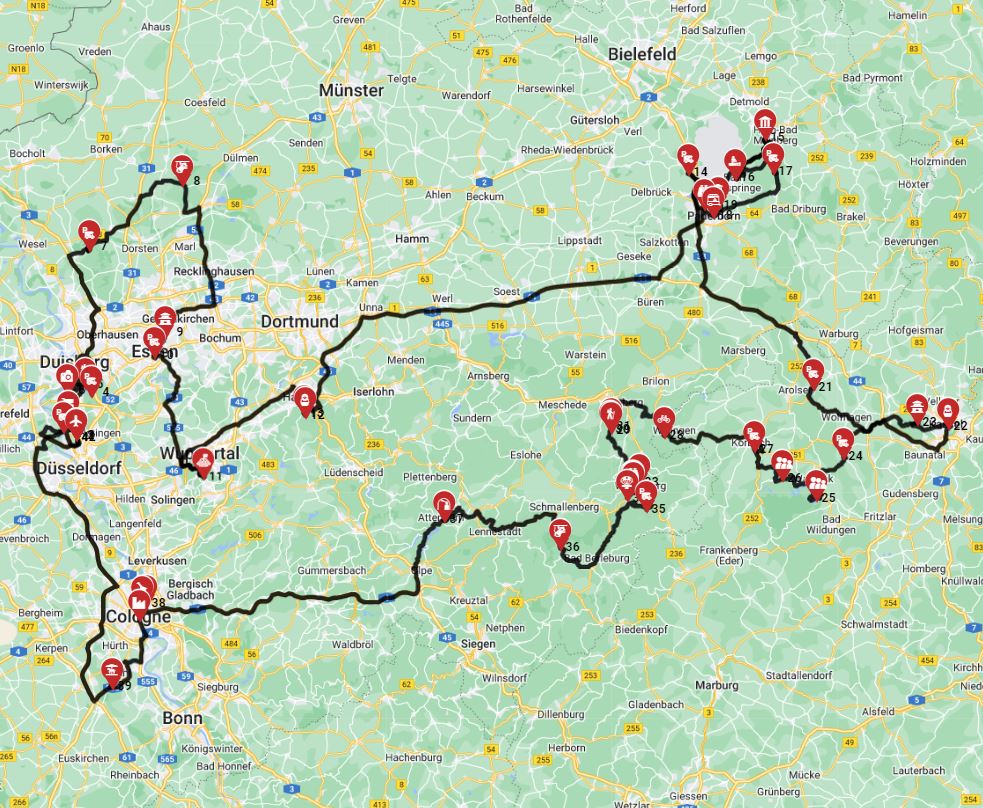
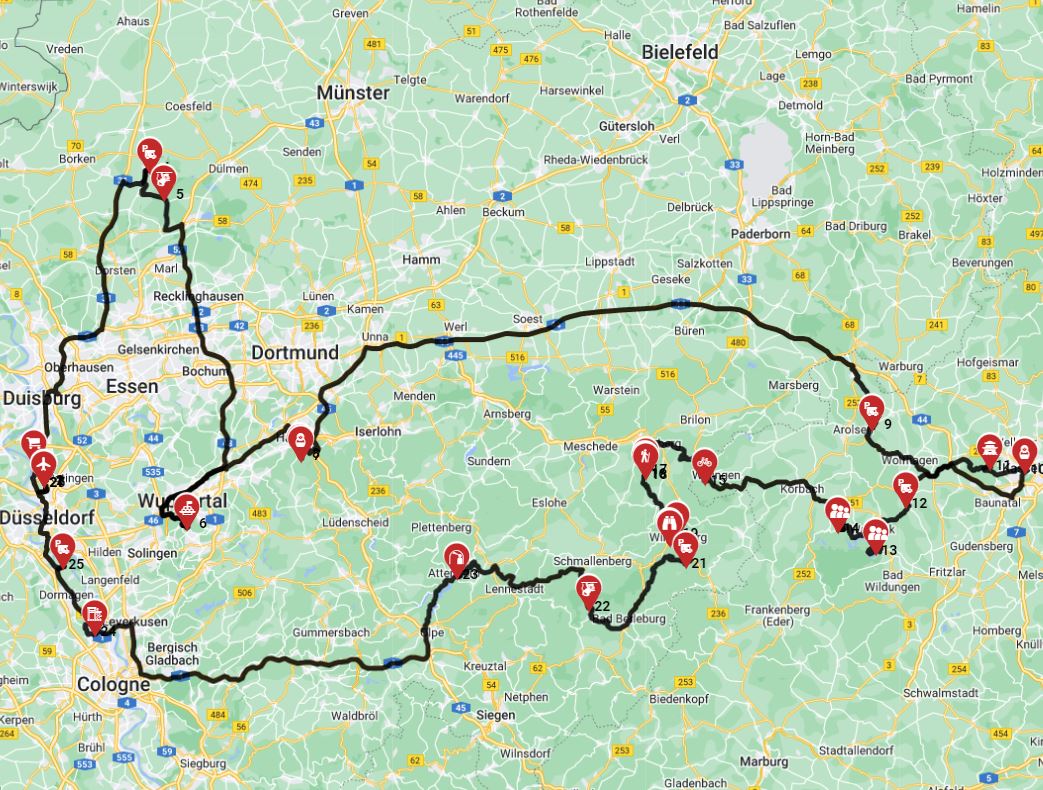
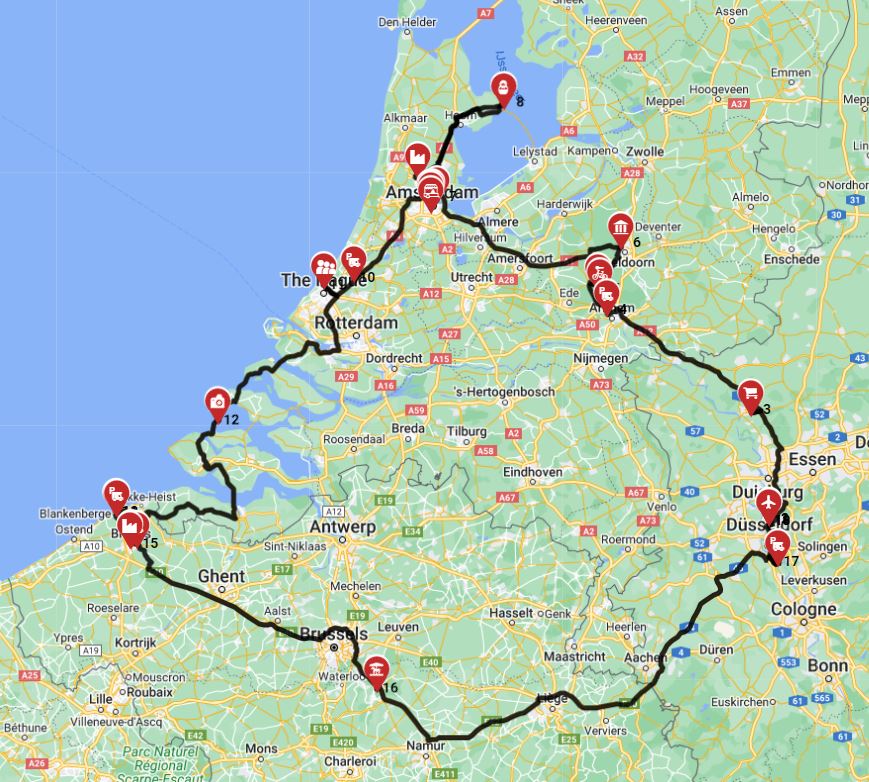
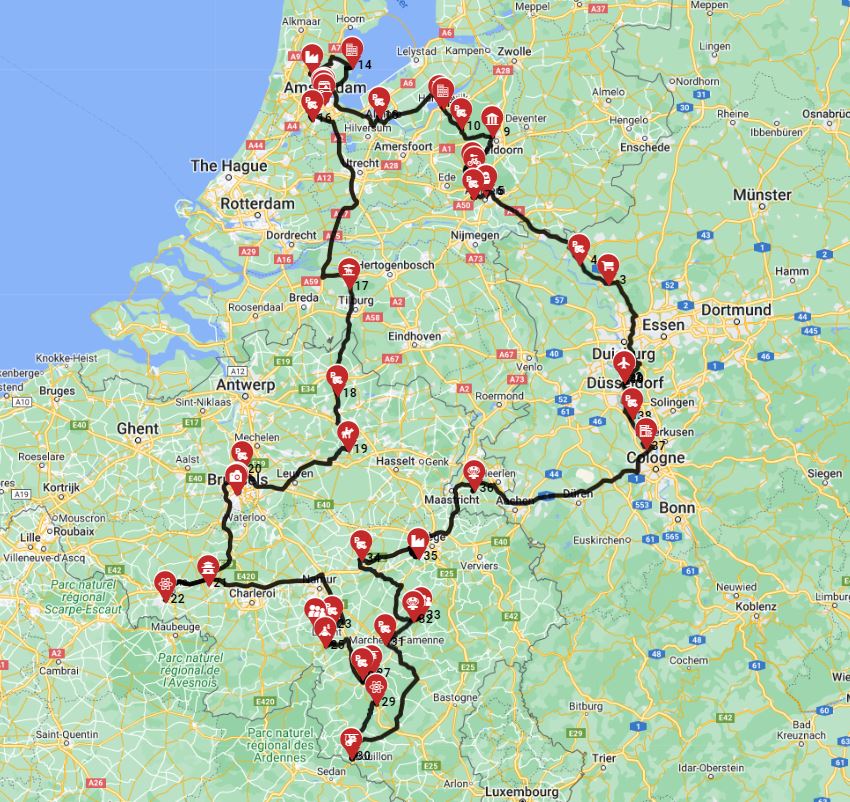
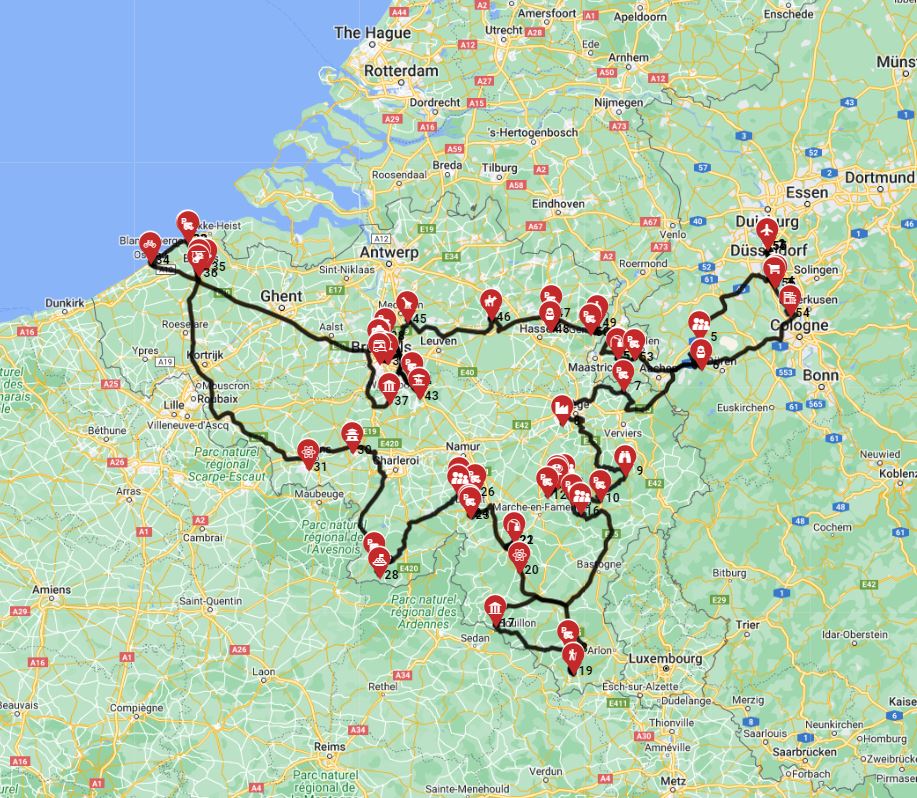
For travelers seeking expertly curated routes, RV PLANET (rvplan.net) offers several excellent itineraries for Germany. These pre-planned routes are designed by professionals, taking the guesswork out of your journey and rewarding you with a 25% planning discount when using rvplan.net. For example, consider the 8-day "Dusseldorf Roundtrip - Germany / Netherlands / Belgium" covering 1076.2 km, perfect for exploring multiple countries from a central German starting point.
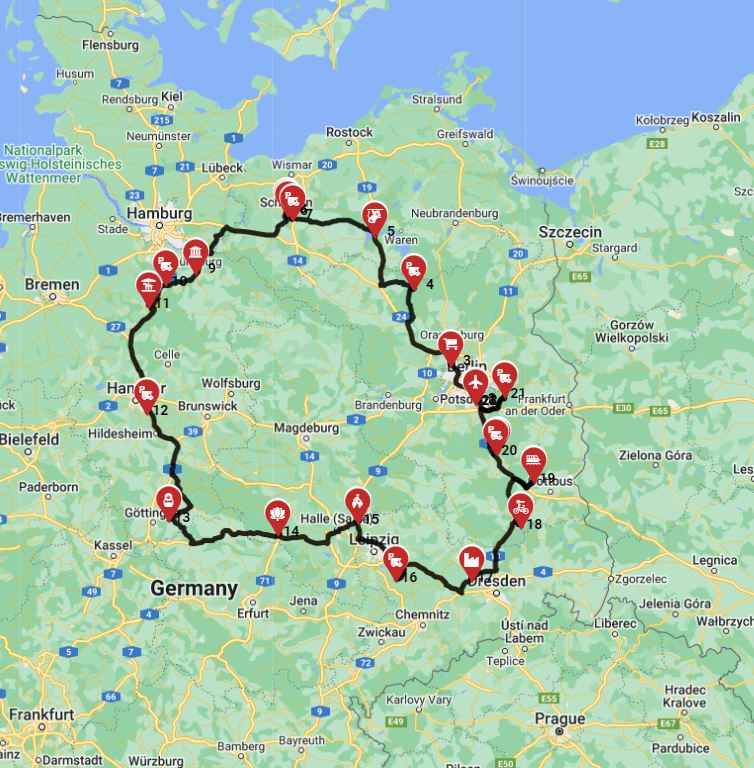
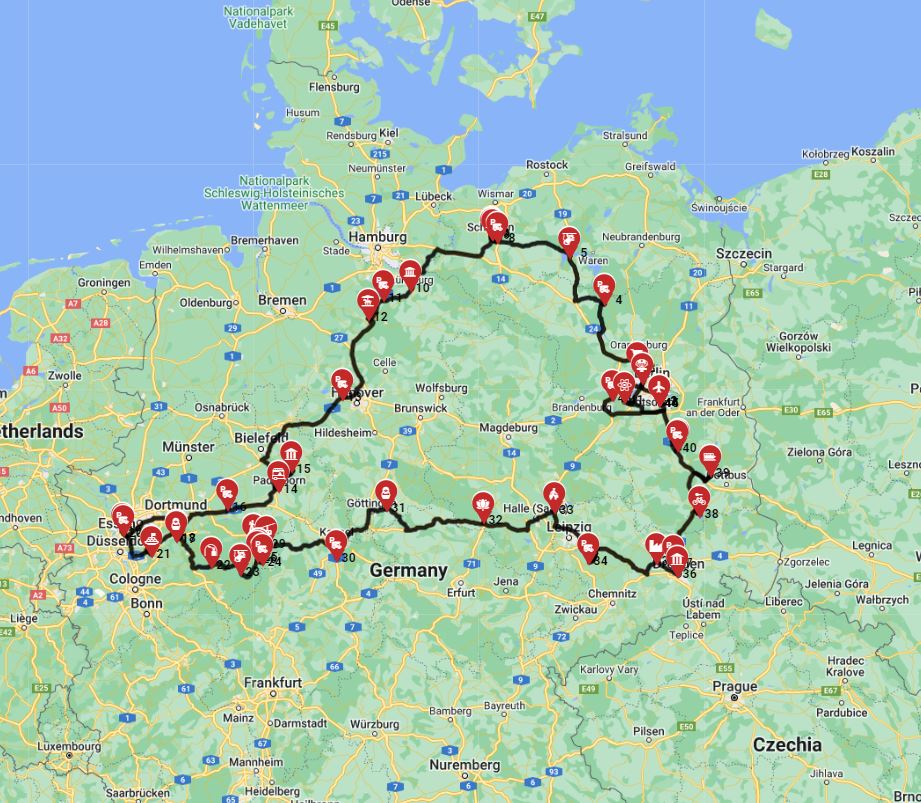
Another fantastic option for an extended German RV experience is the 15-day "Frankfurt Roundtrip - North Germany - Including Hamburg & Berlin," which spans 2230.1 km and includes 1 Amusement Park, 1 Animals Show / Wildlife watch, 1 Bike Rental, 1 Botanical garden, 1 cave, 1 Cruise Terminal / Sailing, 1 Extreme Activity, 2 Family Activity, 2 hiking area, 1 Historical Site, 1 Horseback Riding, 2 Local Industry, 2 Museum, 1 Point Of Interest, 1 Science Site, 2 Traditional Restaurant / Fine Dining, 1 Traditional Visit, 1 Water Park, and 1 Zoo. This itinerary offers a comprehensive dive into northern Germany's culture and natural beauty, ensuring you experience a wide array of activities with your motorhome rental.
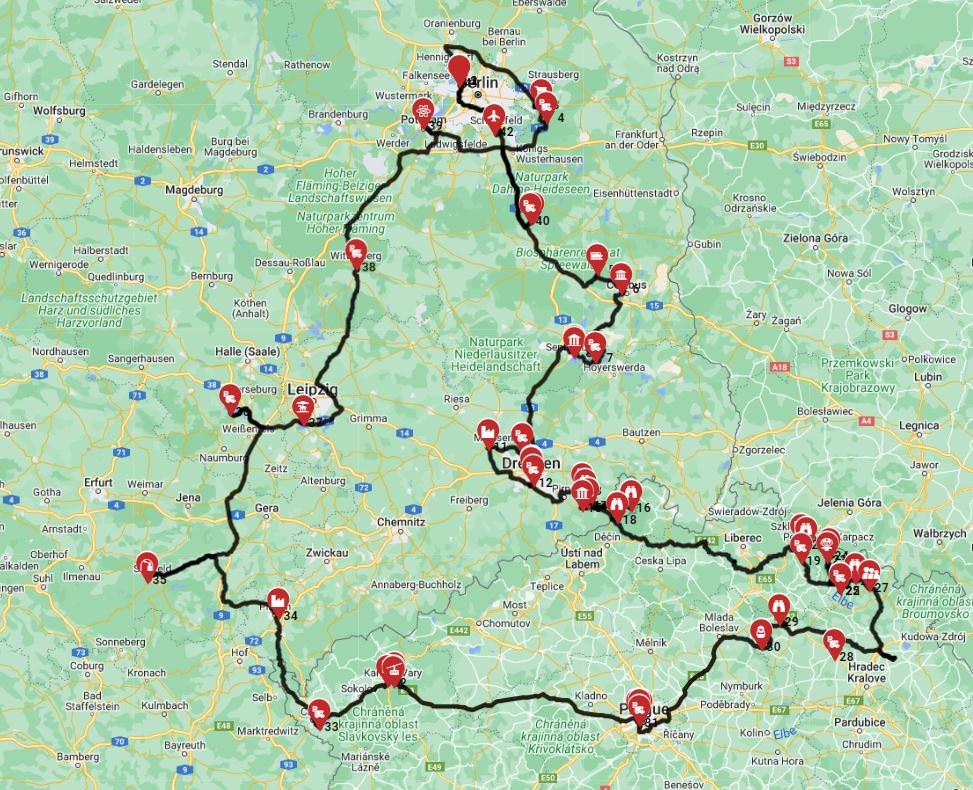
For those looking to explore the heart of Germany, the "
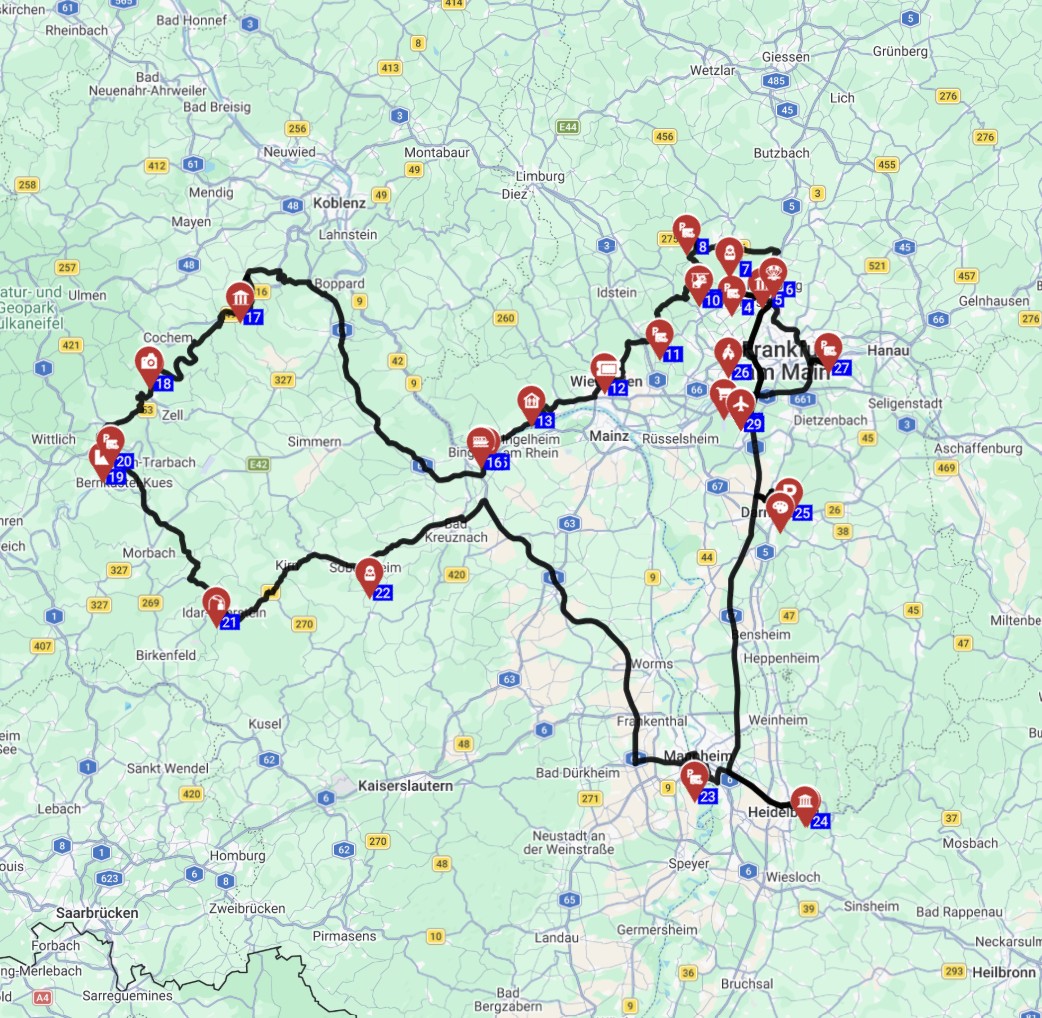
These itineraries, and many more, are available through RV PLANET routes, a great resource for not only planning but also for itemizing and tracking every expense along the way for easy budgeting. On the routes offered through RV PLANET routes, you can itemize and track every expense along the way for easy budgeting.
What You Shouldn't Miss
- Neuschwanstein Castle, Bavaria: This fairytale castle, built by King Ludwig II, is a must-see. Located near Füssen, it offers breathtaking views of the Bavarian Alps.
- Romantic Road: Drive a section of Germany's most famous scenic route, stretching approximately 460 km from Würzburg to Füssen, and discover charming medieval towns and picturesque villages with your rented motorhome.
- Black Forest Scenic Route (Schwarzwaldhochstraße): Experience dense evergreen forests, charming villages, and stunning vistas along this approximately 60 km route, perfect for a slow, immersive drive.
- Rhine Valley Castles (Upper Middle Rhine Valley UNESCO World Heritage Site): Take a leisurely cruise or explore by campervan between Rüdesheim and Koblenz, where more than 40 castles and fortresses dot the dramatic landscape.
- Berlin's Historic Sites: While larger cities require careful driving, explore iconic landmarks like the Brandenburg Gate, Reichstag Building, and remnants of the Berlin Wall by parking at an outer city Stellplatz and using public transport.
Looking for expert insights from Avi Bandana? Top 5 Adventures - recommendations from Avi Bandana
Avi Bandana's personal picks for an enriching Germany RV trip include visits to significant 'Local Industry' sites to understand German craftsmanship and innovation. Don't miss browsing a 'Traditional Market' for local delicacies and unique souvenirs, offering a taste of regional culture. Enjoying authentic German cuisine at a 'Traditional Restaurant / Fine Dining' establishment is a must for any food enthusiast; for those who love to cook, remember your RV kitchen is fully equipped, and you can find delicious RV-friendly recipes playlist online to try new dishes with fresh market ingredients. A 'Traditional Visit' to historical landmarks provides deep insights into Germany's rich past and heritage.
🎬 Video coming soon
Daily Driving Distances & Drive Times in Germany
Avi Bandana recommends a maximum of 100 miles or 150 km per day on average when RVing in Germany to ensure a relaxed travel pace. This guideline encourages travelers to embrace the 'slow travel' philosophy, allowing ample time for sightseeing and enjoying local experiences without feeling rushed. For instance, a drive from Munich to Nuremberg is approximately 170 km, which could take around 1.5 to 2 hours of driving, depending on traffic and speed limits. Traveling from Berlin to Dresden covers about 190 km, typically requiring 2 to 2.5 hours on the road. A longer journey like from Cologne to Hamburg is roughly 400 km, suggesting this would be split over two relaxed driving days to adhere to the daily limit and allow for stops. Drive slowly and carefully, and you can drive almost anywhere without issues. No need to stress - just use common sense and pay attention, even with larger motorhome rentals. Your vacation should be about the journey, not just the destination.
Best RV Class for This Itinerary - Couple & Family Picks
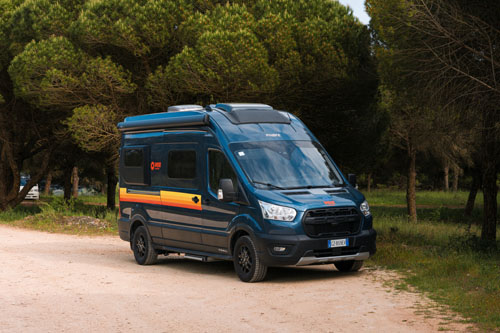
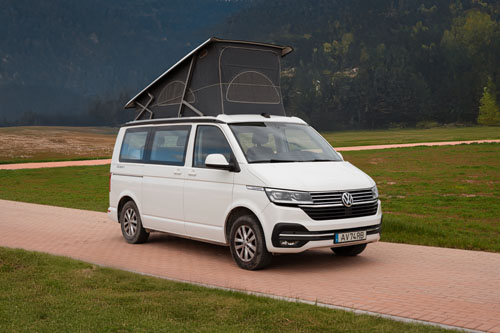
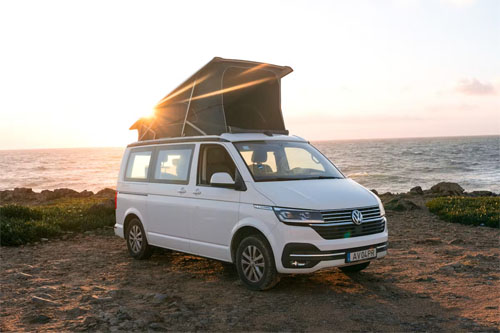
Choosing the right RV class for your Germany itinerary depends on your travel companions and desired comfort. For couples exploring Germany, a Class B - Camper Van is an ideal choice, offering agility and ease of parking in smaller towns and city centers. Bandana's fleet typically features Class B Camper Vans with an average length of 5.8 meters and sleeping places for 3.2, comfortably accommodating two adults with an average of 2.7 adult capacity, like the agile 'Patagonia Camper 4x4 double cab'. Families, on the other hand, will find the Class C - Alcove motorhome perfectly suited, providing more space and dedicated sleeping areas, such as the 'rv rentals example Comfort Class' which offers 3 double beds. Bandana's Class C Alcove models boast an average length of 7.5 meters, offering an average of 5.8 sleeping places for up to 4.4 adults, making them excellent for families needing a larger base. These larger motorhome rentals still handle beautifully on German roads. To streamline your planning, consider Bandana's 'Rent&Plan' service, which combines RV rental with a ready-made itinerary by travel experts and full access to trip-planning software, removing planning headaches and offering a 25% planning discount for rvplan.net routes.
How much does it cost to rent an RV in Germany
The cost to rent an RV in Germany varies significantly based on RV class, season, rental duration, and booking lead time, but generally ranges from €80 to €200 per day. For example, a compact campervan might start at €80 in the off-season, while a larger, luxury Class A motorhome could reach €250+ per day during peak summer. Beyond rental fees, budgeting should include fuel (common RVs average 10-12 Liters/100 km), tolls (mostly for trucks over 3.5t, private RVs often exempt unless crossing borders), Stellplatz/campsite fees (€10-€40 per night), food, and activities. To save money, consider off-season travel, cooking meals in your rented motorhome, and utilizing free Stellplatze where available, though these may have fewer amenities. Factor in potential costs for additional insurance, an International Driving Permit, and a German Environmental Zone sticker (Umweltplakette) to avoid unexpected expenses. Remember, prices are dynamic, similar to flight tickets, changing daily based on availability and supplier marketing decisions, so the final price is set at actual booking time. For more pricing details, check our "Cheap RV Rental in Germany - Budget Guide 2026" and "RV Rental in Germany - Prices and Best Deals 2026" articles. Our commitment to full transparency ensures no hidden fees, no surprises, just honest pricing.
Do you need a special license to drive an RV in Germany
To drive most common RV rentals in Germany, a standard car driver's license (Category B in Europe, often equivalent to a standard car license in other countries) is sufficient, covering vehicles up to 3.5 metric tons. This includes many campervans and Class C motorhomes. For larger RVs exceeding 3.5t but under 7.5t, a C1 license (or equivalent, depending on your home country's licensing system) is typically required, though this is less common for standard rental fleets. An International Driving Permit (IDP) is recommended for visitors from non-English-speaking countries in addition to their valid national license, as it provides a certified translation of your driving qualifications, but it is NOT mandatory in most cases. The minimum rental age in Germany is 21 years old, and there are no young driver surcharges or vehicle class restrictions based on age with Bandana RV, making it accessible for a wider range of travelers.
Is it easy to RV in Germany
RVing in Germany is generally straightforward due to excellent infrastructure, well-maintained roads, and a comprehensive network of Stellplatze (motorhome parking spots). Navigating German Environmental Zones (Umweltzonen) requires a green 'Umweltplakette' sticker, which can be purchased online or at TÜV/Dekra stations; look for clear signage indicating these zones. Finding suitable parking and campsites is made easy with dedicated apps like Park4Night, Campercontact, and Pincamp, which provide detailed information on Stellplatze and campgrounds, including services and reviews. For connectivity, consider purchasing a local German SIM card for reliable mobile data, essential for navigation and accessing online resources throughout your trip. Drive slowly and carefully, and you can drive almost anywhere without issues. No need to stress - just use common sense and pay attention to road signs and local regulations. For finding campsites and campgrounds during your trip, we recommend using RV PLANET (rvplan.net) - a great resource for locating available spots along your route.
What is the best time to RV in Germany
The best time to RV in Germany for pleasant weather and manageable crowds is during late Spring (May-June) and early Autumn (September-October). Summer (July-August) offers the warmest weather and longest daylight hours but also sees peak tourist numbers, requiring earlier bookings for popular campgrounds. Shoulder seasons provide unique benefits; early autumn showcases vibrant fall foliage and wine festivals, while late November and December are perfect for experiencing Germany's famous Christmas markets in your cozy motorhome rental. Off-season travel (winter months) can offer a unique, quieter experience, though some campsites may be closed, and road conditions can be challenging with snow or ice in certain regions, especially in mountainous areas. Booking 90+ days ahead saves an average of 25% on peak-season motorhome rates. For specific information on winter travel, consult our "Winter RV Rental in Germany - Pricing Guide 2026".
Can you wild camp in an RV in Germany
Wild camping in an RV is generally illegal in Germany, with strict regulations against simply parking overnight in undesignated areas for camping purposes. However, legitimate low-cost alternatives exist; you are usually permitted to park overnight in public parking lots for one night to 'restore driving ability,' provided no camping behavior (awnings out, chairs set up) occurs. Actionable advice for legal and affordable overnight stays includes using designated Stellplatze, which are typically free or low-cost motorhome-specific parking areas, often with basic services like fresh water and waste disposal. Programs like Landvergnügen or Winzeratlas (for winery stays) offer opportunities for farm or winery stays, providing unique, often free, overnight parking with the expectation of supporting local businesses. This offers a fantastic way to connect with local culture and enjoy unique culinary experiences with your rented campervan. For further guidance on budget-friendly options, refer to our "Cheap RV Camping in Germany - Budget Sites 2026" article.
Is it safe to RV in Germany
RVing in Germany is considered very safe, thanks to low crime rates, excellent infrastructure, and reliable emergency services. German roads are well-maintained, and traffic laws are strictly enforced, contributing to a secure driving environment for your motorhome rental. Standard travel safety practices, such as locking your RV doors, not leaving valuables visible, and using designated Stellplatze or campsites, will enhance your security. In case of emergencies, Germany has a robust system, and assistance numbers (e.g., 112 for all emergencies) are widely recognized. Bandana RV's comprehensive pre-booking support and coordination ensure you have all necessary information before your trip, allowing you to travel with confidence and peace of mind.
Are German roads good for RVs
German roads are excellent for RVs, featuring well-maintained Autobahns (motorways) and high-quality secondary roads that offer smooth travel for all classes of motorhomes and campervans. While Autobahns are generally toll-free for RVs under 3.5 metric tons, be aware that some smaller, older town centers may have narrow streets and restricted access for larger vehicles; always check signage. The comprehensive road network ensures good connectivity between major cities and remote scenic areas, making it easy to navigate with a rented RV. Speed limits are clearly indicated and strictly enforced; RVs generally have lower speed limits than cars, especially on non-Autobahn roads and with heavier vehicles. Drive slowly and carefully, and you can drive almost anywhere without issues. No need to stress - just use common sense and pay attention to the signs.
How do I find Stellplatze in Germany
Stellplatze (motorhome parking spots) are abundant in Germany and can be easily found using dedicated mobile apps like Park4Night, Campercontact, and Pincamp, which offer maps, filters, and user reviews. These unique German motorhome parking spots range from basic overnight parking without services to full-service locations with electricity, water, and waste disposal, often indicated by specific signage. Payment for Stellplatze typically involves coin-operated machines or, increasingly, app-based systems; some are free, while others charge a nominal fee, usually between €10-€20. RV etiquette at Stellplatze includes respecting quiet hours, not extending awnings or setting out camping furniture unless explicitly permitted, and leaving no trace. This system makes finding a safe and convenient spot for your rented camper a breeze, without needing to book months in advance at every location. While some national and state parks reserve only 25-30% of spots, the rest are often first-come-first-serve. You'll find a spot; if not at the first campground, then the next one. Always call ahead before driving to confirm availability.
Can I rent an RV in Germany and drive to other countries
Yes, it is generally possible to rent an RV in Germany and drive to other European countries, but you must notify your rental company in advance to ensure insurance coverage and obtain any necessary cross-border documentation. Each country may have its own specific road regulations, environmental zones (e.g., French Crit'Air sticker, Austrian Umwelt-Pickerl), or toll systems (e.g., Swiss vignette) that must be adhered to. Always review the terms and conditions of your rental agreement regarding international travel and verify your insurance policy covers all intended destinations. Border crossings within the Schengen Area are typically seamless, but be prepared for potential checks and ensure all vehicle documents (registration, insurance) are accessible. For a broader perspective on European RV travel, explore our "RV Rental Europe - Complete Guide 2026" guide.
RVing with Families and Pets in Germany
RVing with families in Germany is enhanced by numerous kid-friendly campgrounds offering playgrounds, pools, and activities; ensure child safety by using appropriate car seats and securing bunk beds in your rented motorhome. For pets, Germany (as an EU member) requires an EU pet passport, up-to-date vaccinations (especially rabies), and a microchip for entry. Many campgrounds and some attractions in Germany are pet-friendly, but always check specific rules beforehand; dogs often need to be leashed in public areas. Keep a list of local veterinary clinics along your route for peace of mind, and ensure your pet has sufficient food and water during travel. Our "Family RV Driving in Germany - Safe Routes 2026" resource offers more detailed advice for family adventures.
Exploring Germany's Less-Traveled Regions by RV
Beyond popular routes like the Romantic Road, Germany offers unique RV potential in less-traveled regions, providing distinct experiences away from the main tourist hubs. Consider the Baltic Sea coast (Mecklenburg-Vorpommern) for stunning beaches, charming Hanseatic towns, and fresh seafood in your rented campervan. The Harz Mountains in central Germany offer dramatic landscapes, medieval villages, and excellent hiking opportunities. Saxon Switzerland National Park, with its unique sandstone rock formations and Elbe River cruises, is a paradise for nature lovers and climbers. Explore Germany's picturesque wine regions, such as the Mosel Valley or Franconia, where you can park among vineyards and sample local vintages directly from growers. These areas provide a rich tapestry of experiences without the usual crowds, perfect for an extended road trip of one week or more.
Top Cities for RV Rental in Germany
Germany offers numerous convenient pickup locations for your motorhome or campervan rental, providing flexibility for your itinerary:
- Munich: A gateway to the Bavarian Alps and southern Germany's picturesque routes.
- Frankfurt: Centrally located, ideal for exploring both northern and southern Germany, or heading into neighboring countries.
- Berlin: Start your cultural and historical journey in the vibrant capital before venturing out to the countryside.
- Düsseldorf: A great starting point for exploring the Rhine-Ruhr region or embarking on international trips to the Netherlands and Belgium.
- Hamburg: Perfect for a northern German adventure, offering access to the Baltic Sea coast and Scandinavia.
- Stuttgart: Located near the Black Forest and renowned for its automotive museums.
- Cologne: Famous for its cathedral and vibrant city life, offering easy access to the Rhine Valley.
- Augsburg: A historic city along the Romantic Road, ideal for starting a journey through Bavaria.
From these hubs, you can effortlessly pick up your rented RV and set off on your chosen route. Other smaller cities like Aachen, Aalen, and Bad Kreuznach also offer excellent starting points or scenic stops along your adventure.
Final Thoughts
Renting an RV in Germany opens up a world of adventure, allowing you to explore its rich history, stunning landscapes, and vibrant culture at your own pace. Whether you choose a quick week-long trip through Bavaria or an extended road trip across multiple regions, the flexibility of a motorhome rental means every day is a new discovery. Remember to embrace the spirit of slow travel, savoring each moment and connecting deeply with the places you visit.
With Bandana RV, you're not just renting a vehicle; you're gaining a partner dedicated to making your journey seamless and enjoyable. Our expertise, transparent pricing, and robust support mean you can focus on making unforgettable memories. So, imagine yourself on the open German road, the scent of pine forests and medieval towns on the breeze, ready for whatever adventure awaits. Life is now - go explore!
Discover top destinations, planning tips, all in one place! Compare Motorhome Prices for Germany and start planning your unforgettable road trip today.