In This Guide
- Can You Drive an RV in Canada? License & Age Rules
- Road Conditions & Terrain in Canada
- RV Size Limits, Bridges & Restricted Zones
- Fuel: Diesel vs. Petrol & Cost per 100 km
- Tolls, Vignettes & Border Rules
- Driving Tips for RV Rental for Seniors Travelers
- Recommended RV Class for Canada Roads
- Should I Choose a Compact Van Instead of a Large RV in Canada?
- Can I Park Anywhere? Free & Wild Camping Rules in Canada
- Can I Drive an RV Into the City Center? Heights, Tunnels & Local Signage
- What Should Seniors Know About RVing?
- Is RVing Easy for Seniors?
- What is the Best RV for Seniors?
- How Much Does it Cost to RV in Canada?
- Is RVing in Canada Safe?
- What are the Disadvantages of RV Life?
🎬 Video coming soon
Can You Drive an RV in Canada? License & Age Rules
A standard Class 5 (or G in Ontario) driver's license is typically sufficient to operate most recreational vehicles (RVs) in Canada, as long as the RV's gross vehicle weight rating (GVWR) is under 11,000 lbs (approximately 5,000 kg), which covers the vast majority of rental motorhomes and campervans. Foreign drivers require a valid driver's license from their home country and, if not in English or French, an International Driving Permit (IDP) is highly recommended or legally required in some provinces to avoid any potential language barriers with local authorities. The minimum driving age for an RV rental in Canada through Bandana's direct partnerships with 50+ leading RV suppliers worldwide is 21 years old, and importantly, there are no young driver surcharges or vehicle class restrictions based on age. This means you can confidently book the motorhome or campervan that best suits your needs.Road Conditions & Terrain in Canada
Canada boasts generally well-maintained paved highways, offering smooth travel for RVers, especially along major routes like the Trans-Canada Highway and through iconic national parks such as the Canadian Rockies. The country's diverse terrain ranges dramatically from the flat, open prairies of the central provinces to the challenging mountain passes of British Columbia and Alberta, requiring mindful driving and a comfortable, unhurried pace. Gravel or unpaved roads are common for accessing more remote campsites or attractions, particularly in provincial parks or wilderness areas, necessitating slower speeds and increased caution. Seniors should anticipate these varied conditions and plan routes that embrace scenic drives, allowing ample time to enjoy the vast and beautiful landscapes, rather than rushing.RV Size Limits, Bridges & Restricted Zones
Canada generally accommodates large RVs, with most provincial maximum length limits typically ranging around 12.5 to 14 meters (41 to 46 feet) for a single vehicle. Low bridges and tunnels are uncommon on major Canadian highways, but local roads, especially in older urban centers, may have height restrictions that are always clearly marked. While environmental zones are not a significant concern for RVs in Canadian city centers as they are in some European cities, some national parks or protected areas may have specific vehicle restrictions or require special permits during peak seasons to manage traffic and preserve natural environments. When planning ferry travel, such as to Vancouver Island or Newfoundland, it is critical to pre-book and accurately declare your RV's exact length and height to ensure space and avoid any issues, making your journey seamless.Fuel: Diesel vs. Petrol & Cost per 100 km
Both diesel and petrol (gasoline) are widely available across Canada, though diesel pumps may be less frequent in very remote areas compared to petrol stations found along major highways. Many of Bandana's semi-integrated (Class SI) and alcove (Class C) RVs typically achieve fuel consumption rates of 10-12 Liters/100 km, while campervans (Class B) are more efficient, averaging 8-10 Liters/100 km. Based on these averages, the cost per 100 km for an RV in Canada can fluctuate significantly with dynamic fuel prices, but budgeting for approximately CAD $18-$25 per 100 km (at current CAD $1.80-$2.00/liter rates) is a reasonable estimate for planning your trip. For comprehensive budgeting that includes fuel, campground fees, propane, and other daily expenses, explore RV PLANET routes, where you can itemize and track every expense for easy financial management.Tolls, Vignettes & Border Rules
Canada does not use vignettes for road use; instead, tolls are typically collected electronically on specific bridges or highways, such as the 407 ETR in Ontario or the Confederation Bridge to Prince Edward Island. Travelers should be aware that these tolls are often electronic, and payment methods vary, including online post-travel payments, transponders, or credit card lanes. Some rental motorhomes may offer optional pre-purchased toll passes or include transponders to simplify your journey and avoid unexpected fines. Border crossing from the U.S. into Canada requires valid passports for all occupants and careful attention to customs regulations regarding restricted items like firearms, cannabis (even if legal where purchased, it's illegal to bring across the border), certain food items, and detailed pet entry requirements. It is always advisable to review the specific requirements of the Canada Border Services Agency (CBSA) well in advance of your trip to ensure a smooth and hassle-free crossing.Driving Tips for RV Rental for Seniors Travelers
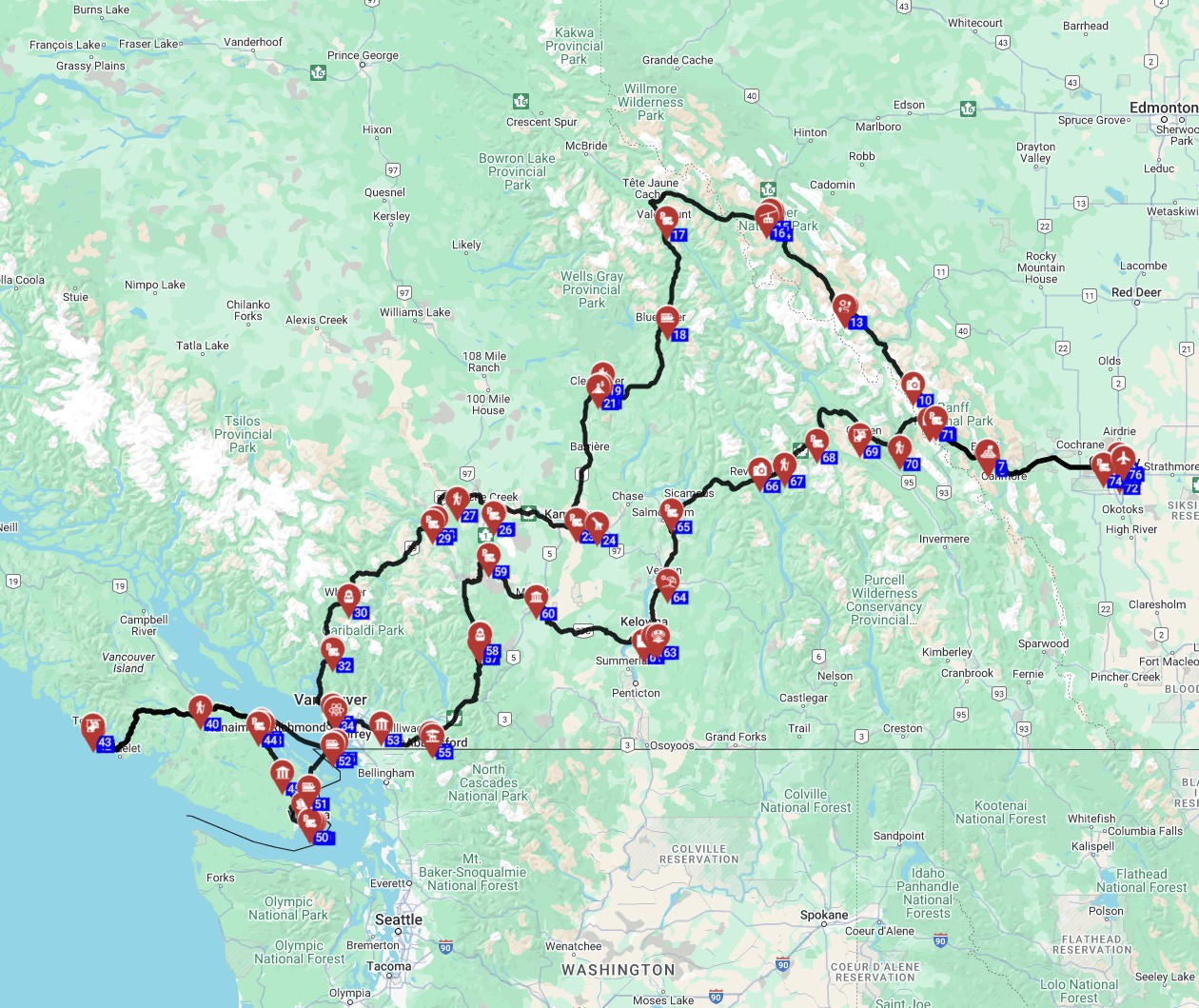
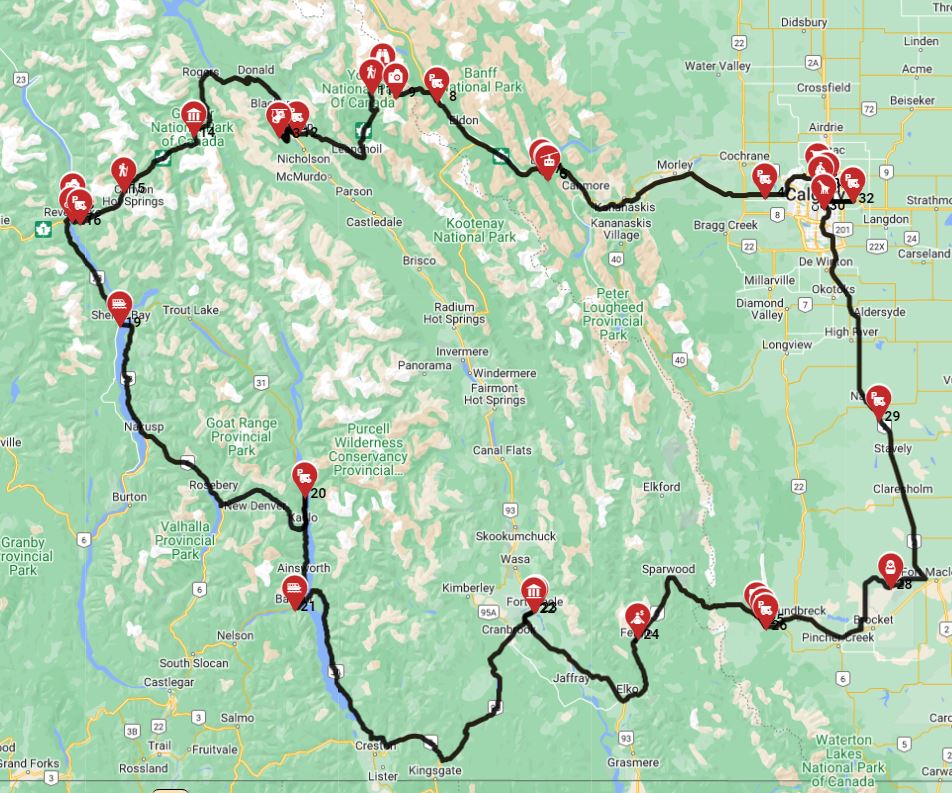
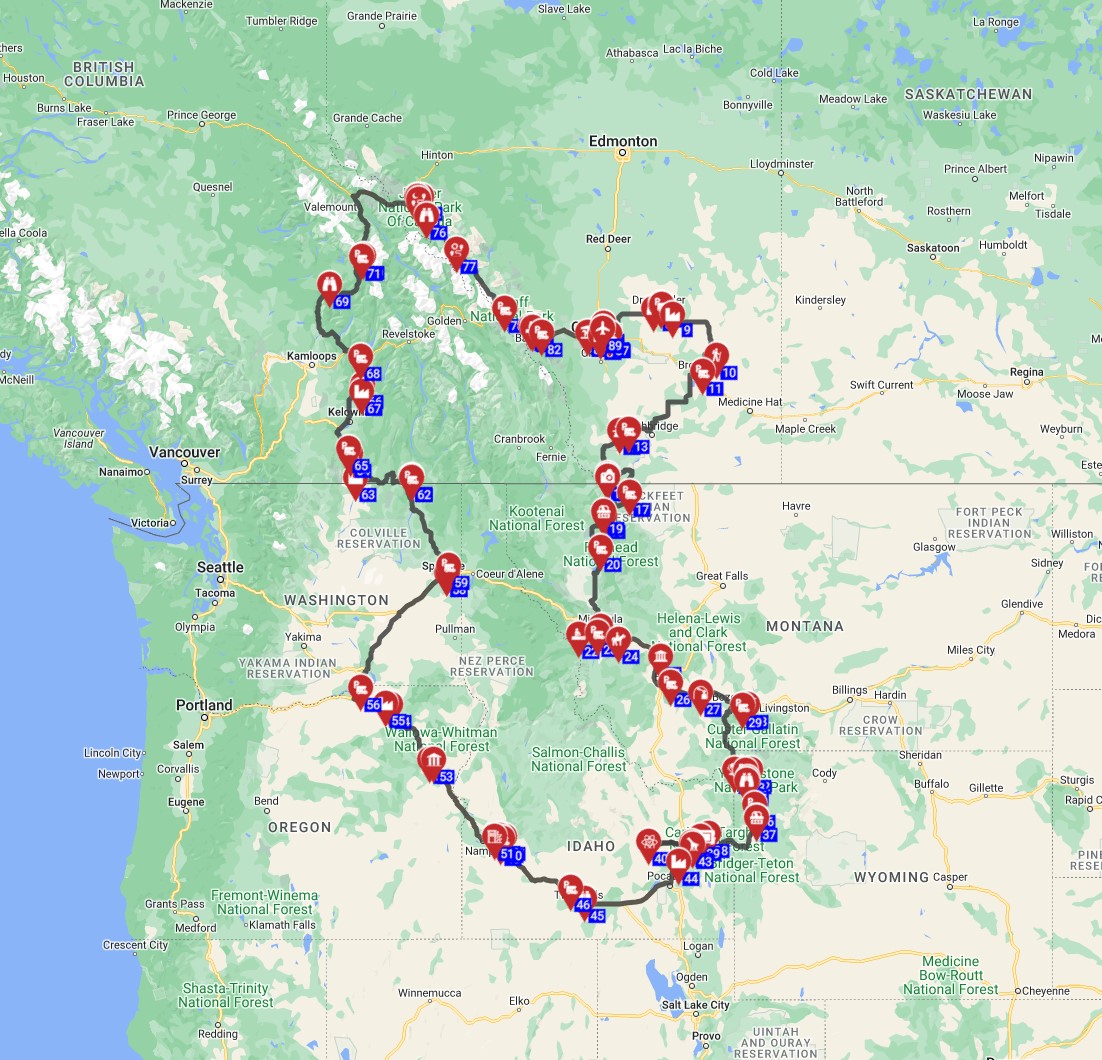
Prioritize comfort and safety by planning routes with shorter daily driving distances, allowing for frequent breaks every 2-3 hours to stretch, rest, and enjoy the scenery. Opt for RV models with automatic transmissions and power steering, which are common in most modern rental fleets, to minimize driving fatigue and enhance the ease of operation, making your RV rental Canada experience more relaxed. Familiarize yourself with the RV's dimensions and controls in a low-traffic area before embarking on your journey, paying special attention to braking distances and turning radius. Utilize navigation apps that allow for RV-specific routing, helping to avoid low bridges, steep grades, and roads unsuitable for larger vehicles, which can greatly ease driving stress. Packing an emergency kit, ensuring your cell phone is fully charged, and carrying physical maps as a backup are crucial, especially in remote Canadian wilderness areas with limited cell service. Consider a route plan like the "Halifax to Whitehorse - Exploring Canada’s Heartland in a Motorhome," covering 9199.1 km over 37 days with 6 museums and 4 hiking areas. This allows for slow travel and deep exploration.Recommended RV Class for Canada Roads
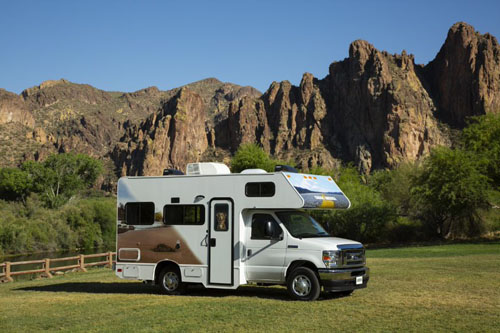
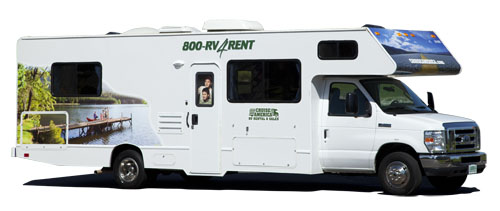
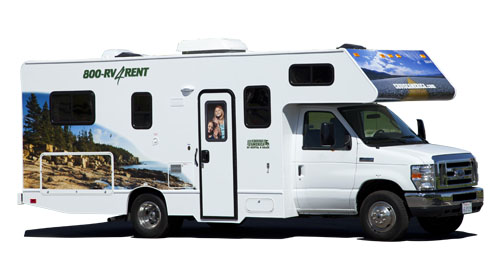
For seniors traveling in Canada, a Class SI (Semi-integrated) or Class C (Alcove) RV often provides an excellent balance of comfort, space, and manageable driving characteristics for exploring the country's diverse terrain. Bandana offers Class SI RVs, averaging 6.9 meters in length, which are agile enough for varied Canadian roads while offering comfortable living spaces, making them ideal for couples or small groups. These typically include features like front air conditioning, a shower, and a toilet. Class C Alcove RVs, with an average length of 7.5 meters, provide more generous interior space and additional sleeping capacity (averaging 5.8 places), making them suitable for seniors traveling with grandchildren or friends, without being overly cumbersome to drive. Both classes offer good ground clearance for navigating typical Canadian roads, including well-maintained gravel sections leading to many campsites. If you’re looking for a vehicle with an automatic transmission and amenities for a couple, consider a model such as the "2 Berth Rover" or "2 Berth Tamar."Should I Choose a Compact Van Instead of a Large RV in Canada?
Generally, there is no inherent issue driving any size of RV on Canada's main road network, as the country's infrastructure is largely designed to accommodate larger vehicles without problems. While a compact Class B Camper Van, averaging 5.8 meters in length like the "2 Berth Hi Top," offers superior maneuverability for tighter city streets and easier parking, the trade-off is often significantly less indoor space and amenities, which might be a consideration for seniors prioritizing comfort and accessibility. A compact van genuinely helps when navigating very narrow historic town centers or exceptionally winding mountain passes, or if your itinerary focuses heavily on urban exploration with frequent parking, such as the "
Vancouver Round Trip - West Canada Cycling Adventure
Can I Park Anywhere? Free & Wild Camping Rules in Canada
While truly 'wild camping' or boondocking is generally permitted on Crown Land (public land) in Canada, rules vary significantly by province and territory, with specific regulations in effect in national parks, provincial parks, and private property. Overnight parking outside designated campgrounds is often restricted in urban areas, rest stops, and retail parking lots unless explicit permission is granted by the property owner, so always look for clear signage. National and provincial parks in Canada strictly require reservations and permits for overnight stays in designated campsites, with penalties for unauthorized camping. Many of these parks, such as those along the "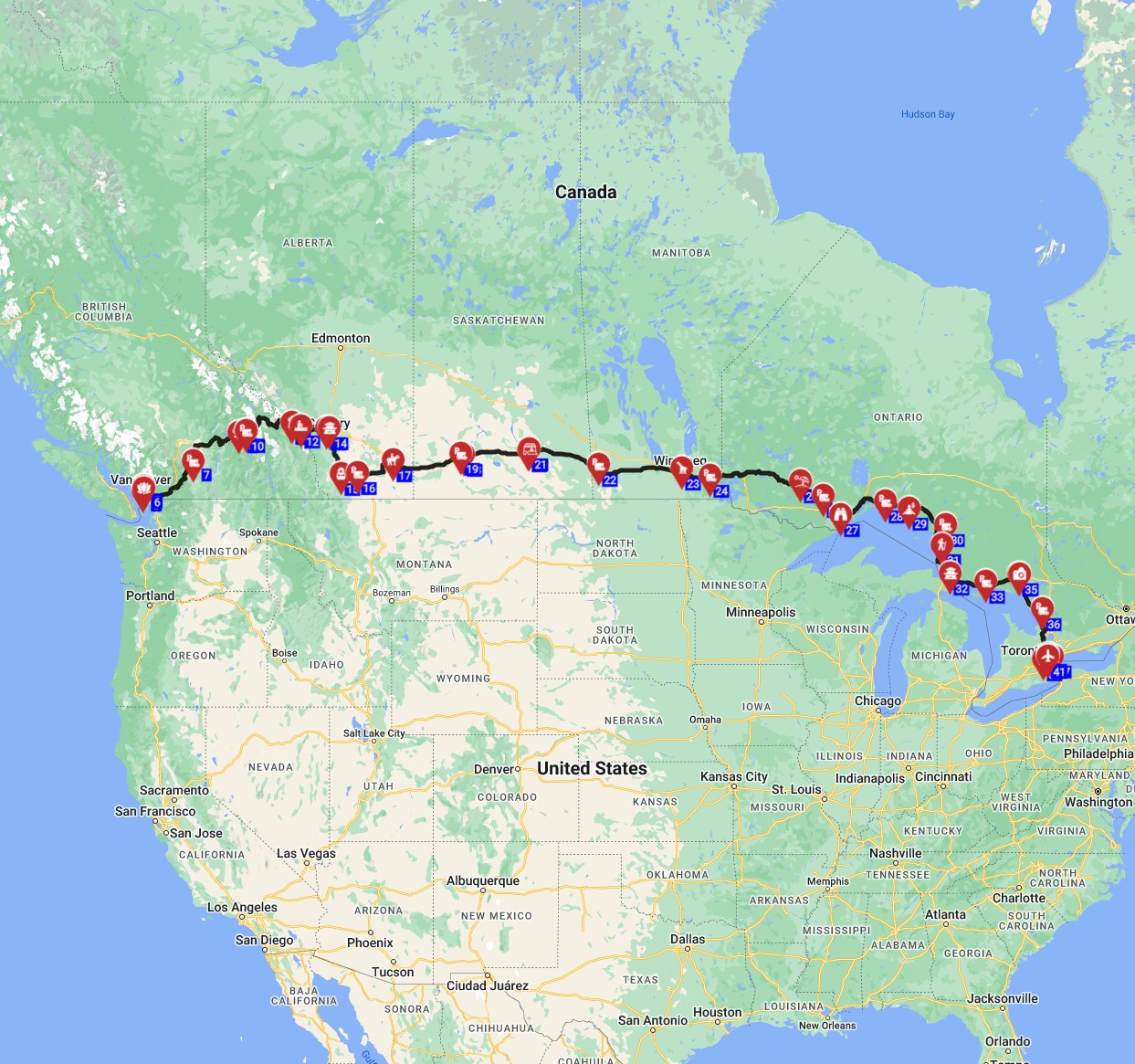
Vancouver to Toronto - Trans Canada West to East
Can I Drive an RV Into the City Center? Heights, Tunnels & Local Signage
Yes, you can drive almost anywhere without issues, including an RV into Canadian city centers, though navigating can require more attention due to traffic, street parking availability, and specific local restrictions. Drive slowly and carefully, and you can drive almost anywhere without issues. No need to stress - just use common sense and pay attention to your surroundings. Always pay close attention to local signage, especially for height limits on bridges, tunnels, and parking garages, as well as environmental zones or residents-only streets that might exist in older neighborhoods. While Canada doesn't have widespread low bridge issues for RVs on main city thoroughfares, some older downtown areas might have specific clearances that require careful planning in advance. It's advisable to use a co-pilot for navigation or an RV-specific GPS to highlight potential restrictions and to research parking options in advance when visiting larger urban centers like Vancouver, Toronto, or Montreal.What Should Seniors Know About RVing?
Seniors considering an RV trip in Canada should prioritize comfort, ease of driving, and accessibility features, opting for an RV layout that is easy to navigate and has stable entry/exit points. Planning a flexible itinerary with realistic daily driving distances, frequent breaks, and ample time to enjoy each destination is crucial for a stress-free extended road trip, ideally traveling slowly, max 100-150 km per day on average. Familiarize yourself with the RV's systems, including water, electrical, and waste management, before departure. Ensure you have reliable connectivity options like cell service or Wi-Fi hotspots for emergencies and staying in touch, especially in remote Canadian areas where coverage can be spotty. For those planning longer stays, also consider aspects like extended insurance options and potential vehicle storage needs. We handle the details, so you can focus on living the journey. For more detailed insights into costs, consider our "Cheap RV Rental in Canada - Budget Guide 2026".Is RVing Easy for Seniors?
RVing can be very easy and rewarding for seniors, especially with modern motorhomes and campervans that feature automatic transmissions, power steering, and amenities designed for comfort and convenience. The ease of RVing largely depends on choosing the right RV size and class; smaller Class B campervans offer nimble handling, while larger Class SI or C RVs provide more spacious living without being overly complex to drive. Planning ahead to avoid rushed schedules, pre-booking campsites, and utilizing user-friendly navigation tools can significantly enhance the ease and enjoyment of an RV trip for seniors. Many seniors find the flexibility of a rented RV, allowing them to travel at their own pace and bring their 'home comforts' with them, to be a major advantage for week-long trips or month-long adventures.What is the Best RV for Seniors?
The best RV for seniors often balances ease of driving with comfortable living amenities, making Class SI (Semi-integrated) motorhomes or spacious Class B (Camper Vans) excellent choices for Canada. Class SI RVs, like those in Bandana's fleet averaging 6.9 meters in length, offer a car-like driving experience combined with a full kitchen, bathroom, and dedicated sleeping areas, providing a comfortable home-on-wheels without being excessively large. These models often have convenient features such as a shower and toilet. Class B Camper Vans, averaging 5.8 meters, are ideal for seniors prioritizing maneuverability and fuel efficiency, especially if they plan to frequently visit urban areas or smaller provincial parks, though they offer less expansive living space. Ultimately, the 'best' RV depends on individual needs: consider factors like desired living space, ease of setup, accessibility of beds and facilities, and the number of travelers. For more options and details on different vehicles, check out our "RV Rental in Canada - Prices and Best Deals 2026".How Much Does it Cost to RV in Canada?
The cost of an RV trip in Canada varies widely, but key expenses include rental fees, fuel, campground fees, food, and activities. Rental fees can range from CAD $150-$400+ per night depending on RV class, season, and duration. For example, opting for a two-week adventure during shoulder season might offer better rates. Fuel costs are a significant factor; a Class C RV consuming 10-12 Liters/100 km can cost approximately CAD $18-$25 per 100 km, emphasizing the importance of planning your route efficiently. Campground fees typically range from CAD $30-$70 per night for a serviced site, with national and provincial parks often requiring advance booking and additional park entrance fees. Additional budgeting should include attraction fees, potential border crossing costs, and considering ways to save money, such as cooking meals in the RV and utilizing loyalty programs. Prices are dynamic like flight tickets-they change daily based on availability, seasonality, and supplier marketing decisions. The final price is set at actual booking time. For tips on maximizing your budget, look into our "RV Rental Deals in Canada - Latest Offers 2026".Is RVing in Canada Safe?
RVing in Canada is generally very safe, provided travelers adhere to standard road safety practices, respect wilderness guidelines, and stay informed about local conditions, especially regarding weather. Canada boasts a low crime rate, and its national and provincial parks are well-managed, offering secure and often supervised camping environments. Safety considerations include being prepared for varied weather conditions, particularly in mountainous or remote areas, and taking precautions against wildlife encounters by securing food properly and following park regulations. Having a well-maintained RV, understanding how to drive larger vehicles, and carrying emergency supplies, such as a first-aid kit and communication devices, further enhance safety for seniors. Remember to travel slowly and take time to feel the place, connect to the culture, the food, and the scenery for a truly enriching and safe experience.What are the Disadvantages of RV Life?
While rewarding, RV life does have some considerations for rental vacationers, including higher upfront costs for the rental itself, fuel, and insurance. There can also be a learning curve associated with driving a larger vehicle, though modern motorhomes and campervans are designed to be user-friendly with features like automatic transmissions and power steering. Finding suitable parking, especially in crowded urban areas or popular attractions, can sometimes be challenging, and some roads or bridges may have restrictions for larger RVs (though less common on major Canadian routes). Limited connectivity in very remote areas can be a concern for some seniors, although satellite devices and portable hotspots can mitigate this. The constant packing, unpacking, and setup at each new location, though part of the adventure, can be tiring for some, especially on fast-paced itineraries. We focus on rentals for vacation experiences, making these challenges manageable for your trip. For those considering longer excursions, our "Long-Term RV Rental in Canada - Monthly Rates 2026" offers valuable insights.What You Shouldn't Miss
- **Explore the Canadian Rockies:** Drive the Icefields Parkway between Banff and Jasper National Parks in Alberta, a 232 km scenic route featuring glaciers, turquoise lakes, and abundant wildlife viewing opportunities.
- **Discover the Maritimes' Coastal Charms:** Take an extended road trip through Nova Scotia and New Brunswick to experience the Bay of Fundy's record-breaking tides and picturesque fishing villages.
- **Experience Pacific Rim National Park:** Visit Vancouver Island's lush rainforests and rugged coastlines, offering accessible boardwalk trails and stunning ocean vistas for a week-long adventure.
- **Immerse in Quebec City's History:** Wander the cobblestone streets of Old Quebec, a UNESCO World Heritage site, and enjoy the European ambiance and delicious local cuisine.
- **Visit Niagara Falls in Ontario:** Witness the awe-inspiring power of Horseshoe Falls, with accessible viewing platforms and boat tours available, a classic Canadian highlight.
- Looking for expert insights from Avi Bandana? Top 5 Adventures - recommendations from Avi Bandana.
Final Thoughts
Embarking on a motorhome adventure through Canada is an incredible way for seniors to experience the country's breathtaking beauty and diverse culture at their own comfortable pace. With our transparent pricing, dedicated support, and extensive range of vehicles and route plans, you have everything you need to plan a truly unforgettable journey. Remember to embrace slow travel, allowing yourself to fully immerse in each destination, from the bustling cities to the tranquil wilderness. Whether you dream of majestic mountain passes, serene coastal drives, or exploring charming small towns, a rented RV provides the ultimate flexibility. We're here to support you every step of the way, ensuring your Canadian RV rental experience is as smooth and enjoyable as possible. Get inspired for your next trip! Plan a trip itinerary in advance with minimal effort and maximum enjoyment.On the routes offered through RV PLANET routes, you can itemize and track every expense along the way for easy budgeting.