In This Guide
- Do you need a special license to drive an RV in New Zealand?
- Road Conditions & Terrain in New Zealand
- RV Size Limits, Bridges & Restricted Zones
- Fuel: Diesel vs. Petrol & Cost per 100 km
- Tolls, Vignettes & Border Rules
- Driving Tips for RV Rental Travelers
- Recommended RV Class for New Zealand Roads
- Should I Choose a Compact Van Instead of a Large RV in New Zealand?
- Can I park my motorhome anywhere in New Zealand?
- Can I Drive an RV Into the City Center? Heights, Tunnels & Local Signage
- What is the 4 second rule in New Zealand?
- Is it difficult for Americans to drive in New Zealand?
- How hard is it to drive a motorhome in New Zealand?
- What is the 333 rule for campervan?
- Is it easy to drive a motorhome in New Zealand?
- Who insures motorhomes in NZ?
- How much does it normally cost to insure an RV?
- How much does caravan insurance cost in New Zealand?
New Zealand offers an unparalleled RV travel experience, with breathtaking landscapes, friendly locals, and a road network that invites exploration at your own pace. Planning an RV adventure here means embracing freedom and discovering hidden gems around every bend. For live availability and current prices, start with our RV Rental New Zealand - Complete Guide 2026 guide.
Here at Bandana RV, we're true RV specialists, dedicated to making your journey seamless. With over 20 years of experience since our founding in 2001, we've helped tens of thousands of travelers explore the world by RV, providing full transparency with no hidden fees and 24/7 support before and after your booking. Imagine yourself waking up to stunning fjord views or rugged coastlines, all from the comfort of your rented motorhome or campervan.
Do you need a special license to drive an RV in New Zealand?
Drivers typically need a full, valid driver's license from their home country or an International Driving Permit (IDP) in addition to their home license when driving an RV in New Zealand, provided the license is in English or a certified English translation is carried, for vehicles up to 3,500 kg Gross Laden Weight (GLW).
Most rental RVs, including Class A, Class B, and Class C motorhomes, fall within the standard car license category, meaning no special license or CDL is required. The minimum age to rent an RV in New Zealand is generally 21 years old across our partner suppliers, and we have no young driver surcharges or vehicle class restrictions based on age. Ensure your license is valid for the entire duration of your stay and specifies the vehicle class you intend to drive.
Road Conditions & Terrain in New Zealand
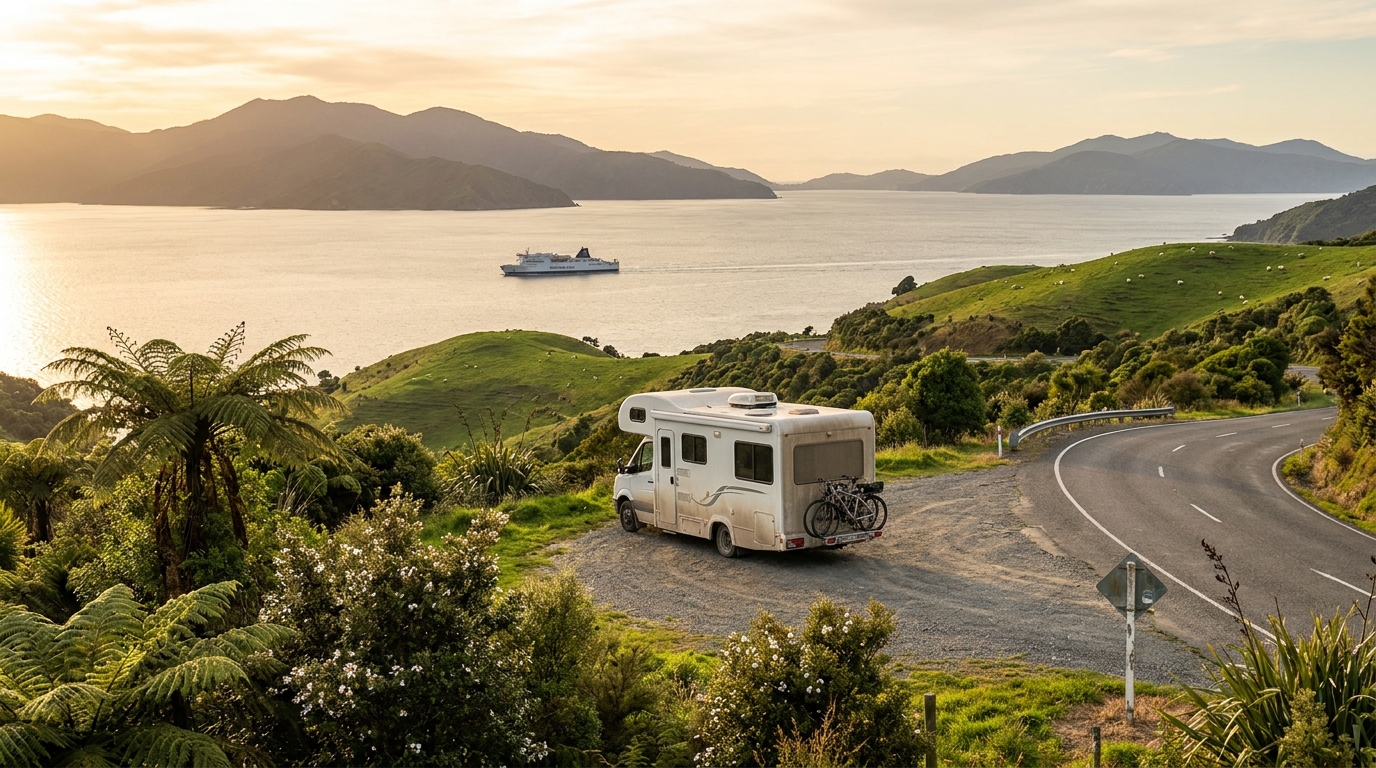
New Zealand's roads, while generally well-maintained, are characterized by diverse and often challenging terrain, including winding mountain passes, narrow coastal routes, and occasional unsealed (gravel) sections, which RV drivers should approach with caution.
Driving a rented RV means adopting slower travel speeds, especially on uphill gradients and through tight turns, emphasizing scenic driving over speed. We always recommend slow travel, aiming for a maximum of 100-150 km per day on average, allowing you ample time to truly feel the place, connect to the culture, the food, and the scenery. Be prepared for specific road signs warning of 'slippery when wet,' 'stock crossing,' and 'one-lane bridge' ahead, which require particular attention when piloting a larger vehicle. The South Island, in particular, features numerous narrow, winding roads and hundreds of one-lane bridges, requiring drivers to yield to oncoming traffic according to signage (e.g., 'give way').
RV Size Limits, Bridges & Restricted Zones
While there are no universal strict size limits that prohibit RVs on most New Zealand roads, drivers should be mindful of vehicle dimensions, especially height and width, when approaching specific low bridges, tunnels, and urban areas.
For example, the Interislander and Bluebridge ferries operating between the North and South Islands have length and height restrictions for RVs, which must be accurately declared during booking to ensure passage and correct pricing. Certain conservation areas or private roads may also have access restrictions for larger vehicles, so always check local signage and regulations for national parks and scenic drives. Drivers should be particularly cautious of signs indicating height restrictions for tunnels, such as the Homer Tunnel leading to Milford Sound, which is generally fine for standard RVs but requires attention to its 4.3 meter clearance.
Fuel: Diesel vs. Petrol & Cost per 100 km
Both diesel and petrol are readily available across New Zealand, but diesel is generally more fuel-efficient and often less expensive at the pump, though diesel vehicles are subject to a Road User Charge (RUC) paid by the rental company, which is usually factored into the rental cost or charged as a per-kilometre fee.
For Bandana's global fleet, a Class SI - Semi-integrated RV typically consumes 10–11 Liters/100 km, while a larger Class C - Alcove might consume 10–12 Liters/100 km. Smaller Class B - Camper Vans from Bandana's fleet, such as a "2 Berth Hi Top" or "Juliette 2-3," average around 10 Liters/100 km, making them more economical for longer journeys. Many rental companies may offer fuel discount cards for specific petrol station chains, which can help mitigate the cost of fuel during your trip. Remember that prices are dynamic and change daily.
Tolls, Vignettes & Border Rules
New Zealand has only a few electronic toll roads, specifically around Auckland (Northern Gateway Toll Road) and Tauranga (Tauranga Eastern Link, Takitimu Drive Toll Road), with no physical toll booths. On the routes offered through RV PLANET routes, you can itemize and track every expense along the way for easy budgeting.
There are no vignettes required for driving in New Zealand, unlike some European countries, and as an island nation, no cross-border rules apply. Payment for tolls can be made online, via phone, or at designated service stations within a few days of use; some RV rental companies may offer a pre-paid toll pass option to simplify payment and avoid potential late fees. Drivers should be aware that failing to pay tolls can result in additional administrative charges from the rental company and fines from the toll operator. When considering your total trip cost, including fuel, campground fees, tolls, and groceries, remember that RV PLANET routes allow travelers to itemize and track every expense along the way for easy budgeting.
Driving Tips for RV Rental Travelers
When driving your rented RV in New Zealand, always remember to keep left, as New Zealand drives on the left side of the road; take extra care when turning or pulling out, especially for drivers accustomed to right-hand traffic.
Allow extra time for your journey because RVs travel slower, particularly on winding roads and mountain passes, so factor in more time than GPS might suggest for a car. It's crucial to stay hydrated and rested, planning regular stops, at least every two hours, to stretch, refresh, and allow everyone to enjoy the scenery. Be especially aware of one-lane bridges, a common feature in New Zealand, and always observe signage for 'give way' before proceeding. Finally, always mind your RV's height, width, and length, especially when navigating through towns, parking, or encountering narrow roads, such as the unique experience of driving through a rock arch tunnel, to ensure a smooth and safe trip.
🎬 Video coming soon
For more insights on navigating the country, refer to the "RV Travel Guide to New Zealand - Tips and Top Spots 2026".
Recommended RV Class for New Zealand Roads
For navigating New Zealand's diverse roads, a Class SI - Semi-integrated or a Class B - Camper Van is often recommended, balancing comfort with maneuverability.
A Class SI - Semi-integrated model, like the "2 Berth Rover" with an average length of 6.2 meters, offers ample living space for 2-3 adults while still being manageable on winding roads. These vehicles often feature conveniences like a shower and toilet. Class B - Camper Vans, such as a "Chaser" (approx. 4.7 meters long) or a "HiLite," averaging 5.8 meters in length, are highly maneuverable and fuel-efficient (around 10 Liters/100 km), making them ideal for couples or small families wanting to explore remote areas and find easier parking. While larger Class C - Alcove RVs, like the "6 Berth Discovery" (approx. 7.4 meters long) or "motorhome hire new zealand example Euro Deluxe," offer more space and can sleep up to 6 people with features like 3 double beds, their size requires greater caution on narrow roads and numerous one-lane bridges throughout New Zealand.
Should I Choose a Compact Van Instead of a Large RV in New Zealand?
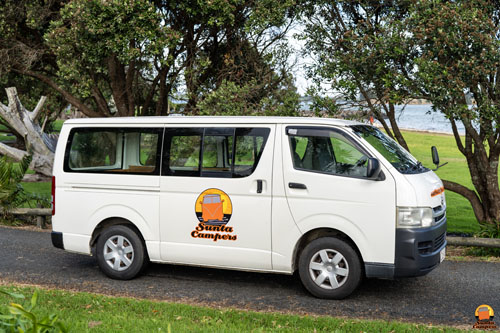
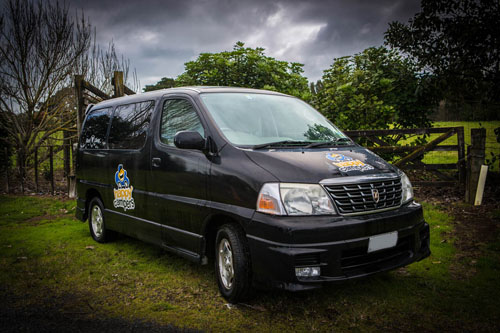
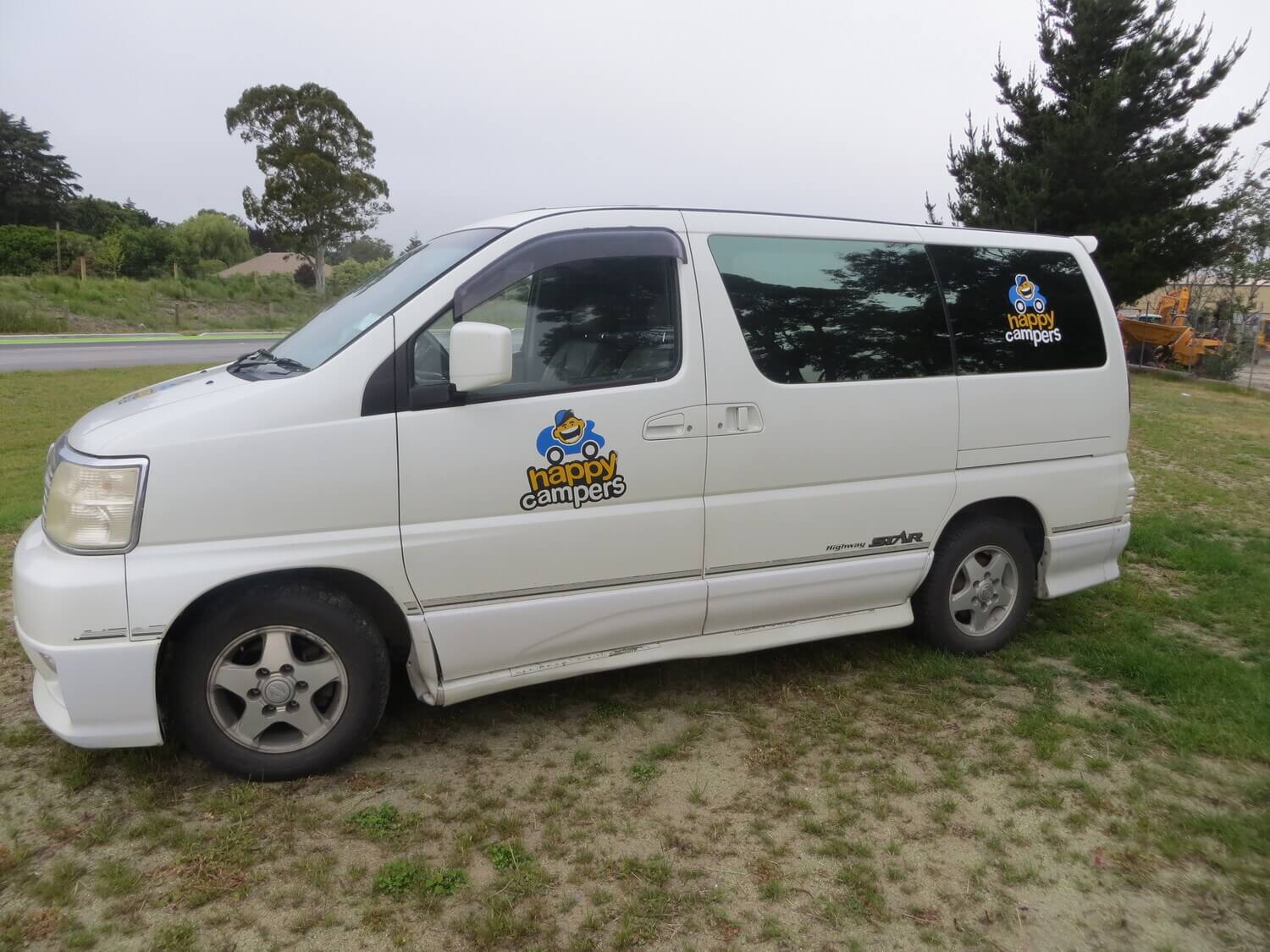
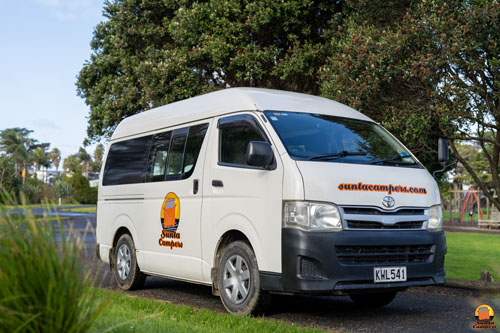
While most roads in New Zealand are accessible by any RV size, a compact van, like a Class B - Camper Van from Bandana's fleet (average length 5.8m), offers significant advantages in maneuverability, especially on tight mountain passes and for easier parking in towns.
However, for longer trips, families, or those seeking more amenities like an onboard shower and toilet (crucial for certified self-contained camping), a larger RV (e.g., a Class SI "Discovery - 5 berth motorhome with rear U-lounge" at 7.4m long, or a Class C "cheap campervan hire new zealand example EX-H" which offers 7 sleeping places) often provides superior comfort and indoor space. The decision largely depends on your travel style, budget, and the number of travelers; smaller vans offer more flexibility for spontaneous stops, while larger RVs provide a more home-like experience. Our specialists can help you compare options like "Luxury RV Rental in New Zealand - Premium Prices 2026" versus "Cheap RV Rental in New Zealand - Budget Guide 2026" to find the perfect fit.
Can I park my motorhome anywhere in New Zealand?
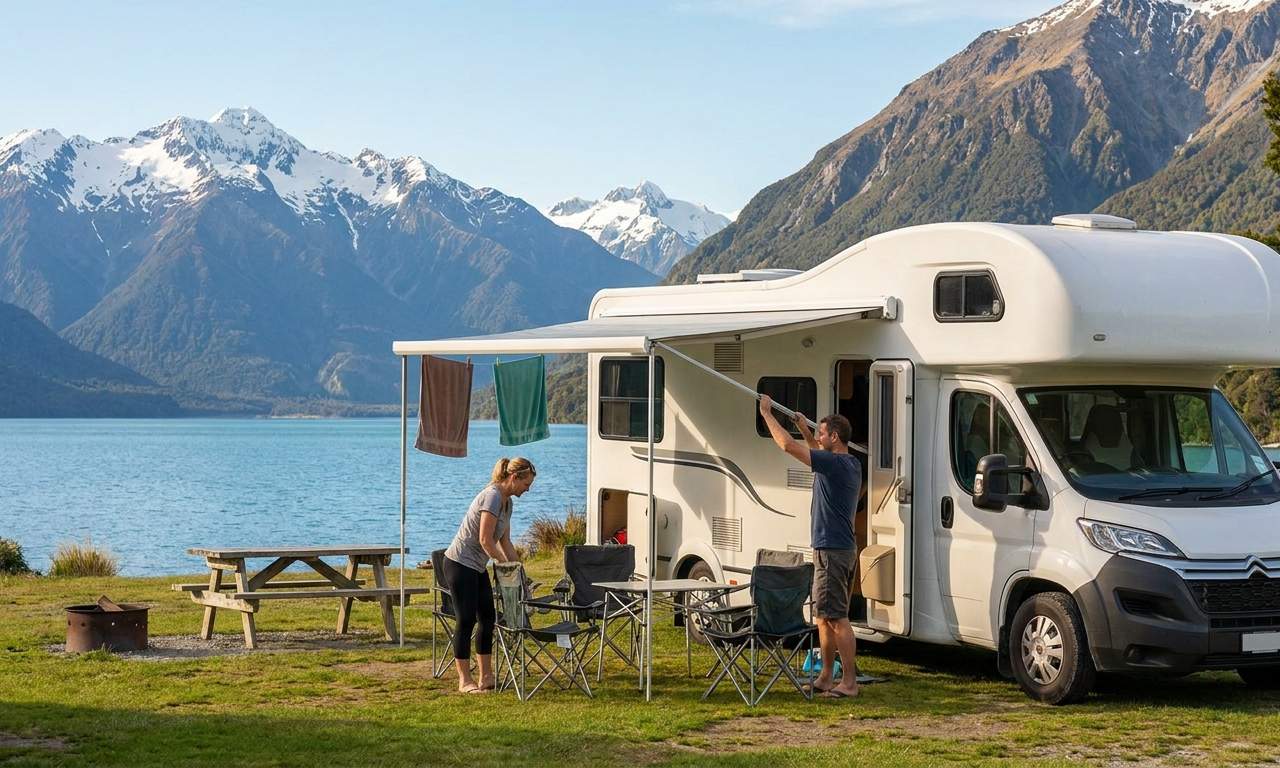
No, you cannot park your motorhome anywhere in New Zealand; freedom camping is strictly regulated to protect the environment and local communities, with specific rules varying by region and council.
To legally freedom camp, your rented RV *must* be certified as self-contained, meaning it has an onboard toilet, wastewater tank (capable of holding at least three days' waste), and rubbish facilities to 'leave no trace.' Look for designated freedom camping sites, often indicated by specific signage, and utilize apps like CamperMate or Rankers to find legal spots, many of which are managed by the Department of Conservation (DOC) or local councils. Illegal freedom camping can result in immediate fines of up to NZD $400, and adherence to the 'leave no trace' ethos is paramount for responsible travel. Always check local regulations and follow local law before parking overnight, and know that many national parks reserve 25-30% of spots for first-come-first-serve visitors.
Can I Drive an RV Into the City Center? Heights, Tunnels & Local Signage
Yes, you can drive almost anywhere in New Zealand, including city centers, with your rented RV without issues, provided you drive slowly and carefully, using common sense and paying close attention to local signage.
While most main roads are accessible, some older areas or parking structures may have height or width restrictions; always check overhead clearance before entering parking garages or underpasses. Major cities like Auckland, Wellington, and Christchurch have limited free parking, so be prepared to pay for parking in designated RV-friendly spots or peripheral areas. Specific urban tunnels, such as the Victoria Park Tunnel in Auckland (with a clearance of 4.3 meters), are generally fine for standard RVs but always require drivers to be aware of their vehicle's dimensions. Environmental zones or residents-only streets are rare but always watch for local signage that might restrict larger vehicle access.
What is the 4 second rule in New Zealand?
The '4-second rule' in New Zealand is a recommended following distance, meaning you should maintain at least a four-second gap between your vehicle and the one in front, measured by counting 'one thousand and one, one thousand and two, one thousand and three, one thousand and four' after the vehicle ahead passes a fixed point.
For rented RVs, especially larger motorhomes, this rule is even more critical due to their increased weight and longer braking distances, particularly in wet conditions or on gravel roads. This rule provides a safe buffer, allowing adequate time to react to sudden stops or hazards, which is essential on New Zealand's often winding and unpredictable roads. In adverse weather conditions, on gravel, or when navigating through mountain passes, extending this gap to 6-8 seconds is a highly recommended practice for RV drivers.
Is it difficult for Americans to drive in New Zealand?
Driving in New Zealand can present some initial challenges for Americans primarily due to the fundamental difference of driving on the left-hand side of the road, which requires constant vigilance, especially at intersections and roundabouts.
Additionally, New Zealand's roads are often narrower, more winding, and feature more one-lane bridges and gravel sections than Americans might be accustomed to, particularly outside major urban areas. The metric system for speed limits (km/h) and distances (km) also requires adjustment, alongside unfamiliar road signage and often slower overall travel speeds. Despite these differences, with careful planning, attentiveness, and patience, American drivers typically adapt quickly, finding the stunning scenery and the freedom of a rented motorhome or campervan make the effort worthwhile. Our 24/7 support is there before, during, and after your booking to assist with any questions.
How hard is it to drive a motorhome in New Zealand?
Driving a motorhome in New Zealand is generally manageable but requires more focus and caution than driving a standard car due to the vehicle's larger size, weight, and longer braking distances.
Challenges include navigating narrow, winding roads, frequently encountering one-lane bridges where yielding is often necessary, and adjusting to the left-hand drive convention. Mountain passes and gravel roads demand slower speeds and careful handling, particularly in adverse weather conditions, reinforcing the need for the '4-second rule' and ample following distance. However, with practice, adherence to road rules, and by choosing an appropriately sized RV, such as a compact campervan like the "Condo" (4.7m long), most drivers find the experience rewarding and a fantastic way to explore the country. Our true RV specialists are here to guide you in selecting the right vehicle.
What is the 333 rule for campervan?
The '333 rule' for campervans in New Zealand is an informal but widely accepted guideline for responsible freedom camping, although it is not an official regulation, advocating for leaving no trace.
It typically suggests: **3 people** maximum, **3 days** maximum stay in one non-designated spot, and **3 meters** distance from any water body, to minimize environmental impact and reduce conflicts with landowners or other campers. While helpful as a general principle, strict adherence to official 'self-contained' certification and parking only in *designated* freedom camping sites or paid campsites remains the legal requirement for overnight stays. The core intent of the '333 rule' is to encourage sustainable tourism and respect for New Zealand's natural beauty and resources.
Is it easy to drive a motorhome in New Zealand?
Driving a motorhome in New Zealand can be considered easy for experienced drivers who are comfortable with larger vehicles and accustomed to diverse road conditions, provided they exercise caution and adhere to local road rules.
The ease of driving largely depends on the RV's size, with smaller Class B Camper Vans (like Bandana's average 5.8m length models such as "Paradise Family 5" or "Chubby Camper") being significantly easier to maneuver than larger Class C or Class A motorhomes. While the left-hand driving, narrow roads, and frequent one-lane bridges present a learning curve, New Zealand's generally good road infrastructure and clear signage make it navigable for careful drivers. Many first-time RV drivers successfully explore New Zealand, finding that the freedom and breathtaking scenery outweigh any initial driving challenges, especially if they plan realistic daily distances of 100-150 km.
Who insures motorhomes in NZ?
Motorhome insurance in New Zealand is primarily provided by specialized vehicle insurance companies, as well as general insurers that offer specific recreational vehicle policies.
Major New Zealand insurance providers like AA Insurance, Tower, AMI, and State Insurance offer motorhome coverage, alongside specialist providers who focus exclusively on RVs and caravans. When renting an RV, the rental company typically includes a basic level of insurance, often with a high excess (deductible), and offers options to reduce this excess for an additional daily fee. Our goal at Bandana RV is full transparency, so you'll always know what's included and what's an optional upgrade. It is crucial for renters to understand the rental company's insurance policy, what it covers (e.g., collision damage, theft, third-party liability), and any exclusions, such as damage to the roof, underbody, or single-vehicle accidents.
How much does it normally cost to insure an RV?
The normal cost to insure a rented RV in New Zealand varies significantly based on factors such as the vehicle's value, age, size, your driving history, the level of coverage (e.g., third-party, comprehensive), and the chosen excess amount.
For rental RVs, reducing the standard high insurance excess (which can be several thousand dollars) through an additional daily waiver or purchasing a separate travel insurance policy with RV excess coverage can add anywhere from NZD $25 to $75 per day to the rental cost. Bandana RV offers top-level deductible reimbursement as an optional upgrade, allowing you to travel with extra peace of mind. It is always recommended to obtain multiple quotes and carefully review policy details to understand what is covered and any exclusions before finalizing your insurance. Explore "RV Rental in New Zealand - Prices and Best Deals 2026" for more details on pricing structure.
How much does caravan insurance cost in New Zealand?
Caravan (motorhome) insurance costs in New Zealand are similar to other motorhome insurance, varying widely based on the vehicle's make, model, age, value, and features, as well as the renter's driving history and the selected level of coverage.
Premiums for comprehensive motorhome insurance, which typically covers accidental damage, theft, fire, and third-party liability, generally range from NZD $600 to over $2000 annually if you were purchasing it privately. When renting, motorhome insurance is usually integrated into the rental agreement, with options to reduce the excess by paying an additional daily fee, similar to other motorhome rentals. For current rental prices and insurance options, including deals and offers, check out "RV Rental Deals in New Zealand - Latest Offers 2026".
What You Shouldn't Miss
New Zealand is a playground for RV travelers, offering diverse landscapes from volcanic plateaus to dramatic fjords. Here are some must-do experiences for your motorhome adventure:
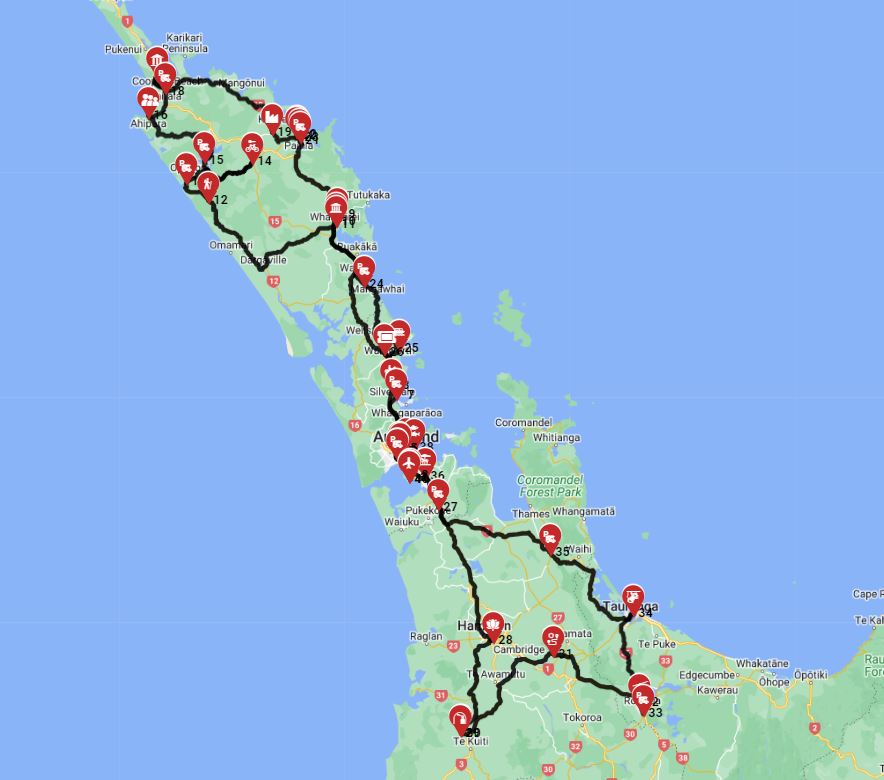
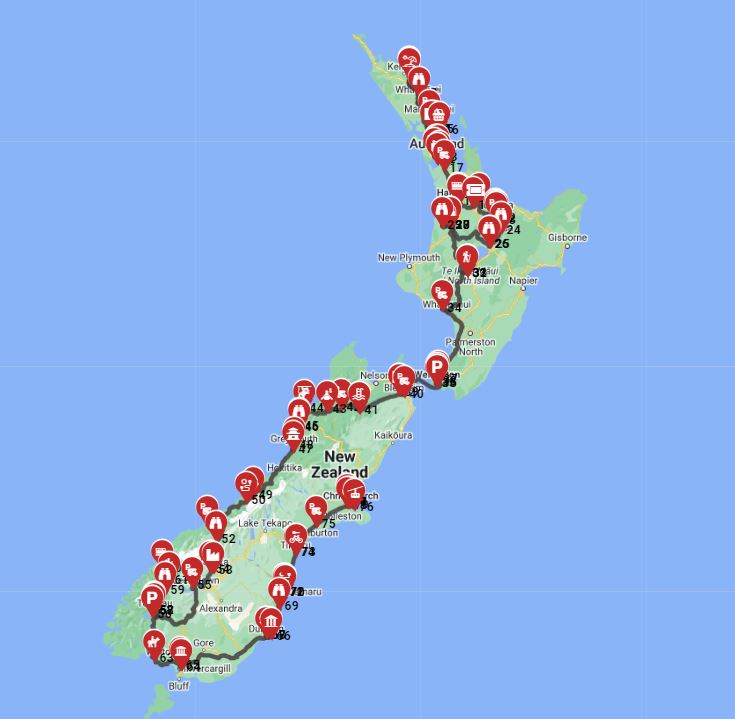
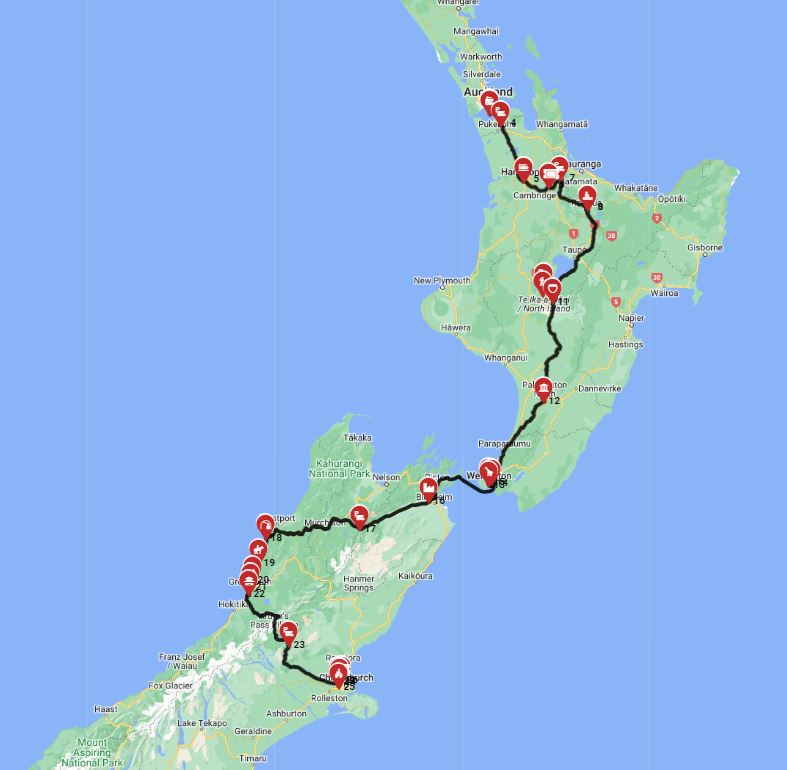
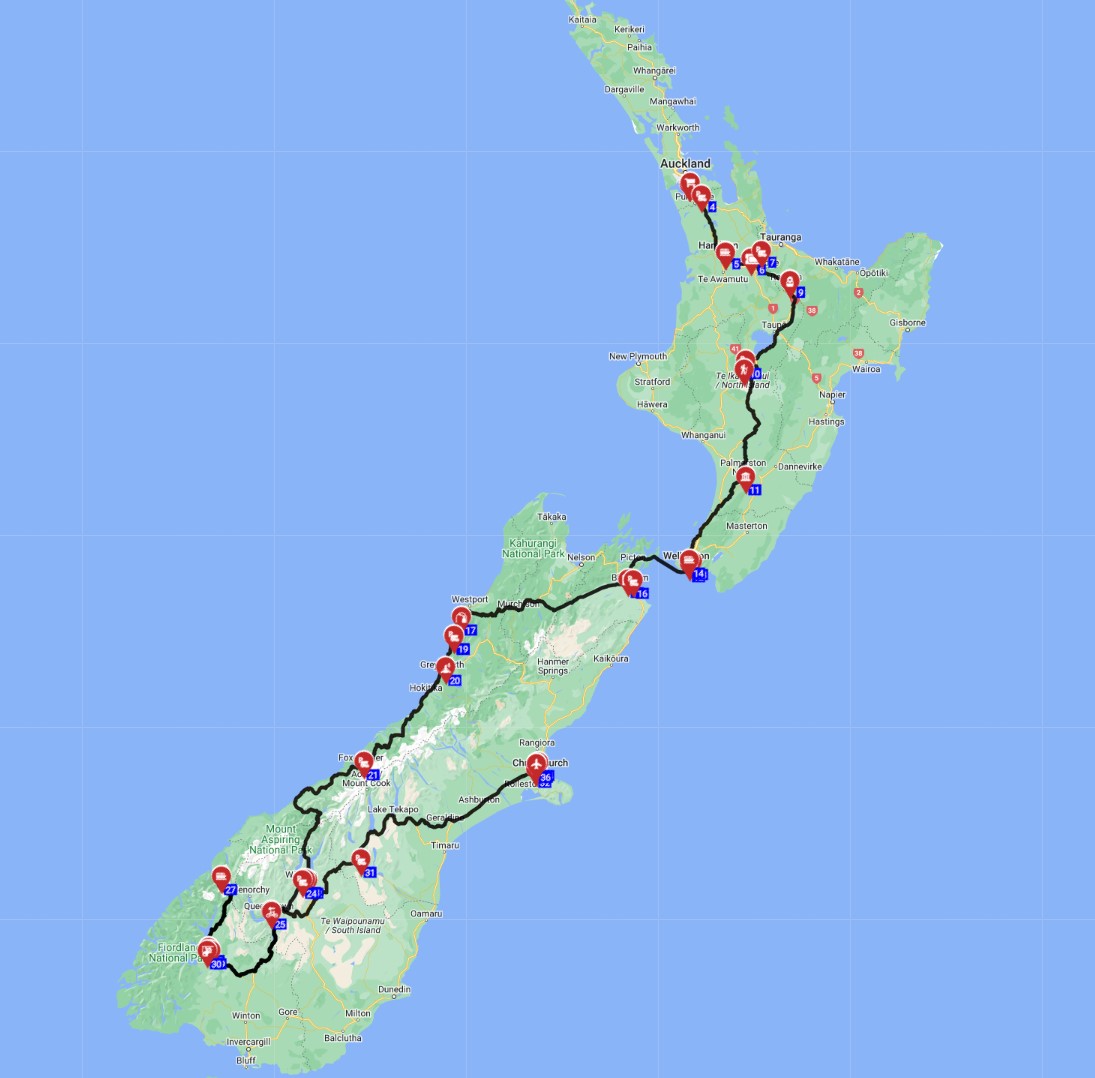
- Explore Fiordland National Park: Drive the stunning Milford Road to Milford Sound, encountering numerous natural features and hiking areas. Take a scenic cruise through the sound for an unforgettable perspective of its towering cliffs and waterfalls. This region is a highlight of the "
" itinerary, offering 3 cruise terminals/sailing opportunities.
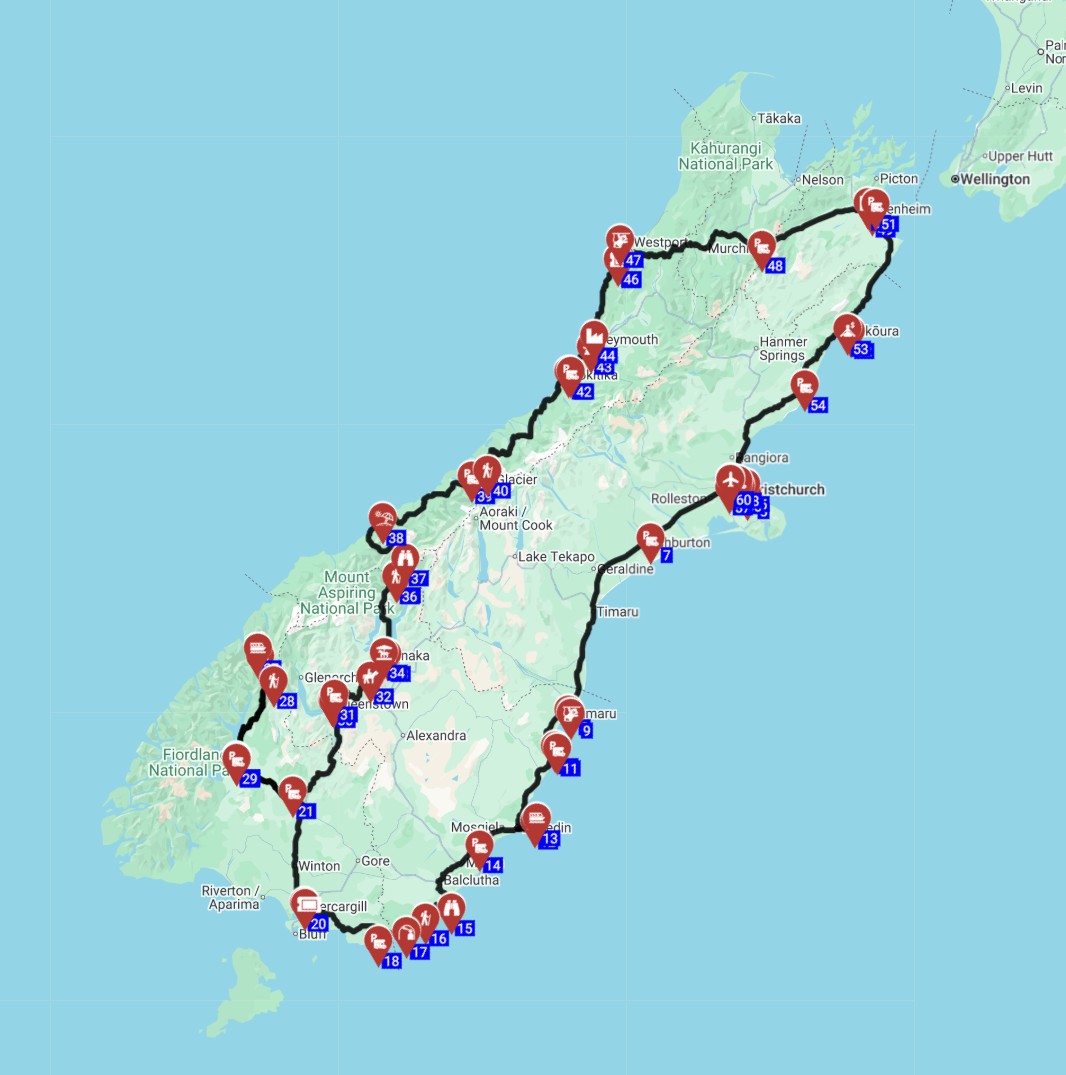 Christchurch Roundtrip - Around the South Island
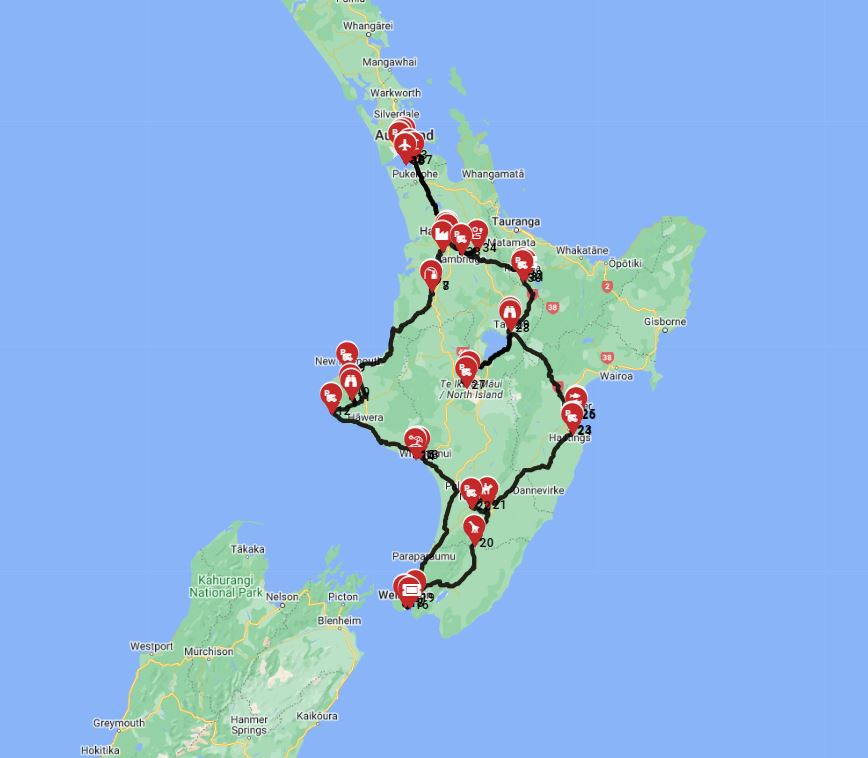
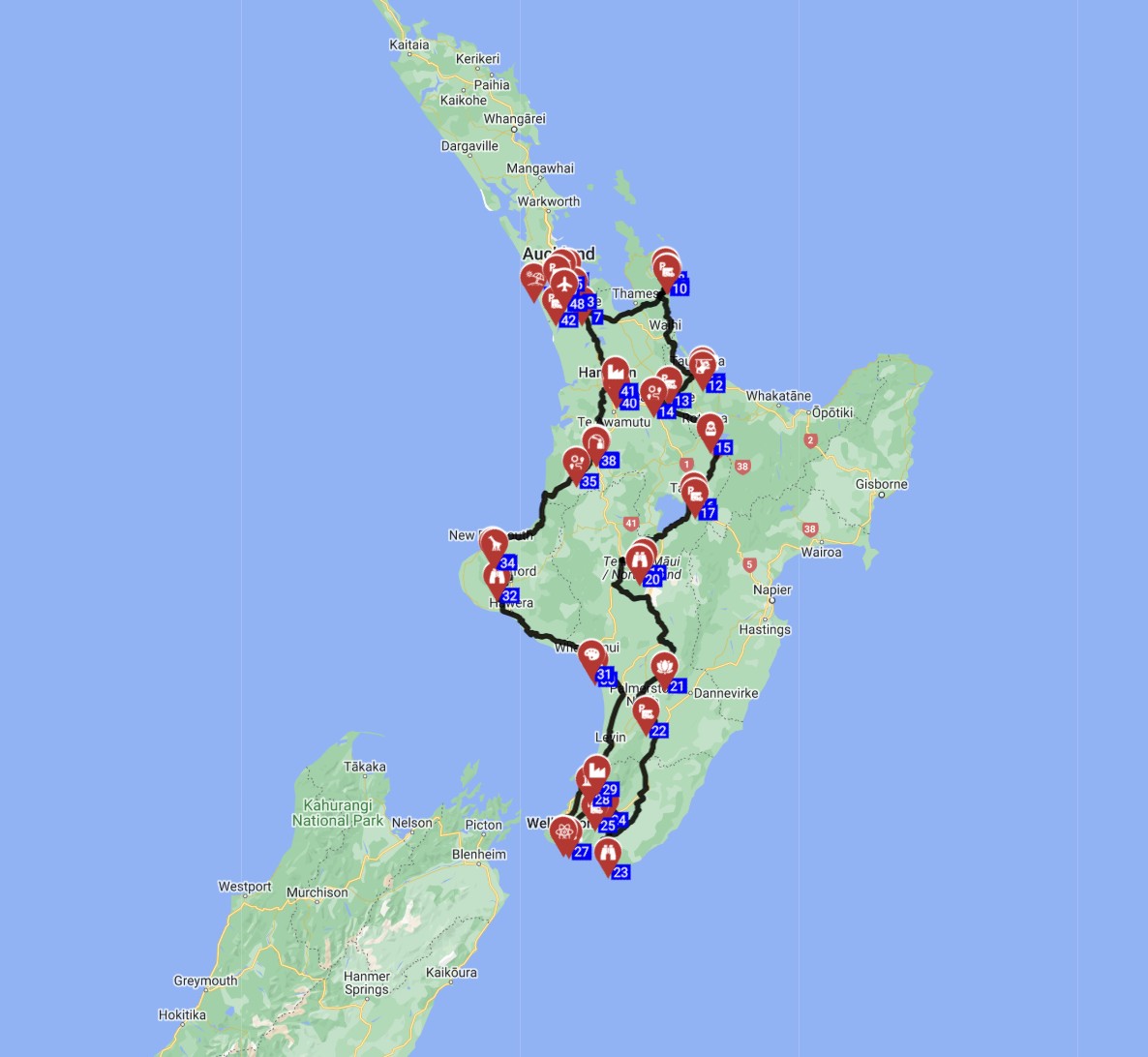
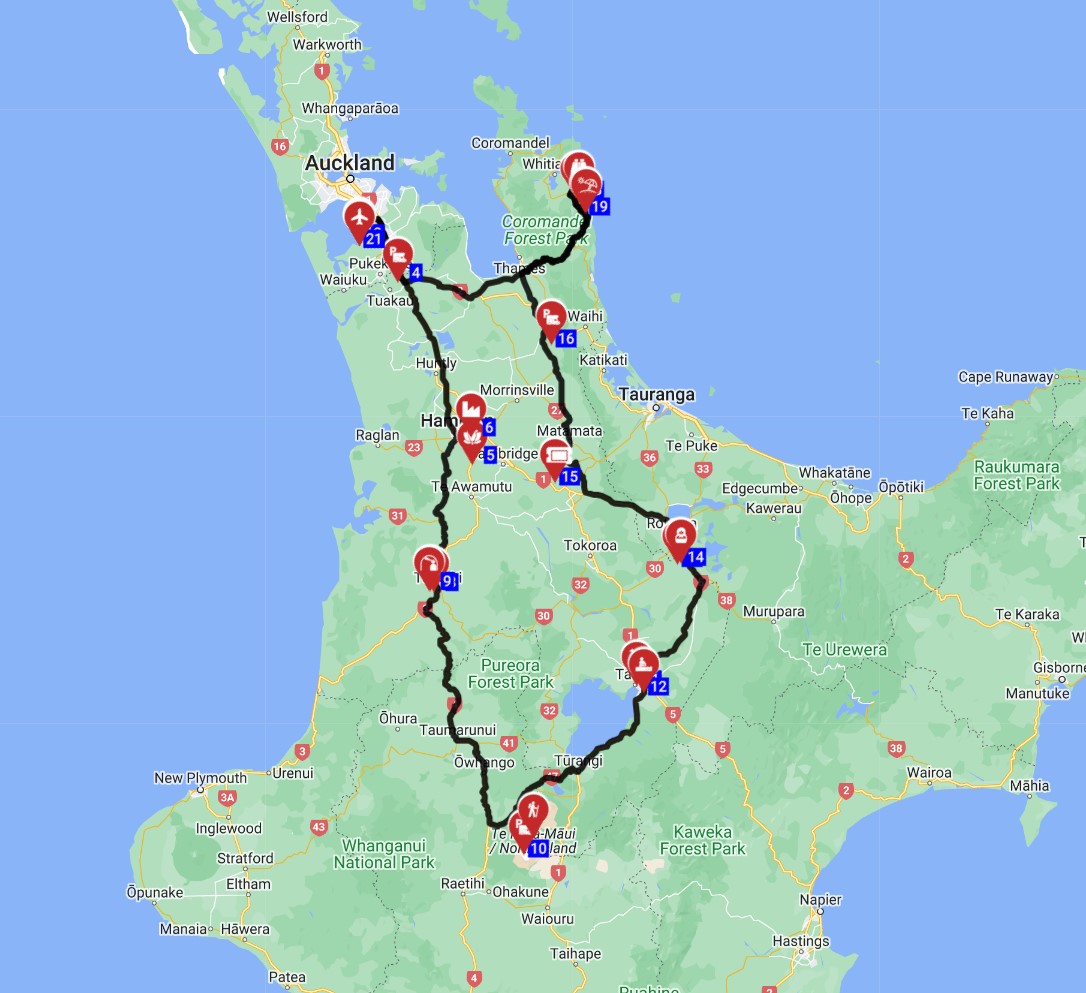
 - Discover the Geothermal Wonders of Rotorua: Immerse yourself in Māori culture and witness bubbling mud pools and geysers. The region offers unique natural features and spa/terme experiences. Our "
" route plan includes 1 spa/terme stop.
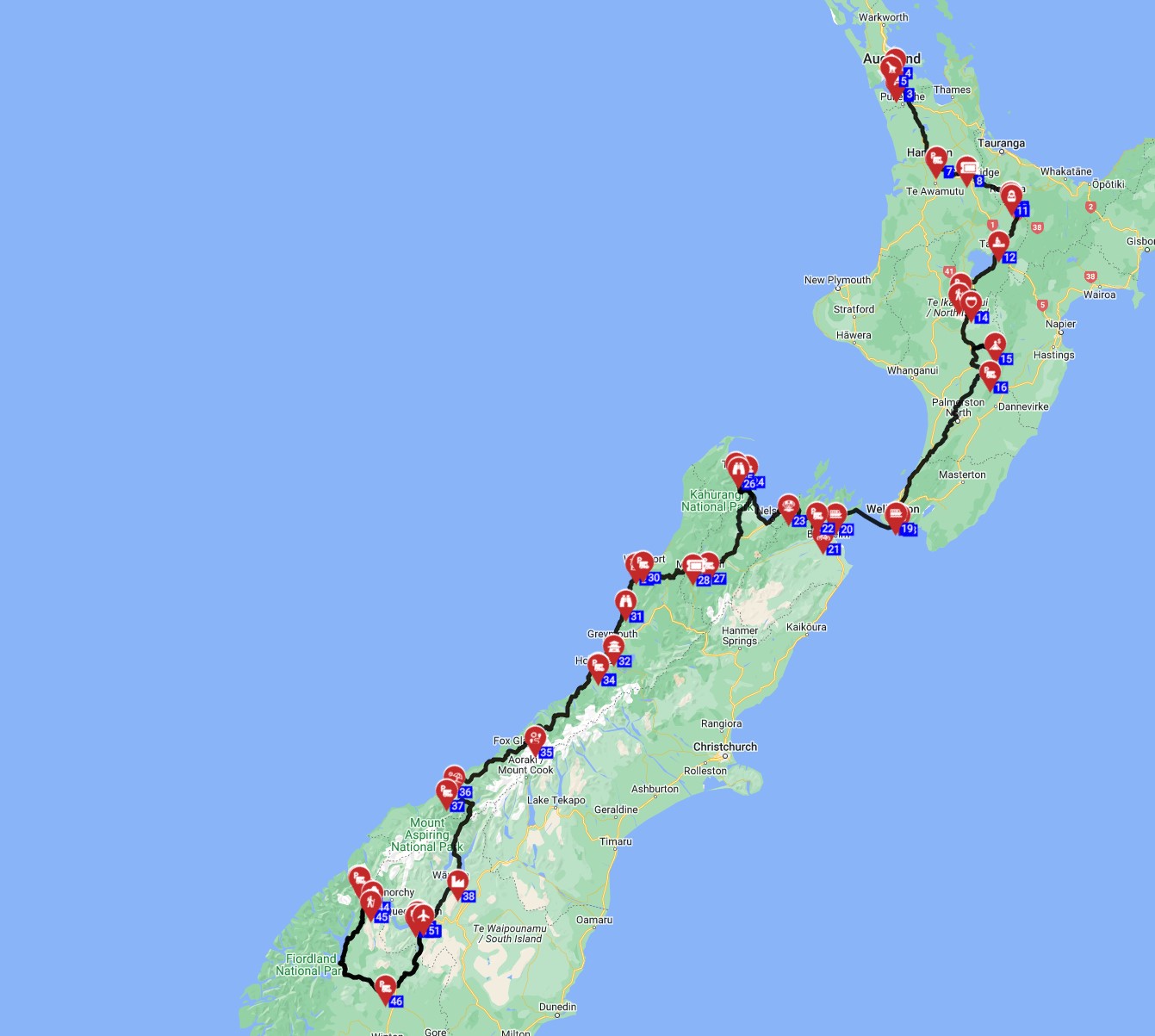 Auckland to Queenstown - The Great Kiwi Road Trip
 - Hike the Tongariro Alpine Crossing: This challenging yet rewarding one-day hike through volcanic terrain is a highlight for many. It's featured as a hiking area in many RV PLANET routes.
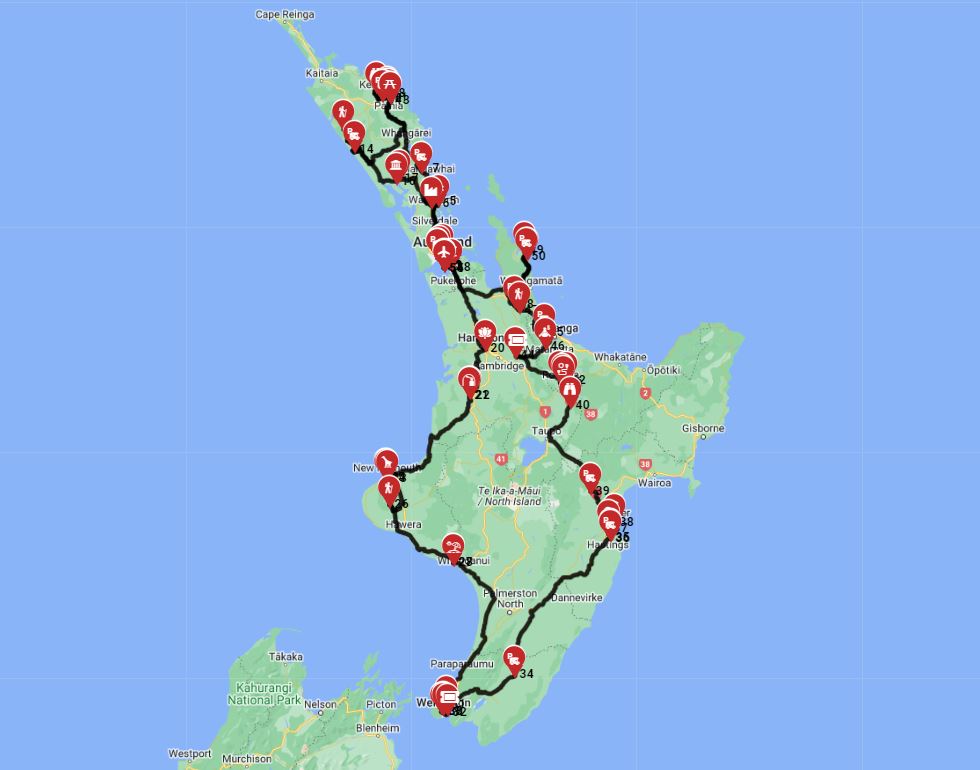
- Journey through the Catlins Coast: On the South Island, experience rugged coastlines, lush rainforests, and diverse wildlife, including seals, penguins, and dolphins. This route is part of the "
" adventure, offering 4 animals show/wildlife watch opportunities.
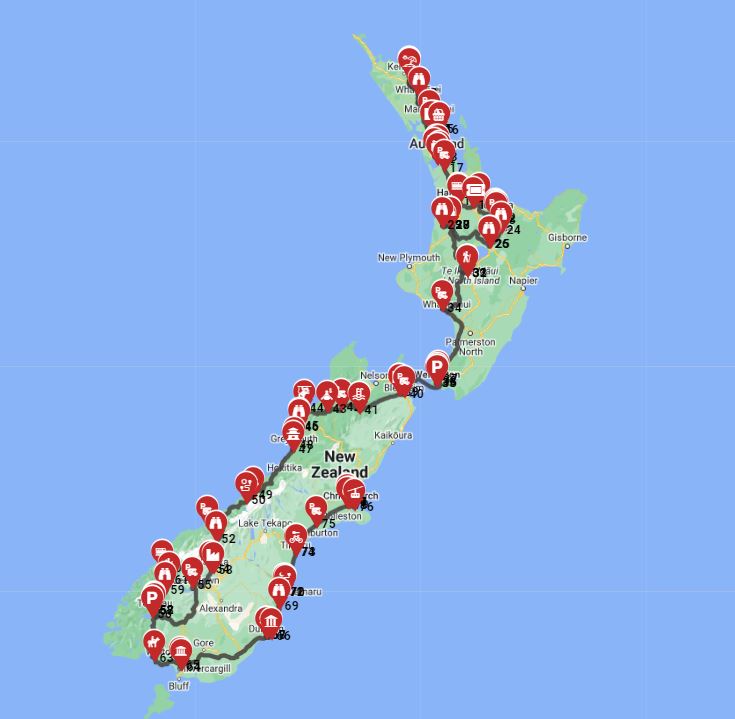 Auckland to Christchurch - Comprehensive New Zealand
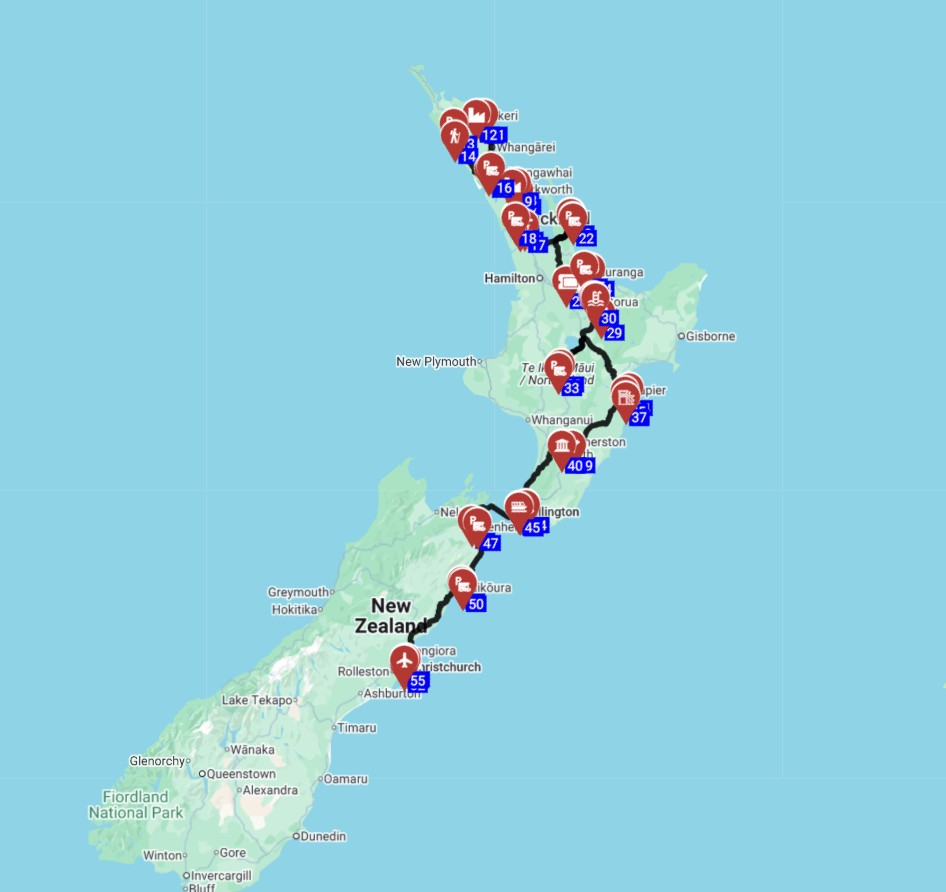
 - Indulge in Queenstown's Adventure Scene: From bungee jumping to jet boating, Queenstown is the adventure capital. Enjoy extreme activities, scenic routes, and lively points of interest. The "
" route offers 1 extreme activity stop.
Auckland to Queenstown - The Great Kiwi Road Trip
Looking for expert insights from Avi Bandana? Top 5 Adventures - recommendations from Avi Bandana
Final Thoughts
New Zealand truly is a dream destination for a motorhome or campervan adventure. Its unparalleled natural beauty, coupled with a well-maintained road network and dedicated camping infrastructure, makes it an ideal place to explore at your own pace. While navigating some unique road features and understanding local camping rules requires a little preparation, the rewards are immense: stunning vistas, cultural immersion, and the freedom to create your own itinerary each day.
At Bandana RV, we're passionate about helping you experience this incredible journey. From providing transparent pricing and diverse vehicle options to offering expert route plans and continuous support, we're with you every step of the way. So, take the leap, embrace the open road, and let New Zealand's magic unfold around you. Remember, travel slowly, savor each moment, and connect deeply with the breathtaking landscapes and vibrant culture.
Ready to discover top destinations, planning tips, all in one place? Start planning your epic New Zealand RV journey today!