In This Guide
- Where to Camp in Canada - Top Options
- Campground Types in Canada (National, Private, Wild)
- Featured RV Park or Campground in Canada
- Hookups & Amenities - What to Expect
- Booking Windows & Reservations in Canada
- Nearby Supermarkets & Resupply Points
- Best RV Class for Camping in Canada
- How to Save on Campgrounds in Canada
- What are the requirements for RV travel in Canada?
- How much does it cost to RV in Canada?
- What do I need to know about Canadian RV rules?
- Is it safe to RV in Canada?
- Can I boondock in Canada?
- What is the best time of year to RV in Canada?
- How do I get internet in an RV in Canada?
- How long can a US citizen stay in an RV in Canada?
- What are Canada's alcohol laws?
- What are the best apps for RVing in Canada?
- Cultural Etiquette and Local Sourcing
- What You Shouldn't Miss
Exploring Canada by RV offers unparalleled freedom, allowing you to immerse yourself in majestic landscapes, vibrant cities, and charming small towns. For live availability and current prices, start with our RV Rental Canada - Complete Guide 2026 guide. Imagine waking up to mountain views in Alberta's Rockies or falling asleep to the sound of waves on a coastal British Columbia beach - a rented motorhome makes it all possible. At Bandana RV, we specialize in helping you find the perfect campervan or motorhome for your Canadian adventure, ensuring full transparency with no hidden fees from the moment you begin searching for airport RV rentals in Canada.
Where to Camp in Canada - Top Options
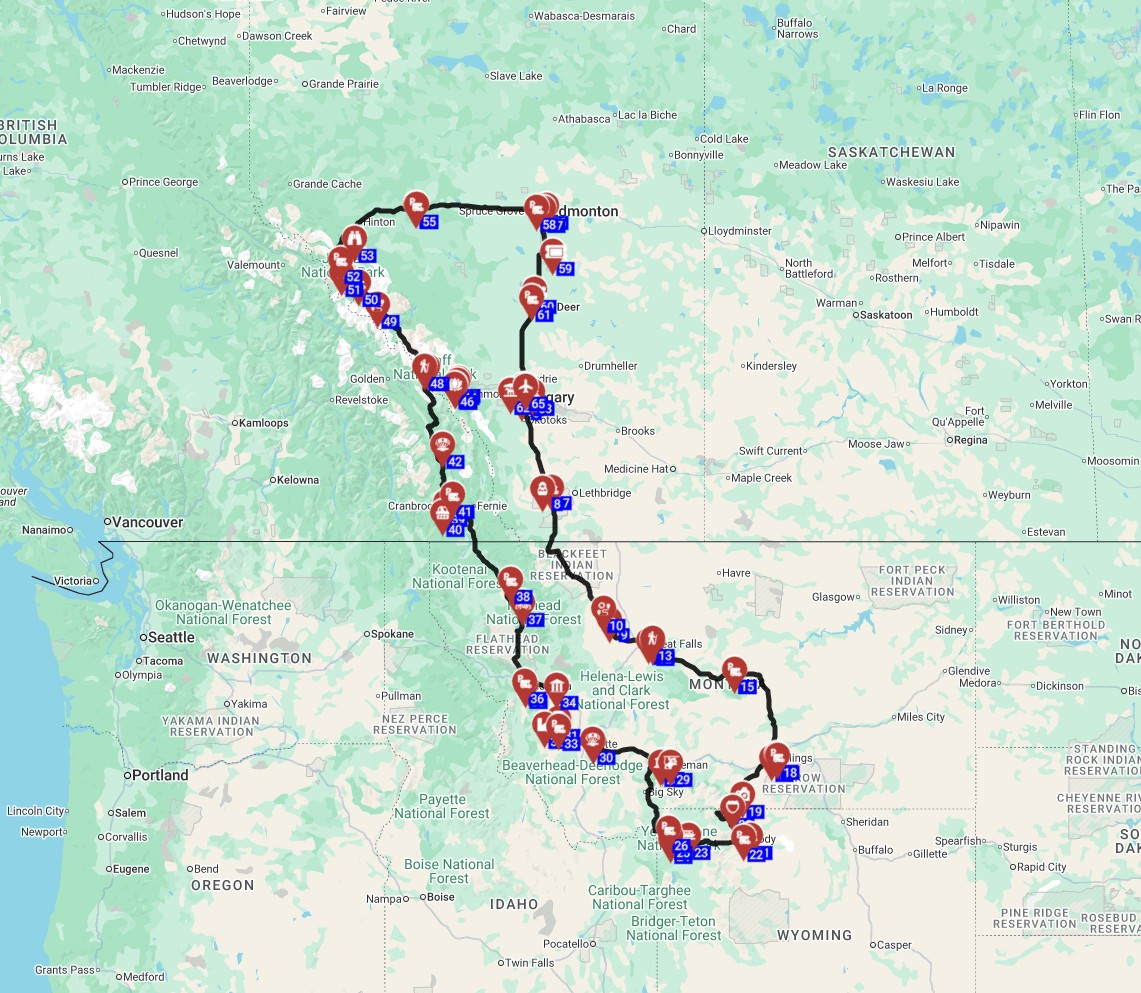
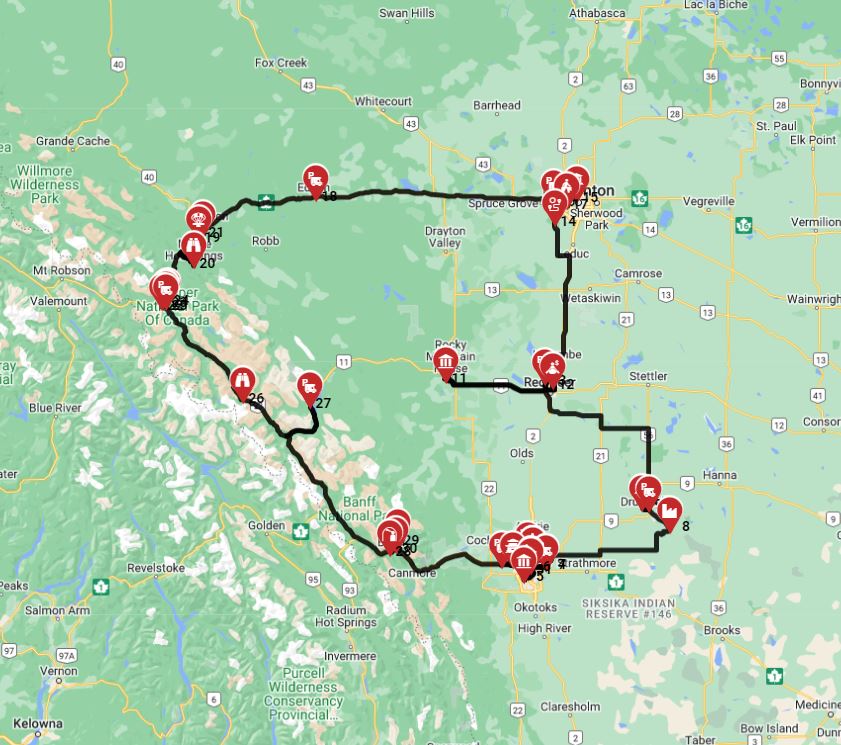
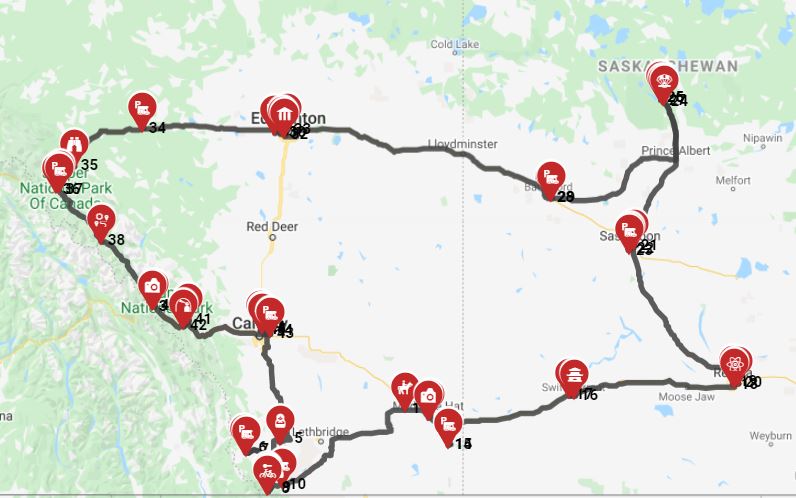
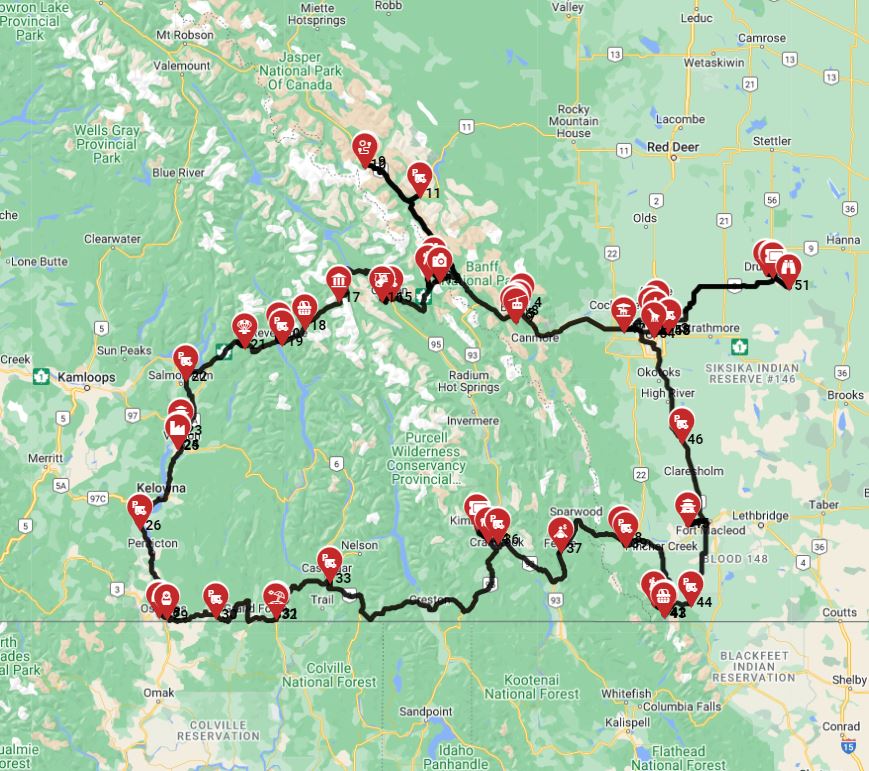
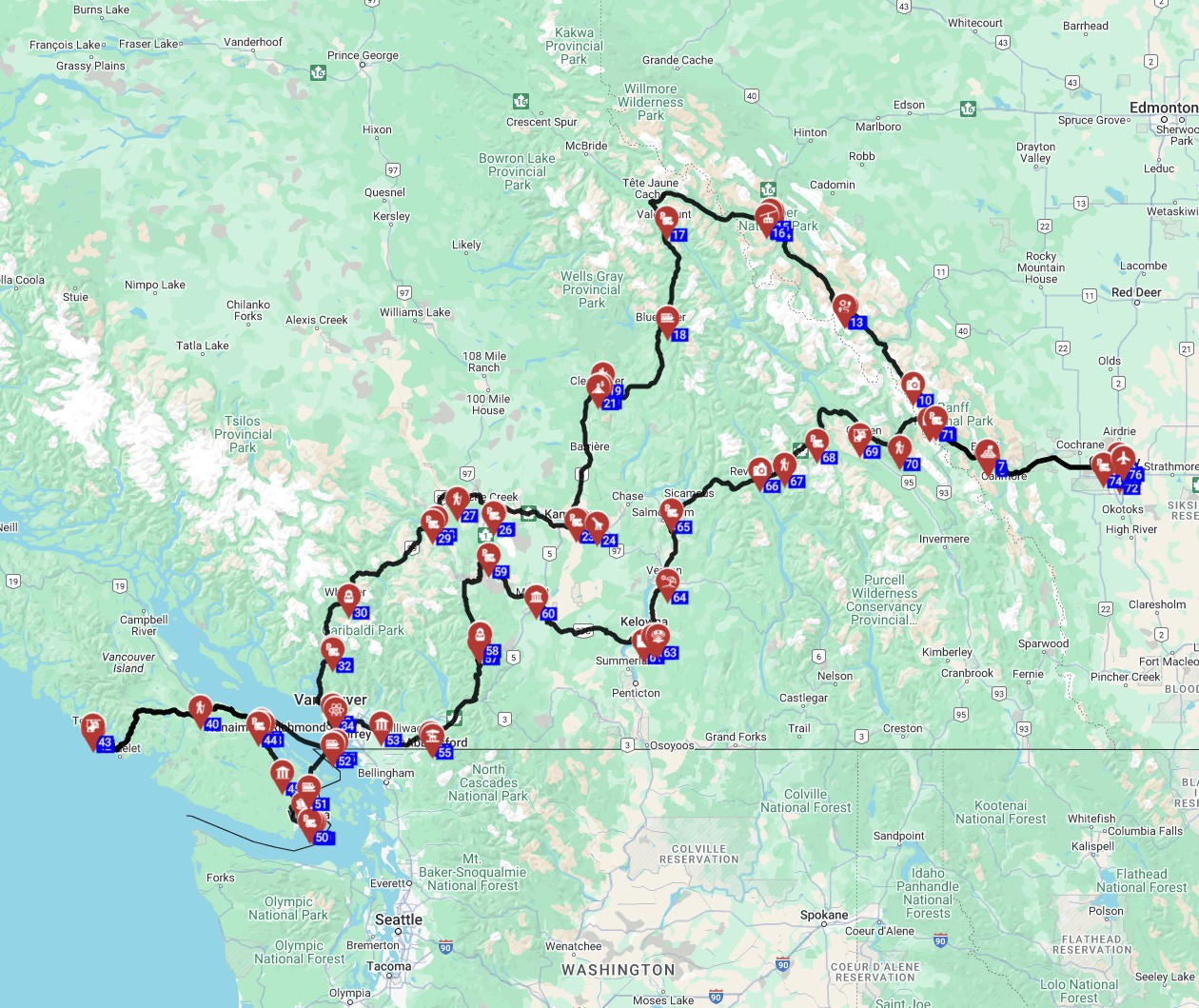
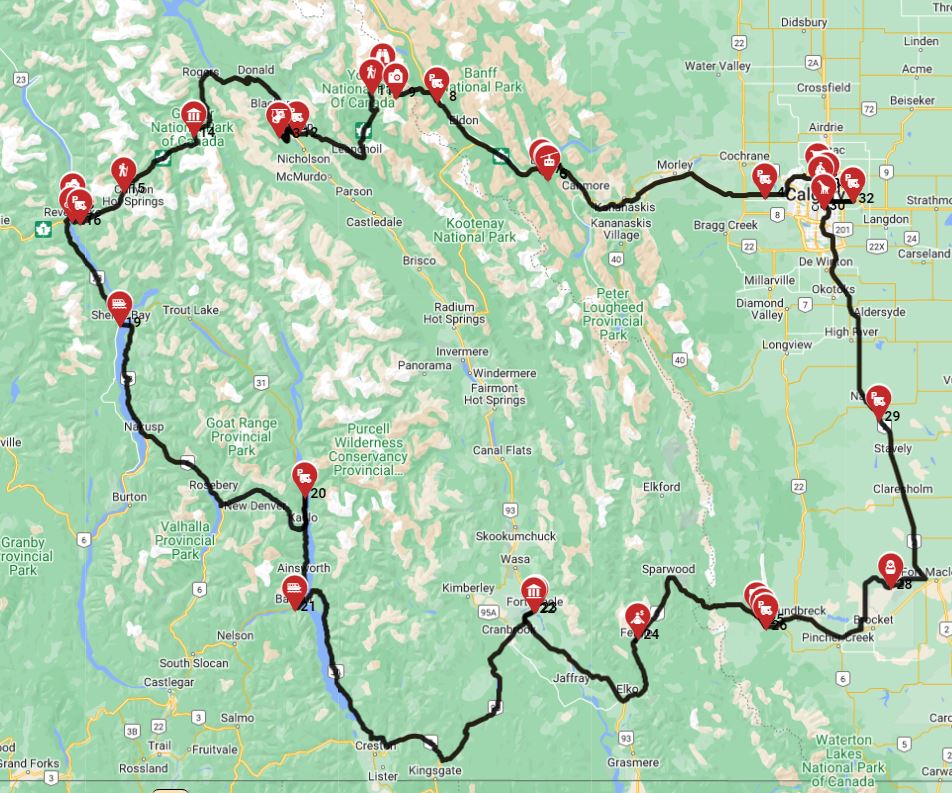
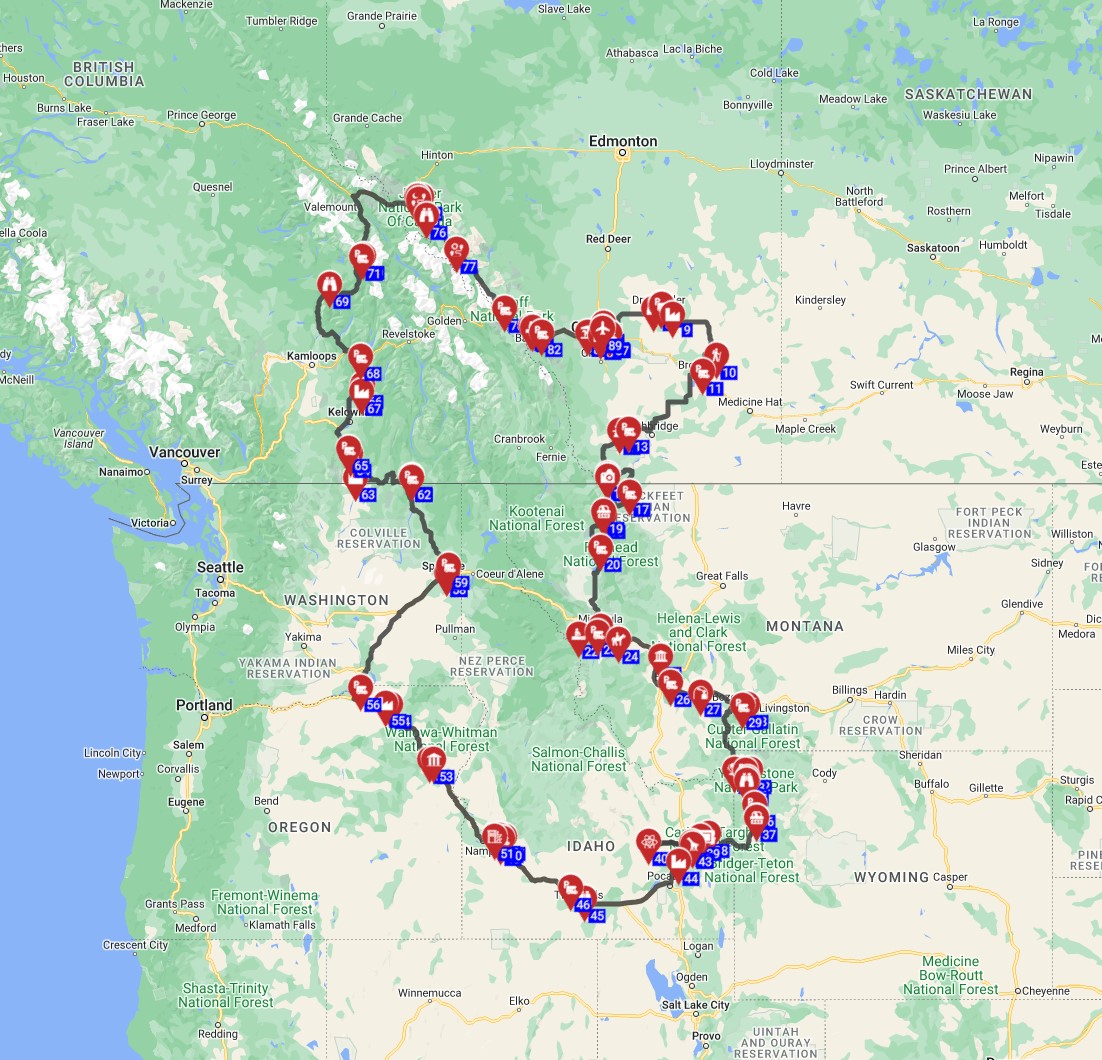
Canada offers a vast array of camping regions, allowing RV travelers to explore stunning mountain views in the Canadian Rockies, access the ocean from Coastal British Columbia, or discover historic charm in the Atlantic Provinces. From national park wilderness sites to fully serviced private campgrounds, there's a spot for every preference. Popular destinations for RVers often include Banff National Park and Jasper National Park in Alberta, offering over 200 backcountry sites and dozens of accessible RV campgrounds, as well as sites near major cities like Vancouver, Toronto, or Montreal for convenient access to urban amenities. Consider an extended road trip to truly appreciate the country's scale; for example, the "Halifax to Whitehorse - Exploring Canada’s Heartland in a Motorhome" route takes 37 days to cover 9199.1 km, passing through multiple provinces and offering 6 museums and 4 natural features along the way.
Campground Types in Canada (National, Private, Wild)
Canada offers three primary types of campgrounds: National Park, Provincial/Private, and Wild camping. National Park campgrounds, managed by Parks Canada, provide scenic locations within protected areas and often require advance reservations, especially for popular spots like Lake Louise Campground in Banff, which opens bookings several months prior. Private campgrounds typically offer more amenities such as full hookups (30-amp and sometimes 50-amp electrical service, water, and sewer), Wi-Fi, and recreational facilities, ideal for those seeking comfort and convenience. Wild camping, also known as boondocking or dry camping, is generally permissible on Crown Land in Canada, subject to provincial regulations and ethical considerations like Leave No Trace principles, offering a free and immersive experience in nature.
Featured RV Park or Campground in Canada
When selecting an RV park in Canada, look for establishments that offer a blend of essential amenities, natural beauty, and proximity to attractions, such as the Whistler RV Park & Campground in British Columbia, which provides 100+ fully serviced sites and is just a short drive from Whistler Village. Consider factors such as hookup availability (many offer 30-amp power, water, and sewer connections), on-site facilities like laundry and showers, and recreational options such as hiking trails or lake access. Many top-rated parks boast serene settings, easy access to outdoor activities, and convenient resupply points, making them ideal for airport RV renters to settle in and explore nearby towns and attractions.
Hookups & Amenities - What to Expect
Most Canadian RV campgrounds offer electric hookups, typically 30-amp service, with some providing 50-amp for larger Class A motorhomes, and standard 15-amp outlets for smaller campervans. Water hookups are common, delivering potable water directly to your rented RV, while sewer hookups (dump stations) are available for convenient wastewater disposal. Beyond essential utilities, expect amenities like clean washrooms, hot showers, and often laundry facilities. While Wi-Fi availability varies, ranging from reliable paid services to spotty free access, it is generally sufficient for basic communication. For finding campsites and campgrounds during your trip, we recommend using RV PLANET (rvplan.net) - a great resource for locating available spots along your route. On the routes offered through RV PLANET routes, you can itemize and track every expense along the way for easy budgeting.
Booking Windows & Reservations in Canada
Planners should book well in advance for RV rentals and campsites, especially for popular national parks or during peak summer season (July-August), with reservation windows often opening 3-5 months prior to arrival. Many national park campgrounds, such as those in Jasper or Banff, release only 25%-30% of spots for reservations, with the remaining 70-75% allocated on a first-come, first-served basis. This means spontaneous travelers can often find same-day or next-day spots by checking municipal, provincial, or private campgrounds and calling ahead before driving. Don't stress too much about finding a spot: if not at the first campground, then the next one will often have availability. For Long-Term RV Rental in Canada - Monthly Rates 2026 can also be more flexible with bookings during off-peak times.
Nearby Supermarkets & Resupply Points
For airport RV renters, major Canadian supermarket chains like Loblaws (including Real Canadian Superstore, Zehrs), Sobeys, and Metro are excellent choices for stocking up on groceries and supplies upon arrival. Walmart Supercenters are also widely available across Canada, offering a comprehensive range of food, camping gear, and other essentials, making them convenient one-stop shops. Smaller towns and remote areas may have local independent grocery stores or general stores, so it's advisable to resupply generously in larger centers before heading off the beaten path. Planning meals and shopping in advance can contribute to a seamless RV experience, whether you're embarking on a

Best RV Class for Camping in Canada
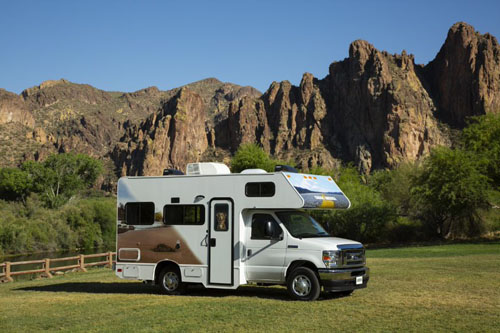
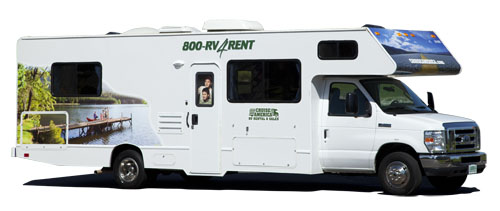
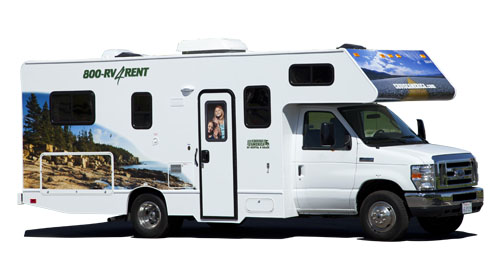
For versatile camping in Canada, Bandana's fleet sees Class B - Camper Vans, averaging 5.8 meters in length and sleeping 3.2 people, as ideal for agility and boondocking, offering features like a shower and toilet in models such as an 'rv rental denver example Category Van'. Class C - Alcove RVs, averaging 7.5 meters in length and accommodating 5.8 sleeping places, are well-suited for families seeking more space and amenities for hookup-dependent camping, with models like the 'cruise america rv rental example Explorer' offering a gas stove with 4 burners and an 82-liter fresh water tank. Class SI - Semi-integrated RVs, at an average length of 6.9 meters and sleeping 3.8, provide a balance of comfort and maneuverability, fitting both serviced campgrounds and some remote areas. Drive slowly and carefully, and you can drive almost anywhere without issues. No need to stress - just use common sense and pay attention. For families or larger groups, a Class A motorhome like the 'rent rv example E3' can provide expansive living space, often including a TV and comfortable amenities for up to 4 people.
How to Save on Campgrounds in Canada
Utilize campground discount cards offered by various rental suppliers or memberships to unlock significant savings on nightly rates at participating parks across Canada, sometimes offering 10-15% off. Opt for shoulder season travel (late spring: May-June, and early fall: September-October) to benefit from lower rates and fewer crowds compared to the peak summer months, potentially saving up to 20-30% on campground fees. Choose municipal or regional campgrounds over private resorts, as they often offer more affordable rates (e.g., $20-$40 CAD/night versus $50-$80+ CAD/night) while still providing essential amenities. Planning your route with flexibility in mind and seeking out these more budget-friendly options can significantly reduce your total trip cost, as detailed in our guide on Cheap RV Rental in Canada - Budget Guide 2026.
What are the requirements for RV travel in Canada?
RV travelers entering Canada must possess a valid passport, and depending on nationality, may also require an Electronic Travel Authorization (eTA) or a visitor visa; US citizens typically only need a valid passport for stays up to six months. A detailed breakdown of border crossing requirements includes specific vehicle documents such as current registration and proof of insurance, which should be easily accessible. It's crucial to be aware that certain criminal records, including DUIs, can lead to denied entry into Canada, so check eligibility well in advance. For pet imports, a rabies vaccination certificate issued by a licensed veterinarian and a microchip are generally required. Restrictions on food and alcohol include quantity limits (e.g., 1.5 liters of wine or 24 cans of beer) and specific prohibitions on certain items like raw meat from certain regions, so it's essential to declare all goods to customs. In-depth vehicle-specific preparations for Canadian conditions involve ensuring your rented RV meets safety standards and understanding propane regulations, which usually require propane tanks to be turned off at border crossings and on ferries.
How much does it cost to RV in Canada?
The cost to RV in Canada is highly variable, influenced by factors such as the type of motorhome, rental duration, and season, with average daily rental rates for a Class C motorhome ranging from $150-$250 CAD. A comprehensive cost analysis for RV travel includes fluctuating fuel prices, which differ by province (e.g., typically higher in British Columbia than Alberta), and varying camping fees that can range from $20 CAD for basic provincial sites to $80+ CAD for full-service private resorts in popular areas. For example, a 'cruise america rv rental example Explorer' Class C motorhome has a fuel consumption of approximately 11 Liters per 100 km. Consider national and provincial park pass systems, like the Parks Canada Discovery Pass for annual access to over 80 destinations, which can save money on entry fees for extended trips. Exchange rate management is important for international travelers, as is budgeting for potential hidden costs like propane refills ($20-$50 CAD), dump station fees ($5-$15 CAD), tolls, and attraction entry. For easy budgeting and tracking every expense along the way, explore RV PLANET routes. For more detailed pricing, refer to RV Rental in Canada - Prices and Best Deals 2026.
What do I need to know about Canadian RV rules?
Navigating Canadian RV rules involves understanding provincial variations in road signs, speed limits (e.g., 80-110 km/h on highways), and specific vehicle length restrictions, particularly for larger RVs like Bandana's Class A units, which average around 7.5 meters (e.g., 'rent rv example E3'). Propane regulations for RVs require tanks to be certified and safely secured, and some tunnels (like those on Highway 1 in British Columbia) or ferries may have specific rules regarding propane use, often requiring tanks to be turned off. Waste disposal is critical: always use designated dump stations for grey and black water, and follow recycling and garbage guidelines at campgrounds and municipal facilities to preserve Canada's natural beauty. Driving in certain provinces during winter may necessitate specific vehicle preparations like winter tires or chains, particularly in mountainous regions or where mandated by law, for instance, on many highways in British Columbia from October to April.
Is it safe to RV in Canada?
RVing in Canada is generally safe, but advanced safety protocols for remote Canadian travel are crucial, particularly when venturing into wilderness areas like those found in the Yukon or Northern British Columbia. Specific advice for wildlife encounters includes securing all food in bear-proof containers to prevent attracting bears and other animals, knowing how to react to moose on roads (they are large and unpredictable), and being aware of other common wildlife like deer and elk. Emergency communication strategies should be planned, as cell service dead zones are common in remote areas; consider satellite messengers or personal locator beacons for reliable communication outside of cellular range. Backcountry preparedness involves carrying essential gear, knowing basic first aid, informing others of your itinerary, and being ready for sudden weather changes, which can occur rapidly in Canada's diverse climates. Travel slowly, max 100-150 km per day on average, to allow ample time to react to unexpected situations and truly feel the place, connecting to the culture, the food, and the scenery.
Can I boondock in Canada?
Yes, boondocking, or free camping, is often permissible on Crown Land in Canada, which comprises vast tracts of public land primarily in Western and Northern provinces, but regulations vary significantly by province and municipality. Specific strategies for boondocking involve understanding Crown Land regulations, which may dictate duration of stay (e.g., typically 14-21 days in one spot), fire restrictions, and environmental impact rules. Utilize best apps for finding spots, such as iOverlander or Backroad Mapbooks, which often highlight legal and recommended boondocking locations across Canada, including forest service roads and designated recreation sites. Ethical considerations are paramount, including practicing Leave No Trace principles, respecting private property and local communities, and minimizing your impact on the environment. Always check local signage and provincial guidelines before setting up camp to ensure compliance and a responsible experience.
What is the best time of year to RV in Canada?
The best time of year to RV in Canada depends on your desired experience, with late spring (May-June) and early fall (September-October) offering pleasant weather, fewer crowds, and potential savings on rental and campground rates. Dedicated content on seasonal RVing highlights that summer (July-August) is peak season, providing warm temperatures, full accessibility to all attractions and national parks, but also higher prices and crowded campgrounds. Winter RVing presents unique challenges like road closures (e.g., some mountain passes in BC) and extreme cold, requiring specific vehicle preparations such as cold-weather fluids and proper insulation, though it offers unparalleled opportunities for winter sports enthusiasts and stunning snowy landscapes. Shoulder season tips include checking for seasonal campground openings and closures, being prepared for variable weather conditions with layers of clothing, and benefiting from reduced rates and a more serene travel experience. We help travelers explore the world by RV.
How do I get internet in an RV in Canada?
To get internet in an RV in Canada, consider purchasing a Canadian SIM card from major providers like Rogers, Bell, or Telus upon arrival for local data rates, with plans typically offering 10-20 GB for $50-80 CAD per month. Detailed connectivity solutions include utilizing eSIMs for compatible devices, which offer flexibility and often better rates for travelers, or employing portable mobile hotspots that create a Wi-Fi network using cellular data, ideal for connecting multiple devices. Be aware that roaming costs with your home country's plan can be expensive, so researching international plans or local SIMs is crucial to avoid unexpected bills. For remote areas with no cellular coverage, satellite options like Starlink (if available) or personal satellite messengers provide reliable internet and emergency communication, which can be vital for safety when boondocking or exploring distant national parks.
How long can a US citizen stay in an RV in Canada?
A US citizen can typically stay in Canada for up to six months as a visitor, though the Border Services Officer at your port of entry makes the final decision on the length of your stay, which they will stamp in your passport. Long-term RVing and snowbirding considerations include understanding that if you wish to stay longer than initially granted, you may apply for a visitor record extension before your authorized stay expires. Healthcare access for extended stays requires travelers to have comprehensive travel medical insurance, as US health plans are generally not accepted in Canada for non-emergencies. Mail forwarding services can be arranged for prolonged trips, and specific regulations for extended stays may apply depending on provincial rules and your visa status, so always research thoroughly if planning to stay longer than the initial six-month period.
What are Canada's alcohol laws?
Canada's alcohol laws are governed provincially, meaning regulations for purchasing, possessing, and consuming alcohol vary significantly from one province or territory to another. Legal drinking ages typically range from 18 in Alberta, Manitoba, and Quebec, to 19 in all other provinces and territories. Local food and drink sourcing involves understanding that alcohol is primarily sold in government-run liquor stores (e.g., LCBO in Ontario, SAQ in Quebec) or licensed private retailers, with limited availability in grocery stores, particularly for wine and beer. Open container laws generally prohibit consuming alcohol in public spaces, including your rented RV if it's parked on public land or a roadside, and strict impaired driving laws are enforced nationwide. Always check local provincial regulations for specific details to ensure a smooth trip. For those enjoying meals in their RV, check out our RV-friendly recipes playlist for some great ideas!
What are the best apps for RVing in Canada?
For finding campgrounds and services in Canada, iOverlander is a top crowd-sourced choice, offering information on wild camping spots, dump stations, water access, and propane refills across the country. The Parks Canada App provides essential information for national parks, including trail maps, reservation links for the 25-30% of reservable sites, and real-time alerts, enhancing your experience in these protected areas. For reliable navigation, Google Maps, Waze, or dedicated RV GPS apps like CoPilot RV offer routing options, often with features to avoid low clearances or weight restrictions relevant for larger rented motorhomes. Weather apps are crucial for monitoring rapidly changing Canadian conditions, especially for mountain passes or severe weather alerts, ensuring safer travel and trip planning.
Cultural Etiquette and Local Sourcing
Nuanced cultural etiquette in Canada includes understanding tipping norms, which typically range from 15-20% for good service in restaurants and other service industries, and is expected. In Quebec, French language considerations are important; while English is widely spoken, making an effort to use basic French phrases (e.g., "Bonjour," "Merci") is appreciated and can enhance your interactions. Indigenous tourism guidelines emphasize respectful engagement with First Nations, Inuit, and Métis communities, including seeking permission before photographing people and supporting local Indigenous businesses and cultural experiences. Local food sourcing is highly encouraged through farmers' markets, roadside stands, and local specialty shops, offering fresh produce, artisanal goods, and unique regional products that allow you to connect with the local culture and food. Our dedicated team of RV specialists at Bandana Caravan understands these details and is here to support you.
What You Shouldn't Miss
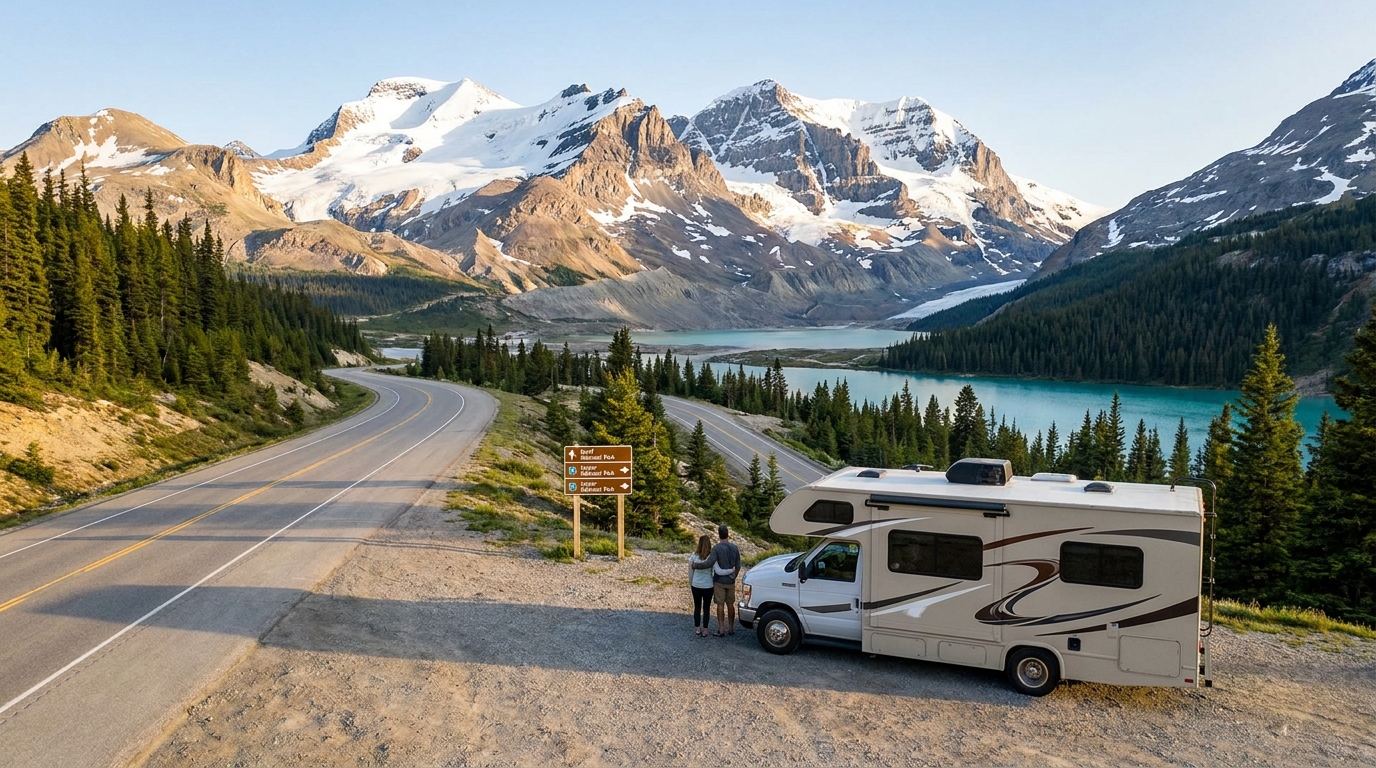
- Driving the Icefields Parkway: This 232 km scenic route between Banff and Jasper National Parks offers breathtaking glaciers, turquoise lakes, and abundant wildlife viewing opportunities.
- Exploring Coastal British Columbia: Discover the rugged beauty of Vancouver Island, with whale watching tours, ancient rainforests, and vibrant communities. Consider a "Vancouver Round Trip - West Canada Cycling Adventure 2026" to experience 3 bike rental opportunities and 3 hiking areas.
- Visiting Quebec City's Old Town: Step back in time in North America's only walled city, a UNESCO World Heritage site, with its charming cobblestone streets and historic architecture.
- Experiencing the Bay of Fundy: Witness the world's highest tides, which can reach up to 16 meters (53 feet), along the coasts of New Brunswick and Nova Scotia.
- Discovering the Yukon's Wilderness: For adventurous RVers, the Dempster Highway offers a remote journey into the Arctic Circle, passing through stunning sub-arctic landscapes and providing opportunities for wildlife spotting.
Final Thoughts
Embarking on an RV rental adventure in Canada promises a journey filled with breathtaking scenery, diverse cultures, and unforgettable experiences. From the snow-capped peaks of the Rockies to the vibrant cities and tranquil coastlines, Canada truly offers something for every type of traveler. We're here to support you before, during, and after your booking, ensuring your trip planning is as seamless as your drive along Canada's open roads.
With a comprehensive understanding of what to expect, from booking your ideal camper to navigating local rules and embracing spontaneous detours, you're well-equipped for an incredible Canadian road trip. Remember to travel slowly, savor each moment, and let the adventure unfold. Discover top destinations, planning tips, all in one place!
Ready to hit the road? Compare airport RV Rentals in Canada now and start planning your perfect mobile home journey.