In This Guide
- Where to Camp in Norway - Top Options
- Campground Types in Norway (National, Private, Wild)
- Featured RV Park or Campground in Norway
- Hookups & Amenities - What to Expect
- Booking Windows & Reservations in Norway
- Nearby Supermarkets & Resupply Points
- Best RV Class for Camping in Norway
- How to Save on Campgrounds in Norway
- What is the best month to RV in Norway
- What are the roads like in Norway for RVs
- Is it easy to drive an RV in Norway
- How long should you spend in Norway in an RV
- What is the average cost to rent an RV in Norway
- How much does it cost to drive an RV in Norway
- Is it worth renting an RV in Norway
- What is the wild camping law in Norway
Norway, with its breathtaking fjords, dramatic mountains, and charming coastal towns, offers an unparalleled motorhome travel experience, especially for seniors seeking comfort and flexibility. Imagine waking up to a panoramic view of a serene fjord or a majestic mountain, all from the comfort of your rented RV. We've been helping travelers discover the magic of RV adventures since 2001, providing a transparent and supportive journey from your initial planning to your post-trip coordination. For live availability and current prices, start with our RV Rental Norway - Complete Guide 2026 guide.
Where to Camp in Norway - Top Options
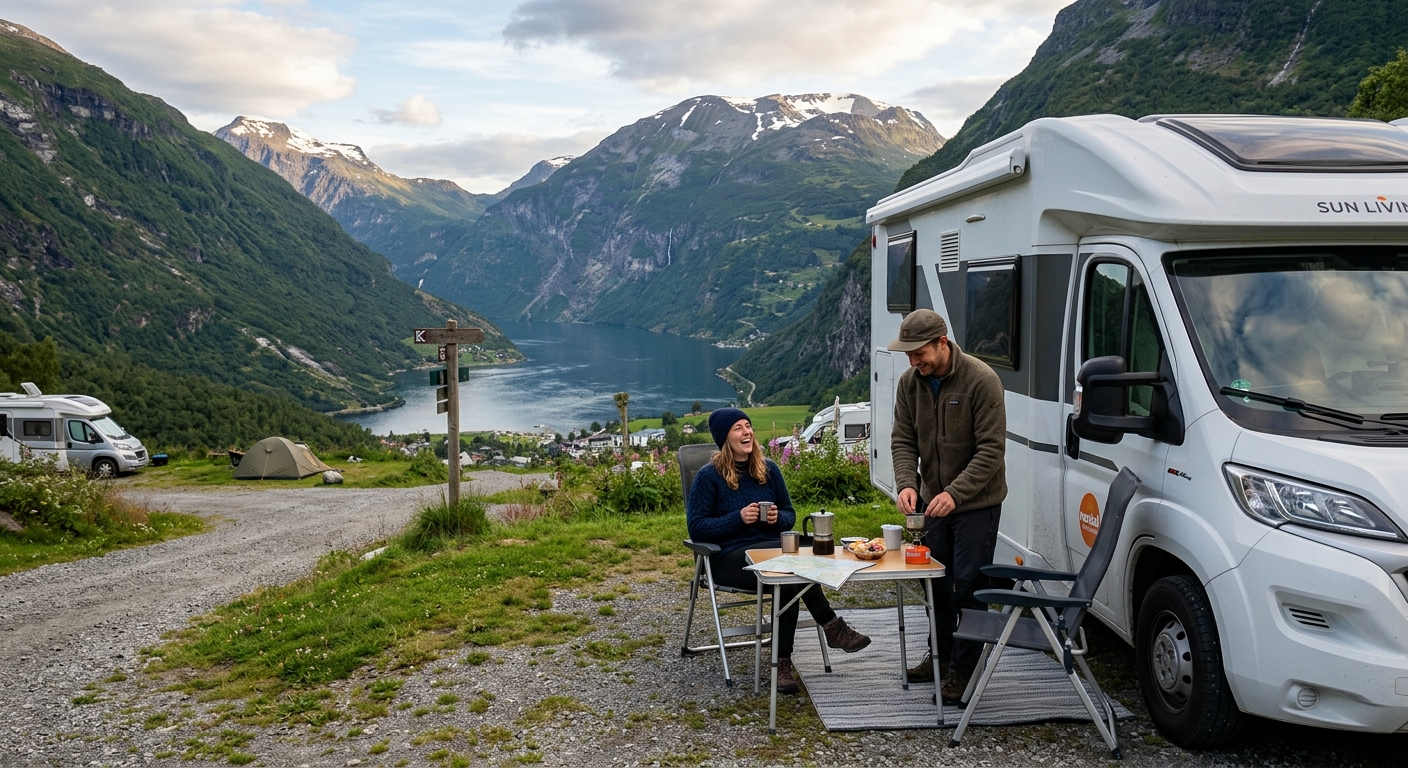
Norway offers diverse camping options, from scenic fjord-side sites in regions like Geirangerfjord and Lofoten to tranquil spots near national parks such as Jotunheimen. Seniors can find accessible and comfortable campgrounds across various regions, ensuring proximity to attractions and a relaxing pace. Consider regions like the Western Fjords for dramatic landscapes, the Lofoten Islands for coastal beauty, or areas near national parks for hiking and nature immersion.
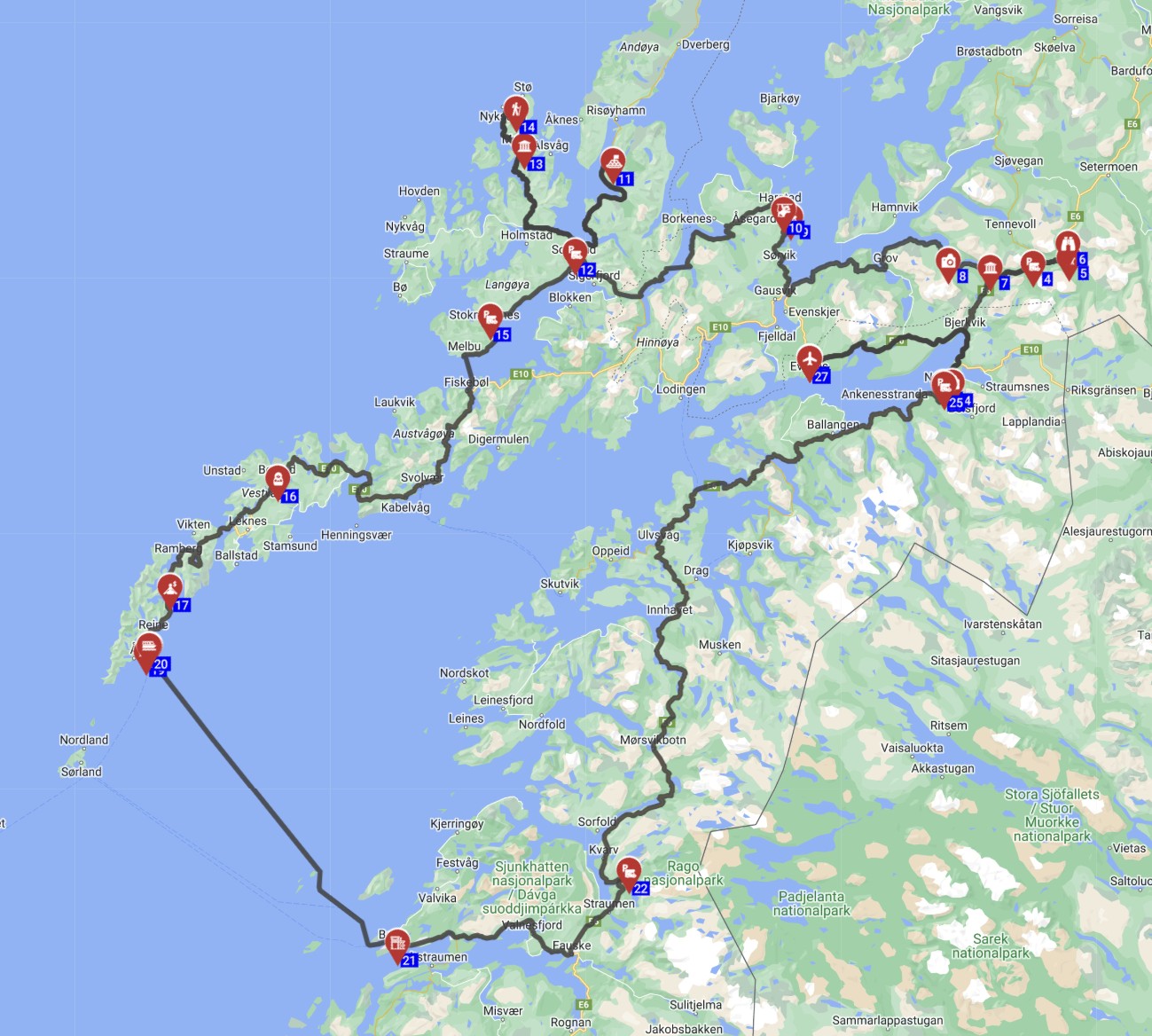
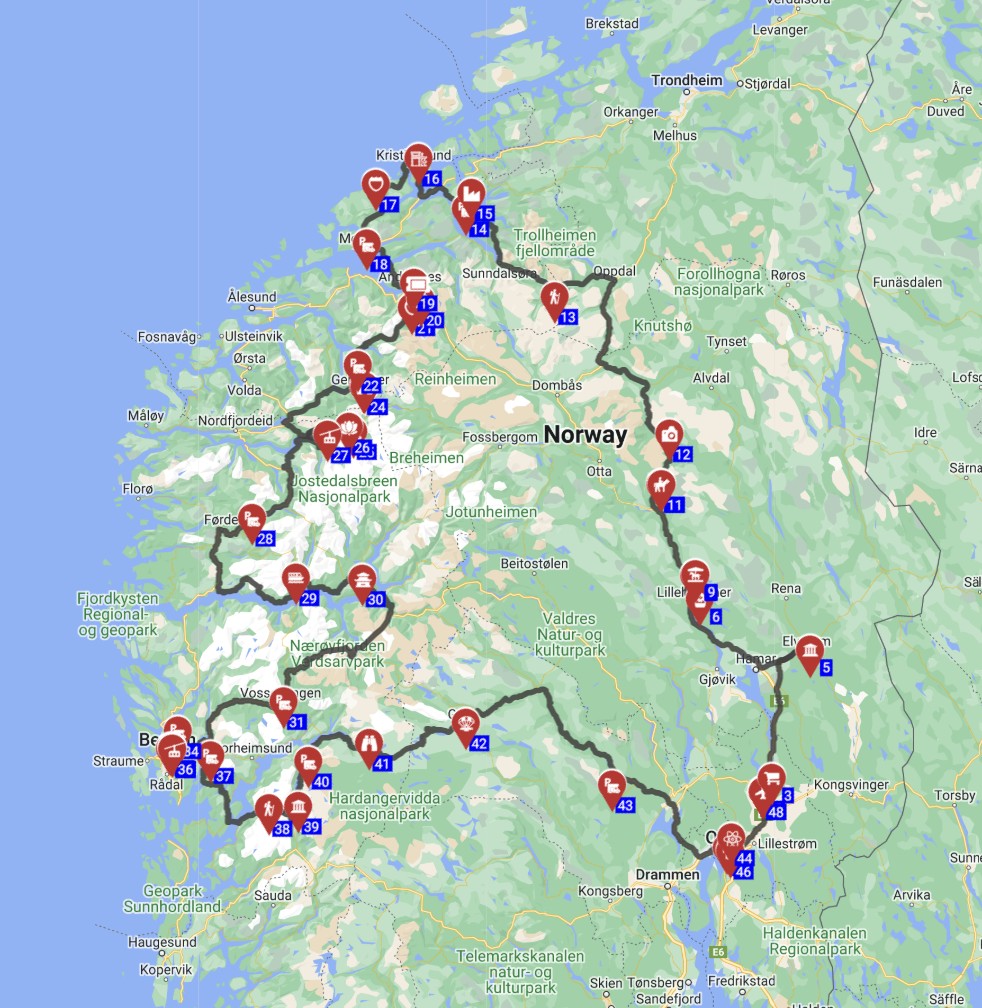
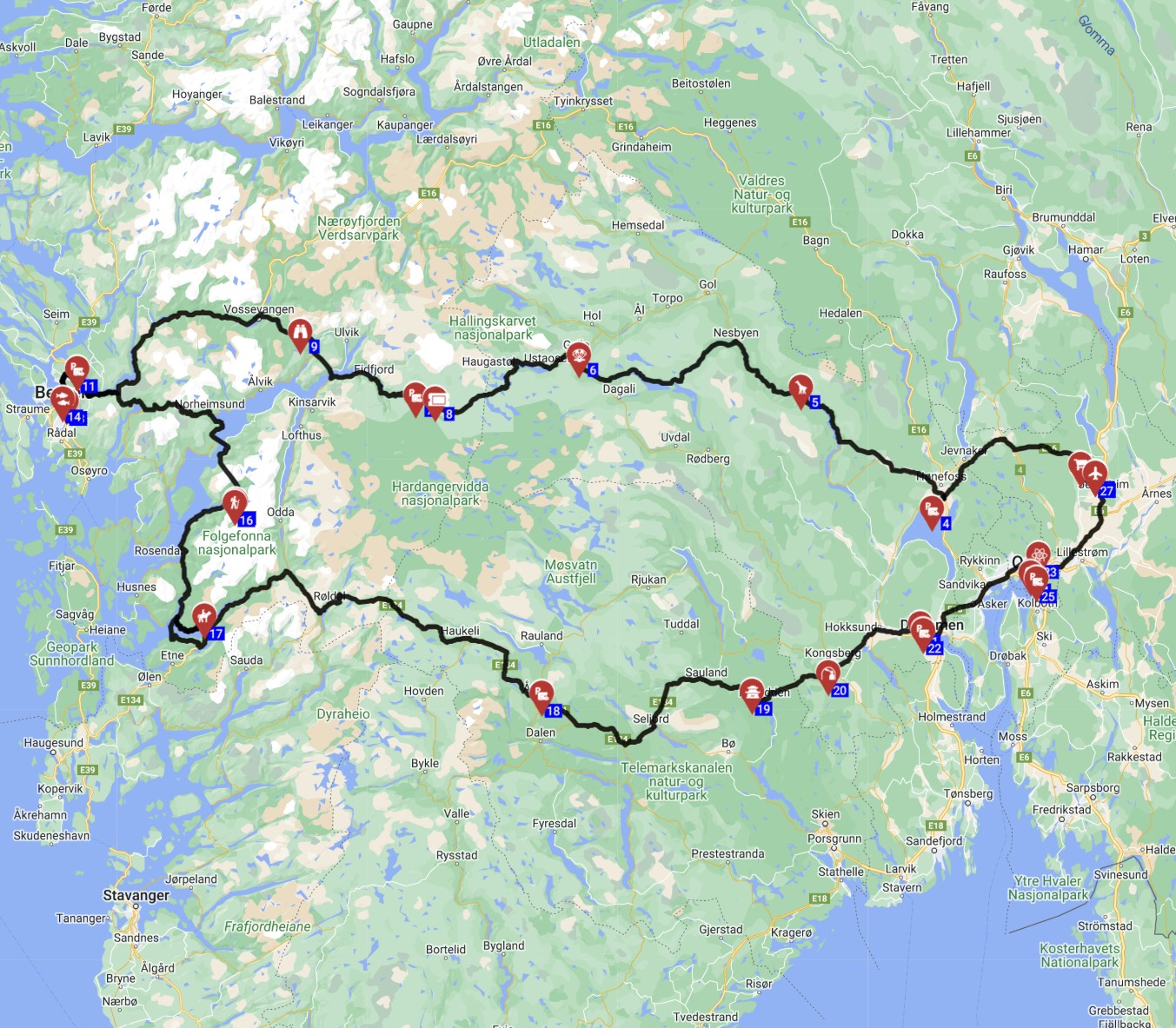
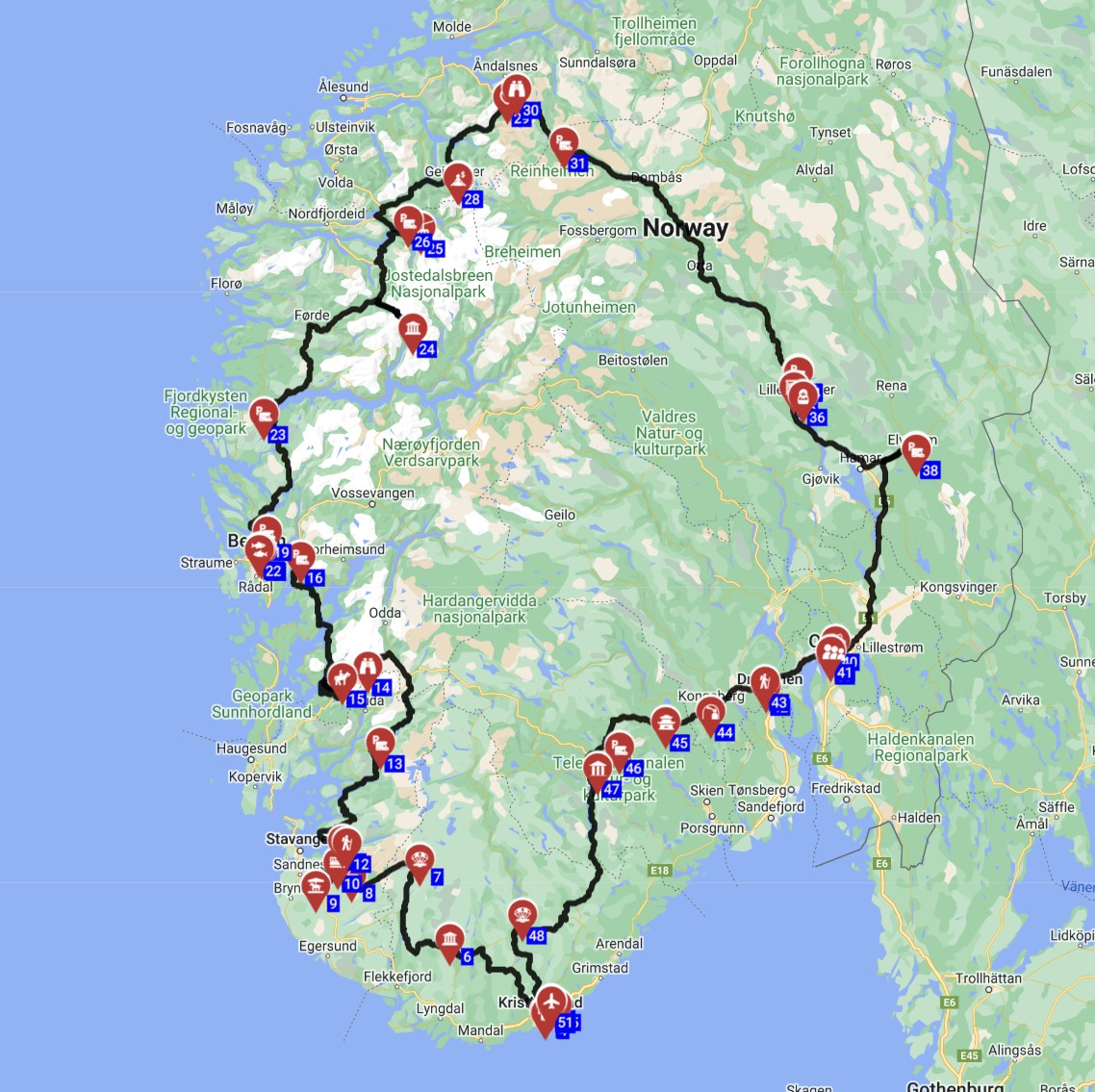
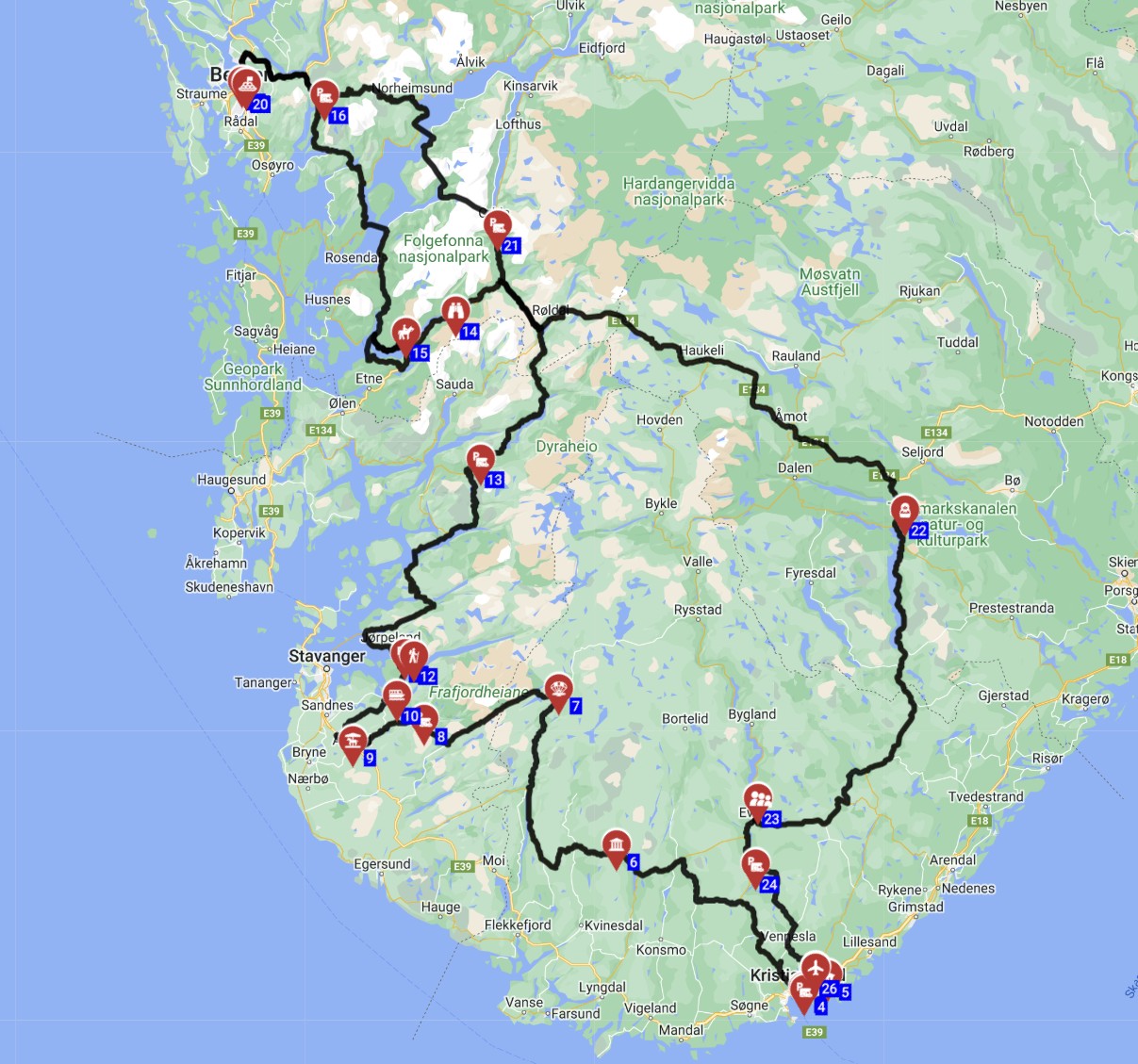
For a detailed route showcasing Norway's incredible coastline and cultural highlights, consider the "Bergen Round trip - Norway’s Coastal Wonders" itinerary. This 8-day trip covers 782.9 km, including 2 cruise terminal/sailing stops and 2 hiking areas, offering a perfect blend of relaxation and exploration for senior travelers. Our RV PLANET itineraries, including options like this one, are meticulously crafted by professionals who understand what makes an RV trip truly special.
Campground Types in Norway (National, Private, Wild)
Norway provides three primary types of camping: private campgrounds offering extensive amenities, municipal/national park sites with essential facilities, and wild camping (allemannsretten), which allows for legal overnight stays in undeveloped areas under specific rules, offering significant freedom for seniors seeking a more immersive nature experience. Private campgrounds are numerous and typically offer full hookups, shops, and sometimes restaurants, ideal for seniors seeking comfort and convenience. Municipal and national park campgrounds are often more rustic, situated in stunning natural locations, and are generally more budget-friendly. Wild camping (Allemannsretten or 'Everyman's Right') permits overnight stays on uncultivated land at least 150 meters from inhabited dwellings for up to two nights, provided you 'leave no trace' and respect local etiquette, which is essential for preserving Norway's pristine nature.
Featured RV Park or Campground in Norway
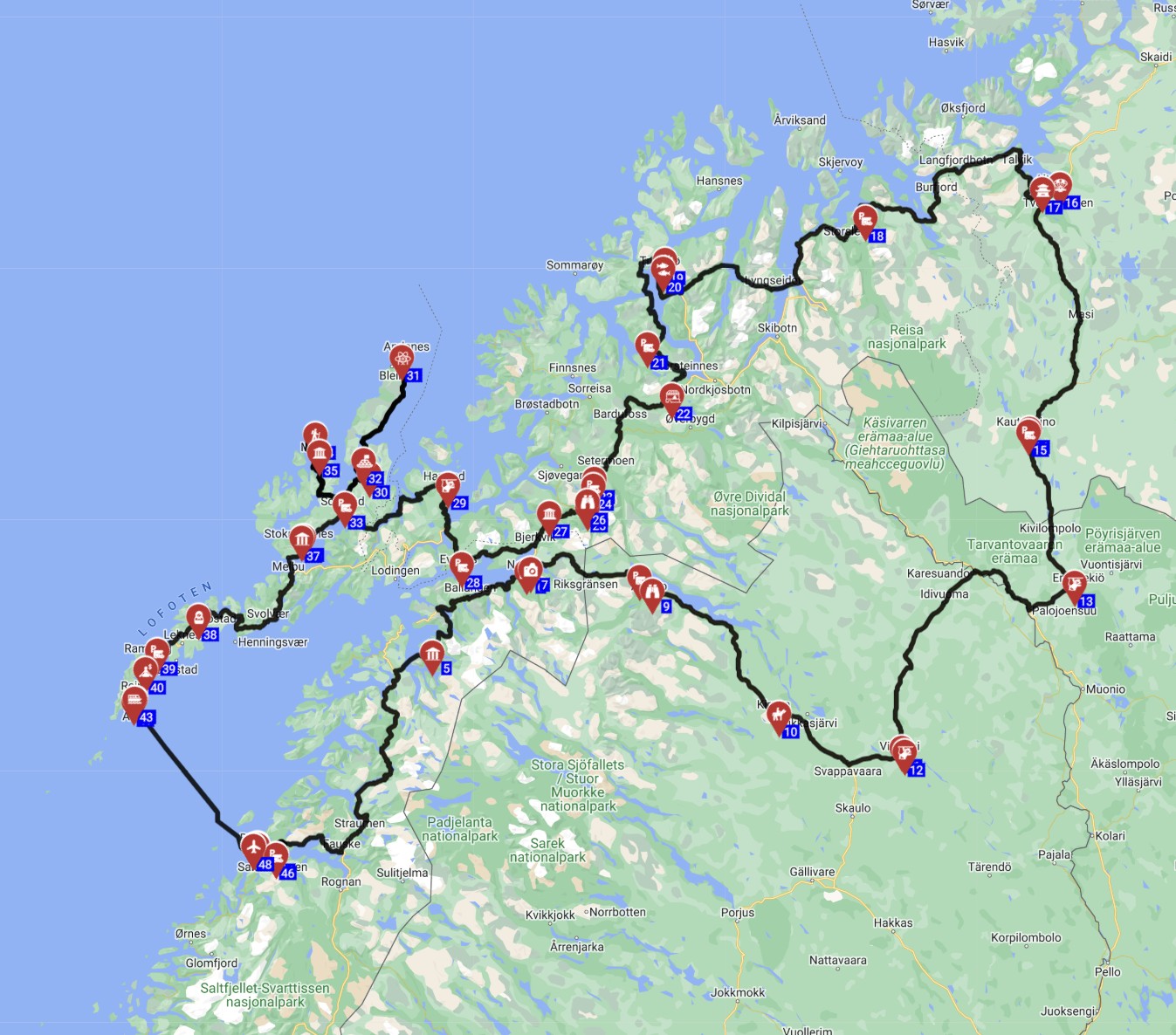
When selecting an RV park in Norway, seniors should prioritize locations offering easy access, level pitches, comprehensive amenities like accessible restrooms and laundry facilities, and a peaceful environment close to scenic attractions or charming towns for a comfortable and enjoyable stay. Look for campgrounds that explicitly mention accessibility features, quiet zones, and a welcoming atmosphere. Review user comments on facilities, cleanliness, and staff helpfulness, particularly regarding senior-friendly services. Many RV PLANET routes, such as the "Tromsø Round Trip - Arctic Wonders: Northern Norway Family Road Trip," include recommendations for highly-rated campgrounds. For example, Tromsø Camping is often praised for its proximity to the city center and excellent facilities.
Hookups & Amenities - What to Expect
Norwegian campgrounds typically offer essential hookups including electricity (230V with a CEE blue plug), fresh water, and grey/black water dump stations, alongside amenities such as showers, laundry facilities, and often Wi-Fi, ensuring a comfortable experience for seniors. Electricity is standardized at 230V, requiring a European CEE blue plug; travelers from outside Europe may need an adapter. Modern, clean sanitary facilities with hot showers (sometimes coin-operated) and laundry machines are common, and for those who enjoy cooking up their own meals, many rented RVs come with well-equipped kitchens, perfect for trying out new RV-friendly recipes playlist. Wi-Fi connectivity is often available, though its speed and reliability can vary, especially in more remote areas; consider a local SIM card for consistent mobile data. On the routes offered through RV PLANET routes, you can itemize and track every expense along the way for easy budgeting.
Booking Windows & Reservations in Norway
While spontaneous travel is certainly possible, seniors planning an RV trip to Norway, especially during peak summer months (July-August 2026), should book campgrounds well in advance, particularly for popular fjord regions or specific desired spots. However, many national park campgrounds reserve only 25-30% of their spots for advance booking, with the majority available on a first-come, first-served basis. This means you'll always find a spot. If not at the first campground, then the next one. Just call ahead before driving! For peace of mind, booking 3-6 months ahead is advisable for popular destinations during peak season, particularly for seniors who value guaranteed spots and specific amenities. For spontaneous travelers, calling ahead to smaller campgrounds on the day of travel or the day before can often secure a spot, as flexibility greatly increases your chances.
Nearby Supermarkets & Resupply Points
Resupplying groceries during an RV trip in Norway is convenient, with major supermarket chains like Kiwi, Rema 1000, and Coop widely available across cities, towns, and even many smaller villages, ensuring seniors can easily restock essentials. These supermarket chains offer a good range of products, including fresh produce, dairy, meats, and pantry staples. Look for these stores frequently along main travel routes; be aware that smaller towns may have limited hours, especially on weekends. Planning meals and stocking up in larger towns can help manage costs, as Norway's food prices are generally higher than many other European countries. Many RV PLANET routes offer integrated shopping stop suggestions to make planning even easier.
Best RV Class for Camping in Norway
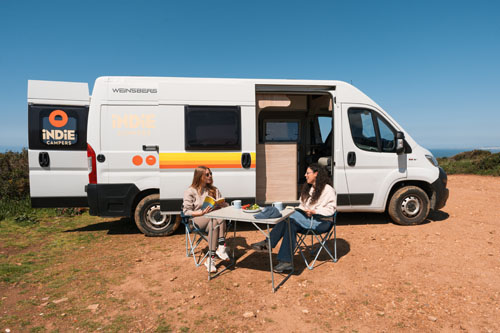
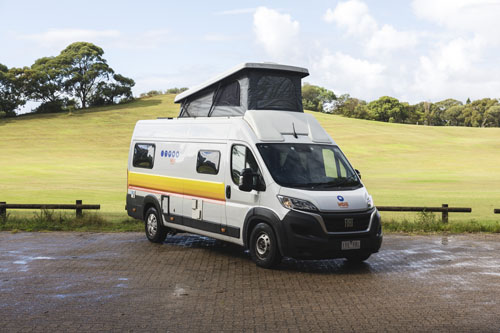
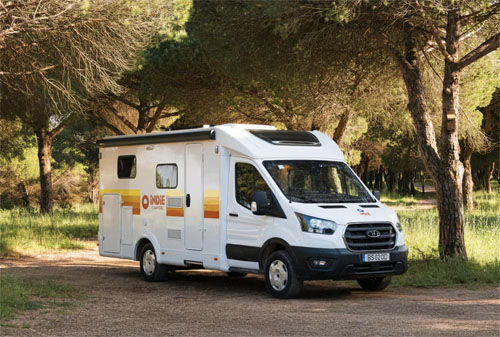
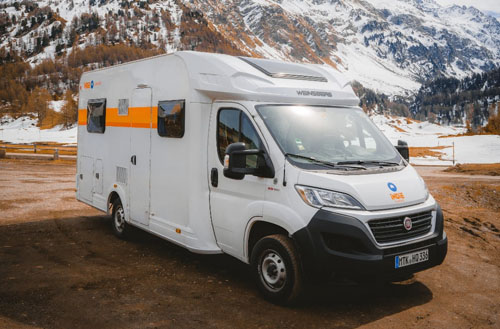
For seniors navigating Norway's scenic but often narrow roads, a Class B Camper Van or a Class SI Semi-integrated motorhome offers an excellent balance of maneuverability, comfort, and sufficient amenities, making them highly suitable for varied Norwegian camping experiences.
🎬 Video coming soon
Class B - Camper Van: These agile vehicles, with an average length of 5.8m and sleeping 2-3 adults, are easier to drive on narrow roads and ferries, offering better fuel economy (typically 8-10 Liter/100 Km). They are perfect for couples or solo seniors seeking flexibility and ease of parking. A common model might be the Category Van or similar, featuring amenities like front air conditioning, a shower, and a toilet in a compact "RV size - Small" footprint.
Class SI - Semi-integrated: With an average length of 6.9m and sleeping 3-4 adults, a semi-integrated motorhome provides more interior space and amenities than a camper van without being excessively large. This makes them suitable for seniors desiring extra comfort, a larger living area, and more storage. Fuel consumption typically ranges from 10-11 Liter/100 Km. Models like the rent motorhome example E3 or motorhome hire new zealand example Cheapa 4 Berth offer a balance of comfort and practical size.
Larger Class C or Class A motorhomes might be challenging on Norway's winding mountain passes and during ferry boarding, thus smaller, more nimble options are generally recommended for a more relaxed senior travel experience. Remember, a standard car driver's license is sufficient for all motorhome classes, so no special permits are needed.
How to Save on Campgrounds in Norway
Seniors can significantly reduce campground costs in Norway by utilizing discount cards, booking during the shoulder seasons, opting for municipal or regional sites over private resorts, and taking advantage of weekly rates for longer stays. Using campground discount cards like Camping Key Europe (CKE), often recommended by rental companies, can provide savings on daily rates. Traveling during the shoulder seasons (May-June and September) avoids peak prices and crowds, offering a more peaceful and budget-friendly experience, as highlighted in the "Winter RV Rental in Norway - Pricing Guide 2026" for off-peak benefits. Choosing municipal or regional campgrounds, often more basic but excellently located, can be considerably cheaper than full-service private resorts. Many campgrounds offer discounted rates for stays of three nights or more, or weekly rates, rewarding longer visits to a single location.
What is the best month to RV in Norway
The best months for seniors to RV in Norway are generally the shoulder seasons-late May to mid-June and late August to September-offering pleasant weather, fewer crowds, and often lower prices compared to the peak summer, while still providing ample daylight and access to attractions. During May and early June, you'll experience lush green landscapes, blooming flowers, and the opening of many scenic mountain roads, though some higher passes might still be partially closed. Mid-June to mid-August is peak season, offering the warmest weather, midnight sun in the north, and all attractions open, but also comes with the highest prices, largest crowds, and potential for midges (small biting insects) in certain areas. Late August and September present stunning autumn colors, crisp air, fewer tourists, and the possibility of seeing the Northern Lights in the northern regions, though some facilities may begin to close by late September. Winter RVing (October-April) is challenging and typically not recommended for first-time senior RVers due to requirements for studded tires, snow chains, robust heating, and potential road closures, as detailed in our "RV Rental Deals in Norway - Latest Offers 2026" guide.
What are the roads like in Norway for RVs
Norwegian roads offer breathtaking scenery but can be challenging for RVs, featuring frequent narrow mountain passes, winding coastal routes, numerous car ferries, and an extensive automated toll system, requiring careful navigation and awareness, especially for larger vehicles. Expect winding, often narrow roads, particularly on scenic routes (Fv roads) and mountain passes, which demand patience and cautious driving, especially when encountering oncoming traffic. Drive slowly and carefully, and you can drive almost anywhere without issues. No need to stress - just use common sense and pay attention. Car ferries are an integral part of the road network, particularly in the fjord regions; factor in waiting times and costs, and be aware that some popular routes might benefit from advance booking. Norway operates an automated toll system (AutoPASS); most rental RVs include a transponder, with tolls charged post-rental, so familiarization with the system is crucial to avoid unexpected costs. Long tunnels, some with interior roundabouts, are common; road conditions are generally excellent, but sudden weather changes in mountainous areas, even in summer, can lead to slippery conditions.
Is it easy to drive an RV in Norway
Driving an RV in Norway is generally manageable for experienced drivers, particularly those accustomed to varied road conditions, though the unique challenges of narrow roads, steep inclines, and frequent ferry crossings require heightened attention and a flexible itinerary for seniors. Smaller RV classes, like Class B Camper Vans (average 5.8m) or Class SI Semi-integrated motorhomes (average 6.9m), are significantly easier to maneuver on Norway's winding roads and during ferry crossings. Patience is key; allow ample travel time, take frequent breaks, and pull over at designated spots to let faster traffic pass and to enjoy the scenery. For seniors, a co-pilot for navigation and route planning can greatly reduce stress, and planning shorter driving days ensures a more relaxed journey. Familiarity with the AutoPASS toll system and understanding car ferry procedures (some are pay-on-board, others can be pre-booked) will streamline your travel, as further explained in "RV Driving Deals in Norway - Routes and Savings 2026".
How long should you spend in Norway in an RV
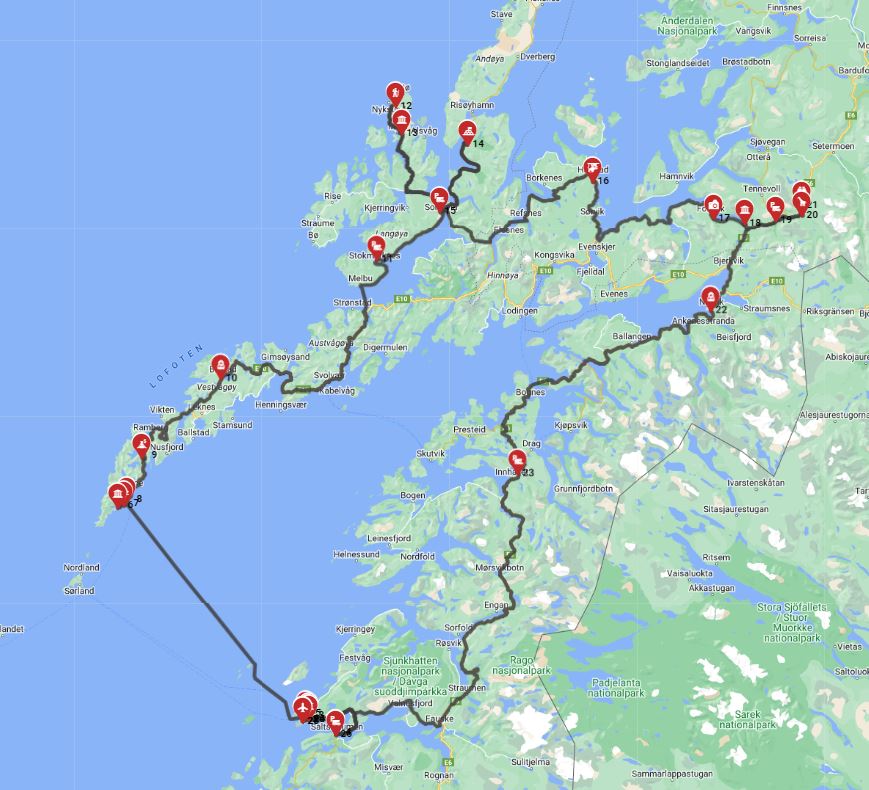
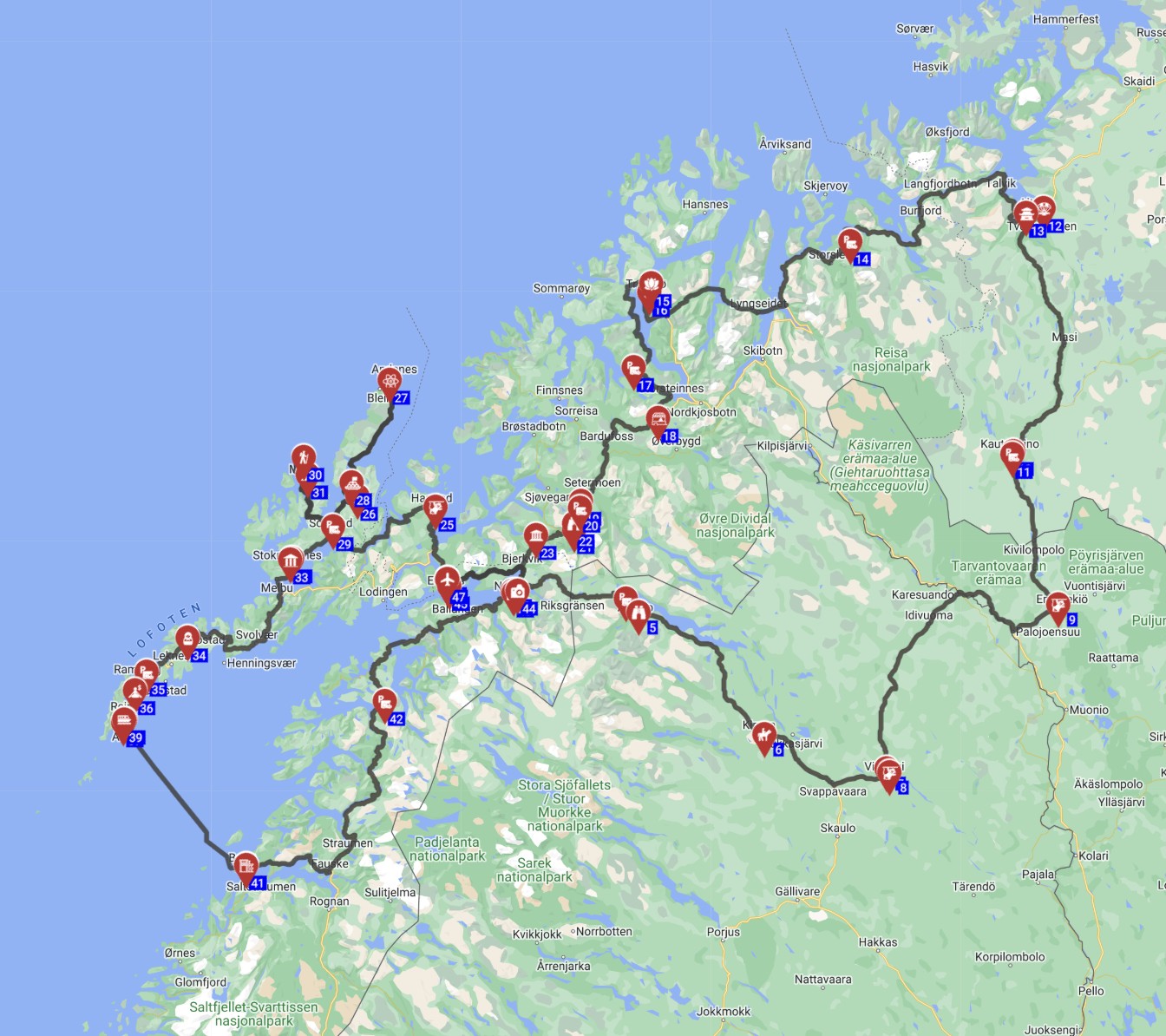
For a comprehensive RV exploration of Norway, particularly for seniors who prefer a relaxed pace, a minimum of 10-14 days is recommended to comfortably experience a major region like the fjords or the southern coast, with 3-4 weeks ideal for a more extensive North-South journey. A 7-day trip is suitable for focusing intensively on a single, compact region, such as the Hardangerfjord or a portion of the Lofoten Islands, but can feel rushed. Remember to travel slowly, max 100-150 km per day on average. Take time to feel the place, connect to the culture, the food, and the scenery. A 10-14 day period allows for a deeper exploration of a larger region or a comfortable two-region tour (e.g., Oslo to Bergen via the fjords), providing a good balance for seniors to relax and explore without feeling pressured. A 3-4 week itinerary is ideal for a grand tour, potentially covering Norway from south to north, including the Arctic Circle and Nordkapp, allowing for ample time at each destination and spontaneous detours. For a longer, multi-country adventure, consider the "Stockholm Round trip - Sweden, Denmark and Norway Family Adventure" 22-day route, which covers 3673.5 km and includes 6 museums and 3 natural features across multiple countries.
What is the average cost to rent an RV in Norway
The average cost to rent an RV in Norway can vary significantly based on the season, RV class, rental duration, and included extras, typically ranging from €1,200 to €2,500 per week for a Class B Camper Van or Class SI Semi-integrated during the shoulder or peak season respectively, exclusive of driving and living expenses. Rental prices are highest in peak summer (July-August), moderate during shoulder seasons (May-June, September), and lowest in winter (with limited availability). Smaller RVs like Class B Camper Vans are generally more affordable, while larger Class C or A motorhomes come at a higher premium. Factors like mileage limits, insurance coverage, kitchen kits, bedding, and inclusion of a ferry/toll transponder can influence the total rental price. Our platform offers full price transparency, so what you see is what you get, with no hidden fees or surprises. Longer rental periods often result in a lower daily rate, providing better value for extended senior trips, as further detailed in "RV Rental in Norway - Prices and Best Deals 2026".
If you're looking for more ways to manage your budget, our "Cheap RV Rental in Norway - Budget Guide 2026" offers fantastic tips and strategies. Remember, prices are dynamic like flight tickets-they change daily based on availability, seasonality, and supplier marketing decisions, with the final price set at actual booking time.
How much does it cost to drive an RV in Norway
Beyond the rental fee, driving an RV in Norway incurs significant costs for fuel, tolls, car ferries, and campgrounds, with daily expenses potentially ranging from €80-€150 or more, depending on travel intensity and lifestyle choices. Fuel prices in Norway are among the highest in Europe (e.g., diesel often €1.80-€2.20 per liter as of 2026); expect a Class B Camper Van to consume 8-10 L/100km, and a Class SI Semi-integrated 10-11 L/100km. Tolls are prevalent on many roads, bridges, and tunnels, especially near urban areas, and can accumulate quickly through the automated AutoPASS system. Car ferries, a necessary part of navigating the fjords, can add substantially to costs, with prices varying by vehicle length and number of passengers. Campground fees typically range from €30-€60 per night for a powered site, depending on location and amenities, though wild camping can offer free alternatives when done legally and responsibly. Groceries are expensive in Norway; budget accordingly or opt for cooking in your RV to save on restaurant costs, which can significantly impact daily spending. When planning your route, remember that RV PLANET routes allow you to itemize and track every expense for easy budgeting, ensuring no surprises along the way.
Is it worth renting an RV in Norway
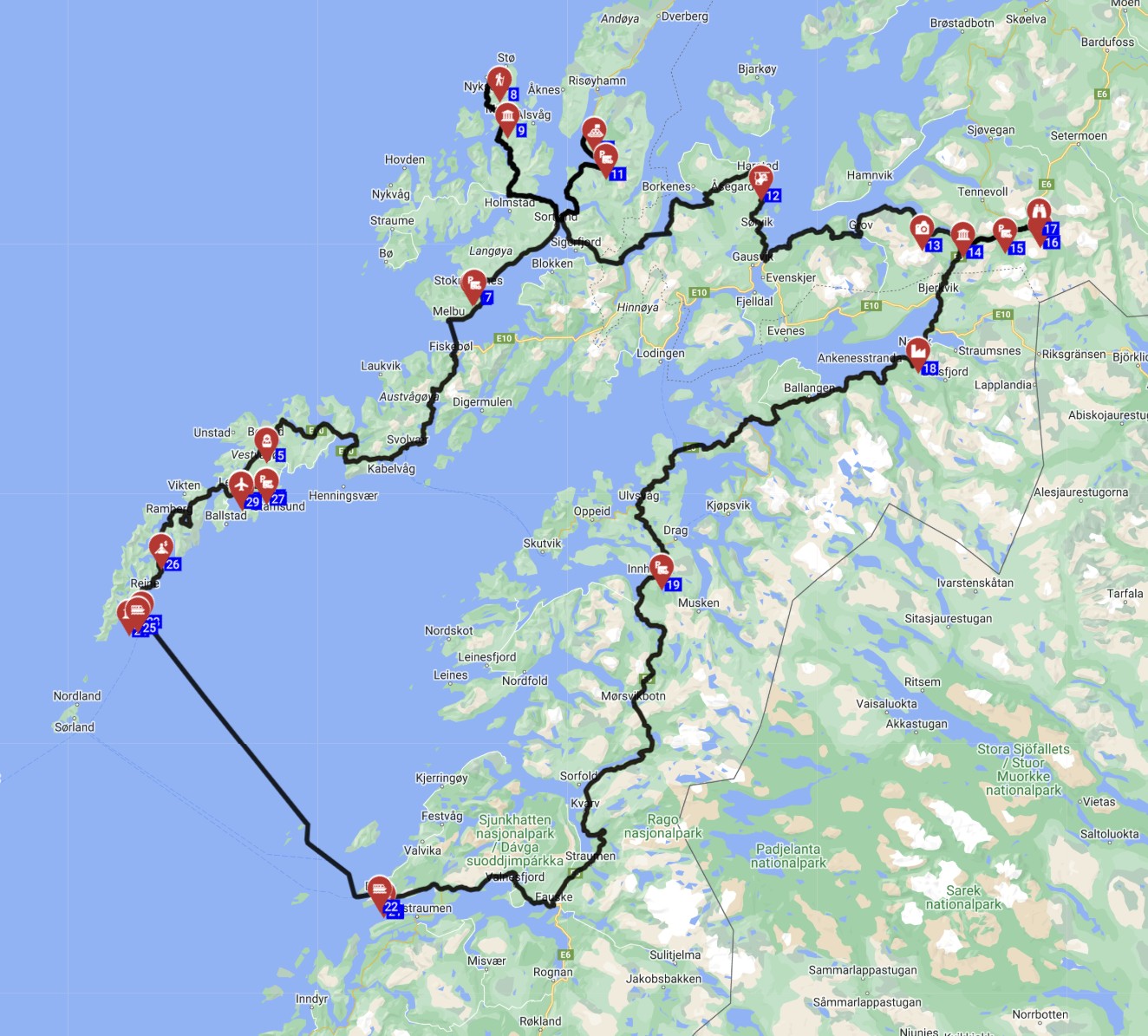
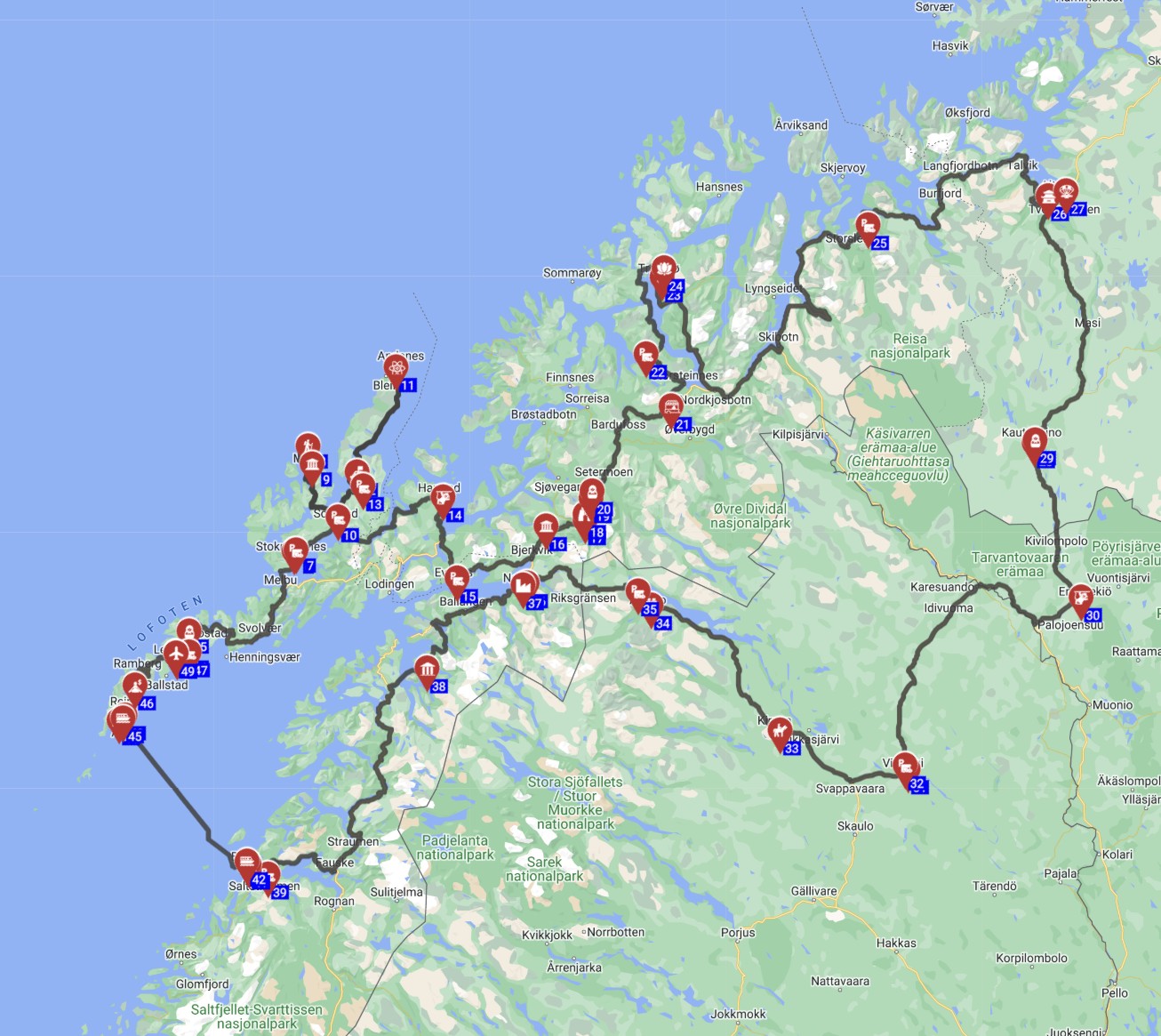
Renting an RV in Norway is highly worthwhile for seniors seeking unparalleled flexibility, the comfort of a mobile home, and the immersive experience of exploring Norway's stunning natural landscapes at their own pace, making it an ideal way to travel independently. The freedom to explore at your own pace, changing plans spontaneously and lingering in exceptionally beautiful spots, is a significant advantage for a relaxed senior travel experience. A rented RV provides the comfort and convenience of having your 'home' with you, eliminating daily packing and unpacking, and offering a private kitchen and bathroom. It grants access to remote and scenic locations often inaccessible by public transport, allowing for deeper engagement with Norway's breathtaking nature. For longer trips or for groups, an RV can be a more cost-effective travel option compared to combining hotels, rental cars, and restaurant meals, especially with careful planning. Our sister company, RV PLANET, offers over 1,300 pre-planned routes across 5 continents to inspire your journey, like the "Tromsø Round Trip - Arctic Wonders: Northern Norway Family Road Trip" which covers 2402.5 km in 15 days, including 3 wildlife watches and 4 museums.
What is the wild camping law in Norway
Norway's 'Allemannsretten' (Everyman's Right) legally permits wild camping on uncultivated land, provided you stay at least 150 meters from inhabited houses or cabins and adhere to strict 'leave no trace' principles, typically allowing a stay of up to two nights in one spot. Wild camping is permitted on uncultivated land, including forests, mountains, and coastal areas, but specifically excludes cultivated land such as farms, gardens, and fenced-off areas. Campers must maintain a distance of at least 150 meters from any inhabited house or cabin to ensure privacy. Adhering to 'leave no trace' principles is paramount: take all trash with you, use designated waste disposal points, and avoid making fires during dry periods or outside designated fire pits. While generally allowed for 1-2 nights, for longer stays in one location, permission from the landowner is required, reinforcing the importance of respectful interaction with local communities and environment. This right is a fantastic way to experience the pristine Norwegian wilderness intimately, a core element of any "RV Rental Europe - Complete Guide 2026" adventure.
What You Shouldn't Miss
Looking for expert insights from Avi Bandana? Top 5 Adventures - recommendations from Avi Bandana:
- Fjord Cruise in Geirangerfjord: Experience the UNESCO World Heritage-listed Geirangerfjord, renowned for its dramatic waterfalls like the Seven Sisters and Suitor. A ferry ride through this majestic fjord is a must-do, offering incredible photographic opportunities.
- Driving the Atlantic Ocean Road: This 8.3 km engineering marvel, with its distinctive 'rollercoaster' bridges, offers an exhilarating drive through Norway's stunning coastal landscape. It's a fantastic route for a rented campervan, providing unique views and photo stops.
- Exploring the Lofoten Islands: Venture into the Arctic Circle to discover the rugged beauty of the Lofoten Islands. Here, you'll find picturesque fishing villages, white-sand beaches, and dramatic peaks, perfect for slow travel and immersing yourself in nature.
- Hiking to Pulpit Rock (Preikestolen): For those seeking a moderate challenge, the hike to Pulpit Rock offers an iconic reward: a flat cliff overlooking the Lysefjord, providing one of Norway's most famous panoramic views.
- Witnessing the Midnight Sun or Northern Lights: Depending on the season, head north to experience the natural phenomena of the Midnight Sun (summer, above Arctic Circle) or the spectacular Northern Lights (autumn/winter), offering truly unforgettable moments from your RV.
Final Thoughts
Embarking on a motorhome adventure in Norway as a senior traveler opens up a world of unparalleled beauty, comfort, and flexibility. From the serene fjords to the majestic mountains, a rented RV allows you to experience Norway at your own pace, creating memories that will last a lifetime. With careful planning around driving, camping, and budgeting, your journey can be as smooth and enjoyable as the stunning landscapes you'll traverse.
Remember, we're here to support you every step of the way, offering full transparency and expert guidance. So, let your adventurous spirit lead the way and discover the joy of RVing through Norway's spectacular scenery.
Ready to plan your unforgettable journey? Discover top destinations, planning tips, all in one place! Plan a trip itinerary in advance with minimal effort and maximum enjoyment.