In This Guide
- Where to Camp in New Zealand - Top Options
- Campground Types in New Zealand (National, Private, Wild)
- Featured RV Park or Campground in New Zealand
- Hookups & Amenities - What to Expect
- Booking Windows & Reservations in New Zealand
- Nearby Supermarkets & Resupply Points
- Best RV Class for Camping in New Zealand
- How to Save on Campgrounds in New Zealand
- Can I park my motorhome anywhere in New Zealand?
- How much does it cost to park a campervan in New Zealand?
- Does New Zealand have RV parks?
- Can you free camp anywhere in New Zealand?
- How much does it cost to stay at a campground in New Zealand?
- Is it worth getting a campervan in New Zealand?
- Choosing Your RV: Campervan vs. Motorhome vs. Truck Camper
- New Zealand Road Conditions & Driving Tips
- Responsible Travel in New Zealand: The Tiaki Promise
- Beyond Campsites: Total Trip Costs for Your NZ RV Adventure
- Suggested New Zealand RV Itineraries
- Staying Connected: SIM Cards & Wi-Fi in New Zealand
- Safety Tips for Your New Zealand RV Trip
Imagine waking up to the gentle lapping of waves on a pristine beach, or the crisp mountain air overlooking a majestic fjord. New Zealand, with its breathtaking landscapes, is an ideal destination for an RV adventure, particularly for seniors seeking comfort, flexibility, and stunning scenery. Renting a motorhome or campervan offers the freedom to explore at your own pace, ensuring every day is tailored to your desires without the rush of traditional tours. For live availability and current prices, start with our RV Rental New Zealand - Complete Guide 2026 guide. At Bandana RV, we specialize in helping you find the perfect rented RV for your journey, providing full price transparency and 24/7 support every step of the way.
Where to Camp in New Zealand - Top Options
New Zealand offers diverse camping experiences from coastal regions to mountain passes, catering to every preference and comfort level. Popular North Island camping areas include the scenic Coromandel Peninsula, the geothermal wonders of Rotorua, and the beautiful Bay of Islands. These locations often boast well-equipped holiday parks with convenient amenities.
The South Island provides stunning sites in Fiordland National Park, the adventure hub of Queenstown, and the tranquil Abel Tasman region. Department of Conservation (DOC) campsites are prevalent across the country, providing direct access to natural reserves, often with basic facilities but unparalleled views. Private holiday parks, like the popular TOP 10 Holiday Parks or Kiwi Holiday Parks, are found in most towns and tourist destinations, offering extensive services for a comfortable stay. If you're comparing rental options, our guide on Luxury RV Rental in New Zealand - Premium Prices 2026 can help you find vehicles suitable for these top-tier parks.
Campground Types in New Zealand (National, Private, Wild)
New Zealand features three main types of campgrounds: national parks managed by the Department of Conservation (DOC), private holiday parks, and designated freedom camping sites. DOC campgrounds range from basic scenic spots without facilities, costing around NZD $8-15 per person per night, to serviced sites with toilets and water, which are more affordable than private parks. These sites are perfect for those who want to immerse themselves in nature. Private holiday parks, such as TOP 10 Holiday Parks or Kiwi Holiday Parks, offer extensive amenities including powered sites for 240V electricity, hot showers (often coin-operated), full communal kitchens, laundry facilities, and sometimes even pools or playgrounds, typically costing NZD $30-80+ per night. Freedom camping, or 'wild camping,' is legally permitted only in specific areas designated by local councils, and crucially requires vehicles to be certified self-contained. Illegal freedom camping outside designated areas can result in significant fines of up to NZD $400, so always check local regulations.
Featured RV Park or Campground in New Zealand
When planning an RV trip in New Zealand, look for campgrounds that offer a blend of natural beauty, convenient amenities, and proximity to attractions, especially for senior travelers. A highly-rated RV park or campground typically provides essential powered sites for your rented motorhome, ensuring access to 240V electricity, along with clean shower and toilet facilities, fresh water access, and a dump station for waste. Many popular holiday parks also offer communal kitchens, often with cooking facilities for preparing meals (check out our RV-friendly recipes playlist for inspiration), laundry facilities (usually coin-operated), and Wi-Fi access (which may be paid and have limited bandwidth in remote areas). Consider locations near major tourist hubs like Queenstown, Rotorua, or the gateways to national parks for easy access to activities. Always check recent reviews to ensure the park meets your expectations for cleanliness, service, and suitability for your specific rented RV type. For instance, the Queenstown TOP 10 Holiday Park is a favorite, offering stunning lake views and full facilities, making it an excellent choice for a comfortable stay while exploring the South Island. On the routes offered through RV PLANET routes, you can itemize and track every expense along the way for easy budgeting.
Hookups & Amenities - What to Expect
In New Zealand RV parks, you can typically expect a range of hookups and amenities designed for convenience and comfort. Powered sites universally offer 240V electricity with a standard New Zealand three-pin plug, requiring an adapter if your rented vehicle uses a different standard, though most local rentals are equipped. Fresh water hookups are common across holiday parks, alongside designated grey and black water dump stations for proper waste disposal. Most private holiday parks and even some upgraded DOC sites provide hot showers (often coin-operated for conservation, usually NZD $1-2 for 5 minutes), flush toilets, and communal kitchens. Laundry facilities, also frequently coin-operated, and Wi-Fi access (which may be paid and have limited bandwidth in remote areas) are also frequently available. Knowing what to expect regarding amenities is crucial when planning your overall budget, and our guide to RV Rental in New Zealand - Prices and Best Deals 2026 provides further insights into costs.
Booking Windows & Reservations in New Zealand
Booking accommodations and activities in New Zealand, especially RV rentals and campsites, requires strategic planning, particularly during peak seasons. For peak season travel (December to February), it's advisable to book RV rentals and popular campsites 3-6 months in advance, and potentially even 9-12 months for prime vehicles like a larger 6-berth Euro Deluxe motorhome. Shoulder seasons (spring: September-November; autumn: March-May) offer more flexibility, with bookings often possible a few weeks to a month ahead. Many Department of Conservation (DOC) campgrounds operate on a first-come, first-served basis for a portion of their sites, with the remainder available for online booking. For spontaneous travelers, calling ahead to campgrounds on the day of travel is highly recommended to check availability, especially for smaller, independent parks. Remember, you'll find a spot. If not at the first campground, then the next one. Call ahead before driving. You can explore options for last-minute deals in our guide, RV Rental Deals in New Zealand - Latest Offers 2026.
Nearby Supermarkets & Resupply Points
Keeping your rented RV stocked with food and supplies in New Zealand is easy, with major supermarket chains widely available in towns and cities. Look for prominent supermarket chains such as Countdown, New World, and Pak'nSave, which offer a full range of groceries, fresh produce, and essential supplies. These stores are typically open from 7 AM to 10 PM in larger centers. In smaller, more remote towns, Four Square stores are common and provide convenient, albeit sometimes more expensive, resupply options. Plan to stock up on groceries in larger urban centers like Auckland, Christchurch, or Queenstown, where prices are generally more competitive and selection is broader. Farmers' markets in many towns offer fresh, local produce, which is a great way to experience local flavors and support communities while preparing meals in your RV. When planning your budget for groceries and other ancillary costs, remember that RV PLANET routes allow you to itemize and track every expense along the way for easy budgeting.
Best RV Class for Camping in New Zealand
Choosing the best RV class for camping in New Zealand depends on your travel style, group size, and desired level of comfort and maneuverability. Class B Camper Vans, like the 'Combi Van' averaging 5 meters in length and sleeping 4, are ideal for couples or solo travelers seeking nimble travel and easier parking, often suitable for self-contained freedom camping. These typically offer 2 gas burners and a 51-liter refrigerator. Class SI Semi-integrated motorhomes, such as a '2 Berth Rover' or 'A 4 - Comfort Automatic', typically 6-7 meters long and accommodating 2-4 sleepers, strike a good balance, offering more comfort and amenities than campervans while remaining relatively easy to drive on New Zealand's varied roads. Larger Class C Alcove motorhomes, like a '24' Class C Motorhome' (7.46 meters, sleeping 5) or a '6 Berth Discovery' (7.4 meters, sleeping 6), provide ample space for families or larger groups with their distinctive over-cab sleeping area, but may be less suited for very narrow or winding roads. The '24' Class C Motorhome' features a 3-burner stove, a 283-liter refrigerator, and a 166-liter fresh water tank. Consider the 'self-contained' certification if freedom camping is a priority, as many smaller campervans and medium motorhomes are certified to meet these requirements. Remember, no special license is needed for any of these vehicles; a standard car driver's license is sufficient for all classes.
🎬 Video coming soon
How to Save on Campgrounds in New Zealand
Saving money on campgrounds in New Zealand is achievable by leveraging discounts, choosing economical options, and smart planning. Utilize campground discount cards, often available through RV rental companies or by joining local camping clubs, which can offer significant savings at participating private holiday parks. Opt for Department of Conservation (DOC) campgrounds, which are generally more affordable than private holiday parks (NZD $8-25 per person per night) and provide access to stunning natural settings, though amenities may be basic. Travel during the shoulder or off-season (outside December-February) when campground rates are typically lower and crowds are smaller, and booking a 'Cheap RV Rental in New Zealand - Budget Guide 2026' can further reduce costs. Look for long-stay discounts, as many private parks offer reduced nightly rates for stays of three nights or more, or even weekly rates. Also, practicing legal freedom camping with a certified self-contained vehicle at designated free sites can eliminate accommodation costs entirely for several nights.
Can I park my motorhome anywhere in New Zealand?
No, you cannot park your motorhome just anywhere in New Zealand; strict regulations govern where you can park and sleep overnight, particularly concerning freedom camping. Freedom camping is only permitted in designated areas specifically signed for this purpose by local councils or the Department of Conservation (DOC). Many regions, especially popular tourist areas, have bylaws prohibiting freedom camping outside of approved sites, with heavy fines for non-compliance, often up to NZD $400. Vehicles used for freedom camping must generally be certified 'self-contained,' meaning they have onboard facilities for fresh water (at least 12L per person per day), greywater (at least 12L per person per day), and blackwater, allowing for at least three days of waste storage. Always look for 'No Overnight Parking' or 'No Camping' signs, and adhere to local signage to avoid fines and contribute to responsible tourism.
How much does it cost to park a campervan in New Zealand?
The cost to park a campervan in New Zealand varies significantly, ranging from free for approved freedom camping sites to NZD $20-80+ per night for powered sites at private holiday parks. Designated freedom camping sites, found throughout the country, are free of charge but offer minimal to no facilities and often require a self-contained vehicle. Department of Conservation (DOC) campgrounds typically cost between NZD $8 to $25 per person per night, with basic amenities like toilets and water, and some having cold showers. Private holiday parks or motor camps are the most expensive option, with unpowered sites costing NZD $20-50 and powered sites ranging from NZD $30-80+ per night, depending on location, season, and facilities. Prices at private parks can fluctuate significantly based on peak season demand and additional amenities like Wi-Fi or communal kitchens. For more detailed budgeting, remember that RV PLANET routes allow travelers to itemize and track every expense, including parking fees, for easy trip management.
Does New Zealand have RV parks?
Yes, New Zealand has a comprehensive network of RV parks, commonly known as holiday parks or motor camps, which are exceptionally well-equipped to host campervans and motorhomes. These parks range from basic Department of Conservation (DOC) sites in national parks, providing essential amenities like toilets and water, to full-service private holiday parks like TOP 10 or Kiwi Holiday Parks, found in most towns and tourist destinations. Holiday parks typically offer a variety of sites including powered sites for electrical hookups, unpowered sites, and often even cabins or motel units for those seeking a break from their rented RV. Amenities at private RV parks can include modern ablution blocks with hot showers, communal kitchens, laundry facilities, dump stations, and sometimes even pools, playgrounds, and Wi-Fi. The extensive network ensures that RV travelers can almost always find suitable accommodation within a reasonable driving distance across both the North and South Islands, offering comfort and convenience throughout their journey.
Can you free camp anywhere in New Zealand?
No, you cannot free camp anywhere in New Zealand; freedom camping is strictly regulated and permitted only in designated areas, often with specific requirements for your vehicle. The 'Freedom Camping Act 2011' and local council bylaws dictate where freedom camping is allowed, typically marked by clear signage. Most designated freedom camping sites require your rented RV or campervan to be certified self-contained, meaning it has a toilet, wastewater tank, and fresh water supply for at least three days (minimum capacities often specified, e.g., 12L per person per day for fresh and grey water, plus a black water tank). Camping illegally outside of designated areas or in a non-self-contained vehicle can result in fines of up to NZD $400, reflecting New Zealand's commitment to protecting its pristine environment. Always consult local council websites, the DOC website, or the CamperMate app to find legal freedom camping spots and understand their specific rules before parking for the night. This ensures a respectful and enjoyable trip.
How much does it cost to stay at a campground in New Zealand?
Campsite costs in New Zealand vary widely, from free at some designated freedom camping locations to an average of NZD $20-40 per night for a powered site at a Department of Conservation (DOC) or private holiday park. Free campsites are exclusively found in designated freedom camping areas, which often require a self-contained vehicle and offer minimal facilities. Department of Conservation (DOC) campgrounds are generally the most affordable paid option, with basic sites costing around NZD $8-15 per person per night, offering essential amenities like toilets and water. Private holiday parks offer powered sites typically ranging from NZD $30-80 per night, providing a fuller range of services including hot showers, communal kitchens, and laundry. Unpowered sites at private parks are usually cheaper, falling in the NZD $20-50 range, and rates can increase significantly during the busy summer months (December-February) and school holidays. Some campgrounds, particularly private ones, may offer discounts for longer stays or for members of specific camping clubs or loyalty programs, which can be useful if you're exploring how to save money on your trip.
Is it worth getting a campervan in New Zealand?
Yes, getting a campervan or motorhome in New Zealand is highly worth it for many travelers, offering unparalleled flexibility, potential cost savings on accommodation, and the unique opportunity to immerse yourself in the country's diverse landscapes. A rented campervan provides the freedom to explore at your own pace, changing plans spontaneously and reaching more remote, stunning locations often inaccessible by public transport. While initial rental costs for a Class B Camper Van can range from NZD $50-150 per day in shoulder season, over extended trips, this can offer savings on accommodation, particularly if utilizing budget-friendly DOC sites or legal freedom camping spots. It provides a comfortable mobile base, allowing for self-catering to save on food costs, and carrying your belongings with ease. The immersive experience of waking up to breathtaking scenery, combined with the convenience of having your own space, makes a rented campervan adventure a quintessential New Zealand experience for many, making it a fantastic choice for a New Zealand road trip.
Choosing Your RV: Campervan vs. Motorhome vs. Truck Camper
New Zealand offers a range of RV types for rent, each suited to different travel preferences and group sizes, including Class B Camper Vans, Class SI Semi-integrated motorhomes, Class C Alcove motorhomes, and Class A Integrated motorhomes. Class B Camper Vans, like the "Combi Van" or "2 Berth Hi Top", are compact, fuel-efficient (e.g., 9-12 Liters/100 km), and easy to maneuver, ideal for solo travelers or couples. They average around 5-6 meters in length, sleeping 2-4 people and often include a gas stove and refrigerator. Class SI Semi-integrated motorhomes, such as a "2 Berth Rover" or "A 4 - Comfort Automatic", offer more living space and amenities than campervans while remaining relatively easy to drive; they typically range from 6-7 meters and sleep 2-4. Class C Alcove motorhomes, like a "24' Class C Motorhome" or a "6 Berth Discovery", provide ample room for families or larger groups with their distinctive over-cab sleeping area; these are usually 7-8 meters long and sleep 4-6 people, often including ovens and microwaves. Class A Integrated motorhomes offer the most luxurious experience, typically larger and best suited for travelers prioritizing space and high-end amenities. Consider the average load capacity, for example, a smaller Class SI might offer around 70kg, while a larger Class C provides more, which is important when packing for your trip. Bandana only rents motorhomes and campervans, ensuring comfort and convenience for all travelers.
New Zealand Road Conditions & Driving Tips
Navigating New Zealand's roads requires attention to unique conditions beyond simply driving on the left-hand side. Be prepared for winding, narrow roads, especially in mountainous or coastal areas, and allow extra travel time as distances can be deceptive. For example, a 100 km stretch can easily take 2 hours due to terrain. Many scenic routes feature one-lane bridges, where the 'give way' rule applies; traffic heading to the side with the smaller red arrow must yield. Drive slowly and carefully, and you can drive almost anywhere without issues. No need to stress - just use common sense and pay attention. You may encounter unsealed (gravel) roads, particularly to access hiking trails or remote campgrounds; drive slowly and carefully on these surfaces. Always be aware of speed limits (generally 100 km/h on open roads, 50 km/h in urban areas), and watch for passing lanes on major highways, as large vehicles can be slow. Keep an eye out for wildlife, particularly sheep and cattle on rural roads, and changeable weather conditions which can bring sudden rain, fog, or even snow in alpine regions.
Responsible Travel in New Zealand: The Tiaki Promise
Embracing the 'Tiaki Promise' is essential for all RV travelers in New Zealand, signifying a commitment to care for the country's land, sea, nature, and culture. This promise encourages visitors to act as guardians, respecting local customs, disposing of waste properly, and minimizing their environmental footprint. Proper waste disposal goes beyond having a portable toilet; it includes using designated dump stations for grey and black water, recycling diligently, and always taking all rubbish with you. Conserve water, especially in remote areas where resources can be limited, and use eco-friendly products when possible. Respect Māori culture by being mindful in sacred sites (tapu areas), learning about local customs, and engaging with communities respectfully. Adhering to the Tiaki Promise helps preserve New Zealand's pristine beauty for future generations and ensures a positive interaction with the environment and local people.
Beyond Campsites: Total Trip Costs for Your NZ RV Adventure
A comprehensive understanding of total trip costs for a rented RV adventure in New Zealand includes more than just campsite fees, encompassing rental, fuel, ferries, and daily expenses. RV rental costs vary significantly by vehicle type (e.g., a compact Class B campervan versus a spacious Class C motorhome), season, duration (e.g., a week-long trip vs. a month), and rental company, often ranging from NZD $50 to $300+ per day. Fuel expenses are a major component; vehicles like Bandana's global fleet Class B Camper Vans typically consume 8-10 Liters/100 km, while larger Class C Alcove motorhomes might use 10-12 Liters/100 km, with diesel often cheaper than petrol. Budget for the Interislander ferry crossing between the North and South Islands, which can cost several hundred NZD for an RV and passengers (e.g., NZD $200-500+). Allocate funds for activities and attractions (e.g., national park fees, adventure sports, cultural experiences) and daily food costs, which can be managed by cooking in your RV. Remember, RV PLANET routes allow you to itemize and track every expense along the way for easy budgeting, giving you full financial transparency.
Suggested New Zealand RV Itineraries
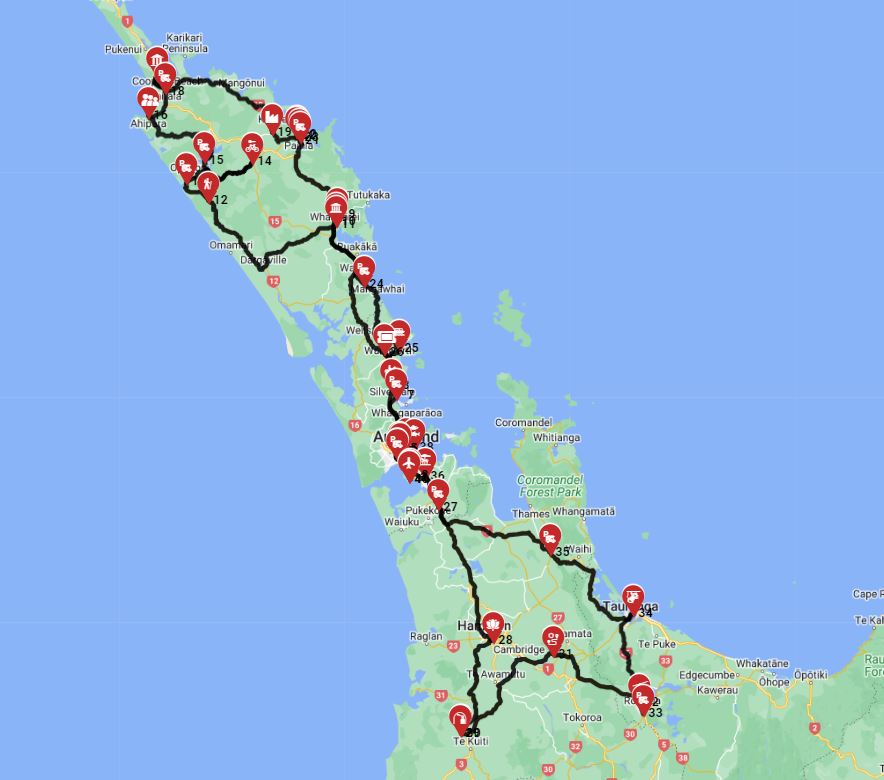
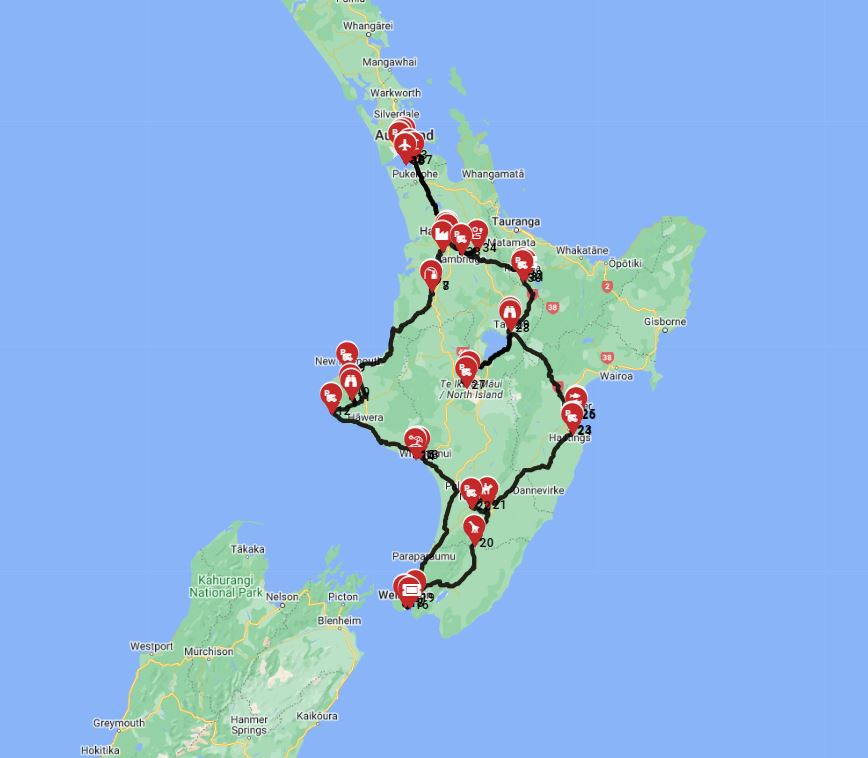
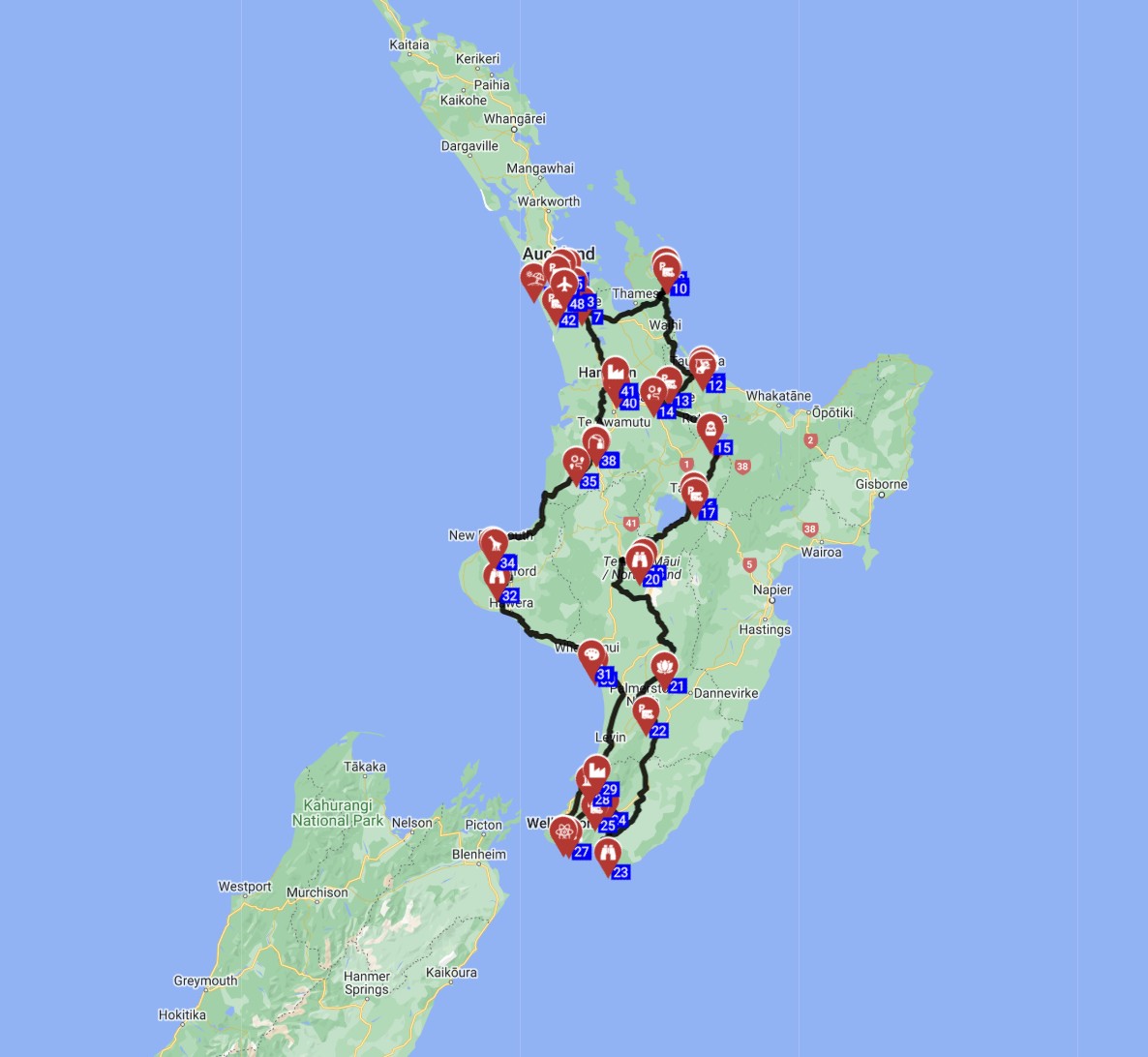
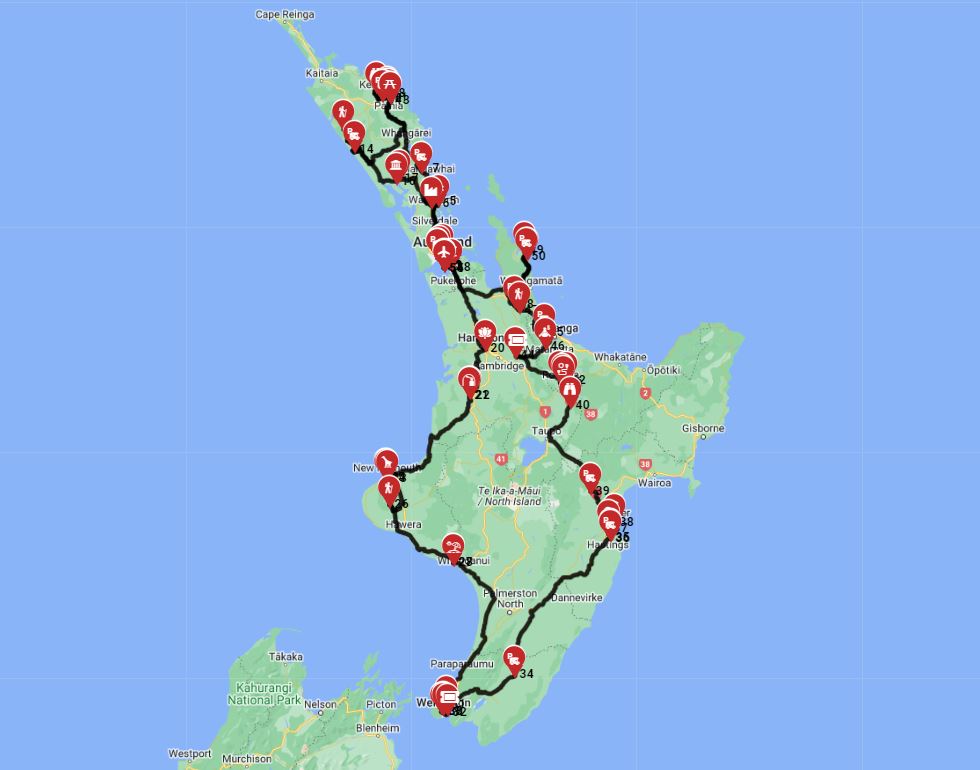
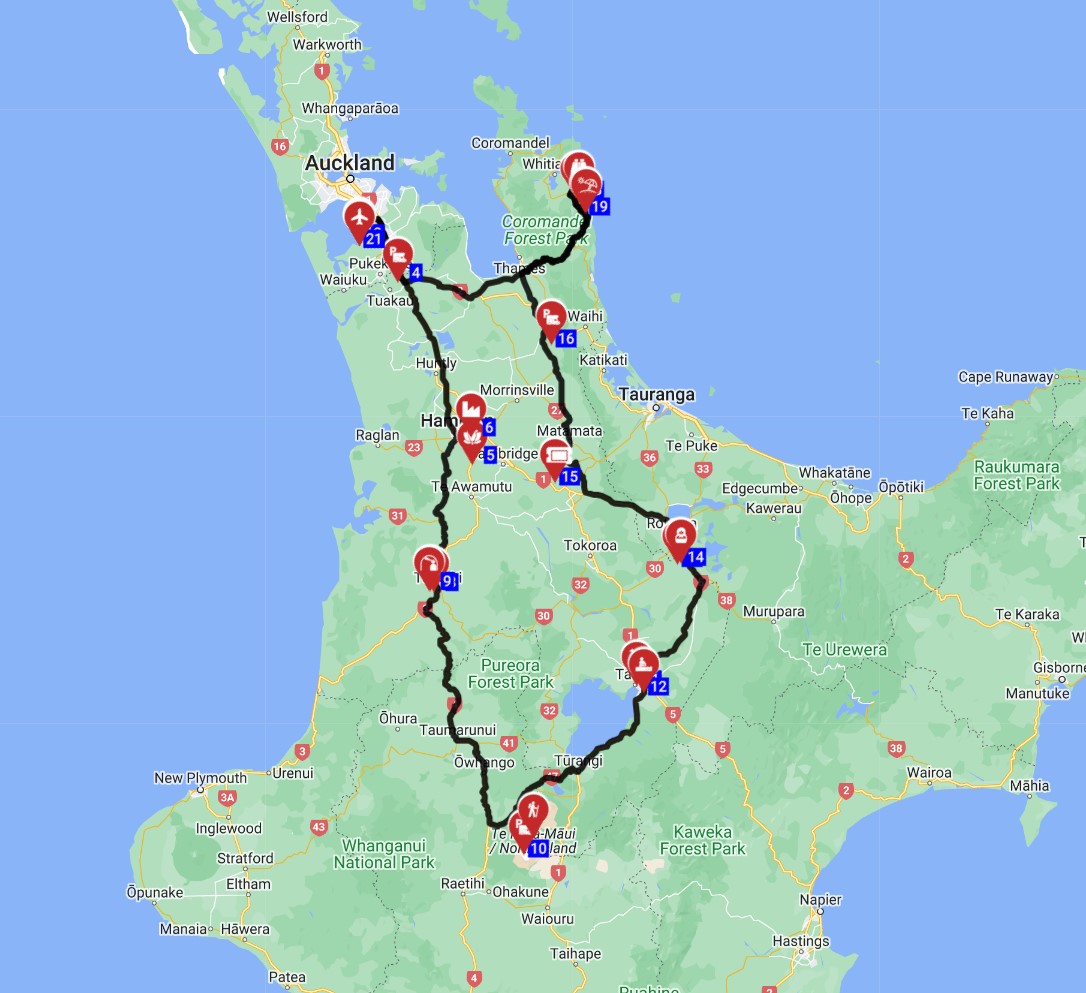
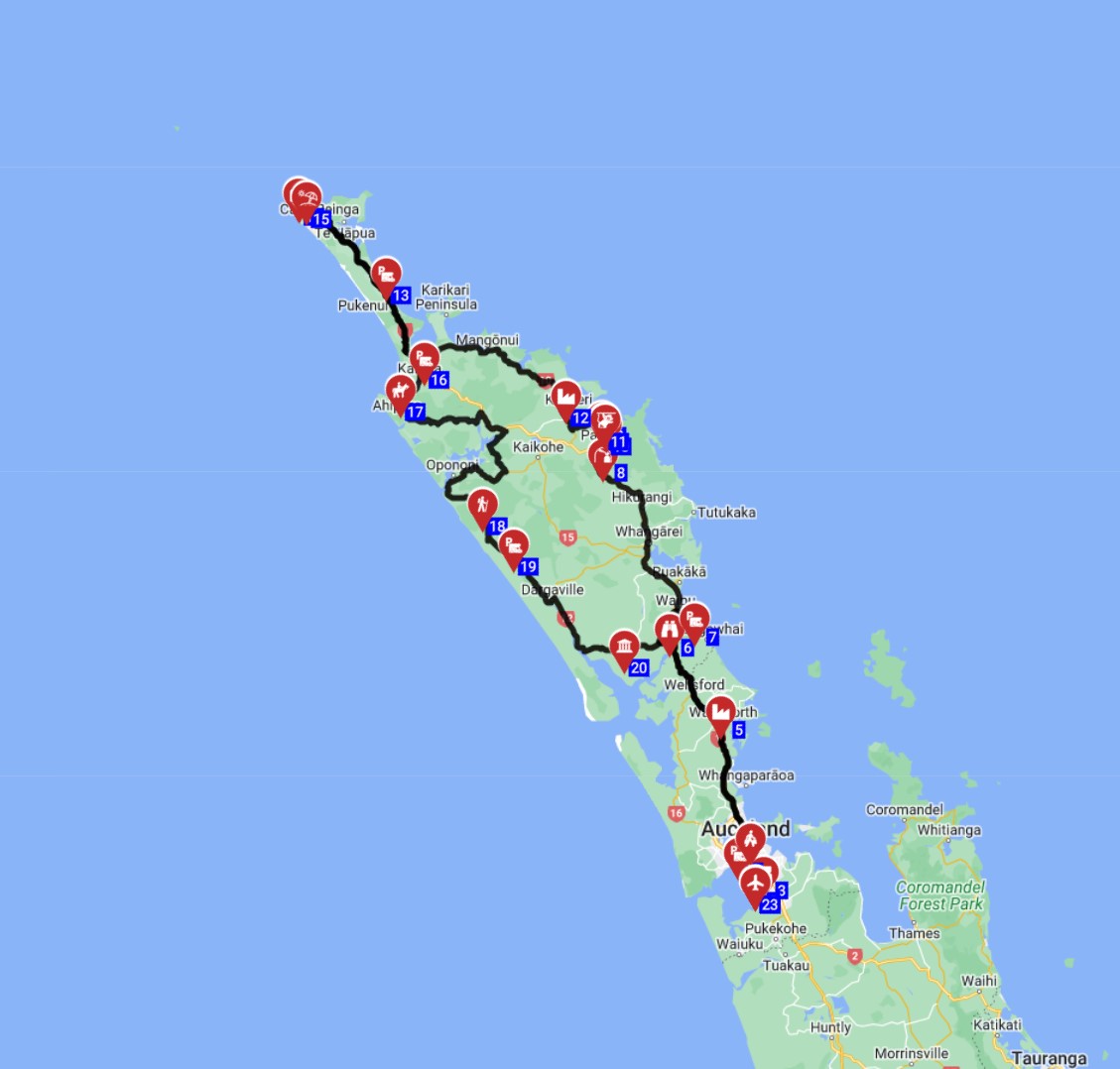
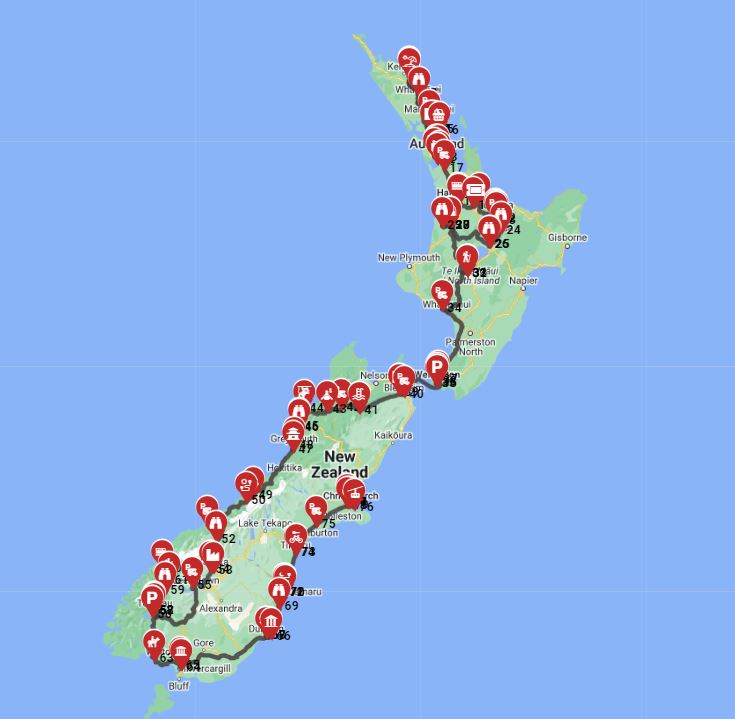
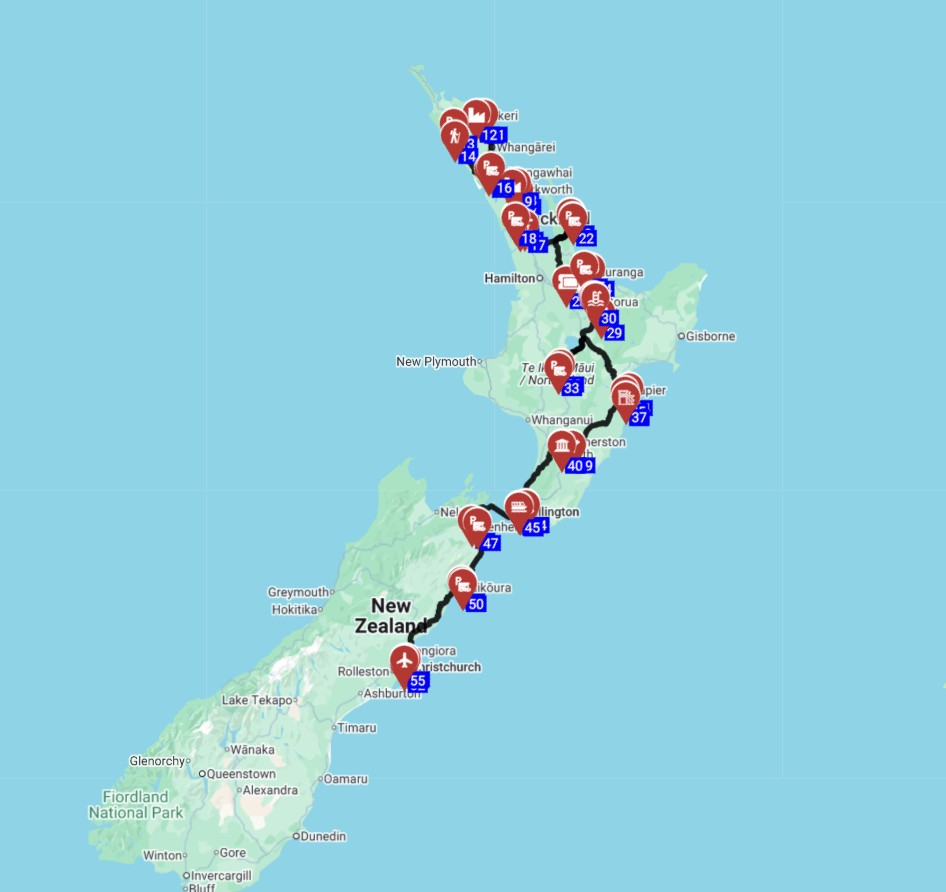
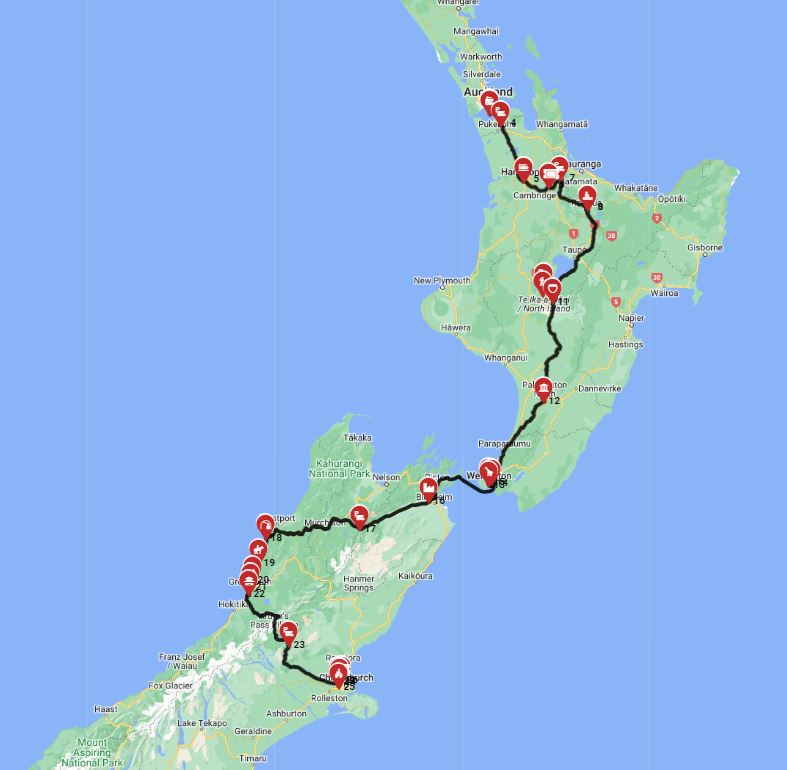
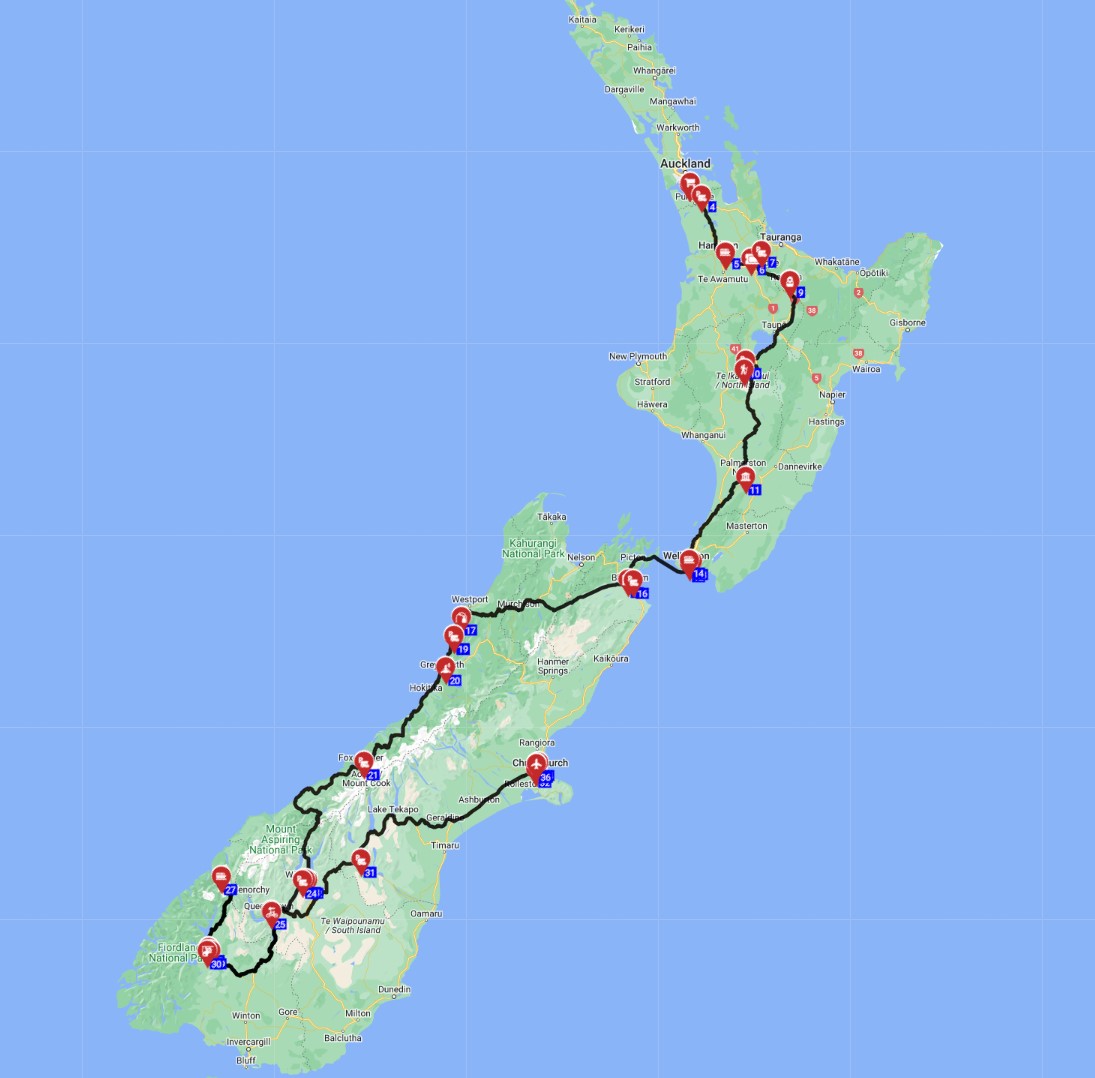
Tailoring your New Zealand RV itinerary to your trip length and interests can maximize your experience, whether you seek adventure, relaxation, or cultural immersion. For a two-week adventure, consider focusing on one island to truly experience its depth. A 7-day North Island trip could loop from Auckland to Rotorua (Maori culture, geothermal sites), Taupō (Lake Taupō), and the Coromandel Peninsula (beaches), before returning to Auckland, visiting several stunning natural features and a traditional restaurant. A 10-day South Island adventure could start in Christchurch, head south to Queenstown (adventure capital), explore Fiordland National Park (Milford Sound), then west to the glaciers (Franz Josef/Fox), and up the West Coast, covering many hiking areas. For a comprehensive 25-day journey, explore both islands by ferry. Incorporate specific interests like Lord of the Rings filming locations, wine regions (Marlborough, Hawke's Bay), or hiking trails (Great Walks) into your route planning, booking popular activities well in advance. Our professionals at RV PLANET have crafted detailed route plans to guide your adventure.
For even more route plans, RV PLANET offers 1,300+ pre-planned routes across 5 continents, including many options for New Zealand, with a 25% planning discount when you use rvplan.net.
Staying Connected: SIM Cards & Wi-Fi in New Zealand
Staying connected on the road in New Zealand is generally straightforward in populated areas but can be challenging in remote regions, requiring careful planning for SIM cards and Wi-Fi. Purchasing a local SIM card from major providers like Spark, Vodafone, or 2degrees upon arrival at Auckland or Christchurch airport is the most reliable way to ensure mobile data and calls. Prepaid tourist SIM packages often provide generous data allowances for week-long or two-week trips. Coverage can be patchy in very remote or mountainous areas, especially on the South Island, so download offline maps and essential information before venturing off the main routes. Many private holiday parks offer Wi-Fi, often for a fee and with data limits, which can be useful for planning and communication. Public libraries in towns often provide free Wi-Fi, serving as good stop-off points for catching up online, but rely less on public Wi-Fi in remote areas.
Safety Tips for Your New Zealand RV Trip
Prioritizing safety on your New Zealand RV trip involves being prepared for changeable weather, understanding emergency services, and managing local wildlife. New Zealand's weather can be highly unpredictable; always check forecasts, carry layers of clothing, and be prepared for 'four seasons in one day,' especially in alpine regions like Fiordland. In case of emergency, dial 111 for police, fire, or ambulance services; mobile phone coverage can be limited in remote areas, so consider a satellite messenger or simply inform others of your route plans for truly isolated journeys. Be aware of local wildlife, particularly sandflies, which are prevalent in many scenic areas, especially on the South Island's West Coast; use insect repellent and wear long sleeves to protect yourself. Drive defensively, especially on unfamiliar roads, allowing ample stopping distance and being aware of winding roads, one-lane bridges, and potential livestock hazards. Remember to slow travel, maintaining an average of max 100-150 km per day, allowing plenty of time to reach your destination safely and enjoy the scenery.
What You Shouldn't Miss
- Cruise Milford Sound: Experience the awe-inspiring fiord, with towering cliffs and waterfalls. It's a highlight of any South Island itinerary.
- Explore Rotorua's Geothermal Wonderland: Witness bubbling mud pools and geysers, and immerse yourself in Māori culture at Te Puia.
- Hike in Tongariro National Park: Trek through stunning volcanic landscapes, including the famous Tongariro Alpine Crossing (weather permitting).
- Visit Abel Tasman National Park: Kayak or walk the golden beaches and turquoise waters, enjoying the peaceful coastal environment.
- Discover Queenstown, the Adventure Capital: From tranquil lake cruises to exhilarating bungee jumps, there's something for every energy level.
- Tour the Marlborough Wine Region: Sample world-renowned Sauvignon Blanc directly from the vineyards.
Looking for expert insights from Avi Bandana? Top 5 Adventures - recommendations from Avi Bandana.
Final Thoughts
New Zealand offers an incredible RV adventure, particularly for seniors seeking comfort and a deep connection with nature. From the warm hospitality of its people to the dramatic landscapes of both the North and South Islands, a rented motorhome allows you to experience it all at your own pace. With Bandana RV, you're choosing a partner committed to full transparency, dedicated support, and the peace of mind that comes from booking with true RV specialists.
Don't just dream about the stunning fjords or golden beaches; make them your backyard. We're here to support you before, during, and after your booking, ensuring your New Zealand RV journey is as smooth and enjoyable as possible. Pack your bags, plan your adventure, and get ready to create memories that will last a lifetime.
Get inspired for your next trip! Compare Motorhome Prices for New Zealand now.