In This Guide
- Where to Camp in Australia — Top Options
- Campground Types in Australia (National, Private, Wild)
- Featured RV Park or Campground in Australia
- Hookups & Amenities — What to Expect
- Booking Windows & Reservations in Australia
- Nearby Supermarkets & Resupply Points
- Best RV Class for Camping in Australia
- How to Save on Campgrounds in Australia
- Are RVs allowed in Australia?
- What are RV parks called in Australia?
- Can you park an RV anywhere in Australia?
- Where can you park overnight for free in Australia?
- What is ghost camping in Australia?
- What is the average caravan park fee in Australia?
- How much do campsites cost in Australia?
- How can I book campsites in Australia?
- Do you need to pre-book campsites in Australia?
Australia, a land of breathtaking contrasts and endless horizons, is perfectly suited for RV travel, offering unparalleled freedom to explore its iconic landscapes. Imagine waking up to the sound of crashing waves on a pristine beach, enjoying breakfast with kangaroos outside your window, or marveling at the vastness of the outback under a canopy of a million stars. A rented motorhome or campervan provides your mobile home base, allowing you to discover remote beauty and vibrant cities at your own pace. For live availability and current prices, start with our RV Rental Australia - Complete Guide 2026 guide, where you'll find everything you need to plan an unforgettable journey.
At Bandana RV, we specialize in making your Australian RV adventure transparent, stress-free, and incredibly rewarding. With direct partnerships with over 50 leading RV suppliers worldwide, including trusted names like Apollo and Britz, we offer full price transparency with no hidden fees or surprises. Our dedicated team of true RV specialists is with you every step of the way, providing support before, during, and after your booking, ensuring you have peace of mind as you traverse this magnificent continent. Whether you're planning a week-long trip along the coast or an extended road trip through the red center, Australia promises an adventure like no other.
Where to Camp in Australia — Top Options
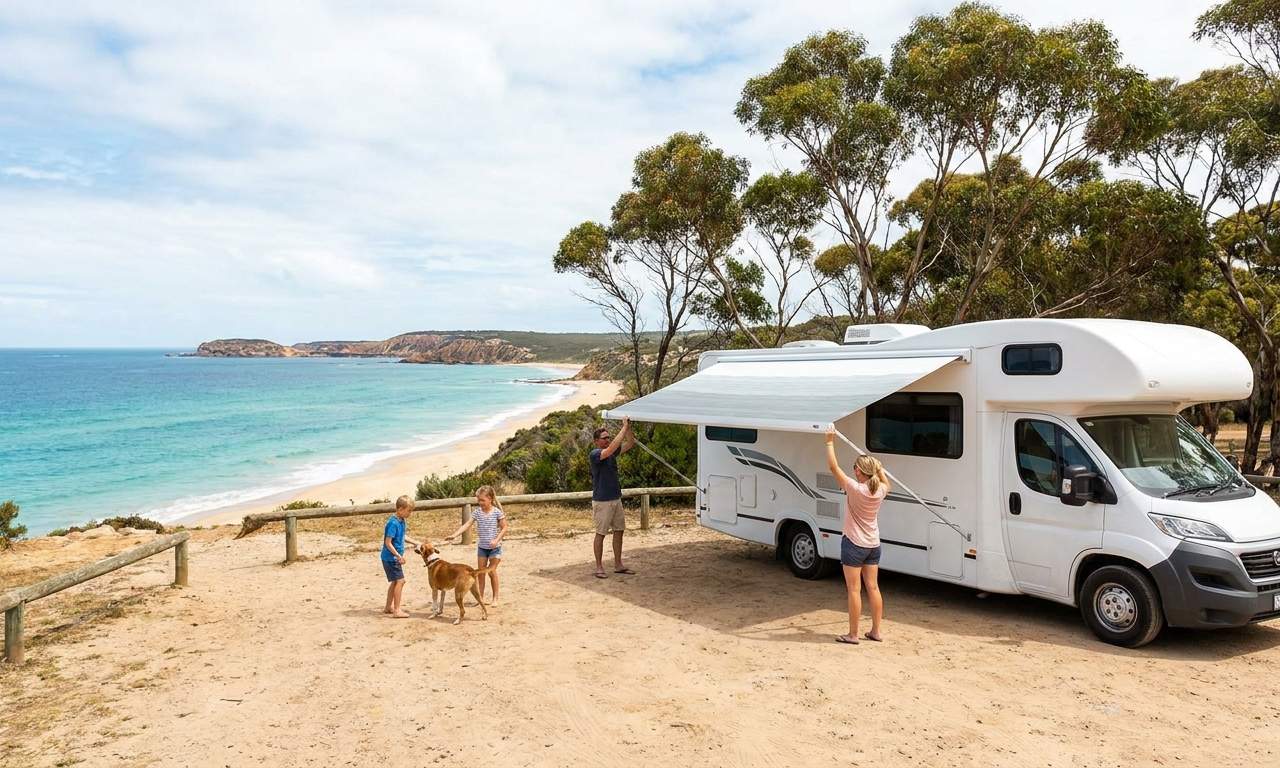
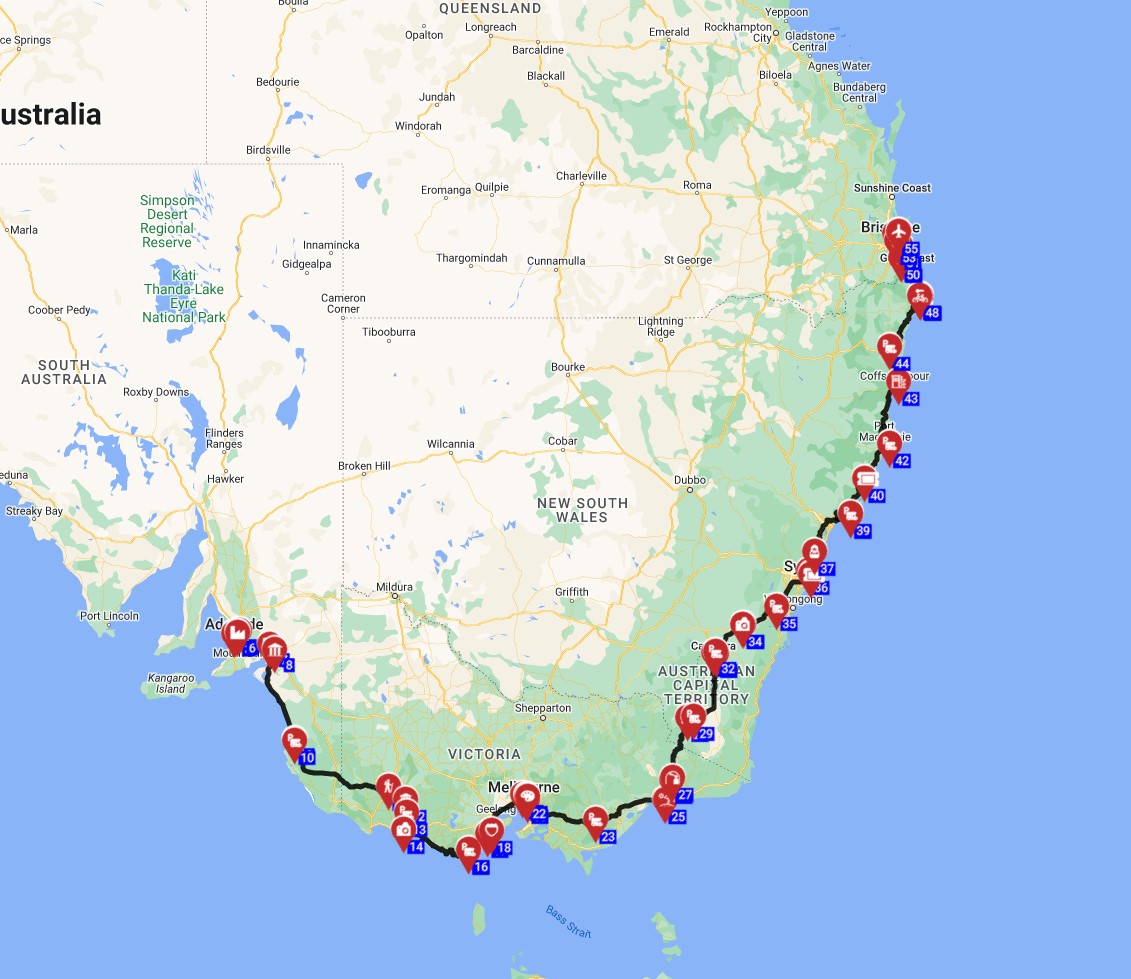
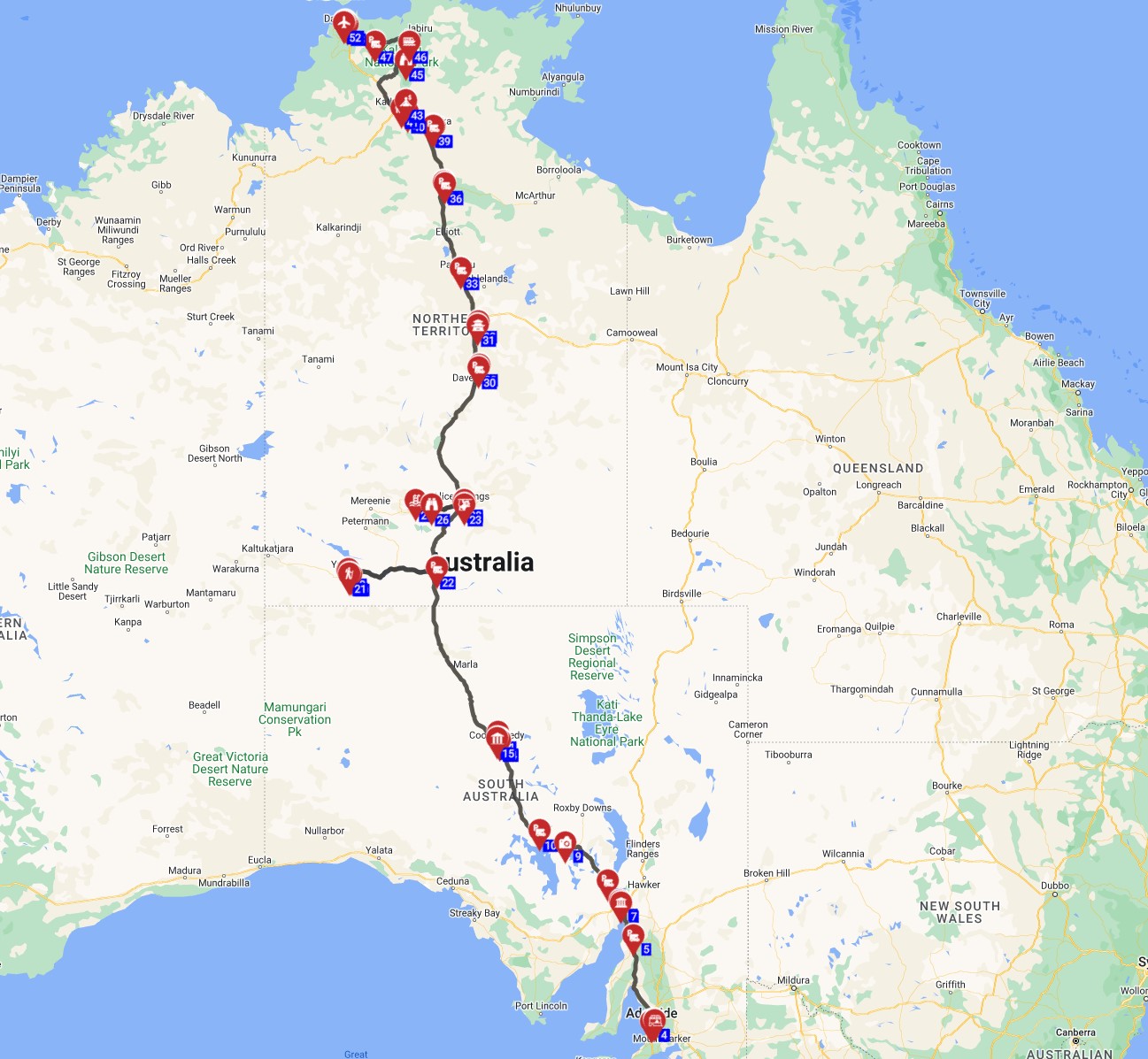
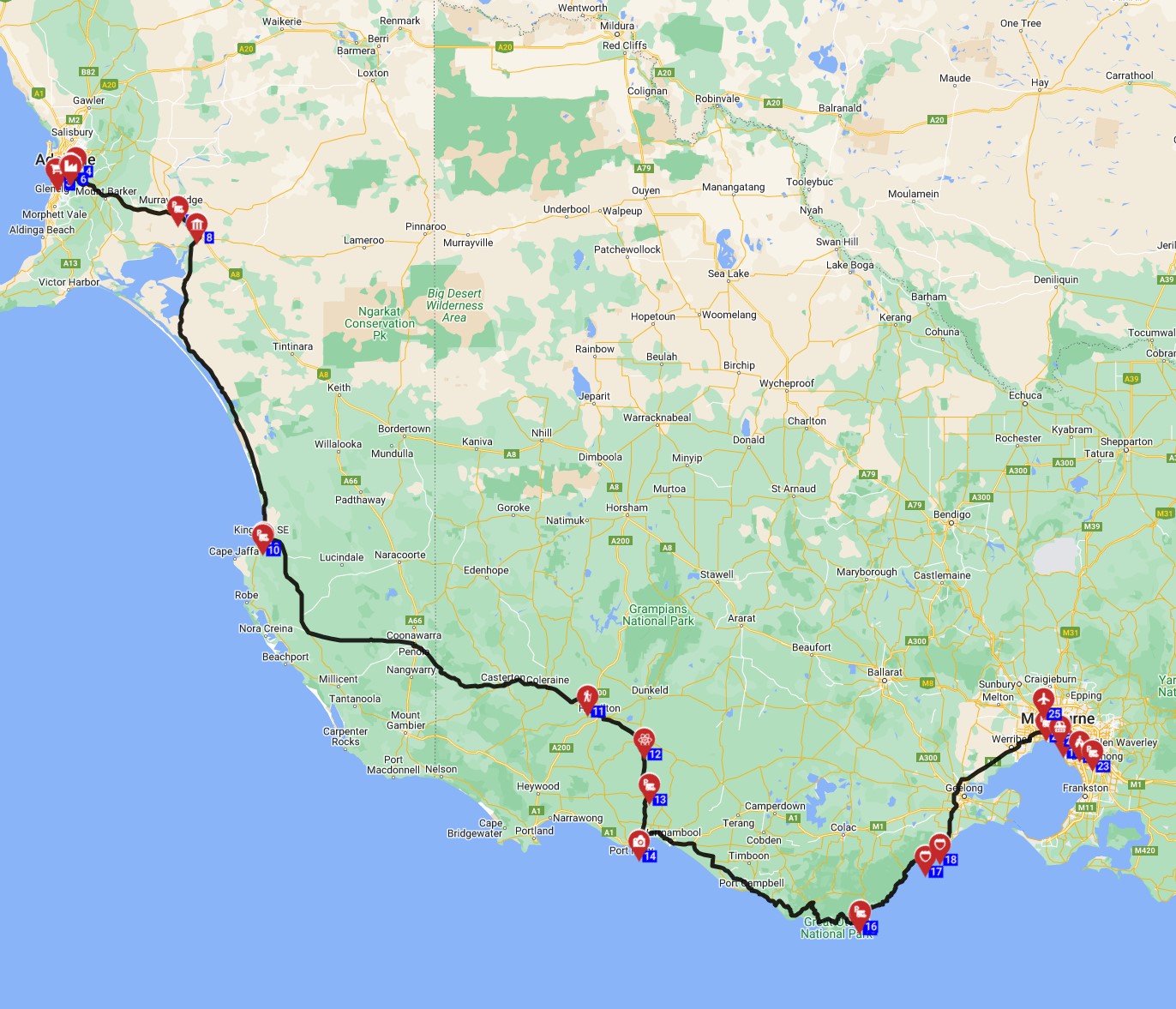
Australia offers diverse camping experiences, from stunning coastal sites in Queensland to rugged outback bush camps in the Northern Territory and lush national park retreats in Victoria. Popular regions for RV camping include the scenic Great Ocean Road in Victoria, where you can find campgrounds allowing direct access to the ocean, and the tropical coastlines of Queensland, offering serene spots within ancient forests. Tasmania’s dramatic landscapes and the vast Northern Territory also provide numerous options, with campgrounds available across varied terrain. For those embarking on a grand adventure, consider the "Melbourne to Darwin - Australia’s Heartline Road Trip," a 26-day journey spanning over 5,600 km, featuring 5 hiking areas and 4 natural features.
Campground Types in Australia (National, Private, Wild)
In Australia, rented RV campers can choose from three primary types of campgrounds: National Park campgrounds, private caravan parks, and designated free/wild camping areas, often referred to as "freedom camping" or "bush camping." National Park campgrounds, managed by state and territory park services, typically offer basic to moderate amenities within scenic natural settings. These often require advance booking and sometimes permits, with fees usually ranging from AUD $10 to $40 per night for unpowered sites.
Private Caravan Parks, also known as 'holiday parks' or 'tourist parks,' provide extensive amenities such as powered sites (240V), dump points (sullage points), laundry facilities, pools, and Wi-Fi. These are popular for comfort and convenience, with average fees between AUD $30 and $60 per night. Wild camping or freedom camping is legal only in specifically designated areas, such as certain state forests, council-managed sites, and some roadside rest areas. It requires strict adherence to 'Leave No Trace' principles, meaning you must take all rubbish with you and manage greywater responsibly, ensuring you are fully self-sufficient and understand local bylaws. Our RV Rental Deals in Australia - Latest Offers 2026 provides more insights into cost-effective travel, including tips for various camping options.
Featured RV Park or Campground in Australia
While specific recommendations for an RV park or campground in Australia will naturally vary by your chosen region and travel style, a typical high-quality park offers a robust blend of essential amenities and convenient access to local attractions. When selecting a park for your rented motorhome, look for those offering reliable powered sites (240V, Type I outlets are standard), clean and modern ablution blocks (showers and toilets), laundry facilities, a communal camp kitchen, and often recreational amenities like a swimming pool or playground.
Many top caravan parks, such as the BIG4 chains or Discovery Parks, are strategically located near major tourist routes or attractions, providing a convenient and comfortable base for exploring the surrounding area. These locations also offer easy access to dump points and potable water for servicing your RV, making extended stays hassle-free. Such parks are ideal for families or those seeking more creature comforts during their Australian adventure.
Hookups & Amenities — What to Expect
When camping in a rented RV in Australia, you can generally expect various hookups and amenities depending on the campground type, including electrical hookups, fresh water connections, and grey/black water dump points. Electrical hookups typically provide 240V AC power at 50Hz, utilizing the Australian Type I plug socket, so international visitors might need an adapter. Fresh water hookups are common at powered sites, while communal taps are available at more basic campgrounds; 'dump points' (or 'sullage points') for waste water are widely found at caravan parks and some public facilities.
While Wi-Fi is increasingly offered at private caravan parks, it may come at an extra cost or have limited bandwidth. Mobile phone coverage can be intermittent or non-existent in remote Australian regions, necessitating alternative communication strategies. For advanced safety in remote travel, carrying a satellite phone or a personal locator beacon (PLB) is highly recommended. Always plan your route to include regular resupply points and inform someone of your itinerary, especially when venturing off main highways. Drive slowly and carefully, and you can drive almost anywhere without issues. No need to stress - just use common sense and pay attention to road conditions and wildlife, particularly during dawn and dusk. On the routes offered through RV PLANET routes, you can itemize and track every expense along the way for easy budgeting.
Booking Windows & Reservations in Australia
For popular Australian destinations, especially during peak season (like December-February school holidays), booking RV campsites several months in advance is highly recommended to secure your preferred spot, though opportunities for spontaneous travel still exist. During peak periods, securing a spot in popular coastal areas or iconic national parks (e.g., along the Great Ocean Road or in the Whitsundays) often requires booking 3-6 months ahead. National park campgrounds frequently operate on a limited reservation system, releasing a percentage (e.g., 25-30%) of sites for online booking, with the remainder potentially being first-come, first-served or allocated via ballot.
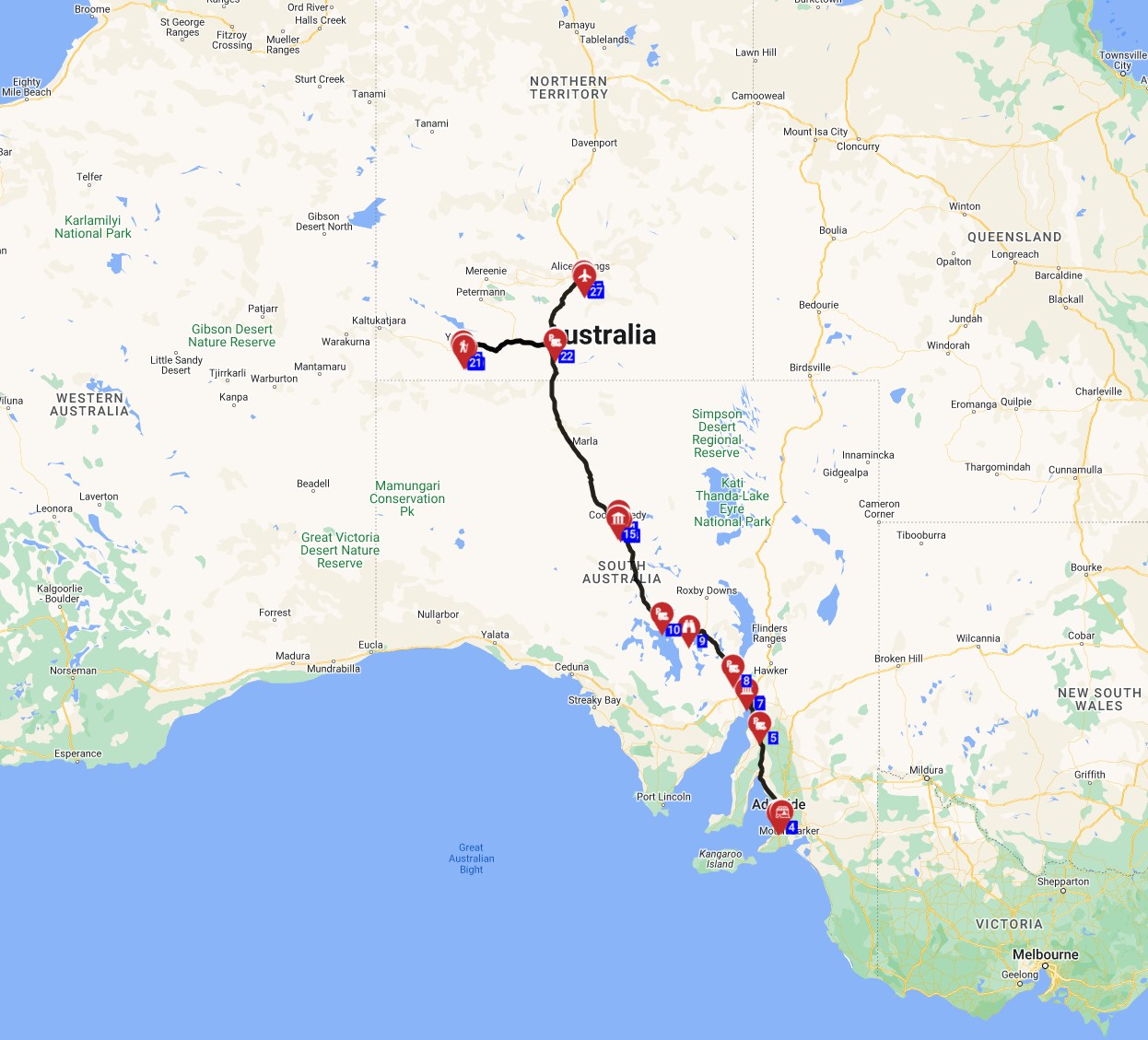
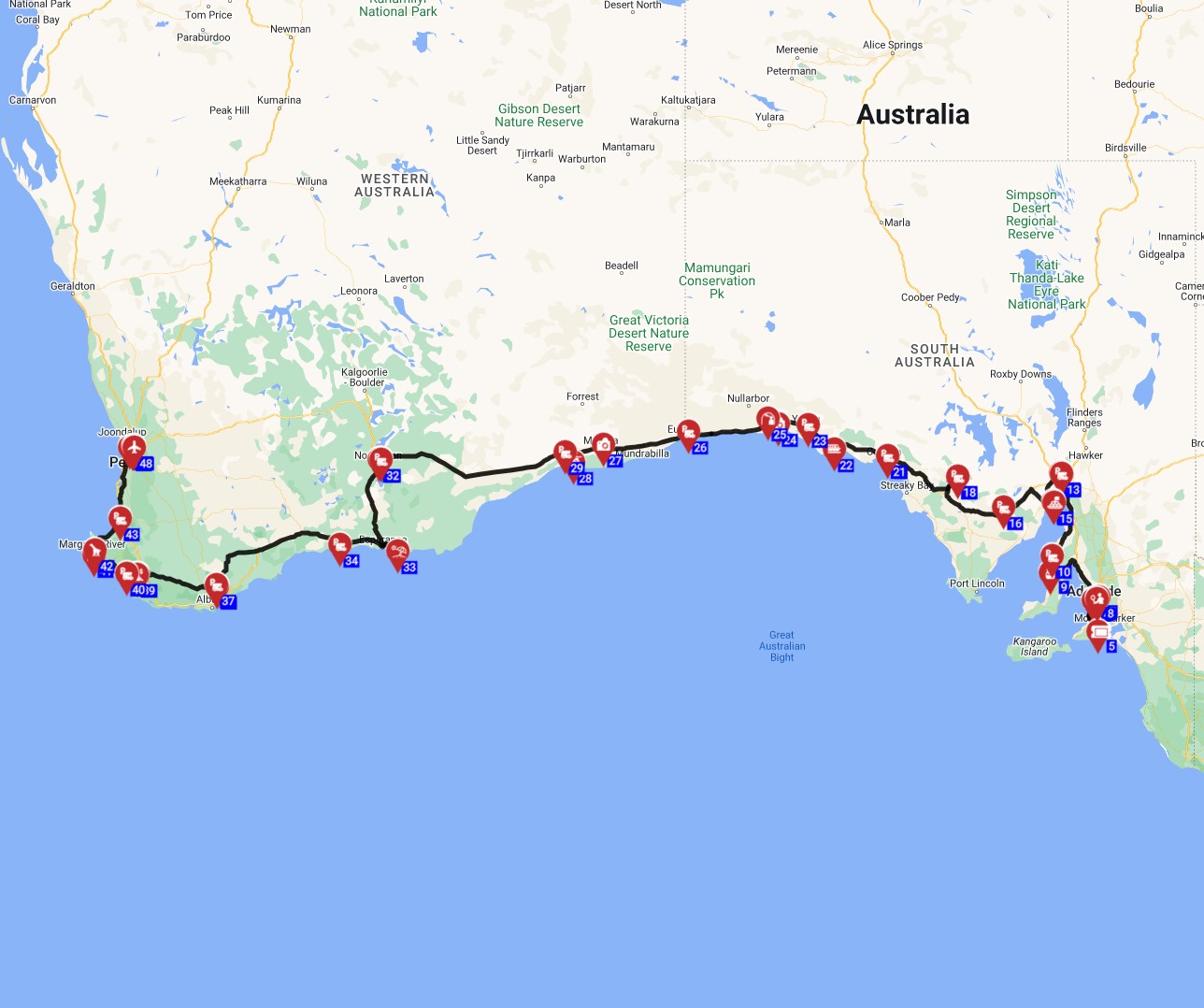
While spontaneous travel is certainly possible, particularly in off-peak seasons or less-trafficked areas, always calling ahead to confirm availability before driving to a campground is a wise strategy. This ensures you will almost certainly find a place; if not at your first choice, then a nearby alternative. Don't worry, you'll find a spot! For detailed route plans and campsite information, explore the itineraries available on rvplan.net, such as the "Perth to Alice Springs - The Dreamtime Highway: A Journey Through Australia's Heart" route, a 21-day adventure covering 5,447 km and including multiple natural features and hiking areas.
Nearby Supermarkets & Resupply Points
When planning your rented RV trip in Australia, it is crucial to plan your resupply stops around major towns and cities, where you'll find large supermarkets and other essential services. Australia's main supermarket chains, Coles and Woolworths, are present in most major towns and regional centers, offering a wide range of groceries and supplies, with IGA often serving smaller, more remote communities. Beyond groceries, major fuel stations (e.g., Caltex, BP, Shell, Ampol) are critical resupply points, especially in the vast outback where distances between services can be extensive.
It is always advisable to carry extra water, fuel, and non-perishable food, especially when venturing into remote outback areas where services are sparse and distances between towns can be vast. Remember to factor in fuel, campground fees, propane, dump fees, tolls, and groceries into your total trip cost. On RV PLANET routes, travelers can itemize and track every expense along the way for easy budgeting. Preparing meals in your rented motorhome is a fantastic way to save money and enjoy fresh ingredients; check out our RV-friendly recipes playlist for inspiration!
Best RV Class for Camping in Australia
The best RV class for camping in Australia depends on your travel style, group size, and desired level of comfort, with Camper Vans and Semi-integrated models offering a good balance for diverse Australian conditions. Class B Camper Vans, such as a "2 Berth Hi Top" or an "Active Classic," averaging 5.8m in length with around 2.7 adults and 3.2 sleeping places, are ideal for maneuverability, urban access, and fuel efficiency (Bandana's fleet typically 8-10 liters/100 km). They suit both powered sites and more compact bush camps, especially when exploring cities like Sydney or Melbourne. For competitive options, refer to RV Rental Near Australia Airport - Pickup Pricing 2026.
Class SI - Semi-integrated RVs, like the "2 Berth Rover" or "2 Berth Tamar", averaging 6.9m long and accommodating about 3.4 adults with 3.8 sleeping places, provide more living space than camper vans while remaining relatively agile for diverse Australian roads. These typically consume around 10-11 liters/100 km from Bandana's fleet. For larger families, Class C - Alcove RVs, such as a "4 Berth Deluxe" (average 7.5m, 4.4 adults, 5.8 sleeping places), offer generous space but are best suited for established caravan parks. While we do not rent travel trailers or towable RVs, some rugged Class TC - Truck Campers (average 5.5m, 2.1 adults, 2.4 sleeping places) with 4WD capability are available from our partners for remote, unsealed tracks, albeit with higher fuel consumption (Bandana's fleet typically 12-17 liters/100 km), suitable for adventurers tackling challenging terrains. Drive slowly and carefully, and you can drive almost anywhere without issues. No need to stress - just use common sense and pay attention.
How to Save on Campgrounds in Australia
To save money on RV campgrounds in Australia, travelers can utilize discount cards, strategically choose off-peak travel times, opt for municipal or regional parks, and extend their stays for weekly rates. Many RV rental companies, including Bandana's partners, offer access to exclusive campground discount programs or membership cards (e.g., BIG4, G’day Parks) which can provide significant savings on daily rates at participating caravan parks.
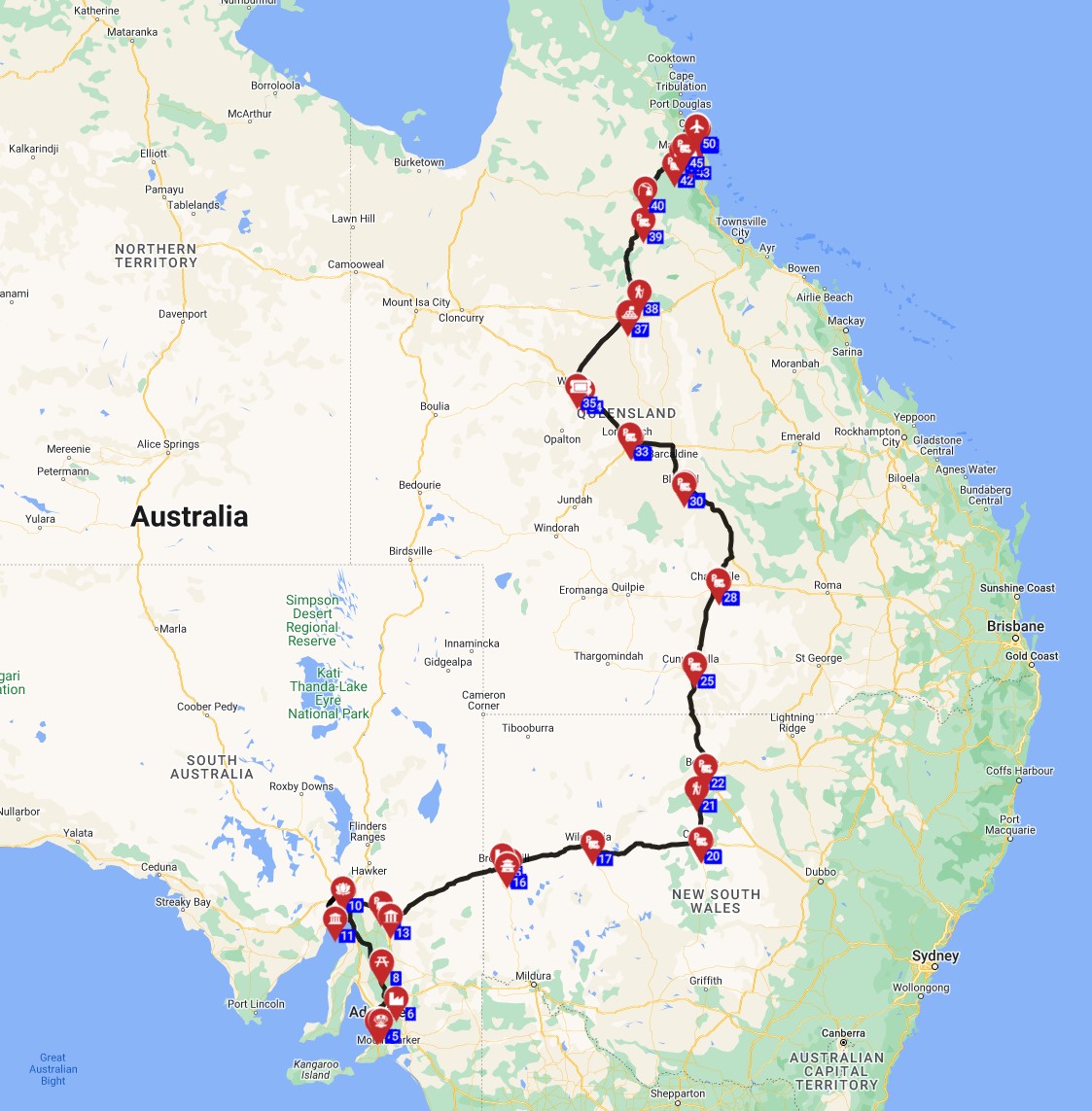
Traveling during the shoulder or off-peak seasons (outside of Australian school and public holidays) often results in lower rates and fewer crowds compared to peak periods. Choosing municipal or regional council-managed campgrounds over large private resorts can also offer more affordable rates. Planning longer stays, typically 3+ nights, often unlocks discounted weekly rates, while legal designated free camping sites provide a no-cost option, allowing for realistic cost expectations and a more budget-friendly RV adventure. For example, the "Cairns to Alice Springs - Northern Horizons: A Journey Through Australia's Heartland" route, a 17-day journey spanning over 4,000 km, includes opportunities for various camping types.
Are RVs allowed in Australia?
Yes, RVs, commonly known as motorhomes, campervans, or caravans, are widely allowed and are an extremely popular mode of travel throughout Australia, supported by an extensive network of infrastructure. Australia boasts a robust system of caravan parks, national park campgrounds, and designated rest areas specifically designed to accommodate RV travelers. A standard car driver's license is sufficient for operating all motorhome classes (Class A, Class B, and Class C) in Australia, meaning no special license or additional permits are required. An International Driving Permit (IDP) is recommended for visitors from non-English speaking countries to supplement their home license, though it is not mandatory in most cases.
While RVs are permitted on most public roads, specific regulations do apply to where you can legally park overnight, particularly in urban areas and protected natural environments. These laws vary by state and territory, so it's always wise to check local council bylaws. Our team of true RV specialists is here to help you navigate these details before you book, ensuring a smooth and compliant journey.
What are RV parks called in Australia?
In Australia, the most common term for RV parks is "caravan parks," though you may also hear them referred to as "holiday parks," "tourist parks," or sometimes "motorhome parks." The term "caravan park" is universally understood and used regardless of whether you are driving a motorhome (RV) or towing a caravan (travel trailer), and these establishments offer essential amenities like powered sites (240V), shared ablution blocks, and laundry facilities.
"Holiday parks" or "tourist parks" often denote larger, more amenity-rich private establishments with additional features such as swimming pools, playgrounds, and cafes, catering to a broader range of visitors. More basic sites, especially within National Parks or state forests, are generally referred to simply as "campgrounds." Specific service points for emptying waste tanks are known as "dump points" or "sullage points," essential facilities for any self-contained rented camper or motorhome. Understanding these local terms helps immensely in planning your trip and finding necessary services.
Can you park an RV anywhere in Australia?
No, you cannot park a rented RV just anywhere in Australia; regulations regarding overnight parking vary significantly by state, territory, and even local council, with designated areas being the only legal options for overnight stays. Wild camping or "free camping" is generally prohibited outside of specifically signed and designated areas. Parking overnight on residential streets or in undesignated public spaces is often illegal and can result in fines, so always look for clear signage indicating permitted overnight stays.
Legal overnight parking options for your rented motorhome include private caravan parks, national park campgrounds (which usually require fees and bookings), and specifically marked free camping areas or roadside rest areas that explicitly permit overnight stays. Always check local council bylaws and signage for specific prohibitions, such as "no overnight parking" or "camping prohibited." Remote travel also requires advanced safety planning, including understanding unsealed road conditions and having communication strategies like satellite phones for areas without mobile reception, ensuring you're prepared for any situation. Drive slowly and carefully, and you can drive almost anywhere without issues. No need to stress - just use common sense and pay attention.
Where can you park overnight for free in Australia?
You can park a rented RV overnight for free in Australia at specifically designated free camping areas, which often include certain roadside rest stops, state forests, or council-managed sites, provided you adhere to local regulations and 'Leave No Trace' principles. Designated free camps are typically identified through popular apps like WikiCamps Australia or by checking local tourism information centers. These sites often provide basic facilities such as picnic tables or rubbish bins but require campers to be fully self-contained, meaning your motorhome needs its own toilet and greywater tank.
Some roadside rest areas permit 24-hour stays for fatigue management, but these are generally not for extended camping; it's crucial to check specific signage at each location to confirm legality and duration limits. While some state forests allow free camping, most national parks require a fee and permit for overnight stays, so always research specific locations for any necessary permits or booking requirements. Strictly follow 'Leave No Trace' principles by taking all rubbish with you and managing greywater responsibly to help preserve Australia's natural beauty. For further planning, a "RV Travel Guide to Australia - Tips and Top Spots 2026" can provide valuable insights.
What is ghost camping in Australia?
"Ghost camping" in Australia typically refers to unauthorized or unofficial overnight parking, often in areas not explicitly designated for camping, or leaving an RV unattended for extended periods, both of which are generally discouraged or illegal. This term describes setting up camp in areas like residential streets, beach access points, or private land without permission, which violates local council bylaws and can lead to significant fines, sometimes exceeding AUD $200. It's a practice that impacts local communities and the environment negatively, making it important for RV renters to avoid.
Another interpretation of ghost camping involves leaving a rented motorhome or campervan parked in a public spot for an extended time without the owner present, which can also contravene local regulations and attract unwanted attention. Instead of attempting "ghost camping," travelers should prioritize legal options such as designated free camps, private caravan parks, or national park campgrounds to ensure compliance with Australian laws, respect for local communities, and preservation of natural environments. Always travel slowly, aiming for a maximum of 100-150 km per day on average, to truly connect with the culture, food, and scenery of each place you visit.
What is the average caravan park fee in Australia?
The average caravan park fee in Australia typically ranges from AUD $30 to $60 per night for a powered site, though prices can fluctuate significantly based on location, amenities, season, and the specific park. Expect to pay higher fees, often $70-$100+ per night, in popular coastal tourist destinations (e.g., Byron Bay, Gold Coast) or during peak travel periods like school holidays, which can significantly impact your total trip cost. Prices are dynamic, much like flight tickets, changing daily based on availability, seasonality, and supplier marketing decisions.
Caravan park fees usually include a powered site for one rented RV and access to shared amenities such as showers, toilets, and laundry facilities, with additional charges sometimes applying for extra adults, pets, or premium facilities like Wi-Fi. Budgeting for RV travel should account for these varying costs, considering that utilizing discount cards (often available through rental companies like our partners) and opting for longer stays (e.g., weekly rates) can help reduce the nightly average. Remember, you can upgrade to a top-level deductible for extra peace of mind, an optional upgrade to enhance your travel security.
How much do campsites cost in Australia?
Campsite costs in Australia vary widely, from free at designated freedom camping sites to over AUD $100 per night at premium holiday parks, with national park campgrounds typically falling in the AUD $10 to $40 range. Free camping is available at specific, designated locations (e.g., certain rest stops, state forests) but offers minimal to no amenities and requires campers to be self-sufficient with their rented motorhome.
National park campgrounds generally charge a fee, often per vehicle or per person, ranging from AUD $10 to $40 per night for unpowered sites, with bookings often being essential and some premium sites incurring higher costs. Private caravan and holiday parks generally cost between AUD $30 and $60+ for a powered site, providing a full suite of amenities. A realistic budget for a rented RV trip should consider a mix of these options, factoring in fuel, food, and activity expenses, as prices are dynamic and change daily. For more detailed insights on total trip costs, consider reading RV Rental in Australia - Prices and Best Deals 2026.
How can I book campsites in Australia?
You can book campsites in Australia through various online platforms, directly via park websites, or by contacting caravan parks via phone or email, with online booking being the most prevalent and convenient method. For national park campgrounds, utilize the specific state or territory park service websites (e.g., NSW National Parks and Wildlife Service, Parks Victoria, Queensland Parks and Wildlife Service) to check availability and make reservations for your rented motorhome or campervan. These sites are the official source for park-managed sites and often provide important information about permits and local regulations.
Major private caravan park chains like BIG4 Holiday Parks, G'day Parks, and Discovery Parks offer convenient online booking portals through their respective websites, which are excellent for securing powered sites with extensive amenities. Additionally, aggregator apps such as WikiCamps Australia are invaluable resources for finding a wide range of camping options, including free camps and private parks, and often provide direct links or contact information for booking, making it a practical guide for securing your spot. For finding campsites and campgrounds during your trip, we recommend using RV PLANET (rvplan.net) - a great resource for locating available spots along your route. You can even plan your trip itinerary in advance with minimal effort and maximum enjoyment using RV PLANET's pre-planned routes, and enjoy a 25% planning discount when you do!
Do you need to pre-book campsites in Australia?
While not always strictly mandatory, pre-booking campsites in Australia is highly advisable, especially during peak seasons, school holidays, and for popular destinations, to secure your preferred spot and avoid disappointment. During peak travel times, many popular caravan parks and national park sites can be fully booked months in advance, making spontaneous arrivals risky for securing desirable locations with your rented RV. For instance, coastal areas along the East Coast during summer can fill up quickly.
In shoulder or off-peak seasons, pre-booking is less critical but still recommended for popular spots, particularly on weekends, though opportunities for finding available sites with shorter notice are greater. National park campgrounds frequently operate on a booking-only system for a percentage of their sites, with the rest often being first-come, first-served. For a balanced RV trip, a strategy incorporating pre-booked key stops (e.g., iconic destinations, long weekends) and flexible interim nights is often the most effective. Always have a backup plan or a list of alternative sites, and remember to call ahead before driving to confirm availability, as you'll find a spot if not at the first campground, then the next one.
What You Shouldn't Miss
Australia is a vast continent begging to be explored by rented motorhome. Here are some of our top recommendations for your unforgettable journey:
- Drive the Great Ocean Road, Victoria: This iconic 243-kilometer stretch of road offers dramatic coastal scenery, including the Twelve Apostles. Numerous caravan parks dot the route, providing stunning ocean views for your overnight stays.
- Explore the Red Centre, Northern Territory: A journey to Uluru-Kata Tjuta National Park is a spiritual experience. Camping nearby allows for magical sunrise and sunset views over these ancient monoliths. Remember to book national park sites well in advance.
- Discover Tropical North Queensland: From the Daintree Rainforest to the Great Barrier Reef, this region offers lush landscapes and vibrant marine life. Base your rented campervan in Cairns or Port Douglas and explore the surrounding natural wonders, including many swimming and wildlife watching opportunities.
- Island Hop in Tasmania: The island state of Tasmania offers pristine wilderness and charming towns. Take your motorhome on a ferry and explore national parks like Freycinet, known for Wineglass Bay, and discover unique local industries.
- Experience a Station Stay in the Outback: For a truly authentic Australian experience, consider booking a stay at a working cattle or sheep station. Many offer rustic camping facilities and a chance to connect with rural life. This aligns with a slow travel philosophy, allowing you to absorb the local culture and scenery.
- Visit a Drive-In Movie Theatre: Embrace nostalgia! Australia still has several drive-in cinemas, particularly in regional areas. Park your rented RV, grab some snacks, and enjoy a movie under the stars from the comfort of your vehicle.
Looking for expert insights from Avi Bandana? Top 5 Adventures - recommendations from Avi Bandana
🎬 Video coming soon
Our founder, Avi Bandana, is passionate about RV travel and has personally explored countless destinations. His vision for Bandana RV is to make every journey accessible and enjoyable. Plan a trip itinerary in advance with minimal effort and maximum enjoyment, ensuring you don't miss out on these incredible experiences.
Final Thoughts
Australia is a dream destination for any RV enthusiast, offering a diversity of landscapes and experiences that few other places can match. From the bustling coastal cities to the serene national parks and the vast, awe-inspiring outback, traveling in a rented motorhome or campervan gives you the ultimate freedom to explore. Remember to embrace slow travel, allowing yourself the time to truly immerse in each location's unique charm, culture, and natural beauty.
With Bandana RV, you're choosing a partner committed to making your adventure seamless and enjoyable. Our dedication to full transparency, reliable support, and expert planning resources ensures that your Australian journey will be filled with incredible memories, not unexpected hassles. So, are you ready to embark on the road trip of a lifetime?
Discover top destinations, planning tips, all in one place! Compare Motorhome Prices for Australia now and start planning your amazing RV rental in Australia. Your epic Australian adventure awaits!