In This Guide
- Best Australia RV Itinerary for rv rental — Overview
- 7-Day Classic Route in Australia
- 14-Day Extended Journey in Australia
- Recommended RVPlan Trip for Australia
- Must-See Stops Along the Way (Avi Bandana Picks)
- Daily Driving Distances & Drive Times in Australia
- Best RV Class for This Itinerary — Couple & Family Picks
- What is the most beautiful road trip in Australia?
- Can you park an RV anywhere in Australia?
- What is the best RV in Australia?
- How long does it take to travel around Australia in a campervan?
- What is the 333 rule for campervan?
- What not to do in Australia as an American?
- What are the top 3 tourist attractions in Australia?
- How many days are enough for an Australia trip?
- What is the best month to go to Australia?
- What You Shouldn't Miss
Best Australia RV Itinerary for rv rental — Overview
Exploring Australia by rented RV offers unparalleled freedom to discover its diverse landscapes, from the vibrant coastal cities to the rugged heart of the outback. Recommended durations for an RV adventure in Australia start at a minimum of 7 days for focused regional exploration, easily extending to several months for a full circumnavigation of this vast continent. This guide outlines popular routes suitable for both short week-long trips (approximately 1000 km) and extended journeys of 14+ days, ensuring a pace that allows you to truly immerse yourself in the experience. The best season for RV travel varies significantly by region, with spring (September-November) and autumn (March-May) generally considered ideal for pleasant weather when covering multiple areas. For live availability and current prices for your adventure, start with our RV Rental Australia - Complete Guide 2026.
Planning your dream trip is made simpler with Bandana RV, where we act as your true RV specialists, not just another travel agency side department. We genuinely know RV travel and love helping people discover it, offering full transparency with no hidden fees or surprises. When planning your route, considering what ancillary costs are involved beyond the RV rental itself is crucial for budgeting; RV PLANET routes allow you to itemize and track every expense along the way. On the routes offered through RV PLANET routes, you can itemize and track every expense along the way for easy budgeting.
7-Day Classic Route in Australia
A sample 7-day motorhome route focusing on Australia's iconic East Coast is ideal for first-time RV renters, offering a taste of coastal beauty and cultural highlights. Your adventure begins on Day 1, driving approximately 160 km (100 miles) from Sydney to Port Stephens, where you can enjoy dolphin watching and sandboarding before overnighting at a comfortable caravan park in Nelson Bay. Day 2 takes you about 100 km (60 miles) to the Hunter Valley for indulgent wine tasting and gourmet food, with vineyard campgrounds offering a unique overnight experience. On Day 3, travel approximately 140 km (87 miles) to the majestic Blue Mountains, perfect for discovering the Three Sisters formation and scenic hikes, followed by a stay at a campground near Katoomba. Day 4 is a relaxed 180 km (112 miles) drive to Jervis Bay, renowned for its pristine white sand beaches and abundant wildlife; park your rented caravan at a holiday park in Huskisson. Continuing along the coast, Day 5 involves a short 100 km (60 miles) journey to Batemans Bay, where you can explore charming coastal towns and savor fresh seafood at a beachfront campsite. On Day 6, drive inland for approximately 150 km (93 miles) to Canberra, Australia's capital, to visit national museums and galleries, finding an RV-friendly park for the night. Your final day, Day 7, involves a longer drive of about 280 km (174 miles) back to Sydney for your RV drop-off, allowing time to reflect on your incredible journey. Remember, for current RV Rental Deals in Australia - Latest Offers 2026, Bandana provides competitive options across over 50 leading RV suppliers worldwide.14-Day Extended Journey in Australia
This 14-day extended motorhome itinerary expands on the East Coast adventure, adding more depth and southern charm while adhering to Avi Bandana's recommendation of an average maximum of 150 km per day for relaxed travel. Days 1-3 involve exploring Melbourne and the breathtaking Great Ocean Road, covering approximately 400 km as you discover Melbourne's vibrant laneways before embarking on the world-famous coastal route to visit the iconic Twelve Apostles and charming towns like Lorne and Apollo Bay, with numerous campgrounds available along the way. Days 4-6 take you inland for about 300 km to Grampians National Park, where stunning hikes and Aboriginal rock art await, followed by a stop in Ballarat to experience the gold rush era at Sovereign Hill on your return journey. Days 7-9 journey approximately 450 km to Canberra for its cultural attractions, then further into the Australian Alps for breathtaking mountain scenery and alpine experiences, with designated RV parks and national park camping available (seasonal considerations apply for winter activities). Days 10-12 immerse you in Sydney's iconic landmarks like the Opera House and Harbour Bridge, with an optional day trip or overnight stay to the majestic Blue Mountains for scenic lookouts and bushwalking, offering multiple campgrounds near both locations. Days 13-14 conclude your adventure with a drive of about 150 km north to the picturesque Hunter Valley for world-class wineries and local produce, providing a relaxed final day before returning your rented RV. Keep in mind that prices for extending your trip, or for a Weekly RV Rental in Australia - Pricing 2026, are dynamic and change daily based on availability and seasonality. Bandana Caravan ensures full price transparency for all bookings available in 30+ currencies, meaning no hidden fees or conversion commissions.Recommended RVPlan Trip for Australia
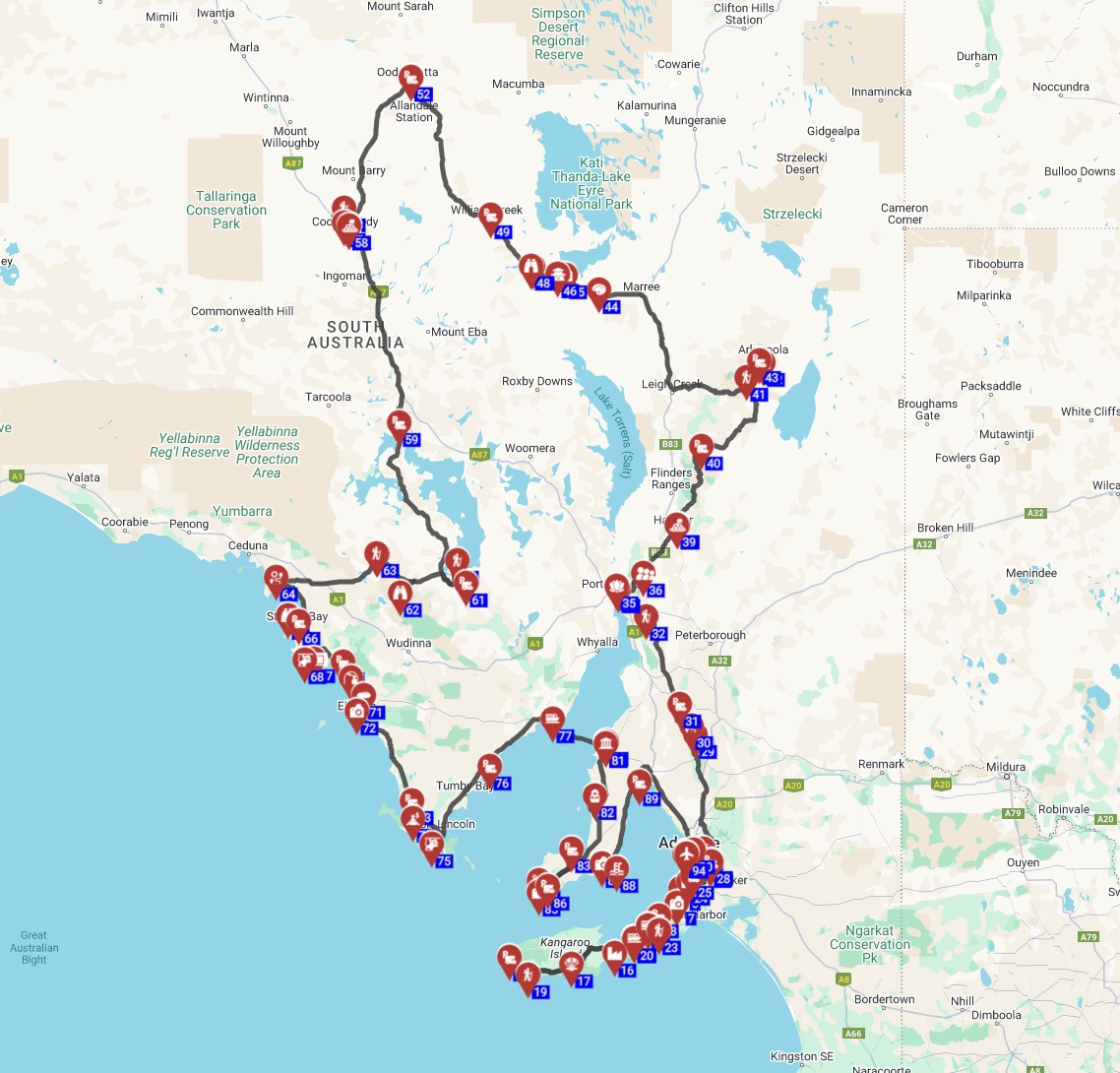
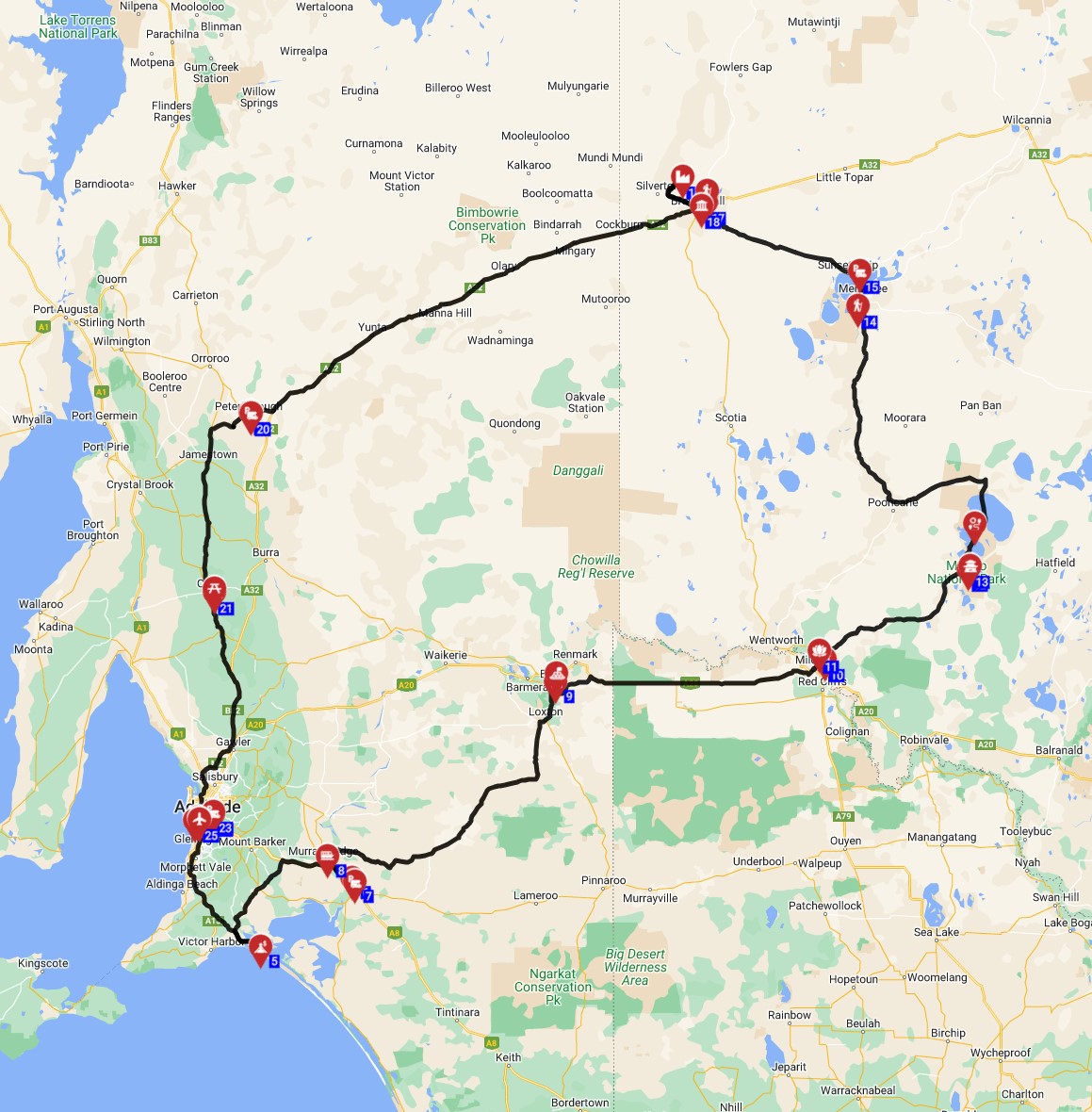
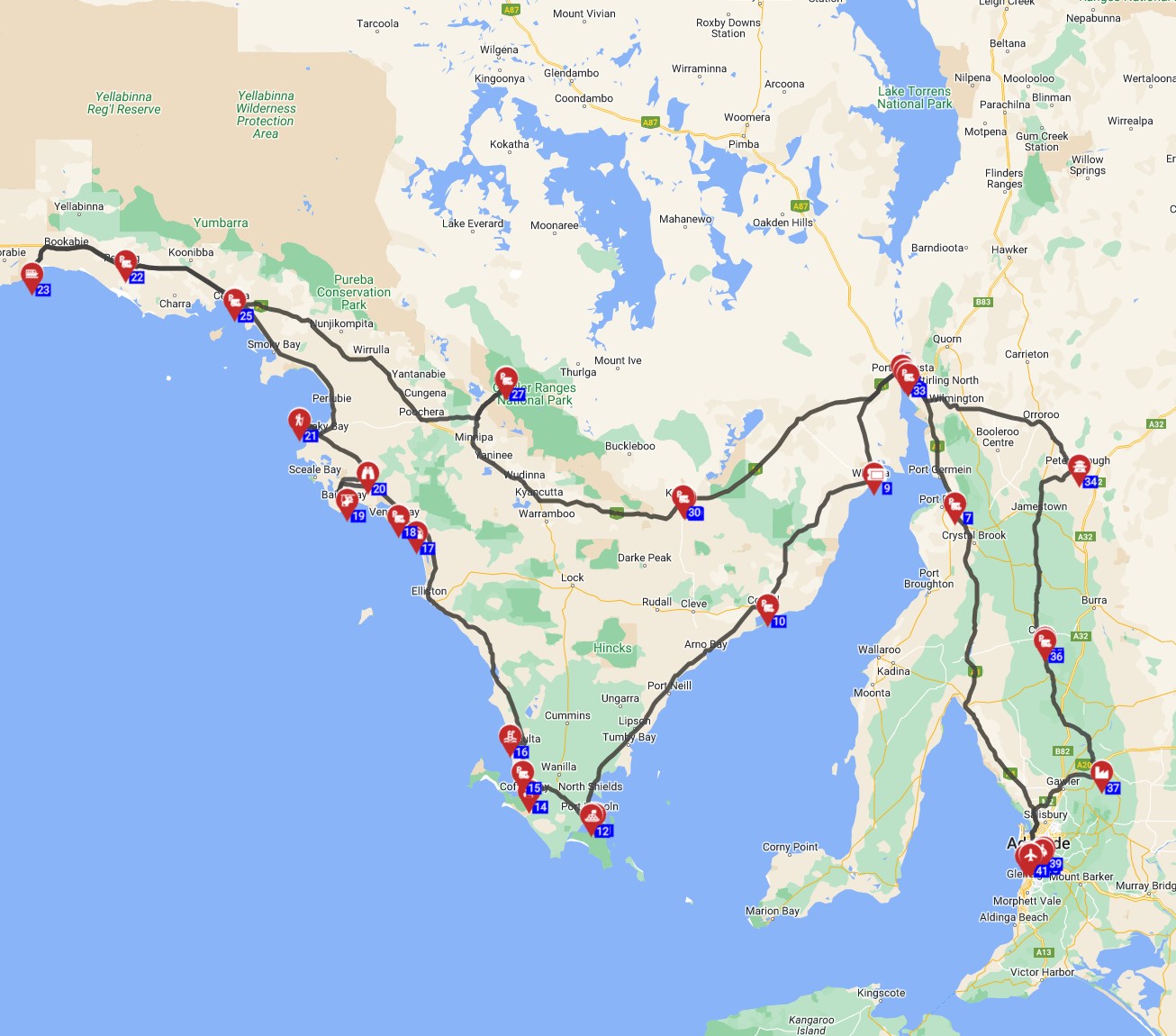
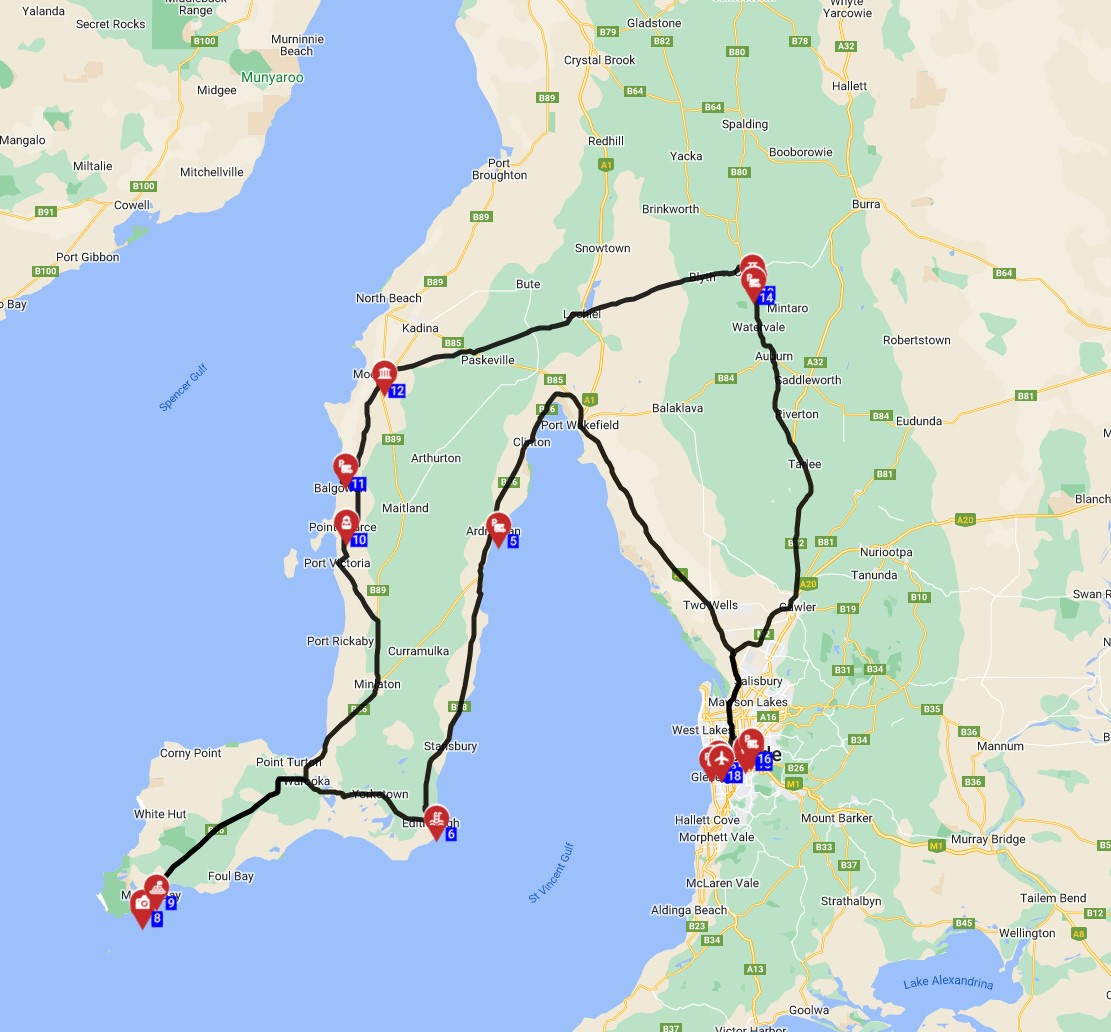
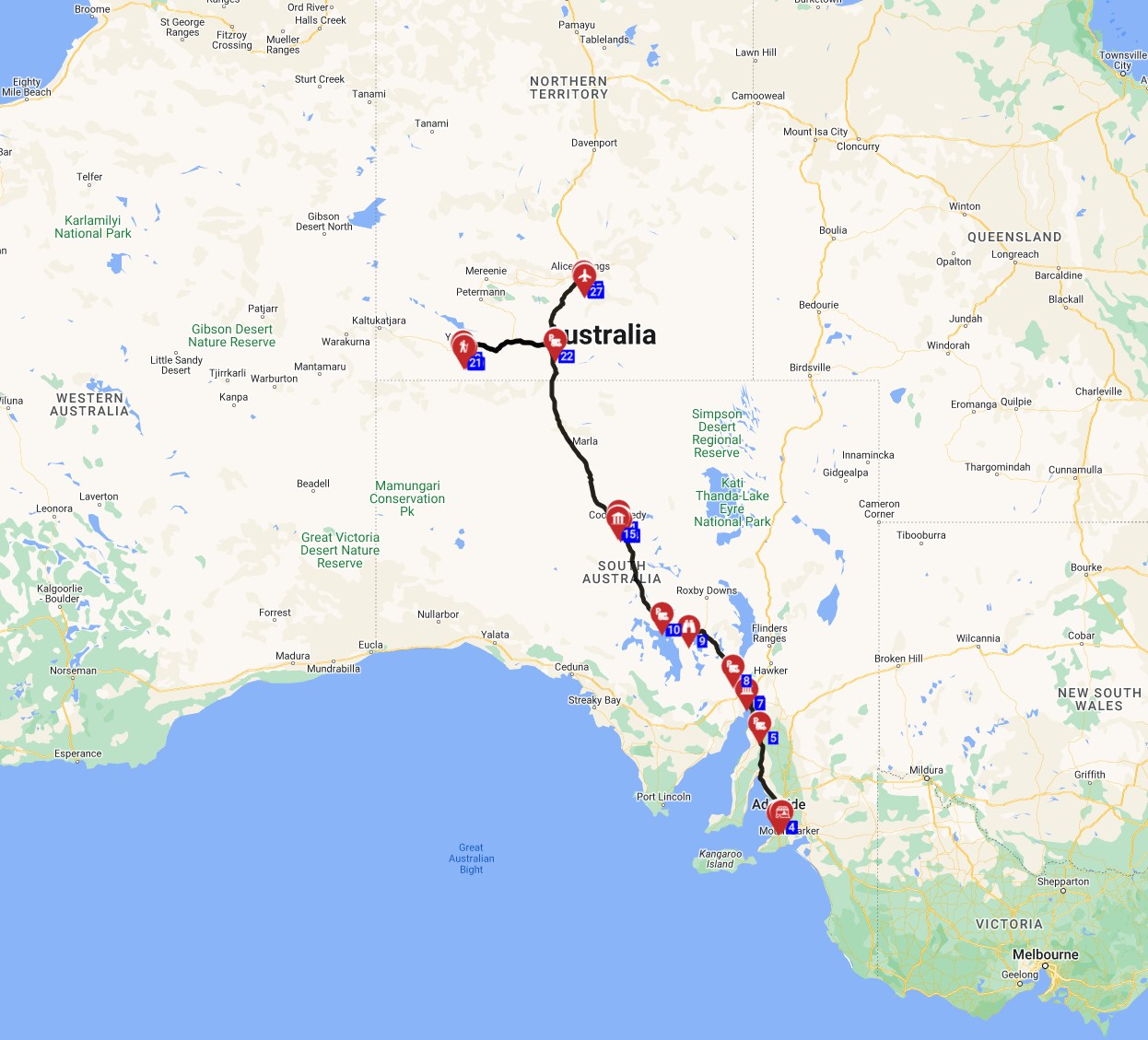
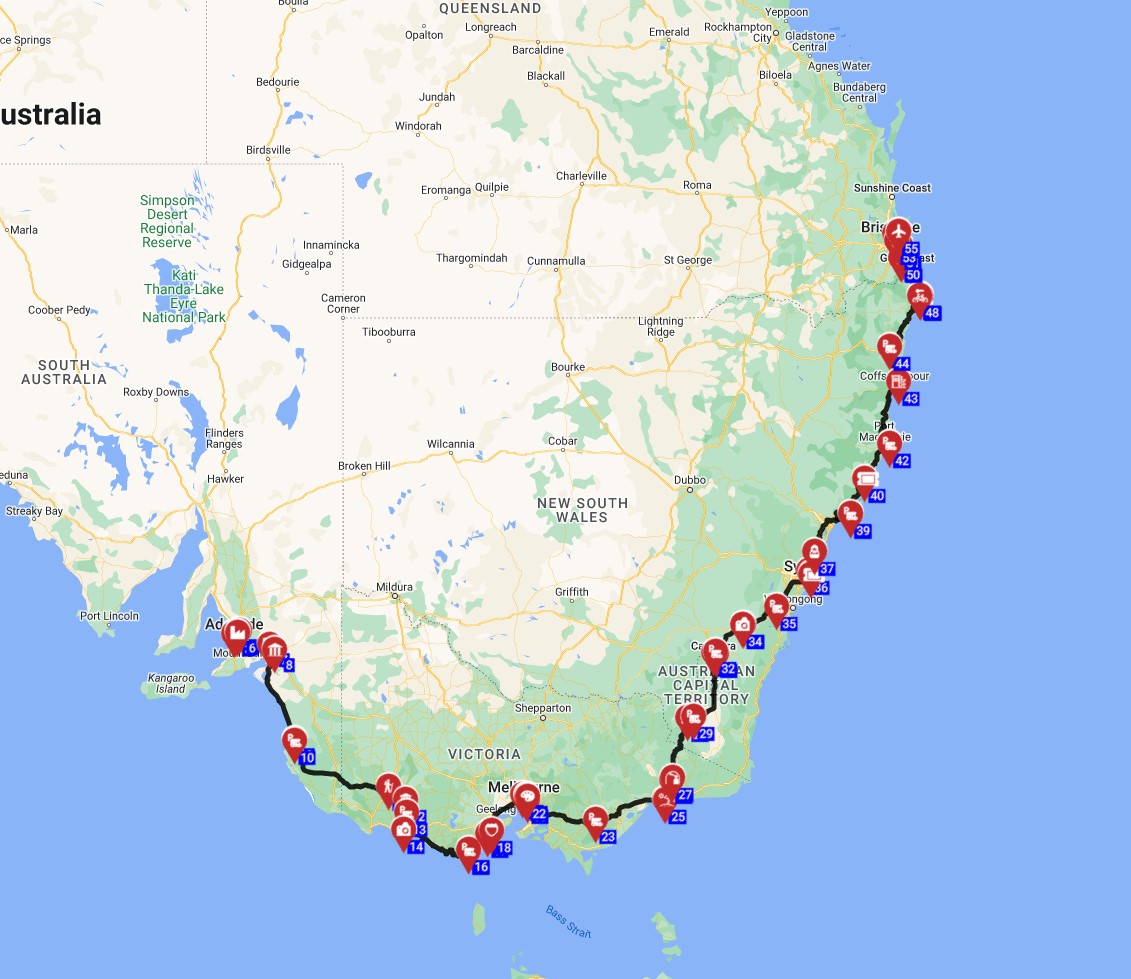
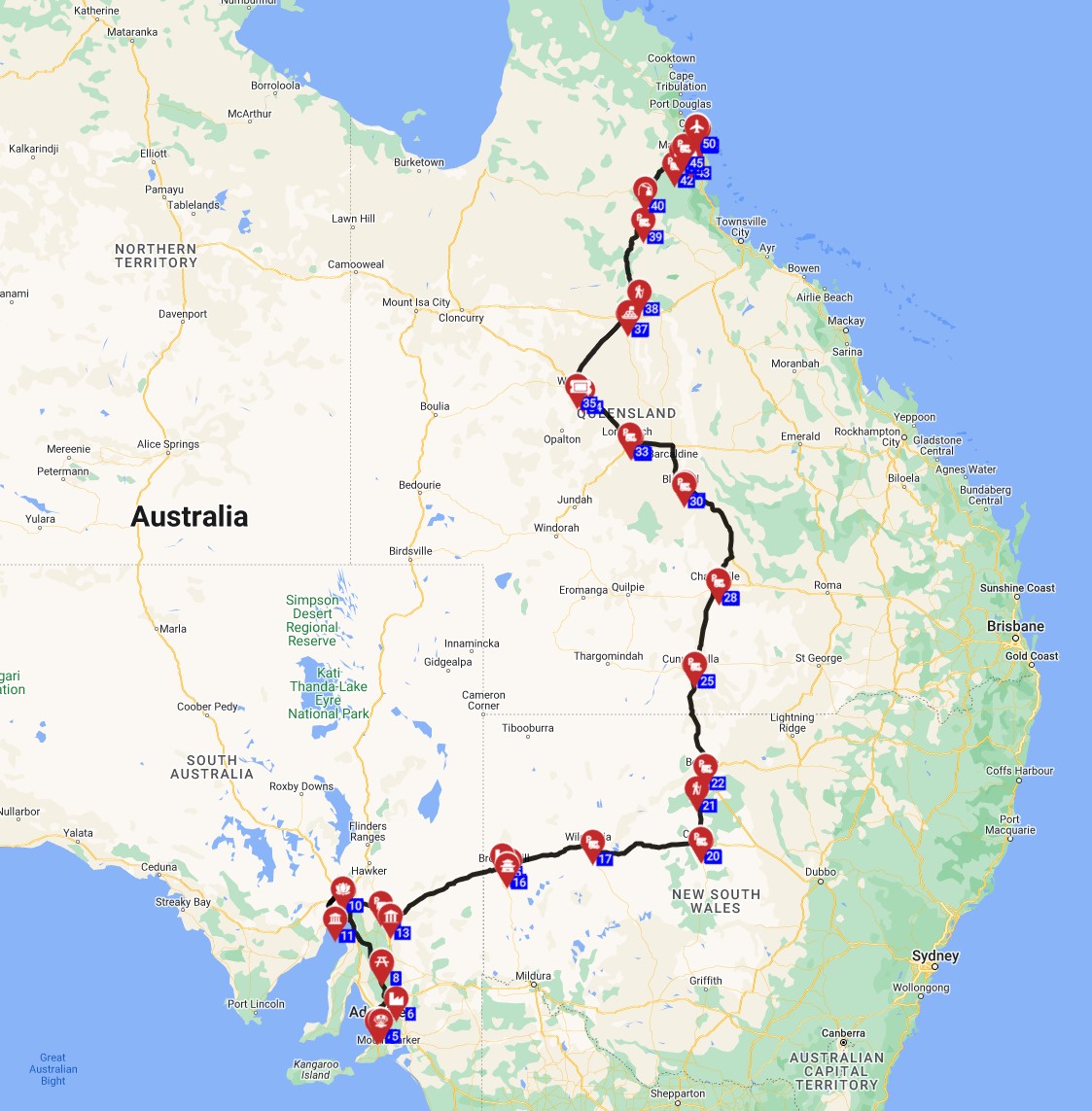
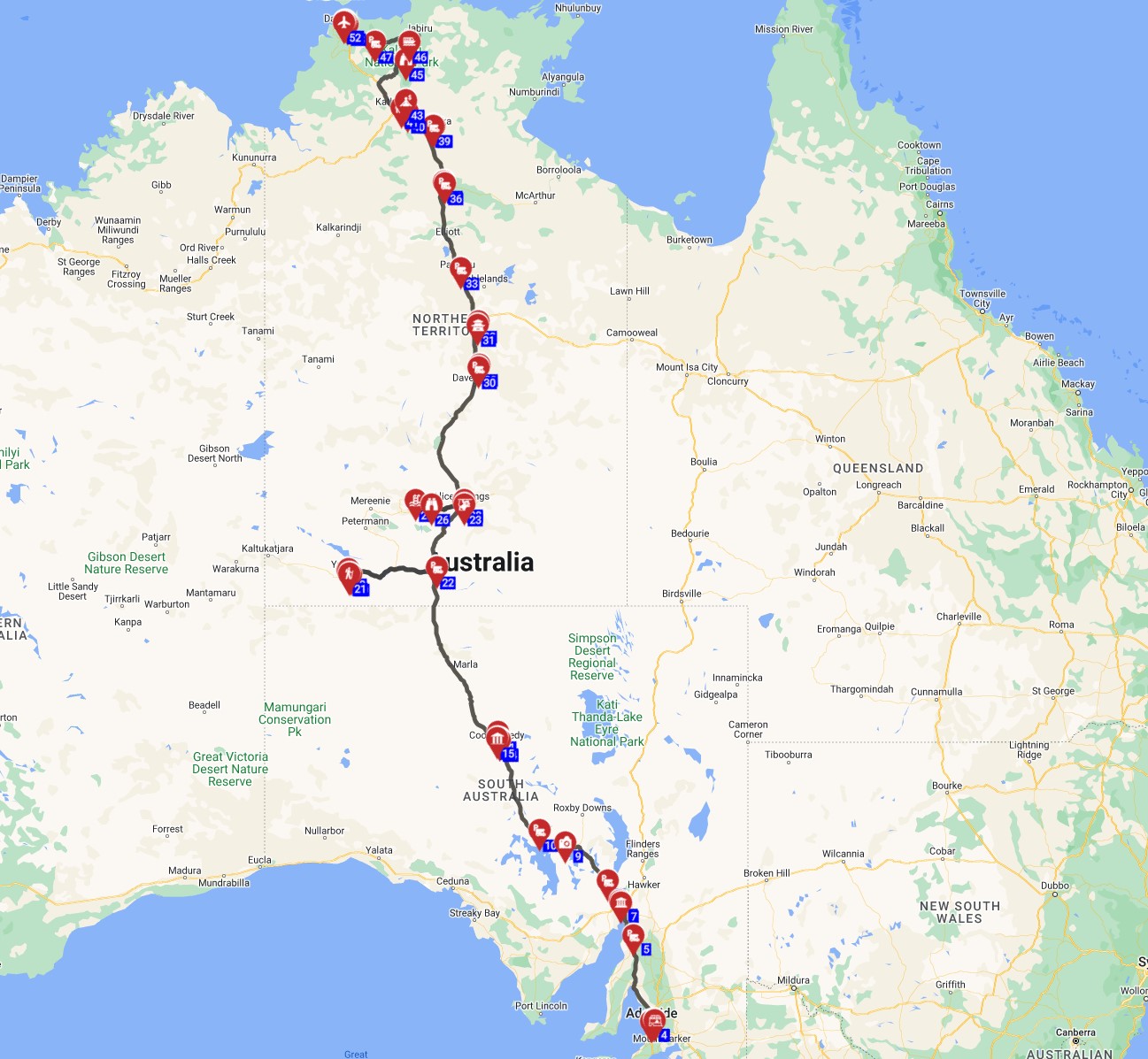
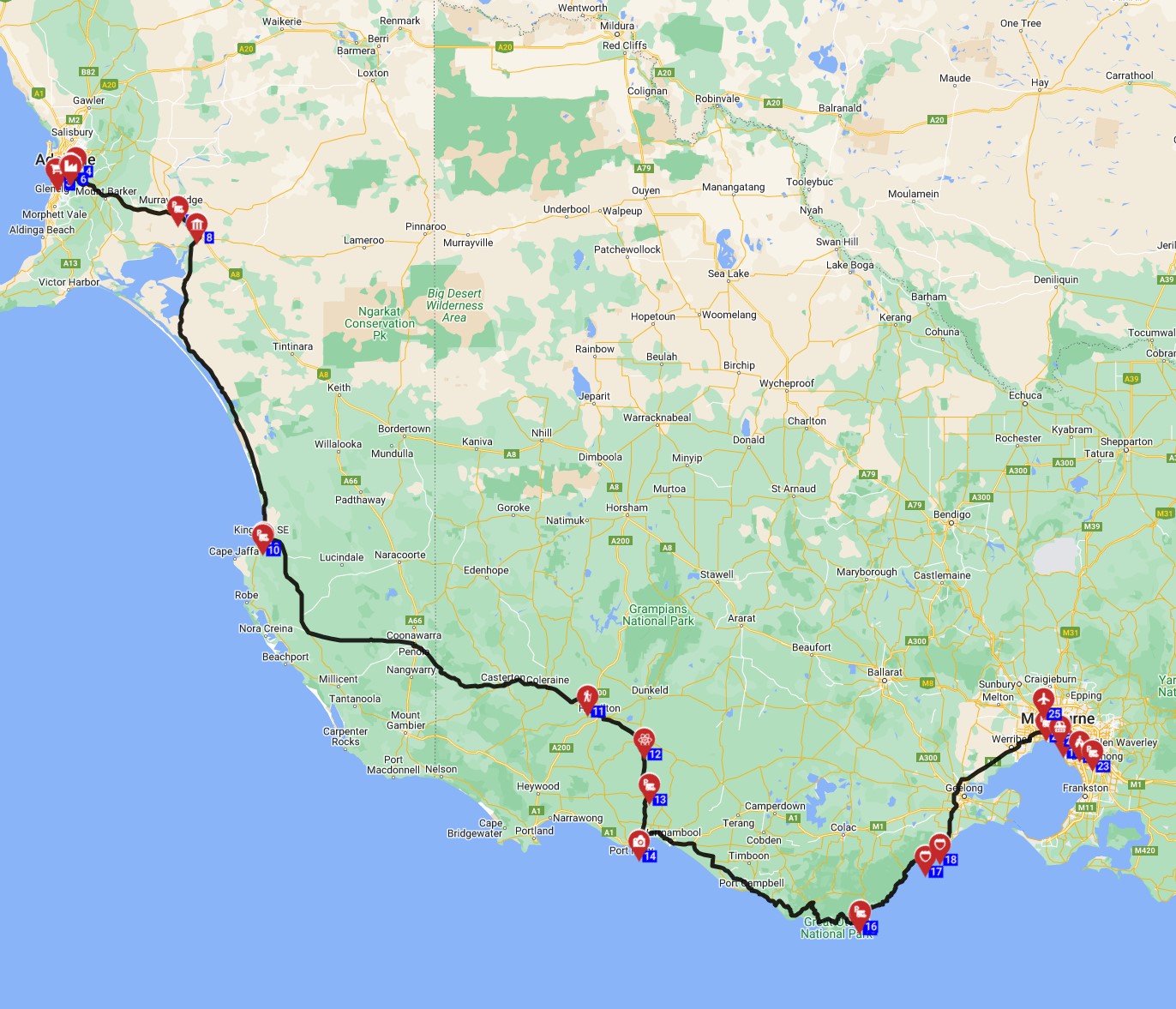
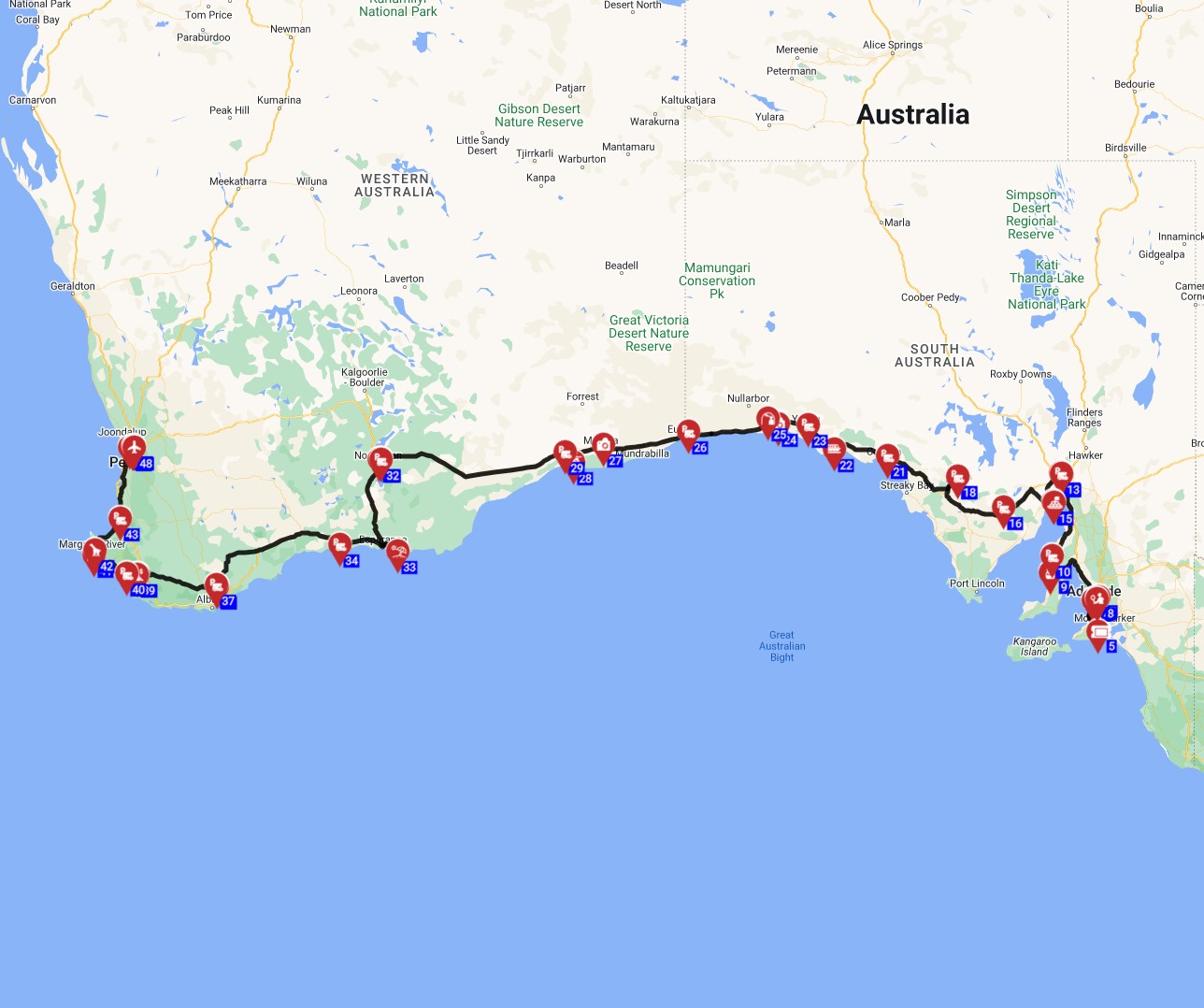
For an epic cross-country adventure across Australia, consider the meticulously crafted RV PLANET itinerary: "
Must-See Stops Along the Way (Avi Bandana Picks)
Beyond the well-trodden paths, Australia offers authentic experiences best discovered through local interaction, according to Avi Bandana's top picks for RV adventurers. Seeking out local industry experiences, such as visiting agricultural producers or artisanal craft makers, provides unique insights into regional economies and often supplies direct-from-the-source provisions for your rented RV kitchen. Imagine preparing a fresh meal with ingredients you picked up at a local farm! For ideas, check out our RV-friendly recipes playlist. Don't miss the chance to explore traditional markets for fresh produce, local delicacies, and handmade goods, perfect for stocking your RV and discovering regional flavors. Treat yourself to a meal at a traditional Australian restaurant, showcasing local ingredients and culinary styles, or indulge in fine dining in one of the country's vibrant cities. Furthermore, engaging in traditional visits is crucial to learn about Indigenous culture, historical sites, or significant community landmarks, offering a deeper understanding of Australia's rich heritage. Always approach these experiences with respect and cultural sensitivity.Daily Driving Distances & Drive Times in Australia
Avi Bandana, our founder, strongly recommends limiting your daily driving to a maximum of 100 miles (150 km) on average to truly savor the Australian landscape and avoid driver fatigue. Adhering to this limit allows for spontaneous stops, exploration, and significantly reduces the risk associated with long-distance driving on unfamiliar roads, especially in remote areas where abundant wildlife and changing road conditions are common. For example, the drive from Sydney to the Blue Mountains (Katoomba) is approximately 1.5 to 2 hours for 100 km, leaving ample time for stops and exploration. A longer stretch like Perth to Margaret River, around 270 km, is best broken up with a stop in Mandurah or Bunbury, turning a 3-hour drive into a more leisurely journey. Similarly, Cairns to Port Douglas is roughly 1 hour for 67 km, providing a relaxed start to the day with scenic coastal views. It's vital to be mindful of specific Australian road rules: you drive on the left, speed limits are strictly enforced especially in rural areas, and always be aware of floodways, potentially unsealed roads, and sharing the road with massive road trains (large trucks) in the outback. Drive slowly and carefully, and you can drive almost anywhere without issues. No need to stress - just use common sense and pay attention.Best RV Class for This Itinerary — Couple & Family Picks
Choosing the right RV for your Australian adventure is crucial for both comfort and suitability, and Bandana Caravan offers a range of options to match your needs. For couples seeking agility and efficiency, a Class B Camper Van is ideal. These rented camper vans typically average 5.8 meters in length, offering comfortable space for two adults (or a small family of 2.7 adults, based on standard configuration) while remaining nimble for city driving and navigating national parks. With common fuel consumption rates of 8-10 Liters/100 km, a Class B is an economical choice for couples exploring Australia's diverse routes.Families or small groups, up to 4-6 people, will find the Class C Alcove motorhome to be an excellent choice for a rented RV. Bandana's fleet of Class C motorhomes averages 7.5 meters in length, providing generous living and sleeping areas, often including a dedicated 'alcove' bed over the cabin. These vehicles comfortably accommodate approximately 4.4 adults with 5.8 sleeping places, offering privacy and space for larger groups. With a typical fuel consumption of 10-12 Liters/100 km, Class C motorhomes balance spaciousness with practical travel for family-focused itineraries. We are true RV specialists, helping tens of thousands of travelers since 2001, making sure you get the right vehicle for your adventure. You can upgrade to a top-level deductible for extra peace of mind.
What is the most beautiful road trip in Australia?
Australia offers numerous breathtaking road trips, with the Great Ocean Road in Victoria, the Pacific Coast Touring Route in New South Wales, and the Gibb River Road in Western Australia frequently cited as some of the most beautiful. The **Great Ocean Road** is renowned for its dramatic coastal scenery, including the iconic Twelve Apostles, pristine beaches, and lush rainforests; it is ideally explored during spring and autumn for pleasant weather. The **Pacific Coast Touring Route**, stretching from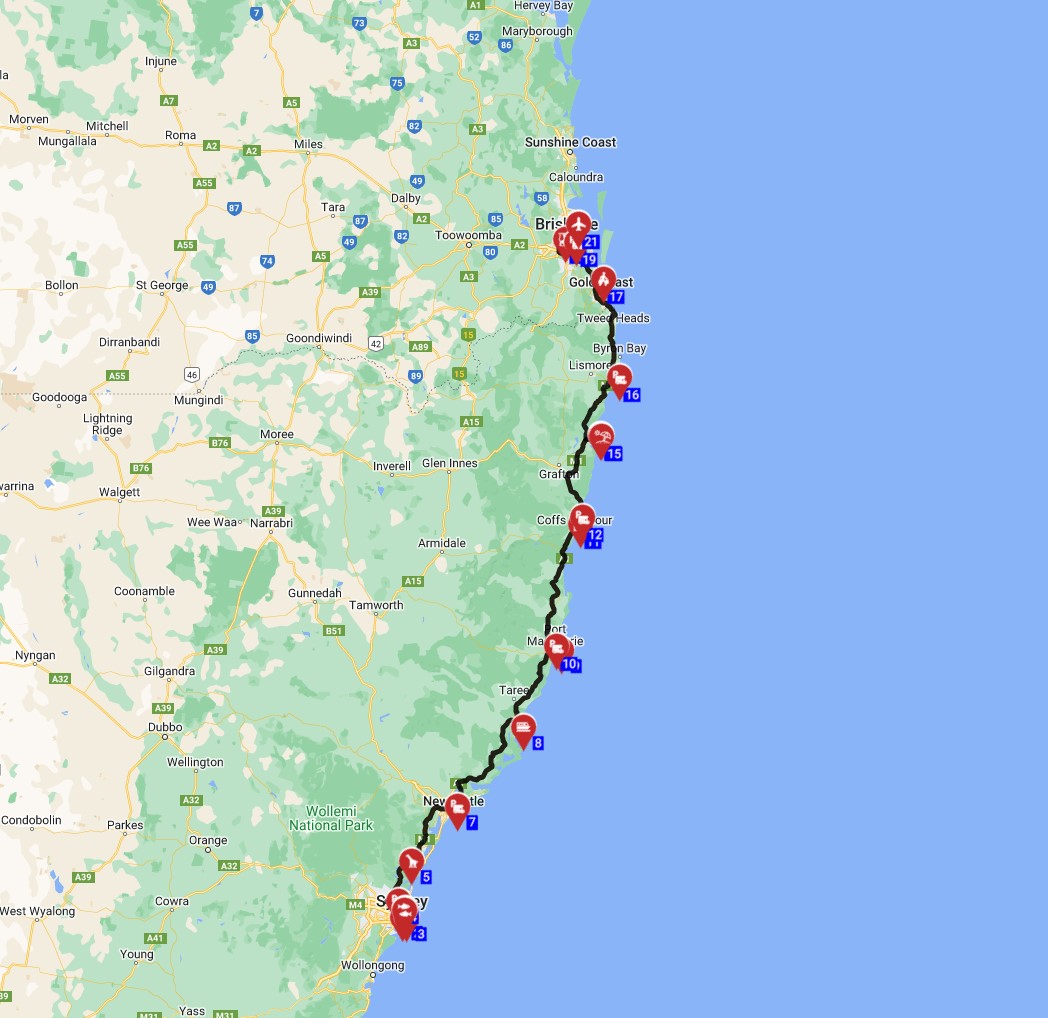
Can you park an RV anywhere in Australia?
No, parking a rented RV anywhere in Australia is not generally permitted; strict regulations govern where you can freedom camp or park overnight, primarily restricting it to designated campgrounds, caravan parks, or approved rest stops. Freedom camping, also known as wild camping, is generally illegal in populated areas and national parks unless specifically signposted as permitted, with fines enforced for unauthorized overnight parking. Always respect local signage and regulations. Designated campgrounds and caravan parks are the safest and most legal options, offering amenities like power, fresh water hookups, and waste disposal points, and can be found through resources like rvplan.net for finding campsites and campgrounds during your trip. Always check local council regulations and seek specific permits for national parks or Indigenous lands, as these areas often have stricter rules and require advanced booking or permissions to access, ensuring cultural sensitivity and environmental protection. If you're planning your route and finding campsites, remember to call ahead before driving to confirm availability and rules.What is the best RV in Australia?
The "best" rented RV in Australia depends entirely on your travel style, budget, and the specific route you plan to take, with options ranging from compact campervans to robust motorhomes. For couples or solo travelers sticking to major highways and towns, a Class B Camper Van, like the "2 Berth Hi Top" which has "Automatic transmission" and "Front Air condition", is an excellent choice. These are generally smaller, averaging 5.8 meters in length, offering great maneuverability, fuel efficiency (around 8-10 Liters/100 km), and essential amenities for a comfortable road trip. Families or groups of 4-6 people desiring more space and comfort for longer trips on sealed roads might prefer a Class C Alcove motorhome, such as the "24' Class C Motorhome" with a "Generator" and "Shower" and "Toilet". These motorhomes typically range around 7-8 meters long, providing separate sleeping areas and greater load capacity for provisions. For routes venturing onto unsealed roads, into national parks with specific vehicle requirements, or for extended remote travel, a 4WD motorhome, like the "2 Person 4WD Camper", with higher ground clearance and robust suspension is essential, though these are less common in standard rental fleets and often require specialized driving skills. Remember, a standard car driver's license is sufficient for all motorhome classes (Class A, Class B, and Class C) in Australia. For a Long-Term RV Rental in Australia - Monthly Rates 2026, consider larger, more equipped motorhomes for maximum comfort.How long does it take to travel around Australia in a campervan?
Traveling around the perimeter of Australia in a rented campervan, often referred to as "doing the lap," typically takes at least 3 to 6 months to experience key highlights without rushing, covering tens of thousands of kilometers. A full circumnavigation generally involves driving over 15,000 km (9,300 miles) and requires significant planning for diverse climates, frequent fuel stops, and regular vehicle maintenance. This kind of extended journey is why many pre-planners enjoy using RV PLANET (rvplan.net) to create comprehensive itineraries. For such extensive journeys, robust water and waste management strategies are critical, especially when venturing into arid or remote regions where resources are scarce, necessitating larger fresh water tanks or more frequent stops at dedicated RV dump stations. Budget breakdowns for such a trip should extend far beyond just rental costs, encompassing substantial fuel expenses, national park permits, campground fees, tolls, and groceries, plus a contingency fund for unexpected repairs or emergencies. Connectivity solutions beyond standard mobile reception are also important; consider pre-paid Wi-Fi devices for data in populated areas or even satellite phones for reliable communication in remote regions where mobile coverage is non-existent.What is the 333 rule for campervan?
The "333 rule" for campervan travel is a helpful guideline that recommends driving a maximum of 300 kilometers (or 3 hours) per day, arriving at your destination by 3 PM, and ideally staying for at least 3 days in one spot to avoid travel fatigue and truly enjoy each location. This rule is a crucial safety protocol designed to prevent driver fatigue, which is a significant factor in road accidents, especially on Australia's long, often monotonous roads. It ensures that drivers remain alert and refreshed. Arriving at your campground or caravan park by 3 PM allows ample daylight to set up camp, explore your immediate surroundings, and engage with your travel companions, promoting a more relaxed and enjoyable trip. Staying for at least 3 days at each location encourages deeper immersion into local culture and natural attractions, moving beyond a superficial checklist approach to travel. This slow travel philosophy aligns perfectly with Bandana Caravan's recommendation: "Travel slowly, max 100-150 km per day on average. Take time to feel the place, connect to the culture, the food, and the scenery." This approach helps you make the most of your RV rental in Australia.What not to do in Australia as an American?
As an American traveler in Australia, avoid driving on the right side of the road (always drive on the left!), underestimating vast distances and harsh outback conditions, disrespecting Indigenous culture or sacred sites, ignoring local wildlife warnings, and failing to secure necessary permits for remote areas. Driving on the left side of the road is a fundamental rule, and unfamiliarity can lead to dangerous situations. Always carry ample water, fuel, and supplies, and ensure your rented motorhome is suitable for the terrain when venturing into the vastness of Australia's outback or its severe climates. Show genuine respect for Indigenous Australians and their lands; seek permission before entering sacred sites, avoid touching rock art, and engage with cultural experiences respectfully. Never approach or feed wildlife, especially kangaroos, crocodiles, and venomous snakes, and be extra cautious when driving at dawn or dusk when animals are most active on roadsides. Always secure specific permits for national parks, Indigenous lands, or remote access roads, and prepare for emergencies with satellite communication devices, comprehensive first-aid kits, and informing others of your itinerary, as mobile reception is unreliable in many remote regions. Bandana provides detailed pre-booking comparison and booking support to ensure you have all the essential information.What are the top 3 tourist attractions in Australia?
Australia's top three iconic tourist attractions are universally recognized as the Sydney Opera House, the Great Barrier Reef, and Uluru (Ayers Rock), each offering unique cultural, natural, and historical significance. The **Sydney Opera House**, a UNESCO World Heritage site, stands as an architectural marvel and a global symbol of Australia, offering tours and world-class performances in Sydney, New South Wales. It's an unmissable landmark for any visitor. The **Great Barrier Reef**, another UNESCO World Heritage site, is the world's largest coral reef system, stretching over 2,300 km. It is accessible from various points along the Queensland coast, such as Cairns and Port Douglas, offering incredible opportunities for diving, snorkeling, and scenic flights to witness its vibrant marine life. Finally, **Uluru (Ayers Rock)**, located in the spiritual heart of Australia's Northern Territory, is a massive sandstone monolith sacred to Indigenous Australians, best experienced with guided walks and learning about its profound cultural significance at sunrise or sunset. All these destinations are easily integrated into a memorable RV rental Australia itinerary.How many days are enough for an Australia trip?
For an RV trip in Australia, a minimum of 7 to 10 days is sufficient for a focused regional exploration, such as discovering the highlights of the East Coast or a specific state like Victoria, allowing for a relaxed pace and minimal backtracking. For instance, a week-long rental motorhome adventure could cover the Great Ocean Road and Grampians National Park with ease. However, a 3-4 week itinerary provides the flexibility to cover a larger section of the country, like a coastal journey from Sydney to Cairns or exploring South Australia and the Red Centre. Such extended trips require more detailed budget planning for fuel, campground fees, national park permits, and provisions. To truly circumnavigate the continent and fully immerse yourself in its diverse offerings, several months would be needed. For longer trips, consider robust connectivity solutions beyond standard mobile reception, such as pre-paid Wi-Fi devices for data in populated areas or satellite phones for reliable communication in remote regions where mobile coverage is non-existent. Bandana Caravan offers coverage across 50+ countries with local expertise and support, helping you plan your perfect RV Rental in Australia - Prices and Best Deals 2026.What is the best month to go to Australia?
The best month to visit Australia by rented RV depends heavily on the specific region you plan to explore, as the continent experiences diverse climates, ranging from tropical in the north to temperate in the south. Generally, September to November (spring) or March to May (autumn) offer the most pleasant weather across many popular areas, successfully avoiding the extreme summer heat or the tropical wet seasons. These shoulder seasons typically provide mild temperatures ideal for outdoor activities and coastal exploration in the southern states like Victoria, New South Wales, South Australia, and Tasmania. In contrast, the tropical north, encompassing regions like Queensland and the Northern Territory, is best visited during the dry season, which runs from May to October. This period offers cooler temperatures and lower humidity, crucially avoiding the wet season (November-April) that brings heavy rains, high humidity, and potential cyclones and flooding, which can severely impact road conditions for your motorhome. The central desert regions, including Uluru, are also best explored during the cooler months of autumn and spring to avoid the intense summer heat and cold winter nights, requiring careful seasonal and regional climate considerations for your itinerary to ensure a comfortable and safe trip. Bandana Caravan's extensive coverage across 50+ countries means we understand these local nuances, offering you truly tailored advice.What You Shouldn't Miss
- **The Great Ocean Road's Coastal Wonders:** Drive along Victoria's iconic Great Ocean Road in your rented motorhome, marveling at the Twelve Apostles, Bells Beach, and the lush Otway Ranges over 2-3 days.
- **Sydney Harbour and Blue Mountains:** Immerse yourself in Sydney's vibrant city life with its Opera House and Harbour Bridge, then escape to the majestic Blue Mountains for stunning eucalyptus forests and waterfalls, ideally spending 3-4 days in the region.
- **Tropical North Queensland's Reef and Rainforest:** Explore the Daintree Rainforest, the world's oldest tropical rainforest, and experience the unparalleled beauty of the Great Barrier Reef near Cairns or Port Douglas, dedicating 5-7 days for a rich experience.
- **Red Centre's Spiritual Heart:** Journey to Australia's Red Centre to witness Uluru and Kata Tjuta at sunrise or sunset, and learn about Indigenous culture with local guides, recommending a 4-5 day trip from Alice Springs.
- **Tasmania's Wilderness and Produce:** Discover the rugged beauty of Cradle Mountain-Lake St Clair National Park and indulge in fresh local produce and wines on a circumnavigation of Tasmania, best enjoyed over 7-10 days in your rented campervan.
- **Western Australia's Coastal Gems:** Drive from Perth to Margaret River for world-class wineries and surf breaks, then venture north to Kalbarri National Park for dramatic gorges and coastal cliffs, a trip best experienced over 7-10 days.
Looking for expert insights from Avi Bandana? Top 5 Adventures - recommendations from Avi Bandana.