In This Guide
- Can You Drive an RV in New Zealand? License & Age Rules
- Road Conditions & Terrain in New Zealand
- RV Size Limits, Bridges & Restricted Zones
- Fuel: Diesel vs. Petrol & Cost per 100 km
- Tolls, Vignettes & Border Rules
- Driving Tips for RV Rental Travelers
- Recommended RV Class for New Zealand Roads
- Should I Choose a Compact Van Instead of a Large RV in New Zealand?
- Can I Park Anywhere? Free & Wild Camping Rules in New Zealand
- Can I Drive an RV Into the City Center? Heights, Tunnels & Local Signage
- What is the 4 second rule in New Zealand?
- Is it difficult for Americans to drive in New Zealand?
- How hard is it to drive a motorhome in New Zealand?
- What is the 333 rule for campervan?
- Who insures motorhomes in NZ?
- How much does it normally cost to insure an RV?
- How much does caravan insurance cost in New Zealand?
- What You Shouldn't Miss
- Why Book with Bandana Caravan
- Final Thoughts
- Frequently Asked Questions
Imagine yourselves winding through verdant valleys, chasing coastal sunrises, and sharing intimate moments beneath a blanket of southern stars. New Zealand, with its breathtaking landscapes and welcoming spirit, is an unparalleled destination for a romantic RV adventure. Renting a campervan or motorhome offers the ultimate freedom to explore this stunning country at your own pace, creating a truly unforgettable experience for couples.
At Bandana Caravan, we specialize in making these dream trips a reality, providing full transparency with no hidden fees and 24/7 support throughout your booking process. For live availability and current prices, start with our RV Rental New Zealand - Complete Guide 2026 guide.
Can You Drive an RV in New Zealand? License & Age Rules
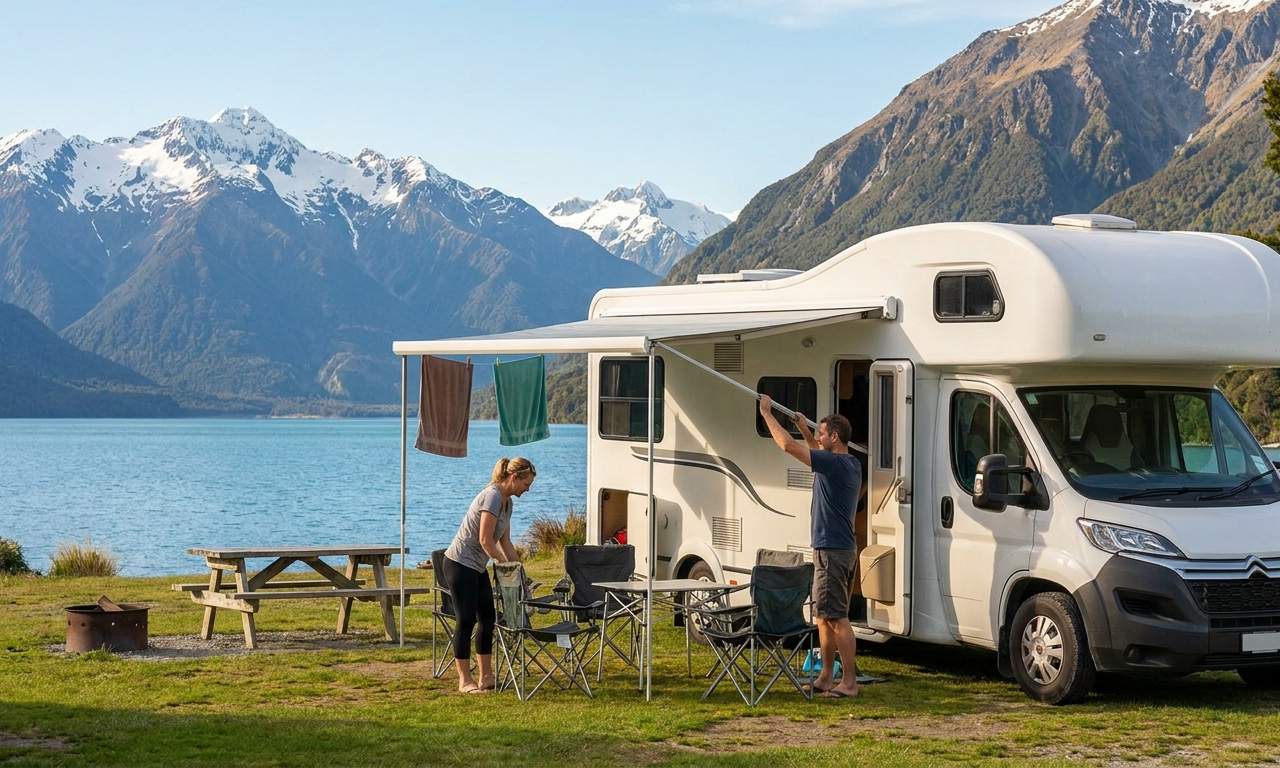
Yes, visitors can absolutely drive a rented RV in New Zealand with a valid overseas driver's license, provided it's in English or accompanied by an approved English translation or an International Driving Permit (IDP).
For most rental motorhomes, including Class A, Class B, and Class C vehicles, a standard car license (Class 1 equivalent in New Zealand) is perfectly sufficient. This covers vehicles up to 6,000 kg Gross Laden Weight, which includes the vast majority of rental fleet options suitable for couples. The minimum rental age across Bandana's partner suppliers is 21 years old, with no young driver surcharges or vehicle class restrictions based on age, ensuring accessibility for many travelers. We believe in clear expectations, which is why we offer full transparency on all requirements from the outset. An International Driving Permit (IDP) is recommended for visitors from non-English speaking countries to avoid any language barriers, though it is generally not mandatory if your license is already in English.
Road Conditions & Terrain in New Zealand
New Zealand's roads are generally well-maintained, but they are known for their diverse and often challenging terrain, featuring winding coastal routes, steep mountain passes, and occasional unsealed (gravel) roads.
As you plan your romantic journey across the North and South Islands, be prepared for narrower and more winding roads than you might be used to, particularly in the most scenic and mountainous regions. This isn't a problem, just a call for slower speeds and careful driving. You'll encounter numerous one-lane bridges, especially in rural areas; it's crucial to observe the 'give way' rules indicated by signs, which typically grant priority to traffic already on the bridge or to vehicles on your right. Traveling slowly, perhaps averaging 100-150 km per day, allows you to truly immerse yourselves in the stunning scenery and navigate these unique road features with ease. Many of the 1,300+ pre-planned routes available through our sister company RV PLANET (rvplan.net) factor in these conditions to provide realistic daily distances, ensuring you savor every moment of your journey.
RV Size Limits, Bridges & Restricted Zones
When planning your adventure, be aware that while New Zealand generally accommodates RVs of various sizes, drivers must be mindful of height, width, and weight restrictions, particularly for low bridges, tunnels, and Interislander ferry crossings.
Always observe posted height and weight restrictions, especially for car parks in cities and some older, charmingly narrow tunnels. For example, some scenic routes may feature tunnels with height clearances around 3.5-4 meters. Accurate RV dimensions are absolutely critical when booking your passage on the Interislander ferry, which connects the North and South Islands, as vehicle length directly impacts pricing and availability. Being true RV specialists, we understand these details matter for a seamless trip. We recommend checking these specifics in advance, especially if your itinerary includes lesser-traveled roads or urban areas. Remember, driving slowly and carefully means you can drive almost anywhere without issues, and there's no need to stress about size—just use common sense and pay attention to signage.
Fuel: Diesel vs. Petrol & Cost per 100 km
Most rental RVs in New Zealand operate on diesel fuel, which requires payment of Road User Charges (RUC) in addition to the pump price, while petrol (gasoline) is available for smaller campervans like the "campervan hire new zealand example Hippie Drift".
For diesel vehicles, the RUC is a government tax based on the distance traveled, typically managed by rental companies who either collect it upfront or charge it upon return. Based on Bandana's global fleet averages, a compact Class B Camper Van generally consumes 8-10 Liter/100 km, a Class SI Semi-integrated motorhome uses 10-11 Liter/100 km, and larger Class C Alcoves average 10-12 Liter/100 km. It's wise to factor these fuel costs into your budget. For easy budgeting and tracking every expense along your journey, RV PLANET routes allow you to itemize and track all ancillary trip costs. While New Zealand fuel prices can be higher than in some other countries, planning your route and being aware of RUC for diesel vehicles ensures full transparency, with no surprises. On the routes offered through RV PLANET routes, you can itemize and track every expense along the way for easy budgeting.
Tolls, Vignettes & Border Rules
New Zealand has a few electronic toll roads, predominantly on the North Island, which can be conveniently paid online or through prior arrangements with your rental company, and as an island nation, there are no international land border crossing rules for RVs.
The main toll roads to be aware of include the Northern Gateway Toll Road north of Auckland, the Tauranga Eastern Link Toll Road, and the Takitimu North Link Toll Road near Tauranga. These tolls are paid electronically via online platforms before or after your travel, or often through a pre-paid account that your rental provider may offer to simplify the process. This straightforward system is part of our commitment to full transparency, ensuring you experience no hidden fees or unexpected charges while on your romantic journey. No need for vignettes or complicated border procedures here, just smooth sailing between islands with the Interislander ferry!
Driving Tips for RV Rental Travelers
To ensure a safe and enjoyable RV trip in New Zealand, travelers should prioritize defensive driving, fully understand local road rules, and always allow ample time for travel between destinations.
Always drive on the left-hand side of the road and remember that winding, scenic routes mean journeys often take longer than anticipated. Embrace slow travel, aiming for a maximum of 100-150 km per day on average, to truly connect with the culture, food, and scenery. Take regular breaks every two hours, especially during longer drives, to combat fatigue. Utilize designated overtaking lanes to allow faster traffic to pass safely, as a courtesy to local drivers. Be vigilant for potential road hazards such as wandering wildlife (yes, sheep and cattle are common sights!) and rapid changes in weather conditions. With a rented motorhome, you have the flexibility to pull over and rest whenever needed, making safety a priority.
Recommended RV Class for New Zealand Roads
For most couples exploring New Zealand, Class B Camper Vans or Class SI Semi-integrated motorhomes are highly recommended due to their optimal balance of maneuverability on winding roads and comfortable living space.
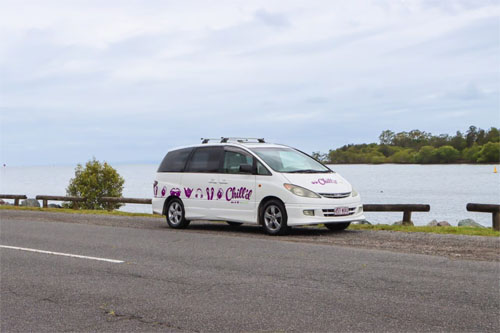
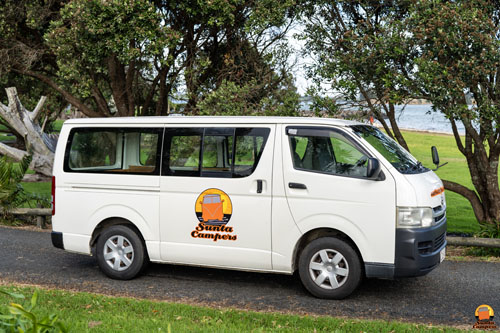
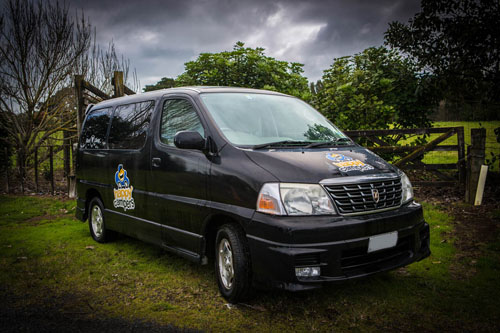
Class B Camper Vans, such as the "rv rental denver example Category Van" or "2 Berth Hi Top" often averaging around 5.8 meters in length, offer easy handling and parking, ideal for navigating towns and narrower scenic routes, perfect for two people. For those desiring more amenities and space, Class SI Semi-integrated motorhomes, like a "2 Berth Rover" (around 6.9 meters), provide comfortable living areas, full bathrooms, and well-equipped kitchens, making them perfect for longer, more luxurious romantic getaways. You can prepare delicious meals on board, perhaps using recipes from our RV-friendly recipes playlist. Even larger Class C Alcove motorhomes, like a "4 Berth Adventurer" at 7.4 meters, or Class A Integrated models are suitable for families requiring more room, and while they might require a bit more caution on very narrow or steep routes, they are manageable for experienced drivers. There's no single "best" choice, but rather the right choice for your travel style, and our team of true RV specialists is here to help you compare options from over 50 leading suppliers like Apollo and Britz to find your perfect fit.
Should I Choose a Compact Van Instead of a Large RV in New Zealand?
While a compact van certainly offers slightly easier maneuverability in tight spaces and urban parking, most RV sizes are generally suitable for New Zealand's main roads, and the added comfort and amenities of a larger motorhome often outweigh minor driving challenges.
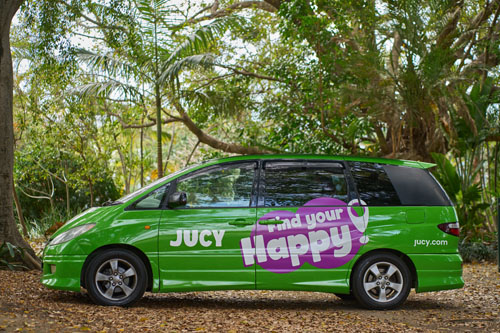
For a romantic trip, a compact campervan like the "campervan hire new zealand example Hippie Drift" is fantastic for easy driving and stealth camping, but a larger Class B or Class SI motorhome offers significant advantages. Models like the "V2L", at 5.99 meters, or the "V3" for a similar length, offer full bathrooms and more comfortable beds (e.g., V3 has two single beds or a double bed option for couples), greatly enhancing the living experience, especially for extended road trips. A larger RV, such as the 7.4-meter "6 Berth Discovery", provides substantially more living space, a full kitchen, and a private bathroom, allowing you to enjoy your meals and unwind in comfort after a day of exploring. Drive slowly and carefully, and you can drive almost anywhere without issues. No need to stress-just use common sense and pay attention to signage. Our goal is to provide you with the easiest, safest, and most affordable way to rent an RV, and that includes helping you choose the right vehicle for your comfort and confidence.
Can I Park Anywhere? Free & Wild Camping Rules in New Zealand
No, you cannot simply park a rented motorhome anywhere in New Zealand; freedom camping is strictly regulated and is only permitted for certified self-contained vehicles in designated areas where expressly allowed.
Your RV must proudly display a blue 'Self-Contained' sticker to legally freedom camp. This certification verifies that your vehicle has onboard wastewater, fresh water, and toilet facilities sufficient for at least three days of use, ensuring you leave no trace. Always consult official resources like local council websites, the Department of Conservation (DOC), or apps such as Rankers and CamperMate to locate designated freedom camping sites. Parking overnight outside these designated areas or in a non-self-contained vehicle can result in substantial fines, up to NZD $400. Being prepared and respectful of local regulations is key to an enjoyable and sustainable RV adventure in New Zealand.
Can I Drive an RV Into the City Center? Heights, Tunnels & Local Signage
Yes, rented RVs can generally be driven into New Zealand city centers, but drivers must pay close attention to specific local signage for parking, height restrictions, and weight limits, especially near older infrastructure or multi-story car parks.
Most main urban roads in cities like Auckland, Wellington, and Christchurch are accessible to motorhomes. The primary challenge typically lies in finding suitable parking for larger vehicles. Always observe height restrictions for covered car parks and tunnels; these are clearly marked. Drive slowly and carefully, and you can drive almost anywhere without issues. No need to stress-just use common sense and pay attention to local signage, and you'll navigate city centers successfully.
What is the 4 second rule in New Zealand?
The 4-second rule in New Zealand is a crucial defensive driving technique advising drivers to maintain a safe following distance of at least four seconds behind the vehicle in front, which is particularly important when driving a larger vehicle like a rented RV.
To effectively apply this rule, choose a fixed point on the road, such as a sign or a lamppost. When the vehicle in front of you passes that point, count "one thousand and one, one thousand and two, one thousand and three, one thousand and four" before your RV reaches the same point. If you reach the point before completing the count, you are following too closely. This recommended following distance should be increased further in adverse weather conditions (rain, fog, ice), on unsealed roads, or when driving at night, due to increased braking distances and reduced visibility. Practicing this rule is a simple yet effective way to enhance safety on your New Zealand road trip.
Is it difficult for Americans to drive in New Zealand?
While many aspects of driving in New Zealand are straightforward, Americans may initially find it challenging due to driving on the left-hand side of the road, the narrower and often winding nature of the roads, and the prevalence of manual transmission vehicles in some rental fleets.
The most significant adjustment for American drivers is undoubtedly adapting to driving on the left, which requires constant vigilance, particularly at intersections, roundabouts, and when entering or exiting roads. New Zealand's scenic routes are often narrower, steeper, and more winding than typical American highways, necessitating slower speeds and increased concentration. Many rental motorhomes in New Zealand are automatic, mitigating the manual transmission challenge, but it's always good to confirm your vehicle type. Furthermore, jet lag from long-haul flights can impact concentration during the initial days of driving, making it advisable to plan shorter routes or take extra breaks when you first arrive. Despite these adjustments, thousands of American visitors successfully navigate New Zealand by rented motorhome annually, and with patience and adherence to local rules, it is a truly rewarding experience.
How hard is it to drive a motorhome in New Zealand?
Driving a motorhome in New Zealand is manageable for most experienced drivers, but it certainly requires heightened awareness and adaptation to unique road conditions, which can make it feel harder than driving a standard car.
The winding and often narrow nature of New Zealand's scenic roads, combined with the larger size and weight of a rented RV, necessitates slower speeds and more cautious maneuvering. You'll regularly encounter one-lane bridges with explicit 'give way' rules, and you must be mindful of longer braking distances compared to smaller vehicles. However, with thousands of visitors successfully exploring New Zealand by motorhome every year, it's clear that these challenges are easily overcome with patience, common sense, and attention to local signage. Remember our advice: drive slowly and carefully, and you can drive almost anywhere without issues. For optimal peace of mind, you can upgrade to a top-level deductible reimbursement, ensuring you travel with confidence.
What is the 333 rule for campervan?
The '333 rule' for campervans in New Zealand is an unofficial but widely adopted responsible freedom camping guideline that suggests staying no more than three nights in one spot, traveling at least 3 km between stops, and carrying enough supplies (including waste capacity) for three days.
This guideline promotes sustainable tourism practices, encouraging campers to move regularly to reduce their environmental impact and prevent over-tourism in sensitive natural areas. The 'three days' aspect for supplies aligns perfectly with the self-contained vehicle certification requirements, ensuring that campers are fully self-sufficient with onboard fresh water, wastewater, and toilet facilities. Adhering to the 333 rule not only helps preserve New Zealand's pristine environment but also contributes to a positive experience for all travelers. It's a great example of how small details make a big difference in responsible travel, a philosophy we deeply share at Bandana Caravan.
Who insures motorhomes in NZ?
Motorhomes rented in New Zealand are primarily insured by the rental companies themselves, typically including basic coverage, with options for purchasing additional excess reduction waivers or relying on third-party travel insurance.
Every rental agreement will include a base insurance policy as standard. However, this policy usually comes with a high excess (often referred to as a deductible in other countries), which is the amount you, as the renter, would be liable for in the event of damage or an accident. Most reputable rental companies, including Bandana's direct partners like Apollo and Britz, offer various excess reduction options. These allow renters to significantly lower or even waive this liability for an additional daily fee, providing extra peace of mind. We always advocate for full transparency, so these options are clearly laid out during your booking process, ensuring no surprises.
How much does it normally cost to insure an RV?
The cost to insure a rental RV in New Zealand varies significantly, generally ranging from NZD 25 to NZD 75 per day for excess reduction waivers, depending on the rental company, vehicle type, and the chosen level of coverage.
While basic insurance is usually included in the rental price, this daily cost is specifically for reducing your financial liability, or excess, which without the waiver can range from NZD 2,500 to NZD 7,500. Factors influencing the daily excess reduction cost include the RV's class (e.g., a "Paradise Family 5" campervan might have different rates than a larger "MH-A" motorhome), the duration of your rental, and sometimes the age of the drivers. Some comprehensive travel insurance policies may offer rental vehicle excess cover, providing a potentially more cost-effective alternative to the rental company's daily waivers, so it's always worth checking your personal travel insurance details. We compare final prices across 50+ suppliers so you don't have to, making it easy to see all your options.
How much does caravan insurance cost in New Zealand?
While 'caravan' in New Zealand typically refers to a towable trailer, the insurance costs for rented motorhomes (self-propelled RVs) are usually covered by the rental company's included insurance with optional daily excess reduction fees, ranging from approximately NZD 25-75 per day.
For motorhome renters, the primary 'insurance' consideration is the daily fee paid to reduce the excess (deductible) on the base policy provided by the rental company. This optional upgrade significantly reduces your out-of-pocket expenses in case of an incident, letting you travel with peace of mind. For context, for privately owned towable caravans, annual insurance premiums can vary widely, typically ranging from NZD 300 to over NZD 1,000, influenced by the caravan's value, age, and chosen level of coverage. Bandana specializes exclusively in motorhome and campervan rentals, ensuring we are true RV specialists focused on providing the best options for your self-contained road trip adventure.
What You Shouldn't Miss
New Zealand is a tapestry of natural wonders, and with a rented RV, you have a mobile headquarters to venture out to its most romantic and awe-inspiring spots. Here are a few must-do experiences for couples:
- **Explore the South Island's Fiords:** Drive through Fiordland National Park to Milford Sound or Doubtful Sound. Imagine cruising through towering mountains, with waterfalls cascading into the dark waters, before settling into a peaceful campground.
- **Star-Gazing in Aoraki Mackenzie International Dark Sky Reserve:** Head to Lake Tekapo or Mount Cook Village in the South Island. With minimal light pollution, the night sky is absolutely phenomenal, perfect for a romantic evening.
- **Relax in Rotorua's Geothermal Hot Pools:** On the North Island, immerse yourselves in the therapeutic hot springs of Rotorua. Afterwards, enjoy a traditional Māori hāngi meal, connecting with the local culture.
- **Wine Tasting in Marlborough:** The South Island's Marlborough region is world-renowned for its Sauvignon Blanc. Take a leisurely day to tour vineyards and sample exquisite wines, all from the comfort of your own schedule.
- **Hike a Great Walk Section:** Even if you're not tackling an entire multi-day trek, consider doing a day section of one of New Zealand's Great Walks, like the Abel Tasman Coast Track for stunning beaches or the Tongariro Alpine Crossing (weather permitting) for dramatic volcanic landscapes.
- **Discover Glacier Country:** Visit Franz Josef or Fox Glacier on the West Coast of the South Island. Take a scenic helicopter ride for incredible views, or simply enjoy a romantic stroll to the glacier viewpoints.
Looking for expert insights from Avi Bandana? Top 5 Adventures - recommendations from Avi Bandana.
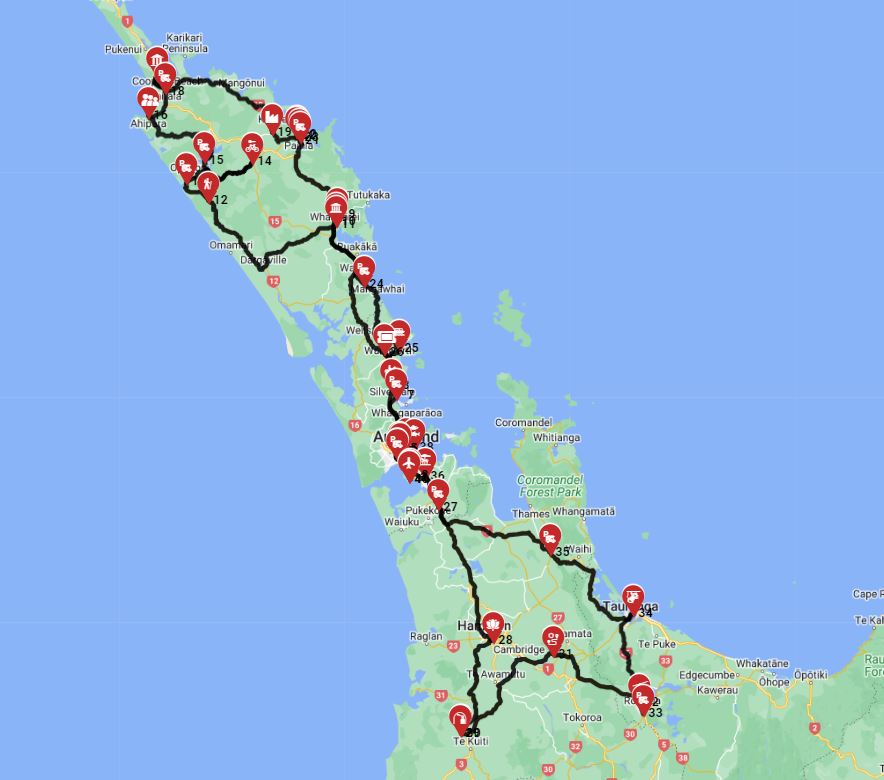
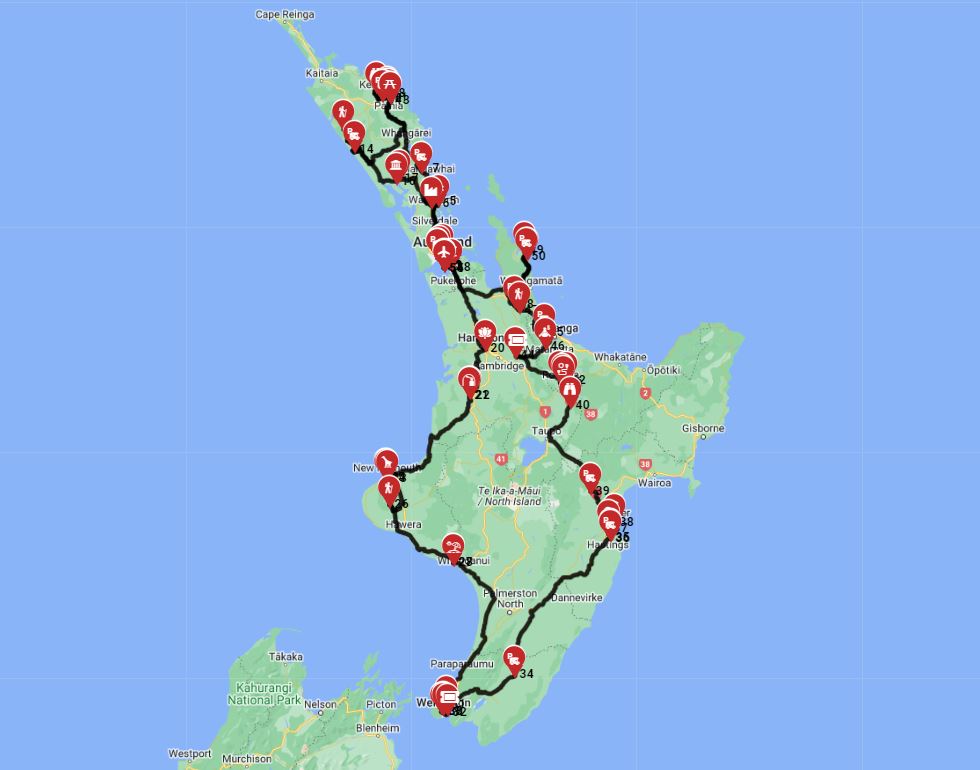
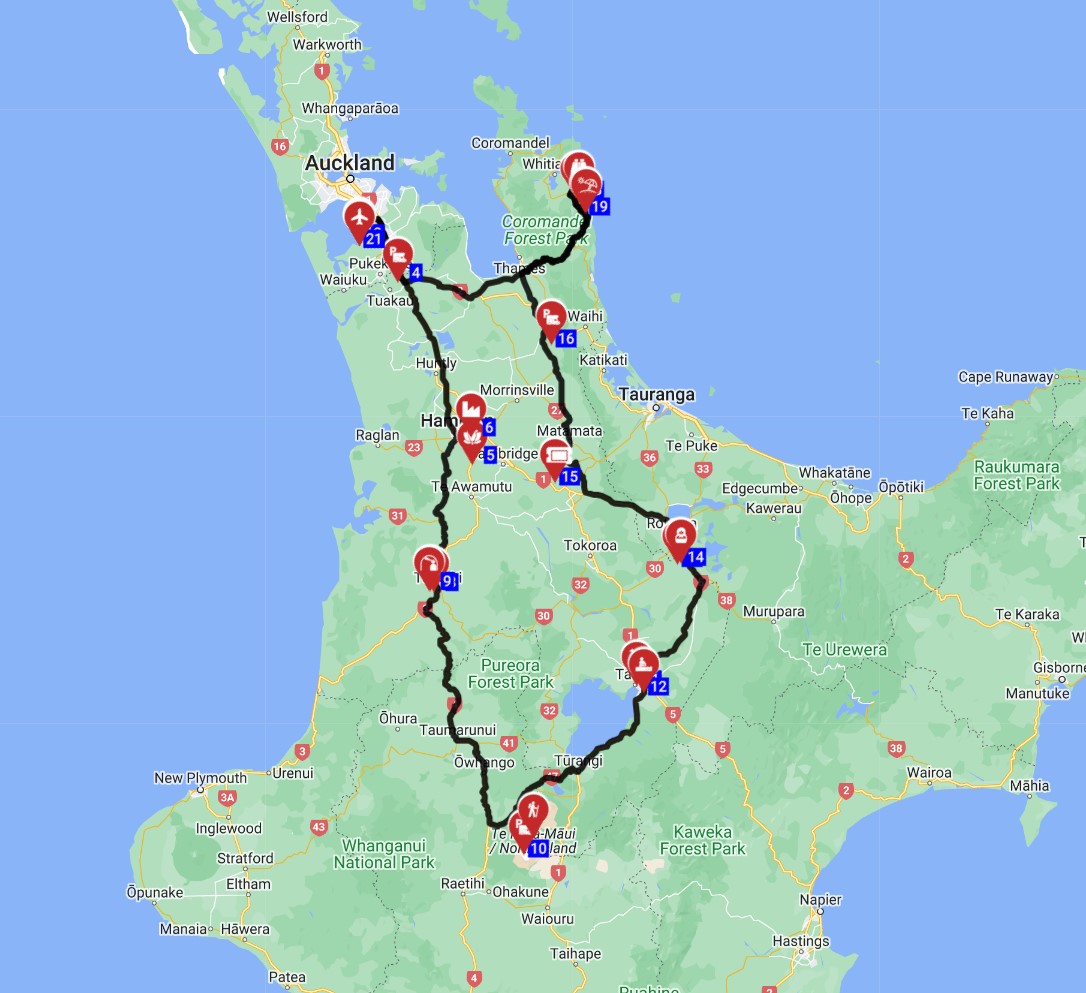
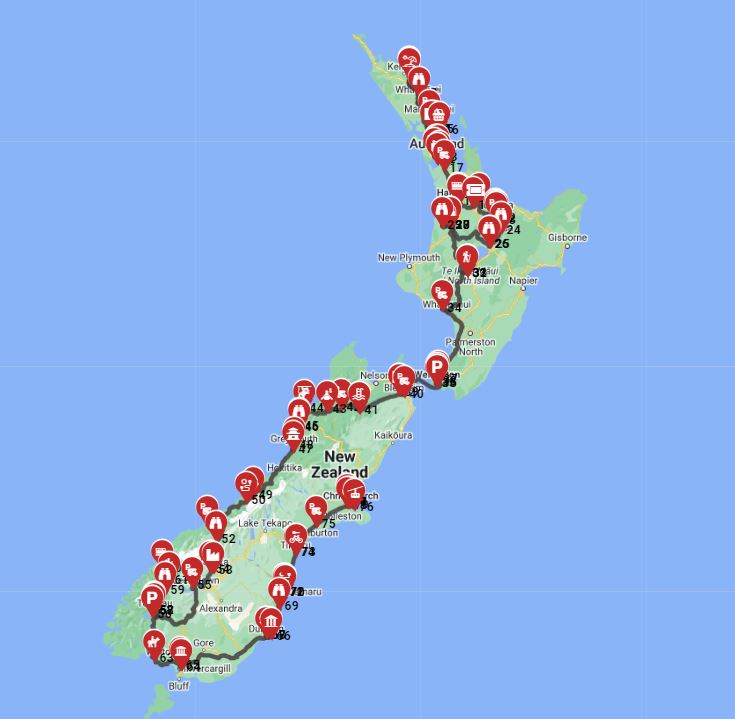
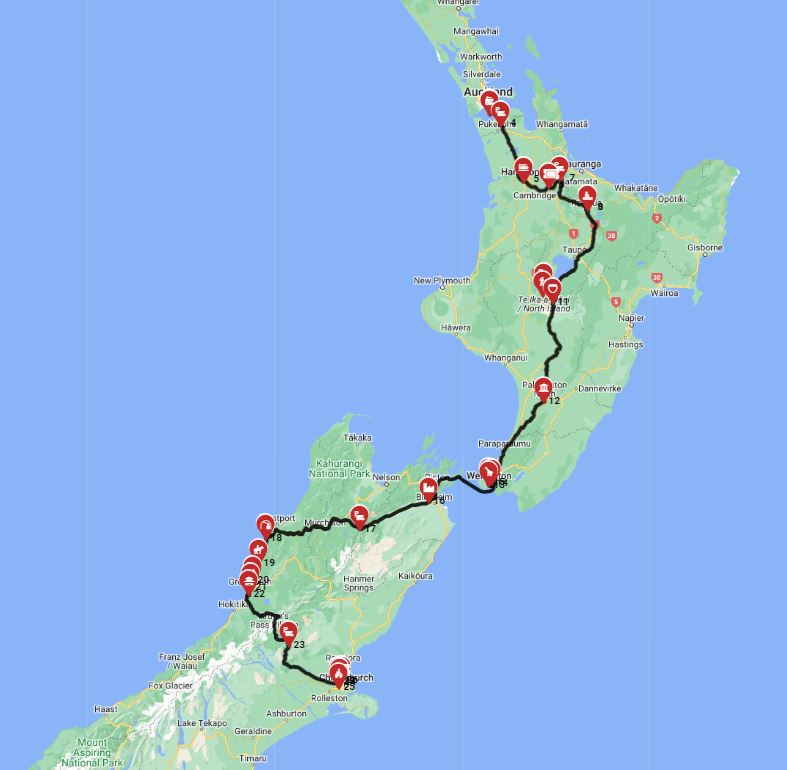
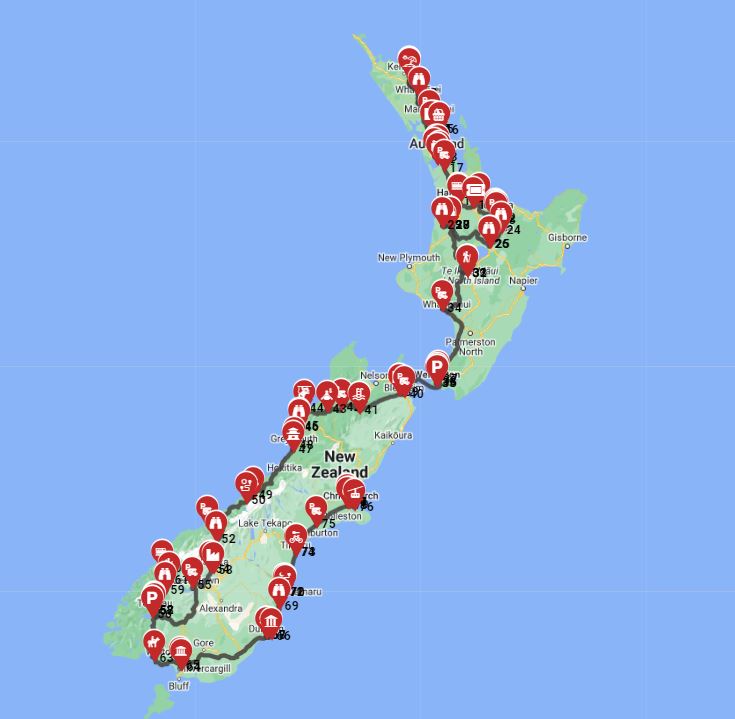
For couples dreaming of a comprehensive exploration, the "
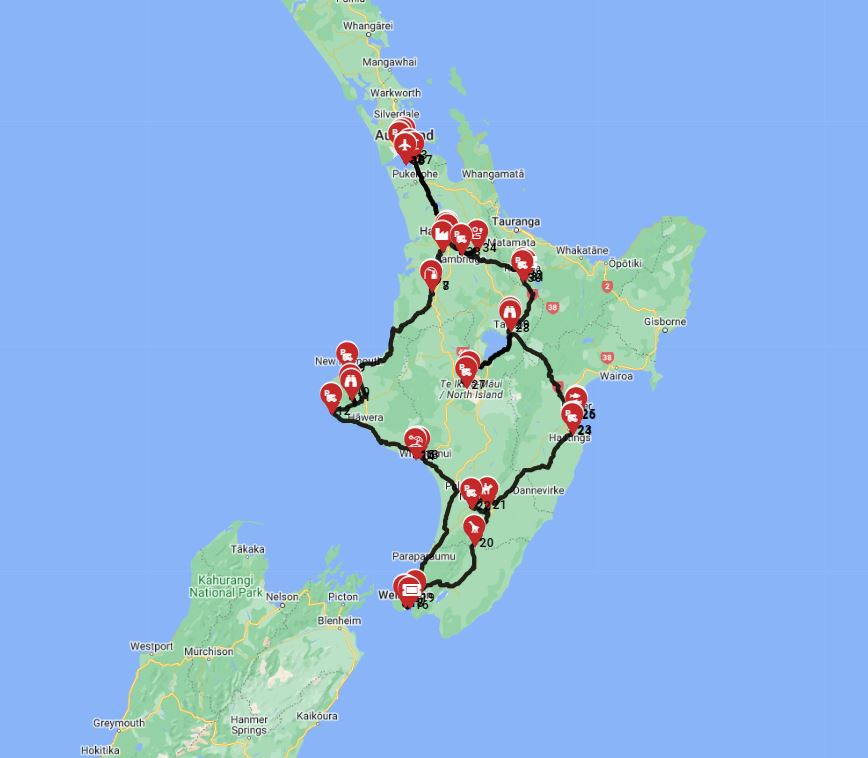
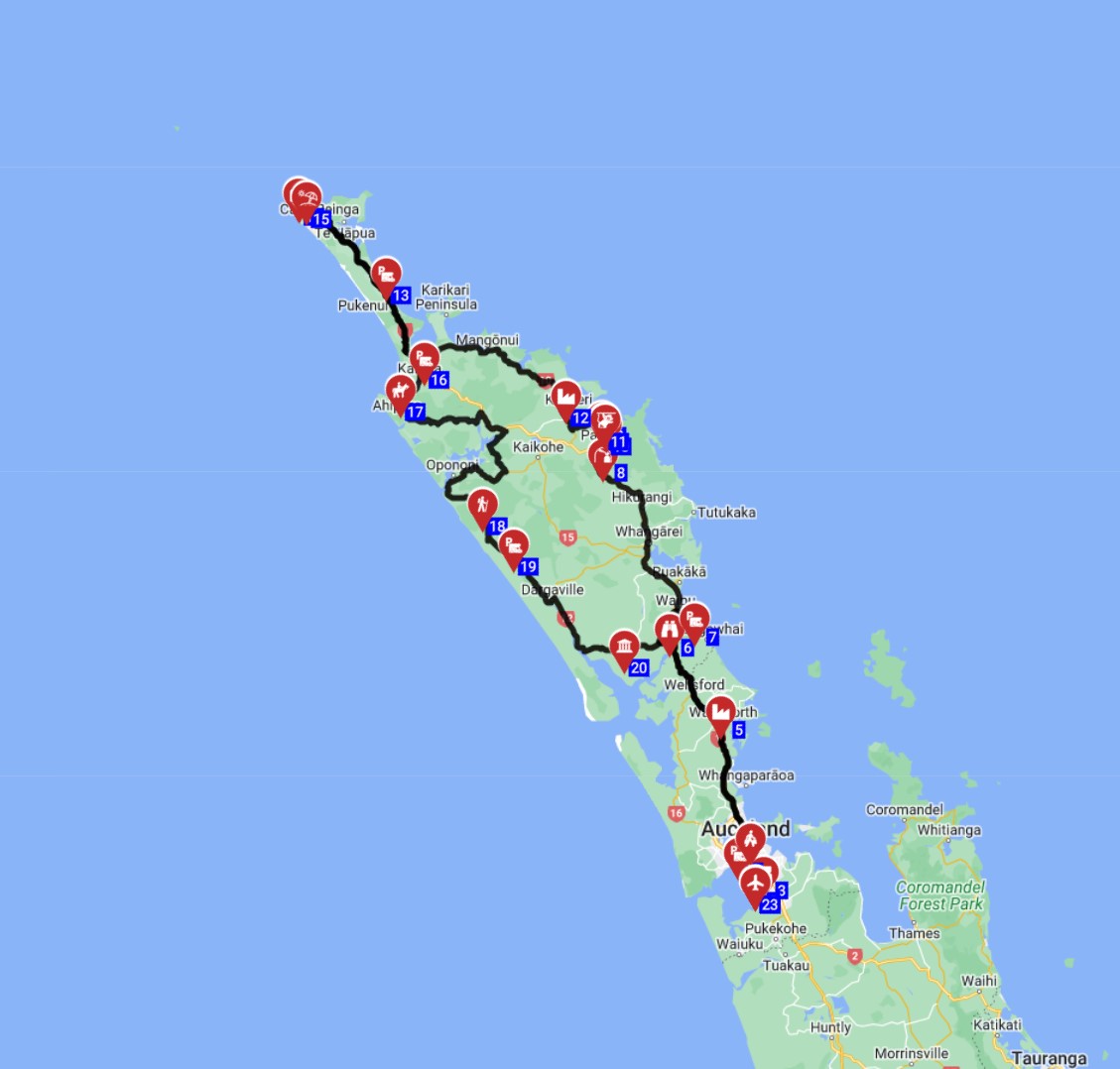
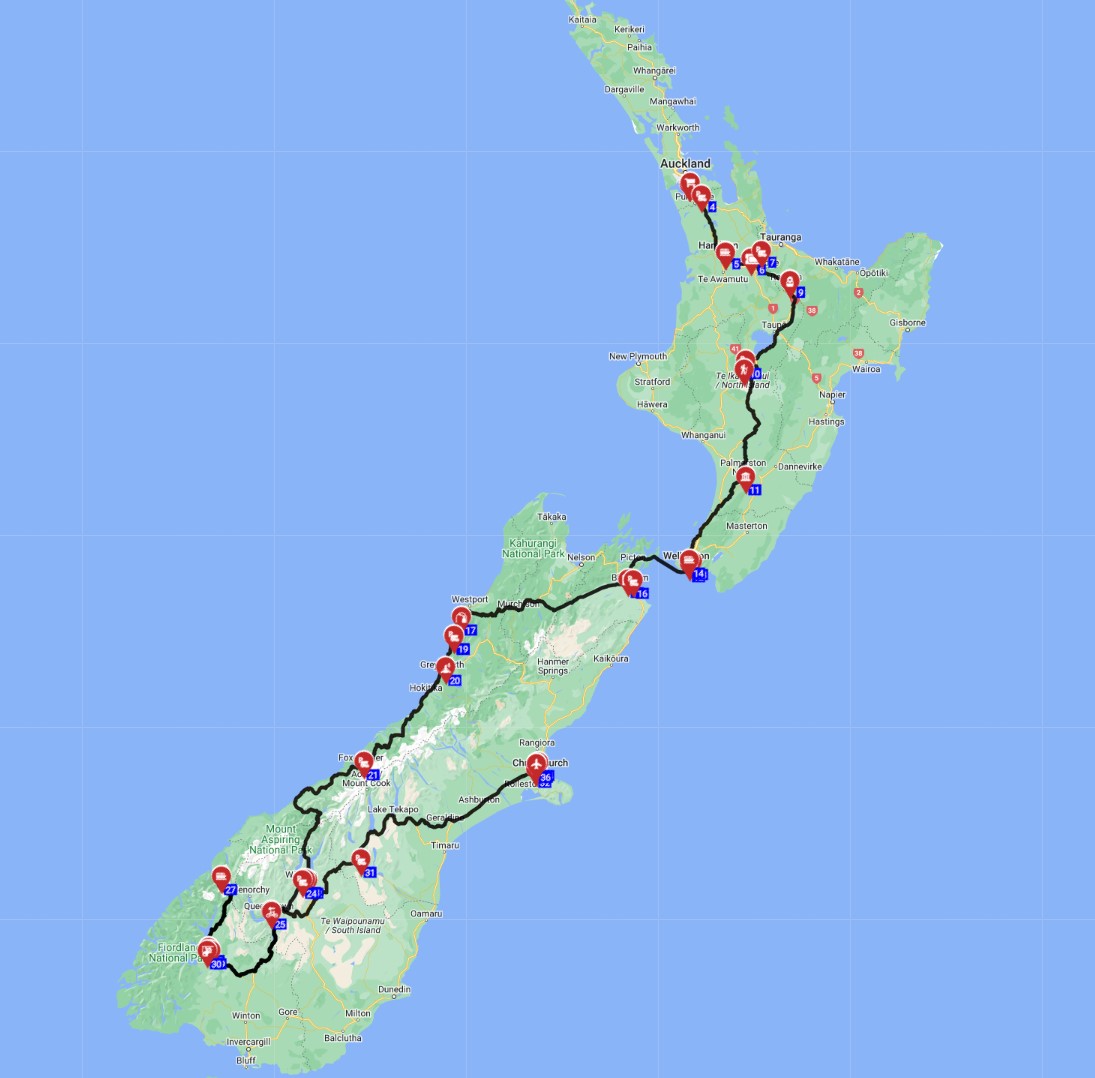
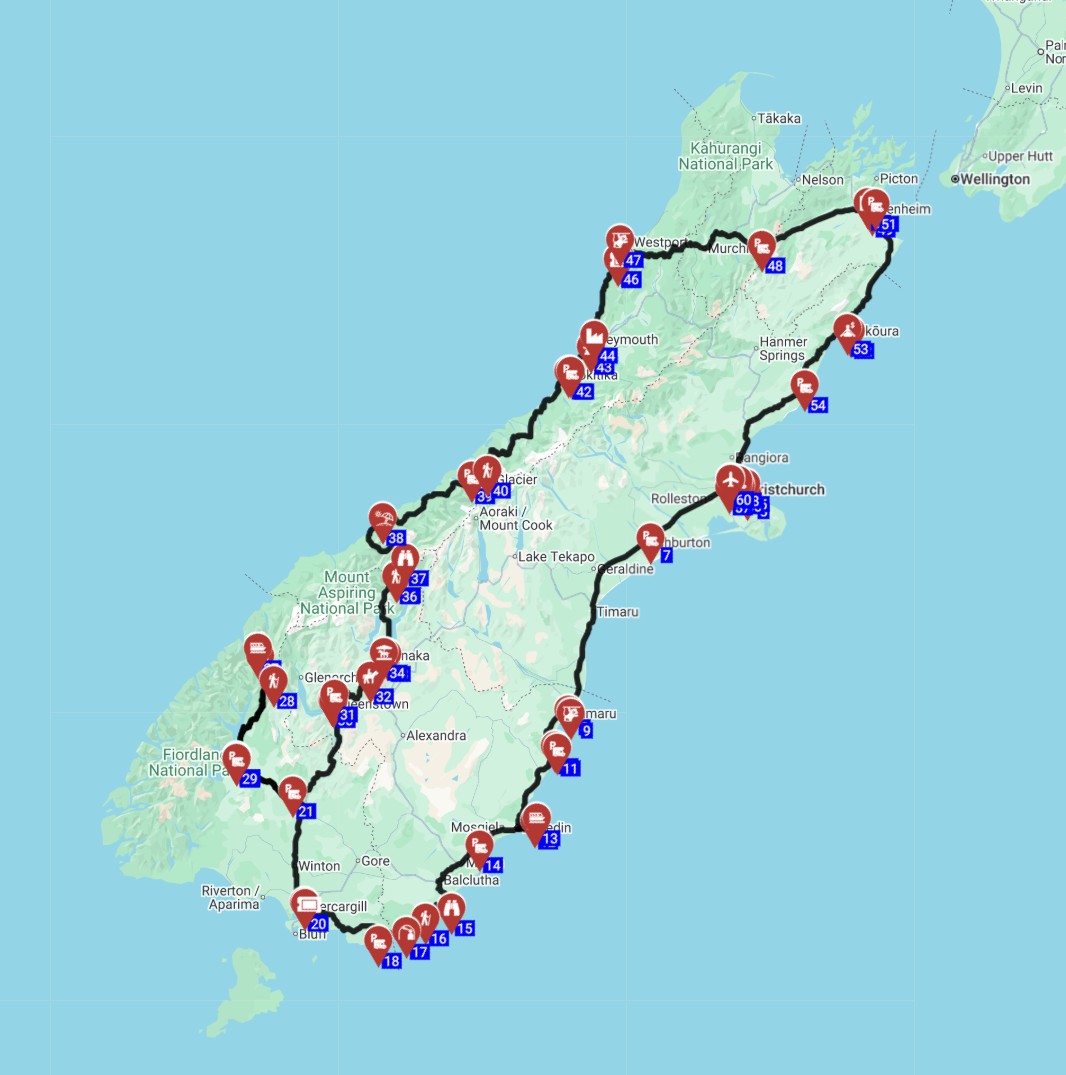
If your romantic journey focuses solely on the breathtaking South Island, the "
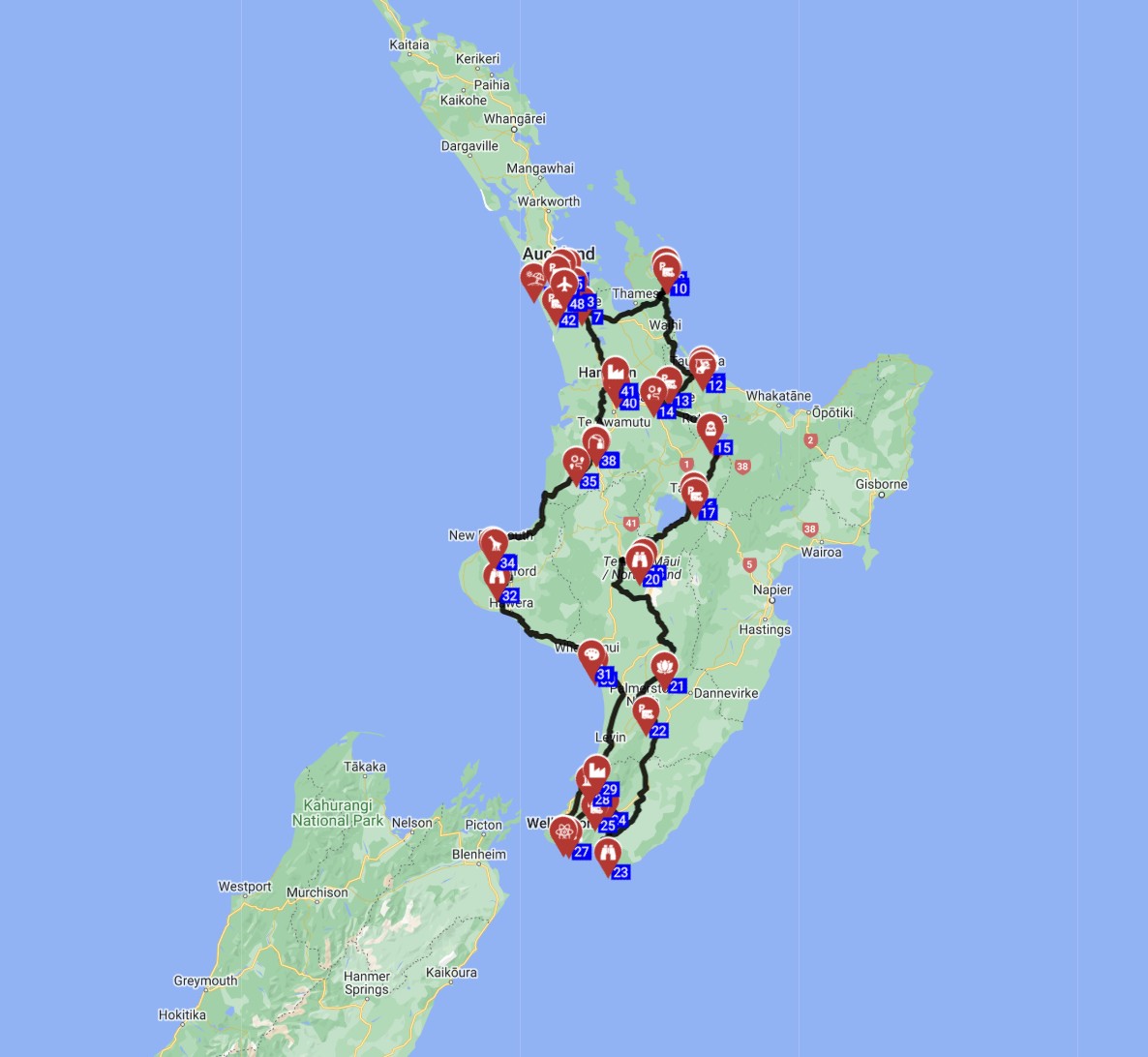
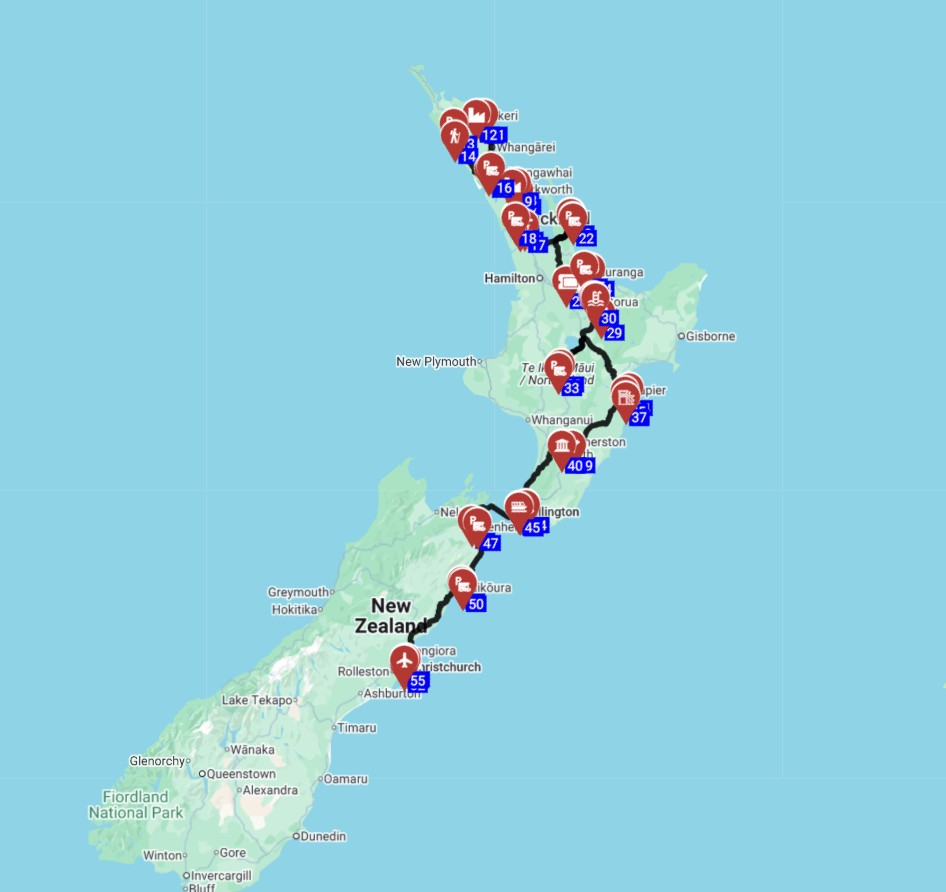
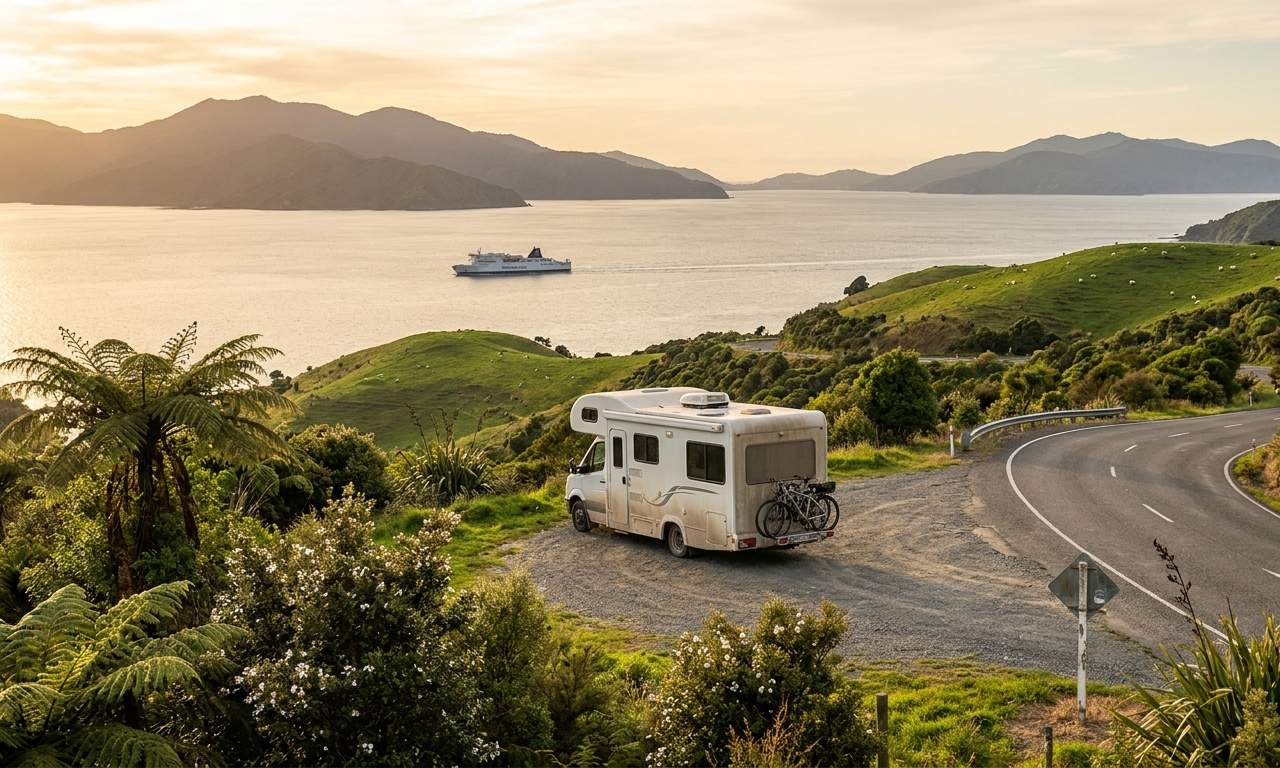
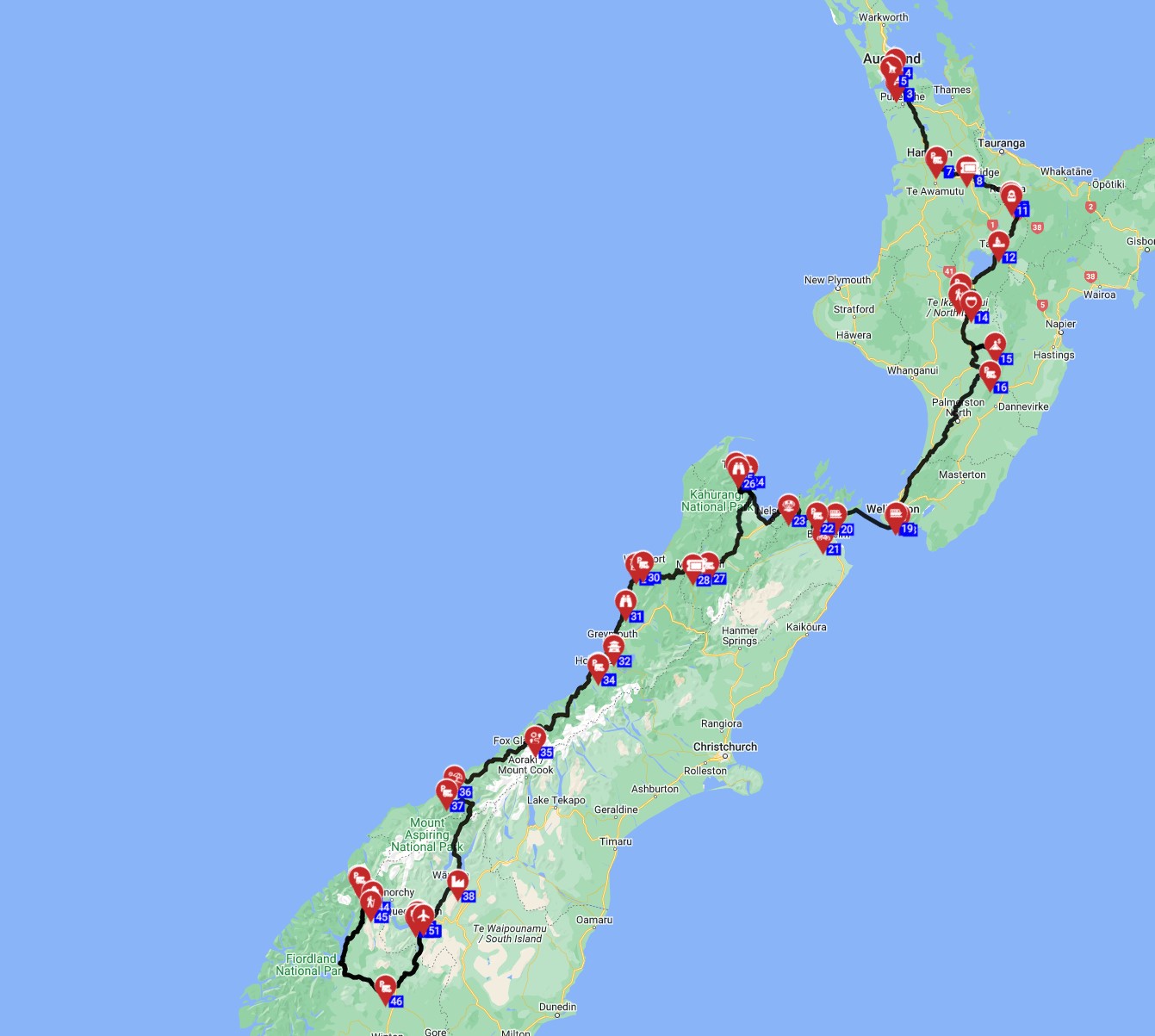
Alternatively, the "
Final Thoughts
New Zealand truly is a playground for the senses, and there's no better way for couples to experience its magic than with a rented RV. Imagine the freedom of waking up to a new, spectacular view each day, preparing breakfast together in your mobile home, and embarking on adventures that are uniquely yours. From the tranquil fjords to the vibrant cities, every turn in the road promises a new discovery.
We're here to ensure your journey is as smooth and delightful as the landscapes you'll encounter. With our commitment to full transparency and personal support, you can focus on making cherished memories, knowing all the details are handled. Don't just dream about it-make this romantic RV road trip a reality. Discover top destinations, planning tips, all in one place!
Ready to ignite your romance amidst New Zealand's stunning scenery? It's time to compare motorhome prices for New Zealand and begin planning the adventure of a lifetime with your loved one!