In This Guide
- Top 5 Tips for RV Rental in Australia
- Before You Book - Class, Dates, Insurance
- Pre-Trip Prep - Packing Checklist for Australia
- On the Road - Driving, Fueling, Navigation
- At the Campground - Setup, Hookups & Etiquette
- RV Rental-Specific Tips for Australia
- Common Mistakes to Avoid in Australia
- What is the 3 3 3 rule for campervan?
- What are the drawbacks of renting an RV?
- How much does it cost to rent a RV in Australia?
- Can you park an RV anywhere in Australia?
- How much is a 1 week RV rental?
- Is it worth having a toilet in a campervan?
- Can US citizens rent a car in Australia?
- What not to do in Australia as an American?
- Is 3000 AUD enough for 2 weeks in Australia?
Imagine waking up to the sound of kookaburras, sipping your morning coffee with kangaroos grazing nearby, and having the freedom to chase sunsets along Australia’s spectacular coastlines. Renting an RV in Australia offers an unparalleled sense of adventure, allowing you to discover remote beaches, vibrant cities, and ancient landscapes at your own pace. At Bandana RV, we're true RV specialists who understand the unique joy of a motorhome journey, and we're here to help you navigate everything from initial planning to on-the-road realities with full transparency and dedicated support.
For live availability and current prices, start with our RV Rental Australia - Complete Guide 2026 guide. We've been helping tens of thousands of travelers explore the world by RV since 2001, providing direct partnerships with over 50 leading RV suppliers worldwide, including popular choices like Apollo and Britz. Our goal is to make your Australian RV rental experience seamless and unforgettable, providing honest, professional advice every step of the way.
Top 5 Tips for RV Rental in Australia
Securing your preferred RV model and better rates is best achieved by booking your RV well in advance, especially for peak seasons like the Australian summer (December-February) or school holidays. Secondly, thoroughly understand your insurance options and coverage; basic insurance is always included, but you can upgrade to a top-level deductible for extra peace of mind and comprehensive protection against incidents like accidents or theft. Thirdly, plan your route with realistic driving distances, aiming for a maximum of 100-150 km per day on average, accounting for Australia's vastness and the need for frequent stops in remote areas. Fourth, drive defensively and be vigilant for wildlife, particularly at dawn and dusk, which are active times for kangaroos and other animals. Finally, embrace flexibility in your itinerary, allowing for spontaneous stops and adjustments based on local recommendations or unexpected weather. This approach truly lets you connect to the culture, the food, and the scenery.
Before You Book - Class, Dates, Insurance
Choosing the right RV class for your rental in Australia depends on your travel style and group size, with options ranging from compact 2-berth campervans for couples to larger 6-berth motorhomes for families, and even 4WD campers for off-road adventures. For couples, a "rent rv example A1" or "luxury rv rentals example Carthago Malibu 600" might be ideal, featuring a shower and toilet. Families might consider a spacious "6 Berth Deluxe" or "Family Sleeper (FS)" which often include multiple double beds and a refrigerator. Locking in your rental dates for an Australian RV trip is best done several months in advance, particularly if traveling during high season (e.g., Australian summer holidays, Easter, school breaks) to ensure availability and potentially lower prices. RV rental insurance options typically include basic third-party liability coverage, with additional options for collision damage waiver (CDW) or comprehensive packages that reduce excess liability for incidents like accidents, theft, and windscreen damage. Insider tip: Basic insurance is always included. To see prices including the most comprehensive coverage, select that option during search – then all relevant insurance options will be shown. You can also upgrade to a top-level deductible for extra peace of mind, a key differentiator offered by Bandana RV.
Pre-Trip Prep - Packing Checklist for Australia
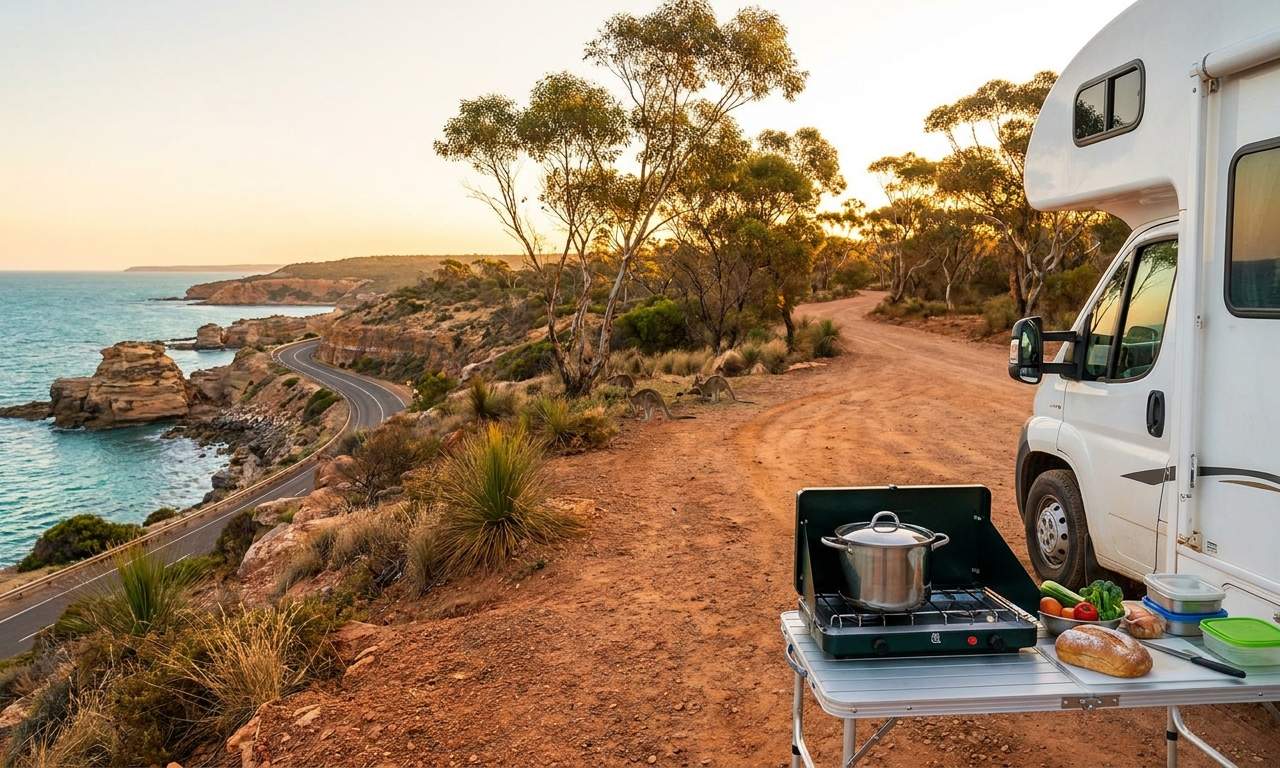
A comprehensive packing checklist for a rented RV trip in Australia ensures you're prepared for diverse climates and conditions across its vast land. Essential items include clothing suitable for hot days and cooler nights, sturdy walking shoes for exploring national parks, basic kitchenware, and safety equipment such as a first-aid kit and insect repellent. Always bring all necessary travel documents, including your passport, driver's license (a standard car license is sufficient for all motorhome classes, though an International Driving Permit is recommended for non-English speakers), and copies of your rental agreement and insurance details. For cooking on the go, consider bringing reusable bags for groceries and spices to enhance your onboard meals. Check out our RV-friendly recipes playlist for delicious and easy meal ideas. On the routes offered through RV PLANET routes, you can itemize and track every expense along the way for easy budgeting.
On the Road - Driving, Fueling, Navigation
Driving a rented RV in Australia requires adherence to local road rules, which notably include driving on the left-hand side of the road and observing posted speed limits that typically range from 50 km/h in urban areas to 110 km/h on highways. Always remember to drive slowly and carefully; you can drive almost anywhere without issues. No need to stress - just use common sense and pay attention, even with larger Class A motorhomes. Planning for fueling stops is crucial, especially when traveling through remote areas where petrol stations can be sparse, with distances between them sometimes exceeding 200 km, and carrying extra fuel in approved containers can be a wise precaution. Effective navigation tools, such as up-to-date GPS systems and reliable offline maps or apps like WikiCamps Australia, are essential for staying on track and finding points of interest, especially when mobile phone service may be limited in regional areas. Remember that Bandana RV offers 24/7 support from real people behind you, ready to assist before and after your booking, ensuring your peace of mind.
At the Campground - Setup, Hookups & Etiquette
Upon arriving at an RV campground in Australia, the setup process typically involves parking your vehicle on your designated site and leveling it using ramps or blocks, ensuring a stable and comfortable stay. Connecting hookups usually follows a sequence: first, securely attach the electrical power cord to a 15-amp outlet (most RVs in Australia use 15-amp power), then the freshwater hose, and finally, prepare your grey and black water tanks for disposal when full at the dump station. Campground etiquette includes observing quiet hours, typically from late evening until early morning, keeping your site tidy, and respecting the privacy and space of fellow campers. Many national and state parks reserve only 25-30% of spots for booking, with the rest available first-come-first-serve; always call ahead before driving to a specific location to check availability. For finding campsites and campgrounds during your trip, we recommend using RV PLANET (rvplan.net) - a great resource for locating available spots along your route.
RV Rental-Specific Tips for Australia
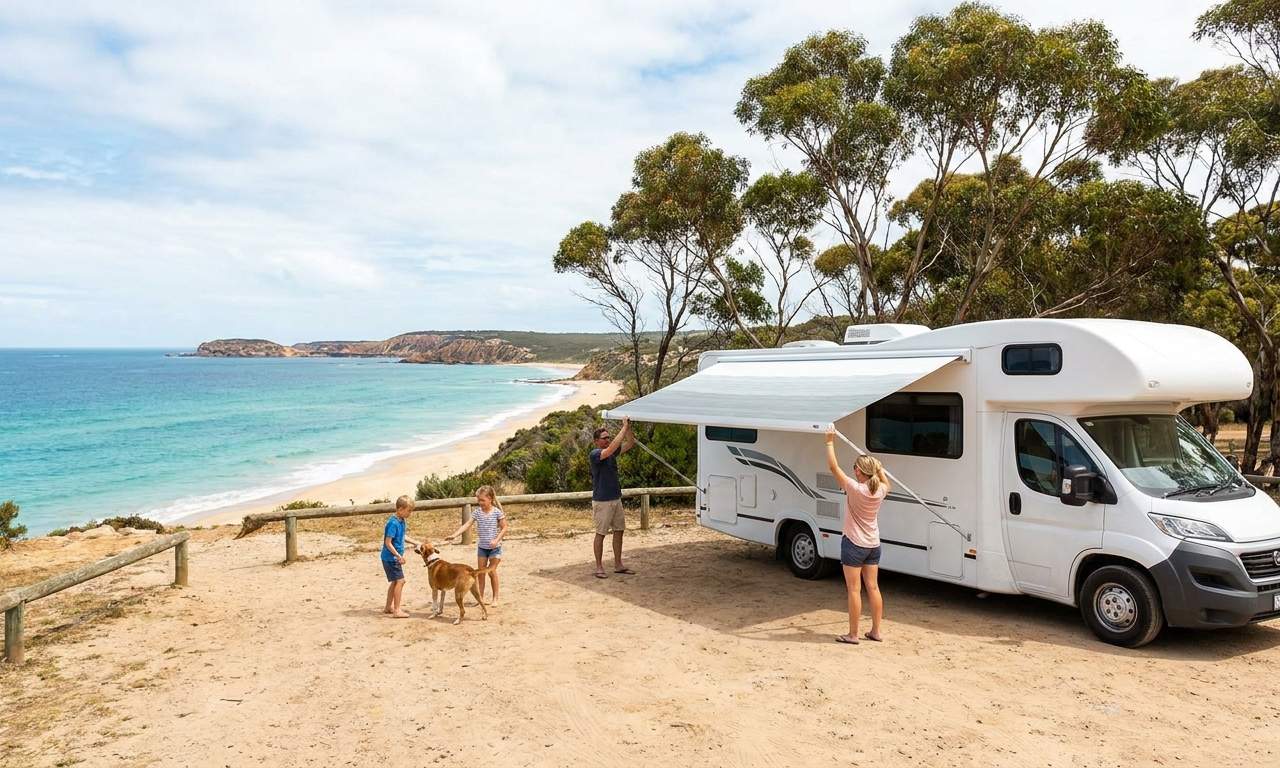
Australia offers a diverse range of motorhomes and campervans suitable for various travel styles and needs. For families, selecting a pet-friendly RV with multiple separate sleeping areas and child-friendly amenities, like a "29′ Class C Motorhome" with a double bed and rear seat belts, can enhance comfort and provide nap-friendly drives. Many Bandana RV partners offer pet-friendly options, ensuring your furry companions can join the adventure. Senior travelers might prioritize ergonomic Class B campervans or Class C motorhomes with automatic transmissions, easy-access beds, and spacious layouts for convenience. For instance, an "Active Standard Auto" campervan could provide comfort for two with an automatic transmission. Budget-conscious renters can significantly save by researching and utilizing free overnight camping spots (often called "free camps") and self-contained friendly rest areas, but always check local regulations as state-specific free camping laws vary dramatically. Luxury RV seekers can opt for premium rented motorhomes like the "Euro Deluxe" or "Exclusive First" models, which include satellite navigation, outdoor cooking facilities, and more spacious living areas for an elevated experience. Remember, Bandana is exclusively focused on RV rental travelers, providing true RV specialists advice.
Common Mistakes to Avoid in Australia
A common mistake to avoid in Australia is underestimating the vast distances between destinations; instead, plan realistic daily driving limits of no more than 100-150 km on average and factor in plenty of rest stops. Another pitfall is driving in rural or remote areas during dusk or dawn when wildlife, such as kangaroos and emus, are most active and pose a significant road hazard; instead, aim to complete your driving during daylight hours. Failing to carry sufficient water and fuel for remote stretches is a critical error; always top up your tanks and carry extra supplies when venturing off main highways. Neglecting to book campsites in popular areas, especially during peak season (December-February), can leave you without accommodation; instead, reserve your spots in advance to guarantee a place, or remember many parks offer first-come, first-served sites. Ignoring local weather warnings, particularly for extreme heat, bushfires, or floods, can be dangerous; instead, stay informed through local media and always heed official advice to ensure a safe trip.
🎬 Video coming soon
What is the 3 3 3 rule for campervan?
The '3-3-3 rule' for campervan travel in Australia is a widely recommended guideline for a relaxed and enjoyable journey, suggesting you drive no more than 300 kilometers (approximately 186 miles) per day, aim to arrive at your campsite by 3 PM, and plan to stay for at least 3 nights at each location. This rule helps prevent driver fatigue, allows ample time for setting up camp and exploring your surroundings, and minimizes the stress of constant packing and unpacking, promoting a slower travel pace to truly feel the place, connect to the culture, the food, and the scenery. Adhering to the 3-3-3 rule supports a more immersive travel experience, letting you truly appreciate the diverse landscapes and local attractions Australia offers. While a guideline, adapting the rule to specific itineraries and conditions, especially in remote Australian regions or during an "RV Travel Guide to Australia - Tips and Top Spots 2026" adventure, is often practical for a seamless trip.
What are the drawbacks of renting an RV?
The drawbacks of renting an RV for travel in Australia can include higher fuel costs due to the vehicle's size and weight, with a typical Class C motorhome consuming around 15-20 liters per 100 km, as well as the initial learning curve associated with driving a larger vehicle and managing its onboard systems. RV rentals can sometimes incur additional expenses such as campground fees, insurance excess reduction options, and potential charges for excess mileage, cleaning, or dumping waste, which can add AUD $50-$100 to overall trip costs. Maneuverability in urban areas or narrow roads can be challenging, though with common sense and careful driving, you can drive almost anywhere without issues. Finding suitable parking for larger rented RVs may be difficult in some towns or attractions, requiring pre-planning. The limited availability of certain RV models during peak seasons can also be a drawback, requiring advanced booking and potentially higher rates, reinforcing why Bandana RV offers full transparency with no hidden fees.
How much does it cost to rent a RV in Australia?
The cost to rent an RV in Australia typically varies significantly, ranging from approximately AUD $80 per day for a basic 2-berth campervan in the low season to over AUD $350 per day for a premium 6-berth motorhome during peak travel periods (December-February). Factors influencing the price include the size and age of the RV, the rental duration (longer rentals often have lower daily rates), the season of travel, the pickup and drop-off locations, and any additional inclusions like insurance excess reduction or extra equipment. Beyond the daily rental fee, travelers should budget for fuel (which is a significant expense given Australia's vast distances and an average fuel consumption of 11-14 liters per 100 km for a medium RV), campground fees (ranging from free to AUD $50+ per night), national park entry permits, and groceries. For a comprehensive overview of prices and deals, you might find "RV Rental in Australia - Prices and Best Deals 2026" helpful. Comprehensive budgeting should also account for potential one-way fees if dropping off at a different location (typically AUD $150-$500), and unforeseen maintenance or cleaning costs, all of which you can itemize and track along the way using RV PLANET routes.
Can you park an RV anywhere in Australia?
No, you generally cannot park a rented RV anywhere in Australia; free camping and overnight parking are governed by specific regulations that vary significantly by state, territory, and local council, with fines for illegal camping ranging from AUD $200-$1000. Designated caravan parks, national park campgrounds, and officially sanctioned free or low-cost camping areas (often managed by local councils) are the primary legal options for overnight RV parking. Many areas, particularly urban centers and popular tourist spots like Sydney or Melbourne, have strict 'no overnight parking' rules to prevent unauthorized camping. Always check local signage, state government websites, and use reputable camping apps such as WikiCamps AU to find legal and suitable RV parking and camping spots, including caravan parks, free camps, and rest areas with facilities. Remember, planning your route and booking ahead, especially during peak seasons, can help secure your spot.
How much is a 1 week RV rental?
A 1-week RV rental in Australia can range from approximately AUD $560 (for a basic campervan like the "Hi5 Campervan" during the low season) to over AUD $2,450 (for a larger, more luxurious motorhome such as the "Euro Deluxe" during peak periods), with prices influenced by several key factors. These factors include the vehicle's model year, passenger capacity, transmission type, the specific rental company, and the popularity of the travel dates, with costs typically rising significantly during school holidays. It's important to also factor in additional costs beyond the rental rate for a week-long trip, such as fuel (averaging AUD $300-$600 for moderate distances), campground fees (AUD $0-$350), insurance excess reduction options (AUD $30-$70 per day), and any added amenities or equipment. Booking well in advance, especially outside of major holiday periods, can help secure more favorable weekly rates; for more insights, check out our "Weekly RV Rental in Australia - Pricing 2026" guide.
Is it worth having a toilet in a campervan?
Whether it is worth having a toilet in a campervan for your Australian trip largely depends on your travel style, intended destinations, and comfort preferences, as it offers significant convenience, especially in remote areas or during overnight stops. Having an onboard toilet, often found in models like the "Acer" or "Active Standard" campervans, provides privacy and eliminates the constant need to search for public restrooms, which can be particularly advantageous when free camping or traveling through sparsely populated regions where facilities are scarce. For those planning to stay predominantly in caravan parks with ample facilities, a toilet might be less critical, but it still offers the convenience of not having to walk to amenities in the middle of the night. However, onboard toilets require maintenance, including emptying the waste tanks at designated dump points, and they can reduce interior living space, so weighing these factors against your personal needs is essential. Planning meals that minimize waste and are easy to prepare in a compact kitchen is also a consideration; for inspiration, explore our RV-friendly recipes playlist.
Can US citizens rent a car in Australia?
Yes, US citizens can rent a car or an RV in Australia, provided they meet specific requirements typically including possessing a valid US driver's license, being at least 21 years old (the minimum rental age for Bandana RV partners), and often presenting an International Driving Permit (IDP). An International Driving Permit (IDP), obtained from AAA or AATA in the US, acts as an official translation of your US license and is highly recommended or sometimes legally required in Australia, especially if your license is not fully in English. Renters will also need a valid credit card for the rental deposit (often a hold of AUD $500-$2000) and payment, and it is advisable to check specific rental company policies regarding age restrictions, insurance options, and any potential surcharges for younger drivers (though Bandana RV has no young driver surcharges for those aged 21 and above). Familiarity with Australian road rules, such as driving on the left side of the road, is crucial for safe travel.
What not to do in Australia as an American?
As an American traveling in Australia, it is advisable to avoid constantly comparing everything to the United States, as Australians appreciate visitors embracing their unique culture rather than drawing continuous parallels, fostering more genuine connections. Do not underestimate the harshness of the Australian sun; always wear sunscreen with high SPF, a wide-brimmed hat, and sunglasses, and seek shade, as UV levels can be extreme even on cloudy days. Refrain from overly enthusiastic tipping, as it is not customary in Australia; a small gratuity (5-10%) for exceptional service in restaurants is appreciated, but it's not expected or calculated as a percentage of the bill. Never ignore safety warnings, particularly regarding swimming conditions (e.g., rip currents, marine stingers) and wildlife encounters (e.g., snakes, spiders, crocodiles); always heed local advice and signage to ensure personal safety. Avoid making assumptions about Indigenous culture; instead, show respect for Aboriginal and Torres Strait Islander peoples, their history, and their lands by learning about local customs and protocols, perhaps by visiting cultural centers along your rented motorhome route.
Is 3000 AUD enough for 2 weeks in Australia?
Whether AUD $3000 is enough for 2 weeks in Australia largely depends on your travel style, itinerary, and chosen activities, as it can cover a frugal RV rental trip with self-catering and budget campsites, but may be tight for more luxurious experiences or extensive touring. This budget could potentially cover a basic campervan rental (approx. AUD $560-$900), fuel costs for a moderate distance (AUD $300-$600), groceries for self-catering (AUD $200-$400), and a mix of free and paid campgrounds (AUD $100-$300), leaving some for basic activities or emergencies. However, if your trip involves longer distances, more expensive RV models (e.g., a "Comfort Standard" 6-berth motorhome), frequent restaurant meals, guided tours, or entry fees to numerous attractions, AUD $3000 for two weeks might be insufficient, especially during peak seasons (December-February). To make AUD $3000 stretch for 2 weeks, focus on self-catering, utilizing free or low-cost camping options, limiting driving distances to about 100-150 km per day, and researching free activities or national park passes, ensuring every expense is tracked via RV PLANET routes.
What You Shouldn't Miss
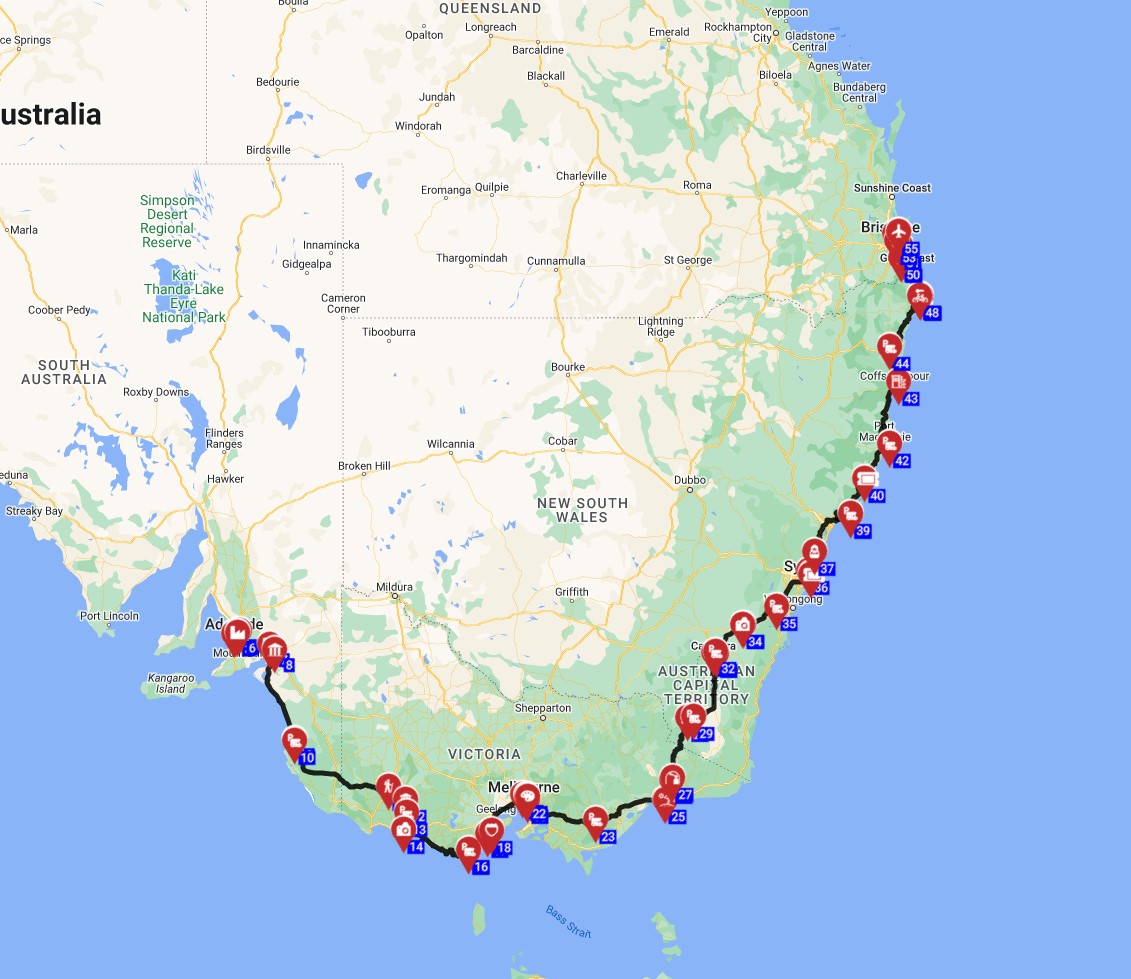
- **Melbourne's Vibrant Culture:** Start your journey in Melbourne, exploring its famous laneways, street art, and world-class coffee before heading off.
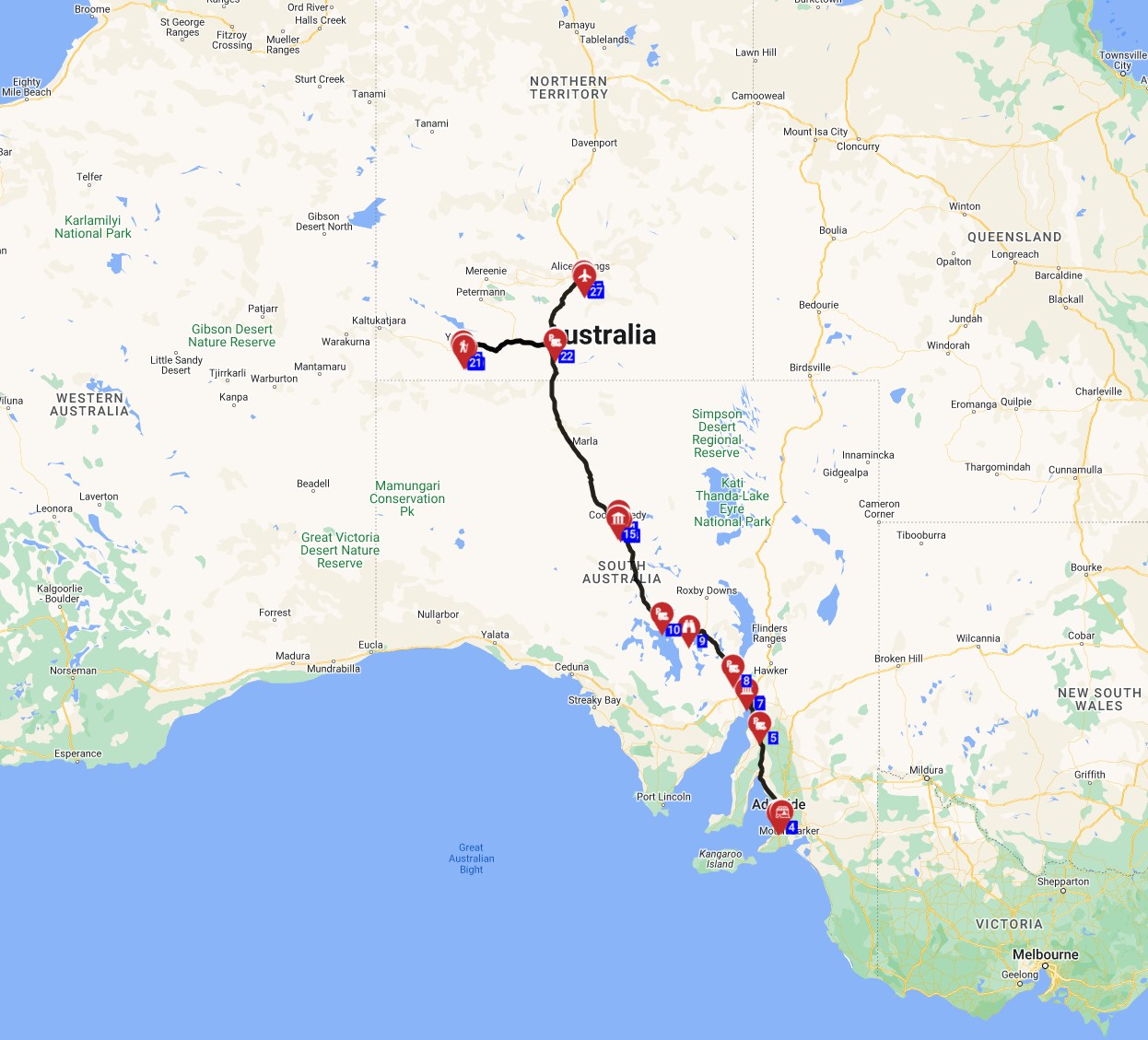
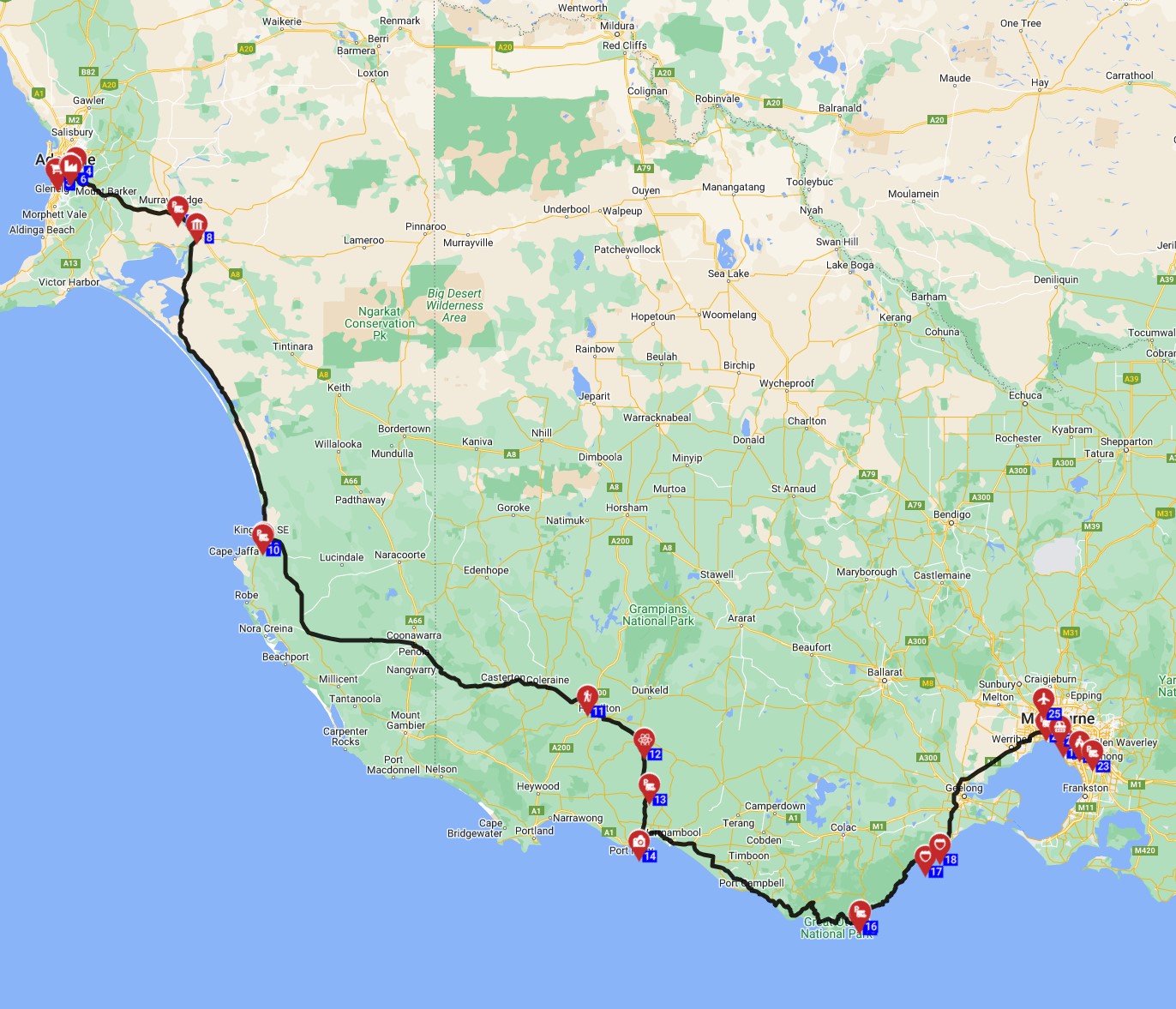
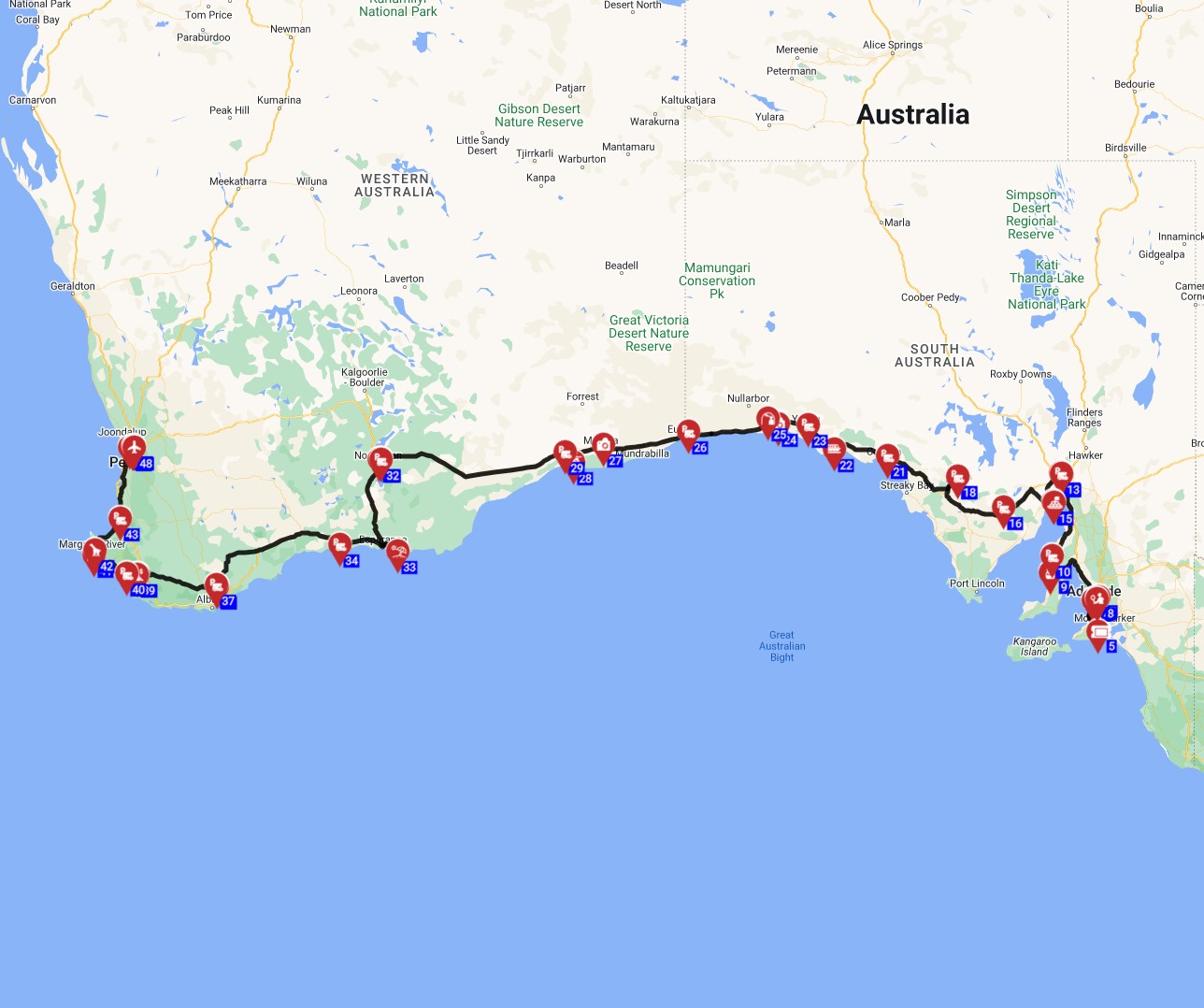
- **The Nullarbor Plain Crossing:** Experience one of the world's longest straight roads on the Eyre Highway, part of the 5,447 km "Perth to Alice Springs - The Dreamtime Highway: A Journey Through Australia's Heart" route plan, offering unique roadside stops and expansive views.
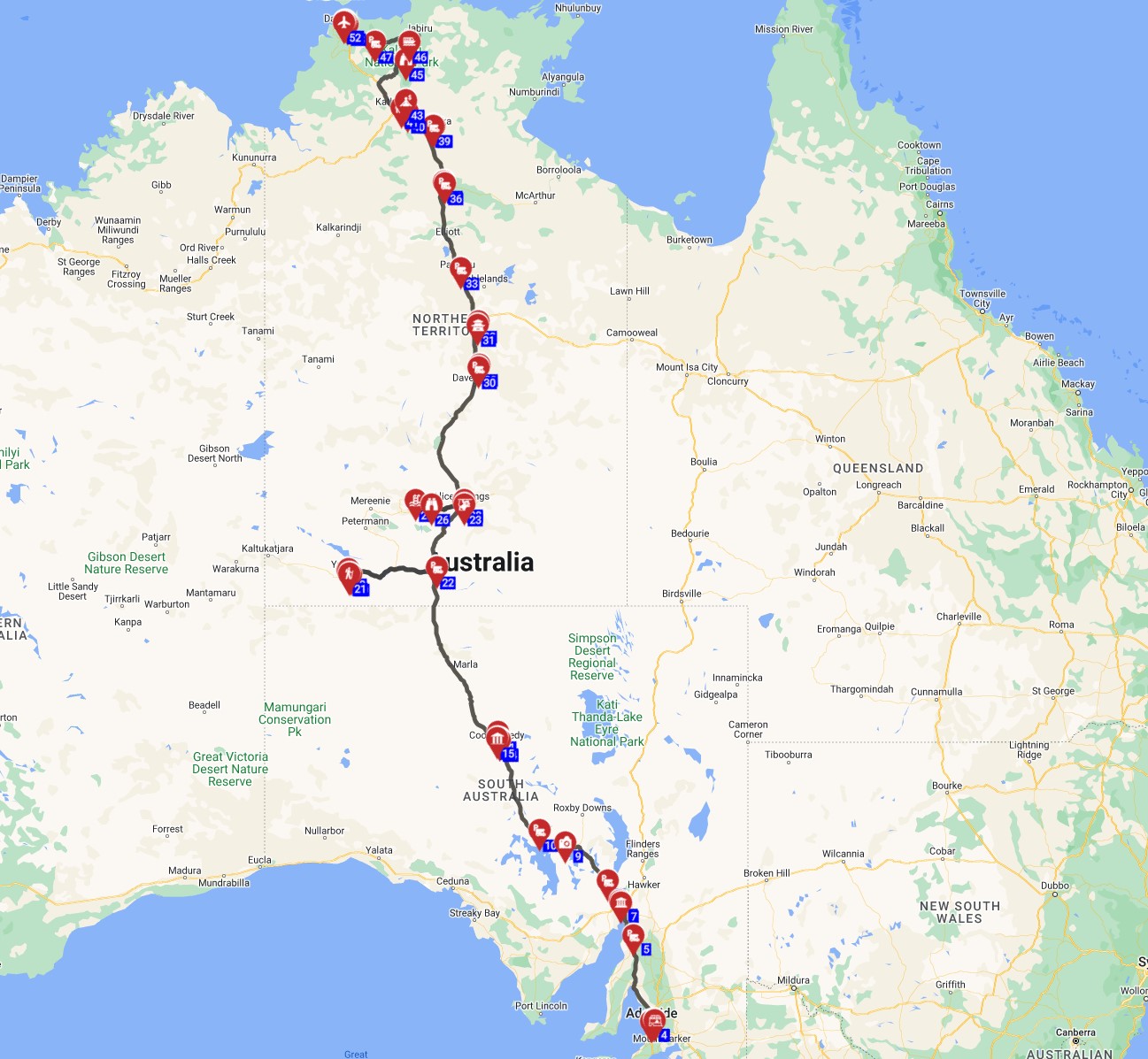
- **Kakadu National Park:** Discover ancient Aboriginal rock art, abundant wildlife, and stunning waterfalls in this UNESCO World Heritage-listed park in the Northern Territory. The "Melbourne to Darwin - Australia’s Heartline Road Trip" covers this incredible region with 2 animals shows/wildlife watches and 5 hiking areas.
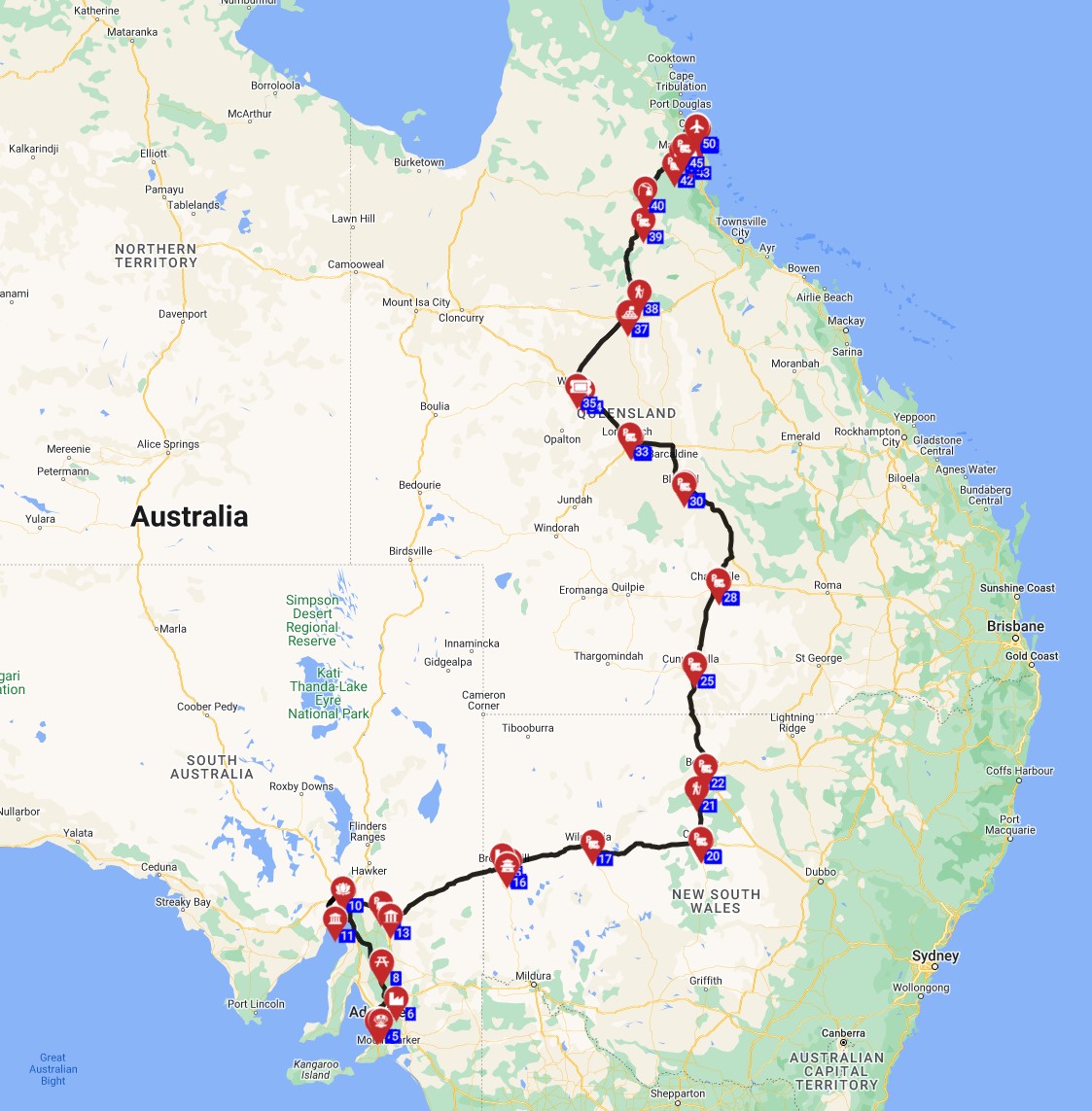
- **Uluru-Kata Tjuta National Park:** Witness the majestic sunrise and sunset over Uluru, a spiritual heartland of Australia. This is a highlight of the "Cairns to Alice Springs - Northern Horizons: A Journey Through Australia's Heartland" which includes 3 hiking areas and 2 natural features.
- **The Great Ocean Road:** Drive one of the world's most scenic coastal routes, stretching 243 km from Torquay to Allansford, featuring iconic landmarks like the Twelve Apostles.
- **Looking for expert insights from Avi Bandana?** Top 5 Adventures - recommendations from Avi Bandana
Final Thoughts
Embarking on a rented RV adventure through Australia promises an unparalleled journey filled with stunning natural beauty, diverse wildlife, and unforgettable cultural experiences. Whether you're navigating vibrant coastal cities or exploring the rugged outback, the freedom of a motorhome allows you to immerse yourself fully in this incredible continent. With careful planning, transparent booking, and the right support, your pet-friendly RV trip to Australia will be a cherished memory.
Remember to travel slowly, embrace the unexpected, and let Australia's magic unfold around you. From the minute you start comparing options to the moment you return your RV, Bandana RV is dedicated to making your adventure seamless and enjoyable. We're true RV specialists, here to support you in discovering the best of Australia.
Ready to hit the road with your furry friend? Start planning your dream Australian RV adventure today.