In This Guide
- Best Australia RV Itinerary for rv rental — Overview
- 7-Day Classic Route in Australia
- 14-Day Extended Journey in Australia
- Recommended RVPlan Trip for Australia
- Must-See Stops Along the Way (Avi Bandana Picks)
- Daily Driving Distances & Drive Times in Australia
- Best RV Class for This Itinerary — Couple & Family Picks
- What is the most beautiful road trip in Australia?
- Can you park an RV anywhere in Australia?
- What is the best RV in Australia?
- How long does it take to travel around Australia in a campervan?
- What is the 333 rule for campervan?
- What not to do in Australia as an American?
- What are the top 3 tourist attractions in Australia?
- How many days are enough for an Australia trip?
- What is the best month to go to Australia?
Best Australia RV Itinerary for rv rental — Overview
An RV rental in Australia offers unparalleled freedom to explore its vast and varied landscapes, typically covering 3,000-5,000 km for a regional trip, or over 15,000 km for a full circumnavigation. For live availability and current prices, start with our RV Rental Australia - Complete Guide 2026 guide. The recommended duration for a fulfilling Australian adventure is a minimum of 7 days for a regional exploration, stretching to 14-30+ days for multi-state or cross-country adventures. Spring (September-November) and Autumn (March-May) generally offer mild weather across many southern and central regions, making them ideal for exploring, while the Dry Season (May-October) is perfect for discovering the tropical north of Australia. Many of our trusted suppliers, including Apollo and Britz, offer pet-friendly motorhome and campervan rentals, allowing your furry family members to join the adventure, though specific pet policies should always be confirmed at the time of booking.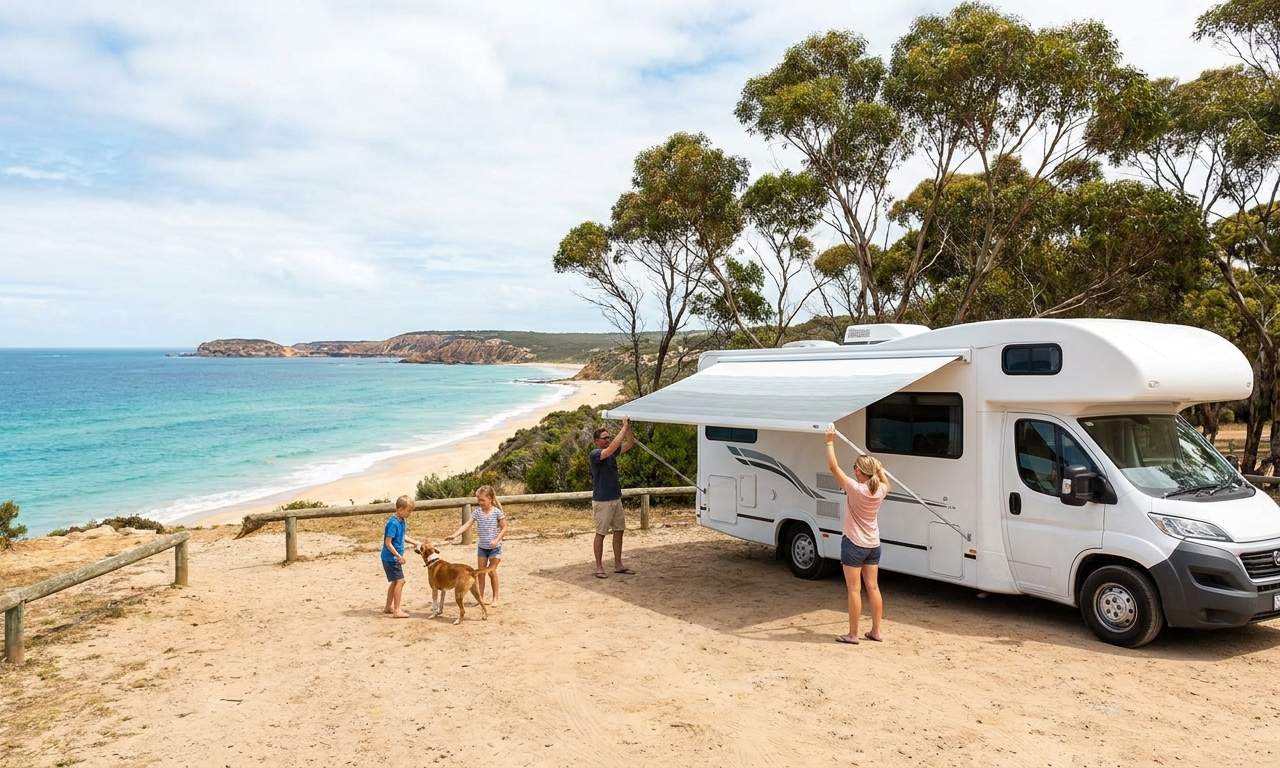
7-Day Classic Route in Australia
This 7-day classic route explores the picturesque New South Wales South Coast, known for its pristine beaches and national parks, ensuring a maximum of 150 km (93 miles) per day on average, providing ample time for pets and people alike to stretch their legs.- Day 1: Sydney → Kiama (120 km). Highlights: Visit the iconic Kiama Blowhole and explore the charming seaside town. Sleep: Kiama Harbour Cabins & Holiday Park, which often has pet-friendly sites.
- Day 2: Kiama → Jervis Bay (80 km). Highlights: Relax on the world-famous white sands of Hyams Beach (check pet access rules) and explore Booderee National Park (some areas are pet-friendly, on-leash). Sleep: Jervis Bay Holiday Park, offering various pet-friendly options.
- Day 3: Jervis Bay → Batemans Bay (100 km). Highlights: Enjoy Clyde River activities like kayaking or fishing with your dog in tow where permitted. Sleep: Batemans Bay Big4, known for accommodating pets.
- Day 4: Batemans Bay → Eden (150 km). Highlights: Discover maritime history at the Eden Killer Whale Museum and enjoy coastal views. Sleep: Eden Beachfront Holiday Park, which welcomes pets.
- Day 5: Eden → Lakes Entrance (140 km). Highlights: Take a cruise on the vast Gippsland Lakes, Australia's largest inland waterway (check pet policies for boat tours). Sleep: Lakes Entrance Caravan Park, offering pet-friendly pitches.
- Day 6: Lakes Entrance → Wilsons Promontory National Park (150 km). Highlights: Hike to Squeaky Beach or explore diverse walking trails in 'The Prom' (note: Wilsons Promontory has strict pet restrictions, mostly limited to campgrounds and specific walking tracks). Sleep: Tidal River Campground (advance booking essential, no pets in national park area beyond designated zone).
- Day 7: Wilsons Promontory National Park → Melbourne (230 km). Highlights: Return your rented motorhome and explore the vibrant cultural capital of Melbourne. (Note: This final leg exceeds 150km, allowing for direct return to a major city depot).
14-Day Extended Journey in Australia
This extended 14-day itinerary focuses on a deep dive into Victoria's diverse landscapes, from the iconic Great Ocean Road to the historic goldfields and charming spa country, maintaining Avi Bandana's recommended daily driving limits for a relaxed pace, perfect for enjoying the journey with your pets. If you're considering a longer trip, exploring options like Long-Term RV Rental in Australia - Monthly Rates 2026 can provide more flexibility and value.- Days 1-2: Melbourne & RV Pickup. Explore Melbourne's laneways, street art, and culinary scene. Sleep: Big4 Melbourne Discovery or similar city caravan park, many of which are pet-friendly.
- Day 3: Melbourne → Torquay (100 km). Immerse yourself in Australia's surf culture, visiting Bells Beach (check local beach rules for dog access). Sleep: Torquay Foreshore Caravan Park.
- Day 4: Torquay → Lorne (50 km). Enjoy the scenic drive along the Great Ocean Road, stopping at Erskine Falls and Teddy's Lookout (ensure pets are allowed on trails). Sleep: Lorne Foreshore Caravan Park.
- Day 5: Lorne → Apollo Bay (45 km). Continue along the Great Ocean Road, known for breathtaking coastal vistas. Sleep: Apollo Bay Recreation Reserve.
- Day 6: Apollo Bay → Port Campbell (95 km). Witness the geological wonders of the Twelve Apostles and Loch Ard Gorge (some national park areas restrict pets, so plan accordingly for viewpoints). Sleep: Port Campbell Recreation Reserve.
- Day 7: Port Campbell → Tower Hill Wildlife Reserve (65 km). Explore an inactive volcano teeming with native Australian wildlife (pets may be restricted in wildlife viewing areas). Sleep: Warrnambool Big4.
- Day 8: Warrnambool → Halls Gap (Grampians National Park) (120 km). Begin your exploration of the rugged Grampians, renowned for hiking and Aboriginal rock art (Grampians National Park has strict pet policies, often only allowing dogs in designated campgrounds and on sealed roads, not on walking trails). Sleep: Halls Gap Lakeside Tourist Park.
- Day 9: Explore Grampians National Park. Hike to The Pinnacle, discover McKenzie Falls, and enjoy panoramic views (check pet restrictions for specific trails). Sleep: Halls Gap Lakeside Tourist Park.
- Day 10: Halls Gap → Ballarat (100 km). Step back in time at Sovereign Hill, a living museum of the 1850s gold rush (check pet policies for attractions). Sleep: Ballarat Goldfields Holiday Park.
- Day 11: Ballarat → Daylesford (50 km). Indulge in the spa capital of Australia, known for its natural springs and wellness. Sleep: Daylesford Holiday Park.
- Day 12: Daylesford → Bendigo (80 km). Delve into the rich gold mining history at the Central Deborah Gold Mine (check pet access). Sleep: Big4 Bendigo Park Lane.
- Day 13: Bendigo → Echuca (100 km). Experience Australia's largest paddle steamer fleet on the Murray River (check pet policies for river cruises). Sleep: Echuca Big4.
- Day 14: Echuca → Melbourne (215 km). Return your rented RV to Melbourne, concluding your Victorian adventure. (Note: This final leg is a direct return to a major city depot).
Recommended RVPlan Trip for Australia
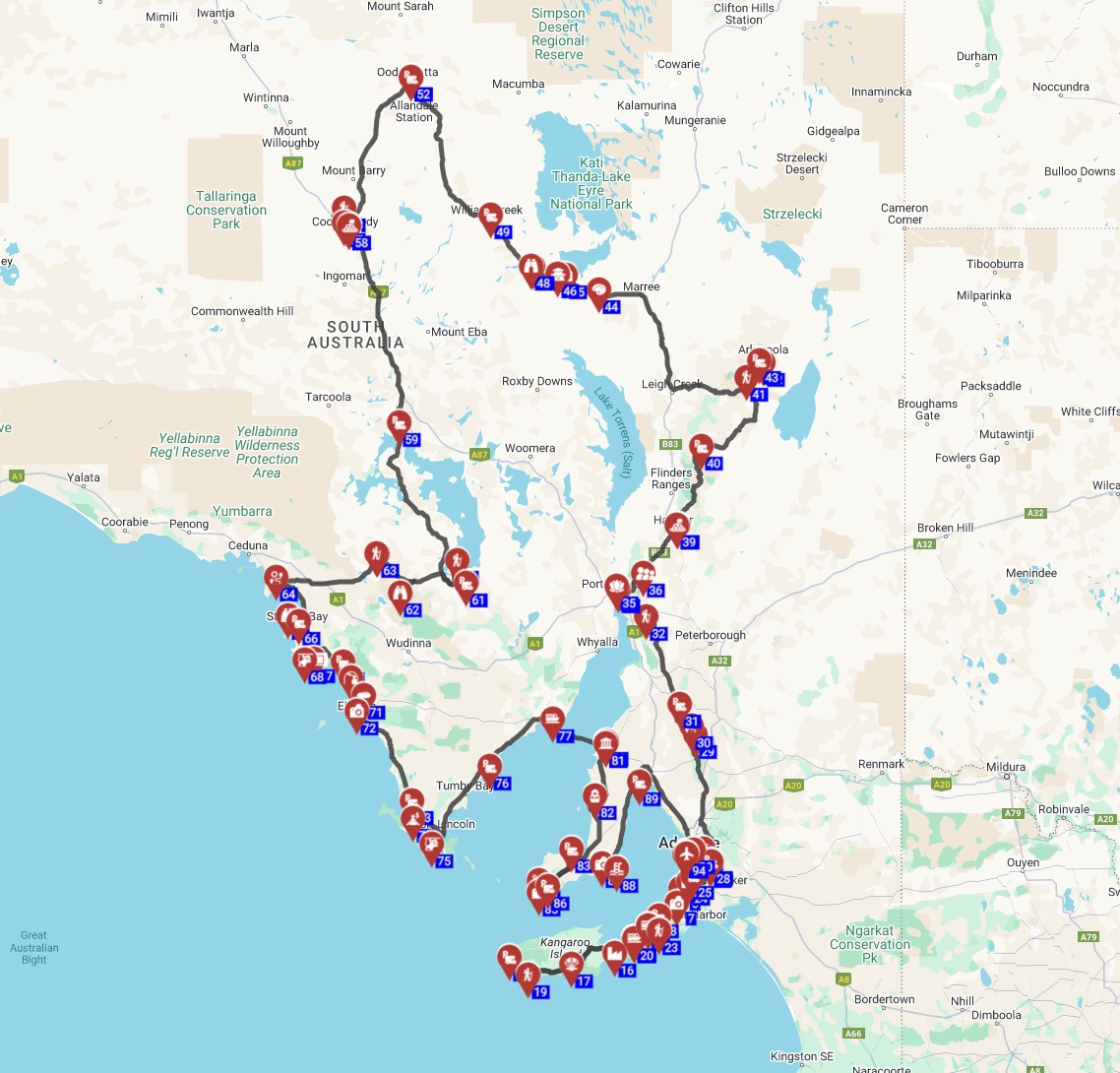
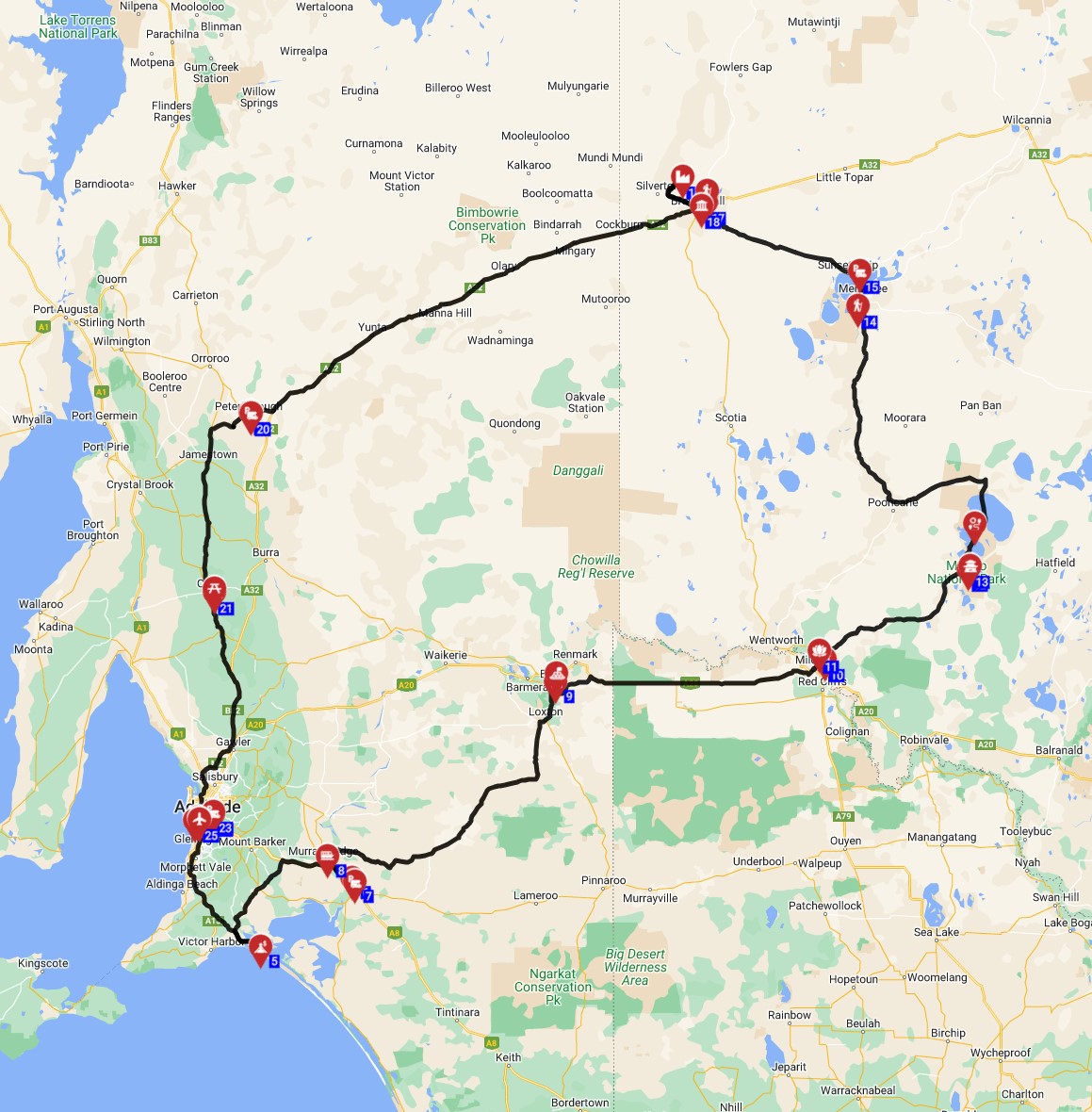
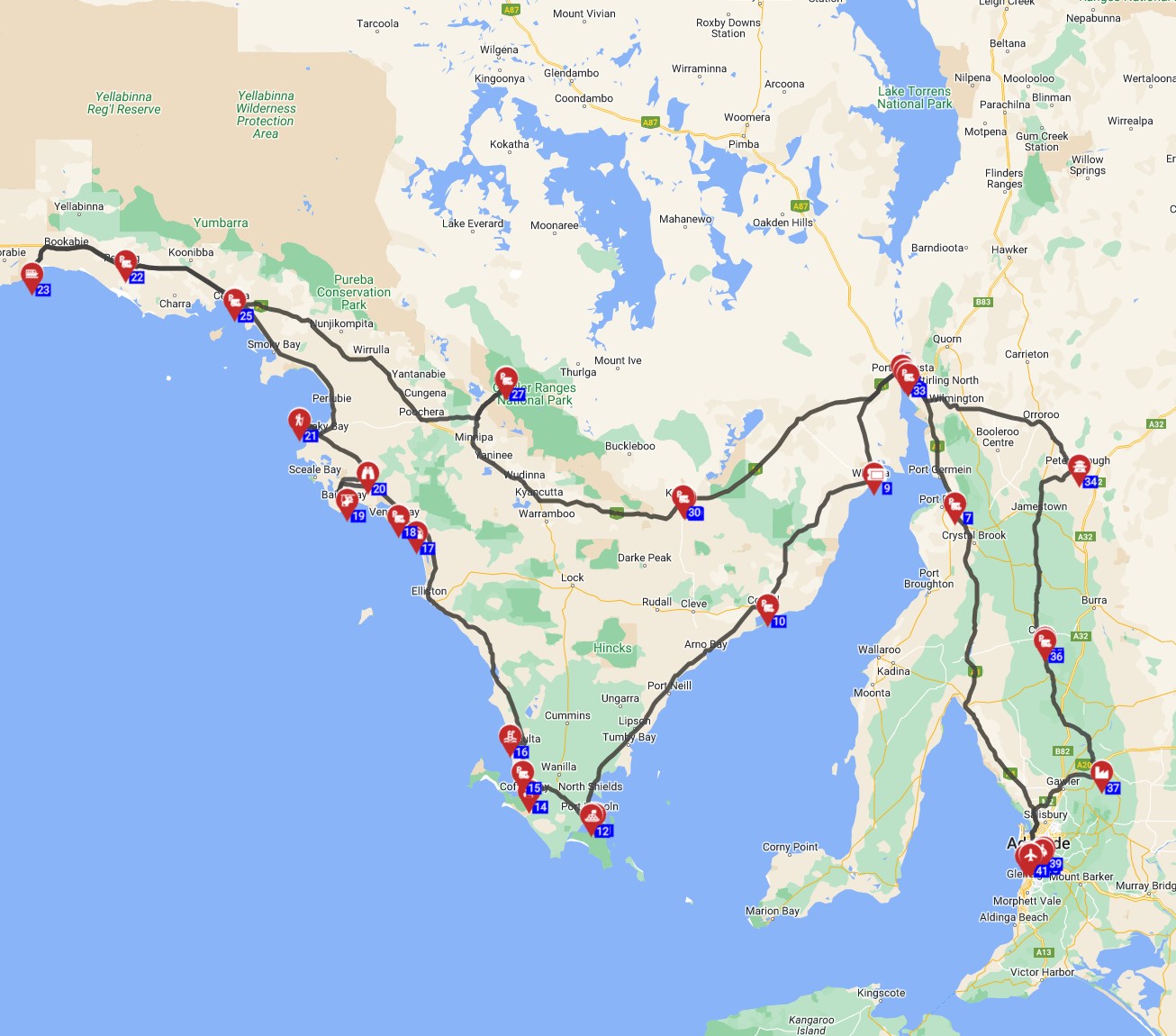
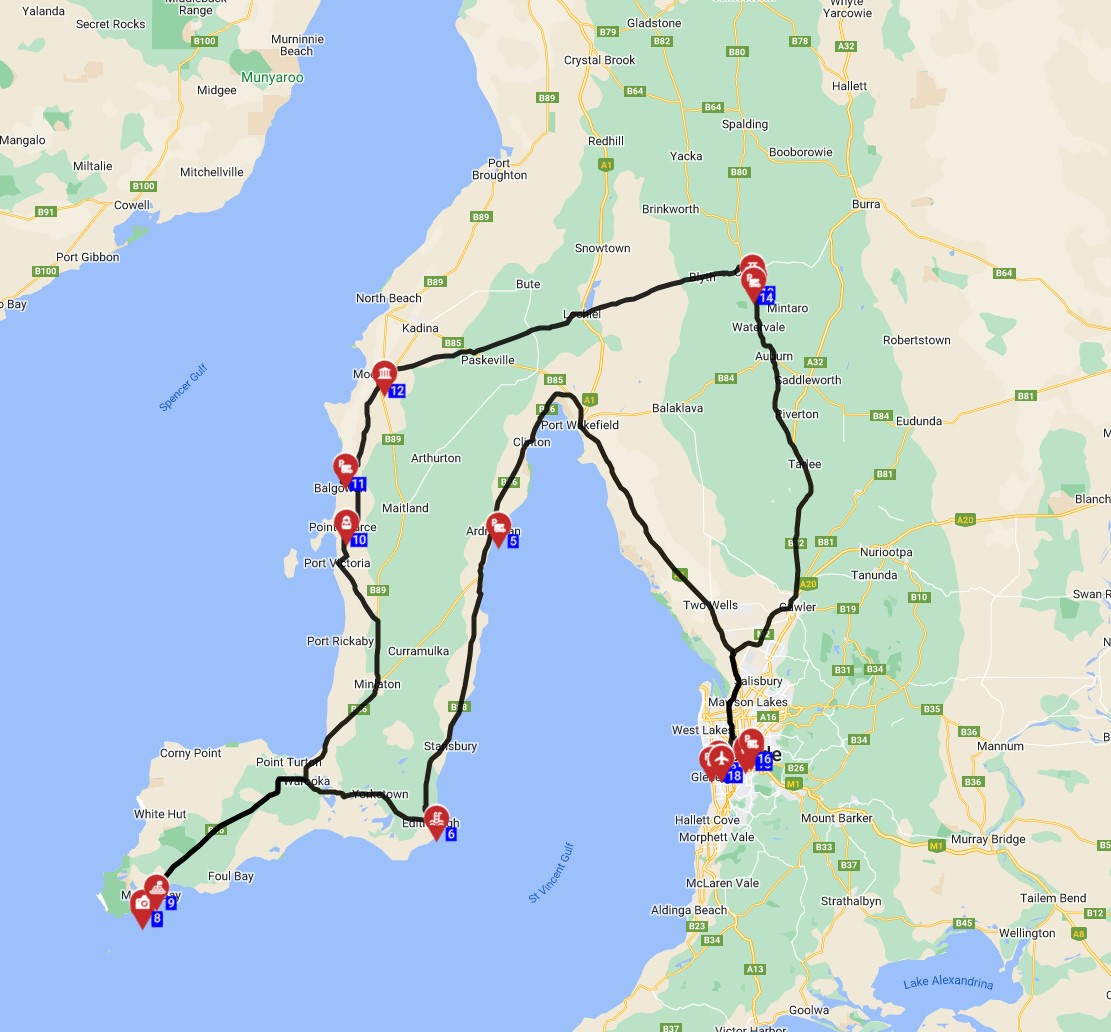
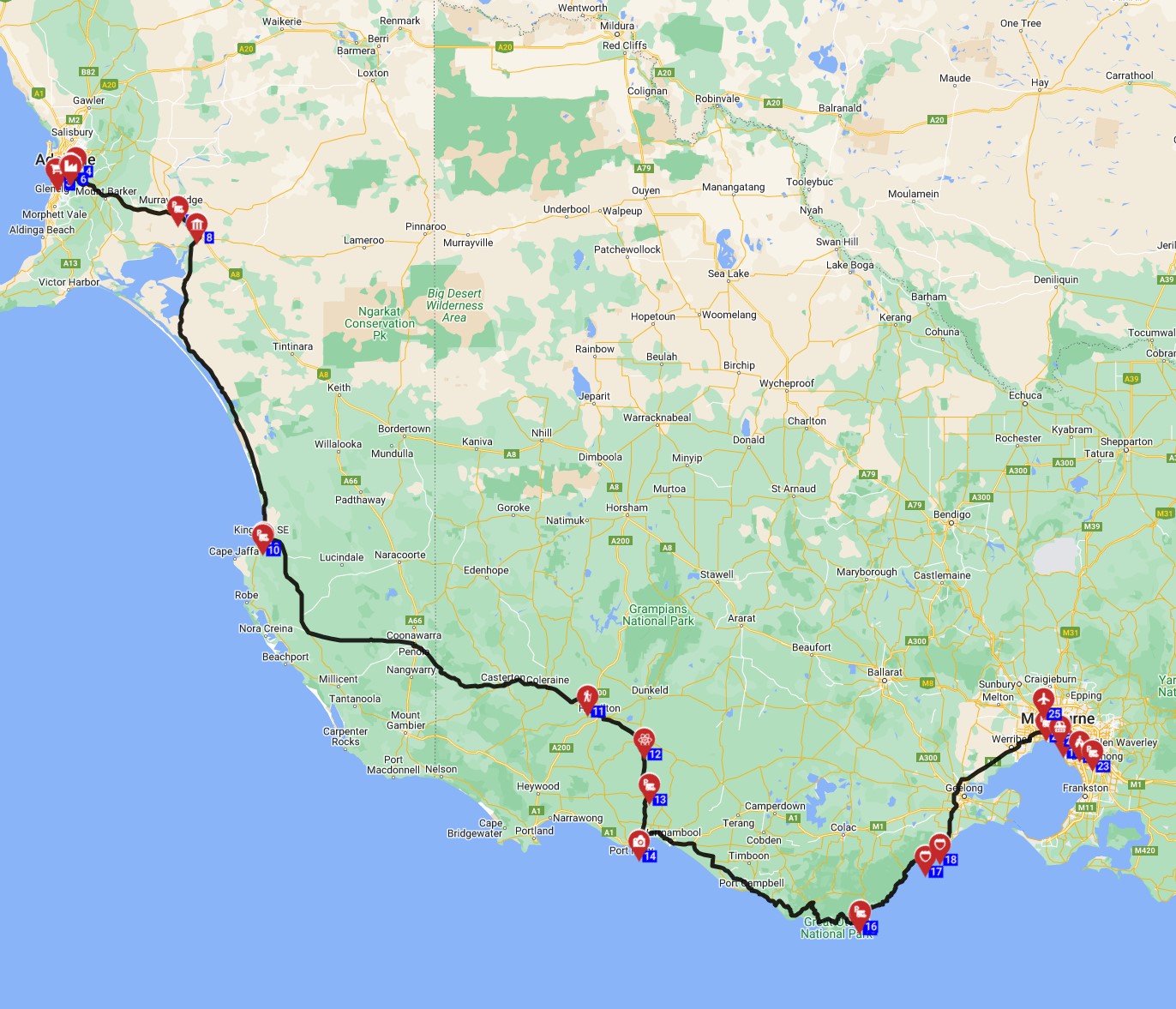
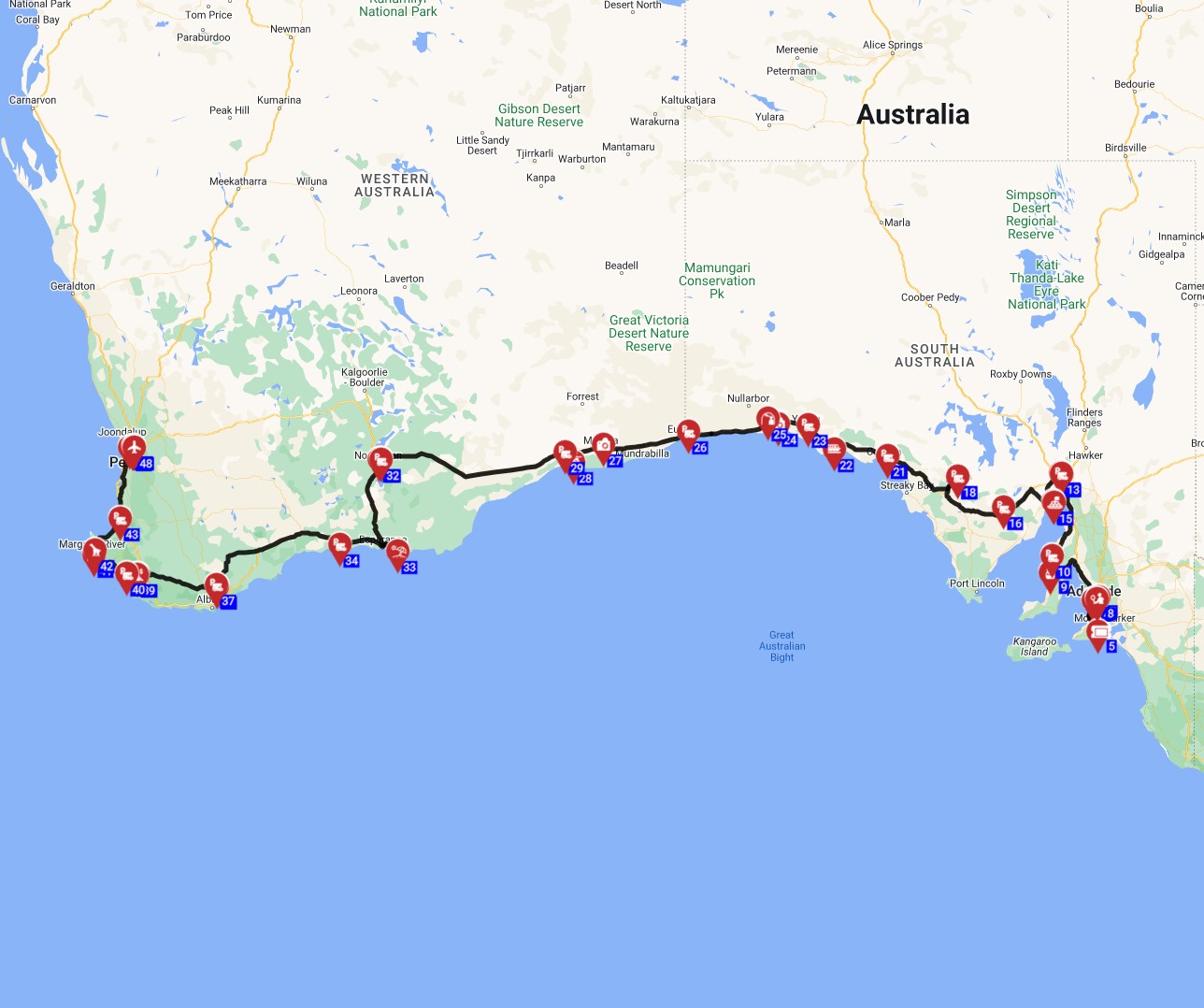
For a truly epic Australian RV adventure, consider Bandana's expertly crafted '
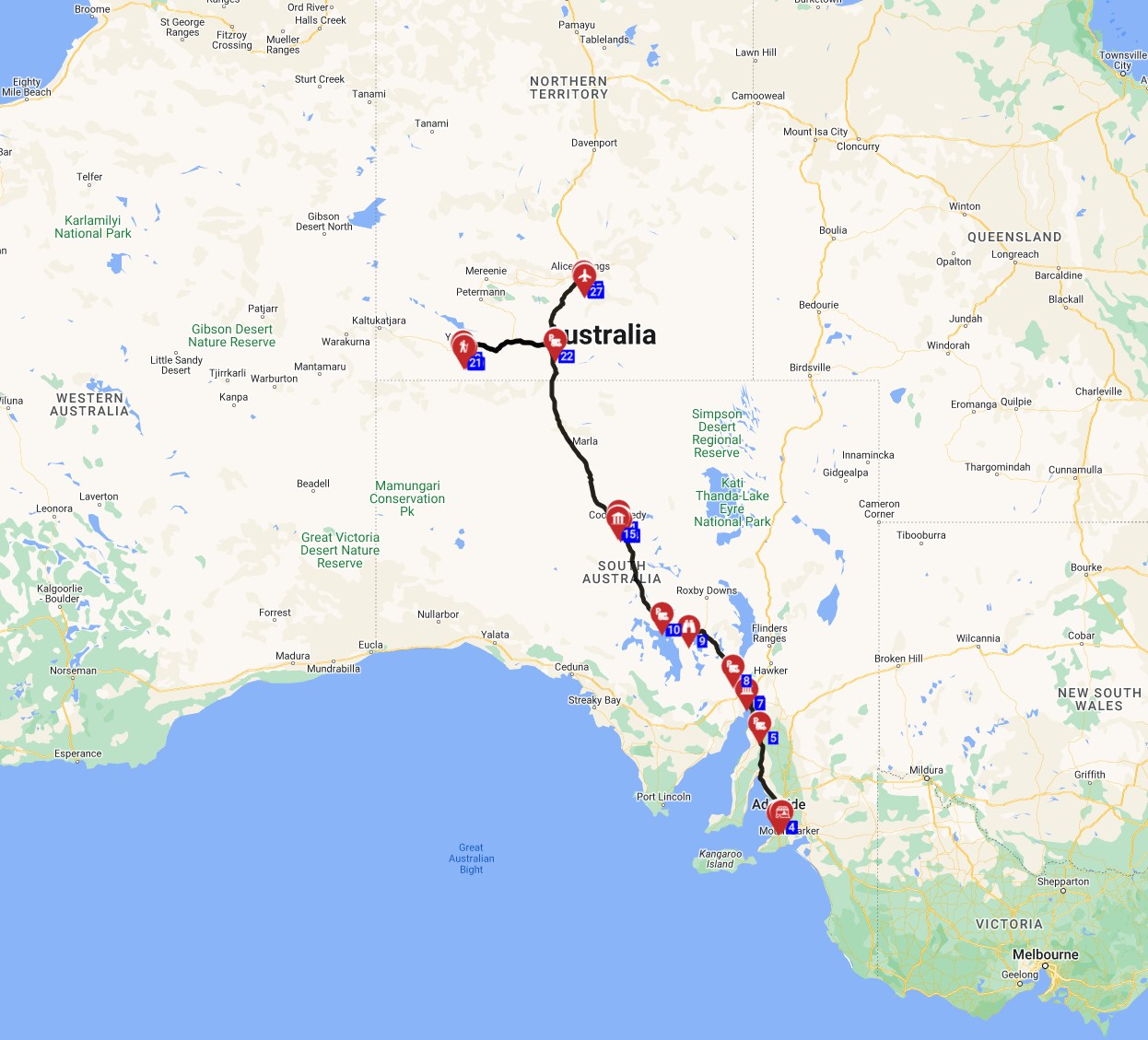
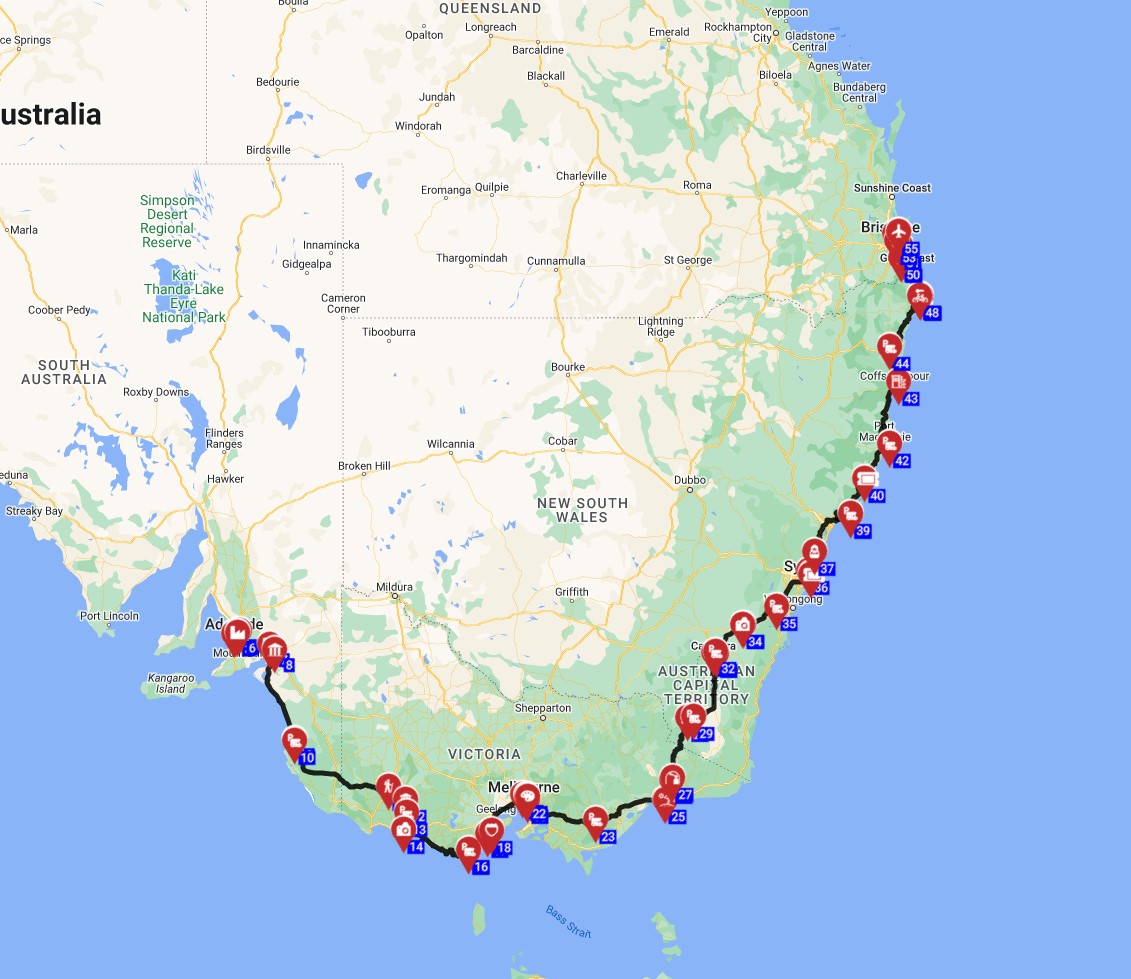
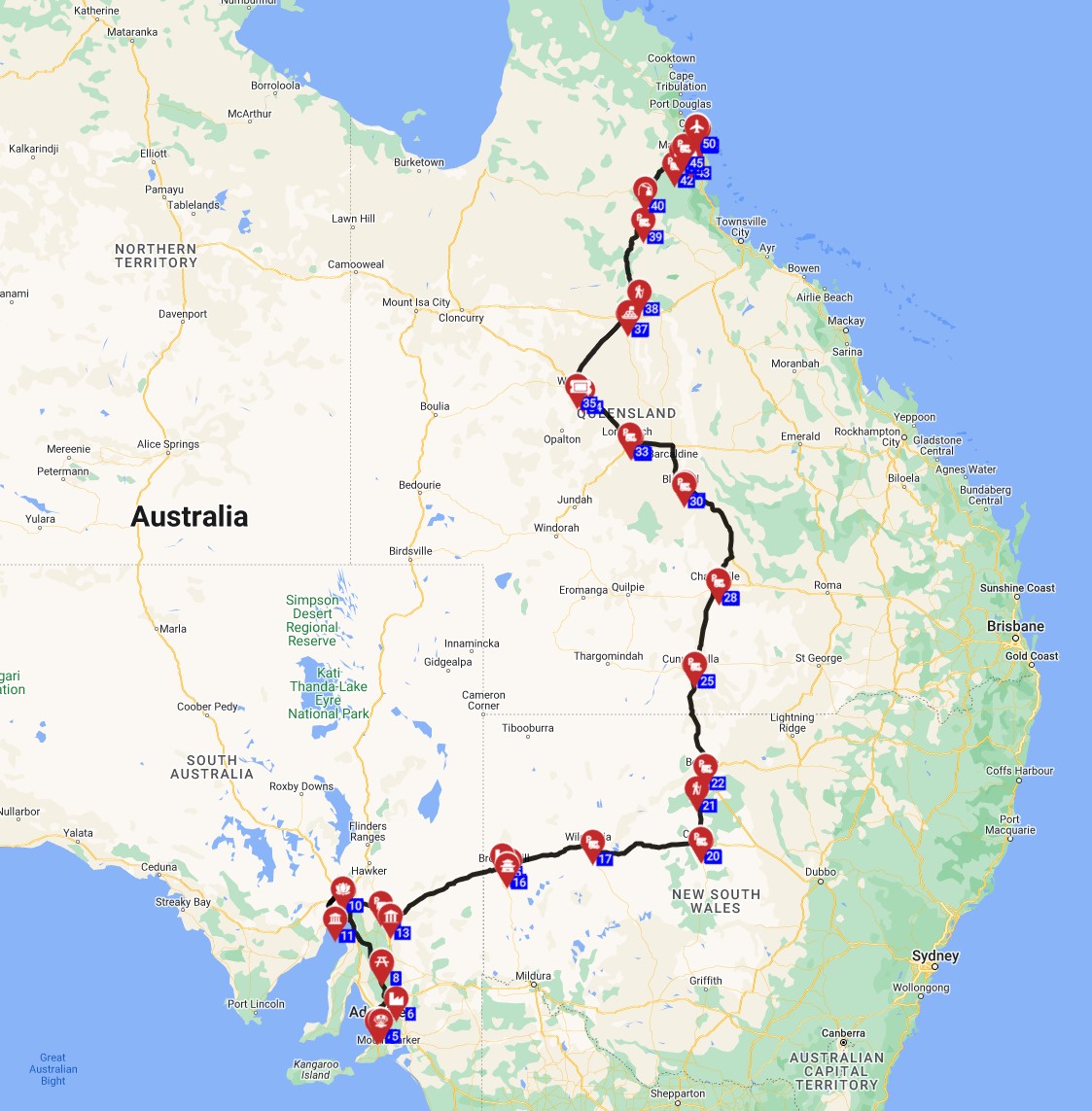
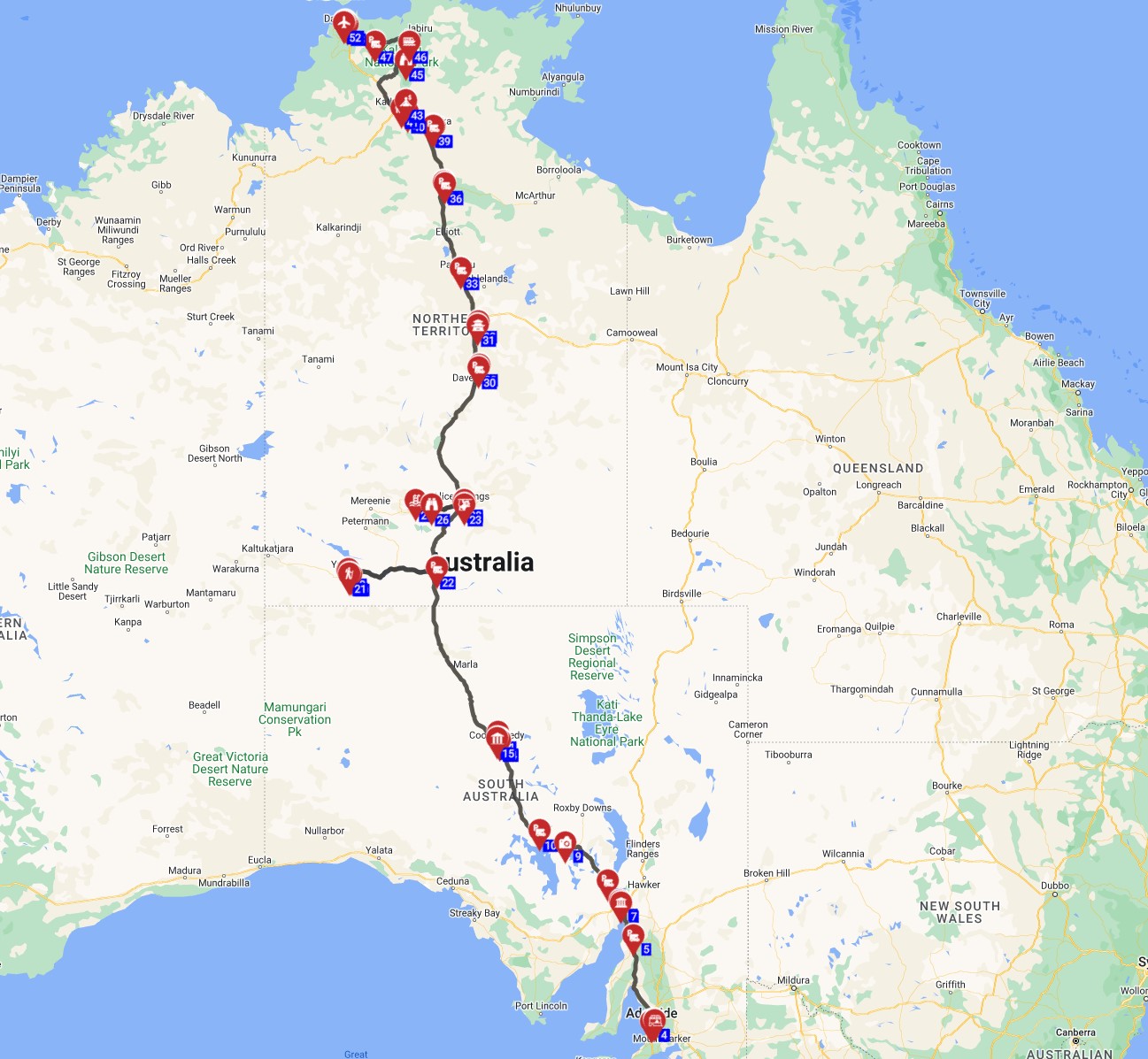
Broome to Sydney - Across the Heart of Australia Road Trip
Must-See Stops Along the Way (Avi Bandana Picks)
Drawing from the comprehensive '
Broome to Sydney - Across the Heart of Australia Road Trip
- Traditional Visit: Avi recommends experiencing **Burrungkuy (Nourlangie)** within Kakadu National Park, a site rich in ancient Aboriginal rock art and cultural significance, offering a profound connection to Indigenous heritage. Always check park regulations regarding pet access, as national parks often have restricted zones.
- Traditional Visit: The **Australian Stockman’s Hall of Fame & Outback Heritage Centre** offers an insightful journey into the lives of the pioneers, stockmen, and Indigenous people who shaped rural Australia, providing a fascinating glimpse into the country's history.
- Traditional Restaurant: For a quintessential dining experience, Avi suggests the **Sydney Cove Oyster Bar** in Sydney, where you can savor fresh seafood with stunning harbor views, embodying Australian coastal gastronomy. Many outdoor seating areas in cities might be pet-friendly.
- Local Industry: A delightful stop is the **Macadamia Castle** in New South Wales, where visitors can learn about macadamia farming, enjoy local products, and interact with farm animals, showcasing a unique Australian local industry. This is often a great stop for families with pets, with ample space for dogs on leash.
🎬 Video coming soon
Daily Driving Distances & Drive Times in Australia
Avi Bandana recommends a hard rule of traveling a maximum of 100 miles or 150 km per day on average to truly immerse yourself in the Australian landscape and avoid driver fatigue, a crucial consideration for both drivers and pets. This measured approach allows ample time for spontaneous stops, exploring small towns, and appreciating the vast, varied scenery rather than rushing between destinations. For example, a drive from Sydney to Canberra, approximately 300 km (186 miles) and 3.5 hours of driving, is best broken into two leisurely days to explore the Blue Mountains or Southern Highlands along the way. Driving a longer distance, such as the 730 km (453 miles) from Melbourne to Adelaide, a journey that typically takes 8 hours of continuous driving, should ideally be spread over at least 4-5 days, allowing for stops along the Great Ocean Road and time for your pets to exercise. Even shorter distances, like Cairns to Port Douglas (70 km / 1 hour), offer numerous scenic pull-offs and attractions that warrant taking your time to enjoy the journey fully, making sure to find pet-friendly spots to stretch and play.Best RV Class for This Itinerary — Couple & Family Picks
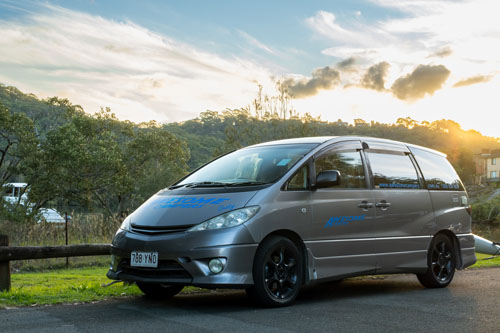
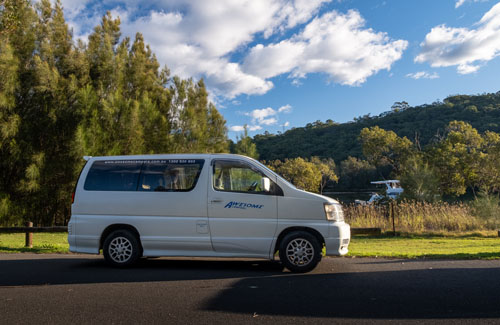
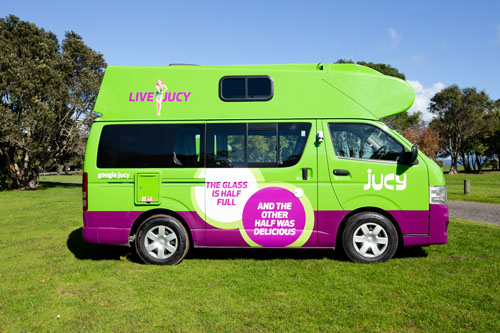
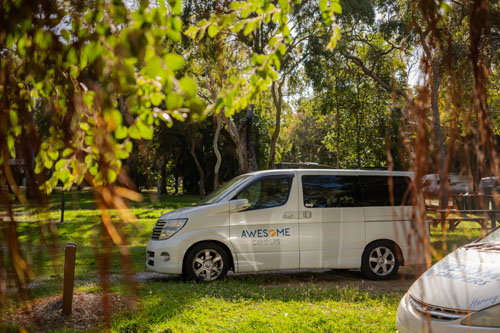
When choosing an RV for an Australian adventure, the ideal class depends on your travel companions, including pets, and desired comfort levels. Bandana's fleet typically offers a range of options suitable for various needs.For couples traveling with a pet, Avi recommends a **Class B - Camper Van** due to its agility and compact size, making it easy to maneuver on diverse Australian roads and into smaller campsites, which is beneficial when seeking out pet-friendly locations. Many Class B campervans, like an "Active Compact Select" or "Active Pop Top Select", are often designed with pet-friendly features. Bandana's global fleet average for Class B Camper Vans shows an average length of 5.8 meters, comfortably sleeping 3.2 people (ideal for 2 adults and a small pet) with a load capacity of 37 kg, and offering efficient fuel consumption around 8-10 Liters/100 Km. These are perfect for those who enjoy a nimble ride while keeping their furry friend close.
For families or groups (4-6 people) with pets desiring more interior space and dedicated sleeping areas, Avi suggests a **Class C - Alcove** motorhome, providing essential comfort on longer trips. A "24' Class C Motorhome" or "29' Class C Motorhome" from our fleet are examples that often come with a "Pet Friendly" feature. These Alcove RVs, from Bandana's global fleet, average 7.5 meters in length, comfortably accommodating 4.4 adults with 5.8 sleeping places, and a load capacity of 42.4 kg, typically consuming 10-12 Liters/100 Km. To streamline your trip planning and find the perfect pet-friendly RV, consider Bandana's 'Rent&Plan' service, which combines your RV rental with a ready-made itinerary crafted by travel experts, providing full access to trip-planning software and removing the headache of organizing every detail.
What is the most beautiful road trip in Australia?
While beauty is subjective, Australia's most acclaimed road trips often include the Great Ocean Road in Victoria, the Red Centre Way in the Northern Territory, and the Cairns to Cape Tribulation route along the Queensland coast, each offering distinct and breathtaking landscapes perfect for an RV adventure. The **Great Ocean Road** is world-renowned for its dramatic coastal scenery, featuring limestone stacks like the Twelve Apostles, lush rainforests, and charming seaside towns, ideal for a 3-7 day exploration. While some national park areas along this route have pet restrictions, many coastal towns and caravan parks are welcoming to dogs. The **Red Centre Way** provides an immersive journey into the heart of Australia, connecting Alice Springs, Uluru-Kata Tjuta National Park, and Kings Canyon, showcasing ancient Aboriginal culture and stunning desert vistas, best experienced over 5-7 days. Pets are generally restricted from national park areas, so alternative arrangements or designated pet exercise areas in nearby towns are essential. The **Cairns to Cape Tribulation** drive takes you through the Wet Tropics World Heritage Area, where the Daintree Rainforest meets the Great Barrier Reef, offering unparalleled natural beauty and unique wildlife encounters over 2-3 days, with similar pet restrictions in protected areas.Can you park an RV anywhere in Australia?
No, you cannot park an RV anywhere in Australia; parking regulations vary significantly by state, territory, and local council, with designated caravan parks, campgrounds, and some approved rest areas being the primary legal options. Freedom camping, or 'free camping,' is permitted only in specifically designated areas, often found in national parks (which may require permits and fees), state forests, or certain local council areas clearly marked for overnight stays. It is illegal to simply pull over and camp overnight on public roadsides, private land without permission, or in areas explicitly signed 'No Camping' or 'No Overnight Parking,' with fines often enforced by local authorities. This is especially important for pet owners, as many national parks and wildlife-sensitive areas strictly prohibit pets, even in designated camping zones. Always research and pre-book campsites, especially in popular national parks and during peak seasons, and utilize apps or guides that list approved RV parking and camping locations to avoid legal issues and ensure safety for all, including your pet. Pet-friendly campgrounds are plentiful, but specific rules regarding leash use and waste disposal are common.What is the best RV in Australia?
The best RV in Australia is highly individual, depending on your travel style, group size (including pets), budget, and planned itinerary, making personal preferences key in selection. For couples or solo travelers seeking flexibility and fuel efficiency, a **campervan (Class B)** is often ideal, offering easy maneuverability and access to diverse locations, including urban areas and tighter campsites that may be more accommodating for pets. An "Aero - Campervan" (a Class B with front air conditioning and suitable for a couple and pet) is a popular choice for its balance of comfort and agility. Families or groups desiring more space and amenities like a shower, toilet, and full kitchen typically find **alcove (Class C) or semi-integrated (Class SI) motorhomes** to be the best fit, providing comfortable living quarters for extended trips with multiple passengers and pets. Vehicles like the "Euro Deluxe" (a Class C with 3 double beds, exclusive features, and pet-friendly options) provide ample space for larger groups. Consider factors such as the number of sleeping berths, storage capacity for pet supplies, internal living space, vehicle length, fuel consumption, and whether you require 4WD capabilities for remote outback adventures when making your choice. Bandana partners directly with over 50 leading RV suppliers worldwide, including Apollo and Britz, to offer a diverse range of vehicles that often include pet-friendly options.How long does it take to travel around Australia in a campervan?
Traveling around the perimeter of Australia in a campervan typically takes at least 3-6 months to genuinely experience the diverse landscapes and major attractions without excessive rushing, though a fast-paced circumnavigation can be completed in 6-8 weeks. The immense size of Australia means that covering its coastal perimeter (the 'Big Lap') involves over 15,000 km (9,300 miles) of driving, not including detours to inland attractions. A realistic pace, adhering to Avi Bandana's recommendation of 100-150 km (62-93 miles) per day on average, allows for exploring destinations rather than just driving through them, and provides ample time for daily pet exercise. For those with less time, focusing on a specific region for 2-4 weeks, such as the East Coast, Tasmania, or the South West, offers a more concentrated and fulfilling experience, often with many accessible pet-friendly stops.What is the 333 rule for campervan?
The '333 rule' for campervan travel is a common safety guideline recommending you drive no more than **300 kilometers (186 miles) per day**, stop by **3 PM** to find a campsite, and stay for at least **3 days** at locations you particularly enjoy. The '300 km' aspect promotes safe driving by preventing fatigue, which is crucial on Australia's long, often monotonous roads, and allows for unexpected stops and breaks for both travelers and their pets. The '3 PM' advice ensures you arrive at your chosen campsite with enough daylight to set up comfortably, particularly important in remote areas where finding suitable pet-friendly spots can be challenging and nocturnal wildlife active. The '3 days' recommendation encourages travelers to slow down, fully explore and appreciate each destination, rather than rushing through the journey, fostering a more relaxed and enriching travel experience for everyone, including your beloved dog.What not to do in Australia as an American?
When traveling in Australia, American visitors should avoid common pitfalls such as underestimating vast distances and travel times, driving long distances fatigued, ignoring severe sun safety warnings, swimming in unpatrolled beaches or crocodile-inhabited waters, and disrespecting Indigenous cultural sites. **Don't underestimate distances and driving hazards:** Australia is vast; rely on maps to gauge scale, avoid driving at dawn/dusk due to wildlife (kangaroos, emus, wombats) on roads (which can cause significant damage to a rented RV), and always carry sufficient water and fuel in remote areas where mobile coverage is limited. A UHF CB radio is often crucial in the outback for communicating with road trains. **Don't ignore sun safety:** The Australian sun is intense; always wear broad-spectrum sunscreen (SPF 30+), a wide-brimmed hat, sunglasses, and protective clothing, even on cloudy days, to prevent severe sunburn and skin damage, and ensure your pets also have shade and plenty of water. **Don't swim without caution:** Only swim at patrolled beaches between the red and yellow flags, be aware of marine stingers (jellyfish) in northern waters during the wet season, and absolutely avoid swimming in areas signposted for crocodiles. **Don't disregard local customs or Indigenous culture:** While Australians are generally laid-back, avoid casual comparisons to the U.S., be respectful when visiting Indigenous sites, and research appropriate cultural etiquette before interacting with Aboriginal communities. Also, be mindful of local rules regarding pets in public spaces and wildlife areas.What are the top 3 tourist attractions in Australia?
While subjective, Australia's most iconic tourist attractions are widely considered to be the Sydney Opera House, Uluru-Kata Tjuta National Park, and the Great Barrier Reef, representing a blend of architectural marvels and unparalleled natural wonders. The **Sydney Opera House** in New South Wales is an architectural masterpiece and a UNESCO World Heritage site, best experienced with a guided tour or by attending a performance, with RV parking available at nearby caravan parks for city access. Pet owners should note that dogs are generally not permitted inside the Opera House, but can enjoy walks around the exterior areas on leash. **Uluru-Kata Tjuta National Park** in the Northern Territory is home to the majestic Uluru (Ayers Rock), a sacred Aboriginal site offering breathtaking sunrises and sunsets, which can be reached by RV with numerous designated camping options within the park's vicinity. Due to its status as a national park and sacred site, pets are strictly prohibited from walking or being in the main visitor areas of Uluru and Kata Tjuta. The **Great Barrier Reef** off the coast of Queensland is the world's largest coral reef system, a vibrant underwater ecosystem accessible via boat tours from coastal towns like Cairns or Port Douglas, where RV-friendly accommodations are plentiful. Pets cannot join reef tours, so arrangements for their care would be necessary.How many days are enough for an Australia trip?
The ideal number of days for an Australia RV trip varies greatly based on your desired exploration depth, but a minimum of 7-10 days is recommended for a single regional deep-dive, while 2-4 weeks allows for multi-state adventures, and 3-6 months for a full circumnavigation. For a concentrated experience of a single iconic region, such as the Great Ocean Road or the South West of Western Australia, 7-10 days provides a good balance of driving and exploration, ensuring time for pet-friendly activities. To explore a larger state or two adjacent states, like a Queensland coastal trip or a journey from Melbourne to Sydney, 2-4 weeks offers sufficient time to see major highlights without feeling rushed, and to find a variety of dog-welcoming routes and campgrounds. A true 'Big Lap' of Australia, encompassing all states and territories, necessitates at least 3-6 months to comfortably traverse the vast distances and immerse yourself in the diverse cultures and landscapes without constant driving, providing the most relaxed pace for you and your animal companion. If you're looking for flexible options, consider checking "RV Rental in Australia - Prices and Best Deals 2026".What is the best month to go to Australia?
The best month to visit Australia for an RV trip depends entirely on which region you plan to explore, as its vast size means highly varied climates, but generally, spring (September-November) and autumn (March-May) offer mild weather suitable for many southern and central regions. For **Southern Australia** (Sydney, Melbourne, Adelaide, Perth), **Spring (Sept-Nov)** and **Autumn (March-May)** are ideal, with pleasant temperatures, less humidity, and fewer crowds, avoiding the peak summer heat and potential winter chill, making it comfortable for pets too. For **Tropical Northern Australia** (Cairns, Darwin, Broome), the **Dry Season (May-October)** is the best time to visit, characterized by clear skies, lower humidity, and cooler temperatures, avoiding the torrential rains, humidity, and marine stingers of the Wet Season, and ensuring more accessible outdoor activities for your dog. For the **Red Centre** (Uluru, Alice Springs), **Winter (June-August)** offers cooler daytime temperatures for exploring, though nights can be very cold, while **Spring and Autumn** provide a good balance before extreme summer heat, requiring careful planning for pet hydration.What You Shouldn't Miss
- **Explore Pet-Friendly Beaches**: Head to iconic dog-friendly beaches like those along the New South Wales Central Coast or sections of the Gold Coast for a refreshing swim and playtime with your furry friend. Always check local council regulations as pet access can vary even within the same beach.
- **Discover National Parks with Designated Pet Areas**: While many national parks restrict pets, some offer specific campgrounds or designated walking tracks where leashed dogs are welcome. Research places like certain State Forests or regional parks which are generally more accommodating.
- **Winery Tours with Outdoor Patios**: Visit Australia's renowned wine regions, such as the Hunter Valley or Margaret River, and seek out wineries with outdoor tasting areas or cafes that welcome well-behaved dogs. Many cellar doors are increasingly pet-friendly.
- **Riverside Camping on the Murray River**: Enjoy peaceful nights and water activities along the Murray River, where numerous caravan parks and designated free camping spots (check local rules) offer pet-friendly environments for a relaxing stay.
- **Quirky 'Big Things' Photo Ops**: Stop at Australia's famous 'Big Things' attractions like the Big Banana or Big Prawn. These roadside icons offer fun, memorable photo opportunities for you and your pet, and a great excuse to stretch your legs.
- Looking for expert insights from Avi Bandana? Top 5 Adventures - recommendations from Avi Bandana.
Final Thoughts
Embarking on a pet-friendly RV adventure in Australia is an incredible way to create lasting memories with your beloved companion. With stunning landscapes, diverse wildlife, and welcoming communities, Australia offers endless possibilities for discovery. Remember to plan your routes carefully, keeping your pet's needs and local regulations in mind, and always prioritize slow travel to truly soak in the unique beauty of each region. Bandana Caravan is here to support you every step of the way, from comparing the best motorhome rentals for Australia to helping you plan an unforgettable itinerary on RVPLAN (rvplan.net). We believe that the journey is just as important as the destination, and with a rented RV, you have the flexibility to explore at your own pace. So, pack your bags, leash up your dog, and get ready for the Australian road trip of a lifetime. Your next adventure awaits!For ideas you can prep on the road, watch our RV-friendly recipes playlist on YouTube.
On the routes offered through RV PLANET routes, you can itemize and track every expense along the way for easy budgeting.