In This Guide
- Can You Drive an RV in New Zealand? License & Age Rules
- Road Conditions & Terrain in New Zealand
- RV Size Limits, Bridges & Restricted Zones
- Fuel: Diesel vs. Petrol & Cost per 100 km
- Tolls, Vignettes & Border Rules
- Driving Tips for RV Rental Travelers
- Recommended RV Class for New Zealand Roads
- Should I Choose a Compact Van Instead of a Large RV in New Zealand?
- Can I Park Anywhere? Free & Wild Camping Rules in New Zealand
- Can I Drive an RV Into the City Center? Heights, Tunnels & Local Signage
- Do you need a special license to drive an RV in New Zealand?
- What is the 4 second rule in New Zealand?
- Is it difficult for Americans to drive in New Zealand?
- Can I park my motorhome anywhere in New Zealand?
- How hard is it to drive a motorhome in New Zealand?
- What is the 333 rule for campervan?
- Is it easy to drive a motorhome in New Zealand?
- Who insures motorhomes in NZ?
- How much does it normally cost to insure an RV?
- How much does caravan insurance cost in New Zealand?
- Top Cities for RV Rental in New Zealand
- Country-wide Practical Information for RV Travelers
- What You Shouldn't Miss
New Zealand is a dream destination for RV enthusiasts, offering stunning landscapes, diverse activities, and the freedom of the open road. Imagine waking up to a breathtaking fiord view with your furry friend by your side, ready for another day of adventure. This guide will help you navigate the ins and outs of pet-friendly RV driving in New Zealand, ensuring a smooth and unforgettable journey. For live availability and current prices, start with our RV Rental New Zealand - Complete Guide 2026 guide.
Can You Drive an RV in New Zealand? License & Age Rules
Yes, most rental RVs in New Zealand can be driven with a standard car driver's license (Class 1) for vehicles up to 3,500 kg Gross Vehicle Mass (GVM). This covers the vast majority of motorhomes and campervans available for rent, making it accessible for many international travelers. Foreign drivers must present a valid overseas driver's license in English or an International Driving Permit (IDP) alongside their original license, although an IDP is recommended, it is not mandatory in most cases if your license is in English. A higher license category, such as a Class 2, is only required for RVs exceeding 3,500 kg GVM, which are generally less common for typical tourist rentals. The minimum driver age for RV rentals in New Zealand typically stands at 21 years old across most rental companies, with no young driver surcharges or vehicle class restrictions based on age. Always confirm specific requirements with your chosen supplier to ensure a hassle-free pickup.
Road Conditions & Terrain in New Zealand
New Zealand's roads are generally well-maintained, offering a pleasant driving experience, but they vary significantly from modern multi-lane highways to narrower, winding routes, and sometimes include unsealed (gravel) sections, especially when exploring more remote areas. Expect to encounter steep gradients and sharp bends, particularly in mountainous and scenic regions like the Southern Alps, which demand careful driving and reduced speeds. Single-lane bridges are a common feature in rural parts of the country, where drivers must pay close attention to signage that indicates who has the right of way. Unsealed roads require much slower speeds and increased caution, and are often encountered when accessing many of New Zealand's stunning remote attractions or secluded campgrounds. Planning your route with realistic travel times is key, as winding roads often mean longer journeys than anticipated.
RV Size Limits, Bridges & Restricted Zones
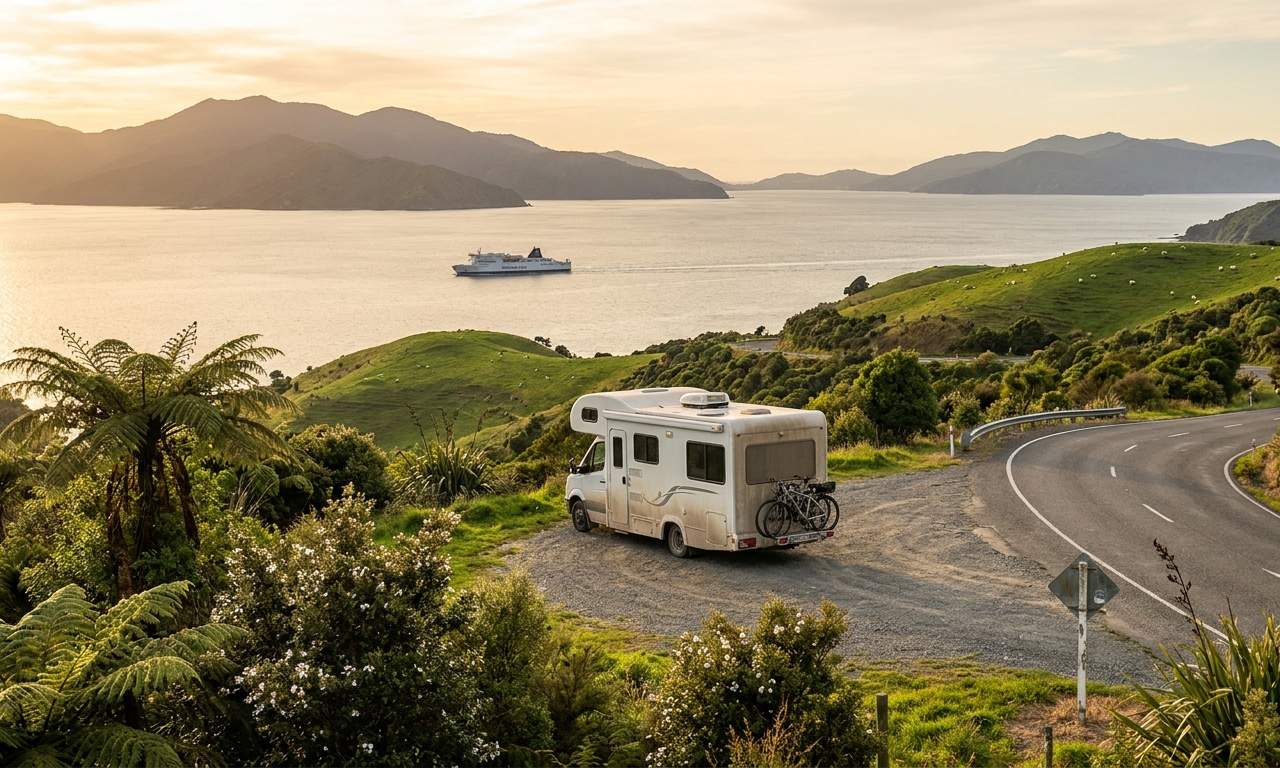
While New Zealand does not impose blanket 'size limits' that restrict RVs from most roads, drivers must always be vigilant for local height, width, and weight restrictions, particularly when approaching older bridges, historic tunnels, or small town centers. It's crucial to check your rented RV's specific dimensions and heed all road signage for low clearances, such as the unique rock arch tunnels found on some scenic routes, which might challenge larger Class A motorhomes. Ferry services, like the Interislander that connects the North and South Islands, have specific length-based pricing for RVs and require advance bookings, especially during peak travel seasons. Environmental zones or restricted access areas are exceedingly rare for RVs in New Zealand, though you should always check local signage and regulations when visiting sensitive conservation sites to ensure compliance and protect the pristine environment.
Fuel: Diesel vs. Petrol & Cost per 100 km
Most rental RVs in New Zealand primarily operate on diesel fuel, which offers superior fuel efficiency compared to petrol (unleaded), making it a practical choice for longer journeys. However, diesel vehicles in New Zealand incur a Road User Charge (RUC) on top of the pump price, which is essentially a fee for using the roads. Bandana's global fleet data shows that Class SI (Semi-integrated) RVs typically consume 10-11 Liters/100 km, Class C (Alcove) motorhomes consume 10-12 Liters/100 km, and smaller Class B (Camper Van) models average 8-10 Liters/100 km. Petrol (unleaded) is generally used by smaller campervans, such as the "motorhome hire new zealand example Hippie Drift" model. It's essential to clarify with your rental provider whether the Road User Charge (RUC) for diesel vehicles is included in your rental rate or will be reconciled upon vehicle return, as this significantly impacts your total fuel expenses. Some rental companies may offer fuel discount cards to help reduce your overall RV PLANET routes costs, including fuel, allowing you to budget more effectively for your New Zealand adventure.
Tolls, Vignettes & Border Rules
New Zealand has a limited number of electronic toll roads, primarily concentrated around Auckland (such as the Northern Gateway Toll Road) and Tauranga (including the Tauranga Eastern Link and Takitimu Drive Toll Road), which operate without physical toll booths. Payments for these tolls are typically managed online after travel, via a pre-registered account, or conveniently through your rental provider, who might offer a toll pass option. Some rental companies provide the convenience of pre-purchasing toll passes, which helps you avoid potential fines and streamline your journey, ensuring you don't miss a payment. As New Zealand is a single unified country, you won't encounter any vignettes or complex border rules when driving your rented RV, allowing for uninterrupted exploration of both the North and South Islands. On the routes offered through RV PLANET routes, you can itemize and track every expense along the way for easy budgeting.
Driving Tips for RV Rental Travelers
Always drive on the left-hand side of the road in New Zealand, a crucial adjustment for drivers accustomed to right-hand traffic, requiring extra vigilance when turning, entering roundabouts, and overtaking. Maintain a safe following distance using the '4-second rule,' which is particularly vital given the longer stopping distances of motorhomes and New Zealand's often variable road conditions, especially on winding or wet roads. Plan realistic travel times, as the country's scenic and winding routes often mean journeys take longer than initially anticipated; remember to travel slowly, max 100-150 km per day on average, to fully immerse yourself in the culture, food, and scenery. When navigating mountainous areas, use lower gears for both ascents and descents to maintain better control and prevent brake overheating. Additionally, utilize designated passing lanes and pull over safely where possible to allow faster traffic to pass, adhering to local road etiquette and contributing to safer roads for everyone.
🎬 Video coming soon
Recommended RV Class for New Zealand Roads
For navigating New Zealand's diverse road network, Class SI (Semi-integrated) and Class C (Alcove) RVs from Bandana's global fleet are highly suitable, offering an excellent balance of comfort, amenities, and maneuverability. Class SI RVs, with an average length of 6.9 meters and typical fuel consumption of 10-11 Liters/100 km, provide comfortable amenities for couples or smaller groups while remaining agile on winding and narrower roads. Class C Alcove motorhomes, averaging 7.5 meters in length and consuming 10-12 Liters/100 km, are often ideal for families or groups of 5-6 people seeking more interior space, dedicated sleeping areas, and full kitchen facilities without being overly cumbersome. Pet-friendly models like the "24' Class C Motorhome", "29′ Class C Motorhome", and "32′ Class C Motorhome" are great options, allowing your beloved companions to join the adventure. Vehicles like the "6 Berth Discovery" (7.4m length, Auto Transmission) exemplify a well-suited Class C motorhome for New Zealand's terrain, offering both comfort and adequate engine power for hills. Choosing the right size ensures a comfortable journey, whether you're embarking on a two-week adventure or an extended road trip.
Should I Choose a Compact Van Instead of a Large RV in New Zealand?
While compact campervans (Class B) offer enhanced maneuverability and easier parking, a larger rented RV often provides superior comfort and greater self-sufficiency, which can be a better trade-off for an extended New Zealand road trip, especially with a family or pets. Compact vans, with Bandana's global fleet averaging 5.8 meters in length and 8-10 Liters/100 km fuel consumption, excel in tight spaces and urban driving, such as the "motorhome hire new zealand example Hippie Drift" type. However, larger RVs (Class SI, Class C, Class A) offer significantly more spacious living areas, dedicated bathrooms, more comprehensive kitchens for preparing RV-friendly recipes playlist, and greater storage capacity, making them considerably more comfortable for longer journeys or during unexpected changes in weather. Most of New Zealand's main roads are well-suited for standard RV sizes, mitigating concerns about handling a larger vehicle; the primary adaptation is to left-hand driving and winding routes, which applies to all vehicle sizes. For extended trips, families, or those prioritizing amenities and the ability to freedom camp with a Self-Containment Certificate, a larger motorhome typically provides a more comfortable and convenient experience. Pet-friendly options, like the "Active Bunk Auto" or "Aero", are also available in various sizes.
Can I Park Anywhere? Free & Wild Camping Rules in New Zealand
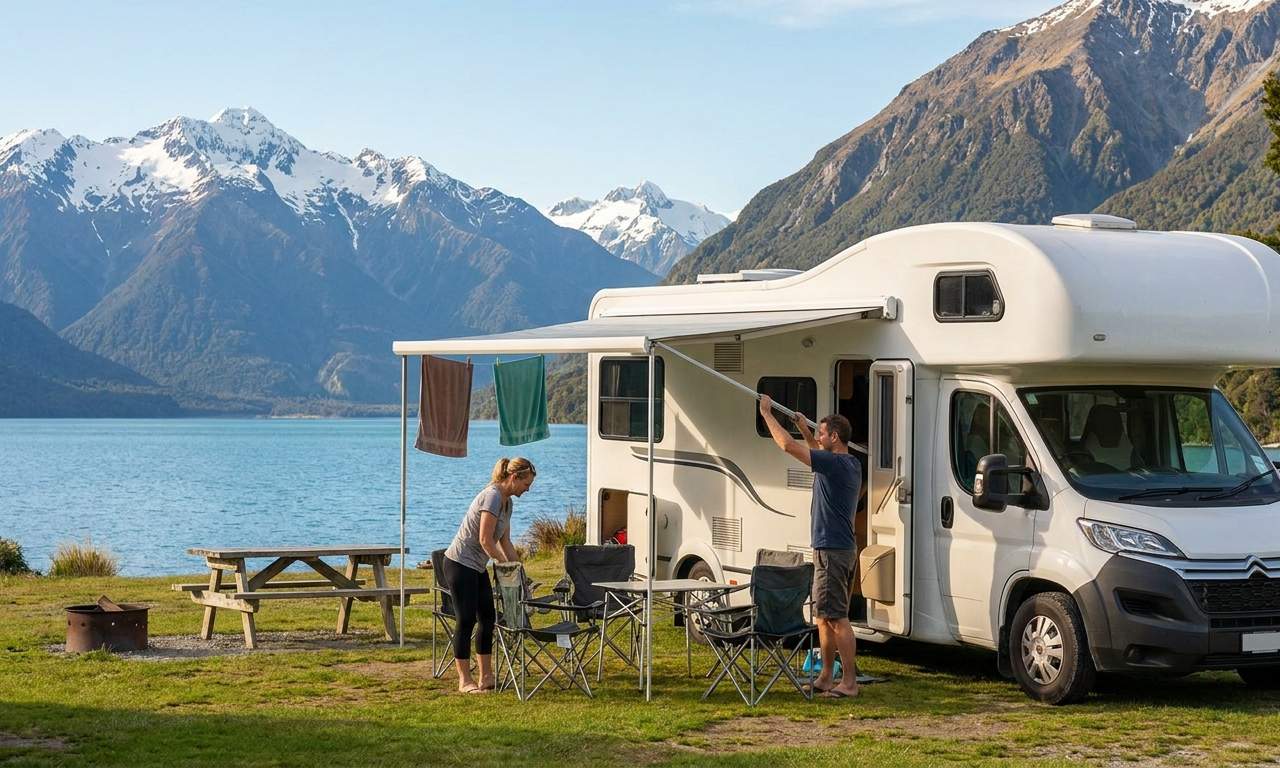
No, you cannot park your motorhome anywhere for overnight stays in New Zealand; freedom camping, or wild camping, is strictly regulated and generally requires your rented RV to be certified self-contained, permitted only in designated areas. To legally freedom camp, your RV must possess a **Self-Containment Certificate**, verifying it can manage its wastewater, fresh water, and rubbish onboard for at least three days. Designated freedom camping sites, often managed by local councils or the Department of Conservation (DOC), are clearly signposted and listed on reputable camping apps like CamperMate and Rankers, or found through RV PLANET routes. Unauthorized freedom camping is subject to significant fines, typically up to NZD $400, reflecting New Zealand's commitment to protecting its pristine natural environment. Rules and restrictions vary by region and specific locations, so always check local regulations and follow the local law before parking overnight to avoid penalties and ensure responsible travel.
Can I Drive an RV Into the City Center? Heights, Tunnels & Local Signage
Yes, you can generally drive a rented RV into most New Zealand city centers, though it is always crucial to remain vigilant for specific local signage regarding height limits, tunnel restrictions, and parking regulations. City roads are typically designed to accommodate standard vehicle dimensions; however, overhead obstacles like low bridges or the entrances to multi-story car parks may have height restrictions that affect larger motorhomes. Parking for larger RVs in city centers can be challenging and sometimes costly, so consider parking on the outskirts of the city and utilizing efficient public transport for urban exploration. Always observe local parking signs, which clearly indicate time limits, permit requirements, and areas where larger vehicles may be restricted. New Zealand cities do not typically feature environmental zones that restrict RV access, but common sense and attention to detail will ensure a smooth journey. Drive slowly and carefully, and you can drive almost anywhere without issues. No need to stress - just use common sense and pay attention.
Do you need a special license to drive an RV in New Zealand?
For the vast majority of rental RVs in New Zealand, a standard Class 1 car driver's license is sufficient, provided the vehicle's Gross Vehicle Mass (GVM) does not exceed 3,500 kg. This means most motorhomes and campervans are accessible to standard license holders. International visitors are required to carry a valid overseas driver's license, accompanied by an official English translation or an International Driving Permit (IDP) if the original is not in English, though an IDP is not strictly mandatory if your original license is in English. RV models from Bandana's global fleet, such as Class SI (Semi-integrated), Class C (Alcove), and Class B (Camper Van), typically fall within these standard Class 1 license requirements. Additionally, drivers must meet the rental company's minimum age requirements, which commonly stand at 21 years old across most suppliers in New Zealand.
What is the 4 second rule in New Zealand?
The '4-second rule' in New Zealand is a critical safe driving practice that recommends drivers maintain a minimum four-second following distance from the vehicle directly ahead. This rule is especially crucial for rented RVs, given their heavier weight and longer stopping distances compared to standard cars. To effectively apply the rule, drivers should choose a fixed point on the road, such as a road sign or tree, and count 'one thousand and one, one thousand and two, one thousand and three, one thousand and four' after the vehicle in front passes that point; your RV should not reach that same point before you finish counting. This increased gap provides essential reaction time and braking distance, which should be extended even further in adverse conditions like heavy rain, on unsealed roads, or when driving a large motorhome on winding or hilly terrain. Adhering to the 4-second rule is a core component of New Zealand's defensive driving guidelines, ensuring safer journeys for all road users on the picturesque but sometimes challenging roads.
Is it difficult for Americans to drive in New Zealand?
Driving in New Zealand can present initial challenges for Americans, primarily due to the fundamental necessity of driving on the left-hand side of the road, but it is generally manageable with attentiveness and a period of adaptation. The shift to left-hand driving impacts lane positioning, roundabout navigation, and turning maneuvers, requiring drivers to remain constantly conscious of the change from what they are accustomed to. New Zealand's roads are often narrower, more winding, and feature steeper gradients than typical American highways, with less frequent shoulders, demanding slower speeds and increased concentration. Familiarity with unique New Zealand road features, such as single-lane bridges where drivers must correctly give way, is also essential for a smooth experience. Many rental RVs, like the "6 Berth Discovery", feature automatic transmissions, which can significantly ease the transition to driving on the 'other' side by reducing the need to shift gears with the left hand, making the experience less daunting. Remember to travel slowly, max 100-150 km per day on average, to allow ample time to adapt and enjoy the stunning scenery safely.
Can I park my motorhome anywhere in New Zealand?
No, you cannot legally park your rented motorhome anywhere in New Zealand for overnight stays; freedom camping, often referred to as wild camping, is highly regulated and permitted only in designated areas with a certified self-contained vehicle. New Zealand has strict bylaws and regulations specifically designed to protect its pristine environment and manage tourism impacts, making unauthorized overnight parking illegal and punishable by significant fines, typically up to NZD $400. To qualify for legal freedom camping, your motorhome must possess a current **Self-Containment Certificate**, which verifies it has onboard toilet, wastewater, and fresh water storage for at least three days of self-sufficient use. Always use official resources, such as the Department of Conservation (DOC) website, local council information, or reputable camping apps like CamperMate and Rankers, to accurately locate approved overnight parking and camping spots. For finding campsites and campgrounds during your trip, we recommend using RV PLANET (rvplan.net) - a great resource for locating available spots along your route.
How hard is it to drive a motorhome in New Zealand?
Driving a motorhome in New Zealand is generally not considered excessively hard for experienced drivers who are adaptable and cautious, although it certainly demands heightened awareness of left-hand driving, narrower roads, and varied terrain. The main challenges typically involve getting accustomed to driving on the left side of the road and managing the vehicle's size on winding routes and occasional unsealed sections. Modern rental motorhomes and campervans generally come equipped with automatic transmissions and power steering, which significantly enhance the ease of handling and reduce driver fatigue. The perceived difficulty is greatly reduced by planning realistic daily itineraries, such as those found in "RV Travel Guide to New Zealand - Tips and Top Spots 2026", taking frequent breaks, and embracing a slower, more scenic pace of travel, typically no more than 100-150 km per day. Many international tourists successfully navigate New Zealand's roads in motorhomes, indicating it is a manageable and rewarding experience with the right approach and mindful driving habits.
What is the 333 rule for campervan?
The '333 rule' for campervans is an informal yet widely recognized guideline for responsible camping in New Zealand, particularly relevant for freedom camping, emphasizing self-sufficiency and environmental preservation. While not a strict legal 'rule' in its entirety, adhering to its principles helps campers comply with official freedom camping regulations and contribute to sustainable tourism. The rule generally refers to three key aspects: **3 days self-contained** (your vehicle should be able to hold its waste for at least three days, a requirement for obtaining a Self-Containment Certificate); **3 km from water** (camp at least 3 kilometers away from freshwater sources to prevent pollution, though local bylaws may vary and require greater distances); and **leave 3 things** (only footprints, memories, and nothing else behind, promoting a leave-no-trace ethic). Following this guideline helps ensure minimal impact on New Zealand's pristine environment and helps avoid fines for irresponsible camping.
Is it easy to drive a motorhome in New Zealand?
Driving a motorhome in New Zealand can be considered easy for adaptable and cautious drivers, particularly if they are comfortable with larger vehicles, provided they account for the unique road conditions and the necessity of driving on the left. Key factors contributing to ease include modern motorhomes often having automatic transmissions and power steering, such as the "new zealand motorhome hire example Explorer" which features a Turbo Diesel engine for efficient driving on diverse terrains. The ease of driving is further enhanced by thorough trip planning, allowing ample time for travel between destinations and factoring in frequent breaks, adhering to the recommended slow travel pace of 100-150 km per day. Challenges like narrow, winding roads and left-hand driving require sustained attention but become more manageable with practice and a commitment to safe speeds. With proper preparation and a sensible approach, many visitors find the experience of driving a motorhome in New Zealand enjoyable and relatively straightforward, allowing them to focus on the spectacular scenery.
Who insures motorhomes in NZ?
In New Zealand, motorhomes, especially rental vehicles, are typically insured by major local and international insurance providers, with rental companies usually including basic third-party liability and a collision damage waiver (CDW) in their standard rates. For rental RVs, the primary insurer is the rental company itself, which provides baseline coverage, usually with a significant excess (deductible) that the renter is liable for in case of damage. Customers can often reduce their excess liability by purchasing additional excess reduction insurance directly from the rental company or through third-party travel insurance providers, allowing you to upgrade to a top-level deductible for extra peace of mind. Major New Zealand insurance companies like AA Insurance, Tower, AMI, and Vero offer comprehensive policies for privately owned motorhomes. It's crucial for renters to thoroughly review their rental agreement to understand the extent of included insurance, excess amounts, and any exclusions before embarking on their adventure.
How much does it normally cost to insure an RV?
The cost to insure a rented RV in New Zealand varies significantly based on factors such as the vehicle's value, the rental duration, and the level of coverage chosen. For rental RVs, expect to pay approximately NZD $30-$70 per day for excess reduction insurance, which substantially lowers or even eliminates the renter's out-of-pocket liability from potentially several thousands of dollars. This optional upgrade can provide significant peace of mind. For privately owned motorhomes, annual comprehensive insurance premiums can range from NZD $500 to over $2,000, influenced by the RV's make, model, age, agreed value, and the chosen excess. Additional factors impacting cost include the driver's age and driving record, where the RV is stored, and any added benefits like roadside assistance. It is advisable for renters to compare the rental company's excess reduction options with third-party travel insurance policies that specifically cover rental vehicle excess to find the best value for their trip.
How much does caravan insurance cost in New Zealand?
Caravan insurance costs in New Zealand vary depending on whether the term 'caravan' refers to a towed trailer or a self-propelled motorhome, with rates influenced by value, usage, coverage type, and insurer. In New Zealand, the term 'caravan' can sometimes be used interchangeably with a towed trailer rather than a self-propelled motorhome; for Bandana's self-propelled motorhome rentals, the relevant cost is typically for excess reduction insurance, which is generally around NZD $30-$70 per day. For privately owned towed caravans, comprehensive insurance premiums might range from NZD $400 to over $1,000 per year, influenced by factors like the caravan's age, features, security measures, and where it is typically stored. Key determinants of cost include the caravan's sum insured, the chosen excess amount, and whether the policy includes coverage for contents or specific events like natural disasters. Always clarify whether a policy is for a towed caravan or a self-propelled motorhome, as coverage and associated costs differ significantly.
Top Cities for RV Rental in New Zealand
New Zealand offers numerous fantastic cities from which to begin or end your RV adventure, each providing unique access to stunning landscapes and local culture. Auckland, on the North Island, is New Zealand's largest city and a major international gateway, offering a wide selection of motorhome and campervan rentals. From here, you can explore the geothermal wonders of Rotorua or the beautiful beaches of the Coromandel Peninsula. Christchurch, the largest city on the South Island, is a perfect starting point for exploring the dramatic Southern Alps, fiords, and glaciers, and is often a central hub for those seeking "Cheap RV Rental in New Zealand - Budget Guide 2026" options. Queenstown, the adventure capital, offers incredible scenery and thrilling activities, easily accessible with a rented RV, making it ideal for those interested in "Luxury RV Rental in New Zealand - Premium Prices 2026". Wellington, the capital city, boasts a vibrant arts scene and acts as the main ferry crossing point between the two islands. Dunedin, with its Scottish heritage, and Nelson, known for its sunshine and art, also provide excellent RV pickup locations. Don't forget to check out "RV Rental Near New Zealand Airport - Pickup Pricing 2026" for convenient start and end points to your journey.
Recommended RV Planet Routes in New Zealand
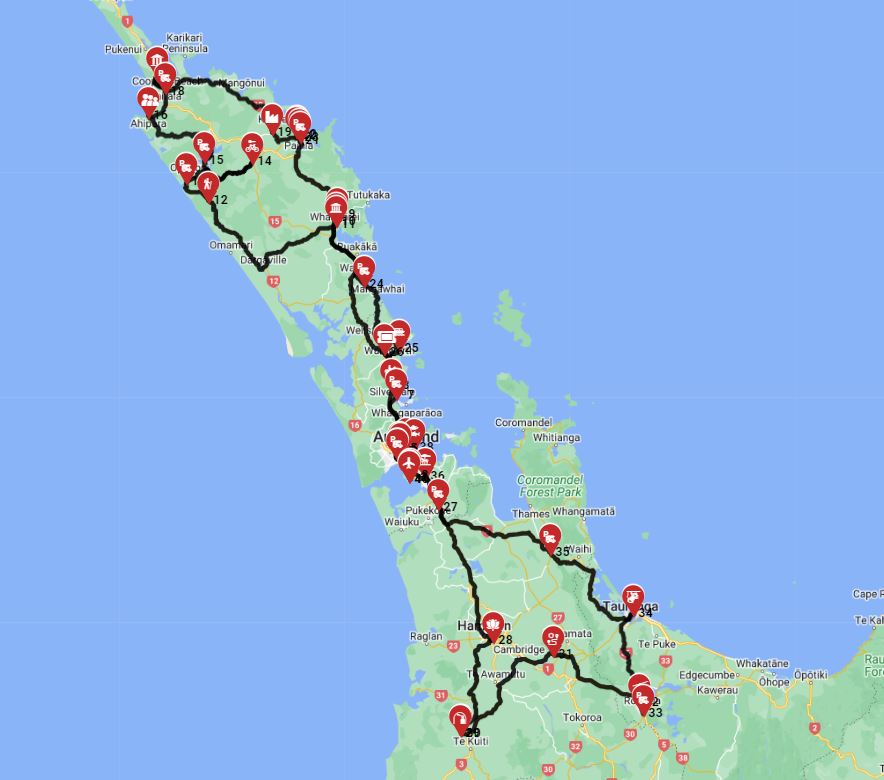
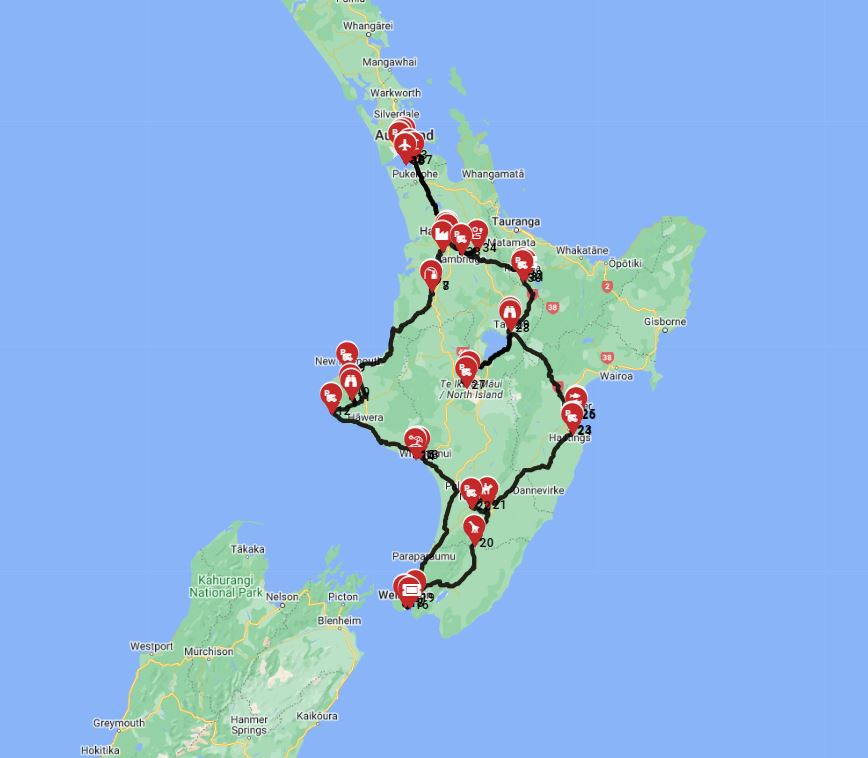
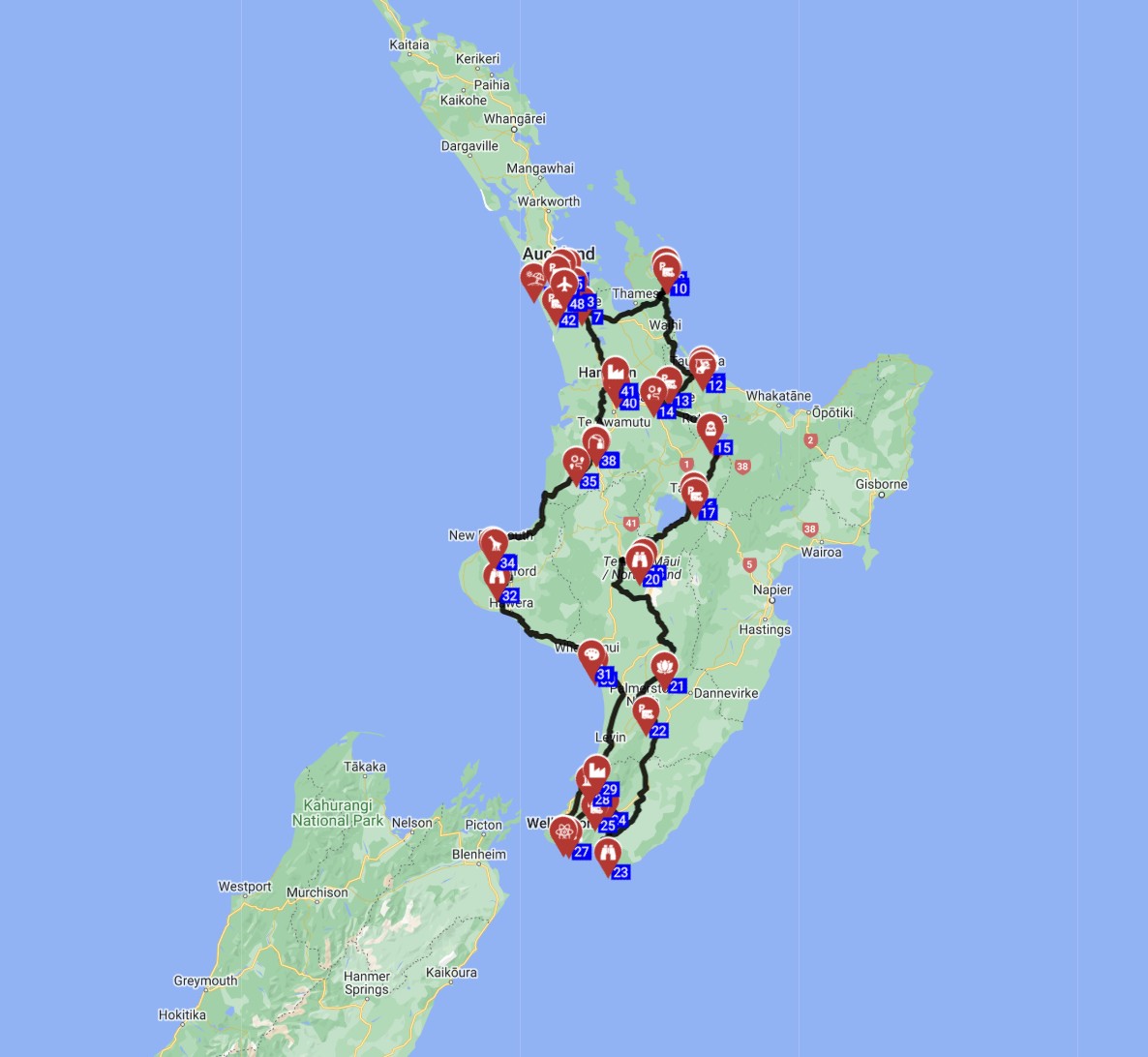
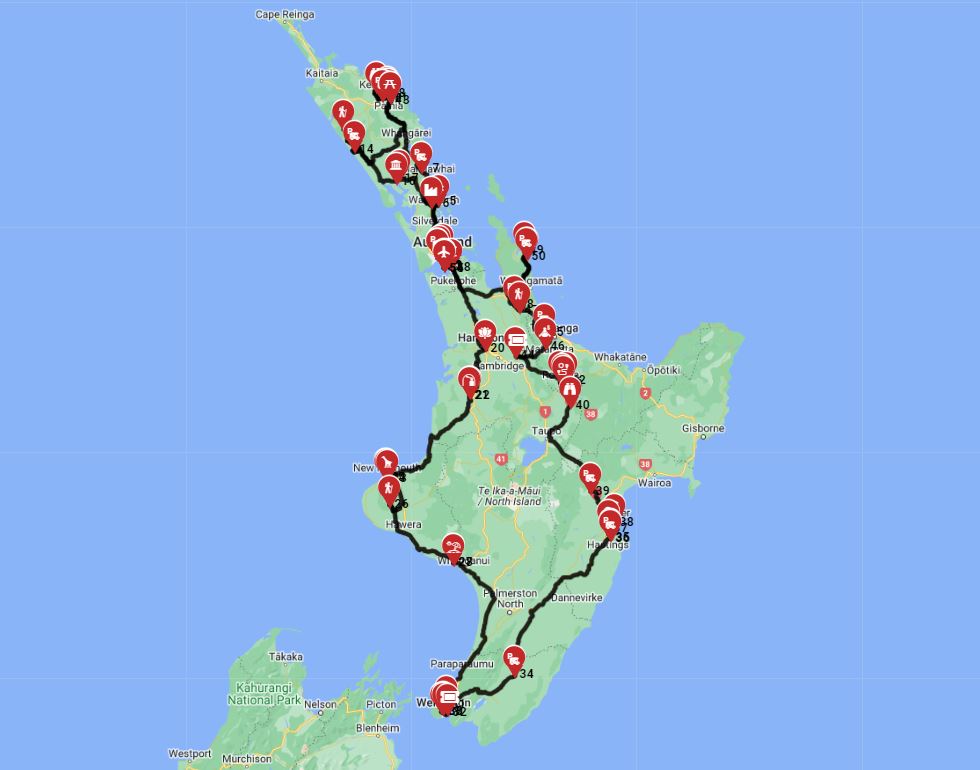
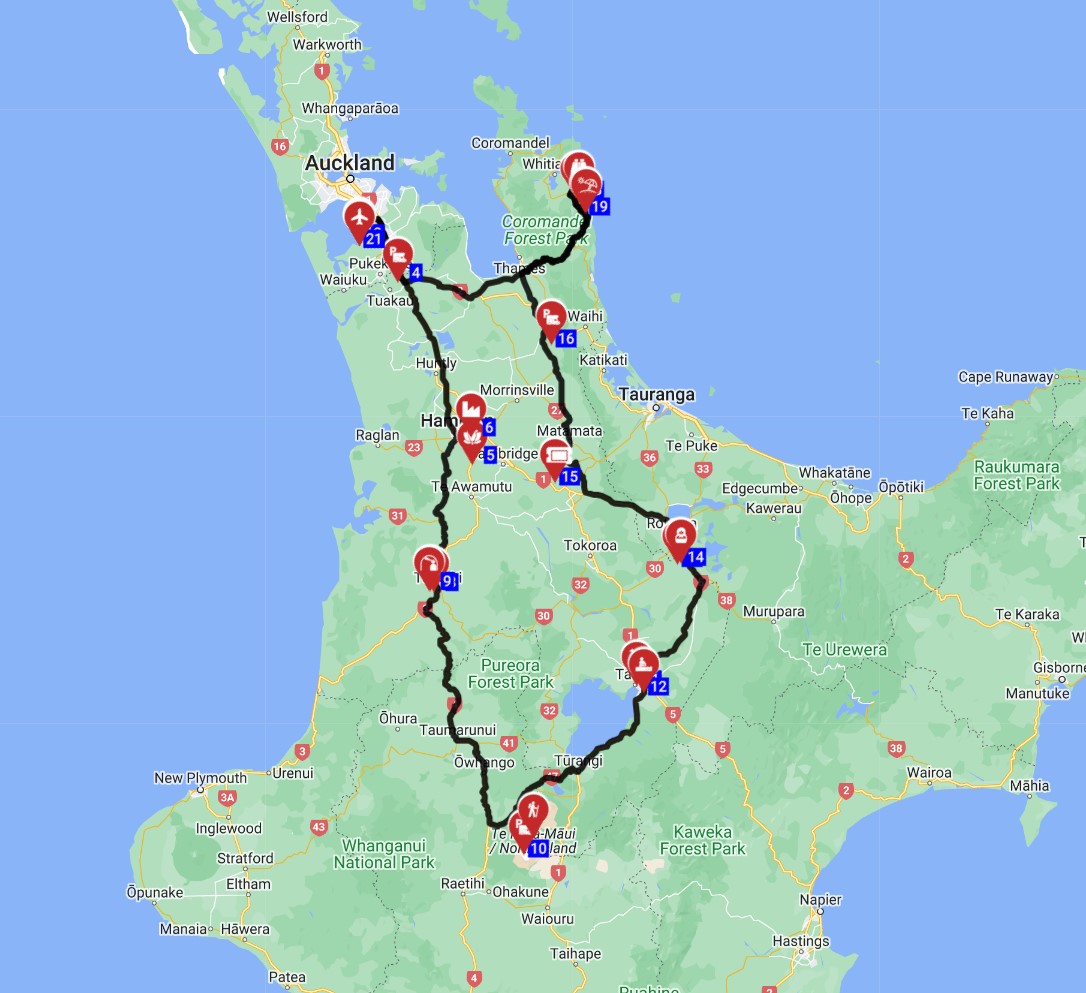
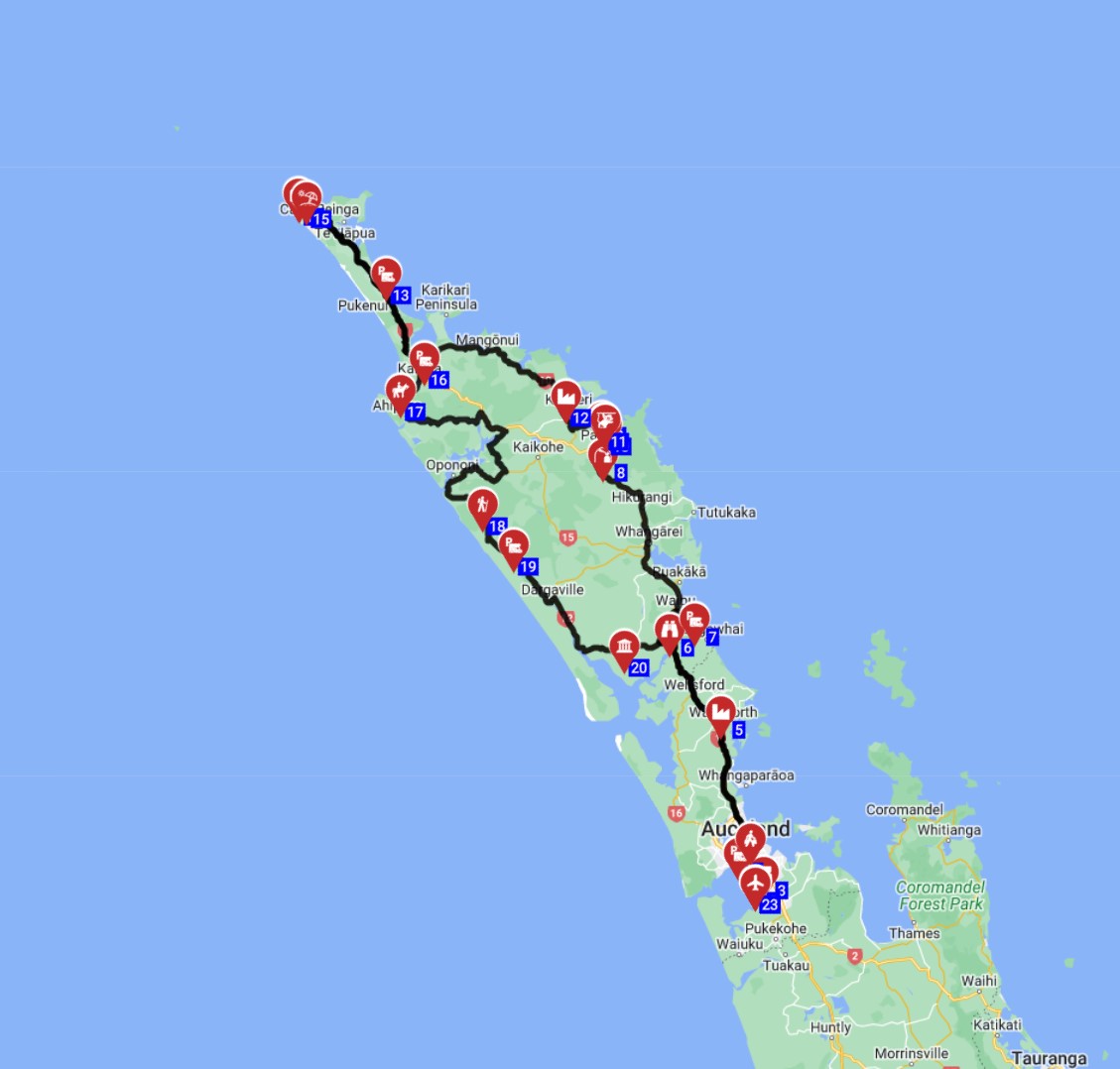
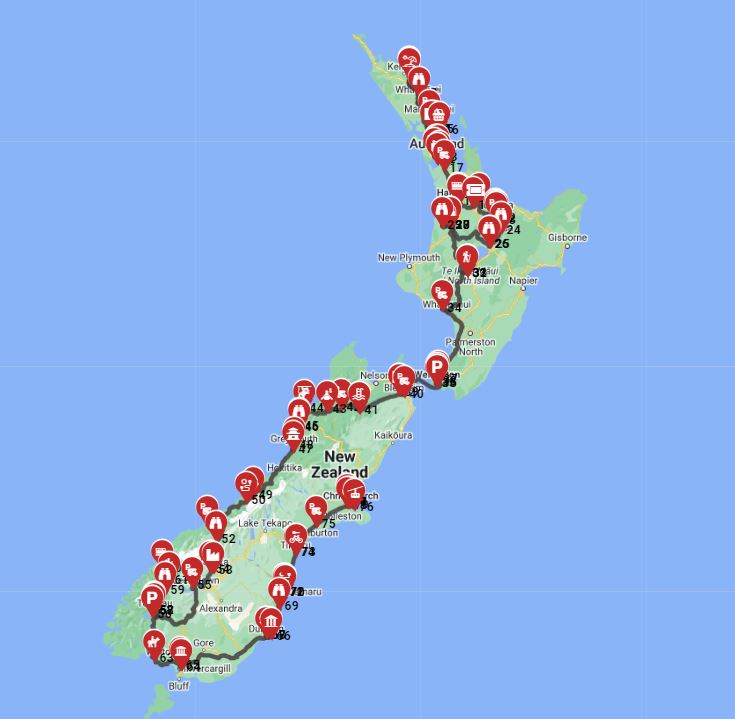
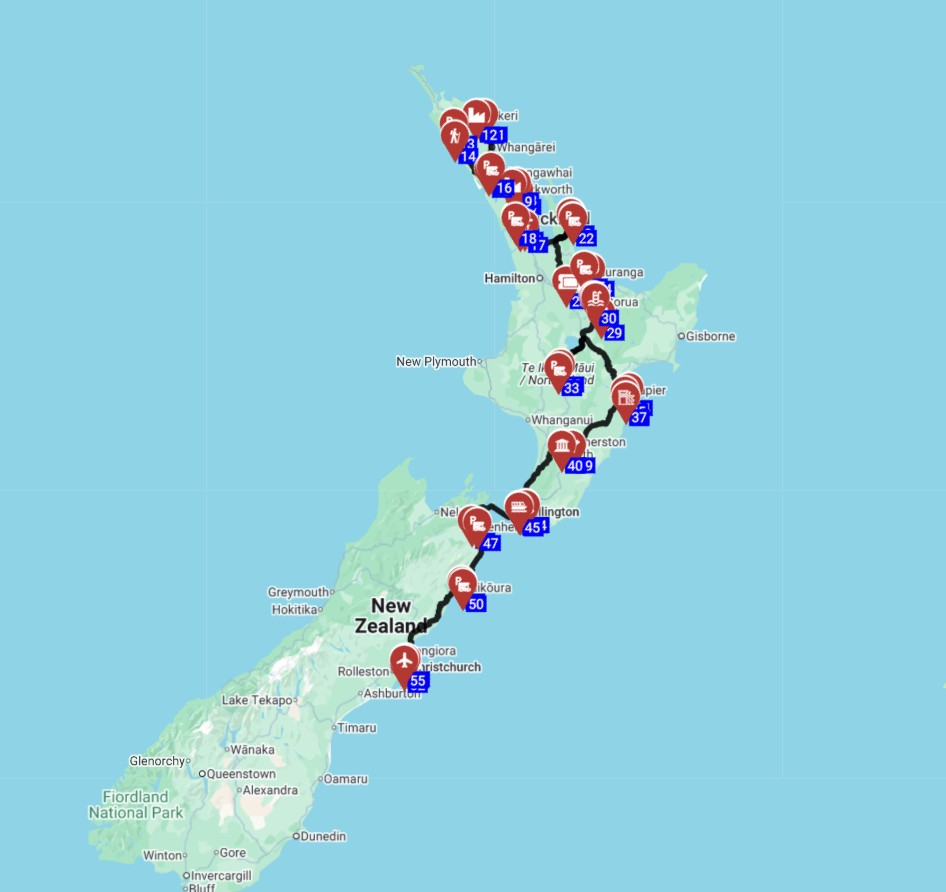
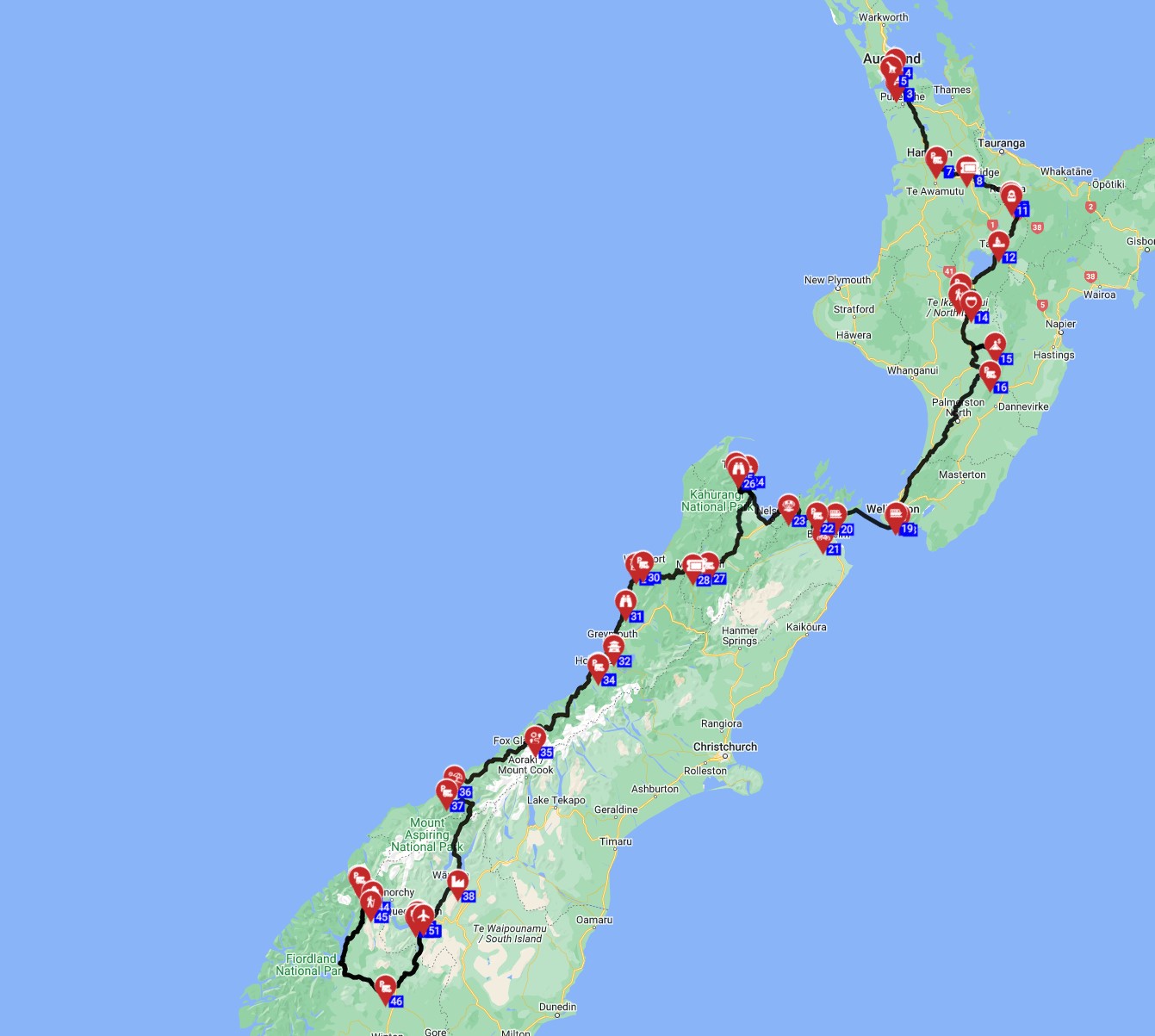
Planning your New Zealand motorhome journey is easier than ever with pre-planned routes. Here are some fantastic itineraries available through RV PLANET that blend stunning scenery with exciting activities, perfect for your week-long trip or extended road trip:
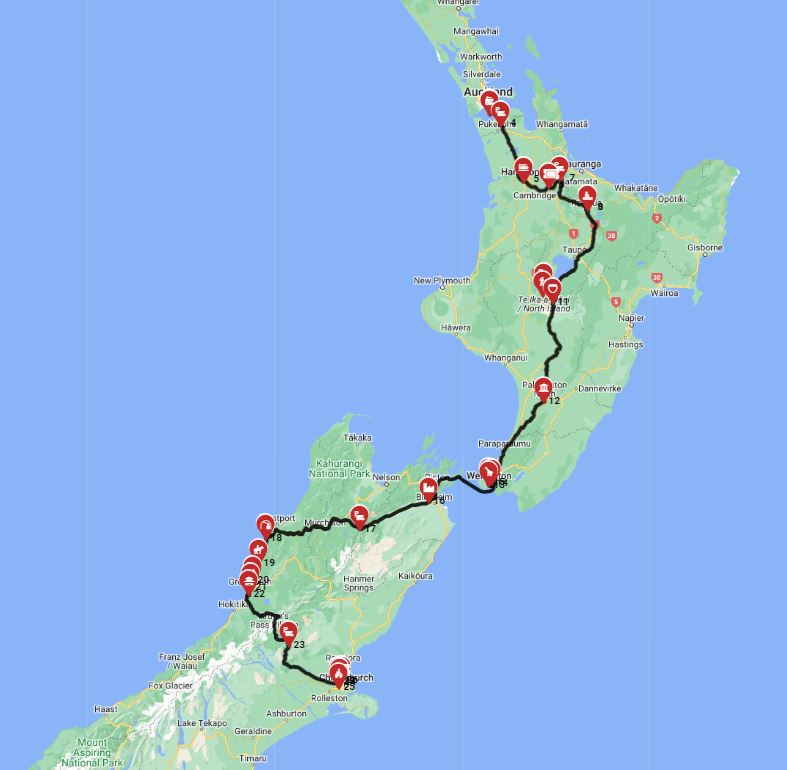
This RV PLANET route offers a grand 25-day, 4060.2 km journey from Auckland to Christchurch. It includes a rich blend of cultural and natural attractions, from 4 wildlife watching opportunities and 3 museums to 9 natural features and 4 hiking areas. It's truly comprehensive!
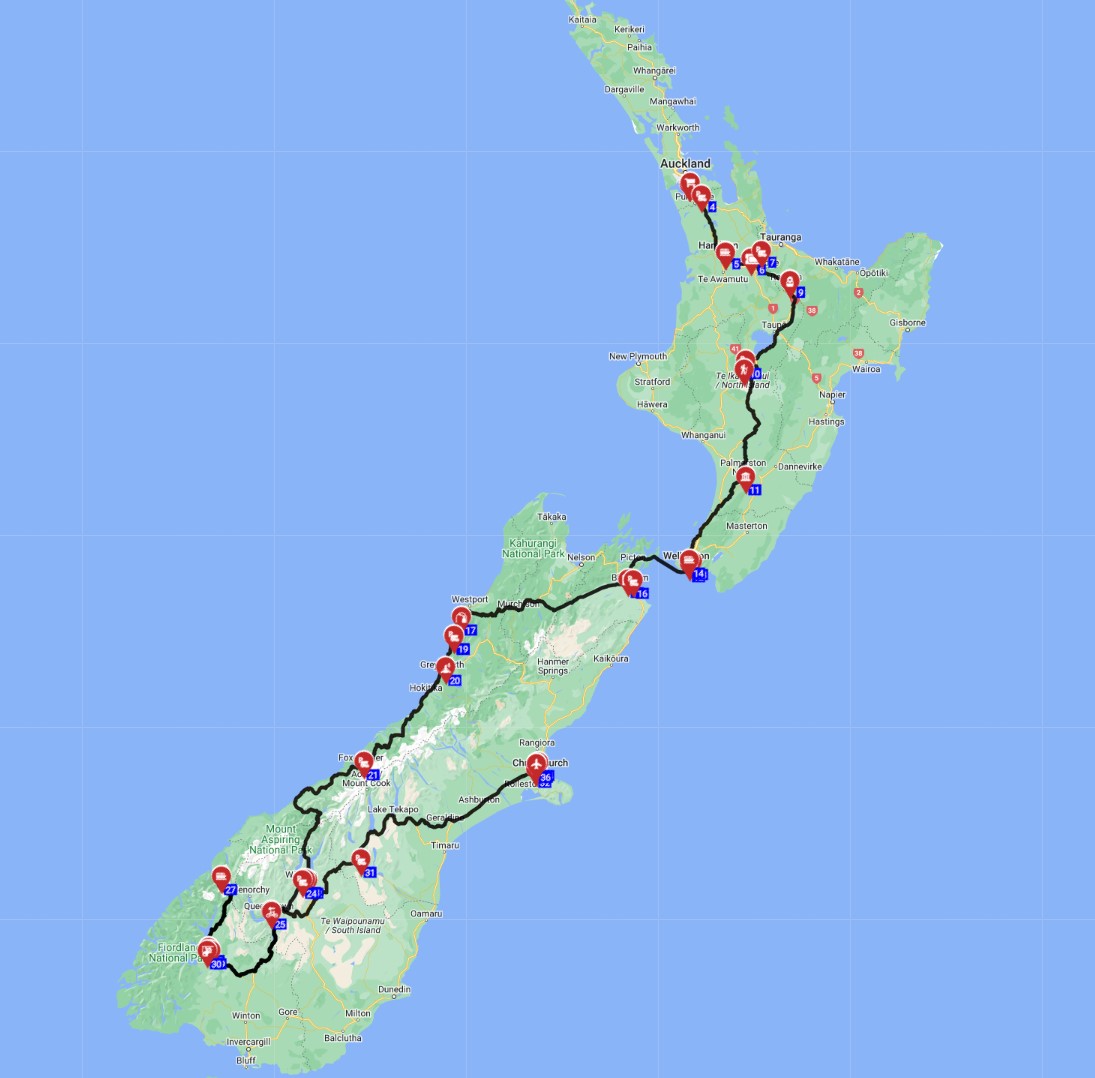
For those focusing on the stunning South Island, this Christchurch Roundtrip route spans 18 days and covers 2647.3 km, featuring 5 hiking areas, 3 local industries, and 4 natural features. It’s a perfect circle to immerse yourself in the South Island’s rugged beauty.
The
Country-wide Practical Information for RV Travelers
Navigating New Zealand in a rented RV is an incredible experience, and a few practical tips can make your journey even smoother. Remember that New Zealand drives on the left-hand side of the road, and seatbelts are mandatory for all occupants at all times. Speed limits are generally 100 km/h on open roads, 70 km/h on unsealed roads, and 50 km/h in urban areas. Pay attention to road signs, as mountain passes and winding coastal routes require slower speeds. For connectivity, consider purchasing a local SIM card from providers like Spark, Vodafone, or 2degrees upon arrival; coverage can be spotty in very remote areas, so it's wise to download offline maps. Emergency services can be reached by dialing 111 for police, fire, or ambulance. Keep your fresh water tank filled and wastewater tanks empty, especially when freedom camping, to adhere to regulations. Planning for ferry crossings between the North and South Islands well in advance is highly recommended, especially during peak season, as spots for RVs can fill up quickly. For finding campsites and campgrounds during your trip, we recommend using RV PLANET (rvplan.net) - a great resource for locating available spots along your route.
What You Shouldn't Miss
- **Milford Sound Cruise:** Take a scenic cruise through the majestic fiord, often hailed as the "eighth wonder of the world," with towering peaks and cascading waterfalls.
- **Rotorua's Geothermal Wonderland:** Immerse yourself in Māori culture and witness bubbling mud pools, geysers, and vibrant thermal terraces.
- **Queenstown Adventure:** Experience the thrill of bungee jumping, jet boating, or simply enjoy the stunning lakeside views and vibrant atmosphere.
- **Franz Josef or Fox Glacier Walk:** Marvel at the accessible glaciers of the West Coast, either from a scenic viewpoint or on a guided walk.
- **Abel Tasman National Park Kayaking:** Paddle through crystal-clear waters, golden beaches, and lush coastal forests in the sunniest region of the South Island.
- **Tongariro Alpine Crossing:** Challenge yourself with one of the world's best one-day hikes, showcasing dramatic volcanic landscapes (weather permitting).
Looking for expert insights from Avi Bandana? Top 5 Adventures - recommendations from Avi Bandana
Final Thoughts
New Zealand truly is an unparalleled destination for a rented RV adventure, offering incredible natural beauty and diverse experiences around every corner, whether you're traveling solo, with family, or with your cherished pets. Embracing the open road in a motorhome provides unmatched flexibility and a unique way to connect with the landscapes, culture, and friendly locals. From the North Island's geothermal wonders to the South Island's majestic fiords and mountains, every day brings a new discovery.
Remember to travel slowly, savoring each moment and allowing yourself to truly immerse in the 'Kiwi' way of life. With proper planning, understanding local driving rules, and choosing the right RV, your journey through New Zealand will be filled with cherished memories and breathtaking sights. We're here to support you in finding the perfect rental motorhome, ensuring full transparency and peace of mind from your first click to your final return.
So, what are you waiting for? Get inspired for your next trip! Plan a trip itinerary in advance with minimal effort and maximum enjoyment. Your unforgettable pet-friendly RV driving adventure in New Zealand awaits!
Compare Motorhome Prices for New Zealand