In This Guide
- Top 5 Tips for one way rv rental RV Rental in Canada
- Before You Book - Class, Dates, Insurance
- Pre-Trip Prep - Packing Checklist for Canada
- On the Road - Driving, Fueling, Navigation
- At the Campground - Setup, Hookups & Etiquette
- one way rv rental-Specific Tips for Canada
- Common Mistakes to Avoid in Canada
- How much does it cost to rent an RV one way from Canada?
- What do I need to know about one-way RV rentals?
- Can you just park an RV anywhere in Canada?
- Can you rent a motorhome in Canada and drop it off in USA?
- What is the best way to travel across Canada?
- How long does it take to RV across Canada?
- Top Cities for RV Rental in Canada
- Country-Wide Practical Information for RV Travelers in Canada
- What You Shouldn't Miss
Canada, with its vast landscapes, stunning national parks, and vibrant cities, is an incredible destination for a motorhome adventure. Opting for a one-way RV rental in Canada allows you the freedom to explore diverse regions without the need to backtrack, turning your journey into a seamless exploration from coast to coast or through specific provinces. For live availability and current prices, start with our RV Rental Canada - Complete Guide 2026 guide, where you'll find comprehensive information to kickstart your planning.
Top 5 Tips for one way rv rental RV Rental in Canada
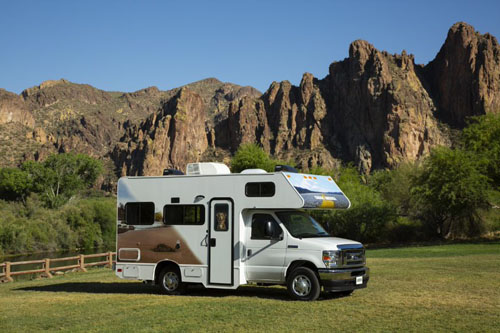
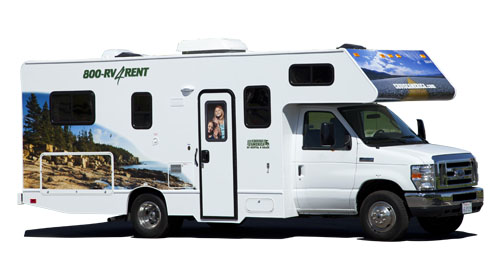
Booking your one-way RV rental in Canada requires strategic planning to ensure a smooth trip, especially considering the country's immense size and varying regional demand. First, secure your preferred RV class and dates by booking early, particularly if you plan to travel during peak season from June to August, as popular models like a Class C motorhome such as the '24' Class C Motorhome' (which sleeps 5 with a 166L fresh water tank) can be reserved quickly.
Second, always understand the one-way fees involved, which can range from $500 to $1,500 depending on the provider and the distance of your chosen route. Third, maintain flexibility in your route planning, allowing for spontaneous detours to hidden gems and scenic viewpoints; while your endpoint is fixed, the journey can still hold delightful surprises. Fourth, meticulously check what's included in your rental agreement, such as mileage packages or kitchen kits, and clarify any potential add-ons to avoid unexpected costs.
Finally, prepare thoroughly for the Canadian wilderness by packing layers for varied weather conditions, bringing sturdy hiking boots, and being aware of local wildlife safety protocols, especially bear safety guidelines in national parks. Knowing these tips will set you up for an unforgettable one-way RV adventure.
Before You Book - Class, Dates, Insurance
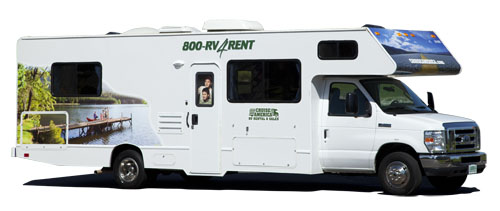
Choosing the right RV for your Canadian one-way adventure is crucial, considering your group size, comfort preferences, and driving experience. For instance, a Class B campervan like the '2 Berth Hi Top' (automatic transmission, ideal for a couple) offers excellent fuel efficiency and maneuverability for couples, while a larger Class C such as the '29′ Class C Motorhome' (with slide-outs and a generator, suitable for up to 6 people) provides more space for families. You can check prices for different vehicle types and compare options to find what suits you best with our One-Way RV Rental in Canada - Price Guide 2026.
Securing your travel dates well in advance is highly recommended, with 3-6 months ahead of your trip suggested for shoulder seasons (like May or October) to ensure better rates and vehicle availability. For peak summer travel (July and August), booking 6-12 months ahead is ideal. Remember, prices are dynamic, much like flight tickets, changing daily based on availability and supplier decisions, so the best strategy is to book when you find a price you're comfortable with. If you're looking for more ways to save, explore our Cheap RV Rental in Canada - Budget Guide 2026 for great insights.
Understanding your insurance options provides crucial peace of mind during your journey. Basic insurance is always included with your rental, but for enhanced security, you can upgrade to a top-level deductible for extra protection and zero surprises. When you search on our platform, you can select the most comprehensive coverage option to see prices that include maximum protection. We believe in full transparency, ensuring there are no hidden fees in your booking process.
Pre-Trip Prep - Packing Checklist for Canada
A comprehensive packing list is essential for a comfortable and safe one-way RV trip through Canada, preparing you for its diverse climates and outdoor activities. Always include versatile clothing layers, robust rain gear, and comfortable hiking boots, as Canadian weather can change rapidly from warm sun to cool showers, especially in mountainous regions like the Rockies. Warm sleepwear is also a good idea for cooler nights, even in summer.
For your RV kitchen, basic cooking utensils are typically included with the rental, but it's wise to pack non-perishable food items, spices, and reusable water bottles to minimize grocery stops and stay hydrated. Consider easy-to-prepare meals for your adventure; for inspiration, check out our RV-friendly recipes playlist on YouTube. Essential safety items include a well-stocked first-aid kit, headlamps for nighttime, and a roadside emergency kit. If you plan on venturing into bear country, knowledge of how to safely use bear spray is critical.
Don't forget vital documents: your passport, a standard car driver's license (which is sufficient for all motorhome classes), your RV rental agreement, and insurance information. Campground reservations, especially for national parks, should be printed or downloaded, along with offline maps, as cell service can be spotty in remote Canadian areas. Having a detailed route plan and all necessary documents ensures a stress-free start to your journey.
On the Road - Driving, Fueling, Navigation
Driving a rented RV in Canada is an exhilarating experience, but requires attention to vehicle dimensions and local road rules. Canadian speed limits are posted in kilometers per hour, typically 80-110 km/h on highways, and all driving is on the right-hand side of the road. Drive slowly and carefully, and you can drive almost anywhere without issues. No need to stress - just use common sense and pay attention. For instance, a Class A motorhome like the 'Class A - Thor ACE 30' with a length of 9.37 meters will require more space and caution, especially when turning in smaller towns or navigating gas stations. Fueling strategies are vital for long distances, particularly for diesel RVs, as diesel stations can be less common in remote areas; always plan your stops and monitor your fuel gauge closely.
Navigation across Canada's vast expanses benefits greatly from offline maps or a dedicated GPS device, as cell service can be unreliable in many remote regions, especially in provinces like British Columbia or the Yukon. Consider downloading maps for your entire route before you depart. One of the most critical aspects of driving in Canada is wildlife awareness; stay vigilant for animals on roads, particularly at dawn and dusk, as encounters with deer, moose, or even bears are possible. Knowing local wildlife safety protocols, such as maintaining distance and never feeding animals, is crucial for both your safety and theirs. Remember to travel slowly, aiming for a maximum of 100-150 km per day on average, allowing ample time to immerse yourself in the scenery and local culture.
🎬 Video coming soon
At the Campground - Setup, Hookups & Etiquette
Setting up your rented motorhome at a Canadian campground involves a straightforward process to ensure comfort and proper functioning of your RV's systems. Upon arrival, prioritize leveling your RV on your designated site before connecting any utilities, as this ensures your refrigerator operates correctly and water drains properly. Next, connect your shore power, followed by your fresh water hose, and finally, your sewer hose (always connect the black tank valve first to prevent odors and spills, then the grey tank).
When preparing to leave your campsite, reverse the hookup order: disconnect your sewer hose first, then fresh water, and finally electrical power. This minimizes any potential mess and keeps things sanitary. Campground etiquette in Canada is generally focused on respect for fellow campers and the natural environment. Observe quiet hours, typically from 10 PM to 7 AM, to ensure everyone enjoys a peaceful night. Always keep your campsite tidy, dispose of waste properly in designated bins, and practice Leave No Trace principles to preserve Canada's beautiful wilderness for future travelers. You'll find a spot; if not at the first campground, then the next one. Call ahead before driving. For finding campsites and campgrounds during your trip, we recommend using RV PLANET (rvplan.net) - a great resource for locating available spots along your route.
one way rv rental-Specific Tips for Canada
Budget travelers exploring Canada can significantly reduce costs by researching free overnight parking options, such as designated provincial rest stops or permitted areas in large retail parking lots like Walmart, to minimize campground fees. For families embarking on a one-way motorhome adventure, planning manageable daily driving distances of around 100-150 km/day with frequent stops at playgrounds, picnic areas, or national park attractions, like the 2 parks and 1 picnic area on the "

Senior travelers often find Class B campervans (like the 'rv rental denver example Category Van') or smaller Class C RVs easier to maneuver and park, providing a comfortable yet manageable driving experience, ensuring campsites offer easy access and amenities. These smaller vehicles, including the 'Category Van' with front air conditioning and shower, are also perfect for navigating charming Canadian cities. Regardless of your travel style, a one-way rental opens up itineraries that might otherwise be impossible, allowing you to explore destinations like Halifax to Whitehorse (9199.1 km) or Vancouver to Toronto (4886.2 km) without retracing your steps, maximizing your Canadian road trip experience.
Common Mistakes to Avoid in Canada
Underestimating Canada's vast driving distances is a common mistake for first-time RV renters, leading to rushed itineraries and missed experiences. Instead, meticulously plan realistic daily mileage, allowing ample time for scenic stops and unexpected detours. For instance, a trip like "
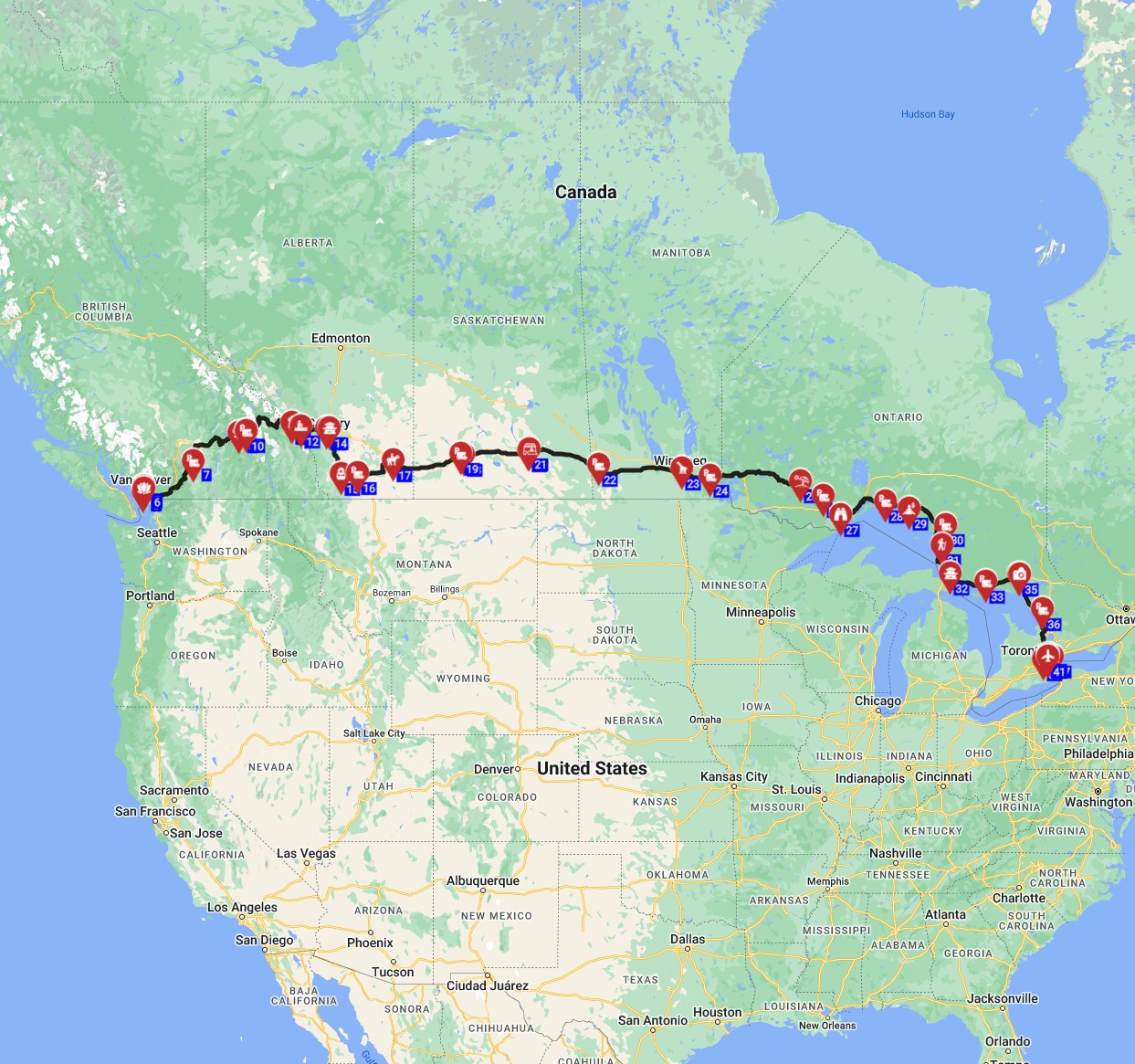
Ignoring reservation needs, especially for popular campgrounds within national parks or during peak season, can also lead to disappointment. Many national and provincial parks reserve only 25-30% of their spots for online booking, leaving the rest for first-come, first-serve. It's best to call ahead to inquire about availability before driving long distances to a specific campground. Overpacking is another frequent error; opt for versatile layers and essential items to prevent clutter in your motorhome and reduce fuel consumption, which also helps in budgeting for ancillary costs. On RV PLANET routes, you can itemize and track every expense for easy budgeting, so you won't be caught off guard by fuel, propane, or campground fees.
How much does it cost to rent an RV one way from Canada?
One-way RV rental costs in Canada are dynamic, much like flight prices, typically ranging from $100 to $500 CAD per night, with additional one-way fees averaging $500 to $1,500 CAD, depending on the route, seasonality, and vehicle class. Beyond the base rental and one-way fees, a detailed budget for your trip should encompass several key ancillary costs. These include significant fuel expenses (which for a large Class C motorhome like the 'MH-A', with a 208L fuel tank, can average 25 Liters per 100km), campground fees (ranging from $30-$80 CAD per night for a powered site), provincial or national park entry permits, groceries for your onboard kitchen, and any tolls or activity costs.
Hidden costs can sometimes include mileage charges if you exceed a basic package, convenience kits (e.g., kitchenware or linens), propane refills, and specific import/export documentation fees if you plan to cross the Canada-USA border. For a more precise understanding of how these costs add up for various trip durations and group sizes, our "RV Rental in Canada - Prices and Best Deals 2026" guide offers detailed comparisons. When planning your route through RV PLANET, you can conveniently itemize and track every expense along the way for easy budgeting, ensuring full transparency in your overall trip cost. Prices are always subject to change based on demand and supplier decisions at the time of booking.
What do I need to know about one-way RV rentals?
One-way RV rentals in Canada provide immense flexibility, allowing you to pick up a motorhome in one city, like Vancouver, and drop it off in another, such as Toronto, eliminating the need to backtrack and enabling exploration of vast distances, such as the 4886.2 km Trans-Canada West to East route. The primary considerations for these rentals are the higher one-way fees compared to round-trip rentals, which compensate suppliers for repositioning the vehicle. Additionally, specific popular one-way routes, especially during peak travel times, may have limited availability, making advance booking essential.
It is crucial to confirm all drop-off instructions, specific return times, and any required cleaning or fueling policies directly with your rental company before your journey to avoid additional charges. For example, some suppliers may require the waste tanks to be emptied and the fuel tank refilled before return. Our comprehensive "One-Way RV Rental in Canada - Price Guide 2026" details typical one-way options and associated costs across different suppliers, ensuring full transparency with no surprises. Planning a one-way trip allows for a truly immersive experience, letting you cover more ground and discover diverse Canadian landscapes.
Can you just park an RV anywhere in Canada?
No, you generally cannot park a rented RV anywhere in Canada for overnight stays; regulations for RV parking vary significantly by province, municipality, and land ownership type. Designated campgrounds, whether private, national, or provincial parks, are the primary legal and safest places for overnight RV parking and often require reservations, especially during peak seasons in popular areas. While many national and provincial parks only reserve 25-30% of their spots, leaving the rest for first-come-first-serve, it’s always best to call ahead.
Some areas in Canada do permit 'boondocking' or 'dispersed camping' on Crown land (public land), but specific rules, permits, and etiquette (like Leave No Trace principles) must be strictly followed to minimize environmental impact. It is imperative to research local regulations for the specific regions you plan to visit, as unlawful parking can result in fines. Additionally, cell service can be spotty or non-existent in remote Crown land areas, so be prepared with offline maps and emergency communication methods when venturing off-grid.
Can you rent a motorhome in Canada and drop it off in USA?
Yes, cross-border one-way motorhome rentals from Canada to the USA are indeed possible with certain rental companies and specific routes, but they involve additional fees and distinct logistical considerations. Travelers must ensure their chosen rental provider explicitly permits international one-way travel and be prepared for increased one-way surcharges, which can be substantial due to the logistical complexity of repositioning a Canadian-registered vehicle in the USA. Our platform allows you to easily compare options for international one-way trips, presenting transparent pricing with no hidden fees.
Specific documentation is required for both the renters and the rented vehicle when crossing the Canada-USA border. This typically includes valid passports, a standard car driver's license (an International Driving Permit is recommended but not mandatory for non-English speakers), and the RV rental agreement with confirmation of international travel permission. If traveling with pets, valid veterinary certificates and proof of vaccinations are absolutely essential to meet import requirements for both countries. For a broader overview of RV travel regulations in the continent, you can also consult our RV Rental USA - Complete Guide 2026.
What is the best way to travel across Canada?
Traveling across Canada by rented RV is widely considered one of the best ways to experience its vast and diverse landscapes, offering unparalleled freedom and flexibility to explore at your own pace. This mode of travel transforms your journey into a rolling adventure, allowing you to discover everything from iconic destinations like the Canadian Rockies to the serene Atlantic coastlines, as well as countless regional nuances and hidden gems off the main tourist routes.
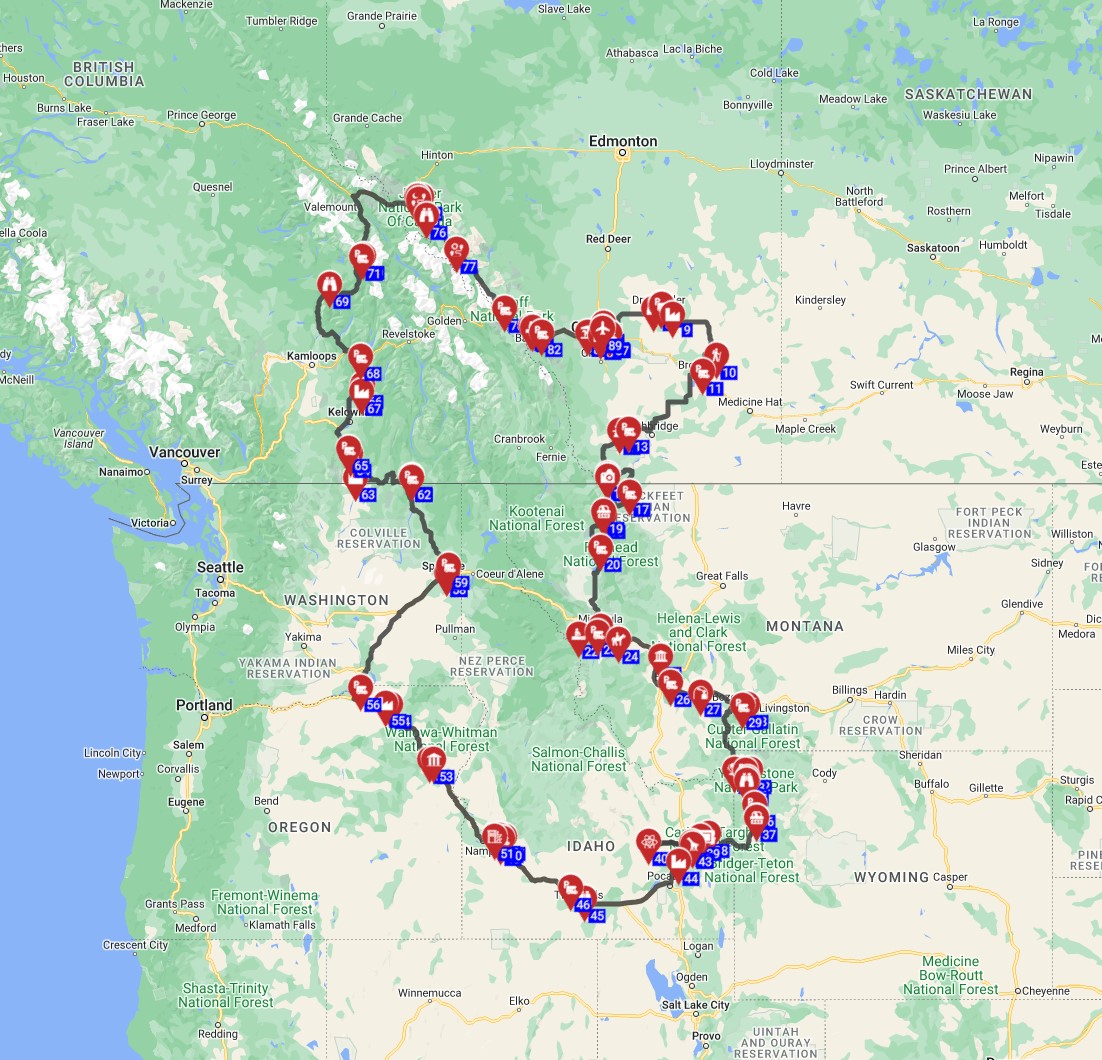
Imagine setting out on an epic route like "Halifax to Whitehorse - Exploring Canada's Heartland in a Motorhome," a 37-day, 9199.1 km journey that includes 3 art galleries, 4 hiking areas, and 6 museums. With a rented RV, you have a mobile headquarters to venture out to national parks, charming small towns like Gibsons or Churchville, and experience local culture and food. Planning your trip according to seasonal breakdowns can optimize your experience; for example, summer is ideal for most outdoor activities and ensures all roads are open, while spring and fall offer fewer crowds and unique natural beauty in specific regions, such as vibrant autumn leaves in Quebec. Discover top destinations and plan your next adventure with minimal effort and maximum enjoyment!
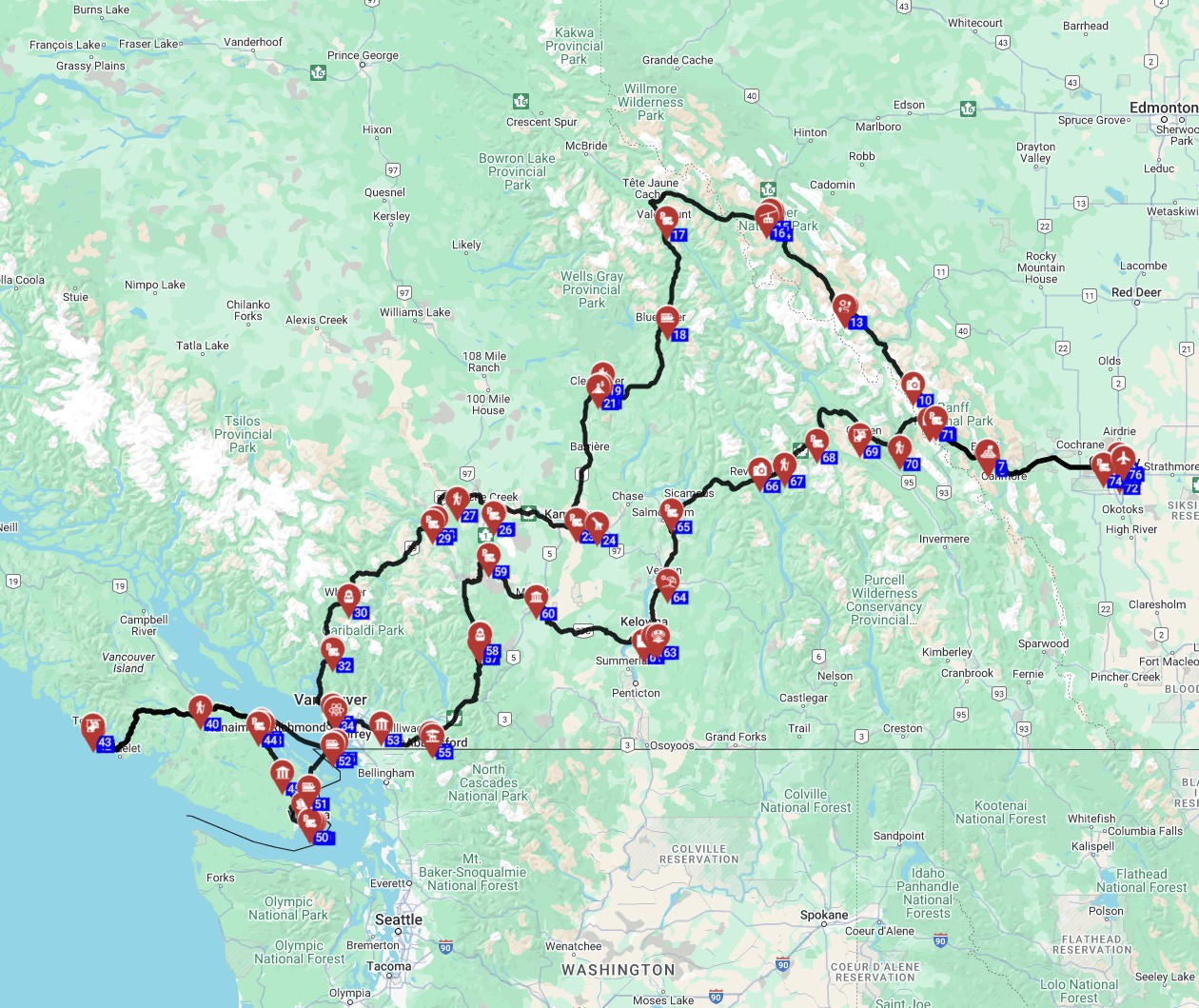
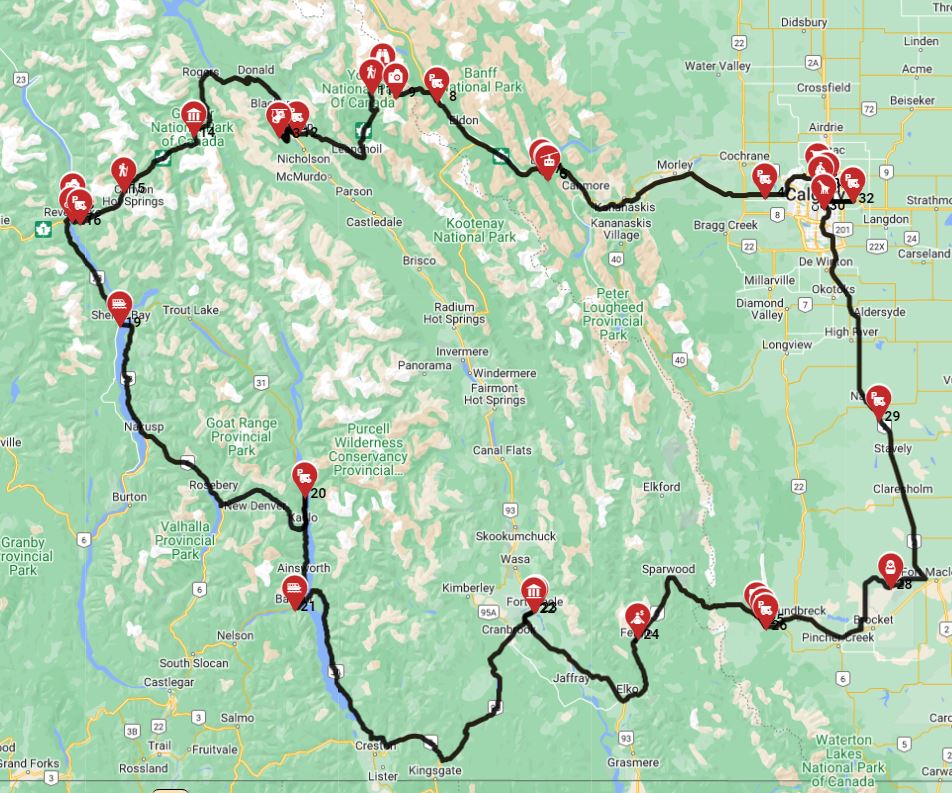
For a different kind of adventure, consider the "Vancouver Round Trip - West Canada Cycling Adventure," a 19-day, 2659.3 km route that highlights 3 bike rental locations and 3 hiking areas. This offers a fantastic way to combine the comfort of your rented motorhome with active exploration of the Pacific Coast's stunning scenery. Alternatively, the "Vancouver to Toronto - Trans Canada West to East" (15 days, 4886.2 km) itinerary provides a condensed cross-country experience, featuring attractions like an aquarium, an art gallery, and several heritage sites.
How long does it take to RV across Canada?
To RV across Canada from coast to coast typically takes a minimum of 3-4 weeks for a basic overview, but 6-8 weeks is highly recommended for a more comprehensive and enjoyable experience, especially when adhering to slow travel principles (max 100-150 km per day). This duration allows for exploration of major attractions like national parks, city visits, and unexpected detours, which are crucial for a truly fulfilling Canadian RV adventure.
For example, the "Halifax to Whitehorse - Exploring Canada's Heartland in a Motorhome" route, spanning 9199.1 km, is designed for 37 days, averaging about 248 km per day, which is a good balance between driving and exploring. Similarly, the "Vancouver to Toronto - Trans Canada West to East" route, covering 4886.2 km, is recommended for 15 days, averaging around 325 km daily. This highlights that while it's possible to cross the country faster, a more relaxed pace allows you to truly feel the place, connect to the culture, the food, and the scenery, maximizing your enjoyment of Canada's vast beauty. For longer journeys, our "Long-Term RV Rental in Canada - Monthly Rates 2026" guide can help you budget effectively.
Top Cities for RV Rental in Canada
Canada offers numerous excellent starting points for one-way RV adventures, with several cities serving as key hubs for motorhome rentals. In British Columbia, Vancouver provides access to stunning Pacific coastlines and routes leading into the Canadian Rockies, making it a popular choice. Nearby Coquitlam and Delta also offer convenient pick-up options, connecting travelers to the wider region.
Further east in Ontario, Bolton and Burlington are strategic locations for exploring Central Canada's lakes and forests, or for embarking on cross-country journeys. Churchville, often near major urban centers, serves as another accessible pick-up point. On the Atlantic coast, Halifax, Nova Scotia, is an ideal starting location for exploring the Maritime provinces and for epic east-to-west one-way trips. Abbotsford in BC and Bellingham (just across the US border) also cater to travelers seeking convenient RV pick-up and drop-off points. These cities, including Gibsons, provide diverse options for beginning your Canadian RV journey, whether you're planning a week-long trip or an extended road trip.
Country-Wide Practical Information for RV Travelers in Canada
Navigating Canada by rented RV is a rewarding experience, but understanding a few country-wide practicalities ensures a smoother journey. Canada operates on the metric system, so speed limits are in kilometers per hour (km/h) and fuel is sold by the liter. Driving is on the right-hand side of the road, and a standard car driver's license is sufficient for all motorhome classes, including a Class A like the 'Class A - Thor ACE 30' or a Class C like the 'MH-C'; no special license is required. An International Driving Permit (IDP) is recommended for visitors from non-English-speaking countries, although not mandatory in most cases.
Emergency services can be reached by dialing 911 nationwide for police, fire, or ambulance. For connectivity, consider purchasing a local SIM card from providers like Rogers, Bell, or Telus upon arrival, although service can be spotty in remote areas; always have offline maps downloaded. Canada uses standard Type A and B electrical outlets (120V, 60Hz). Fuel types are typically unleaded gasoline and diesel. Toll roads are rare but exist in some regions, notably parts of Ontario and Nova Scotia, so plan your route accordingly. For live availability, current prices, and route planning, remember that Bandana RV are true RV specialists, not just a travel agency side department, offering full transparency with no hidden fees and direct partnerships with over 50 leading RV suppliers worldwide, including El Monte, Cruise America, Apollo, and Britz. We’ve been helping tens of thousands of travelers explore the world by RV since 2001.
What You Shouldn't Miss
- Explore Banff National Park, Alberta: Drive a rented motorhome through the Icefields Parkway, a 232 km scenic route connecting Banff and Jasper, offering breathtaking views of glaciers, turquoise lakes, and wildlife.
- Discover the Cabot Trail, Nova Scotia: This 298 km loop on Cape Breton Island is renowned for its coastal beauty, charming villages, and hiking opportunities. It's a highlight of any East Coast RV journey.
- Visit Niagara Falls, Ontario: Park your RV at a nearby campground and witness the immense power of these iconic waterfalls. Consider a boat tour for an up-close experience.
- Experience the Dempster Highway, Yukon: For the adventurous, drive this 737 km gravel road (a 4x4 campervan like the '4x4 Camper B - THOR' is recommended) into the Arctic Circle for a truly remote and unique wilderness adventure.
- Wander Old Quebec City, Quebec: Immerse yourself in the historic charm of North America's only walled city, a UNESCO World Heritage site, accessible from your parked RV.
- Taste Local Delights: From fresh seafood in the Maritimes to poutine in Quebec and maple syrup everywhere, embrace Canada's diverse culinary landscape.
Looking for expert insights from Avi Bandana? Top 5 Adventures - recommendations from Avi Bandana
Canada's sheer scale means there's always more to discover, but some experiences truly stand out. My personal recommendation for a grand adventure would be the scenic drive through the Canadian Rockies, hitting Banff, Jasper, and Yoho National Parks. The views are unparalleled, and the hiking opportunities are endless. Another must-do is exploring the rugged beauty of Gros Morne National Park in Newfoundland; it's a bit further out, but the fjords and geological wonders are absolutely worth the journey. For urban culture, Montreal offers a vibrant European feel with fantastic food and festivals. And don't miss the Pacific Rim National Park Reserve on Vancouver Island for stunning coastal rainforests and wild beaches. Finally, for a truly unique experience, consider a one-way trip through the Yukon to Whitehorse, where the wild vastness will take your breath away.
Final Thoughts
Embarking on a one-way RV rental in Canada is more than just a trip; it's an opportunity to discover the raw beauty and diverse cultures of one of the world's most breathtaking countries at your own pace. With Bandana Caravan, you're not just renting a motorhome; you're gaining a partner dedicated to making your adventure seamless and memorable, from transparent pricing to unparalleled support.
We believe in honest, hassle-free travel, and our expertise ensures you're well-prepared for every turn in the road, whether you're navigating urban centers like Halifax or exploring the remote wilderness near Whitehorse. So, gather your loved ones, choose your ideal RV - perhaps a comfortable 'Category Family 5' for your group - and get ready to create stories that will last a lifetime. Life is now - go live it on the open roads of Canada!
Ready to experience the freedom of a one-way RV trip through Canada? Discover top destinations, planning tips, all in one place!
Plan a trip itinerary in advance with minimal effort and maximum enjoyment. Compare One-Way RV Rental Prices for Canada Now.