In This Guide
- Best Australia RV Itinerary for rv rental — Overview
- 7-Day Classic Route in Australia
- 14-Day Extended Journey in Australia
- Recommended RVPlan Trip for Australia
- Must-See Stops Along the Way (Avi Bandana Picks)
- Daily Driving Distances & Drive Times in Australia
- Best RV Class for This Itinerary — Couple & Family Picks
- What is the most beautiful road trip in Australia?
- Can you park an RV anywhere in Australia?
- What is the best RV in Australia?
- How long does it take to travel around Australia in a campervan?
- What is the 333 rule for campervan?
- What not to do in Australia as an American?
- What are the top 3 tourist attractions in Australia?
- How many days are enough for an Australia trip?
- What is the best month to go to Australia?
Australia, a land of boundless natural beauty and diverse landscapes, is calling for your next motorhome adventure. Imagine waking up to the sound of kookaburras, brewing your morning coffee with the sun rising over a pristine beach, or gazing at a star-studded outback sky from the comfort of your rented camper. An RV journey here offers unparalleled freedom to explore at your own pace, whether you're embarking on a week-long coastal dash or a month-long trans-continental epic. For live availability and current prices, start with our RV Rental Australia - Complete Guide 2026 guide.
At Bandana RV, we’ve been helping tens of thousands of travelers discover the world by RV since 2001, forging direct partnerships with over 50 leading RV suppliers worldwide, including trusted names like Apollo and Britz in Australia. Our mission is to make your dream trip a reality with full transparency and no hidden fees, offering you peace of mind from your initial search to the moment you return your vehicle. We're here to share our extensive knowledge and passion for RV travel, guiding you through unforgettable one-way itineraries and practical tips for renting a motorhome in Australia.
Best Australia RV Itinerary for rv rental — Overview
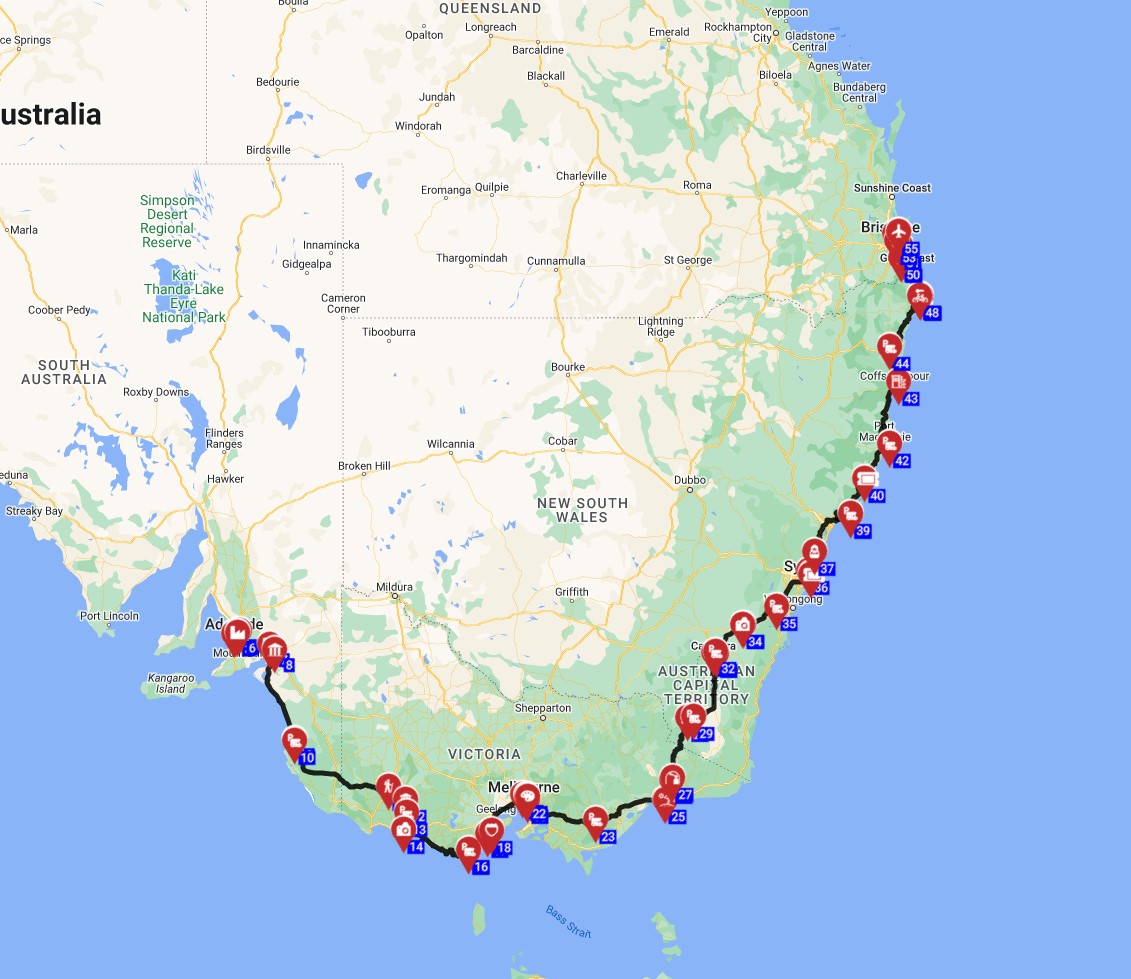
A classic Australian RV adventure often spans 7 to 14 days, covering popular coastal routes like the East Coast or exploring iconic landscapes within a single state. A recommended 7-day itinerary from Sydney to Brisbane, for example, covers approximately 950 km (590 miles), offering a balanced mix of scenic drives and relaxed stops. The ideal season for an RV trip in Australia varies by region; generally, autumn (March-May) and spring (September-November) offer pleasant weather across much of the country, avoiding extreme summer heat or winter rains. Longer trips, such as the 31-day Broome to Sydney journey available through RV PLANET, can cover over 7,300 km (4,500 miles), revealing the true vastness and diversity of Australia and showcasing the incredible possibilities of a long-term RV rental in Australia.
Planning your Australian one-way RV itinerary can be a joy when you have access to expert-curated routes. With RV PLANET, our sister company, you can explore over 1,300 pre-planned routes across 5 continents, including many specifically for Australia. These itineraries provide detailed daily breakdowns, including campsites, attractions, and activity suggestions. Plus, by using rvplan.net, you can secure a 25% planning discount, making your adventure even more accessible.
7-Day Classic Route in Australia
This 7-day route focuses on the stunning East Coast, from Sydney to Byron Bay, averaging less than 150 km (100 miles) per day for leisurely exploration. This pace allows you to truly immerse yourself in each destination, enjoying the scenic beauty without the rush. Many travelers find this a fantastic option for a weekly RV rental in Australia - Pricing.Day 1: Sydney to Blue Mountains (approx. 100 km / 62 miles)
Start your journey by heading west from Sydney to the dramatic Blue Mountains. Explore the Three Sisters rock formation, iconic scenic lookouts like Echo Point, and charming mountain towns such as Leura, known for its quaint shops and gardens. Overnight at a caravan park in Katoomba.Day 2: Blue Mountains to Hunter Valley (approx. 150 km / 93 miles)
Drive north-east to Australia's oldest wine region, Hunter Valley. Enjoy wine tastings at world-class vineyards, savor gourmet food from local producers, and take in the rolling hills of scenic vineyards. Overnight at a vineyard caravan park or resort.Day 3: Hunter Valley to Port Stephens (approx. 70 km / 43 miles)
A short, relaxing drive brings you to the coastal paradise of Port Stephens, renowned for its pristine beaches, thrilling dolphin watching cruises, and towering sand dunes perfect for sandboarding. Stay at a beachfront holiday park and indulge in fresh seafood.Day 4: Port Stephens to Port Macquarie (approx. 170 km / 105 miles)
Continue north along the coast to Port Macquarie. Visit the beloved Koala Hospital, explore national parks with abundant wildlife, and relax on beautiful, expansive beaches. Find an RV park near the beach for easy access to the water.Day 5: Port Macquarie to Coffs Harbour (approx. 160 km / 99 miles)
Head further up the coast to Coffs Harbour, famous for the iconic Big Banana fun park, seasonal whale watching opportunities (May-November), and lush rainforest walks within nearby national parks. Secure a spot at a major holiday park with good amenities.Day 6: Coffs Harbour to Byron Bay (approx. 240 km / 149 miles)
Drive to the iconic, bohemian town of Byron Bay. Visit Cape Byron Lighthouse, the easternmost point of mainland Australia, enjoy the vibrant town's atmosphere, and soak up the legendary surf culture. Park at one of Byron's popular caravan parks, making sure to book ahead, especially during peak times.Day 7: Explore Byron Bay / Optional drive to Gold Coast (approx. 90 km / 56 miles)
Spend a full day enjoying Byron Bay's beaches, unique shops, and relaxed vibe. Alternatively, take a short final drive north to the Gold Coast for more extensive beaches and exciting theme parks before returning your rented RV if dropping off there.14-Day Extended Journey in Australia
This 14-day extended journey from Melbourne to Adelaide, via the Great Ocean Road and Kangaroo Island, offers a diverse mix of coastal beauty, wildlife, and wine regions, maintaining a relaxed pace. This route is perfect for those seeking a deeper dive into Australia's southern charm and is a fantastic option for longer adventures, like a two-week RV trip.Melbourne to Great Ocean Road (Days 1-3)
Day 1: Melbourne to Torquay (approx. 100 km / 62 miles)
Begin your adventure by picking up your rented RV in Melbourne and heading to Torquay, the official start of the Great Ocean Road and Australia's surfing capital. Spend the afternoon at Bells Beach, famous for its surf breaks. Stay at a well-equipped caravan park in Torquay.Day 2: Torquay to Apollo Bay (approx. 90 km / 56 miles)
Drive the scenic Great Ocean Road, stopping at iconic spots like Split Point Lighthouse for panoramic views, Kennett River to spot wild koalas, and various beautiful coastal towns. Overnight in Apollo Bay, a charming seaside town.Day 3: Apollo Bay to Port Campbell (approx. 95 km / 59 miles)
Continue along the Great Ocean Road to witness the majestic Twelve Apostles, the dramatic Loch Ard Gorge, and other incredible rock formations within Port Campbell National Park. Stay at a Port Campbell caravan park to be close to these natural wonders.South Australia & Kangaroo Island (Days 4-7)
Day 4: Port Campbell to Warnambool (approx. 65 km / 40 miles)
A short drive brings you to Warnambool, famous for seasonal whale watching (June-September) and the Flagstaff Hill Maritime Village, offering a glimpse into 19th-century seafaring life. Prepare for your ferry crossing to Kangaroo Island. Stay overnight in Warnambool.Day 5: Warnambool to Cape Jervis Ferry / Kangaroo Island (approx. 330 km / 205 miles)
This day involves a longer drive to Cape Jervis to catch the ferry to Kangaroo Island, a wildlife haven. Once on the island, find a comfortable campsite near Penneshaw. (Note: Ferry crossing time is not included in the driving distance).Day 6: Explore Kangaroo Island - Flinders Chase NP
Dedicate the day to exploring Flinders Chase National Park on Kangaroo Island, where you can marvel at the Remarkable Rocks, Admirals Arch, and encounter abundant wildlife, including kangaroos, koalas, and New Zealand fur seals. Stay at a national park campground.Day 7: Explore Kangaroo Island - Seal Bay & Kingscote
Visit Seal Bay Conservation Park for a unique guided beach walk among Australian sea lions, then explore Kingscote, the island's main town, known for its pelican feeding. Catch a late ferry back to the mainland and stay near the ferry terminal.Adelaide Hills & Barossa Valley (Days 8-10)
Day 8: Mainland to McLaren Vale (approx. 70 km / 43 miles)
Drive north from Cape Jervis to the renowned McLaren Vale wine region. Enjoy exquisite cellar door experiences and taste local produce. Find an RV park in the region to settle in for the evening.Day 9: McLaren Vale to Hahndorf (Adelaide Hills) (approx. 50 km / 31 miles)
Head into the picturesque Adelaide Hills to Hahndorf, Australia's oldest surviving German settlement. Explore the charming main street with its historic buildings, artisan shops, and German-style bakeries. Stay at a caravan park in Hahndorf.Day 10: Hahndorf to Barossa Valley (approx. 80 km / 50 miles)
Journey to the world-famous Barossa Valley, one of Australia's premier wine regions. Indulge in premium wines, artisanal food, and visit historical towns with a rich German heritage. Secure a spot at a Barossa Valley RV park.Adelaide & Departure (Days 11-14)
Day 11: Barossa Valley to Adelaide (approx. 70 km / 43 miles)
Make your way to Adelaide, South Australia's vibrant capital city. Park your RV at a city-fringe caravan park and explore the bustling city center via public transport, enjoying its cultural institutions and culinary scene.Day 12: Explore Adelaide
Discover Adelaide's cultural precinct, vibrant markets like the Central Market (perfect for picking up fresh ingredients for your RV kitchen - check out our RV-friendly recipes playlist!), botanic gardens, and diverse culinary scene. Enjoy a relaxed day without driving your rented motorhome.Day 13: Adelaide Coastline / Relax
Spend a relaxed day exploring Adelaide's beautiful coastal suburbs like Glenelg or Henley Beach, or simply unwind and recharge at your RV park. This is a great opportunity to reflect on your journey.Day 14: Adelaide Departure
Enjoy a final Australian breakfast before returning your rented RV in Adelaide, concluding your incredible two-week adventure. Remember, for planning tools and to itemize all your trip expenses, from fuel to campground fees, RV PLANET routes are an invaluable resource.Recommended RVPlan Trip for Australia
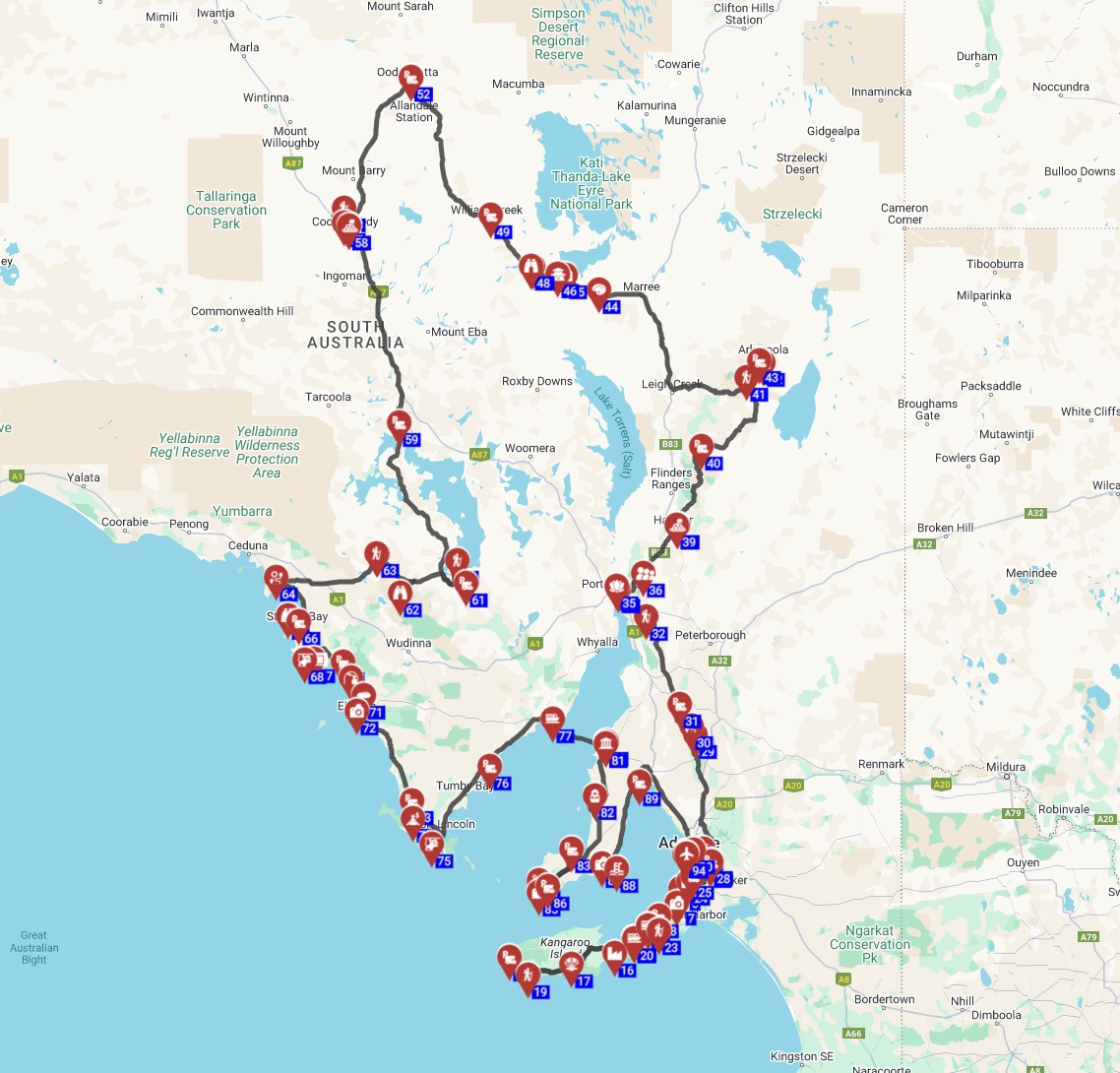
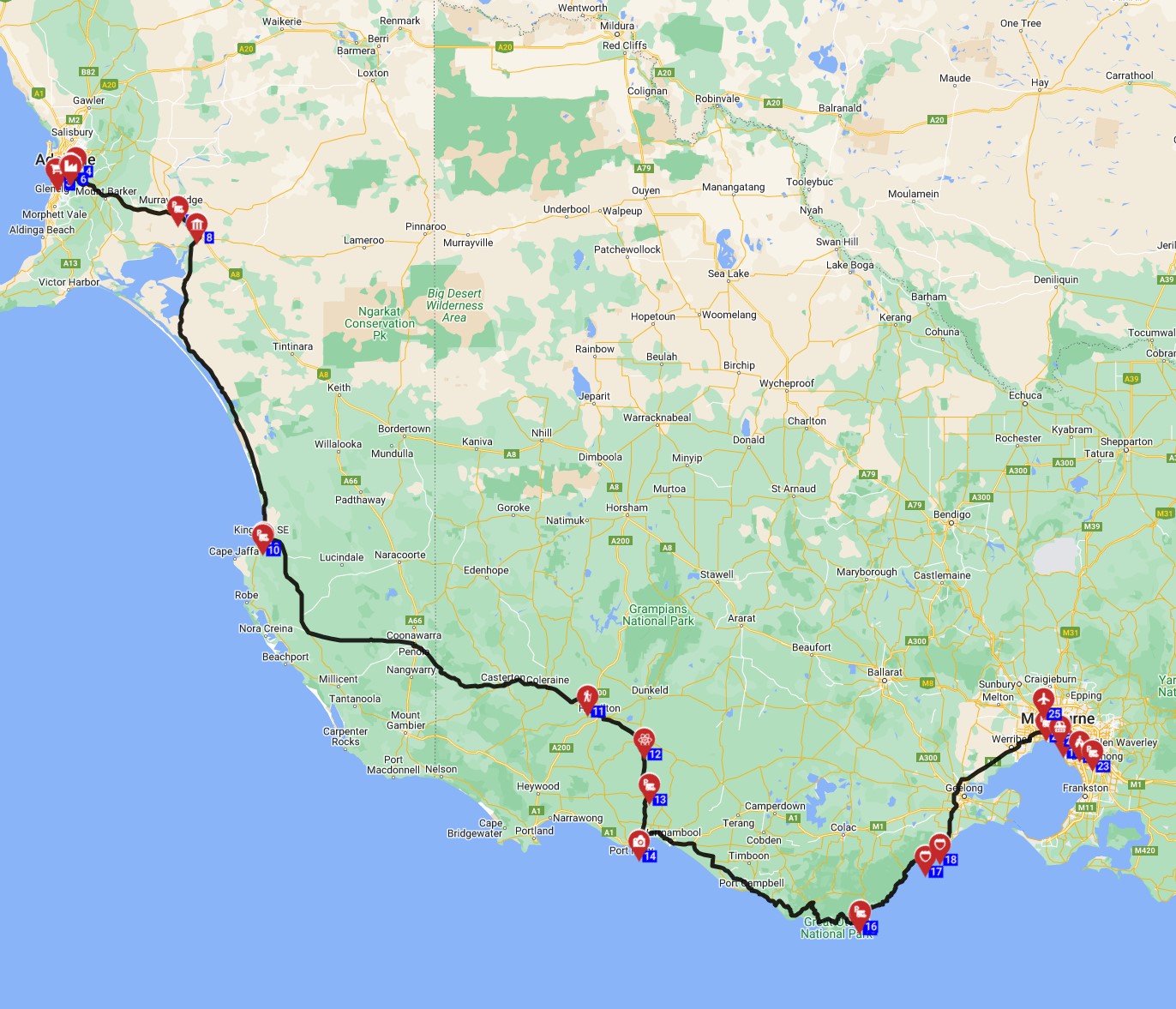
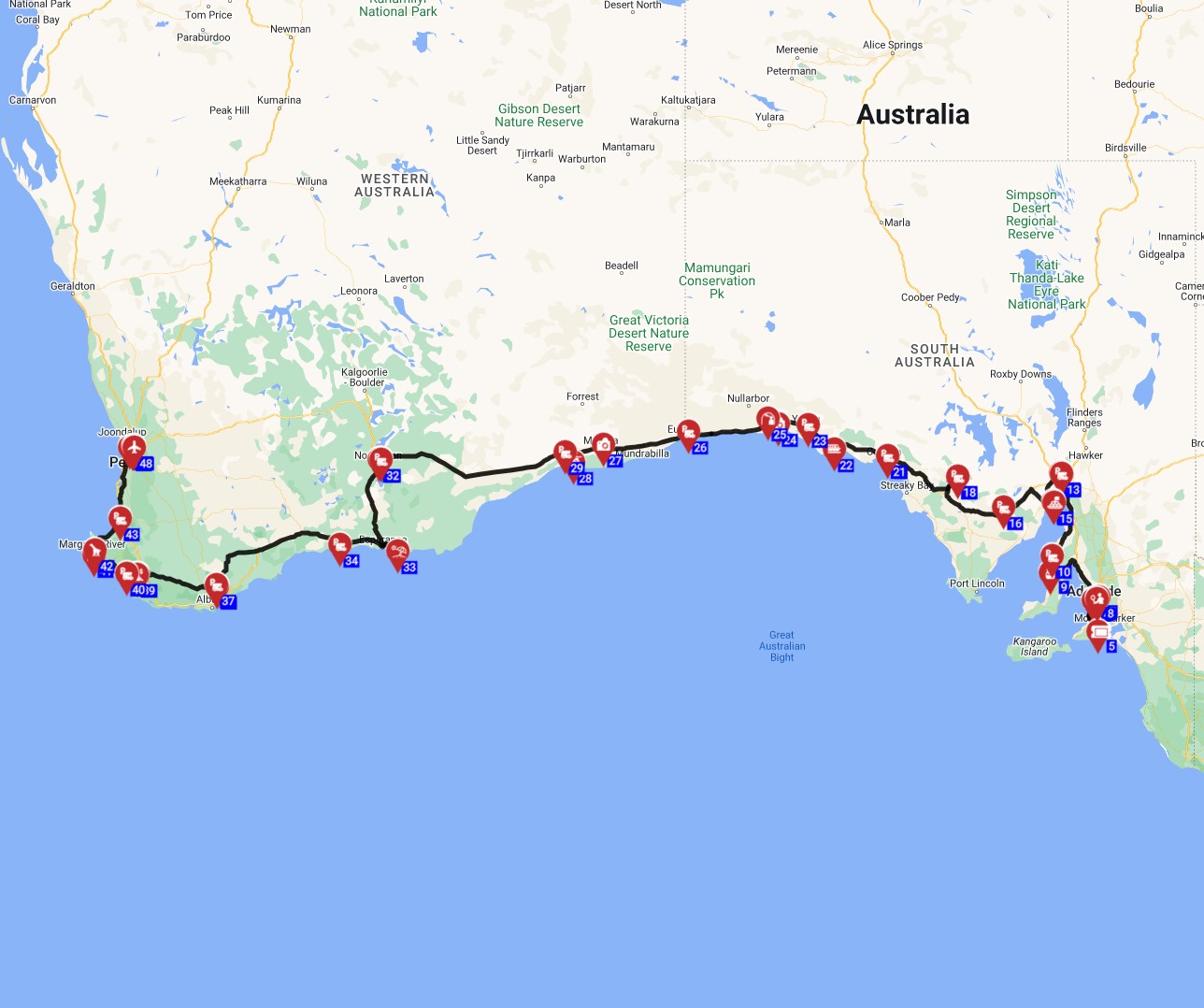
For an extensive Australian RV experience, Avi Bandana highly recommends exploring the "
🎬 Video coming soon
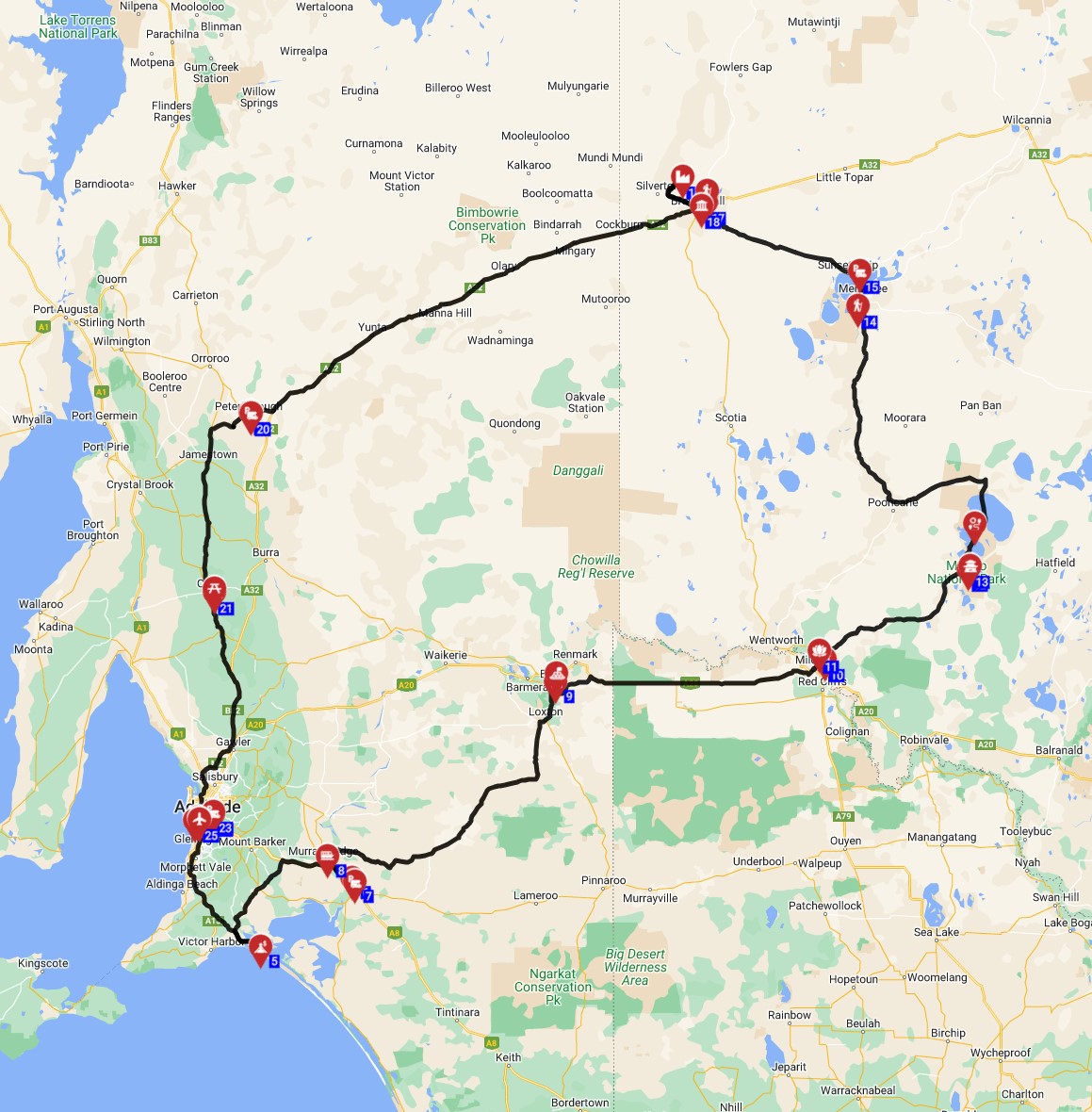
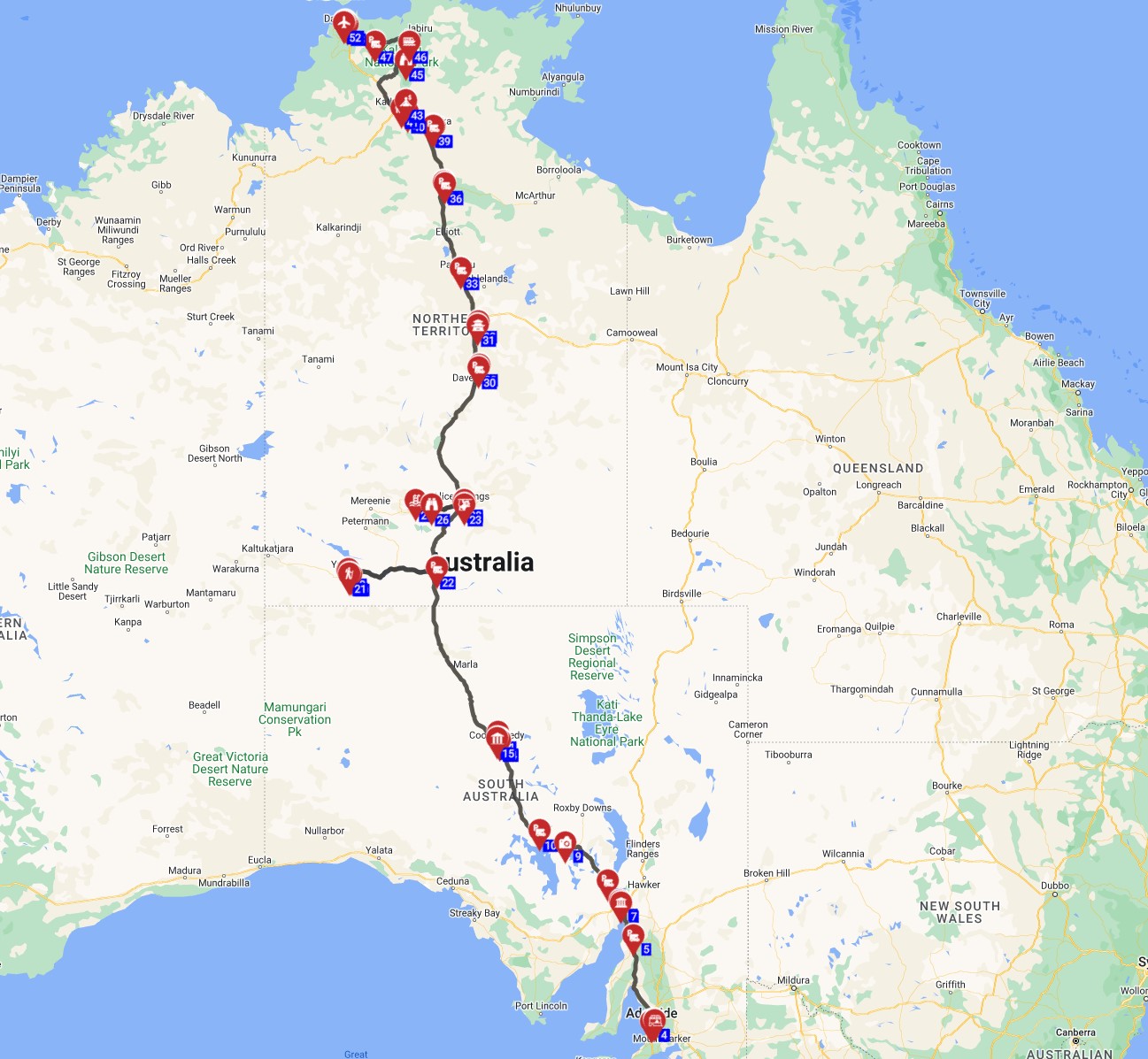
Other fantastic pre-planned routes include the "Melbourne to Darwin - Australia’s Heartline Road Trip," a 26-day journey spanning 5622.8 km, offering a wealth of activities from wildlife watching to historical sites:
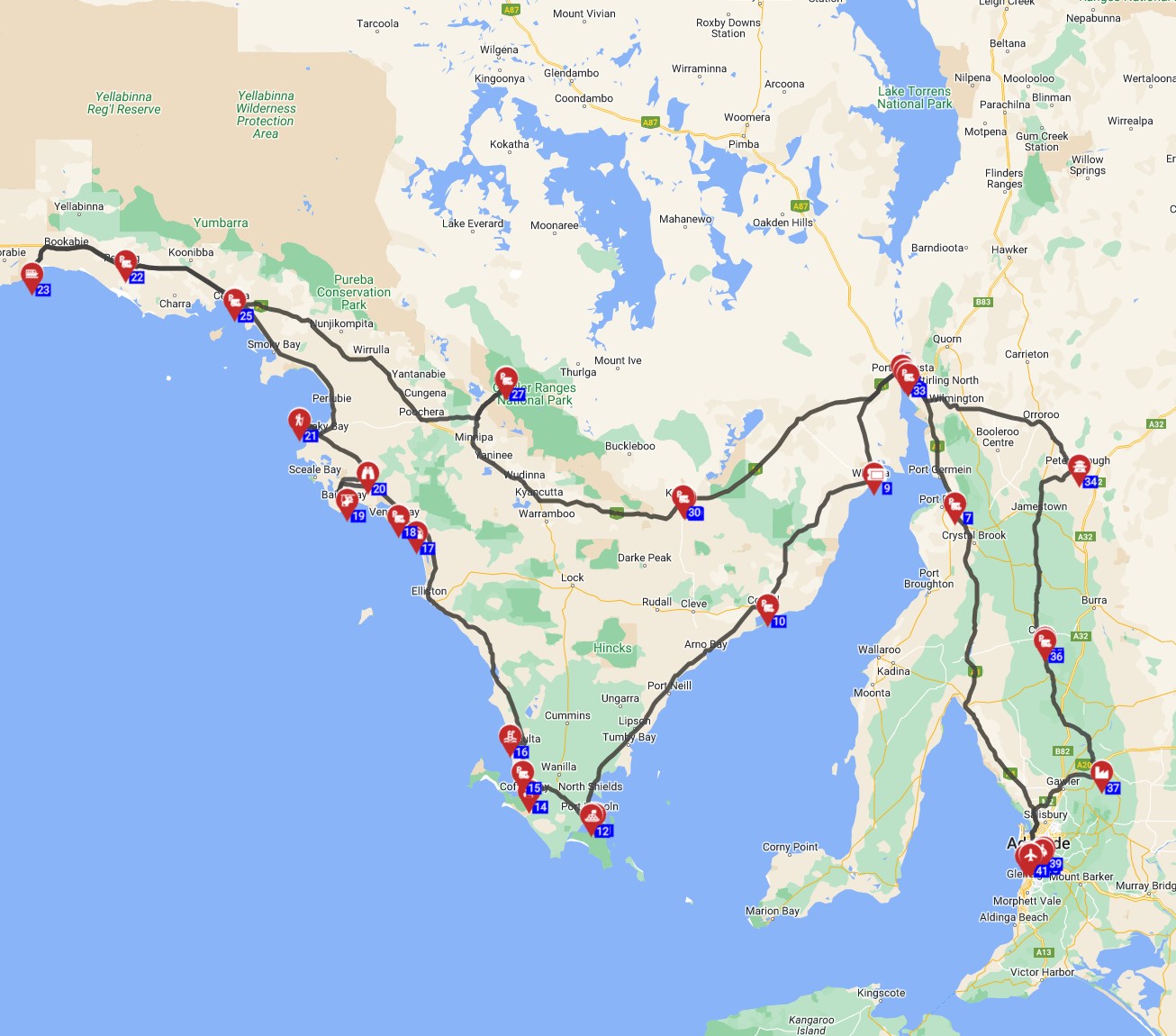
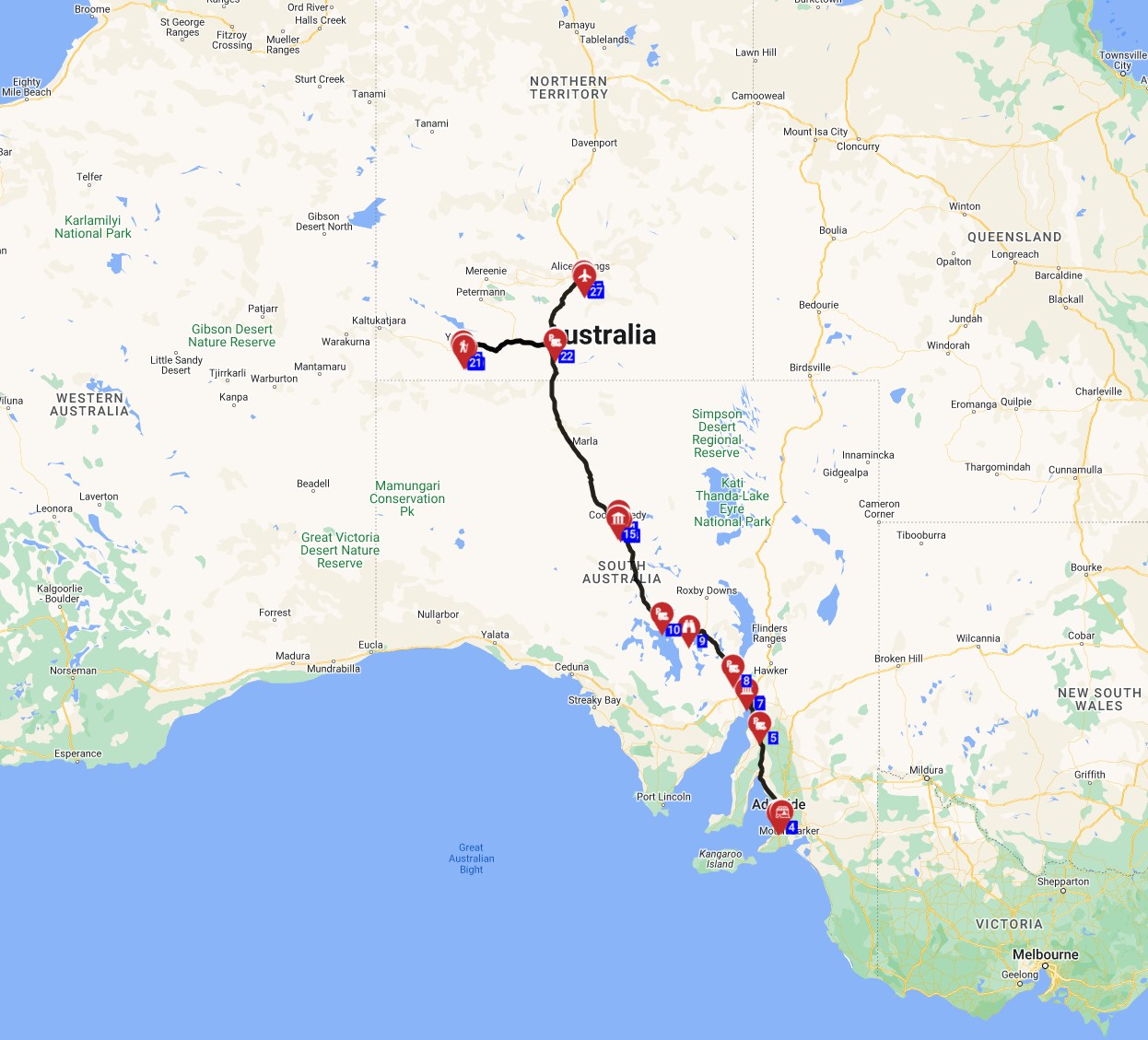
For exploring the outback's vastness, consider the "Perth to Alice Springs - The Dreamtime Highway: A Journey Through Australia's Heart," a 21-day, 5447.3 km trip featuring beaches, botanical gardens, and numerous points of interest:
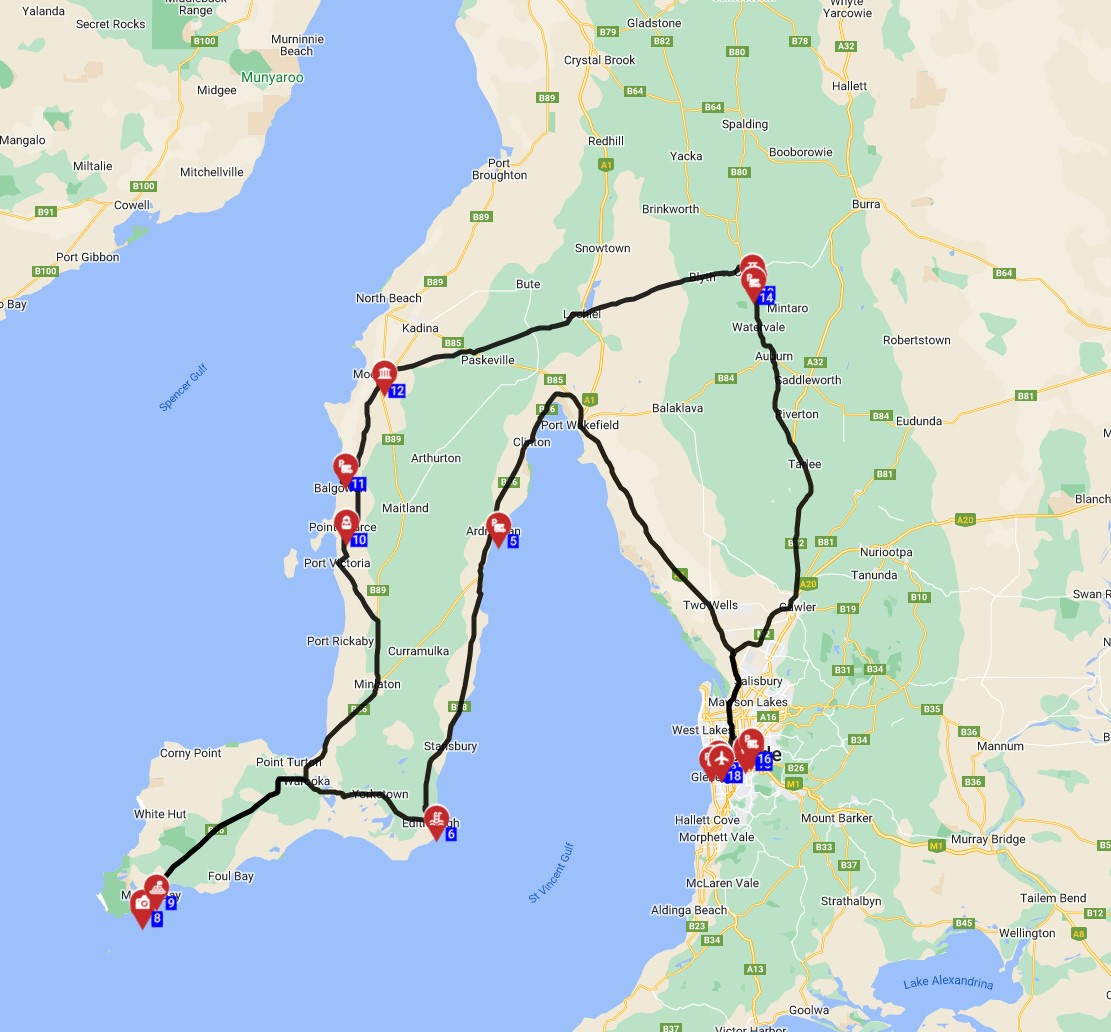
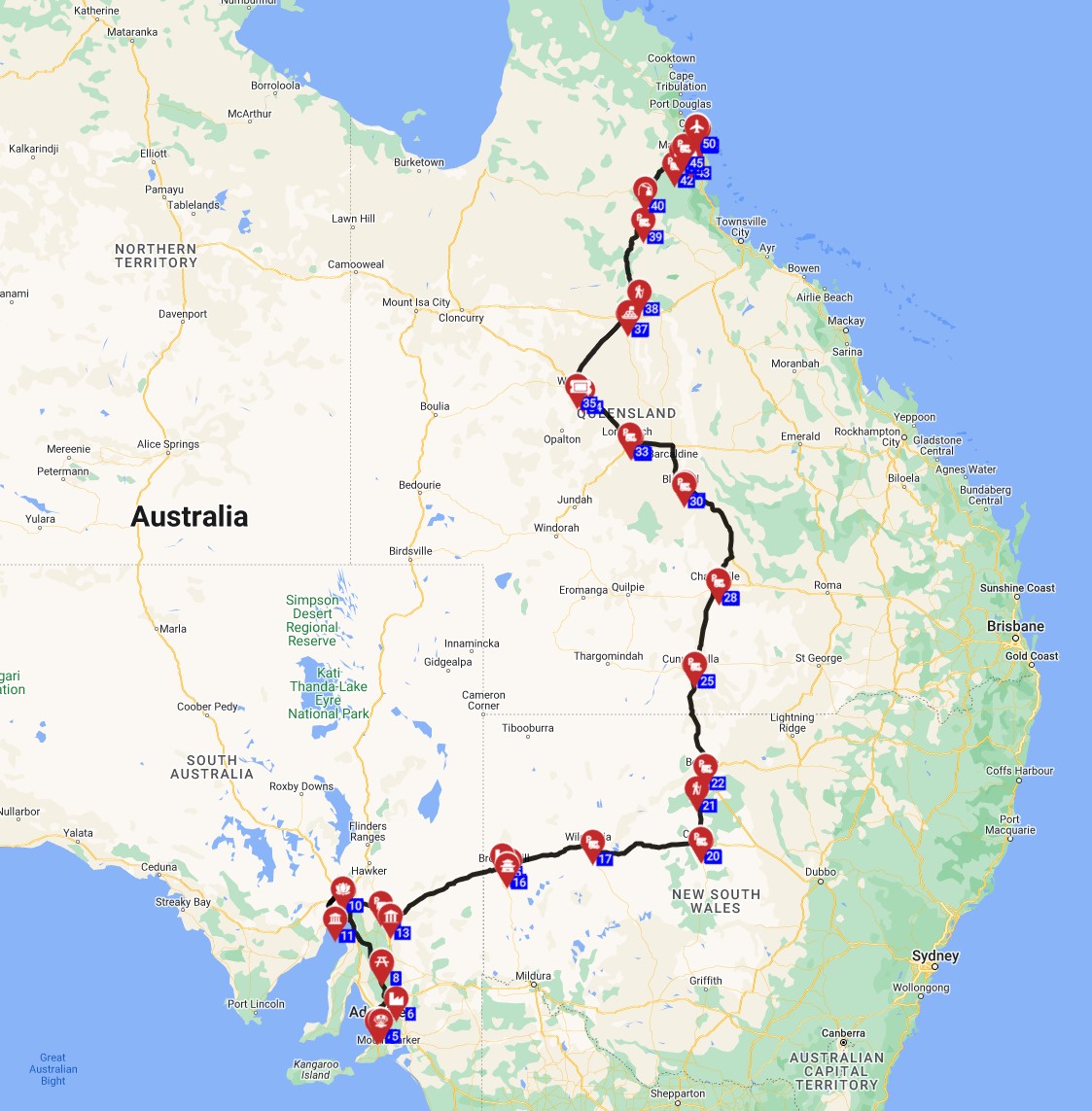
Or journey through Queensland's heartland with the "Cairns to Alice Springs - Northern Horizons: A Journey Through Australia's Heartland," a 17-day, 4003.6 km adventure offering wildlife, art galleries, and scenic routes:
Must-See Stops Along the Way (Avi Bandana Picks)
Avi Bandana's personal picks for an unforgettable Australian RV trip emphasize unique cultural, culinary, and local experiences beyond the usual tourist traps. When you’re traveling through Australia in your rented motorhome, look for these distinctive opportunities.- **Traditional Visit:** Engage with Australia's rich Indigenous heritage and vibrant local culture. Look for opportunities to participate in a 'Traditional Visit' to Aboriginal cultural centers or historical sites, which offer deep insights into the land and its first peoples and contribute respectfully to local communities.
- **Traditional Restaurant / Fine Dining:** Savor authentic Australian cuisine by seeking out 'Traditional Restaurant / Fine Dining' experiences. This allows you to taste local produce, fresh seafood, bush tucker-inspired dishes, and modern Australian creations prepared by skilled chefs.
- **Traditional Market:** Immerse yourself in the local community by visiting a 'Traditional Market'. These markets are perfect for discovering fresh produce (ideal for your RV-friendly recipes playlist!), unique crafts, and engaging with local vendors, providing a genuine taste of regional life and supporting local economies.
- **Local Industry:** Explore 'Local Industry' attractions such as vineyards, craft breweries, or artisanal food producers. These stops offer a chance to learn about Australian craftsmanship, enjoy tastings or tours directly from the source, and understand the economic backbone of regional areas.
Daily Driving Distances & Drive Times in Australia
Avi Bandana recommends a maximum of 100 miles (approximately 150 km) per day on average when driving a rented RV in Australia to ensure a relaxed and enjoyable journey. This hard rule allows ample time to stop at scenic lookouts, explore small towns, participate in activities, and simply soak in the vast and varied Australian landscape without feeling rushed. Australia's immense size means that distances can be deceptive; prioritizing slow travel prevents driver fatigue and significantly enhances the overall road trip experience.Example Drive Time Estimates (based on 100 km/h average, including short breaks):
- **Sydney to Blue Mountains (Katoomba):** Approximately 100 km (62 miles), about 1.5 - 2 hours of driving.
- **Melbourne to Apollo Bay (Great Ocean Road):** Approximately 190 km (118 miles), about 3 - 4 hours of driving due to winding roads and frequent scenic stops.
- **Cairns to Port Douglas:** Approximately 70 km (43 miles), about 1 hour of relaxed driving.
Best RV Class for This Itinerary — Couple & Family Picks
Choosing the right rented RV class significantly enhances your Australian road trip, with Bandana's global fleet offering diverse options for both couples and families. We are true RV specialists, helping you compare final prices across 50+ suppliers to find the perfect fit.For Couples: Class B - Camper Van
A Class B campervan is an excellent choice for couples, as Bandana's fleet typically features models with an average length of 5.8 meters and sleeping places for 3.2, comfortably accommodating 2.7 adults. These compact campervans, such as the "Category Van AT" which includes automatic transmission, front air conditioning, and a toilet, are agile for navigating both city streets and national parks. They offer an average load capacity of 37 kg and fuel consumption around 10 Liters/100 km, making them efficient and easy to handle for a couple exploring Australia.For Families: Class C - Alcove Motorhome
Class C alcove motorhomes are ideal for families or larger groups, with Bandana's fleet averaging 7.5 meters in length and providing ample sleeping places for 5.8 individuals, suitable for 4.4 adults. These motorhomes, like the "6 Berth Deluxe" which features 3 double beds, automatic transmission, and roof air conditioning, offer more living space and a greater average load capacity of 42.4 kg for luggage and supplies. With common fuel consumption of 10–12 Liters/100 km, they ensure comfort for a family on an extended Australian adventure. To streamline your planning, consider Bandana's "Rent&Plan" service, which combines your RV rental with a ready-made itinerary crafted by travel professionals, providing full access to trip-planning software and removing the headache of organizing every detail.What is the most beautiful road trip in Australia?
While beauty is subjective, many travelers and experts consider Australia's most beautiful road trip to be the Great Ocean Road in Victoria, renowned for its breathtaking coastal scenery, dramatic rock formations like the Twelve Apostles, and lush rainforests, offering an unparalleled visual experience over approximately 243 kilometers (151 miles). Another strong contender is the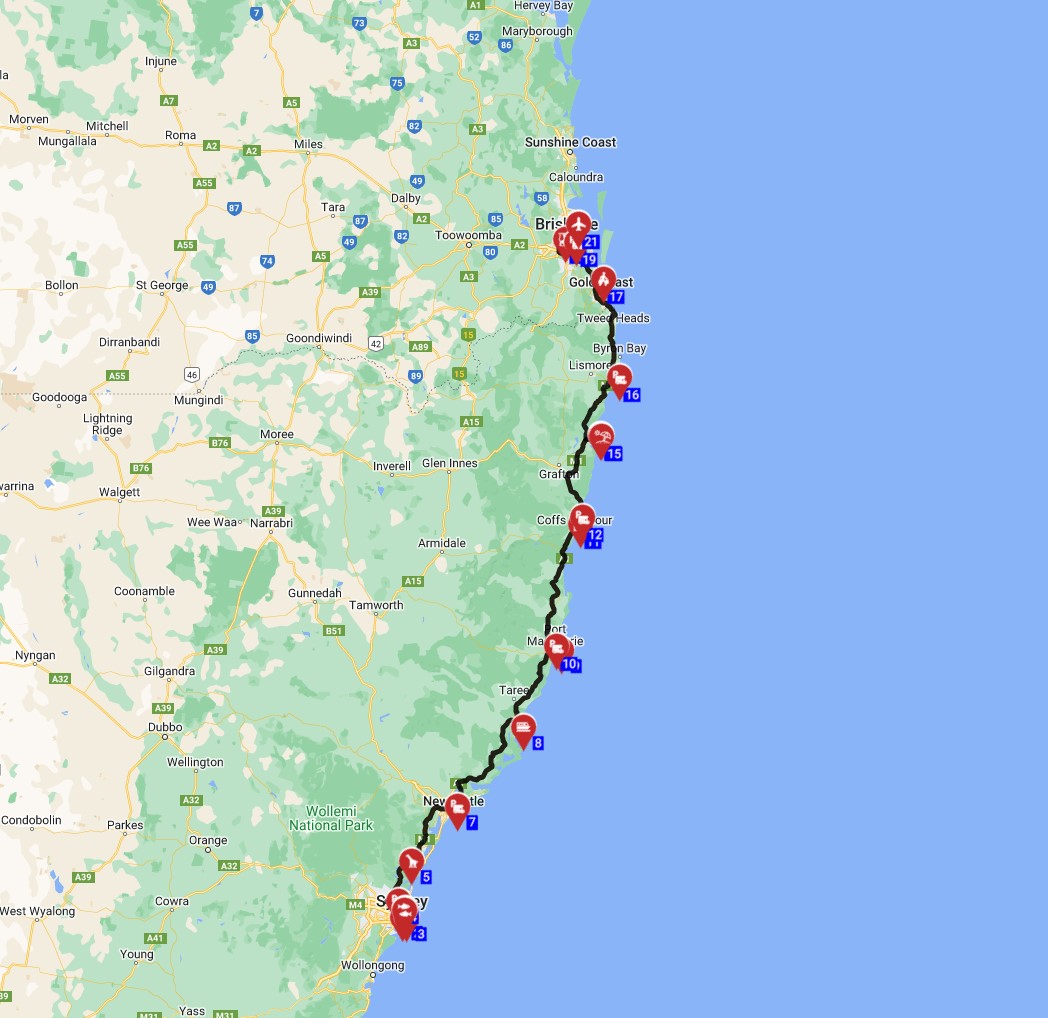
Can you park an RV anywhere in Australia?
No, you cannot legally park a rented RV anywhere in Australia; overnight parking and camping are generally restricted to designated caravan parks, national park campgrounds, and approved free camping areas. Australia has strict regulations regarding freedom camping (often called 'boondocking' in North America) to protect its pristine natural environments and ensure public safety, with rules varying by state, territory, and even local council. Always look for signage explicitly allowing overnight parking or camping; parking in undesignated areas can result in hefty fines, typically ranging from AUD $50 to $200, and potential eviction. Apps like WikiCamps Australia or CamperMate are invaluable resources for finding legal camping spots, including commercially operated caravan parks, state and national park campgrounds, and authorized free camping locations (which often require self-contained vehicles capable of holding all waste). It's crucial to be self-sufficient when free camping, carrying enough fresh water, battery power, and waste capacity, as facilities are often minimal or non-existent, and always practice Leave No Trace principles to preserve Australia's beauty.What is the best RV in Australia?
The 'best' rented RV in Australia depends entirely on your travel style, budget, group size, and intended itinerary, as different classes offer distinct advantages for Australian adventures. For couples or solo travelers seeking maneuverability, easier parking in towns, and better fuel efficiency on sealed roads, a Class B campervan (like those in Bandana's fleet, averaging 5.8m in length with 10 Liters/100 km fuel consumption) is often ideal. These vehicles offer a compact footprint while still providing essential amenities. Families or groups needing more space, dedicated sleeping areas, and onboard bathroom facilities for coastal or paved road trips might find a Class C alcove motorhome (Bandana's fleet averages 7.5m, sleeping 5.8 individuals, with 10-12 Liters/100 km fuel consumption) to be the most comfortable and practical option. Adventurous travelers planning to explore the rugged outback and unsealed roads of regions like the Kimberley will require a robust 4WD campervan or truck camper, specifically designed with higher clearance, heavy-duty tires, and robust suspension to handle challenging terrain, though these are less common in standard rental fleets. When choosing your perfect Australian rental RV, consider factors such as sleeping capacity, onboard bathroom facilities, kitchen size, fuel efficiency, storage, and whether you plan to predominantly stay in caravan parks or attempt more remote free camping, while remembering that a standard car driver's license is sufficient for all motorhome classes.How long does it take to travel around Australia in a campervan?
A comprehensive circumnavigation of Australia by rented campervan typically requires a minimum of three to six months to truly experience the diverse regions without rushing, covering approximately 15,000 to 25,000 km (9,300 to 15,500 miles). A faster, more direct lap could potentially be completed in about 8-10 weeks, but this would involve very long driving days and minimal exploration time in each area, which is generally not recommended for an enjoyable RV holiday. Consider that the average recommended daily driving distance by Avi Bandana is around 100 miles (150 km) to allow for ample sightseeing, relaxation, and spontaneous discoveries, which significantly extends the total trip duration for such a vast country. For shorter trips, focusing on specific regions (e.g., the East Coast, Tasmania, or the South West) for 2-4 weeks provides a much more in-depth and manageable experience, such as the 31-day Broome to Sydney RV PLANET trip which covers 7,393 km.What is the 333 rule for campervan?
The '333 rule' (sometimes referred to as the '222' or '330' rule) is a popular guideline for campervan and RV travelers, particularly in Australia, designed to promote safe driving and an enjoyable pace. The rule suggests: **Drive no more than 300 kilometers (or 300 miles) in a day, arrive by 3 PM, and stay for at least 3 nights** (or in some interpretations, make '3' major stops). Adhering to the '300 km' part helps prevent driver fatigue, especially on the long, often monotonous stretches of road frequently found in Australia's interior, and aligns perfectly with Avi Bandana's recommendation for slow travel (max 100-150 km per day). Arriving by '3 PM' allows ample time to find a suitable campsite, set up your rented RV, and relax before dark, which is particularly important in remote areas where wildlife is more active at dusk and campgrounds may fill up. The 'stay for at least 3 nights' aspect encourages slower travel, allowing you to fully explore each location, do laundry, rest, and truly immerse yourself in the local experience rather than constantly being on the move.What not to do in Australia as an American?
As an American traveler enjoying an RV rental in Australia, several key points will help ensure a safe and respectful journey. First, avoid underestimating the vastness of the country and the potential for extreme weather; always carry ample water (at least 5 liters per person per day in hot conditions) and sun protection, as heat and sun exposure are significant risks. Do not ignore warning signs about local wildlife (e.g., crocodiles in tropical waters, venomous snakes, dangerous jellyfish in seasonal zones); always adhere to local advice and avoid swimming in undesignated areas. Refrain from driving long distances without sufficient fuel and water, especially in remote outback areas where services can be hundreds of kilometers apart; always plan your refuelling and resupply stops carefully, possibly carrying extra fuel in appropriate containers. Avoid attempting to feed or approach wild animals, as this can be dangerous for both you and the animal, is often illegal, and can disrupt their natural behaviors. Do not underestimate the importance of reliable communication; cell phone service can be non-existent in remote regions, so consider carrying a satellite phone or personal locator beacon (PLB) for emergencies. Be mindful of cultural etiquette: avoid overly loud or boisterous behavior in public, be respectful of Indigenous culture and sacred sites (many of which are clearly marked), and understand that tipping is not generally expected in Australia. Never drive an RV or campervan off-road unless it is a designated 4WD vehicle and you have appropriate experience and permits, as getting stuck or causing damage can be extremely dangerous and costly. Drive slowly and carefully, and you can drive almost anywhere without issues. No need to stress - just use common sense and pay attention.What are the top 3 tourist attractions in Australia?
Australia boasts numerous world-class attractions, but universally recognized as top contenders are the Sydney Opera House, Uluru-Kata Tjuta National Park, and the Great Barrier Reef. The Sydney Opera House, located in New South Wales, is an iconic architectural masterpiece and a UNESCO World Heritage site, symbolizing Australia's vibrant culture and stunning harbor city. Uluru-Kata Tjuta National Park, found in the heart of the Northern Territory's Red Centre, is a sacred site to the Anangu Aboriginal people and home to the majestic Uluru (Ayers Rock) and Kata Tjuta (The Olgas), offering profound spiritual and natural beauty that is a highlight for many RV travelers. The Great Barrier Reef, off the coast of Queensland, is the world's largest coral reef system, a UNESCO World Heritage site teeming with diverse marine life, offering unparalleled diving, snorkeling, and sailing experiences. These three destinations represent the diverse appeal of Australia, from urban marvels to ancient landscapes and pristine natural wonders, all accessible by planning an RV Rental in Australia - Prices and Best Deals 2026.How many days are enough for an Australia trip?
The ideal number of days for an Australia trip depends heavily on what you want to see and your travel style, but generally, a minimum of two to three weeks is recommended to experience a significant region. For a single-region focus, such as a dedicated East Coast adventure or exploring Tasmania, 7-14 days can be sufficient, allowing for a balanced mix of travel and exploration without feeling rushed. Our Weekly RV Rental in Australia - Pricing covers excellent options for these durations. To visit two or three major regions (e.g., Sydney, Melbourne, and Cairns), plan for at least three to four weeks to allow for travel time between locations and in-depth exploration of each, which can be facilitated by a Long-Term RV Rental in Australia - Monthly Rates. An extensive, multi-state RV journey, like the Broome to Sydney itinerary of 31 days or a full circumnavigation, requires several months (3-6 months) to truly appreciate the country's vastness and diversity. Ultimately, more time allows for slower travel, deeper immersion in local culture, and less fatigue, aligning with the Avi Bandana recommendation of driving no more than 150 km per day.What is the best month to go to Australia?
The best month to visit Australia depends entirely on which region you plan to explore, as its vast size encompasses multiple climate zones. For southern regions like Sydney, Melbourne, Adelaide, and Tasmania, spring (September to November) and autumn (March to May) offer pleasant temperatures, fewer crowds, and ideal conditions for outdoor activities and coastal drives. If your itinerary includes tropical northern Australia (e.g., Cairns, Darwin, Broome), the dry season (May to October) is optimal, characterized by warm, sunny days and lower humidity, avoiding the intense heat, humidity, and potential cyclones of the wet season. Avoiding the peak summer months (December to February) in southern cities can help you escape intense heat and higher tourist crowds, while visiting the north during this time can be challenging due to heavy rains and humidity. Ultimately, consider your specific itinerary and consult resources like RV Travel Guide to Australia - Tips and Top Spots 2026 to plan your rented motorhome trip to align with the most favorable weather conditions for each region you intend to visit.What You Shouldn't Miss
- **Uluru Sunrise or Sunset**: Witnessing the incredible color changes of Uluru (Ayers Rock) at sunrise or sunset is a profound and spiritual experience in the heart of Australia's Red Centre.
- **Snorkeling or Diving the Great Barrier Reef**: Explore the vibrant underwater world of the world's largest coral reef system from a base like Cairns or Port Douglas.
- **Driving the Great Ocean Road**: Marvel at the dramatic coastal scenery, including the iconic Twelve Apostles, along one of the world's most scenic drives in Victoria.
- **Visiting Sydney Opera House & Harbour Bridge**: Experience two of Australia's most recognizable landmarks, perhaps with a bridge climb or a ferry ride around Sydney Harbour.
- **Exploring Kakadu National Park**: Discover ancient Aboriginal rock art, diverse wildlife, and stunning waterfalls in this UNESCO World Heritage-listed park in the Northern Territory.
- **Wildlife Encounters on Kangaroo Island**: Get up close with koalas, kangaroos, sea lions, and diverse birdlife in a natural, unspoiled environment off the coast of South Australia.
Final Thoughts
Embarking on a one-way RV itinerary in Australia is more than just a vacation; it's an immersive journey into the heart of an incredible continent. From the stunning coastlines to the vast, spiritual outback, a rented motorhome offers you the freedom and flexibility to discover Australia's diverse wonders at your own pace. With our commitment to full transparency, dedicated support, and expert-curated itineraries, Bandana Caravan is here to ensure your Australian adventure is as seamless and memorable as possible.
So, take the leap! Imagine yourself behind the wheel, the endless Australian horizon before you, ready to create stories that will last a lifetime. Discover top destinations, planning tips, all in one place with Bandana. We're passionate about RV travel, and we're ready to help you plan a trip itinerary in advance with minimal effort and maximum enjoyment.
Compare One-Way RV Itineraries in Australia and start planning your unforgettable journey today!
On the routes offered through RV PLANET routes, you can itemize and track every expense along the way for easy budgeting.