In This Guide
- Navigating New Zealand's Inter-Island Ferry Crossing with Your Motorhome
- Best New Zealand RV Itinerary for rv rental - Overview
- 7-Day Classic Route in New Zealand
- 14-Day Extended Journey in New Zealand
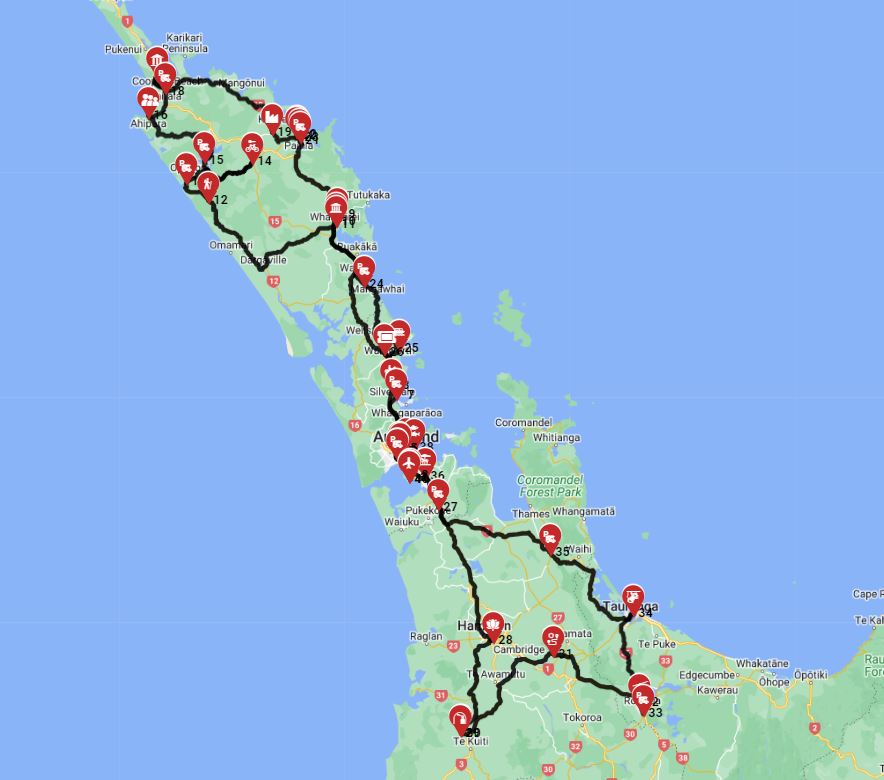
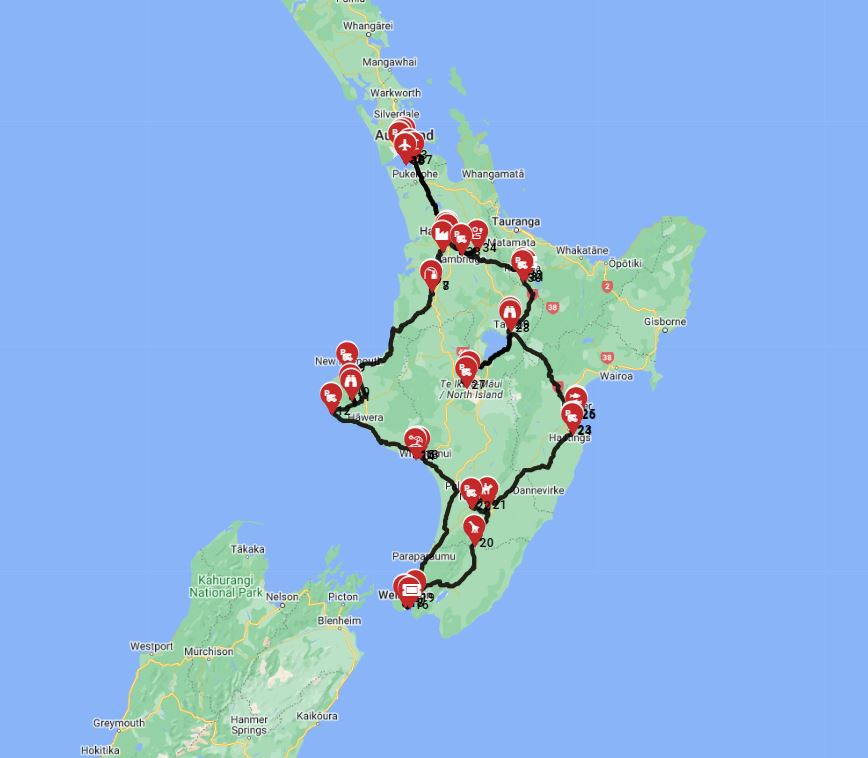
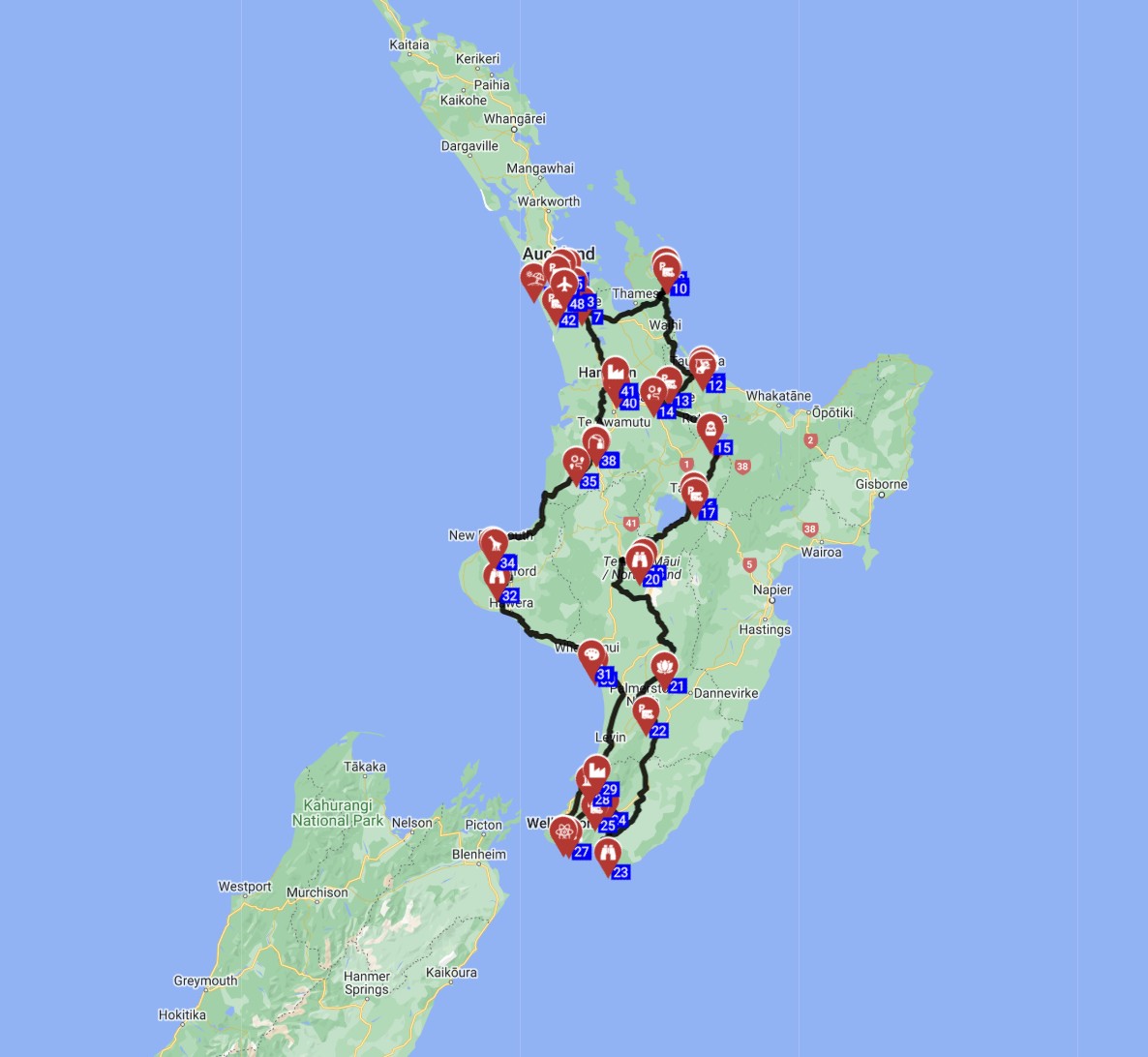
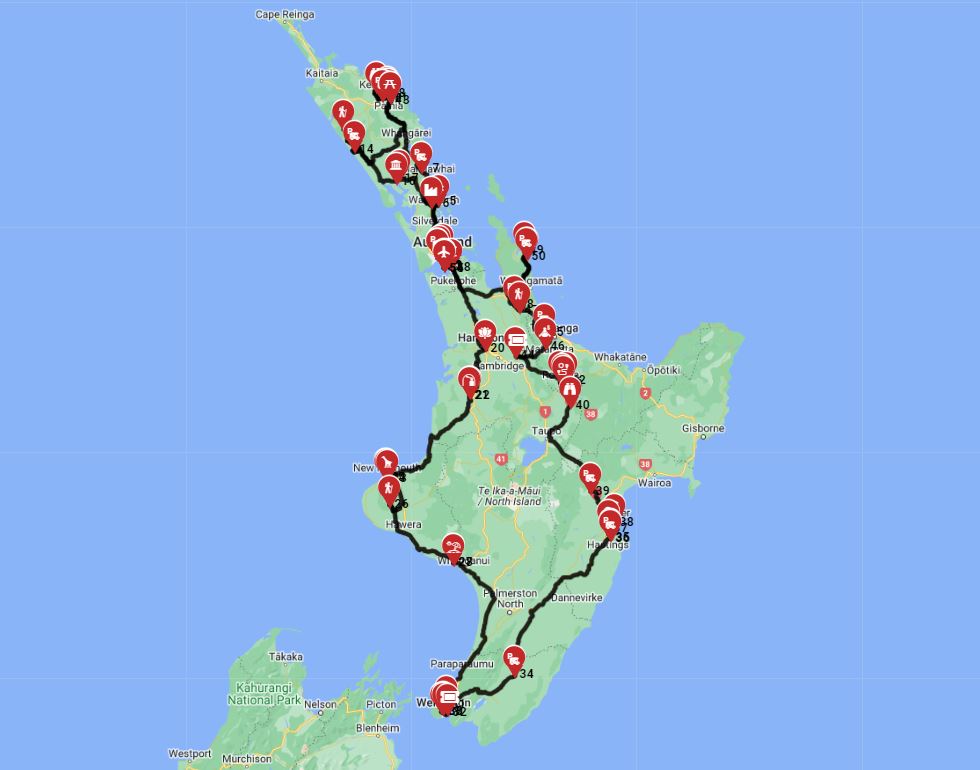
- Recommended RVPlan Trip for New Zealand
- Must-See Stops Along the Way (Avi Bandana Picks)
- Daily Driving Distances and Drive Times in New Zealand
- Best RV Class for This Itinerary - Couple and Family Picks
- Is New Zealand RV friendly?
- Is it easy to drive a motorhome in New Zealand?
- Can I park my motorhome anywhere in New Zealand?
- Is it worth getting a campervan in New Zealand?
- What is the 333 rule for campervan?
- What month is the best month to go to New Zealand?
- Can you sleep anywhere in a campervan in New Zealand?
- Is a campervan a good way to see New Zealand?
- What should I not miss in New Zealand?
- What's the best month to visit New Zealand?
🎬 Video coming soon
Navigating New Zealand's Inter-Island Ferry Crossing with Your Motorhome
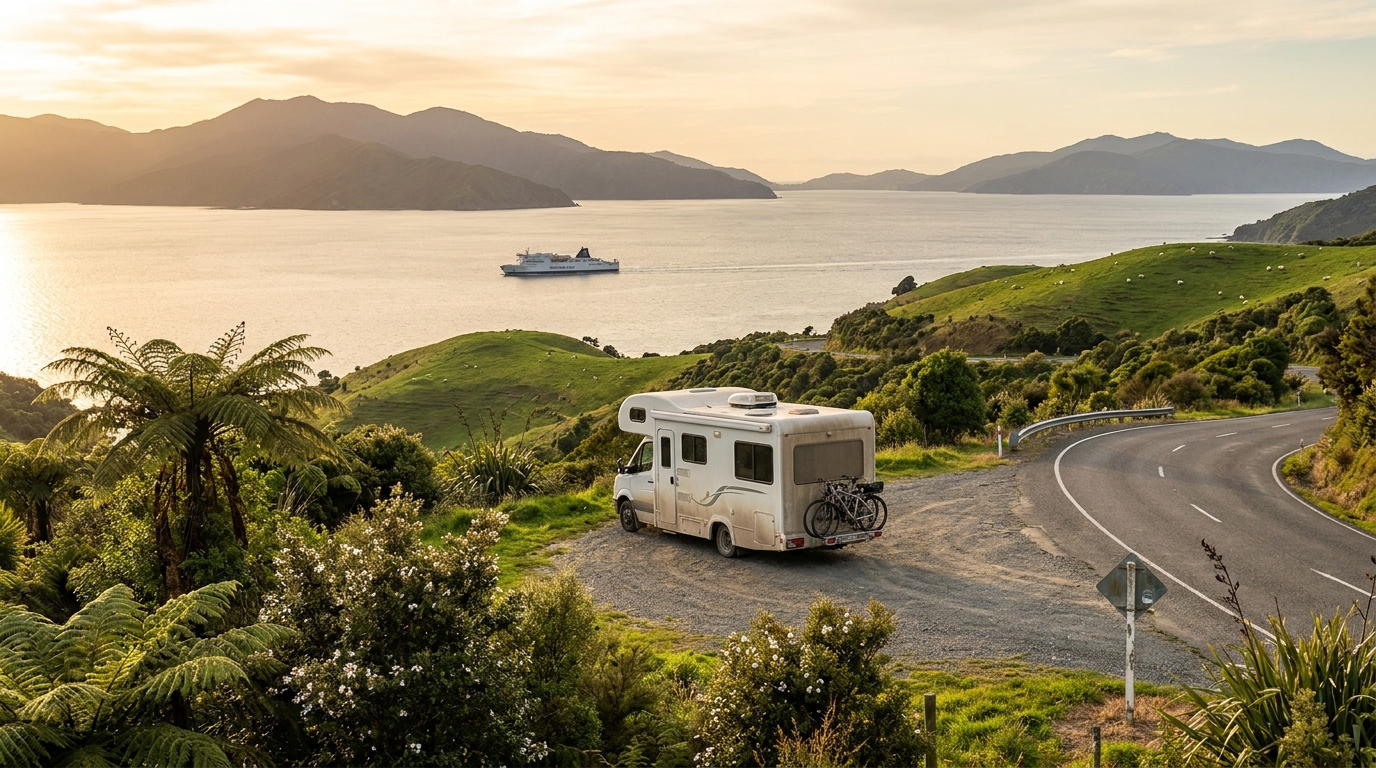
 Taking your rented motorhome on New Zealand's inter-island ferry is a critical part of any North to South Island journey, requiring careful planning and advance booking to ensure a smooth transition. The two primary ferry operators, Interislander and Bluebridge, both offer daily services between Wellington on the North Island and Picton on the South Island, with travel times typically ranging from 3.5 to 4 hours. It's essential to book your ferry crossing well in advance, especially during peak seasons like December to February, as spaces for larger vehicles like motorhomes are limited and fill up quickly. Be precise when providing your motorhome's exact length and height during booking, as these dimensions directly influence your fare and the allocated space on board.
Preparation is key for a hassle-free ferry trip with your RV. Before boarding, you'll need to turn off all gas bottles, ensure all internal items are securely stored to prevent movement during the journey, and it's wise to remove any strong-smelling food items from the vehicle cabin as passengers are not permitted to stay with their vehicles on the car deck. Once on board, passengers proceed to comfortable lounges offering amenities like cafes, shops, and viewing decks, providing a fantastic opportunity to relax and enjoy the breathtaking scenery of the Cook Strait passage. When considering the cost, taking your motorhome on the ferry, while an added expense, provides seamless travel, often outweighing the hassle and cost of flying between islands and re-renting a new RV, which could mean dealing with two separate rental agreements. Always verify your specific rental agreement for any clauses regarding inter-island travel and insurance coverage during the ferry crossing, as some rental companies may require separate arrangements. For smooth travel, factor ferry schedules into your overall route planning, allowing ample time for check-in and potential delays, and always confirm your booking details closer to your departure date.
Taking your rented motorhome on New Zealand's inter-island ferry is a critical part of any North to South Island journey, requiring careful planning and advance booking to ensure a smooth transition. The two primary ferry operators, Interislander and Bluebridge, both offer daily services between Wellington on the North Island and Picton on the South Island, with travel times typically ranging from 3.5 to 4 hours. It's essential to book your ferry crossing well in advance, especially during peak seasons like December to February, as spaces for larger vehicles like motorhomes are limited and fill up quickly. Be precise when providing your motorhome's exact length and height during booking, as these dimensions directly influence your fare and the allocated space on board.
Preparation is key for a hassle-free ferry trip with your RV. Before boarding, you'll need to turn off all gas bottles, ensure all internal items are securely stored to prevent movement during the journey, and it's wise to remove any strong-smelling food items from the vehicle cabin as passengers are not permitted to stay with their vehicles on the car deck. Once on board, passengers proceed to comfortable lounges offering amenities like cafes, shops, and viewing decks, providing a fantastic opportunity to relax and enjoy the breathtaking scenery of the Cook Strait passage. When considering the cost, taking your motorhome on the ferry, while an added expense, provides seamless travel, often outweighing the hassle and cost of flying between islands and re-renting a new RV, which could mean dealing with two separate rental agreements. Always verify your specific rental agreement for any clauses regarding inter-island travel and insurance coverage during the ferry crossing, as some rental companies may require separate arrangements. For smooth travel, factor ferry schedules into your overall route planning, allowing ample time for check-in and potential delays, and always confirm your booking details closer to your departure date.
Best New Zealand RV Itinerary for rv rental - Overview
New Zealand is ideal for RV travel, offering incredibly diverse landscapes from volcanic plateaus in the North Island to the majestic glaciers and fjords of the South Island, all within manageable driving distances. A typical New Zealand RV adventure can cover anywhere from 1,000 km for a focused regional exploration to over 4,000 km for a comprehensive North and South Island journey. Recommended durations vary significantly, from a minimum of 7 days for exploring a single island's highlights, up to 25+ days for a truly immersive and comprehensive experience across both islands. The shoulder seasons, particularly Spring (September to November) and Autumn (March to May), are often considered the best for a rented motorhome trip, offering pleasantly mild weather, vibrant scenery, and fewer crowds compared to the bustling summer months, which can mean more competitive pricing for campgrounds and activities. Planning your route allows you to enjoy every moment without feeling rushed, embracing the local recommendation for slow travel – averaging no more than 100-150 km per day. For live availability and current prices, start with our RV Rental New Zealand - Complete Guide 2026 guide.7-Day Classic Route in New Zealand
A 7-day motorhome rental itinerary in New Zealand can provide a fantastic taste of both islands, focusing on key highlights for a dynamic, yet manageable, adventure. This route typically starts in Auckland and culminates in Christchurch, offering a balance of cultural experiences and stunning natural beauty.- **Day 1: Auckland to Rotorua (230 km)**: Begin your journey by exploring Auckland's vibrant city before heading south to Rotorua, famous for its geothermal wonders like bubbling mud pools and geysers. Overnight at a well-equipped site such as Rotorua TOP 10 Holiday Park.
- **Day 2: Rotorua to Taupo (80 km)**: Immerse yourself in Rotorua's rich Māori culture and relaxing hot springs in the morning. Then, take a short drive to Taupo for activities around Lake Taupo and the powerful Huka Falls. Consider freedom camping near Lake Taupo (always check local regulations and ensure your vehicle is certified self-contained) or book a spot at Taupo DeBretts Spa Resort.
- **Day 3: Taupo to Wellington (370 km)**: Journey south through the heart of the North Island to Wellington, New Zealand's creative capital. We recommend parking your RV at a holiday park conveniently located outside the city center, such as Wellington TOP 10 Holiday Park, and utilizing public transport to explore attractions like the national museum, Te Papa.
- **Day 4: Wellington to Picton (Ferry Crossing)**: This is a pivotal day involving the scenic inter-island ferry crossing. Board your ferry from Wellington to Picton, ensuring your motorhome booking was made well in advance. Upon arrival in Picton, explore its charming waterfront. You can stay at Picton Campervan Park for the night.
- **Day 5: Picton to Kaikoura (160 km)**: Drive along the breathtaking coastal road to Kaikoura, a town renowned globally for its abundant marine life and incredible whale watching opportunities. Parking is available at Kaikoura TOP 10 Holiday Park.
- **Day 6: Kaikoura to Christchurch (180 km)**: Continue your journey south to Christchurch, often called the Garden City. Take time to explore its beautiful botanical gardens and the revitalized city center. Christchurch TOP 10 Holiday Park is a great option for an overnight stay.
- **Day 7: Christchurch Departure**: Enjoy a final breakfast in your rental camper before preparing for your RV drop-off, concluding your week-long adventure through New Zealand.
14-Day Extended Journey in New Zealand
For those with a little more time, a 14-day extended journey by rented motorhome allows for a deeper exploration of New Zealand's diverse wonders, offering a more relaxed pace and covering more ground. This itinerary also starts in Auckland, progressively moving south to Queenstown, providing a rich tapestry of experiences across both major islands. Our detailed "RV Rental in New Zealand - Prices and Best Deals 2026" guide can help you budget for this longer adventure.- **Days 1-3: Northland & Auckland**: Begin your journey in Auckland, exploring its city attractions, before venturing north to the historic Bay of Islands. Here, you can visit the Waitangi Treaty Grounds and enjoy the stunning coastal drives, perhaps even an Animals Show / Wildlife watch.
- **Days 4-6: Waikato & Geothermal Wonderland**: Head south to the lush Waikato region to discover the enchanting Waitomo Glowworm Caves and the whimsical Hobbiton Movie Set. Afterward, immerse yourself in Rotorua's vibrant geothermal activity and rich Māori culture, enjoying local hot springs and traditional performances.
- **Days 7-8: Central Plateau to Capital**: Drive through the dramatic volcanic landscape of Tongariro National Park, offering incredible hiking opportunities (weather permitting). Continue to Wellington, New Zealand's bustling capital city, where you can explore museums and a Traditional Restaurant / Fine Dining experience.
- **Day 9: Inter-Island Ferry Crossing**: Experience the iconic ferry journey from Wellington to Picton, navigating the picturesque Cook Strait with your motorhome. Remember that pre-booking for your vehicle is absolutely essential, especially during peak travel times.
- **Days 10-11: Marlborough & Kaikoura Coast**: Explore Marlborough's renowned vineyards, perhaps visiting a Local Industry producer for a tasting. Then, follow the stunning coastal road south to Kaikoura, famous for its whale watching and delicious fresh seafood.
- **Days 12-14: Christchurch & Southern Alps Gateway**: Arrive in Christchurch, the South Island's largest city, and enjoy its charming urban landscape and botanical gardens. Use Christchurch as a convenient base to explore nearby attractions like the French-influenced town of Akaroa or the foothills of the majestic Southern Alps, culminating your two-week adventure.
Recommended RVPlan Trip for New Zealand
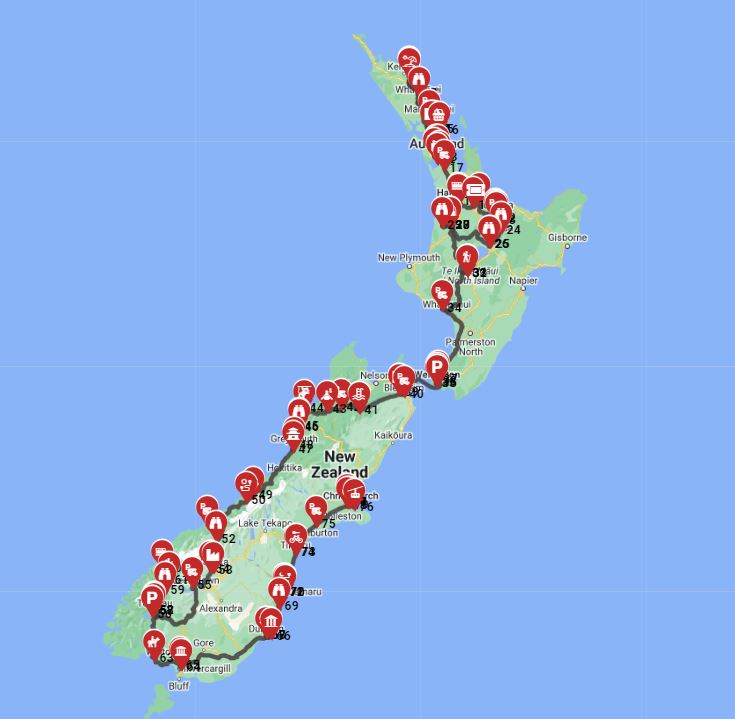
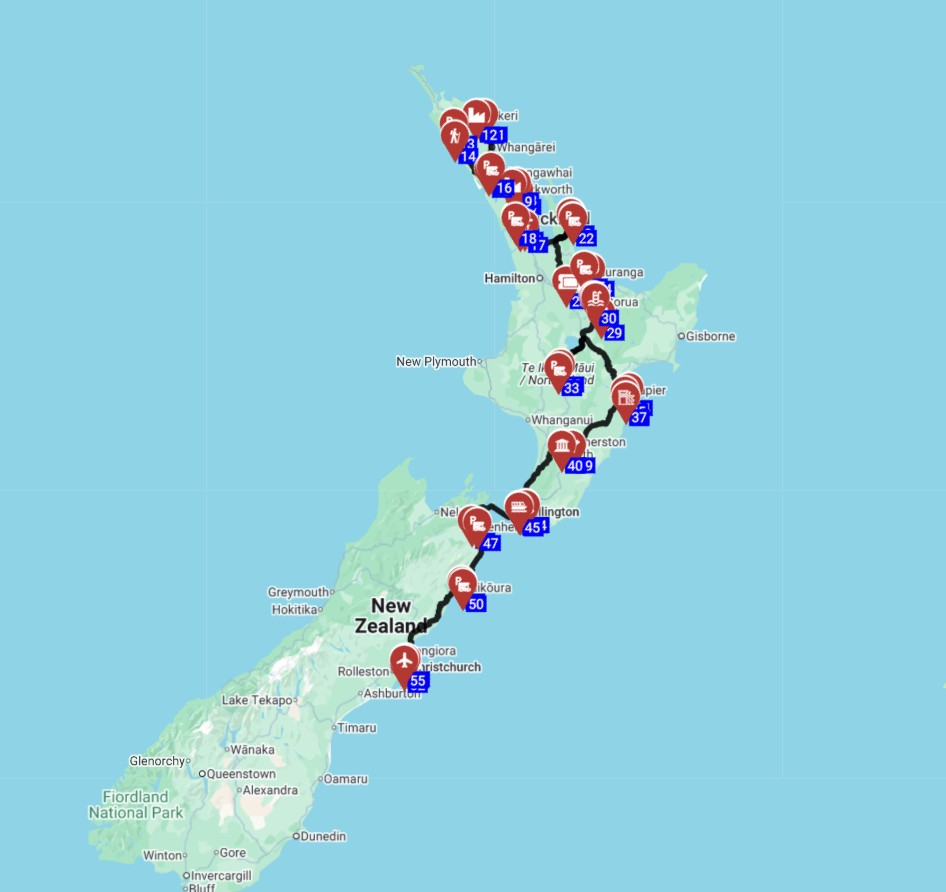
For a truly comprehensive and expertly guided adventure across both of New Zealand's main islands, consider our "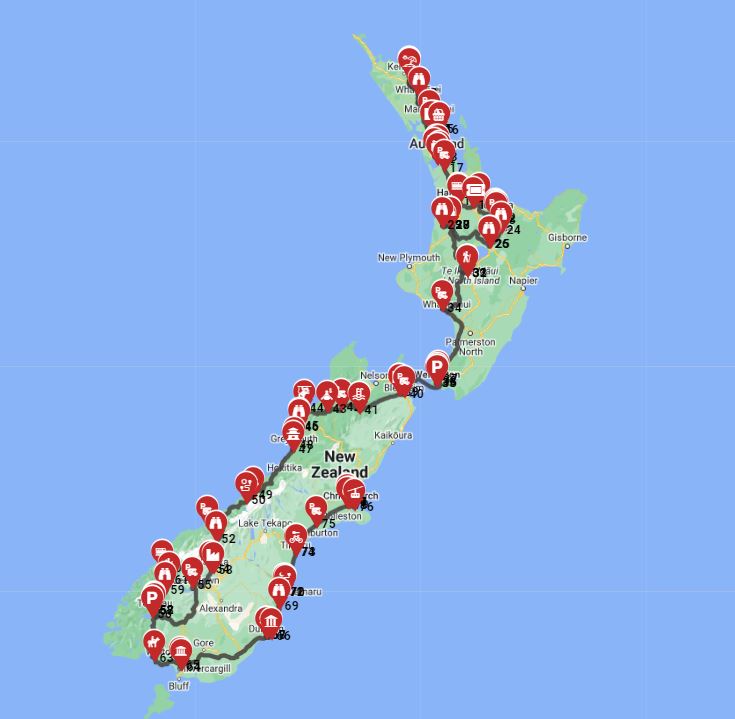
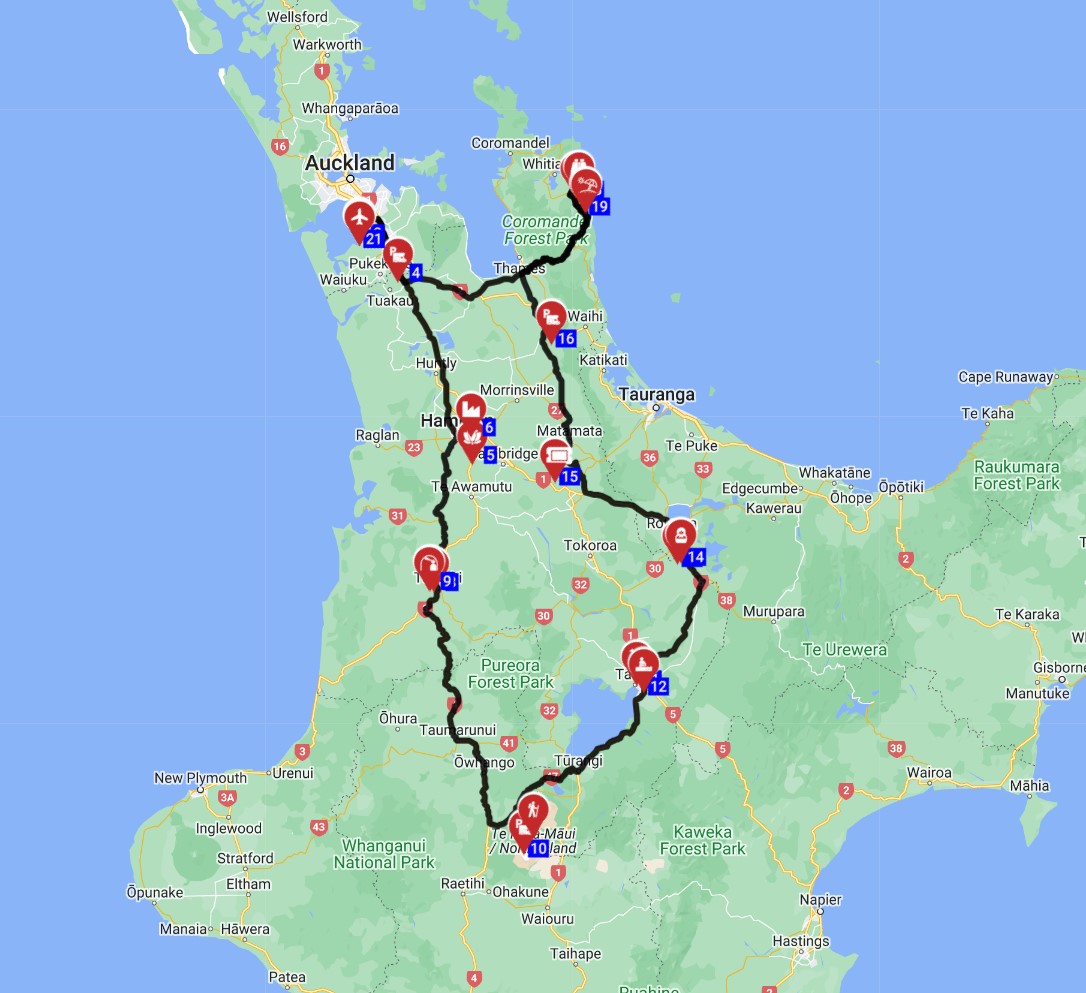
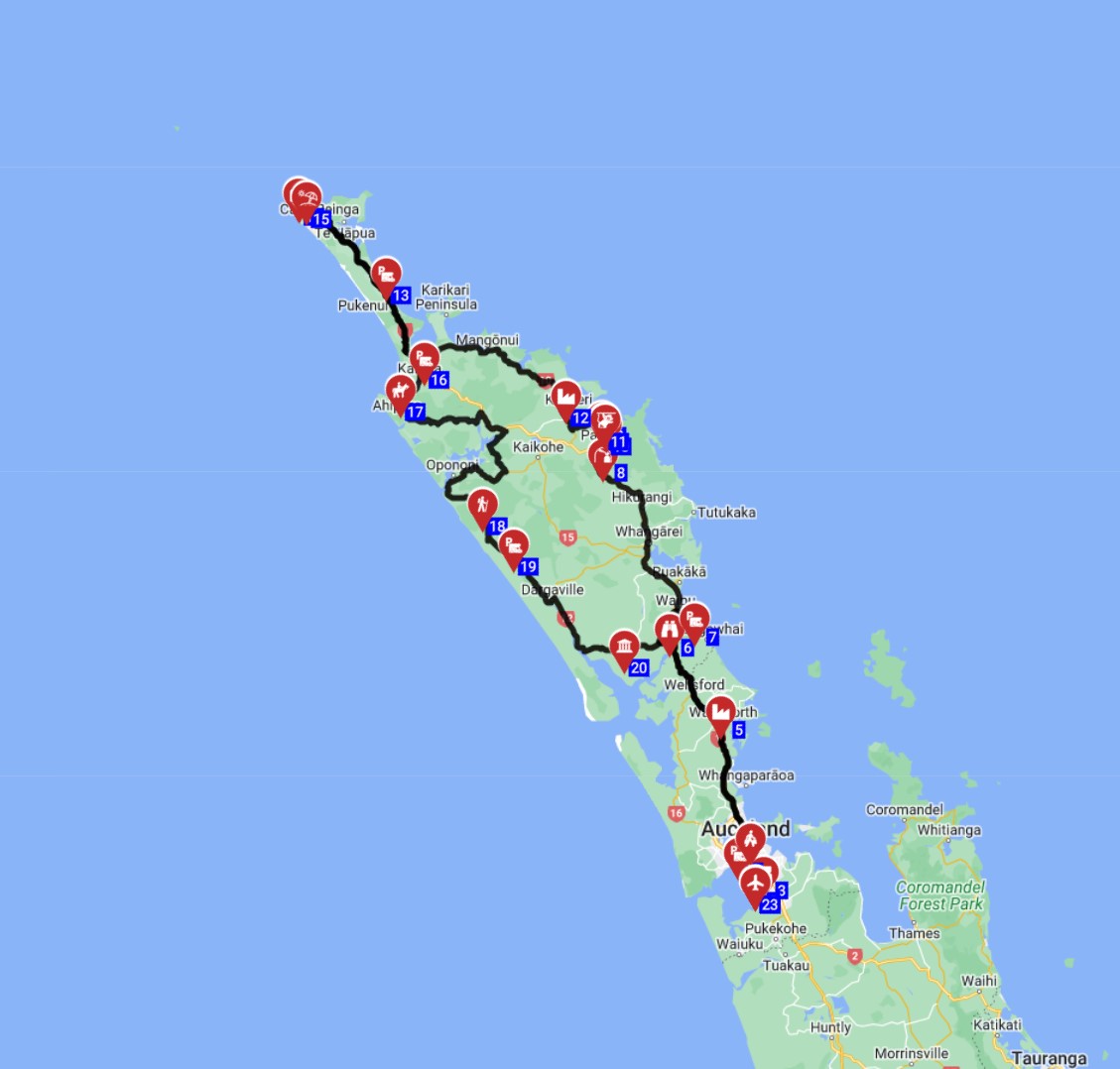
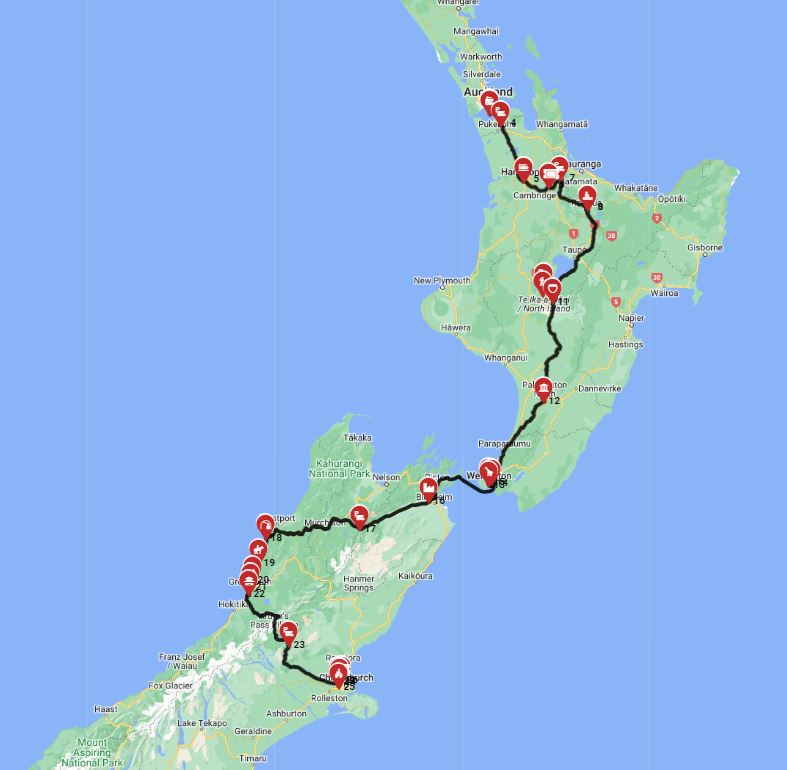
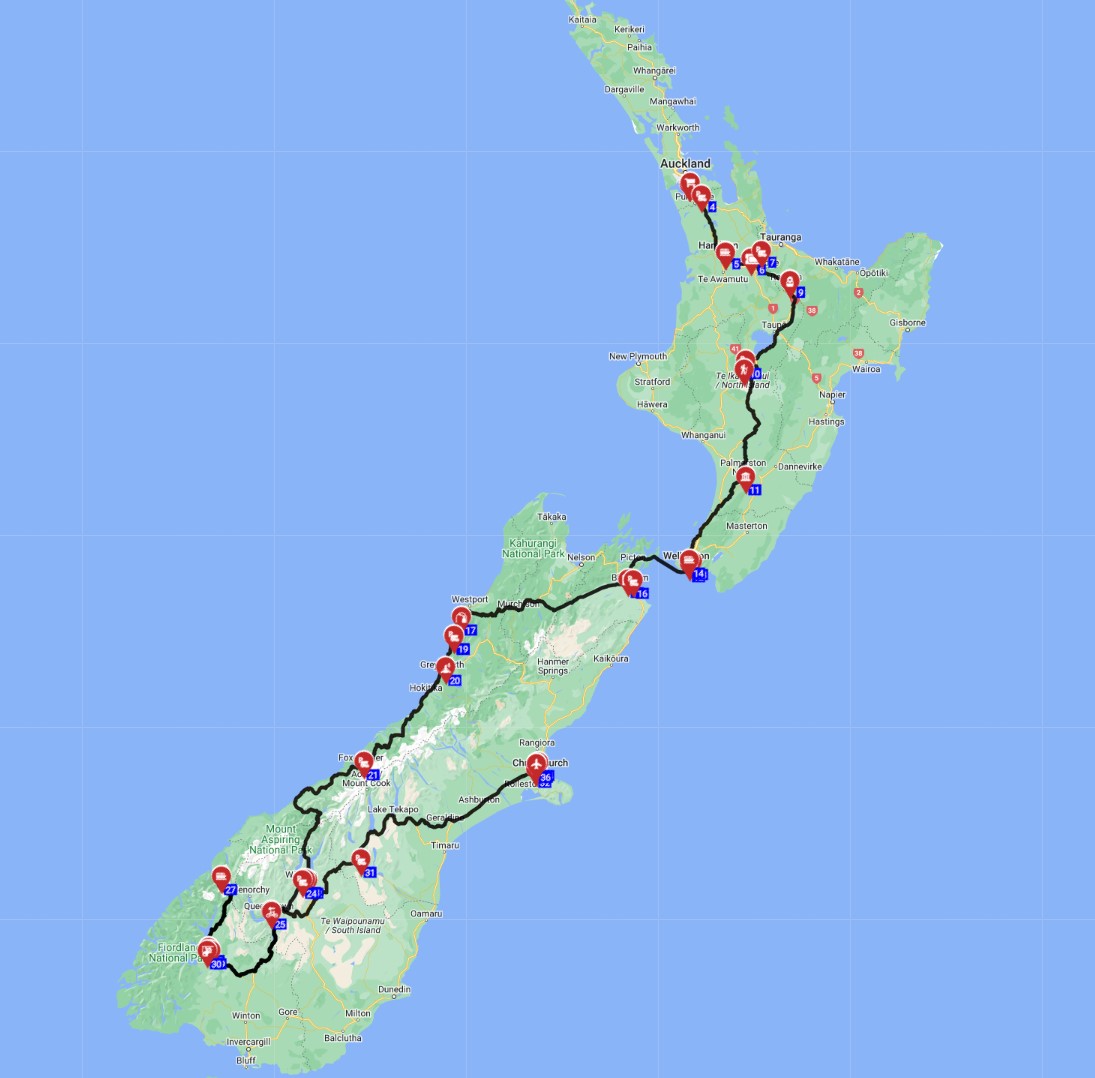
Auckland to Christchurch - Comprehensive New Zealand
Explore this route
Must-See Stops Along the Way (Avi Bandana Picks)
Avi Bandana, our founder and a seasoned RV travel expert, always recommends focusing on authentic experiences that truly showcase New Zealand's unique charm, moving beyond typical tourist traps. His picks ensure you connect deeply with the culture, food, and stunning scenery.- Seek out a **Traditional Restaurant / Fine Dining** experience, perhaps in a city like Wellington or Queenstown, to savor local New Zealand cuisine and wine. Enjoy fresh seafood or a delectable lamb dish prepared with local ingredients.
- Explore a **Traditional Market** such as the Matakana Village Farmers Market (featured in the RVPlan trip) for fresh regional produce, artisan goods, and a chance to interact with local vendors. These markets are perfect for stocking your RV kitchen for delightful meals on the road. For inspiration, check out our RV-friendly recipes playlist.
- Look for **Local Industry** visits, with four such opportunities highlighted in the RVPlan trip. These could include engaging vineyard tours in the Marlborough region, a visit to a local sheep shearing show for an authentic rural experience, or exploring a artisan craft workshop.
- Don't miss a **Traditional Visit** to a culturally significant site, such as the Waitangi Treaty Grounds in the Bay of Islands, for a deeper understanding of New Zealand's rich Māori history and heritage. The warmth of the Māori welcome, or *manaakitanga*, is an unforgettable part of any trip.
- Embrace the outdoors with a **hiking area** adventure; the "
" RVPlan trip lists four such opportunities. Whether it's a short coastal walk or a more challenging track in a national park, the scenery is always rewarding.
Auckland to Christchurch - Comprehensive New Zealand
Daily Driving Distances and Drive Times in New Zealand
Avi Bandana recommends a maximum average of 100 miles (150 km) per day for an RV trip in New Zealand, allowing ample time for scenic stops, spontaneous discoveries, and a truly relaxed pace, which is the essence of motorhome travel. New Zealand's roads, particularly in its mountainous and coastal regions, can be winding, narrow, and often slower than expected compared to highways in other countries, making it crucial to factor in extra travel time beyond standard map estimates. This ensures you're not rushing and can fully appreciate the stunning scenery around every bend. For example, the drive from Queenstown to Milford Sound, while only about 288 km, can easily take approximately 4-5 hours due to the challenging mountainous terrain, numerous scenic pull-offs, and popular attractions like the Eglinton Valley and Mirror Lakes. Another instance is the journey from Christchurch to Dunedin, covering roughly 360 km, which typically requires 4.5-5 hours of driving if you wish to enjoy the picturesque coastal views and stop in charming towns like Oamaru. Always remember to drive slowly and carefully, and you can navigate almost anywhere without issues. No need to stress- just use common sense and pay attention. Proper route planning on platforms like rvplan.net takes these conditions into account, helping you create a realistic and enjoyable itinerary.Best RV Class for This Itinerary - Couple and Family Picks
Choosing the right rented RV for your New Zealand adventure significantly enhances your comfort and flexibility, and Bandana's direct partnerships with 50+ leading RV suppliers worldwide, including Apollo and Britz, offer a wide range of options for every traveler type.**For Couples:** A Class B - Camper Van is an excellent choice, offering an average length of 5.8 meters and comfortably accommodating two adults. These agile campervans, like the "2 Berth Hi Top" or "Camper Van Plus - V600", are remarkably easy to maneuver on New Zealand's diverse roads, from city streets to winding coastal routes, and are fuel-efficient (typically 8-10 Liters/100 km, based on Bandana's global fleet averages). They are perfect for intimate getaways, allowing easy access to smaller towns and scenic viewpoints. **For Families:** A Class C - Alcove motorhome is highly recommended, providing ample space and comfort for groups. Vehicles such as the "4 Berth Deluxe" or "Euro Deluxe" offer an average length of 7.5 meters and sleeping capacity for an average of 5-6 people, ideally suited for 4-5 adults and kids. With more living space, a full kitchen (often including a 190-liter refrigerator and a 3-burner gas stove, perfect for family meals), and separate sleeping areas, Class C RVs (typically 10-12 Liters/100 km, based on Bandana's global fleet averages) ensure a comfortable journey for the whole family. The "rent a campervan example Casa 6" offers sleeping for 6 with a 100L fresh water tank. Consider Bandana's "Rent&Plan" service, which combines your RV rental with ready-made itineraries crafted by travel experts, providing full access to trip-planning software to remove any planning headaches for your New Zealand journey. We are true RV Specialists, not a travel agency side department, meaning our recommendations are rooted in genuine RV travel experience.
Is New Zealand RV friendly?
New Zealand is exceptionally RV friendly, boasting extensive infrastructure, breathtakingly scenic routes, and a welcoming culture that wholeheartedly embraces motorhome and campervan travel, making it a premier global destination for road trips. The country offers numerous dedicated RV parks, holiday parks with full amenities like powered sites, dump stations, and shower facilities, and clearly designated freedom camping sites. Many of these freedom camping spots require your vehicle to be certified self-contained to minimize environmental impact, a system that works well for responsible travelers. Clear signage guides RVers to appropriate facilities and parking, and well-maintained roads across both the North and South Islands cater to larger vehicles. The official 'Responsible Camping' initiative and the 'Tiaki Promise' encourage respectful and sustainable travel practices among RVers, further enhancing the RV-friendly environment.Is it easy to drive a motorhome in New Zealand?
Driving a motorhome in New Zealand is generally straightforward, but it requires adaptation to left-hand driving, and travelers should be mindful of the unique road conditions and specific rules, especially concerning inter-island ferry travel. Roads are well-maintained, but many scenic routes, particularly in the South Island, feature winding sections, steep inclines, and single-lane bridges, necessitating careful driving and reduced speeds. You'll often find signs advising slower speeds for larger vehicles, which is good practice. Drive slowly and carefully, and you can drive almost anywhere without issues. No need to stress- just use common sense and pay attention. The most significant logistical consideration is undoubtedly the inter-island ferry crossing between Wellington (North Island) and Picton (South Island), which requires advance booking for your motorhome and adherence to ferry-specific vehicle requirements regarding dimensions and gas bottle shut-off. Standard car driver's licenses are sufficient for all our rented motorhome classes, and the minimum rental age is 21.Can I park my motorhome anywhere in New Zealand?
No, you cannot park your motorhome just anywhere in New Zealand; strict regulations govern where you can park and freedom camp, primarily to protect the country's pristine environment and ensure sustainable tourism. Designated parking areas, private holiday parks, and official campsites are the primary and legal locations for overnight stays, many of which require your rented vehicle to be certified self-contained, meaning it has an onboard toilet, wastewater tank, freshwater tank, and a rubbish bin. Failing to adhere to these parking and camping regulations, including areas explicitly marked 'No Overnight Parking' or 'No Freedom Camping', can result in substantial fines, which local authorities actively enforce. Always check local council bylaws and posted signage before settling in for the night. For finding campsites and campgrounds during your trip, we recommend using RV PLANET (rvplan.net) - a great resource for locating available spots along your route.Is it worth getting a campervan in New Zealand?
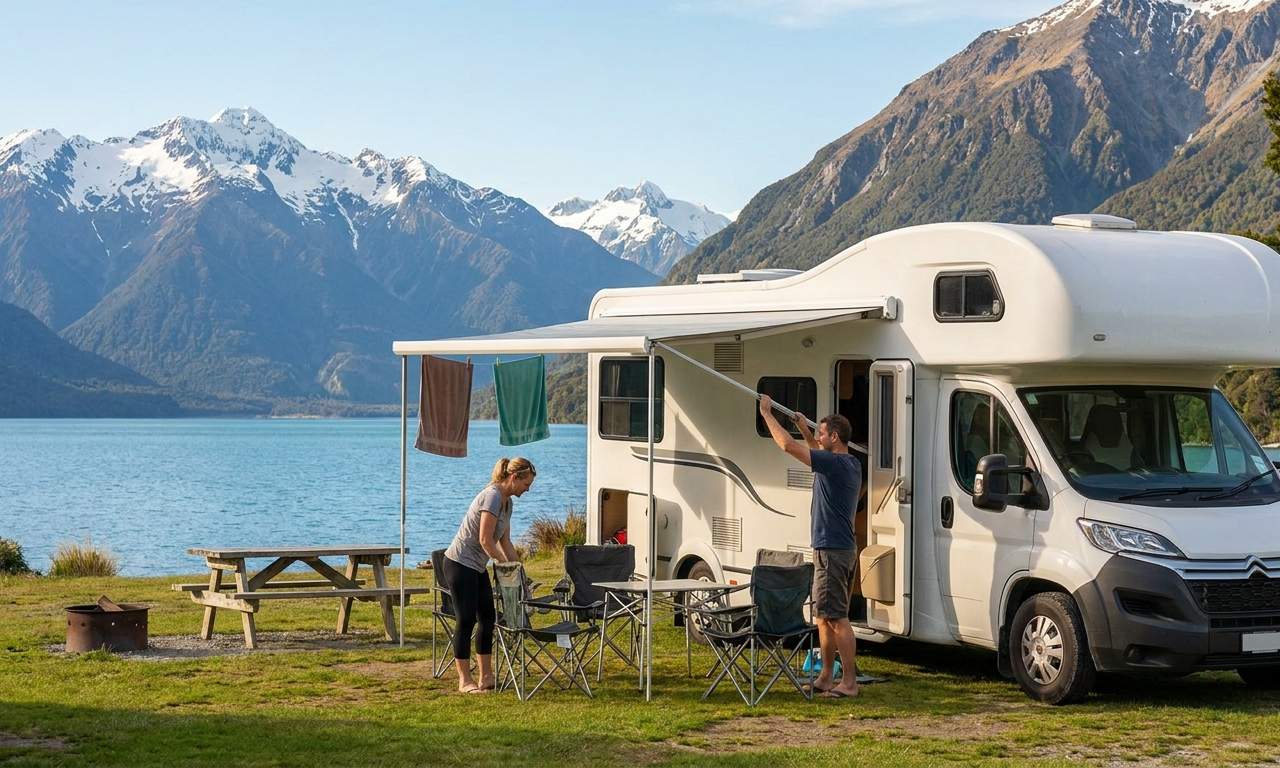
Yes, getting a campervan in New Zealand is highly recommended for an immersive and flexible travel experience, offering unparalleled freedom to explore its diverse landscapes at your own pace. A rented campervan or motorhome provides the convenience of combining accommodation and transport, often proving more cost-effective than booking separate hotels and car rentals, especially for extended road trips of a week or more. It allows direct access to remote natural attractions and unique camping spots, enhancing your connection with New Zealand's stunning natural environment in a way traditional travel might miss. Imagine waking up to a breathtaking mountain view or a serene lakeside sunrise right outside your mobile home, preparing breakfast in your onboard kitchen. This flexibility, coupled with the ability to cook your own meals and choose your overnight locations (within regulations), makes a campervan or motorhome rental an outstanding choice for exploring New Zealand. For those considering a trip from Auckland to Queenstown, our How to plan an RV trip in New Zealand from Auckland to Queenstown with a rented motorhome itinerary is a perfect starting point.
Explore this route
What is the 333 rule for campervan?
The '333 rule' for campervans in New Zealand is a general guideline for responsible freedom camping, though it's not an official law, advising campers to 'stay a maximum of 3 nights, within 3 km of a town, and with 3 people' (though often interpreted as a general 'leave no trace' principle). The core legal requirement for freedom camping in New Zealand is that your rented campervan or motorhome must be certified 'self-contained', meaning it has a toilet, wastewater tank, freshwater tank, and a rubbish bin capable of holding at least three days' worth of waste for the number of occupants. While the '333 rule' promotes good etiquette and helps ensure a positive experience for everyone, always adhere to local council bylaws and posted signage regarding freedom camping, as specific rules can vary significantly by region and individual sites. Check for official local government resources for the most up-to-date and accurate information to avoid fines.What month is the best month to go to New Zealand?
The best month to go to New Zealand largely depends on your desired activities and preferred weather, but the shoulder seasons of March-May (Autumn) and September-November (Spring) often offer the ideal balance of pleasant weather, fewer crowds, and potentially lower prices for your RV rental. Summer (December-February) provides the warmest temperatures, perfect for beaches, hiking, and water sports, but it also attracts the highest tourist numbers and peak season pricing, which can impact availability for motorhome rentals and popular campgrounds. For budget-conscious travelers, our "Cheap RV Rental in New Zealand - Budget Guide 2026" offers useful tips. Winter (June-August) is ideal for snow sports in the South Island, though some roads and activities might be limited by weather, and the North Island generally experiences milder, wetter conditions. Each season has its unique charm, so aligning your visit with your interests is key.Can you sleep anywhere in a campervan in New Zealand?
No, you cannot sleep anywhere in a campervan or motorhome in New Zealand; strict regulations and local bylaws dictate where overnight parking and sleeping are permitted, especially for ensuring environmental protection and managing tourism. Sleeping in your rented campervan is generally allowed only in designated holiday parks, official campsites, and specific freedom camping sites, provided your vehicle is certified self-contained. This certification confirms your RV has an onboard toilet, wastewater and freshwater tanks, and a sealed rubbish bin, allowing you to camp responsibly without leaving waste. Always check local signage and official council websites for specific rules in each area, as unauthorized overnight parking outside designated areas can result in significant fines and legal penalties. Respecting these rules is part of New Zealand's 'Tiaki Promise' for visitors.Is a campervan a good way to see New Zealand?
Absolutely, traveling by a rented campervan or motorhome is widely regarded as one of the best ways to experience New Zealand, offering unparalleled freedom, flexibility, and deep immersion in its stunning natural beauty. With your mobile home, you can spontaneously adjust your itinerary, linger longer at a favorite scenic spot, and access remote areas that might be less accessible with traditional accommodation and transport options. Beyond the practicalities, a campervan trip fosters a unique sense of adventure and connection with the landscape, allowing you to wake up to new vistas each day and truly feel the rhythm of this incredible country. From coastal roads to mountain passes, a motorhome provides everything you need for a comfortable and unforgettable journey.What should I not miss in New Zealand?
When exploring New Zealand by rented motorhome, essential experiences you should not miss include the geothermal wonders and vibrant Māori culture of Rotorua, where you can witness geysers and traditional performances. The majestic fjords of Milford Sound on the South Island offer breathtaking scenery, often considered one of the world's most beautiful drives. For adrenaline enthusiasts, Queenstown is the hub for adventure activities like bungee jumping, jet boating, and skydiving. Don't overlook the historical significance of the Waitangi Treaty Grounds in the Bay of Islands, or the stunning coastal drives like the Kaikoura coast, where whale watching is a must. The vibrant arts scene and culinary delights of Wellington are also not to be missed. Additionally, embrace the country's natural beauty through activities like hiking in national parks (e.g., Tongariro National Park, with its incredible landscapes), exploring the serene beauty of Lake Taupo, and discovering the unique glowworm caves of Waitomo. For a comprehensive overview, consider our "RV Rental New Zealand - Complete Guide 2026".
Explore this route
What's the best month to visit New Zealand?
As previously mentioned, the best month to visit New Zealand depends heavily on your personal preferences for weather and activities. For a balanced experience of pleasant weather and fewer crowds, the shoulder months of March-May (Autumn) and September-November (Spring) are generally considered ideal. During these periods, you can enjoy mild temperatures perfect for hiking, vibrant landscapes with autumn colors or spring blooms, and more readily available accommodations and activities at better prices. If your primary focus is on specific activities, summer (December-February) is excellent for beaches, water activities, and extended daylight hours, while winter (June-August) is prime for skiing and snowboarding in the South Island's renowned resorts, with the North Island remaining milder.What You Shouldn't Miss
- **The Fiordland National Park and Milford Sound:** Experience dramatic landscapes, waterfalls, and wildlife. Take a cruise to fully appreciate the sheer scale of the fjords.
- **Rotorua's Geothermal Wonders & Māori Culture:** Witness the Pōhutu Geyser, vibrant mud pools, and immerse yourself in an authentic Māori cultural experience with a Hāngi feast and performance.
- **Queenstown, the Adventure Capital:** From bungee jumping and jet boating to serene lake cruises and scenic gondola rides, Queenstown offers thrills for every level of adventurer.
- **Abel Tasman National Park:** Explore golden beaches, crystal-clear waters, and lush coastal forests by kayak, on foot, or by water taxi.
- **Franz Josef and Fox Glaciers:** Take a guided hike or a scenic helicopter tour to marvel at these accessible glaciers on the West Coast of the South Island.
- **Waitomo Glowworm Caves:** Glide silently through underground caverns illuminated by thousands of tiny glowworms, creating a magical starry effect.