In This Guide
- Top 5 Tips for RV Rental in New Zealand
- Before You Book - Class, Dates, Insurance
- Pre-Trip Prep - Packing Checklist for New Zealand
- On the Road - Driving, Fueling, Navigation
- At the Campground - Setup, Hookups & Etiquette
- RV Rental-Specific Tips for New Zealand
- Common Mistakes to Avoid in New Zealand
- How much does it cost to rent a RV in New Zealand?
- What is the 333 rule for campervan?
- What is the best camper rental in New Zealand?
- Is it worth it to rent a campervan in New Zealand?
- Is it easy to drive a motorhome in New Zealand?
- Do and don'ts New Zealand?
- How much money would I need for 2 weeks in New Zealand?
- Is it easy to campervan around New Zealand?
- What are the drawbacks of renting an RV?
New Zealand is an adventurer's dream, a land of breathtaking fjords, majestic mountains, and pristine coastlines, all waiting to be discovered with the freedom of a rented RV. Imagine waking up to a different stunning vista every morning, with your home-on-wheels providing unparalleled access to the country's diverse natural wonders. At Bandana RV, we believe in making your travel experience as seamless and inspiring as possible, offering full transparency and unwavering support before, during, and after your booking.
For live availability and current prices, start with our RV Rental New Zealand - Complete Guide 2026 guide. This comprehensive guide helps you explore the incredible possibilities of a luxury motorhome rental, ensuring your premium travel experience in New Zealand is everything you've dreamed of and more.
Top 5 Tips for RV Rental in New Zealand
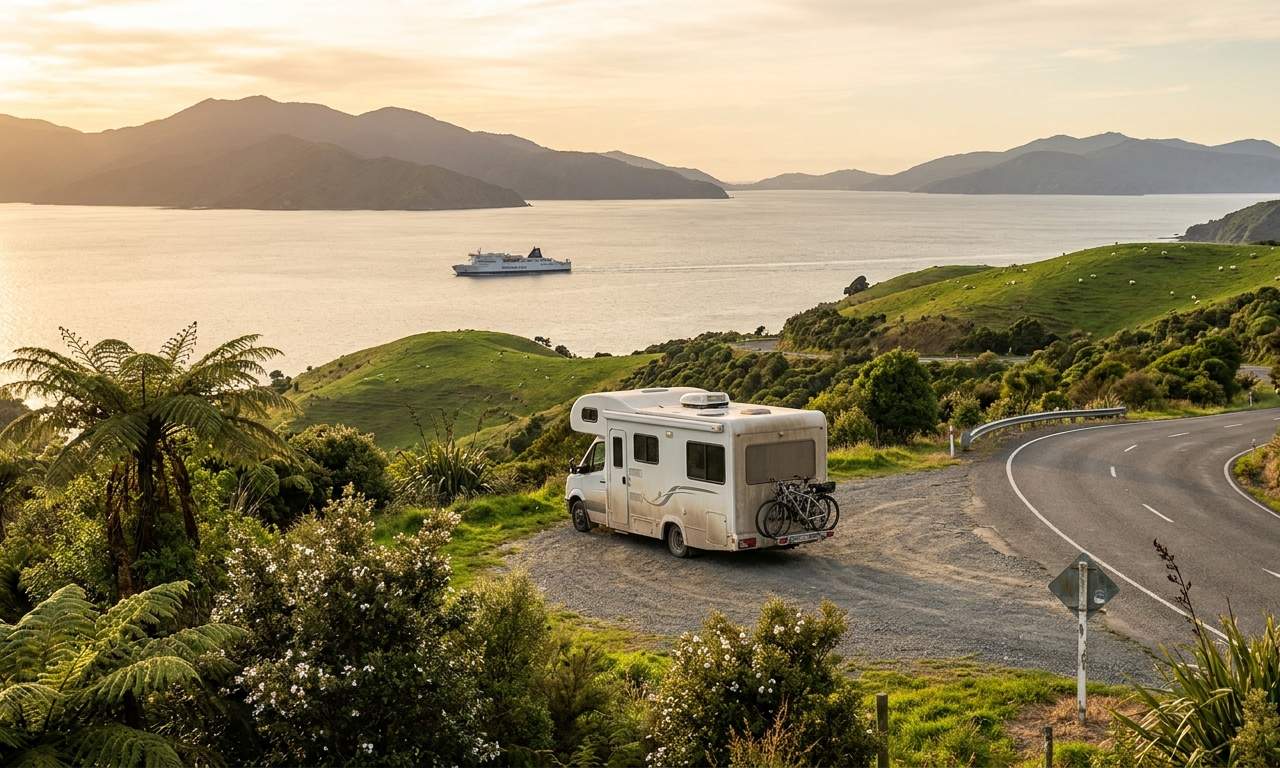
Navigating RV rental in New Zealand is straightforward with a few key tips to ensure a smooth and enjoyable journey.
- Book your RV well in advance, especially for New Zealand's peak season (December-February), to secure preferred luxury models like a spacious 'Euro Deluxe' with its 3 double beds, ideal for a big family or group of friends, and to lock in better rates, potentially saving up to 25% on peak-season bookings. For example, a `Euro Deluxe` RV provides ample space for 4-6 people with features like roof air conditioning and a TV, making it a true mobile home.
- Choose an RV size and type that aligns with your group size, comfort needs, and the specific routes you plan to explore. While a compact campervan like the `Chaser` (Jucy/Star NZ, 4.7m long, 80L fresh water tank, suitable for 2-3 people) is nimble for winding roads, larger motorhomes offer more amenities and space. Remember, you can drive almost anywhere without issues, just drive slowly and carefully, using common sense and paying attention, regardless of RV size.
- Familiarize yourself with New Zealand's 'self-contained' vehicle requirements if you intend to utilize freedom camping spots. Many scenic spots require your rented campervan to be certified self-contained, meaning it has an onboard toilet, freshwater, and greywater tanks for at least three days of use.
- Create a comprehensive budget that includes not just the rental cost, but also fuel, campsite fees, activity expenses, and food. A two-week RV trip for a couple might cost NZD $3,000 to $7,000+, with fuel alone potentially reaching NZD $700-1,400. For detailed budgeting and expense tracking for your New Zealand adventure, explore RV PLANET routes.
- Learn New Zealand's unique driving rules, including driving on the left, navigating single-lane bridges, and allowing extra travel time. Roads in New Zealand can be narrow and winding, so always drive at a pace that feels comfortable and safe, not just the posted speed limit.
Before You Book - Class, Dates, Insurance
Selecting the right RV class, timing your booking, and understanding insurance options are crucial steps for a worry-free New Zealand adventure. Bandana RV offers a straightforward comparison platform, making it easy to see all your options upfront.
RV Class Selection: Choose your RV class based on your group size, desired amenities, and the type of roads you'll be traveling. Smaller 2-berth campervans, like a `Category Van` with its front air condition and shower, are nimble for tighter roads and easy parking, perfect for couples. Larger 4-6 berth motorhomes, such as a `6 Berth Discovery` (Cruisin, 7.4m length, 125L fresh water tank), offer more comfort with features like multiple sleeping areas, an oven, and a larger refrigerator but require more cautious driving. Consider a 4WD campervan for accessing more remote, unsealed routes if your itinerary requires it, though fewer options exist in this niche.
Optimal Booking Dates: For the best selection of luxury models and prices, aim to book your RV 6-12 months ahead, particularly if traveling during New Zealand's peak season (December-February) or major school holidays. However, don't stress if you're a spontaneous traveler; many national and state parks reserve only 25-30% of spots for advance booking, with the rest available first-come, first-served. You'll find a spot. If not at the first campground, then the next one. Always call ahead before driving. Booking during the shoulder seasons (spring/autumn) or off-peak (winter) often provides more flexibility and lower daily rates.
Insurance Options: Basic insurance is always included with your rental. To see prices including the most comprehensive coverage, select that option during your search on Bandana RV. All relevant insurance options, including the ability to upgrade to a top-level deductible for extra peace of mind, will then be shown. Our full transparency means no hidden fees or surprises.
Pre-Trip Prep - Packing Checklist for New Zealand
🎬 Video coming soon
Proper preparation can significantly enhance your RV rental experience in New Zealand, making sure you have everything you need for comfort and convenience.
- Clothing: Pack layered clothing, including thermal base layers, a fleece mid-layer, and a waterproof outer shell, as New Zealand's weather can change rapidly. Comfortable walking or hiking shoes are essential for exploring, along with a swimsuit for the beaches or hot pools, and sandals for relaxing.
- Kitchen: With your rented RV's kitchen facilities, you'll want to bring reusable water bottles and coffee cups to minimize waste, a portable coffee maker, and basic non-perishable food items to save on initial grocery runs. A small cooler bag is handy for day trips, and reusable shopping bags are a must. For fresh meal ideas on the road, check out our RV-friendly recipes playlist on YouTube!
- Safety & Tools: Always pack a comprehensive first-aid kit, a headlamp or flashlight, a multi-tool for small fixes, a portable power bank for devices, and emergency contact information. For remote hikes, consider renting or bringing a personal locator beacon (PLB) for added safety.
- Documents & Tech: Ensure you have your valid passport and any required visas, your physical driver's license (which is sufficient for all motorhome classes if from an English-speaking country), and your RV rental confirmation. An International Driving Permit (IDP) is recommended for visitors from non-English-speaking countries but is not mandatory in most cases. Download detailed offline maps using apps like Google Maps or CamperMate, and bring car chargers and a local SIM card or portable Wi-Fi device for connectivity, as reception can be intermittent in remote areas.
On the Road - Driving, Fueling, Navigation
Driving a rented motorhome through New Zealand's varied landscapes is part of the adventure, but it requires awareness of local conditions and rules.
Driving in New Zealand: Always drive on the left-hand side of the road, which may require an adjustment for those accustomed to right-hand traffic. Be prepared for narrow, winding roads, especially in mountainous or coastal areas, and allow significantly more travel time than online maps suggest. Drive slowly and carefully, and you can drive almost anywhere without issues. No need to stress - just use common sense and pay attention. Watch for specific road signs for single-lane bridges (give way to oncoming traffic) and gravel sections. For longer trips, remember to travel slowly, max 100-150 km per day on average, to fully immerse yourself in the scenery.
Fueling Your RV: Plan your fuel stops diligently, especially on the South Island or in remote areas where petrol stations can be sparse. It's a good practice to always fill up when your tank is half-full. If driving a diesel RV, be aware that Road User Charges (RUCs) may be added by your rental company in addition to the pump price. This is an important consideration for your overall trip budget, which is why Bandana RV offers full transparency on all potential costs.
Navigation Strategies: While GPS devices are helpful, download offline maps and use reliable local apps like CamperMate for finding campsites, dump stations, and points of interest. Mobile phone reception can be intermittent in remote areas, so don't rely solely on online navigation. Physical maps are also a great backup! On the routes offered through RV PLANET routes, you can itemize and track every expense along the way for easy budgeting.
At the Campground - Setup, Hookups & Etiquette
Setting up your rented motorhome at a New Zealand campground is generally a relaxed affair, but following local etiquette ensures a pleasant stay for everyone.
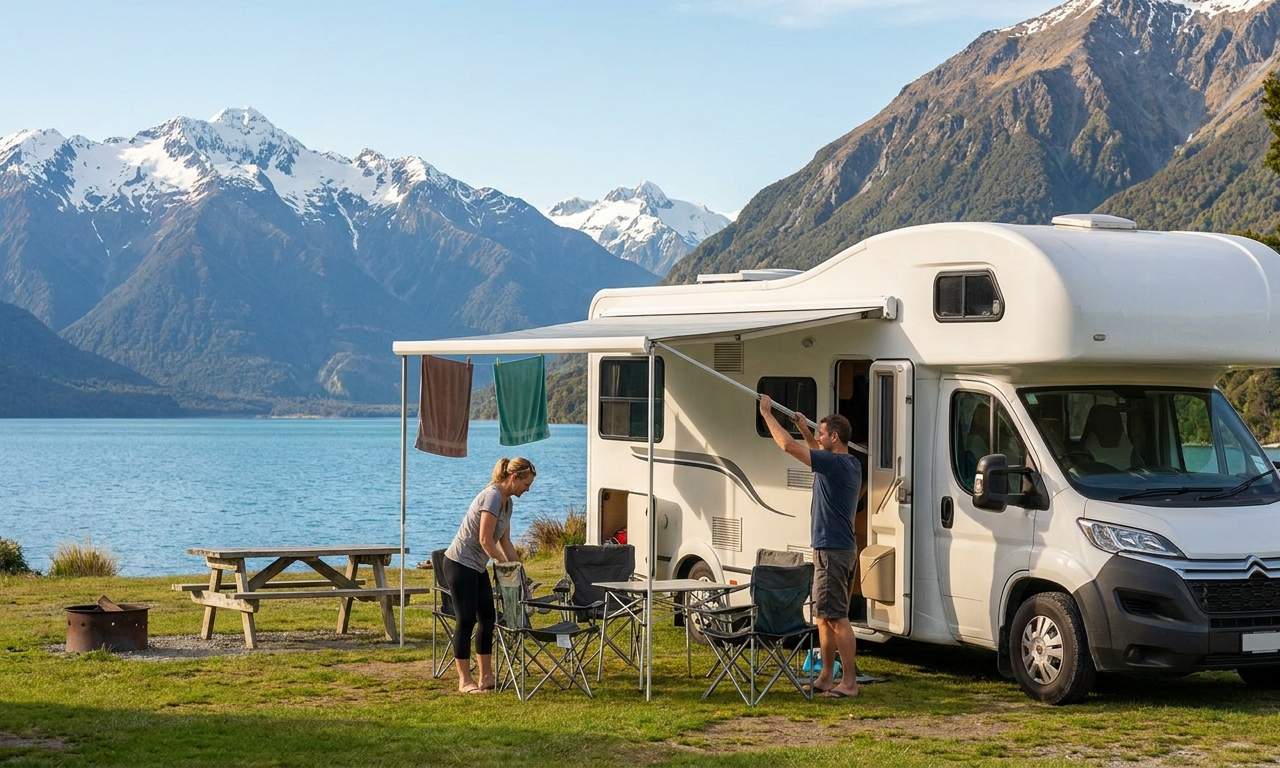
Site Setup: Once you arrive at your chosen campsite, select a level spot, park your RV carefully, and then extend any awnings or pop-tops if your vehicle has them. Ensure your mobile home is stable before setting up outdoor furniture. Our luxury RVs, like a `Euro Deluxe`, often come with spacious living areas and amenities that make outdoor setup a breeze.
Hookup Order: For powered sites, connect your electrical cable first to prevent power surges, then your fresh water hose, and finally, your grey water hose to a drainage point (if available). Always ensure all connections are secure to prevent leaks and electrical hazards. This simple routine is part of the charm of RV travel.
Campground Etiquette: Respect quiet hours, which typically run from 10 PM to 7 AM, and keep noise levels down at all times. Always clean up after yourself, dispose of all rubbish in designated bins, and use the correct facilities for emptying grey and black water tanks. Improper disposal is illegal and harmful to New Zealand's pristine environment. Utilize Department of Conservation (DOC) campsites by following their specific rules, which often include self-contained requirements and 'Leave No Trace' principles. Remember, Bandana doesn't help find campsites during your rental; for finding campsites and campgrounds during your trip, we recommend using RV PLANET (rvplan.net) - a great resource for locating available spots along your route.
RV Rental-Specific Tips for New Zealand
Choosing the right rented RV and tailoring your trip to your group's needs can elevate your New Zealand adventure from good to unforgettable, whether you're seeking luxury or budget-friendly options.
For Families: Opt for a larger RV rental, such as a `Euro Deluxe` or a `6 Berth Discovery`, which typically offer 3 double beds and ample space for 4-6 people, along with features like a spacious refrigerator and a dining area. These vehicles, often with lengths around 7.4m, provide separate sleeping areas or a convertible dinette to ensure everyone has their own space. Plan drives with frequent stops for kids to stretch and explore, and consider routes with nap-friendly stretches. An RV like the `Eclipse Camper` (9.4m length, 6 sleeping places, microwave, oven, large fridge) offers superb comfort for a big family.
For Seniors: Prioritize ease of access, comfortable beds, and ample storage without feeling cramped. Class B campervans, like an `Exclusive Classic` (around 6.75m length, shower, toilet, TV) or a semi-integrated motorhome, might be ideal due to their maneuverability and home-like amenities. Consider booking powered sites frequently for consistent access to electricity and water, and aim for shorter daily driving distances to enjoy the journey at a relaxed pace.
For Budget Travelers: Maximize savings by prioritizing freedom camping (if your RV is certified self-contained, which many rental campervans are) and utilizing Department of Conservation (DOC) basic sites, which can range from NZD $0-25 per night. Cooking most of your meals in your RV’s kitchen and seeking out free natural attractions and hikes will also significantly reduce expenses. A smaller campervan, like the `Crib` (Jucy/Star NZ, 4.6m length, 2 sleeping places, 18L fridge), offers a budget-friendly way to explore.
For Luxury Seekers: Explore premium motorhome models that offer integrated entertainment systems, full en-suite bathrooms, and gourmet kitchen facilities, providing a top-tier travel experience. Many luxury RVs feature amenities like spacious layouts, large fresh water tanks (e.g., `MHLUX` has a 260L fresh water tank), and comfortable dining areas. Consider booking premium-powered sites at holiday parks for resort-style comforts and services, and perhaps explore routes that include fine dining experiences in New Zealand's renowned wine regions.
Common Mistakes to Avoid in New Zealand
Avoiding common pitfalls can make your RV rental journey in New Zealand much smoother and more enjoyable, especially for first-timers.
- Underestimating Driving Times: New Zealand's roads, particularly on the South Island, are often narrow, winding, and mountainous, meaning travel times are usually longer than a GPS estimate suggests. Instead of relying solely on digital estimates, consult the AA New Zealand journey planner and add 20-30% extra time for scenic stops, winding roads, and potential delays. Remember our advice to travel slowly, ideally no more than 100-150 km per day on average, to truly savor the landscape.
- Ignoring 'Self-Contained' Rules: A significant mistake is attempting to freedom camp in a vehicle not certified as self-contained. Instead, ensure your rented RV is officially certified 'self-contained' if you plan to freedom camp, or exclusively use designated campgrounds and holiday parks to avoid substantial fines (up to NZD $200). Many rental campervans, such as the `Condo` (Jucy/Star NZ), include a toilet and fresh/waste water tanks to meet these requirements.
- Not Budgeting Comprehensively: Beyond the daily rental cost, significant expenses include fuel, varying campsite fees (NZD $0-60/night), ferry crossings between islands (NZD $200-400+ for vehicle and passengers), activities, and food. Instead, factor in all these costs to avoid unexpected expenses. RV PLANET routes offer tools to itemize and track every expense along the way for easy budgeting.
- Disregarding Biosecurity and Environmental Principles: New Zealand has a fragile ecosystem. Instead, declare all food, plant, and animal products at the border upon arrival to protect the country's unique environment from pests and diseases. Consistently practice 'Leave No Trace' principles by disposing of all waste correctly at designated dump stations and leaving natural areas pristine. This ensures the beauty of New Zealand remains for future generations.
How much does it cost to rent a RV in New Zealand?
Renting an RV in New Zealand typically costs between NZD $80 - $400+ per day, varying significantly based on vehicle size, rental season, duration, and included amenities, and these prices are dynamic, changing daily like flight tickets.
- Rental Cost: Small campervans (2-berth), like a `Crib` (Jucy/Star NZ, 4.6m length), can range from NZD $80-150/day in off-peak season to NZD $200-300+/day in peak season. Larger motorhomes (4-6 berth), such as a `Euro Deluxe` (7.2m length), might cost NZD $200-400+/day off-peak and upwards of NZD $500+/day during peak times.
- Fuel Expenses: Budget approximately NZD $50-100 per day for fuel, depending on your itinerary and vehicle efficiency. Diesel vehicles also incur Road User Charges (RUCs) on top of the pump price, adding to the overall cost.
- Campsite Fees: Expect to pay NZD $0-25 per night for basic Department of Conservation (DOC) campsites (often requiring self-contained vehicles) or NZD $20-60 per night for powered sites at commercial holiday parks.
- Food & Activities: Allocate NZD $40-80 per person per day for groceries if self-catering with your RV's kitchen, and NZD $50-150 per person per day for activities, which can range from free hikes to expensive adventure sports like bungee jumping.
- Additional Costs: Factor in optional insurance excess reduction (NZD $30-70/day), one-way fees (NZD $150-350 for specific routes such as Auckland to Christchurch), ferry crossings between islands (NZD $200-400+ for vehicle and passengers), and potential add-ons like linen or camping chairs. Remember that prices are dynamic and set at actual booking time. For the most up-to-date pricing, always compare motorhome rentals for New Zealand through Bandana RV.
What is the 333 rule for campervan?
The "333 rule" is an informal yet practical guideline for responsible freedom camping in New Zealand, suggesting that you should try to stay at least 3 kilometers away from other campers, avoid staying for more than 3 nights in any one spot, and park no closer than 3 meters from any water source.
This guideline promotes sustainable camping practices and helps minimize environmental impact, fostering a respectful approach to New Zealand's stunning natural landscapes. It's crucial to distinguish the 333 rule from legal requirements; for official freedom camping, your vehicle *must* be certified 'self-contained,' meaning it has a toilet, wastewater, and fresh water storage for at least three days per person. Always adhere to local freedom camping bylaws, which can vary by region, and strictly follow 'Leave No Trace' principles by taking all rubbish with you and using designated dump stations for all waste. Understanding these nuances is a hallmark of a True RV Specialist, something Bandana RV prides itself on.
What is the best camper rental in New Zealand?
The "best" camper rental in New Zealand depends entirely on your specific travel style, budget, group size, and desired level of comfort, with Bandana RV offering comparison across leading suppliers like Apollo and Britz to help you find the ideal match.
- Budget-Friendly Options: Companies offer compact, often basic 2-berth campervans, ideal for nimble travel and solo adventurers or couples on a tighter budget. These are typically smaller vehicles, easy to drive and park, like the 'rv rental denver example Category Van' which is ideal for a couple and small in size.
- Mid-Range Comfort: Suppliers provide a good balance of comfort and affordability, with a wider selection of 2-6 berth campervans and motorhomes that include more amenities, suitable for couples or small families. Vehicles such as a `4 Berth Adventurer` from Cruisin' (7.4m length, 125L fresh water tank, shower, toilet, microwave) offer a great blend of features and value.
- Premium & Luxury: Brands like Apollo and Britz generally offer newer, well-appointed motorhomes, often with spacious interiors, en-suite bathrooms, and higher-end features like a TV and roof air conditioning. Models such as the `Euro Deluxe` (large, exclusive, 3 double beds, 150L fresh water tank, ideal for 2 couples or a big family) are designed for longer trips or travelers seeking maximum comfort and convenience, perfectly aligning with Luxury RV Rental in New Zealand - Premium Prices 2026 expectations.
- Vehicle Specifics: Consider a smaller 2WD campervan for ease of driving and parking on sealed roads. If your itinerary includes remote or unsealed roads, a larger 2WD motorhome might offer more comfort, but a 4WD camper, like the `Patagonia Camper 4x4 double cab`, could be ideal for rugged terrain, though options are fewer. The `Chaser` (Jucy/Star NZ) is a practical 4-person motorhome (4.7m length, 80L fresh water, 85L waste water).
- Choosing Your Fit: Evaluate factors like bed configuration, kitchen facilities (like a 3-burner gas stove), bathroom size, and storage space against your itinerary and personal preferences before making a decision. Bandana RV's comprehensive comparison allows you to easily compare final prices across 50+ suppliers, ensuring what you see is what you pay, with no surprise fees.
Is it worth it to rent a campervan in New Zealand?
Renting a campervan in New Zealand is generally considered highly worthwhile for travelers seeking flexibility, immersive experiences, and potential cost savings on accommodation, allowing direct access to stunning landscapes and remote areas that are often inaccessible with traditional travel.
- Unparalleled Freedom: A campervan offers the ultimate flexibility to explore New Zealand at your own pace, stopping spontaneously at scenic viewpoints, hidden beaches, or charming small towns that pique your interest. You're not tied to hotel bookings or bus schedules.
- Cost-Effectiveness: For longer trips, especially for couples or groups, a rented campervan can be more economical than combining a car rental with hotel stays, particularly if you utilize affordable Department of Conservation (DOC) campsites or legal freedom camping spots (which can be as low as NZD $0 per night). When you consider overall costs, including accommodation, our service helps you find the most affordable way to rent an RV.
- Immersive Experience: It allows for a deeper connection with New Zealand's diverse natural beauty, enabling you to wake up to breathtaking views, cook meals amidst stunning scenery, and stargaze from remote locations.
- Access to Remote Areas: Campervans provide a mobile base for exploring many national parks and natural attractions that might be less accessible or require more planning with traditional accommodation.
- Considerations: While highly beneficial, remember to factor in potential drawbacks like limited space, the need for waste management (emptying grey and black water tanks), and sometimes slower travel speeds. However, with good planning and embracing the relaxed pace, these are easily managed as part of the immersive adventure. For route plans that maximize your experience, check out RV PLANET (rvplan.net) which has over 1,300 pre-planned routes across 5 continents, including New Zealand.
Is it easy to drive a motorhome in New Zealand?
Driving a motorhome in New Zealand is generally manageable for experienced drivers, but requires extra caution due to narrow, winding roads, steep gradients, and single-lane bridges, compounded by left-hand driving if you're from a right-hand drive country.
- Left-Hand Driving: New Zealand operates on the left side of the road, which requires an adjustment period for drivers accustomed to right-hand traffic. Take your time, especially at intersections and roundabouts, and practice in quieter areas first.
- Diverse Road Conditions: While main highways are well-maintained, many scenic routes, especially in national parks and rural areas, feature narrow lanes, sharp curves, and unsealed (gravel) sections. This necessitates reduced speeds and increased vigilance. Drive slowly and carefully, and you can drive almost anywhere without issues. No need to stress - just use common sense and pay attention.
- Single-Lane Bridges: These are a common feature, particularly on the South Island. Always observe the 'give way' signs, allowing oncoming traffic (or specific directions) to cross first. Patience is key.
- Mountain Passes & Steep Grades: Expect significant ascents and descents in mountainous regions. Be prepared to shift to lower gears for control, especially when braking downhill. Roads like the Haast Pass or Arthur's Pass demand extra attention.
- Vehicle Size & Maneuverability: Larger motorhomes, such as a `Euro Deluxe` (7.2m length), require more space for turning, parking, and passing. Practice reversing and maneuvering in open areas before heading into busy towns. Some very narrow roads or ferry routes might have size restrictions, so always check your itinerary and vehicle dimensions, especially if you're considering a One-Way RV Rental in New Zealand - Price Guide 2026 that crosses challenging terrain.
- Wildlife & Environment: Stay alert for wildlife (e.g., sheep, cattle) on rural roads, especially at dawn and dusk. Be mindful of changing weather conditions, which can quickly impact driving safety.
Do and don'ts New Zealand?
When traveling in New Zealand, key "dos" include embracing Māori culture with respect, adhering to strict biosecurity rules, and practicing environmental responsibility, while "don'ts" involve littering, speeding, or freedom camping illegally.
- DO Learn Basic Māori Phrases: A simple 'Kia Ora' (hello) and 'Ka kite anō' (see you again) shows respect for the indigenous culture. Engage with local Māori experiences where possible to deepen your connection to the country.
- DO Follow Biosecurity Regulations: Declare all food, plant, animal products, and dirty outdoor gear upon arrival to protect New Zealand's unique ecosystem from pests and diseases. Fines for non-compliance are significant and strictly enforced.
- DO Practice 'Leave No Trace': Pack out everything you pack in, use designated waste disposal and recycling facilities, and stick to marked trails to protect the natural environment. This includes responsibly emptying your RV's grey and black water tanks at official dump stations.
- DO Adhere to Camping Rules: Only freedom camp if your rented RV is certified self-contained and in areas where it's explicitly permitted. Otherwise, utilize the extensive network of holiday parks and Department of Conservation (DOC) campsites.
- DON'T Litter: It is illegal and severely harms New Zealand's pristine environment. Always use designated bins or carry your rubbish until you find one.
- DON'T Speed or Drive Recklessly: Speed limits are strictly enforced, and New Zealand roads can be challenging. Drive to the conditions, not just the posted limit, and allow ample time for your journey.
- DON'T Disturb Wildlife: Observe animals from a distance. Do not feed wildlife, as it can harm their health and natural behaviors.
- DON'T Pollute Waterways: Dispose of grey and black water only at designated dump stations. Improper disposal is illegal and damaging to the environment.
How much money would I need for 2 weeks in New Zealand?
For a two-week RV trip in New Zealand, a realistic budget for a couple typically ranges from NZD $3,000 to $7,000+, encompassing RV rental, fuel, food, activities, and campsite fees, though this can fluctuate significantly based on your travel style and preferences.
- RV Rental (14 days): Expect to pay NZD $1,120 - $5,600 (based on an average of $80-$400/day, varying greatly by season and vehicle type, especially for luxury models). Booking in advance can help secure better rates for your RV Rental in New Zealand - Prices and Best Deals 2026.
- Fuel (14 days): Budget approximately NZD $700 - $1,400 (based on an average of $50-$100/day, depending on distances covered and fuel efficiency of your chosen RV or campervan). Don't forget potential Road User Charges for diesel vehicles.
- Campsites (14 nights): Costs can range from NZD $0 - $840 (based on an average of $0-$60/night, depending on utilizing freedom camping, basic DOC sites, or commercial holiday parks with more amenities).
- Food (14 days): Allocate NZD $560 - $1,120 (based on $40-$80 per person per day for a couple self-catering in their RV kitchen). This is where having a functional kitchen in your rented motorhome truly helps manage costs.
- Activities (14 days): This is highly variable, ranging from NZD $700 - $2,100 (based on $50-$150 per person per day for a couple), depending on your choices, from free hikes in national parks to expensive adventure sports like jet boating or heli-hiking.
- Contingency & Miscellaneous: Always add 10-15% for unexpected expenses. This includes potential insurance excess, ferry crossings between islands (NZD $200-400+ for vehicle and passengers, if applicable), and any personal souvenirs or dining out experiences. Remember, our full price transparency means you won't encounter hidden fees from your rental provider at pickup.
Is it easy to campervan around New Zealand?
Campervanning around New Zealand is highly accessible and a popular way to explore, supported by well-maintained roads and an extensive network of campsites, though navigating diverse terrain and respecting local regulations are key aspects to master.
- Accessible Road Network: New Zealand has a comprehensive road network, making most major attractions and towns reachable by campervan. While some roads are winding and narrow, they are generally well-maintained. Drive slowly and carefully, and you can drive almost anywhere without issues. No need to stress - just use common sense and pay attention.
- Abundant Campsites: An extensive network of Department of Conservation (DOC) campsites, commercial holiday parks, and designated freedom camping sites makes finding a place to stay overnight relatively easy. Apps like CamperMate are invaluable for locating these. Our comprehensive selection for Cheap RV Rental in New Zealand - Budget Guide 2026 can help you find affordable options.
- Self-Contained Requirements: While freedom camping offers unique experiences, it's crucial that your rented campervan is certified self-contained to legally park in many unpowered, undesignated areas. Always check local bylaws for each region.
- Itinerary & Route Planning: For the North Island, focus on geothermal wonders (Rotorua), cultural experiences, and urban centers like Auckland. For the South Island, prioritize dramatic alpine landscapes (Fiordland National Park), fiords, and adventure activities (Queenstown). Account for seasonal weather changes, especially in winter. Plan a trip itinerary in advance with minimal effort and maximum enjoyment using RV PLANET routes. For a broader perspective on RV travel in the region, consider our RV Rental Australia - Complete Guide 2026.
- Regional Differences: Driving on the South Island often involves longer distances between towns and more challenging mountain passes. The North Island has denser population centers and a greater variety of amenities.
- Exploring Less-Traveled Routes: New Zealand offers numerous lesser-known routes, such as the Catlins Coast or the Forgotten World Highway (State Highway 43), providing unique perspectives. Be prepared for fewer amenities and potentially unsealed roads in these areas, planning your stops accordingly. For more visual tips, you can also check out our RV Travel Guide to New Zealand - Tips and Top Spots 2026 video guide.
What are the drawbacks of renting an RV?
The main drawbacks of renting an RV for a New Zealand trip include limited interior space, the responsibilities of vehicle maintenance (like waste disposal), potentially higher fuel costs, and the slower pace of travel compared to a car.
- Limited Interior Space: RVs, especially smaller campervans like a 'rv rental denver example Category Van', can feel cramped for living, cooking, and sleeping, particularly on rainy days or for longer trips. Efficient packing and organization are essential to manage limited storage, even in more spacious models like an 'rv rentals example Comfort Class' (large, ideal for families of 2+2, up to 3 years on the road).
- Vehicle Responsibilities: Renters are responsible for tasks like refilling fresh water tanks and emptying grey water (wastewater from sinks/showers) and black water (toilet waste) tanks at designated dump stations. This requires regular planning and adds to the trip's chores, though it quickly becomes part of the routine.
- Higher Running Costs: Larger RVs generally consume more fuel than a standard rental car, significantly impacting your overall budget, especially with extensive driving. Diesel vehicles also incur Road User Charges (RUCs) on top of the pump price. For transparent pricing, Bandana RV helps you compare final prices across 50+ suppliers upfront.
- Slower Travel Pace: RVs are larger and heavier, making them slower on winding New Zealand roads and mountain passes. This means longer travel times between destinations and less agility for quick detours, though it also encourages the recommended slow travel pace of 100-150 km per day.
- Parking Challenges: Finding suitable parking in bustling towns, cities, or popular attraction sites can be difficult due to the RV's size. Researching parking options in advance, especially in popular tourist hubs, is always a good idea.
- Potential for Intermittent Connectivity: In very remote areas, especially parts of the South Island, cellular reception can be sparse, leading to intermittent internet access and occasional feelings of isolation. Downloading offline maps and entertainment can help mitigate this.
- Solutions: To mitigate these drawbacks, choose an RV size appropriate for your group, plan regular stops at dump stations, download offline maps and entertainment, and embrace the slower pace as part of the immersive adventure. The benefits of freedom and flexibility often far outweigh these minor inconveniences.
What You Shouldn't Miss
New Zealand offers an incredible array of experiences that are perfectly suited for RV travelers. Here are some must-do adventures:
- Explore Fiordland National Park: Drive through the majestic scenery of Milford Sound or Doubtful Sound on the South Island. Take a cruise to truly appreciate the scale of these ancient fjords.
- Hike in Tongariro National Park: On the North Island, the Tongariro Alpine Crossing is often considered one of the best day hikes in the world, offering incredible volcanic landscapes.
- Experience Māori Culture in Rotorua: Immerse yourself in the rich indigenous culture, witness geothermal wonders, and enjoy a traditional Hāngi feast.
- Discover the Queenstown Adventure Capital: From bungee jumping to scenic gondola rides, Queenstown on the South Island offers adrenaline-pumping activities alongside stunning lake and mountain views.
- Cruise the Marlborough Sounds: On the northern tip of the South Island, enjoy the intricate waterways, coastal hikes, and famous Marlborough Sauvignon Blanc wine region.
Looking for expert insights from Avi Bandana? Top 5 Adventures - recommendations from Avi Bandana
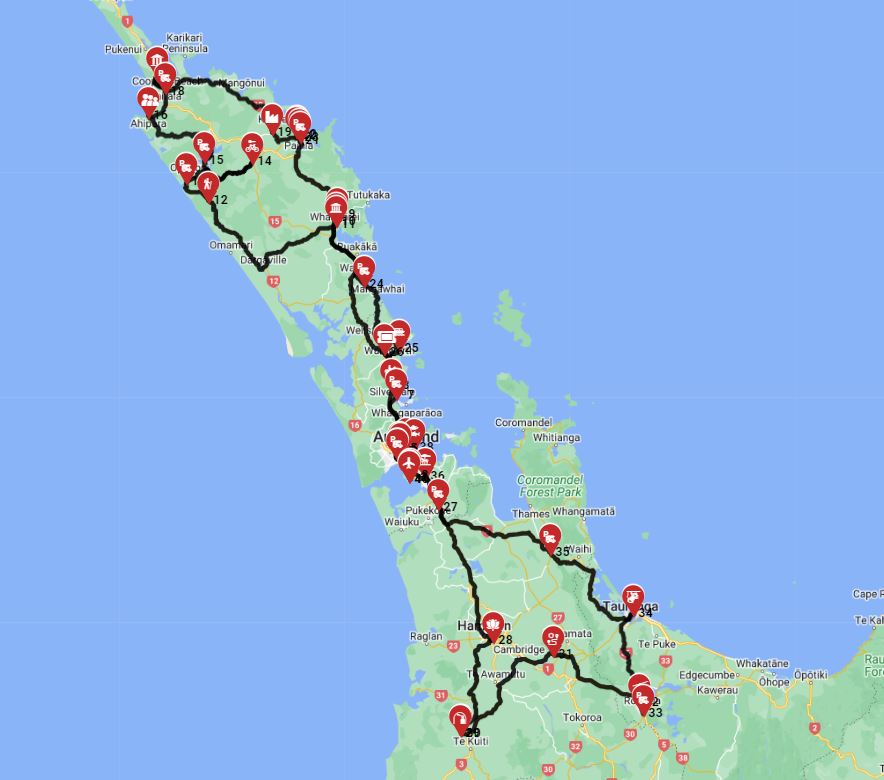
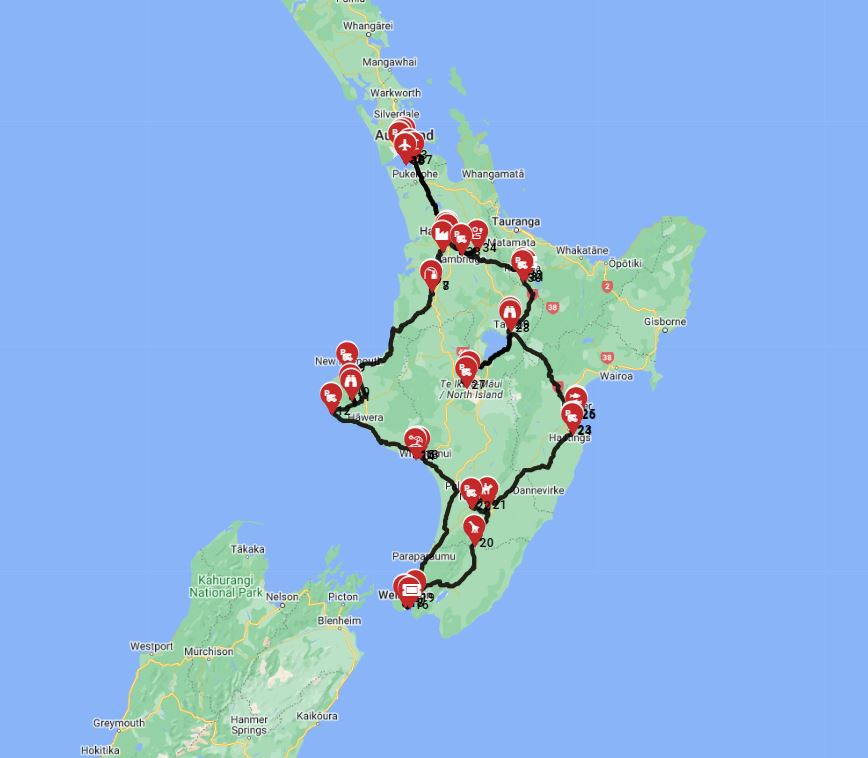
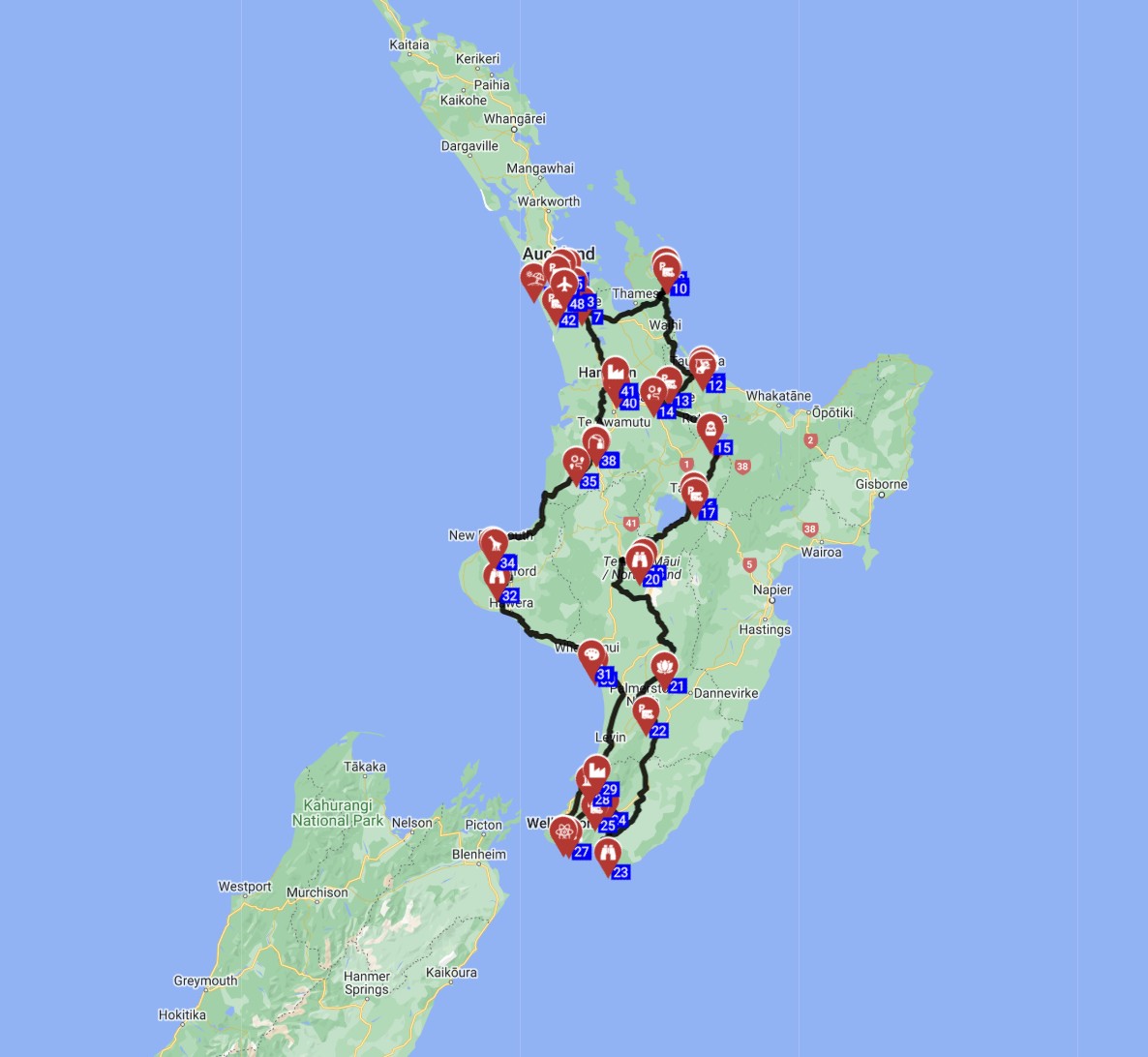
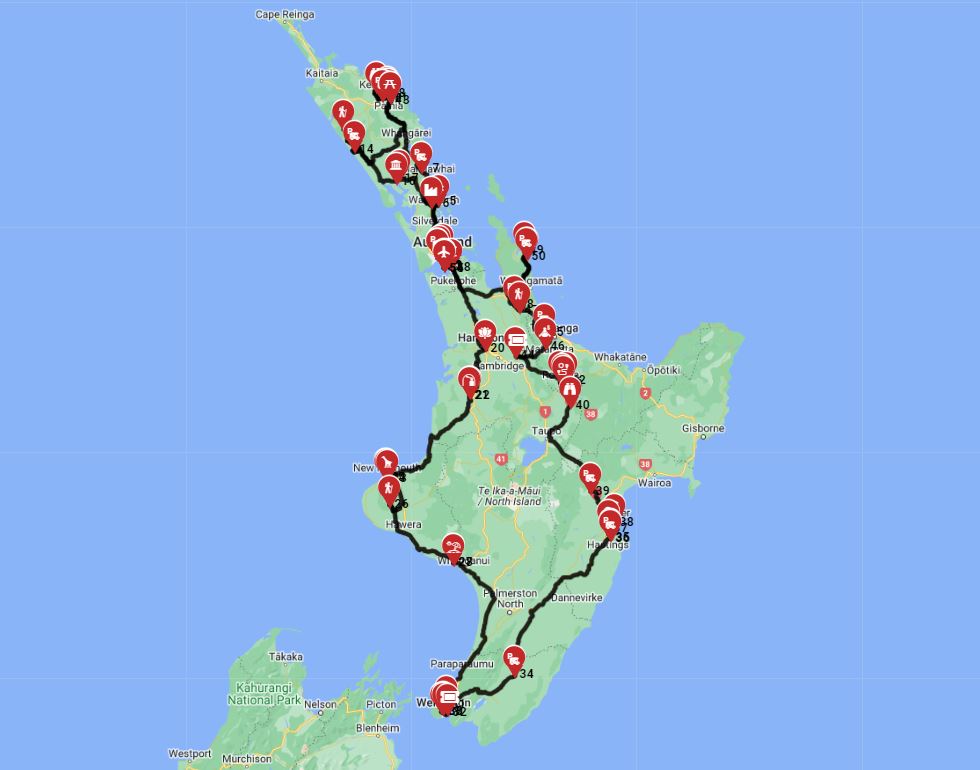
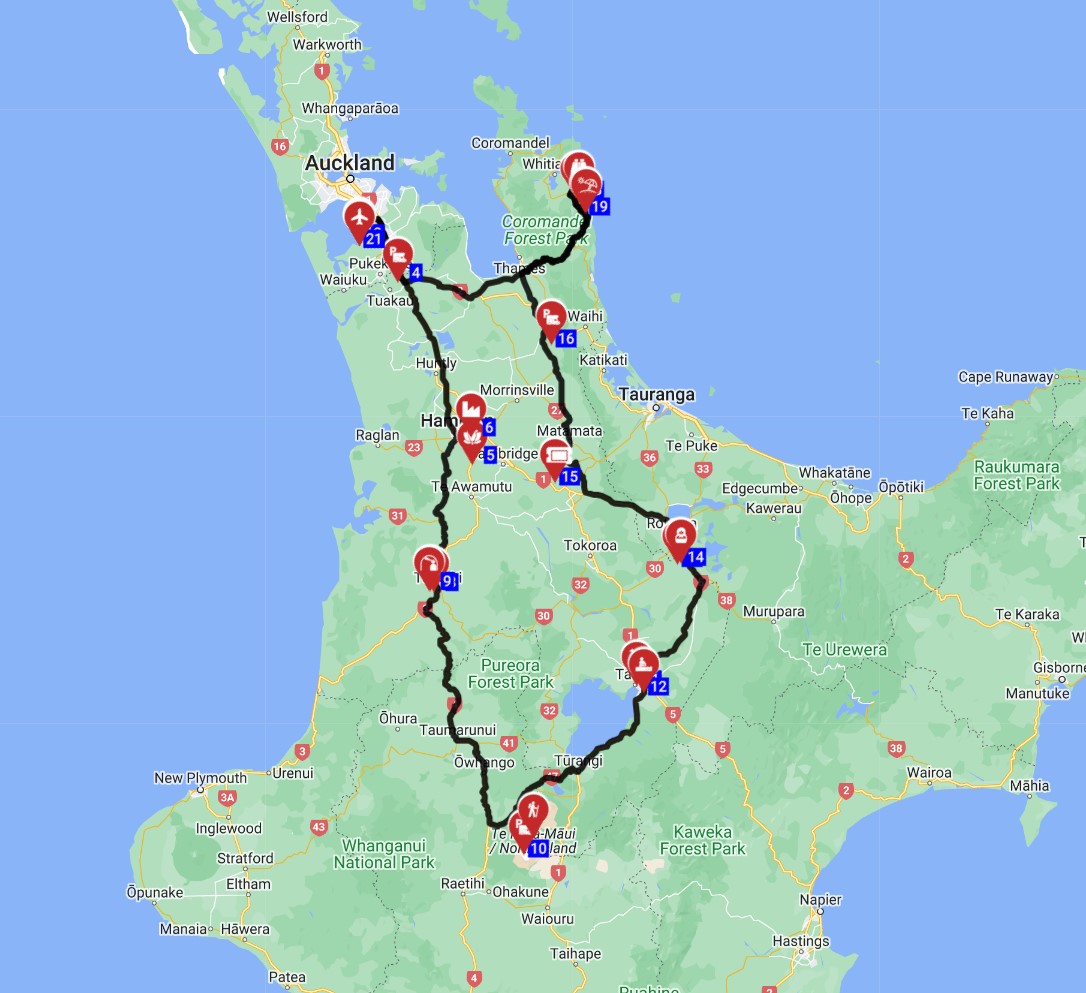
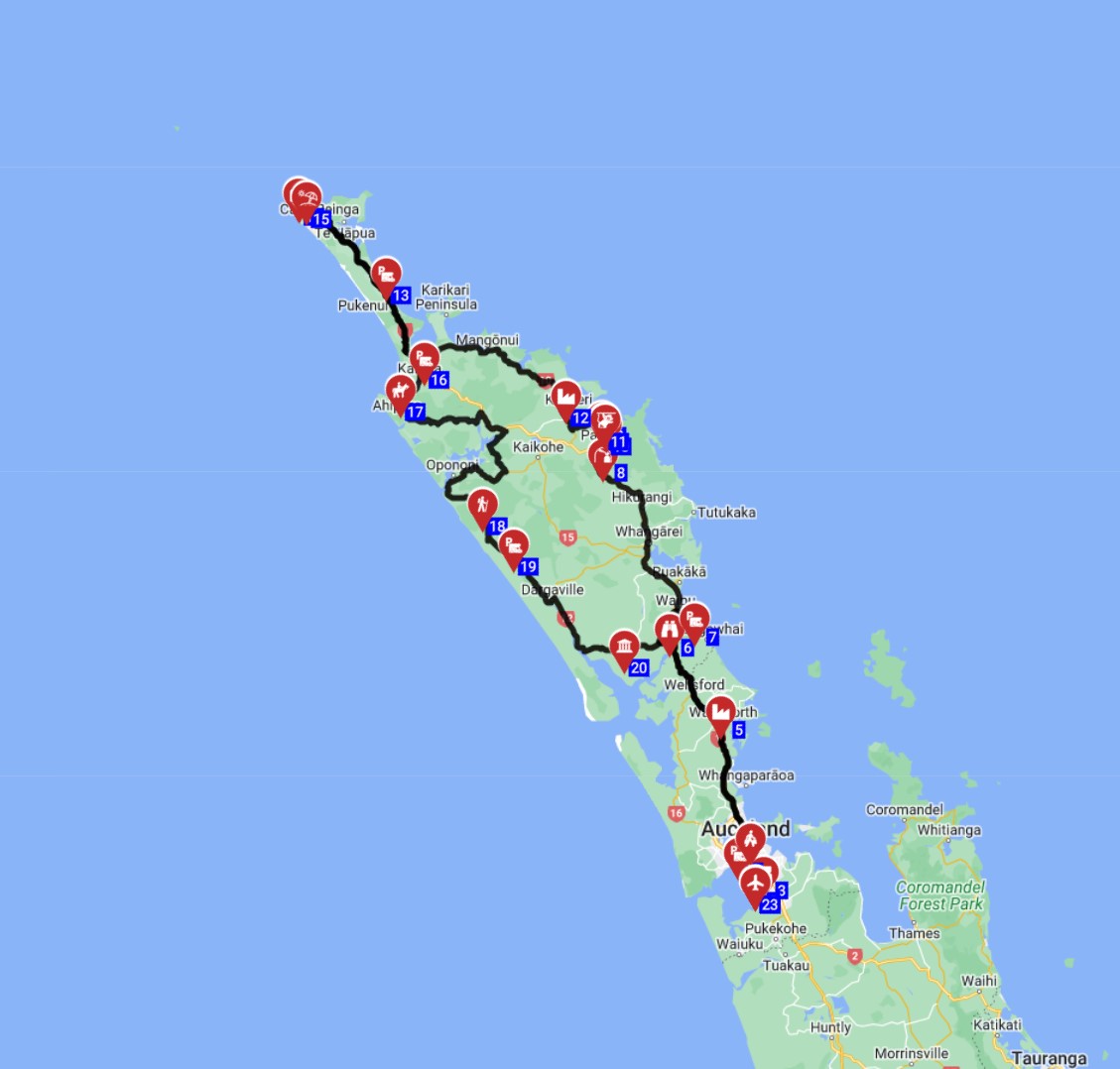
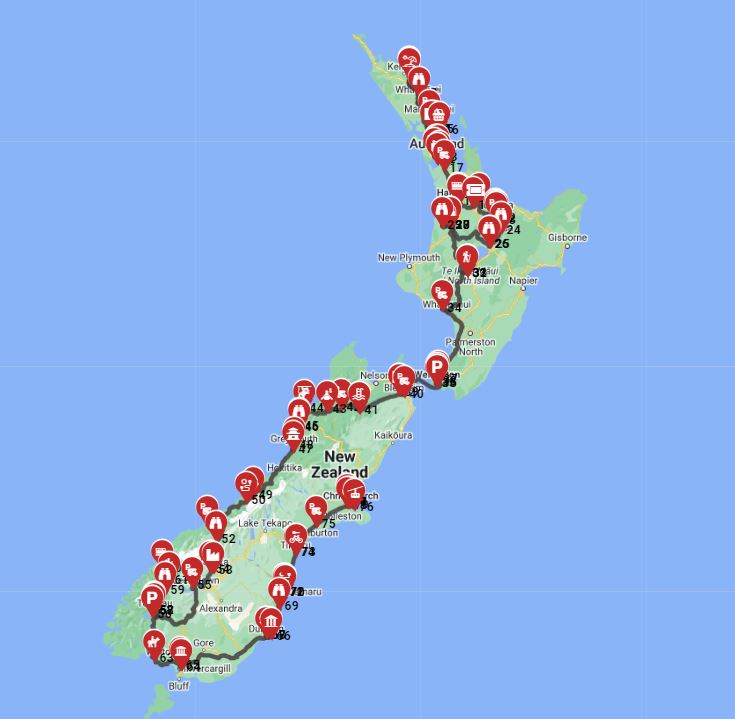
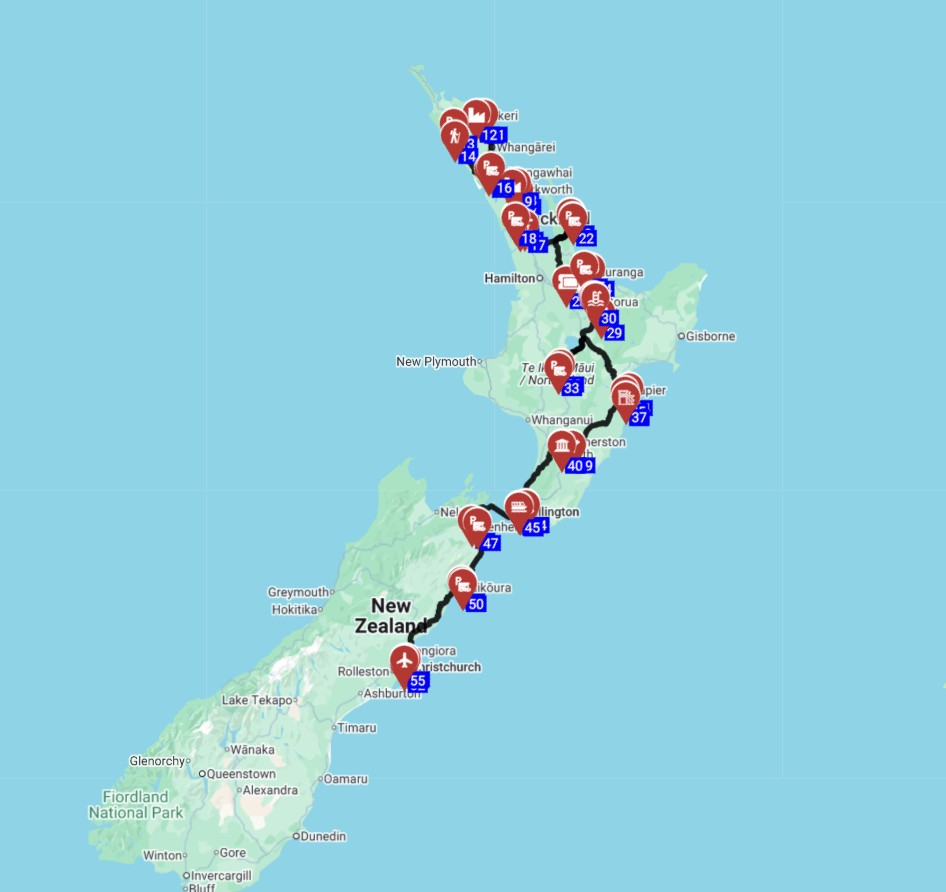
Our team at Bandana RV, with over 20 years of experience, has crafted incredible route plans to help you make the most of your New Zealand adventure. Discover top destinations, planning tips, all in one place!
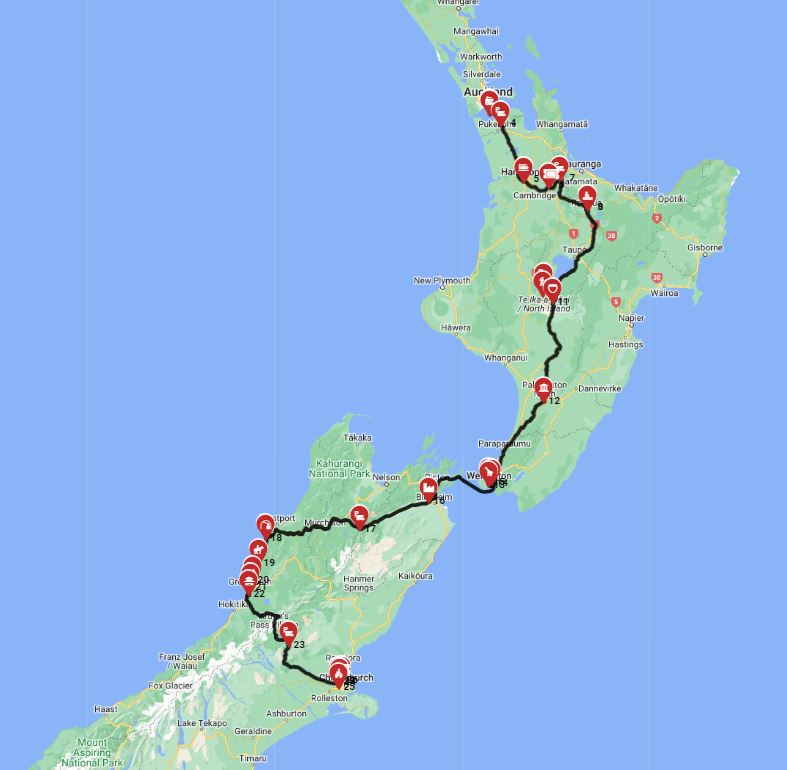
This 25-day, 4060.2 km route from Auckland to Christchurch includes 4 wildlife watches, 3 museums, and 9 natural features, giving you a full New Zealand experience.
Embark on an 18-day, 2647.3 km journey around the South Island, featuring 5 hiking areas, 3 local industries, and 4 natural features. It's an ideal route plan for those looking for stunning landscapes and authentic experiences.
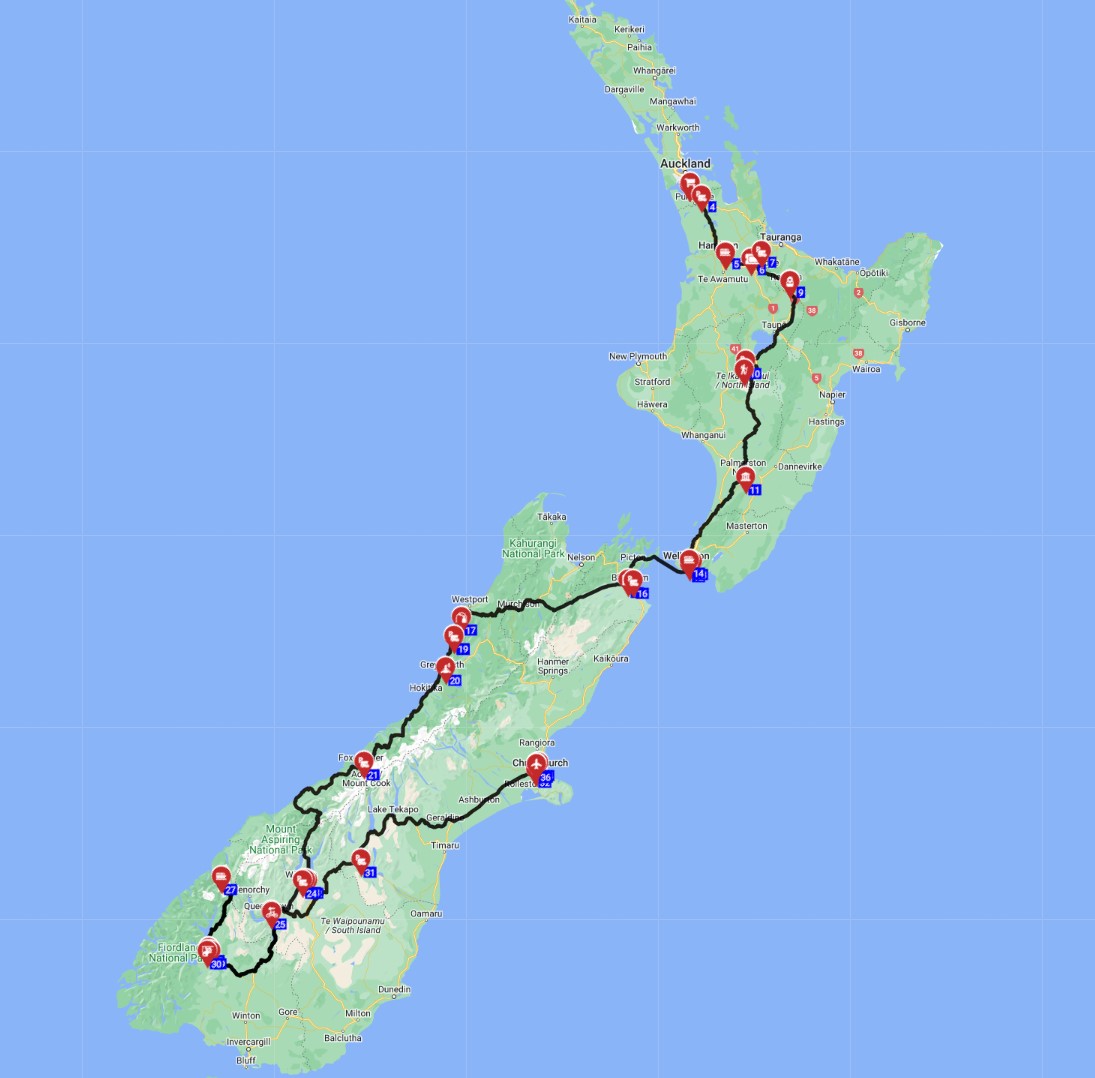
This 18-day, 2830.2 km route from Auckland to Queenstown is a fantastic way to experience both islands, including 3 cruise terminals, 2 tourist attractions, and a visit to a zoo.
Final Thoughts
A luxury RV trip through New Zealand is more than just a vacation; it's an immersive journey that offers unparalleled freedom and breathtaking experiences. From the moment you pick up your comfortable motorhome to the countless memories you'll make traversing both the North and South Islands, you'll discover why RV travel is the ultimate way to explore this incredible country.
By following these premium tips, understanding local nuances, and leveraging Bandana RV's transparent booking process and expert support, you're set for an unforgettable adventure. We're here to help you compare final prices and plan your route with confidence, ensuring your New Zealand road trip is everything you've dreamed of and more.
So, get inspired for your next trip! Start planning your luxurious motorhome rental in New Zealand today and prepare to create memories that will last a lifetime.