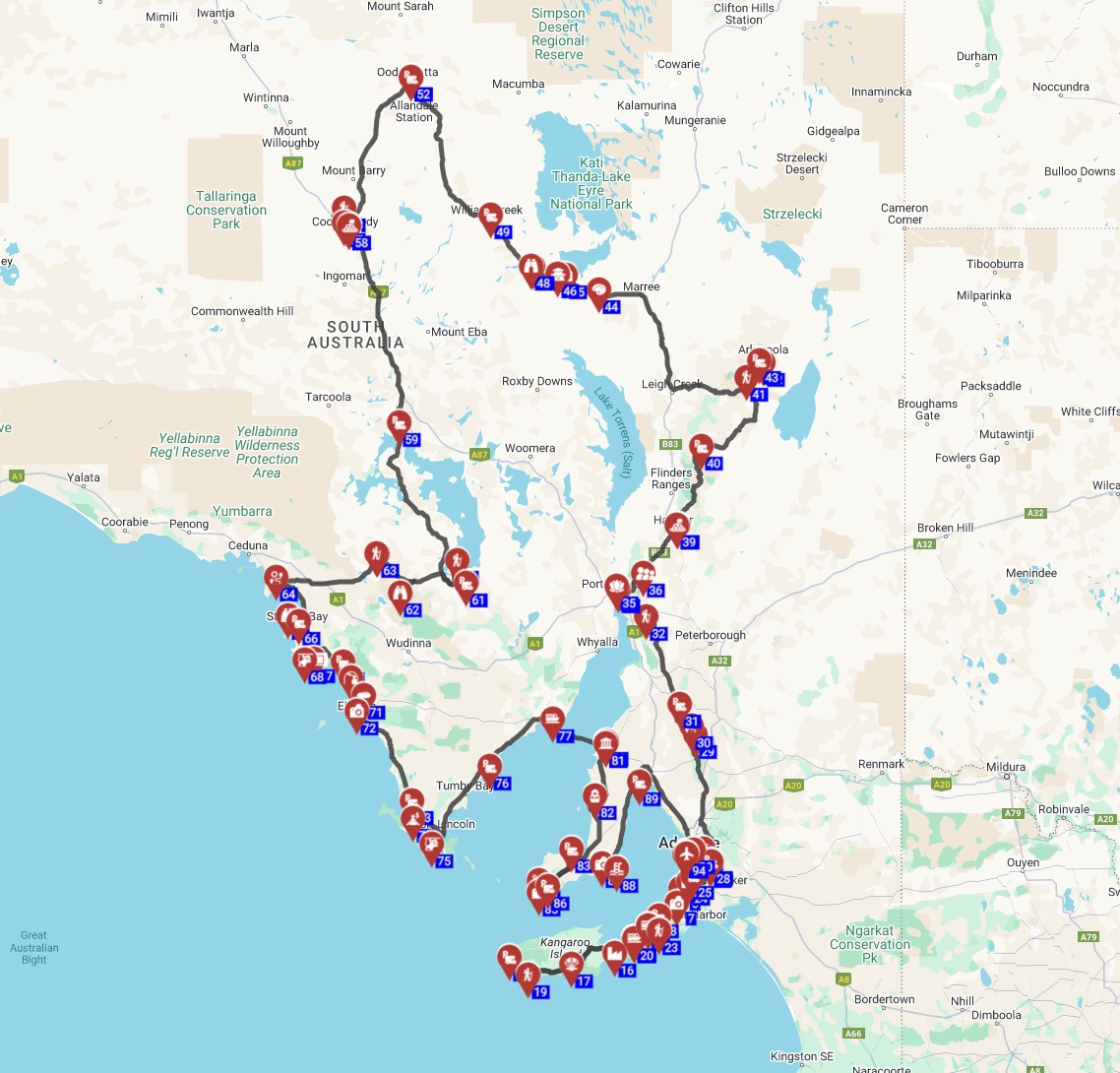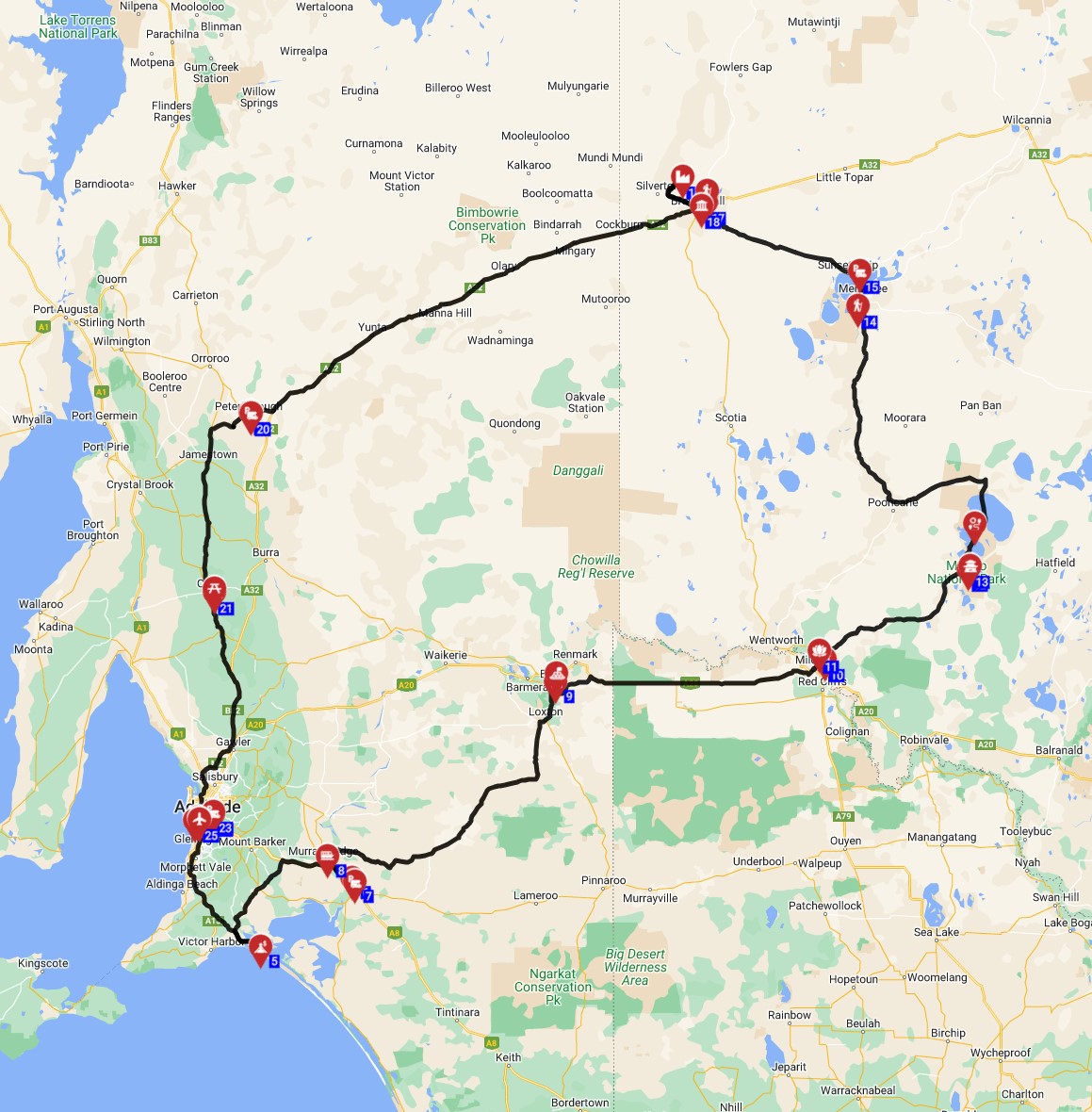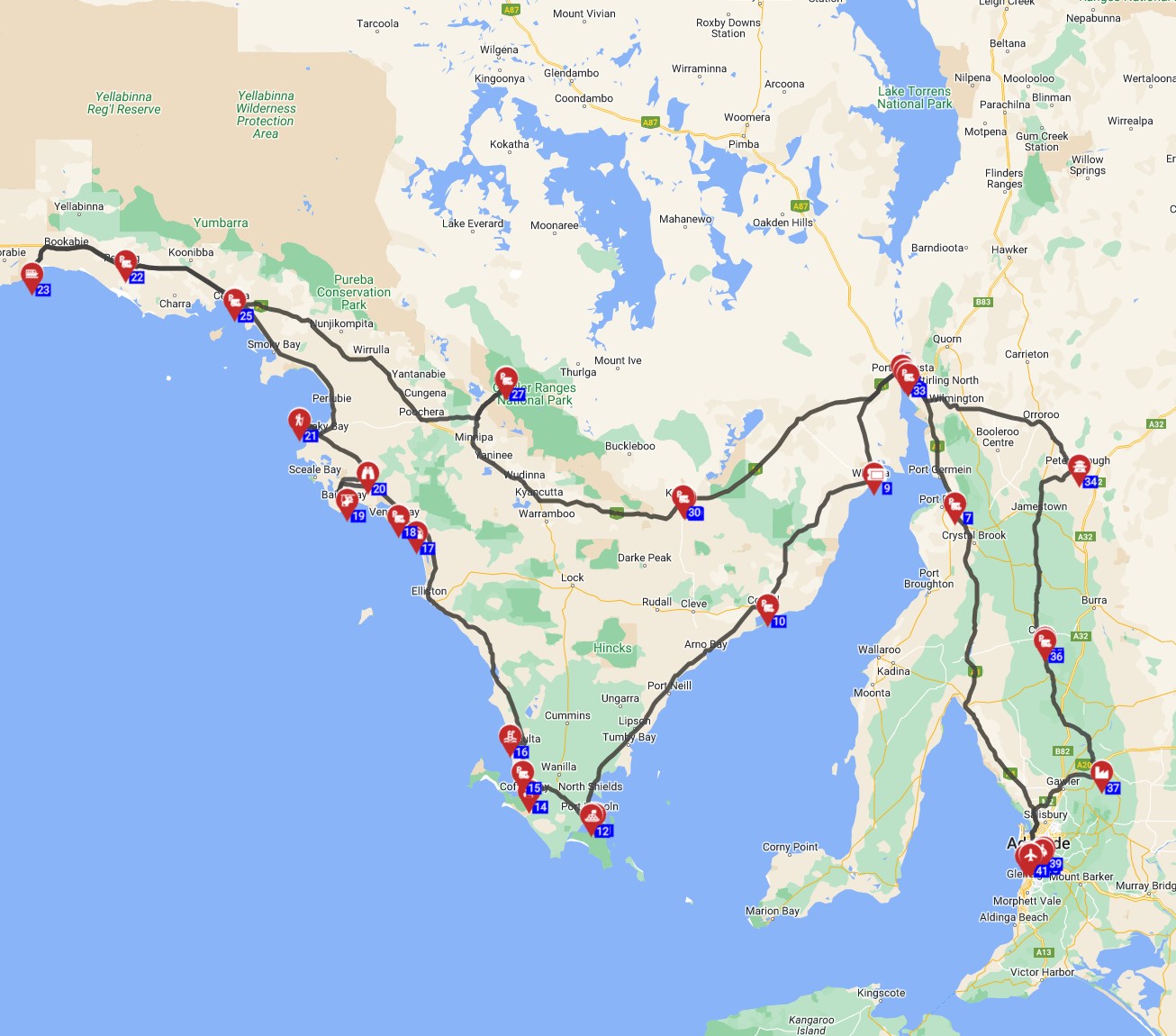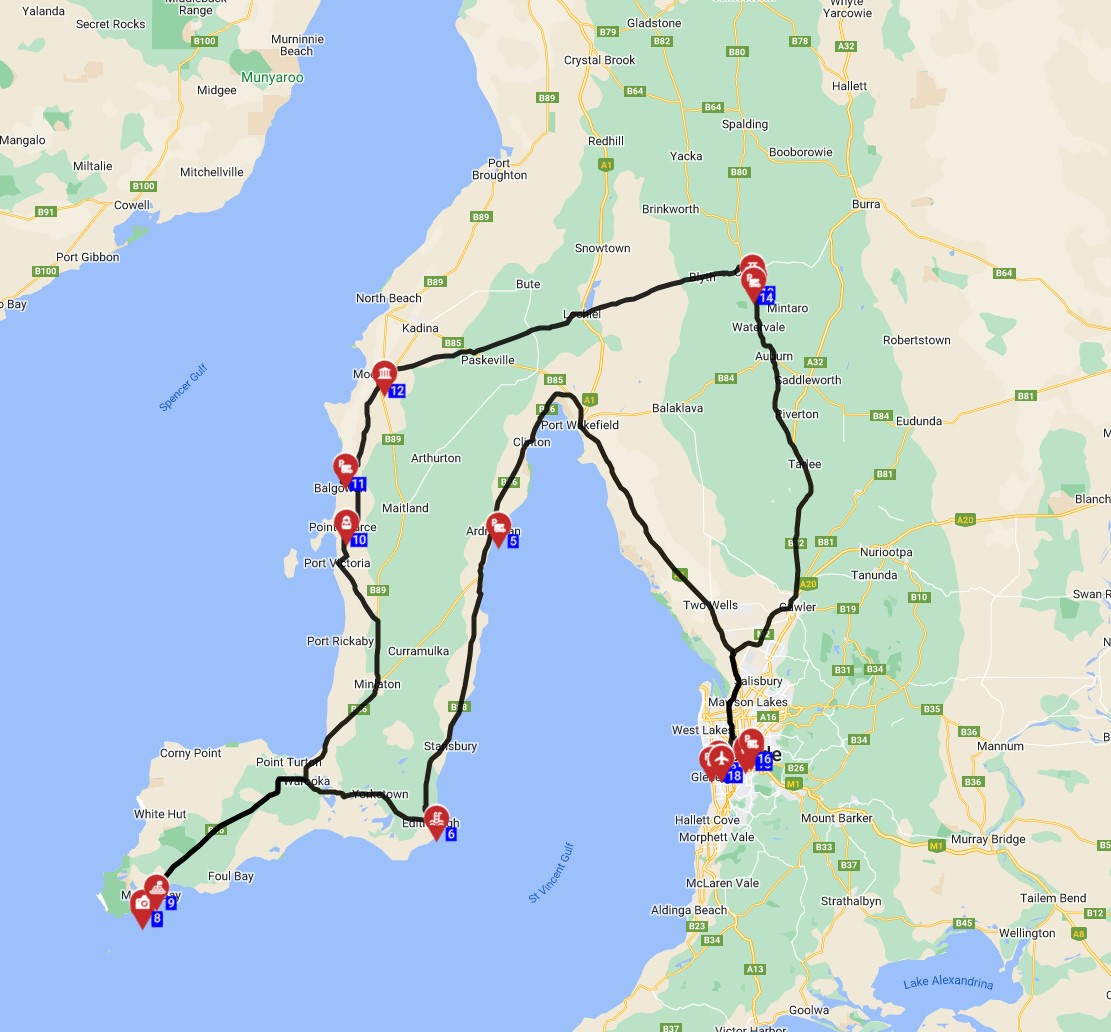
In This Guide
- Best Australia RV Itinerary for rv rental — Overview
- 7-Day Classic Route in Australia
- 14-Day Extended Journey in Australia
- Recommended RVPlan Trip for Australia
- Must-See Stops Along the Way (Avi Bandana Picks)
- Daily Driving Distances & Drive Times in Australia
- Best RV Class for This Itinerary — Couple & Family Picks
- What is the most beautiful road trip in Australia?
- Can you park an RV anywhere in Australia?
- What is the best RV in Australia?
- How long does it take to travel around Australia in a campervan?
- What is the 333 rule for campervan?
- What not to do in Australia as an American?
- How long does it take to campervan around Australia?
- What are the top 3 tourist attractions in Australia?
- How many days are enough for an Australia trip?
- What is the best month to go to Australia?
Best Australia RV Itinerary for rv rental — Overview
An unforgettable RV adventure across Australia offers unparalleled flexibility to explore its vast landscapes, from iconic coastlines to rugged outback. Imagine waking up to the sound of kookaburras, brewing coffee in your rented motorhome, and stepping out to a new, breathtaking view each morning. A typical scenic route, like the Melbourne to Grampians loop, can span around 7 days and cover approximately 800-1000 km, providing a perfect taste of Victoria’s diverse scenery. For a more extensive journey, such as the Sydney to Brisbane coastal drive, allow for 14+ days and distances up to 1,500-2,000 km, immersing yourself in the East Coast's vibrant culture and stunning beaches. The best season to travel varies significantly by region, with spring (September-November) and autumn (March-May) generally ideal for temperate southern zones, while the 'dry season' (May-October) is highly recommended for exploring the northern tropics and their accessible national parks. Driving your rented RV in Australia is an experience unlike any other, offering freedom and discovery around every bend. For live availability and current prices, start with our RV Rental Australia - Complete Guide 2026 guide, where you'll find comprehensive resources to kickstart your adventure down under.
7-Day Classic Route in Australia
For a truly classic Australian experience, the **Melbourne to Great Ocean Road & Grampians Loop** offers a fantastic 7-day RV itinerary, covering approximately 800-1000 km of diverse scenery. On **Day 1**, begin your journey from Melbourne to Apollo Bay (approx. 190 km) on the iconic Great Ocean Road, enjoying breathtaking coastal views; a highlight is Kennett River for koala spotting. You can comfortably spend the night at Apollo Bay Holiday Park, which provides excellent amenities for motorhomes. **Day 2** continues from Apollo Bay to Port Campbell (approx. 95 km), where you'll witness the famous Twelve Apostles and explore the dramatic Loch Ard Gorge before settling at Port Campbell Recreation Reserve. The adventure moves inland on **Day 3** from Port Campbell to Halls Gap (Grampians National Park) (approx. 150 km), transitioning from coastal beauty to majestic mountain ranges and stunning waterfalls like MacKenzie Falls. Halls Gap Lakeside Tourist Park offers a perfect base for exploration. **Day 4** is dedicated to exploring Halls Gap, offering opportunities for hiking, discovering ancient Aboriginal cultural sites, and soaking in panoramic viewpoints like The Balconies. You’ll want to have your camera ready! On **Day 5**, journey from Halls Gap to the historic gold rush city of Ballarat (approx. 120 km), where Sovereign Hill open-air museum provides a fascinating step back in time. Ballarat Caravan Park welcomes RVs for an overnight stay. **Day 6** brings you to Daylesford (approx. 40 km), Australia’s spa country, known for its mineral springs and wellness offerings, where relaxing at a mineral spring spa is a must-do highlight. Daylesford Holiday Park is a great spot to park your camper. Finally, on **Day 7**, return from Daylesford to Melbourne (approx. 115 km), concluding your memorable road trip with a final Australian brunch. When planning your trip, consider that prices for RV Rental in Australia - Prices and Best Deals 2026 are dynamic, so comparing options early can ensure you find the best value for your week-long trip.14-Day Extended Journey in Australia
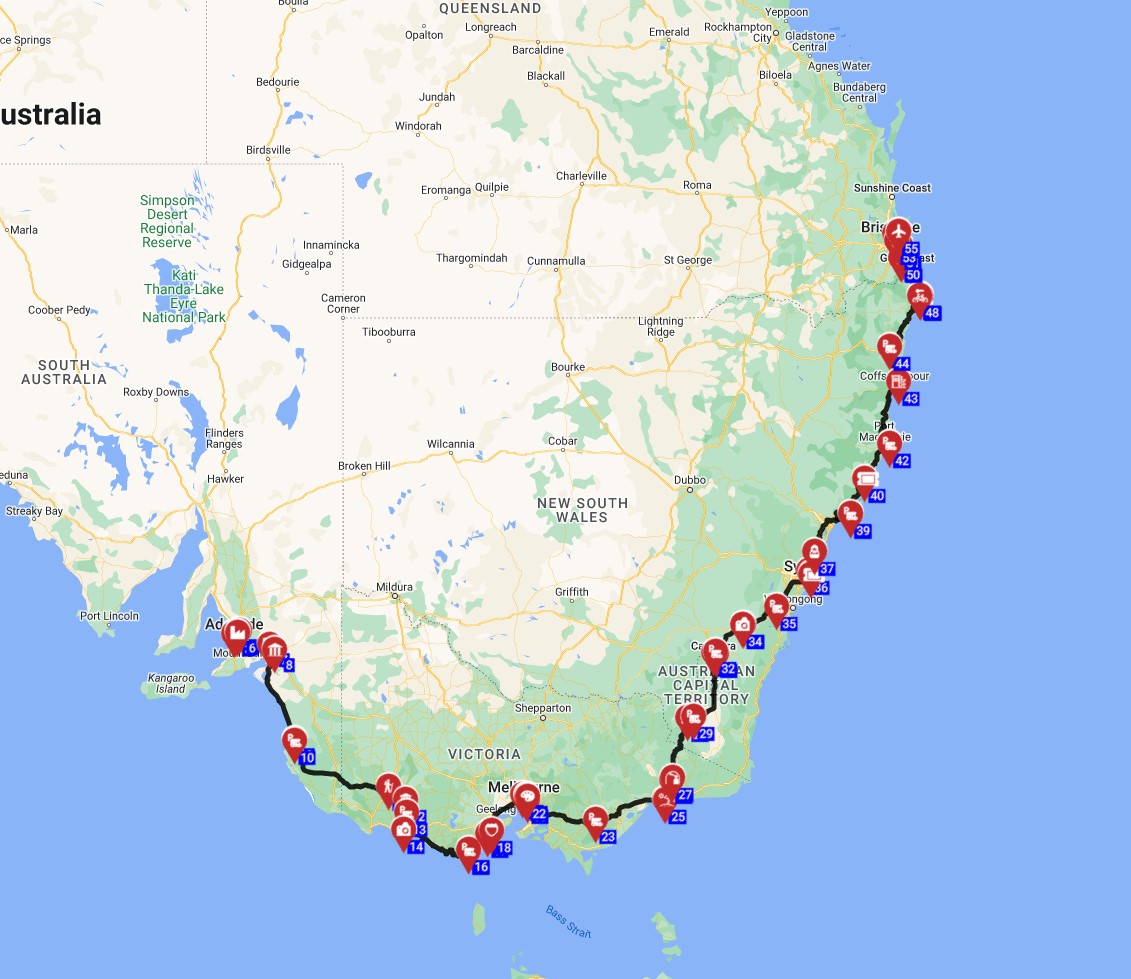
For those with a little more time, the **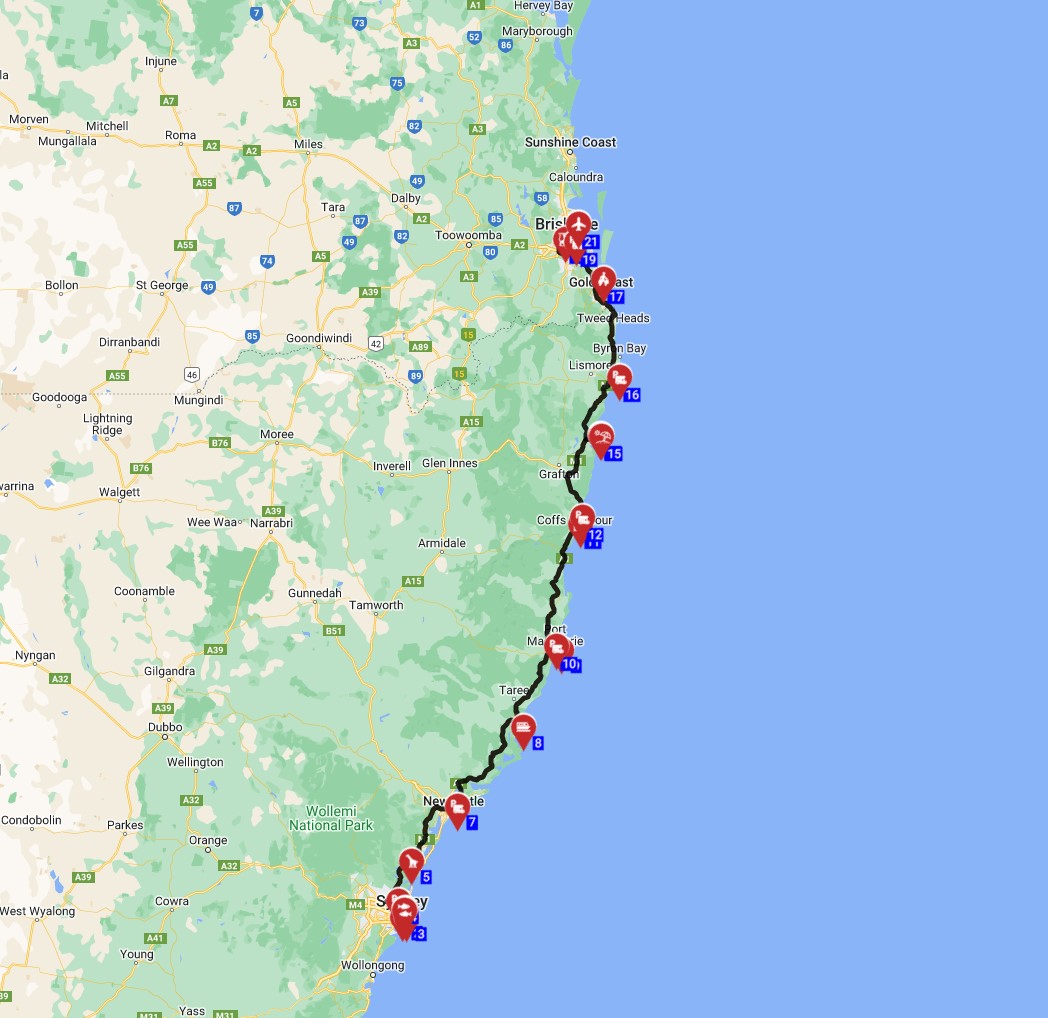
Sydney to Brisbane
Recommended RVPlan Trip for Australia
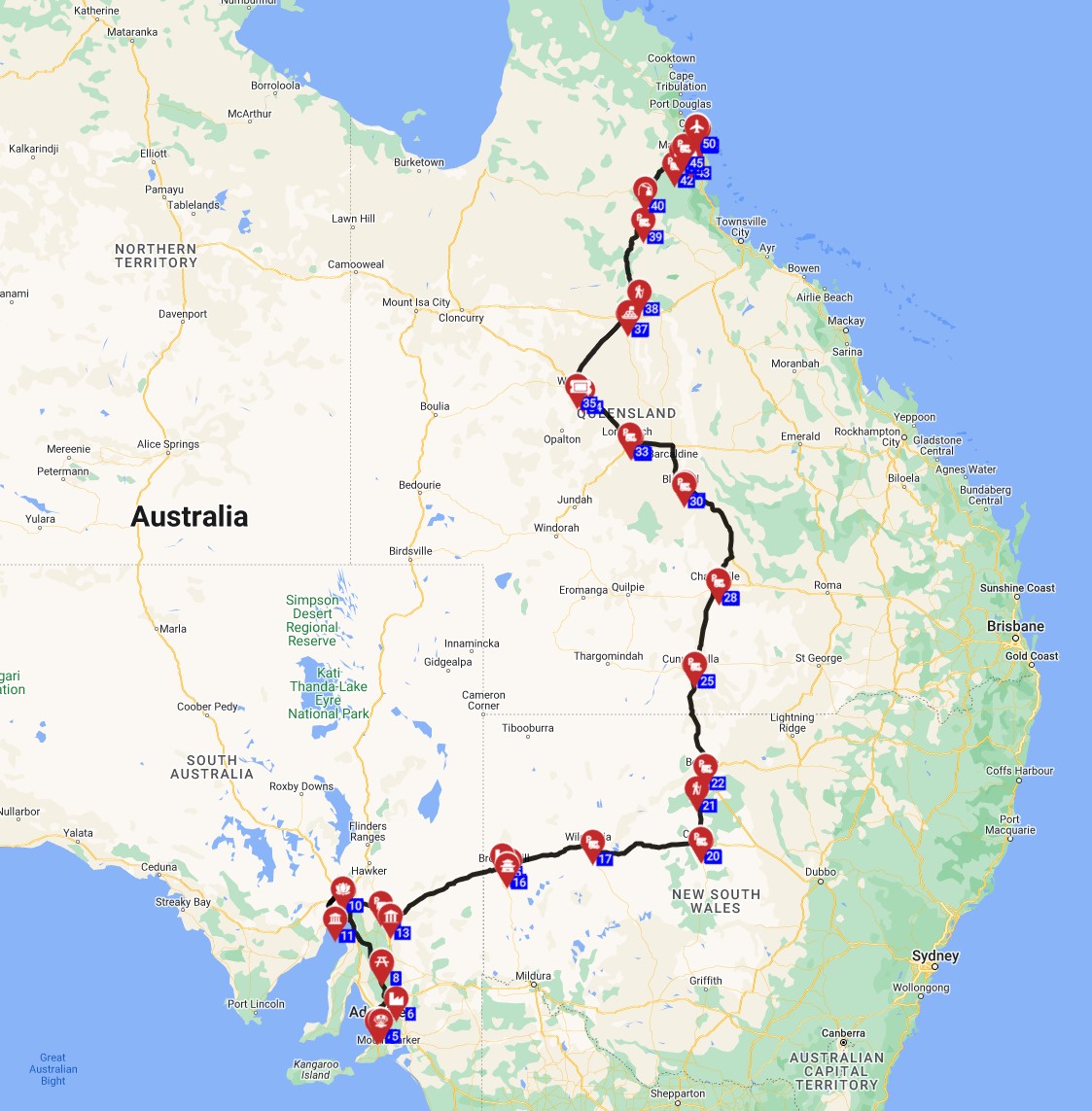
For an epic cross-continental adventure, consider the "
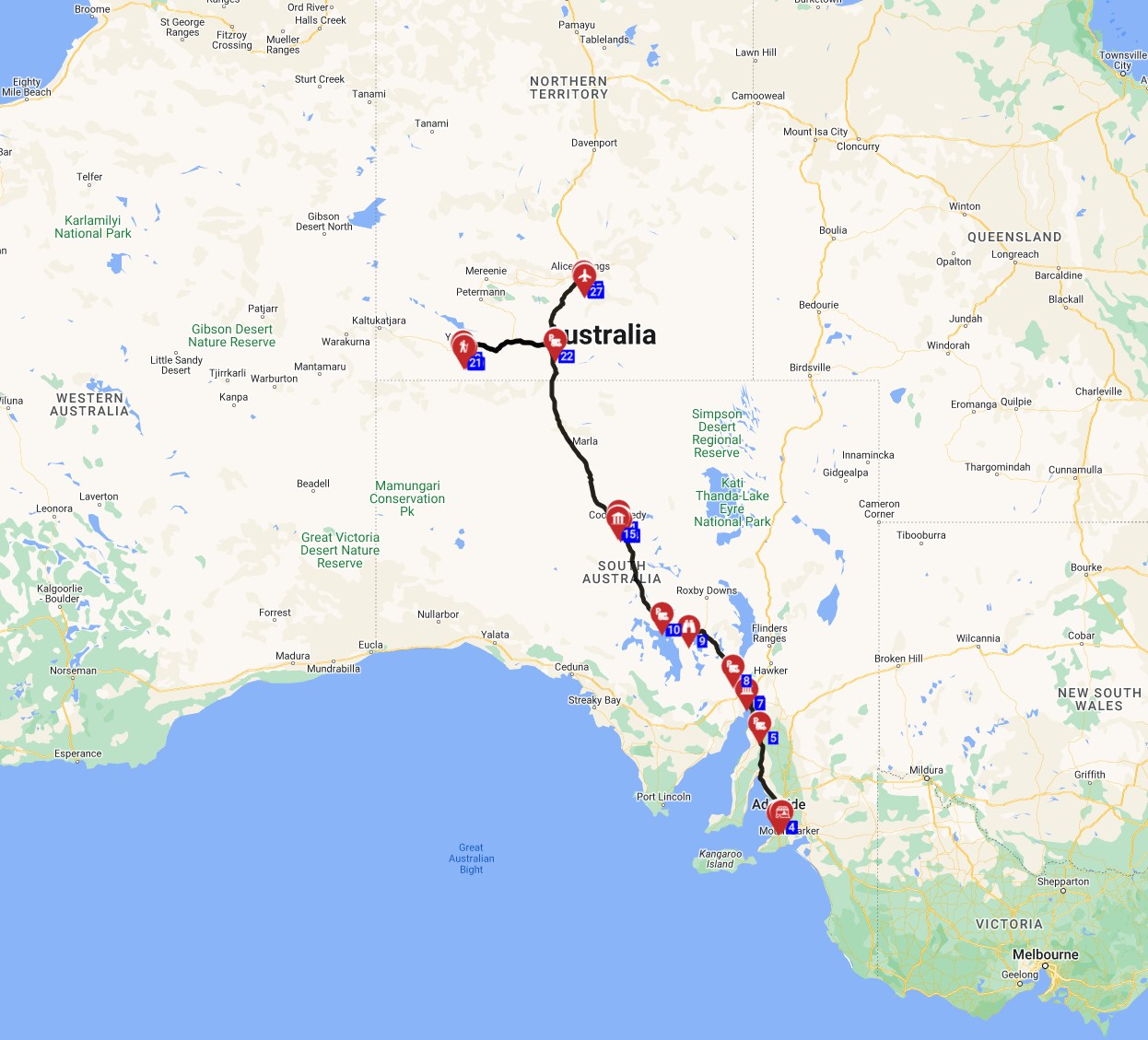
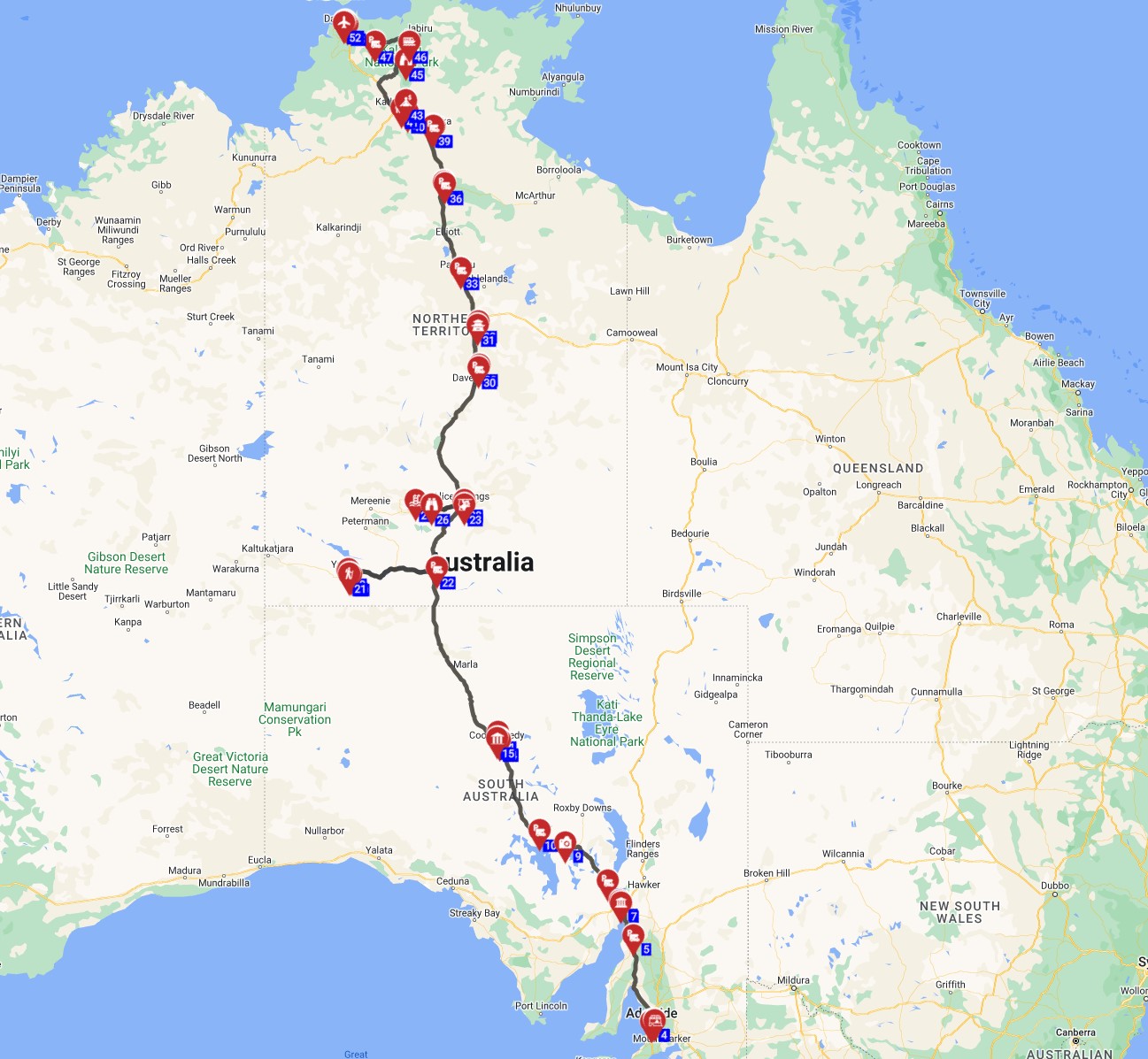
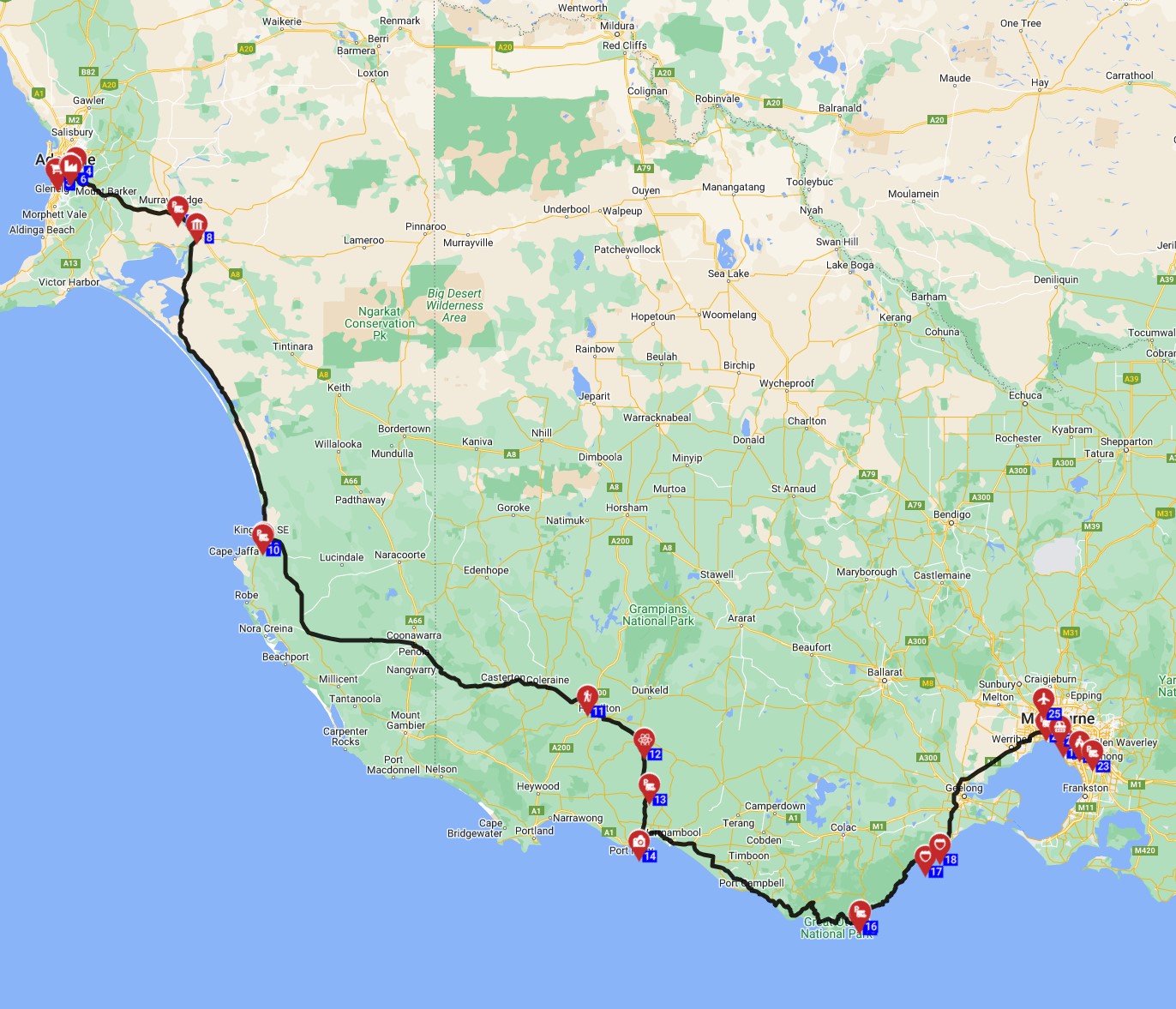
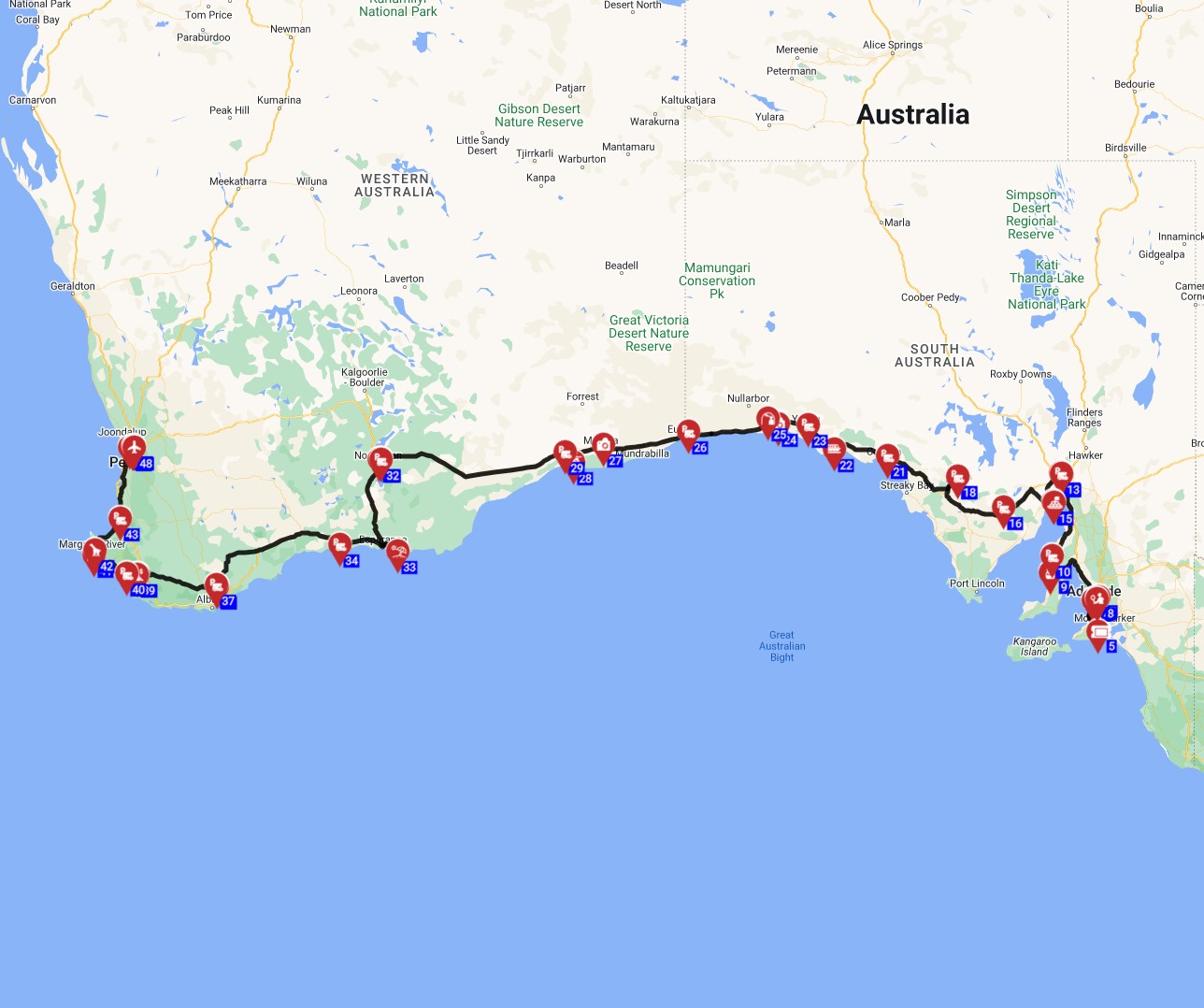
Broome to Sydney - Across the Heart of Australia Road Trip
Must-See Stops Along the Way (Avi Bandana Picks)
When exploring Australia in a rented motorhome, there are certain stops that truly capture the essence of this incredible country. Looking for expert insights from Avi Bandana? Top 5 Adventures – recommendations from Avi Bandana:- **Sydney Cove Oyster Bar (Traditional Restaurant/Fine Dining)**: Avi Bandana highly recommends experiencing Australia's fresh seafood at this iconic waterfront location. It's a fantastic spot to enjoy local delicacies and the vibrant atmosphere, as highlighted in the Broome to Sydney RVPlan trip description.
- **Warradjan Aboriginal Cultural Centre (Heritage/Traditional Visit)**: Immerse yourself in Australia's rich Indigenous heritage and learn about ancient traditions. This is a key cultural stop mentioned in the RVPlan itinerary, offering profound insights into the country's first peoples.
- **Australian Stockman’s Hall of Fame & Outback Heritage Centre (Heritage/Traditional Visit)**: Discover the pioneering spirit of the Australian outback and its unique history. This significant cultural insight also comes from the RVPlan trip, celebrating the legends of the bush.
- **Local Farmers' Markets (Traditional Market)**: Seek out regional markets throughout your journey to sample local produce, artisan goods, and experience the authentic community vibe. These markets are a fantastic way to engage with locals and discover fresh ingredients for cooking in your RV. Find inspiration for your on-the-road meals with our RV-friendly recipes playlist.
- **Regional Wineries or Breweries (Local Industry)**: Australia boasts world-class wine regions like the Hunter Valley and a burgeoning craft beer scene. A visit to a local vineyard or brewery offers a taste of the country's local industries and a chance to unwind after a day of driving.
Daily Driving Distances & Drive Times in Australia
When planning an RV trip in Australia, Avi Bandana recommends a maximum of 100 miles or 150 km per day on average to ensure a relaxed and enjoyable journey. This guideline allows ample time for sightseeing, spontaneous stops at scenic overlooks, and avoiding driver fatigue, which is crucial, especially on long stretches of highway or potentially unsealed roads in the outback. For instance, the drive from Sydney to Blue Mountains (Katoomba) is approximately 100 km, taking about 1.5 to 2 hours of driving time, which leaves plenty of time to explore the majestic scenery. Along the Great Ocean Road, the segment from Apollo Bay to Port Campbell is roughly 95 km, with a driving time of 1.5 to 2 hours, perfectly designed for multiple scenic stops at iconic landmarks like the Twelve Apostles. In Queensland, the journey from Cairns to Port Douglas is around 70 km, which is about a 1-hour drive, making it ideal for a leisurely morning departure. Embracing slow travel, aiming for max 100-150 km per day on average, allows you to truly feel the place, connect to the local culture, savor the food, and appreciate the stunning scenery without feeling rushed.Best RV Class for This Itinerary — Couple & Family Picks
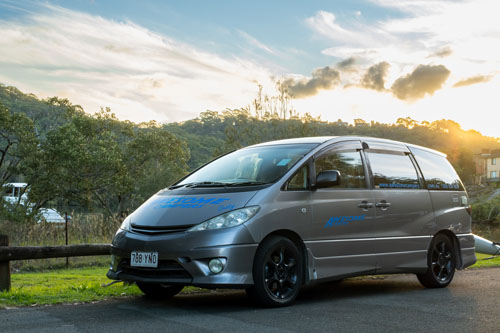
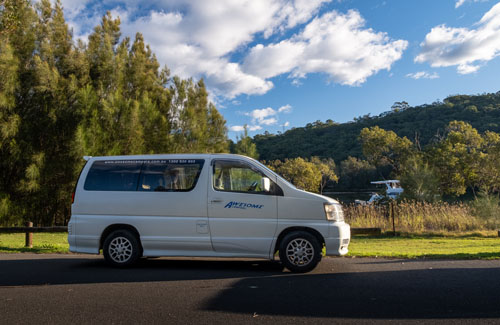
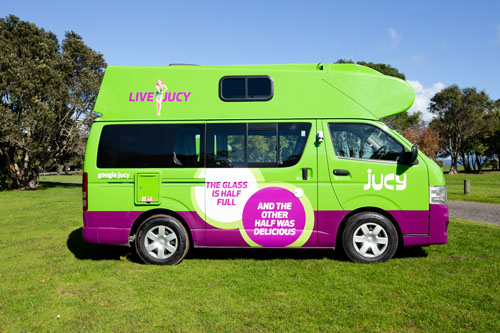
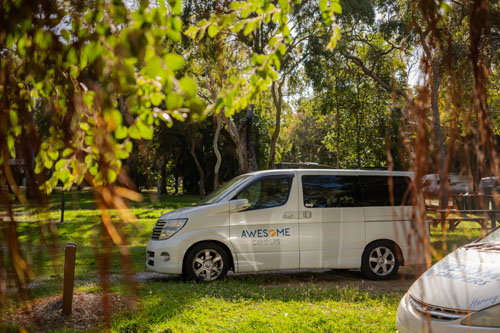
Choosing the right RV for your Australian adventure depends on your group size, comfort preferences, and desired travel style. For couples, a **Class B - Camper Van** is an excellent choice, offering superior maneuverability and fuel efficiency for exploring diverse terrains. Bandana's global fleet averages these at 5.8 meters in length, sleeping 3.2 people comfortably for 2.7 adults, with common fuel consumption around 10 Liters/100 km. Its compact size makes it ideal for navigating national parks, smaller towns, and fitting into most standard parking spots with ease. For families or small groups, **Class C - Alcove motorhomes** provide significantly more space and dedicated sleeping areas, making them perfect for extended road trips. Bandana's global fleet Class C models average 7.5 meters in length, sleeping 5.8 people comfortably for 4.4 adults, with common fuel consumption around 10-12 Liters/100 km. The distinctive alcove bed over the cab provides extra sleeping space without compromising the living and dining areas, creating a comfortable "home away from home" experience. These models typically include amenities such as a shower, toilet, and kitchen facilities, offering full self-sufficiency. To simplify your planning, Bandana offers a 'Rent&Plan' service, combining your RV rental with a ready-made itinerary crafted by travel professionals. This service provides full access to trip-planning software, removing the headache of organizing your adventure and ensuring you have a smooth, enjoyable trip from start to finish. Our commitment to full transparency means you'll encounter no hidden fees and no surprises, so what you see is what you pay.What is the most beautiful road trip in Australia?
The most beautiful road trip in Australia is highly subjective, given the country's vast and varied landscapes, but generally, the **Great Ocean Road in Victoria** is frequently cited for its dramatic coastal scenery, including the iconic Twelve Apostles. This route offers stunning ocean vistas, lush rainforests, and charming seaside towns along its 243 km stretch. Other top contenders include the **Pacific Coast Touring Route (
Sydney to Brisbane
Can you park an RV anywhere in Australia?
No, you generally cannot park an RV anywhere in Australia; strict regulations govern where you can legally park and stay overnight, differing by state and territory. Overnight parking on public roads, urban streets, beaches, and in many town centers is often prohibited, with fines for illegal camping rigorously enforced. Designated caravan parks, commercial holiday parks, and some free camping areas (often called 'rest areas' or 'designated free camps') are the primary legal options for overnight stays. National Parks often have specific campgrounds that require booking and permits, which vary by state and can be competitive, especially during peak seasons. Always look for signage indicating camping restrictions, and consider using reputable apps like WikiCamps Australia to find legal and suitable camping spots along your route. It's essential to plan your overnight stops in advance to ensure a smooth and compliant RV trip in Australia.What is the best RV in Australia?
The 'best' RV in Australia depends entirely on your specific trip requirements, group size, budget, and desired comfort level, as Bandana partners with 50+ leading RV suppliers worldwide. For couples or solo travelers prioritizing maneuverability and fuel efficiency, a **Camper Van (Class B)** is often ideal, being easier to drive and park in urban areas or national parks, and typically consuming around 10 Liters/100 km. Families or groups seeking more space and amenities typically find **Alcove Motorhomes (Class C)** or **Semi-Integrated Motorhomes (Class SI)** to be excellent choices, offering separate sleeping areas, kitchens, and bathrooms, often sleeping 4-6 people comfortably. Larger, more luxurious **Integrated Motorhomes (Class A)** are suited for those desiring maximum comfort and living space, often for longer trips, and while less common for rental in Australia, they offer a premium experience. When choosing, consider features like a shower, toilet, and adequate cooking facilities, all of which are common in our wide range of rental motorhomes. Our true RV specialists can help you compare final prices across suppliers to find the perfect fit.How long does it take to travel around Australia in a campervan?
To travel completely around Australia in a campervan, covering the major coastal route often referred to as the 'Big Lap,' typically takes a minimum of **three to six months** for a comprehensive and enjoyable experience. This duration allows for a comfortable pace, sufficient time to explore key attractions, and flexibility for spontaneous detours without rushing. Factors influencing the trip length include your preferred travel pace, the specific route taken (coastal vs. incorporating the interior), the amount of time spent in each location, and seasonal considerations for different regions. Many travelers choose to complete a significant portion, such as the "
Broome to Sydney - Across the Heart of Australia Road Trip
What is the 333 rule for campervan?
The '333 rule' for campervan travel is a helpful guideline designed to promote safe and enjoyable road trips, particularly for those new to RVing in Australia. It suggests travelers aim to **drive no more than 300 km (186 miles) per day**, **stop driving by 3 PM**, and ideally **stay for at least 3 days** in one location. The first '3' (300 km/day) helps prevent driver fatigue and ensures you have enough energy to enjoy your stops and the scenery. The second '3' (stop by 3 PM) allows ample time to find a suitable campground, set up your rented RV, and relax before dusk, avoiding the stress of searching for a spot in the dark. The third '3' (stay for 3 days) encourages deeper exploration of an area, rather than constantly moving, fostering a more immersive travel experience and connecting to the culture, food, and scenery, though this part of the rule is the most flexible based on your itinerary.What not to do in Australia as an American?
As an American traveler experiencing RV rental in Australia, it's crucial to be aware of certain local customs and safety measures to ensure a smooth trip. Firstly, avoid underestimating the vastness and remoteness of the country; always plan fuel stops well in advance and carry adequate water and supplies, especially when venturing into the outback. Critically, do not forget to drive on the **left side of the road**; this is a fundamental difference that requires constant attention and practice. Secondly, avoid disregarding sun protection, as the Australian sun is intensely strong; always wear broad-spectrum sunscreen, a wide-brimmed hat, and sunglasses, and seek shade during peak UV hours (typically 10 AM to 4 PM). Do not approach or feed wildlife, especially kangaroos, crocodiles, and dingoes, as they are wild animals and can be dangerous if provoked; always maintain a safe distance. Refrain from making assumptions about Indigenous culture; instead, show respect, visit local cultural centers, and listen to local Aboriginal voices and stories when possible to gain deeper understanding. While Australia can be an expensive country, particularly for fuel and certain goods, avoid complaining about prices; instead, budget accordingly using resources like RV PLANET routes which help track expenses. Finally, do not underestimate swimming safety; always swim between the red and yellow flags at patrolled beaches, and be acutely aware of stingers (jellies) and crocodiles in tropical northern waters during certain seasons.How long does it take to campervan around Australia?
The time it takes to campervan around Australia varies significantly based on your desired itinerary and pace, from a week-long trip to an extended adventure. A full circumnavigation, often called the 'Big Lap,' typically requires **at least 3 to 6 months** to experience the diverse landscapes and major attractions without feeling rushed, covering over 15,000 km. This allows for ample time to delve into each region, from the tropical north to the temperate south. For a focused regional trip, such as the 7-day Great Ocean Road loop or the 14-day Sydney to Brisbane coastal route outlined above, you can experience a significant portion of Australia within **one to two weeks**. Many visitors opt for trips lasting between two weeks and a month, which allows for exploring a major region like the East Coast, the Red Centre, or parts of Western Australia in depth, such as the 31-day "
Broome to Sydney - Across the Heart of Australia Road Trip
What are the top 3 tourist attractions in Australia?
Australia's top three tourist attractions, renowned globally for their iconic status and unique appeal, are the **Sydney Opera House**, **Uluru (Ayers Rock)**, and the **Great Barrier Reef**. The Sydney Opera House, a UNESCO World Heritage site and an architectural marvel, is a global icon best experienced with a guided tour or by attending a world-class performance. Uluru, located in the spiritual heart of the Red Centre, is a sacred Aboriginal site and a breathtaking natural sandstone monolith that offers profound cultural experiences and stunning sunrises and sunsets. The Great Barrier Reef, the world's largest coral reef system off the coast of Queensland, is another UNESCO site, famous for its unparalleled marine biodiversity, best explored by snorkeling, diving, or scenic boat tours. These three landmarks represent the diverse beauty and cultural richness that make Australia an extraordinary RV travel destination.How many days are enough for an Australia trip?
The sufficient number of days for an Australia trip depends heavily on what regions you wish to explore and your desired pace, as the country is vast and diverse. For a concentrated visit to a single major city and its immediate surrounds, such as Sydney or Melbourne, **7 to 10 days** can provide a good overview, allowing for exploration of key sights and perhaps a day trip. To undertake a significant RV road trip covering a specific region, like the entire East Coast or a substantial portion of the south, plan for **14 to 21 days** to allow for comfortable driving and ample sightseeing without feeling rushed. An immersive, multi-region exploration or a major cross-country journey, such as the 7393 km Broome to Sydney RVPlan trip, typically requires **at least one month (30+ days)**. For example, for RV Rental Deals in Australia - Latest Offers 2026, you'll often find discounts for longer rentals, making extended adventures more accessible. For travelers aiming to circumnavigate the entire continent, a minimum of **three to six months** is recommended to truly experience Australia's vastness and diversity.What is the best month to go to Australia?
There is no single 'best' month to go to Australia, as its vast size means different regions experience distinct seasons and climates, making it a year-round destination depending on your chosen itinerary. For **Southern Australia (including major cities like Sydney, Melbourne, Adelaide, and Perth)**, spring (September to November) and autumn (March to May) offer pleasantly mild temperatures and fewer crowds, avoiding the intense summer heat and peak holiday periods. For **Northern Australia (such as Cairns, Darwin, and the Kimberley region)**, the 'dry season' from May to October is ideal, characterized by clear skies, lower humidity, and more accessible roads, contrasting sharply with the hot, wet 'wet season' (November to April), which can bring heavy rains and cyclones. For exploring the **Red Centre (Uluru, Alice Springs)**, autumn (April to May) and spring (September to October) provide the most comfortable, milder temperatures for outdoor activities, helping to avoid the extreme heat of summer and the chilly nights of winter. Always consider focusing on a specific region based on your travel month to optimize your experience and avoid adverse weather conditions.What You Shouldn't Miss
- **Cage of Death, Crocosaurus Cove (Darwin)**: For the ultimate thrill-seeker, this experience allows you to get up close and personal with saltwater crocodiles in a safe, transparent enclosure.
- **Helicopter Scenic Flight over the Twelve Apostles (Great Ocean Road)**: While the ground views are stunning, seeing the iconic limestone stacks from above offers a truly unforgettable perspective.
- **Stargazing in a Dark Sky Park (e.g., Warrumbungle National Park)**: With Australia's vast unpopulated areas, the night sky is often spectacular. Experience unparalleled celestial views in a certified 'Dark Sky' park.
- **Kakadu National Park (Northern Territory)**: A UNESCO World Heritage site, offering incredible Aboriginal rock art, diverse wildlife, and stunning wetlands. Ideal to visit during the dry season (May-October).
- **Whitehaven Beach, Whitsundays (Queensland)**: Consistently ranked among the world's most beautiful beaches, its pristine white silica sand and turquoise waters are a must-see.
- **Swim with Whale Sharks (Ningaloo Reef, Western Australia)**: Experience a once-in-a-lifetime encounter swimming alongside the world's largest fish in a vibrant coral ecosystem.
🎬 Video coming soon
Final Thoughts
An RV rental in Australia promises an unparalleled journey of discovery, offering the freedom to explore vast landscapes and vibrant cities at your own pace. Whether you choose a week-long trip along a stunning coastline or an extended road trip across the country's heart, the memories you make will last a lifetime. Remember, planning is key, and with the support of true RV specialists like Bandana Caravan, you'll have everything you need to ensure a seamless adventure. We're here to help you compare final prices across suppliers, ensuring what you see is truly what you pay, with no surprise fees. So, pack your bags, choose your perfect motorhome, and prepare to immerse yourself in the wonders of Australia. The open road is calling, and your luxury RV itinerary awaits! Compare Motorhome Prices for AustraliaOn the routes offered through RV PLANET routes, you can itemize and track every expense along the way for easy budgeting.