In This Guide
- Can You Drive an RV in Canada? License & Age Rules
- Road Conditions & Terrain in Canada
- RV Size Limits, Bridges & Restricted Zones
- Fuel: Diesel vs. Petrol & Cost per 100 km
- Tolls, Vignettes & Border Rules
- Driving Tips for Luxury RV Rental Travelers
- Recommended RV Class for Canada Roads
- Should I Choose a Compact Van Instead of a Large RV in Canada?
- Can I Park Anywhere? Free & Wild Camping Rules in Canada
- Can I Drive an RV Into the City Center? Heights, Tunnels & Local Signage
- What is the average cost to rent an RV in Canada?
- Is RVing in Canada worth it?
- How much does it cost to spend a month in an RV in Canada?
- Can you drive an RV from US to Canada?
- What is the best month to RV in Canada?
- Do RVs need special insurance in Canada?
- Is RV insurance mandatory in Canada?
- What are the rules for RVing in National Parks Canada?
- Where can I find luxury RV rentals in Canada?
- What is the average gas mileage for a Class C RV in Canada?
- Top Cities for RV Rental in Canada
- What You Shouldn't Miss
- Why Book with Bandana Caravan
- Final Thoughts
- Frequently Asked Questions
Imagine yourself on an epic adventure, cruising through vast national parks, past shimmering lakes, and vibrant cityscapes. Canada, with its breathtaking scenery and expansive road network, is truly a dream destination for a luxury RV rental trip. Whether you're a seasoned RVer or planning your first grand motorhome escape, exploring Canada by RV offers unparalleled freedom and comfort. At Bandana, we are your true RV specialists, dedicated to providing full transparency with no hidden fees and 24/7 support to ensure your journey is seamless from the moment you start comparing prices.
To dive deeper into planning your ultimate Canadian road trip, including live availability and current prices, start with our RV Rental Canada - Complete Guide 2026. This comprehensive resource covers everything from choosing your ideal motorhome to navigating local regulations, ensuring you're fully prepared for an unforgettable adventure. We’re here to help you handle all the details, so you can simply live the journey.
Can You Drive an RV in Canada? License & Age Rules
A standard Class 5 (or equivalent) driver's license is typically sufficient for driving most recreational RVs in Canada, up to a gross vehicle weight rating (GVWR) of 11,000 kg (24,250 lbs). This means that for the vast majority of luxury motorhomes and campervans available for rent, your regular car license will be perfectly acceptable. For luxury RV rentals in Canada, the minimum driver age is usually 21, with no additional young driver surcharges or vehicle class restrictions based on age. Foreign drivers require a valid driver's license from their home country; an International Driving Permit (IDP) is strongly recommended as a translation, especially if your license is not in English or French. We want your focus to be on the stunning Canadian landscapes, not administrative hurdles.
Road Conditions & Terrain in Canada
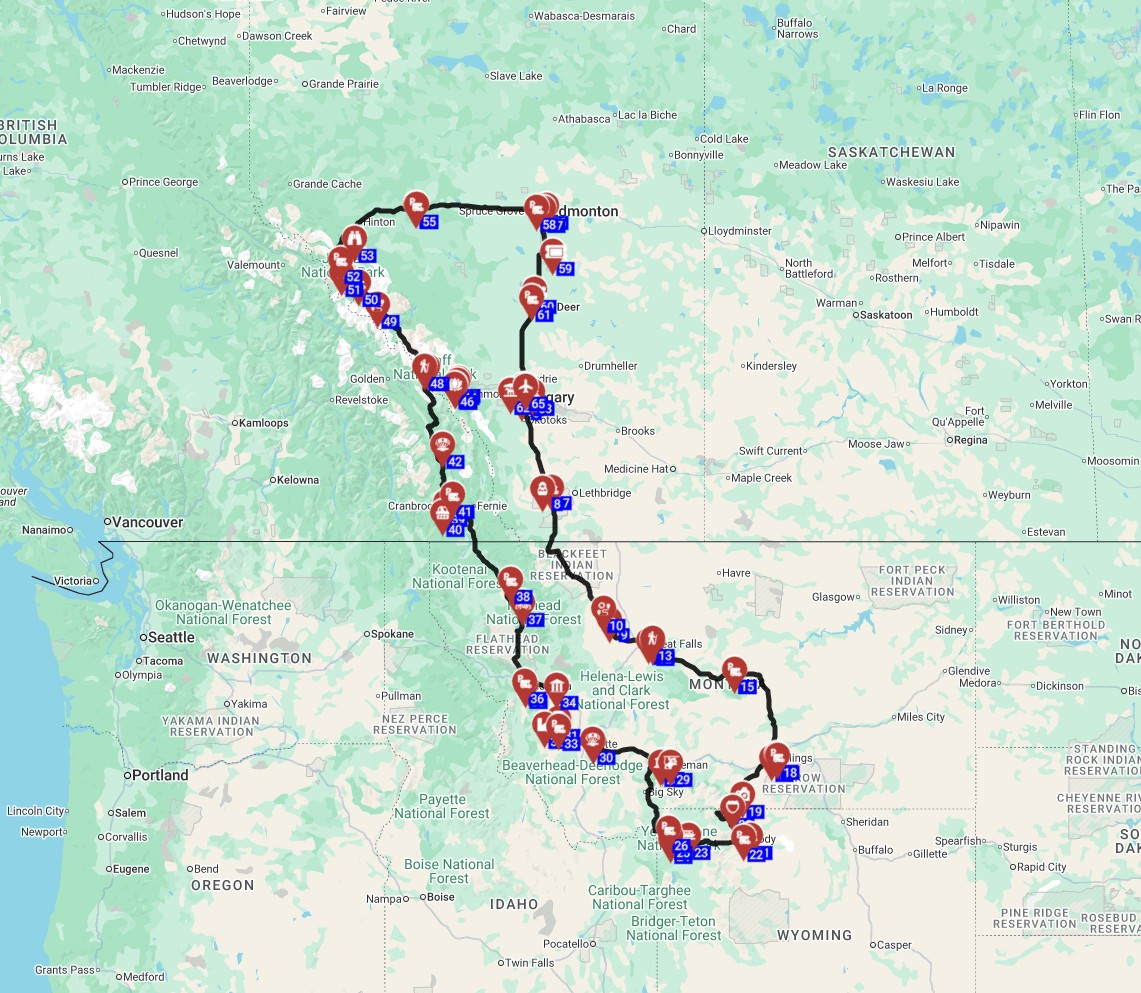
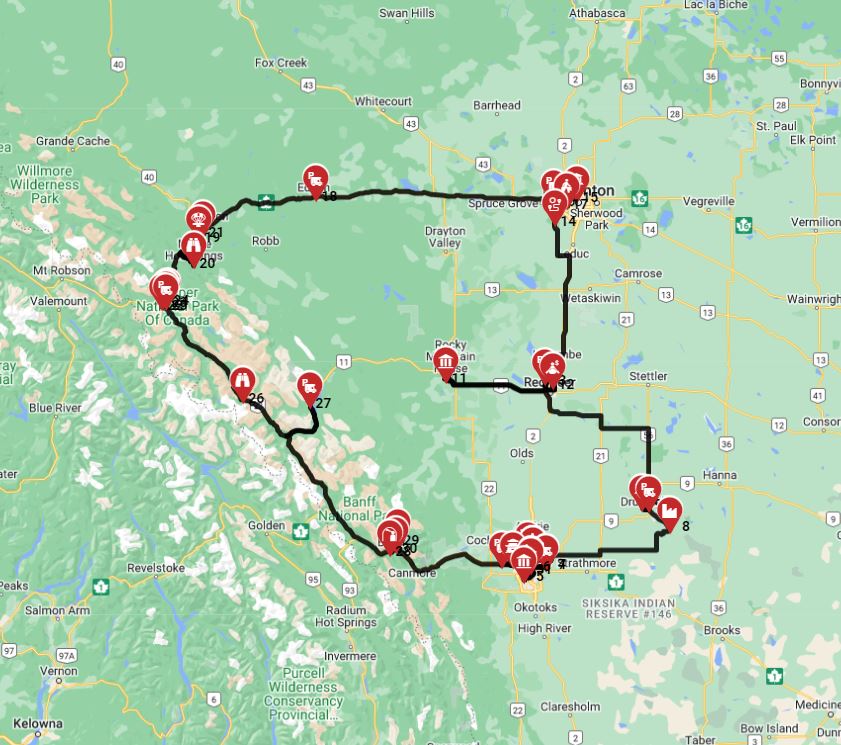
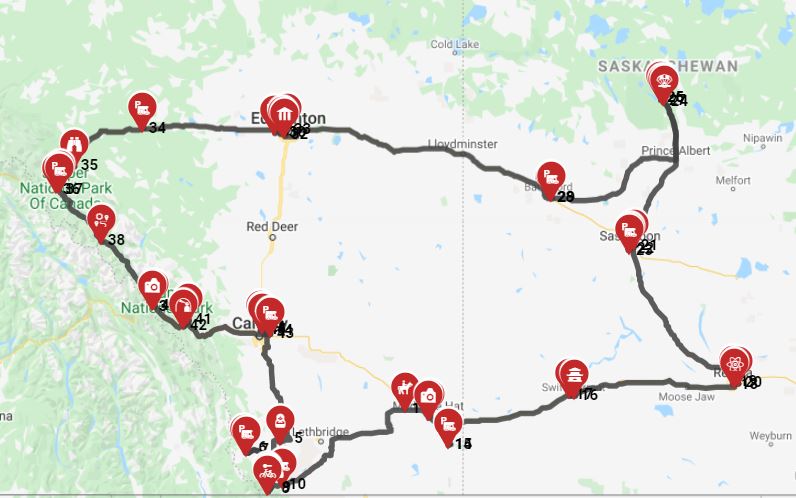
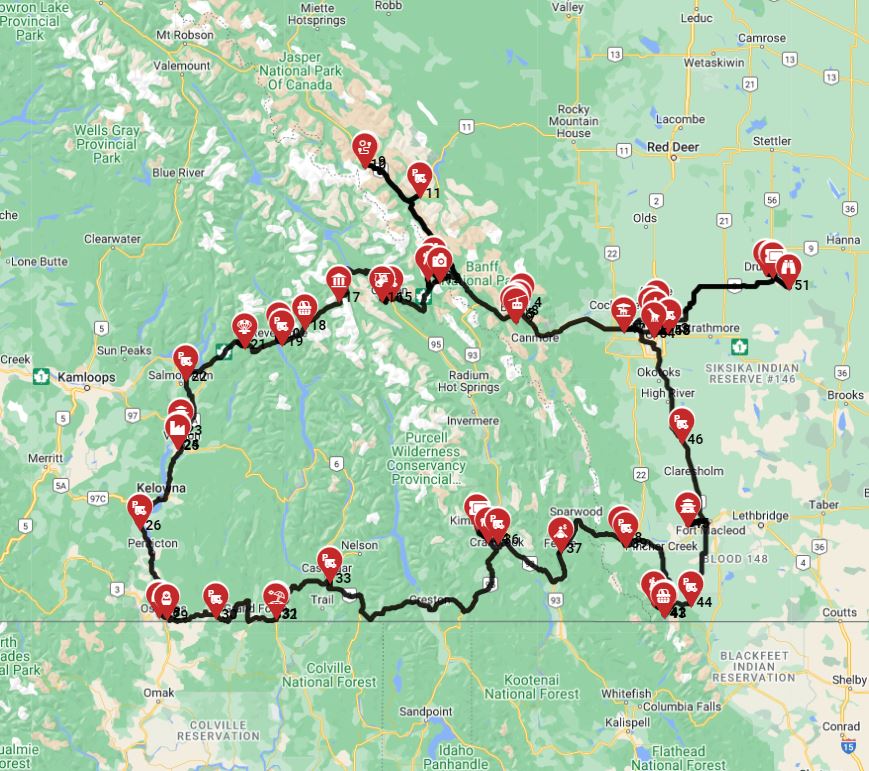
Canada boasts diverse road conditions, ranging from well-maintained trans-Canada highways to winding mountain passes, gravel roads in remote areas, and urban street networks. Luxury RVs are generally well-equipped to handle these varied terrains, providing superior comfort and stability due to their robust construction and advanced suspension systems. Drivers should anticipate mountainous regions like the Rockies, prominently featured in many regional maps, which demand careful driving, and be prepared for potential unpaved sections when venturing off main routes to find a secluded spot. We encourage you to travel slowly, max 100-150 km per day on average, to fully appreciate Canada's vast landscapes and ensure safety with a larger vehicle, taking time to feel the place, connect to the culture, the food, and the scenery.
RV Size Limits, Bridges & Restricted Zones
While Canada's infrastructure is generally RV-friendly, drivers must be mindful of specific height, weight, and length restrictions, particularly for older bridges, tunnels, and some designated park roads, such as certain sections of the Icefields Parkway in Alberta. Environmental zones are less common than in European cities, but always watch for local signage indicating restricted access or vehicle types, especially when approaching specific national parks or smaller towns. When planning ferry travel, for example with BC Ferries to Vancouver Island or other coastal destinations, it is crucial to accurately measure and provide your RV's exact length and height, as costs and booking availability depend on these dimensions. Always double-check your rental vehicle's specifications, such as the 7.1m length of a Class C 'cruise america rv rental example Explorer', against posted limits.
Fuel: Diesel vs. Petrol & Cost per 100 km
Most luxury RVs in Canada, particularly Class A and larger Class C models like a 'C-30' with its Ford V-10 Chassis Engine, run on diesel fuel, which offers better fuel economy and torque for heavier vehicles; petrol (gasoline) options are also available, especially for smaller Class B campervans. Both diesel and petrol are widely available across Canada, though fuel stations can be sparse in very remote regions, requiring careful trip planning and monitoring of your 208-liter fuel tank. Based on Bandana's global fleet averages, luxury Class A, Class C, and Class SI RVs typically consume between 10-12 Liters/100 km. With average Canadian fuel prices (which fluctuate by region) around $1.80-$2.20 CAD/liter, the estimated fuel cost for these RVs would be approximately $18-$26.40 CAD per 100 km. Some luxury RV rental packages may include fuel discount cards, which can help mitigate costs on longer journeys. For a comprehensive budgeting breakdown including all ancillary costs like fuel, propane, and campground fees, remember that RV PLANET routes allow travelers to itemize and track every expense along the way for easy budgeting. On the routes offered through RV PLANET routes, you can itemize and track every expense along the way for easy budgeting.
Tolls, Vignettes & Border Rules
Canada generally has limited toll roads, with the most notable being Ontario's Highway 407 ETR and some interprovincial bridges, such as those between Prince Edward Island and mainland Canada. There is no national vignette system like in some European countries; tolls are typically pay-as-you-go or through electronic transponders. For cross-border travel, such as driving an RV from the US to Canada, all occupants require valid passports, and vehicle registration or rental documents must be readily available. Some RV rental companies allow pre-purchasing toll passes or provide transponders, simplifying travel and avoiding potential fines on tolled routes. Our RV Rental USA - Complete Guide 2026 offers more details if you're originating your trip south of the border.
Driving Tips for Luxury RV Rental Travelers
Navigating Canada in a luxury RV rental is an incredibly rewarding experience with a few key considerations. **Take Your Time**: Canada's vastness and scenic beauty are best enjoyed at a leisurely pace, especially with a luxury RV offering ample comfort for longer stretches between stops. Aim for max 100-150 km per day on average to truly soak in the sights. **Pre-Book Campgrounds**: Popular national and provincial parks fill up quickly, particularly in peak season; secure your spots well in advance, especially for larger luxury rigs. While many national/state parks reserve only 25-30% of spots, the rest are first-come-first-serve, so you'll often find a spot, even if it's not the first campground. Call ahead before driving to confirm availability. **Utilize Advanced Features**: Leverage your luxury RV's automatic transmission, GPS, backup cameras, and advanced driver-assist systems for a smoother, safer journey. **Plan for Remote Areas**: When exploring regions like Western Canada, anticipate varying cell service, potential lack of reliable internet, and significant distances between fuel stops; carry physical maps and extra provisions. **Practice Wildlife Safety**: Learn region-specific wildlife protocols, like bear safety in the Rockies, ensure proper food storage, and consider carrying bear spray, especially if hiking. For finding campsites and campgrounds during your trip, we recommend using RV PLANET (rvplan.net) - a great resource for locating available spots along your route.
Recommended RV Class for Canada Roads
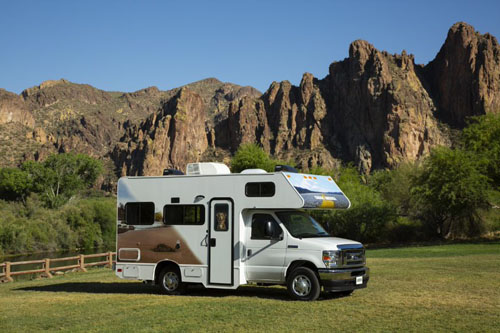
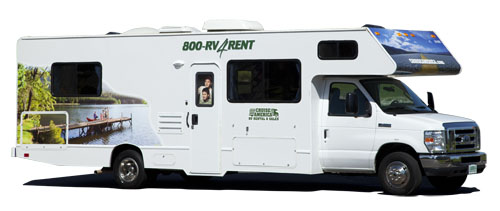
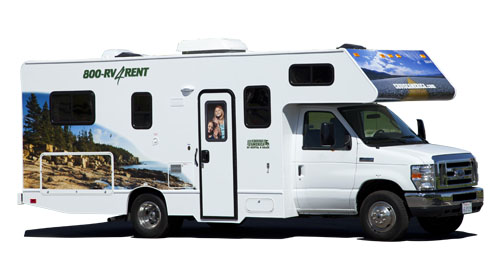
For luxury RV rental in Canada, the Class C - Alcove and Class A - Integrated categories are highly recommended due to their blend of comfort, amenities, and suitability for Canadian roads. Class C - Alcove RVs, with an average length of 7.5m, offer generous living space, multiple sleeping areas (average 5.8 sleeping places), and good maneuverability for families, making them ideal for diverse Canadian routes. For example, a '4 Berth Adventurer' can comfortably sleep four with a double bed and a cab-over bed. Class A - Integrated RVs (average 7.5m length) provide the pinnacle of luxury and space (average 4.4 sleeping places, high load capacity of 209.5kg), perfect for those prioritizing ultimate comfort on major highways and well-maintained park roads. These often feature gourmet kitchens like the 'MHLUX' with its 4 cubic ft. 3-way refrigerator and oven for preparing delicious meals; check out our RV-friendly recipes playlist for inspiration. The Class SI - Semi-integrated (average 6.9m length) also presents a strong option, balancing comfort with a slightly more compact footprint for easier navigation.
Should I Choose a Compact Van Instead of a Large RV in Canada?
Generally, there is no significant issue driving any RV size on Canada's main highways and park roads; comfort and indoor space often outweigh slight maneuverability gains for many travelers. A compact van, such as a Class B - Camper Van (average 5.8m length) like the 'Combi Van' with its 60-liter fresh water tank, can be advantageous for navigating very tight urban centers or accessing more remote, unpaved campsites, and offer fuel consumption as low as 9-12 Liters/100 Km. However, luxury Class C or Class A RVs provide significantly more living space, enhanced amenities (full bathrooms, larger kitchens), and comfort for extended trips, which many luxury travelers find essential for fully enjoying Canada's vast landscapes. For example, a Class C motorhome like the 'C-LARGE' offers generous fresh water (182 Liters) and fuel (250 Liters) tank capacity for longer stretches. The choice often comes down to prioritizing either maximum maneuverability for niche situations or superior comfort and amenities for a more relaxed and spacious travel experience on your Canadian adventure.
Can I Park Anywhere? Free & Wild Camping Rules in Canada
While Canada offers vast natural beauty, free and wild camping (boondocking) on Crown land is possible, but regulations vary significantly by province, territory, and municipality. National and provincial parks strictly prohibit unauthorized overnight parking outside of designated, often reservable, campsites. Always research specific provincial and local bylaws regarding overnight parking and camping, as some areas may allow short-term parking in designated rest stops or certain retail parking lots. Respect private property, practice Leave No Trace principles diligently, and always pack out everything you pack in. For example, many parts of British Columbia and Alberta have specific rules around Crown land use. Rules vary by region, so always check local regulations and follow local law before parking overnight. For pre-planned routes that incorporate various camping types, consider using RVPLANET (rvplan.net).
Can I Drive an RV Into the City Center? Heights, Tunnels & Local Signage
Yes, you can almost always drive an RV into Canadian city centers, even in major urban hubs like Montreal, Vancouver, or Toronto. However, caution and awareness of local signage are paramount. Drivers must pay close attention to posted height limits for tunnels and underpasses, particularly in older cities like Montreal or Quebec City with their historic infrastructure. Be aware of weight restrictions on certain bridges or roads, and look out for local signage indicating environmental zones, residents-only streets, or specific parking restrictions. Drive slowly and carefully, and you can drive almost anywhere without issues. No need to stress - just use common sense and pay attention. While access is generally permitted, finding suitable parking for a large luxury RV can be challenging in dense city centers; consider parking on the outskirts and utilizing public transportation, or planning a route that prioritizes campgrounds outside the city. This strategy is perfectly suited for a comfortable campervan like the 'Category Van' which boasts a 95-liter fresh water tank and diesel engine.
What is the average cost to rent an RV in Canada?
The average cost to rent a luxury RV in Canada typically ranges from $200-$500 CAD per night, depending on the RV class (e.g., Class A, C, or SI), season, rental duration, and included amenities. This base rental fee generally excludes additional expenses such as fuel (which can fluctuate significantly by region), mandatory insurance, mileage packages, and specific park/camping fees, such as a Parks Canada Discovery Pass for national parks which costs about $72.25 CAD for an adult or $145.25 CAD for a family pass. A comprehensive budgeting breakdown for your trip should also factor in estimated food and activity budgets, as well as potential hidden costs like ferry fees for coastal itineraries or additional vehicle-specific requirements for certain parks. Remember that prices are dynamic, much like flight tickets, changing daily based on availability, seasonality, and supplier decisions. The final price is always set at the actual booking time. For managing all your trip expenses, consider exploring RV PLANET routes where you can itemize and track every expense.
Is RVing in Canada worth it?
RVing in Canada is absolutely worth it for travelers seeking unparalleled freedom, breathtaking scenic beauty, and the flexibility to explore diverse landscapes at their own pace. It offers a unique opportunity for deep local cultural immersion, allowing you to discover unique regional foods, participate in local festivals and events, and respectfully engage with Indigenous cultures across various provinces. The ability to choose from a wide array of camping types-including well-appointed provincial and national parks, private campgrounds with amenities, or even exploring boondocking on Crown land (with adherence to rules)-provides tailored unique camping experiences. This mode of travel allows for detailed, region-specific itineraries beyond generic 'top destinations,' from the rugged coasts of the Maritimes to the majestic Canadian Rockies. Imagine waking up to a gourmet breakfast prepared in your luxury motorhome kitchen, perhaps in a 'camper for rent example Alcove' with its 100-liter fresh water tank, before embarking on another day of exploration. It's truly a journey where every day is an adventure.
How much does it cost to spend a month in an RV in Canada?
Spending a month in a luxury RV in Canada can range from $6,000 to $15,000+ CAD, encompassing rental fees, fuel, campgrounds, food, and activities. Rental costs alone for a luxury RV, such as a large Class A with all the amenities, could range from $3,500-$10,000 for a month, depending on the model, season, and early booking discounts. Fuel costs, a significant portion of the budget, can add an estimated $1,500-$3,000 for a 3,000-5,000 km trip (based on 10-12 L/100km consumption and average fuel prices of $1.80-$2.20/L, though regional prices vary). Camping fees for a month can range from $1,000-$2,000, depending on the mix of private campgrounds and national/provincial parks. Remember to budget for a Parks Canada Discovery Pass (approx. $145 CAD for a family), potential ferry fees (e.g., up to $200 CAD for some BC Ferries routes with an RV), and estimated food/activity budgets, which significantly impact the overall cost. For more detailed insights on long-term RV rentals, refer to our guide on Long-Term RV Rental in Canada - Monthly Rates 2026.
Can you drive an RV from US to Canada?
Yes, you can drive an RV from the US to Canada, provided all travelers hold valid passports and possess necessary vehicle documentation, including the RV's registration and your rental agreement. While many post-COVID border and travel nuances have largely been eased, it is crucial to check the most current entry requirements from both Canadian and US governments prior to your trip. Be prepared to declare all goods, including food, alcohol, and firearms, as specific restrictions apply to certain items (e.g., firearms are strictly prohibited unless you have specific permits). Ensure your RV rental agreement explicitly permits cross-border travel and that your insurance coverage is valid in both the United States and Canada. Bandana works with suppliers like El Monte and Cruise America, who typically facilitate cross-border travel. For broader North American planning, consult our RV Rental USA - Complete Guide 2026.
What is the best month to RV in Canada?
The best months to RV in Canada are typically June, July, and September, offering a balance of pleasant weather, fully open roads, and widespread campground access. July and August are peak season, providing the warmest temperatures and longest daylight hours, which are ideal for outdoor activities, but also entail larger crowds and higher prices for rentals and campgrounds. June and September offer slightly cooler temperatures, fewer tourists, and often more attractive rental rates; however, advanced logistical challenges like unexpected road closures or early snow can occur in mountainous regions, like the Canadian Rockies, or remote areas during early spring or late fall. For specific vehicle-specific advice, some higher-altitude routes, like parts of the Icefields Parkway, may have specific requirements or seasonal closures that vary by month. Planning your adventure in a 'Family Sleeper (MA)' motorhome during the shoulder seasons can offer a more relaxed experience with stunning autumnal colors.
Do RVs need special insurance in Canada?
RVs rented in Canada typically come with basic insurance coverage included in the rental cost, but travelers should meticulously review the policy details to confirm it adequately meets their needs. It is often recommended to consider purchasing additional coverage, such as a Collision Damage Waiver (CDW) or supplementary liability insurance, especially for high-value luxury RVs. Personal car insurance policies or credit card benefits may not fully extend to cover RV rentals, so verifying coverage specifics with your providers before your trip is crucial. Ensure your chosen policy covers specific Canadian conditions and any advanced logistical challenges like roadside assistance in remote areas. At Bandana, we offer top-level deductible reimbursement as an optional upgrade, allowing you to travel with extra peace of mind, knowing you’re well-protected against unexpected incidents.
Is RV insurance mandatory in Canada?
Yes, RV insurance is mandatory in Canada, primarily to cover third-party liability, similar to any other motor vehicle. For luxury RV rentals, the base rental cost usually includes minimum required liability insurance, ensuring you meet legal obligations. However, this minimum coverage often features a high deductible and may not cover damages to the rental vehicle itself (collision or comprehensive coverage). Renters are strongly advised to purchase additional comprehensive coverage or verify that their personal auto insurance or credit card benefits explicitly cover RV rentals in Canada to mitigate significant out-of-pocket expenses in case of an incident. We believe in full transparency, so all insurance options and costs are clearly presented upfront, with no surprises. You can upgrade to a top-level deductible for extra peace of mind, a popular choice for those embarking on a two-week adventure across the country.
What are the rules for RVing in National Parks Canada?
RVing in Canada's National Parks requires strict adherence to specific rules, primarily focusing on booking designated campgrounds well in advance, following wildlife safety protocols, and practicing Leave No Trace principles. A Parks Canada Discovery Pass is generally required for entry to all national parks, and reservations for popular campgrounds, such as those in Banff, Jasper, or Pacific Rim, open months in advance and are essential during peak season. Park-specific rules govern generator use hours, fire bans, proper food storage to deter wildlife (especially bears), and specific wildlife safety protocols, such as carrying bear spray in certain areas. Be aware of vehicle-specific advice, such as length restrictions for specific scenic routes within parks like the Icefields Parkway, and consult park websites for necessary gear for Canadian conditions. While Bandana doesn't help find campsites during rental, RV PLANET (rvplan.net) offers curated routes and camping details, like the Halifax to Whitehorse - Exploring Canada’s Heartland in a Motorhome route which includes 4 hiking areas and 2 parks, making planning easier.
Where can I find luxury RV rentals in Canada?
Luxury RV rentals in Canada can be found through specialized rental agencies, national rental chains that offer premium fleets, and online booking platforms that aggregate listings from various providers. Platforms like Bandana offer a wide selection, allowing you to compare luxury Class A, Class C, and Semi-integrated models from different suppliers such as El Monte, Cruise America, Apollo, and Britz across Canada. These luxury RVs often come equipped with high-end amenities such as full gourmet kitchens, spacious living areas, multiple sleeping configurations like the 'Nexus Triumph 29T' which offers three double beds, and advanced entertainment systems. Booking through reputable companies ensures access to well-maintained vehicles, comprehensive support before, during, and after your booking, and clear rental terms for your high-end Canadian adventure. As true RV specialists, we pride ourselves on unmatched personal experience and attention to the smallest details.
What is the average gas mileage for a Class C RV in Canada?
The average fuel consumption for a Class C - Alcove RV in Canada typically ranges from 10 to 12 Liters per 100 km, based on Bandana's global fleet averages for this category. This mileage can vary significantly based on factors such as driving conditions (e.g., mountainous terrain like the Canadian Rockies vs. flat prairie roads), total payload (number of passengers and gear), wind resistance, and individual driving habits. For example, a fully loaded '4 Berth Henty' with a roof air conditioner navigating steep mountain passes will consume more fuel than a 'MH19 Small - Economy' on a flat highway. Considering current Canadian fuel prices (which fluctuate regionally, often being higher in remote areas or British Columbia), budgeting for approximately $1.80 - $2.20 CAD per liter would result in an estimated fuel cost of $18-$26.40 CAD per 100 km for a Class C RV. Factoring this fuel cost into your comprehensive budgeting breakdown is essential for accurate trip planning for your week-long trip or extended road trip. To help estimate your overall trip costs, consider our guide on Cheap RV Rental in Canada - Budget Guide 2026.
Top Cities for RV Rental in Canada
Canada offers numerous excellent cities from which to begin or end your luxury RV rental journey, each providing unique access to stunning regions. Vancouver, British Columbia, is a popular gateway to the Canadian Rockies and the Pacific coast, offering robust options for Class A and Class C motorhomes. Halifax, Nova Scotia, provides a fantastic starting point for exploring the charming Maritime provinces and coastal routes, including several traditional markets. Toronto, Ontario, serves as a hub for Eastern Canada, with easy access to the Great Lakes and vibrant cultural experiences. For those looking for a mix of urban and natural beauty, consider picking up your luxury RV rental in Coquitlam, British Columbia, which offers proximity to both Vancouver's amenities and the wild beauty of the Fraser Valley. Dartmouth, Nova Scotia, is another excellent choice for eastern explorations, linking seamlessly to scenic routes and heritage sites.
Smaller, but equally appealing, locations such as Bolton, Ontario, or Burlington, Ontario, offer convenient pickups just outside major urban centers, allowing for quicker escapes into nature while still being accessible. These locations often cater to a wide range of vehicles, from a compact 'Camper Van Plus - V600' perfect for a couple, to larger Class C options like a 'Comfort Family 6'. For precise pricing details and availability from these cities, refer to our guide RV Rental in Canada - Prices and Best Deals 2026.
What You Shouldn't Miss
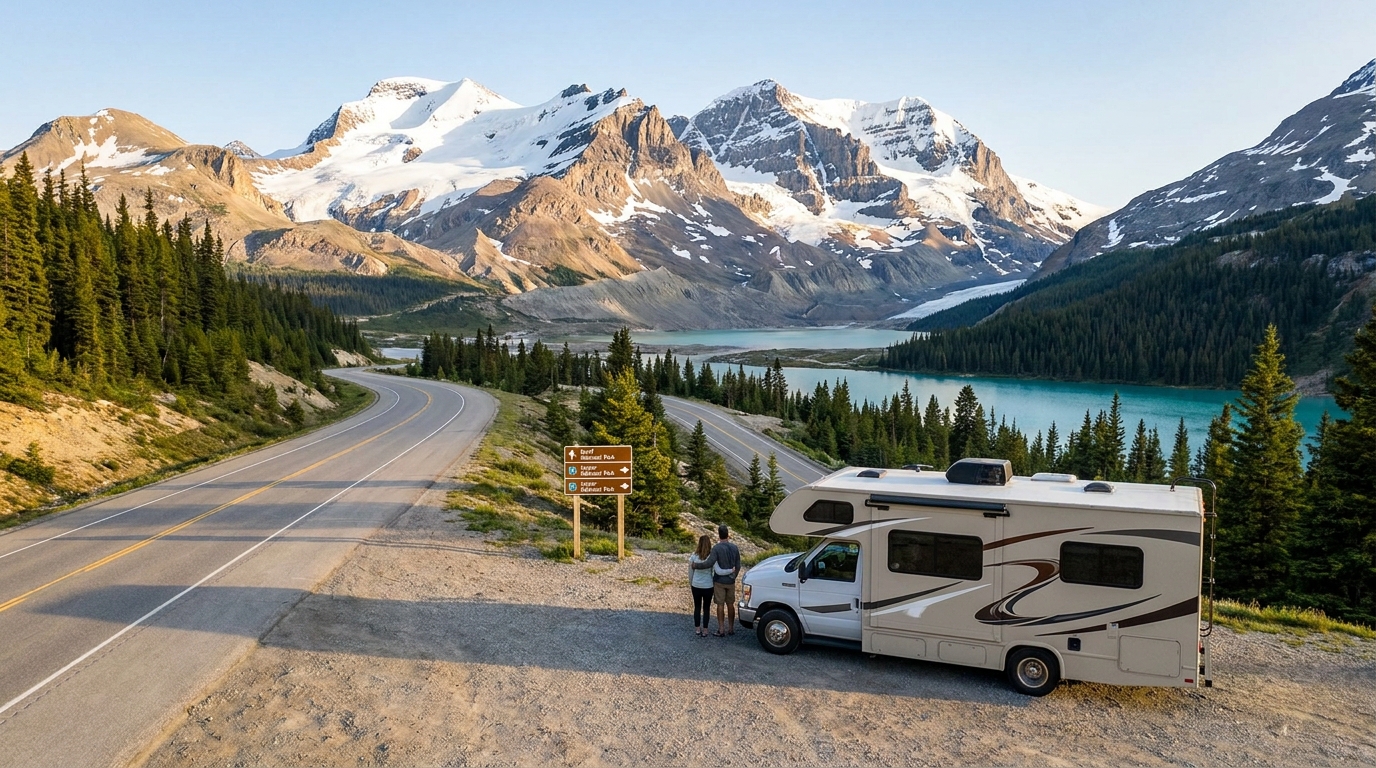
- **The Icefields Parkway, Alberta:** Drive this iconic 232-kilometer scenic route through the Canadian Rockies, connecting Banff and Jasper National Parks, offering breathtaking glaciers, turquoise lakes, and abundant wildlife viewing opportunities.
- **The Cabot Trail, Nova Scotia:** Experience the stunning coastal beauty of Cape Breton Island on this 298-kilometer loop, renowned for its dramatic ocean vistas, picturesque fishing villages, and vibrant Celtic culture.
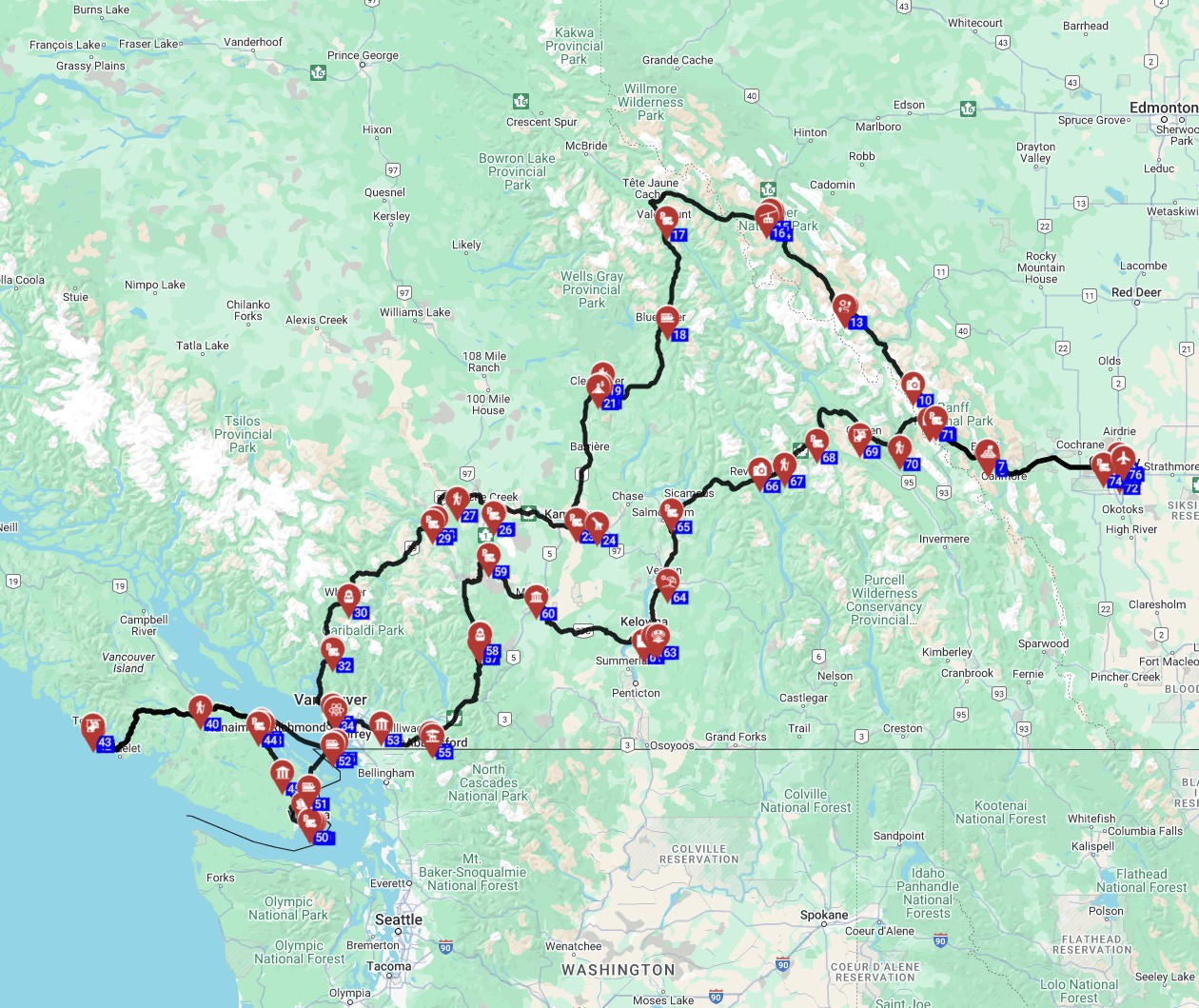
- **Vancouver Island, British Columbia:** Take a ferry to explore the diverse landscapes of Vancouver Island, from the rugged surf of Tofino to the charming capital city of Victoria. Our
route plan covers 19 days and 2659.39 km, including 3 bike rentals and 2 tourist attractions.
 Vancouver Round Trip - West Canada Cycling Adventure
 - **Quebec City's Historic Old Town:** Immerse yourself in European charm in North America's only walled city north of Mexico, exploring cobblestone streets, historic fortifications, and delightful French-Canadian cuisine.
- **Banff National Park, Alberta:** One of Canada's most famous parks, offering incredible hiking, wildlife, and stunning views of Lake Louise and Moraine Lake. This area features many well-appointed provincial and national parks for RVers.
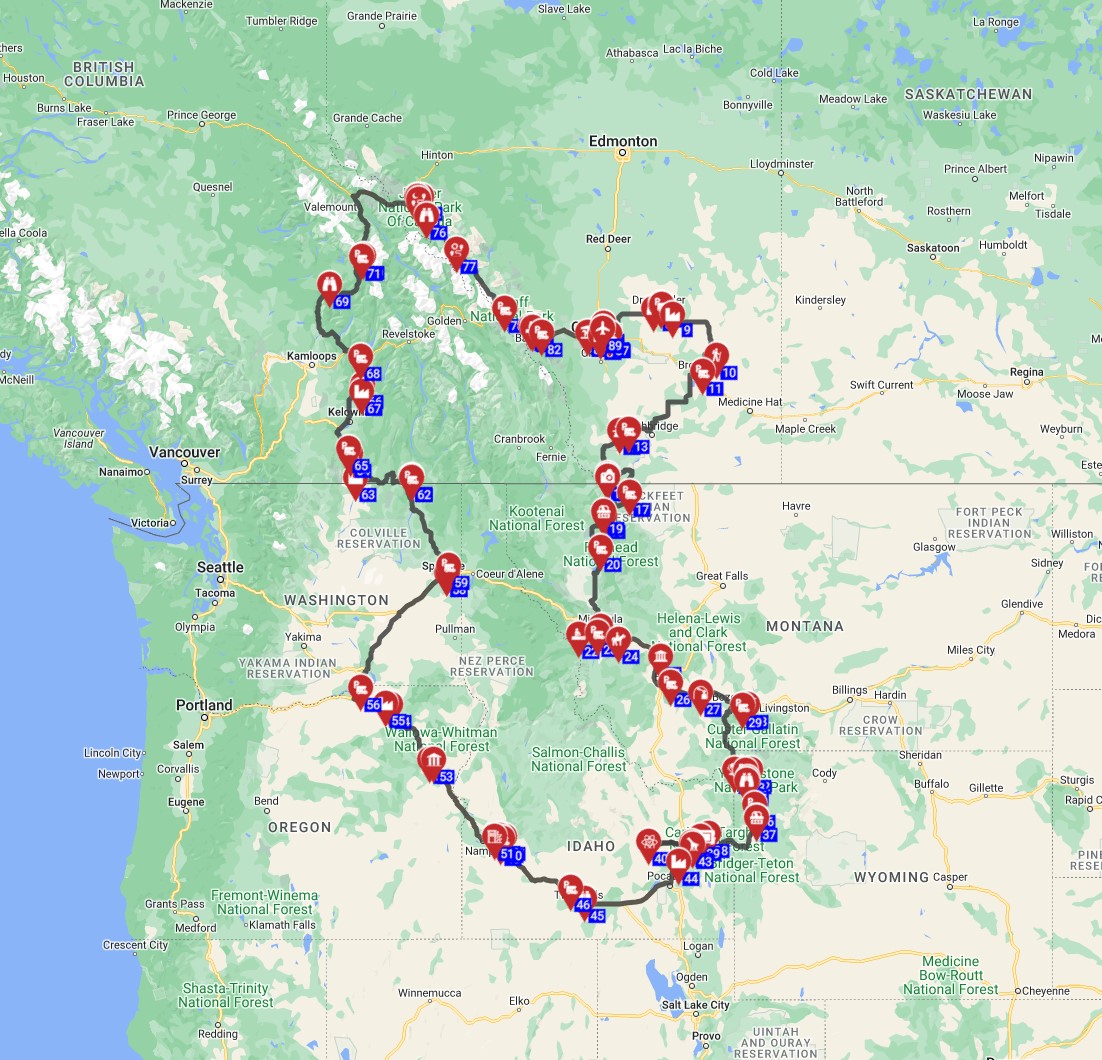
- **Explore Canada’s Heartland on a cross-country journey:** The Halifax to Whitehorse - Exploring Canada’s Heartland in a Motorhome route takes 37 days and covers 9199.1 km, featuring 6 museums, 4 natural features, and 3 traditional restaurants for cultural immersion.
Looking for expert insights from Avi Bandana? Top 5 Adventures - recommendations from Avi Bandana
Final Thoughts
A luxury RV rental in Canada truly opens up a world of majestic landscapes and unforgettable experiences. From the towering peaks of the Rockies to the serene coastlines of the Maritimes, your motorhome becomes your personal, comfortable base for discovery. Don't let the details overwhelm you; with Bandana, you have a partner dedicated to making your planning stress-free and your trip extraordinary.
Whether you dream of a week-long exploration of a single region or an extended road trip across the country, Canada by RV is an adventure waiting to happen. With our transparent pricing, expert knowledge, and comprehensive support, you're free to focus on what matters most: creating cherished memories with your loved ones.
Get inspired for your next trip! Discover top destinations, planning tips, all in one place! Plan a trip itinerary in advance with minimal effort and maximum enjoyment. Compare Luxury RV Rental Prices for Canada and start your adventure today.