In This Guide
- Where to Camp in New Zealand - Top Options
- Campground Types in New Zealand (National, Private, Wild)
- Featured RV Park or Campground in New Zealand
- Hookups & Amenities - What to Expect
- Booking Windows & Reservations in New Zealand
- Nearby Supermarkets & Resupply Points
- Best RV Class for Camping in New Zealand
- How to Save on Campgrounds in New Zealand
- Inter-Island Ferry Logistics for RVs (Interislander/Bluebridge)
- Can I park my motorhome anywhere in New Zealand?
- How much does it cost to park a campervan in New Zealand?
- Does New Zealand have RV parks?
- Can you free camp anywhere in New Zealand?
- How much does it cost to stay at a campground in New Zealand?
- Can you sleep in a camper anywhere in NZ?
- Is New Zealand RV friendly?
- Do you need a special license to drive an RV in New Zealand?
- How much do campsites cost in New Zealand?
- Is it worth getting a campervan in New Zealand?
- What You Shouldn't Miss
- Why Book with Bandana Caravan
- Final Thoughts
- Frequently Asked Questions
New Zealand is an extraordinary destination for RV travel, offering a unique blend of stunning landscapes, outdoor adventure, and welcoming communities. Imagine waking up to the sound of waves, surrounded by dramatic fjords, or nestled amongst ancient forests, all from the comfort of your rented motorhome. With Bandana RV, we're here to help you navigate every step of your journey, ensuring a seamless and unforgettable experience.
For a deeper dive into everything RV travel in New Zealand, including live availability and current prices, start with our RV Rental New Zealand - Complete Guide 2026 guide. We believe in full transparency, which means no hidden fees or surprises at pick-up. What you see is what you pay, giving you complete peace of mind to focus on the adventure ahead.
Where to Camp in New Zealand - Top Options
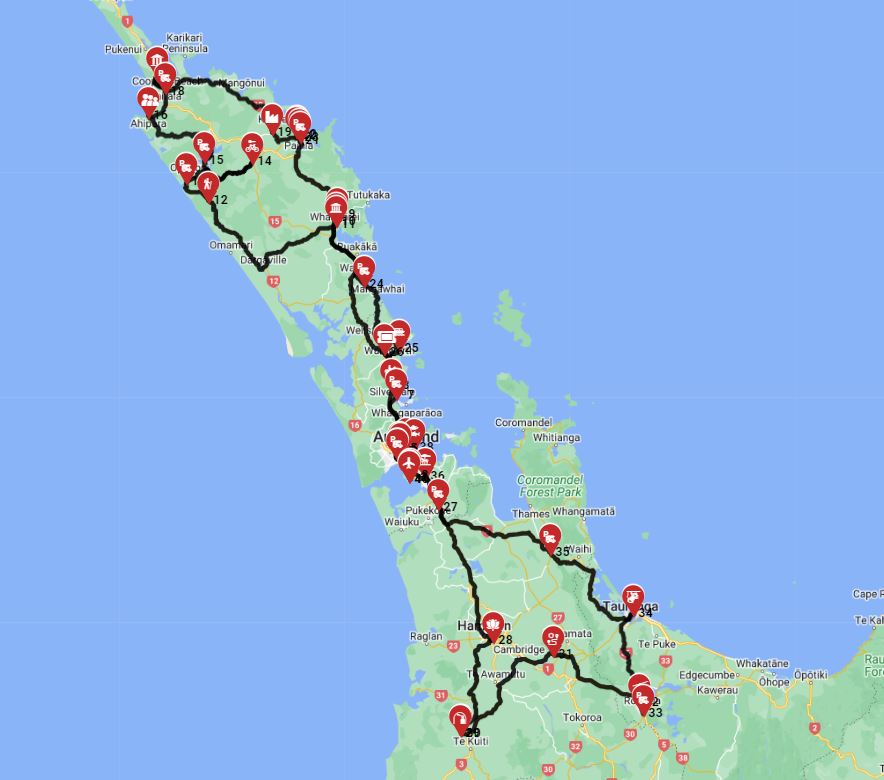
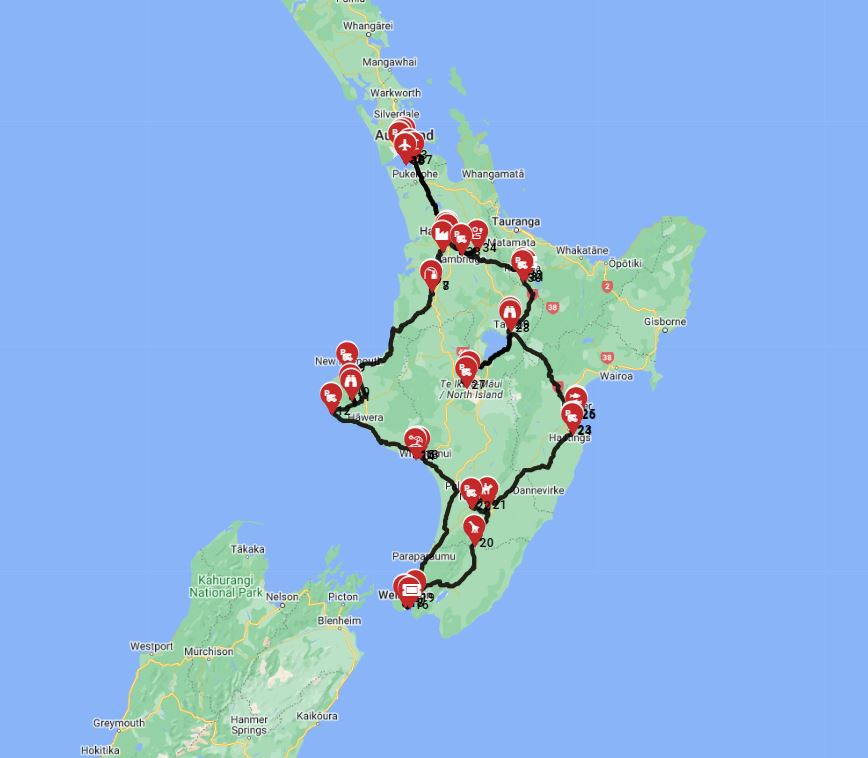
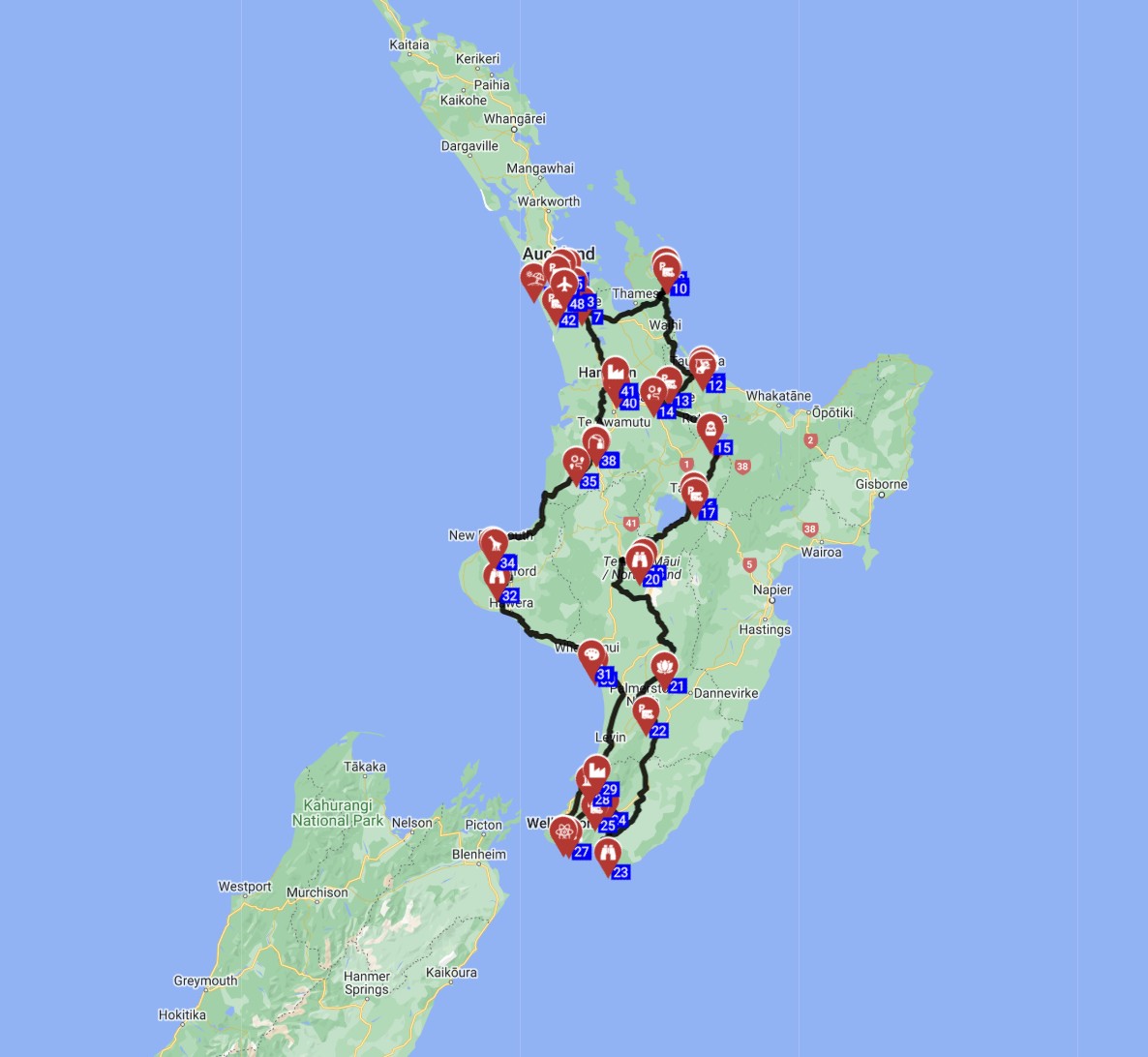
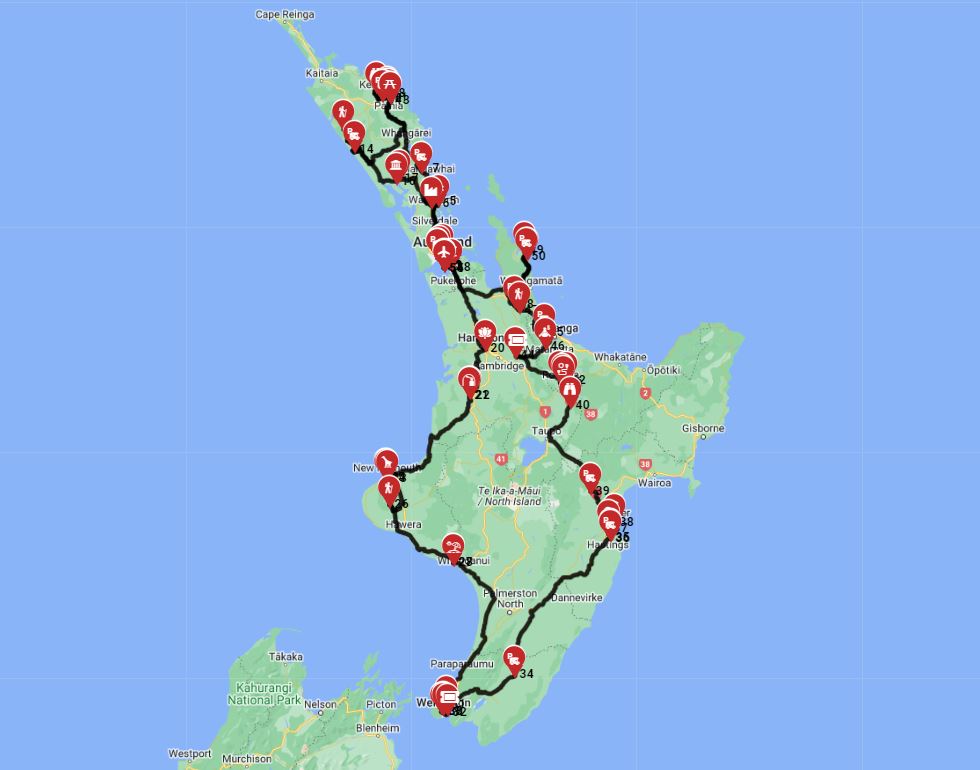
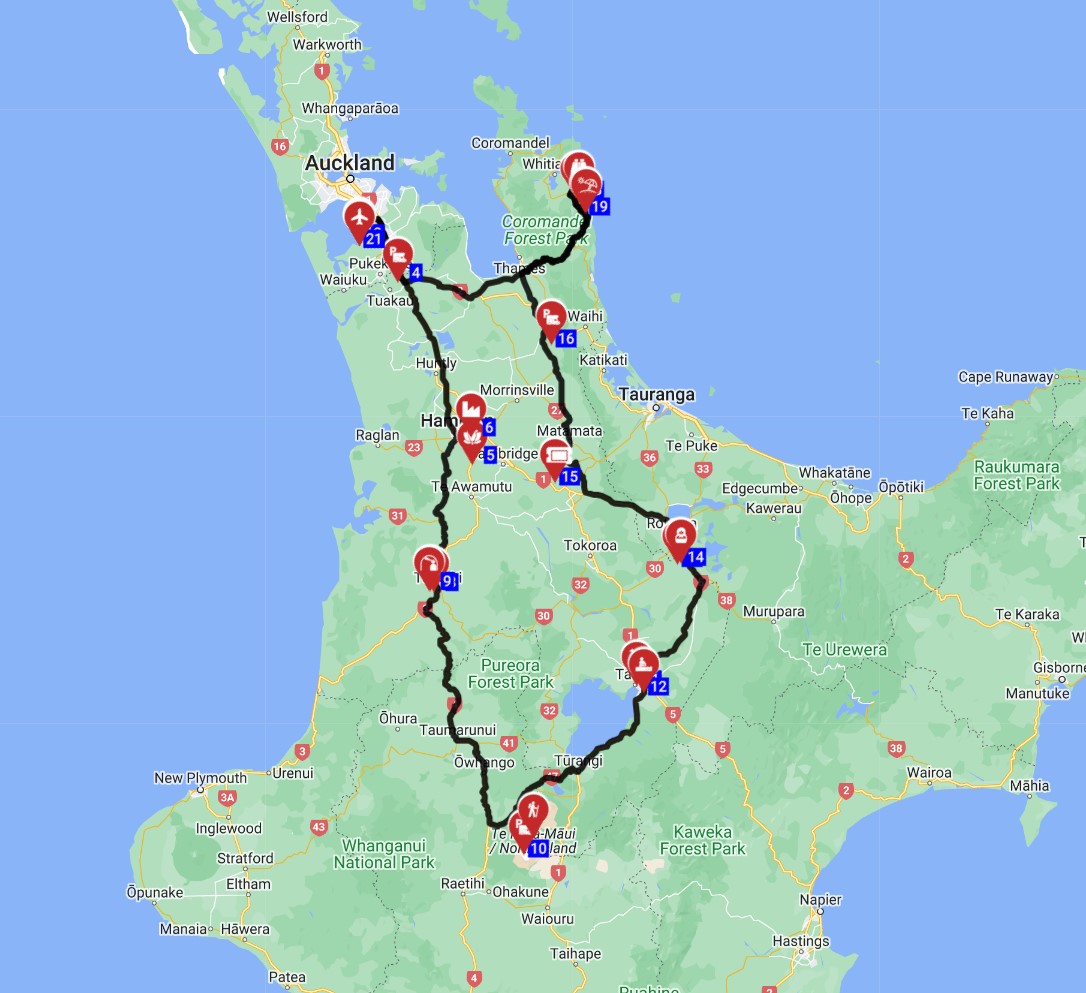
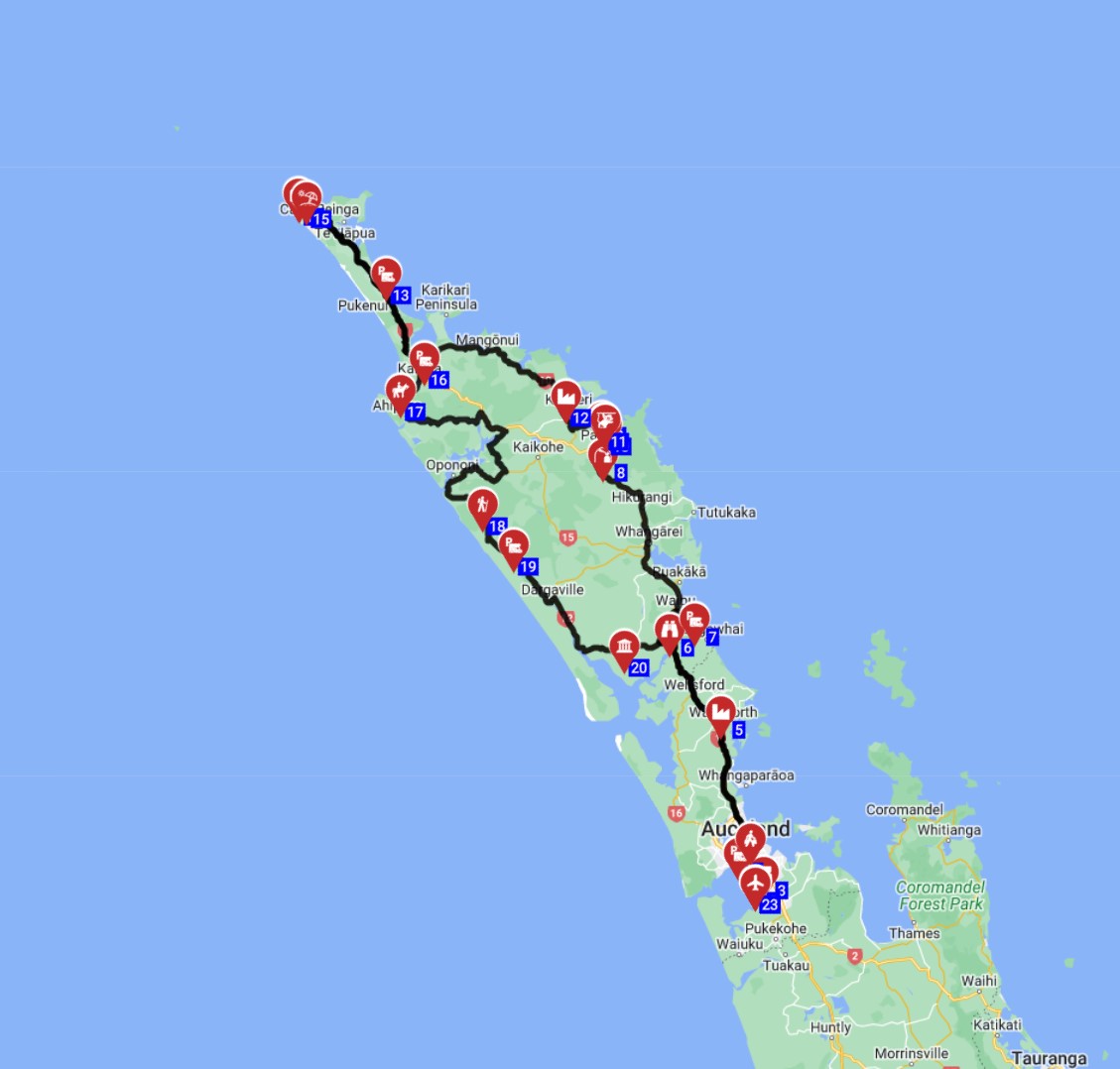
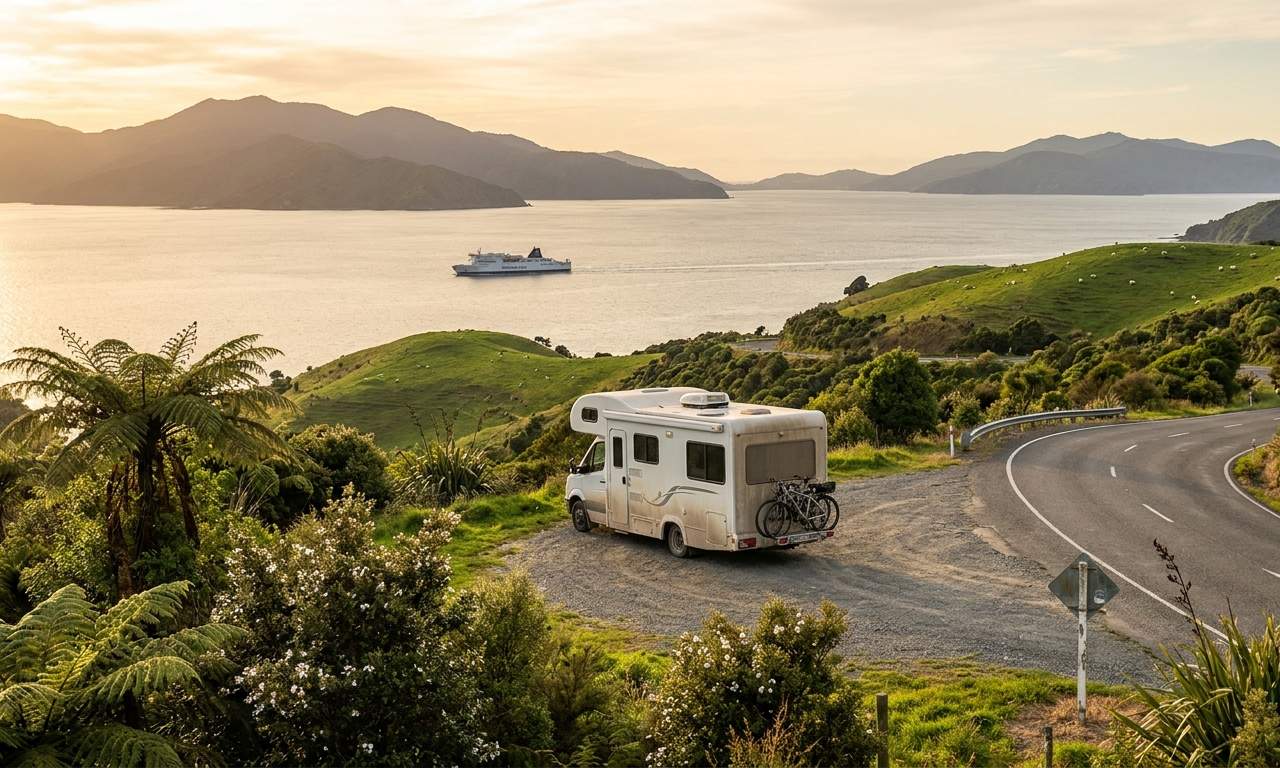
New Zealand offers a diverse range of camping options, from basic Department of Conservation (DOC) sites in pristine natural settings to luxurious private holiday parks with extensive amenities. Popular regions for RV camping include the Bay of Islands for its stunning coastal beauty, the Coromandel Peninsula known for Hot Water Beach, the rugged West Coast of the South Island with its glaciers, and the majestic Fiordland National Park. Travelers can enjoy remote DOC campsites in places like Abel Tasman National Park or opt for the numerous private holiday parks available in bustling tourist hubs such as Rotorua or Queenstown, many offering powered sites.
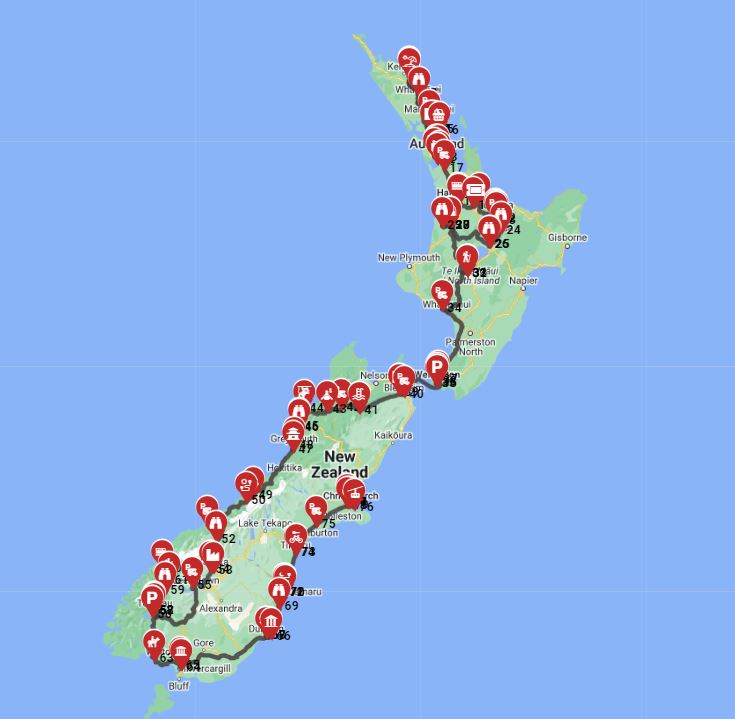
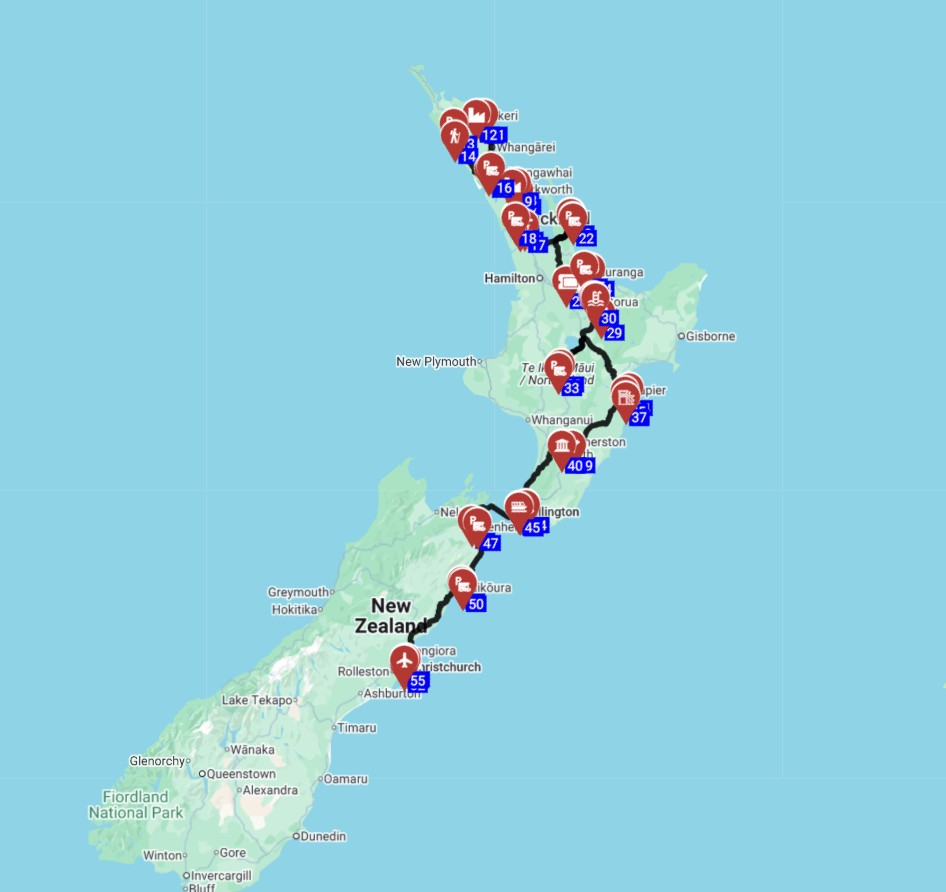
For instance, if you’re exploring the South Island, you could spend a night at a stunning lakeside park near Te Anau before embarking on a cruise through Milford Sound. The sheer variety means you can tailor your camping experience to your preference, from secluded nature retreats to vibrant social hubs. Our RV PLANET routes are designed by professionals to help you discover the best places to stay, providing detailed information on each stop and allowing you to itemize and track every expense along the way for easy budgeting. On the routes offered through RV PLANET routes, you can itemize and track every expense along the way for easy budgeting.
Campground Types in New Zealand (National, Private, Wild)
New Zealand features three primary campground types for motorhome and campervan travelers: Department of Conservation (DOC) sites, private holiday parks, and designated freedom camping areas. DOC campsites, managed by the government, range from basic, unserviced sites (often costing NZD $8-$10 per person per night) with minimal facilities like long-drop toilets, to serviced sites with flush toilets, fresh water, and sometimes even showers (typically NZD $15-$25 per person per night). These provide an immersive, natural experience in national parks and scenic reserves.
Private holiday parks, on the other hand, offer a comprehensive suite of amenities including powered sites (for 240V AC electricity), hot showers, flush toilets, communal kitchens, laundry facilities, and often playgrounds or swimming pools. These parks typically cost between NZD $25 to $60 per night for a powered site and are ideal for those seeking comfort and convenience. Lastly, freedom camping is permitted only in specific, designated locations, and your rented motorhome must be certified self-contained, meaning it has an onboard toilet, wastewater, and freshwater tank for a minimum of three days' use. Always adhere to strict local council bylaws to protect New Zealand's beautiful environment and respect local communities, as fines for non-compliance can start from $200 NZD.
Featured RV Park or Campground in New Zealand
When selecting an RV park in New Zealand, look for locations that balance natural beauty with essential amenities and convenient access to attractions. A highly-rated park will typically offer powered sites, ensuring your rented motorhome has 240V AC electricity, along with clean shower and toilet facilities, a communal kitchen (perfect for preparing RV-friendly recipes playlist), laundry services, and often a dump station for grey and black water. Consider parks like those near Lake Taupō for central North Island exploration, providing a serene base with easy access to geothermal wonders, or choose a park close to Queenstown for South Island adventures, ensuring they cater to various RV sizes and provide valuable local information.
Many premium holiday parks also feature recreational activities, Wi-Fi access (though sometimes for an extra fee), and even guided tours, elevating your camping experience. A great example of a family-friendly luxury campground might offer amenities like a heated swimming pool, a games room, and secure play areas for children, alongside stunning views.
Hookups & Amenities - What to Expect
In New Zealand RV parks, travelers can typically expect a range of hookups and amenities designed for comfort and convenience, especially at private holiday parks. Standard hookups include 240V AC electricity, which requires a specific RCD-protected lead and often an adapter for international travelers to safely connect their rented motorhome. Fresh water connections are widely available for refilling your onboard tanks, and grey/black water dump stations are provided for proper waste disposal. It’s crucial to keep your tanks managed, especially if you plan to move frequently.
Common amenities across many parks feature clean hot showers, modern flush toilets, well-equipped communal kitchens, and laundry facilities. While Wi-Fi access is often available, its availability and cost can vary, so it’s always wise to check in advance. Many parks also offer shared BBQ areas, play areas for children, and even TV lounges, ensuring a comfortable stay. Remember that Bandana RV provides transparent information about what's included in your rental, so you won't face surprises regarding vehicle equipment when you pick up your campervan.
Booking Windows & Reservations in New Zealand
For motorhome travel in New Zealand, especially during peak season (December to February) and school holidays, booking campgrounds and RV parks several months in advance is highly recommended. Popular Department of Conservation (DOC) sites often release a limited number of spots for reservations, typically 25-30% of their capacity, with the remainder available on a first-come, first-served basis. This allows for both planned and spontaneous travel. While spontaneous travel is certainly possible, particularly in shoulder seasons like spring (September-November) and autumn (March-May), always call ahead to check availability, as you will almost certainly find a place—if not at the first campground, then at the next within reasonable driving distance.
For those who prefer a fully organized trip, our Rent&Plan service allows you to access pre-planned routes by professionals, removing the guesswork from your adventure. You can even enjoy a 25% planning discount when you use rvplan.net to organize your journey. Planning ahead not only secures your spot but can also lead to better rates for both your rental and your campsites.
Nearby Supermarkets & Resupply Points
RV travelers in New Zealand will find ample opportunities to resupply with groceries and essentials in most towns and cities throughout both the North and South Islands. Major supermarket chains like Pak'nSave, Countdown, and New World are widely available, offering a full range of products at competitive prices. Planning your stops in larger towns ensures access to the widest selection, while smaller towns often have local dairies (convenience stores) for basic necessities. Many holiday parks also have small convenience stores on-site for immediate needs.
To keep your trip enjoyable and your budget in check, consider stocking up on fresh produce and staples every few days. Cooking your meals in your rented motorhome’s kitchen is a fantastic way to save money and enjoy delicious food with a view. Remember, many national and state parks will not have extensive grocery options, so planning is key for remote excursions. On RV PLANET routes, travelers can itemize and track every expense along the way, including groceries, for easy budgeting.
Best RV Class for Camping in New Zealand
The ideal RV class for camping in New Zealand depends on your travel style, group size, and desired amenities. Class B Camper Vans and Class SI Semi-integrated motorhomes are popular choices for their balance of maneuverability and comfort on New Zealand's winding roads. A Class B Camper Van, such as an "Active Classic" with front air conditioning, is ideal for a couple, averaging 5.8 meters in length, and is excellent for navigating New Zealand's scenic routes and accessing more remote campsites. These compact campervans often offer better fuel economy, for example, 8-10 Liters/100 km.
For those needing more space, a Class SI Semi-integrated motorhome, typically around 6.9 meters long and designed for 3-4 adults like a "2 Berth Rover" with roof air conditioning, provides more living space and amenities for longer trips while still being manageable on NZ roads. Fuel consumption for these might be around 10-11 Liters/100 km. For larger families or groups, a Class C Alcove motorhome, like the "Euro Deluxe" which sleeps up to six and features three double beds, offers ample space and amenities, including a 150-liter refrigerator. No matter the size, drive slowly and carefully, and you can drive almost anywhere without issues. No need to stress - just use common sense and pay attention. Bandana RV specializes in motorhome and campervan rentals, offering a wide range of vehicles from leading suppliers like Britz and Apollo, ensuring you find the perfect fit for your New Zealand adventure.
How to Save on Campgrounds in New Zealand
To significantly save on campground costs in New Zealand, leverage discount cards often offered by RV rental companies (check with your chosen supplier from Bandana's partners like Apollo or Britz), providing reduced rates at participating private parks. Further savings can be achieved by choosing municipal or regional campgrounds over more expensive private resorts, opting for unpowered sites when possible (which can be 20-30% cheaper), and traveling during the shoulder seasons (spring and autumn) for lower rates and fewer crowds. These periods often see daily rates drop by 15-25% compared to peak summer prices.
Additionally, many campgrounds offer weekly rates that are more economical than daily rates, potentially saving 10-15% over a 7-day stay. For groups, sharing hookups or campsites can also reduce individual costs. Freedom camping in designated areas with a certified self-contained vehicle is the cheapest option, as many of these sites are free or have a minimal fee of NZD $0-$5. Exploring pre-planned routes via RVPLAN.net can also help you discover budget-friendly camping options curated by professionals, and don't forget our 25% planning discount when you utilize this service.
Inter-Island Ferry Logistics for RVs (Interislander/Bluebridge)
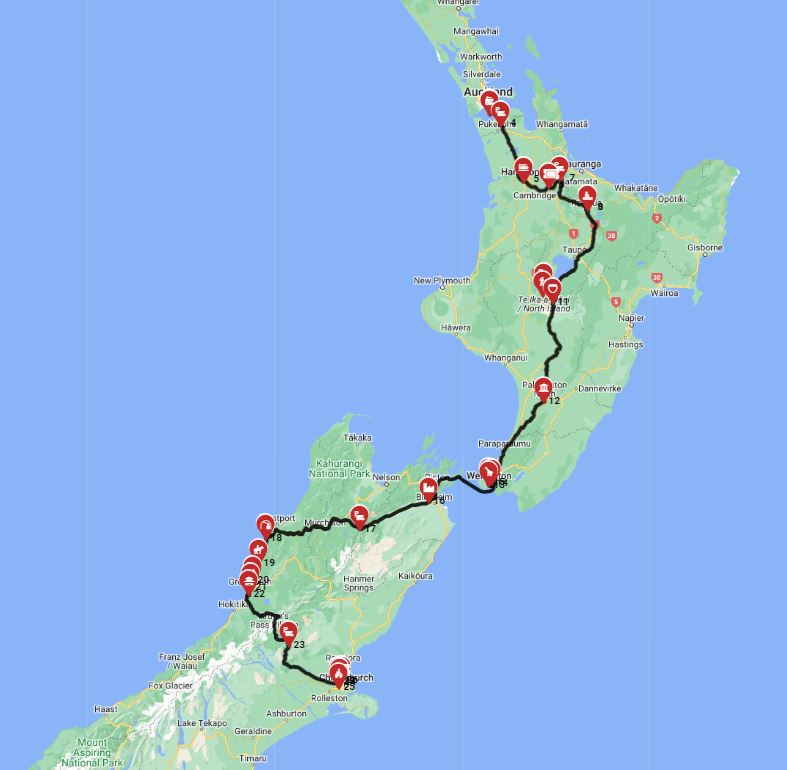
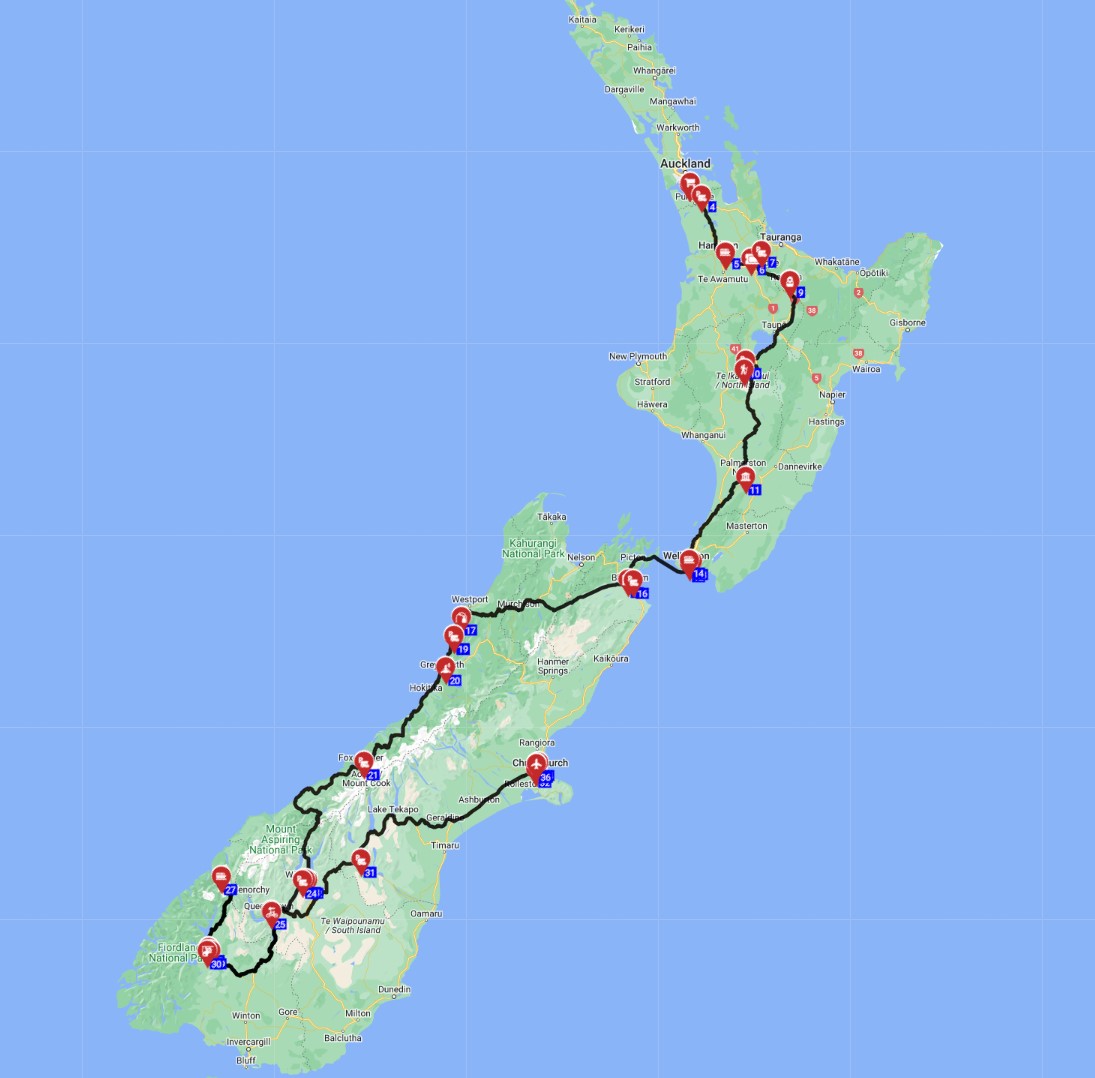
For RV travel between New Zealand's North and South Islands, booking a vehicle ferry with either Interislander or Bluebridge well in advance is crucial, especially during peak season (December-February), as spaces for larger vehicles are limited and can sell out. The journey across the Cook Strait, connecting Wellington (North Island) and Picton (South Island), takes approximately 3.5 hours and offers spectacular scenery through the Marlborough Sounds. When booking, it's essential to accurately declare your rented RV's total length, including any bike racks or tow bars, and height to ensure correct pricing and sufficient space on the ferry; inaccuracies can lead to delays or additional charges at the terminal.
It's recommended to arrive at the terminal at least an hour before departure for check-in procedures and to allow ample time for boarding. This ferry crossing is a vital link for many RV itineraries, such as our "
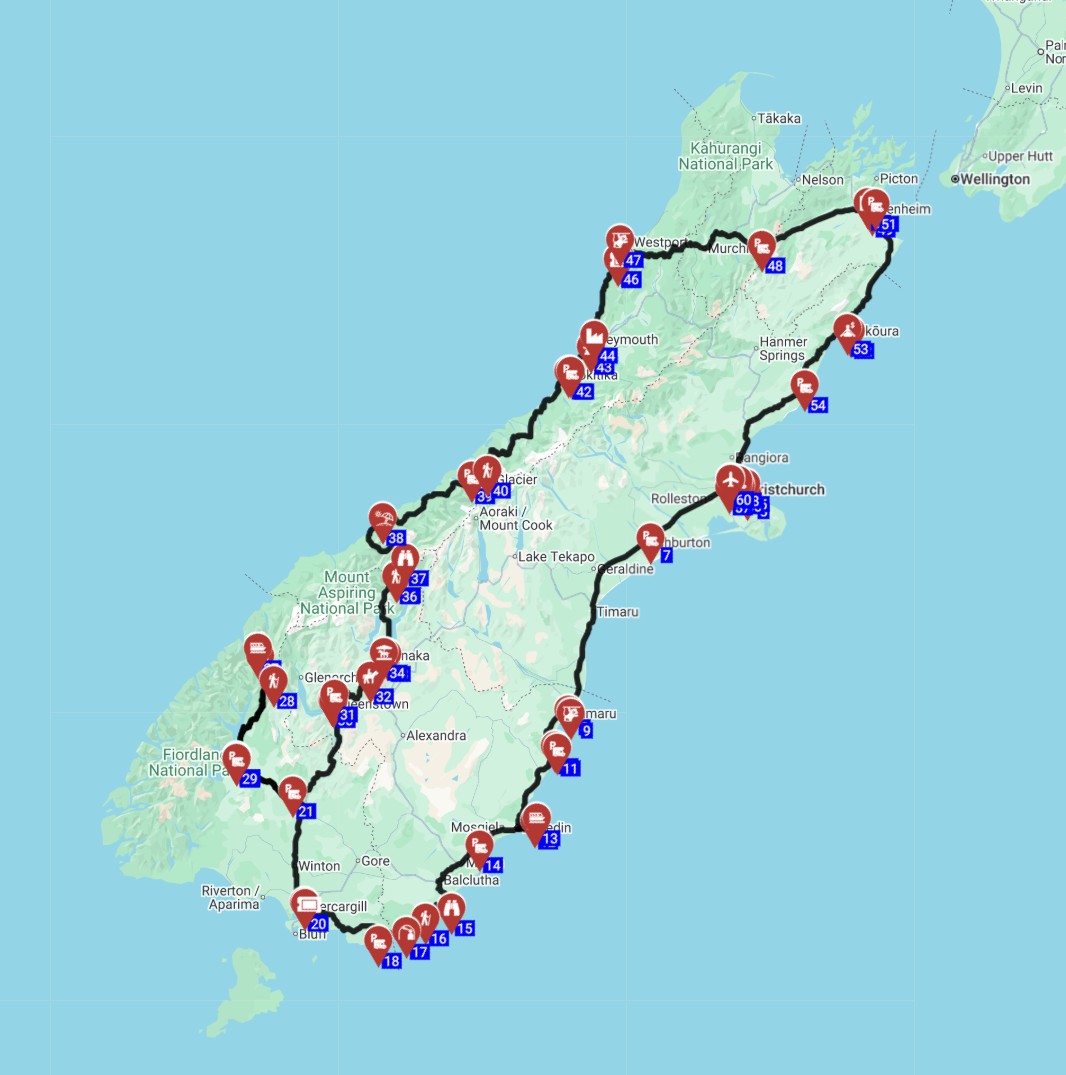
Can I park my motorhome anywhere in New Zealand?
No, you cannot park your motorhome anywhere in New Zealand, as freedom camping is strictly regulated and generally permitted only in specifically designated areas, primarily for certified self-contained vehicles. Local councils have specific bylaws that dictate where freedom camping is allowed, often prohibiting it in urban areas, scenic reserves, and private land without permission. Fines for non-compliance can start from $200 NZD, so always pay close attention to signage. To ensure environmental responsibility and cultural sensitivity, aligning with New Zealand's 'Tiaki Promise', always check local signage, use official apps like 'CamperMate' or 'Rankers Camping NZ' for approved sites, and practice 'Leave No Trace' principles.
How much does it cost to park a campervan in New Zealand?
The cost to park a campervan in New Zealand varies significantly, ranging from free designated freedom camping sites to upwards of $60 NZD per night for fully serviced private holiday parks. Department of Conservation (DOC) campsites typically cost between $8 and $25 NZD per person per night, depending on the amenities offered (basic vs. serviced). Private holiday parks, which offer extensive facilities like powered sites, kitchens, and hot showers, average $25 to $45 NZD for a powered site for two people, with additional charges for extra occupants or specific services. Day parking in towns or at attractions usually follows standard car park fees, which can range from a few dollars an hour to $20-30 NZD for a full day, with overnight parking outside of designated areas often resulting in fines.
Does New Zealand have RV parks?
Yes, New Zealand boasts a wide array of dedicated RV parks and holiday parks throughout both the North and South Islands, offering comprehensive facilities for motorhome and campervan travelers. These parks provide essential amenities such as powered sites (for connecting your rented RV's 240V AC electricity), fresh water hookups, dump stations for grey and black water, communal kitchens, laundries, hot showers, and often recreational facilities like playgrounds or swimming pools. New Zealand's RV parks cater to all types of travelers, from those seeking basic, scenic spots in national parks to luxury resorts with extensive services, making them a cornerstone of the RV travel experience. Many even have specific sites for larger Class C motorhomes, ensuring a comfortable fit.
Can you free camp anywhere in New Zealand?
No, you cannot free camp anywhere in New Zealand; freedom camping is strictly regulated under the Freedom Camping Act 2026 and various local council bylaws. Legal freedom camping is generally restricted to designated sites, often requiring your vehicle to be certified self-contained, meaning it has an onboard toilet, wastewater, and freshwater tank for at least three days of use. Camping in undesignated areas can lead to significant fines (starting from $200 NZD) and environmental damage, reinforcing New Zealand's commitment to the 'Tiaki Promise' for responsible tourism. Always check local signs and use reliable apps to locate approved freedom camping sites for your rented campervan.
How much does it cost to stay at a campground in New Zealand?
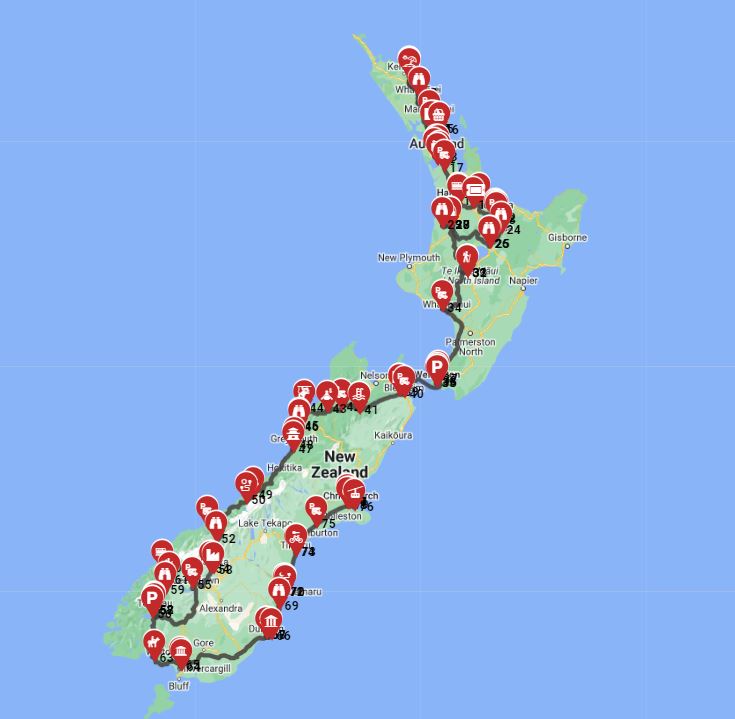
The cost to stay at a campground in New Zealand typically ranges from approximately $8 NZD per person per night for basic Department of Conservation (DOC) sites to around $60 NZD per night for a powered site at a premium private holiday park. DOC serviced campsites, offering facilities like flush toilets and sometimes showers, usually fall in the $15-$25 NZD per adult per night range. Private holiday parks, which provide a full suite of amenities including powered sites, kitchens, laundries, and hot showers, generally charge between $25-$45 NZD per night for two people on a powered site, with additional charges for extra occupants or specific services. For an estimated 25-day trip, such as the "
Can you sleep in a camper anywhere in NZ?
No, you cannot sleep in a camper anywhere in New Zealand; overnight stays are generally restricted to designated camping areas to comply with the Freedom Camping Act 2026 and local council regulations. Sleeping in a campervan is permitted at official campsites (DOC sites and private holiday parks) and in approved freedom camping locations, which typically require your vehicle to be certified self-contained. Attempting to sleep in a camper in prohibited areas, such as roadside pull-offs or public car parks without clear signage allowing overnight stays, can lead to fines and legal consequences. Always choose a legitimate overnight spot to avoid issues and respect the local environment.
Is New Zealand RV friendly?
Yes, New Zealand is exceptionally RV-friendly, offering an extensive network of campgrounds, dedicated RV parks, and robust infrastructure to support motorhome travel. The country's compact size, stunning diverse landscapes, and well-maintained road network make it ideal for exploring by RV, although travelers should be prepared for narrow, winding roads, single-lane bridges, and varying terrain in remote areas. Drive slowly and carefully, and you can drive almost anywhere without issues. No need to stress - just use common sense and pay attention. RV friendliness extends to readily available services like dump stations, fresh water points, and numerous resupply options, alongside clear signage for camping regulations, though adherence to local driving etiquette and safe road practices (e.g., pulling over to let faster traffic pass) is essential.
Do you need a special license to drive an RV in New Zealand?
No, you typically do not need a special license to drive an RV in New Zealand if your vehicle's Gross Laden Weight (GLW) is under 6,000 kg, which covers most standard campervans and motorhomes available for rent. A valid full driver's license from your home country, provided it is in English or accompanied by an approved English translation or an International Driving Permit (IDP), is usually sufficient. An IDP is recommended for visitors from non-English-speaking countries but is not mandatory in most cases. The minimum rental age is 21 years, and there are no young driver surcharges or vehicle class restrictions based on age. For RVs exceeding 6,000 kg GLW, a Heavy Vehicle (HV) license may be required, so always confirm the specific license requirements with your rental supplier when comparing options.
How much do campsites cost in New Zealand?
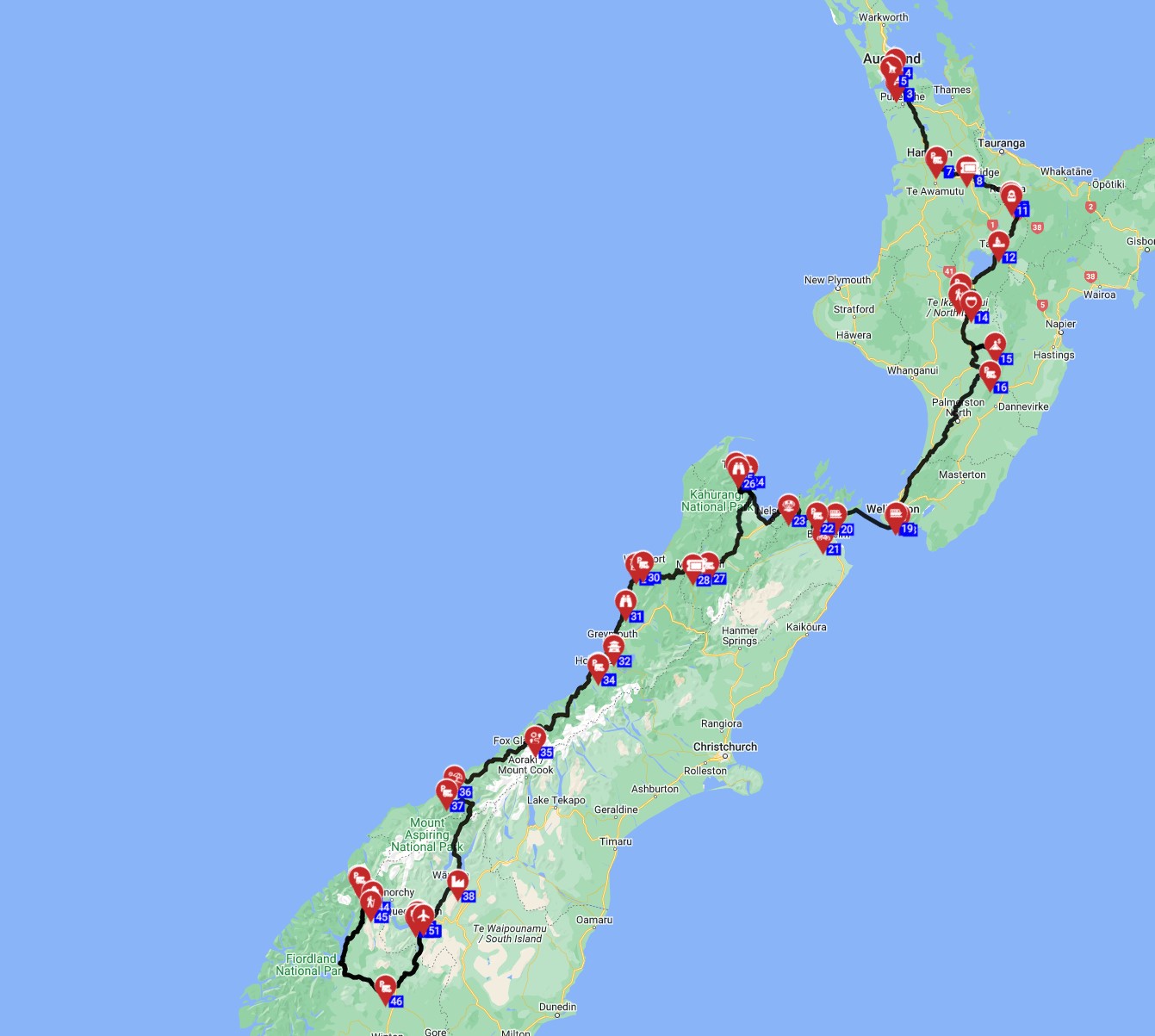
Campsite costs in New Zealand vary significantly based on location, amenities, and type of campground, ranging from free for designated freedom camping spots to upwards of $60 NZD per night for premium private holiday park sites. Department of Conservation (DOC) campsites are generally the most affordable, with basic sites costing around $8-$10 NZD per person per night, and serviced sites offering more amenities for $15-$25 NZD per person. Private holiday parks typically charge between $25-$45 NZD for a powered site for two adults, with varying rates for unpowered sites, additional people, and specific services like laundry or Wi-Fi, making it important to budget for diverse camping experiences. For routes like the "
Is it worth getting a campervan in New Zealand?
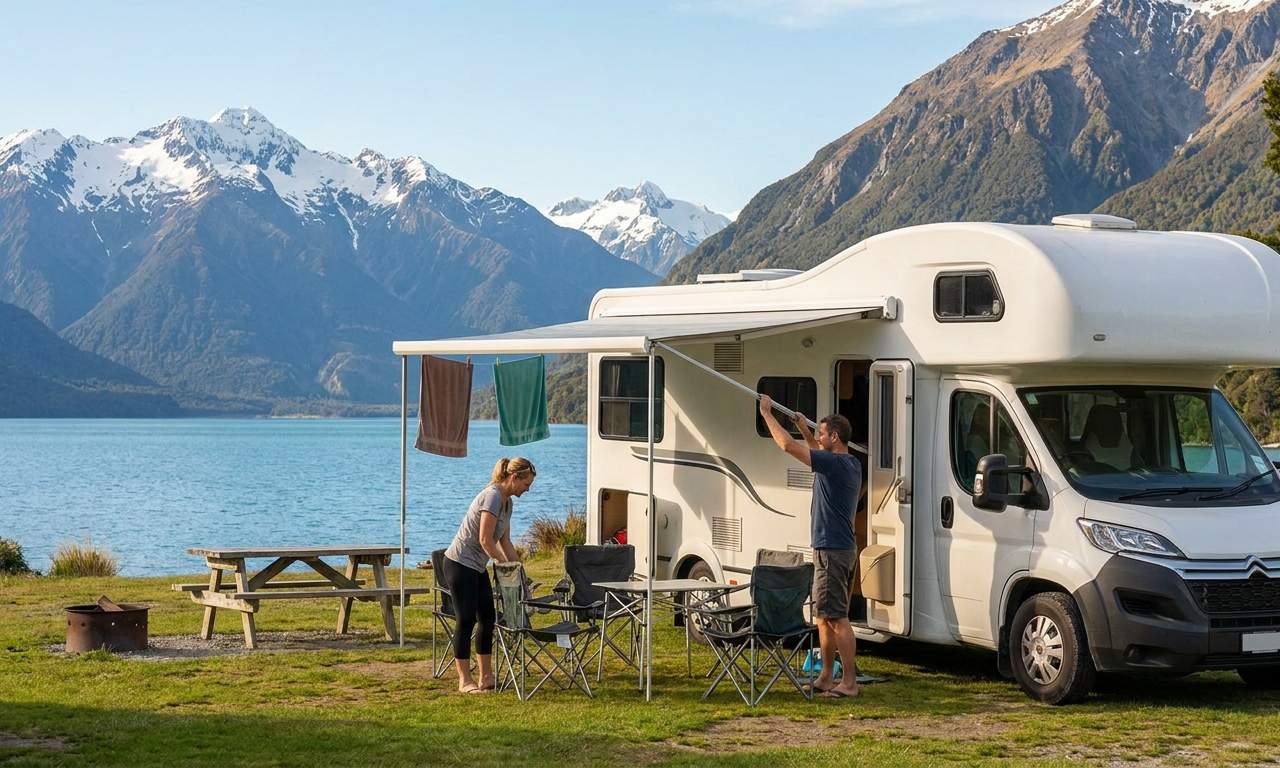
Yes, getting a campervan or motorhome in New Zealand is highly recommended for an immersive and flexible travel experience, offering the freedom to explore diverse landscapes at your own pace and stay in scenic locations. A rented campervan provides the convenience of combining accommodation and transport, allowing spontaneous itinerary changes and access to remote areas that might be less accessible with traditional car and hotel bookings. While requiring careful planning for regulations, budgeting, and driving conditions, the independence and unique opportunity to wake up to New Zealand's breathtaking scenery make RV travel an incredibly rewarding way to experience the country. Imagine preparing breakfast in your fully-equipped "rent rv example A1" motorhome, which features a shower and toilet, with a stunning fjord as your backdrop! This is the freedom that RV travel in New Zealand offers.
What You Shouldn't Miss
- Milford Sound Cruise: Take a breathtaking cruise through the iconic fjords, marveling at towering cliffs, cascading waterfalls, and diverse wildlife. This is a must-do in Fiordland National Park.
- Explore Abel Tasman National Park: Hike, kayak, or simply relax on golden beaches. Many DOC campsites are available for your rented motorhome, offering unparalleled access to nature.
- Experience Geothermal Wonders in Rotorua: Discover bubbling mud pools, geysers, and vibrant cultural experiences at Te Puia or Wai-O-Tapu Thermal Wonderland.
- Stargaze in Aoraki Mackenzie International Dark Sky Reserve: Head to Tekapo or Mount Cook for some of the world's clearest night skies, a truly magical experience from your campervan.
- Drive the West Coast Glaciers: Witness the stunning Franz Josef and Fox Glaciers on the South Island, with numerous scenic stops and hikes along the way.
Looking for expert insights from Avi Bandana? Top 5 Adventures - recommendations from Avi Bandana will guide you to even more incredible experiences!
🎬 Video coming soon
Final Thoughts
New Zealand truly is a paradise for RV travelers, offering an unparalleled sense of freedom and discovery. From the moment you pick up your rented motorhome to the last panoramic view, every day is an opportunity for a new adventure. Whether you're dreaming of a week-long trip exploring the North Island's cultural heart or an extended road trip encompassing the South Island's dramatic landscapes, a campervan provides the perfect mobile base.
At Bandana RV, we’re passionate about helping you make those dreams a reality. We bring transparency, expertise, and genuine support to your planning process, ensuring you can book with confidence. So, take the leap, embrace the slow travel philosophy of exploring at your own pace, and prepare to create memories that will last a lifetime in the stunning land of Aotearoa.
Your ultimate New Zealand RV adventure awaits. Get inspired for your next trip and discover top destinations, planning tips, all in one place!