In This Guide
- Where to Camp in Australia — Top Options
- Campground Types in Australia (National, Private, Wild)
- Featured RV Park or Campground in Australia
- Hookups & Amenities — What to Expect
- Booking Windows & Reservations in Australia
- Nearby Supermarkets & Resupply Points
- Best RV Class for Camping in Australia
- How to Save on Campgrounds in Australia
- Can you park an RV anywhere in Australia?
- What are RV parks called in Australia?
- Where can you park overnight for free in Australia?
- What is the average caravan park fee in Australia?
- How much do campsites cost in Australia?
- Are RVs allowed in Australia?
- How can I book campsites in Australia?
- Do you need to pre-book campsites in Australia?
- What is ghost camping in Australia?
- What You Shouldn't Miss
- Why Book with Bandana Caravan
- Final Thoughts
- Frequently Asked Questions
Australia, a land of incredible diversity, offers an unparalleled adventure for those who choose to explore it with a rented RV. Imagine waking up to the sound of kookaburras, enjoying breakfast with an ocean view, or stargazing in the heart of the outback from the comfort of your mobile home. From vibrant coastal towns to ancient national parks, an RV trip in Australia provides the freedom and flexibility to truly immerse yourself in the landscape and local culture. At Bandana Caravan, we are true RV specialists, dedicated to making your Australian motorhome adventure seamless and unforgettable. For live availability and current prices, start with our RV Rental Australia - Complete Guide 2026 guide.
Where to Camp in Australia — Top Options
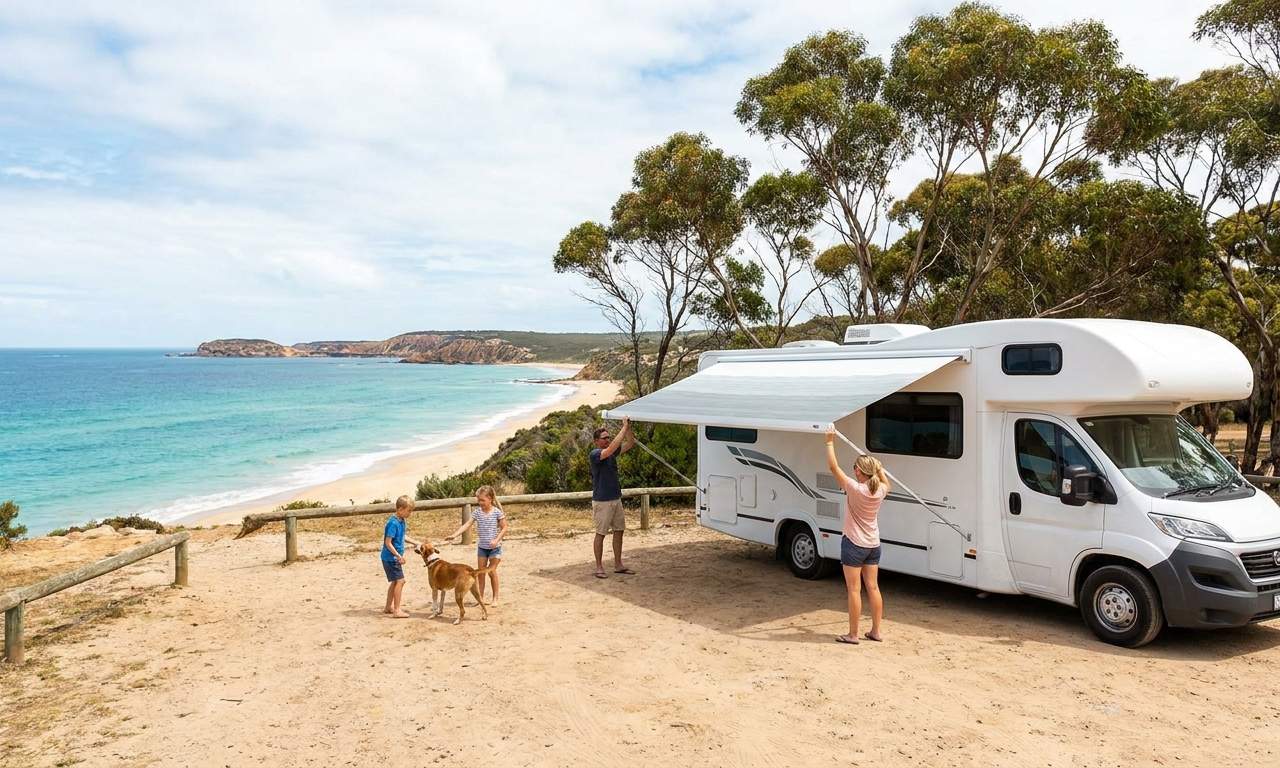
Australia offers diverse camping experiences from the tropical north to the rugged outback, providing numerous top options for every type of RV traveler. Popular regions for an extended road trip include Queensland's Fraser Coast, known for its pristine beaches and access to K'gari (Fraser Island), Victoria's iconic Great Ocean Road with its dramatic coastal cliffs, and Western Australia's vast Kimberley region, famed for its ancient landscapes and gorges. While National Parks provide scenic, often rustic sites perfect for connecting with nature, private caravan or holiday parks across Australia offer more amenities and structured facilities, catering to families and those seeking comfort.
When considering where to camp in Australia, remember that different areas offer unique charms. You might find a secluded spot in a state forest, a bustling holiday park right on the beach, or a remote bush camp accessible only by a 4x4 camper. Each choice presents its own set of experiences, from basic facilities in national parks to luxury amenities in premium resorts. To plan a personalized route and track every expense, explore RV PLANET routes, which can help you estimate costs for fuel, campground fees, and more. On the routes offered through RV PLANET routes, you can itemize and track every expense along the way for easy budgeting.
Campground Types in Australia (National, Private, Wild)
Australia's campgrounds broadly fall into three types: National and State Parks, Private Caravan/Holiday Parks, and limited Freedom/Wild Camping opportunities. National and State Parks offer picturesque settings, typically with basic amenities like composting toilets and cold showers, and often require permits or fees; pre-booking is essential for popular spots, especially during peak seasons. Private Caravan and Holiday Parks, on the other hand, provide a wide range of facilities, from swimming pools and BBQ areas to communal kitchens and entertainment, making them family-friendly but typically more expensive, with an average cost ranging from AUD $30 to $60 per night for a powered site.
Freedom or Wild Camping in Australia is generally limited to designated rest stops, specific council-managed areas, or private properties where explicit permission is granted by the landowner. It is important to note that unauthorized parking or camping is illegal in most urban areas and undesignated spots, and can result in significant fines. Always check local signage and regulations to avoid issues, as 'ghost camping' or stealth camping in illegal spots is discouraged. For finding a suitable spot, RV PLANET (rvplan.net) is a great resource, helping you locate available campgrounds and campsites along your chosen route.
Featured RV Park or Campground in Australia
For RV travelers seeking a premium experience in Australia, look for caravan parks offering comprehensive amenities, immaculate facilities, and convenient proximity to major attractions. Many top-rated parks in tourist hotspots like the Gold Coast or along the Great Ocean Road boast luxury features such as resort-style swimming pools, modern BBQ areas, fully equipped communal kitchens, and often paid Wi-Fi services. When selecting your campground, consider its specific location – whether coastal, inland, or outback – assess the range of amenities tailored for families with kids, and always check recent traveler reviews to ensure it meets your expectations for comfort and service. For example, a family-friendly park near a beach might offer playgrounds and direct beach access, enhancing your week-long trip.
A prime example of a premium option is the Big4 Gold Coast Holiday Park, offering extensive facilities including a waterpark, resort pool, and various accommodation types for all types of RVs. Such parks often include powered sites, ensuring your rented motorhome has continuous 240V electricity, and provide easy access to fresh water hookups and grey/black water dump points. Planning your route to include stays at such resorts can elevate your RV adventure, blending the freedom of the road with moments of pampering and convenience. You can also gain expert insights from Avi Bandana in our "What You Shouldn't Miss" section for top adventure recommendations.
Hookups & Amenities — What to Expect
When renting an RV in Australia and staying at caravan parks, you can expect standard powered sites to provide 240V electricity, requiring a common 15-amp connector for your motorhome or campervan. Most reputable caravan parks and many national park sites offer fresh water hookups directly at your site or readily accessible taps nearby. Additionally, grey water and black water dump points are standard facilities for waste disposal, ensuring a comfortable and environmentally responsible trip.
Beyond essential hookups, common amenities typically include shared laundry facilities, clean hot showers, flushing toilets, and communal kitchens perfect for preparing delicious RV-friendly recipes playlist. Many parks also feature outdoor BBQ areas, playgrounds for children, and sometimes Wi-Fi access (which may be free or require a small fee). Some premium resorts even offer swimming pools, general stores, and cafes, elevating your camping experience in Australia. It's always a good idea to check specific park details beforehand to confirm the amenities available for your rented RV.
Booking Windows & Reservations in Australia
For RV travelers to Australia, pre-planners should aim to book popular caravan parks and national park sites several months in advance, especially for peak season (December to February) and during school holidays. However, spontaneous travelers can often find same-day or next-day bookings, particularly in shoulder seasons (spring and autumn) or in less popular, regional areas. Many national park campgrounds typically release only 25-30% of their spots for advance reservations, leaving the remaining 70-75% available on a first-come, first-served basis. While specific sites aren't always guaranteed, you will almost certainly find a spot at a campground; if not at the first one, then the next. Always call ahead before driving a long distance to confirm availability for your motorhome.
Whether you prefer a meticulously organized trip or a more flexible, day-to-day adventure, Australia’s vast network of campgrounds offers options. For more structured route plans and booking tips, explore resources like RV PLANET (rvplan.net). Early booking, particularly for a week-long trip or longer, can also lead to better rates, with potential savings of up to 25% on peak-season motorhome rates for those who book 90+ days in advance.
Nearby Supermarkets & Resupply Points
Major supermarket chains like Woolworths, Coles, and IGA are widely available across Australia, providing convenient and comprehensive options for stocking your rented motorhome with food and supplies. These large supermarkets can be found in most towns and cities, even in many regional centers. For unique local flavors and fresh produce, many smaller towns also feature local grocers, butchers, and bakeries, offering a chance to connect with local culture and cuisine.
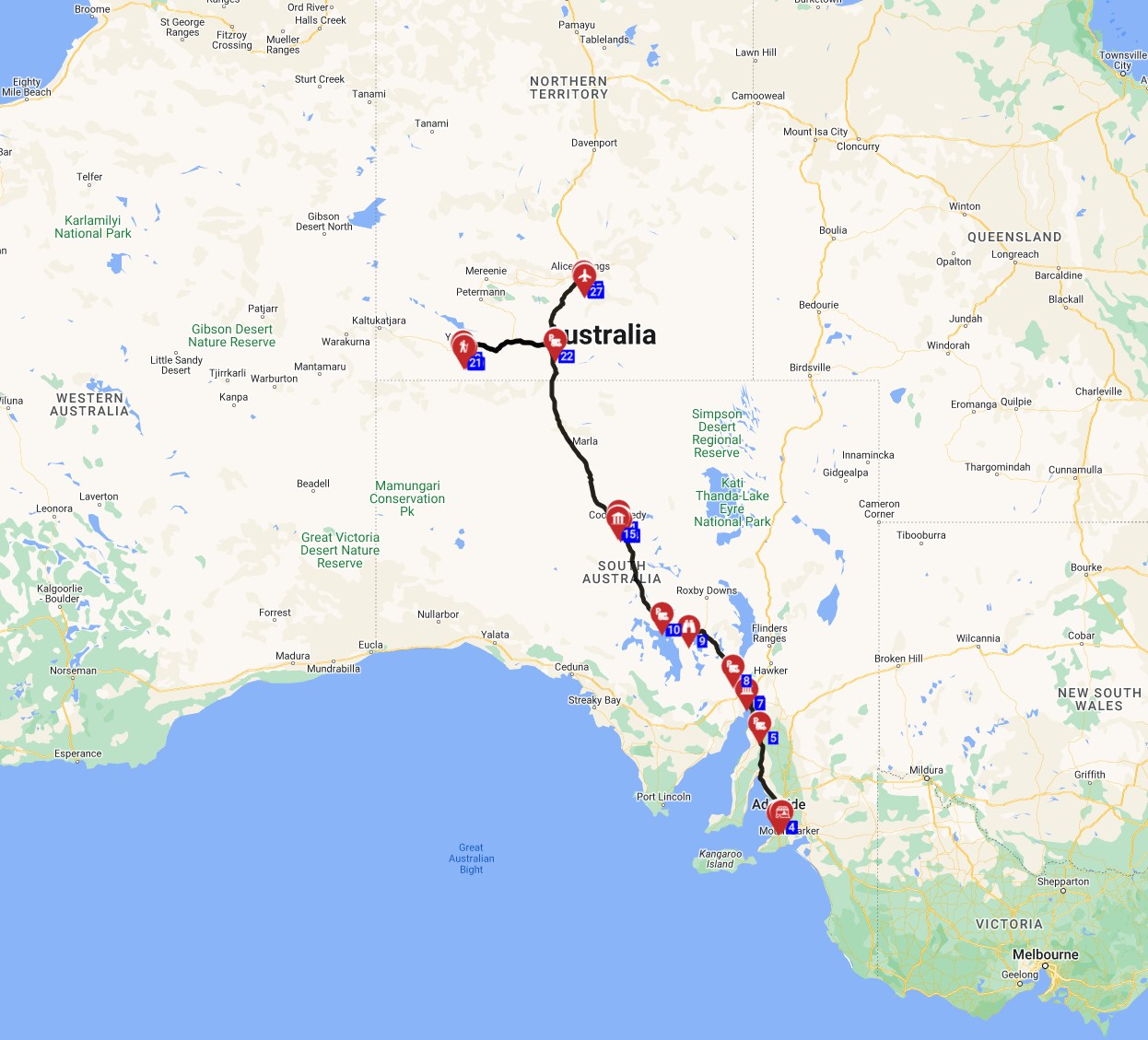
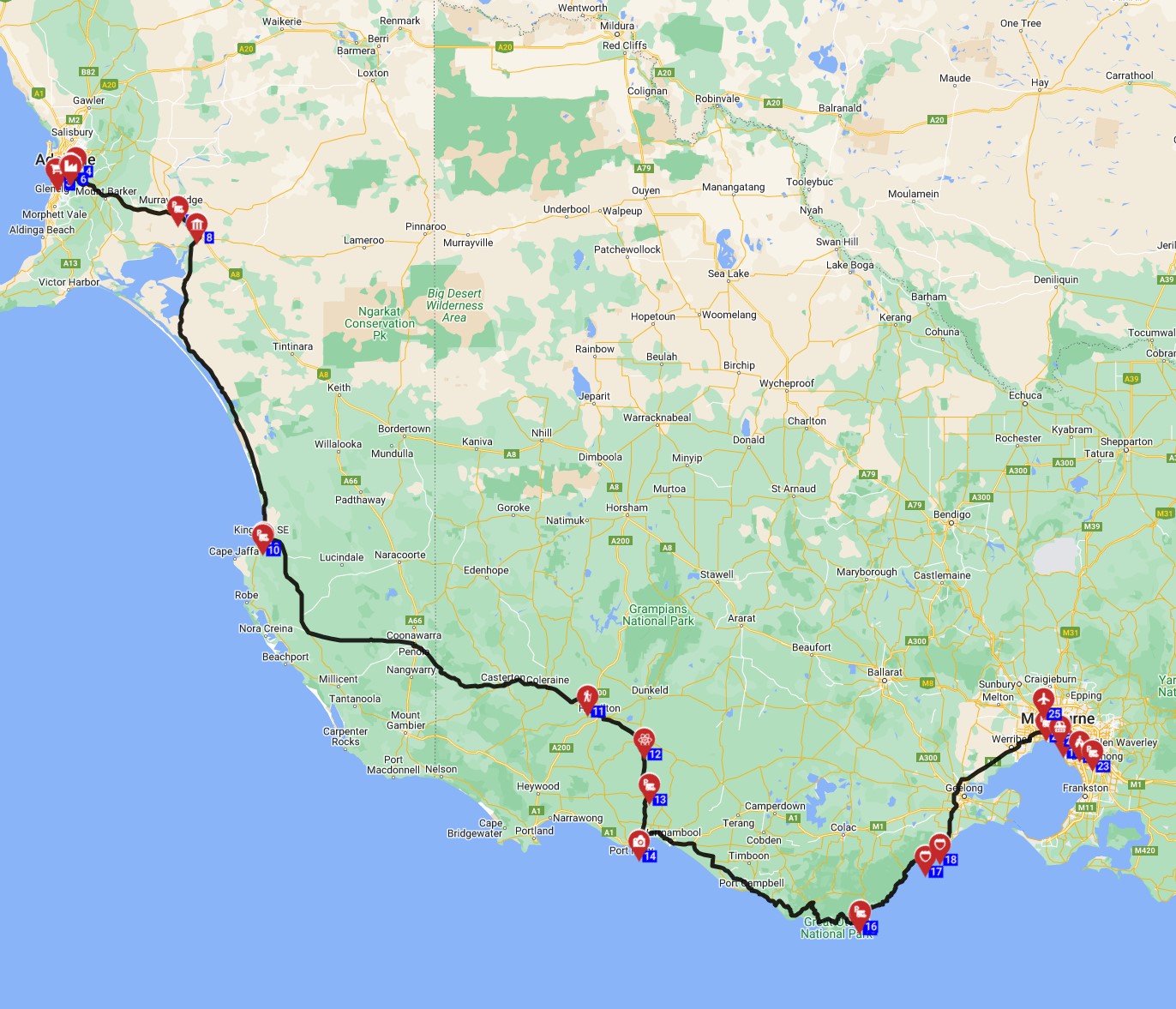
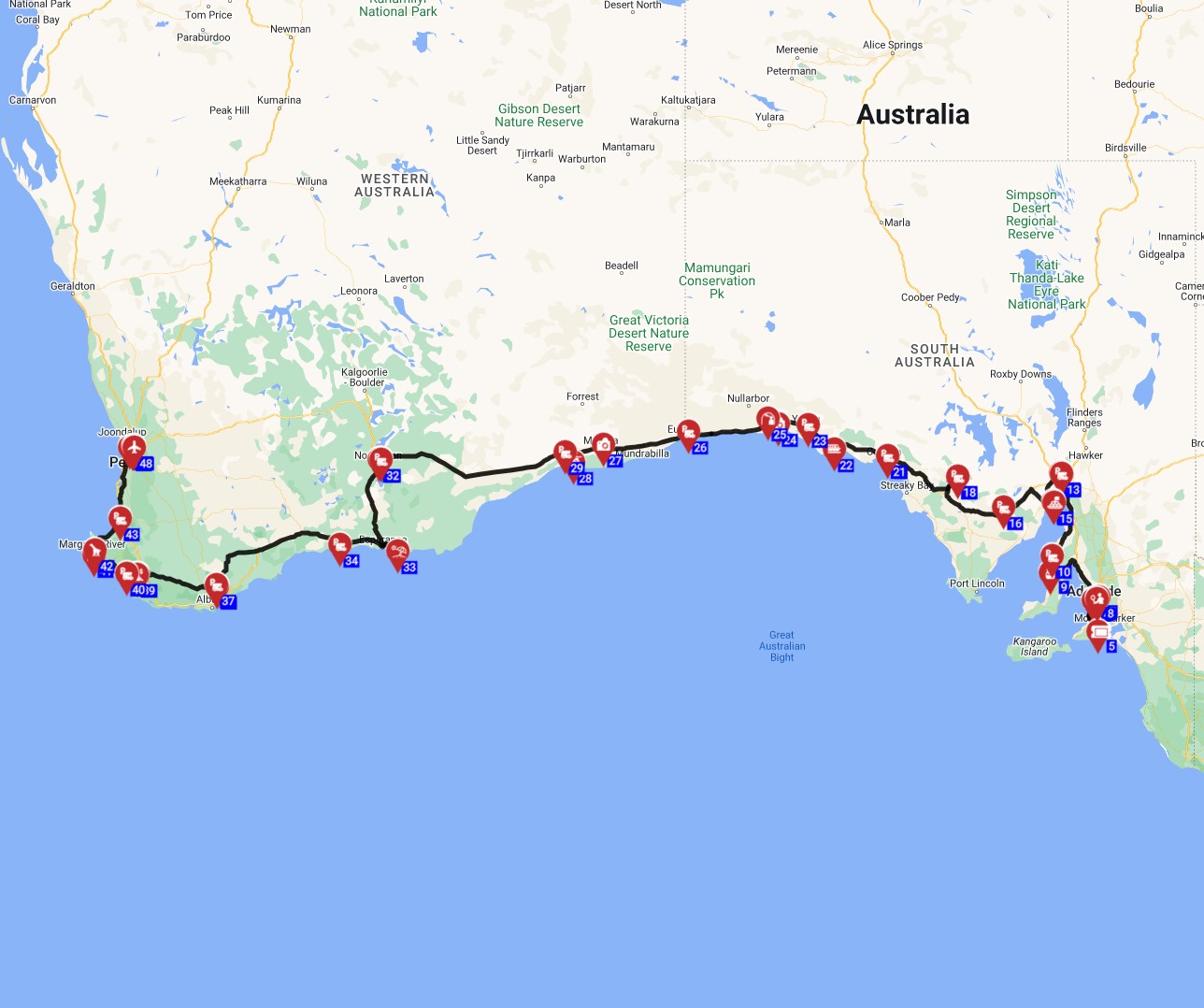
When planning your RV journey, especially if you venture into remote outback areas, it is crucial to plan ahead for resupply points, as fuel and grocery stops can be hundreds of kilometers apart. Ensure your campervan has sufficient storage for water, non-perishable food, and other essentials to last between towns. For longer trips, consider one of our carefully curated itineraries, such as the "Perth to Alice Springs - The Dreamtime Highway: A Journey Through Australia's Heart" route plan, which covers 5447.299999999999 km over 21 days and includes stops at local industries and traditional markets, perfect for resupply. Knowing where your next supplies will come from is key to a stress-free adventure.
Best RV Class for Camping in Australia
Choosing the best RV class for camping in Australia largely depends on your travel party size and desired level of comfort and accessibility. For couples or highly flexible travelers, a Class B Camper Van, averaging 5.8 meters in length and designed for 2-3 people (sleeping 3.2 people), offers excellent maneuverability and fuel efficiency, typically consuming around 10 Liters/100 km; its compact size is suitable for easy parking even in cities, without stress, just common sense and attention. These smaller campervans, such as the 'Active Classic' or 'Hi-Top Campervan', often include a shower and toilet, offering a comfortable base for your adventures.
Families or those desiring more spacious living areas often prefer a Class C Alcove motorhome, averaging 7.5 meters in length and comfortably sleeping 4-6 people (sleeping 5.8 people), providing ample room and typically consuming 10-12 Liters/100 km. Models like the 'Euro Deluxe' or '6 Berth Derwent' offer multiple double beds and extensive kitchen facilities. For adventurous travelers aiming to access remote national parks or navigate unsealed roads, a 4x4 capable campervan is recommended, though these may have higher fuel consumption, averaging 12-17 Liters/100 km. Regardless of the size you choose, your standard car driver's license is sufficient for all motorhome classes in Australia.
🎬 Video coming soon
How to Save on Campgrounds in Australia
To save on campground fees in Australia, one effective strategy is to utilize campground discount cards, often offered by RV rental providers or available for purchase at tourism centers, which can provide significant savings on private caravan parks. Traveling during shoulder seasons (spring and autumn) also allows you to benefit from lower rates and fewer crowds compared to the peak summer months (December-February), making your week-long trip more budget-friendly. Opting for municipal or regional campgrounds over premium private resorts typically provides a more economical stay, offering essential amenities without the higher price tag.
For longer stays, consider booking for three or more nights, as many parks offer weekly rates that are substantially cheaper per night than daily rates. While Bandana Caravan doesn't directly help find campsites during your rental, researching options on RV PLANET (rvplan.net) can help you identify affordable locations. Additionally, when discussing overall trip costs like fuel and tolls, remember that RV PLANET routes allow travelers to itemize and track every expense along the way for easy budgeting, ensuring full transparency with no hidden fees.
Can you park an RV anywhere in Australia?
No, you cannot legally park a rented RV just anywhere in Australia; specific regulations govern where you can park and stay overnight, primarily enforced by local councils and state authorities. Unauthorized parking or camping is illegal in most urban areas, national parks, and on private land without explicit permission from the landowner, and can result in fines ranging from AUD $50 to several hundred dollars. Always prioritize designated caravan parks, official rest areas, or clearly marked freedom camping sites to avoid penalties and ensure a safe, compliant experience.
These regulations are in place to protect the environment and local communities, which is why it's crucial to check local signage for any restrictions on overnight stays. Drive slowly and carefully, and you can drive almost anywhere without issues. No need to stress - just use common sense and pay attention. For detailed information on legal parking and camping spots, mobile apps like WikiCamps Australia are invaluable resources, providing up-to-date information on campsites and their specific rules.
What are RV parks called in Australia?
In Australia, what are commonly referred to as 'RV parks' in other parts of the world are primarily known as 'caravan parks' or 'holiday parks'. These facilities cater comprehensively to a range of recreational vehicles, including motorhomes, campervans, and caravans, offering a mix of powered and unpowered sites with various amenities. You might also encounter terms such as 'tourist parks' or specific 'camping grounds', particularly when referring to more rustic sites located within national or state parks.
The term 'caravan park' has historical roots in Australia, stemming from the popularity of caravanning holidays. These parks vary greatly in size and offerings, from basic sites with shared facilities to large resorts with pools, playgrounds, and even restaurants, making them a central part of any rented motorhome adventure in Australia. To find and compare different types of 'caravan parks' across the country, online platforms and local tourism websites are excellent resources.
Where can you park overnight for free in Australia?
Free overnight parking for a rented RV in Australia is generally possible in designated rest areas, some truck stops, and specific 'freedom camping' sites, which often require your vehicle to be self-contained (having onboard toilet and waste disposal capabilities). To reliably find legal free camping spots, digital resources like the WikiCamps Australia app are invaluable, as they crowdsource information on campsites, rest areas, and their specific amenities and rules. Many local councils have strict 'no overnight camping' bylaws, so always check signage carefully and be respectful of local communities and the environment when considering free spots, to avoid fines.
While the allure of free camping is strong, always confirm legality to ensure a stress-free trip for your motorhome. Remember to leave no trace, carry out all your rubbish, and minimize your environmental impact. These designated free sites are often more basic, typically offering fewer amenities than paid caravan parks. For more reliable access to facilities and services, planning a route that includes a mix of paid and free options can provide the best of both worlds, particularly for a week-long trip.
What is the average caravan park fee in Australia?
The average caravan park fee in Australia typically ranges from AUD $30 to $60 per night for a powered site, though prices can vary significantly based on the park's location, the array of amenities offered, and the season. Premium holiday parks located in highly popular tourist destinations, such as coastal areas during peak season (e.g., around Sydney or the Gold Coast from December to February), can exceed AUD $80-$100 per night, especially for family sites or those with cabins. Conversely, budget-friendly options or unpowered sites in smaller, regional towns might be found for as little as AUD $25-$40 per night, providing more affordable choices for your rented campervan.
When budgeting for your Australian RV adventure, it’s important to factor in these variable costs. Traveling during shoulder seasons (e.g., April-May or September-October) often provides a sweet spot with pleasant weather and more moderate prices. You can sometimes find deals or discounts by booking directly with parks or through comparison platforms. For more insights on cost-effective travel, check our "RV Rental in Australia - Prices and Best Deals 2026" guide.
How much do campsites cost in Australia?
Campsite costs in Australia can vary widely, from entirely free at designated freedom camping spots to over AUD $80 per night for premium private holiday parks, with national and state park sites typically falling between AUD $10 and $30. National and state park campsites, often located in breathtaking natural settings, usually offer basic facilities like picnic tables and composting toilets, and are frequently unpowered, making them a cost-effective option for self-contained rented RVs. These sites are ideal for those seeking a more rustic and immersive nature experience.
Private campgrounds and holiday parks offer a more extensive range of amenities, often including swimming pools, communal kitchens, kids' clubs, and even on-site restaurants, which justifies their higher price points. The final price for your rented motorhome campsite will also depend on factors such as the time of year, the duration of your stay (with week-long trips often benefiting from discounted weekly rates), and whether you require a powered site. For a comprehensive overview of prices and offers, consult "RV Rental Deals in Australia - Latest Offers 2026".
Are RVs allowed in Australia?
Yes, RVs (motorhomes, campervans, and other mobile homes) are widely allowed and are an extremely popular mode of transport and accommodation for exploring Australia's vast and diverse landscapes. Australia boasts a well-developed network of roads, including major highways like the Hume Freeway and extensive coastal routes, as well as numerous caravan parks and facilities specifically catering to RV travelers. Driving a rented motorhome offers the ultimate freedom to traverse the country, from the bustling cities like Sydney and Melbourne to the remote wonders of the outback.
While standard motorhomes are perfectly suitable for most major routes and popular tourist destinations, specific vehicle types like 4x4 capable campervans are highly recommended for accessing remote national parks or unsealed roads, particularly in regions like the Northern Territory or parts of Western Australia. Drive slowly and carefully, and you can drive almost anywhere without issues. No need to stress - just use common sense and pay attention to local road conditions and signage. A standard car driver's license is sufficient for driving all classes of rented motorhomes in Australia, and an International Driving Permit (IDP) is recommended for international visitors.
How can I book campsites in Australia?
Campsites in Australia can be booked efficiently through various online platforms, directly via individual park websites, or sometimes on arrival for first-come, first-served sites, depending on the park and season. For national and state parks, the most reliable method is to use the relevant state government parks website (e.g., NSW National Parks and Wildlife Service, Parks Victoria, or Queensland Parks and Wildlife Service), where you can check availability and make reservations directly. Private caravan and holiday parks can be booked directly on their official websites or through major booking aggregators like Big4 Holiday Parks or specific park chains.
Apps like WikiCamps Australia are also highly recommended, as they crowdsource information on campsites, rest areas, and their amenities, often providing direct booking links. Booking in advance is especially crucial for peak seasons or popular destinations to ensure you secure a spot for your rented motorhome, particularly if you're planning a week-long trip or longer. Remember that Bandana Caravan does not help find campsites during your rental; however, RV PLANET (rvplan.net) offers fantastic itineraries with pre-identified camping spots, simplifying your planning process.
Do you need to pre-book campsites in Australia?
While not always strictly necessary, pre-booking campsites in Australia is highly recommended, especially during peak seasons, school holidays, and for popular coastal or national park locations, to guarantee availability for your rented RV. Many sought-after sites can book out months in advance during these busy periods, particularly for powered sites that offer essential 240V electricity. During off-peak seasons or in less-traveled regional areas, you may often find availability on the day, but it is always wise to call ahead before driving your campervan to avoid disappointment and ensure a smooth experience.
Around 25-30% of national and state park campsites are reservable, with the majority operating on a first-come, first-served basis, offering flexibility for spontaneous travelers. Even if your first choice is full, you'll almost certainly find a spot at another nearby campground. For comprehensive itineraries that include recommended campsites, consider looking at RV PLANET (rvplan.net), which can help you plan your journey and identify potential overnight stops in advance. This approach balances the freedom of RV travel with the assurance of a secure place to stay each night.
What is ghost camping in Australia?
'Ghost camping' in Australia typically refers to stealth camping or staying overnight in an undesignated or illegal spot, often done with the intention of avoiding campground fees. This practice is generally discouraged by local authorities and can lead to significant fines, particularly in areas with explicit 'no overnight camping' signage, in urban zones, or within sensitive environmental areas like national parks. It is important for RV renters to be aware of and respect local regulations to ensure a responsible and enjoyable trip through Australia.
Instead of engaging in ghost camping, it is always best to utilize legal camping options, such as designated rest areas, official free camps (often requiring a self-contained vehicle), or paid caravan parks, to ensure your safety and comply with local laws. Resources like the WikiCamps Australia app can help you find legitimate places to park your motorhome overnight. At Bandana Caravan, we promote honest and transparent travel, ensuring you have no hidden fees or surprises, including when it comes to legal camping spots. Our 24/7 support (for pre-booking, booking, and post-booking coordination) is available to assist with any queries before you hit the road.
What You Shouldn't Miss
- **Drive the Great Ocean Road:** This iconic 243-kilometer (151-mile) route in Victoria is a must-do, offering breathtaking coastal scenery, the Twelve Apostles rock formations, and charming seaside towns. Allow 3-4 days for a leisurely drive in your rented RV, ensuring you can stop and soak it all in.
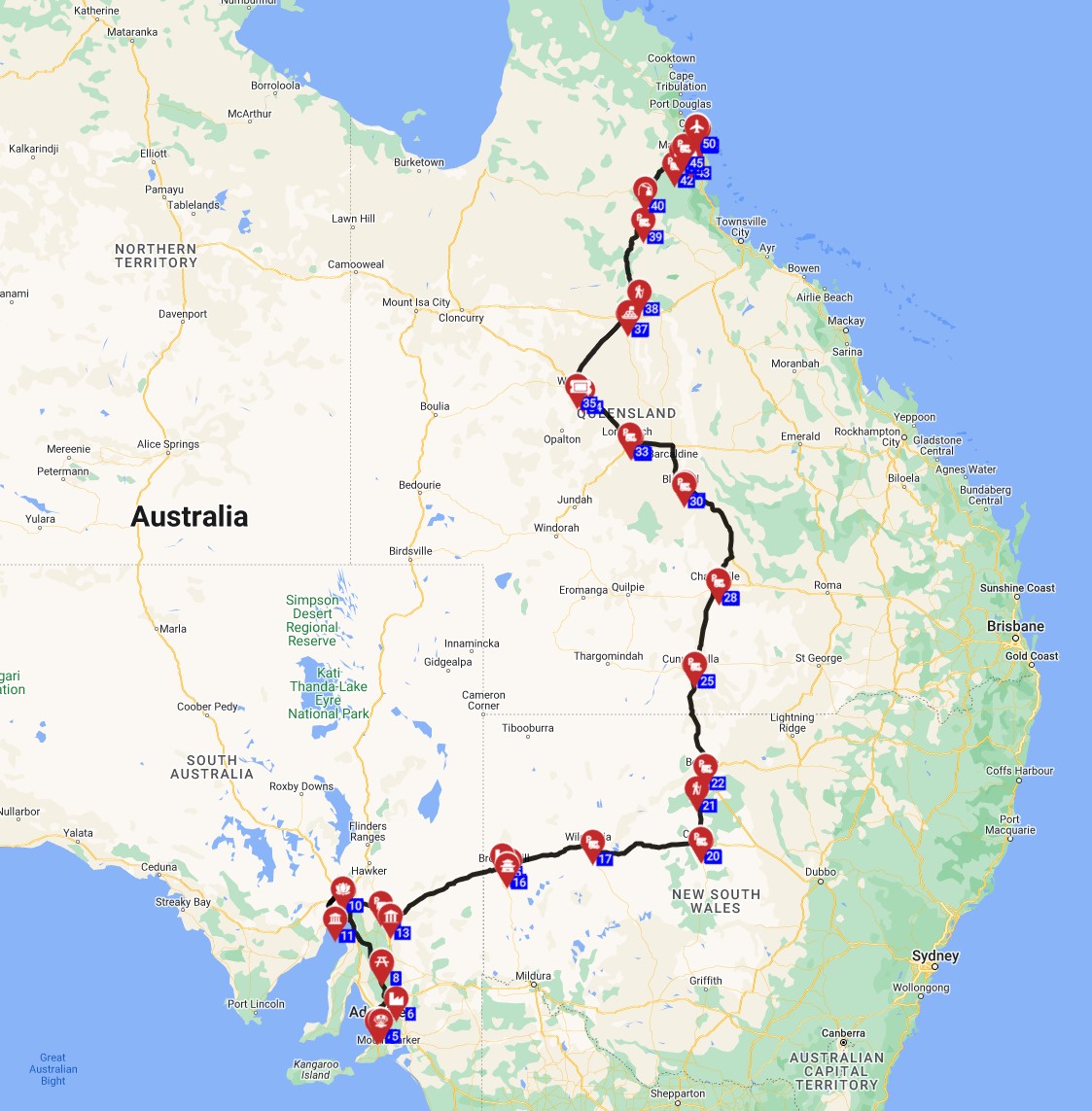
- **Explore Uluru-Kata Tjuta National Park:** Venture into the Red Centre to witness the majestic Uluru (Ayers Rock) and Kata Tjuta (The Olgas). This UNESCO World Heritage site offers incredible cultural experiences and 36 designated walking trails. Consider a "Cairns to Alice Springs - Northern Horizons: A Journey Through Australia's Heartland" route plan for a full outback experience, covering 4003.6 km over 17 days.
- **Visit K'gari (Fraser Island):** The world's largest sand island in Queensland is a unique destination for 4x4 capable campervans, featuring stunning freshwater lakes, ancient rainforests, and diverse wildlife. Access requires specific permits and vehicle types.
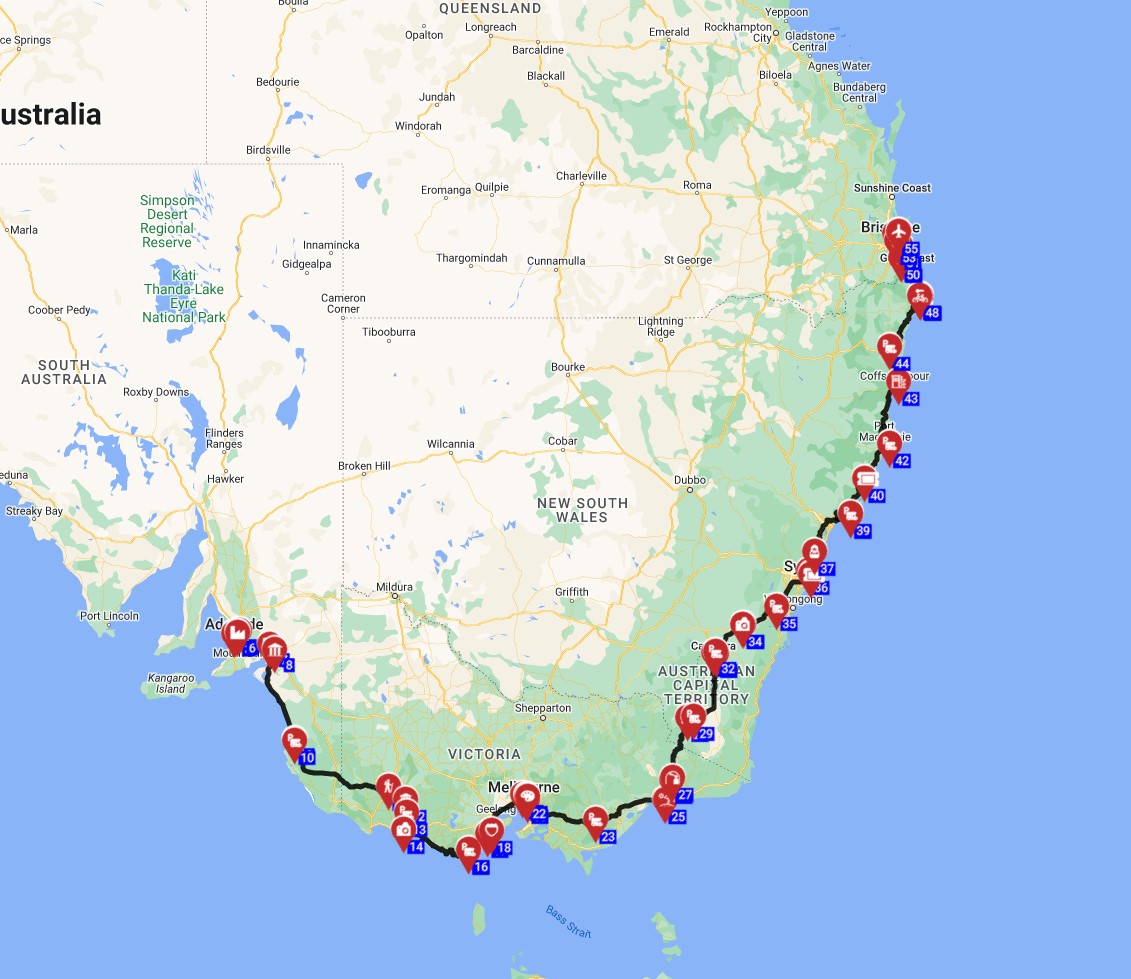
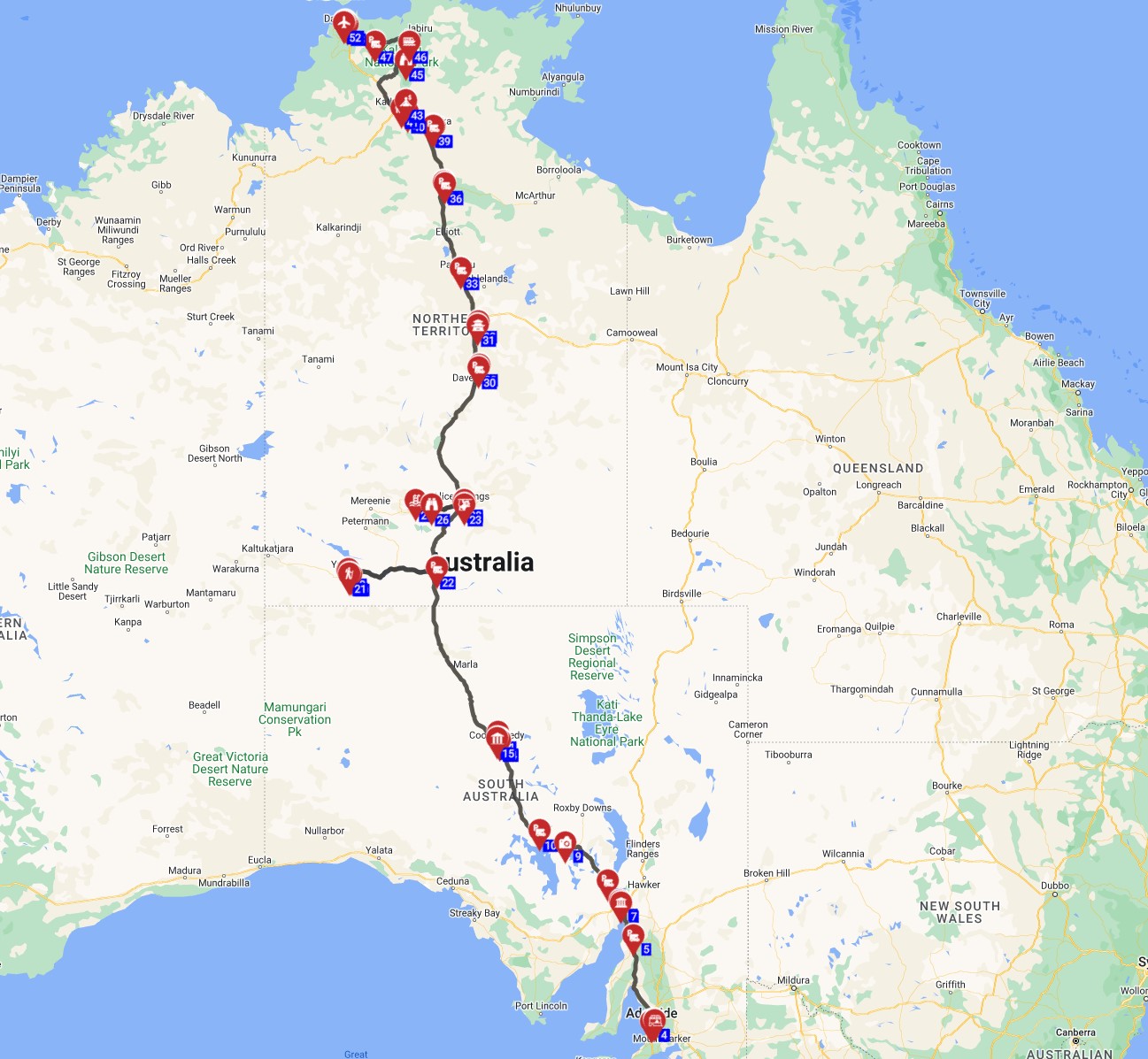
- **Discover the Tropics of Cairns:** Begin your adventure in Cairns, Queensland, the gateway to the Great Barrier Reef and Daintree Rainforest. Enjoy activities like snorkeling, wildlife watching, and scenic routes through lush landscapes, as highlighted in our "Melbourne to Darwin - Australia’s Heartline Road Trip" itinerary, featuring 2 animals shows and 5 hiking areas.
- **Stroll through Sydney's Iconic Harbourside:** Park your motorhome on the outskirts and take public transport into Sydney to experience the Opera House, Harbour Bridge, and vibrant city life. Drive slowly and carefully, and you can drive almost anywhere without issues. No need to stress - just use common sense and pay attention to specific parking regulations for larger vehicles.
- **Explore Perth's Coastal Wonders:** From the urban beaches of Cottesloe to the historic port city of Fremantle, Perth offers a relaxed yet vibrant atmosphere. Many caravan parks are conveniently located near public transport for easy city access, and our "Perth to Alice Springs - The Dreamtime Highway: A Journey Through Australia's Heart" route plan includes 2 animals shows and 1 beach for a diverse experience.
Looking for expert insights from Avi Bandana? Top 5 Adventures — recommendations from Avi Bandana
Avi Bandana, with over 25 years of hands-on experience, always emphasizes slow travel and truly connecting with the destination. For Australia, he recommends focusing on a single region for a deeper dive, rather than rushing through the entire continent. "Travel slowly, max 100-150 km per day on average," he advises. "Take time to feel the place, connect to the culture, the food, and the scenery. Don't just see the sights; experience them." His top adventures for Australia include exploring the rugged beauty of Tasmania in a compact campervan, traversing the scenic coastal roads of Queensland, discovering the hidden gems of Western Australia, immersing in the Aboriginal culture of the Northern Territory, and combining city exploration with nature escapes around Melbourne and Sydney.
Final Thoughts
Exploring Australia with a rented RV is more than just a trip; it's an immersive journey into a land of breathtaking landscapes and unique experiences. From the convenience of well-equipped caravan parks to the freedom of vast open roads, your motorhome becomes your personal gateway to adventure. Remember to embrace the spirit of slow travel, allowing 100-150 km per day on average, to truly connect with the diverse cultures, incredible food, and stunning scenery that Australia offers.
At Bandana Caravan, we're passionate about helping you craft these unforgettable memories. With our transparent pricing, dedicated support, and wealth of planning resources like RV PLANET (rvplan.net), you're set for a seamless and joyful experience. So, pack your bags, choose your ideal campervan, and get ready to discover the magic of Australia. Life is now!
Discover top destinations, planning tips, all in one place! Plan a trip itinerary in advance with minimal effort and maximum enjoyment. Get inspired for your next trip to Australia.