In This Guide
- Top 5 Tips for long term rv rental RV Rental in Sydney
- Before You Book — Class, Dates, Insurance
- Pre-Trip Prep — Packing Checklist for Sydney
- On the Road — Driving, Fueling, Navigation
- At the Campground — Setup, Hookups & Etiquette
- Long Term RV Rental-Specific Tips for Sydney
- Common Mistakes to Avoid in Sydney
- Can you live permanently in a motorhome in Australia?
- Can you rent a campervan for 6 months?
- What is the 3-3-3 rule for RV travel?
- What is the 4 4 4 rule for RVs?
- What is the 2 2 2 rule for RV travel?
- What is the 3-3-3 rule for RV living?
- What is the 4 4 4 rule for RVing?
- What is the 2 2 2 rule for RV?
- What is the RV-10 rule?
- Do and don'ts in Sydney, Australia?
Top 5 Tips for long term rv rental RV Rental in Sydney
Plan your route comprehensively, considering distances, road types, and campsite availability in advance, especially for popular Sydney destinations. This proactive approach is key to a smooth long-term adventure.
Choose an RV size that balances comfort for long-term living with maneuverability for Sydney's urban and coastal roads. For example, a Class C motorhome like the 24' Class C Motorhome offers ample living space for families of 2+2, but a more compact option like the 2 Berth Hi Top might be easier for navigating tighter city streets.
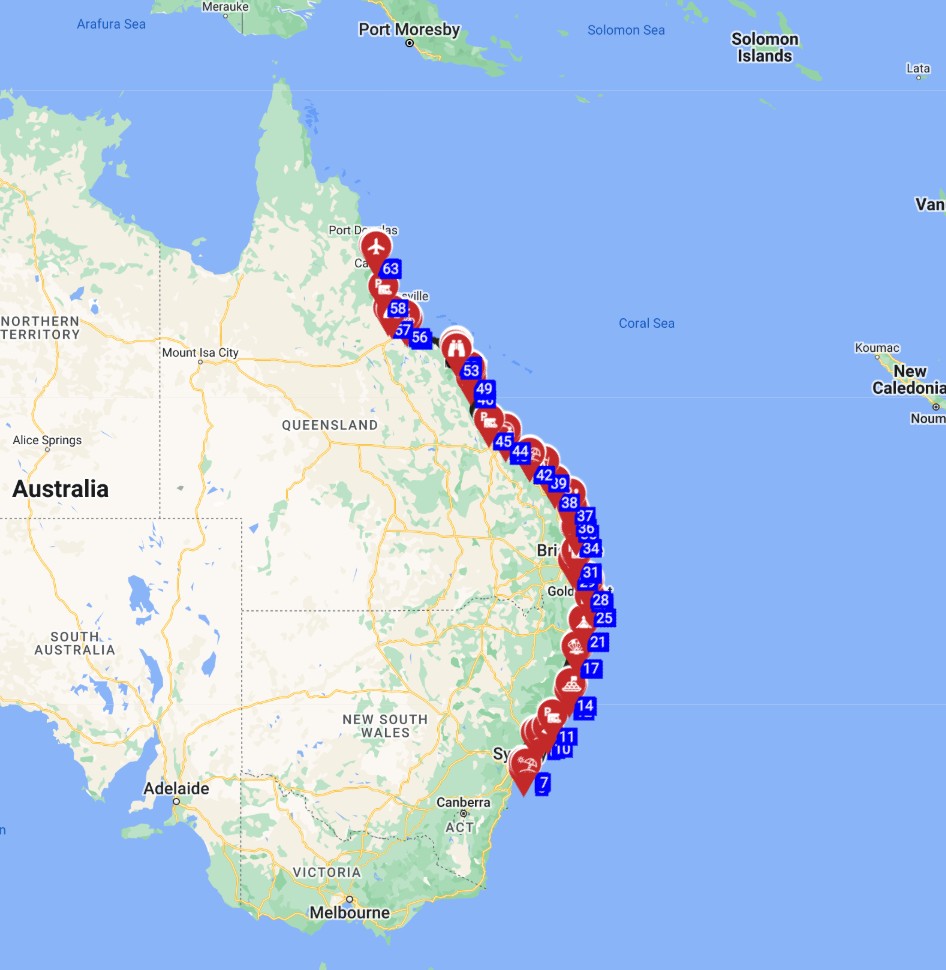
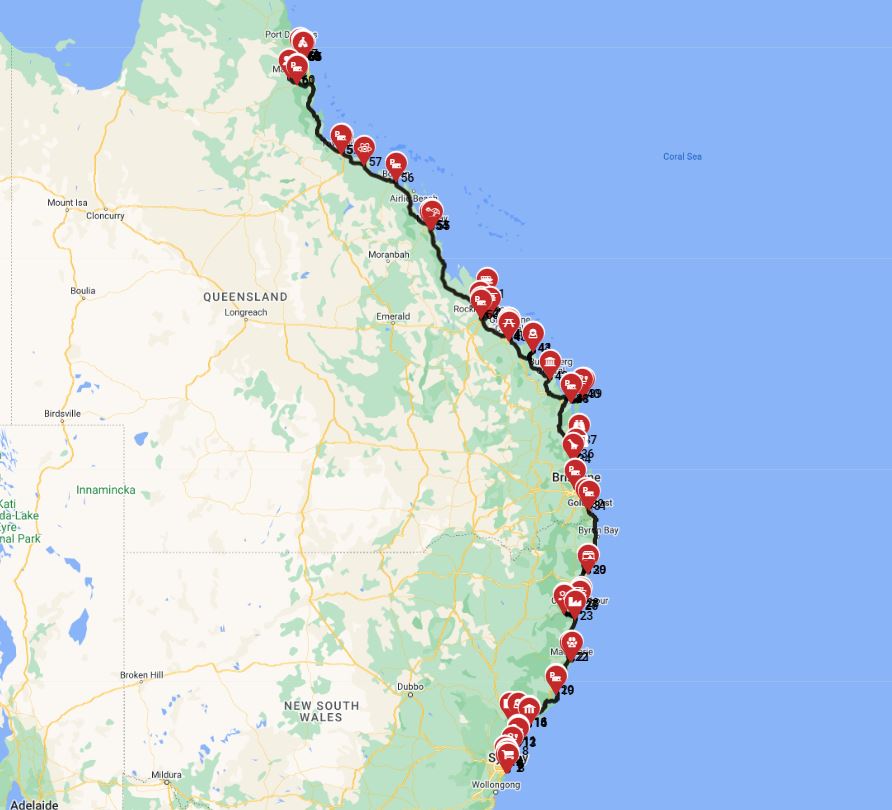
Budget for hidden costs like tolls, fuel (which can be significant over months), campground fees, and unexpected maintenance. For finding campsites and campgrounds during your trip, we recommend using RV PLANET (rvplan.net) — a great resource for locating available spots along your route, where you can also itemize and track every expense along the way for easy budgeting. On the routes offered through RV PLANET routes, you can itemize and track every expense along the way for easy budgeting.
Familiarize yourself with Australian road rules, especially for larger vehicles, and local Sydney parking regulations. Understanding these nuances will prevent fines and ensure a stress-free experience.
Secure comprehensive insurance coverage for extended travel, ensuring peace of mind throughout your long-term journey. Many rental companies include basic insurance, but upgrading to more comprehensive coverage is highly recommended for longer trips.
Before You Book — Class, Dates, Insurance
Selecting the right RV class for a long-term rental in Sydney is crucial for comfort and practicality, considering factors like amenities, passenger capacity, and ease of driving. For instance, a 'Campervan hire example B-21' might be ideal for a couple seeking maneuverability, while a larger 'RV rentals example Comfort Class' would better suit a family of 2+2 needing more living space and sleeping arrangements.
Booking well in advance, especially for peak seasons like summer holidays or Easter, ensures better availability and potentially more favorable long-term rates. While prices are dynamic and can change, securing your vehicle months ahead is a smart strategy for securing the best options.
Basic insurance is always included with your rental. To see prices including the most comprehensive coverage, simply select that option during your search—then all relevant insurance options will be clearly shown, offering you full transparency.
Review long-term rental agreements carefully for clauses on mileage limits, maintenance responsibilities, and early return policies. Understanding these terms upfront will prevent surprises and ensure a smooth rental experience.
Pre-Trip Prep — Packing Checklist for Sydney
A comprehensive packing checklist helps ensure you have everything needed for a comfortable long-term RV rental experience in Sydney. Think about essential items that make your mobile home away from home truly yours.
Consider Sydney's varied climate when packing; layers are always a good idea. Pack clothing suitable for warm days, cooler evenings, and potential rain, even during the summer months.
Don't forget essentials like charging cables for your devices, adapters, and a well-stocked first-aid kit, which are vital for extended travel and peace of mind.
- Lightweight clothing (shorts, t-shirts)
- Warm layers (jumper, light jacket)
- Rain jacket/umbrella
- Comfortable walking shoes
- Swimsuit and towel
- Sunscreen, hat, sunglasses
- Basic toiletries & personal medications
- Reusable water bottles
- Small cooler bag
- Basic cooking utensils (if not supplied)
- Reusable shopping bags
- Charging cables & power bank
- Australian power adapter (if international)
- First-aid kit
- Insect repellent
- Torch/headlamp
- Physical maps (backup for GPS)
- Driver's license & international driving permit (if applicable)
- Rental agreement documents
- Travel insurance details
- Passport/ID
- Bank cards & some cash
On the Road — Driving, Fueling, Navigation
Driving an RV in and around Sydney requires attention to specific challenges like urban traffic, narrow streets, and bridge clearances. Remember to drive slowly and carefully; you can navigate most areas without issues by using common sense and paying attention.
Fueling an RV over a long trip means planning stops, as fuel consumption is higher, and prices can vary significantly. Keep an eye on fuel prices and plan your refueling stops in advance to manage costs effectively.
Navigation apps are helpful, but always cross-reference with road signs and be aware of RV-specific routes or restrictions in certain areas. For example, some tunnels or roads may have height or weight restrictions.
Familiarize yourself with Sydney's toll roads, such as the M1, M2, M4, M5, M7, Eastern Distributor, and the Sydney Harbour Bridge/Tunnel. Consider acquiring an e-tag or e-pass for seamless travel and to avoid potential fines from unexpected video toll charges.
At the Campground — Setup, Hookups & Etiquette
Proper setup at a campground ensures a comfortable and safe long-term RV stay, starting with parking on level ground. If your site isn't level, use leveling blocks to ensure the RV is stable and all appliances function correctly.
Connecting hookups typically follows a specific order: electricity first, then water, and finally sewage. This sequence helps maintain hygiene and prevent issues like siphoning or pressure problems.
Observing campground etiquette, such as adhering to quiet hours (usually between 10 PM and 7 AM) and keeping your site tidy, contributes to a pleasant experience for everyone. Respecting your neighbors' space and noise levels is paramount.
Many Sydney-area campgrounds offer amenities like laundry, shared kitchens, and communal areas, which are particularly beneficial for long-term stays, allowing you to manage necessities and connect with other travelers.
Long Term RV Rental-Specific Tips for Sydney
For long-term rentals in Sydney, consider RVs with ample storage and a comfortable living space to enhance your extended stay. Look for models that offer a good balance between interior amenities and exterior maneuverability.
Families renting long-term should look for RVs with multiple sleeping areas and potentially a separate lounge for diverse activities. Vehicles like the '32' Class C Motorhome are designed to accommodate larger families with dedicated sleeping zones.
Budget-conscious long-term renters might explore free overnight parking options outside of Sydney's immediate urban area, alongside paid campgrounds. Always check local regulations for designated overnight parking areas.
Luxury long-term rentals can include amenities like satellite TV, larger refrigerators, and more spacious bathrooms for enhanced comfort. Options like the 'Class A - Integrated' motorhomes often provide these premium features.
Plan for regular laundry cycles and consider choosing campgrounds that offer facilities, which is crucial for extended trips. This can save time and money compared to seeking out external laundromats.
Common Mistakes to Avoid in Sydney
A common mistake is underestimating Sydney's traffic congestion; instead, plan travel during off-peak hours or utilize public transport from RV-friendly campsites. This approach will save you time and reduce stress.
Many visitors neglect to account for Sydney's extensive toll road network; instead, pre-arrange an e-tag or e-pass for seamless travel and to avoid fines. Researching toll costs for your planned routes is essential.
Ignoring height restrictions for tunnels and low-clearance areas is a risk; instead, always know your RV's exact dimensions and check signage carefully. Larger motorhomes, like Class A models, will require more attention to overhead clearances.
Failing to book popular campgrounds well in advance, especially during peak season, can lead to limited options; instead, secure your spots as soon as your itinerary is firm. Many national and state parks have a portion of their sites available on a first-come, first-served basis, so calling ahead if you're unsure is always a good strategy.
Not budgeting for the true cost of long-term RV travel, including fuel, groceries, and site fees, can lead to financial strain; instead, create a detailed budget covering all potential expenses.
Can you live permanently in a motorhome in Australia?
Living permanently in a motorhome in Australia is legally permissible, provided you adhere to local council regulations regarding overnight parking and camping, as there is no federal law preventing it. The key is understanding and complying with varying local rules.
While not illegal to live in a motorhome, restrictions exist on where you can park or camp, with many local councils having bylaws prohibiting extended stays on public land. Researching specific council areas before you settle is important.
Many permanent motorhome dwellers utilize a network of caravan parks, private land, or designated free camping areas, often moving between locations to comply with stay limits. This mobility is part of the lifestyle's appeal.
Consider practicalities such as mail delivery, domicile for legal purposes, access to healthcare, and community integration when planning permanent RV living. Services like mail forwarding can be arranged to maintain a fixed address.
Australia boasts a thriving community of full-time RVers, or 'grey nomads,' who share resources, tips, and support for the lifestyle. Connecting with these communities can provide invaluable local knowledge and camaraderie.
Can you rent a campervan for 6 months?
Yes, it is possible to rent a campervan or motorhome for extended periods like 6 months in Australia, with many rental companies offering long-term rental rates and packages. These longer-term options often provide significant savings.
Long-term rentals typically offer significant daily rate reductions compared to short-term hires, making extended trips more affordable. It's worth comparing prices across different suppliers for such extended durations.
When inquiring about 6-month rentals, clarify mileage limits, maintenance schedules, insurance options, and any special long-term terms and conditions. Full transparency on these points is crucial for budgeting.
Some rental providers specialize in or are more accommodating to long-term hires, often providing better support and fleet options for extended journeys. Bandana Caravan can help you compare these options easily.
Booking a 6-month rental well in advance, especially outside of peak seasons, can provide more negotiation power and a wider selection of vehicles, ensuring you get the best RV for your extended Australian adventure.
What is the 3-3-3 rule for RV travel?
The 3-3-3 rule for RV travel is a widely adopted heuristic designed to ensure a relaxed and enjoyable journey by recommending limiting travel to approximately 300 miles, arriving by 3 PM, and staying for at least 3 nights at each location.
This rule helps prevent driver fatigue by capping daily driving distances, making the travel pace more manageable and allowing for more spontaneous discoveries along your route.
Arriving by 3 PM allows ample time for campsite setup, exploration of the local area, and relaxation before dusk, making your arrival at each destination more pleasant.
Staying for a minimum of 3 nights at each location provides an opportunity to thoroughly experience the destination without constantly packing and unpacking, fostering a deeper connection with each place.
While a guideline, the 3-3-3 rule promotes a slower, more immersive travel style, particularly beneficial for long-term RV rentals in Sydney and beyond, allowing you to truly savour the journey.
What is the 4 4 4 rule for RVs?
The '4-4-4 rule for RVs' is a less common but similar travel heuristic to the 3-3-3 rule, suggesting driving no more than 400 miles a day, stopping by 4 PM, and staying for a minimum of 4 days at a single location.
This rule is often adopted by travelers seeking an even more leisurely pace or those covering greater distances over very long periods, allowing for more in-depth exploration.
The extended driving limit (400 miles) might suit RVers who are more accustomed to long stretches or those traversing vast regions of Australia, ensuring you can cover ground comfortably.
An arrival time of 4 PM still provides sufficient daylight for camp setup and initial exploration, allowing you to settle in without rushing as dusk approaches.
Committing to 4 or more nights per stop facilitates a relaxed pace, allowing for deeper exploration, local excursions, and necessary chores like laundry or provisioning, making your long-term stay more convenient.
What is the 2 2 2 rule for RV travel?
The '2-2-2 rule for RV travel' is a simpler, more relaxed guideline often recommended for beginners or those prioritizing leisure, suggesting driving a maximum of 200 miles a day, stopping by 2 PM, and staying for at least 2 nights at each stop.
This rule is particularly effective for reducing travel stress and allowing more time for spontaneous stops and local exploration, perfect for a leisurely Sydney escape.
An early arrival time of 2 PM maximizes time for setting up camp, enjoying amenities, and settling into the new environment before the late afternoon rush.
Staying for at least two nights gives travelers a full day to engage with the destination, allowing for unhurried sightseeing, hiking, or socializing with fellow travelers.
The 2-2-2 rule is ideal for long-term RV renters in Sydney who wish to savour their journey rather than rush through it, allowing for deeper engagement with each location.
What is the 3-3-3 rule for RV living?
The '3-3-3 rule for RV living' is a variant of the travel heuristic, adapted for full-time or long-term residents, suggesting traveling no more than 300 miles, arriving by 3 PM, and staying for at least 3 weeks or 3 months in a location.
This version prioritizes stability and community engagement over constant movement, allowing long-term RVers to establish temporary routines and connect with local services and communities.
Staying for an extended period, such as 3 weeks or 3 months, provides ample opportunity to explore a region thoroughly, access amenities, and reduce the frequency of packing up and moving, which is ideal for those seeking a slower pace.
It's particularly relevant for digital nomads or those seeking a slower pace of life, enabling them to settle into a rhythm before moving to the next destination, ensuring work-life balance on the road.
This rule helps in managing logistical aspects of long-term living, such as mail, provisions, and accessing healthcare services in a more stable manner, making extended stays more practical.
What is the 4 4 4 rule for RVing?
The '4-4-4 rule for RVing' is another iteration of the travel pace guideline, often suggesting driving approximately 400 miles, stopping by 4 PM, and staying for a minimum of 4 nights at a single location.
Similar to the 3-3-3 and 2-2-2 rules, it aims to prevent fatigue and allow for deeper immersion in destinations, but with slightly longer driving days and stays, perfect for extensive exploration.
This rule is suitable for long-term RVers who want to cover significant ground across Australia without feeling excessively rushed, allowing for a more comprehensive experience.
The 4 PM arrival time still provides sufficient daylight for camp setup and initial exploration, ensuring you can get settled comfortably before dark.
Committing to 4 or more nights per stop facilitates a relaxed pace, allowing for deeper exploration, local excursions, and necessary chores like laundry or provisioning, making your longer stays more enriching.
What is the 2 2 2 rule for RV?
The '2-2-2 rule for RV' reiterates the principle of driving a maximum of 200 miles a day, arriving at a campsite by 2 PM, and staying for at least 2 nights, promoting a highly relaxed and leisurely travel style.
This rule is excellent for long-term RV renters in Sydney who wish to truly unwind and enjoy each stop along their journey without the pressure of extensive daily travel, enhancing relaxation.
The early afternoon arrival (2 PM) maximizes time for setting up camp, exploring local attractions, or simply relaxing at the campsite, ensuring a stress-free transition.
Staying for a minimum of two nights provides a full day to engage with the destination, allowing for unhurried sightseeing, hiking, or socializing with fellow travelers, making each stop more meaningful.
It’s particularly beneficial for families with young children or seniors who prefer a slower, less demanding travel schedule, ensuring everyone can enjoy the experience at a comfortable pace.
What is the RV-10 rule?
The 'RV-10 rule' is not a widely recognized or common heuristic for RV travel or living; it typically refers to a specific model of experimental aircraft (Van's Aircraft RV-10).
When discussing RV travel, commonly recognized rules for pacing and planning include the '2-2-2', '3-3-3', and '4-4-4' guidelines, which focus on daily mileage, arrival times, and duration of stay.
If encountering the 'RV-10 rule' in a context related to recreational vehicles, it may be a misattribution or an uncommon, niche guideline not generally applied across the broader RV community, so it's best to stick to established practices.
Travelers seeking guidance on RV trip planning should prioritize established heuristics like those mentioned, which are designed to enhance safety and enjoyment on the road, ensuring a better travel experience.
Always cross-reference any unfamiliar RV 'rules' with reputable sources or the wider RV community to ensure accuracy and relevance to your travel plans, maintaining a well-informed approach.
Do and don'ts in Sydney, Australia?
When RVing in Sydney, *do* plan your city parking carefully, as spaces for large vehicles are limited; consider parking at designated RV-friendly spots outside the CBD and using public transport to explore the city center.
*Don't* attempt to drive your RV through the Sydney Harbour Tunnel if your vehicle is over height or width limits; use the Harbour Bridge instead, and always check your RV's dimensions against tunnel restrictions.
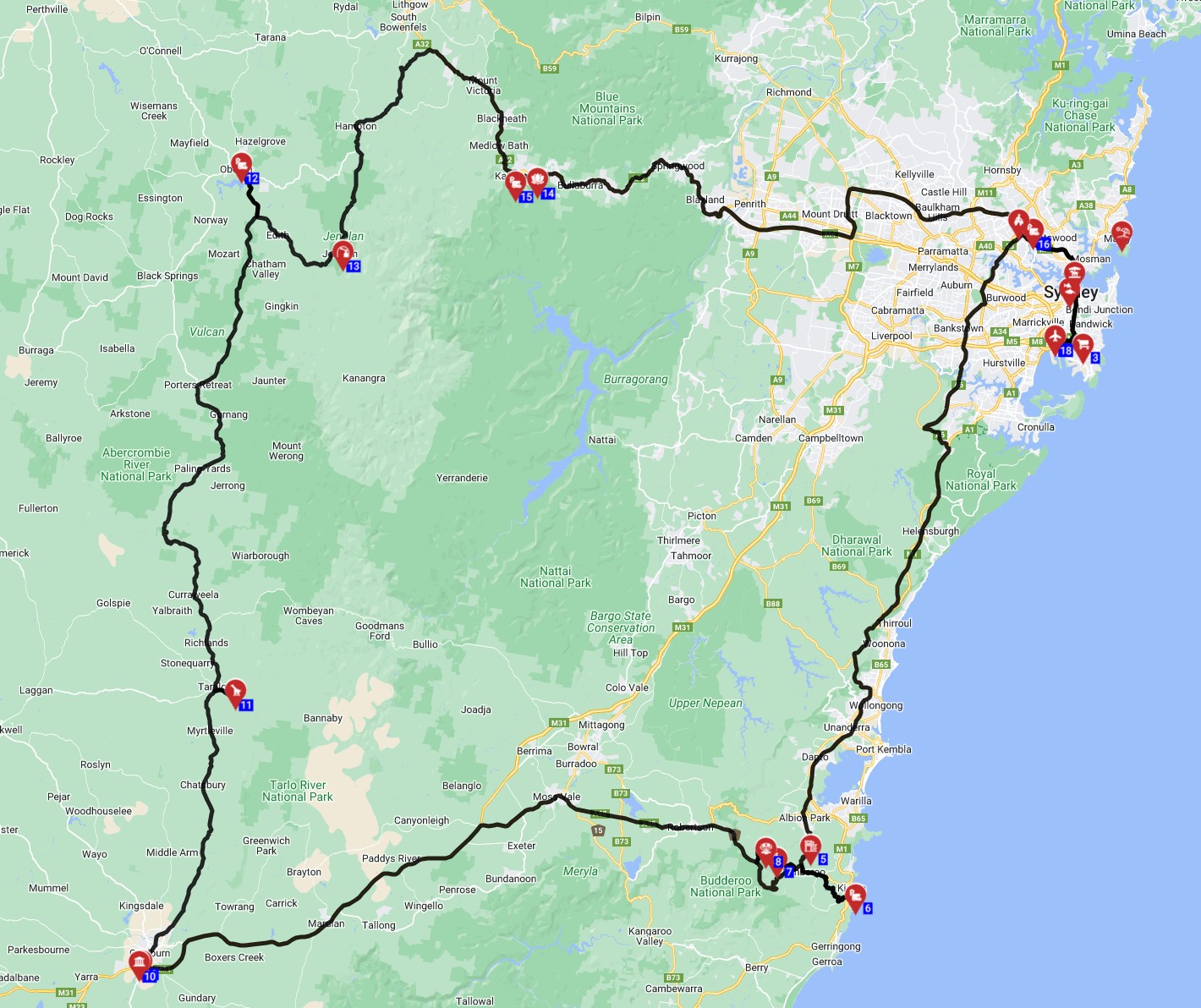
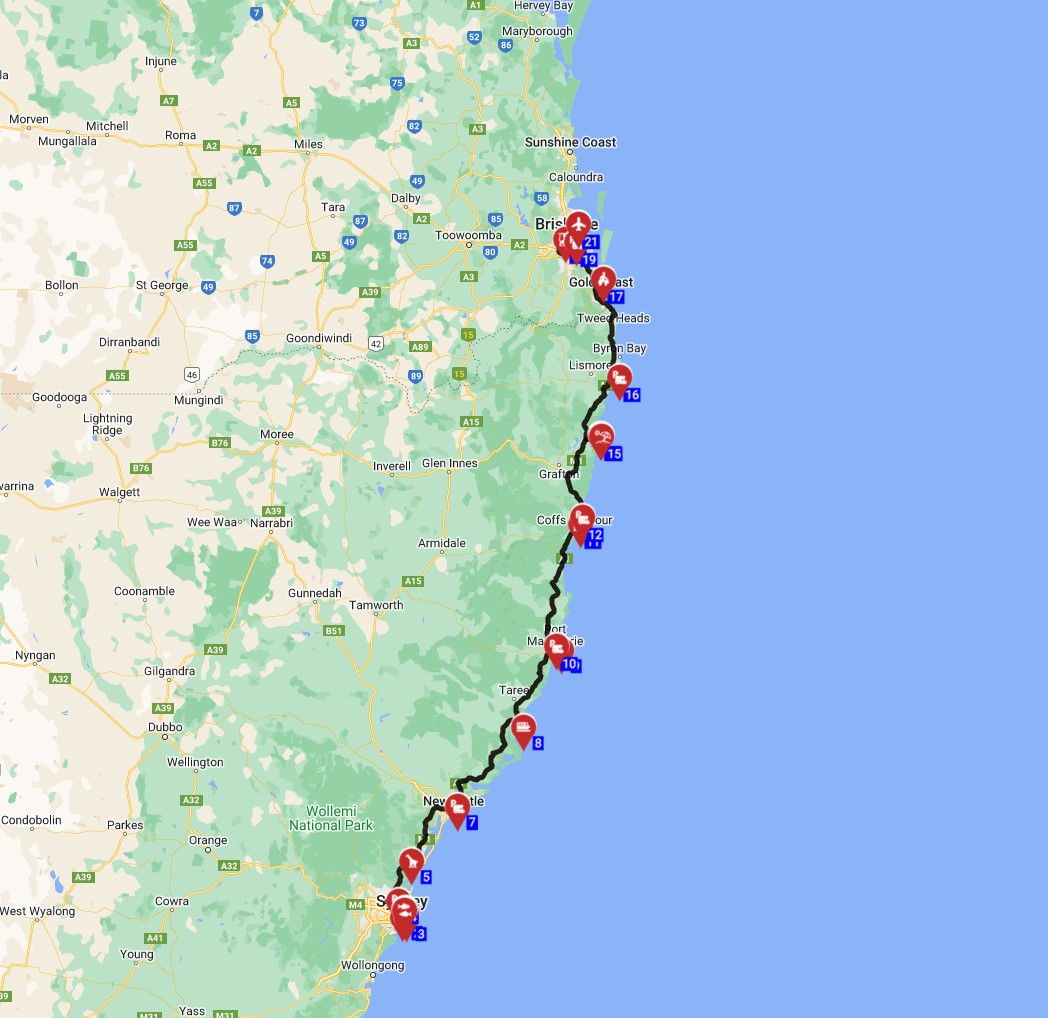
*Do* explore Sydney's iconic landmarks like the Opera House and Harbour Bridge, and consider visiting outer suburbs or national parks easily accessible by RV, such as those mentioned in the RV PLANET itineraries.
*Don't* ignore local road rules, especially regarding speed limits and tolls; *do* get an e-tag for Sydney's extensive toll roads to avoid fines and ensure seamless travel.
*Do* take advantage of Sydney's vibrant food scene, but *don't* feed wild animals, especially near campsites or national parks, to maintain ecological balance and animal welfare.
What You Shouldn't Miss
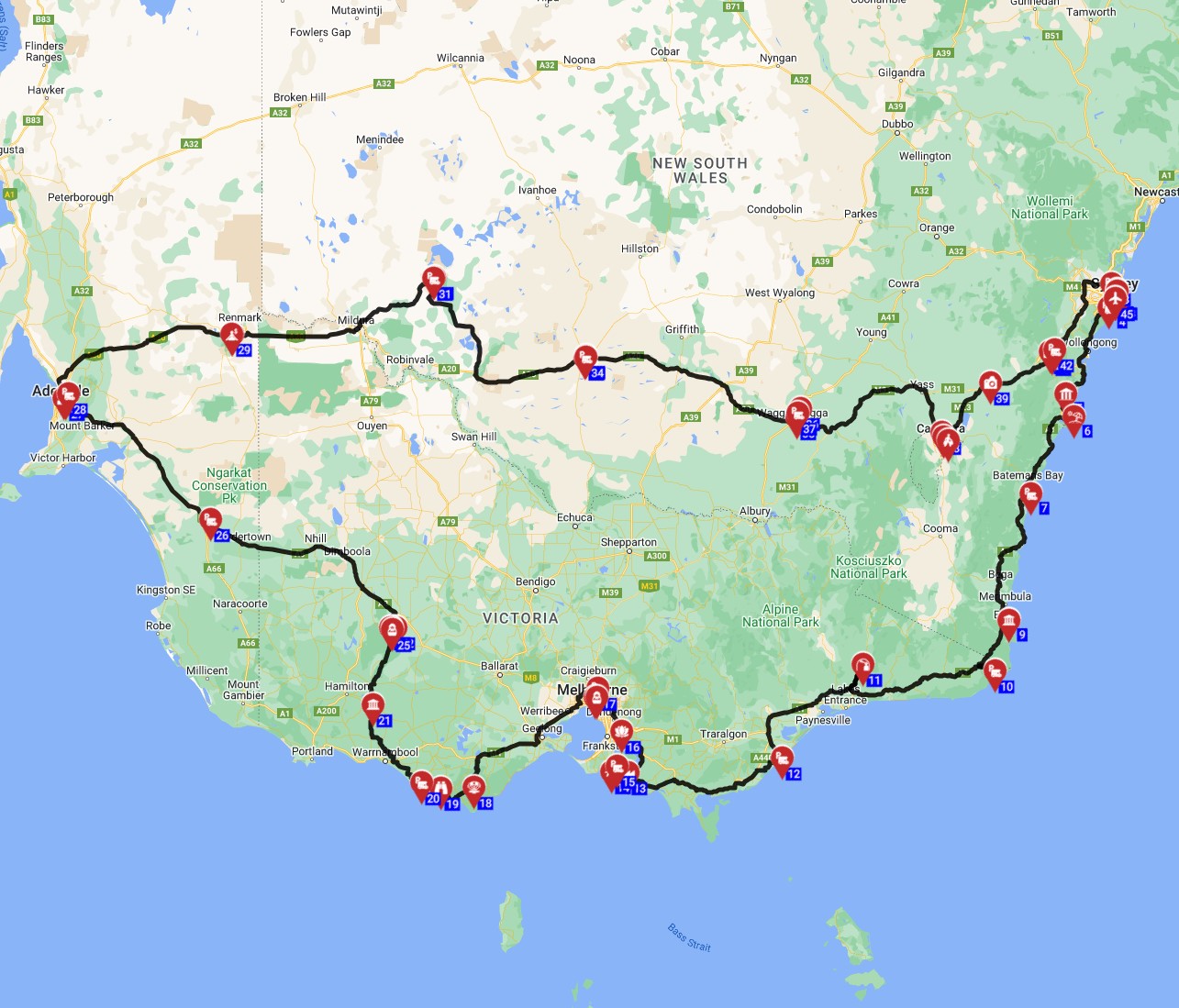
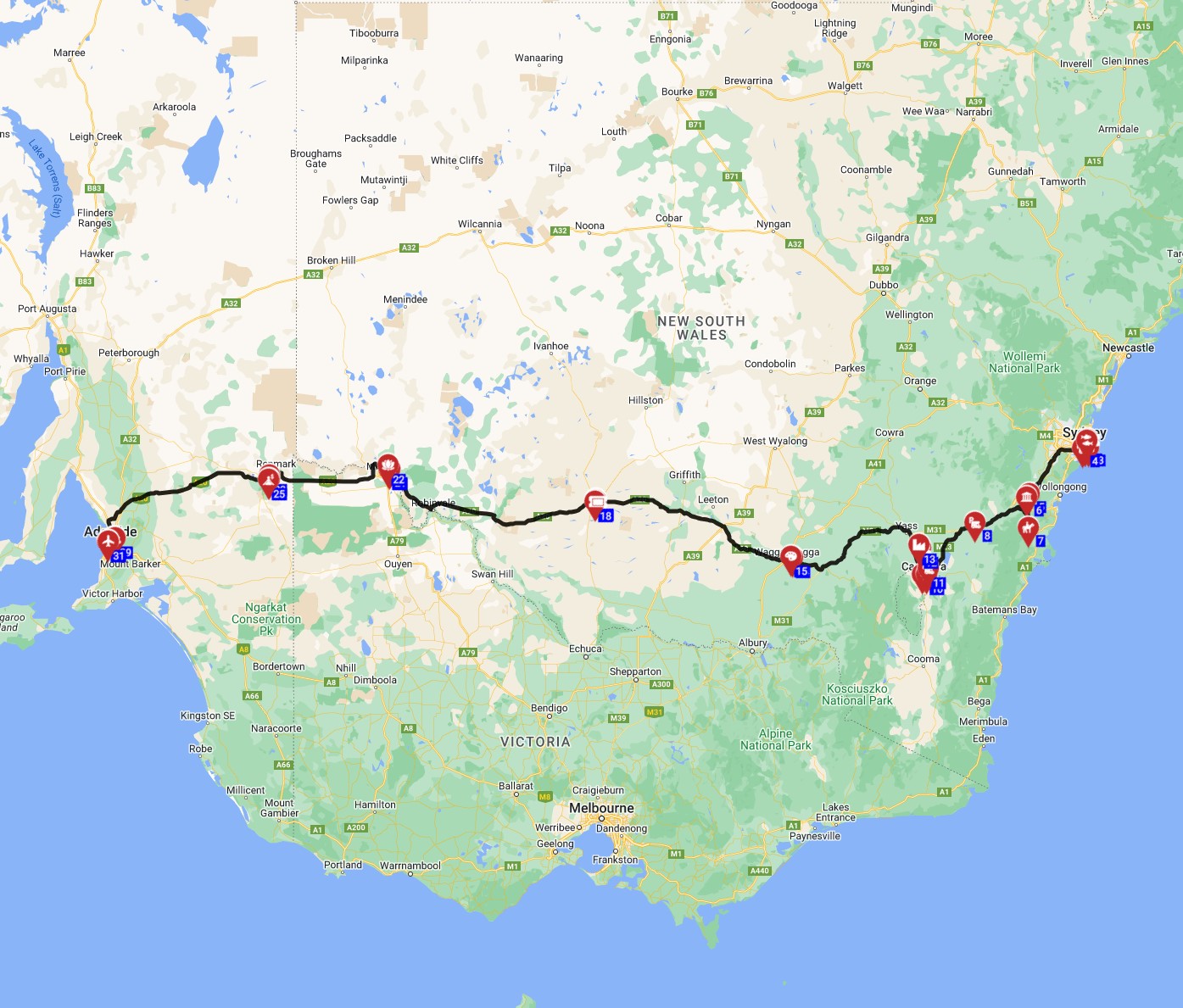
- Embark on the "
" route (11 days, 1719 km) for a comprehensive journey through diverse Australian landscapes.
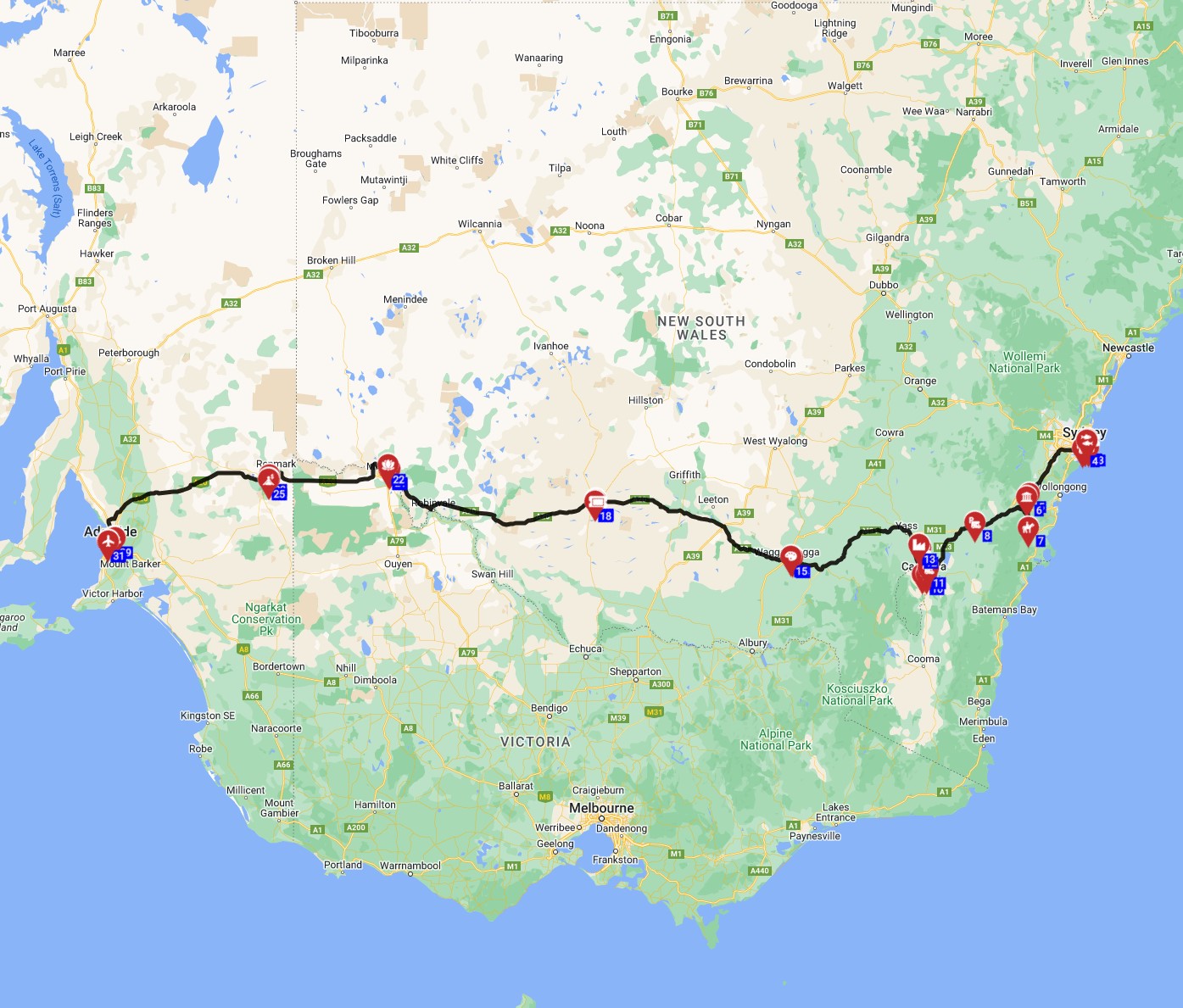 Sydney to Adelaide - the Outback and Blue Mountains
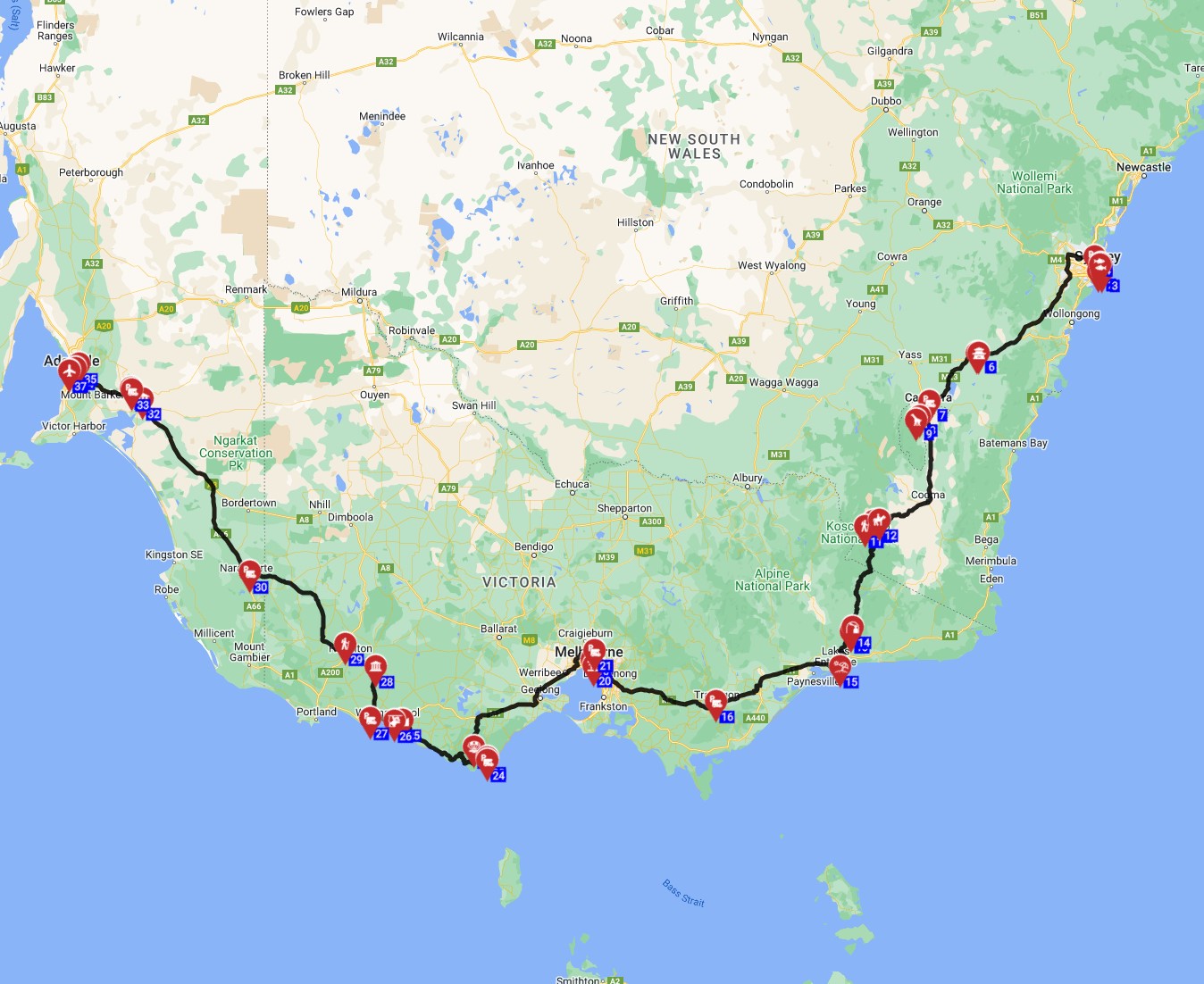
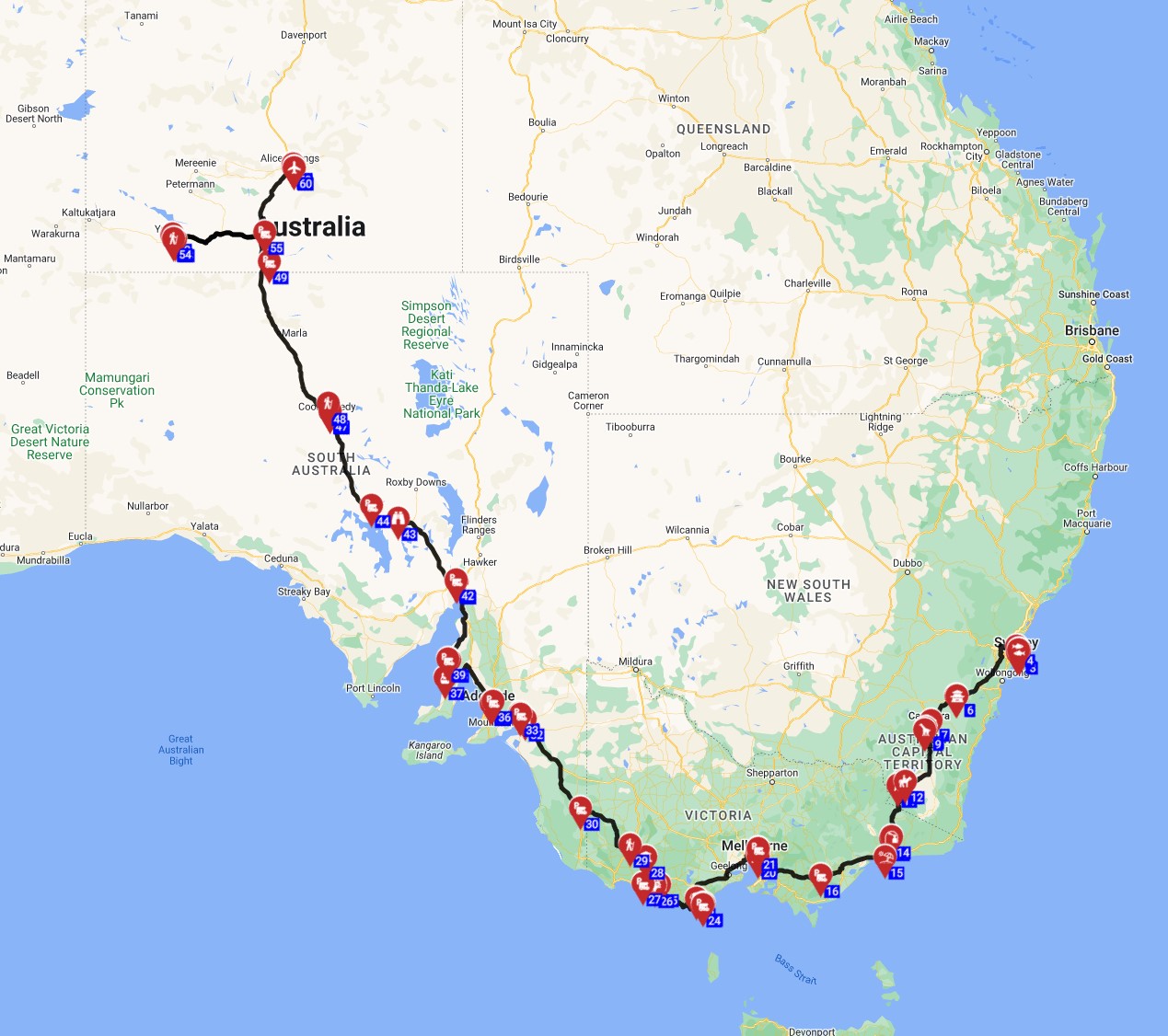
 - Experience the "
" (13 days, 2204 km) to explore Australia's rich history and scenic beauty.
 Adelaide to Sydney - The Heritage and Horizons Tour
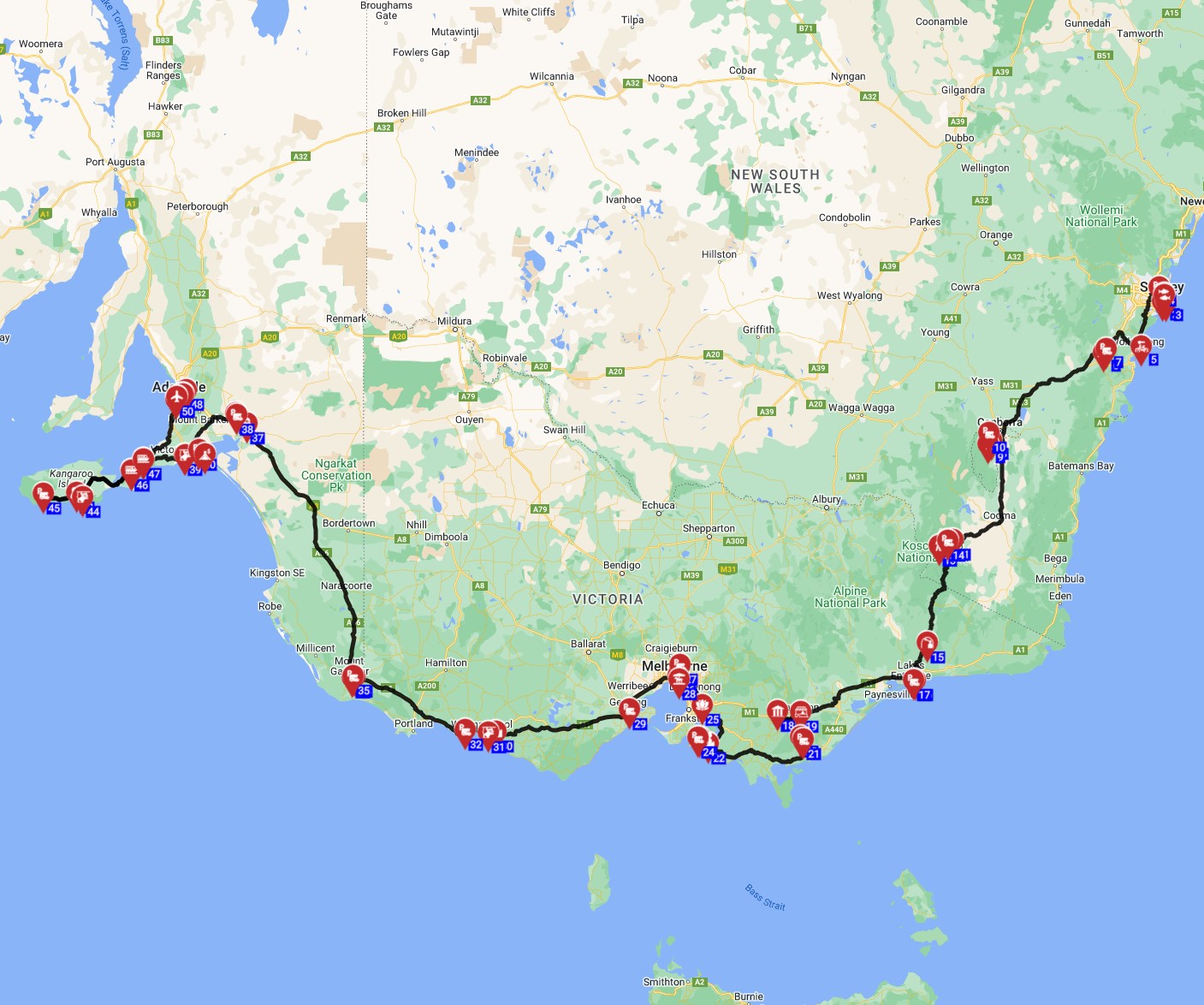
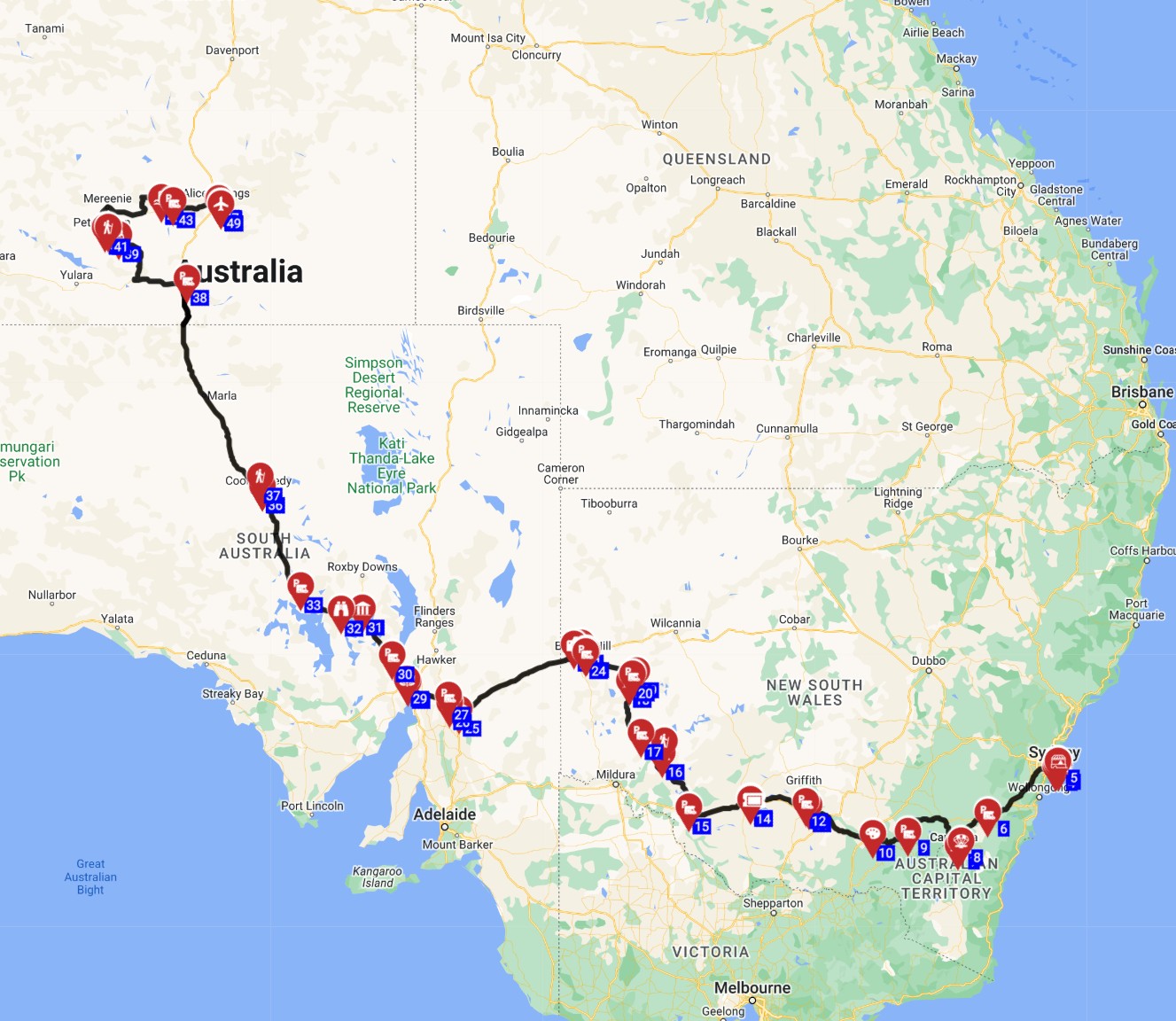
 - Take the "Melbourne to Sydney - Sweet and Scenic: A Family Adventure" (9 days, 1553 km) for a memorable family-friendly RV trip.
- Drive the Sea Cliff Bridge on the Grand Pacific Drive south of Sydney for breathtaking coastal views directly from your RV.
- Explore the Royal National Park, just an hour from Sydney, for an accessible wilderness escape with coastal cliffs and pristine beaches.
- Take advantage of the free car-carrying ferries in the Hawkesbury River region for a unique and historic journey to charming riverside towns.
Final Thoughts
Renting an RV for an extended period in Sydney opens up a world of possibilities, allowing you to explore at your own pace and truly immerse yourself in the Australian lifestyle. With careful planning and the right vehicle, a long-term RV adventure can be an incredibly rewarding experience.
Remember to leverage resources like RV PLANET (rvplan.net) for curated itineraries and campground information to make your planning seamless. Embrace the slow travel ethos, take your time, and connect with the incredible landscapes and culture that Sydney and its surroundings have to offer.
Find Motorhome Rentals in SydneyFor ideas you can prep on the road, watch our RV-friendly recipes playlist on YouTube.