In This Guide
- Top 5 Tips for long term rv rental RV Rental in Norway
- Before You Book - Class, Dates, Insurance
- How much does it cost to rent an RV in Norway for a month?
- Pre-Trip Prep - Packing Checklist for Norway
- What is the best month to RV in Norway?
- On the Road - Driving, Fueling, Navigation
- What do I need to know about driving an RV in Norway?
- Is it legal to sleep anywhere in an RV in Norway?
- At the Campground - Setup, Hookups & Etiquette
- What are the best places to visit in Norway by RV?
- long term rv rental-Specific Tips for Norway
- Cultural Immersion and Local Experiences for RVers in Norway
- Sustainability and Eco-Conscious RVing in Norway
- Remote Work and Connectivity for Digital Nomads in Norway
- Common Mistakes to Avoid in Norway
Embarking on a long-term RV rental in Norway offers an unparalleled opportunity to explore the country's stunning fjords, majestic mountains, and vibrant cities at your own pace. With its dramatic landscapes and welcoming culture, Norway is truly a dream destination for an extended motorhome adventure. For live availability and current prices, start with our RV Rental Norway - Complete Guide 2026 guide, which provides a foundational overview of everything you need to know.
Top 5 Tips for long term rv rental RV Rental in Norway
To ensure a successful long-term RV rental in Norway, prioritize booking early, understanding local driving rules, and planning for varied weather conditions. An extended road trip through Norway allows for slower travel, averaging 100-150 km per day, giving you ample time to immerse yourself in each region's unique charm.
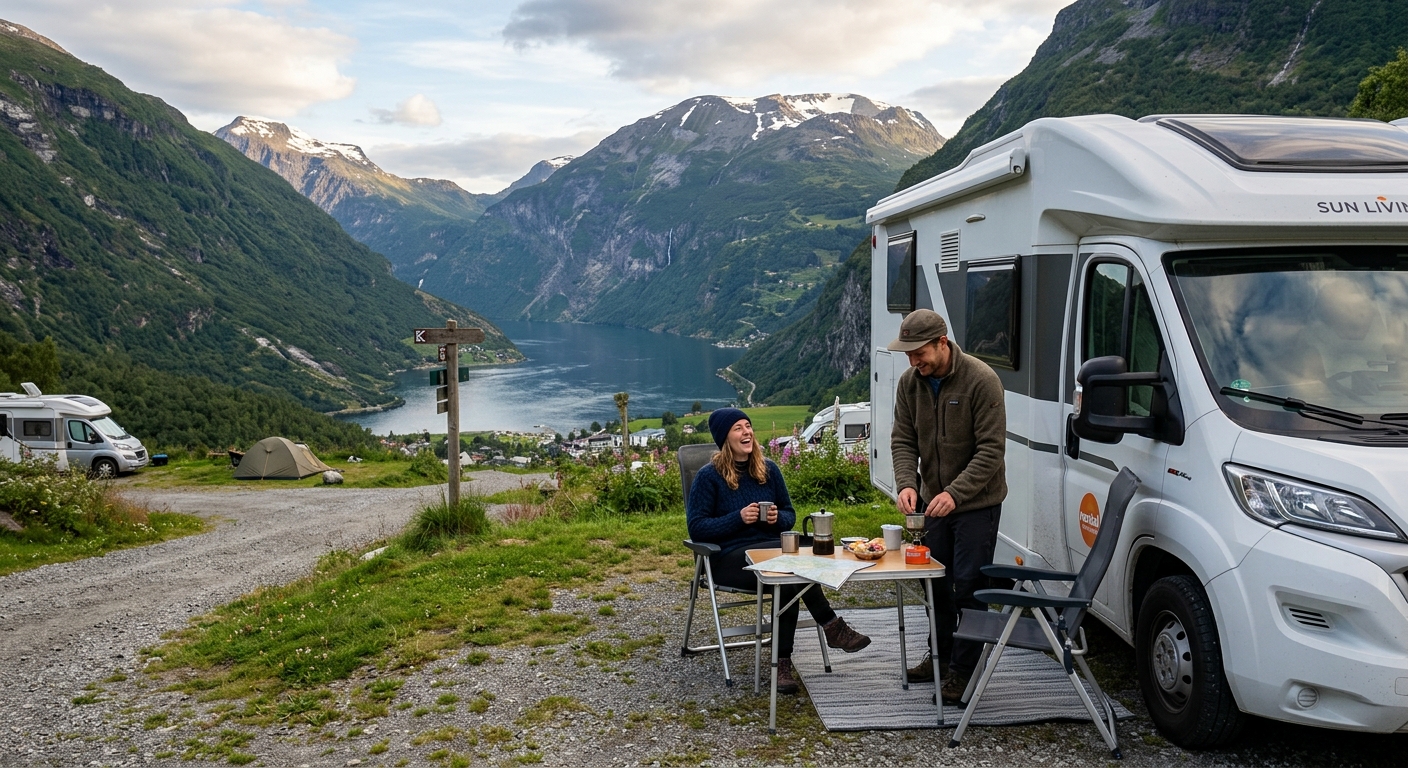
- Book in Advance for Best Rates: Securing your rented motorhome 3-6 months prior to your trip, especially for the popular summer months (June-August), can lead to savings of up to 20% on daily rates. This also ensures a wider selection of vehicles like a comfortable "Glamys 265" for your long-term needs.
- Familiarize Yourself with AutoPass: Norway's integrated AutoPass system handles tolls and many ferry crossings automatically for your rental campervan. Most rental companies will register the vehicle, and you'll receive a bill post-trip, simplifying payment for your extensive journey.
- Pack Layers for All Seasons: Norway's weather can be unpredictable, even in summer. Ensure your long-term packing list includes waterproof outerwear, warm layers, and sturdy hiking boots, as you might experience sun, rain, and cooler temperatures all in one day across different elevations.
- Plan for Slower Travel: With an average recommendation of 100-150 km per day, focus on experiencing the local culture and natural beauty rather than rushing through the country. This pace allows you to fully appreciate the 18 Norwegian Scenic Routes and hidden gems.
- Understand Wild Camping Rules: While the "Right to Roam" is generous, specific rules apply to RVs, primarily the 150-meter distance from inhabited houses. Plan your overnight stops carefully, utilizing both designated campgrounds and permitted wild camping spots, especially since many national parks reserve 70-75% of spots for first-come, first-serve campers.
For tips tailored to your specific trip, talk to rent-motorhome.
Before You Book - Class, Dates, Insurance
When preparing to book a long-term RV rental in Norway, it is essential to consider the appropriate RV class, secure your travel dates well in advance, and thoroughly review insurance options. Bandana, as true RV specialists, offers full transparency on all vehicle details and costs.
For an extended trip, the choice of your rented mobile home significantly impacts your comfort and experience. Class C motorhomes, like the "rv rentals example Comfort Class" with its three double beds, or a spacious "6 Berth Discovery" (which has 6 seat belts, a 190 liter refrigerator with freezer, and a 90 liter fuel tank), offer a great balance of space, amenities, and maneuverability for families or groups of 4-6 people. For couples or solo travelers, a campervan such as the "luxury rv rentals example Carthago Malibu 600" or a "Category Van" (which often includes a front air conditioner, ideal for a couple, and a small RV size) provides nimble handling for city exploration and narrow roads, while still offering a kitchen and sleeping area. Drive slowly and carefully, and you can drive almost anywhere without issues. No need to stress - just use common sense and pay attention.
As for dates, prices are dynamic, much like flight tickets, changing daily based on availability and seasonality. To find the best deals for your long term rv rental, consider booking 3-6 months out, especially if you plan to travel during Norway's peak summer season (June-August). For spontaneous travelers, many national and state parks reserve 25-30% of their spots for last-minute arrivals, so you'll find a spot; if not at the first campground, then the next one. Always call ahead before driving.
Regarding insurance, basic coverage is always included with your rental. For enhanced protection during your adventure in Norway, you can upgrade to a top-level deductible for extra peace of mind. To see prices including the most comprehensive coverage, select that option during search - then all relevant insurance options will be shown. We pride ourselves on full transparency: no hidden fees, no surprises, ensuring you know exactly what you're paying for from day one until your booking is confirmed.
For tips tailored to your specific trip, talk to rent-motorhome.
How much does it cost to rent an RV in Norway for a month?
The cost to rent an RV in Norway for a month typically ranges from approximately €3,000 to €8,000, largely depending on the vehicle class, season, and specific rental provider. This figure, however, is dynamic and varies daily based on demand and availability, much like flight tickets. For detailed pricing examples on shorter trips, consider exploring "RV Rental in Norway - Prices and Best Deals 2026".
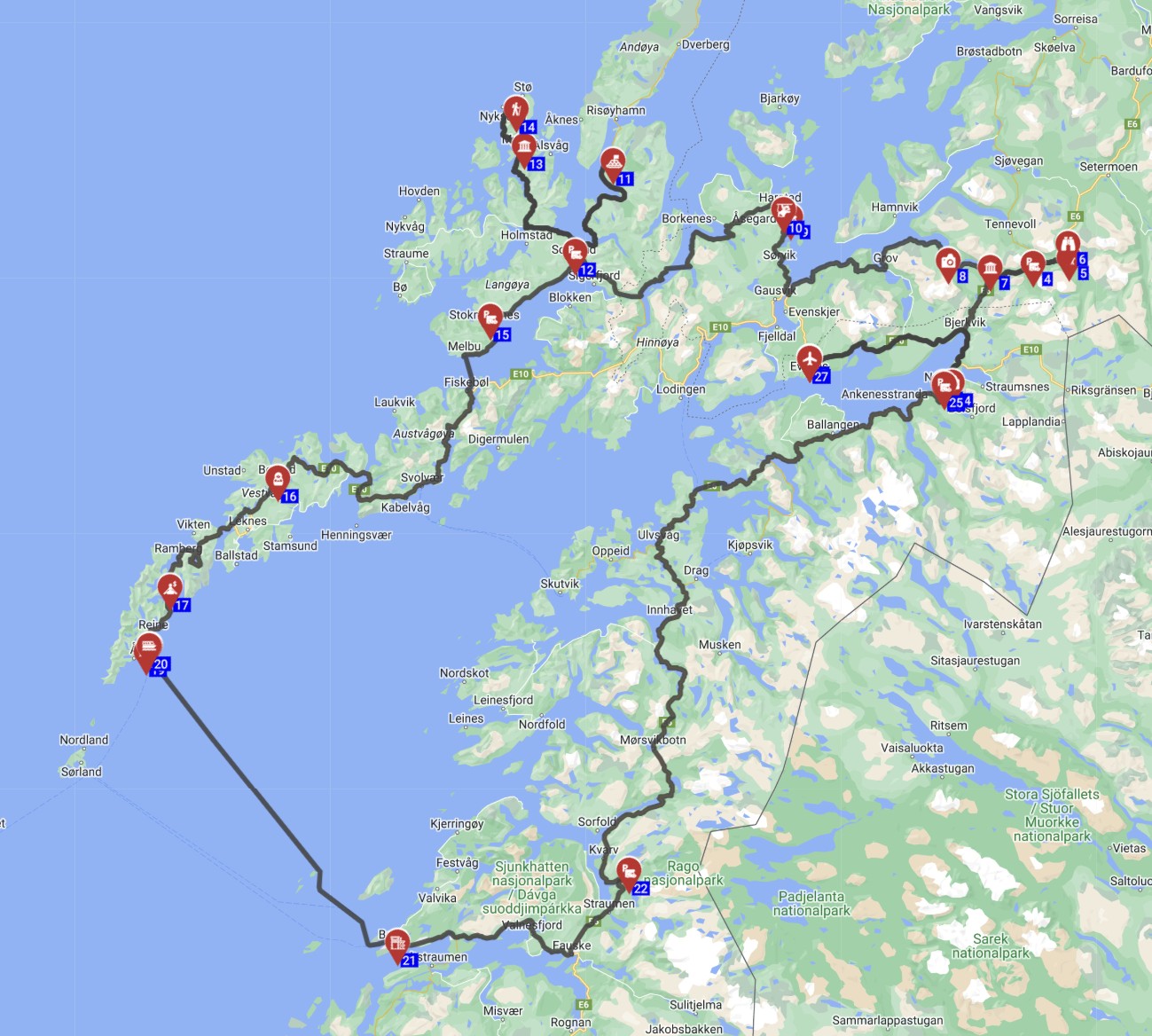
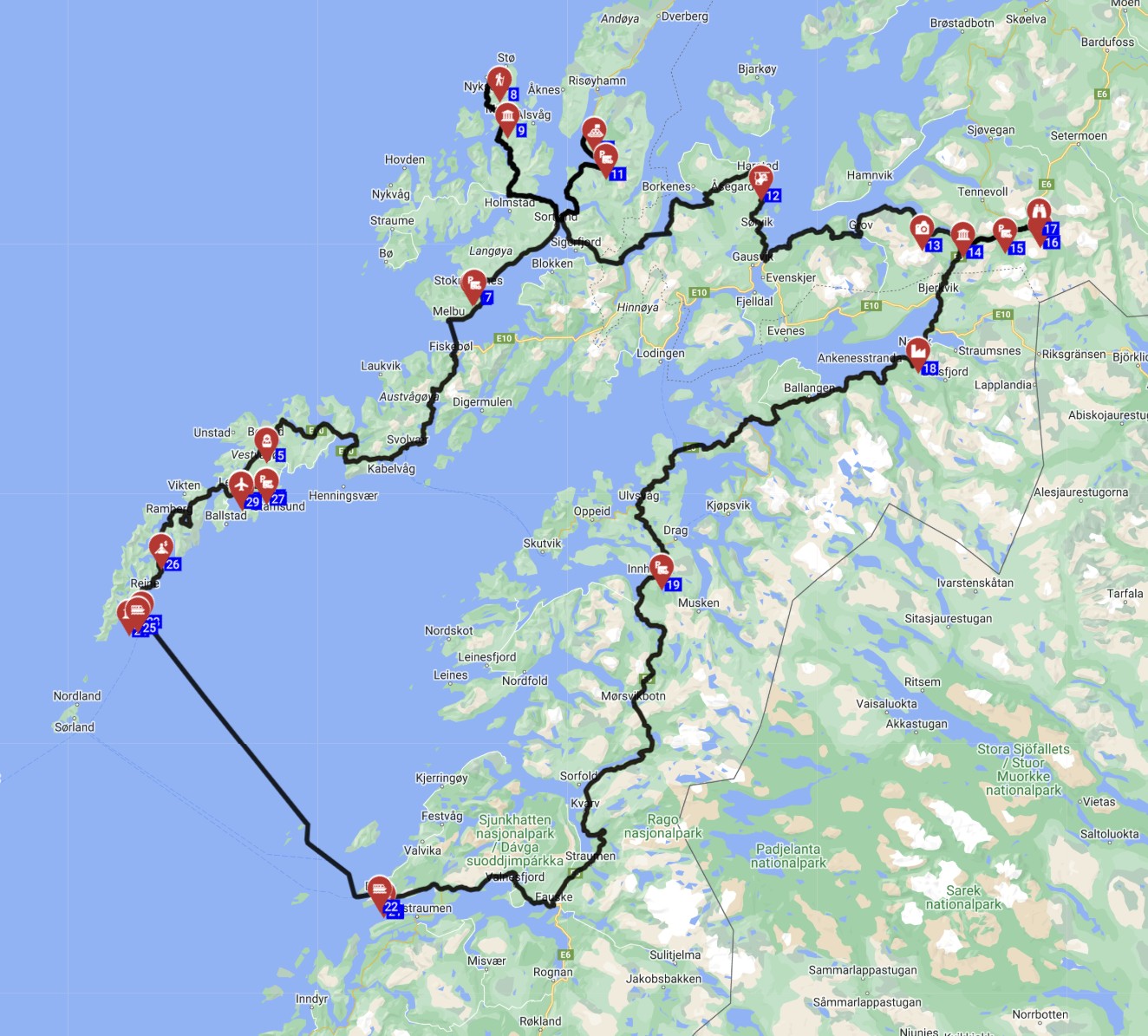
Beyond the base rental fee, several ancillary costs contribute to your overall long-term RV trip budget in Norway. Fuel is a significant expense, with current diesel prices around €2.00-€2.30 per liter. Toll roads and ferries are ubiquitous and essential for navigating the country's unique geography; these are often handled by the AutoPass system, with charges accumulated and billed post-trip. Campground fees typically range from €30-€60 per night for a powered site. Additional expenses include groceries (expect higher prices than in many other European countries), propane refills (around €25-€40 per tank), and potential dump fees if not included at campgrounds. For example, a 22-day "Stockholm Round trip - Sweden, Denmark and Norway Family Adventure" itinerary, covering 3673.6 km, would require a substantial fuel budget but offers a rich combination of 6 museums and 3 natural features. On the routes offered through RV PLANET routes, you can itemize and track every expense along the way for easy budgeting.
Long-term rentals sometimes offer better daily rates compared to shorter trips, making a month-long excursion a more cost-effective option per day. To find the cheapest long term rv rental, being flexible with your travel dates and opting for shoulder seasons (May, September) can yield significant savings. We compare final prices across 50+ suppliers, including major partners like Apollo and Britz, so you don't have to worry about hidden fees or surprises. When planning your budget, remember that on RV PLANET routes, travelers can itemize and track every expense along the way for easy budgeting.
Pre-Trip Prep - Packing Checklist for Norway
Preparing for a long-term RV adventure in Norway requires a thoughtful packing list to accommodate varying weather conditions and ensure comfort on the road. Remember that many rental motorhomes, such as a "Category Family 5" or a "MHC24", come equipped with basic kitchenware and bedding, so check your specific rental agreement. For a comprehensive list of what you should bring, consider the following:
- Clothing: Layered clothing (wool/synthetic base layers, fleece mid-layers), waterproof and windproof outer shell, warm hat, gloves, scarves, sturdy hiking boots, extra socks, quick-dry casual wear.
- Kitchen Essentials: Reusable water bottle, coffee/tea, basic spices, compact cooking tools (if not provided). Cooking in your RV kitchen can be a delightful experience; find inspiration with our RV-friendly recipes playlist.
- Safety & Navigation: First-aid kit, reflective vests, headlamps/flashlights, local SIM card or portable Wi-Fi, offline maps (e.g., Google Maps, Here WeGo), physical roadmap of Norway, power bank for devices.
- Documents: Valid driver's license (standard car license is sufficient for all motorhome classes), International Driving Permit (recommended, though not mandatory in most cases for non-English speakers), passport, rental agreement, insurance details (optional top-level deductible is an upgrade, not standard), emergency contacts.
- Comfort Items: Travel pillow, eye mask (essential for Midnight Sun in summer), earplugs, small towel, reusable shopping bags, insect repellent.
- Entertainment: Books, downloaded movies/shows, board games, portable speaker.
For tips tailored to your specific trip, talk to rent-motorhome.
What is the best month to RV in Norway?
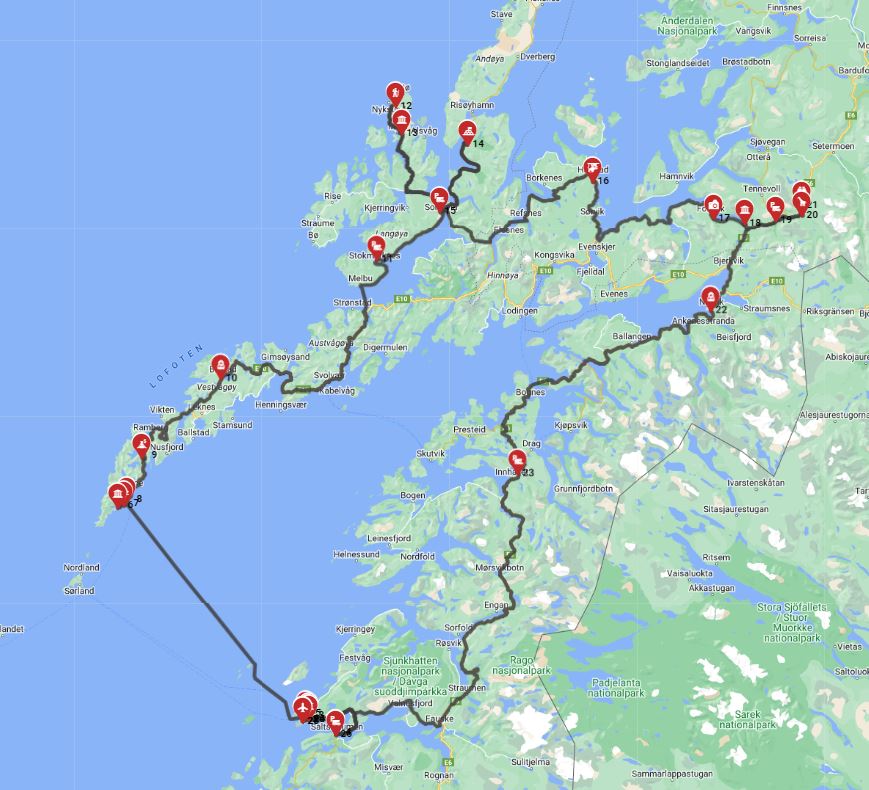
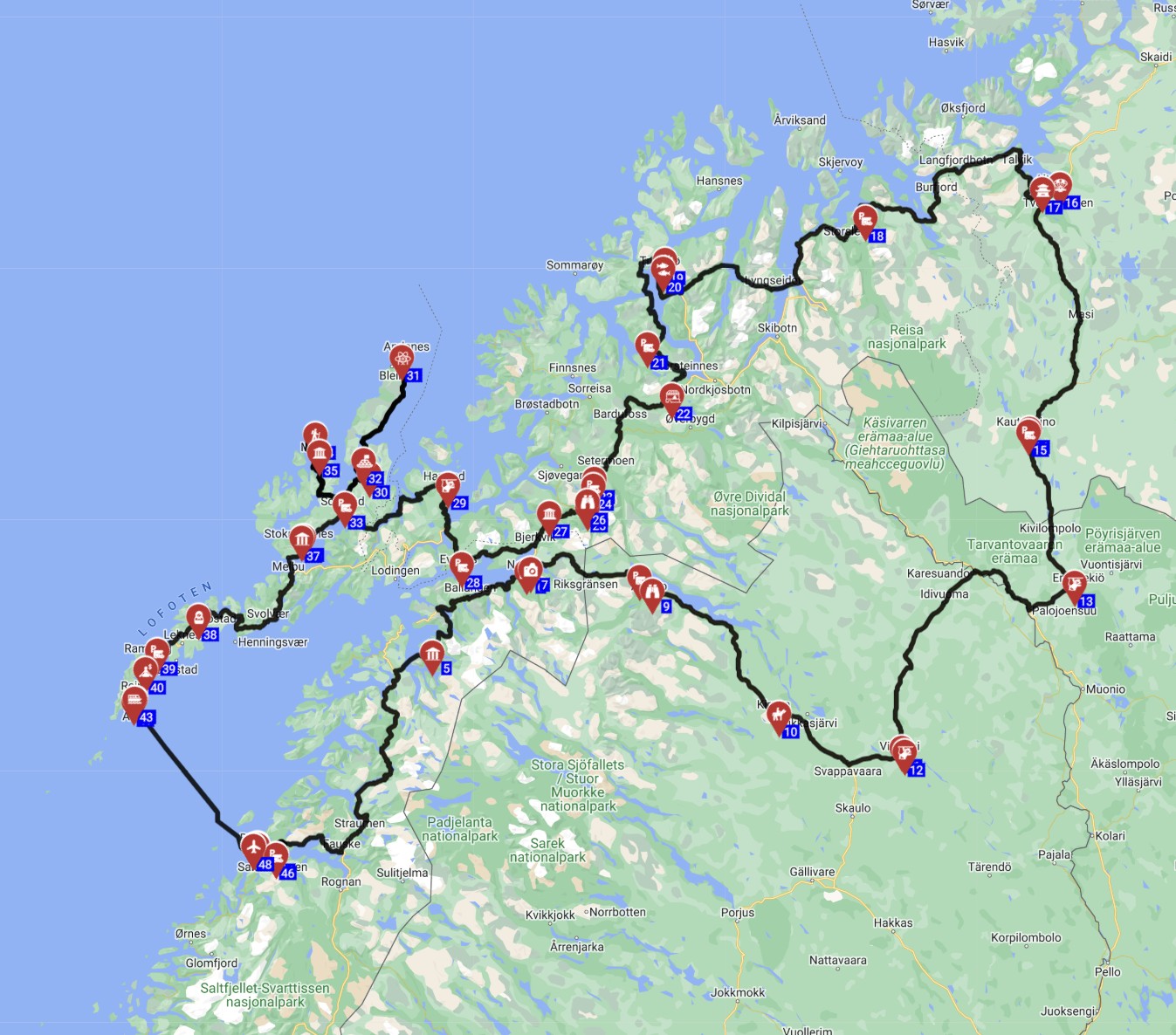
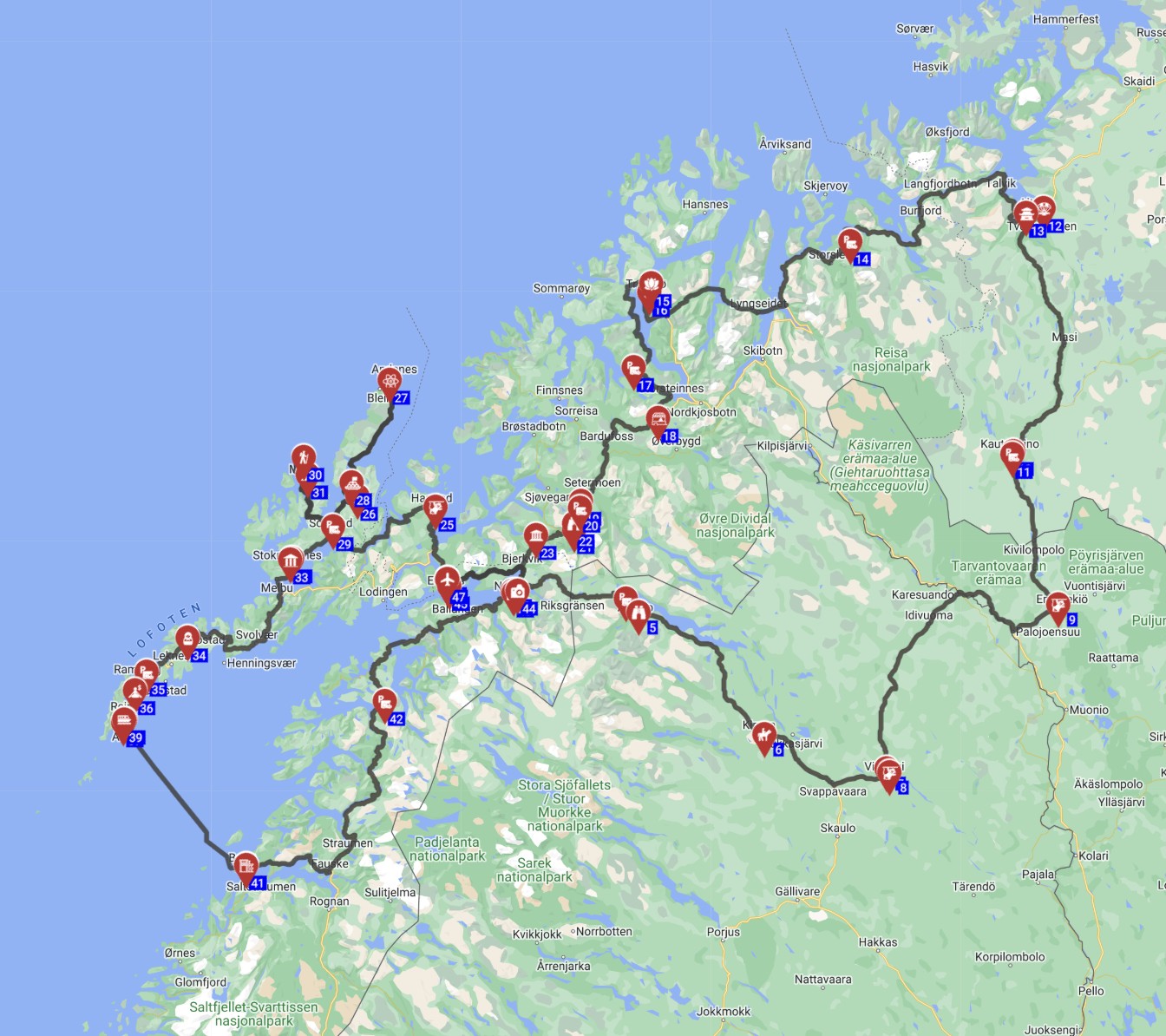
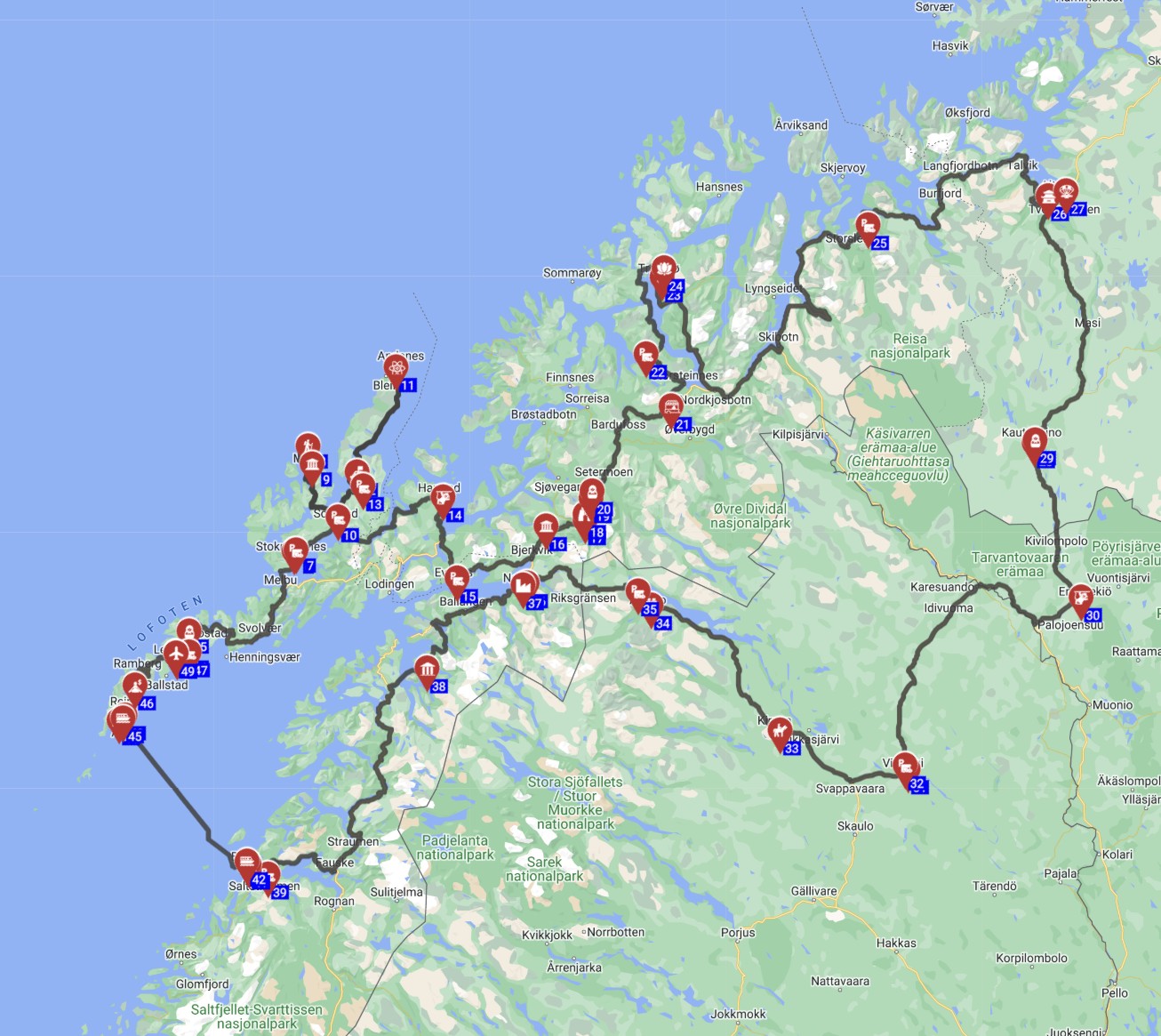
The optimal month to experience Norway by RV largely depends on individual preferences for weather, daylight hours, and specific activities like witnessing the Midnight Sun or Northern Lights. Most travelers find June, July, and August to be the best months, offering the mildest temperatures and longest daylight hours, including the magical Midnight Sun above the Arctic Circle. For an unforgettable Arctic journey, consider the 15-day "Tromsø Round Trip - Arctic Wonders: Northern Norway Family Road Trip", which spans 2402.5 km and includes 4 museums and 2 natural features.
However, shoulder seasons also offer distinct advantages. May and September provide fewer crowds, potentially lower rental prices (which is good if you're looking for a Cheap RV Rental in Norway - Budget Guide 2026), and beautiful spring blossoms or vibrant autumn foliage. May can still be chilly in the mountains, but southern Norway often enjoys pleasant, longer days. September showcases stunning fall colors, especially in the central and eastern regions, though days are shorter and some tourist services may begin to close down. If your primary goal is to see the Northern Lights, you'll need to travel between late September and March, embracing colder temperatures and potentially challenging driving conditions that require a well-equipped winter RV rental. Our "Winter RV Rental in Norway - Pricing Guide 2026" offers more details on preparing for colder adventures.
No matter the month, be prepared for variable weather. Even in summer, mountain passes can experience sudden drops in temperature and rain. A rented motorhome, such as the "Euro Deluxe" which offers three double beds and roof air conditioning, is usually well-equipped with heating systems to ensure comfort across different climates. It's all about being flexible and checking local forecasts.
On the Road - Driving, Fueling, Navigation
Successfully navigating Norway by RV involves understanding local driving regulations, planning for fuel stops, and utilizing reliable navigation tools. Norwegian roads, though often scenic, can be narrow and winding, especially in fjord regions and mountain passes. Speed limits are typically 80 km/h (50 mph) on rural roads and 50 km/h (31 mph) in urban areas, with lower limits in residential zones. Drive slowly and carefully, and you can drive almost anywhere without issues. No need to stress - just use common sense and pay attention. You may want to check our "RV Driving Deals in Norway - Routes and Savings 2026" for optimized itineraries.
Fuel stations are generally plentiful, especially along main roads, but they can be sparse in very remote areas. Most RVs and motorhomes in Norway run on diesel, so always confirm your vehicle's fuel type at pickup. Card payments are widely accepted, but it's wise to carry some Norwegian Kroner (NOK) for smaller, local purchases or in case of card reader issues. For navigation, a combination of a reliable GPS system (many newer rented RVs include this), offline map apps on your smartphone, and a traditional paper map is highly recommended. Cellular coverage is generally excellent, but there can be dead zones in deep fjords or isolated valleys. Look for signs indicating "camping" or "bobilparkering" (motorhome parking) for designated spots.
For tips tailored to your specific trip, talk to rent-motorhome.
What do I need to know about driving an RV in Norway?
Driving an RV in Norway requires familiarity with the AutoPass toll system, careful navigation of narrow and winding roads, and awareness of local traffic regulations specific to larger vehicles. The AutoPass system is crucial; it's an electronic toll collection service that covers most toll roads, bridges, tunnels, and many ferry crossings. For your rented motorhome, the rental company will typically register the vehicle, and you'll be billed for tolls and ferries after your trip. This seamless system ensures you don't have to worry about individual payments at each point, though it's important to factor these costs into your budget.
Norway's majestic landscape means navigating an RV involves driving on often narrow, winding roads, hairpin bends (especially on famous routes like Trollstigen), and numerous mountain passes. While the scenery is breathtaking, it demands a cautious and attentive driving style. Larger Class A or Class C motorhomes may find some of the very narrow, less-trafficked roads challenging, but with common sense and careful attention, you can drive almost anywhere without issues. Ferries are also a fundamental part of the highway system, often saving hours of driving around fjords. Check ferry schedules and consider booking in advance for popular routes, especially if traveling with a larger RV during peak season.
Vehicle weight and size restrictions can apply to certain smaller roads or historic bridges, so always pay attention to signage. For example, some mountain roads might have length restrictions of 8 or 10 meters. It's also important to be aware of tunnels; some are very long, and a few have specific restrictions or payment requirements. Driving with headlights on at all times, even in broad daylight, is mandatory in Norway. Always watch for wildlife, particularly reindeer and elk, which can unexpectedly cross roads in rural areas. Having a "MH-A" (which often includes heating for winter readiness and robust technical specifications) can make winter driving more comfortable if you're venturing out in colder months.
🎬 Video coming soon
Is it legal to sleep anywhere in an RV in Norway?
While Norway's 'Allemannsretten' (Right to Roam) generally permits public access to nature, sleeping anywhere in an RV has specific legal limitations, particularly concerning proximity to inhabited areas and proper waste management. This traditional right allows you to camp for one or two nights on uncultivated land, provided you maintain a distance of at least 150 meters (about 490 feet) from the nearest inhabited house or cabin. This ensures the privacy of residents. For more specific guidance, you might find our "RV Driving Deals in Norway - Routes and Savings 2026" helpful as it covers various road rules.
The key nuances for RVs include:
- Distance from Buildings: The 150-meter rule is strictly enforced. Avoid parking directly adjacent to homes, farms, or businesses.
- Cultivated Land: It is illegal to camp on cultivated land (e.g., plowed fields, gardens, meadows) without the owner's explicit permission. Stick to wild, uncultivated areas.
- Waste Disposal: Responsible waste management is paramount. Always "leave no trace" and ensure all greywater and blackwater are disposed of at designated dump stations, not in nature. Most campgrounds and some public rest stops offer these facilities.
- Duration of Stay: While you can typically stay for one to two nights, longer stays in the same spot often require the landowner's permission.
- Fire Restrictions: Open fires are generally prohibited in forests and fields between April 15 and September 15. Always check local fire bans, especially during dry periods.
- Designated Overnight Spots: Many municipalities and tourist areas offer designated "bobilparkering" (motorhome parking) or specific wild camping areas that are approved for overnight vehicle stays. These are often free or low-cost and indicate acceptance of RVs.
At the Campground - Setup, Hookups & Etiquette
When arriving at a Norwegian campground, efficient setup involves a specific hookup order for utilities and adherence to local etiquette guidelines. Campground facilities in Norway are generally well-maintained and offer a range of amenities, from basic pitches to full-service sites with electricity, water, and waste disposal. Whether you are in a campervan like the "2 Berth Hi Top" or a larger "C-XLarge" motorhome, the process is straightforward.
Here’s a simple guide to setting up your rented camper:
- Position Your RV: Choose your pitch carefully, ensuring you have enough space and clear access for hookups. Park your motorhome or campervan on a level spot or use leveling blocks for stability.
- Connect Electricity: First, connect your RV's power cable to the campground's electrical pedestal. Then, plug the other end into your RV. Most Norwegian campgrounds offer standard European 2-pin CEE plugs (blue, 16 amp), so ensure you have the correct adapter if your RV has a different plug.
- Connect Fresh Water (if applicable): Attach your fresh water hose to the campground's potable water spigot and then to your RV's fresh water inlet. It is always recommended to use a potable water hose, distinctly separate from your wastewater hose.
- Connect Wastewater (Grey & Black): This is the last step. Connect your sewer hose to the campground's dump station or sewer hookup. After ensuring a secure connection, open your blackwater valve first, followed by the greywater valve. Flush thoroughly. Once complete, close the valves, disconnect, and clean your hose. Always dispose of waste water responsibly at designated facilities.
Campground etiquette is essential. Respect quiet hours (usually 10 PM to 7 AM), keep your pitch tidy, and be mindful of your neighbors. Many campgrounds feature shared facilities like kitchens and laundry rooms, so clean up after yourself. Always ask permission before walking through another camper's pitch. Embrace the friendly atmosphere and enjoy the stunning Norwegian surroundings. For tips tailored to your specific trip, talk to rent-motorhome.
What are the best places to visit in Norway by RV?
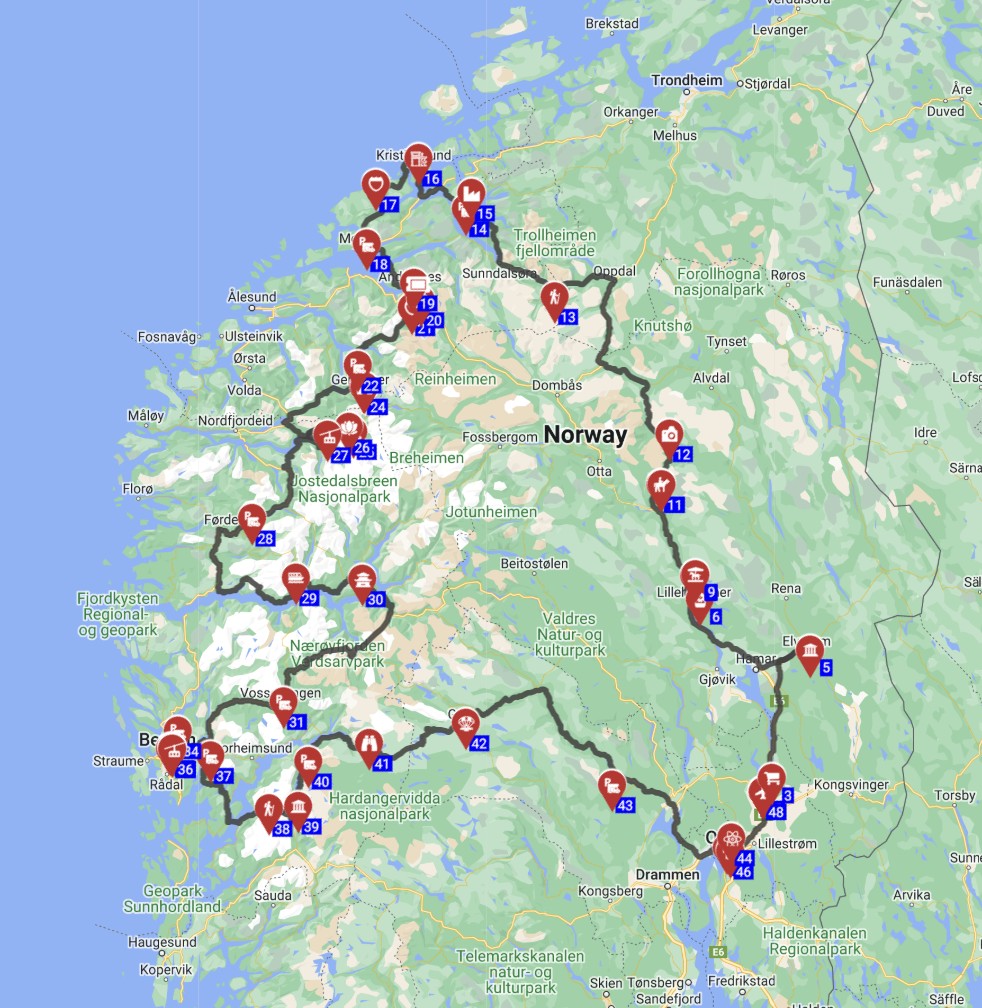
Norway offers numerous stunning destinations ideal for RV travel, including the iconic Western Fjords, dramatic Arctic landscapes of Lofoten, and picturesque national scenic routes. An extended trip with a rented RV allows you to thoroughly explore these diverse regions. For example, the 8-day "Bergen Round trip - Norway’s Coastal Wonders" covers 782.9 km, including 2 scenic routes and 1 museum, starting and ending in the charming city of Bergen.
Here are some of the top regions and routes:
- The Western Fjords: Home to UNESCO World Heritage sites like Geirangerfjord and Nærøyfjord, this region is a must-see. Drive the famous Trollstigen and Atlantic Road (part of the 18 Norwegian Scenic Routes) for incredible views and engineering marvels. RV parking and campgrounds are plentiful, though popular spots can fill up quickly in peak season.
- Lofoten Islands: North of the Arctic Circle, these islands offer dramatic peaks, white sandy beaches, and charming fishing villages. It's an ideal destination for seeing the Midnight Sun in summer or the Northern Lights in winter. Access is via scenic bridges or ferries; be aware that some roads are narrow, so a compact campervan like an "Active Compact Select" is often preferred.
- Southern Norway's Coastline: From the picturesque towns of Kristiansand to Stavanger, this region offers a milder climate, beautiful beaches, and a relaxed pace. Explore the unique wooden houses and enjoy fresh seafood.
- The Arctic North (Tromsø & North Cape): For an truly epic long term rv adventure, drive to Tromsø, often called the "Gateway to the Arctic." Further north, the North Cape offers panoramic views and the feeling of being at the edge of the world. This region is especially rewarding in winter for aurora hunting, but requires careful planning for weather and road conditions.
- Eastern Norway & Cities: Don't miss Oslo, the capital, with its vibrant cultural scene. While central city driving can be busy, well-located campgrounds offer easy access via public transport. Cities like Bergen and Trondheim also provide rich historical and culinary experiences that complement your nature-focused journey.
Travel slowly, max 100-150 km per day on average. Take time to feel the place, connect to the culture, the food, and the scenery. You'll find a spot. If not at the first campground, then the next one. Call ahead before driving.
long term rv rental-Specific Tips for Norway
Embarking on a long-term RV rental in Norway necessitates specialized planning for logistics, supplies, and maximizing the extended journey. Unlike a short trip, a month-long or longer adventure requires a different mindset and preparation to ensure a smooth and enjoyable experience. You might also want to review our "One-Way RV Rental in Norway - Price Guide 2026" if you plan to pick up and drop off in different locations.
- Provisioning for Extended Periods: Plan larger grocery hauls in bigger towns where supermarkets (like Rema 1000, Kiwi, or Meny) offer better prices and selection. Stock up on non-perishables. Your rented motorhome's refrigerator (for example, a "Discovery - 5 berth motorhome with rear U-lounge" has a 190 liter refrigerator with freezer) should be adequate, but consider shelf-stable options for remote areas.
- Laundry Facilities: Public laundromats are rare outside of major cities, so prioritize campgrounds that offer laundry services. Packing quick-drying clothes can also reduce your laundry needs.
- Vehicle Maintenance Checks: While your rental provider maintains the vehicle, a long trip means you should routinely check tire pressure, oil levels, and windshield wiper fluid. Report any minor issues to your 24/7 support team; Bandana is with you before, during, and after your booking, ensuring real people are behind you.
- Managing Mail/Deliveries: For digital nomads or those needing to receive mail, research local post offices or "Post i Butikk" (post in store) services that accept general delivery, or arrange with a friend/family to forward mail to a pre-arranged pick-up point.
- Embrace Off-Season Advantages: If your long-term trip extends into shoulder seasons, take advantage of fewer crowds, easier campground bookings, and potentially lower prices for your RV Rental Deals in Norway - Latest Offers 2026.
- Consider a Longer-Term Deal: Many suppliers offer better daily rates for rentals exceeding 2-3 weeks. When comparing long term rv rental deals, always review the total cost versus the daily rate for potential savings. Bandana partners with over 50 leading RV suppliers worldwide, including El Monte and Cruise America, to find you the best long-term rates.
For tips tailored to your specific trip, talk to rent-motorhome.
Cultural Immersion and Local Experiences for RVers in Norway
RV travel in Norway provides a unique opportunity for deep cultural immersion, allowing travelers to discover local traditions, engage with communities, and savor authentic experiences beyond typical tourist routes. With a rented motorhome, you have the flexibility to linger in charming villages and partake in local life at your own pace, especially if you stick to the recommended slow travel average of 100-150 km per day.
To truly connect with Norwegian culture, seek out local food experiences. Visit farmers' markets in smaller towns for fresh produce, artisanal cheeses, and traditional baked goods. Look for "veikroer" (roadside diners) offering hearty Norwegian comfort food like *kjøttkaker* (meatballs) or *fårikål* (lamb and cabbage stew). Don't shy away from trying local specialties like brown cheese (*brunost*) or fresh salmon, which is often caught locally. Enjoying these meals in your mobile home, perhaps with a stunning fjord view from your "camper for rent example Big Six" kitchen, adds to the experience.
Strategically, consider exploring Norway's less-touristed areas. Instead of solely focusing on the most famous fjords, venture inland to national parks like Jotunheimen or Hardangervidda, where you can find smaller, authentic communities and hiking trails. Look for local festivals or cultural events, particularly during summer, which can range from music festivals to traditional folk events. Engaging with locals can be as simple as striking up a conversation at a campground or a small shop; many Norwegians speak excellent English and appreciate visitors' interest in their culture. A long-term RV trip gives you the time to stumble upon these serendipitous moments and truly feel the place, its people, and its distinct character.
Sustainability and Eco-Conscious RVing in Norway
Practicing eco-conscious RVing in Norway is crucial for respecting its pristine natural environments and aligns with the nation's strong commitment to sustainability. With its breathtaking landscapes, from majestic fjords to vast forests, Norway is a global leader in environmental protection, and RV travelers have a significant role in preserving this beauty for generations to come. Your long-term RV adventure provides ample opportunity to embody these values.
Specific eco-friendly practices to adopt during your rental motorhome journey include responsible waste management. Norway has excellent recycling systems, even in smaller towns, so be sure to sort your trash (plastics, paper, glass, organic waste) at designated bins. Proper disposal of greywater and blackwater is non-negotiable; always use official dump stations located at campgrounds or designated service points, never in nature. Conserving resources like water and electricity within your rented campervan is also vital. Be mindful of your water usage for showering and washing dishes, and switch off lights and appliances when not needed, especially if you're not on an electrical hookup.
To minimize your environmental footprint further, stick to marked roads and trails to prevent damaging fragile ecosystems. Respect wildlife by observing from a distance and never feeding animals. Leave natural areas exactly as you found them-or even better, pick up any litter you encounter. Supporting local, sustainable businesses, such as farm shops selling regional produce or eco-certified tour operators, also contributes positively to the local economy and environment. By choosing to explore Norway in an RV, you are already opting for a travel style that can be inherently more sustainable than flying and staying in multiple hotels, offering a deeper connection to nature without leaving a negative trace.
Remote Work and Connectivity for Digital Nomads in Norway
Working remotely from an RV in Norway is generally feasible due to widespread 4G/5G coverage, though connectivity can vary in extremely remote areas. For digital nomads planning a long-term RV rental, Norway offers a unique blend of breathtaking scenery and modern infrastructure, making it an attractive destination to combine work and adventure. However, strategic planning for internet access and power management is essential.
Reliable internet access is usually available in populated areas, cities, and most campgrounds. Major towns across Norway offer good 4G and increasingly 5G networks, allowing for video calls and data-heavy tasks. Public Wi-Fi is often available at cafes, libraries, and many campgrounds, though speeds can fluctuate. For consistent connectivity, purchasing a local Norwegian SIM card with a generous data plan from providers like Telenor, Telia, or Ice is highly recommended. Alternatively, a portable Wi-Fi hotspot can provide a reliable connection for multiple devices.
Setting up a mobile workspace within your rented mobile home, such as a "Category Small AT" campervan which is designed for couples, often means utilizing the dinette area. Ensure your devices are fully charged, and consider carrying a power bank for your phone and laptop. Most modern motorhomes, like the "MH-C" which usually has a generator, come with 12V outlets and 230V outlets (when hooked up to shore power at a campground). For off-grid remote work in more remote Norwegian locations, a robust battery system (sometimes supplemented by solar panels, depending on the rental model) is key. Remember that charging while driving is also an option, replenishing your RV's house batteries.
Common Mistakes to Avoid in Norway
Minimizing potential travel disruptions in Norway involves proactively understanding common mistakes and implementing preventative measures. With some foresight, your long-term RV rental experience can be smooth and enjoyable. Here are key pitfalls to avoid:
- Underestimating Driving Times: Norway's winding roads, ferry crossings, and lower speed limits mean distances take longer than they appear on a map. Always add extra time to your estimated driving duration, especially through the fjords.
- Not Booking Ferries/Campgrounds in Advance (Peak Season): For popular ferry routes or highly sought-after campgrounds during July and August, advance booking is crucial to avoid long waits or disappointment. Some ferries cannot be booked, but knowing the schedule helps.
- Ignoring Weather Warnings: Mountain weather can change rapidly. Always check the forecast (yr.no is reliable) and heed any warnings for road closures or adverse conditions, especially if you are interested in a "Winter RV Rental in Norway - Pricing Guide 2026".
- Misinterpreting *Allemannsretten*: While the "Right to Roam" is generous, it has specific rules for RVs (e.g., 150-meter distance, no cultivated land). Research and respect these rules to avoid fines or local displeasure.
- Failing to Budget for Costs: Norway is an expensive country. Factor in higher prices for fuel, groceries, tolls, and ferries. Even small expenses add up over a long-term trip. Our "Cheap RV Rental in Norway - Budget Guide 2026" can help with budgeting.
- Rushing the Itinerary: Attempting to see too much too quickly is a common mistake. Norway's beauty lies in slow immersion. Travel slowly, max 100-150 km per day on average. Take time to feel the place, connect to the culture, the food, and the scenery.
For tips tailored to your specific trip, talk to rent-motorhome.
What You Shouldn't Miss
Looking for expert insights from Avi Bandana? Top 5 Adventures - recommendations from Avi Bandana:
- Cruise the Geirangerfjord or Nærøyfjord: These UNESCO World Heritage fjords offer dramatic scenery best experienced from the water, often accessible via a scenic ferry ride that your rented motorhome can drive right onto.
- Drive the Atlantic Road (Atlanterhavsveien): One of the 18 National Tourist Routes, this breathtaking stretch of highway leaps across islets and skerries on a series of stunning bridges, offering incredible coastal views.
- Hike to Pulpit Rock (Preikestolen): For active travelers, a moderately challenging hike leads to this iconic flat-topped cliff soaring 604 meters above Lysefjord, offering unparalleled panoramic views.
- Experience the Midnight Sun or Northern Lights: Depending on the season of your long-term rental, head above the Arctic Circle to witness the sun that never sets in summer or the dancing aurora borealis in winter. Cities like Tromsø are excellent bases for these phenomena.
- Explore the Lofoten Islands: These rugged islands north of the Arctic Circle combine dramatic mountains, quaint fishing villages (like Reine), and pristine beaches, perfect for a slower paced RV exploration.
- Visit a Stave Church: Marvel at Norway's unique medieval wooden churches, such as the Heddal Stave Church, showcasing incredible craftsmanship and history.
Final Thoughts
A long-term RV rental in Norway is more than just a vacation-it's an immersive journey into one of the world's most spectacular natural landscapes. The freedom of your own rented campervan allows you to chase the Midnight Sun, hunt for the Northern Lights, traverse dramatic fjords, and connect deeply with local culture, all at your own pace. With meticulous planning and a spirit of adventure, you're set for an unforgettable experience.
Remember that Bandana is here to support you every step of the way, offering transparent pricing, expert advice, and a wide selection of motorhomes from trusted suppliers. Embrace the joy of discovery and the comfort of your mobile home as you navigate Norway's incredible roads. Your epic Scandinavian adventure awaits!
Get inspired for your next trip! Discover top destinations, planning tips, all in one place!
Plan a trip itinerary in advance with minimal effort and maximum enjoyment. Check Norway RV Rental Prices Now to begin your long-term exploration.