In This Guide
- Top 5 Tips for RV Rental in Australia
- Before You Book - Class, Dates, Insurance
- Pre-Trip Prep - Packing Checklist for Australia
- On the Road - Driving, Fueling, Navigation
- At the Campground - Setup, Hookups & Etiquette
- RV Rental-Specific Tips for Australia
- Common Mistakes to Avoid in Australia
- What is the 3-3-3 rule for campervan?
- What are the drawbacks of renting an RV in Australia?
- How much does it cost to rent an RV in Australia?
- Can you park an RV anywhere in Australia?
- How much is a 1-week RV rental in Australia?
- Is it worth having a toilet in a campervan in Australia?
- Can US citizens rent an RV in Australia?
- What not to do in Australia as an American?
- Is AUD $3000 enough for 2 weeks in Australia?
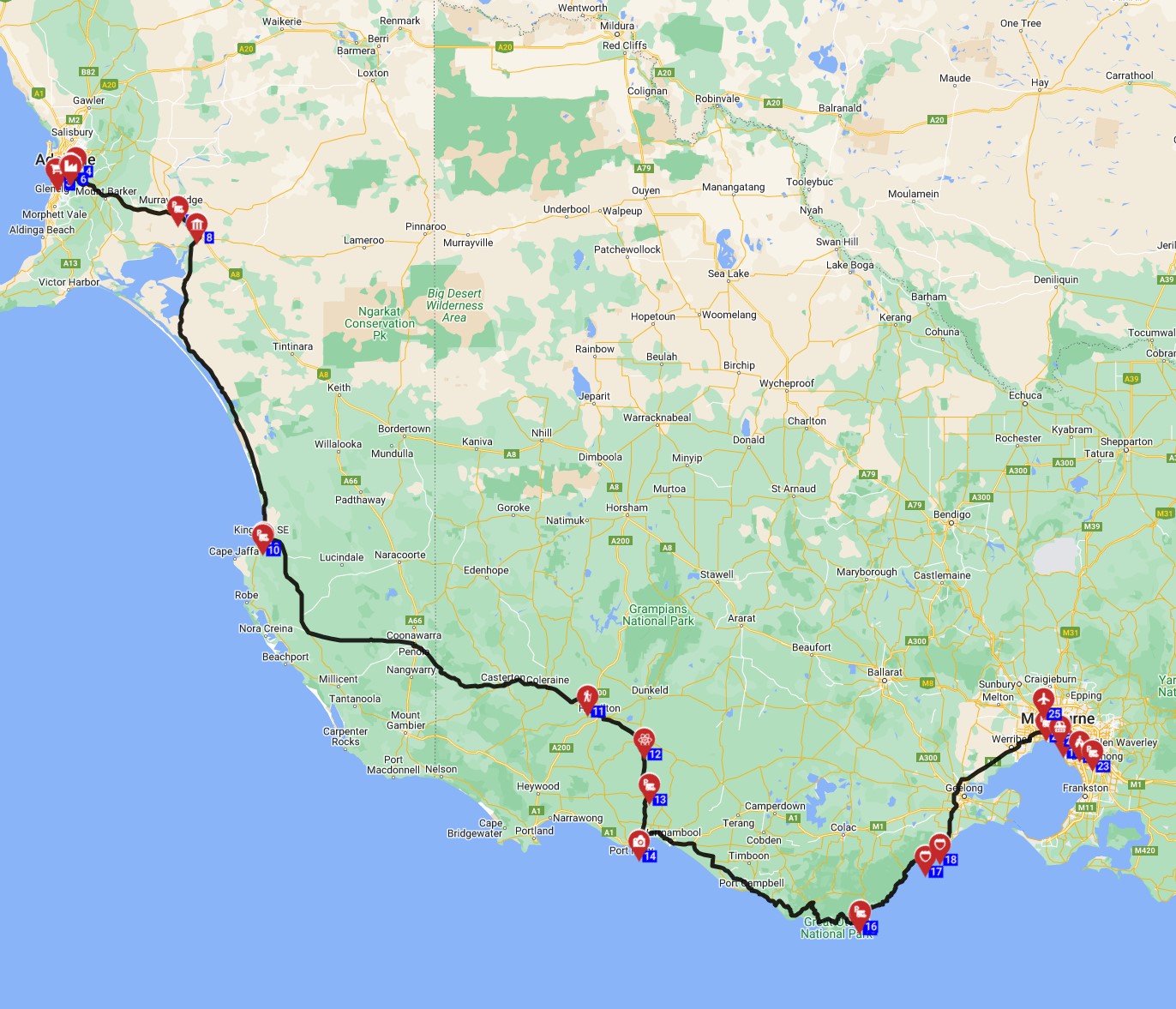
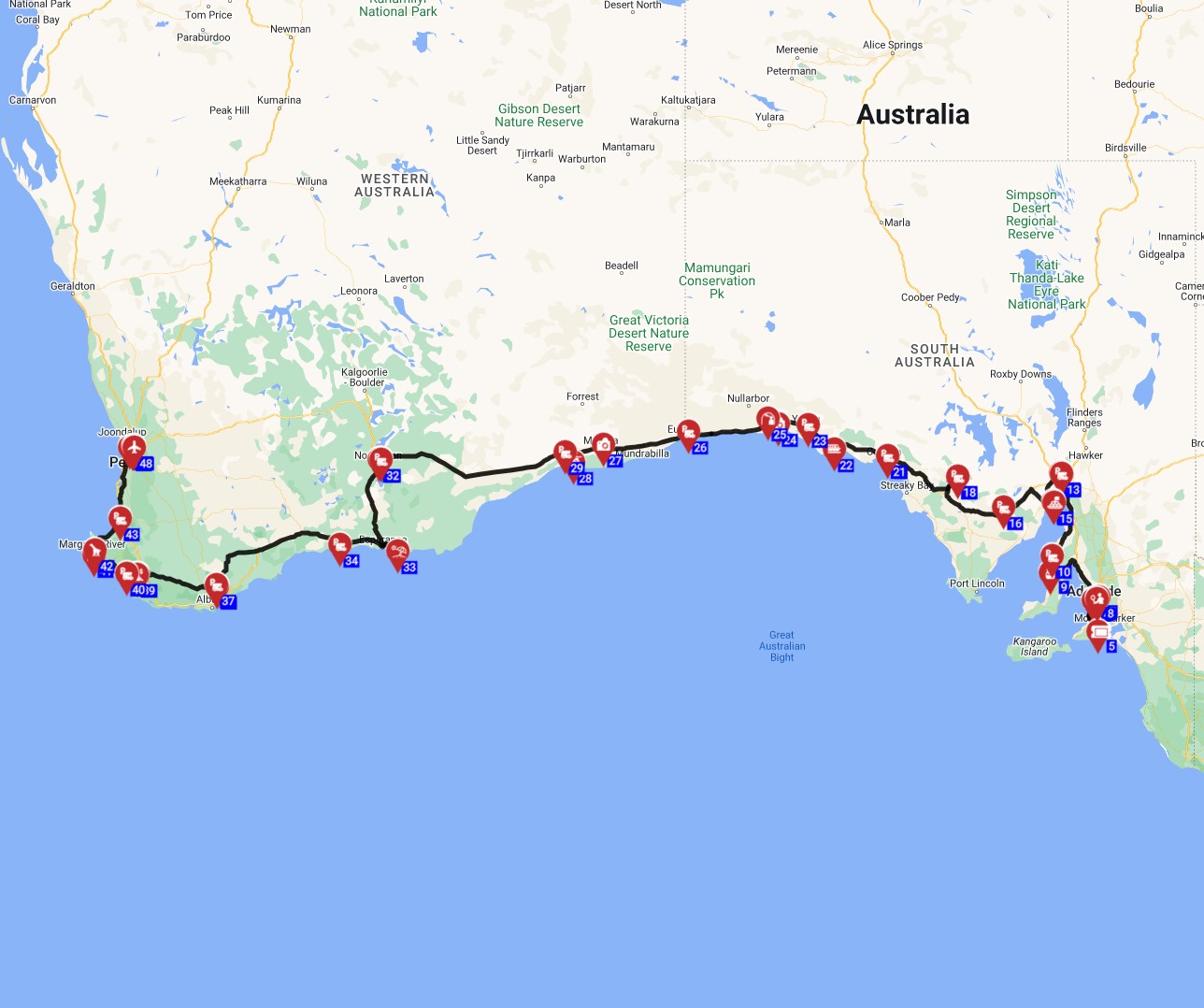
Australia is an immense land of contrasts, offering an unparalleled experience for those who choose to explore its vast landscapes and vibrant cities with a rented motorhome or campervan. Imagine yourself navigating coastal roads, discovering hidden beaches, or venturing into the rugged Outback, all from the comfort of your own mobile home. For live availability and current prices, start with our RV Rental Australia - Complete Guide 2026 guide. At Bandana RV, we specialize in helping travelers like you discover the freedom of RV travel, ensuring full transparency with no hidden fees and providing 24/7 support from real people behind you, making your extended Australian adventure seamless and unforgettable.
🎬 Video coming soon
Top 5 Tips for RV Rental in Australia
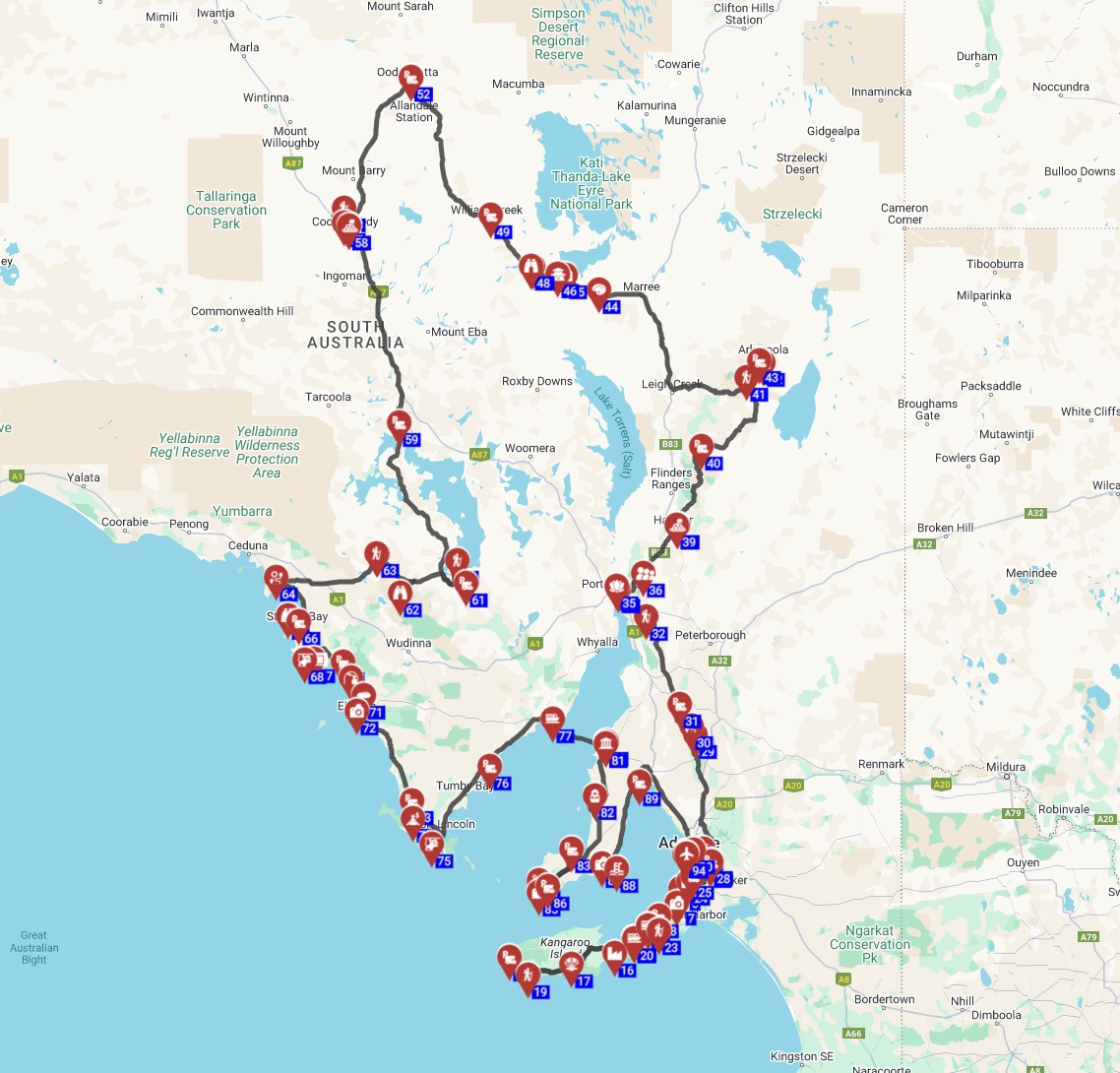
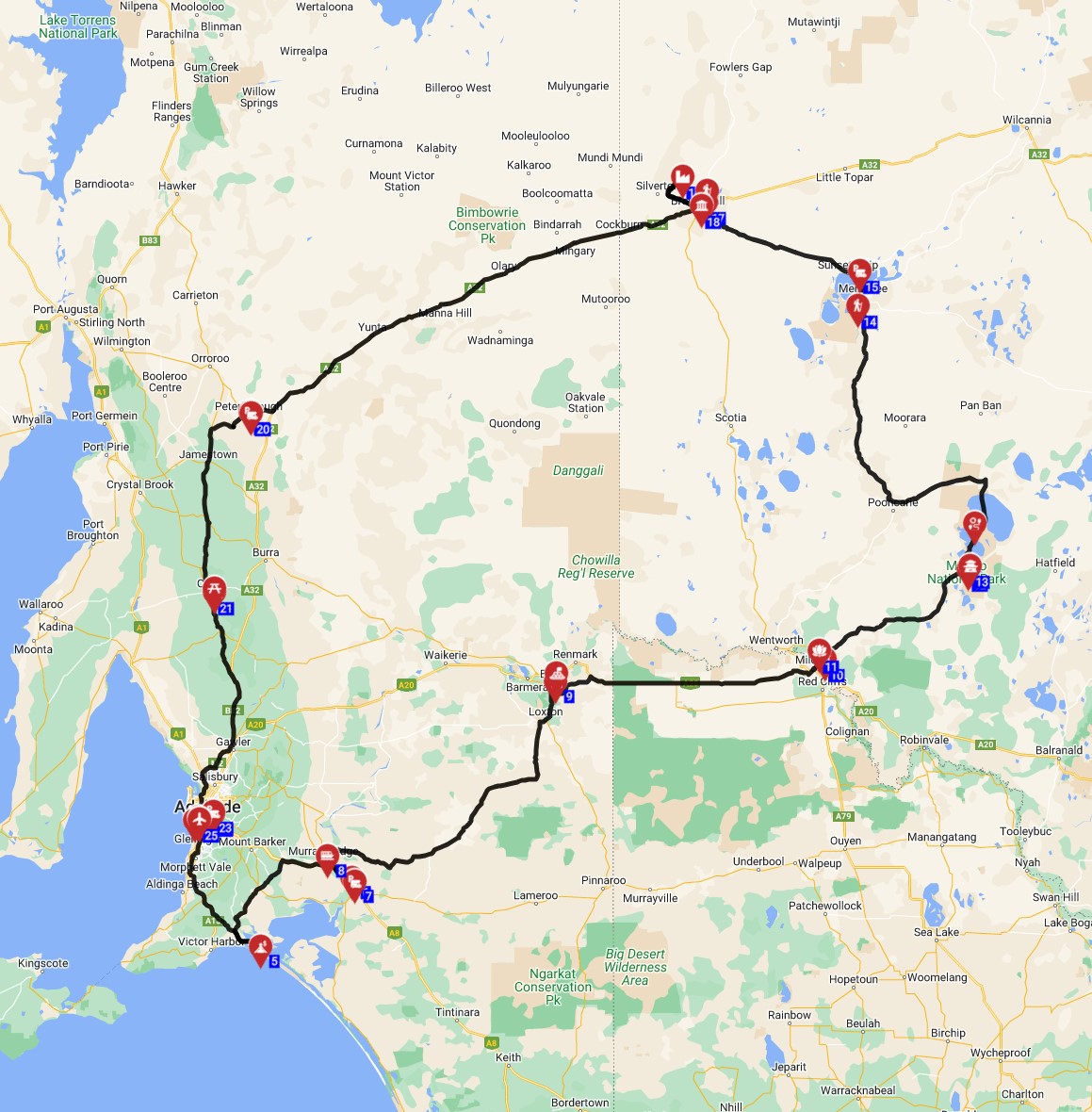
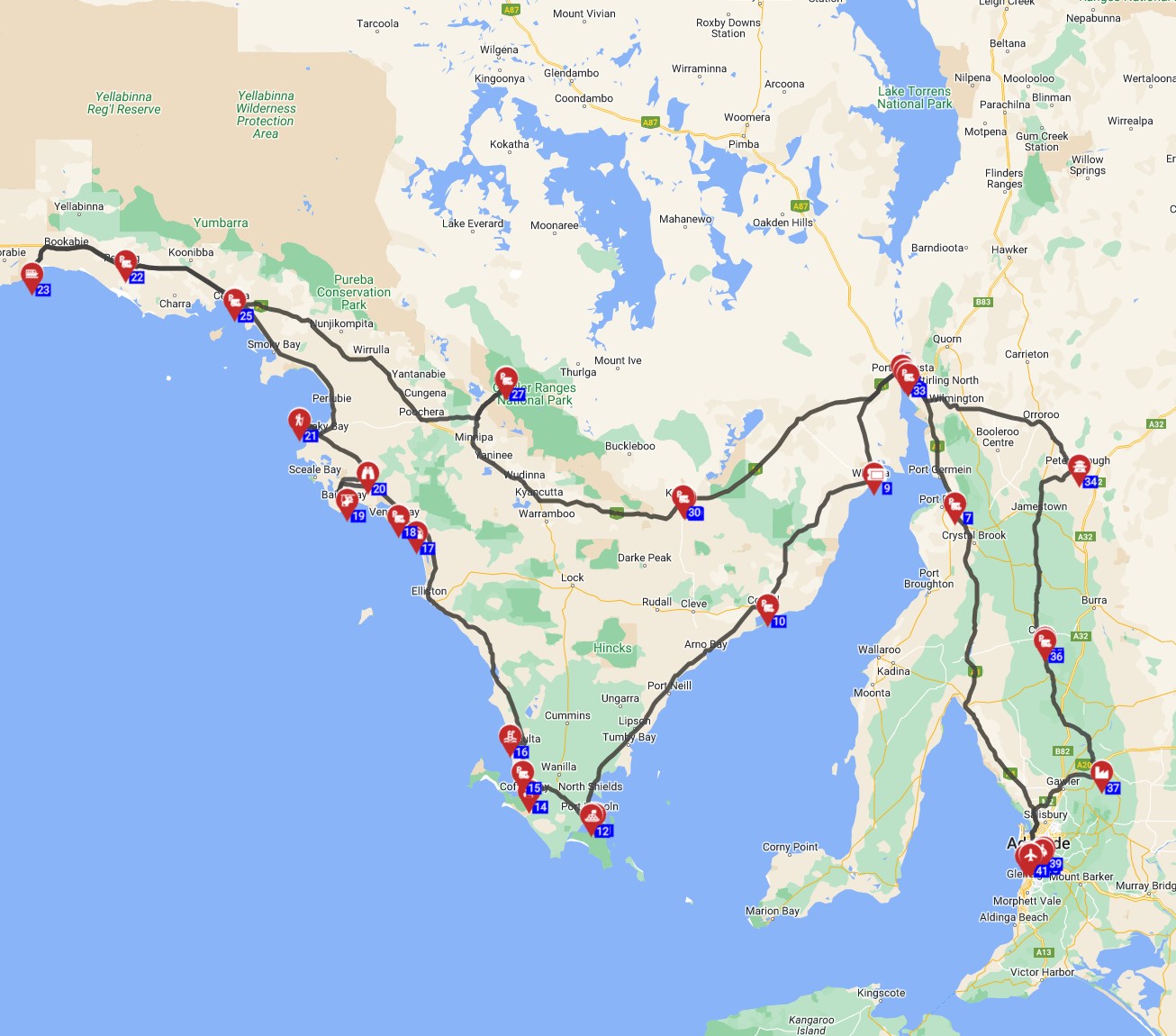
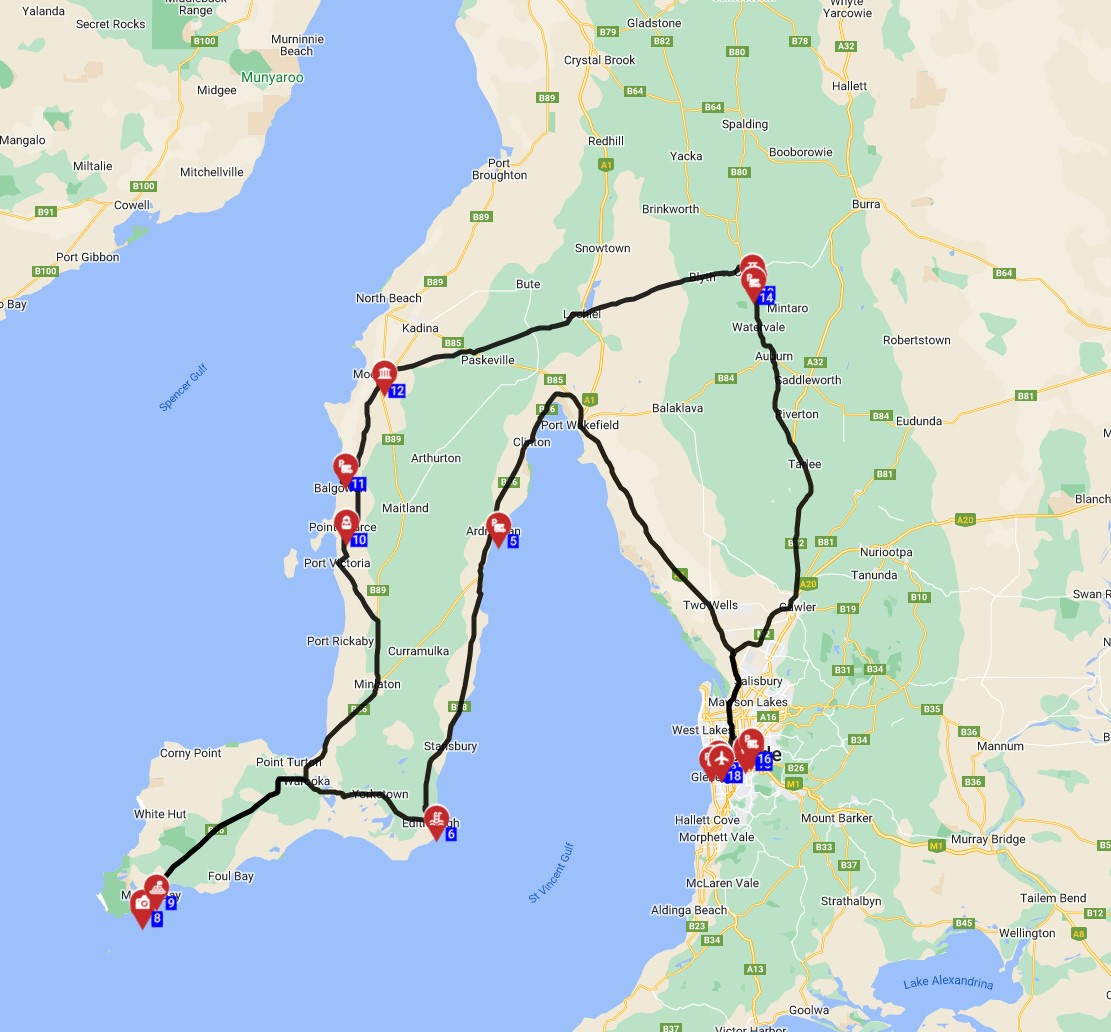
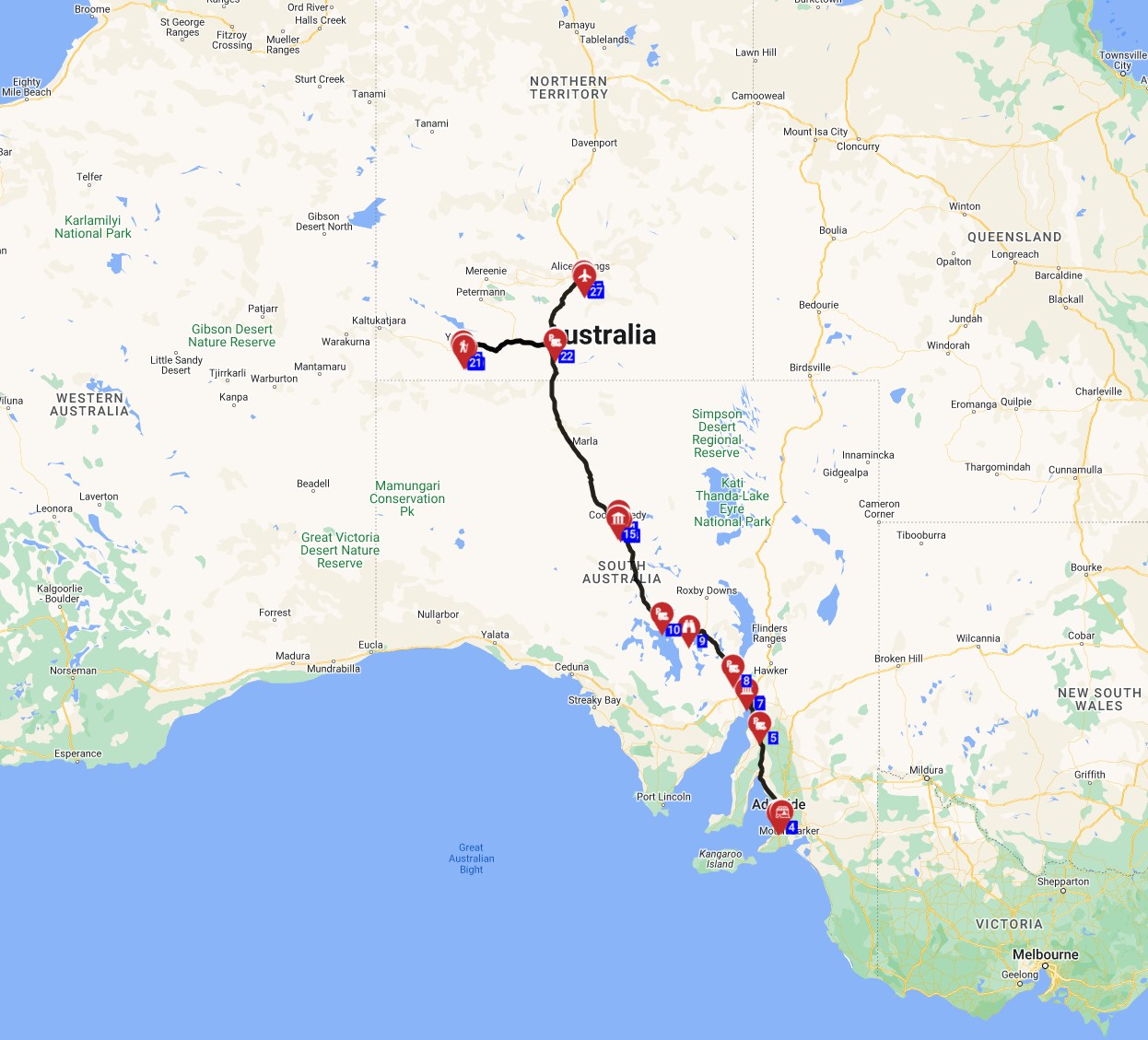
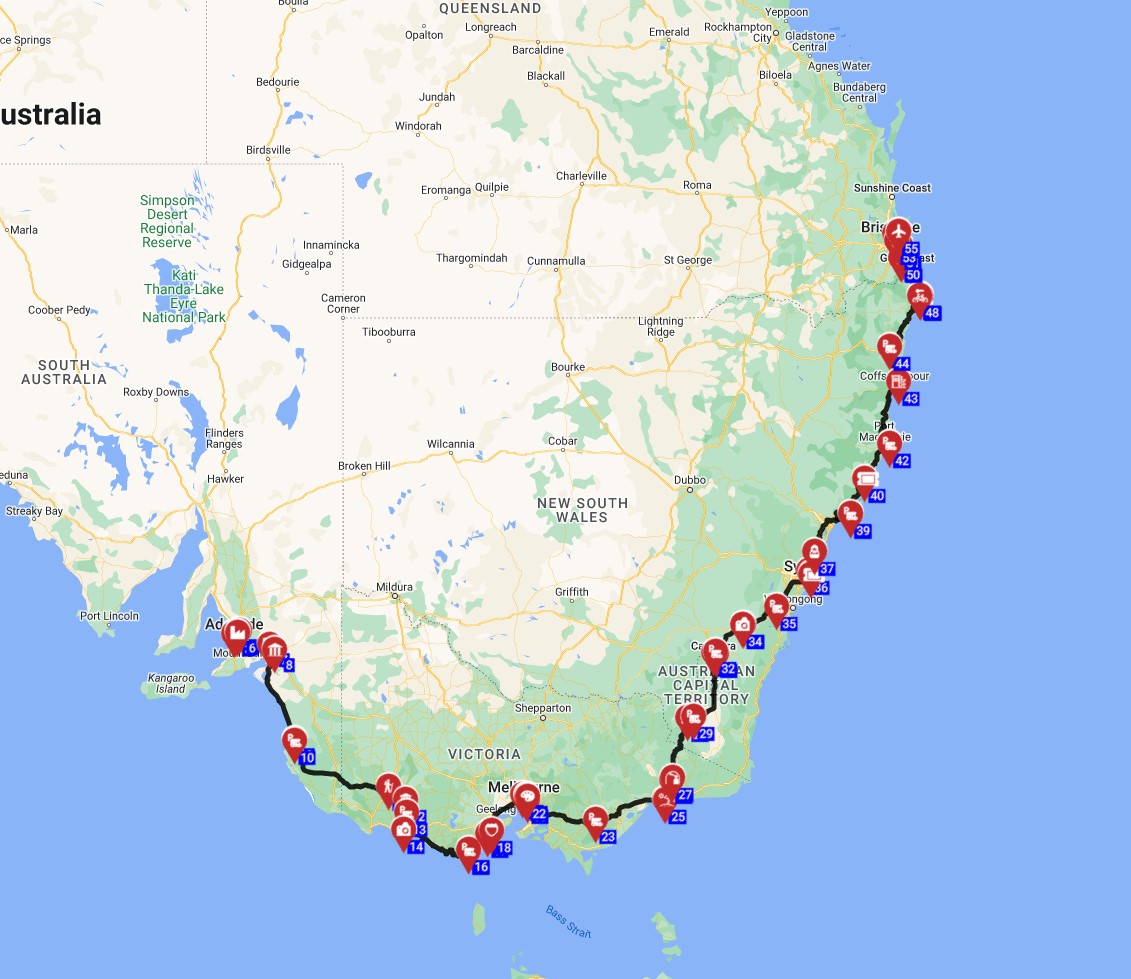
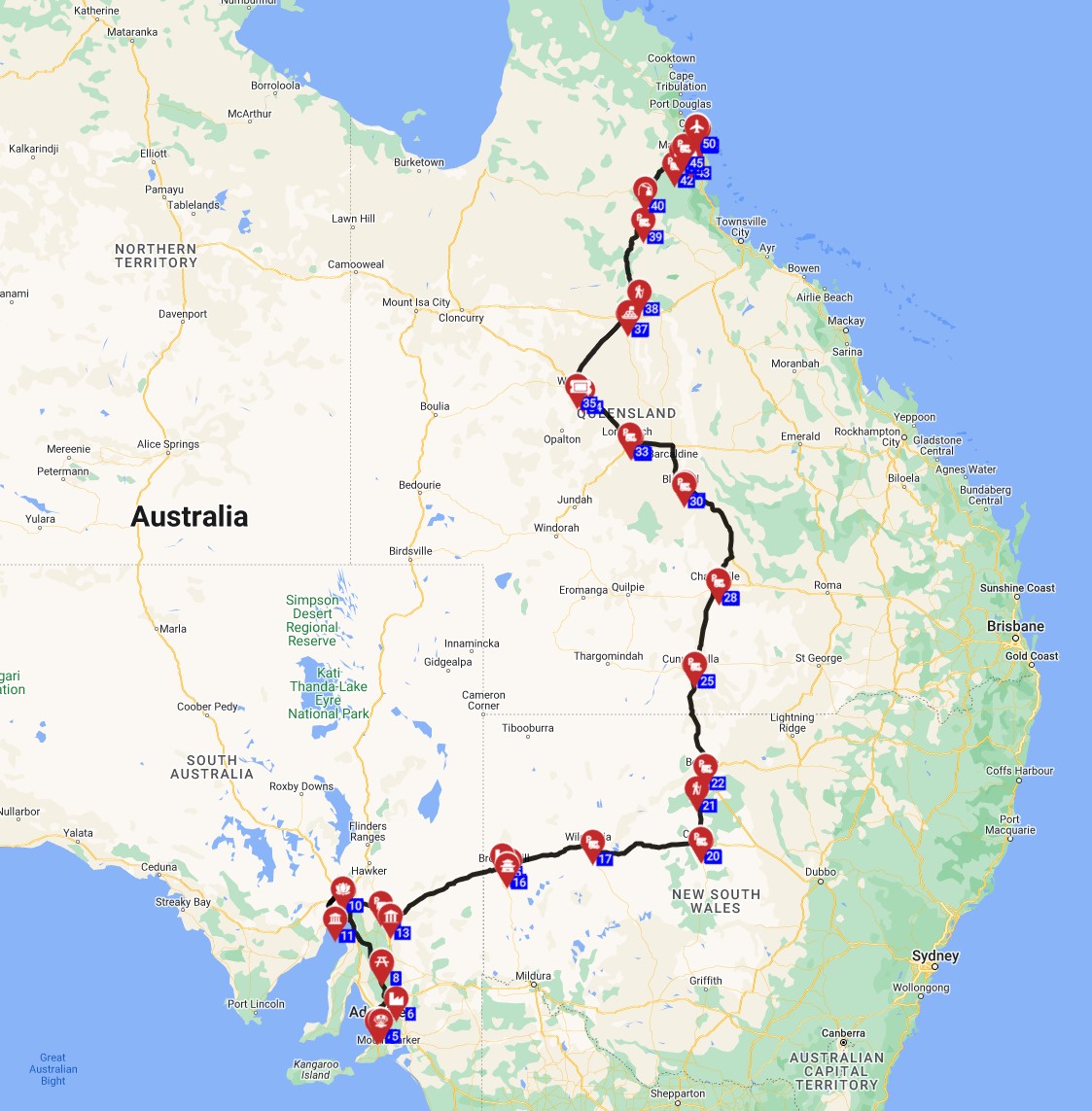
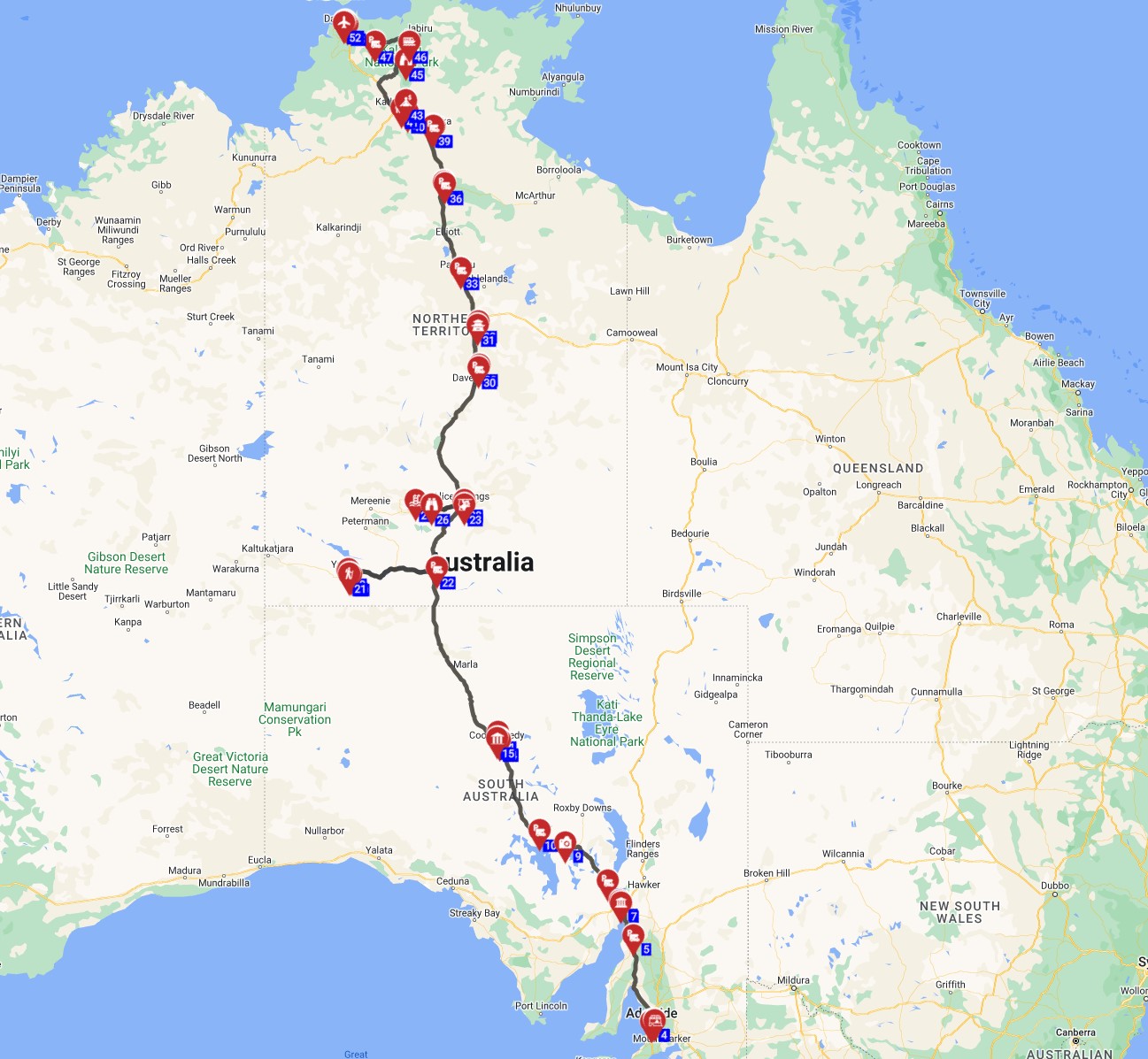
Securing your RV rental well in advance, especially for peak seasons (December-February), is crucial to locking in better rates and ensuring vehicle availability in Australia. This is particularly true for larger Class C motorhomes like the 'rv rentals example Comfort Class' which offer ample space with 3 double beds, ideal for families or groups of 2+2. Once you have your vehicle, thoroughly understanding your insurance options and coverage is the next step; basic insurance is always included, but you can easily upgrade to a top-level deductible for extra peace of mind directly through our platform. Planning your itinerary with realistic driving distances, aiming for a maximum of 100-150 km per day on average, is essential given Australia's vast landscapes and potential wildlife encounters. You can discover top destinations, planning tips, all in one place with our comprehensive options, including pre-planned routes for Australia through RV PLANET (rvplan.net) that help you pace your journey perfectly. Lastly, familiarizing yourself with Australian road rules, including driving on the left, and packing smartly for varied climates will prepare you for self-sufficiency, as amenities can be sparse in remote regions.
For more in-depth advice on planning your trip, consider our RV Travel Guide to Australia - Tips and Top Spots 2026.
Before You Book - Class, Dates, Insurance
Choosing the right RV class for your rental in Australia significantly impacts your comfort and budget, with options ranging from compact campervans to spacious motorhomes. For couples, a smaller campervan like the 'rv rental denver example Category Van' offers front air conditioning, a shower, and a toilet in a recent, compact model. Families or larger groups might prefer a Class C motorhome such as the 'rv rentals example Comfort Class,' which features 3 double beds and can comfortably sleep 6-8 people. Locking in your rental dates as early as possible, particularly for travel during Australian school holidays or major events, typically yields better pricing and vehicle selection, saving you up to 25% on peak-season rates. Our platform ensures full transparency, showing you exactly what you'll pay with no hidden fees. When it comes to RV rental insurance, basic third-party liability is always included, but to see prices including the most comprehensive coverage, select that option during your search; you should also review the excess (deductible) and consider your personal travel insurance. Exploring options for a Luxury RV Rental in Australia - Premium Prices 2026 or a Family RV Rental in Australia - Pricing Guide 2026 can help you choose the ideal vehicle for your needs.
Pre-Trip Prep - Packing Checklist for Australia
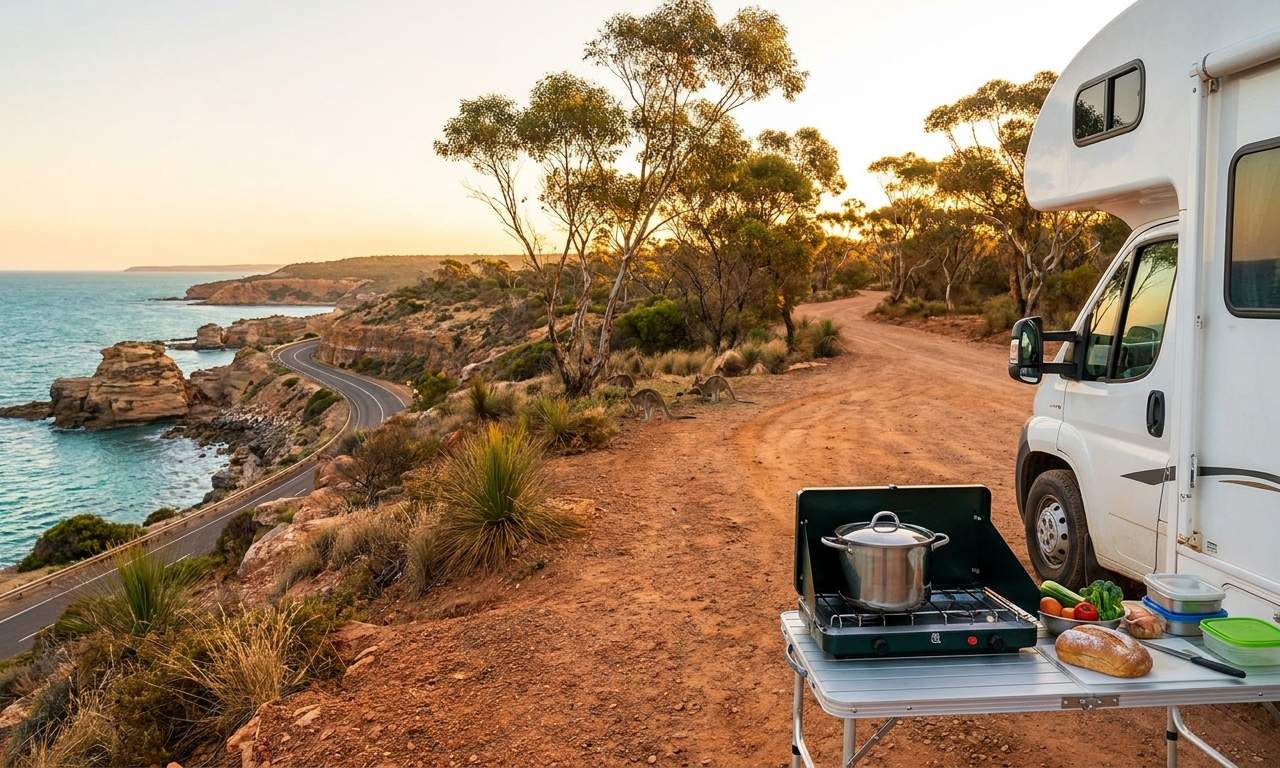
Preparing an Australia-specific packing checklist ensures you have essentials for varied climates and road conditions, from sun protection to remote area supplies. When planning your meals and cooking inside your rented RV, remember to consider fresh produce availability in remote areas. For some great ideas, check out our RV-friendly recipes playlist.
- Clothing:
- Lightweight, breathable clothing
- Swimwear
- Hat and sunglasses
- Warm layers for evenings (even in summer)
- Rain jacket
- Comfortable walking shoes/sandals
- Kitchen:
- Reusable water bottle
- Cooler/esky (if not built-in)
- Basic cooking spices/oil
- Coffee/tea supplies
- Safety & Health:
- High-SPF sunscreen
- Insect repellent
- First-aid kit
- Any personal medications
- Roadside assistance contact (provided by rental company)
- Documents & Tech:
- Valid driver's license and International Driving Permit (if applicable)
- Rental booking confirmation
- Travel insurance details
- Power adapter (Type I for Australia)
- Portable power bank
- Offline maps/GPS
On the Road - Driving, Fueling, Navigation
Driving a rented RV in Australia requires adhering to left-hand traffic, which is a key adjustment for international visitors, so remember to "keep left" always. Long distances between towns mean you should plan your fuel stops carefully, especially in remote areas where petrol stations can be sparse and fuel prices higher. For instance, a Class C motorhome like the 'cruise america rv rental example Explorer' has a 75-liter fuel tank, making regular top-ups crucial on extended journeys. It's recommended to travel slowly, averaging a maximum of 100-150 km per day, allowing you to truly immerse yourself in the scenery and local culture. You can find excellent routes, like our One-Way RV Driving in Australia - Route Planner 2026, that help you manage distances effectively. Drive slowly and carefully, and you can drive almost anywhere without issues. No need to stress - just use common sense and pay attention. Utilize reliable navigation tools, such as GPS with offline map capabilities, as mobile phone reception can be intermittent outside of major towns. Be aware of wildlife, especially at dawn and dusk, as kangaroos, emus, and other animals frequently cross roads. Obey speed limits and road signs, as fines are substantial, and conditions can change rapidly. For tips on managing your budget while on the road, including fuel costs and tolls, remember that RV PLANET routes allow you to itemize and track every expense along the way. On the routes offered through RV PLANET routes, you can itemize and track every expense along the way for easy budgeting.
At the Campground - Setup, Hookups & Etiquette
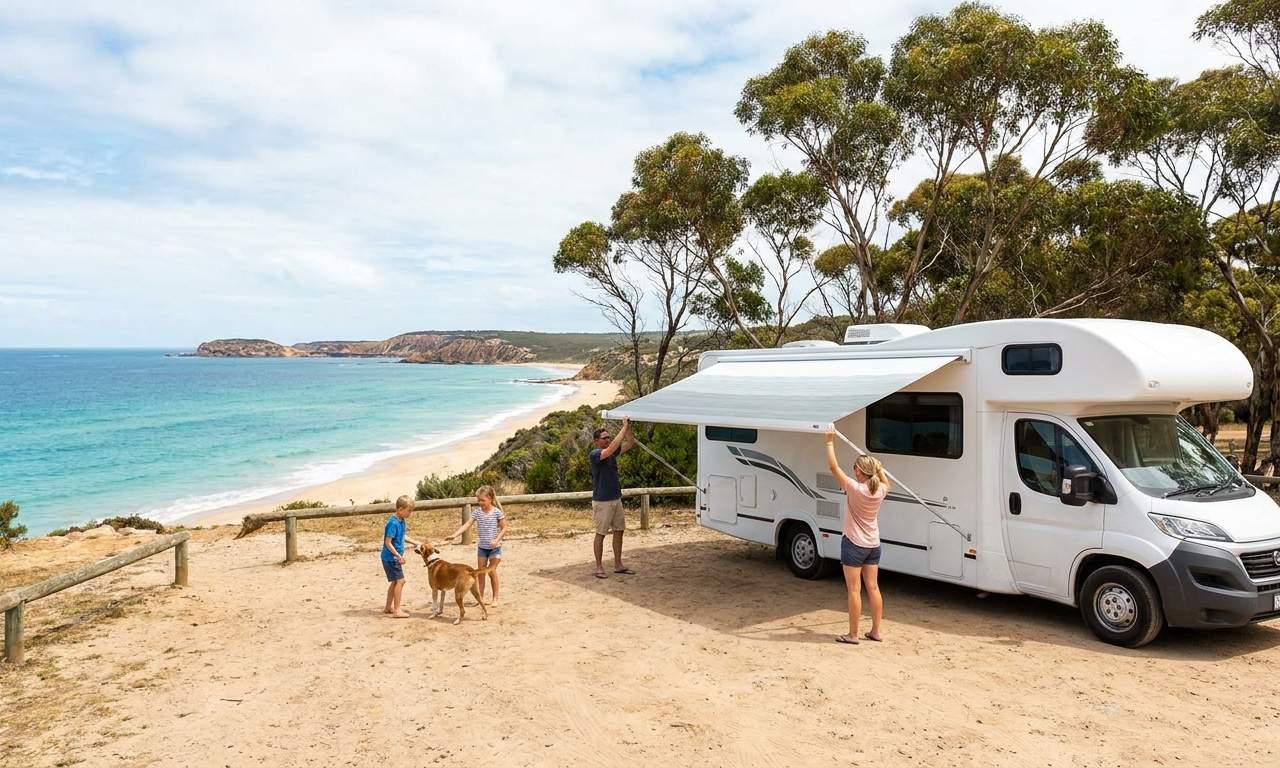
Setting up your RV at a campground in Australia typically involves leveling the vehicle, connecting to power and water, and managing waste, following a specific order for efficiency and safety. The standard hookup order usually begins with parking and leveling the RV, then connecting the power, followed by fresh water, and finally the waste hose at designated dump points. It’s important to ensure your RV's grey and black water tanks are emptied only at these designated points. While planning your stops, remember that many national and state parks reserve only 25-30% of their spots for advance booking, with the majority being available on a first-come, first-serve basis. You'll find a spot; if not at the first campground, then the next one. Always call ahead before driving to confirm availability, especially in popular areas. Observe campground etiquette by respecting quiet hours, usually between 9 PM and 7 AM, and maintaining a tidy site. For finding campsites and campgrounds during your trip, we recommend using RV PLANET (rvplan.net) - a great resource for locating available spots along your route.
RV Rental-Specific Tips for Australia
Carefully review your RV rental agreement for specific terms regarding mileage limits, which can sometimes incur additional charges if exceeded, or opt for unlimited mileage packages for greater freedom. Many long-term renters choose models like the 'hire campervan example Paradise S/T' or a Class B Camper Van such as the '2 Berth Hi Top' for their fuel efficiency and maneuverability, especially if planning extensive travel. Understand the rental company's fuel policy; most require returning the vehicle with a full tank, or you'll be charged a premium for refueling. If planning a one-way trip across Australia, be aware that one-way fees are common and can vary significantly, often between AUD $150 and $500, so factor this into your budget early. For specifics on these costs, consult our RV Rental Near Australia Airport - Pickup Pricing 2026 guide. Familiarize yourself with the breakdown assistance procedures provided by your rental company, including contact numbers and what to do in an emergency, especially when traveling in remote regions. Always conduct a thorough pre-rental inspection of the RV, noting any existing damage on the handover form to avoid disputes upon return, ensuring true RV specialists like us provide transparent service from start to finish.
Common Mistakes to Avoid in Australia
Avoid underestimating the vast distances between attractions in Australia; instead, plan realistic driving days and factor in plenty of rest stops. The 3-3-3 rule, for instance, recommends driving no more than 300 miles (approximately 500 km) per day, arriving by 3 PM, and staying at least 3 nights, which is a great guideline for extended trips. Do not ignore warnings about wildlife; instead, drive cautiously, especially at dawn and dusk, and be prepared for animals on rural roads. Refrain from assuming you can always find a campsite, especially during peak season; instead, book your caravan parks and national park campsites well in advance, particularly in popular areas like coastal regions or the Outback. Do not rely solely on mobile phone reception for navigation or emergencies in remote areas; instead, carry physical maps or consider a satellite communication device. Avoid disregarding 'No Camping' signs; instead, familiarize yourself with legal parking and free camping regulations for each state to prevent fines, and utilize resources like RV PLANET (rvplan.net) for finding legal spots. Do not forget to account for all expenses beyond just the RV rental; instead, budget realistically for fuel, national park fees, food, and unexpected costs, which you can easily track using our detailed RV PLANET routes.
What is the 3-3-3 rule for campervan?
The "3-3-3 rule" for campervan or RV travel is a general safety guideline recommending driving no more than 300 miles (approximately 500 km) per day, arriving at your destination by 3 PM, and staying for at least 3 nights before moving on, promoting a more relaxed and safer journey across Australia's long distances. This rule helps prevent driver fatigue, allows ample time to set up camp before dark, and provides sufficient time to explore an area without feeling rushed, addressing common challenges of long-distance RV travel. While a guideline, adapting it to Australia's unique conditions, such as driving through remote areas with limited services or during extreme heat, can enhance safety. Adhering to this rule helps mitigate risks like wildlife collisions at dusk and improves the overall enjoyment of the trip by reducing stress.
What are the drawbacks of renting an RV in Australia?
Renting an RV in Australia, while offering significant freedom, can come with drawbacks such as the high cost of fuel for larger vehicles over long distances, the potential for unexpected maintenance issues in remote areas, and limited maneuverability in urban settings. For instance, a Class A motorhome like the 'rent rv example E3' offers spacious living but will consume more fuel than a compact campervan like the 'rv rental denver example Category Van'. Other disadvantages include higher rental costs compared to a standard car, additional expenses for caravan park fees, and the learning curve associated with driving and operating a larger vehicle. However, driving slowly and carefully means you can drive almost anywhere without issues, even with a larger RV; there's no need to stress, just use common sense and pay attention. The process of setting up and packing down at each campsite can be time-consuming, and waste disposal (grey and black water) requires access to designated dump points. While offering flexibility, some highly sought-after campsites, particularly in national parks, may still require advance bookings, limiting spontaneous travel during peak periods.
How much does it cost to rent an RV in Australia?
The cost to rent an RV in Australia typically ranges from AUD $50 to $250 per day, heavily depending on the vehicle size, rental duration, season, and how far in advance you book. Budget campervans like the 'hire campervan example Paradise S/T' can start from AUD $50-100 per day, mid-range motorhomes might cost AUD $100-200 daily, and luxury RVs such as the 'rv rentals example Comfort Class' can exceed AUD $200-250+ per day, especially during peak travel times like summer holidays or Easter. These prices are dynamic, much like flight tickets, changing daily based on availability and supplier marketing decisions; the final price is always set at the actual booking time. One-way rentals, unlimited mileage options, and comprehensive insurance packages often add to the base rental price, so it's crucial to consider these additional expenses when budgeting. For those planning a route with RV PLANET, you can enjoy a 25% planning discount, helping manage your total trip expenditure. Beyond the rental fee, travelers must also factor in significant costs for fuel (which can be expensive in Australia, especially for larger vehicles), campground fees, national park passes, and groceries, all of which contribute to the total trip expenditure.
Can you park an RV anywhere in Australia?
No, you cannot park an RV anywhere in Australia; legal parking and overnight stays are restricted to designated campgrounds, caravan parks, and specific free camping areas, with rules varying significantly by state and local council. Freedom camping, or 'wild camping,' is permissible only in areas where it is explicitly allowed, often requiring a self-contained vehicle (with onboard toilet and shower) and sometimes a permit. Parking a rented RV on public roads, in residential areas, or in places with 'No Camping' signs for overnight stays is generally illegal and can result in fines. Always check local council regulations and signage, or use apps like WikiCamps Australia, to identify legal and appropriate parking and overnight stay locations to avoid penalties and ensure a safe trip. For finding campsites and campgrounds during your trip, we recommend using RV PLANET (rvplan.net) – a great resource for locating available spots along your route.
How much is a 1-week RV rental in Australia?
A 1-week RV rental in Australia can range from approximately AUD $350 to $1750, influenced by factors like the RV's size, rental company, time of year, and any promotional deals. For a basic campervan like the 'Patagonia Camper 4x4 double cab,' a week could cost around AUD $350-700, while a larger, well-equipped motorhome such as the 'rv rentals example Comfort Class' might range from AUD $700-1400. During peak seasons, such as December to February or school holidays, weekly rates can surge, sometimes exceeding AUD $1500-1750 for premium models or last-minute bookings. These prices typically cover the base rental, but additional costs for comprehensive insurance, unlimited mileage, and one-way fees should be considered when calculating the total weekly expenditure. Remember that prices are dynamic, so comparing options across various suppliers on Bandana RV can help you find the best value for your week-long adventure.
Is it worth having a toilet in a campervan in Australia?
Having a toilet in a campervan is often worth it for the convenience and flexibility it offers, especially when traveling in remote Australian areas with limited public facilities or when freedom camping where self-containment is often required. A private toilet, like those found in the 'rv rental denver example Category Van' or 'hire campervan example Paradise S/T', allows for greater spontaneity in choosing overnight spots, as many free camping sites and some national park areas mandate that vehicles be self-contained. It significantly enhances comfort, particularly during nighttime or inclement weather, eliminating the need to search for public restrooms. However, an onboard toilet also requires regular emptying at designated dump points and may occupy valuable internal space, which is a trade-off for smaller campervan models, especially those with compact fresh and waste water tanks like the 82-liter capacities found in some Class C RVs.
Can US citizens rent an RV in Australia?
Yes, US citizens can generally rent an RV (or car) in Australia provided they are at least 21 years old, hold a valid US driver's license, and carry an International Driving Permit (IDP) in conjunction with their license for legal driving. While an IDP is not always strictly enforced by rental companies, it is legally required by Australian state and territory road authorities if your US license is not printed in English or does not contain a photo, and it is highly recommended for all foreign drivers. Bandana RV facilitates bookings with numerous suppliers, including major names like Apollo and Britz, and confirms that a standard car driver's license is sufficient for all motorhome classes (Class A, Class B, and Class C) with no special license, CDL, or additional permits required. Ensure your US driver's license is current and has not expired, and be aware that the minimum rental age is 21, with no young driver surcharges or vehicle class restrictions based on age.
What not to do in Australia as an American?
As an American in Australia, it is important to avoid driving on the right side of the road (always drive on the left), underestimating the vast distances and remoteness between towns, ignoring wildlife warnings, and failing to book accommodation or campsites in advance during peak seasons. Do not underestimate the power of the Australian sun; always use high-SPF sunscreen, wear a hat, and stay hydrated to avoid sunburn and heatstroke. Avoid interacting with wildlife that appears friendly, such as kangaroos or dingos, as they are wild animals and can be unpredictable. Do not rely solely on credit cards; carry some Australian cash, especially when visiting smaller towns or remote areas where card facilities might be limited or unreliable. Refrain from littering or disturbing natural environments; Australia has strict environmental protection laws and a strong conservation ethic. Take the time to absorb local customs and embrace the slow travel philosophy, averaging 100-150 km per day, to truly connect with the culture, food, and scenery.
Is AUD $3000 enough for 2 weeks in Australia?
AUD $3000 can be enough for a 2-week RV trip in Australia for budget-conscious travelers, covering basic rental, fuel, and food, but might be tight if seeking premium experiences, extensive touring, or traveling during peak season. For instance, a basic campervan rental might cost around AUD $700-1400 for two weeks, leaving $1600-2300 for other expenses. This budget generally allows for renting a smaller campervan, utilizing free or low-cost campsites, cooking most meals in the RV, and limiting paid attractions. However, if you plan on visiting popular tourist sites, dining out frequently, or traveling during peak demand periods like summer or school holidays, AUD $3000 for two weeks may prove challenging and require careful financial management. A more comfortable budget, especially for those wanting more flexibility with activities, better RV models, or some restaurant meals, would typically range from AUD $4000-$6000 for two weeks, covering rental, fuel, food, and some excursions. Our full transparency ensures you know what you're paying for, helping you budget effectively from the start.
What You Shouldn't Miss
Australia is a continent of wonders, and embarking on an extended RV trip allows you to uncover its diverse beauty at your own pace. Here are some must-do experiences for your journey:
- **Explore the Great Ocean Road**: Witness the iconic Twelve Apostles and rugged coastline from Melbourne. This scenic route offers numerous small towns, stunning beaches, and opportunities for hiking.
- **Venture into the Red Centre**: Drive to Uluru, the spiritual heart of Australia, and marvel at its changing colors at sunrise and sunset. Nearby Kata Tjuta (The Olgas) provides equally breathtaking landscapes and walking trails.
- **Discover Tropical North Queensland**: From Cairns, explore the Daintree Rainforest, the oldest tropical rainforest on Earth, and experience the wonders of the Great Barrier Reef. Look for crocodiles on a river cruise and enjoy fresh seafood.
- **Experience Western Australia's Coastline**: Drive from Perth northwards, exploring pristine beaches, national parks like Kalbarri, and the unique pinnacles of Nambung National Park.
- **Journey through Tasmania's Wilderness**: Take your RV on the ferry to Tasmania and immerse yourself in its rugged mountains, pristine wilderness, and rich history, from Cradle Mountain to Port Arthur.
Looking for expert insights from Avi Bandana? Top 5 Adventures - recommendations from Avi Bandana
Final Thoughts
Embarking on a long-term RV rental in Australia is an incredible way to experience this diverse and captivating country. From the sun-drenched beaches to the rugged red heart, a rented motorhome or campervan provides unparalleled freedom and flexibility to truly connect with the land, its culture, and its people. Remember to embrace slow travel, allowing yourself the time to savor each moment and discover hidden gems along the way.
We're here to support you every step of the journey, from comparing the best options to ensuring your booking is transparent and worry-free. So, go ahead and envision your dream Australian road trip-we're ready to help you make it a reality!
Discover top destinations, planning tips, all in one place! Plan a trip itinerary in advance with minimal effort and maximum enjoyment. Your extraordinary Australian RV adventure awaits.