In This Guide
- The 5 RV Families Compared for Australia
- Class A (Integrated) - Best For
- Price Comparison by RV Class in Australia
- Class SI (Semi-Integrated) - Best For
- Class C (Alcove) - Best For
- Class B (Campervan) - Best For
- Class TC (Truck Camper) - Best For
- Side-by-Side Comparison Table
- Our Recommendation for rv rental Travelers in Australia
- What is the best RV rental company?
- How much does it cost to rent an RV in Australia?
- What is the difference between Maui and Apollo?
- What is the best RV in Australia?
- What is the most reliable brand of motorhome in Australia?
- What is the 333 rule for campervan?
- What is the most affordable RV to buy?
- What is the best value for money caravan in Australia?
- What You Shouldn't Miss
- Why Book with Bandana Caravan
- Final Thoughts
- Frequently Asked Questions
The 5 RV Families Compared for Australia
Choosing the right RV family is critical for an Australian adventure due to its diverse terrain, varied climates, and potential trip lengths across the continent. Your ideal rented RV depends on factors like your group size, desired comfort level, budget, and whether you plan to stick to sealed roads or venture off-grid into Australia's stunning interior. Australia's vast distances and unique landscapes make vehicle class selection a foundational decision for an enjoyable and practical trip, offering a range of experiences from luxurious touring to rugged outback exploration. For live availability and current prices, start with our RV Rental Australia - Complete Guide 2026 guide. Bandana Caravan is a true RV specialist, focused exclusively on RV travel, offering unmatched personal experience and attention to the smallest details to help you find the perfect match.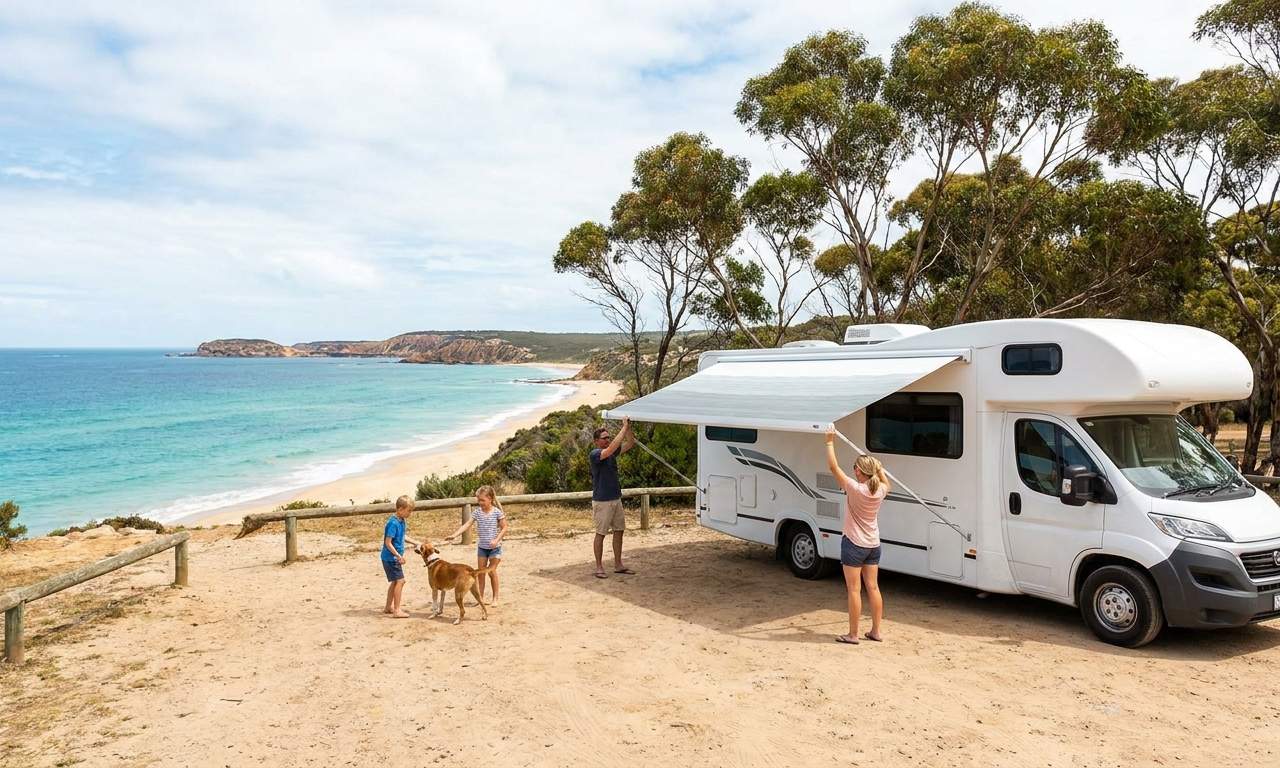
Class A (Integrated) - Best For
Class A integrated motorhomes are ideal for luxury-focused travelers and larger groups seeking maximum comfort and amenities on long-haul trips across Australia. Bandana's fleet typically features Class A motorhomes averaging 7.5 meters in length, sleeping approximately 4.4 people, and offering an average load capacity of 209.5 kg. These impressive vehicles, like the `rent rv example E3`, provide spacious living areas, full kitchens for preparing delicious meals, and often multiple sleeping zones, consuming around 11-12 liters of fuel per 100 km. While offering unparalleled comfort, their size means slightly reduced maneuverability in urban areas, though with careful driving, you can drive almost anywhere without issues; no need to stress, just use common sense and pay attention. They are primarily suited for sealed roads, offering a magnificent way to experience Australia's scenic routes in style.Price Comparison by RV Class in Australia
RV rental prices in Australia are dynamic, fluctuating based on demand, season, booking lead time, and vehicle class, much like flight tickets. Understanding these base rates is crucial for budgeting, though additional costs like insurance, fuel, and camping fees should also be factored in for long-term RV rental. Prices update daily; for the most current figures, use the search box at the top of this page with your specific dates and locations. For a more detailed breakdown, consider our RV Rental in Australia - Prices and Best Deals 2026 guide. When planning your budget, remember that our RV PLANET routes offer the ability to itemize and track every expense along the way for easy budgeting.🎬 Video coming soon
Because pricing is flex-rate, the table below pulls real example prices from Bandana's live search for various RV classes and durations:
| RV Class | Average Daily Rate (AUD) - Low Season | Average Daily Rate (AUD) - High Season | Typical Passenger Capacity |
|---|---|---|---|
| Class B (Campervan) | $80 - $150 | $150 - $280 | 2-3 |
| Class C (Alcove) | $120 - $220 | $220 - $350 | 4-6 |
| Class SI (Semi-Integrated) | $130 - $230 | $230 - $360 | 3-4 |
| Class TC (Truck Camper) | $140 - $250 | $250 - $400 | 2-4 |
| Class A (Integrated) | $200 - $400 | $400 - $600+ | 4-7 |
Class SI (Semi-Integrated) - Best For
Class SI (Semi-integrated) motorhomes are an excellent balanced choice for couples or small families seeking comfort and a slightly sleeker profile than alcove models for their Australian journey. Bandana's fleet typically includes Class SI vehicles averaging 6.9 meters in length, accommodating around 3.8 sleepers (3.4 adults), with an average load capacity of 72.2 kg. These rented RVs offer a good blend of living space, modern amenities, and relatively easy driving, consuming about 10-11 liters of fuel per 100 km. They generally outperform larger Class A motorhomes in maneuverability and often cost-efficiency, while providing more integrated living space and storage than smaller Class B campervans. For longer trips across Australia's scenic coastlines and national parks, a Class SI motorhome provides an ideal combination of practicality and comfort.Class C (Alcove) - Best For
Class C (Alcove) motorhomes are highly recommended for families or groups traveling Australia, thanks to their dedicated over-cab sleeping area which maximizes internal living space. Bandana's fleet typically features Class C motorhomes averaging 7.5 meters in length, sleeping up to 5.8 people (4.4 adults), and providing an average load capacity of 42.4 kg. These vehicles, like the `24 Class C Motorhome` with upgraded queen mattresses and electric roll-out awnings, offer a great balance of comfort, amenities, and cost-efficiency, with common fuel consumption ranging from 10-12 liters per 100 km, making them well-suited for extended road trips on Australia's major routes. Their robust build makes them practical for most sealed Australian roads, prioritizing comfortable living over extreme off-road capability, allowing families to enjoy meals and relaxation after a day of exploring.Class B (Campervan) - Best For
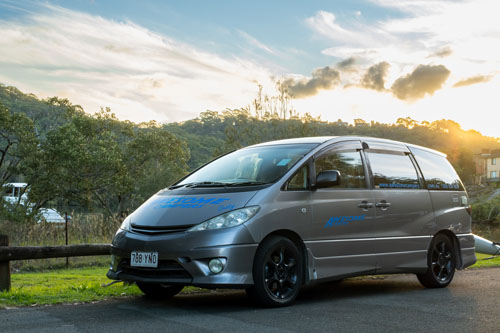
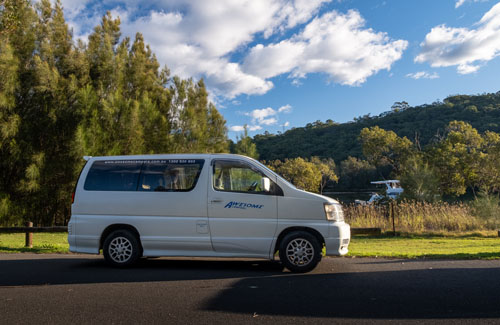
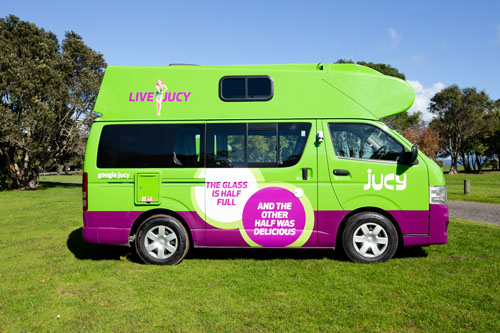
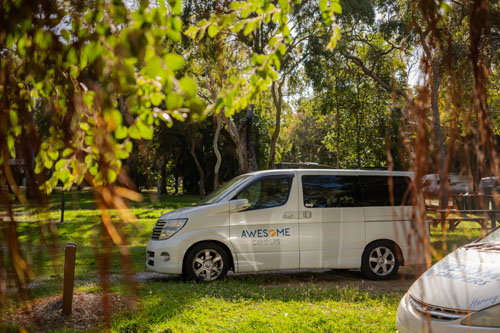
Class B campervans are ideal for solo travelers, couples, or small groups prioritizing maneuverability, fuel economy, and the ability to easily navigate both city streets and national parks in Australia. Bandana's fleet typically shows Class B campervans averaging 5.8 meters in length, accommodating approximately 3.2 sleepers (2.7 adults), and having an average load capacity of 37 kg. With common fuel consumption around 10 liters per 100 km, these compact rented RVs are more economical to run and easier to park than larger motorhomes. They are perfect for coastal road trips, accessing smaller campsites, and travelers who prefer a more agile and less cumbersome driving experience in Australia, allowing for spontaneity and freedom on the open road.Class TC (Truck Camper) - Best For
Class TC (Truck Camper) vehicles are best suited for adventurous travelers or couples looking for off-grid capability and flexibility in accessing remote Australian locations. Bandana's fleet typically features Truck Campers averaging 5.5 meters in length, sleeping around 2.4 people (2.1 adults), though load capacity can vary significantly based on the truck chassis. Known for their robust 4WD capabilities when paired with an appropriate truck, they offer the freedom to venture onto unsealed roads and into the Australian outback, with common fuel consumption between 12-17 liters per 100 km. Their detachable design allows for easy setup at a campsite, freeing up the truck for day trips without having to pack up the entire living unit, making them perfect for those seeking a deeper exploration of Australia's wilderness.Side-by-Side Comparison Table
This comparison table provides a quick overview of the key differences between the various RV classes available for rental in Australia, helping you choose the best fit for your long-term adventure.| Family | Avg Length (m) | Sleeps | Fuel Use (L/100km) | Best Use Case in Australia |
|---|---|---|---|---|
| Class A (Integrated) | 7.5 | 4.4 | 11-12 | Luxury, large groups, long trips on sealed roads |
| Class SI (Semi-Integrated) | 6.9 | 3.8 | 10-11 | Couples/small families, balanced comfort & maneuverability |
| Class C (Alcove) | 7.5 | 5.8 | 10-12 | Families/groups, cost-effective comfort on major routes |
| Class B (Campervan) | 5.8 | 3.2 | ~10 | Solo/couples, maneuverability, fuel economy, coastal trips |
| Class TC (Truck Camper) | 5.5 | 2.4 | 12-17 | Adventure seekers, off-grid, 4WD capability, outback access |
Our Recommendation for rv rental Travelers in Australia
For most RV rental travelers in Australia, especially families or groups of 4-6 people, the Class C (Alcove) motorhome is our primary recommendation due to its optimal balance of space, amenities, and cost-efficiency. It comfortably accommodates multiple sleepers with its over-cab bed, without sacrificing too much maneuverability on Australia's main roads. A strong runner-up, particularly for solo travelers or couples seeking greater agility and fuel efficiency for coastal or regional touring, is the Class B (Campervan). For those planning an extensive outback adventure, a Class TC (Truck Camper) offers unparalleled 4WD capability, making it the top choice for remote exploration, provided you have prior 4WD driving experience. Ultimately, the 'best' choice aligns with your specific travel style, budget, and the unique Australian destinations you plan to explore on your long-term journey. Remember to travel slowly, max 100-150 km per day on average, to truly feel the place, connect to the culture, the food, and the scenery.What is the best RV rental company?
The 'best' RV rental company in Australia depends heavily on individual traveler needs, budget, and desired vehicle type, with top companies like Apollo, Maui, Britz, and Jucy often cited for their diverse fleets and established networks. When choosing a supplier for your long-term RV rental, consider factors such as included amenities, comprehensive insurance packages, customer service reviews, fleet age, and the suitability of their vehicle types for your specific trip style, whether it's a luxury tour or a budget-conscious adventure. Platforms like Bandana allow you to compare options from multiple providers simultaneously, offering a transparent way to find the best fit based on price, vehicle specifications, and rental terms, all without hidden fees or surprises. Reviewing customer feedback on specific vehicles and the support offered, particularly for one-way rentals or trips through remote areas, is crucial for an informed decision.How much does it cost to rent an RV in Australia?
The cost to rent an RV in Australia typically ranges from AUD $80 to $300+ per day, varying significantly based on vehicle class, season, rental duration, and how far in advance you book. For long-term RV rental, these daily rates can decrease with longer booking periods. Beyond the base rental fee, a realistic budget for an RV trip should account for substantial fuel costs (especially for larger vehicles or remote areas), national park entry fees, and diverse camping fees (from free camps to commercial caravan parks with amenities, which can range from $25-$60+ per night). Insurance nuances are critical; standard liability often has a high excess, so exploring options for reduced excess or purchasing a top-level deductible for extra peace of mind is highly recommended. Additional expenses may include one-way rental surcharges (if applicable), gas refills for cooking, food and activity budgets, and essential safety gear for remote travel. Remember, you can track all these expenses on RV PLANET routes for easy budgeting.What is the difference between Maui and Apollo?
Maui and Apollo are both prominent RV rental companies in Australia, largely owned by the same parent company, but they typically target different market segments with distinct vehicle fleets and service levels. Maui generally positions itself as a premium brand, offering newer, more luxurious, and well-appointed motorhomes, often catering to couples or families seeking a higher-end travel experience in Australia. Apollo, on the other hand, tends to offer a wider range of vehicles, including more budget-friendly options, slightly older models, and a broader variety of campervans and motorhomes, appealing to a diverse customer base from backpackers to families looking for good value. Key differences often include the average age of the fleet (Maui often 1-2 years, Apollo 3-5+ years), included amenities (e.g., linen, kitchen kits often standard with Maui, optional with Apollo), roadside assistance packages, and specific insurance options, making it essential to compare their offerings directly for your long-term trip type.What is the best RV in Australia?
The 'best' RV in Australia is subjective and depends entirely on a traveler's specific needs, trip duration, group size, and intended destinations, with no single vehicle type universally superior for every adventure. For families or groups requiring ample space and amenities for extended touring on sealed roads, a Class C (Alcove) or larger Class A (Integrated) motorhome is often considered ideal for comfort, offering multiple beds and a full kitchen. Adventurous travelers planning to explore unsealed roads and remote areas of the Australian outback will find 4WD-capable vehicles, such as a Class TC (Truck Camper) like the `Scout Adventure Truck Camper Gold`, to be the most suitable and safest option. Couples or solo travelers valuing maneuverability, fuel efficiency, and ease of parking in towns or smaller campsites typically find Class B (Campervan) models to be the best fit for their long-term journey, providing a compact yet fully functional home on wheels.What is the most reliable brand of motorhome in Australia?
For motorhome rentals in Australia, reliability often stems more from the rental company's maintenance standards and comprehensive roadside assistance network rather than a single 'best' manufacturing brand. However, Australian manufacturers like Jayco, Avida, and Winnebago (under license) are well-regarded for producing robust vehicles suited to local conditions, and their models are frequently seen in reputable rental fleets. A reliable rental experience is typically ensured by choosing reputable rental companies known for modern, well-maintained fleets and comprehensive 24/7 roadside assistance, which is paramount for long-distance travel in remote Australian regions. Focusing on the rental company's service reputation, transparent insurance coverage, and clarity on breakdown support will contribute more to a reliable and worry-free long-term trip than the specific chassis brand itself. Bandana works only with trusted suppliers who meet high standards of fleet maintenance.What is the 333 rule for campervan?
The '333 rule' for campervan travel is a common safety guideline advocating for driving no more than 300 kilometers per day, staying at least 3 days in one location, and making sure your next stop is within 3 hours driving time, promoting a slower, safer, and more immersive travel pace. This rule is particularly pertinent in Australia, given the vast distances between attractions and the importance of avoiding driver fatigue on long stretches of road, which contributes to overall road safety, especially with larger rented motorhomes. Adhering to the 333 rule encourages deeper exploration of each area, provides ample time for relaxation and dealing with any unforeseen issues, and helps manage fuel consumption and vehicle wear. While a guideline, it's a useful framework for planning itineraries, especially for international visitors unaccustomed to Australia's unique driving conditions and wildlife considerations at dawn and dusk.What is the most affordable RV to buy?
While this article focuses on RV rentals, typically the most affordable RVs to *buy* are smaller, older campervans or pop-top caravans, which can cost significantly less than new motorhomes, ranging from AUD $10,000 to $50,000+ for used models. However, for those considering short-term travel in Australia or wanting to 'try before they buy,' renting an RV offers a cost-effective alternative to purchasing, avoiding the depreciation, maintenance, and ongoing insurance costs associated with ownership. The affordability of buying an RV also depends on its class, age, condition, and included features, with Class B campervans generally being more accessible than larger Class C or Class A motorhomes. Renting provides flexibility and access to a newer, well-maintained fleet without the long-term financial commitment, making it an excellent option for exploring Australia's diverse landscapes without the upfront investment of buying.What is the best value for money caravan in Australia?
For those seeking the 'best value for money' in *caravans* in Australia, models from local manufacturers like Jayco, New Age, or Crusader are frequently cited due to their robust construction, suitability for Australian conditions, and strong resale value, often starting from around AUD $30,000 for entry-level options. It is important to differentiate between caravans (towed units) and RVs (self-propelled motorhomes or campervans), with this article primarily focusing on the latter for rental purposes, as Bandana RV exclusively offers motorhomes and campervans. When considering value for money in a caravan, factors like build quality, included features, off-road capability, and a good warranty are key, alongside the cost of a suitable towing vehicle. For rental travelers, self-drive RVs (motorhomes and campervans) often present a more convenient and all-inclusive value proposition as they eliminate the need for a separate towing vehicle and the complexities of towing, especially for first-time visitors to Australia.What You Shouldn't Miss
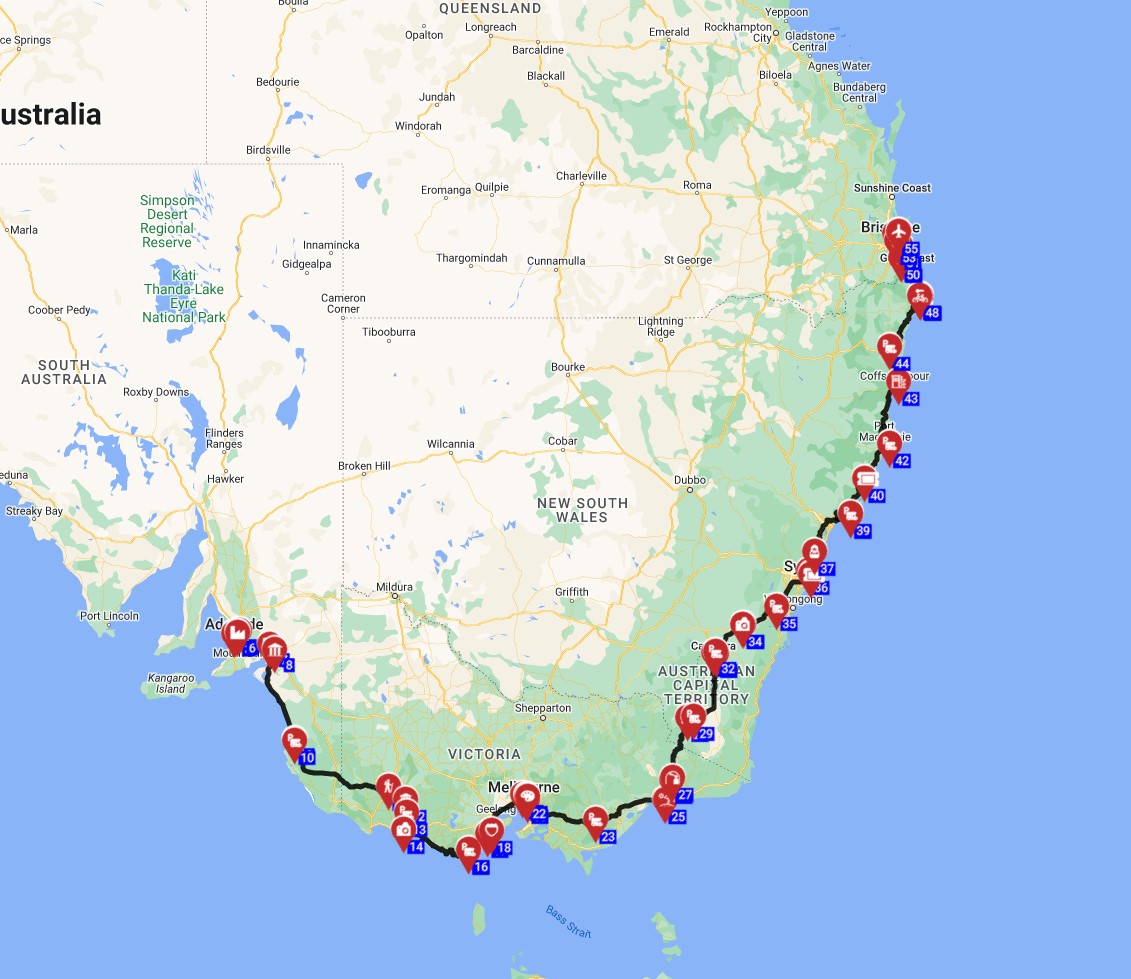
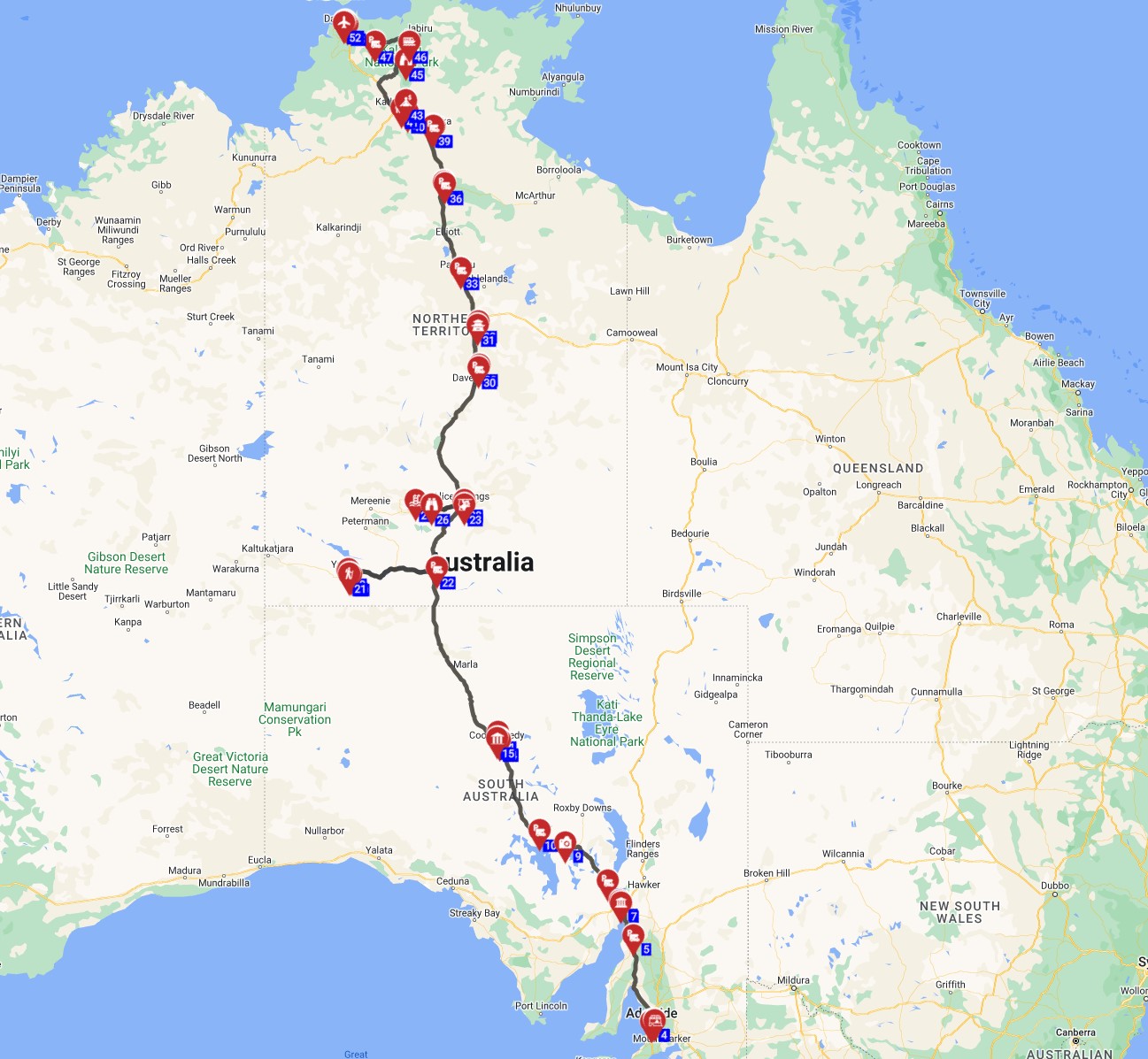
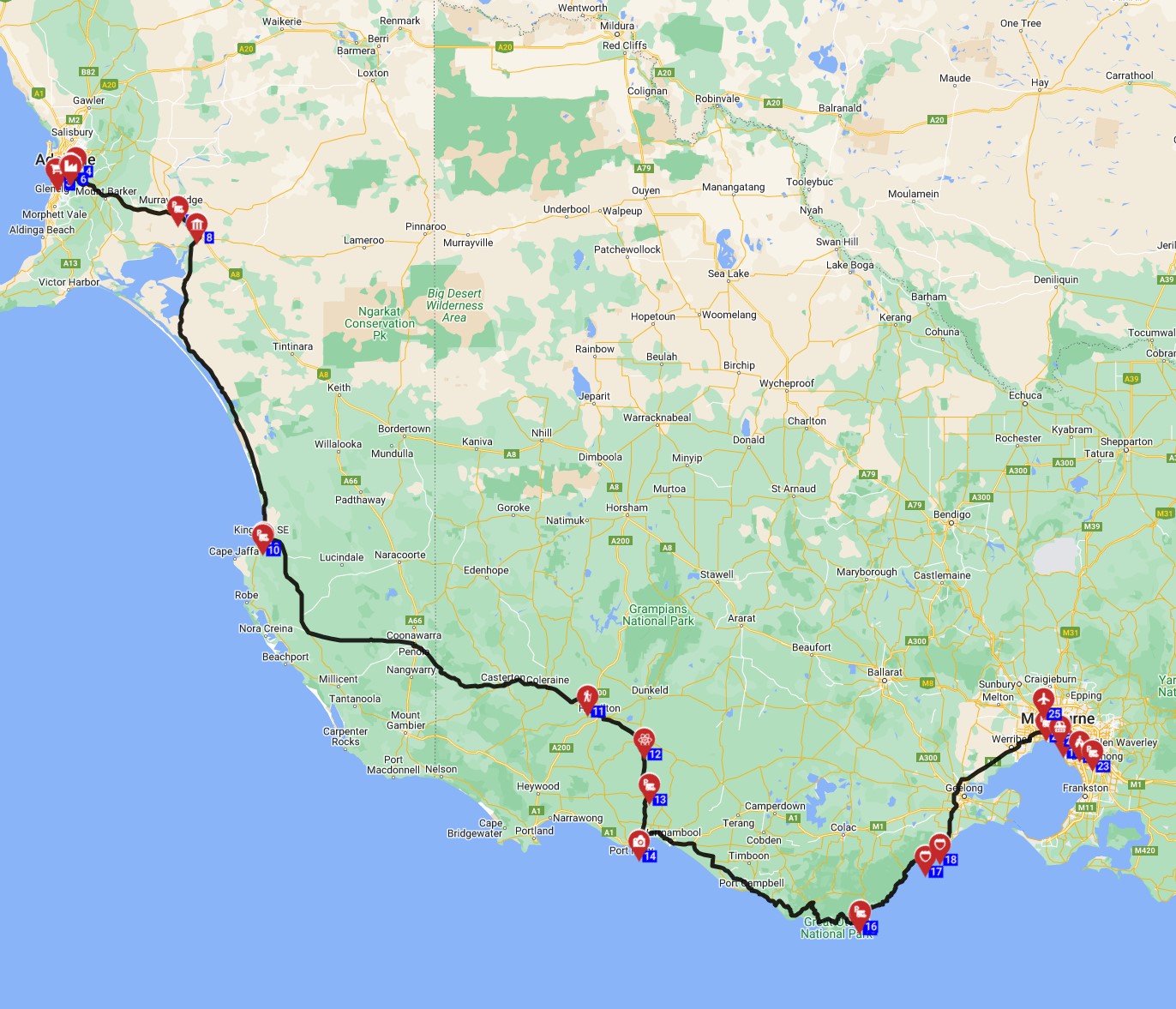
- **Melbourne to Darwin - Australia’s Heartline Road Trip:** This epic 26-day, 5622.8 km journey takes you from the vibrant city of Melbourne to the tropical north of Darwin, immersing you in diverse wildlife, rich heritage, and stunning natural features. Along the way, you can enjoy 2 animal shows, visit 1 aquarium, explore 1 art gallery, relax at 1 beach, wander through 1 botanical garden, try 1 canoe/kayak/rafting adventure, discover 1 cave, embark on 1 day tour, experience 1 extreme activity, enjoy 2 family activities, learn about 2 heritage sites, tackle 5 hiking areas, uncover 2 historical sites, enjoy 1 horseback riding excursion, visit 1 local industry, browse 3 museums, marvel at 4 natural features, relax in 1 park, enjoy 1 picnic area, visit 5 points of interest, drive 2 scenic routes, unwind at 1 spa/terme, swim in refreshing waters, explore 1 tourist attraction, discover 1 traditional market, savor meals at 2 traditional restaurants/fine dining spots, and experience 3 traditional visits and 1 zoo.
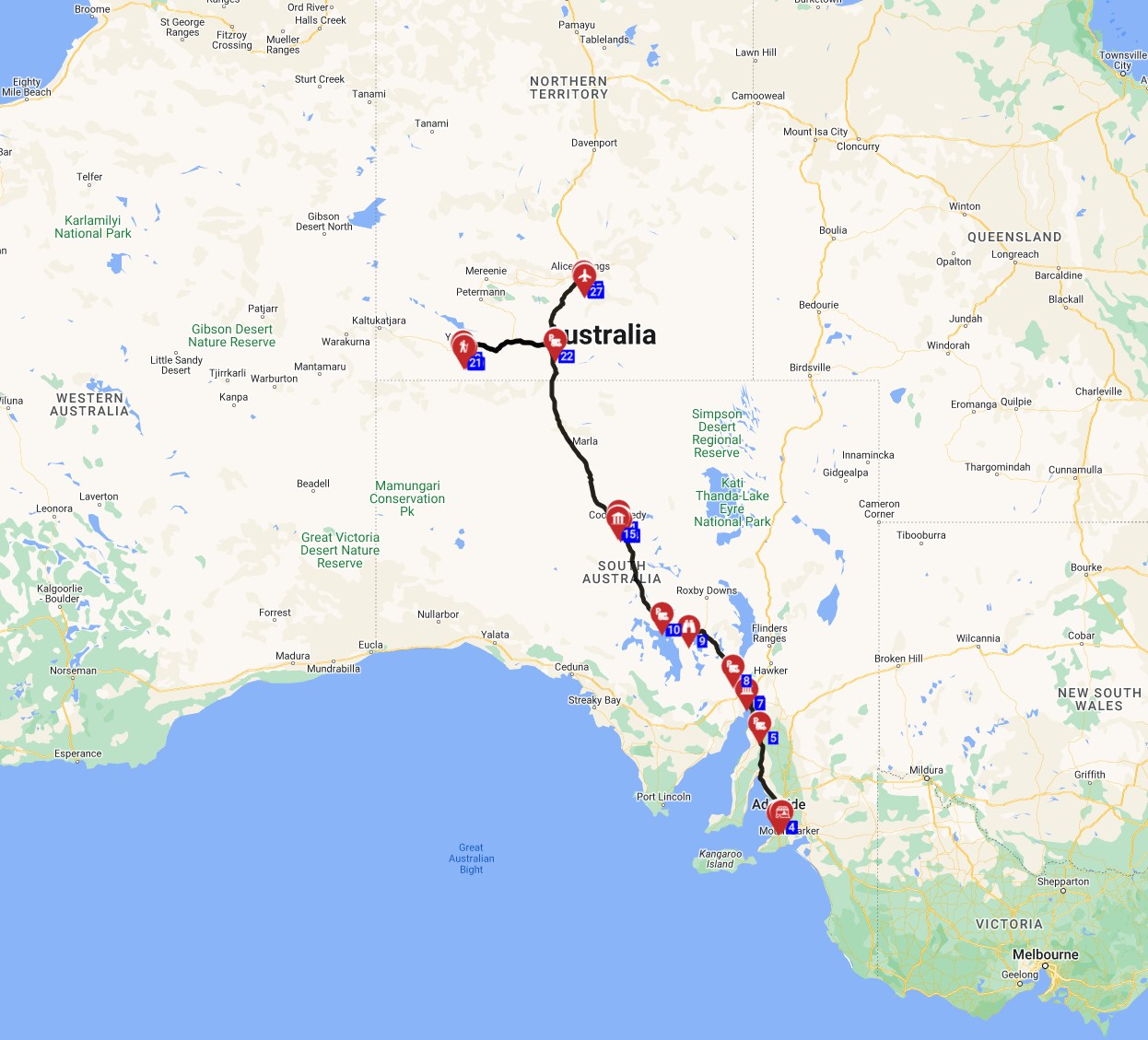
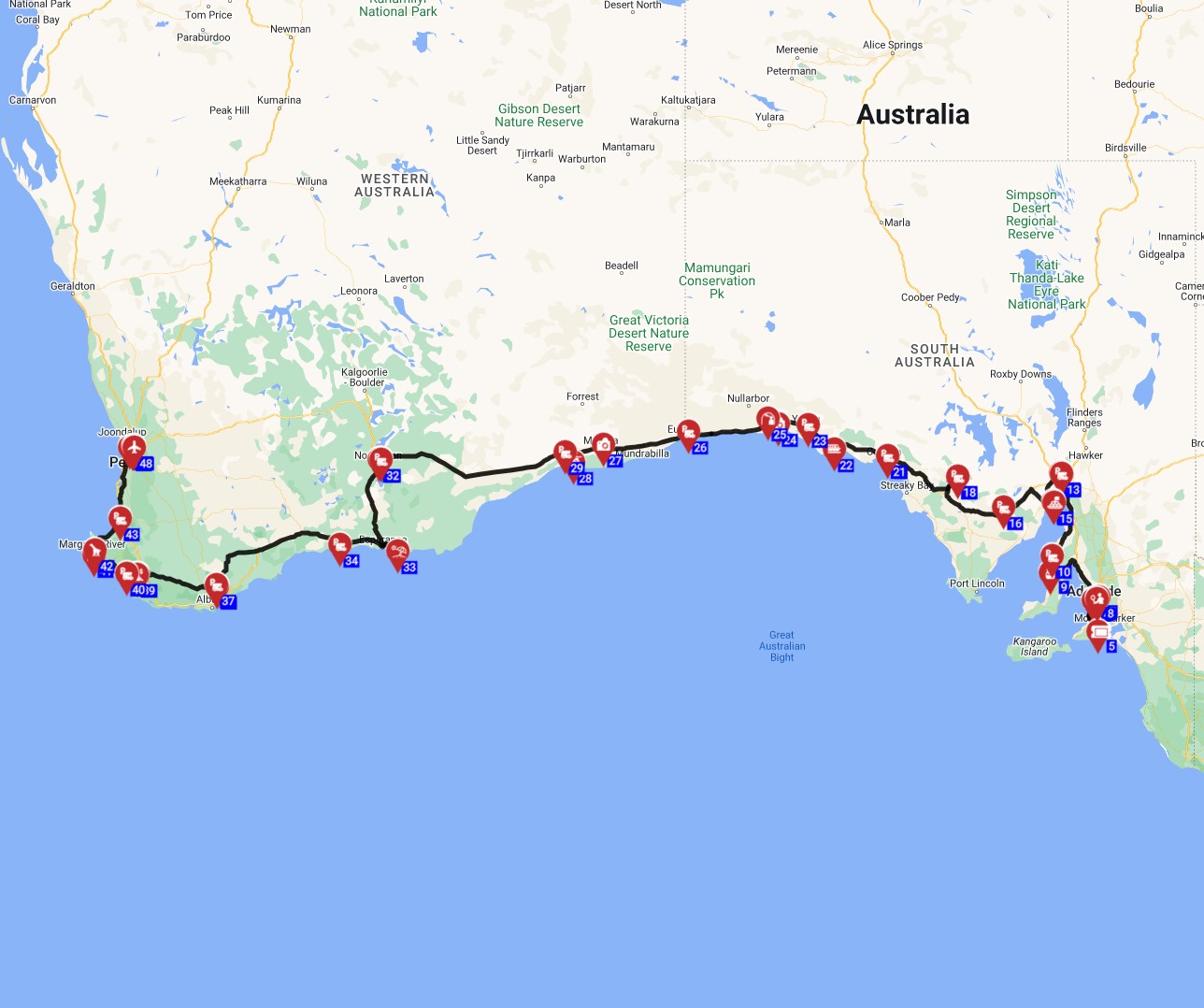
- **Perth to Alice Springs - The Dreamtime Highway: A Journey Through Australia's Heart:** Embark on a 21-day, 5447.3 km adventure from Perth to the spiritual heart of Australia, Alice Springs. This route offers a profound connection to Indigenous culture and the vastness of the outback. Highlights include 2 opportunities for animal shows/wildlife watch, 1 beach, 1 botanical garden, 1 canoe/kayak/rafting experience, 1 cave exploration, 1 cruise terminal/sailing option, 1 day tour, 1 family activity, 1 heritage site, 2 hiking areas, 1 historical site, 2 local industry visits, 3 museums, 4 natural features, 5 points of interest, 3 tourist attractions, 2 traditional restaurants/fine dining experiences, 2 traditional visits, and 1 zoo.
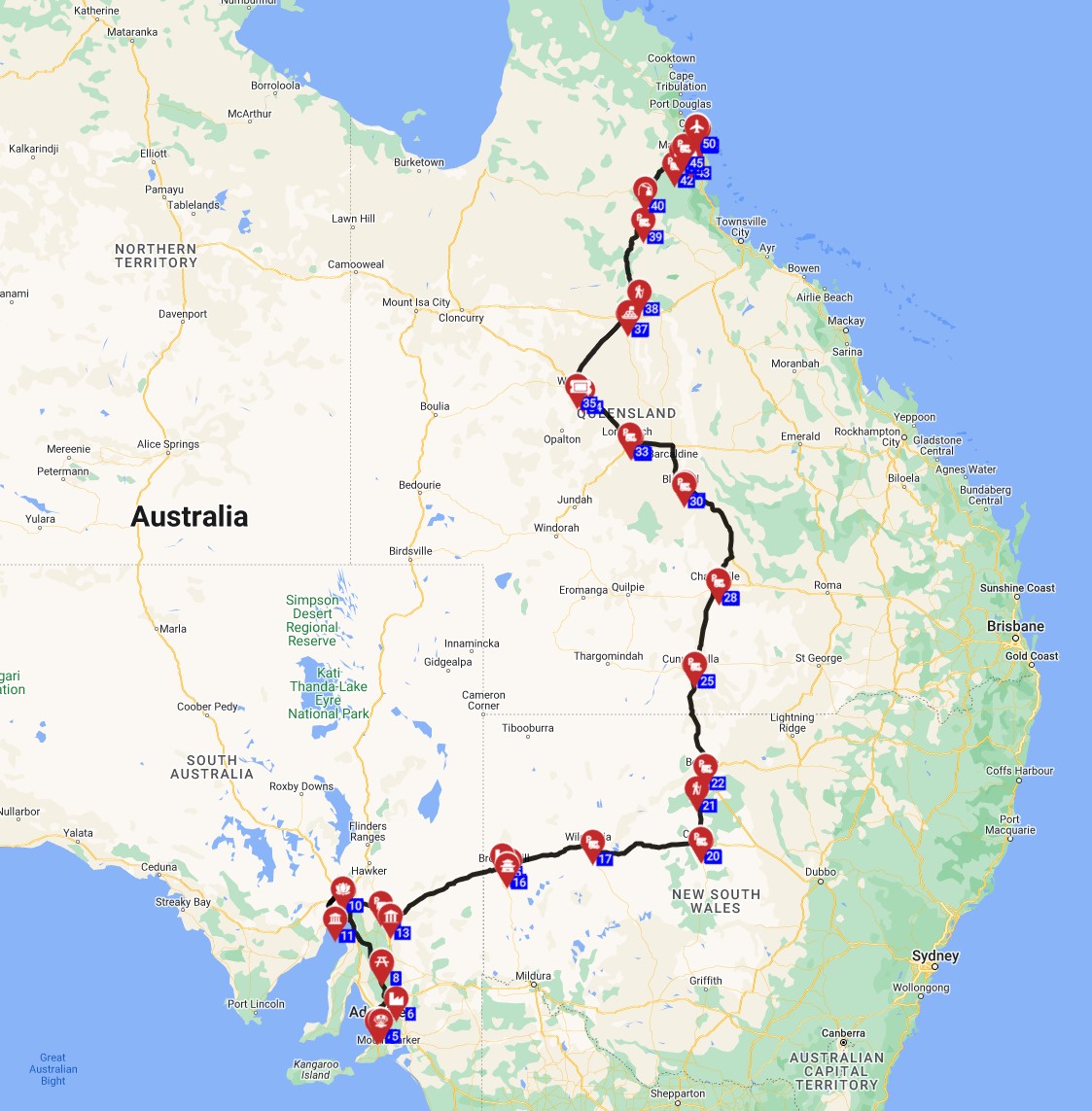
- **Cairns to Alice Springs - Northern Horizons: A Journey Through Australia's Heartland:** Discover the vibrant tropical north and the ancient Red Centre on this 17-day, 4003.6 km journey. This route balances lush rainforests with desert landscapes, offering a unique Australian perspective. Your itinerary could include 1 animal show/wildlife watch, 1 art gallery, 1 botanical garden, 2 cave explorations, 1 cruise terminal/sailing experience, 1 day tour, 1 heritage site, 3 hiking areas, 1 museum, 2 natural features, 1 point of interest, 1 scenic route, 1 science site, 2 swimming opportunities, 2 tourist attractions, 1 traditional restaurant/fine dining, 2 traditional visits, and 1 zoo.
- **Looking for expert insights from Avi Bandana? Top 5 Adventures - recommendations from Avi Bandana**
Final Thoughts
An RV adventure through Australia offers unparalleled freedom and the chance to create truly unforgettable memories, whether you opt for a compact campervan or a spacious Class C motorhome. The key is to plan ahead, understand your vehicle options, and embrace the spirit of slow travel, allowing 100-150 km per day on average to truly soak in the stunning landscapes and unique culture. With Bandana Caravan, you're choosing a partner committed to full transparency and dedicated support, ensuring your journey is as smooth and enjoyable as possible from the moment you start planning until your booking is confirmed. Imagine waking up to a sunrise over the Red Centre or falling asleep to the sound of waves on a pristine beach, all from the comfort of your own rented mobile home. Australia is waiting to be explored at your own pace, with the perfect RV for every type of traveler. We handle the details, so you can live the journey, focusing on connecting to the culture, the food, and the scenery. Discover top destinations, planning tips, all in one place and plan a trip itinerary in advance with minimal effort and maximum enjoyment.For ideas you can prep on the road, watch our RV-friendly recipes playlist on YouTube.
On the routes offered through RV PLANET routes, you can itemize and track every expense along the way for easy budgeting.