In This Guide
- Best New Zealand RV Itinerary for rv rental - Overview
- 7-Day Classic Route in New Zealand
- 14-Day Extended Journey in New Zealand
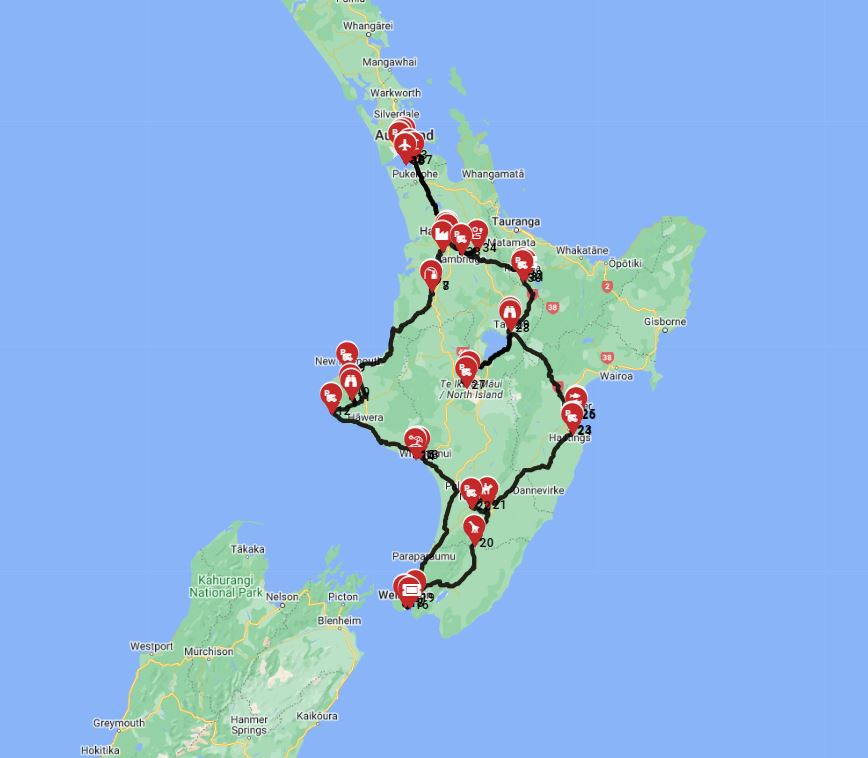
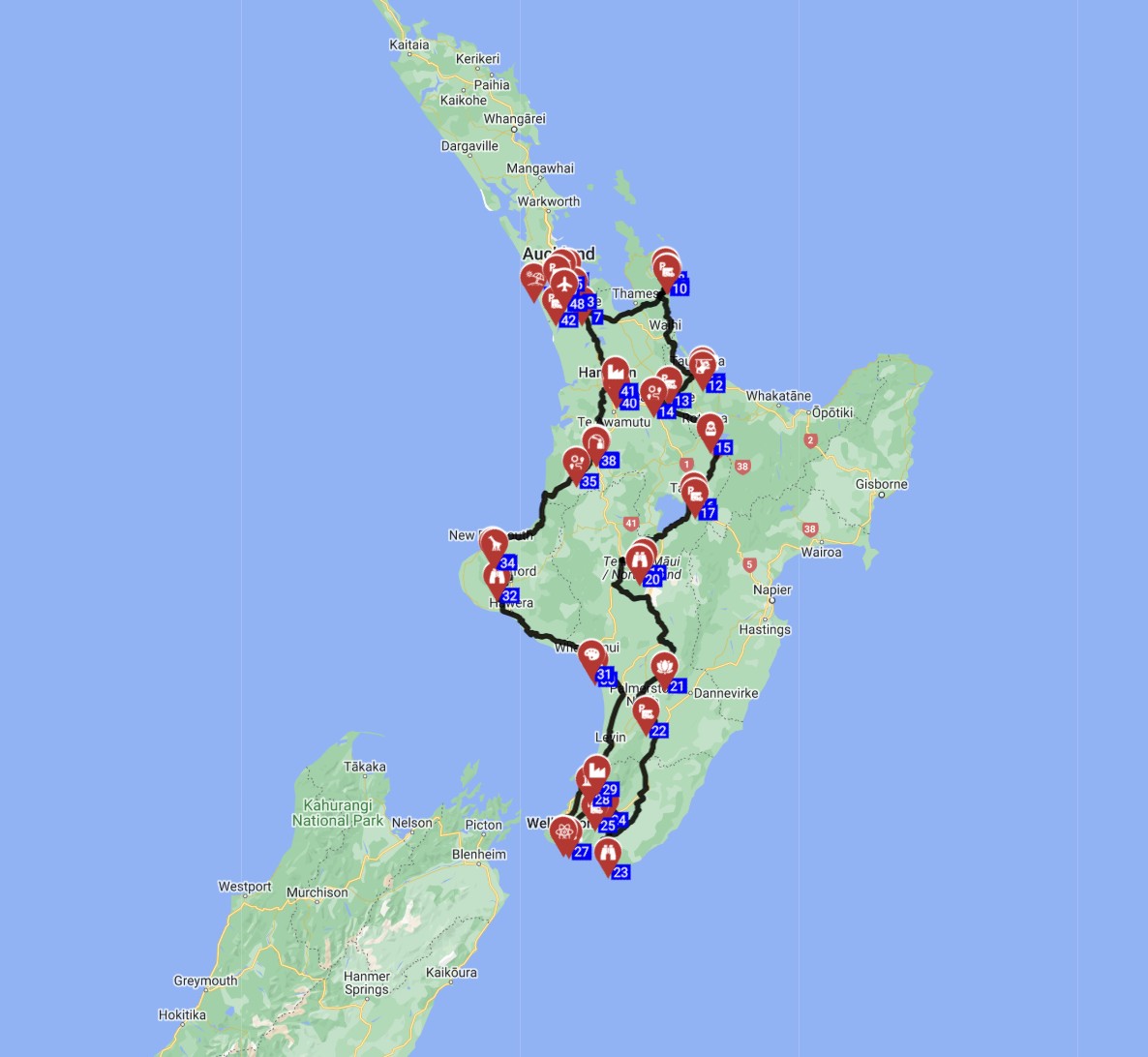
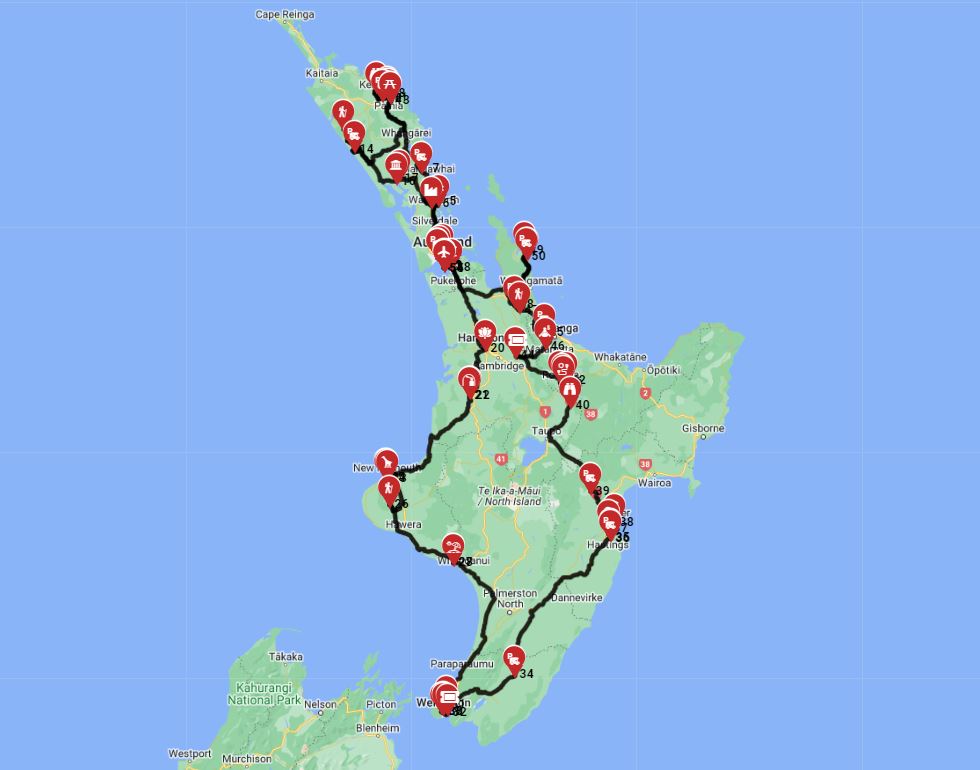
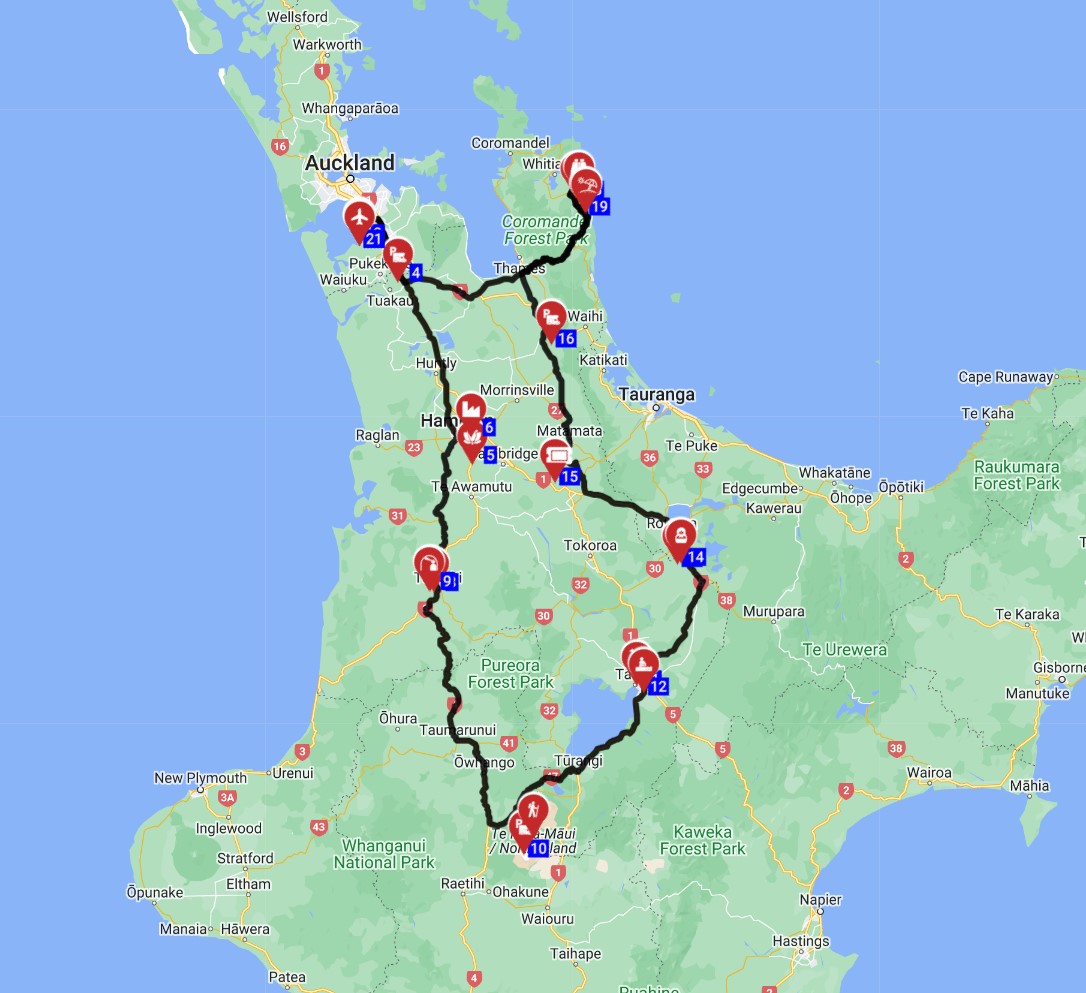
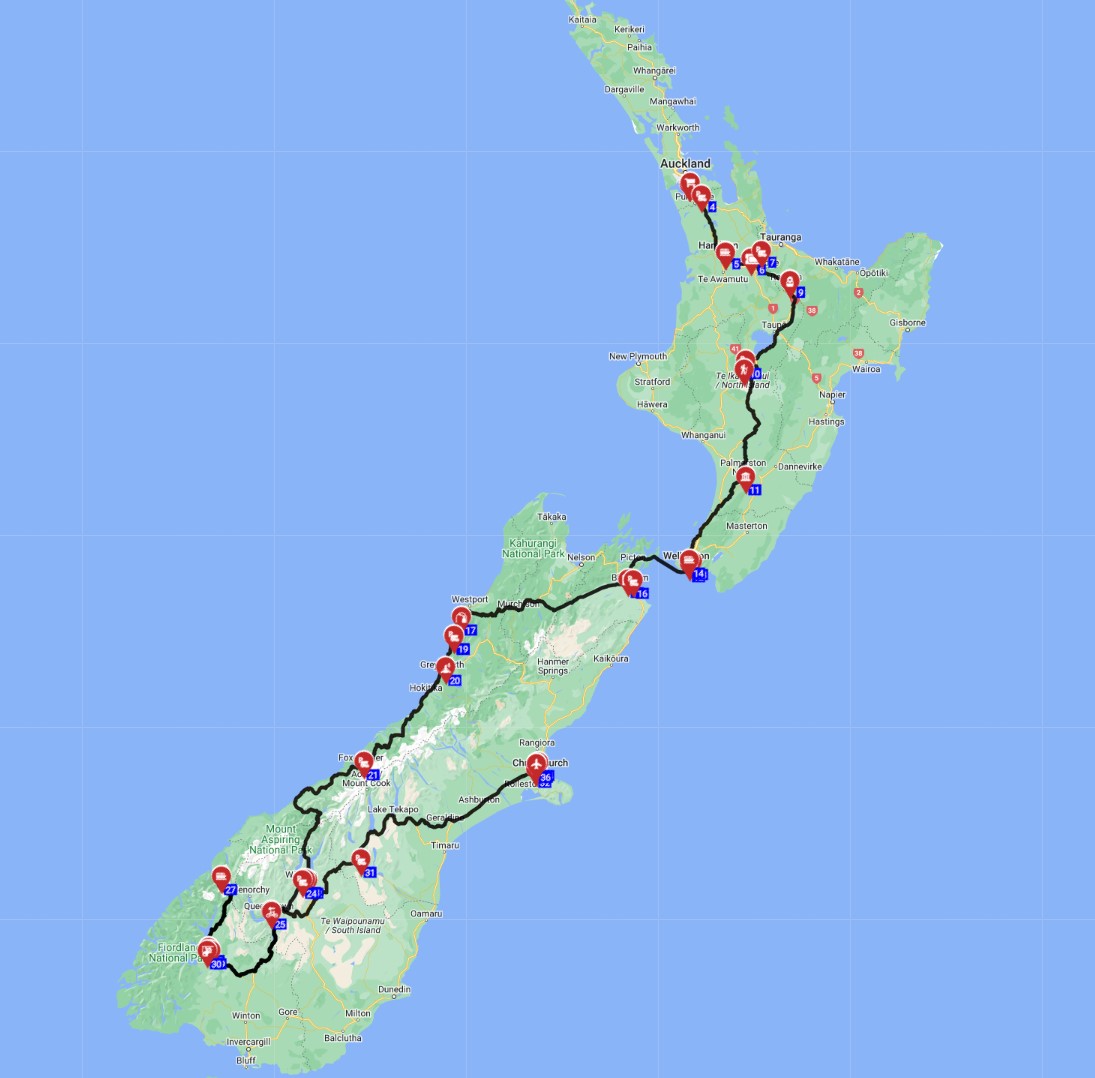
- Recommended RVPlan Trip for New Zealand
- Must-See Stops Along the Way (Avi Bandana Picks)
- Daily Driving Distances & Drive Times in New Zealand
- Best RV Class for This Itinerary - Couple & Family Picks
- Is New Zealand RV friendly?
- Is it easy to drive a motorhome in New Zealand?
- Can I park my motorhome anywhere in New Zealand?
- What is the 333 rule for campervan?
- Can you sleep anywhere in a campervan in New Zealand?
- Is it worth getting a campervan in New Zealand?
- What month is the best month to go to New Zealand?
- Is a campervan a good way to see New Zealand?
- What should I not miss in New Zealand?
- What's the best month to visit New Zealand?
Best New Zealand RV Itinerary for rv rental - Overview
An optimal RV rental itinerary in New Zealand typically spans a minimum of 7 days, with 14-25 days allowing for a truly relaxed pace and comprehensive exploration of both the North and South Islands. This comprehensive journey can often exceed 4,000 km, showcasing the incredible diversity of landscapes from sub-tropical beaches to dramatic fiords. Traveling during the shoulder seasons of spring (September to November) and autumn (March to May) is highly recommended, as it offers a pleasant balance of mild weather and fewer crowds, enhancing the overall RV experience. For live availability and current prices, start with our RV Rental New Zealand - Complete Guide 2026 guide. An extended adventure gives you the freedom to truly immerse yourself in New Zealand's unique culture and breathtaking scenery. Imagine waking up to a new view every day, with your rented motorhome serving as your comfortable base. This isn't just a vacation; it's a mobile lifestyle experience, and Bandana RV, with over two decades of expertise since its founding in 2001, specializes in helping tens of thousands of travelers plan such unforgettable RV trips. We pride ourselves on full transparency, ensuring no hidden fees or surprises throughout your booking process.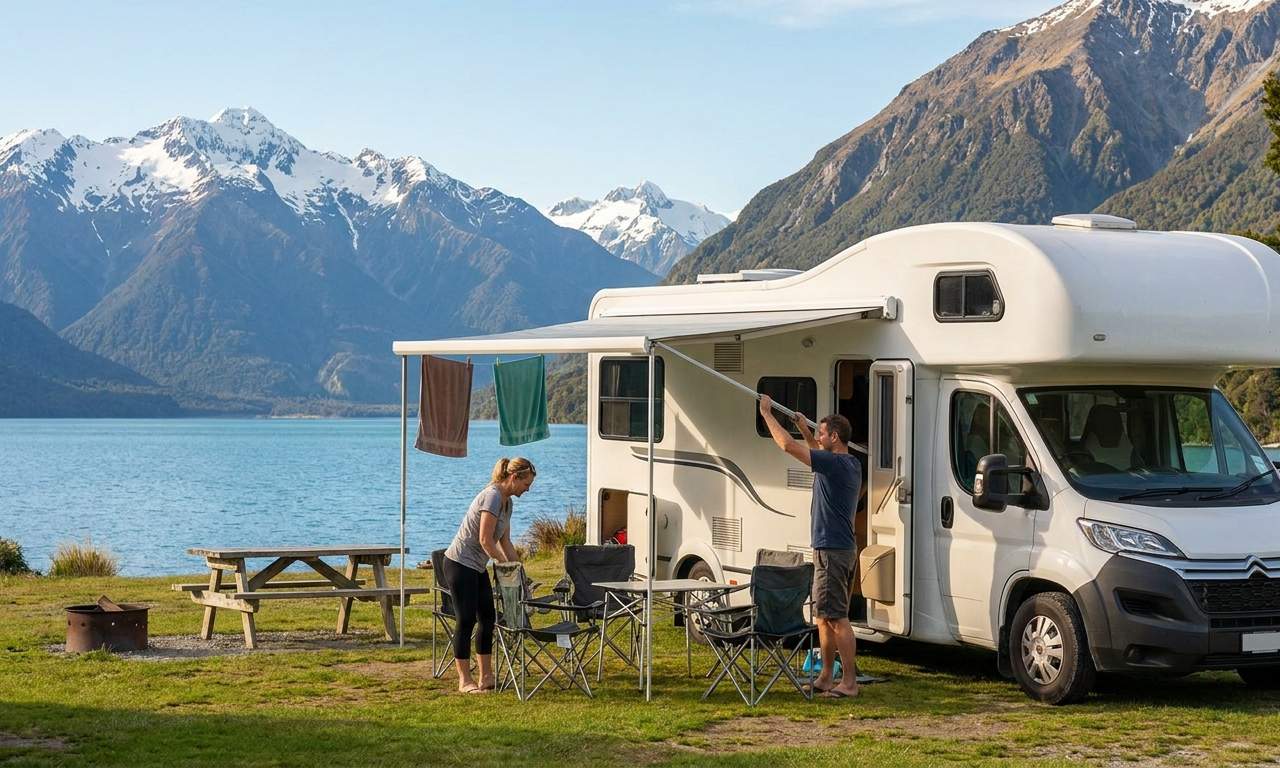
7-Day Classic Route in New Zealand
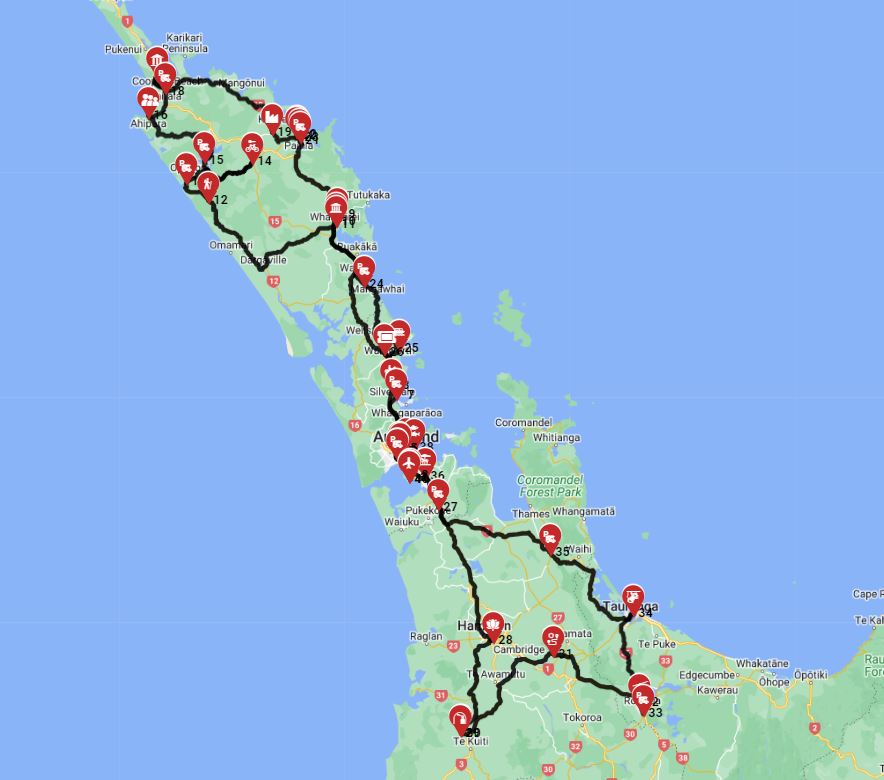
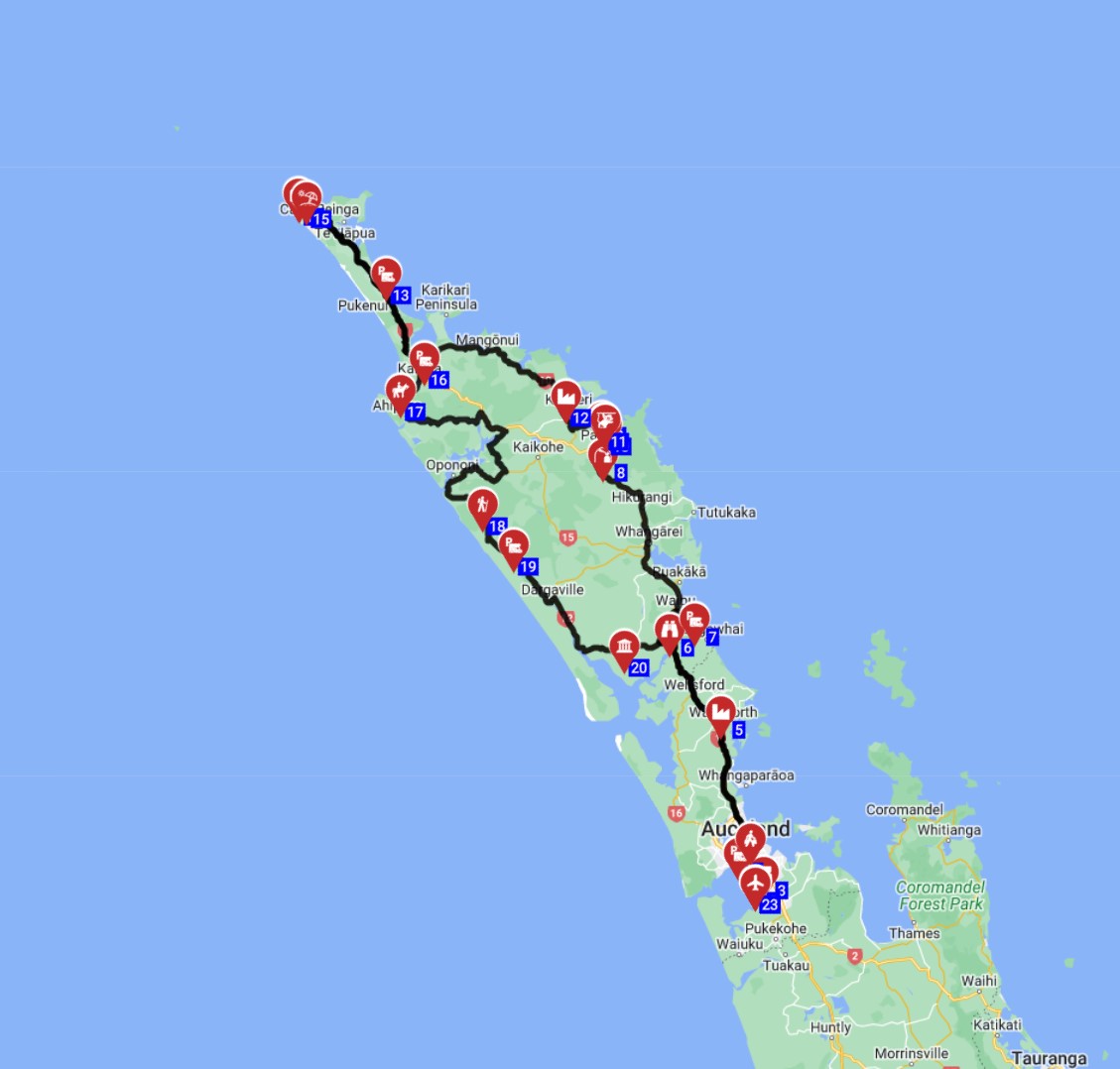
A classic 7-day RV route in New Zealand, often focusing on a single island to maximize enjoyment, can start in Auckland and explore the Northland region. This route covers approximately 500-600 km, offering a taste of New Zealand's coastal beauty and rich history. Here's a sample itinerary:- Day 1: Auckland → Matakana (approx. 70 km). Highlights include the vibrant Matakana Village Farmers Market. Overnight at a Matakana campground.
- Day 2: Matakana → Whangarei (approx. 90 km). Discover the picturesque Whangarei Falls. Stay overnight at Whangarei Falls Holiday Park.
- Day 3: Whangarei → Paihia (Bay of Islands) (approx. 70 km). Explore the historically significant Waitangi Treaty Grounds. Camp at Paihia TOP 10 Holiday Park.
- Day 4: Paihia (Bay of Islands) (0 km). Enjoy a relaxing day cruise through the Bay of Islands or unwind on the beach. Stay another night at Paihia TOP 10 Holiday Park.
- Day 5: Paihia → Waipu (approx. 120 km). Visit the enchanting Waipu Caves. Find a spot at Waipu Cove Campground for the night.
- Day 6: Waipu → Piha (approx. 100 km). Experience the dramatic black sand of Piha Beach and climb Lion Rock. Camp at Piha Campground.
- Day 7: Piha → Auckland (approx. 50 km). Return your rented RV and take some time to explore the city of Auckland before departure.
14-Day Extended Journey in New Zealand
A 14-day extended RV journey in New Zealand typically focuses on the South Island, covering a total distance of approximately 1,500-2,000 km to allow for deeper exploration. This duration provides ample time to experience the breathtaking natural wonders, from majestic mountains to serene lakes, at a leisurely pace of around 100-150 km per day. Here’s a detailed itinerary for a South Island adventure:- Days 1-2: Christchurch (0 km/day). Explore the "Garden City" and its surroundings, including the Botanic Gardens. Stay overnight at Christchurch TOP 10.
- Day 3: Christchurch → Akaroa (approx. 80 km). Discover this charming French settlement and embark on a dolphin cruise. Camp at Akaroa Holiday Park.
- Day 4: Akaroa → Rakaia Gorge (approx. 80 km). Enjoy the scenic Rakaia Gorge Walkway. Spend the night at Rakaia Gorge Campground.
- Day 5: Rakaia Gorge → Lake Tekapo (approx. 100 km). Visit the iconic Church of the Good Shepherd and indulge in world-class stargazing. Stay at Lake Tekapo Holiday Park.
- Day 6: Lake Tekapo → Aoraki / Mount Cook Village (approx. 100 km). Hike the stunning Hooker Valley Track for unparalleled alpine views. Camp at White Horse Hill Campground.
- Day 7: Aoraki / Mount Cook → Omarama (approx. 70 km). Explore the unique Clay Cliffs geological formations. Overnight at Omarama TOP 10.
- Day 8: Omarama → Cromwell (approx. 90 km). Stroll through Old Cromwell Town and enjoy seasonal fruit picking. Camp at Cromwell Top 10 Holiday Park.
- Day 9: Cromwell → Queenstown (approx. 60 km). Immerse yourself in adventure activities and lakeside exploration. Stay at Queenstown Lakeview Holiday Park.
- Days 10-11: Queenstown & surrounds (0-50 km/day). Take a recommended day trip by coach to Milford Sound and discover the historic gold mining town of Arrowtown. Remain at Queenstown Lakeview Holiday Park.
- Day 12: Queenstown → Wanaka (approx. 70 km). Capture the famous Wanaka Tree and challenge your mind at Puzzling World. Spend the night at Wanaka Lakeview Holiday Park.
- Day 13: Wanaka → Haast (approx. 140 km). Enjoy the scenic drive along the West Coast and explore the Blue Pools Track. Camp at Haast Beach Holiday Park.
- Day 14: Haast → Fox Glacier (approx. 120 km). Experience the Fox Glacier Walk and the surrounding temperate rainforest. Conclude your journey at Fox Glacier Holiday Park.
Recommended RVPlan Trip for New Zealand
For those seeking a professionally crafted route plan, RV PLANET offers an excellent pre-planned trip, "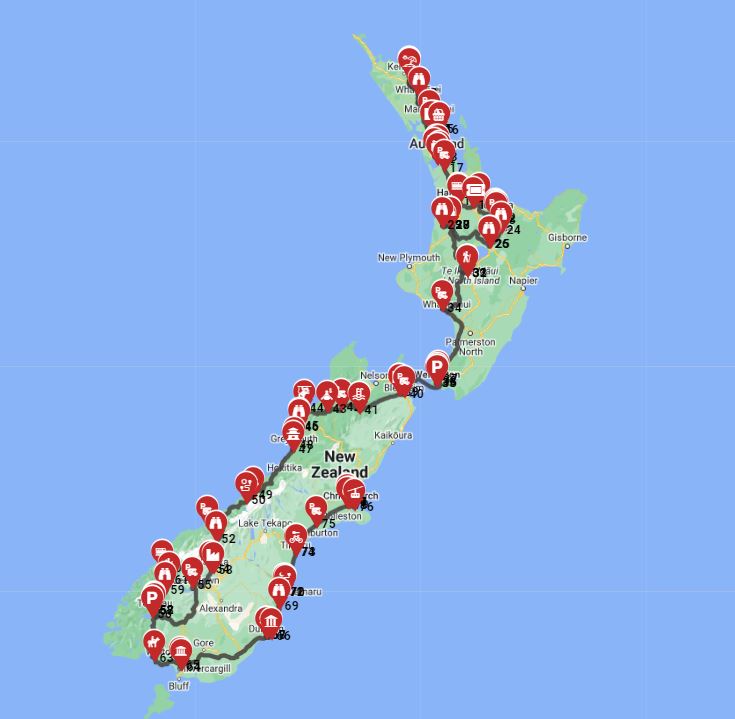
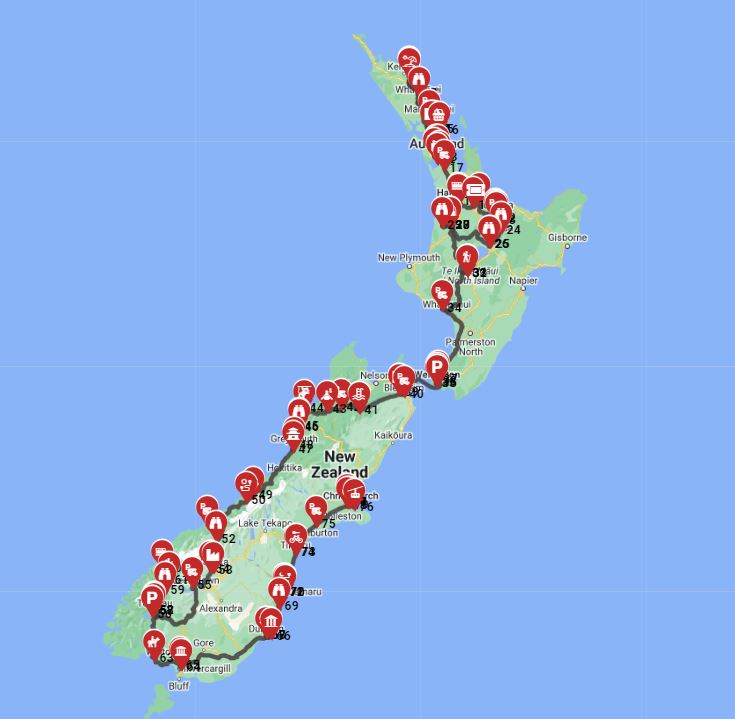
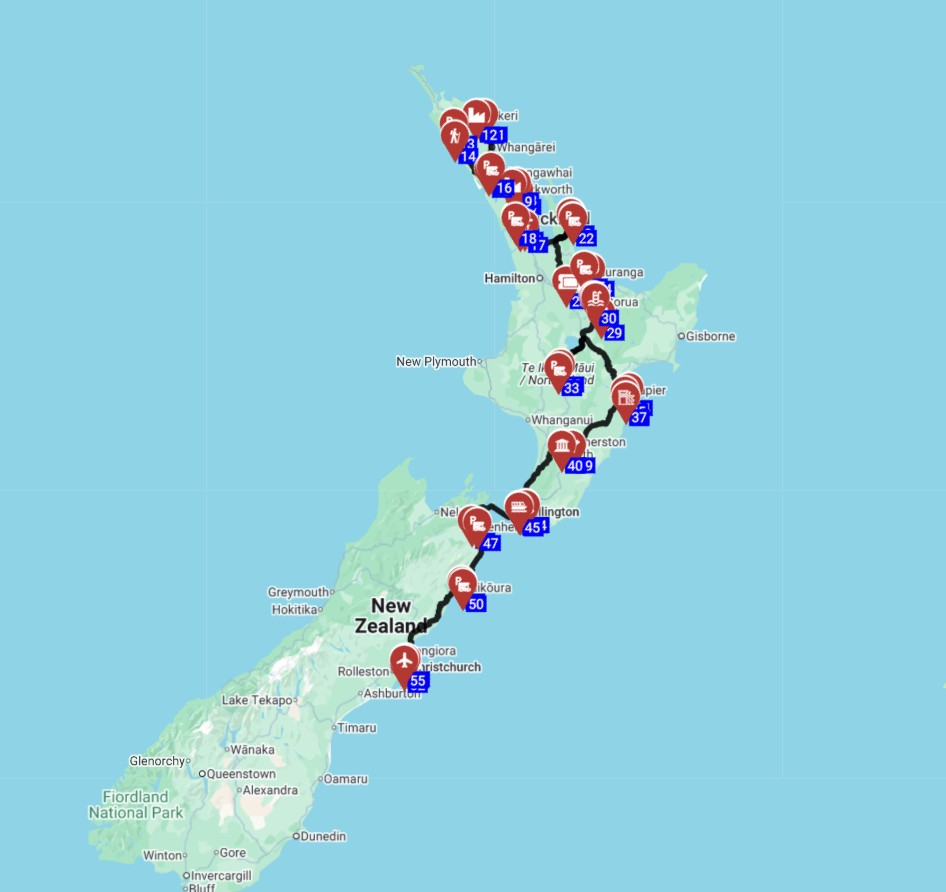
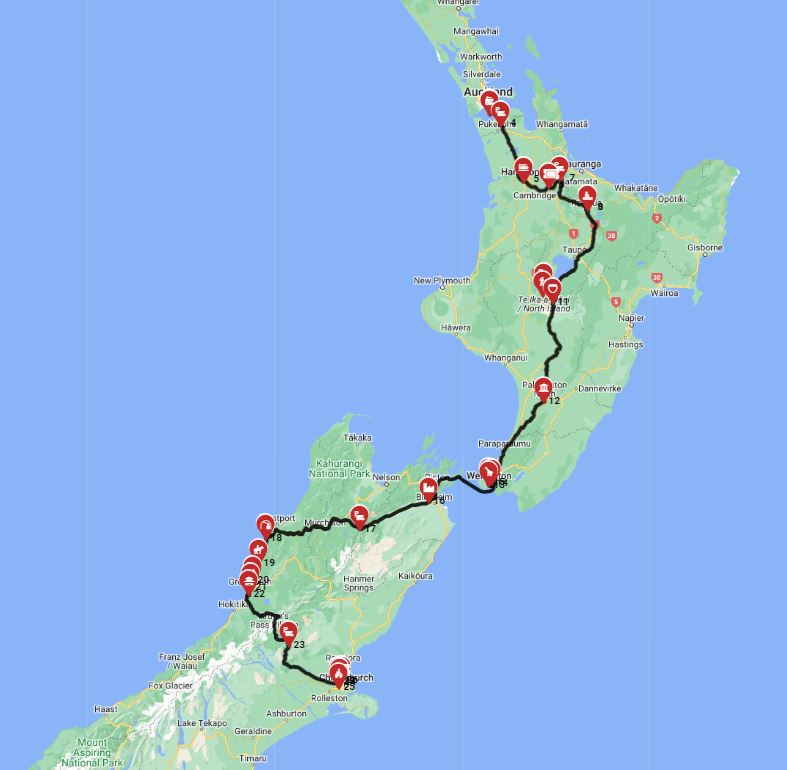
Auckland to Christchurch - Comprehensive New Zealand
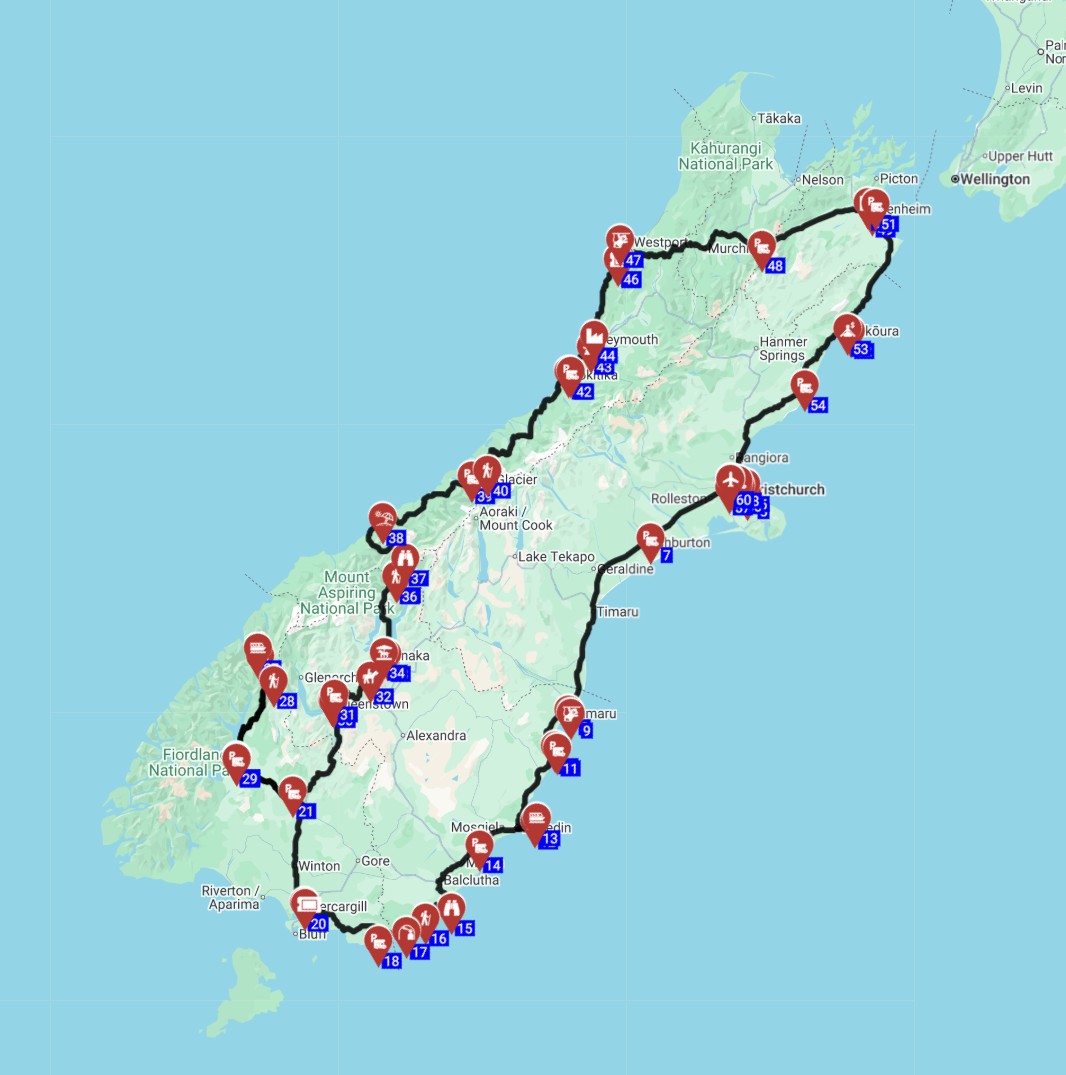
Christchurch Roundtrip - Around the South Island
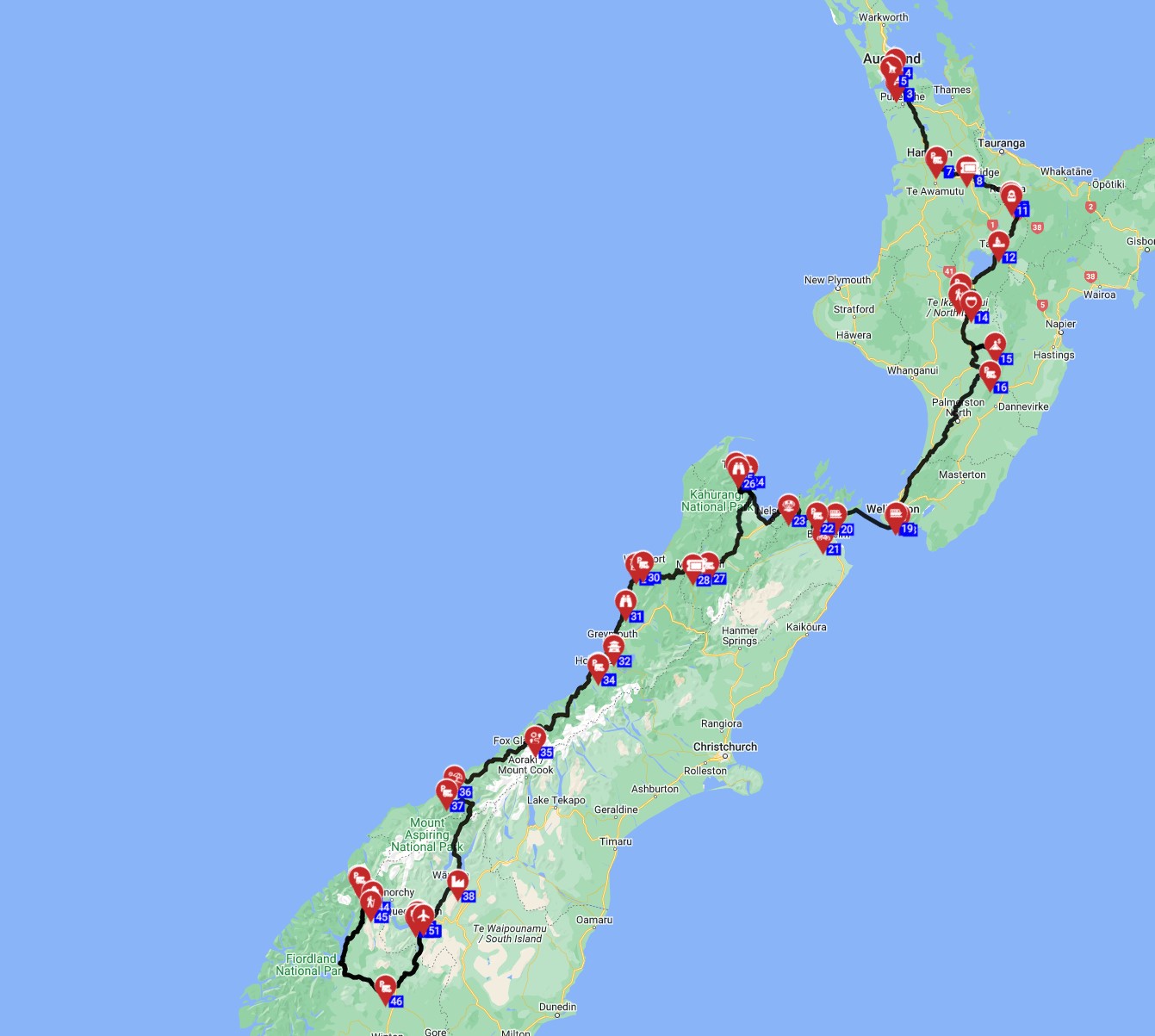
Auckland to Queenstown - The Great Kiwi Road Trip
Must-See Stops Along the Way (Avi Bandana Picks)
New Zealand offers an incredible array of experiences for every type of traveler. Looking for expert insights from Avi Bandana? Top 5 Adventures - recommendations from Avi Bandana:- Traditional Visit: The Waitangi Treaty Grounds, a cornerstone of New Zealand's founding history, offers a profound cultural experience near Paihia.
- Traditional Market: The Matakana Village Farmers Market, a vibrant hub north of Auckland, provides an authentic taste of local produce and artisan goods, perfect for provisioning your RV. You can enjoy cooking with fresh ingredients right in your RV-friendly recipes playlist.
- Traditional Restaurant / Fine Dining: Seek out local culinary delights at a Traditional Restaurant or indulge in fine dining experiences found in towns along your route, from the vibrant culinary scene in Wellington to gourmet stops in Queenstown.
- Local Industry: Explore several unique local industries throughout New Zealand, offering insights into regional crafts, agricultural products like Manuka honey, or innovative Kiwi businesses.
- Animals Show / Wildlife watch: Opportunities for incredible wildlife observation abound, such as marine cruises to spot dolphins and whales in Kaikoura, or visits to bird sanctuaries protecting native species like the kiwi.
- Hiking Areas: New Zealand is a hiker's paradise. Don't miss multiple dedicated hiking areas, from the stunning coastal paths of Abel Tasman National Park to the challenging alpine trails around Aoraki / Mount Cook.
Daily Driving Distances & Drive Times in New Zealand
For a truly immersive RV adventure in New Zealand, Avi Bandana, our founder, recommends adhering to a maximum average daily driving distance of 100 miles or 150 km. This allows ample time to savor the stunning scenery, explore local attractions, and avoid feeling rushed. New Zealand’s roads are renowned for their beauty, but also for being winding and sometimes narrow, so slower speeds are often necessary. For example, typical driving distances and times include:- Auckland to Rotorua: Approximately 230 km (143 miles), taking around 3-3.5 hours of driving. This route showcases the North Island's geothermal wonders.
- Queenstown to Wanaka: Approximately 70 km (43 miles), which is about 1 hour of driving. This shorter drive allows plenty of time to enjoy the scenic Southern Lakes region.
- Christchurch to Lake Tekapo: Approximately 225 km (140 miles), taking about 3 hours of driving. This picturesque journey is often broken with stops to admire the turquoise lakes and alpine vistas.
Best RV Class for This Itinerary - Couple & Family Picks
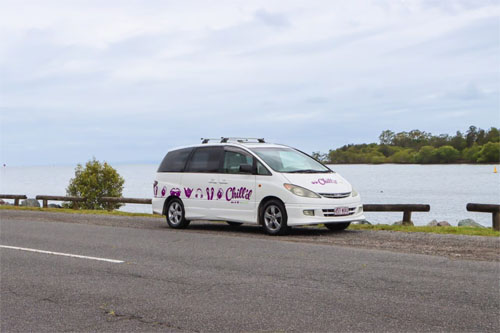
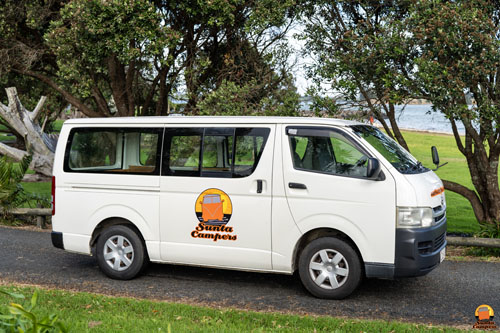
Choosing the right rented RV class significantly impacts your New Zealand road trip experience, balancing comfort, maneuverability, and fuel efficiency. Bandana RV offers a range of motorhomes and campervans to suit different traveler types. For couples, a Class B - Camper Van is often the ideal choice, providing nimble handling and excellent fuel economy, typically around 10 Liters/100 km. These compact vehicles, with an average length of 5.8 meters, are perfect for two people (sleeping 2.7 adults) and offer easy parking and navigation on smaller roads while still featuring essential amenities like a bed, basic kitchen, and often a shower and toilet. For example, a "2 Berth Hi Top" or "Camper Van" would be a great fit. Families, or groups seeking more space, will find a Class C - Alcove motorhome highly suitable. These larger RVs average 7.5 meters in length and typically sleep 4.4 adults (or up to 5.8 sleeping places), providing comfortable beds, a more spacious living area, and a larger kitchen. Fuel consumption for a Class C usually ranges from 10-12 Liters/100 km. A "4 Berth Deluxe" or "rent rv example A3" would comfortably accommodate a family. Bandana's 'Rent&Plan' service combines your preferred RV rental with a ready-made itinerary and trip-planning software from rvplan.net, ensuring a stress-free experience from start to finish. This service can be particularly beneficial for first-time RVers in New Zealand, providing a solid framework while retaining flexibility.Is New Zealand RV friendly?
New Zealand is exceptionally RV friendly, boasting world-class infrastructure, stunning scenic routes, and a strong culture of welcoming motorhome travelers, supported by numerous holiday parks, dump stations, and service facilities nationwide. The country's commitment to RV tourism is evident in its well-maintained roads and comprehensive network of services tailored for campervans and motorhomes. Travelers will find an abundance of holiday parks offering a full range of amenities, including powered sites, hot showers, communal kitchens, and waste disposal points. Additionally, the Department of Conservation (DOC) provides over 200 campsites, ranging from basic, inexpensive sites in remote natural settings to serviced options with toilets and water. Public perception towards RV tourism is largely positive, especially when visitors adhere to responsible travel practices, such as the 'Tiaki Promise,' which encourages caring for New Zealand's environment and culture. This supportive environment makes RV rental an excellent choice for exploring the country.Is it easy to drive a motorhome in New Zealand?
Driving a motorhome in New Zealand is generally straightforward for experienced drivers, but requires awareness of specific road conditions such as winding mountain passes, single-lane bridges, and gravel roads, along with adherence to left-hand traffic rules. All vehicles in New Zealand are right-hand drive, so visitors from countries that drive on the right should adjust accordingly. Drive slowly and carefully, and you can drive almost anywhere without issues. No need to stress - just use common sense and pay attention. Roads, particularly in the scenic and mountainous regions of the South Island like the route to Milford Sound, can be narrow, winding, and steep, necessitating slower speeds and extra caution. Single-lane bridges are a common feature in rural areas; drivers must always adhere to 'give way' signs, which clearly indicate priority with red and white arrows. While most main routes are sealed, some secondary roads or picturesque detours may be unsealed (gravel), requiring reduced speed and increased vigilance. Maneuvering larger rented RVs requires particular attention in towns, parking lots, and on tight turns. Additionally, booking the Interislander or Bluebridge ferry between the North and South Islands well in advance is crucial, especially when traveling with an RV, as vehicle length affects booking and pricing. A standard car driver's license is sufficient for all motorhome classes, though an International Driving Permit (IDP) is recommended for non-English speaking visitors.Can I park my motorhome anywhere in New Zealand?
No, you cannot park your motorhome just anywhere in New Zealand; parking and overnight sleeping are strictly regulated, with freedom camping generally only permitted for Certified Self-Contained vehicles in designated areas. Local council bylaws govern where motorhomes and campervans can park, especially for overnight stays. Understanding these regulations is critical to avoid fines, which can range from NZD $200 to $400, and in some rare cases, vehicle impoundment. Freedom camping, which involves overnighting outside of official campgrounds, is largely restricted to vehicles certified as 'self-contained.' This certification means the rented RV has an onboard toilet, fresh water, and grey water storage capacity for at least three days of use, minimizing environmental impact. For finding legal parking and overnight camping spots, travelers should utilize resources like the CamperMate app, Rankers.co.nz, or consult local i-SITE visitor information centers. Always look for signage indicating allowed or prohibited areas for overnight parking, and remember that Bandana RV advocates for responsible travel to preserve New Zealand’s natural beauty.What is the 333 rule for campervan?
The '333 rule' is a common guideline for responsible freedom camping in New Zealand, suggesting that RV travelers stay a maximum of 3 nights in any one spot, drive at least 3 kilometers between camping spots (or away from prohibited areas), and leave no trace as if 3 other people could also use the spot. While not a formal legal requirement, this rule represents a widely accepted best practice that aligns with the 'Tiaki Promise' of caring for New Zealand. The '3 nights' element encourages turnover at popular sites, preventing overuse and ensuring accessibility for other travelers. The '3 kilometers' aspect promotes exploring different areas and helps avoid the over-concentration of vehicles in a single location. The 'leave no trace' principle is paramount, emphasizing environmental responsibility by ensuring all rubbish, wastewater, and human waste are properly disposed of in designated facilities, not left in natural areas. Adhering to the 333 rule demonstrates respectful travel and helps maintain New Zealand's pristine environment for everyone to enjoy.Can you sleep anywhere in a campervan in New Zealand?
No, you cannot legally sleep anywhere in a campervan in New Zealand; overnight stays are restricted to designated holiday parks, Department of Conservation (DOC) campsites, or approved freedom camping sites, especially for vehicles that are not Certified Self-Contained. Designated holiday parks offer a full range of amenities, including powered sites, hot showers, and kitchens, providing comfort and convenience for your rented motorhome. These facilities ensure proper waste disposal, which is crucial for environmental protection. Department of Conservation (DOC) campsites vary from basic, inexpensive sites with minimal facilities (like long-drop toilets and water access) to serviced sites. Freedom camping is specifically reserved for Certified Self-Contained vehicles in areas explicitly designated by local councils or DOC that permit it. Vehicles that are not Certified Self-Contained must strictly use commercial campgrounds or specifically marked non-self-contained camping areas for overnight stays. Sleeping in non-designated areas, even if just pulled over, can lead to significant fines and is discouraged to preserve New Zealand’s natural environment.Is it worth getting a campervan in New Zealand?
Yes, getting a campervan in New Zealand is often considered highly worthwhile for the flexibility, immersion in nature, and potential cost-effectiveness it offers, allowing travelers to experience the diverse landscapes at their own pace. A rented campervan provides unparalleled freedom to explore remote areas and spontaneously alter your itinerary, leading to unexpected discoveries. It offers the unique opportunity to stay closer to nature, often with stunning views right outside your door in national parks and scenic reserves. While initial RV rental costs can be substantial, self-catering in a campervan, utilizing its onboard kitchen and refrigerator, can significantly reduce food expenses compared to dining out frequently. This makes budgeting for ancillary trip costs, such as fuel, campground fees, and activities, even more important; travelers can use RV PLANET routes to itemize and track every expense. Campervan travel is suitable for independent travelers, couples, and families seeking adventure and direct engagement with New Zealand's natural beauty. Considerations, however, include fuel costs, campsite fees, and the need to manage waste and water efficiently, which add to the overall trip budget and planning. With Bandana RV, you're supported from pre-booking to post-booking coordination, ensuring a smooth journey.What month is the best month to go to New Zealand?
The best months to visit New Zealand in an RV are generally the shoulder seasons of spring (September to November) and autumn (March to May), offering milder weather, fewer crowds, and vibrant natural beauty compared to the peak summer or colder winter. These periods provide stable, pleasant temperatures ideal for outdoor activities like hiking and sightseeing across both islands. Spring (September-November) brings blooming flowers, lush green landscapes, and melting snow from the mountains, creating spectacular scenery. Autumn (March-May) offers consistent, often sunny weather, with stunning fall colors particularly in regions like Otago and Canterbury, and comfortable temperatures for extensive touring. Summer (December-February) is the warmest and busiest period, perfect for beaches and water activities, but travelers should anticipate higher prices, larger crowds, and essential advance bookings for RV sites and inter-island ferries. Winter (June-August) is colder, especially in the South Island, with opportunities for skiing and winter sports, but some roads may be affected by snow or ice, and daylight hours are shorter, requiring more careful planning.Is a campervan a good way to see New Zealand?
Yes, a campervan is widely considered an excellent way to see New Zealand, providing unparalleled freedom to explore remote landscapes, stay closer to nature, and tailor your itinerary on the fly. With a rented campervan, you have a mobile headquarters to venture out to national parks, coastal areas, and hidden gems that might be less accessible with traditional accommodation. This flexibility means you can chase the best weather, linger longer in places you love, and deviate from your original plans as inspiration strikes. The ability to cook your own meals and have your 'home on wheels' with you enhances both flexibility and comfort, whether you choose a compact "Camper Van" or a more spacious "Class C - Alcove" model. It's perfect for embracing the spontaneity of road tripping, stopping at picturesque viewpoints whenever a stunning vista appears. This unique travel style offers a deep immersion in New Zealand’s diverse natural environment, allowing you to wake up to a new, breathtaking backdrop almost every day. It's why so many travelers choose to rent a campervan for their Kiwi adventure, finding it a truly enriching experience.What should I not miss in New Zealand?
When traveling New Zealand by RV, you should not miss iconic natural wonders like Milford Sound, the geothermal landscapes of Rotorua, the adventure capital of Queenstown, and the stunning beaches of the Coromandel Peninsula. These destinations offer a diverse range of experiences that showcase the country’s unique beauty and culture.- Milford Sound (Fiordland National Park): A must-see for its dramatic fjords, towering waterfalls, and incredible wildlife cruises.
- Rotorua: Immerse yourself in Māori culture, witness bubbling mud pools, and marvel at active geysers in the North Island's geothermal heartland.
- Queenstown: Known as the 'adventure capital,' it offers thrilling activities like bungee jumping and jet boating, alongside stunning views of Lake Wakatipu.
- Aoraki / Mount Cook National Park: Home to New Zealand's highest peak, this park provides incredible alpine hiking opportunities, including the Hooker Valley Track.
- Franz Josef and Fox Glaciers: Explore these accessible West Coast glaciers with guided walks or scenic flights for a truly memorable experience.
- Bay of Islands: Dive into New Zealand's rich history at the Waitangi Treaty Grounds and enjoy various marine activities.
- Tongariro National Park: A UNESCO World Heritage site featuring dramatic volcanic landscapes, perfect for hiking the famous Tongariro Alpine Crossing.
- The Catlins (South Island): Discover rugged coastlines, unique wildlife such as penguins and seals, and beautiful waterfalls in this unspoiled region.