In This Guide
- Do you need a special license to drive an RV in New Zealand?
- Road Conditions & Terrain in New Zealand
- Is it difficult for Americans to drive in New Zealand?
- How hard is it to drive a motorhome in New Zealand?
- What is the 4 second rule in New Zealand?
- What is the 333 rule for campervan?
- RV Size Limits, Bridges & Restricted Zones
- Fuel: Diesel vs. Petrol & Cost per 100 km
- Tolls, Vignettes & Border Rules
- Driving Tips for rv rental Travelers
- Recommended RV Class for New Zealand Roads
- Should I Choose a Compact Van Instead of a Large RV in New Zealand?
- Can I park my motorhome anywhere in New Zealand?
- Can I Drive an RV Into the City Center? Heights, Tunnels & Local Signage
- Who insures motorhomes in NZ?
- How much does it normally cost to insure an RV?
New Zealand, with its breathtaking landscapes and unparalleled natural beauty, is a dream destination for an extended RV adventure. Imagine waking up to a different panoramic view each morning, with mountains, fjords, and pristine beaches right outside your window. For live availability and current prices, start with our RV Rental New Zealand - Complete Guide 2026 guide.
At Bandana RV, we believe that exploring this incredible country by rented motorhome or campervan offers the ultimate freedom and flexibility. Our expertise, built over more than 23 years helping tens of thousands of travelers explore the world by RV, ensures you have all the information and support you need for a memorable journey. We partner with over 50 leading RV suppliers worldwide, including trusted names like Apollo and Britz, to bring you a comprehensive selection of vehicles and honest, transparent pricing in over 30 currencies. We're true RV specialists, not just a travel agency side department, and we're committed to being with you before, during, and after your booking.
Do you need a special license to drive an RV in New Zealand?
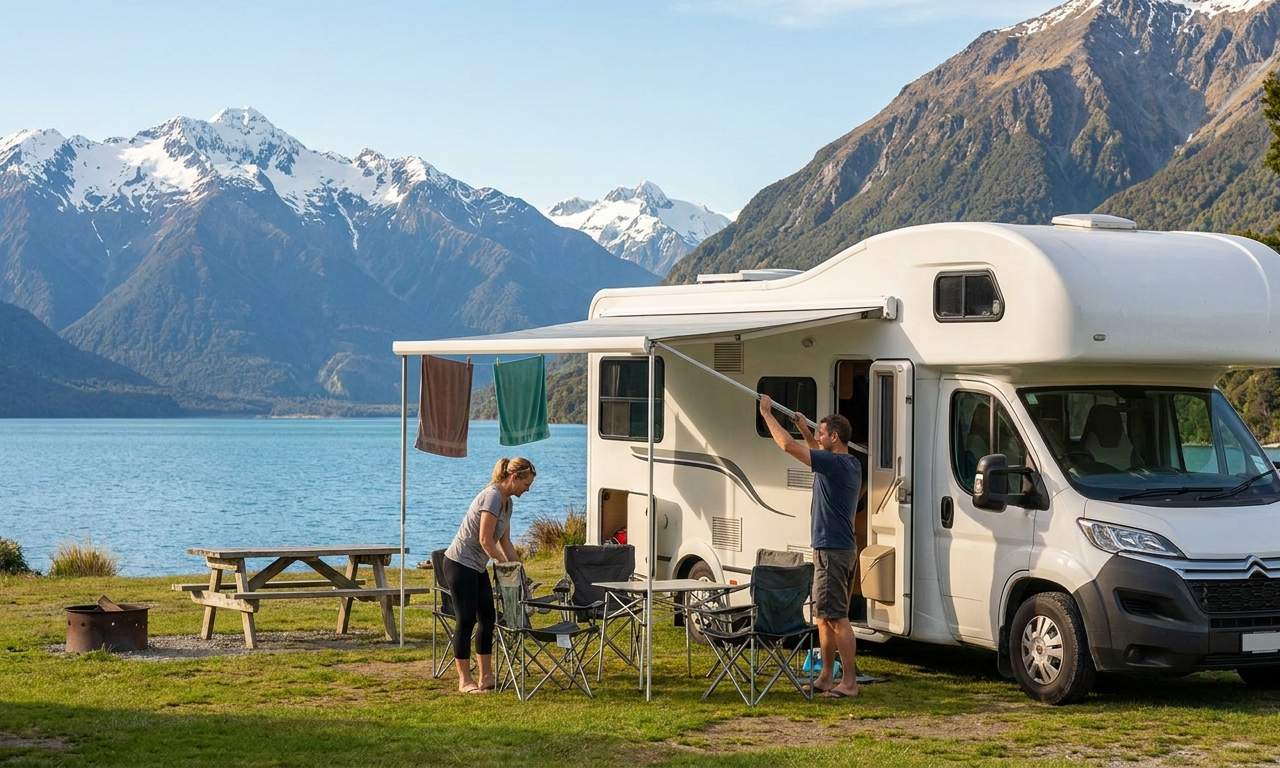
Most motorhomes and campervans in New Zealand weighing less than 6,000 kg Gross Vehicle Mass (GVM) can be driven with a standard car license, also known as a Class 1 driver's license in New Zealand. This means that for the vast majority of rental RVs, you won't need any special commercial driver's license or additional permits. International visitors must hold a valid driver's license from their home country, which must be in English or accompanied by an accurate English translation. An International Driving Permit (IDP) is highly recommended for visitors whose licenses are not in English, though it's not strictly mandatory in all cases, it greatly simplifies interactions with authorities. The minimum driver age for most RV rentals in New Zealand is 21 years old, and importantly, there are no young driver surcharges or vehicle class restrictions based on age with our partnered suppliers.
Ensuring your license is appropriate for your chosen rental motorhome is a straightforward process. Before you book, always confirm the GVM of the specific RV model you are interested in with the rental supplier, although most standard Class B Camper Vans and Class C Alcove RVs will fall within the Class 1 license limits. We believe in full transparency, so you'll always know what's required without any hidden surprises. For instance, a typical Class C motorhome like the "6 Berth Discovery" with a length of 7.4 meters is well within the standard license requirements for most drivers.
Road Conditions & Terrain in New Zealand
New Zealand's road network is generally well-maintained, providing access to stunning natural attractions, but it presents unique driving challenges due to its varied terrain. Expect many roads, particularly on the South Island, to be narrow, winding, and feature significant mountain passes, such as those found on the scenic routes around Queenstown or the Haast Pass. Drivers frequently encounter single-lane bridges, especially in rural areas and approaches to popular scenic spots; these require careful observation of signage to determine right-of-way, usually indicated by a large arrow for the priority direction or by yielding to oncoming traffic already on the bridge.
Accessing more remote attractions or Department of Conservation (DOC) campsites often involves driving on gravel roads, which require reduced speeds and heightened caution to maintain control and prevent stone chip damage. Weather conditions can change rapidly in New Zealand, especially in mountainous regions, so vigilance for sudden ice, snow, or heavy rain is crucial, particularly during shoulder seasons or winter. Always check local road conditions via Waka Kotahi (NZ Transport Agency) before embarking on a new leg of your journey. Renting a motorhome like the nimble "rv rental denver example Category Van" or a "Patagonia Camper 4x4 double cab" can offer added peace of mind on varied terrain.
Is it difficult for Americans to drive in New Zealand?
Many American drivers initially find driving an RV in New Zealand challenging, primarily because traffic operates on the left-hand side of the road, a significant adjustment from right-hand drive countries. Beyond simply driving on the opposite side, adapting to unfamiliar road signs, different yielding rules, and navigating multi-lane roundabouts can take some getting used to. New Zealand's roads outside major cities are often narrower and more winding than those in North America, with numerous one-lane bridges where drivers must yield to oncoming traffic.
It is crucial for American and other foreign drivers to prioritize safety, take their time, and remain highly alert, especially during the first few days of their trip. We recommend practicing in less congested areas before attempting complex routes or navigating busy city traffic. Drive slowly and carefully, and you can drive almost anywhere without issues. No need to stress - just use common sense and pay attention. Remember, the journey is part of the adventure, and embracing the unique driving experience is key to enjoying your exploration of New Zealand.
How hard is it to drive a motorhome in New Zealand?
Driving a rented motorhome in New Zealand is generally manageable, but it certainly requires a heightened level of caution and adaptation to local road conditions compared to driving a standard car. Larger RVs, such as a Class C Alcove motorhome with a length of 7.1 meters like the "cruise america rv rental example Explorer," feel more substantial on narrow, winding roads and require greater awareness for turning and parking. Navigating features like the dramatic Homer Tunnel leading to Milford Sound or the picturesque rock arch tunnel on certain routes demands precise driving and adherence to size limitations.
Factors like strong crosswinds, common in open plains and coastal areas, or steep inclines and descents on mountain passes, add to the driving challenge. It's vital to constantly monitor rear and side clearances, especially when maneuvering through small towns or tight campground entrances. Our experienced team, who are true RV specialists, emphasizes that driving slowly, planning your route in advance, and taking regular breaks will make your New Zealand RV adventure enjoyable and stress-free. There's no need to stress – just use common sense and pay attention to the unique road features.
What is the 4 second rule in New Zealand?
The '4-second rule' in New Zealand is a crucial guideline for maintaining a safe following distance, especially vital when driving a heavier vehicle like a rented RV or campervan. To effectively apply this rule, drivers should select a fixed point on the road ahead, such as a road sign or a tree, and once the vehicle in front passes that point, count 'one thousand and one, one thousand and two, one thousand and three, one thousand and four' before your vehicle reaches the same marker. This counting method ensures adequate time to react and brake safely if the vehicle ahead suddenly slows down or stops.
Crucially, this recommended following distance should be extended to five or more seconds when encountering adverse conditions. This includes driving in heavy rain, on gravel roads where traction is reduced, or when operating a large and heavy RV that requires a longer braking distance. Adhering to the 4-second rule (or more) provides a significant safety margin and is a fundamental practice for a secure and enjoyable long-term RV trip through New Zealand.
What is the 333 rule for campervan?
The '333 rule' for campervans, while not a formal New Zealand road law, is a widely recommended general safety guideline for vehicle checks, particularly relevant for motorhome and campervan travelers. This rule typically advises checking your tires, fluids (oil, coolant, windshield washer), and lights every 300 miles (approximately 480 kilometers), every 3 hours of driving, or every 3 days, whichever comes first. The intent is to encourage proactive maintenance and identify potential issues before they become serious problems on the road.
Adhering to such preventative checks can significantly enhance safety and prevent unexpected breakdowns during your extended New Zealand RV adventure. Regular checks on tire pressure are especially important for heavier vehicles, contributing to fuel efficiency and preventing blowouts. While this rule is not legally binding, incorporating it into your routine will help ensure your rented motorhome, such as a "Patagonia Camper 4x4 double cab" or a "hire campervan example Paradise S/T," remains in top condition, offering you peace of mind throughout your journey.
RV Size Limits, Bridges & Restricted Zones
New Zealand does not impose universal strict RV size limits on its roads, but drivers of rented motorhomes must be acutely aware of specific height, width, and weight restrictions that apply to certain infrastructure and scenic routes. Roadside signage is critical, especially before entering historic towns, traversing narrow mountain passes, or attempting to pass through structures like the Homer Tunnel on the road to Milford Sound, which has height and width limitations. Failing to observe these signs can lead to significant inconvenience or even damage.
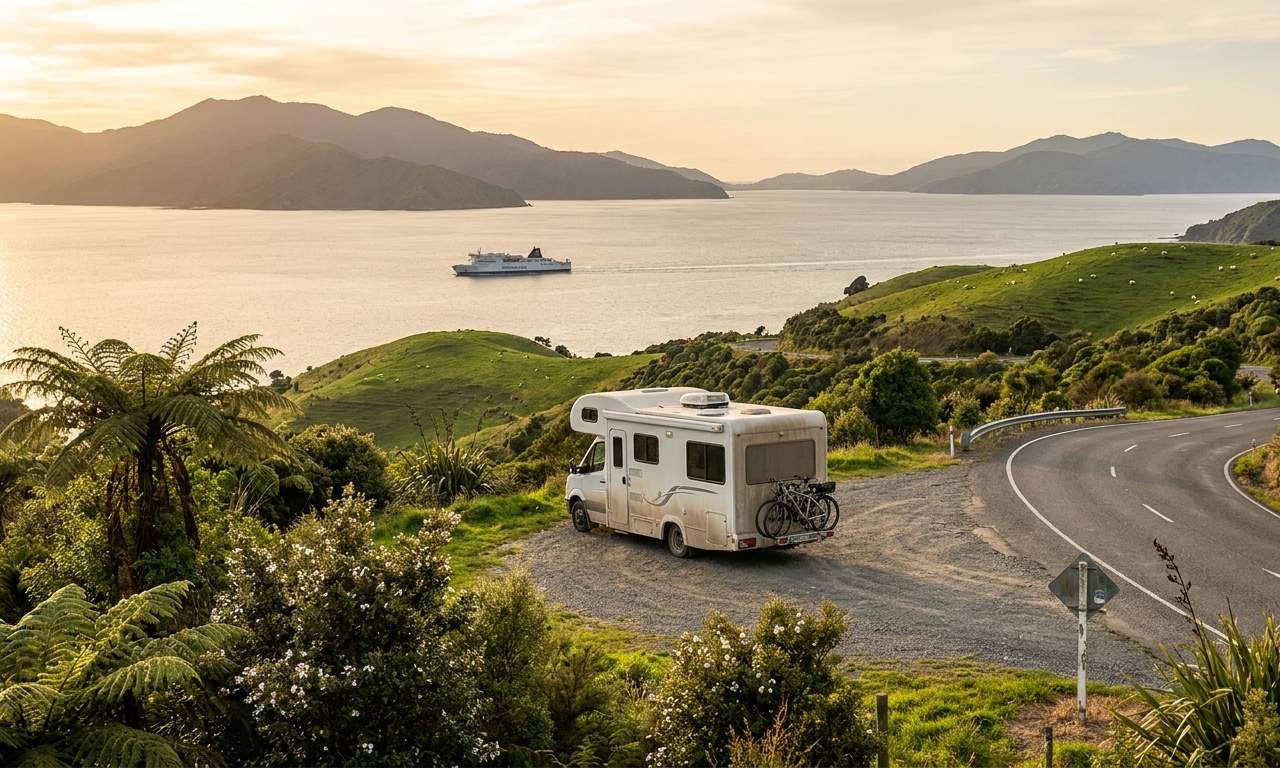
Ferry services, particularly the Interislander and Bluebridge that connect the North and South Islands, are a key part of any comprehensive RV itinerary and impose strict length and height restrictions, with fares often charged based on precise vehicle dimensions. Therefore, accurate measurements of your rented motorhome or campervan are crucial for booking and avoiding unexpected surcharges. Our expertise as true RV specialists means we can help you understand these nuances and select a vehicle, such as a "campervan hire new zealand example Euro Deluxe" (a large 6-berth RV) or a more compact "new zealand motorhome hire example Explorer" (averaging 6.9 meters), that perfectly matches your route and comfort needs.
Fuel: Diesel vs. Petrol & Cost per 100 km
Most rental motorhomes and campervans in New Zealand operate on diesel fuel, which offers superior fuel efficiency compared to petrol, making it a more economical choice for longer journeys. Diesel vehicles in New Zealand are subject to a Road User Charge (RUC), a fee paid for the distance traveled, which is typically covered by rental companies and factored into your rental agreement. Always confirm this with your supplier to ensure full transparency and no hidden fees.
Based on Bandana's global fleet averages, smaller Class B Camper Vans like the "2 Berth Hi Top" typically consume 8-10 Liters/100 km, while larger Class C Alcove RVs such as the "Euro Deluxe" can range from 10-12 Liters/100 km. Actual fuel costs per 100 km are dynamic and depend on current fuel prices, but diesel is widely available, even in rural areas. When planning your budget, remember to account for fuel as a significant ancillary cost. For easy budgeting and tracking every expense along your route, we recommend exploring RV PLANET routes, which allow you to itemize these costs in advance. On the routes offered through RV PLANET routes, you can itemize and track every expense along the way for easy budgeting.
Tolls, Vignettes & Border Rules
New Zealand primarily utilizes electronic toll roads, which are few in number and concentrated around major urban centers like Auckland (e.g., the Northern Gateway Toll Road) and Tauranga (e.g., Takitimu Drive Toll Road), meaning there are no physical toll booths or traditional vignettes to worry about. These tolls are typically paid online after your journey, or through convenient arrangements made by your RV rental provider, which might include pre-purchased toll passes or automated payment systems. This transparent approach avoids unexpected charges and makes navigating these sections of the road hassle-free.
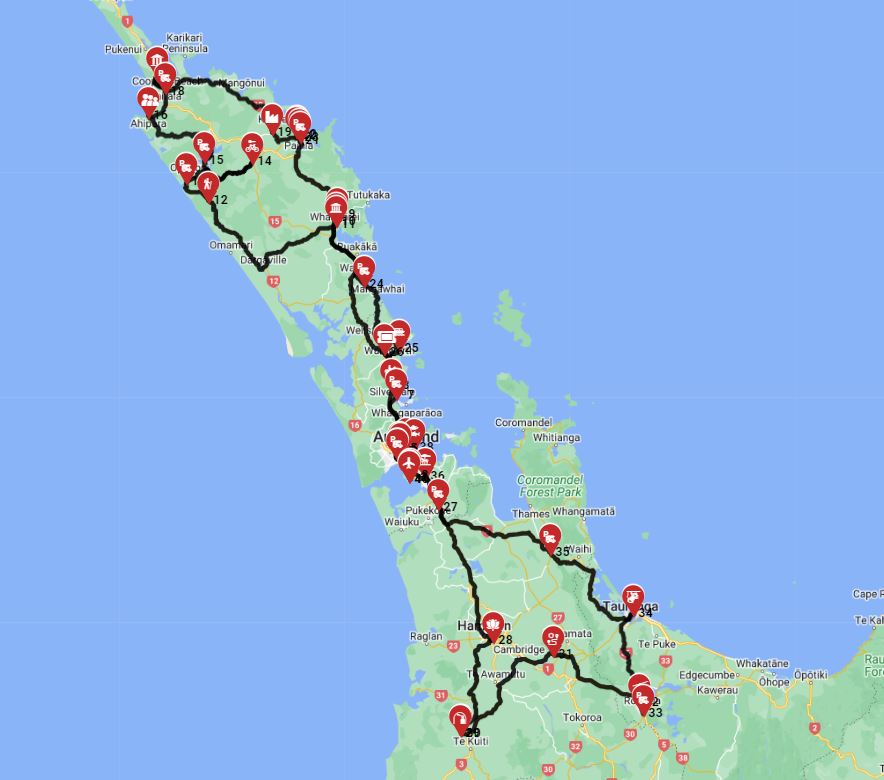
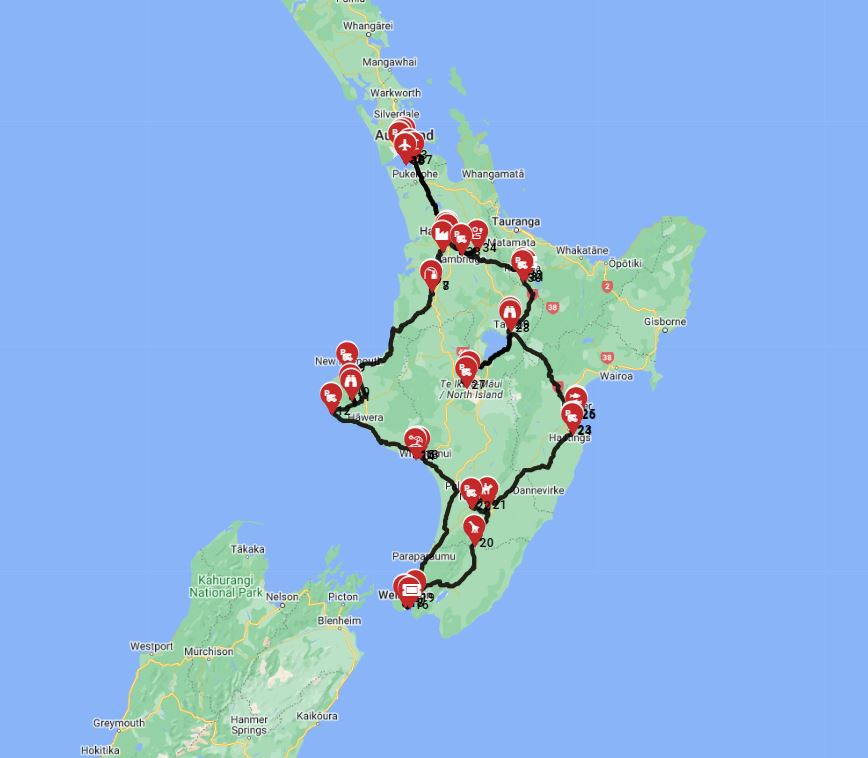
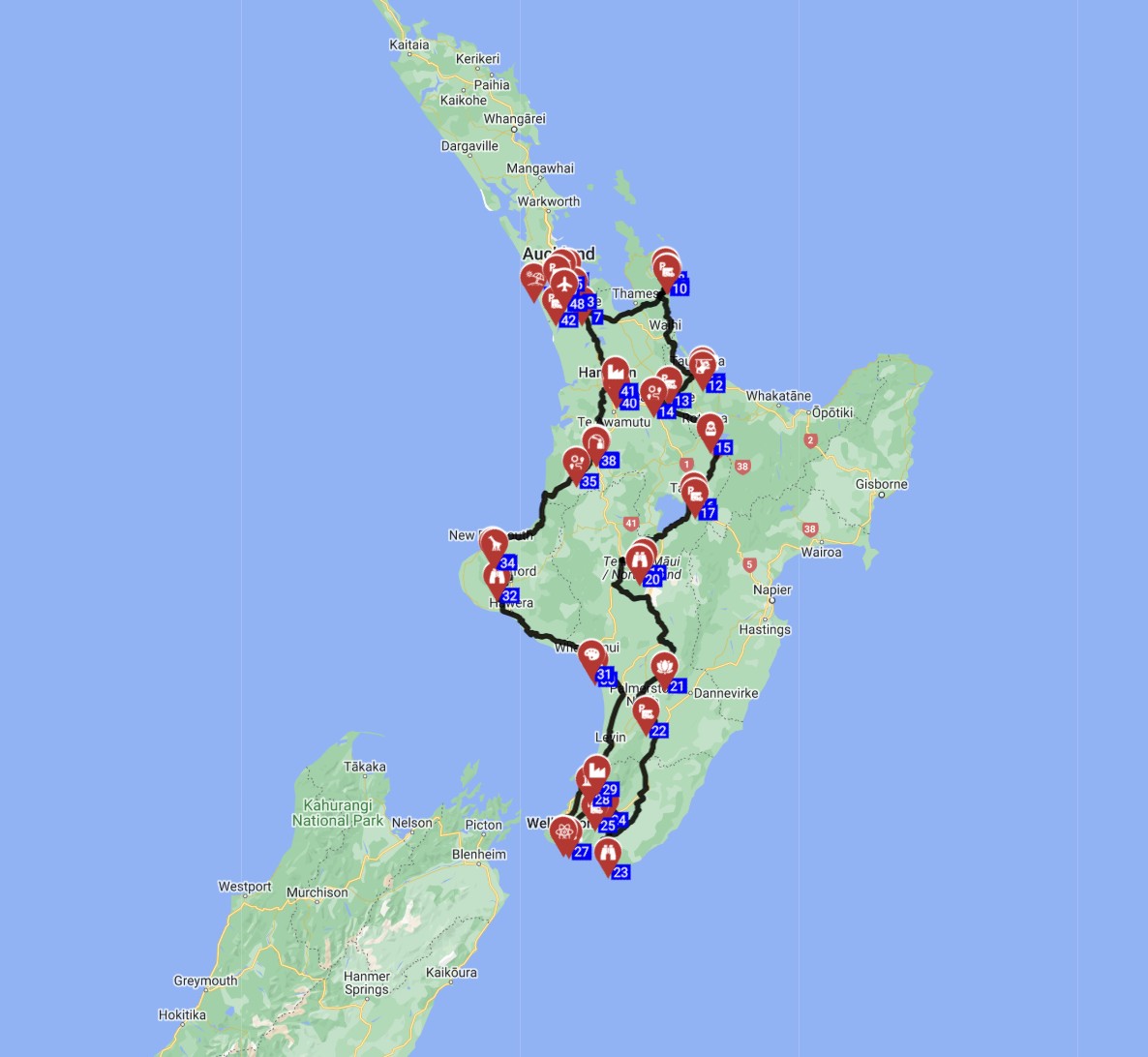
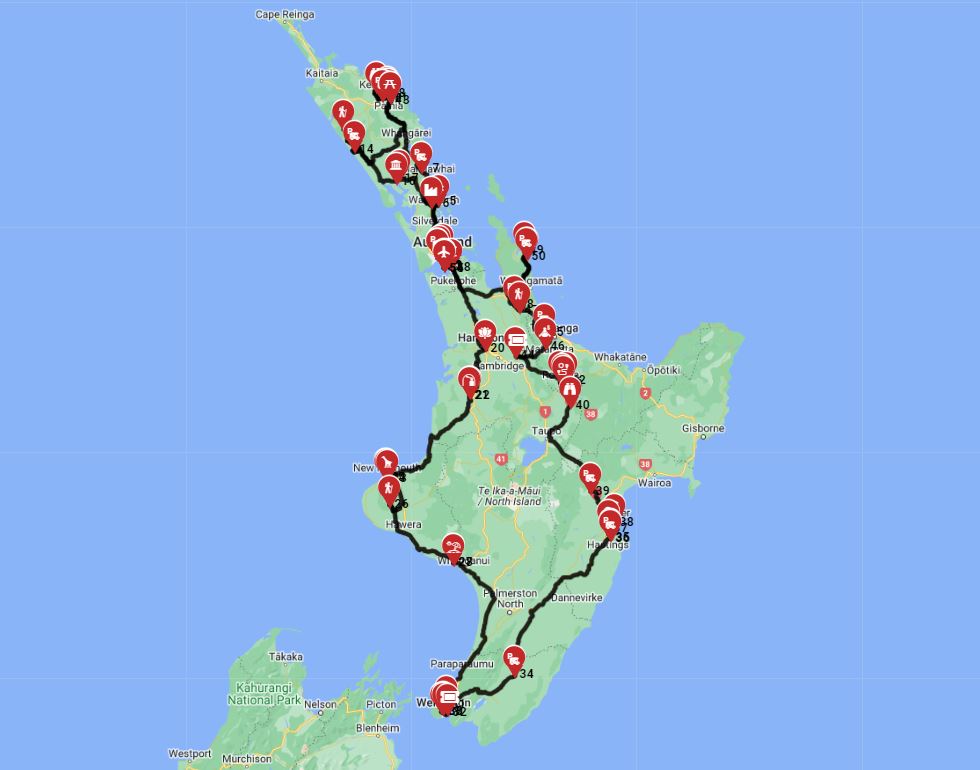
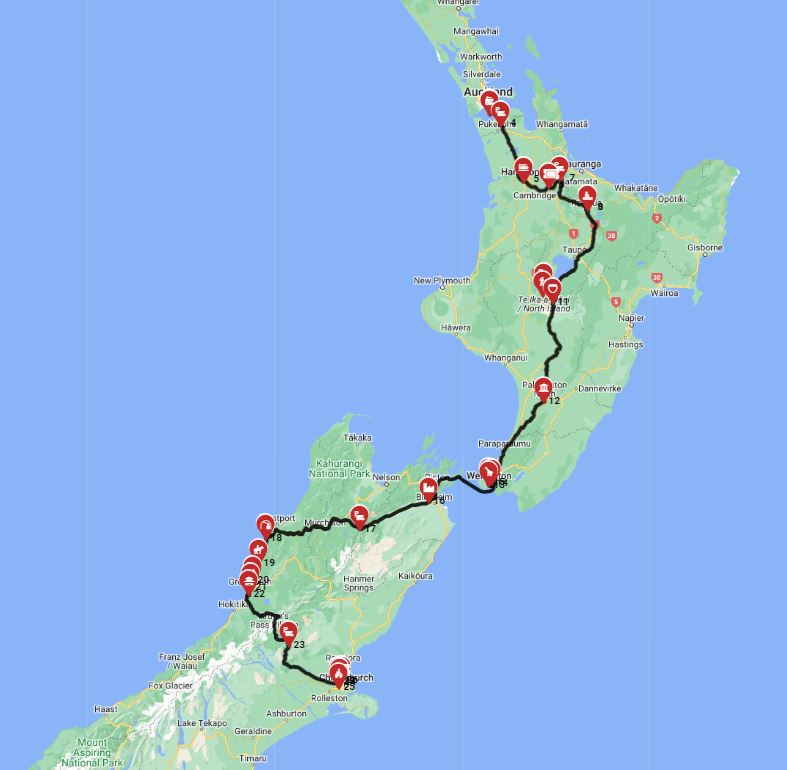
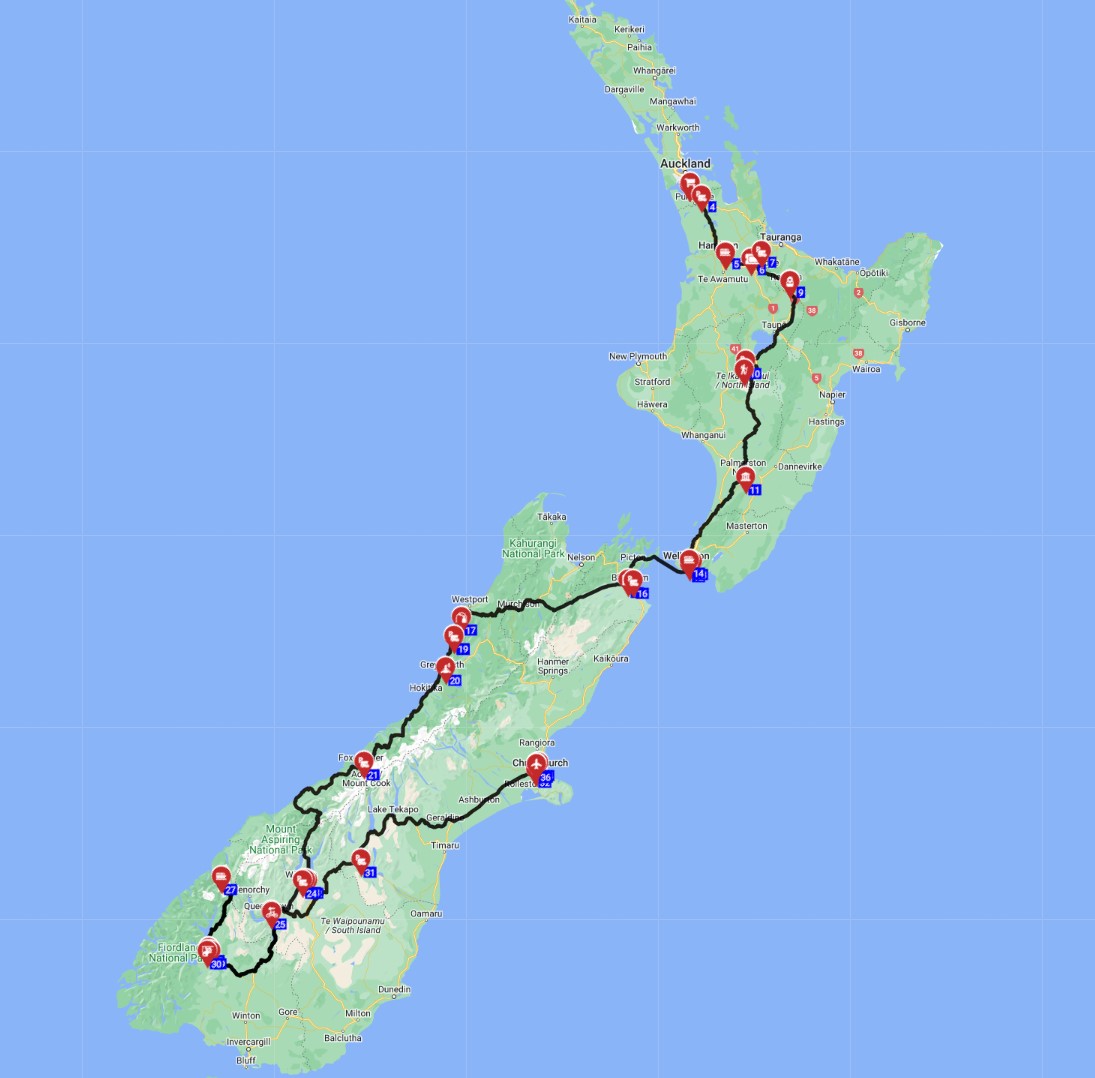
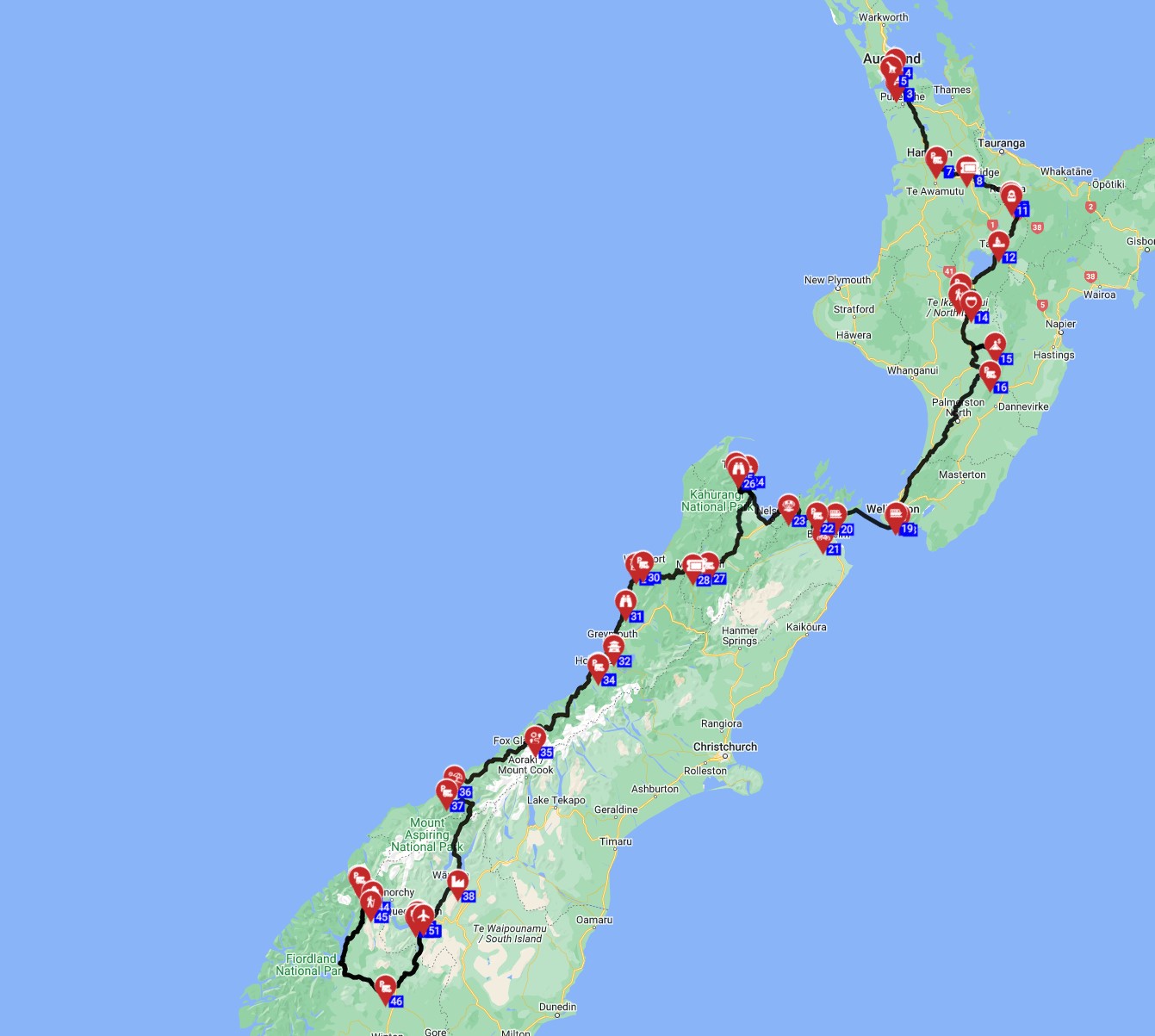
It's always a good idea to confirm how your specific rented motorhome supplier handles tolls to ensure no fines are incurred. The costs are generally minor, but being prepared contributes to a smooth and enjoyable trip. Since New Zealand is an island nation, border rules are not applicable, simplifying travel logistics. For an 18-day adventure, consider the "
Driving Tips for rv rental Travelers
Navigating New Zealand in a rented motorhome offers incredible freedom, and a few key driving tips will ensure a smooth and safe adventure. First and foremost, always remember to stay on the left-hand side of the road, which is a critical adjustment for many international visitors. Secondly, the breathtaking scenery encourages slower travel; plan to average no more than 100-150 km per day. This approach allows you to take your time to truly feel the place, connect to the culture, the food (perhaps even cook some delicious meals in your RV, check out our RV-friendly recipes playlist), and the stunning scenery.
- Respect Passing Lanes: Utilize designated passing lanes when safe to do so, and if a queue of traffic forms behind your RV on a winding road, find a safe place to pull over and let faster vehicles pass.
- Be Aware of Wildlife: Especially at dawn and dusk on rural roads, be vigilant for sheep, cattle, and native birds that may unexpectedly cross your path.
- Take Regular Breaks: Plan stops every 2-3 hours to combat driver fatigue, which is particularly crucial when driving a larger vehicle or with families.
- Check Conditions: Always check weather forecasts and Waka Kotahi (NZ Transport Agency) road conditions before departing, especially for mountain passes or remote areas.
- Know Your Vehicle: Be familiar with your specific rented motorhome's dimensions, including height and width, to safely navigate bridges, tunnels, and low overhead clearances.
Our team of true RV specialists is here to provide support and advice, helping you prepare for these local driving customs and ensuring your trip is as safe and enjoyable as possible. We handle the details, you live the journey.
Recommended RV Class for New Zealand Roads
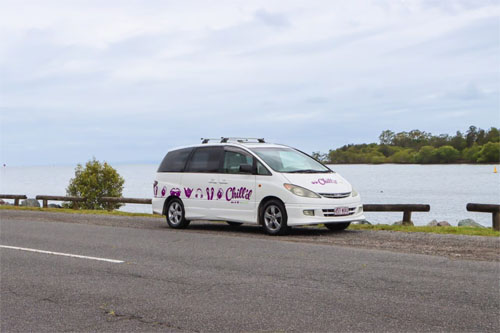
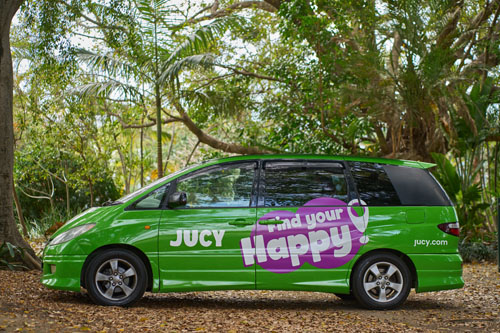
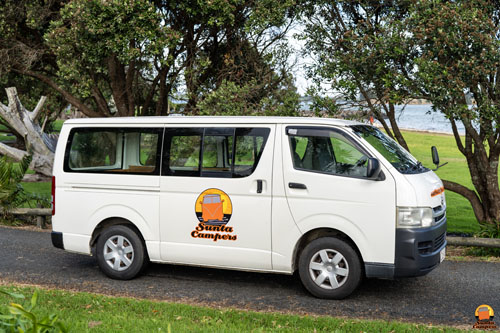
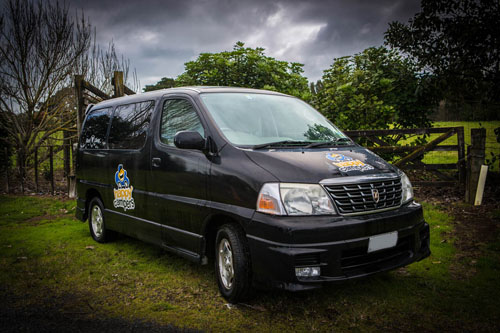
For an optimal balance of maneuverability and comfort on New Zealand's varied terrain, Class B Camper Vans or Class SI (Semi-integrated) RVs are frequently recommended. Class B Camper Vans, like the "motorhome hire new zealand example Hippie Drift," with an average length of 5.8 meters from Bandana's global fleet, offer excellent agility, making them easier to navigate on narrow, winding roads and simpler to park in towns or tighter campsites. These are ideal for couples or small families seeking flexibility.
Class SI Semi-integrated RVs, averaging 6.9 meters in length, such as the "new zealand motorhome hire example Explorer," provide a good balance of interior living space, amenities, and a manageable size for most roads. They often feature fixed beds and a more spacious kitchen, perfect for a week-long trip or two-week adventure. While larger Class C Alcove motorhomes are certainly capable of navigating New Zealand, these mid-sized options often provide the best overall experience for first-time renters or those looking to explore more remote, scenic routes without feeling overwhelmed by a very large vehicle.
Should I Choose a Compact Van Instead of a Large RV in New Zealand?
While New Zealand's diverse roads generally accommodate most RV sizes, choosing a compact van might offer a slight advantage in extremely tight urban areas or very narrow, winding mountain passes for those prioritizing ultimate maneuverability. However, the enhanced comfort, generous living space, and comprehensive amenities of a larger rented motorhome often significantly outweigh the marginal maneuverability benefits of a compact van, especially for longer trips or families of 4-6 people.
Larger RVs, such as the 7.4-meter "6 Berth Discovery" or the 6.75-meter "cheap campervan hire new zealand example EX-H," are designed to navigate most popular tourist routes effectively, providing ample indoor living space, a full kitchen, and a private bathroom. This offers a true "home away from home" experience. Remember, you can drive slowly and carefully, and you can drive almost anywhere without issues. No need to stress - just use common sense and pay attention to road conditions and signage, regardless of your chosen RV size.
Can I park my motorhome anywhere in New Zealand?
No, you cannot park your rented motorhome just anywhere in New Zealand, as 'freedom camping' is strictly regulated and generally restricted to specific sites designated for 'Certified Self-Contained' vehicles. To legally freedom camp, your RV must display a current 'Certified Self-Contained' warrant, confirming it has an onboard toilet, and greywater and blackwater tanks sufficient for at least three days of use (minimum 12 liters for fresh water, 12 liters for grey water, and 3 liters for black water capacity per person). Uncertified vehicles parked in restricted areas risk significant fines of up to NZD $200-$400.
Legal parking spots for freedom camping are clearly designated by local councils or the Department of Conservation (DOC), whose campsites offer an authentic, scenic, and often budget-friendly overnight experience. It is essential to always check local council bylaws, as rules can vary by region. Reliable resources like the 'CamperMate' app are invaluable for finding legal and safe overnight parking locations, dump stations, and fresh water points along your route. For finding campsites and campgrounds during your trip, we recommend using RV PLANET (rvplan.net) - a great resource for locating available spots along your route and even offers 25% planning discount for our customers.
Can I Drive an RV Into the City Center? Heights, Tunnels & Local Signage
Generally, you can drive a rented RV into most New Zealand city centers, though exercising caution is always advised due to potential height limits in car parks, narrower streets, and limited parking availability. It is imperative to pay close attention to local signage for vehicle height restrictions, particularly when approaching multi-story car parks, underpasses, and some historic areas. While New Zealand cities don't typically have the same environmental zone restrictions as some European counterparts, central areas might have resident-only parking or restricted access during peak hours.
For example, a Class B campervan like the "rv rental denver example Category Van" at 5.8 meters in length would be easier to maneuver than a 7.6-meter Class C motorhome like the "rv rentals utah example Sunrise Escape". Instead of navigating congested urban streets with a larger RV, many travelers opt to park their motorhome on the outskirts of the city and use public transport to explore, offering a convenient and stress-free alternative. Remember, drive slowly and carefully, and you can drive almost anywhere without issues. No need to stress - just use common sense and pay attention to specific local signage.
Who insures motorhomes in NZ?
Rented motorhomes in New Zealand are typically insured by the rental company as an integral part of the rental agreement, ensuring comprehensive coverage for the vehicle itself. Most suppliers offer various excess (deductible) reduction options, allowing travelers to pay an additional daily fee to lower their financial liability in case of an accident or damage. It is crucial for tourists to thoroughly review the rental company's insurance policy before booking, understanding the standard excess amount and available upgrades for peace of mind. You can always upgrade to a top-level deductible for extra peace of mind, significantly reducing your financial exposure.
While the rental company covers the vehicle, travelers might consider purchasing additional travel insurance from their home country to cover personal belongings, medical emergencies, or to cover any remaining liabilities not fully covered by the rental company's policy. Bandana RV works with reputable suppliers like Apollo and Britz who offer clear insurance terms, ensuring full transparency with no hidden fees or surprises throughout the booking process.
How much does it normally cost to insure an RV?
The cost of RV insurance for a rental in New Zealand varies significantly depending on the level of excess (deductible) chosen by the renter. Basic rental agreements typically include standard insurance with a higher excess amount, meaning you are liable for a larger sum in case of damage. To reduce this liability, travelers can opt for excess reduction options, which involve paying an additional daily premium. This daily premium can range from approximately NZD $25 to $75 or more, depending on the rental company, the specific vehicle type (e.g., a compact "2 Berth Hi Top" versus a spacious "Euro Deluxe"), and the extent of coverage desired.
For example, a full excess waiver could add a notable amount to your overall trip cost, but offers complete peace of mind. It's important to compare these options carefully and factor them into your total trip budget. As true RV specialists, we ensure that pricing is always dynamic and fully transparent at the time of booking, so you're never surprised by unexpected costs. Always confirm the exact daily costs for excess reduction directly with your chosen supplier.
What You Shouldn't Miss
- Milford Sound Cruise: Take a scenic cruise through the majestic fjords of Milford Sound, often dubbed the "Eighth Wonder of the World," accessible via the dramatic Homer Tunnel.
- Explore Queenstown's Adventure Hub: Experience adrenaline-pumping activities like bungee jumping, jet boating, or paragliding in the adventure capital of the world.
- Hike the Tongariro Alpine Crossing: Traverse one of New Zealand's most spectacular day hikes through volcanic landscapes in Tongariro National Park (North Island).
- Visit Rotorua's Geothermal Wonderland: Immerse yourself in Māori culture and witness bubbling mud pools and geysers at geothermal parks like Te Puia.
- Discover the West Coast Glaciers: Witness the incredible Fox and Franz Josef Glaciers, unique temperate rainforest glaciers on the South Island.
- Relax in Abel Tasman National Park: Enjoy golden beaches, turquoise waters, and coastal walks, perfect for kayaking or leisurely strolls.
Final Thoughts
Embarking on a long-term RV journey through New Zealand promises an unparalleled adventure, filled with stunning scenery, diverse activities, and the freedom to explore at your own pace. By understanding the unique driving conditions, local regulations like freedom camping, and vehicle considerations, you're well-equipped to make the most of this incredible destination. Remember, slow travel is the best travel in New Zealand; allow yourself ample time to soak in the beauty and connect with the vibrant local culture.
Our goal at Bandana RV is to empower your journey with transparent information and unwavering support. We're here to help you compare options, understand every detail, and ensure your RV rental experience is as smooth and enjoyable as possible. So, go ahead, imagine yourself on the open roads of New Zealand, and let's make that dream a reality.
🎬 Video coming soon