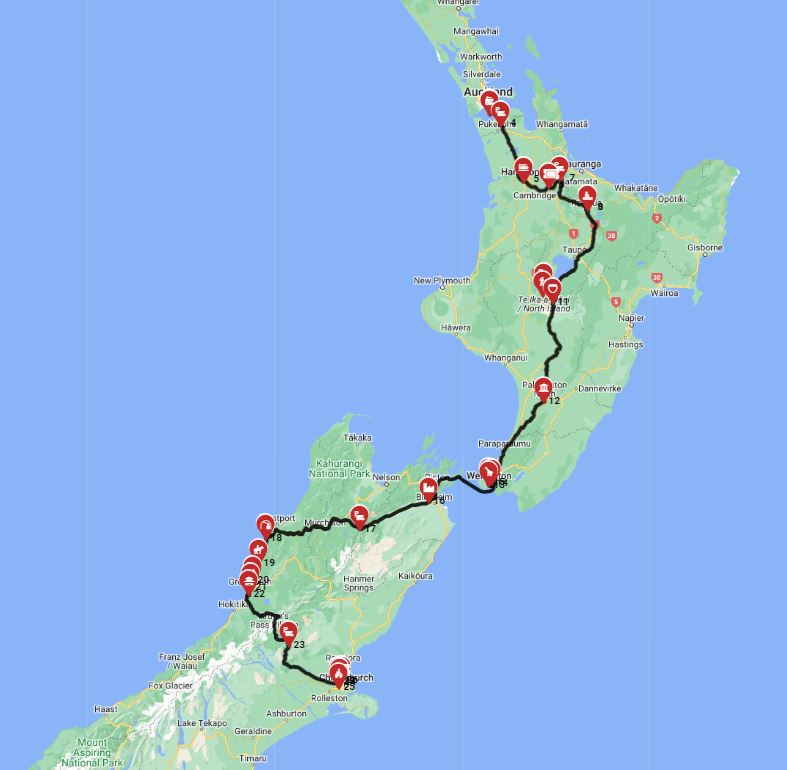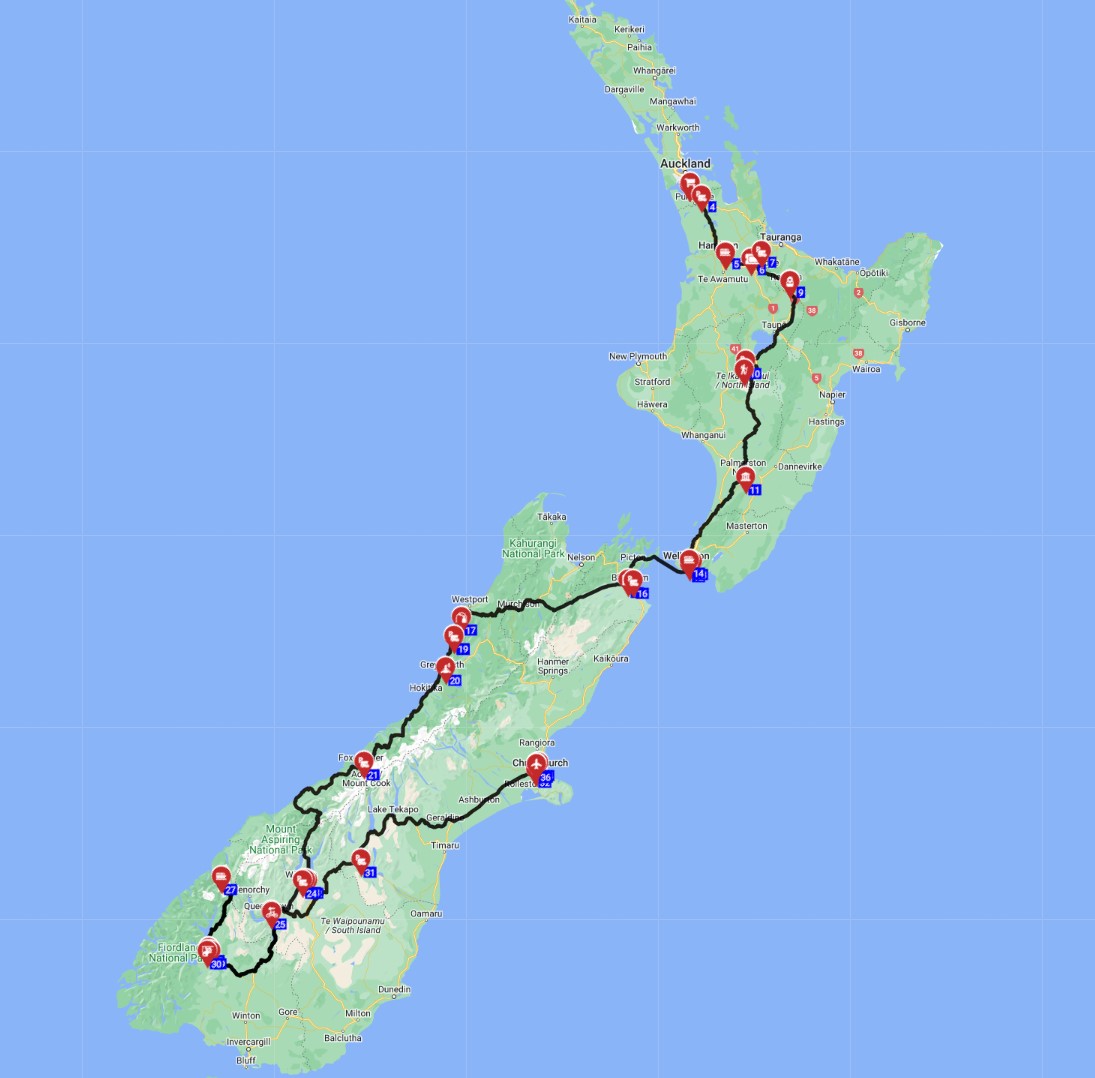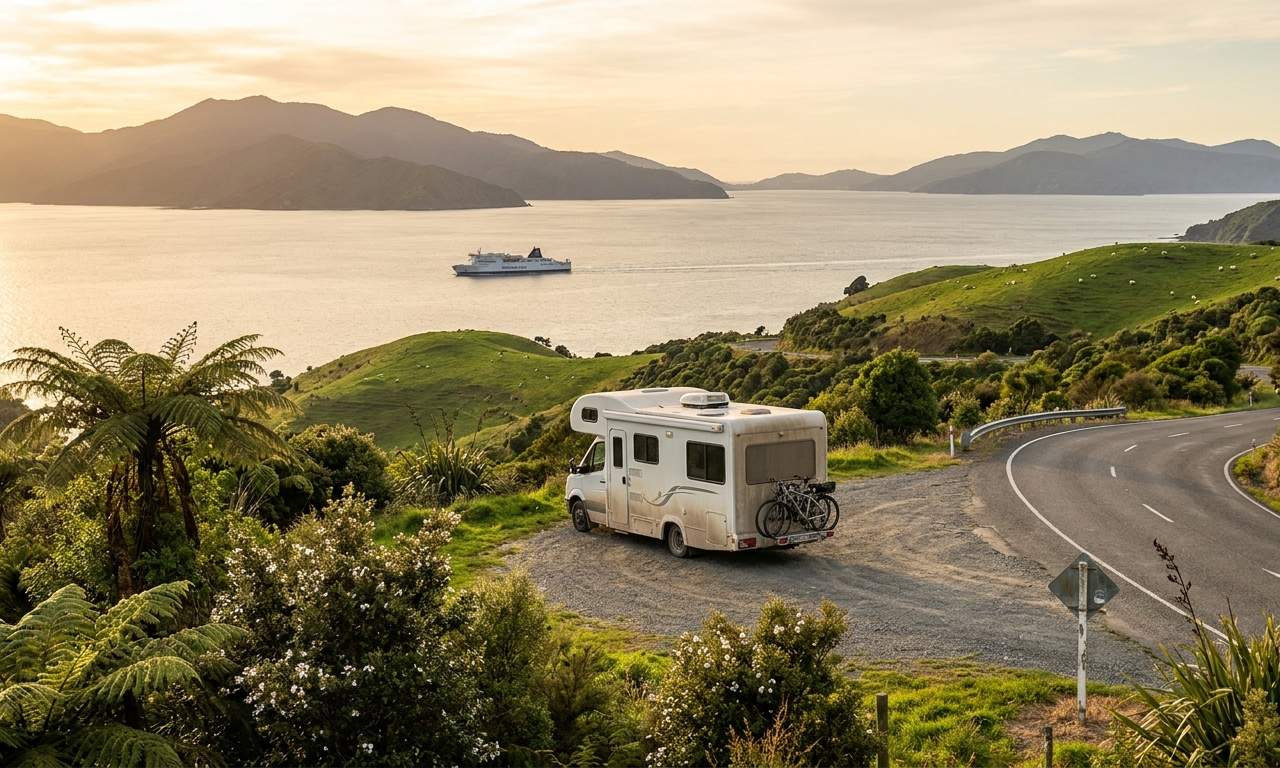
For live availability and current prices, start with our RV Rental New Zealand - Complete Guide 2026 guide.
In This Guide
- Where to Camp in New Zealand - Top Options
- Campground Types in New Zealand (National, Private, Wild)
- Featured RV Park or Campground in New Zealand
- Hookups & Amenities - What to Expect
- Booking Windows & Reservations in New Zealand
- Nearby Supermarkets & Resupply Points
- Best RV Class for Camping in New Zealand
- How to Save on Campgrounds in New Zealand
- Can I park my motorhome anywhere in New Zealand?
- Can you free camp anywhere in New Zealand?
- How much does it cost to park a campervan in New Zealand?
- How much does it cost to stay at a campground in New Zealand?
- Is New Zealand RV friendly?
- Does New Zealand have RV parks?
- Do you need a special license to drive an RV in New Zealand?
- Is it worth getting a campervan in New Zealand?
- What You Shouldn't Miss
- Why Book with Bandana Caravan
- Final Thoughts
- Frequently Asked Questions
New Zealand offers an unparalleled RV rental experience, especially if you're planning an extended adventure and seeking long-term camping options with monthly sites. This comprehensive guide will illuminate everything you need to know about navigating the stunning landscapes of both the North and South Islands with a rented motorhome or campervan. For live availability and current prices, start with our RV Rental New Zealand - Complete Guide 2024 guide, which provides a detailed overview of what to expect.
Where to Camp in New Zealand - Top Options
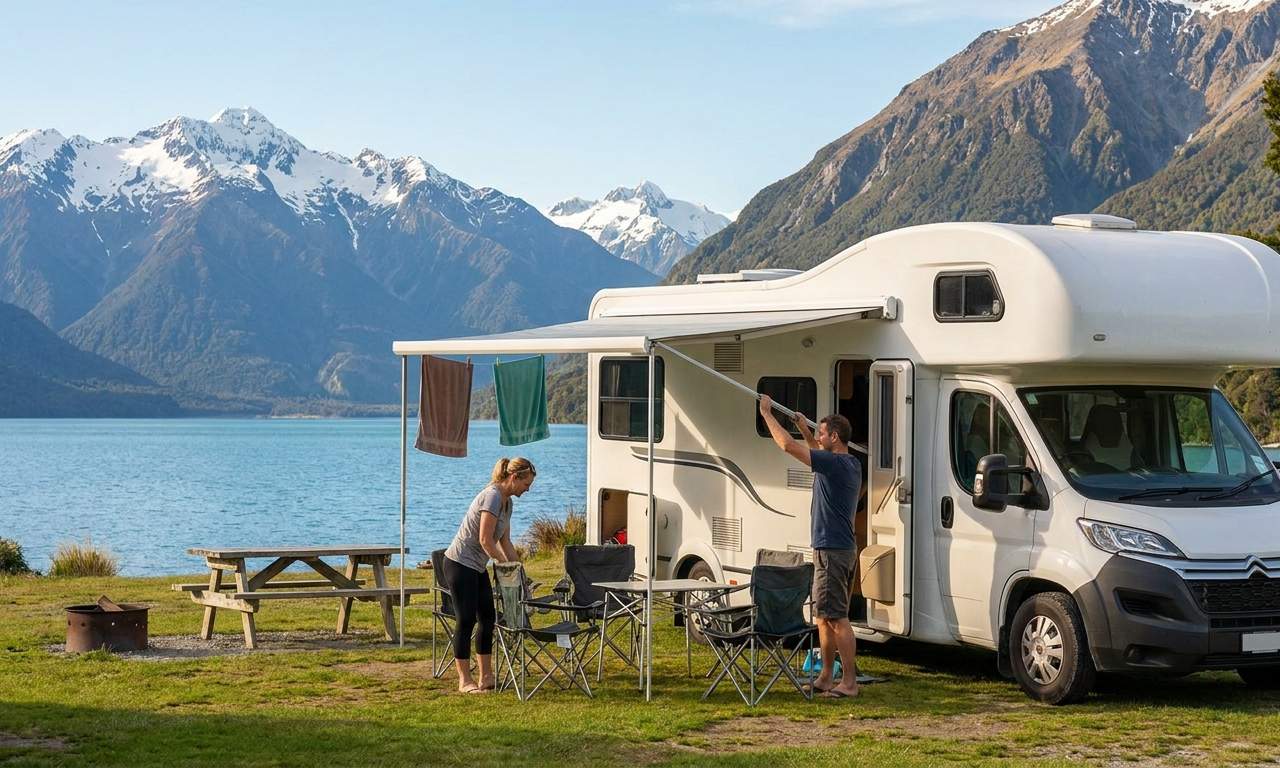
New Zealand provides a vast array of camping experiences for RV travelers, ranging from basic Department of Conservation (DOC) sites nestled in pristine nature to luxurious private holiday parks with extensive amenities. Popular RV camping regions include the breathtaking Fiordland National Park, the golden beaches of Abel Tasman, the scenic Coromandel Peninsula, and vibrant areas surrounding major hubs like Queenstown and Rotorua. These options cater to diverse preferences, whether you prefer deep immersion in nature or sites with comprehensive facilities.
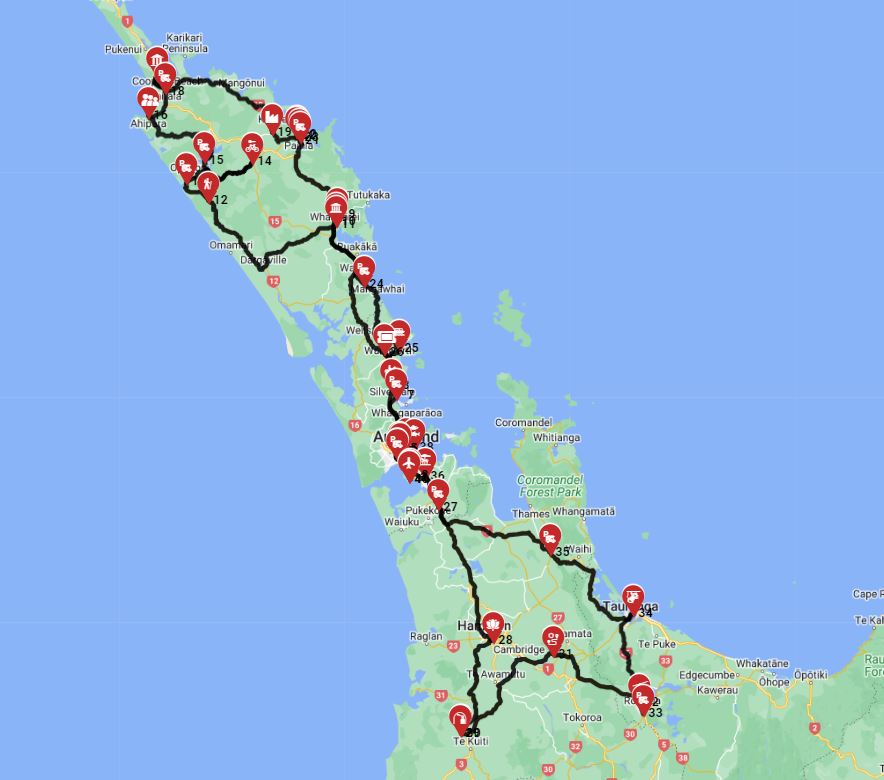
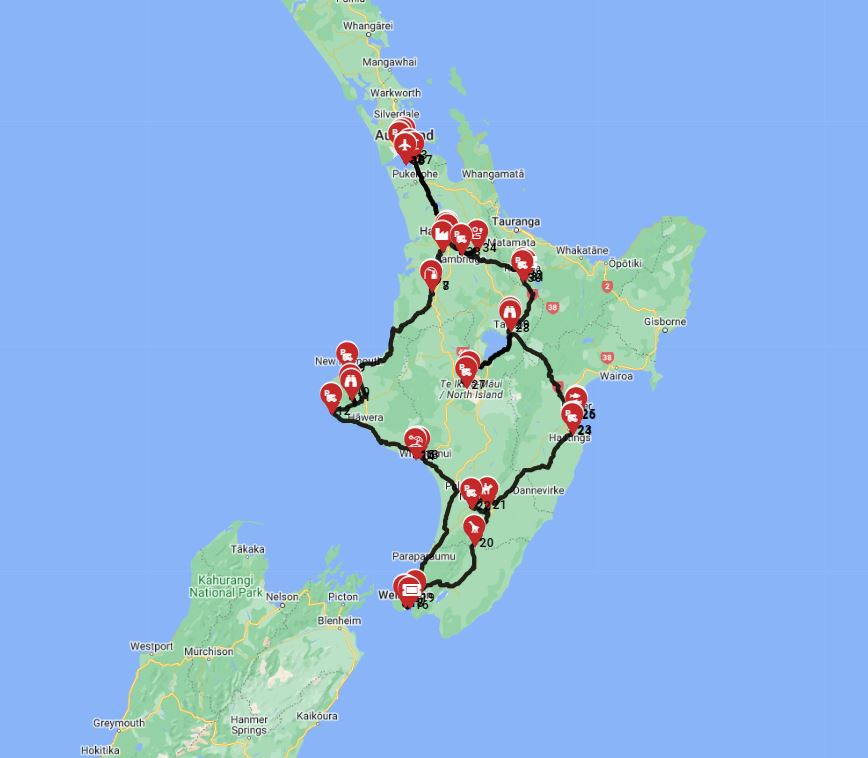
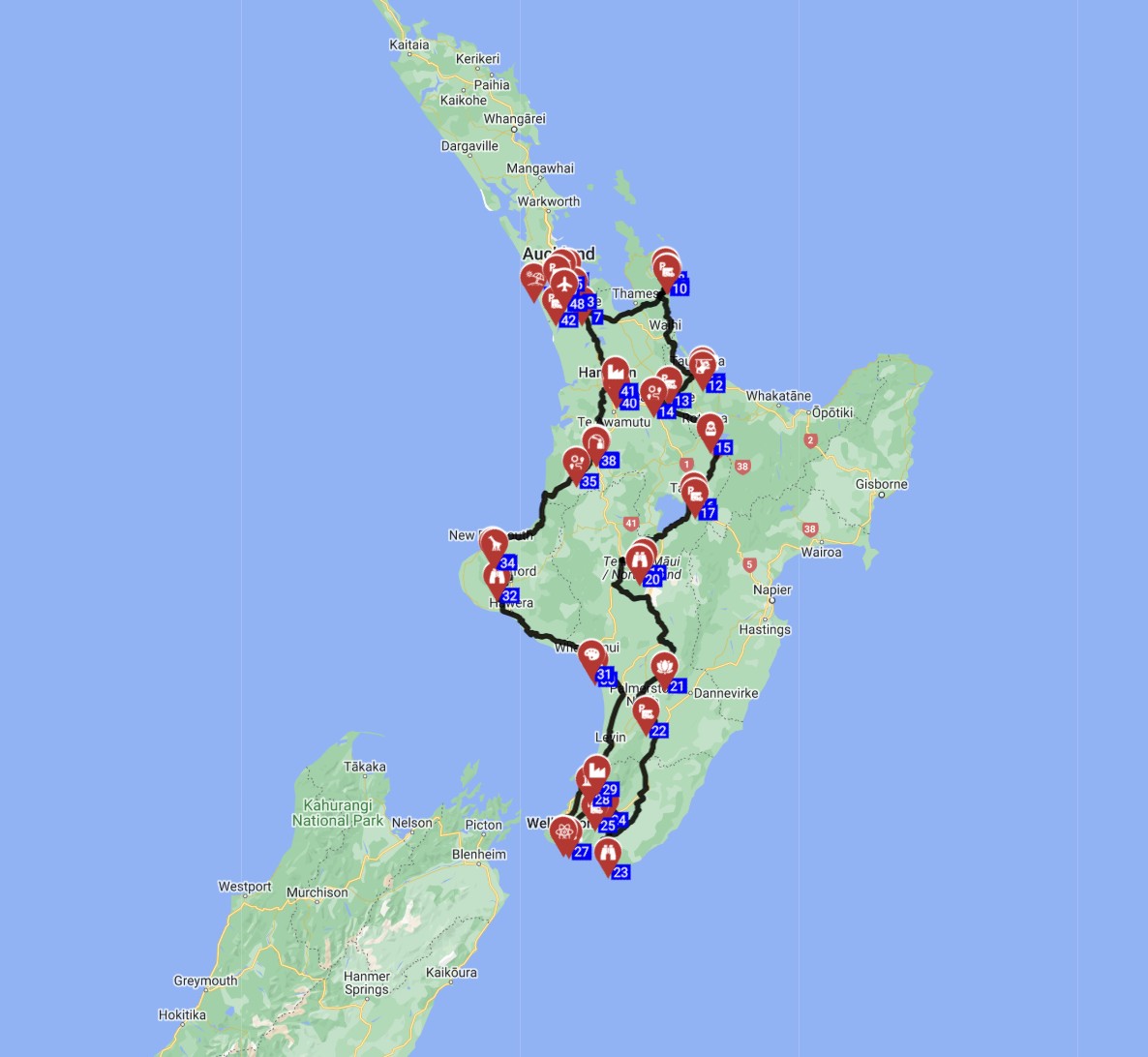
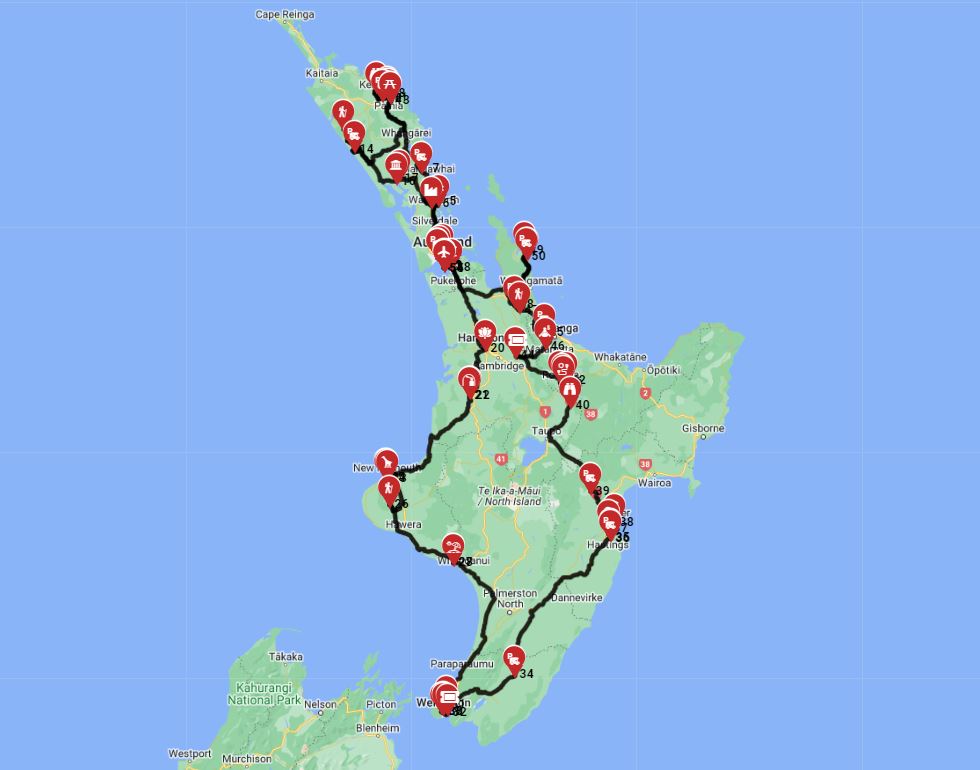
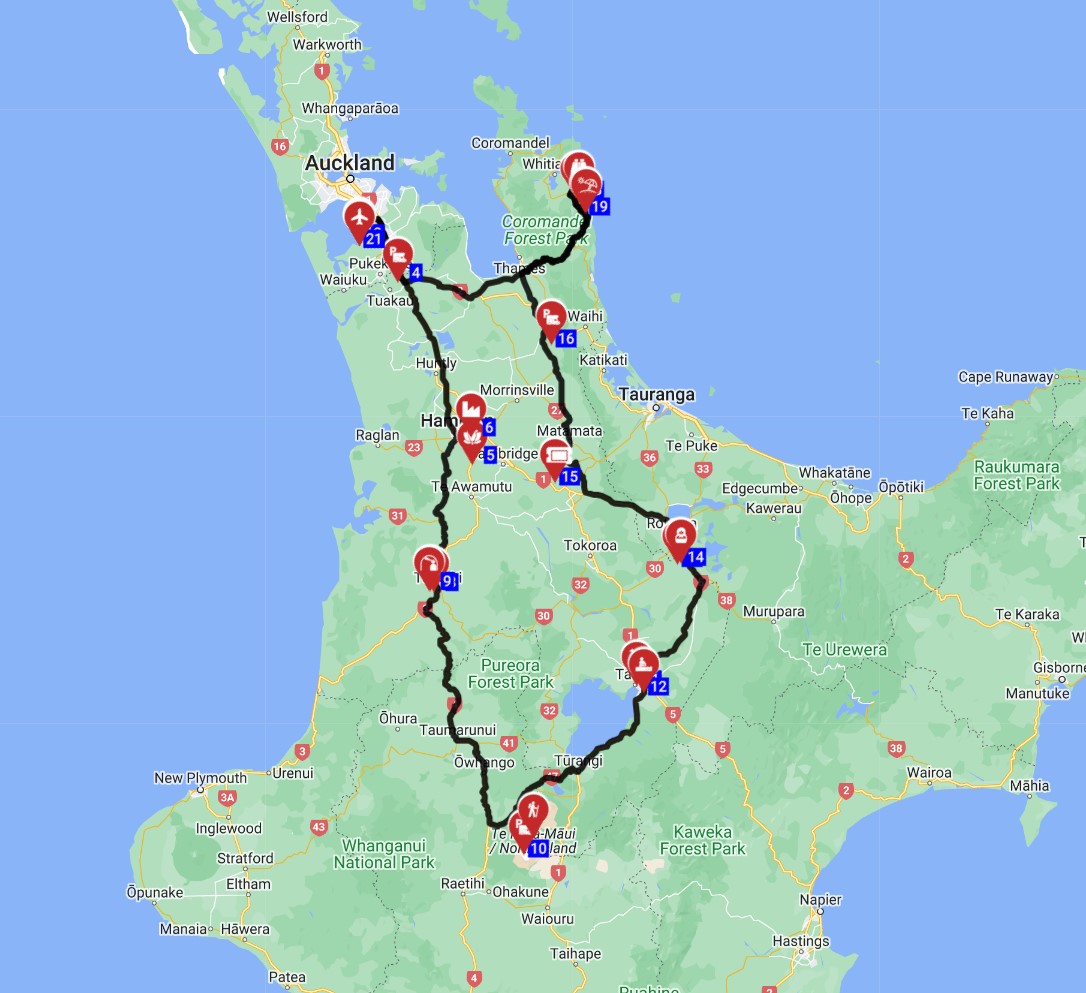
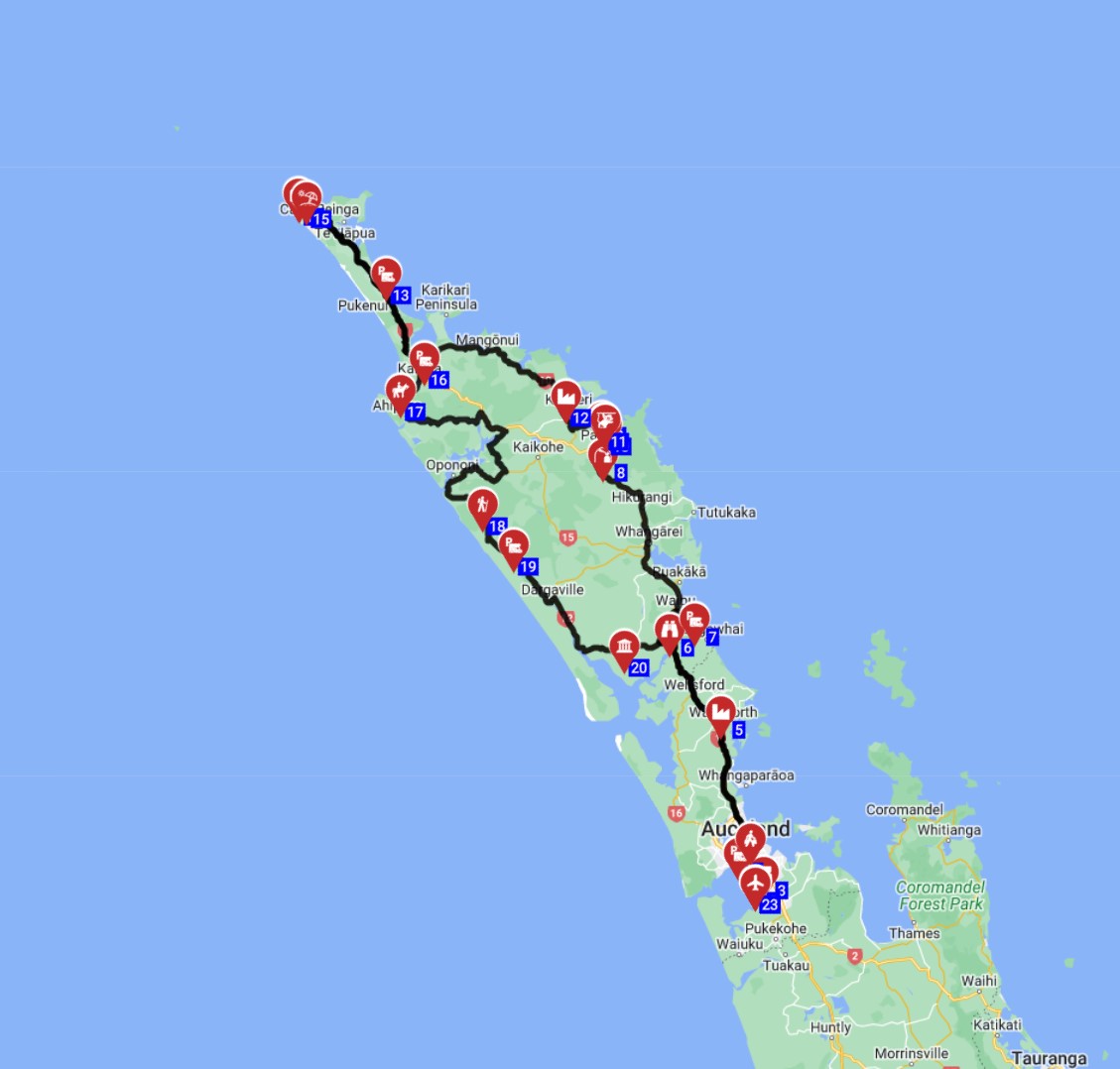
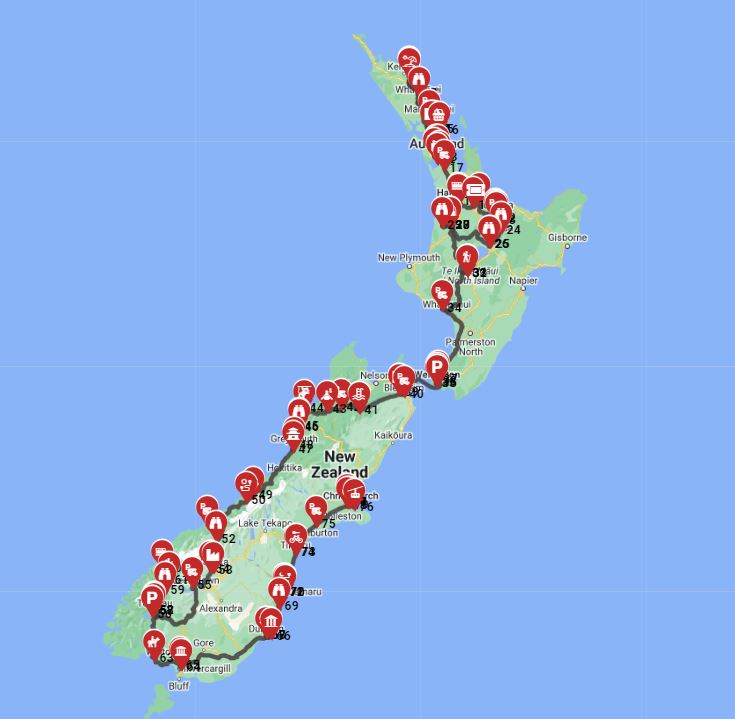
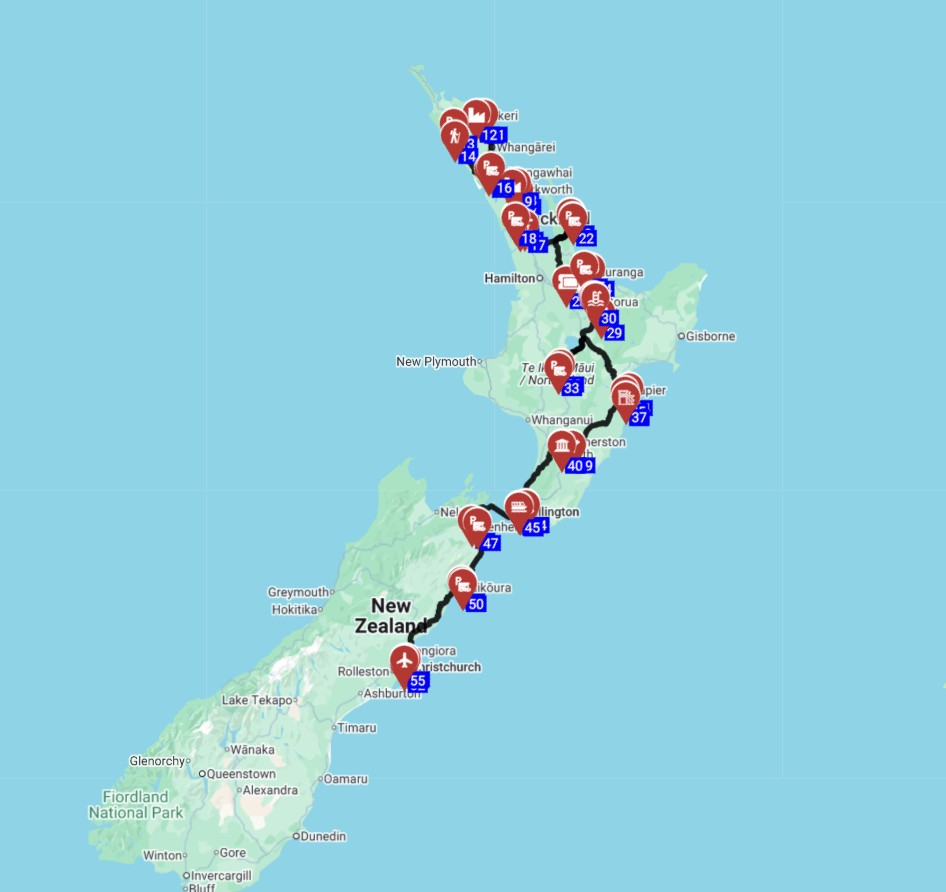
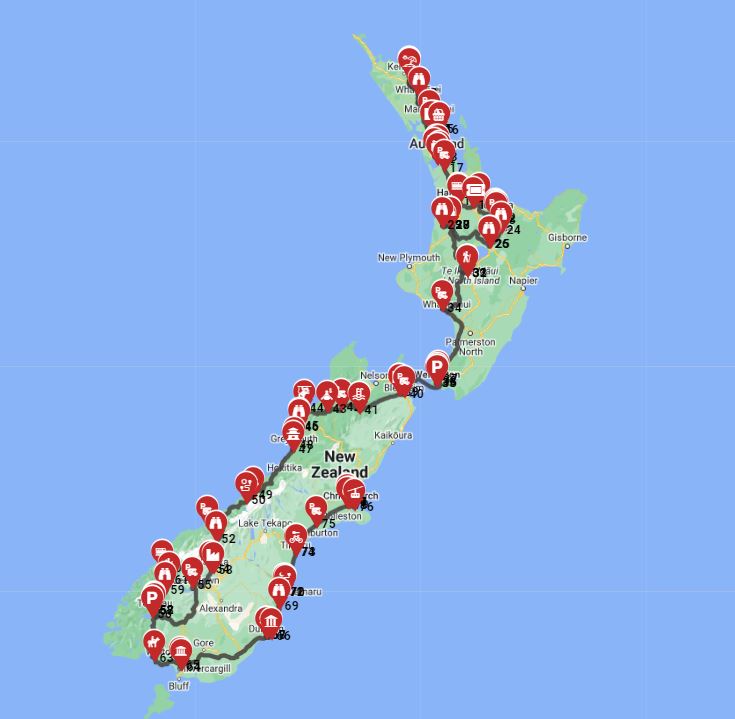
Imagine yourself parking your campervan near the shore of Lake Wakatipu in Queenstown or waking up to bird song in a secluded DOC site in the Catlins. Each location promises unique charm. For a truly epic adventure combining many of these highlights, consider the "
Campground Types in New Zealand (National, Private, Wild)
New Zealand offers three primary types of RV camping options: Department of Conservation (DOC) campgrounds, private holiday parks, and designated freedom camping sites. DOC campgrounds, found within national parks and protected reserves, provide basic to mid-range amenities in stunning, often remote natural settings, with costs typically lower than private parks. Private holiday parks, like the Top 10 Holiday Parks chain, offer comprehensive facilities such as 240V powered sites, hot showers, laundries, communal kitchens, and often recreational amenities like swimming pools or playgrounds, but at a higher price point. Freedom camping, while appealing for its cost-saving potential, is strictly regulated and generally requires a 'certified self-contained' vehicle, only permitted in specific designated areas. Non-compliance with freedom camping regulations can lead to substantial fines, so always check local council bylaws and ensure your rented RV meets the criteria.
Featured RV Park or Campground in New Zealand
A well-regarded RV park in New Zealand, such as the Queenstown Lakeview Holiday Park, typically offers essential services and a fantastic setting. You can expect powered and unpowered sites, communal kitchens, laundry facilities, and clean hot showers, providing a comfortable home base for your adventures. Look for parks that offer modern facilities, friendly staff, and convenient access to local attractions or essential resupply points. Many of New Zealand's top parks boast picturesque settings near beaches, lakes, or national parks, significantly enhancing your overall RV camping experience.
Hookups & Amenities - What to Expect
In New Zealand, full-service RV parks and private holiday parks reliably provide 240V electricity using standard NZ/AU Type I outlets, fresh water hookups, and grey/black water dump stations. This ensures you can enjoy all the comforts of your rented motorhome or campervan. Basic Department of Conservation (DOC) sites often provide only non-potable water and long-drop toilets, meaning your RV needs to be more self-sufficient for extended stays. Common amenities at private parks typically include communal kitchens (perfect for preparing a hearty breakfast or a cozy dinner, check out our RV-friendly recipes playlist for inspiration!), coin-operated laundry facilities, and hot showers. While Wi-Fi might be available, especially at private parks, it can be paid or have limited connectivity, particularly in remote areas, so plan for offline navigation and communication. On the routes offered through RV PLANET routes, you can itemize and track every expense along the way for easy budgeting.
Booking Windows & Reservations in New Zealand
To secure desirable RV camping spots in New Zealand, especially at popular Department of Conservation (DOC) sites and private holiday parks during the peak season (November to April), booking 3-6 months in advance is highly recommended. Many popular DOC sites, like those in Fiordland, release a limited percentage (e.g., 25-30%) of spots for advance online reservations, with the remainder available on a first-come, first-served basis. Spontaneous travel is more feasible during the shoulder or off-season, but it is always best practice to call ahead to campgrounds before driving to confirm availability. Importantly, Interislander or Bluebridge ferry crossings between the North and South Islands must be booked well in advance for RVs, particularly during holiday periods, due to limited space and high demand.
Nearby Supermarkets & Resupply Points
RV travelers in New Zealand will find it convenient to resupply at major supermarket chains such as Countdown, Pak'nSave, and New World, which are readily available in most towns and cities across both islands. It is always wise to stock up on groceries and essential supplies before venturing into more remote regions or national parks, where options may be limited to smaller convenience stores or local shops with higher prices. Many towns also host vibrant farmers' markets and specialty stores, offering fresh local produce and unique New Zealand products, adding a delightful culinary dimension to your journey. Remember that planning your route on RV PLANET helps you track every expense, including groceries, with its detailed itemization feature on RV PLANET routes.
Best RV Class for Camping in New Zealand
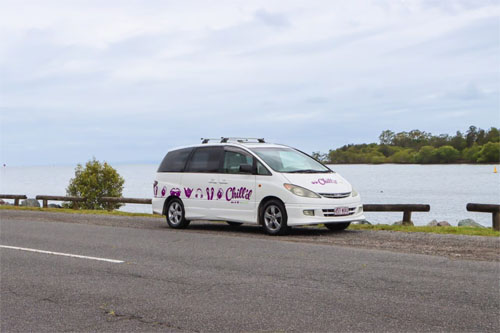
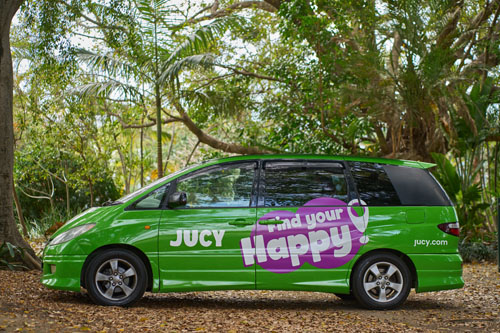
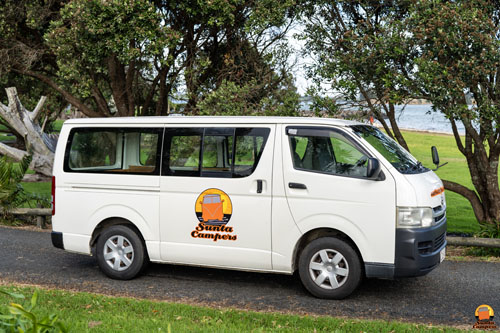
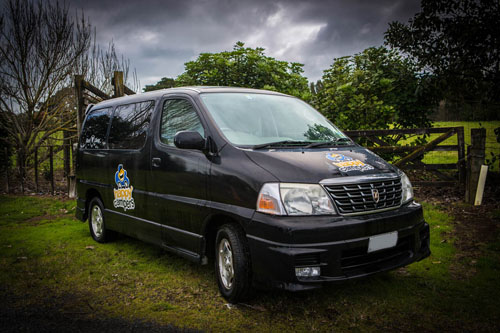
For camping in New Zealand, Class B Camper Vans and Class SI Semi-integrated RVs are often considered ideal due to their excellent maneuverability on the country's often narrow and winding roads, offering a great balance of comfort and flexibility for diverse campsites. Bandana offers a variety of Class B Camper Vans, like the rent rv example A1 or rent rv example A2, averaging 5.8m in length and comfortably accommodating 2.7 adults. These smaller vehicles offer excellent fuel efficiency (typically 8-10 Liters/100 Km) and are easier to handle, making them perfect for navigating smaller roads and accessing more remote, certified self-contained freedom camping spots. Bandana's Class SI Semi-integrated RVs, such as the Active Standard Select or Euro Quest, averaging 6.9m in length for 3.4 adults, provide more interior space and amenities (typically consuming 10-11 Liters/100 Km) while remaining manageable for most New Zealand roads. Drive slowly and carefully, and you can drive almost anywhere without issues. No need to stress - just use common sense and pay attention.
How to Save on Campgrounds in New Zealand
To significantly reduce RV camping costs in New Zealand, savvy travelers often utilize campground discount cards, which are sometimes provided by rental companies or available for purchase, and strategically opt for shoulder season travel (spring and autumn). Traveling during these periods can result in lower rates and fewer crowds compared to the peak summer months. Many private holiday parks frequently offer discounted weekly or monthly rates, making longer stays at a single location more economical than multiple short ones. Choosing municipal or regional campgrounds over more expensive private resorts, and exploring legal freedom camping options with a certified self-contained vehicle, are also effective strategies to keep your budget in check. For comprehensive budgeting and detailed route planning, our RV PLANET routes allow travelers to itemize and track every expense along the way.
Can I park my motorhome anywhere in New Zealand?
No, you cannot park your motorhome just anywhere in New Zealand; strict regulations govern overnight parking and freedom camping to protect the environment and manage local resources. Overnight parking is generally restricted to designated campgrounds, private holiday parks, or specific freedom camping areas identified by signage. Parking on private land without explicit permission is illegal and strictly enforced by local authorities. Each district council in New Zealand has its own bylaws regarding overnight parking, which must be researched locally (often via council websites or apps like CamperMate) to avoid fines. Significant on-the-spot fines, often up to NZD $400 or more, are issued for illegal parking or freedom camping offenses, emphasizing the critical importance of adhering to these rules and the country's 'Tiaki Promise'.
Can you free camp anywhere in New Zealand?
No, you can only legally free camp in New Zealand in designated areas, and usually only if your RV is 'certified self-contained' and adheres to specific local council bylaws and Department of Conservation (DOC) regulations. A 'certified self-contained' vehicle is one equipped with onboard facilities (toilet, wastewater tank, fresh water tank, and rubbish bin) sufficient for at least three days, verified by an approved authority, and is essential for legal freedom camping. Travelers should actively use resources like the CamperMate or Rankers apps and check specific district council websites for up-to-date information on legal freedom camping spots, as rules vary significantly by region and are frequently updated. Adhering to 'Leave No Trace' principles and New Zealand's 'Tiaki Promise' - respecting the environment and local communities - is crucial when considering freedom camping options.
How much does it cost to park a campervan in New Zealand?
The cost to park a campervan in New Zealand varies significantly, ranging from free at designated freedom camping spots to NZD $20-80+ per night for powered sites at private holiday parks. Designated freedom camping, if your vehicle is certified self-contained and located within legal areas, is free, but illegal parking incurs substantial fines (e.g., NZD $400). Department of Conservation (DOC) basic campsites typically cost NZD $8-15 per person per night for unpowered sites with basic facilities like long-drop toilets, often paid via an honesty box system. Private holiday parks, including popular chains, generally charge between NZD $30-$80+ for a powered site for two adults, with prices fluctuating based on location, season, and the range of amenities offered.
How much does it cost to stay at a campground in New Zealand?
Staying at a campground in New Zealand typically costs between NZD $8 per person for a basic Department of Conservation (DOC) site and upwards of NZD $80 per night for a powered site at a premium private holiday park during peak season. DOC campsites can range from unpowered sites with minimal facilities (NZD $8-15 per person per night) to more serviced sites with water and flush toilets (NZD $15-25). Private holiday parks, such as those listed in our RV Travel Guide to New Zealand - Tips and Top Spots 2024, generally charge NZD $30-$80+ for a powered site for two adults, offering full amenities like hot showers, laundry, communal kitchens, and dump stations. Overall RV travel costs should also factor in fuel (typically 10-12 Liters/100km for common rental RVs), inter-island ferry crossings (a significant expense for RVs ranging from NZD $200-$400+ per vehicle), and other activities, all of which can be managed effectively with a good route plan.
Is New Zealand RV friendly?
New Zealand is largely RV friendly, boasting stunning scenery and an extensive network of campsites, making it an incredible destination for exploration with a rented motorhome. The country offers well-maintained main roads and numerous campgrounds, providing excellent access to its natural beauty, from pristine beaches to majestic mountains. However, travelers should be prepared for often narrow, winding, and mountainous roads, particularly in the South Island, which require careful driving. Some remote areas also experience variable cell service, necessitating planning for offline navigation and communication. Adherence to New Zealand's 'Tiaki Promise' and 'Leave No Trace' principles is crucial for respectful travel, contributing to the country's welcoming attitude towards RVers and preserving its unique environment.
Does New Zealand have RV parks?
Yes, New Zealand has a comprehensive and diverse network of RV parks and campgrounds catering to a wide range of preferences and budgets. This includes private holiday parks with extensive amenities, like those you might find using RV Rental Deals in New Zealand - Latest Offers 2024. These private parks offer full hookups (electricity, water, dump stations), communal facilities like kitchens and laundries, and often recreational options such as playgrounds or swimming pools, ideal for families seeking comfort and convenience. Additionally, there are numerous Department of Conservation (DOC) sites scattered throughout national parks and reserves, providing diverse experiences from basic unpowered sites in remote, scenic locations to more serviced options. Beyond these, designated freedom camping areas are available for certified self-contained vehicles, offering budget-friendly and off-the-beaten-path stays, provided local bylaws are respected.
Do you need a special license to drive an RV in New Zealand?
No, for most standard recreational vehicles available for rent in New Zealand, a regular full overseas driver's license is sufficient, provided it is in English or accompanied by an approved translation or International Driving Permit (IDP). This applies as long as the vehicle's Gross Laden Weight (GLW) is under 6,000 kg. Most common rental RV classes, including Class B Camper Vans (averaging 5.8m) and Class C Alcove models (typically around 7.5m, like the Euro Deluxe), fall well within this GLW limit, meaning no special license or CDL is required. An International Driving Permit (IDP) is highly recommended as a supplementary document if your original license is not in English, ensuring easy verification for authorities and rental companies. Rental companies typically require drivers to be at least 21 years old and have held a full license for a minimum period, so it's always wise to check specific rental terms when you compare motorhome prices for New Zealand.
Is it worth getting a campervan in New Zealand?
Yes, getting a campervan or motorhome in New Zealand is widely considered an excellent way to experience the country's diverse landscapes and natural beauty, offering unparalleled flexibility and access to remote areas. A rented motorhome provides the freedom to create your own itinerary, explore at your own pace, and wake up to stunning new views daily, offering a unique and immersive travel experience. It can often be a cost-effective option for accommodation and transport combined, especially when factoring in the ability to self-cater and access national parks and scenic spots that might be harder to reach otherwise. While factors like strict freedom camping regulations and occasionally challenging roads need careful consideration, the benefits of flexibility, immersion in nature, and adventure typically outweigh these, making it a highly recommended way to travel and often offering the best deals, as detailed in RV Rental in New Zealand - Prices and Best Deals 2024.
What You Shouldn't Miss
New Zealand is a treasure trove of incredible experiences, especially when explored by a rented RV. Here are some must-do adventures:
- Explore Milford Sound: Drive the stunning Milford Road and take a cruise through the majestic fiord. Even with the average 6,813 mm of rain annually, the cascading waterfalls are an unforgettable sight. Book your overnight cruise or day tour in advance, especially during peak season.
- Hike in Tongariro National Park: Tackle the Tongariro Alpine Crossing, one of the world's best one-day hikes, through volcanic landscapes. Be sure to check weather conditions and book shuttle transport from nearby RV campgrounds.
- Discover the Aoraki Mackenzie International Dark Sky Reserve: Park your motorhome at a designated spot and marvel at the incredible night sky. This is one of the largest and most accessible dark sky reserves globally.
- Immerse in Māori Culture at Rotorua: Experience a Hāngi feast and cultural performance, and witness the geothermal wonders like Pohutu Geyser. Many RV parks are available in and around Rotorua.
- Drive the West Coast of the South Island: Traverse incredible routes like the Haast Pass, stopping to see the Punakaiki Pancake Rocks and the Franz Josef and Fox Glaciers. Allow plenty of time for scenic stops and photo opportunities.
- Wander through Abel Tasman National Park: While RVs aren't allowed inside, you can camp at nearby private parks and DOC sites, then take a water taxi or hike parts of the famous Coastal Track. This area offers 1 beach, 1 bike rental spot, and 1 canoe/kayak/rafting option.
Looking for expert insights from Avi Bandana? Top 5 Adventures - recommendations from Avi Bandana
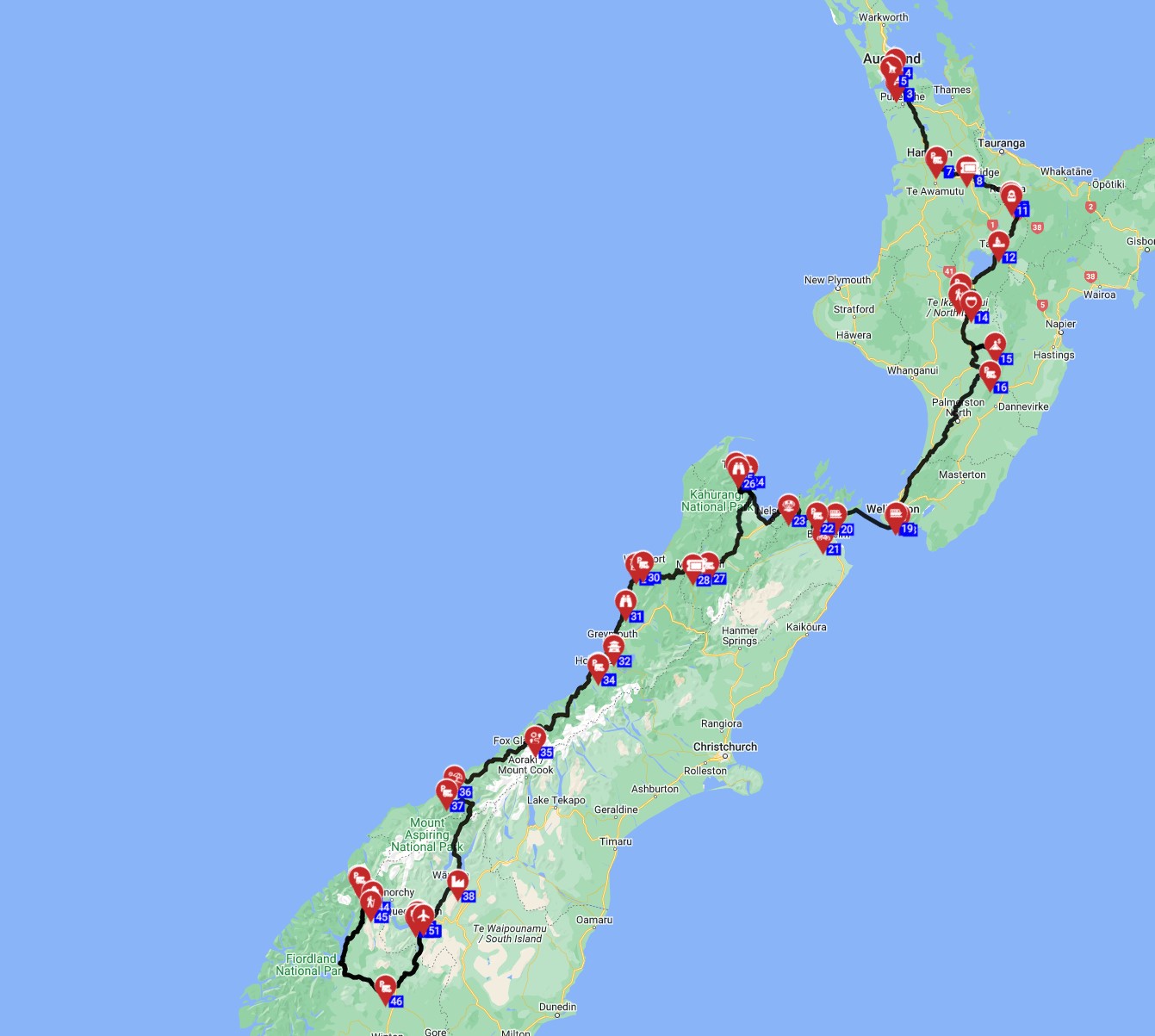
For more detailed planning and route suggestions, consider these expertly crafted itineraries:
These itineraries, like "
Final Thoughts
Embarking on a long-term RV camping adventure in New Zealand promises an unforgettable journey filled with breathtaking scenery, cultural immersion, and unparalleled freedom. Whether you choose the bustling activity of private holiday parks or the tranquil seclusion of DOC sites, you'll discover why New Zealand is a top destination for motorhome travel. Remember to travel slowly, averaging a maximum of 100-150 km per day, to truly feel the place and connect with its vibrant culture, delicious food, and diverse landscapes.
With careful planning and a reliable rented motorhome from Bandana Caravan, your extended stay in New Zealand will be a smooth and joyous experience. We're here to support you before, during, and after your booking, ensuring every detail is covered. So, get ready to embrace the open road, stunning vistas, and the warm hospitality of Aotearoa.
Discover top destinations, planning tips, all in one place! Plan a trip itinerary in advance with minimal effort and maximum enjoyment.