In This Guide
- Where to Camp in Canada - Top Options
- Campground Types in Canada (National, Private, Wild)
- Featured RV Park or Campground in Canada
- Hookups & Amenities - What to Expect
- Booking Windows & Reservations in Canada
- Top Cities for Long-Term RV Rental in Canada
- Nearby Supermarkets & Resupply Points
- Best RV Class for Camping in Canada
- How to Save on Campgrounds in Canada
- How much does it cost to rent an RV in Canada for a month?
- Is it cheaper to rent an RV for a month?
- How long can a US citizen stay in an RV in Canada?
- Is Canada safe to RV in?
- What is the best month to RV in Canada?
- How much is RV camping in Canada?
- Canadian Road Rules and Driving Tips
- What You Shouldn't Miss
- Why Book with Bandana Caravan
- Final Thoughts
- Frequently Asked Questions
Embarking on a long-term RV rental in Canada offers an unparalleled opportunity to immerse yourself in vast natural beauty, from the Pacific to the Atlantic. Imagine waking up to mountain views, the sound of waves, or the tranquility of a forest, all from the comfort of your own rented mobile home. At Bandana RV, we believe in the freedom and flexibility that a long-term motorhome adventure provides, and we’re here to ensure your extended Canadian journey is smooth and memorable. For live availability and current prices, start with our RV Rental Canada - Complete Guide 2026 guide.
Where to Camp in Canada - Top Options
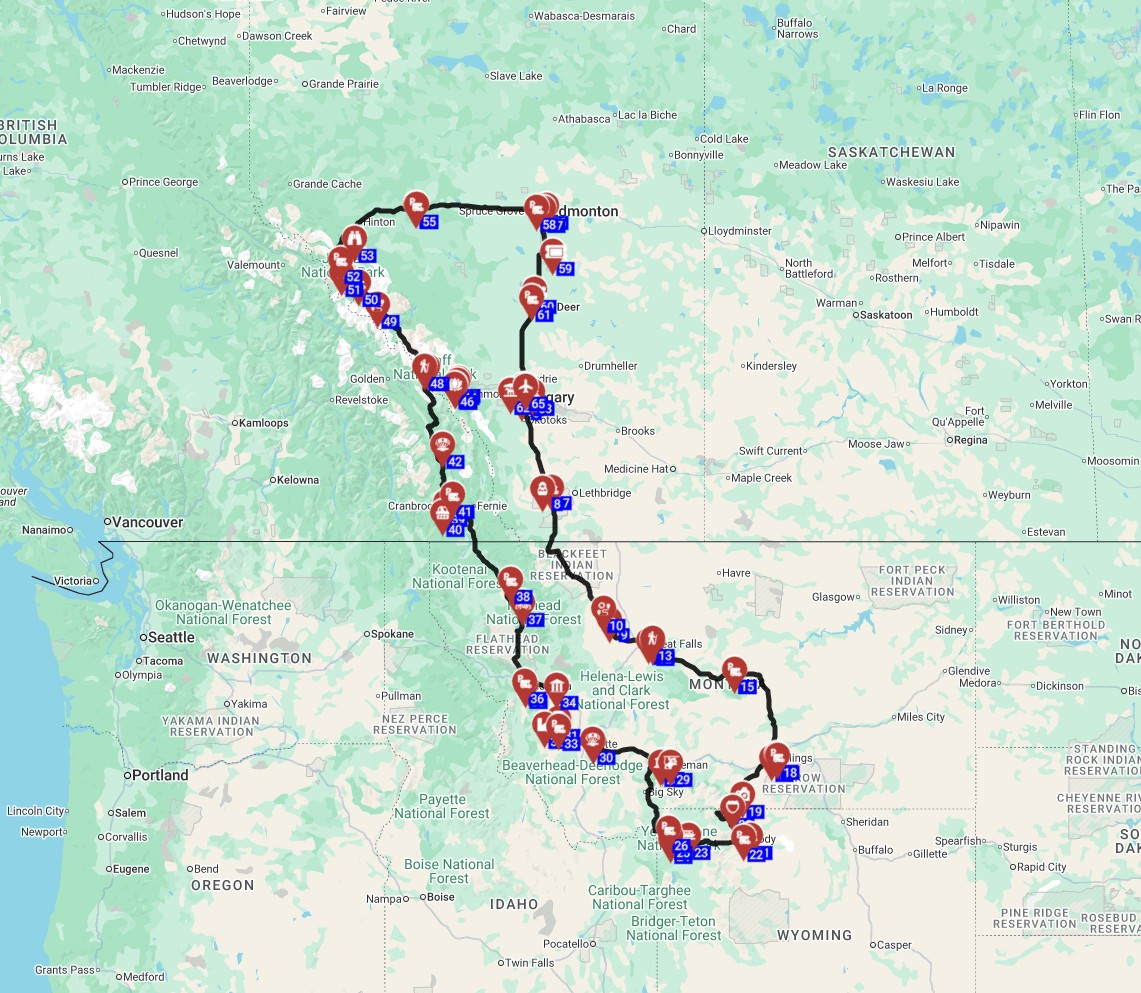
For a long-term RV rental in Canada, top camping options span iconic national parks, scenic provincial parks, and charming private campgrounds across diverse regions. Canada's sheer size and varied landscapes mean you have endless choices, from the rugged west coast to the maritime charm of the east. For instance, consider destinations like Banff National Park in Alberta for stunning mountain vistas and over 2,000 campsites, or Algonquin Provincial Park in Ontario, offering vast wilderness and wildlife viewing opportunities across its 7,635 square kilometers. The coastal beauty of Prince Edward Island National Park provides a different flavor, with red sand beaches and picturesque lighthouses. Each region provides unique long-term travel styles, whether you're seeking remote solitude or lively communities. If you're planning a multi-month trip, you'll find that RV PLANET offers many itineraries, such as the 37-day Halifax to Whitehorse - Exploring Canada’s Heartland in a Motorhome route, which includes 4 hiking areas, 6 museums, and 4 natural features.Campground Types in Canada (National, Private, Wild)
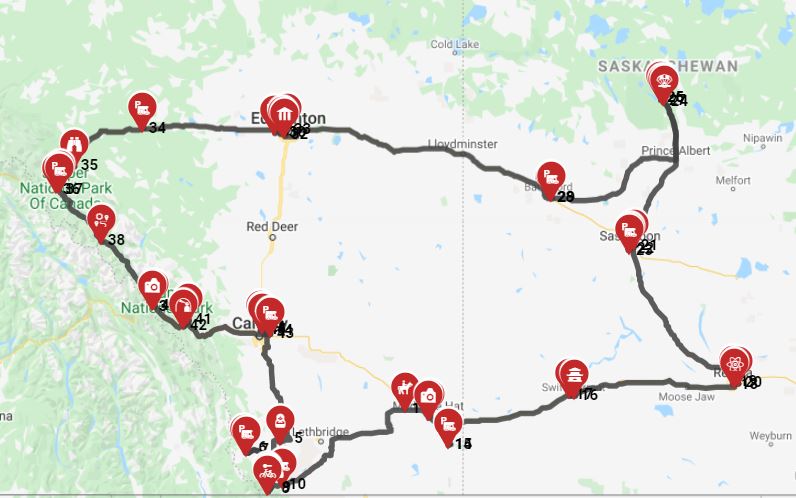
Canada offers a variety of campground types for long-term RVers, including federally managed National Parks, provincially run parks, privately owned campgrounds, and limited options for wild or "boondocking" camping. National and provincial parks often provide incredibly scenic settings, well-maintained facilities like restrooms and potable water, and access to numerous trails for hiking and exploration. These sites typically require reservations well in advance, especially for long-term stays during peak season, often opening booking in January or February. Private campgrounds generally offer more amenities like full hookups (electric, water, sewer), reliable Wi-Fi, laundry facilities, and sometimes even pools or recreational areas; these are often found closer to towns and major tourist attractions like those you might find on a
Vancouver Round Trip - West Canada Cycling Adventure
Featured RV Park or Campground in Canada
When selecting a premier RV park for a long-term stay in Canada, travelers should look for establishments that combine extensive amenities with a strategic location, such as those found near major attractions or in scenic natural settings. For example, the Tunnel Mountain Campground in Banff National Park, Alberta, offers 618 sites, many with electrical hookups, and is just a short drive from the charming town of Banff, providing access to shops and restaurants. Ideal features for long-term renters include full hookups (electric, water, sewer), reliable Wi-Fi, on-site laundry facilities, and clean shower and washroom access, which are crucial for multi-month comfort. Many top-tier RV parks also offer secure mail services for extended visitors, pet-friendly policies, and convenient access to local services and resupply points. These services are essential for any long-term mobile home adventure, allowing you to settle in and truly enjoy your surroundings.Hookups & Amenities - What to Expect
In Canadian campgrounds, you can generally expect a range of hookup options and amenities, varying by campground type and price point. Most private campgrounds and many provincial/national park sites offer electrical hookups (typically 15, 30, or 50 amp service, requiring standard North American connectors), water hookups, and sewer dump stations, which are crucial for long-term comfort in your rented motorhome. Common amenities include potable water fill-up stations, central dump stations (if not available at each site), Wi-Fi access (which can vary in speed and reliability, especially in remote areas), laundry facilities, and washroom/shower blocks. For long-term rentals, prioritizing campgrounds with full hookups and robust Wi-Fi will significantly enhance your extended stay, especially if you're a digital nomad. It's wise to plan your resupply points and route to ensure you have consistent access to these facilities, which you can easily track using RV PLANET routes.Booking Windows & Reservations in Canada
For long-term RV rentals in Canada, securing reservations well in advance is highly recommended, especially when planning stays in popular national and provincial parks during peak season. Pre-planners should aim to book popular sites 6-12 months ahead, as many sought-after campgrounds fill up quickly upon reservation opening, often in January or February for the upcoming summer. While spontaneous travelers might find same-day or next-day availability at some private campgrounds or less popular provincial sites, many national park campgrounds only release 25-30% of spots for reservations, with the rest typically being first-come-first-served; however, for extended stays, relying solely on first-come-first-served is risky for stability. You will almost certainly find a place-if not at the first campground, then the next one. Always call ahead before driving to a remote or popular campground without a confirmed reservation, especially if your long term rv rental Canada involves unique destinations or specific vehicle types.Top Cities for Long-Term RV Rental in Canada
Canada offers numerous excellent cities from which to begin a long-term RV adventure, each providing access to unique regional attractions and diverse landscapes. Vancouver, British Columbia, is a prime starting point for exploring the majestic Rocky Mountains or the scenic Pacific Coast. Cities like Calgary, Alberta, offer direct access to Banff National Park and Kananaskis Country. In Central Canada, Toronto, Ontario, serves as a hub for exploring the Great Lakes region and charming smaller towns, while Montreal, Quebec, provides a taste of European charm before heading into the Laurentians or towards the East Coast. Halifax, Nova Scotia, is ideal for a maritime exploration, offering stunning coastal drives and access to the Cabot Trail. Other notable pickup locations for your long-term RV rental in Canada include Abbotsford, Belingham, Bolton, Burlington, Churchville, Coquitlam, Dartmouth, Delta, and Gibsons, each providing a gateway to different Canadian experiences. Driving an RV in these cities is manageable: just drive slowly and carefully, and you can navigate almost anywhere without issues. No need to stress - just use common sense and pay attention to signage.Nearby Supermarkets & Resupply Points
Maintaining supplies during a long-term RV rental in Canada is straightforward, as major supermarket chains and local stores are accessible in most towns and cities. You'll find prominent Canadian grocery chains like Loblaws (including brands like Real Canadian Superstore, Zehrs, Provigo), Sobeys (including Safeway, IGA), and Walmart for comprehensive grocery and supply needs. For more remote routes, such as along the Dempster Highway, plan stops in larger towns for significant resupply, and always carry extra essentials like water, fuel, and non-perishable food when venturing into wilderness areas where services are sparse. Many campgrounds also have small convenience stores for immediate needs, but these are typically more expensive than supermarkets for bulk purchasing. Planning your meals and stocking your rented motorhome's kitchen is part of the fun, allowing you to prepare delicious meals on the road. For inspiration, check out our RV-friendly recipes playlist.Best RV Class for Camping in Canada
The best RV class for long-term camping in Canada depends on your travel style, group size, and desired level of comfort and maneuverability. Class C - Alcove motorhomes, with Bandana's fleet averaging 7.5 meters in length and sleeping around 5-6 people, are popular for families, offering ample living space, a separate over-cab bunk (typically 140/240cm), and storage for extended trips, consuming typically 10-12 Liters/100 km. These are an excellent option for long term rv rental Canada for families. Class SI - Semi-integrated models (avg. 6.9 meters, 3-4 sleeping places) provide a more streamlined profile with comfortable amenities suitable for couples or smaller families on long journeys, often consuming 10-11 Liters/100 km. For those prioritizing fuel efficiency and maneuverability in urban areas or remote wilderness, a Class B - Camper Van (avg. 5.8 meters, 2-3 sleeping places, 8-10 Liter/100 Km.) offers a compact option ideal for boondocking and exploring less accessible areas. Meanwhile, Class A - Integrated motorhomes (avg. 7.5 meters, 4-5 sleeping places), though often larger and consuming more fuel, provide luxurious space and amenities for those seeking a home-like experience on the road. Remember, a standard car driver's license is sufficient for all motorhome classes in Canada.How to Save on Campgrounds in Canada
To save on campground costs during a long-term RV rental in Canada, leverage various strategies including campground discount cards, off-season travel, and choosing specific campground types. Utilizing campground discount cards, which are often provided by rental companies like Bandana, can offer significant savings on daily rates at participating private campgrounds nationwide. Consider booking your long-term caravan rental and camping during the shoulder seasons (spring and fall) when demand is lower, rates are reduced by 10-30%, and popular sites are less crowded. May and September, for example, often present beautiful scenery with fewer tourists. Opt for municipal, regional, or smaller provincial campgrounds over large private resorts, as these often offer more basic amenities at a fraction of the cost. Additionally, staying for three or more nights can frequently qualify you for weekly or monthly rates, further reducing your overall expenditure for your long term rv rental Canada. If you're looking for Cheap RV Rental in Canada - Budget Guide 2026, exploring these options will be very beneficial.How much does it cost to rent an RV in Canada for a month?
The cost to rent an RV in Canada for a month can vary significantly based on the RV class, time of year, rental company, and included amenities, typically ranging from CAD $2,500 to $8,000 or more. For example, a compact Class B campervan might be on the lower end, starting around CAD $2,500-$4,500 per month in the shoulder season, while a spacious Class A motorhome could easily reach CAD $6,000-$8,000+ per month during peak summer. Peak season (July-August) rates are considerably higher than shoulder season (May-June, September-October) or off-peak months, often seeing price increases of 30-50%. Factors like unlimited mileage packages, comprehensive insurance, one-way fees (which can be CAD $250-$1000), and additional equipment rentals (e.g., kitchenware, linens at CAD $50-$200 per kit) will add to the base monthly rate. For specific pricing, always check for RV Rental in Canada - Prices and Best Deals 2026.Is it cheaper to rent an RV for a month?
Yes, renting an RV for a month is generally cheaper on a daily or weekly basis compared to shorter rental periods, as many companies offer discounted long-term rates. Rental providers often structure pricing to incentivize longer bookings, recognizing the reduced turnaround costs and administrative effort per day. While the upfront cost for a month will be higher, the effective daily rate can be significantly lower, often reducing daily costs by 15-30% compared to a week-long rental. This makes Long-Term RV Rental in Canada - Monthly Rates 2026 a very budget-conscious choice for extended Canadian adventures. Always inquire about specific monthly or multi-week packages when getting quotes to maximize your savings.How long can a US citizen stay in an RV in Canada?
A US citizen can typically stay in Canada for up to six months within any 12-month period as a visitor, which applies to RV travel. Upon arrival, the Canada Border Services Agency (CBSA) officer determines the length of your stay and may grant a shorter or longer period, often stamping your passport with a specific departure date; it's crucial to state your intention for an extended RV trip clearly. For stays exceeding six months, US citizens must apply for an extension of their visitor status before their initial authorized period expires, which usually involves submitting an application and supporting documents. Ensure your passport is valid for the entire duration of your intended stay, and be prepared to show proof of sufficient funds for your trip (e.g., CAD $1,500-$2,500 per person per month) and a clear intent to leave Canada at the end of your visit.Is Canada safe to RV in?
Canada is generally considered a very safe country for RV travel, offering secure and welcoming environments across its diverse regions, though preparedness for wilderness conditions is essential. The primary safety considerations for RVers involve navigating vast wilderness areas, which may include encounters with wildlife (e.g., bears, moose, coyotes) and periods of limited or no cell service, especially outside major towns and highways. Practicing bear safety protocols, carrying emergency communication devices (like satellite messengers) in remote regions, and informing others of your itinerary are critical measures. Road conditions in rural areas can vary, so driving cautiously, maintaining speed limits (e.g., 80-100 km/h on highways), and being aware of sudden weather changes, especially outside of summer, contributes significantly to a safe long-term RV experience.What is the best month to RV in Canada?
The best month to RV in Canada largely depends on your desired experience, but September often stands out for its pleasant weather, fewer crowds, and stunning fall foliage, making it ideal for long-term trips. Temperatures in September across much of Canada range from 10-20°C (50-68°F), perfect for outdoor activities. July and August offer the warmest temperatures, averaging 20-30°C (68-86°F), and full accessibility to all attractions and campgrounds, though they are also the busiest and most expensive months, with campground rates potentially 30% higher. June provides a good balance with warming weather and fewer crowds than mid-summer, while May can be great for early-season adventurers, particularly in southern regions, though some northern routes or high-altitude parks may still have snow or limited services. For a long-term rental, consider starting in June and extending through September to experience diverse conditions and minimize peak-season costs.How much is RV camping in Canada?
The cost of RV camping in Canada varies significantly based on the campground type, location, amenities, and season, typically ranging from CAD $20 to $100+ per night. Basic provincial or national park sites without hookups might cost CAD $20-$45 per night. These sites often include access to shared facilities like washrooms and potable water. Private campgrounds with full hookups (electricity, water, sewer) and additional amenities like Wi-Fi, pools, and laundry facilities can range from CAD $50-$100+ per night, especially in popular tourist areas. Wild camping on Crown land (where permitted) is generally free but offers no services, making it a budget-friendly option for self-sufficient long-term RVers who have vehicles capable of dry camping for several days with fresh water tanks (e.g., 100-150 Liter). Factor in potential additional costs for park entrance fees (e.g., a Parks Canada Discovery Pass is CAD $151.25 for a family for a year), firewood (CAD $7-$10 per bundle), and shower tokens (CAD $1-$3 per shower), especially for extended stays.Canadian Road Rules and Driving Tips
Driving a rented motorhome in Canada is generally straightforward, as the country shares many road rules with the United States, but some nuances are important for a long-term RV rental in Canada. You drive on the right side of the road, and speed limits are posted in kilometers per hour (km/h), typically ranging from 50 km/h in urban areas to 100-110 km/h on major highways. An International Driving Permit (IDP) is recommended for visitors from non-English-speaking countries but is not mandatory if your home country's license is in English or French. Toll roads exist in some provinces, notably Ontario and Nova Scotia, and can be paid via electronic transponder or by plate billing (which usually incurs higher fees). Fuel is measured in liters, and diesel is widely available. Ensure your cellular plan offers good coverage, as connectivity can be spotty in remote areas, particularly in parts of British Columbia, Yukon, and Newfoundland. Emergency services can be reached by dialing 911 nationwide. Always check local regulations for parking and overnight stays, as rules vary by municipality and provincial park.🎬 Video coming soon
What You Shouldn't Miss
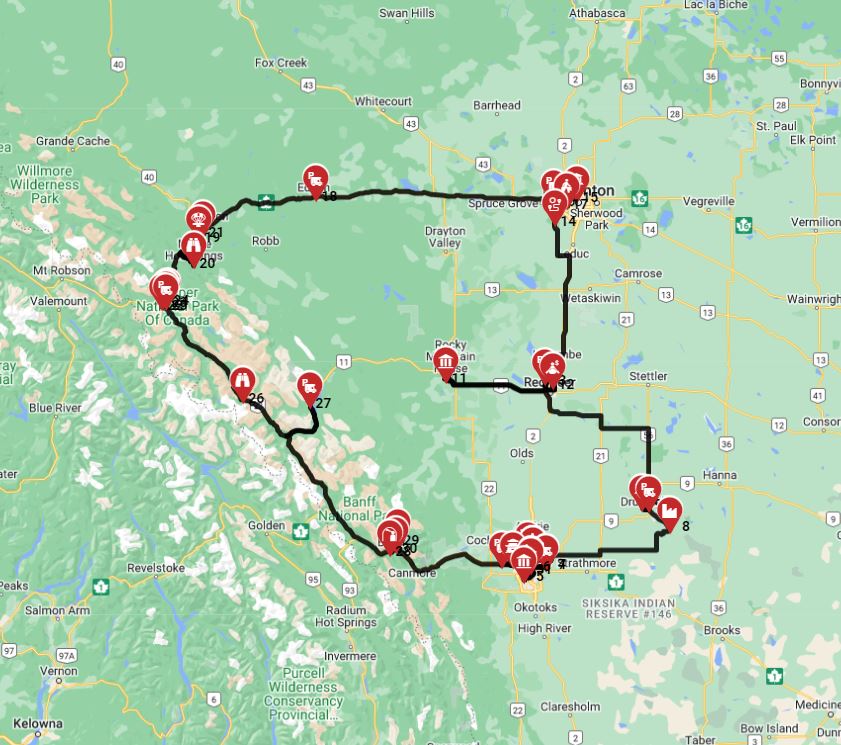
Canada's vastness offers endless wonders for your extended motorhome adventure.- **The Canadian Rockies:** Drive the Icefields Parkway in Alberta, a 232-km route, for breathtaking mountain scenery and glacier views. Visit Banff, Jasper, and Lake Louise.
- **East Coast Charm:** Explore the Cabot Trail on Cape Breton Island, Nova Scotia, a 298-km scenic highway with stunning ocean views and Gaelic culture. The Halifax to Whitehorse - Exploring Canada’s Heartland in a Motorhome itinerary gives you 9,199.1 km of exploration.
- **Great Lakes Exploration:** Circuit the Great Lakes in Ontario, visiting picturesque towns, national parks, and vibrant cities.
- **Yukon's Wilderness:** Take your Class B campervan on a journey up the Alaska Highway to Whitehorse for an authentic northern experience, offering wildlife and serene landscapes.
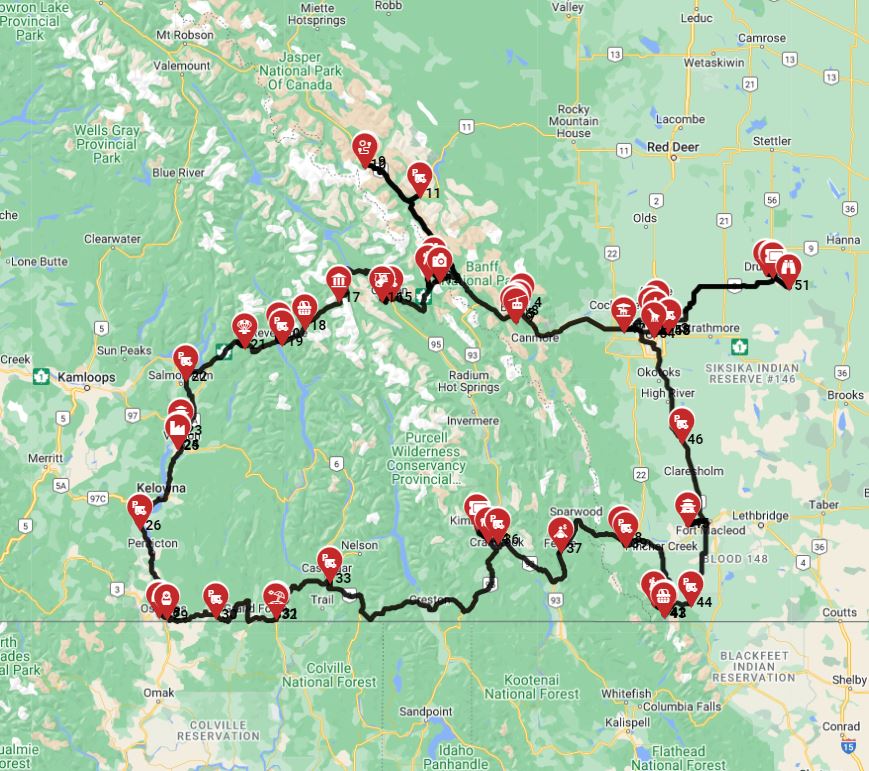
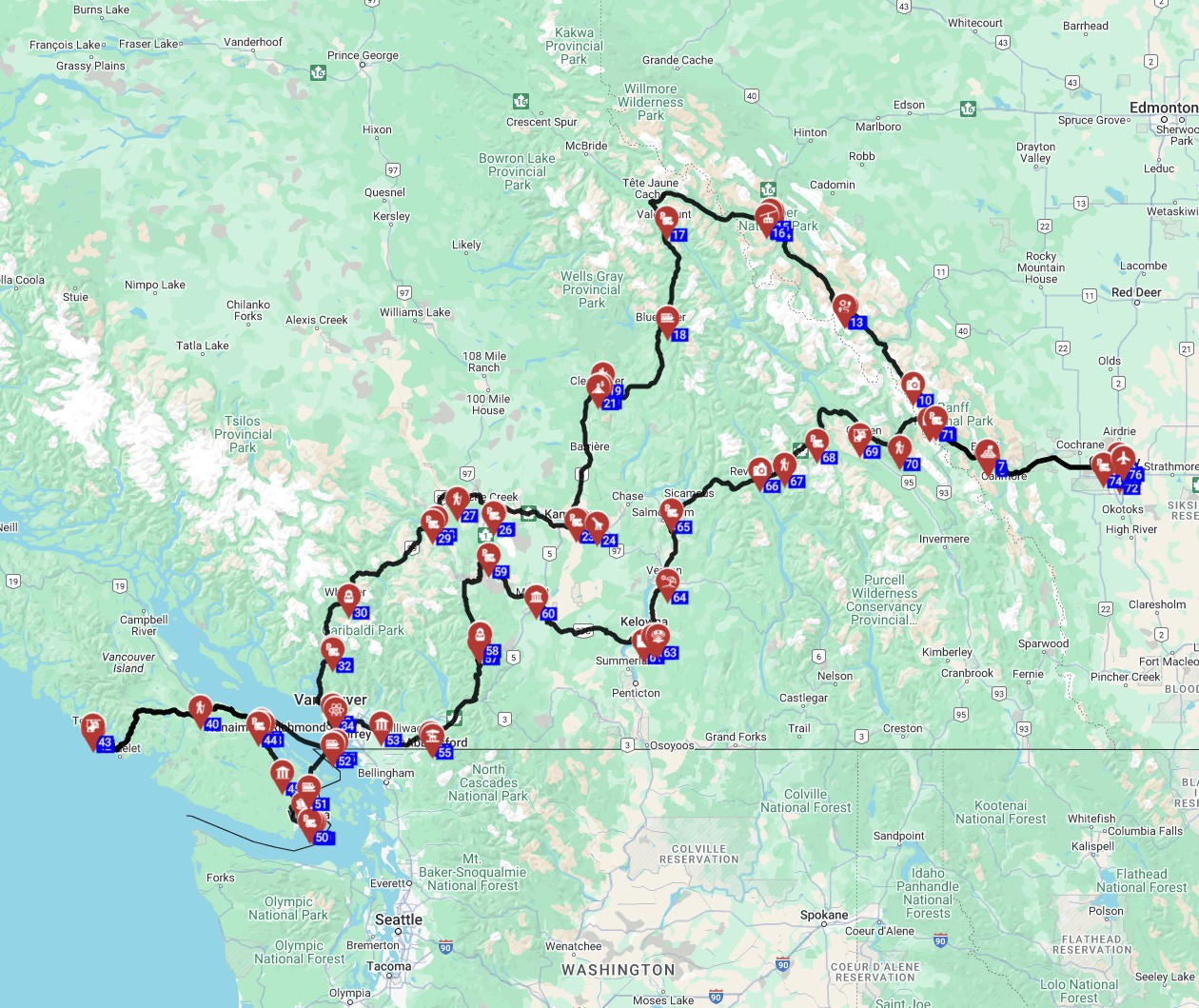
- **Pacific Rim National Park Reserve:** Located on Vancouver Island, British Columbia, this park offers rugged coastlines, ancient rainforests, and diverse marine life, perfect for a long-term stay. The Vancouver Round Trip - West Canada Cycling Adventure route offers 2,659.4 km of exploration.
- **Quebec's Historic Cities:** Spend time in Quebec City and Montreal to soak in their rich history and European ambiance, before heading out to provincial parks with your rented mobile home.
Final Thoughts
An extended motorhome adventure through Canada is more than just a trip; it's a journey into the heart of a vast and welcoming country. With a rented mobile home, you unlock the freedom to explore at your own pace, discover hidden gems, and truly connect with the stunning natural landscapes and diverse cultures. Remember to travel slowly, averaging no more than 100-150 km per day, allowing yourself the time to savor every moment. Whether you're planning months in advance or seeking a last-minute long term rv rental Canada, Bandana RV is here to support you every step of the way. Our commitment to full transparency, expert advice, and robust support ensures your Canadian road trip is everything you dream of and more. So pack your bags, choose your ideal campervan, and prepare for an unforgettable exploration.On the routes offered through RV PLANET routes, you can itemize and track every expense along the way for easy budgeting.