In This Guide
- Where to Camp in Australia - Top Options
- Campground Types in Australia (National, Private, Wild)
- Featured RV Park or Campground in Australia
- Hookups & Amenities - What to Expect
- Booking Windows & Reservations in Australia
- Nearby Supermarkets & Resupply Points
- Best RV Class for Camping in Australia
- How to Save on Campgrounds in Australia
- Can you park an RV anywhere in Australia?
- What are RV parks called in Australia?
- Where can you park overnight for free in Australia?
- What is the average caravan park fee in Australia?
- How much do campsites cost in Australia?
- Are RVs allowed in Australia?
- How can I book campsites in Australia?
- Do you need to pre-book campsites in Australia?
- What is ghost camping in Australia?
Embarking on a long-term RV camping adventure across Australia offers an unparalleled sense of freedom and discovery. Imagine yourself traversing endless coastlines, exploring vibrant cities like Sydney and Melbourne, and venturing into the ancient heart of the Outback, all from the comfort of your rented motorhome. With its vast landscapes and diverse ecosystems, Australia is a dream destination for extended road trips, providing a unique blend of natural beauty and cultural experiences. For live availability and current prices, start with our RV Rental Australia - Complete Guide 2026 guide, offering comprehensive insights into planning your journey.
Where to Camp in Australia - Top Options
Australia offers diverse camping experiences, from coastal national parks to remote outback stations, catering to every RV traveler's preference. Popular regions for extended stays include the scenic East Coast, home to Queensland's Daintree Rainforest and New South Wales' coastal parks, offering abundant natural features and opportunities for wildlife watching. For those drawn to iconic landscapes, the Red Centre provides access to Uluru-Kata Tjuta National Park, where you can connect to ancient heritage and powerful natural beauty. The rugged beauty of Western Australia’s Kimberley region is perfect for adventurers, with a unique blend of hiking areas and scenic routes.
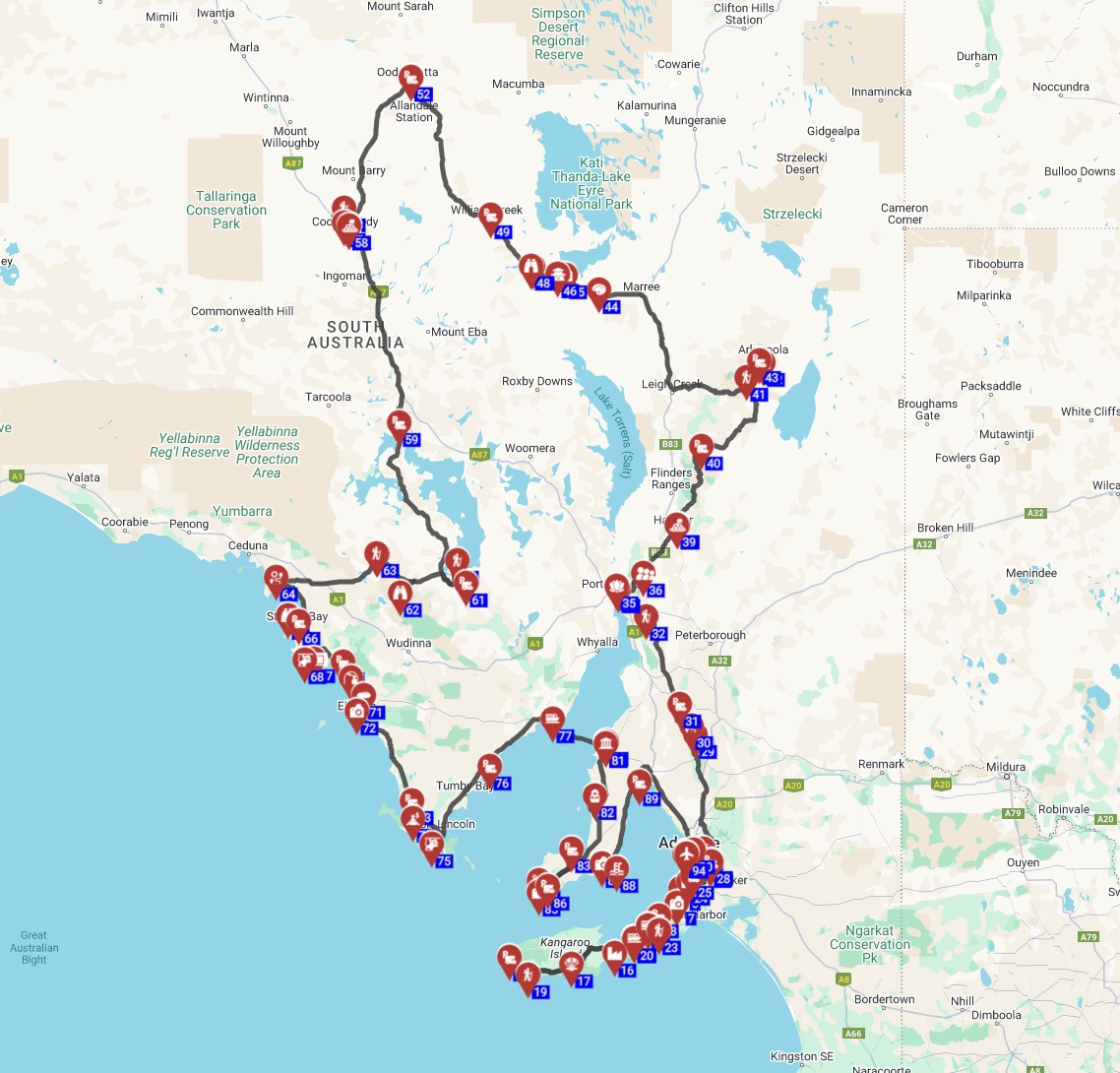
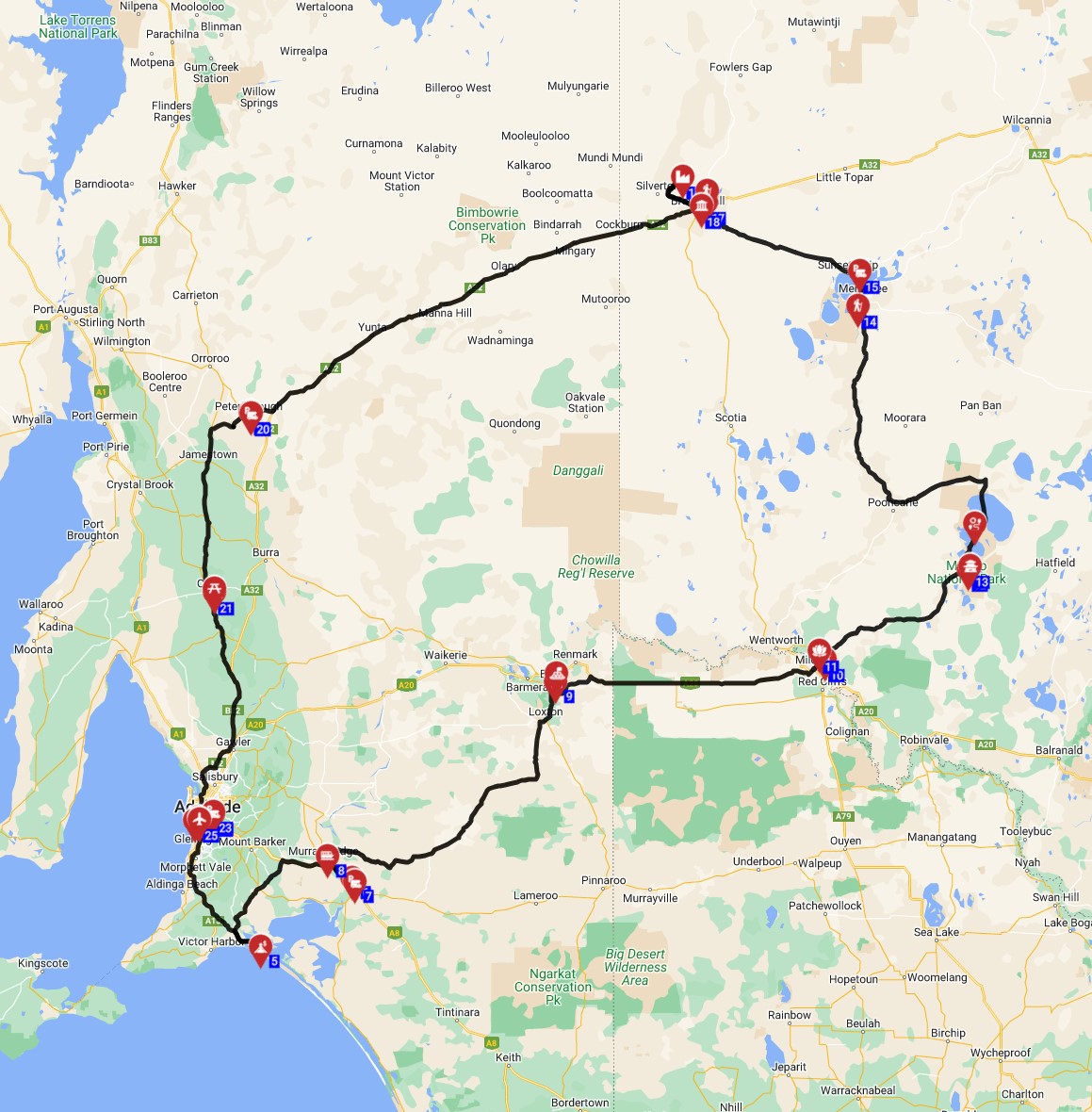
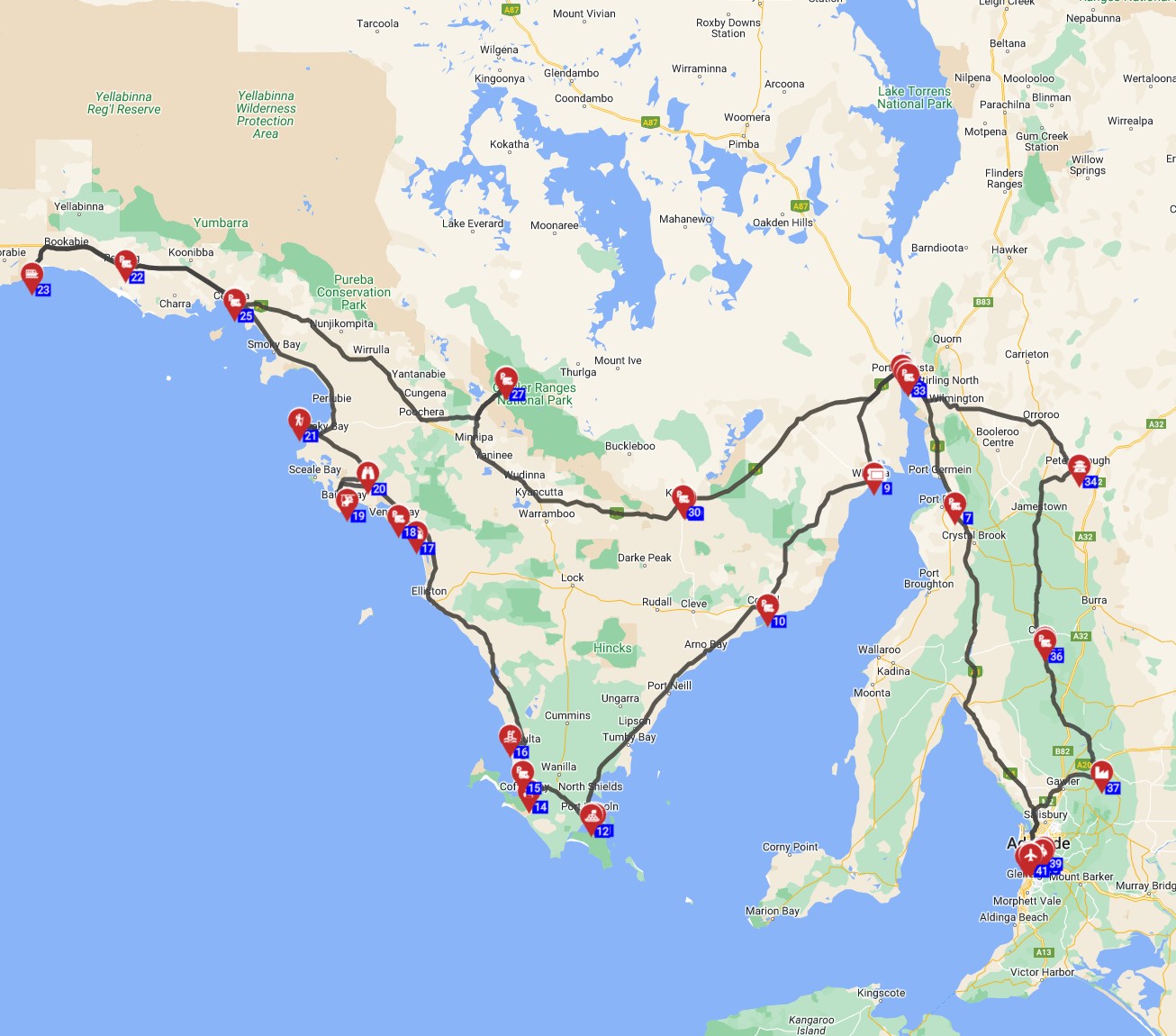
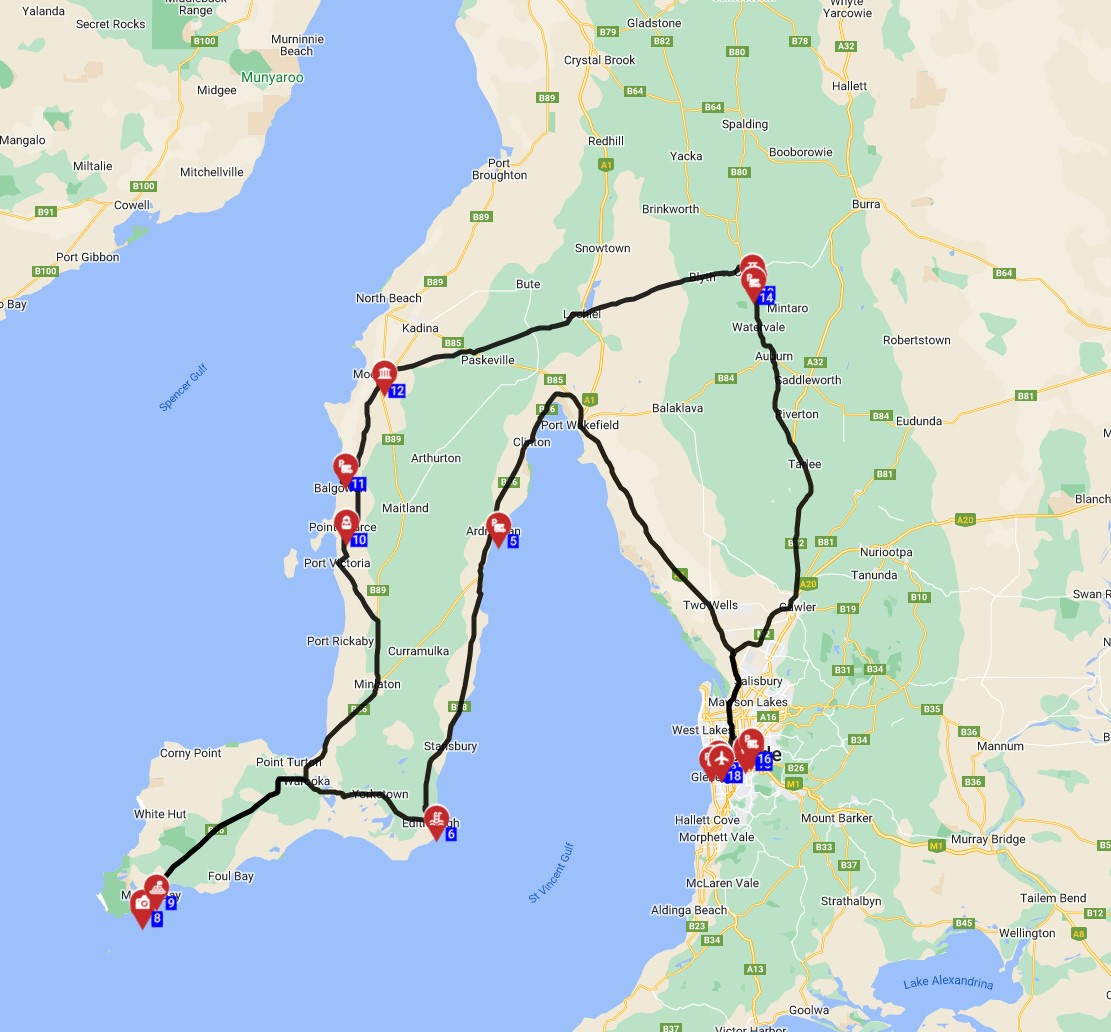
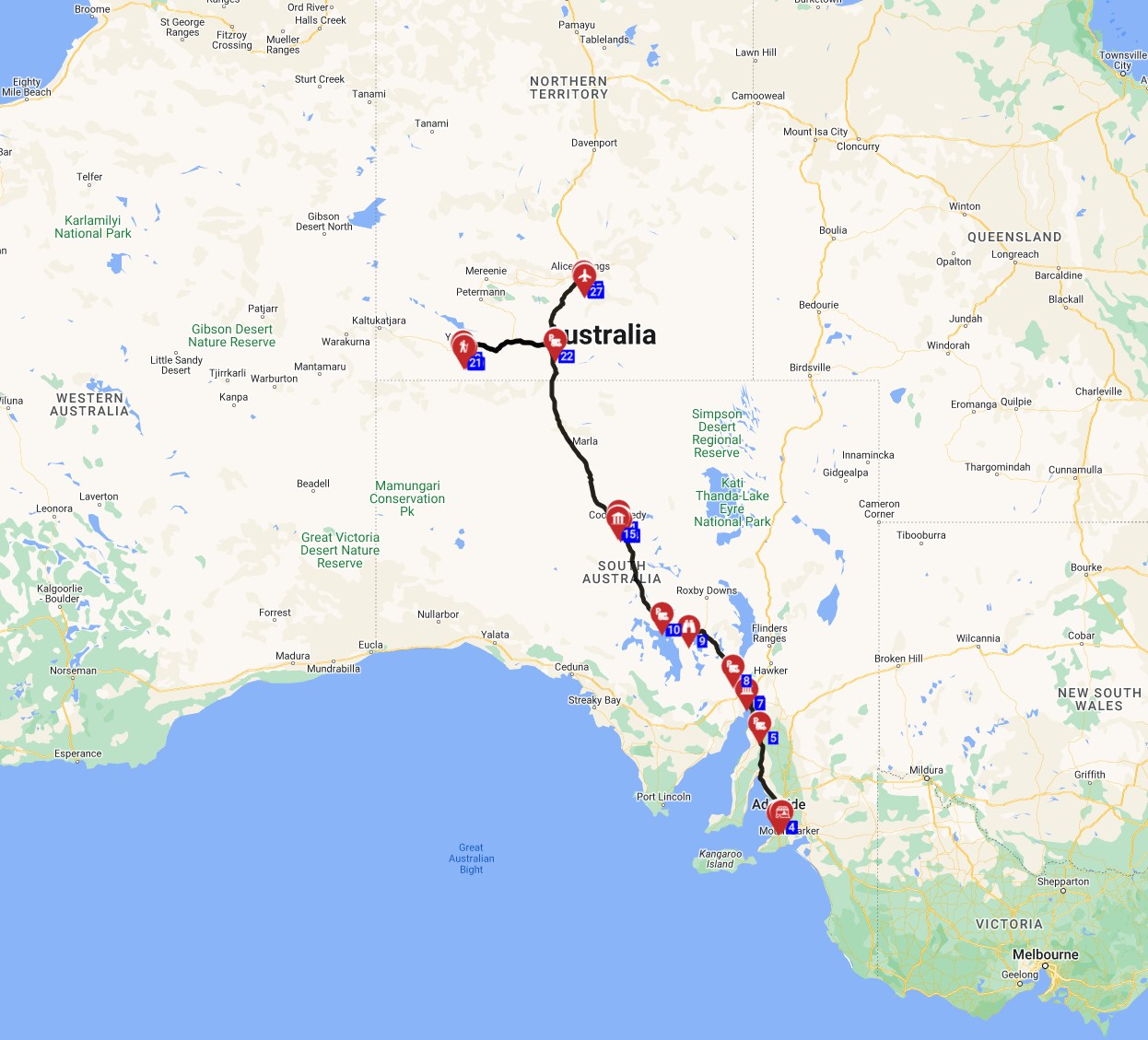
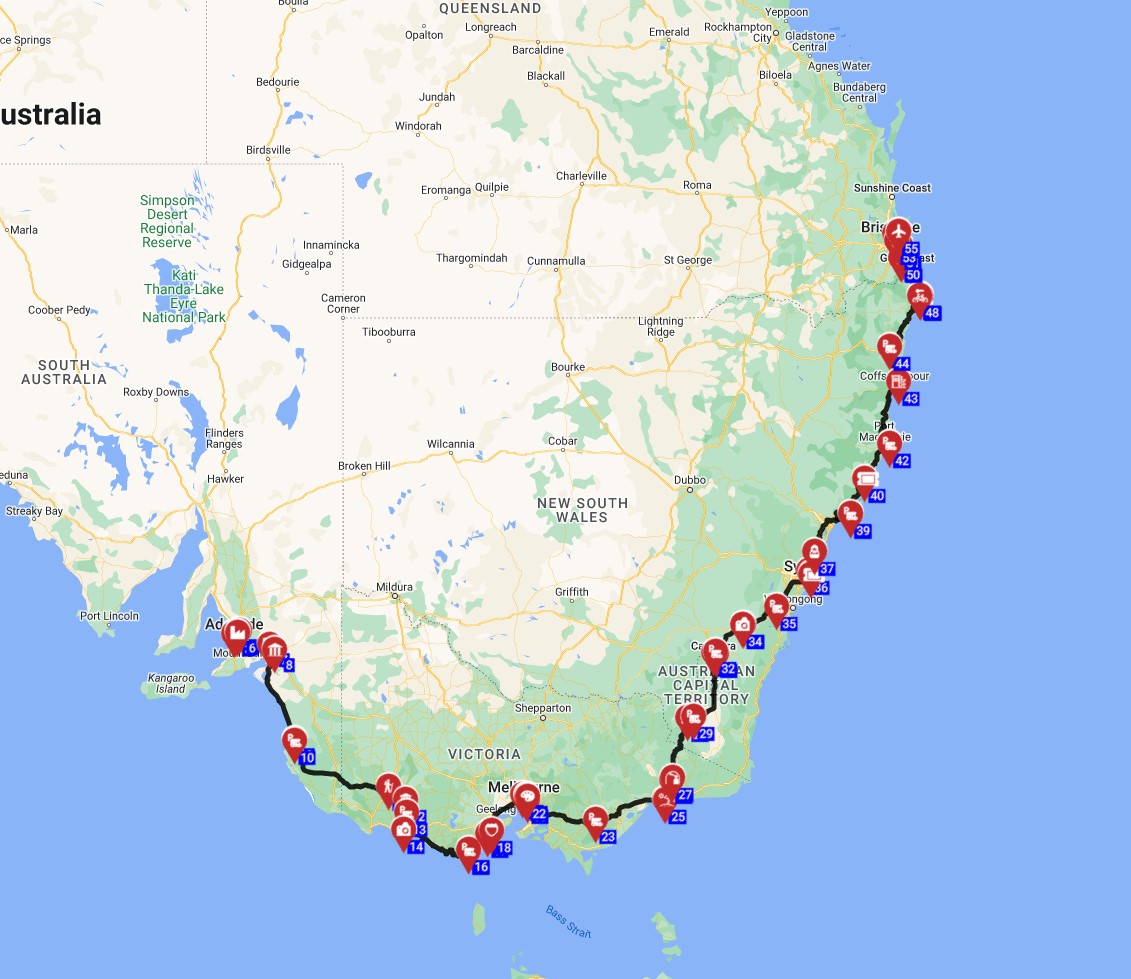
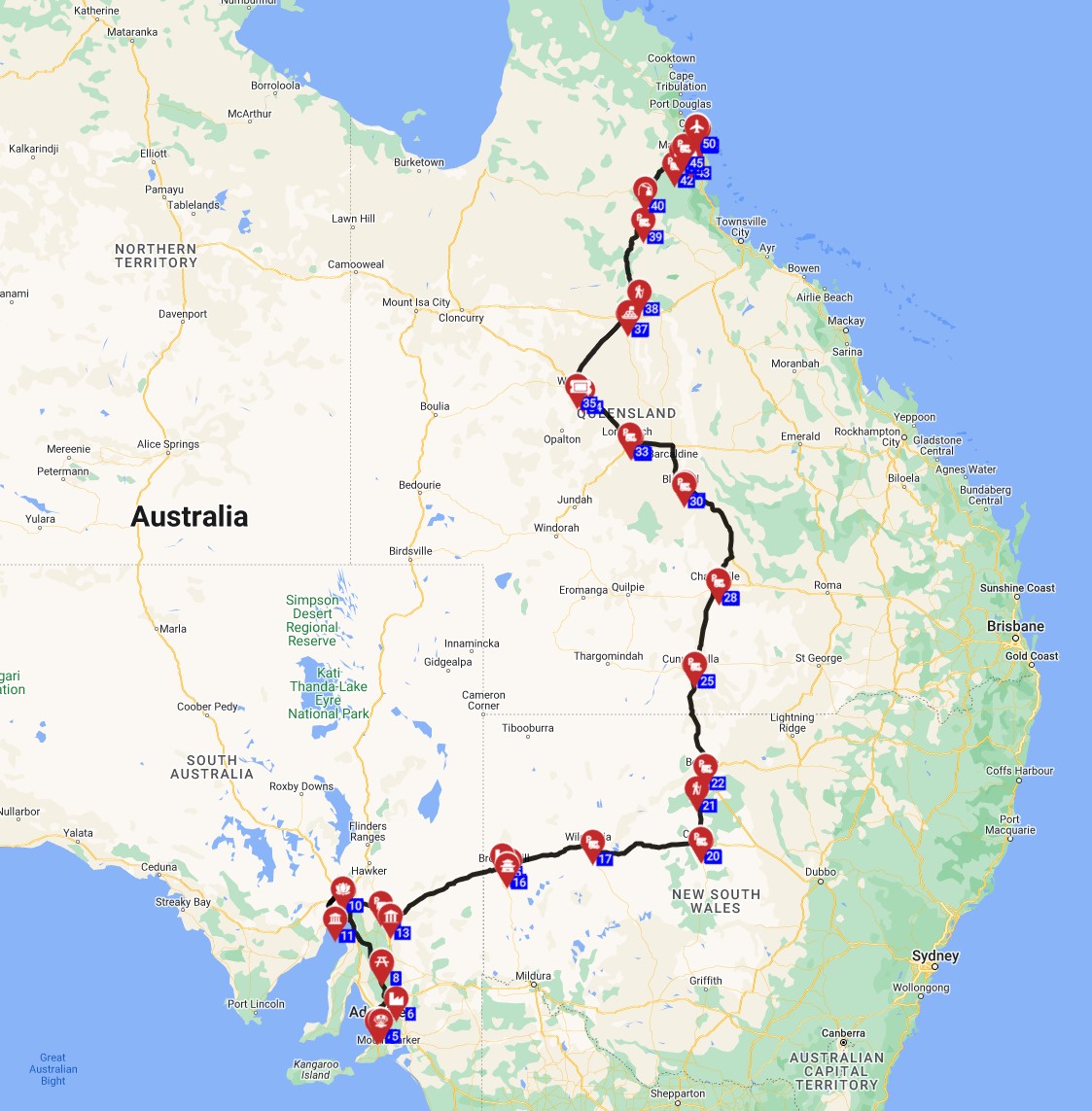
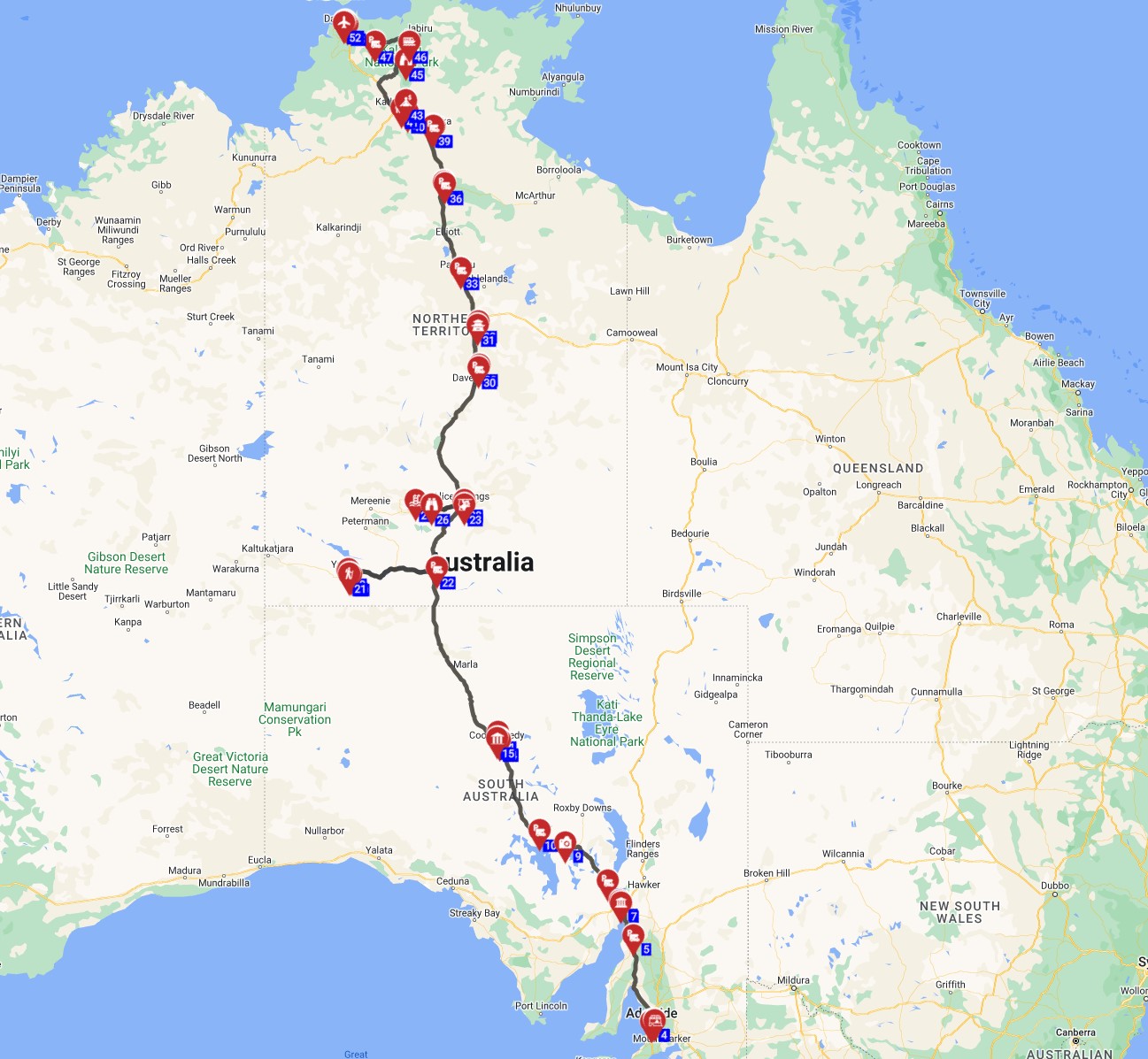
When planning your route, thoroughly research specific regional attractions, seasonal weather patterns, and the availability of essential services like water and fuel, especially when venturing into remote areas. Drive slowly and carefully, and you can drive almost anywhere without issues. No need to stress - just use common sense and pay attention, even with a larger rented motorhome. Regions like Tasmania offer temperate rainforests and historic sites, while South Australia’s Flinders Ranges present dramatic ancient landscapes and abundant wildlife. For those looking for long-term options, RV PLANET routes allow travelers to itemize and track every expense, including campsite fees, along their journey for easy budgeting. On the routes offered through RV PLANET routes, you can itemize and track every expense along the way for easy budgeting.
Campground Types in Australia (National, Private, Wild)
Australia offers three main types of RV camping: National and State Park campgrounds, privately-owned caravan parks (also known as holiday parks), and designated free/wild camping sites. National and State Park campgrounds provide access to stunning natural environments, often with basic amenities like toilets and picnic tables, usually requiring online booking or permits and fees ranging from AUD $7 to $25 per night. These sites are perfect for connecting with nature, offering many hiking areas and scenic views.
Privately-owned caravan parks offer a wide range of facilities, from powered sites and fresh water hookups to swimming pools, shared kitchens, laundry, and entertainment, ideal for comfort and longer stays. These parks typically cost between AUD $35 to $65 per night for a powered site. Freedom camping (bush camping) is permitted only in specific designated areas, often requiring fully self-contained vehicles, strict adherence to 'Leave No Trace' principles, and knowledge of local regulations; illegal wild camping can result in significant fines of hundreds of dollars. For more information on cost considerations, see "RV Rental in Australia - Prices and Best Deals 2026".
Featured RV Park or Campground in Australia
While specific amenities vary significantly across Australia, a quality RV park typically offers essential powered sites, access to fresh water, and convenient waste dump points for grey and black water. Many top-tier parks, often referred to as 'holiday parks,' also feature additional amenities such as shared kitchens, BBQ areas (ideal for cooking your RV-friendly recipes playlist meals), clean laundry facilities, modern ablution blocks with hot showers, and sometimes even swimming pools or playgrounds. When choosing a park for a long-term stay, look for those that are conveniently located near major attractions or essential services like supermarkets, providing a comfortable and well-equipped base for your adventures.
Hookups & Amenities - What to Expect
In Australia, powered sites universally provide 240V electricity, requiring a standard 15-amp connector; water hookups typically offer potable water direct to your RV. Dump points for both grey and black water are standard in nearly all caravan parks and are increasingly available at public rest stops and designated RV-friendly towns. Connectivity levels vary: Wi-Fi is often available (sometimes for a fee) in private caravan parks, but mobile phone service can be unreliable or non-existent in regional and remote areas, emphasizing the need for offline maps and potentially a satellite communication device for extensive outback travel. Beyond core hookups, many campgrounds offer shared facilities such as coin-operated laundries, hot showers, and BBQ areas, enhancing the camping experience for long-term renters.
Booking Windows & Reservations in Australia
For popular destinations and during peak seasons (school holidays, long weekends, December-February summer months), booking RV campsites in Australia well in advance is highly recommended to secure your preferred spot. Many national park campgrounds operate on a reservation system, often releasing only a percentage (e.g., 25%-30%) of spots for pre-booking, with the remainder sometimes available on a first-come, first-served basis. Spontaneous travelers, or those embarking on a "Long-Term RV Camping in Australia - Monthly Sites 2026" adventure, can often find success by calling private caravan parks a day or two before arrival, particularly outside of major holiday periods. While you will almost certainly find a place to stay - if not at the first campground, then often at the next one - flexibility in your itinerary and a backup plan are wise strategies. Booking 90+ days in advance for a campervan rental can sometimes save up to 25% on peak-season rates. Our RV specialists at Bandana are true experts in Australian travel and can help you navigate booking nuances.
Nearby Supermarkets & Resupply Points
For RV travelers across Australia, major supermarket chains like Woolworths, Coles, and IGA are the primary and most reliable resupply points found in towns and cities for groceries and essentials. These stores are widely available in populated areas, ensuring you can stock up your rented motorhome’s refrigerator, such as the 90-liter unit in a "cruise america rv rental example Explorer" model. In regional and outback areas, 'roadhouses' serve as vital stops, offering fuel, basic provisions, and often a meal, though prices for goods can be higher due to logistics and remoteness. Planning your route with identified resupply stops is crucial, especially when venturing into remote regions where distances between services can be extensive, necessitating careful water, fuel, and food management. For finding these points and managing your overall budget, remember that RV PLANET routes allow travelers to itemize and track every expense along the way.
Best RV Class for Camping in Australia
The ideal RV class for camping in Australia significantly depends on your travel style, group size, and intended destinations, balancing comfort, amenities, and accessibility to various terrains. Class C Alcove motorhomes, which in Bandana's global fleet average 7.5m in length and sleep 5.8 people, offer substantial living space and amenities, making them suitable for families or larger groups primarily sticking to sealed roads. For greater maneuverability, easier access to slightly more remote locations, and potentially better fuel efficiency (Bandana's global Class B Camper Vans average 8-10 Liters/100 Km), Class B Camper Vans (avg. 5.8m, sleeping 3.2), such as a "Category Van" or "2 Berth Hi Top", are excellent choices for couples or small groups.
Consider a Class SI Semi-integrated motorhome (avg. 6.9m, sleeping 3.8) for a balance of comfort and a smaller footprint than an Alcove, or a Class TC Truck Camper (avg. 5.5m, sleeping 2.4), like a "Patagonia Camper 4x4 double cab" for enhanced rough-road capability. However, always review your rental contract carefully regarding permissible road types; many standard 2WD RVs are restricted to sealed roads, with penalties for driving on unsealed roads or 'off-road' without explicit permission. For adventurers seeking to explore deeper into Australia's remote areas, a 4WD campervan might be necessary, but these often have stricter usage rules. You can explore vehicle options tailored to different trip styles and budgets in our "RV Travel Guide to Australia - Tips and Top Spots 2026".
How to Save on Campgrounds in Australia
Utilizing campground discount cards, such as those often provided through RV rental motorhome suppliers like Apollo or Britz, can significantly reduce accommodation costs in Australia's caravan parks. Many RV specialists, including Bandana, offer programs or partnerships that can lead to savings on longer stays. Opting for shoulder season travel (spring and autumn, generally March-May and September-November) instead of peak summer or school holidays typically yields lower rates, fewer crowds, and more favorable weather conditions across most of Australia. Choosing municipal or regional campgrounds, often managed by local councils, generally results in lower fees compared to private resort-style caravan parks, though amenities might be more basic.
Many caravan parks offer discounted weekly or monthly rates, making longer stays at a single location more economical than booking daily. Strategically finding and utilizing designated free camping spots in compliance with local regulations is a primary budget-saving strategy, provided your rented RV is fully self-contained. For more insights on maximizing value, consider our "RV Rental Deals in Australia - Latest Offers 2026".
Can you park an RV anywhere in Australia?
No, you cannot park an RV anywhere in Australia; parking regulations vary significantly by state, territory, and local council, with strict rules governing overnight stays and camping. Generally, overnight parking or camping on public roadsides, in residential areas, or in national parks outside of designated campgrounds is prohibited and can result in substantial fines, often several hundred dollars. Always look for clear signage indicating where camping or overnight parking is permitted, and if in doubt, choose a recognized caravan park or a legally designated free camping site. Adhering to local council bylaws regarding self-contained vehicles and maximum stay limits is crucial to avoid penalties, ensure safety, and respect local communities.
What are RV parks called in Australia?
RV parks in Australia are predominantly referred to as 'caravan parks' or 'holiday parks,' offering a range of facilities and accommodation options for various recreational vehicles. Less commonly, especially in rural areas or for more basic setups, you might hear terms like 'tourist parks' or 'camping grounds,' but 'caravan park' is the most ubiquitous and understood term. Many remote 'roadhouses' also offer basic caravan park facilities, providing essential fuel, food, and an overnight stop for travelers traversing long distances, particularly in the vast Australian Outback. Understanding this local terminology is helpful for navigation, booking, and managing expectations regarding amenities and services during your extended motorhome rental.
Where can you park overnight for free in Australia?
You can park overnight for free in Australia at designated 'free camping' sites, which are typically found in state forests, specific national park areas, roadside rest stops, or on privately owned land that explicitly permits it. Many communities participate in the 'RV friendly town' program, providing designated 24-hour stopovers for self-contained vehicles within town limits, often featuring dump points and potable water access. Apps and websites like Wikicamps Australia are invaluable resources for locating legal free camping spots, offering real-time user reviews and details on facilities and specific rules like self-containment requirements for your rented campervan. Always adhere to 'Leave No Trace' principles, ensure your vehicle meets any self-containment criteria (such as having a functional toilet and grey/black water tanks), and check for local fire bans or restrictions before settling in for the night.
What is the average caravan park fee in Australia?
The average caravan park fee in Australia for a powered site typically ranges from AUD $35 to $65 per night, with prices fluctuating based on location, season, and the specific facilities offered. Fees can be significantly higher in prime tourist locations, major cities (like Sydney or Cairns), or during peak holiday periods (e.g., Christmas, Easter, school holidays), potentially reaching $80 or more per night for a family-sized motorhome. Basic unpowered sites are generally more affordable, often costing between AUD $20 and $45 per night, making them a budget-friendly option for self-sufficient travelers. Many parks offer discounts for longer stays, such as weekly or monthly rates, or to members of specific camping clubs or associations like Big4.
How much do campsites cost in Australia?
Campsite costs in Australia vary widely based on the type of campground, location, and available amenities, ranging from completely free to over AUD $80 per night. National and State Park campgrounds generally cost between AUD $7 and $25 per night for a basic site, with higher fees for powered sites or premium coastal/wilderness locations. Private caravan and holiday parks typically fall within the AUD $35-$65 range for powered sites, offering more extensive facilities like pools, shared kitchens, and recreational activities for your rented motorhome. Free camping options are available at designated rest stops, some state forests, and 'RV friendly towns,' though these usually offer minimal or no amenities and often require self-contained vehicles. Planning for fuel, tolls, and groceries is crucial for estimating total trip cost, and our RV PLANET routes can assist with detailed budgeting.
Are RVs allowed in Australia?
Yes, RVs are widely allowed and are an extremely popular mode of travel and holidaying in Australia, supported by an extensive network of roads, campgrounds, and service points. However, specific types of rented RVs (e.g., 2WD vs. 4WD, or certain sizes) and their suitability for particular roads, especially unsealed or remote tracks, can be restricted by rental agreements or prevailing road conditions. Always clarify with your supplier what types of roads are permitted for your specific motorhome rental to avoid penalties. All RVs operating in Australia must adhere to national and state road rules, including speed limits (generally 100-110 km/h on highways, lower in towns), and specific signage requirements; remember that Australians drive on the left side of the road. It is crucial to ensure your rented campervan is roadworthy and that you hold a standard car driver’s license, which is sufficient for all motorhome classes, before embarking on your journey.
How can I book campsites in Australia?
You can book campsites in Australia through various methods, including dedicated online booking platforms, direct contact with caravan parks, or via specific state and territory park services. For National and State Park campsites, bookings are typically made directly through the respective state's park website (e.g., Parks Victoria, NSW National Parks and Wildlife Service, Queensland National Parks), often requiring upfront payment for your stay. Private caravan and holiday parks usually maintain their own websites for direct online bookings, or you can call them directly to secure a spot, which is particularly useful for same-day or next-day arrivals. Third-party apps and websites like Wikicamps Australia, CamperMate, or NRMA Parks and Resorts can also be valuable tools for researching availability, comparing facilities, and sometimes booking sites for your rented mobile home.
Do you need to pre-book campsites in Australia?
Pre-booking campsites in Australia is highly recommended, and often essential, especially during peak travel seasons, school holidays, and for popular destinations or limited-capacity campgrounds. During off-peak times or in less tourist-heavy regions, you might be able to find spots without a reservation, but calling ahead on the day of travel is always advisable to confirm availability and avoid disappointment. For national parks, particularly those with limited sites or iconic attractions like Uluru, pre-booking months in advance is frequently necessary due to extremely high demand, sometimes up to 6 months prior. While spontaneous travel offers flexibility, securing your accommodation beforehand eliminates stress and ensures you get your preferred spot, especially if traveling with a larger RV or group. Many national parks reserve 25-30% of spots for walk-ins, offering some flexibility for adaptable travelers.
What is ghost camping in Australia?
Ghost camping in Australia typically refers to unauthorized or illegal overnight camping in areas not designated for such activity, often done stealthily to avoid fees or detection. This practice is distinct from legal 'free camping' in designated areas and can lead to significant fines, eviction, and environmental damage or disruption to local communities. Ethical RV travel in Australia strongly encourages using designated campgrounds, whether paid or free, to support local infrastructure, preserve natural environments, and ensure a positive experience for all. It is crucial for RVers to be aware of and strictly respect local regulations regarding camping and overnight parking to avoid ghost camping and its negative consequences. Renters of motorhomes should always ensure they are adhering to local laws to ensure a smooth and enjoyable trip.
🎬 Video coming soon
What You Shouldn't Miss
Looking for expert insights from Avi Bandana? Top 5 Adventures - recommendations from Avi Bandana:
- **The Great Ocean Road (Victoria):** Drive this iconic 243-kilometer coastal route with your rented campervan, marveling at the Twelve Apostles, surfing at Bells Beach, and exploring charming seaside towns like Lorne and Apollo Bay. There are numerous caravan parks along the way for comfortable overnight stays.
- **Uluru-Kata Tjuta National Park (Northern Territory):** Experience the spiritual heart of Australia with a multi-day stay at the designated campgrounds. Witness the changing colors of Uluru at sunrise and sunset, take a walk around the base, and explore the domes of Kata Tjuta.
- **Daintree Rainforest & Cape Tribulation (Queensland):** Venture north from Cairns in a 2WD motorhome to explore the world's oldest tropical rainforest. Stay at coastal caravan parks, enjoy wildlife cruises, and marvel at where the rainforest meets the reef.
- **The Kimberley (Western Australia):** For the truly adventurous with a robust rented 4WD campervan (check rental agreement restrictions), explore the Bungle Bungle Range, Gibb River Road, and freshwater swimming holes. Plan meticulously for fuel and supplies in this remote region.
- **Tasmania's Wilderness & Heritage:** Spend a week or more with your mobile home exploring the pristine national parks like Cradle Mountain-Lake St Clair, historic Port Arthur, and the vibrant arts scene of Hobart. Enjoy cooler temperatures and lush landscapes.
Final Thoughts
Long-term RV camping in Australia, spanning weeks or even months, offers an incredible opportunity to immerse yourself in the country's diverse landscapes and vibrant culture. With a reliable rented motorhome or campervan, you have the flexibility to explore at your own pace, choosing from well-equipped caravan parks, scenic national park campgrounds, or designated free camping spots. Remember to travel slowly, aiming for a maximum of 100-150 km per day on average, to truly connect with each place, its food, and its scenery.
By leveraging resources like RV PLANET for route planning and utilizing Bandana's transparent booking platform and expert support, your extended Australian adventure can be as smooth and enjoyable as possible. Get inspired for your next trip, compare campervan prices for Australia, and start planning an itinerary in advance with minimal effort and maximum enjoyment. Australia truly is a destination best discovered on the open road!