In This Guide
- Top 5 Tips for RV Rental in Australia
- Before You Book - Class, Dates, Insurance
- Pre-Trip Prep - Packing Checklist for Australia
- On the Road - Driving, Fueling, Navigation
- At the Campground - Setup, Hookups and Etiquette
- RV Rental-Specific Tips for Australia
- Common Mistakes to Avoid in Australia
- What is the 3-3-3 rule for campervan?
- What are the drawbacks of renting an RV?
- How much does it cost to rent an RV in Australia?
- Can you park an RV anywhere in Australia?
- How much is a 1 week RV rental?
- Is it worth having a toilet in a campervan?
- Can US citizens rent a car in Australia?
- What is the 3-3-3 rule for RV travel?
- What not to do in Australia as an American?
- Is 3000 AUD enough for 2 weeks in Australia?
- What You Shouldn't Miss
- Why Book with Bandana Caravan
- Final Thoughts
- Frequently Asked Questions
Top 5 Tips for RV Rental in Australia
Embarking on a motorhome adventure in Australia requires a bit of foresight to ensure a smooth journey. Our first tip is to secure your booking well in advance, especially if you plan to travel during peak seasons like Australian school holidays or the dry season in the tropical north (May to October), when demand is high and a 25% Planning Discount on RV PLANET routes is available for early planners. Secondly, considering a top-level deductible reimbursement package offers immense peace of mind; while basic insurance is always included, comprehensive coverage protects against unforeseen incidents on your adventure.
Thirdly, planning your route to include designated RV parks and campgrounds is essential, as free camping is restricted in many areas. For finding campsites and campgrounds during your trip, we recommend using RV PLANET (rvplan.net) - a great resource for locating available spots along your route. Fourth, familiarizing yourself with Australian road rules and driving on the left side of the road is crucial; it might feel different initially, but with focus, you'll adapt quickly. Finally, pack versatile clothing suitable for various climates and activities, as Australia's weather can change dramatically across different regions or even within a single day. These tips will help you enjoy the vastness of Australia in your rented RV with confidence.
Before You Book - Class, Dates, Insurance
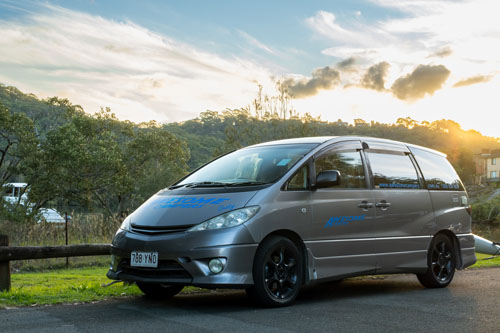
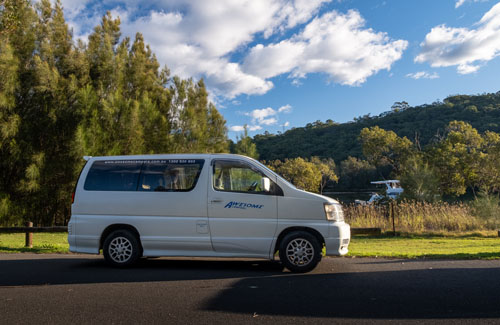
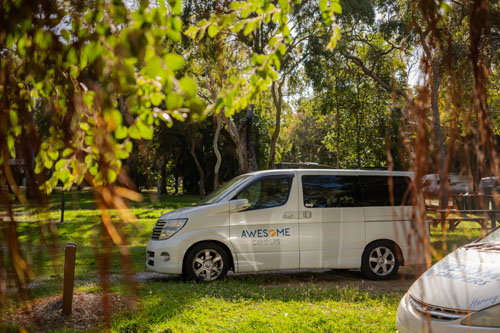
Before you commit to an RV rental in Australia, it's wise to match the motorhome class to your group size and comfort preferences. For instance, a small campervan like the "rv rental denver example Category Van" with front air conditioning, a shower, and a toilet is often ideal for a couple, providing nimble handling and essential amenities. For families with kids or larger groups, a Class C motorhome like the "rv rentals example Comfort Class" typically offers three double beds, accommodating up to two couples or a family of 2+2, and includes a full shower and toilet.
Securing your rental dates early, especially for popular travel periods such as school holidays or the dry season in northern Australia (May-October), helps ensure availability and can lead to better rates. We offer full transparency with no hidden fees, ensuring what you see is what you pay. Understanding your insurance options is also critical; while basic insurance is always included with every rental, upgrading to a top-level deductible reimbursement plan can provide greater financial protection against unexpected incidents, offering peace of mind throughout your Australian journey.
Pre-Trip Prep - Packing Checklist for Australia
An effective packing checklist for your Australian RV adventure focuses on versatility and essentials, ensuring comfort across diverse climates. Pack lightweight, breathable clothing for hot days, but always include a warm layer for cool evenings or air-conditioned RVs, especially in regions like Tasmania or during winter in southern states. Sun protection is non-negotiable: a wide-brimmed hat, sunglasses, and high-SPF sunscreen are vital for Australian conditions.
Bringing essential kitchen items like reusable water bottles, coffee mugs, and a small cutting board will enhance your cooking experience in the RV. For easy meal prep, remember to check out our RV-friendly recipes playlist for delicious ideas on the go. Always carry a well-stocked first-aid kit, strong insect repellent, and a portable power bank for electronic devices. Lastly, have physical and digital copies of your valid driver's license (an International Driving Permit is recommended for visitors from non-English speaking countries but not mandatory), passport, and travel insurance documents readily accessible.
At the Campground - Setup, Hookups and Etiquette
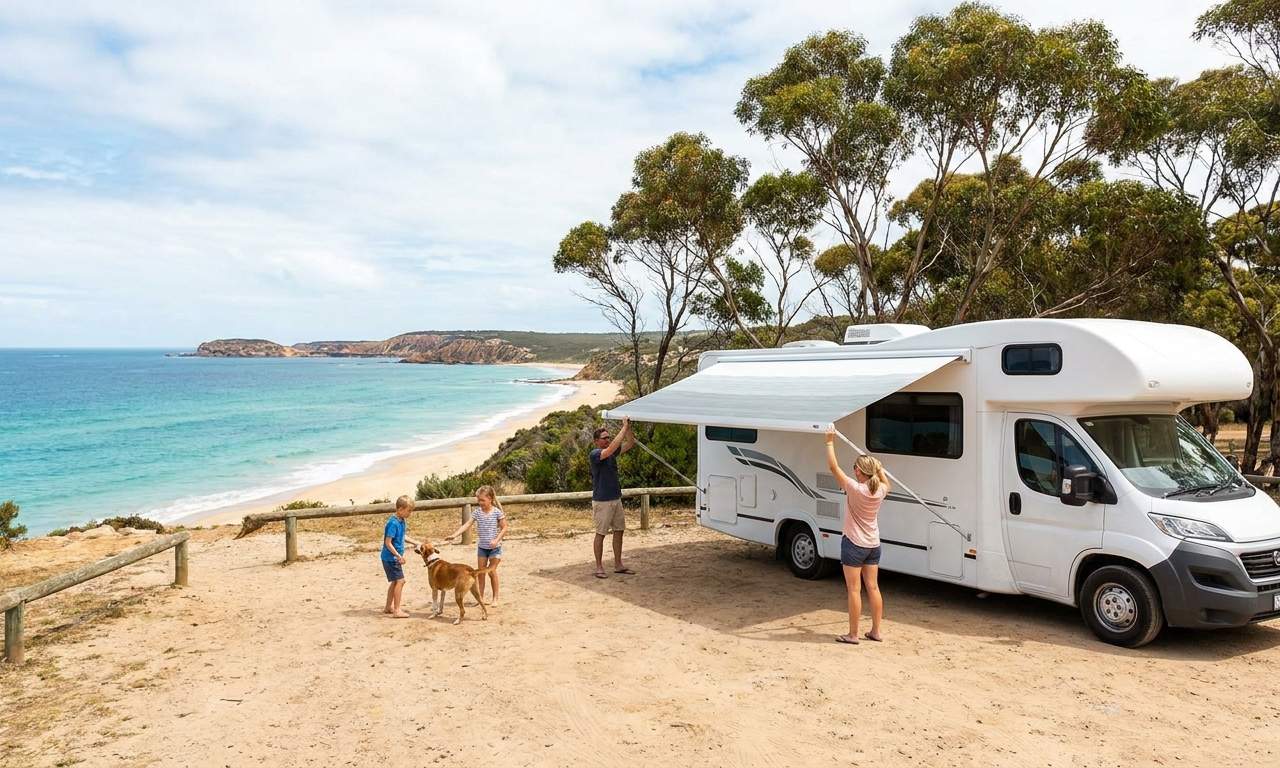
Upon arriving at your chosen campground in Australia, an efficient setup ensures a comfortable stay. First, park your rented motorhome or campervan on a level spot, using leveling blocks if necessary to ensure appliances like the refrigerator function correctly and water drains properly. Next, connect your electrical shore power cable, then your fresh water hose, and finally, your grey/black water hose if a sewer hookup is available at your site. Always double-check that all connections are secure to prevent leaks or electrical issues.
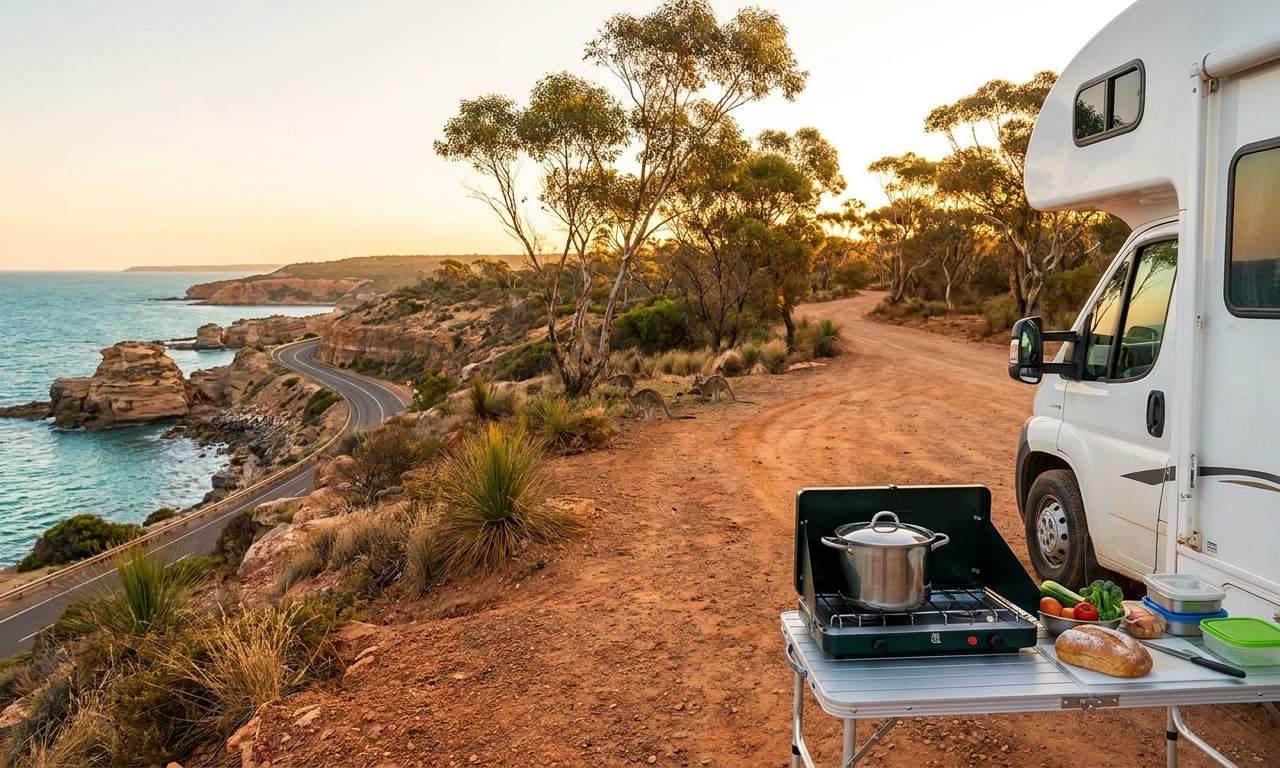
Observing campground etiquette is essential for a pleasant experience for everyone. This typically includes respecting quiet hours, usually from 10 PM to 7 AM, and keeping noise to a minimum at all times. Always use designated dump points for waste disposal, keeping the environment clean. For finding campsites and managing your travel budget, our RV PLANET routes help you itemize and track every expense along the way for easy budgeting, so you can focus on enjoying the vast Australian landscape. On the routes offered through RV PLANET routes, you can itemize and track every expense along the way for easy budgeting.
🎬 Video coming soon
RV Rental-Specific Tips for Australia
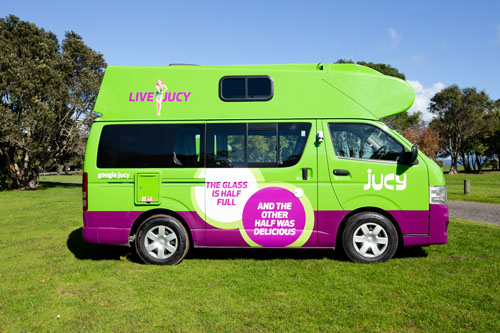
Choosing the right RV for your Australian adventure depends largely on your travel group and budget. For families, selecting a larger motorhome like a Class C model is often best, providing sufficient sleeping arrangements with options such as bunk beds, and potentially separate living areas for downtime. Vehicles like the "6 Berth Discovery" offer spacious interiors, a 190-liter refrigerator, and a microwave, making family meals easy on the road.
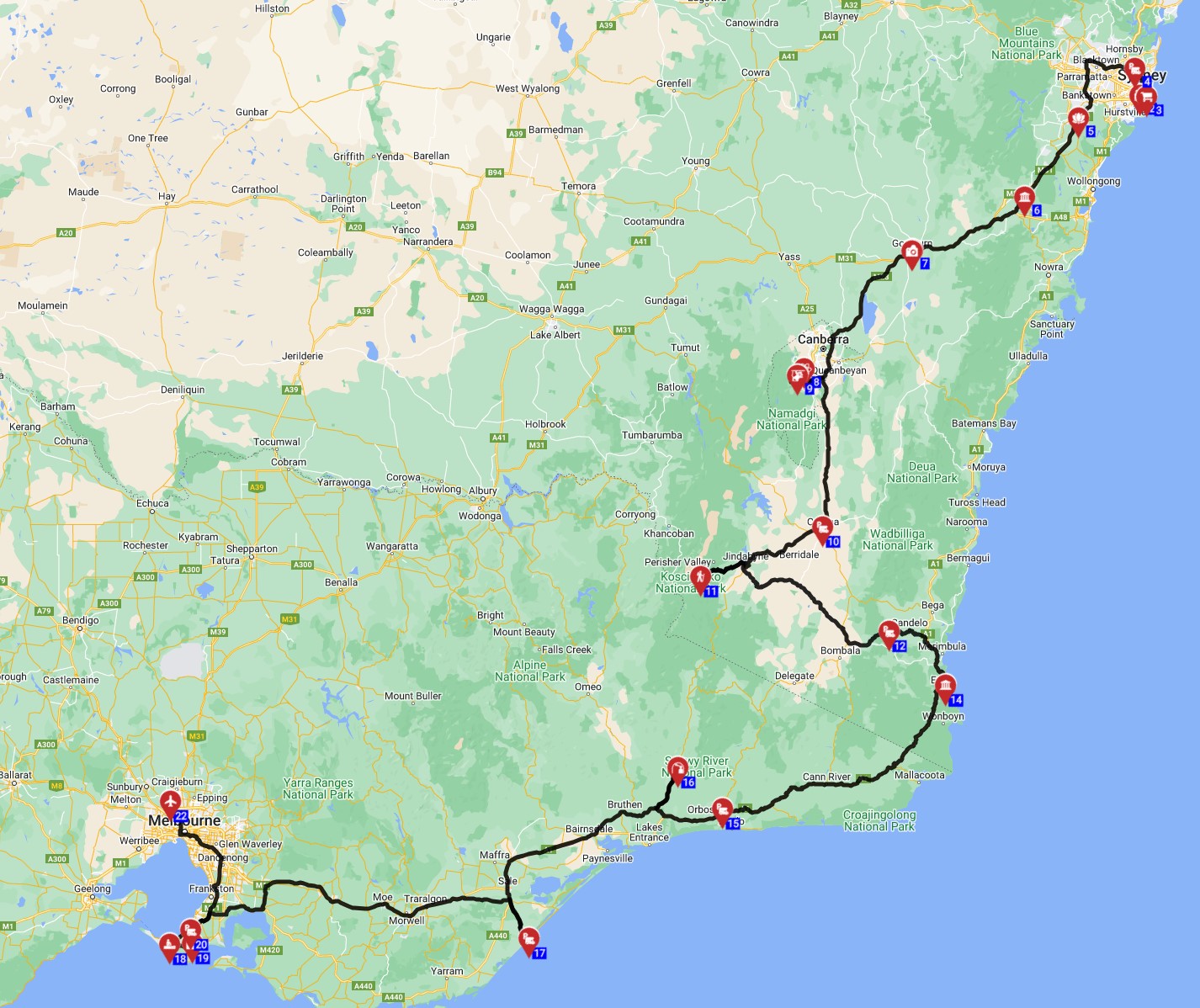
Retired couples or those seeking a more relaxed pace might prefer an automatic transmission campervan or smaller Class C motorhome like the "2 Berth Sandpiper," featuring comfortable double beds (140/190cm) and easy entry/exit, without the stress of manual gear changes. Budget travelers can significantly save by opting for compact campervans, utilizing free overnight parking spots in approved areas where available, and cooking most meals in their RV, making use of equipped kitchenettes. Those seeking a touch of luxury can explore larger Class A or Class C motorhomes with advanced features like slide-outs for extra space, full bathrooms, and outdoor living setups with sun canopies, ensuring a premium experience. Remember to factor in potential one-way motorhome rentals from cities like
Common Mistakes to Avoid in Australia
One of the most common mistakes RV renters make in Australia is underestimating the vast driving distances between destinations; instead, plan realistic daily itineraries, aiming for a maximum of 100-150 km per day on average, and incorporating plenty of breaks. Another frequent error is attempting to drive rented RVs on unsealed or unpaved roads, which is typically forbidden by rental agreements and can lead to significant damage and voided insurance; always stick to main paved routes unless explicitly permitted and suitable for your specific vehicle. Our comprehensive RV Rental in Australia - Prices and Best Deals 2026 guide can help clarify rental terms.
Ignoring local wildlife warnings is another major oversight; instead, be vigilant for kangaroos, emus, and other animals, especially during dawn and dusk hours when they are most active. Lastly, improper waste disposal is a serious issue; always use designated dump points and rubbish bins at campgrounds and rest areas, contributing to Australia's pristine environment. Being mindful of these points ensures a safe and responsible motorhome journey.
What is the 3-3-3 rule for campervan?
The 3-3-3 rule for campervan travel recommends driving no more than 300 kilometers (approximately 186 miles) per day in Australia, arriving at your destination by 3 PM, and staying for at least 3 nights. This guideline promotes a relaxed and enjoyable pace, preventing driver fatigue and allowing ample time to explore each location without feeling rushed or needing to constantly relocate your rented mobile home. Following this rule helps travelers truly connect with the culture, food, and scenery Australia has to offer, as recommended for all extended road trips.
What are the drawbacks of renting an RV?
Drawbacks of renting an RV in Australia can include higher overall costs compared to budget hotel stays, encompassing not just the rental fee but also fuel, campground fees, and groceries. The need to pre-book popular campgrounds, especially in national parks, is another consideration, though many parks reserve 70-75% of their spots for first-come, first-served arrivals, meaning you'll often find a spot (if not at the first campground, then the next one – just call ahead before driving). Additionally, there can be a learning curve for driving a larger Class A or Class C motorhome, and the responsibility of waste disposal at designated dump points requires attention.
How much does it cost to rent an RV in Australia?
The cost to rent an RV in Australia varies significantly based on factors such as vehicle size, rental duration, time of year, and included features, generally ranging from AUD$50 to AUD$300+ per day. Smaller campervans, such as a "2 Berth Hi Top" with automatic transmission, might start around AUD$50-AUD$120 per day, while larger, more luxurious motorhomes like a "4 Berth Deluxe" with roof air conditioning can cost AUD$150-AUD$300 or more daily. Prices are dynamically set and are typically higher during peak seasons (December-February) and for shorter rental periods; longer trips like a month-long RV rental in Australia often benefit from better daily rates. Comparing prices is easy with Bandana RV, where you see the final price upfront with no hidden fees.
Can you park an RV anywhere in Australia?
No, you cannot park an RV anywhere in Australia, as free camping or 'freedom camping' is restricted and generally only permitted in designated areas or private properties with explicit permission. Most rented motorhomes must be parked overnight in official campgrounds, caravan parks, or specified rest areas, with fines applicable for illegal overnight parking, especially in populated areas. Always look for signs indicating overnight parking rules, and it's best to call ahead to campgrounds for availability, as many national and state parks operate on a first-come, first-served basis for 70-75% of their spots. For finding campsites and planning your route, RV PLANET (rvplan.net) offers comprehensive tools.
How much is a 1 week RV rental?
A 1-week RV rental in Australia typically ranges from AUD$350 to AUD$2,100 or more, depending on the vehicle type, season, and rental provider. For a basic campervan suitable for 2 people, like the "Paradise Camper 4x4 double cab" (though Bandana only rents motorhomes and campervans, this is a conceptual example of a small camper), you might expect to pay AUD$350-AUD$840 per week. A larger, well-equipped motorhome for a family, like the "Jayco Conquest Royale 6" with automatic transmission and a slide-out, could cost AUD$1,050-AUD$2,100+ for a 7-day period. These prices are dynamic, fluctuating based on availability and demand, similar to flight tickets, so comparing options for weekly RV rental in Australia is always recommended.
Is it worth having a toilet in a campervan?
Having a toilet in a campervan is often considered highly worth it for convenience, especially when exploring remote areas of Australia where public facilities are scarce, or during colder seasons. A compact campervan, like the 'rv rentals example Comfort Class' (though often larger, some smaller models feature this), which has a toilet and shower, provides privacy and comfort, reducing the need to constantly seek external amenities. For families or those preferring more self-sufficiency, a toilet is a significant amenity that enhances the overall RV travel experience. Some smaller models, like the "rv rental denver example Category Van", also offer this feature, ensuring comfort in a compact size.
Can US citizens rent a car in Australia?
Yes, US citizens can rent a car, and by extension, an RV or motorhome, in Australia, provided they meet the age requirements and possess valid documentation. The minimum age for RV rental in Australia is 21 years old across our partner suppliers, with no young driver surcharges or vehicle class restrictions based on age. A valid US driver's license is required, and an International Driving Permit (IDP) is highly recommended for visitors from non-English-speaking countries as it translates your license into multiple languages. While an IDP is not strictly mandatory in most cases, some rental companies or local authorities may require it, so it's always best to have one for peace of mind.
What is the 3-3-3 rule for RV travel?
The 3-3-3 rule for RV travel, also applicable to campervans, suggests limiting daily drives to 300 miles (or roughly 480 kilometers) per day, arriving at your campsite by 3 PM, and staying for a minimum of 3 nights. This guideline promotes a relaxed travel pace, allowing ample time for sightseeing, setting up your rented motorhome, and truly enjoying each destination rather than constantly moving. It's a great principle for exploring Australia's vast landscapes without feeling rushed, encouraging slow travel to connect with the local culture and scenery, and avoiding fatigue on long stretches of road.
What not to do in Australia as an American?
When traveling in Australia as an American, it's crucial to adapt to local customs and regulations to ensure a smooth trip. Avoid driving on the right side of the road; always remember that Australians drive on the left, which can take some adjustment. Do not underestimate the vast distances between attractions or the harshness of the Australian sun; proper hydration and sun protection are essential. It's also advisable not to interact with wildlife directly, as many animals can be dangerous or carry diseases. Always maintain a safe distance and observe from afar.
Furthermore, avoid ignoring road signs, especially those warning of fatigue or wildlife (like kangaroos or emus), as they are placed for your safety. While Australia is largely cashless, it's generally unnecessary to carry large amounts of physical currency, as card payments are widely accepted. Finally, remember that while national/state parks often have 70-75% of their campsites available for first-come, first-served, always call ahead if possible, especially during peak seasons, to confirm availability for your rented camper or motorhome.
Is 3000 AUD enough for 2 weeks in Australia?
Whether AUD$3,000 is enough for a two-week RV trip in Australia largely depends on your travel style, activities, and the specific class of rented motorhome or campervan. This budget can be sufficient for budget to mid-range travel, especially if you prioritize cooking meals in your RV, which saves significantly on dining out costs. For ancillary trip costs beyond the RV rental itself, travelers can use RV PLANET routes to itemize and track every expense along the way for easy budgeting.
For two weeks, this budget could cover a smaller campervan rental (AUD$700-AUD$1,680), basic powered campsite fees (averaging AUD$30-AUD$60 per night, totaling AUD$420-AUD$840), and a significant portion of your fuel and grocery expenses. However, it might be tight for frequent dining out, extensive guided tours, or luxury experiences in cities like Sydney or Melbourne. To make AUD$3,000 stretch further, consider traveling during off-peak seasons (March-May or September-November) and booking your RV rental in Australia well in advance to potentially secure better daily rates, as prices are dynamic like flight tickets.
What You Shouldn't Miss
- Driving the Great Ocean Road: Experience one of the world's most scenic coastal routes, stretching 243 kilometers in Victoria, marveling at the Twelve Apostles.
- Exploring Uluru-Kata Tjuta National Park: Witness the breathtaking sunrise or sunset over Uluru, a sacred site for Indigenous Australians, offering profound cultural and spiritual experiences.
- Snorkeling or Diving the Great Barrier Reef: Discover the vibrant underwater world off the coast of Queensland, home to thousands of species of marine life.
- Visiting Sydney's Iconic Landmarks: Take a ferry across Sydney Harbour, see the Opera House and Harbour Bridge, and enjoy the bustling city life.
- Discovering Tasmania's Wilderness: Explore national parks like Cradle Mountain-Lake St Clair, offering pristine hiking trails and abundant wildlife.
- Cruising the Kimberley Region: For the truly adventurous, a 4WD campervan journey through Western Australia's rugged Kimberley offers ancient landscapes and stunning gorges.
Looking for expert insights from Avi Bandana? Top 5 Adventures - recommendations from Avi Bandana
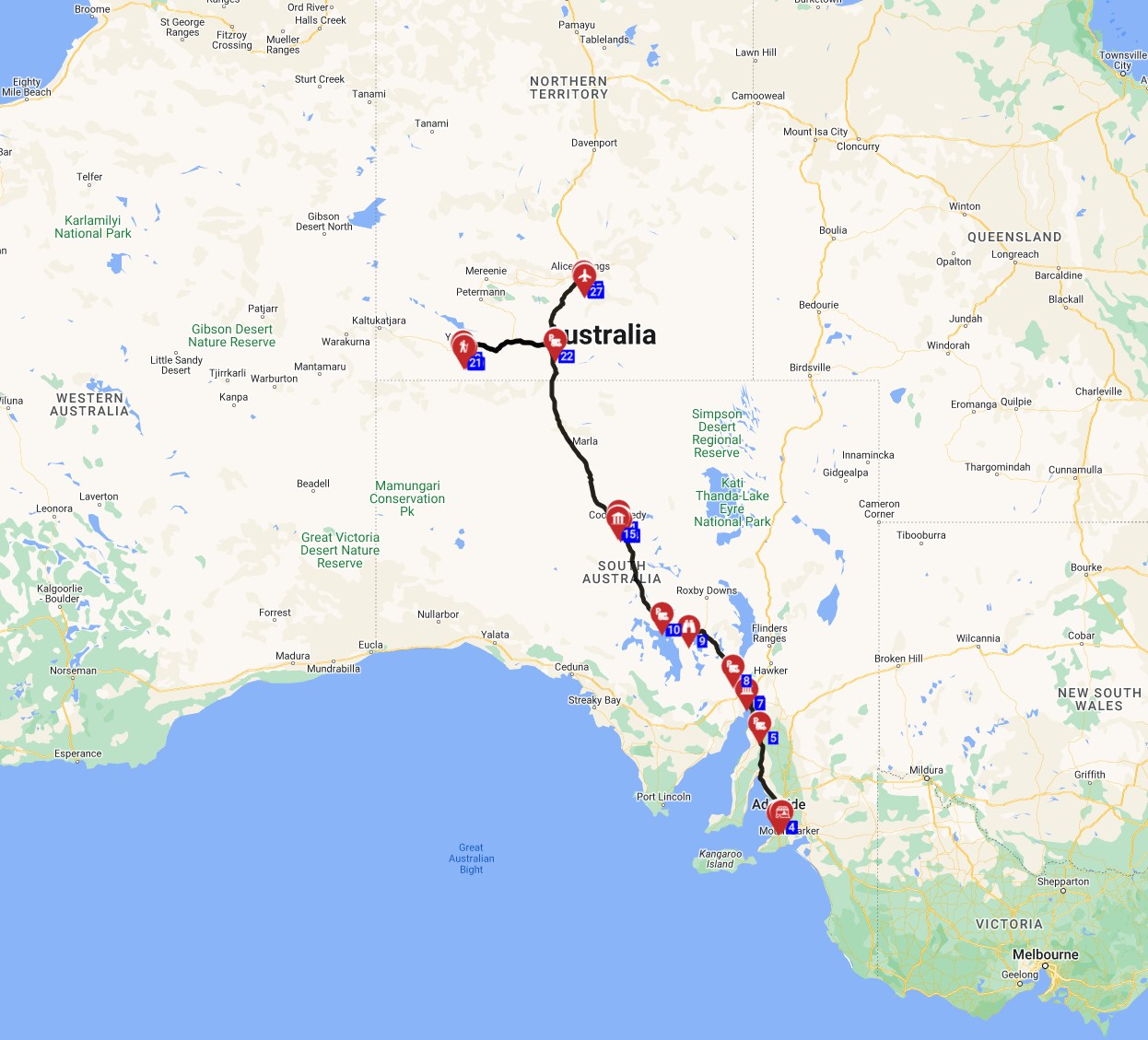
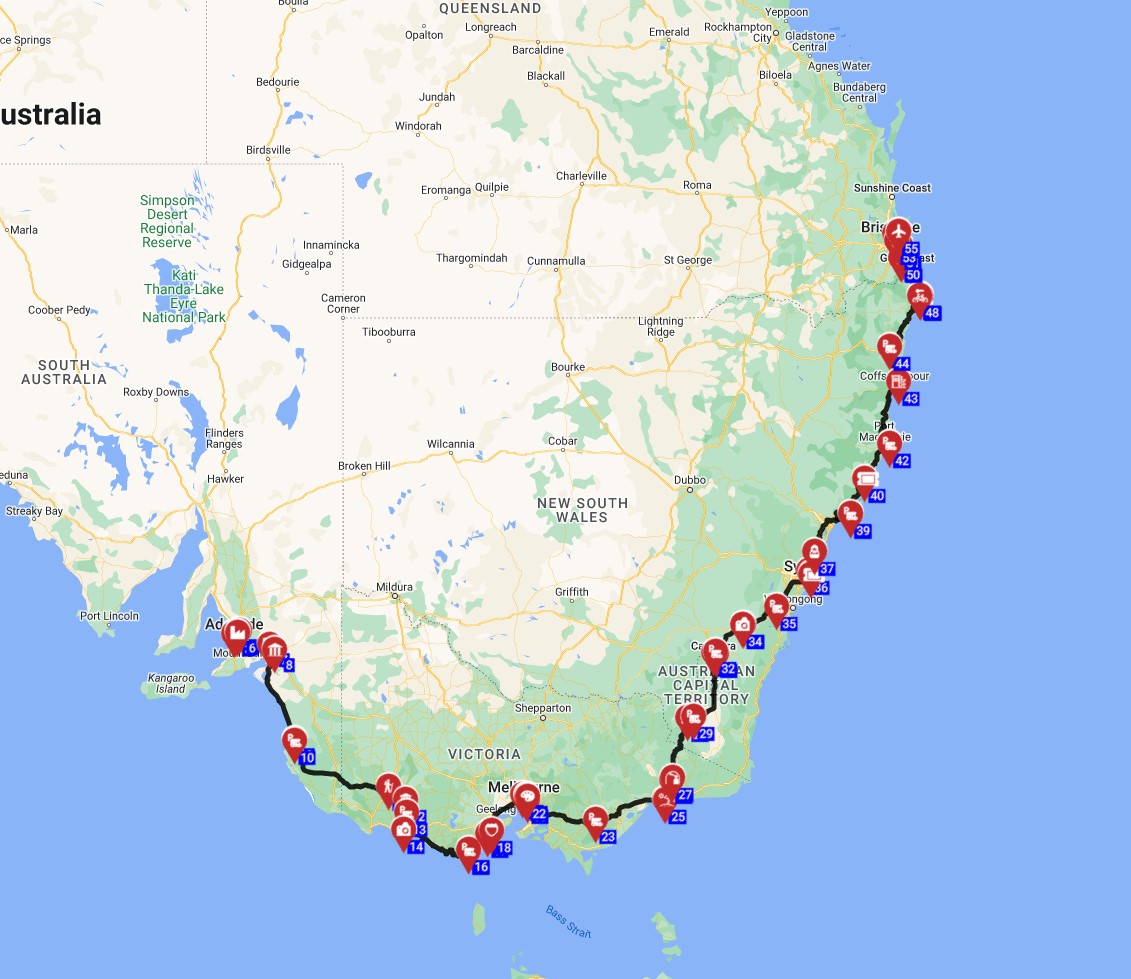
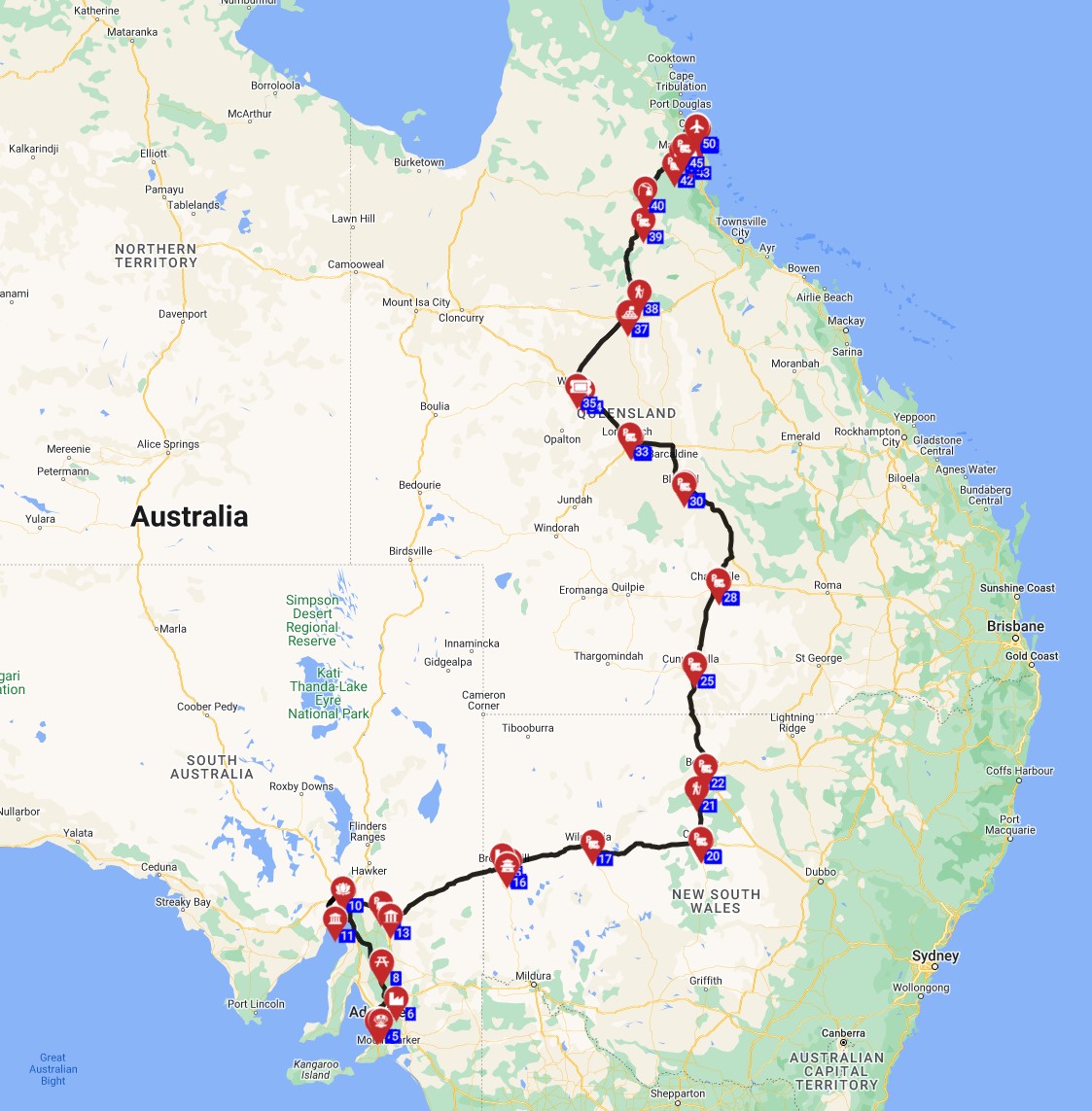
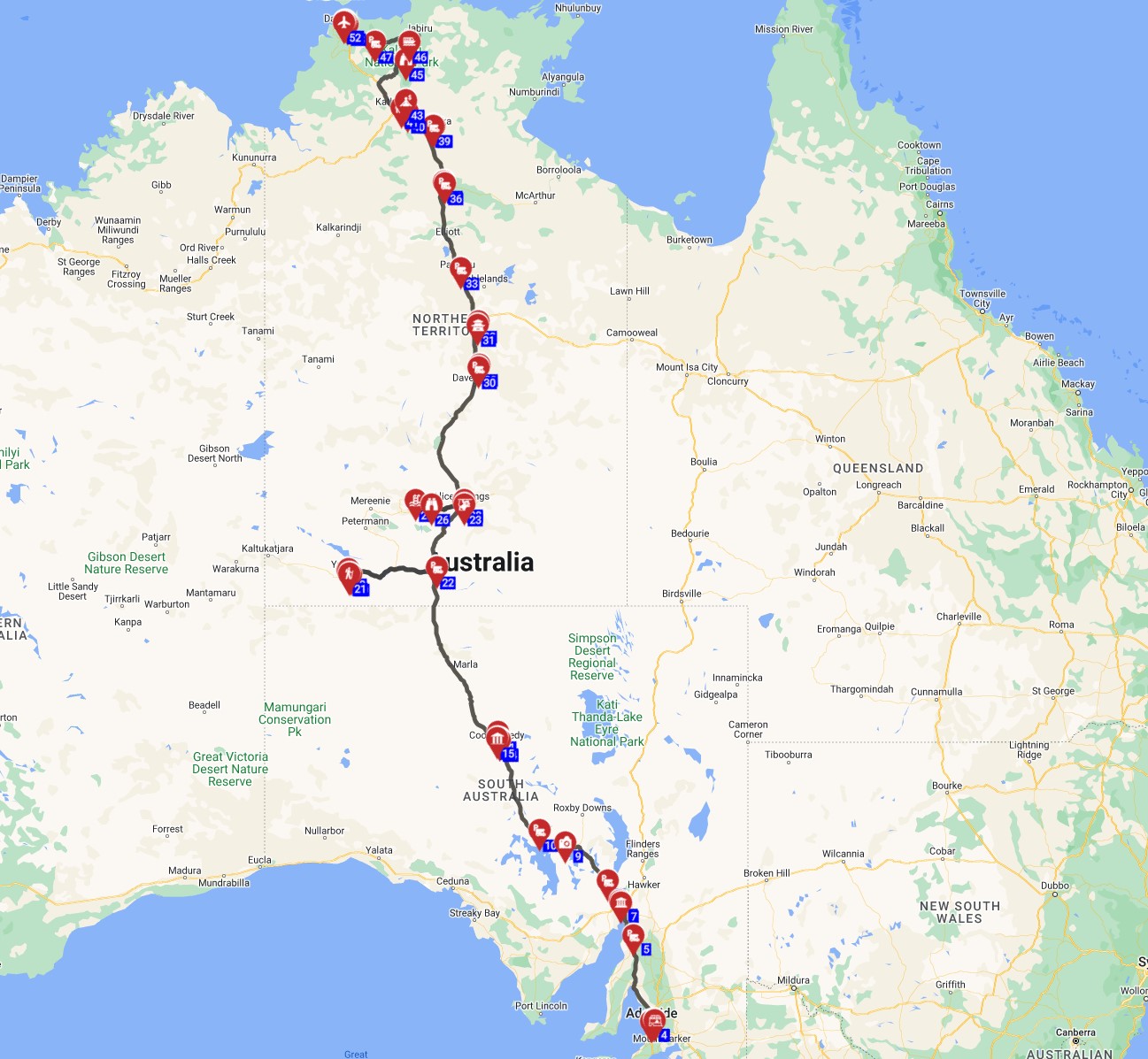
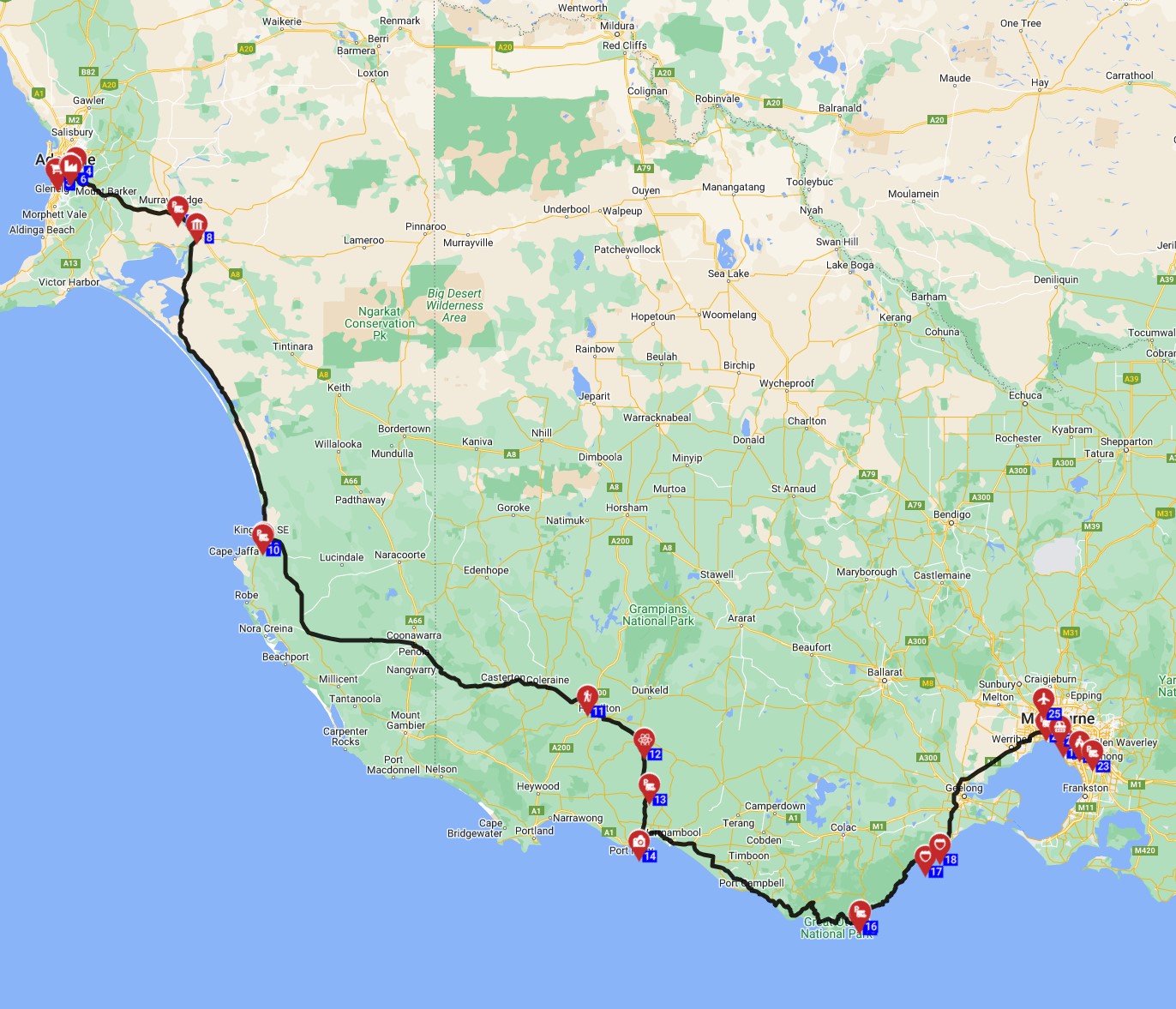
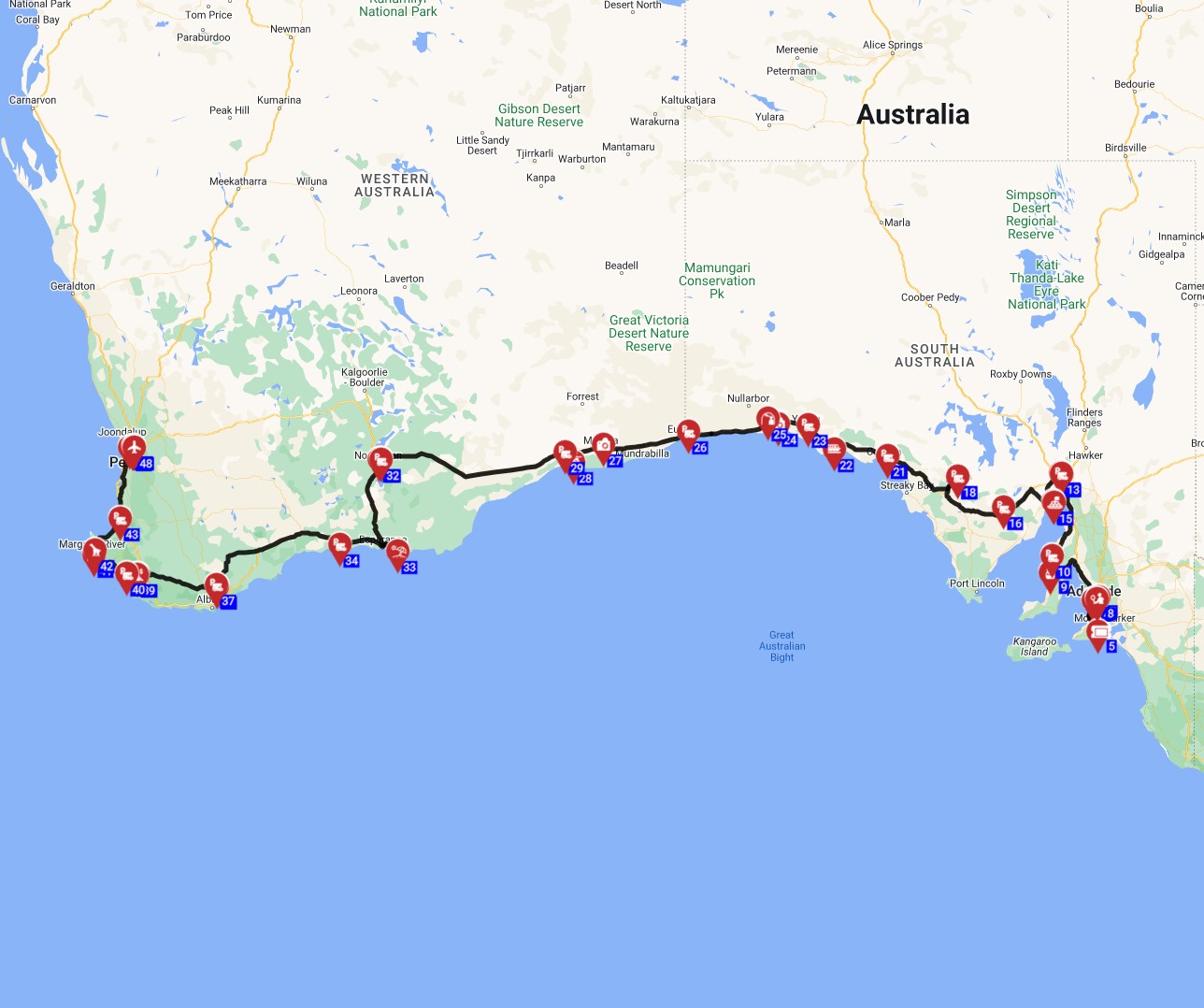
Avi Bandana, our founder, personally loves the Melbourne to Darwin route, spanning over 5,600 kilometers over 26 days. This incredible journey, detailed in our RV PLANET itineraries, immerses you in Australia's heart, offering numerous opportunities for wildlife watching, exploring botanical gardens, and discovering ancient historical sites. It truly allows you to travel slowly and deeply, connecting to the culture, the food, and the stunning scenery of this vast country.
Final Thoughts
Embarking on a rented motorhome adventure through Australia is an unparalleled way to experience this magnificent country. From the iconic red deserts to vibrant coastal cities and lush national parks, the freedom of an RV allows for an intimate connection with Australia's diverse landscapes and cultures. We understand that planning such a journey can seem daunting, but with these tips and Bandana RV's dedicated support, you're well on your way to an unforgettable trip.
Remember to embrace the philosophy of slow travel: allow yourself the time to truly immerse in each destination, savoring local flavors, meeting friendly locals, and soaking in the natural beauty. Whether you're a pre-planner or a spontaneous adventurer, Australia's welcoming spirit and incredible sights await. Trust our expertise as true RV specialists to guide you in finding the perfect campervan or motorhome for your journey, ensuring full transparency and peace of mind.
Ready to discover Australia on your terms? Find your perfect RV rental in Australia and start planning your epic road trip today!