In This Guide
- What last minute rv rental RV Rental Costs in Japan (2026)
- Seasonal Pricing — Peak vs. Shoulder vs. Off-Season in Japan
- What's Included vs. What's an Add-On
- Hidden Costs to Budget For in Japan
- How to Save on last minute rv rental RV Rental in Japan
- What RV Types Are Best for Japan's Roads and Parking
- What are the Seasonal and Weather Considerations for RV Travel in Japan
- How Do You Navigate and Park an RV in Japanese Cities Like Tokyo
- Where Can RVs Dispose of Waste and Refill Water in Japan
- What Cultural Etiquette Should RVers Know in Japan
- How to Handle Emergencies and Language Barriers While RVing in Japan
- Can You Find Off-the-Beaten-Path RV Experiences in Japan
- What You Shouldn't Miss
- Why Book with Bandana Caravan
- Final Thoughts
- Frequently Asked Questions
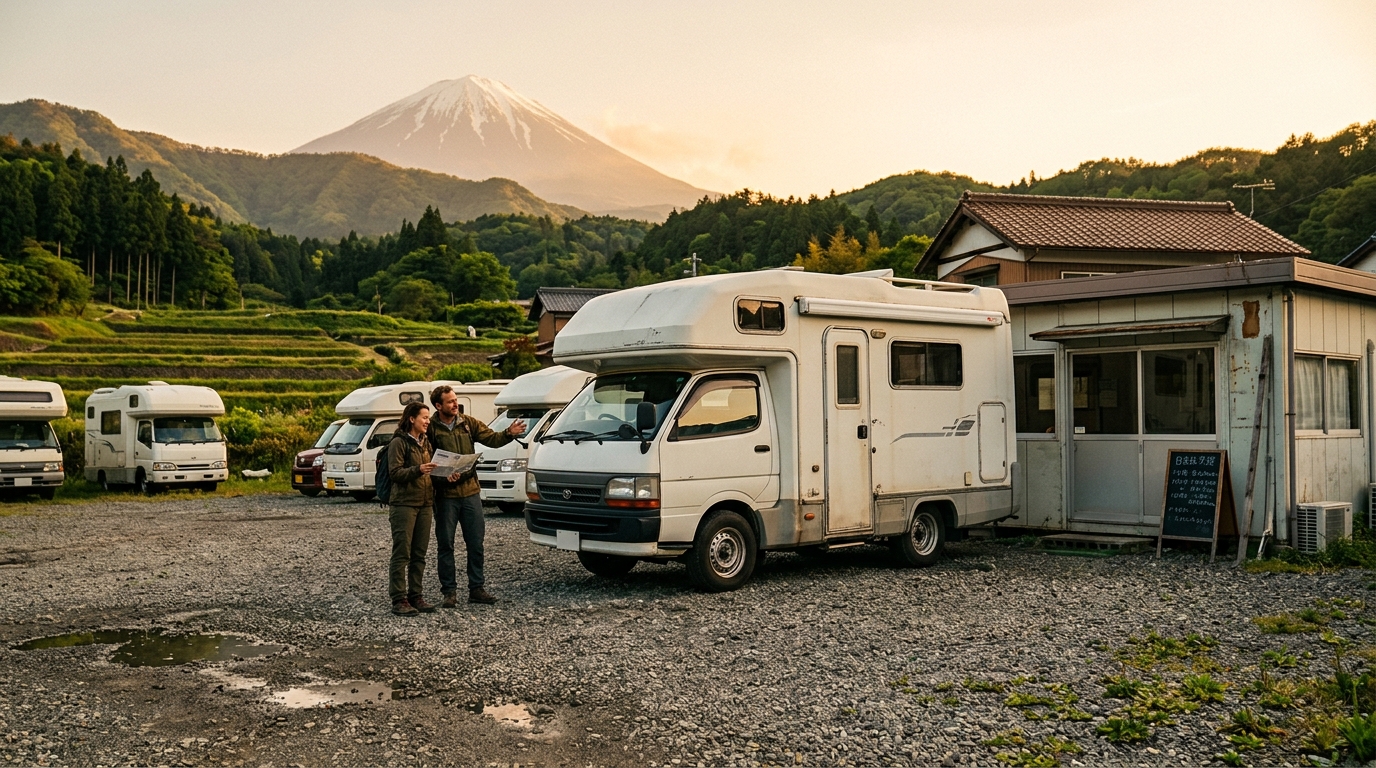
Imagine yourself winding through serene mountain passes, parking by a tranquil lake with views of Mount Fuji, or discovering a hidden onsen village. An RV rental in Japan offers an unparalleled way to explore this incredible country at your own pace, providing the freedom to chase cherry blossoms in spring or vibrant fall foliage across its diverse landscapes. While often associated with meticulous planning, last-minute RV rentals in Japan are entirely possible, offering spontaneous adventurers a unique opportunity to experience its rich culture and breathtaking nature. For live availability and current prices, start with our RV Rental Japan - Complete Guide 2026 guide. It covers everything from essential tips to detailed route plans for an unforgettable journey.
What last minute rv rental RV Rental Costs in Japan (2026)
Last minute RV rental costs in Japan are dynamic and fluctuate daily, similar to flight prices, based on vehicle availability, seasonality, and supplier marketing decisions. April is typically the cheapest month for RV rental, with rates for a compact campervan like the "rv rental denver example Category Van" potentially starting around $90-$120 USD per day for a week-long trip. For larger families or groups, a Class C motorhome such as the "rv rentals example Comfort Class" might range from $180-$300 USD per day. Prices generally increase during peak seasons like July-August, Golden Week (early May), and the New Year holiday period. It's important to remember that the final price is always set at the actual booking time, so checking live prices through our comparison platform is crucial for finding the best last-minute deals.
For a two-week last-minute RV trip in Japan, a couple might expect to pay an average of $1,400-$2,500 USD for a Class B campervan, excluding additional expenses. A family with kids opting for a medium-sized Class C motorhome for a similar duration could see rental costs between $2,500-$4,200 USD. For a more extended, month-long adventure, daily rates often decrease, making a longer rental more cost-effective per day. Renting the "hire campervan example Paradise S/T" for a couple or the "campervan hire new zealand example Euro Deluxe" for a larger group are examples of popular choices, offering comfort and efficiency. We are true RV specialists, dedicated to helping you compare final prices across 50+ leading RV suppliers worldwide, ensuring full transparency with no hidden fees or surprises.
Seasonal Pricing - Peak vs. Shoulder vs. Off-Season in Japan
Japan's RV rental prices are heavily influenced by its distinct seasons, with peak, shoulder, and off-peak periods dictating daily rates and availability. Peak season typically occurs during July-August, Golden Week (early May), and the New Year holidays, where demand is highest and daily rates can increase by 30-50%. For instance, a Class C motorhome that costs $150/day in April might jump to $250/day or more during Golden Week due to high demand and limited supply. To secure a last-minute RV rental during these popular times, flexibility with vehicle type and pickup locations is key, as popular models like the "rent rv example A1" are booked quickly.
Shoulder seasons, which include April-May (outside Golden Week) and September-October, often provide the best balance of pleasant weather and moderate pricing. During these times, you can still find good last-minute availability and potentially save up to 15-25% compared to peak rates. This makes shoulder seasons ideal for spontaneous travelers looking for a quality RV experience without the highest costs. Off-season, covering most of the winter months (excluding major holidays) and early summer rainy season, generally offers the lowest rates. While winter travel might require preparedness for snow, it can also lead to unique experiences like visiting snow festivals or onsen, with options like a "2 Person 4WD Camper" offering winter readiness. Regardless of the season, Bandana ensures full transparency, so what you see is what you pay, with no surprise fees at pickup.
What's Included vs. What's an Add-On
A basic RV rental in Japan typically includes the motorhome, standard third-party liability insurance, and essential built-in amenities such as a kitchen area with a stove, a refrigerator, and sleeping berths. Vehicles like the "Class I Van" or "Category Van" will come with these core features. However, many components that enhance your travel comfort and convenience are often offered as optional add-ons, impacting the overall last-minute RV rental cost in Japan. This allows you to customize your experience while maintaining transparency about your budget.
Common add-ons for RV rentals in Japan include comprehensive insurance tiers, which can significantly reduce your deductible for added peace of mind; unlimited mileage packages, especially useful if you plan an extensive tour like the "Week-Long RV Driving Tour in Japan 2026"; and equipment kits like kitchen utensils, bedding, towels, and outdoor camping furniture. Some larger Class C motorhomes may also offer optional generators for extended dry camping. For example, a "cruise america rv rental example Explorer" may have a generator as an add-on. While basic insurance is always included, selecting comprehensive coverage during your search with Bandana allows you to see all-inclusive pricing upfront. We believe in full transparency: no hidden fees, no surprises, just honest pricing.
Hidden Costs to Budget For in Japan
When planning a last-minute RV rental in Japan, it's essential to factor in ancillary costs beyond the daily rental rate to avoid budget surprises. Toll roads, particularly on Japan's efficient but often expensive expressways, represent a significant expense; a trip from Tokyo to Kyoto, for instance, can incur over $100 USD in tolls for a standard vehicle. Campsite and RV park fees also vary, typically ranging from $20-$60 USD per night, with premium spots or those near popular attractions like Mount Fuji sometimes costing more. Fuel costs are another consideration, especially for larger motorhomes, with gasoline prices often around $1.30-$1.50 USD per liter. For budgeting and tracking every expense along your journey, we highly recommend utilizing RV PLANET routes, which allow you to itemize and manage all your trip expenditures. On the routes offered through RV PLANET routes, you can itemize and track every expense along the way for easy budgeting.
Other potential hidden costs include propane refills for cooking and heating, dump station charges for grey and black water disposal (which might be a small fee or included with campground stays), and parking fees in urban areas, which can add up quickly. Even small items like local SIM cards for connectivity or entrance fees to national parks like the Fuji-Hakone-Izu National Park should be accounted for. Some rental suppliers may offer options to pre-purchase toll road usage or discount cards for campgrounds and fuel, which can help manage costs. Being transparent about these potential additional expenses is part of our commitment to you. Looking for the easiest, safest, and most affordable way to rent an RV? We compare final prices across 50+ suppliers so you don't have to worry about hidden fees.
How to Save on last minute rv rental RV Rental in Japan
Finding the cheapest last-minute RV rental in Japan requires a degree of flexibility and strategic thinking. One effective way to save is by booking during shoulder seasons, such as April (excluding Golden Week) or October, when demand is lower but the weather is still pleasant. This increases the likelihood of finding more favorable rates and better availability for popular campervans like the "Juliette 2-3" or a compact Class B motorhome. Opting for a smaller RV class, like a "Kei" van or a Class B campervan, if it suits your group size (ideal for a couple or solo traveler), can significantly reduce both rental costs and daily fuel expenses, with some 'Kei' vans offering fuel efficiency as high as 15-20 km per liter.
Another smart tip is to choose longer rental durations; the daily rate for a two-week adventure is often considerably lower than for a week-long trip. Regularly monitoring flex-rate drops by checking prices for your desired dates closer to your travel window can also reveal unexpected deals, as dynamic pricing is common among suppliers. Additionally, inquiring about pre-paid toll options or fuel discount cards offered by your rental company can lead to further savings on ancillary costs. Many national and state parks reserve only 25-30% of spots for advance booking, with the rest available first-come, first-served. Don't stress too much about finding a spot: you'll find one. If not at the first campground, then the next one. Always call ahead before driving.
What RV Types Are Best for Japan's Roads and Parking
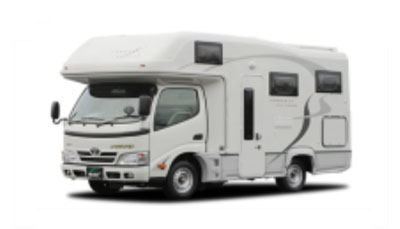
Compact RVs, particularly Class B campervans and Japan's distinctive 'Kei' vans, are highly recommended for navigating Japan's infrastructure. These smaller rented motorhomes, often around 4.5 to 5.5 meters in length, easily handle the country's narrower rural roads and often tight urban parking spaces. A Class B campervan such as the "rv rentals san antonio example Knaus Van 600ti ME" or a "Category Van" offers essential amenities like a small kitchen, sleeping areas, and sometimes a toilet and shower, all within a maneuverable footprint. The ubiquitous 'Kei' vans, or micro-vans converted into campers, are particularly economical and practical for solo travelers or couples, boasting exceptional fuel efficiency and fitting into standard parking spots.
While larger Class C or Class A motorhomes offer more living space, with models like the "MHC28" having up to 7 sleeping places and a 210-liter fresh water tank, they can pose challenges, especially outside major highways. Driving slowly and carefully, you can drive almost anywhere without issues, regardless of RV size. No need to stress - just use common sense and pay attention. When considering your RV rental, always review the overall length and width to ensure it aligns with your comfort level for driving and parking, particularly if your itinerary includes exploring smaller towns or national parks. For families or groups, a Class C "Category Family 5 AT" at about 7 meters long still offers a good balance of space and navigability.
What are the Seasonal and Weather Considerations for RV Travel in Japan
Japan's four distinct seasons significantly impact RV travel, from driving conditions and available activities to route planning. Spring (March-May) is famous for cherry blossoms, offering mild temperatures (10-20°C), but it's a popular time, meaning higher demand for RV rentals and campsites. Summer (June-August) brings warm to hot temperatures (25-35°C) and high humidity, making an RV with good air conditioning highly desirable for comfort. June and early July are also part of the rainy season, so flexible itineraries are recommended to adapt to potential downpours.
Autumn (September-November) is another prime time for RVing, with comfortable temperatures (15-25°C) and spectacular fall foliage, especially in mountainous regions, making it ideal for scenic drives. However, typhoon season, roughly from June to October, can bring heavy rains and strong winds, which may disrupt travel plans and require checking weather forecasts frequently. Winter (December-February), especially in northern Japan (Hokkaido, Tohoku) and mountainous areas, means snow and ice, necessitating winter tires or chains. While it offers unique experiences like snow festivals, driving an RV in Japan during winter demands careful preparation. Always check local forecasts and road conditions before embarking on a daily journey. Our "Driving an RV in Japan - Complete Guide 2026" offers more detailed advice for navigating Japan's roads year-round.
How Do You Navigate and Park an RV in Japanese Cities Like Tokyo
Navigating and parking a rented RV in dense Japanese cities, such as Tokyo, Kyoto, or Osaka, requires careful planning due to narrow streets, heavy traffic, and limited large vehicle parking. It is generally most practical to park your motorhome on the outskirts of major urban centers, often at designated RV parks or larger shopping center parking lots, and then utilize Japan's excellent public transportation system for city exploration. For instance, in Tokyo, parking your RV at a facility like "RV Park Yume no Shima" near Shin-Kiba station allows easy access to the city center via train.
Smaller campervans, including compact Class B models or 'Kei' vans, are significantly easier to manage in urban environments and can often fit into standard parking spaces. For those with larger vehicles like a "29' Class C Motorhome," searching for '道の駅' (Michi-no-Eki) roadside stations on the city fringes is a good strategy, as they frequently offer ample parking suitable for RVs, though overnight stays require adherence to etiquette. Drive slowly and carefully, and you can drive almost anywhere without issues. No need to stress - just use common sense and pay attention to signage and local regulations. Utilize navigation apps with real-time traffic updates and, if possible, height/width restrictions to avoid unsuitable routes. Our "Weekend RV Driving in Japan - Quick Routes 2026" can help plan short excursions from urban centers.
Where Can RVs Dispose of Waste and Refill Water in Japan
For RV travelers in Japan, proper waste disposal and water refills are primarily managed at designated facilities to uphold environmental standards and local etiquette. RV waste disposal points for grey and black water (known as "dump stations" or "suteba") are predominantly found at official campgrounds, dedicated RV parks, and some larger '道の駅' (Michi-no-Eki) roadside stations. Planning your route to incorporate these stops is crucial, as informal dumping is strictly prohibited and can lead to significant fines. Many rental motorhomes in Japan, like a typical "Class I SG" campervan, often have smaller fresh water tanks (e.g., 80-100 liters) compared to Western models, emphasizing the need for frequent refills.
Water refill points are commonly available at the same locations as dump stations, and sometimes at larger service areas along expressways, though it's always best to verify availability by calling ahead or checking online resources. When booking campsites, confirm that they offer both waste disposal and water refilling services. Given that many RVs come with kitchen facilities, making your own meals can be a delightful part of the experience. For some culinary inspiration on the road, check out our RV-friendly recipes playlist. God is in the small details, and we take care of them, helping you plan ahead for these essential services to ensure a smooth trip.
What Cultural Etiquette Should RVers Know in Japan
Adhering to local cultural etiquette is paramount for a respectful and enjoyable RV trip in Japan, extending well beyond general tourist guidelines. When parked at a 'Michi-no-Eki' or in residential areas, maintaining low noise levels is critical to avoid disturbing local communities, especially during quiet hours (typically 9 PM to 6 AM). Proper trash disposal is another key aspect: Japanese waste separation is meticulous, requiring travelers to separate trash into categories like burnable, non-burnable, plastics, and recyclables. Always use designated bins or be prepared to store your sorted trash until appropriate disposal facilities are found.
Avoid parking overnight in unauthorized areas, such as random streets or parking lots, as this can lead to complaints and legal issues. Always seek out official campgrounds or permitted overnight parking spots. When visiting an onsen (hot spring), meticulously follow bathing rules: thoroughly wash your body before entering the communal bath, and do not wear swimsuits in gender-separated traditional onsen. Tattoos, while increasingly accepted, may still be restricted in some onsen; cover them if possible or inquire beforehand. Respect for public spaces, punctuality, and quiet demeanor are highly valued in Japan, ensuring a positive experience for both you and the locals. For more comprehensive route planning that considers these cultural nuances, explore RV PLANET routes.
How to Handle Emergencies and Language Barriers While RVing in Japan
Effective emergency preparedness and strategies for navigating potential language barriers are vital for a safe and stress-free RV journey in Japan. Always keep essential emergency numbers readily accessible: 110 for police and 119 for fire or ambulance services. For constant connectivity, which is crucial for navigation and emergencies, consider purchasing a local SIM card or renting a portable Wi-Fi device upon arrival. English is generally understood in major cities and tourist areas, but in rural Japan, it may not be widely spoken, making translation tools invaluable.
Downloading offline translation apps, such as Google Translate with Japanese language packs, can significantly assist with communication for directions, asking for help, or understanding signage. Familiarizing yourself with a few basic Japanese phrases for greetings, thanks, and common RV-related queries (e.g., "Mizu o ippai ni shite kudasai" for "Please fill water") can also go a long way. Always carry physical copies of important documents, including your passport, international driving permit, and RV rental agreement with insurance details. These measures will ensure you're well-equipped to handle any unforeseen circumstances while enjoying your last-minute RV adventure in Japan. We offer supportive pre-booking comparison and post-booking coordination to help you feel confident before you even pick up your rental motorhome.
Can You Find Off-the-Beaten-Path RV Experiences in Japan
RV travel in Japan offers exceptional opportunities to delve into off-the-beaten-path destinations and immerse yourself in unique local interactions beyond the mainstream tourist attractions. Rather than just focusing on major cities like Tokyo or Kyoto, a rented motorhome, even a compact "Combi Van" or "Duo - Campervan," provides the flexibility to explore hidden gems. Utilize the extensive network of '道の駅' (Michi-no-Eki) roadside stations, which are not just for facilities but also serve as community hubs offering local produce, crafts, and insights into regional specificities. Many of these offer unique local foods and souvenirs, providing a true taste of rural Japan.
Venture into less-explored prefectures like Tottori for its sand dunes, Shimane for ancient shrines, or the Shikoku island region to discover stunning coastlines, traditional villages, and authentic culinary experiences. Participating in local festivals or seasonal events, which are often more accessible and welcoming to visitors in rural areas, can create unforgettable memories. Seek out smaller, family-run campgrounds or mountain retreats that provide a deeper connection to nature and local culture, often at a more budget-friendly price than major tourist hubs. Remember, slow travel is the key in Japan: aim for a maximum of 100-150 km per day on average. Take time to feel the place, connect to the culture, the food, and the scenery, and discover what truly makes Japan special.
What You Shouldn't Miss
- Mount Fuji Views from Fumotoppara Campground: Experience iconic, unobstructed views of Japan's most famous peak. Renting a campervan in Japan allows you to wake up to this breathtaking sight.
- Exploring Shirakawa-go and Gokayama: These UNESCO World Heritage villages in the Japanese Alps are famous for their unique gassho-zukuri farmhouses. A motorhome gives you easy access to these rural marvels.
- Driving the Shimanami Kaido: A 60-kilometer road and bridge network connecting Honshu and Shikoku islands, renowned for stunning ocean views and perfect for a scenic RV drive or cycling adventure.
- Discovering Hokkaido's Vast Landscapes: For those on an extended road trip or using one-way RV rentals, Hokkaido offers expansive national parks, volcanic scenery, and delicious seafood, a refreshing contrast to bustling cities.
- Visiting a 'Michi-no-Eki': More than just a rest stop, these roadside stations offer local delicacies, crafts, and sometimes even free foot onsen. They are a cultural experience in themselves, especially on a last-minute RV trip in Japan.
- Onsen Hopping in Rural Towns: Integrate traditional hot spring visits into your RV itinerary. Many rural towns boast public onsen, offering relaxation and a deep dive into Japanese culture after a day of driving.
Looking for expert insights from Avi Bandana? Top 5 Adventures - recommendations from Avi Bandana
🎬 Video coming soon
Final Thoughts
Embarking on a last-minute RV adventure in Japan promises a blend of spontaneous discovery and immersive cultural experiences. Whether you're navigating the bustling streets of Tokyo (slowly and carefully, of course!) or finding tranquility in a remote mountain onsen, a rented motorhome offers unparalleled freedom. While prices for last-minute RV rentals in Japan can be dynamic, being flexible with your travel dates and vehicle type can unlock fantastic opportunities to explore this captivating country.
Remember that planning is key, even for spontaneous trips. Familiarize yourself with local etiquette, budget for ancillary costs like tolls and campsites, and choose an RV that comfortably fits Japan's unique infrastructure. Our commitment at Bandana is to support you every step of the way, from comparing final prices across top suppliers to helping you plan your itinerary with tools like RV PLANET.
So, get inspired for your next trip! Discover top destinations, planning tips, all in one place, and make your dream of an RV journey through Japan a reality. Compare Last-Minute Motorhome Prices for Japan now and prepare for an unforgettable journey.