In This Guide
- Can You Drive an RV in Japan? License & Age Rules
- Road Conditions & Terrain in Japan
- RV Size Limits, Bridges & Restricted Zones
- Fuel: Diesel vs. Petrol & Cost per 100 km
- Tolls, ETC Cards & Border Rules in Japan
- Driving Tips for RV Rental Travelers in Japan
- Recommended RV Class for Japan Roads
- Should I Choose a Compact Van Instead of a Large RV in Japan?
- Can I Park Anywhere? Free & Wild Camping Rules in Japan
- Can I Drive an RV Into the City Center? Heights, Tunnels & Local Signage
- How much does it cost to rent an RV in Japan for a weekend?
- What is the best RV rental in Japan for a family?
- Is it easy to drive an RV in Japan?
- Where can I stay overnight in an RV in Japan?
- How do Michi-no-Eki work for RV stays in Japan?
- What are the best RV routes in Japan?
- When is the best time to rent an RV in Japan?
- What are the language barrier solutions for RVers in Japan?
- How can RVers explore Japan's food culture?
Imagine yourself traversing ancient samurai trails, discovering serene temples, and feasting on fresh ramen, all from the comfort of your rented motorhome. Japan, a land of vibrant contrasts, offers an unparalleled adventure for RV travelers seeking quick routes and immersive experiences. While a full week or more provides the depth Japan deserves, even a weekend RV driving trip can offer a delightful taste of its breathtaking landscapes and rich culture.
At Bandana RV, we believe in empowering you to explore the world at your own pace, with complete transparency and unwavering support. For live availability and current prices, start with our RV Rental Japan - Complete Guide 2026. Whether you're a seasoned RVer or embarking on your first motorhome adventure, we're here to ensure your journey in Japan is seamless and unforgettable.
Can You Drive an RV in Japan? License & Age Rules
Foreigners can generally drive a rented RV in Japan with an International Driving Permit (IDP) issued under the 1949 Geneva Convention, alongside their original driver's license, provided they are over the minimum rental age. It's crucial to obtain your IDP in your home country before traveling, as they cannot be issued within Japan itself. A standard car driver's license (Category B for most countries) is sufficient for all motorhome classes (Class A, Class B, and Class C) up to 3.5 tons, which includes most common rental options like Class B Camper Vans and Class SI Semi-integrated RVs offered by our partners. The minimum driver age for RV rentals in Japan is typically 21 years old, with no young driver surcharges or vehicle class restrictions based on age, making it accessible for a wide range of adventurers. Always carry both your valid domestic driver's license and your IDP when driving your rental campervan in Japan to comply with local regulations and ensure a stress-free trip. For travelers looking to explore beyond Japan, our RV Rental Asia - Complete Guide 2026 offers broader insights into the region's driving requirements.
Road Conditions & Terrain in Japan
Japan boasts excellent road conditions, with well-maintained highways and local roads that are generally suitable for RV travel, though mountainous regions do feature winding, narrower roads. While the extensive highway system is incredibly efficient and smoothly connects major cities like Tokyo and Kyoto, many scenic routes in rural areas often involve narrow, winding paths that require careful driving. This encourages a slower, more immersive travel pace, allowing weekend RV renters to truly appreciate the stunning landscapes. You can expect dense urban environments with tight streets, especially in city centers, contrasting beautifully with expansive, well-paved roads in most other areas. Driving on the left side of the road is mandatory in Japan, which is a key adaptation for drivers from right-hand traffic countries. However, Japanese drivers are highly disciplined and courteous, making the transition manageable once you get accustomed to the left-hand traffic flow.
RV Size Limits, Bridges & Restricted Zones
While Japan's modern infrastructure can accommodate most standard RV sizes, drivers should be mindful of specific height, width, and weight restrictions, especially when navigating older tunnels, low bridges, or urban parking garages. Most rental RVs, particularly Class B Camper Vans (averaging 5.8m in length with sleeping for around 3.2 people) and Class SI Semi-integrated models (averaging 6.9m in length with comfortable adult capacity for 3.8 people), are well-suited for Japanese roads, fitting under common overhead clearances. Our fleet includes models like the "rv rental denver example Category Van" for couples, which is small and maneuverable, or the "hire campervan example Paradise S/T," also small but ideal for up to two couples. Certain historical districts or very narrow rural roads might have informal size limitations, encouraging a preference for more compact vehicles, though main tourist routes are generally accessible. Drive slowly and carefully, and you can drive almost anywhere without issues. No need to stress - just use common sense and pay attention. Environmental zones are less common in Japan than in Europe, but always check local signage, especially in sensitive natural areas, before entering with a rented motorhome.
Fuel: Diesel vs. Petrol & Cost per 100 km
Most modern rental RVs in Japan, particularly those in Bandana's global fleet, commonly use diesel fuel (軽油), which is widely available at service stations across the country. For Bandana's Class SI Semi-integrated RVs, common fuel consumption is typically 10-11 Liters/100 km, while Class B Camper Vans average around 8-10 Liters/100 km, providing a good baseline for budgeting fuel costs. For instance, the "cruise america rv rental example Explorer" has a 75L fuel tank and consumes about 11 Liters/100 km. Petrol (gasoline) is also readily available for petrol-engine RVs, with clear signage at fuel stations indicating fuel types: レギュラー for regular petrol and ハイオク for premium petrol. Fuel prices in Japan can fluctuate, and while some rental companies might offer fuel discount cards, budgeting for fuel as a significant travel expense, especially for longer week-long trips, is advisable. For tracking all your ancillary trip costs, including fuel, tolls, and campground fees, remember that RV PLANET routes allow travelers to itemize and track every expense along the way for easy budgeting. On the routes offered through RV PLANET routes, you can itemize and track every expense along the way for easy budgeting.
Tolls, ETC Cards & Border Rules in Japan
Japan's extensive highway network operates on a toll system, with charges typically calculated based on distance traveled, rather than a vignette system common in some other countries. An Electronic Toll Collection (ETC) card is highly recommended for RV travel in Japan, as it allows for seamless passage through toll gates and can often offer discounts compared to paying cash. Many RV rental companies offer ETC cards as an optional add-on, or they may be available for rent, preventing fines and streamlining travel on expressways. Navigating without an ETC card means stopping at each toll booth and paying cash, which can be time-consuming, particularly for a quick trip where efficiency matters. As an island nation, Japan has no land borders or associated border rules for RV travel to neighboring countries, simplifying international travel logistics for your rented motorhome adventure.
Driving Tips for RV Rental Travelers in Japan
RV rental travelers in Japan should prioritize slow, scenic driving to fully appreciate the unique landscape, especially when navigating rural and mountainous areas. While the speed limits are generally 80-100 km/h on expressways and 40-60 km/h on local roads, a pace of around 100-150 km per day on average allows for meaningful stops and cultural immersion. Utilize an ETC card for toll roads to save time and potentially money, as it's far more convenient than cash payments for Japan's extensive highway network. Familiarize yourself with basic Japanese road signs and crucial phrases related to directions, parking, and Michi-no-Eki, using translation apps as a backup for the language barrier. Always be mindful of parking regulations, especially in urban areas and near popular attractions. Seek designated RV parking or Michi-no-Eki for overnight stays to ensure responsible travel. Planning regular stops, particularly for families, is easy by leveraging roadside stations (Michi-no-Eki) for rest, local food, and cultural exploration.
Recommended RV Class for Japan Roads
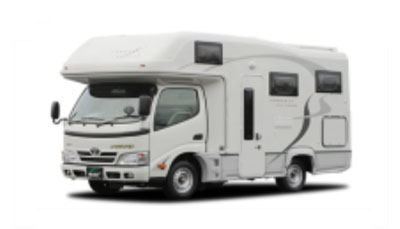
For navigating Japan's diverse roads, a Class B Camper Van or a Class SI Semi-integrated RV is often recommended due to their optimal balance of maneuverability and comfortable living space. Bandana's Class B Camper Vans, with an average length of 5.8m, are excellent for tighter city streets and winding mountain passes, while still offering comfortable sleeping for around 3.2 people. The "rv rental denver example Category Van" is a great compact choice for couples seeking flexibility. Class SI Semi-integrated RVs, averaging 6.9m in length, such as the "MH4-5 - SIF" model (6.58m, sleeps 4, 120L fresh water), provide more living and sleeping space (around 3.8 people) for week-long trips without sacrificing too much maneuverability on main routes. While larger Class C Alcove (avg. 7.5m) or Class A Integrated (avg. 7.5m) RVs offer ample space for larger families (averaging 4.4 and 4.0 adults respectively, like the "rv rentals utah example Sunrise Escape" which is 7.6m and sleeps 5), they may present more challenges in very narrow streets or specific parking scenarios. Consider a vehicle that best fits your group size and comfort preferences.
Should I Choose a Compact Van Instead of a Large RV in Japan?
While a compact campervan can offer slightly more ease in extremely tight city centers or very narrow mountain roads, a larger RV generally provides superior comfort, amenities, and indoor living space, which often outweighs minor maneuverability advantages in Japan. For instance, a campervan like the "rv rental denver example Category Van" is highly agile, ideal for solo travelers or couples. However, most Japanese roads, including primary tourist routes, are well-equipped to handle standard RV sizes up to a Class C, making comfort and convenience factors more important for a week-long trip than absolute compactness. For travelers prioritizing spaciousness, an integrated or alcove RV allows for a more relaxed experience with dedicated sleeping, cooking, and dining areas, compared to the more constrained space of a compact van. Consider a compact van only if your itinerary heavily involves deeply rural, untraversed paths or if you are highly sensitive to driving larger vehicles; otherwise, the added amenities of a larger RV enhance the overall travel experience, providing more room for relaxation and gear, especially for longer adventures.
Can I Park Anywhere? Free & Wild Camping Rules in Japan
True 'wild camping' or unrestricted overnight parking is generally not permitted and highly discouraged in Japan, with designated parking areas and Michi-no-Eki serving as the primary alternatives for responsible overnight RV stays. Michi-no-Eki (Roadside Stations) are a unique and excellent system in Japan, offering free overnight parking, restrooms, local shops, and often restaurants, acting as a crucial component of RV travel infrastructure. While Michi-no-Eki welcome overnight stays, they are parking facilities, not campgrounds; visitors are expected to be self-sufficient and not set up camp (e.g., deploying awnings, setting up tables, or having BBQs) outside their vehicle, ensuring respectful use of the facilities and local environment. Rules regarding overnight parking vary by region and specific facility, so checking local regulations and adhering to posted signs at Michi-no-Eki or other public parking areas is essential before parking your rented motorhome overnight. For finding campsites and campgrounds during your trip, we recommend using RV PLANET (rvplan.net) - a great resource for locating available spots along your route.
Can I Drive an RV Into the City Center? Heights, Tunnels & Local Signage
Driving an RV into Japanese city centers is generally possible, but requires careful attention to height restrictions for tunnels and parking garages, as well as awareness of often narrow streets and potential environmental zones. While main roads within cities like Hiratuska Kanagawa and Kyoto are typically wide enough for most RVs, navigating older districts or very residential areas can be challenging due to narrower lanes and limited turning radii. Drive slowly and carefully, and you can drive almost anywhere without issues. No need to stress - just use common sense and pay attention. Always observe local signage meticulously, as it will indicate height limits for underpasses and parking structures, and may denote residents-only streets or temporary restrictions. Parking a rented RV in city centers can be difficult and expensive, making it advisable to park at designated RV-friendly lots on the outskirts or use Japan's excellent public transportation (trains and buses) to access central attractions. Consider using a Class B Camper Van for urban exploration, as these are more maneuverable than larger Class C motorhomes.
How much does it cost to rent an RV in Japan for a weekend?
The cost to rent an RV in Japan for a short trip, such as a weekend, typically ranges from ¥25,000 to ¥60,000 (approximately $170-$400 USD) per day, depending on the RV class, rental duration, season, and included amenities. For instance, a compact campervan for a couple might be on the lower end, while a Class C motorhome for a family will be higher. A comprehensive budget should include rental fees, fuel (estimated using Bandana's fleet averages like 8-12 Liters/100 km for diesel RVs), expressway tolls (managed with an ETC card for efficiency), and potential Michi-no-Eki or campground fees. Additional costs to factor in are insurance (often a mandatory add-on, but you can upgrade to a top-level deductible for extra peace of mind), optional extras like kitchen sets or bedding, and food expenses, which can be managed by shopping at local markets or convenience stores. Prices are dynamic like flight tickets – they change daily based on availability, seasonality, and supplier marketing decisions. The final price is set at actual booking time. Booking in advance, especially during peak seasons like cherry blossom (spring) or fall foliage, can help secure better rates and ensure availability for a quick RV trip. For deeper insights into budgeting, explore our "Cheap RV Rental in Japan - Budget Guide 2026" or "RV Rental in Japan - Prices and Best Deals 2026".
What is the best RV rental in Japan for a family?
For families renting an RV in Japan, a Class C Alcove RV is often considered the best choice, offering ample sleeping capacity and living space without being excessively large for Japanese roads. Bandana's Class C Alcove RVs, averaging 7.5m in length, provide generous sleeping for up to 5.8 people and comfortable adult capacity for 4.4, making them ideal for families with children requiring dedicated sleeping areas. For example, the "C-30" Class C motorhome sleeps 7 people and is 9.1m long, featuring a 150 Liter refrigerator and microwave, great for family meals. The distinct alcove over the cab provides an additional, often popular, sleeping berth for kids, leaving the main living area free. Families should look for RVs equipped with child seat anchors if traveling with young children and consider features like a functional kitchen and adequate storage for family gear to enhance the travel experience. A Class C model ensures everyone has space to relax after a day of exploring, whether you're visiting the bustling streets of Osaka or the tranquil landscapes of Nagano. For premium options, check out our "Luxury RV Rental in Japan - Premium Prices 2026" guide.
Is it easy to drive an RV in Japan?
Driving a rented RV in Japan is generally considered easy due to excellent road quality, clear signage (often bilingual in major tourist areas), and disciplined local drivers, though adjusting to left-hand driving and narrow rural roads requires initial attention. The overall experience is positive for those comfortable with navigating a larger vehicle, with modern RVs often offering features like automatic transmissions and rearview cameras to assist drivers. Preparation is key, including understanding basic Japanese road signs, using a reliable GPS (many rental RVs come with English-speaking navigation), and planning routes to avoid excessively tight urban centers or very remote mountain passes. Leveraging Japan's efficient Michi-no-Eki system provides frequent, well-equipped rest stops, enhancing the ease and enjoyment of RV travel. Travel slowly, max 100-150 km per day on average, to fully immerse yourself in the experience. We handle the details, you live the journey, ensuring a smooth process from day one until your booking is confirmed.
Where can I stay overnight in an RV in Japan?
Overnight RV stays in Japan are primarily accommodated at designated campgrounds or Michi-no-Eki (Roadside Stations), which are specifically designed to support travelers. Michi-no-Eki offer safe, free parking for self-contained RVs, providing facilities such as clean restrooms, local product shops, and occasionally showers or restaurants, making them a cornerstone for RVers in Japan. Dedicated RV campgrounds and auto-campsites are available across Japan, offering more extensive amenities like electricity hookups, water, dump stations, and leisure facilities; these often require a fee and advance reservation. While private property owners may grant permission for overnight parking, 'wild camping' on public land is generally not allowed, emphasizing the importance of utilizing established facilities. Even for spontaneous travelers, many national and state parks reserve only 25-30% of spots for advance booking, leaving the rest for first-come-first-serve. You'll find a spot. If not at the first campground, then the next one. Call ahead before driving to check availability. For comprehensive route plans and campsite locations, consider using RV PLANET (rvplan.net).
How do Michi-no-Eki work for RV stays in Japan?
Michi-no-Eki are government-designated roadside stations across Japan that serve as excellent and uniquely Japanese alternatives for responsible overnight RV parking, offering essential amenities. These stations provide safe and free parking areas, clean 24-hour restrooms, and often feature local specialty shops, restaurants, and tourist information, allowing RVers to experience regional culture and cuisine. For example, a Michi-no-Eki near Tokyo could offer local crafts and seasonal produce. While Michi-no-Eki are not traditional campgrounds, they permit self-contained RVs to park overnight; however, setting up camp (e.g., deploying awnings, tables, or BBQs) outside the vehicle is generally not allowed, emphasizing respect for local customs and shared spaces. RVers are expected to be respectful of the facilities, dispose of trash properly (Japan has strict waste separation rules), minimize noise, and avoid extended stays to ensure these valuable resources remain available for all travelers. They are perfect for quick stops or overnight stays on a week-long RV adventure. Our 24/7 support means real people are behind you, from initial inquiries to post-booking coordination, ensuring you understand local practices.
What are the best RV routes in Japan?
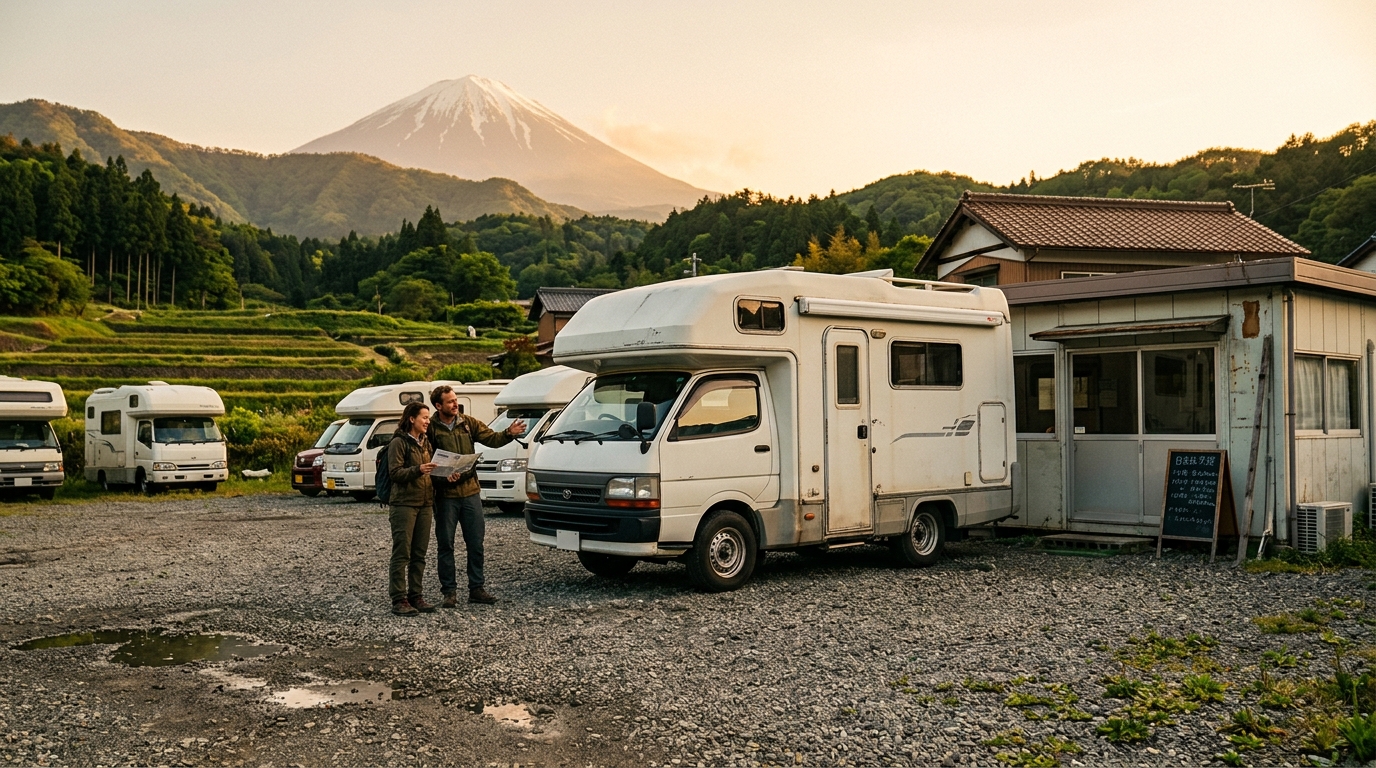
Japan offers numerous RV-friendly routes showcasing diverse landscapes, with popular options including the scenic 'Alpine Route' in the Japan Alps, coastal drives of the Shimanami Kaido, and the cultural paths of Hokkaido. For a quick trip, focusing on a specific region like the Fuji Five Lakes area offers stunning views of Mount Fuji and numerous campsites and Michi-no-Eki. You could pick up a campervan rental in Tokyo and head southwest. Other recommended routes include exploring the hot springs and volcanic landscapes of Kyushu, or the historical towns and serene coastlines of the Tohoku region, accessible from cities like Nagoya or Osaka. Planning routes around national parks (where RV access is permitted) and coastal areas allows for unique experiences only accessible by RV, away from the typical tourist trails. Cities like Hiratuska Kanagawa, Izumisano, Kai Yamanashi, Kyoto, Nagano, Nagoyaminami, Takamatsu-Kagawa, and others serve as excellent starting or ending points for your route plans. For detailed, pre-planned routes designed by professionals, check out our Rent&Plan service on RV PLANET (rvplan.net), which offers over 1,300 itineraries across 5 continents, including many for Japan. Plus, you get a 25% planning discount for using rvplan.net!
🎬 Video coming soon
When is the best time to rent an RV in Japan?
The best time to rent an RV in Japan largely depends on your desired activities and climate, with spring (March-May) and autumn (September-November) offering the most pleasant temperatures and iconic seasonal beauty like cherry blossoms or vibrant fall foliage. Spring provides comfortable weather and the breathtaking cherry blossoms, though it is a peak travel season requiring early booking and potentially higher prices. Autumn offers equally stunning fall colors, mild temperatures, and delicious seasonal foods, making it another highly popular and enjoyable time for RV travel. Summer (June-August) can be hot and humid, especially in southern Japan, but is ideal for northern regions like Hokkaido or for those seeking lively festivals. Winter (December-February) is perfect for snow sports in areas like Tohoku or Hokkaido, requiring RVs equipped for cold weather and potentially snow tires. Regardless of the season, booking your rental motorhome several months in advance is always recommended, especially for popular periods, but last-minute availability is often found. For details on seasonal pricing, refer to our "RV Rental Deals in Japan - Latest Offers 2026" guide.
What are the language barrier solutions for RVers in Japan?
RVers in Japan can effectively navigate the language barrier by utilizing translation apps, learning essential Japanese phrases, and taking advantage of increasing English signage in tourist-heavy areas. Recommended translation apps like Google Translate or DeepL are invaluable for real-time communication, helping with directions, understanding menus, or asking for assistance at Michi-no-Eki or campgrounds. Learning a few key Japanese phrases, such as greetings ('Konnichiwa'), thank you ('Arigato gozaimasu'), 'where is?' ('Doko desu ka?'), and phrases related to RV travel (e.g., 'parking', 'fuel', 'water'), can significantly enhance interactions and show respect for the local culture. Many road signs are bilingual (Japanese and English), and most GPS navigation systems offer English voice guidance, making driving less daunting for foreign visitors. Don't let language deter you; embracing the challenge is part of the adventure, and Japanese people are generally very helpful and patient with tourists.
How can RVers explore Japan's food culture?
RVers can deeply explore Japan's incredible food culture by utilizing their mobile kitchen for cooking local ingredients, visiting regional markets, and making the most of convenience stores and Michi-no-Eki offerings. Shopping at local farmers' markets and supermarkets allows you to prepare fresh Japanese meals in your rented vehicle, experiencing the regional produce and culinary traditions firsthand. Imagine cooking up some fresh seafood purchased at a coastal market in your campervan! Michi-no-Eki often feature specialty food shops and restaurants serving regional delicacies, providing convenient and authentic dining experiences right off the road. Japanese convenience stores ('konbini') like 7-Eleven or FamilyMart are excellent resources for quick, high-quality meals, snacks, and drinks, perfect for road trips when a full restaurant meal isn't desired. For inspiration on what to cook in your RV, check out our RV-friendly recipes playlist.
What You Shouldn't Miss
Looking for expert insights from Avi Bandana? Top 5 Adventures - recommendations from Avi Bandana:
- Drive the Fuji Five Lakes Area: Experience iconic views of Mount Fuji, explore serene lakes, and visit local hot springs. Pick up your motorhome rental in Tokyo and make it a breathtaking two-day loop.
- Explore Hakone National Park: Just a short trip from major cities, this area offers volcanic hot springs, scenic cable car rides, and Lake Ashi cruises with views of Fuji. It's a perfect quick escape for a week-long RV adventure.
- Discover the Historic Temples of Kyoto: Park your campervan at an outlying Michi-no-Eki and use public transport to explore the Fushimi Inari-taisha shrine, Arashiyama Bamboo Grove, and the Gion district.
- Coastal Cruise on Shimanami Kaido: This stunning route connecting Honshu to Shikoku via bridges and islands is famous for cycling, but offers incredible coastal drives for your RV, with plenty of roadside stations and local seafood.
- Relax in an Onsen Town (e.g., Kusatsu): Immerse yourself in Japan's hot spring culture. Many towns have public baths and RV-friendly parking, offering a unique blend of relaxation and adventure.
Final Thoughts
Exploring Japan with a rented RV offers a unique blend of freedom, flexibility, and immersion into one of the world's most captivating cultures. From the bustling energy of cities like Osaka to the serene beauty of the countryside and the efficiency of the Michi-no-Eki network, every turn presents a new discovery. While a quick trip can give you a taste, we encourage you to embrace the philosophy of slow travel, dedicating at least a week to truly feel the place, connect to the culture, savor the food, and absorb the stunning scenery.
At Bandana RV, we are your trusted companions on this incredible journey. Our expertise as true RV specialists, combined with our commitment to full transparency and comprehensive support from planning through booking, ensures you can focus entirely on the joy of discovery. So, pack your bags, get your IDP ready, and prepare for an adventure of a lifetime on Japan's open roads.
Ready to chart your course? Check Japan RV Rental Prices Now and compare motorhome prices for Japan to find your perfect vehicle and start planning your unforgettable journey.