In This Guide
- What rv rental RV Rental Costs in Alaska (2026)
- Seasonal Pricing - Peak vs. Shoulder vs. Off-Season in Alaska
- What's Included vs. What's an Add-On
- Hidden Costs to Budget For in Alaska
- How to Save on rv rental RV Rental in Alaska
- Should I rent an RV in Alaska?
- Is it cheaper to rent an RV or stay in a hotel?
- Can I park my RV anywhere in Alaska?
- What is the 3 3 3 rule for RVs and campers?
- What is the average rental cost of an RV?
- What is the cheapest price for an RV rental in Alaska?
- How much to rent RV for 1 week?
- How much does an Alaskan camper cost?
- What is the cheapest way to rent an RV?
- Top Cities for RV Rental in Alaska
- Road Rules and Practical Info for Alaska RV Travel
- Responsible RV Travel & Wildlife Etiquette in Alaska
- What You Shouldn't Miss in Alaska
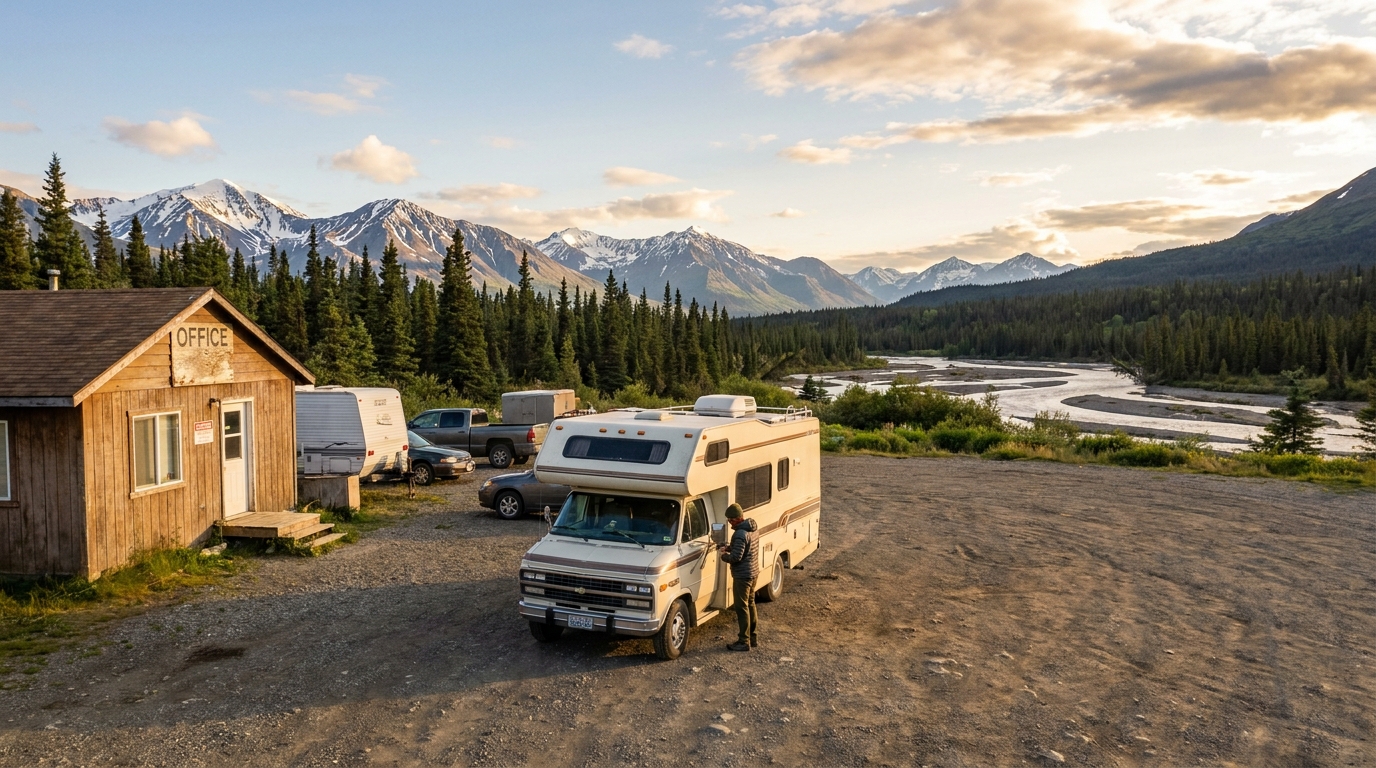
Alaska offers an unparalleled motorhome adventure, allowing you to explore vast wilderness, stunning glaciers, and vibrant wildlife at your own pace. Even if you're planning a last-minute RV rental in Alaska, it's absolutely possible to embark on an unforgettable journey. As true RV specialists, Bandana RV is here to guide you through everything you need to know, from understanding rental costs to finding the perfect campervan for your Alaskan escape. For live availability and current prices, start with our RV Rental Alaska - Complete Guide 2026 guide.
What rv rental RV Rental Costs in Alaska (2026)
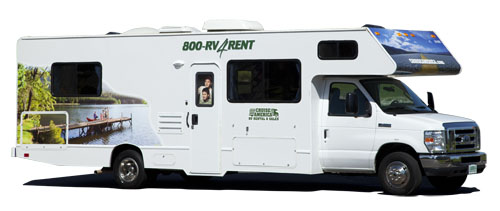
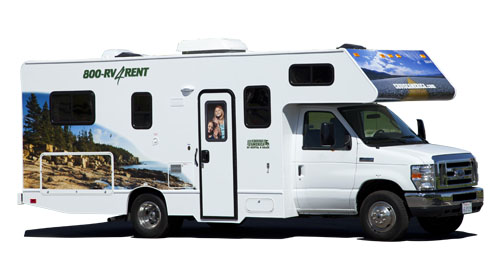
RV rental costs in Alaska for 2026 are dynamic, similar to flight tickets, fluctuating daily based on demand, availability, and supplier marketing decisions. April generally offers the lowest rental rates for motorhomes, often presenting a saving of 15-20% compared to peak summer prices. For instance, a Class C motorhome like the "Adak Argonaut 21 - Bronze" could range from $180-$250 per night in the shoulder season, but easily jump to $300-$400 during peak periods. Utilizing a dedicated comparison tool will always provide the most accurate, live pricing for your specific travel dates. You can always compare final prices across suppliers with Bandana RV, ensuring what you see is what you pay, with no surprise fees at pickup.
Seasonal Pricing - Peak vs. Shoulder vs. Off-Season in Alaska
Seasonal pricing for RV rentals in Alaska varies significantly, impacting both availability and cost, which is crucial for last-minute planners. July-August constitutes the peak season, where demand is highest, and daily rates for a Class C motorhome like an "Adventurer" typically reach $300-$450, often requiring bookings months in advance. The shoulder seasons of May-June and September offer moderate pricing, with average daily rates for the same vehicle potentially dropping to $250-$350, providing a good balance between pleasant weather and reduced costs. From October-April, off-season rates can be as low as $150-$250 per night for a campervan such as the "HiTop Campervan," but this period presents winter challenges including limited campground access and extreme driving conditions. Being flexible with your travel dates, even by a few days, can lead to significant savings.
What's Included vs. What's an Add-On
Basic insurance and essential vehicle equipment are typically included with your RV rental in Alaska, but many convenient items are usually available as add-ons. Standard inclusions generally cover basic liability insurance, a fresh water tank (e.g., 82 liters for a Cruise America Explorer), and a waste water tank (also 82 liters). Common add-ons include additional mileage packages, generator use (often billed at $5 per hour), kitchen kits with cooking utensils and dishes, and bedding/linen sets. For instance, a "Category Large 5 AT" Class C motorhome, ideal for families, might have a refrigerator and stove included, but a separate fee for a kitchen kit. Always review your specific rental agreement with transparency, as inclusions vary by provider. You can purchase an optional upgrade to a top-level deductible for extra peace of mind and protection against unexpected expenses.
🎬 Video coming soon
Hidden Costs to Budget For in Alaska
Beyond the initial rental fee, several hidden costs should be factored into your Alaska RV travel budget to avoid surprises. Fuel is a major variable expense due to Alaska's vast distances and often higher prices, with a Class C motorhome like a "MH-A" consuming around 25 liters per 100 km. Campsite fees are a daily consideration, ranging from $20-$30 for basic state park sites to $50-$80+ for full-hookup private campgrounds. Dump station charges are minor, usually $5-$15 per use, but add up over a two-week adventure. Additionally, consider fees for national park passes (e.g., Denali National Park has a $15 per person fee) and any potential toll roads, though these are rare in Alaska. When planning your trip, consider pre-purchasing mileage or generator hours as a package to save money. For detailed route plans that allow you to itemize and track every expense along the way for easy budgeting, explore RV PLANET routes. On the routes offered through RV PLANET routes, you can itemize and track every expense along the way for easy budgeting.
How to Save on rv rental RV Rental in Alaska
Saving on your RV rental in Alaska involves strategic planning and flexibility. Traveling during shoulder seasons, such as April, May, or September, can lead to significantly better daily rates, sometimes 20-30% lower than peak summer prices. Opting for smaller, more fuel-efficient RVs like a Class B campervan, such as the "rv rental denver example Category Van" (ideal for a couple), will reduce both rental costs and fuel expenses. Pre-purchasing add-ons like mileage or generator hours as a package often provides a discount compared to paying as you go. For spontaneous travelers, monitoring last-minute rate drops can sometimes yield unexpected deals, especially during shoulder seasons. Booking a longer rental duration, such as an extended road trip of a month or more, can also result in a lower average daily rate.
Should I rent an RV in Alaska?
Renting an RV in Alaska offers unparalleled flexibility and access to the state's remote, breathtaking beauty, making it an excellent choice for many travelers. With a rented motorhome, you have a mobile headquarters to venture out to national parks and scenic overlooks, carrying your lodging and kitchen with you. This mode of travel allows for personalized itineraries, the freedom to cook your own meals, and the ability to bring extensive gear for outdoor activities. Smaller Class B campervans, like the "Active Pop Top," or Class C motorhomes, such as an "alaska rv rental example Category B" which is ideal for 2 couples, are often ideal for Alaskan conditions, offering good maneuverability on diverse roads and better fuel efficiency. They are perfect for families aged 30-45 or retired couples seeking adventure.
Is it cheaper to rent an RV or stay in a hotel?
Renting an RV can be significantly more cost-effective than staying in hotels in Alaska, especially for families or longer trips of one week or more. While a hotel room might cost $150-$300+ per night for two, a Class C motorhome like an "Explorer" could be rented for $250-$400 per night, providing sleeping space for 4-6 people. The most significant savings come from cooking your own meals in your RV's kitchen, offsetting the high cost of dining out in Alaska. Imagine preparing fresh salmon in your mobile home, saving hundreds compared to restaurant meals. This eliminates the need for separate car rental and allows groups or families to share lodging expenses, often resulting in overall lower daily trip costs, particularly when factoring in multiple hotel rooms.
For ideas on what to cook in your campervan or motorhome, check out our RV-friendly recipes playlist.
Can I park my RV anywhere in Alaska?
No, overnight RV parking in Alaska is restricted to designated areas and official campgrounds, similar to most US states. National parks, like Denali, typically limit camping to their official campgrounds, which often require reservations. However, Alaska offers numerous opportunities for dispersed camping (boondocking) on public lands managed by the Bureau of Land Management (BLM) and National Forests, often without fees. These areas typically have a 14-day stay limit within a 28-day period. Always research specific regulations for the area you plan to visit. Drive slowly and carefully, and you can drive almost anywhere without issues. No need to stress - just use common sense and pay attention to signage. Always adhere to 'Leave No Trace' principles and respect private property and local wildlife to preserve Alaska's unique environment.
What is the 3 3 3 rule for RVs and campers?
The "3-3-3 rule" is a widely recommended guideline for RV travelers to ensure a relaxed and enjoyable journey, especially in vast regions like Alaska. It suggests driving no more than 300 miles (approximately 480 km) a day to prevent driver fatigue and allow ample time for spontaneous exploration and sightseeing. You should aim to arrive at your campground or destination by 3 PM to ensure you have enough daylight and time for campsite setup, especially since many national/state parks reserve only 25-30% of spots, with the rest being first-come-first-serve. Finally, the rule recommends staying for a minimum of 3 nights at each location to fully experience the area without rushing, embracing the slow travel philosophy of averaging 100-150 km per day. Remember, you'll find a spot; if not at the first campground, then the next one. Call ahead before driving.
What is the average rental cost of an RV?
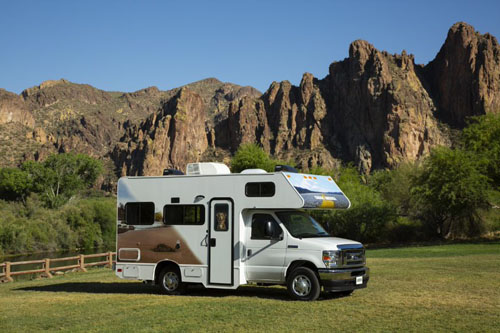
The average RV rental cost in Alaska typically ranges from $150 to $400 per night, depending on the vehicle class, rental duration, and season. Smaller Class B campervans, such as an "rv rental denver example Category Van" (suitable for a couple), are generally on the lower end, starting from $150-$250 per night in the shoulder season. Mid-sized Class C motorhomes, like an "Adak Argonaut 23 - Gold" (ideal for families of 2+2), typically fall into the $250-$400 range per night. Larger Class A motorhomes or luxury models will command higher rates, especially during the peak summer months of July and August. These prices are dynamic, so using a comparison platform like Bandana RV allows you to find the best available rates from over 50 leading RV suppliers worldwide, including trusted partners like El Monte and Cruise America.
What is the cheapest price for an RV rental in Alaska?
The cheapest RV rental prices in Alaska are typically found in the off-season, particularly in April or late September, with rates starting as low as $100-$150 per night. These lower rates usually apply to smaller, older Class B or Class C models, such as a "Juliette 2-3" campervan or an "EcoLine2 Camper." Booking well in advance (3-6 months) for any season, coupled with being flexible with your travel dates, helps secure the lowest rates, often resulting in a 10-25% discount. Last-minute cancellations can occasionally provide a low-price opportunity, but this isn't a reliable strategy, especially during high demand periods. Being a true RV specialist, we can help you navigate these options.
How much to rent RV for 1 week?
A one-week RV rental in Alaska can cost approximately $700 to over $3,500, with prices depending heavily on the RV class, time of year, and included amenities. For example, a basic Class B campervan like the "Hi5 Campervan" for a week in April might be around $700-$1000. A mid-sized Class C motorhome such as an "alaska rv rental example Category C" (offering 3 double beds) for a week in the shoulder season (May or September) could range from $1,500-$2,500. During the peak summer months (July-August), a larger, more modern Class C or Class A motorhome like the "Euro Deluxe" could easily exceed $3,000 for a week, plus additional costs for mileage and kits. These costs are dynamic; always compare options to get the final price at the actual booking time.
How much does an Alaskan camper cost?
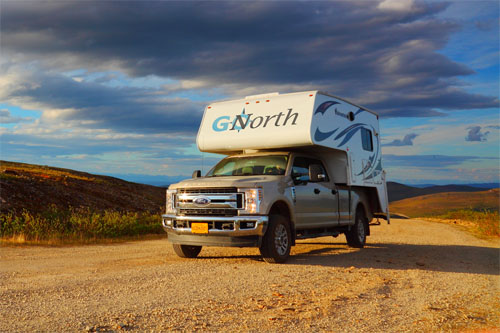
Rental costs for an "Alaskan camper" (typically referring to a truck camper or smaller 4x4 motorhome) range from approximately $150 to $250 per night in Alaska. These units, such as a "4x4 Scout Adventure Truck Camper Silver," are often more affordable and compact than full-sized Class C or Class A motorhomes. Truck campers offer excellent maneuverability on unpaved roads and, in some cases, 4x4 capabilities for more rugged terrain, making them a popular choice for accessing remote fishing or hiking spots. While smaller, they still provide essential amenities like a bed (e.g., a 150/194cm bed over the cab) and a basic kitchen, offering a true taste of Alaskan wilderness adventure. Our partners like Apollo and Britz often offer these specialized models.
What is the cheapest way to rent an RV?
The cheapest way to rent an RV in Alaska is to prioritize flexibility and timing. Firstly, book during the shoulder or off-season, such as April, May, or September, for significantly reduced daily rates. Secondly, choose smaller, older, or less amenity-rich RV models, like a "Chubby Camper" or "Happy 1 EX," which tend to have lower base prices. Thirdly, actively compare prices across multiple rental platforms; Bandana RV offers a straightforward way to compare final prices from 50+ suppliers worldwide, ensuring full transparency with no hidden fees. Lastly, be flexible with your pick-up and drop-off dates and locations, and keep an eye out for one-way deals or last-minute cancellations, which can occasionally present substantial savings. Remember to check out RV Rental USA - Complete Guide 2026 for broader strategies too.
Top Cities for RV Rental in Alaska
Alaska offers several key cities as excellent starting points for your motorhome rental adventure, each providing access to unique regions and landscapes. Anchorage is the largest city and primary gateway, offering the widest selection of rental motorhomes and campervans, along with easy access to the Kenai Peninsula and Denali National Park. Fairbanks, located in the interior, is ideal for those heading north towards the Arctic Circle or wanting to explore Interior Alaska's vast wilderness, and is a great option for a "Winter RV Driving in Alaska - Safety Guide 2026" trip. Juneau, though only accessible by air or sea, can be a pickup point for local rentals for exploring Southeast Alaska by motorhome. Seward and Homer, located on the Kenai Peninsula, are excellent choices for fishing, wildlife cruises, and coastal exploration, offering a more intimate starting point for your week-long trip. Ketchikan, another Southeast Alaska gem, provides rainforest adventures and cultural experiences. Consider our "First-Time RV Driving in Alaska - Beginners Guide 2026" for more on choosing your ideal pickup spot.
Road Rules and Practical Info for Alaska RV Travel
Navigating Alaska in a rented RV is an incredible experience, but understanding local road rules and practical tips is essential for a smooth journey. In Alaska, you drive on the right side of the road, and standard US speed limits apply, generally 55 mph (88 km/h) on highways, and lower in populated areas. For larger motorhomes, it's wise to drive below the posted limits, especially on winding or unpaved roads, and particularly if you are trying "RV Driving in Alaska for Seniors - Comfort Routes 2026". A standard car driver's license is sufficient for all Class A, Class B, and Class C motorhomes; an International Driving Permit (IDP) is recommended for international visitors but is not mandatory. Cell service can be spotty outside of major towns, so consider carrying a satellite communication device for remote areas. Emergency services can be reached by dialing 911. Fuel stations can be far apart in rural areas, so always top off your tank when opportunities arise, keeping in mind that fuel types are standard gasoline or diesel. For connectivity, local SIM cards are available from major carriers like AT&T and Verizon in larger cities, offering better coverage than prepaid travel SIMs in remote regions.
Responsible RV Travel & Wildlife Etiquette in Alaska
Responsible RV travel in Alaska is crucial for preserving its pristine environment and ensuring safe interactions with abundant wildlife. Always adhere to 'Leave No Trace' principles: pack out everything you pack in, dispose of waste properly at designated dump stations, and minimize your impact on the natural surroundings. Wildlife encounters are common, from moose on the roadside to bears in national parks. Maintain a safe distance (at least 25 yards for most wildlife, 100 yards for bears and wolves), never feed animals, and store food securely inside your RV to prevent attracting wildlife. Driving carefully, especially around dawn and dusk, can prevent collisions with animals. By respecting these guidelines, you contribute to a sustainable and enjoyable experience for everyone. A "Last-Minute RV Driving in Alaska - Quick Plan 2026" trip can still be very responsible and enjoyable with these guidelines in mind.
What You Shouldn't Miss in Alaska
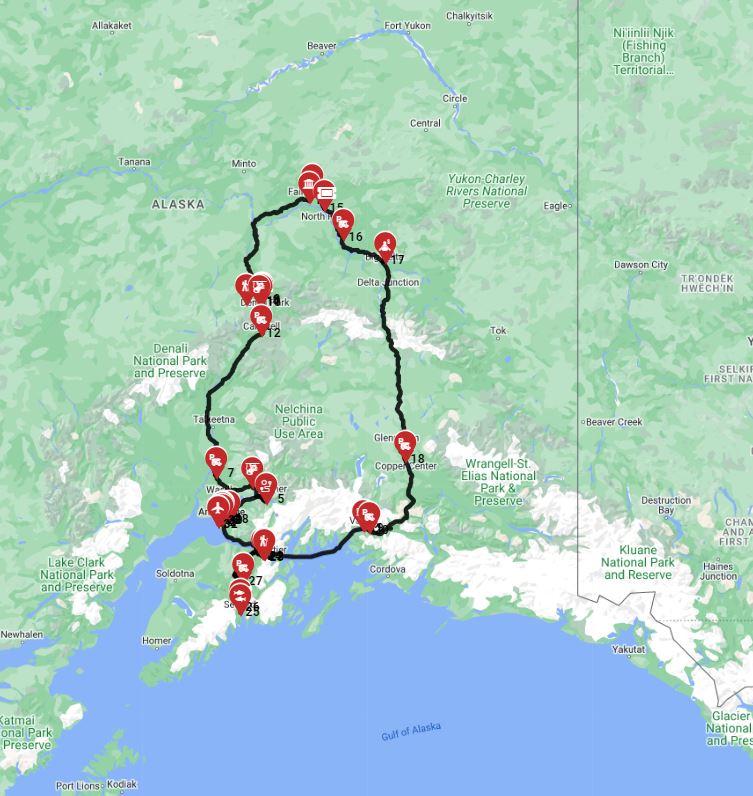
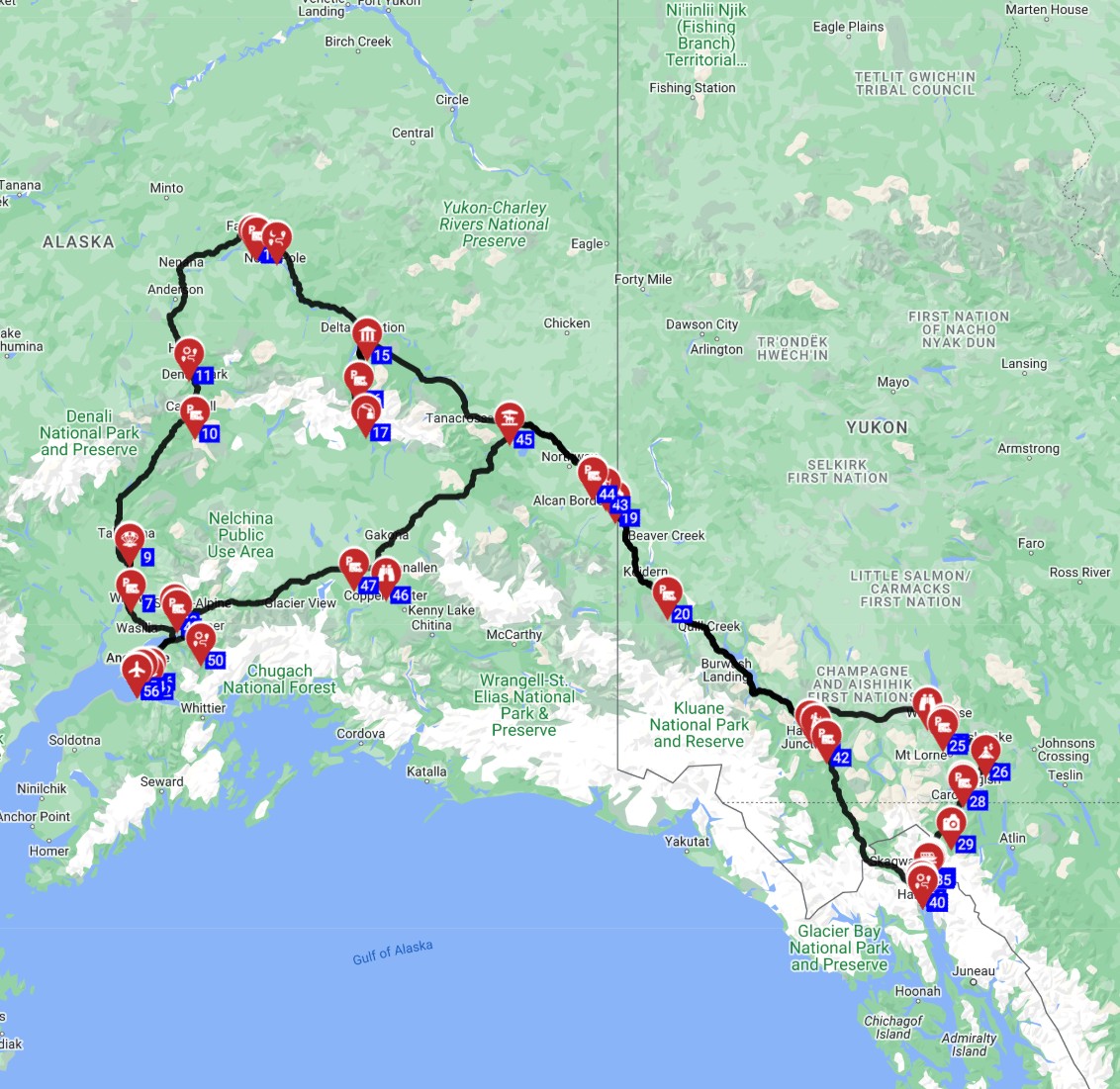
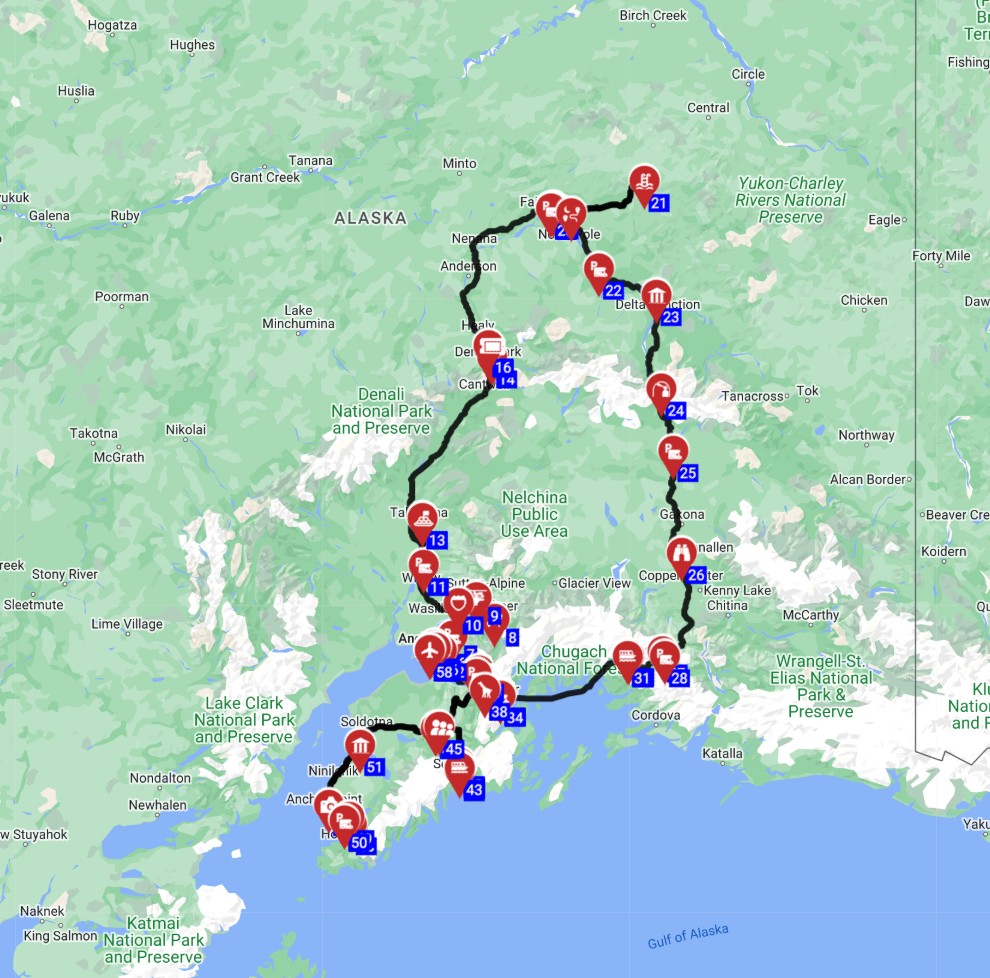
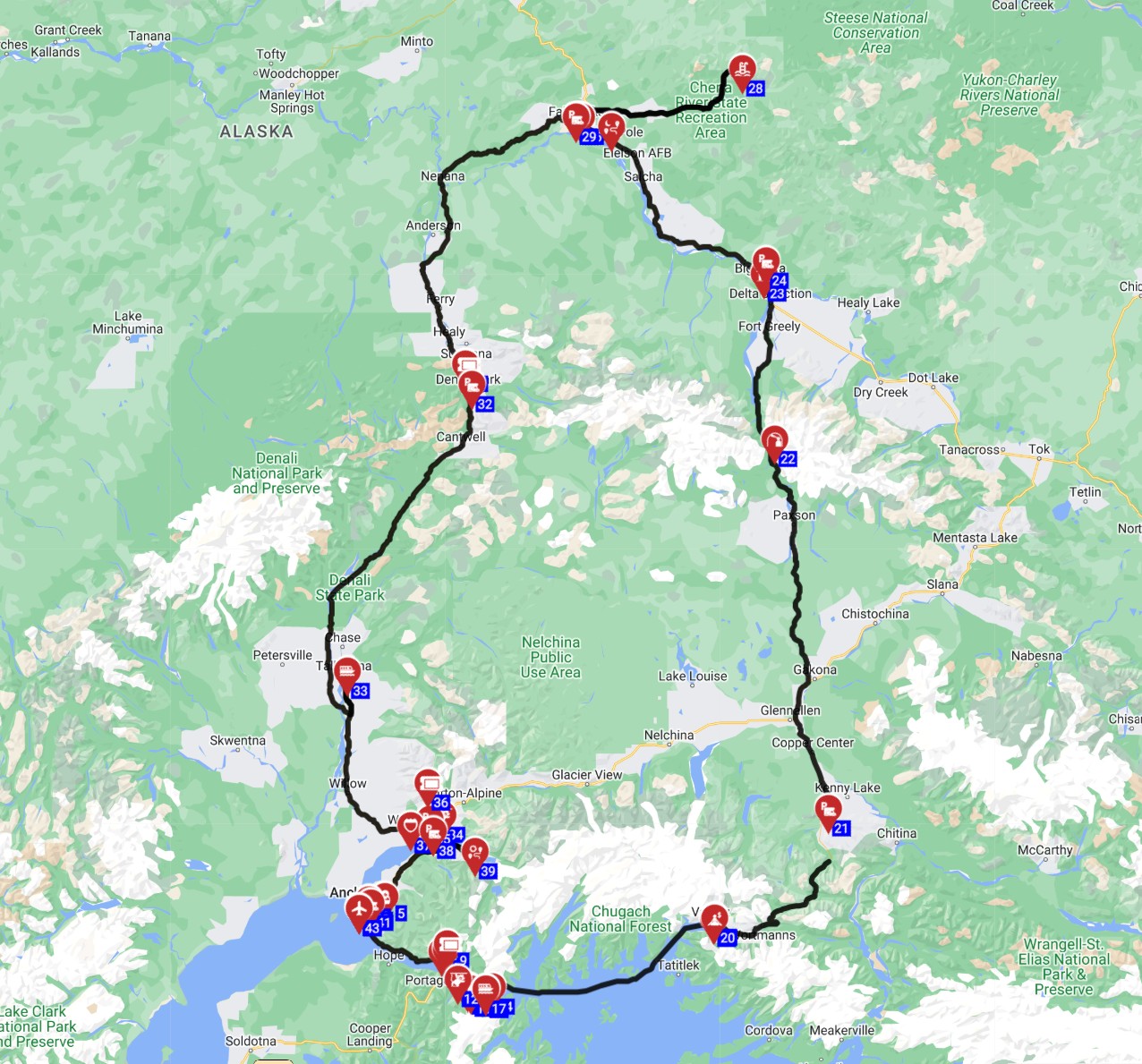
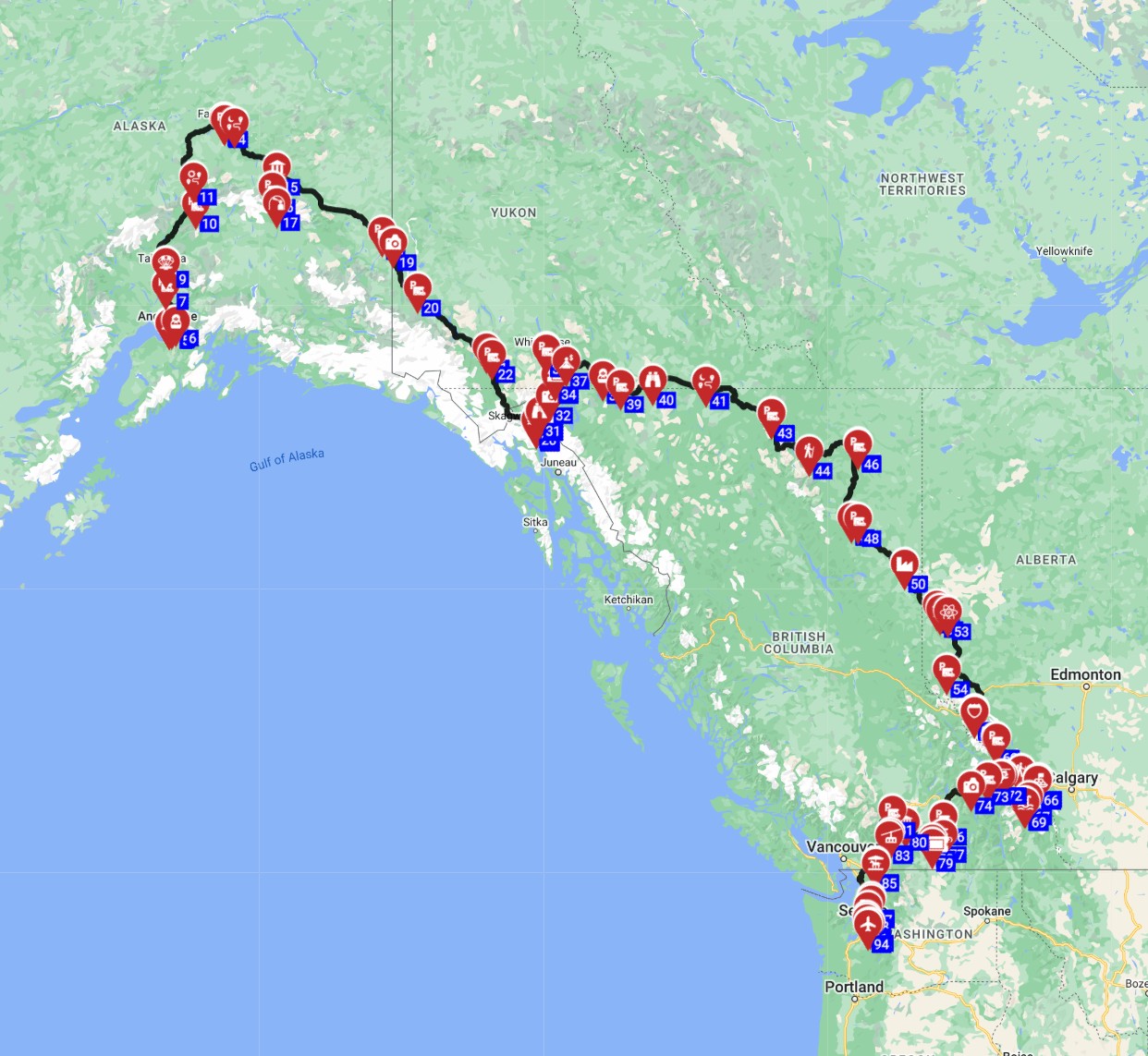
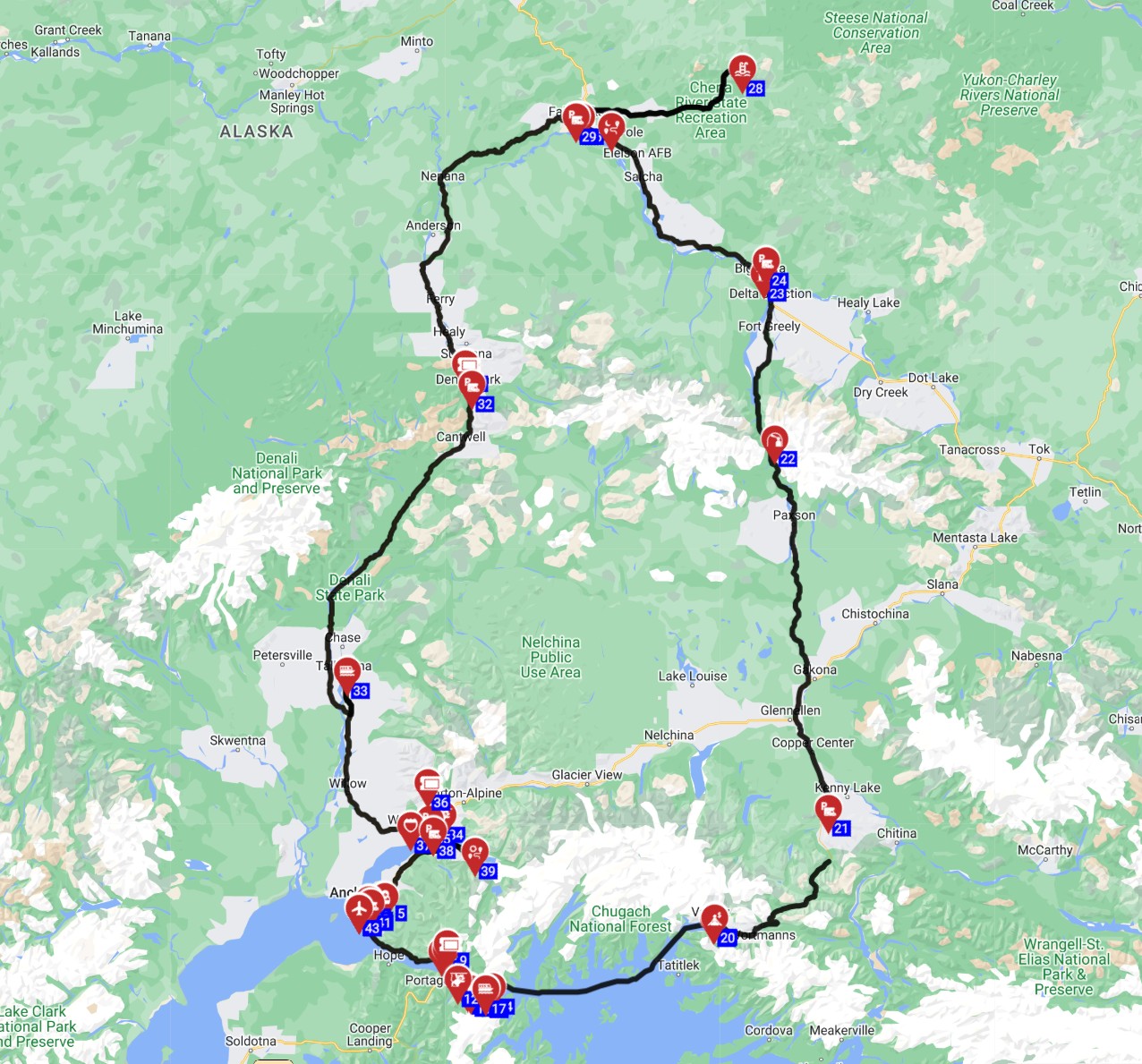
Alaska offers a vast tapestry of experiences that every RV traveler should consider weaving into their route plans. From the towering peaks of Denali National Park to the dramatic fjords of Kenai Fjords, there's no shortage of natural wonders. Don't miss a glacier cruise out of Seward or Homer, witnessing colossal ice formations calve into the sea. Explore the vibrant arts and culinary scene in Anchorage, or venture further north to experience the tranquility of the Arctic. Consider combining iconic destinations with lesser-known local gems to truly connect with the culture and scenery. Remember to travel slowly, averaging a maximum of 100-150 km per day, allowing yourself time to truly feel the place, connect to the culture, the food, and the scenery. For specific pre-planned routes designed by professionals to maximize your adventure, explore RV PLANET's offerings.
Looking for expert insights from Avi Bandana? Top 5 Adventures - recommendations from Avi Bandana
The "
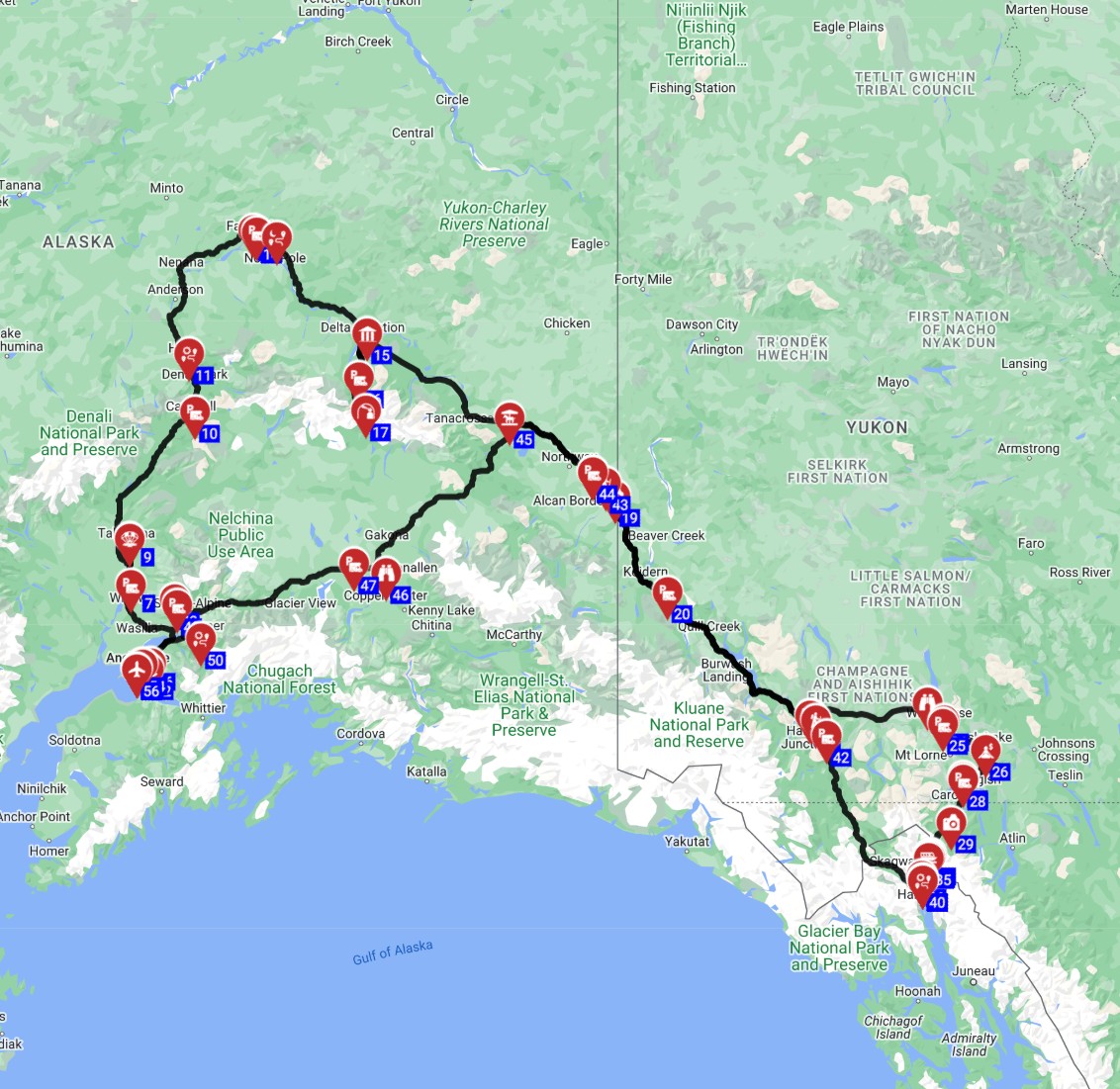
For a shorter adventure, the "
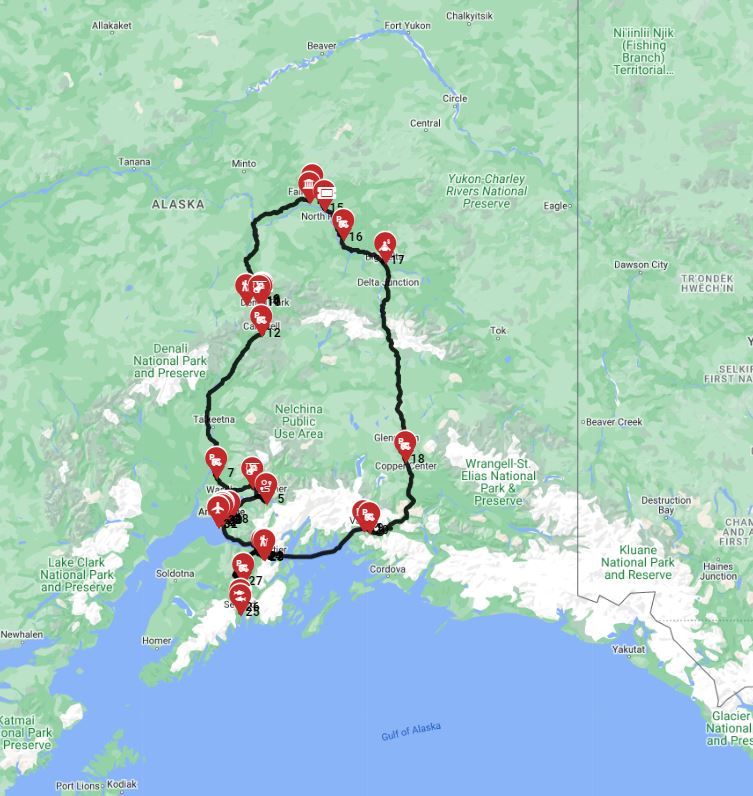
For those eager to head north, the "
Final Thoughts
Embarking on a last-minute RV rental adventure in Alaska might seem daunting, but with the right information and a supportive partner, it’s entirely achievable and incredibly rewarding. Imagine the freedom of waking up to a new, breathtaking vista every day, with your comfortable mobile home as your base. Alaska’s vast wilderness is waiting to be explored, whether you're seeking majestic glaciers, abundant wildlife, or tranquil fishing spots.
Remember that flexibility, especially with dates and vehicle choices, can unlock amazing deals, even for spontaneous trips. Bandana RV is here to simplify the process, providing full transparency and expert guidance so you can focus on the excitement of your journey. We are dedicated to ensuring your Alaskan road trip is as stress-free and memorable as possible, from your initial search to your safe return.
So, why wait? Get inspired for your next trip! Discover top destinations, planning tips, all in one place, and plan a trip itinerary in advance with minimal effort and maximum enjoyment.