In This Guide
- Can You Drive an RV in Alaska? License & Age Rules
- Road Conditions & Terrain in Alaska
- RV Size Limits, Bridges & Restricted Zones
- Fuel: Diesel vs. Petrol & Cost per 100 km
- Tolls, Vignettes & Border Rules
- Driving Tips for rv rental Travelers
- Recommended RV Class for Alaska Roads
- Should I Choose a Compact Van Instead of a Large RV in Alaska?
- Can I Park Anywhere? Free & Wild Camping Rules in Alaska
- Can I Drive an RV Into the City Center? Heights, Tunnels & Local Signage
- Can I Drive My RV to Alaska? Planning the Journey
- What is the 3-3-3 rule for RV living?
- Can you sleep in an RV while driving in the USA?
- Can you turn left on a red light in Alaska?
- How do I transfer my license to Alaska?
- Do I need to register my trailer in Alaska?
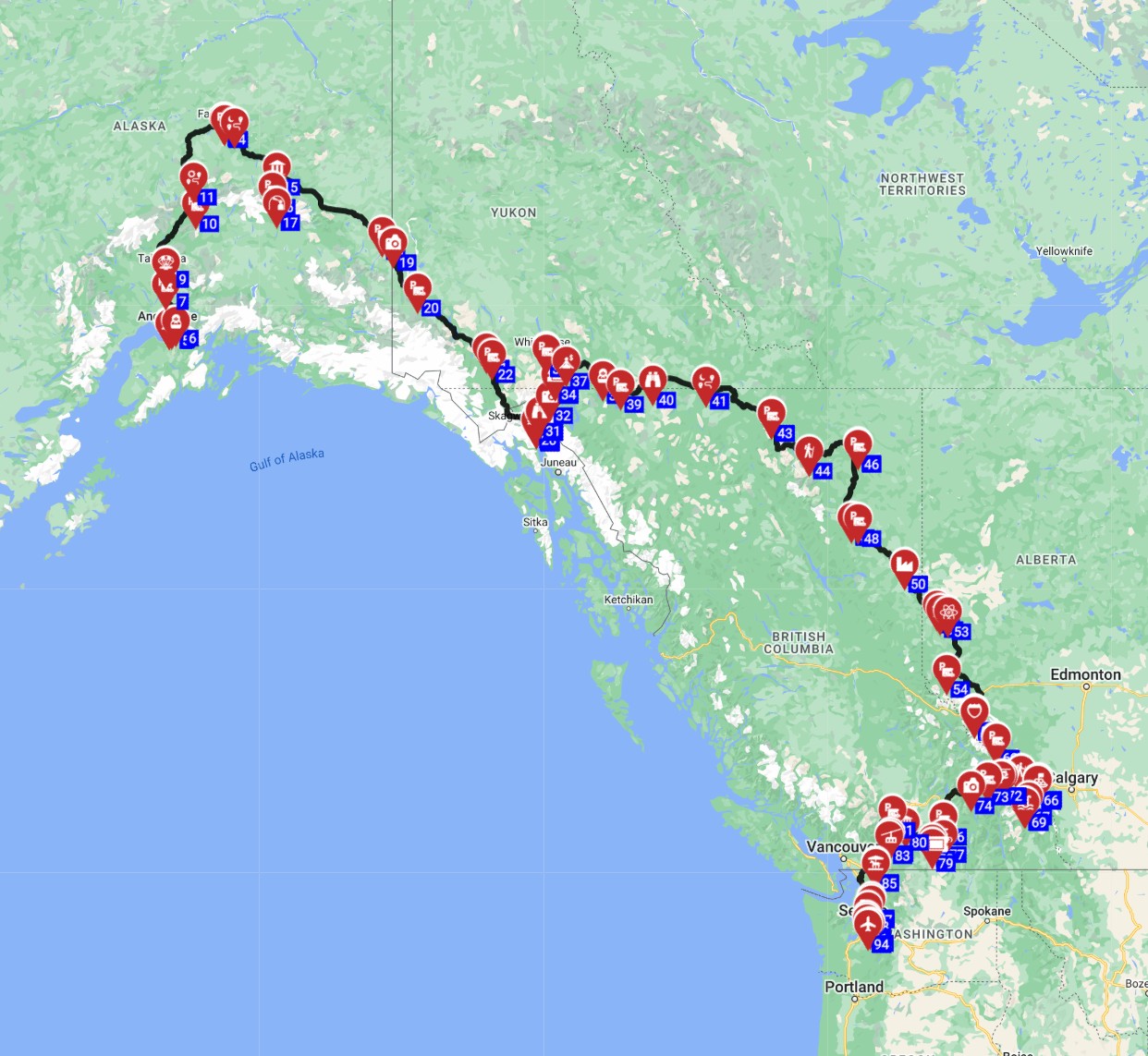
Alaska, "The Last Frontier," is an awe-inspiring destination perfect for a rented motorhome adventure, especially for seniors seeking comfort and unforgettable routes. Imagine waking up to panoramic mountain views or spotting a moose from your window – that's the magic of RV travel in this vast state. At Bandana RV, we believe everyone deserves to experience this incredible freedom, and we're here to make sure your journey is seamless, transparent, and absolutely incredible. We're true RV specialists, not just a travel agency side department, which means we genuinely understand the ins and outs of RV travel and love helping people discover it. For live availability and current prices, start with our RV Rental Alaska - Complete Guide 2026 guide, offering all the essential information you need to plan your adventure.
Can You Drive an RV in Alaska? License & Age Rules
Yes, most RVs, including common rental models up to 26,000 pounds (11,793 kg) GVWR, can be driven in Alaska with a standard Class D driver's license from any U.S. state or Canada. Alaska follows federal guidelines, meaning a commercial driver's license (CDL) is generally only required for RVs exceeding 26,000 pounds Gross Vehicle Weight Rating (GVWR) or those designed to transport 16+ passengers. A 30-foot RV typically falls under the standard Class D license requirements, as length alone does not usually trigger special licensing, only weight. The minimum age to rent an RV in Alaska is typically 21 years old with Bandana RV, and there are no young driver surcharges or vehicle class restrictions based on age. Foreign visitors with a valid driver's license from their home country can generally drive a rented motorhome in Alaska for up to 90 days; an International Driving Permit (IDP) is highly recommended for non-English licenses to ensure easy communication if needed.
Road Conditions & Terrain in Alaska
Alaska's road conditions vary significantly, ranging from well-maintained paved highways to gravel roads, particularly on routes leading to more remote attractions. The terrain across Alaska is diverse, featuring coastal plains, dense forests, towering mountain ranges like the Chugach and Alaska Ranges, and vast tundra, requiring RV drivers to be prepared for varied landscapes. Expect scenic routes with potential for frost heaves, potholes, and wildlife crossings, especially on lesser-traveled roads and during shoulder seasons. Driving a rented RV in Alaska often involves navigating winding mountain passes and long stretches of highway with limited services, encouraging slower, more deliberate travel. Specific routes like the Denali Park Road or McCarthy Road have gravel sections and may have restrictions for certain RV sizes, necessitating research before travel.
RV Size Limits, Bridges & Restricted Zones
Most major highways in Alaska can accommodate standard RV sizes without specific length, width, or height restrictions beyond typical U.S. federal limits. While specific low bridges or tunnels are rare on main RV routes, drivers should always be aware of signage, especially when entering smaller towns or national/state park areas. Environmental zones like those found in larger cities outside Alaska are generally not a concern in Alaskan cities, but certain areas within national parks or wildlife refuges may have vehicle restrictions. Ferry limits on the Alaska Marine Highway System do impose length, width, and height restrictions, which are critical for RVs planning to utilize this mode of transport. It is always prudent to check specific route information, particularly for more remote destinations or for ferry travel, to avoid unexpected limitations for your rented motorhome.
Fuel: Diesel vs. Petrol & Cost per 100 km
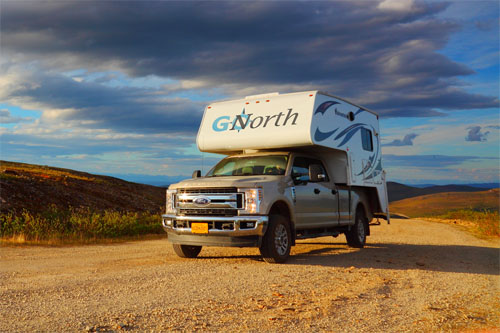
Both diesel and petrol (gasoline) are widely available across Alaska's main road system, though availability can be sparse in remote regions, necessitating careful fuel planning. Petrol is generally more common, but many larger Class A, Class C, and Truck Camper RVs often run on diesel, which can be more expensive per gallon in Alaska than in the lower 48 states. Based on Bandana's global fleet averages, a Class SI - Semi-integrated RV typically consumes 10–11 Liter/100 km, while a Class C - Alcove might use 10–12 Liter/100 km. Class B - Camper Vans are generally more fuel-efficient, with Bandana's fleet averaging 8-10 Liter/100 km, offering lower fuel costs for similar distances. Budgeting for fuel in Alaska is crucial due to higher prices and long distances between stations; some rv rental companies may offer fuel discount cards or pre-paid fuel options to help manage costs. For easier budgeting and to itemize every trip expense from fuel to campground fees, RV PLANET routes are a fantastic resource. On the routes offered through RV PLANET routes, you can itemize and track every expense along the way for easy budgeting.
Preparing meals in your rented motorhome's kitchen is a great way to manage food costs and enjoy fresh, delicious food on the go. Stocking up on groceries in larger towns like Anchorage will give you plenty of options for your RV-friendly recipes playlist.
Tolls, Vignettes & Border Rules
Alaska itself does not have a system of tolls or vignettes for its public roads, making direct state travel free from these charges. The primary 'border rules' concern for an Alaska RV trip involves crossing into Canada when driving to or from Alaska from the contiguous United States. When entering Canada, U.S. citizens and permanent residents require a valid passport, and the rented RV itself must have current registration and insurance documentation. Travelers should declare all goods, including firearms, and be aware of restrictions on certain items when crossing the U.S.-Canada border. While some RV rental providers might offer pre-purchased toll passes in other regions, this is generally not applicable for Alaska or the Canadian transit routes, requiring individual payment at any Canadian toll points encountered.
Driving Tips for rv rental Travelers
Driving a rented RV in Alaska requires a blend of preparation and an appreciation for its unique environment. Plan your route carefully: research road conditions, especially for gravel sections, and account for potentially slower travel speeds and limited services in remote areas. Wildlife awareness is paramount: be vigilant for animals like moose, caribou, and bears, particularly at dawn and dusk, and be prepared for sudden stops. Fuel management is critical; fill up whenever possible, especially before long stretches between towns, as fuel stations can be few and far between. Prepare for all weather: Alaskan weather is unpredictable, so pack layers, and ensure your RV is equipped for rain, wind, and potentially chilly temperatures, even in summer. Embrace the pace: Alaska is best enjoyed slowly; allow ample time for scenic stops, photo opportunities, and unexpected detours, rather than rushing between destinations. Drive slowly and carefully, and you can drive almost anywhere without issues. No need to stress – just use common sense and pay attention.
Recommended RV Class for Alaska Roads
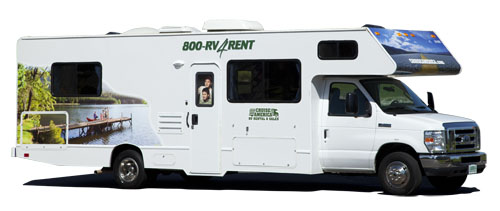
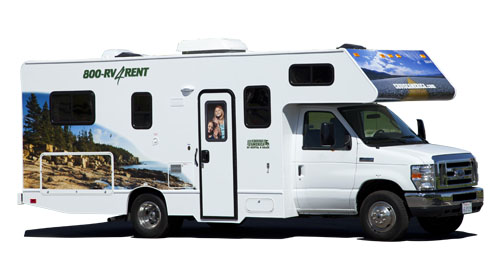
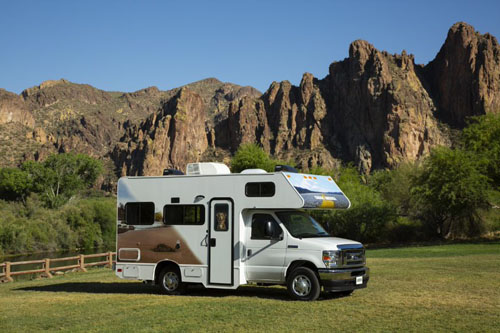
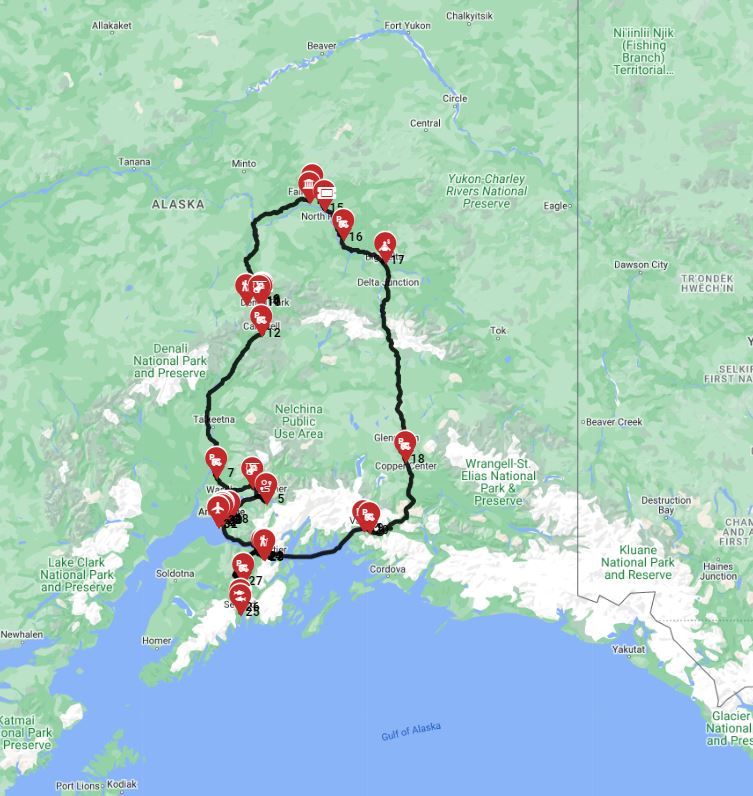
For diverse Alaska roads, a Class C - Alcove RV is often recommended, offering a good balance of comfort and maneuverability with Bandana's fleet averaging 7.5 meters in length and ample space for 4-5 adults. A popular model like the "cruise america rv rental example Explorer" has an interior double bed of 163/210cm and an over-cab bed of 160/220cm, with a fuel consumption of 11 Liter / 100 Km. Class B - Camper Vans are also excellent choices for Alaska, particularly for couples or smaller groups, due to their compact size (Bandana's fleet averages 5.8 meters) and better fuel efficiency, making them ideal for navigating smaller roads and getting into more secluded spots. The "V3" campervan, for instance, is 6.36m long and averages 11–13 Liter/100 km. While Class SI - Semi-integrated RVs (averaging 6.9 meters) provide comfortable living spaces for up to 3-4 adults and decent load capacity, Class C often offers more sleeping berths for families. Ultimately, the 'best' class depends on your travel style, group size, and desired level of comfort and ruggedness, but Class C and Class B are popular for their versatility in Alaska.
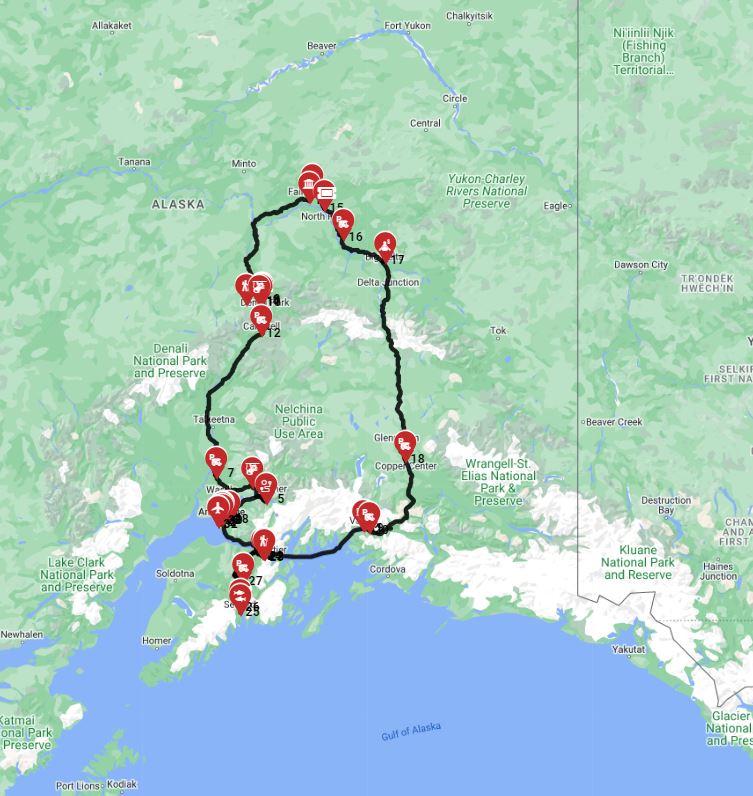
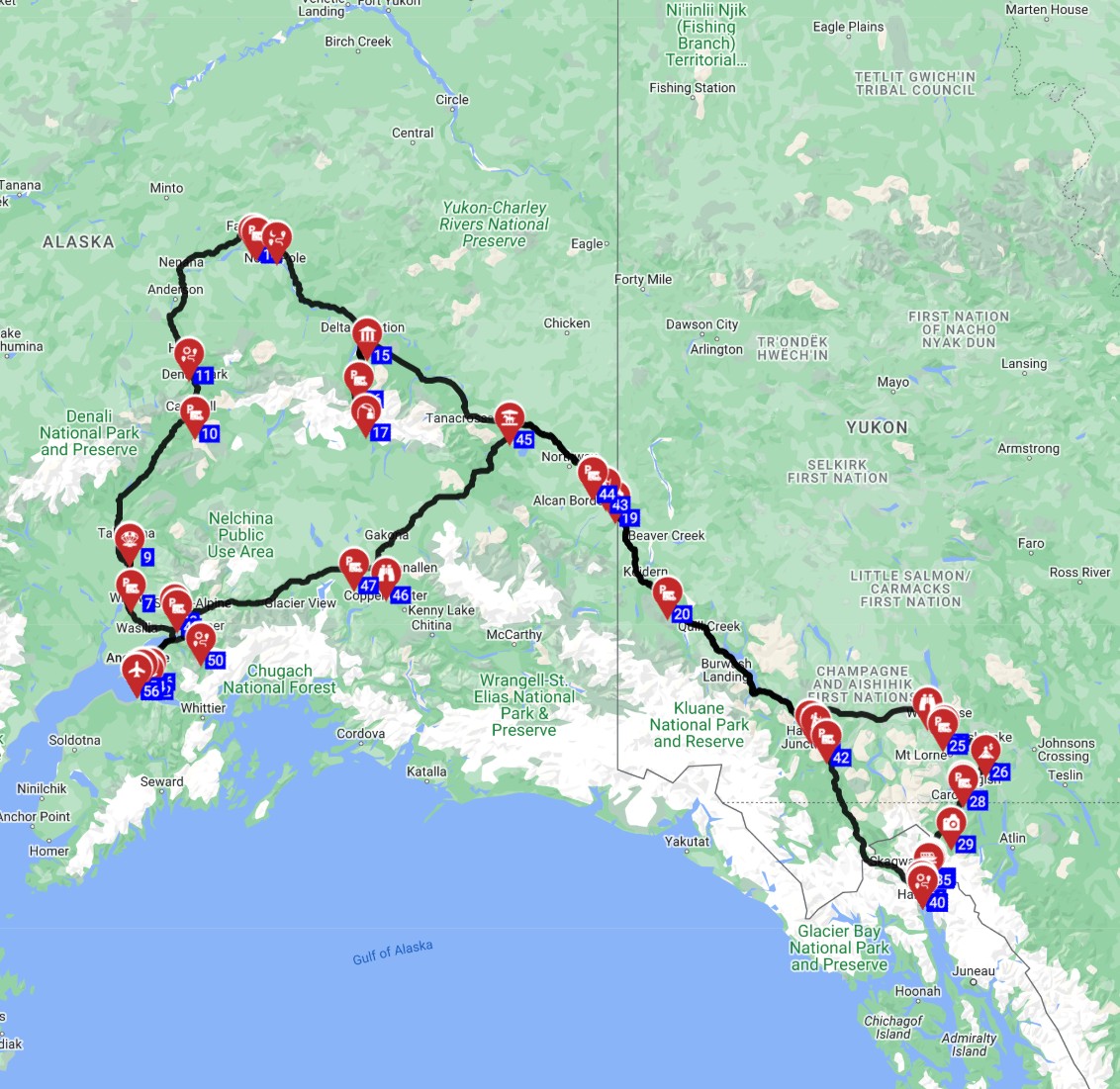
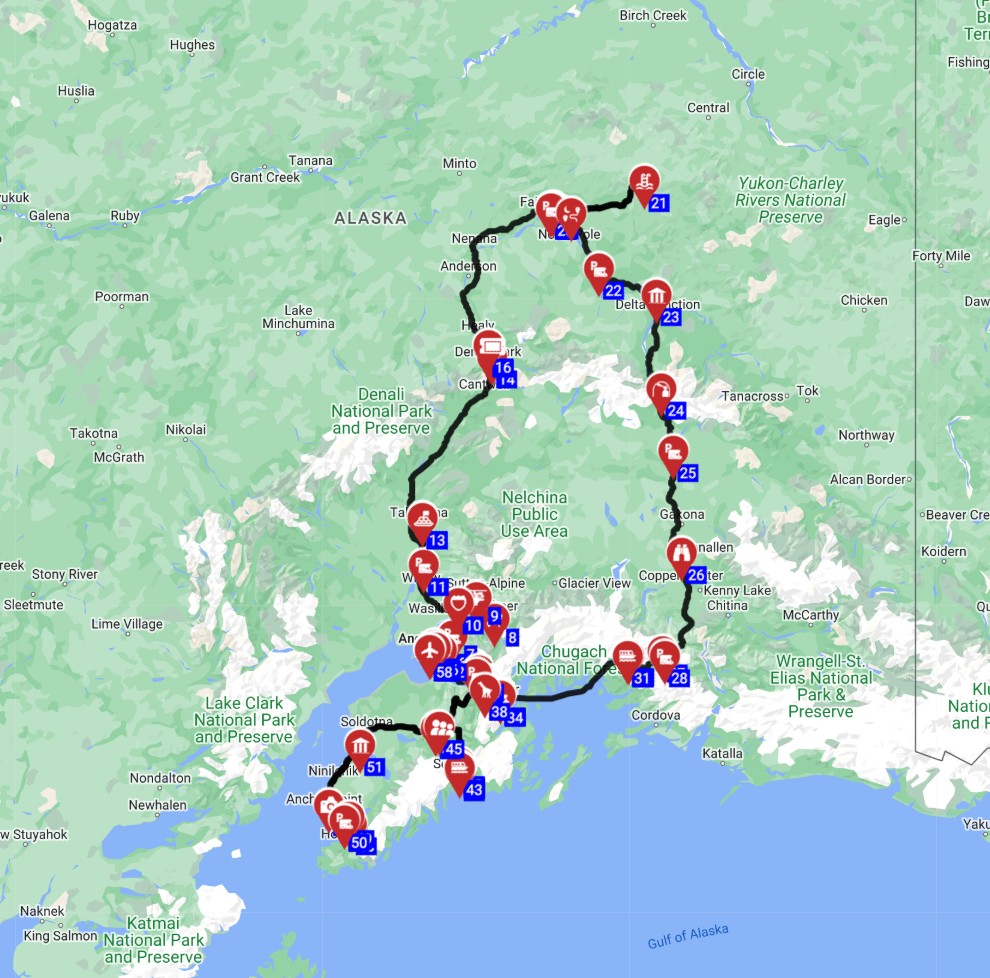
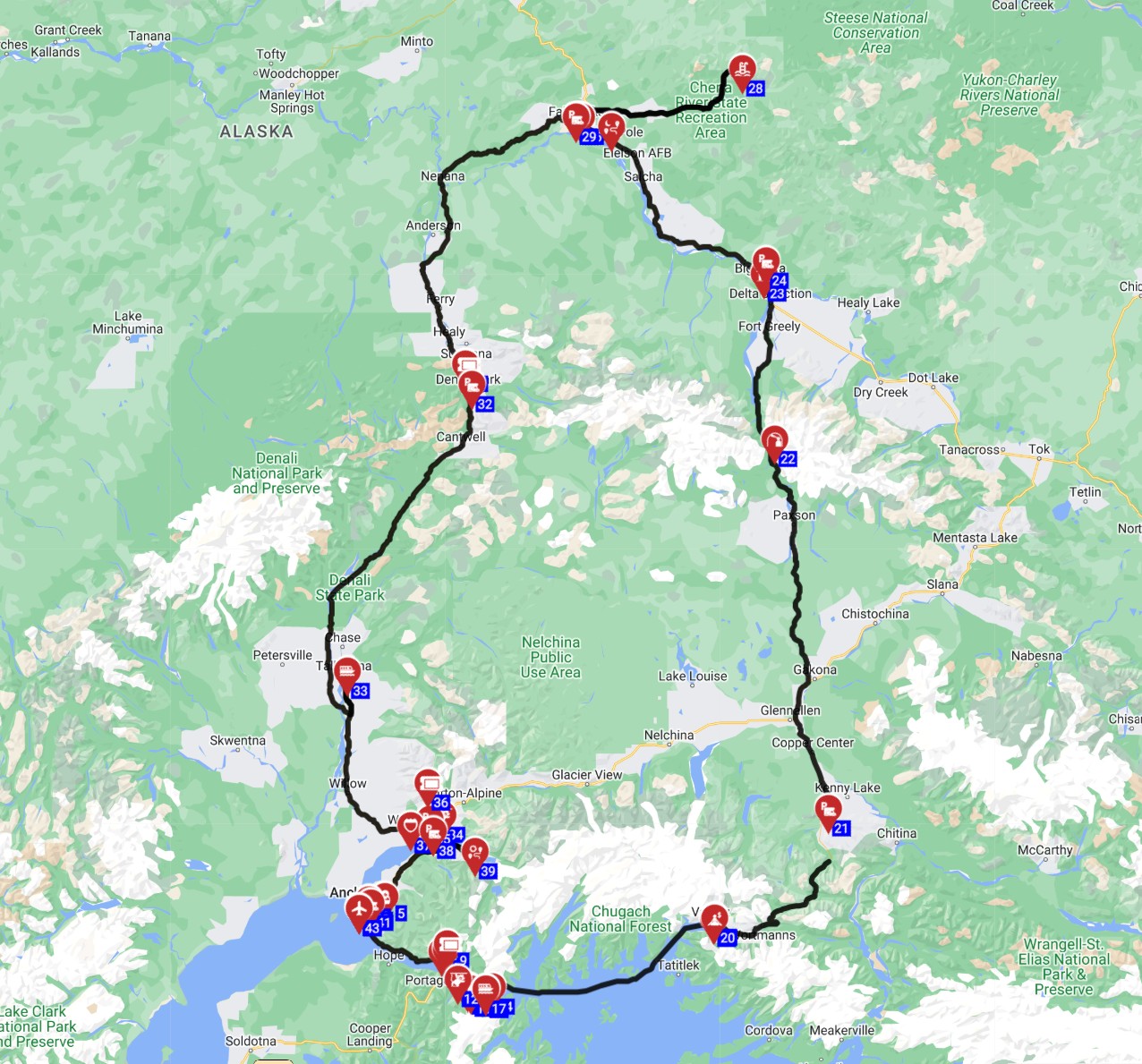
Planning your routes with the right vehicle can enhance your trip. For example, the
Should I Choose a Compact Van Instead of a Large RV in Alaska?
Choosing between a compact van and a large RV in Alaska depends primarily on your comfort preferences and specific itinerary, as most RV sizes are generally manageable on Alaska's main road network. A compact van, such as a Class B Camper Van like the "alaska rv rental example Paradise S/T" (Bandana's fleet averages 5.8 meters), offers easier maneuverability, better fuel economy (8-10 Liter/100 Km), and greater flexibility for parking in smaller spaces or remote campsites. Larger RVs like Class C (averaging 7.5 meters) or Class A (averaging 7.5 meters), such as the "rv rentals utah example Sunrise Escape" which is 7.6m long and has a 208 Liter fuel tank, provide significantly more indoor living space, storage, and amenities, enhancing comfort during longer trips or inclement weather. While a compact van might seem advantageous for 'rougher' roads, the primary limitation is often ground clearance rather than length, and many larger RVs have adequate clearance for typical Alaskan gravel roads. For a first-time visitor focusing on main attractions and state parks, a Class C or Semi-integrated RV offers a comfortable touring experience, whereas a compact van excels for those prioritizing flexibility, efficiency, and access to slightly more off-the-beaten-path locations.
Can I Park Anywhere? Free & Wild Camping Rules in Alaska
No, you cannot park a rented RV anywhere in Alaska; free and wild camping are permitted in many areas, but specific rules and regulations apply depending on the land ownership. Dispersed camping is generally allowed on Bureau of Land Management (BLM) lands and in some National Forests, provided you follow Leave No Trace principles and adhere to any posted restrictions. Alaska State Parks and other designated recreation areas typically require you to use established campsites and pay applicable fees for overnight stays. Private property, tribal lands, and municipal areas usually prohibit unauthorized overnight parking; always seek permission or use designated parking. Always confirm local regulations and land ownership before parking overnight; checking with local visitor centers or land management agencies is highly recommended. RV PLANET can help locate suitable campgrounds with ease.
Can I Drive an RV Into the City Center? Heights, Tunnels & Local Signage
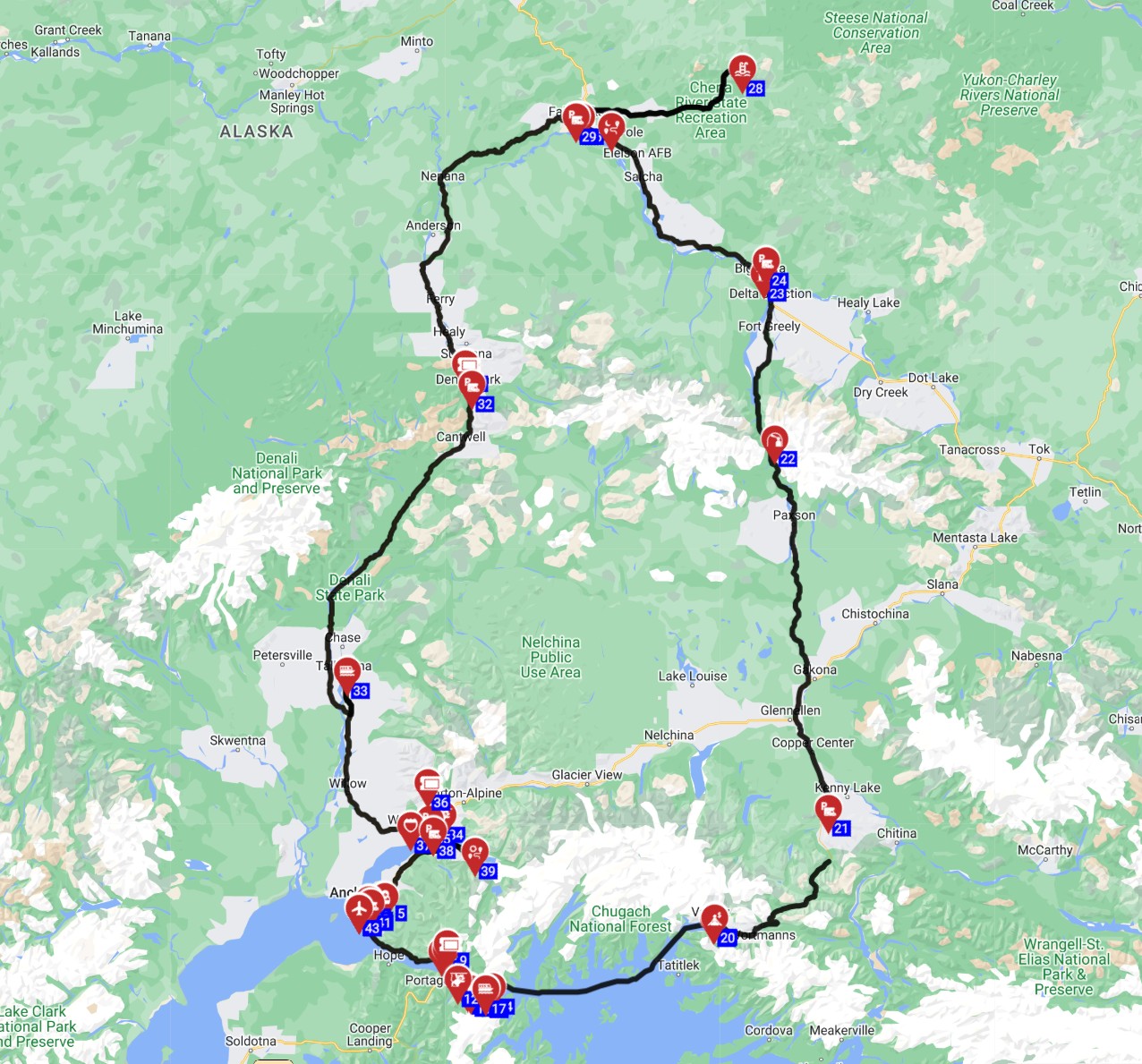
Yes, you can generally drive a rented RV into the city centers of Alaskan cities like Anchorage, Fairbanks, or Juneau without major restrictions on height or tunnels, as these cities are typically RV-friendly. Drivers should always pay close attention to local signage regarding height limits for specific structures, although this is rarely an issue on main city thoroughfares in Alaska. Be aware of local parking regulations, as finding suitable and legal parking for larger RVs within dense city centers can be challenging; look for designated oversized vehicle parking or peripheral lots. Unlike some European cities, Alaskan urban areas generally do not have environmental zones or residents-only streets that would restrict RV access. Plan your route within cities to avoid unnecessary turns or congested areas, and always double-check for any temporary road closures or construction. Drive slowly and carefully, and you can drive almost anywhere without issues. No need to stress - just use common sense and pay attention.
A comprehensive route plan like the
Can I Drive My RV to Alaska? Planning the Journey
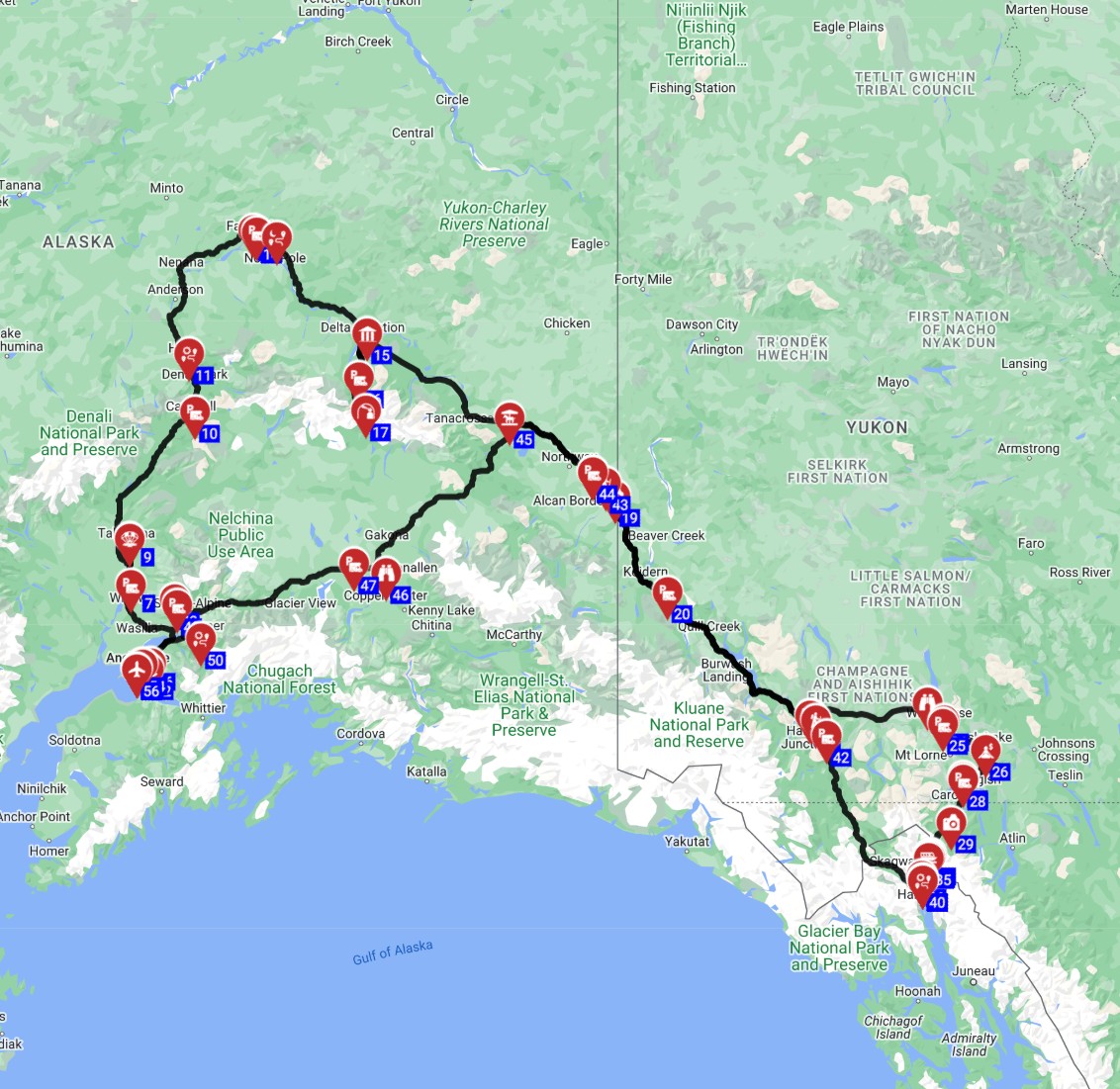
Yes, you can drive your rented RV to Alaska, with the vast majority of visitors doing so via the Alaska Highway (Alcan Highway) through Canada, which requires careful planning. Driving an RV to Alaska is a significant undertaking, requiring vehicle pre-checks for tires, brakes, fluid levels, and spare parts due to long stretches with limited services. You will need a valid passport for all occupants, current vehicle registration, and proof of insurance for both the U.S. and Canada to navigate border crossings efficiently. The journey often takes several days to a week or more, depending on your starting point and pace, so budget ample time for travel and scenic stops. Prepare for varying road conditions, potential wildlife encounters, and ensure your RV is equipped for self-sufficiency, especially for extended periods between towns. The
What is the 3-3-3 rule for RV living?
The 3-3-3 rule for RV living is a popular guideline to optimize comfort, safety, and enjoyment on the road: drive no more than 300 miles (approximately 480 km) a day, arrive by 3 PM, and stay for at least 3 nights. Driving no more than 300 miles in a day helps prevent driver fatigue, allows for spontaneous stops, and reduces stress associated with long hauls. Arriving at your destination by 3 PM provides ample time to set up camp, explore the immediate area, and relax before sunset, especially crucial in remote Alaskan locations. Staying for at least 3 nights at each location allows for deeper exploration of an area, provides opportunities for laundry and resupply, and minimizes the constant pack-up-and-drive cycle. While a guideline, the 3-3-3 rule is particularly beneficial in Alaska, where distances are vast, and the desire to fully experience each destination is high for your motorhome rental adventure.
Can you sleep in an RV while driving in the USA?
No, you cannot legally or safely sleep in the living area of an RV while it is actively being driven in the USA, including Alaska. All passengers in a moving vehicle, including a rented RV, must be properly seated and restrained with seatbelts, typically in the driver's cab or designated passenger seats. Sleeping in beds, dinettes, or other non-restrained areas of the RV while it is in motion is extremely dangerous and illegal, as it provides no protection in case of an accident or sudden stop. Federal and state laws require seatbelt usage for all occupants, and the unsecured contents of the RV's living area can become dangerous projectiles during travel. Only the driver and passengers in the cab area, or other designated seats with proper restraints, are permitted to be in the RV while it is moving.
Can you turn left on a red light in Alaska?
In Alaska, similar to most other U.S. states, it is generally illegal to turn left on a red light unless specific signage permits it, or you are turning from a one-way street onto another one-way street. The standard rule is that a left turn on red is only allowed from a one-way street onto another one-way street after coming to a complete stop and yielding to traffic and pedestrians. This specific maneuver is not permitted from a two-way street onto a one-way or two-way street at a red light in Alaska. Always come to a complete stop at a red light and yield to all cross-traffic and pedestrians before proceeding with a left turn where legally permitted. If unsure, always wait for a green light for a left turn to ensure compliance with Alaskan traffic laws and for safety during your rented campervan journey.
How do I transfer my license to Alaska?
To transfer your driver's license to Alaska, you must become an Alaska resident, which typically involves demonstrating intent to reside permanently and meeting specific eligibility criteria. New residents must apply for an Alaska driver's license within 90 days of establishing residency. The process involves visiting an Alaska Division of Motor Vehicles (DMV) office, surrendering your out-of-state license, and providing proof of identity, residency, and social security number. You may need to pass a written knowledge test and/or a vision screening, though a driving test is often waived if your out-of-state license is valid and not expired beyond a certain period. Fees apply for the new license, and specific documentation requirements can be found on the Alaska DMV website.
Do I need to register my trailer in Alaska?
Yes, if you are an Alaska resident, you are required to register your trailer with the Alaska Division of Motor Vehicles (DMV), regardless of its type or size. Trailers, including utility trailers and boat trailers, must be registered to be legally operated on public roads in Alaska. The registration process involves submitting an application, providing proof of ownership (title or MCO), and paying the applicable registration fees. Non-residents visiting Alaska with a trailer registered in another state are generally not required to re-register their trailer in Alaska for the duration of their visit, provided their out-of-state registration is current. Proof of registration must be carried in the towing vehicle, and the license plate must be displayed on the rear of the trailer.
What You Shouldn't Miss
- Denali National Park: Witness North America's tallest peak, Denali, and incredible wildlife like grizzly bears, caribou, and wolves. The Denali Park Road has vehicle length restrictions for personal vehicles beyond Savage River (mile 15), but commercial tour buses take you further, making it accessible for all RV sizes.
- Kenai Fjords National Park: Take a boat tour from Seward to see tidewater glaciers, marine wildlife such as whales and puffins, and stunning coastal scenery. Many campgrounds near Seward accommodate RVs.
- Alaska Wildlife Conservation Center: Located along the Seward Highway, this rehabilitation center offers up-close views of Alaskan wildlife in large enclosures. It's an easy and educational stop for all ages.
- Scenic Drives: The Seward Highway (Anchorage to Seward) and Glenn Highway (Anchorage to Glennallen) are designated National Scenic Byways, offering breathtaking views of mountains, glaciers, and oceans. Drive slowly and carefully to fully appreciate the beauty.
- Fairbanks and the Northern Lights: If traveling in late August or early September, head north to Fairbanks, one of the best places to witness the spectacular Aurora Borealis, especially with fewer crowds than in winter.
Looking for expert insights from Avi Bandana? Top 5 Adventures - recommendations from Avi Bandana
🎬 Video coming soon
Final Thoughts
Alaska by rented RV is an unparalleled experience, especially for seniors seeking comfort and control over their journey. The freedom to explore at your own pace, linger in breathtaking spots, and truly immerse yourself in the wilderness is what makes it so special. Remember, planning is key, but so is embracing the unexpected beauty of the Last Frontier. We handle the details, you live the journey, ensuring personal service from day one until your booking is confirmed.
Whether you dream of majestic glaciers, abundant wildlife, or endless summer daylight, a motorhome rental in Alaska provides the perfect home base. We're here to support you in finding the easiest, safest, and most affordable way to rent an RV, comparing final prices across 50+ suppliers so you don't have to. Get inspired for your next trip and plan a truly memorable adventure!