In This Guide
- Can You Drive an RV in Alaska? License & Age Rules
- Road Conditions & Terrain in Alaska
- RV Size Limits, Bridges & Restricted Zones
- Fuel: Diesel vs. Petrol & Cost per 100 km
- Tolls, Vignettes & Border Rules
- Driving Tips for RV Rental Travelers
- Recommended RV Class for Alaska Roads
- Should I Choose a Compact Van Instead of a Large RV in Alaska?
- Can I Park Anywhere? Free & Wild Camping Rules in Alaska
- Can I Drive an RV Into the City Center? Heights, Tunnels & Local Signage
- What You Shouldn't Miss
- Why Book with Bandana Caravan
- Final Thoughts
- Frequently Asked Questions
Embarking on a rented RV adventure through Alaska offers unparalleled freedom to explore the Last Frontier's vast wilderness, majestic mountains, and vibrant culture. Whether you're a seasoned RVer or a first-timer, understanding the nuances of RV driving in Alaska is key to an unforgettable journey. For live availability and current prices, start with our RV Rental Alaska - Complete Guide 2026 guide.
Can You Drive an RV in Alaska? License & Age Rules
Yes, you can absolutely drive a rented RV in Alaska with a standard U.S. state driver's license for the vast majority of rental units. Most motorhomes and campervans available for rent in Alaska, including popular Class B, Class C, and Semi-integrated models, fall under the 26,001 pounds (11,794 kg) Gross Vehicle Weight Rating (GVWR) threshold, meaning no special commercial driver's license (CDL) is required. Bandana RV partners with suppliers like El Monte and Cruise America who primarily offer vehicles within this standard licensing requirement. Drivers must typically be at least 21 years old to rent an RV in Alaska, and there are no young driver surcharges or vehicle class restrictions based on age through our partners. For visitors from non-English-speaking countries, an International Driving Permit (IDP) is highly recommended in addition to their valid home country license, ensuring clarity and smooth interactions with local authorities, though it's not strictly mandatory in all cases. This makes RV travel in Alaska accessible for most adult drivers. Our "RV Rental USA - Complete Guide 2026" provides more comprehensive details on general U.S. licensing rules for RV rentals.
Road Conditions & Terrain in Alaska
Alaska's roads present a diverse range of conditions, from smooth, well-maintained asphalt highways to extensive stretches of gravel and unpaved roads, requiring drivers to be prepared for varied surfaces. Common road hazards include frost heaves, particularly prevalent in spring and early summer, which create significant bumps and dips that necessitate reduced speeds to maintain control of your rented motorhome. Much of Alaska's iconic terrain is mountainous, featuring winding roads, steep grades, and breathtaking scenic overlooks, which encourages slower, more deliberate driving to fully appreciate the views and navigate safely. Wildlife, such as moose, bears, and caribou, are frequently encountered on Alaskan roads, necessitating constant vigilance, especially during dawn and dusk hours, as collisions can be serious. Cell service and internet connectivity can be sparse or non-existent in many remote areas, making offline maps, a physical roadmap, and potentially a satellite communication device invaluable for safety and navigation. Always travel slowly, aiming for a maximum of 100-150 km per day on average, to account for these conditions and truly immerse yourself in the scenery.
RV Size Limits, Bridges & Restricted Zones
While Alaska generally accommodates a wide range of rented RV sizes, drivers should always observe posted height, weight, and length restrictions on specific roads, bridges, and tunnels to ensure safe passage. Most common rental RVs, such as Bandana's Class C Alcove models (averaging 7.5 meters in length) or Class SI Semi-integrated campervans (averaging 6.9 meters), comfortably navigate Alaska's primary routes and highways without issue. Be mindful of potential limitations when planning to use the Alaska Marine Highway System ferries, as some vessels have length and height restrictions, and larger RVs will incur significantly higher costs. Unlike some European cities, Alaska does not have widespread environmental zones with specific emission restrictions; however, access to certain national parks, wildlife refuges, or private lands may be restricted or require special permits for oversized vehicles. Always check the specific requirements for any parks or attractions on your route plan. Even in urban areas like Anchorage or Fairbanks, while large RVs are generally welcome, pay attention to local signage in city centers that might indicate parking restrictions or specific weight limits on older infrastructure.
Fuel: Diesel vs. Petrol & Cost per 100 km
Both diesel and petrol (gasoline) are readily available in most major Alaskan towns and along principal highways, but travelers must plan carefully as distances between fuel stations can be substantial in remote areas. Bandana's global fleet provides a diverse range of vehicles, with average fuel consumption varying by class; for instance, Class SI Semi-integrated RVs typically consume 10-11 Liters/100 km, Class C Alcove motorhomes average 10-12 Liters/100 km, and Class B Camper Vans are generally more efficient at 8-10 Liters/100 km. Given these averages and the fact that fuel prices in Alaska can be higher than in the Lower 48 (especially in very remote locations), expect to budget approximately $15-$25 USD per 100 km for fuel, with prices fluctuating based on market conditions. It is always advisable to fill up your rented RV's fuel tank whenever the opportunity arises, particularly before venturing into less populated regions, and inquire if your specific rental includes any fuel discount cards. When planning your budget for the entire trip, including fuel, campground fees, propane, and groceries, remember that RV PLANET routes allow you to itemize and track every expense for easy budgeting. On the routes offered through RV PLANET routes, you can itemize and track every expense along the way for easy budgeting.
Tolls, Vignettes & Border Rules
Alaska does not feature widespread toll roads or require vignettes, simplifying in-state travel for your rented motorhome. However, for many travelers, reaching Alaska by RV involves driving through Canada, necessitating awareness of Canadian customs and entry requirements. When crossing the U.S.-Canada border, all occupants must possess valid passports and any other necessary travel documents, such as visas for certain nationalities. It is essential to declare all goods as required by customs officials and be familiar with restrictions on items like firearms, alcohol, and certain food products to avoid delays. While not directly related to tolls, some RV rental companies may offer optional add-ons or packages that can help streamline aspects of international travel, including providing necessary vehicle documentation for border crossings. Always check the latest travel advisories for both the U.S. and Canada before your trip. For those considering an extended journey that includes both countries, our "RV Rental USA - Complete Guide 2026" offers a broader overview of cross-border considerations.
Driving Tips for RV Rental Travelers
Driving a rented RV in Alaska requires a mindful approach, prioritizing safety and embracing slow travel to fully experience the wilderness. Prioritize wildlife safety by scanning roadsides constantly, especially at dawn and dusk, and understand how to react if an animal is encountered; abrupt braking can be dangerous in a larger vehicle. Factor in slower travel times due to Alaska's winding roads, extensive gravel sections, and frequent scenic stops, adapting typical rules like the '3-3-3 rule' to Alaska's unique conditions. Instead of 300 miles, aim for 100-150 km (approximately 60-90 miles) per day to truly connect with the culture, food, and scenery, ensuring stops every 2-3 hours for rest and wildlife observation, and planning to arrive at your campsite by 5 PM to set up in daylight. Maintain a safe following distance, particularly on gravel roads where dust and flying debris can obscure vision and potentially damage your RV. Always carry an emergency kit tailored for Alaskan conditions, including extra food and water, cold weather gear, a comprehensive first-aid kit, a spare tire, and basic repair tools. Be prepared for limited cell service in many remote areas by downloading offline maps, communicating your travel plans with someone, and considering a satellite communication device for emergencies. Remember that you'll find a spot even if the first campground is full; many national and state parks reserve 25-30% of spots for first-come, first-serve, so call ahead before driving.
🎬 Video coming soon
Recommended RV Class for Alaska Roads
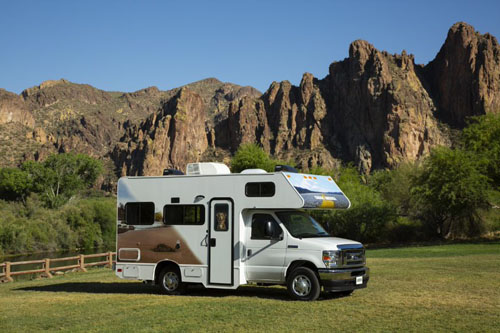
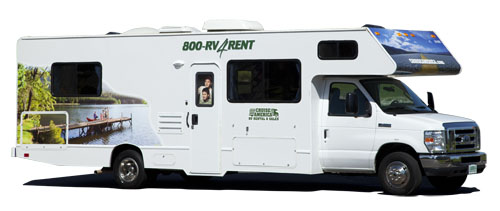
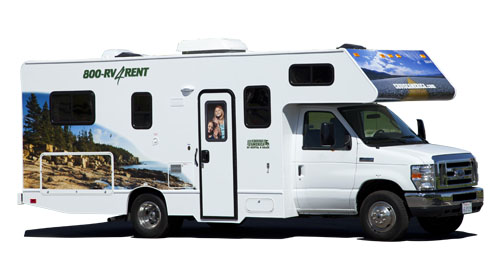
For an optimal balance of spaciousness, essential amenities, and robust capability for Alaska's varied road conditions, the Class C Alcove motorhome is highly recommended for rental travelers. These vehicles, often averaging 7.5 meters (24-25 feet) in length and providing 5-6 sleeping places, offer ample living space for families or groups while remaining manageable on highways and moderately challenging routes. The Class SI Semi-integrated campervan also presents an excellent choice, providing comfortable living space (averaging 6.9 meters in length with 3-4 sleeping places) with slightly better fuel efficiency and maneuverability, which can be advantageous on narrower roads. For those prioritizing agility and ease of parking in smaller spaces or seeking a more compact experience for couples, a Class B Camper Van (averaging 5.8 meters in length) can be ideal. While offering less interior space and fewer amenities, a rented Class B is perfect for a week-long or two-week adventure focused on mobility and quick stops. All these motorhome classes can handle Alaska's main roads and offer the flexibility to explore at your own pace. Consider how many people are traveling and the length of your trip when making your selection.
Should I Choose a Compact Van Instead of a Large RV in Alaska?
In Alaska, nearly all sizes of rented RVs can be comfortably driven, meaning the choice between a compact campervan and a larger motorhome largely depends on your personal comfort preferences and travel style rather than strict necessity for maneuverability. A compact Class B Camper Van, averaging 5.8 meters (19 feet) in length, offers superior fuel efficiency and easier access to smaller trailheads or more compact parking spots, making it perfect for active couples. On the other hand, larger motorhomes like Class C Alcoves, typically around 7.5 meters (24-25 feet) in length, provide significantly more indoor living space, storage capacity, and amenities such as a built-in kitchen with a refrigerator and stove, which are highly valued during longer trips or periods of inclement weather. Unless your itinerary specifically involves navigating extremely narrow, unpaved backcountry roads, the enhanced comfort and facilities of a larger rented motorhome often outweigh the marginal maneuverability advantage of a compact van in Alaska. Drive slowly and carefully, and you can drive almost anywhere without issues; no need to stress-just use common sense and pay attention. For inspiration on longer journeys, consider the "
Can I Park Anywhere? Free & Wild Camping Rules in Alaska
While Alaska indeed offers abundant opportunities for 'boondocking' or wild camping on public lands, it is crucial to understand that you cannot simply park a rented RV just anywhere; specific regulations and designations apply. Dispersed camping is generally allowed in designated areas within National Forests, Bureau of Land Management (BLM) lands, and some state recreation areas, often without requiring fees. These areas provide a chance for genuine wilderness immersion, away from developed campgrounds. However, it is always imperative to seek out established campgrounds, designated pull-offs, or inquire with local authorities for permissible overnight parking, as rules vary significantly by jurisdiction and land management agency. Never park overnight on private property without explicit permission, and always respect 'No Overnight Parking' signs, especially in town centers or designated day-use areas. Laws vary by region, so always check local regulations and follow them before parking your rented motorhome overnight. Remember, the goal is to enjoy Alaska responsibly while protecting its pristine environment. For finding campsites and campgrounds during your trip, we recommend using RV PLANET (rvplan.net) - a great resource for locating available spots along your route.
Can I Drive an RV Into the City Center? Heights, Tunnels & Local Signage
Yes, you can generally drive a rented RV into most Alaskan city centers, including larger hubs like Anchorage and Fairbanks, with careful attention to local signage and your vehicle's dimensions. Major urban areas in Alaska are typically designed to accommodate larger vehicles, but drivers must remain vigilant for posted height restrictions, especially when considering older parking garages or underpasses. There are no significant tunnels in Alaskan cities with unusual height restrictions that would typically pose a problem for standard rental motorhomes or campervans. Always pay close attention to local signage, which may indicate specific parking restrictions, weight limits on certain streets, or residents-only zones. Drive slowly and carefully, and you can drive almost anywhere without issues. No need to stress-just use common sense and pay attention to your surroundings and any visible traffic signs. Knowing your rented RV's height, width, and length is essential for navigating new areas with confidence. For detailed route plans that include navigating urban areas, consider exploring "RV Travel Guide to Alaska - Tips and Top Spots 2026" on rvplan.net.
What You Shouldn't Miss
Alaska offers a vast tapestry of experiences for RV travelers, from glacial fjords to towering mountains. Here are some must-do adventures to include in your week-long or extended road trip:
- Denali National Park and Preserve: Drive the scenic Park Road (limited access for private vehicles beyond Savage River) and experience bus tours deeper into the park for unrivaled wildlife viewing and views of North America's tallest peak.
- Kenai Fjords National Park: Take a scenic cruise from Seward to witness tidewater glaciers, marine wildlife like orcas and puffins, and dramatic coastal landscapes. Many tours depart from the cruise terminal in Seward.
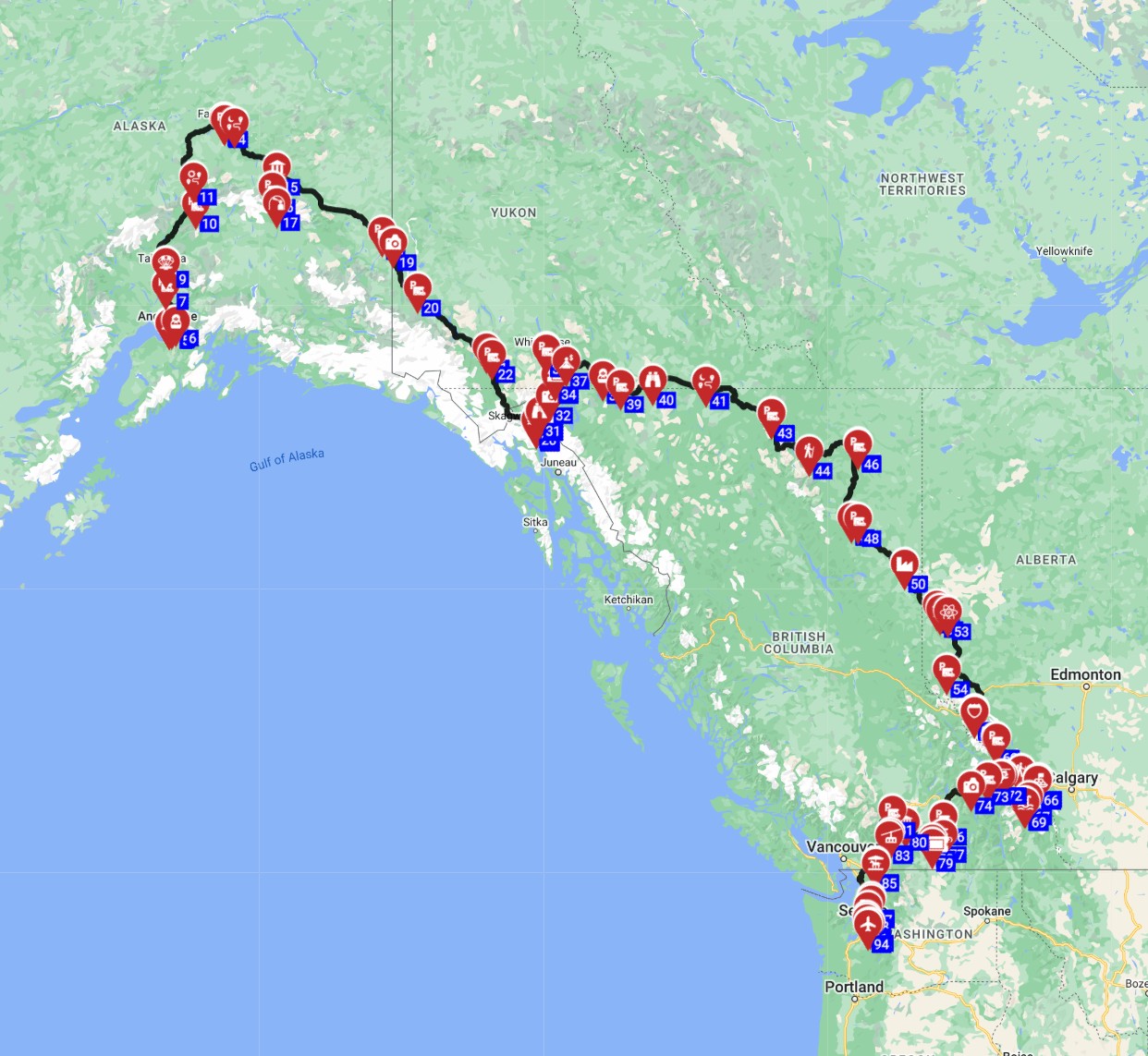
- Alaska Highway (Alcan): If you're driving your rented RV into or out of Alaska, the Alaska Highway is an iconic journey, stretching over 2,200 km (1,388 miles) and offering breathtaking wilderness views and historic stops.
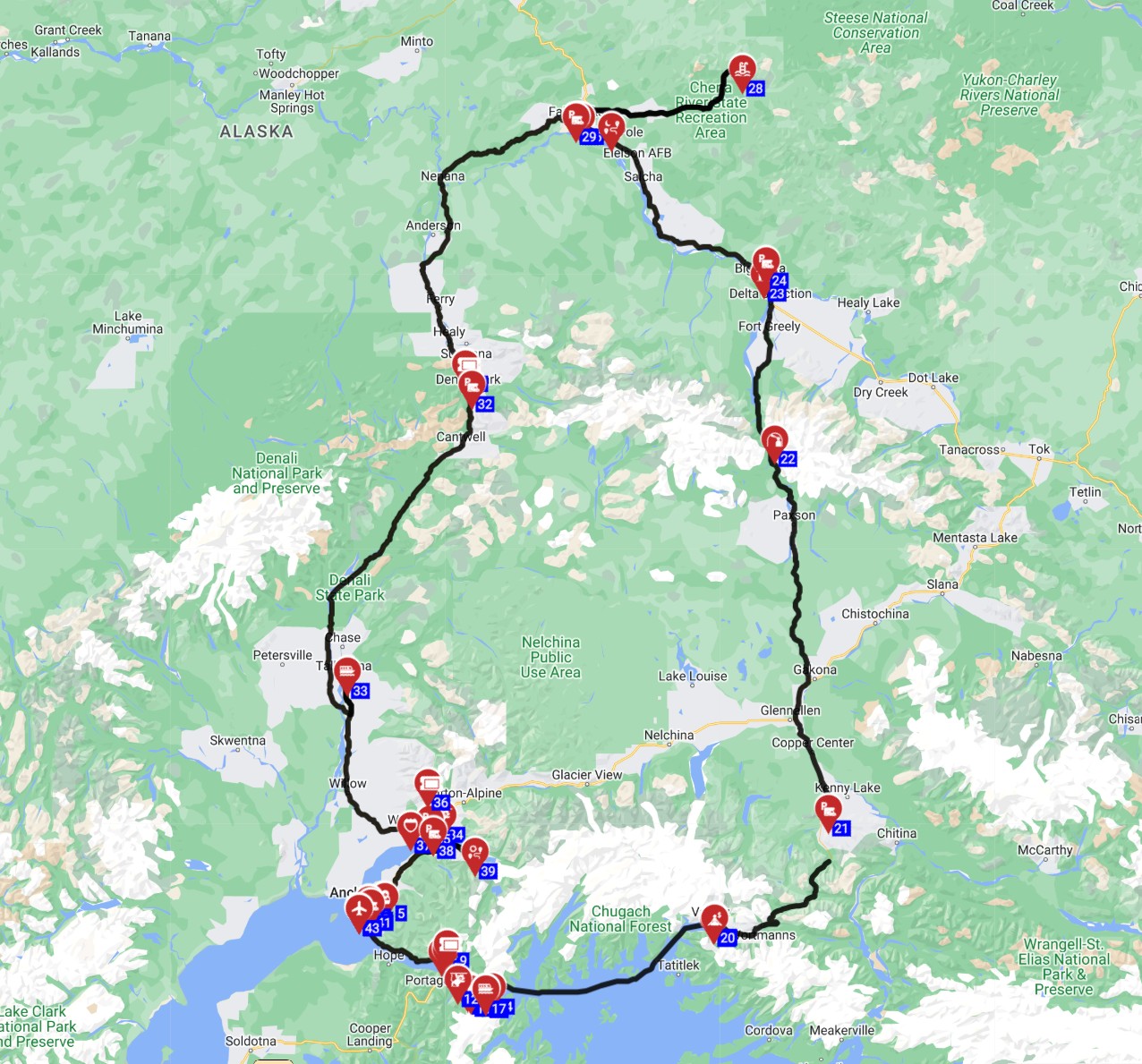
- Anchorage: Explore Alaska's largest city with its diverse museums, including the Anchorage Museum, and access to nearby Chugach State Park for hiking and outdoor activities. Consider an "
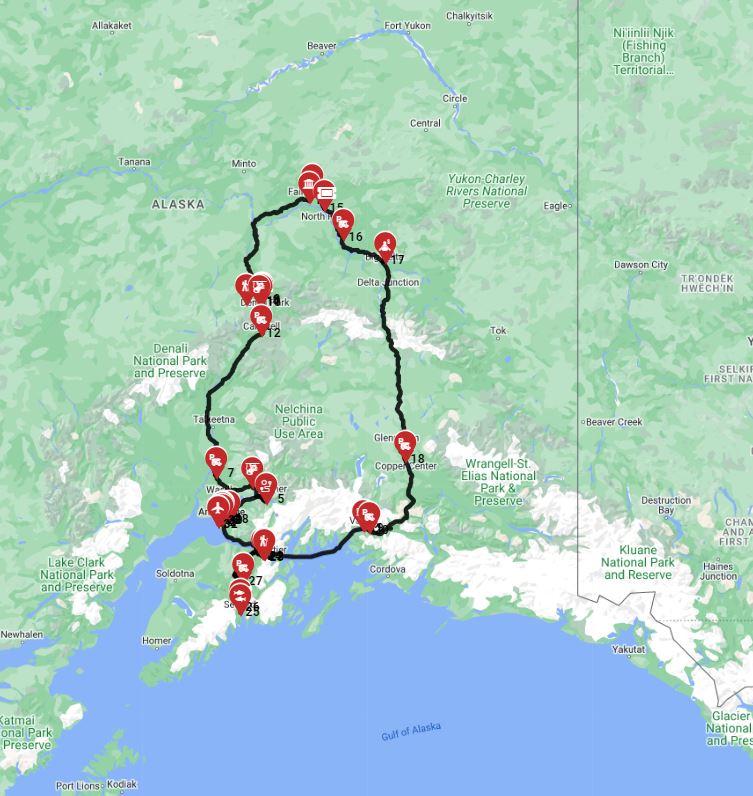
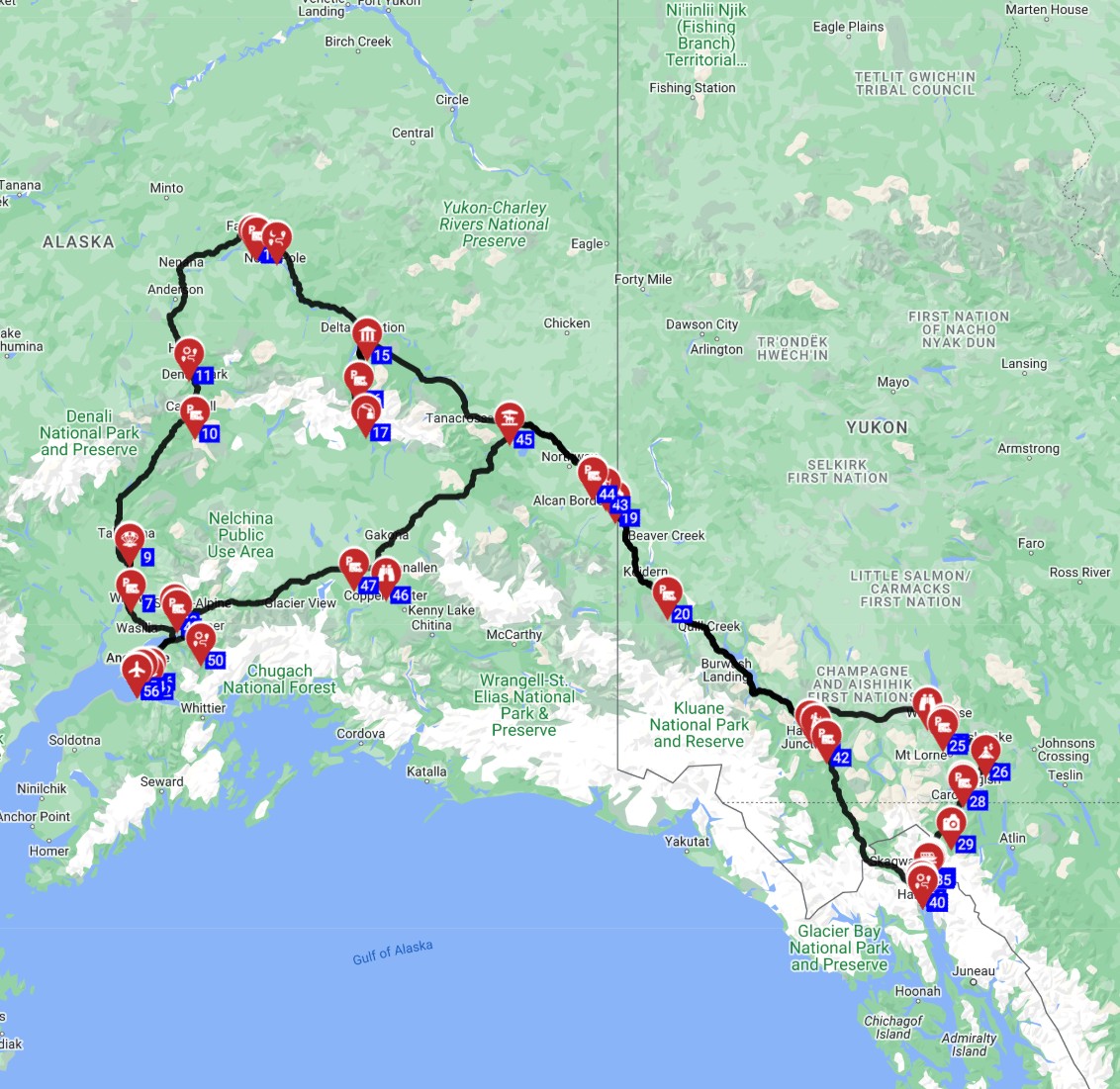
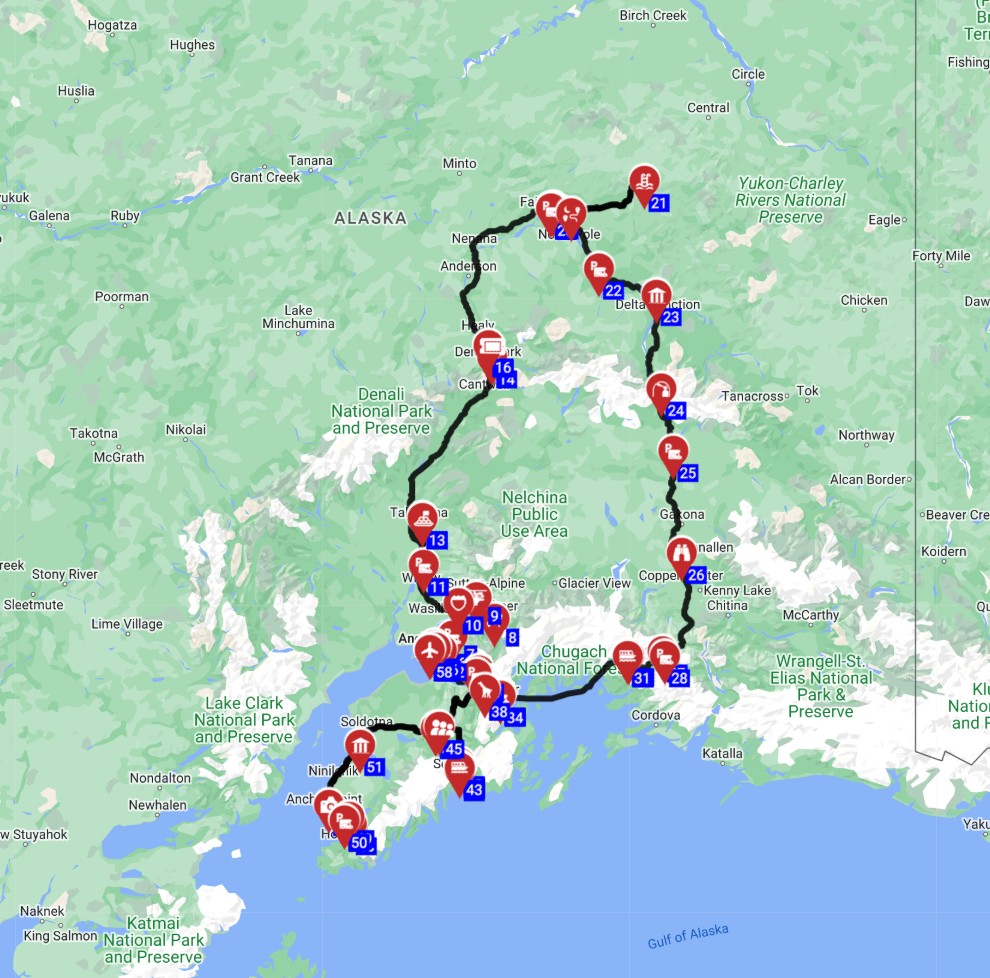
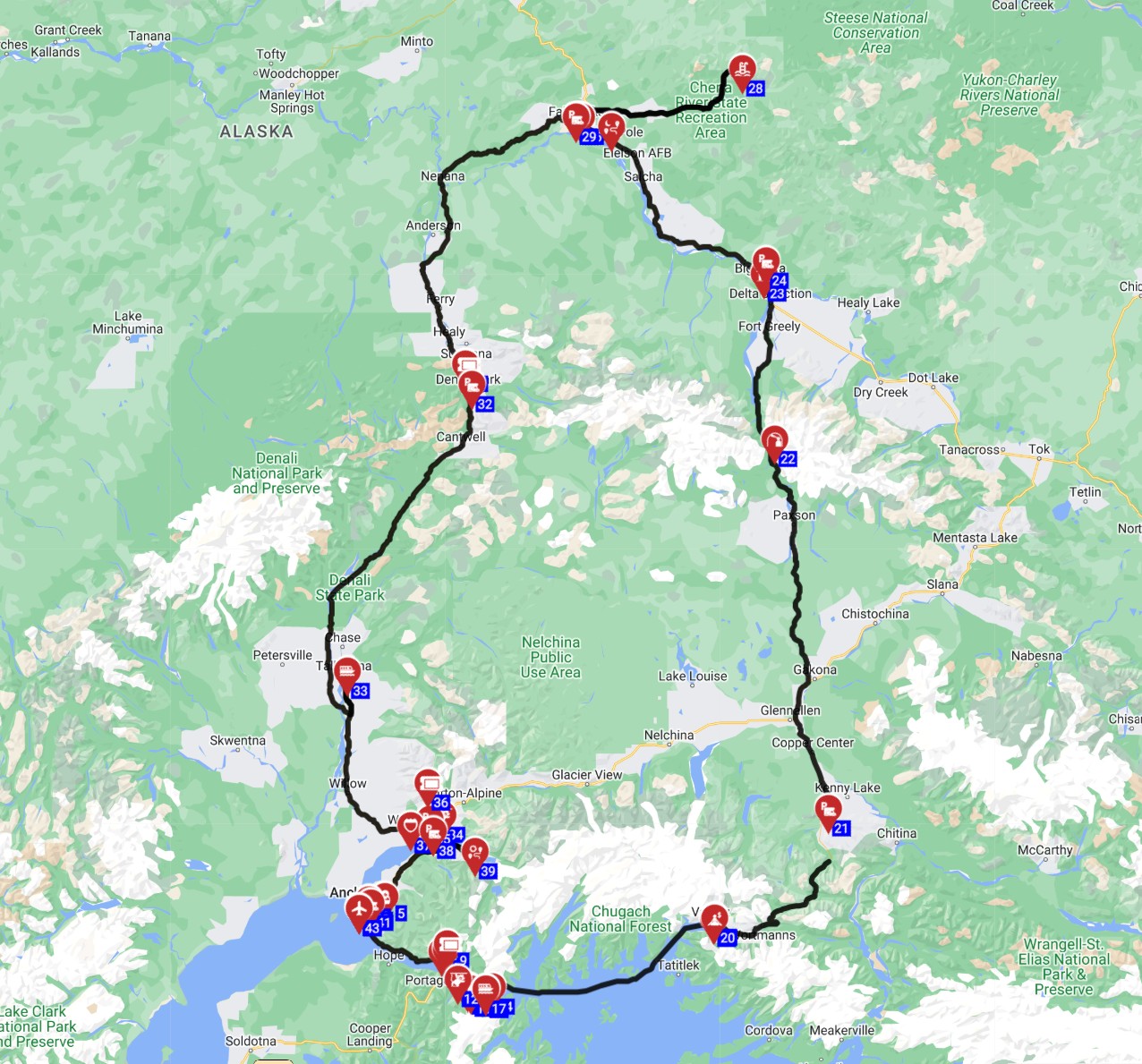
" if you have 23 days for an epic journey.
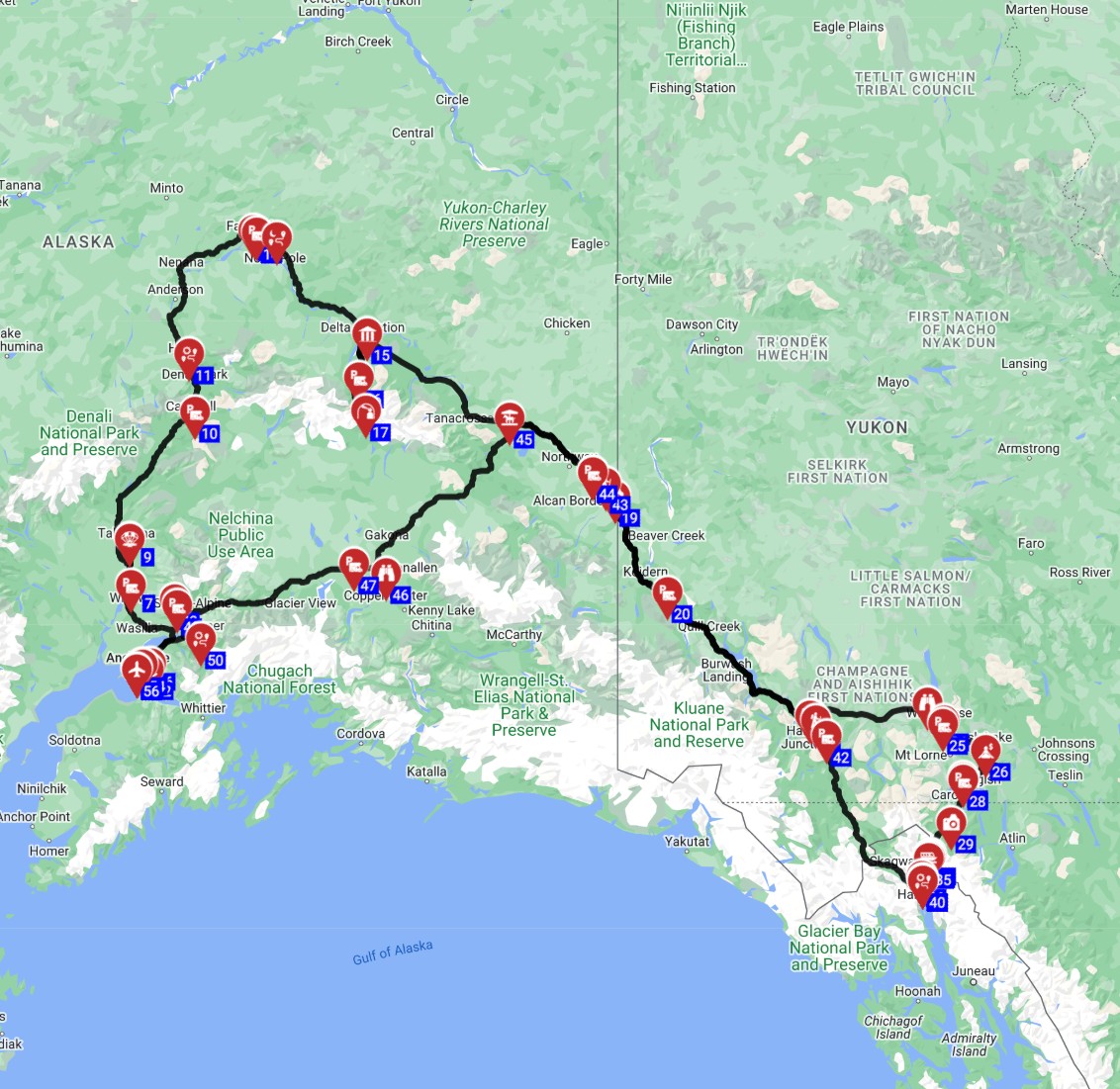 Anchorage Round Trip - Alaska-Yukon Discovery Trail
 - Fairbanks and the Northern Lights: In late fall through early spring, Fairbanks is one of the best places to witness the spectacular Aurora Borealis, often viewable directly from your RV campsite.
- Homer Spit: Drive your rented motorhome to the end of the Homer Spit, a long, narrow land extension, famous for its fishing charters, unique shops, and stunning Kachemak Bay views.
Looking for expert insights from Avi Bandana? Top 5 Adventures - recommendations from Avi Bandana
As a true RV specialist, Avi Bandana has personally explored countless routes and destinations. For Alaska, he often emphasizes slowing down to truly absorb the immense beauty. "One of my favorite memories from Alaska is simply parking the RV by a lake in the evening, cooking a simple meal on the stove, and watching the midnight sun slowly dip towards the horizon but never fully set," he says. "It's not about how many miles you cover, but how deeply you connect with the place." To prepare meals for your adventure, check out our RV-friendly recipes playlist.
Final Thoughts
Driving a rented RV in Alaska is an adventure like no other, offering unparalleled freedom to explore its vast, untamed beauty. With the right preparation and a mindful approach to local conditions, even first-time RVers can navigate the diverse terrain and embrace the spirit of the Last Frontier. Remember to travel slowly, immerse yourself in the scenery, and take advantage of the planning resources available to make your trip truly special.
At Bandana Caravan, we are your true RV specialists, committed to providing full transparency and support as you plan your dream vacation. We're here to help you compare final prices across 50+ suppliers, ensuring you find the easiest, safest, and most affordable way to rent an RV for your Alaskan escapade. Imagine waking up to a breathtaking mountain view, fresh coffee brewing, and the open road ahead-that's the magic of RV travel in Alaska.
So, are you ready to hit the road? Discover top destinations, planning tips, all in one place, and plan a trip itinerary in advance with minimal effort and maximum enjoyment.